1. Search Result
Search Result
Pathways Recommended: Stem Cell/Wnt Cell Cycle/DNA Damage
Results for "

Hep G2 cells

" in MedChemExpress (MCE) Product Catalog:

46

Inhibitors & Agonists

1

Peptides

17

Natural
Products

1

Isotope-Labeled Compounds

1

Oligonucleotides

Cat. No. Product Name Target Research Areas Chemical Structure
  • HY-N7103

    Environmental Pollutants Endogenous Metabolite Others
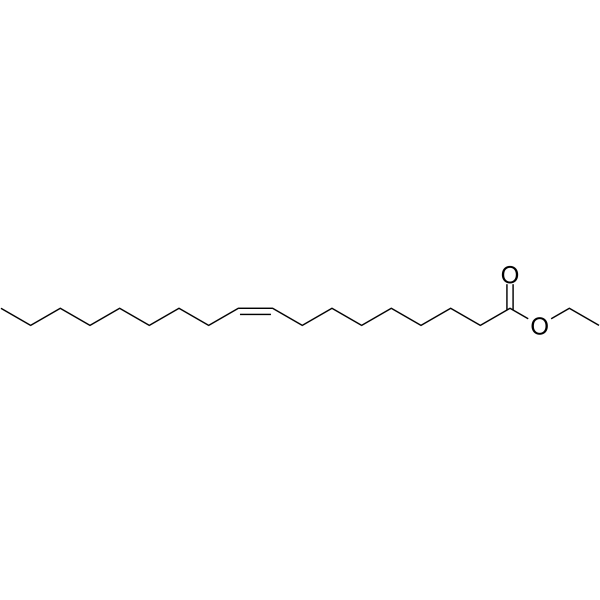
    Ethyl oleate is an orally active fatty acid ester formed from the condensation of oleic acid and ethanol. Ethyl oleate is the main fatty acid ethyl ester in the blood after alcohol ingestion. Ethyl oleate has no obvious toxicity to rats and its absorption, distribution and excretionare similar to triacylglycerol. Ethyl oleate can accelerate the drying process of certain foods and can also be used as a liquid lipid component in nanostructured lipid carriers .
    Ethyl oleate
  • HY-W073128

    PFTeDA

    PPAR Apoptosis PGC-1α AMPK Akt mTOR Reactive Oxygen Species (ROS) Endocrinology
    Perfluorotetradecanoic acid (PFTeDA) is an orally active perfluoroalkyl substance. Perfluorotetradecanoic acid directly binds to the ligand-binding domain of purified hPPARγ, with a Kd value of 157.8 μM. Perfluorotetradecanoic acid significantly reduces the activity of the SIRT1/PGC1α and AMPK signaling pathways while stimulating the activity of the AKT1/mTOR signaling pathway. Perfluorotetradecanoic acid significantly upregulates the expression of corticosterone biosynthesis genes. Perfluorotetradecanoic acid increases ROS levels and promotes Apoptosis. Perfluorotetradecanoic acid impairs Leydig cell function and male reproductive endocrine function in adult male rats .
    Perfluorotetradecanoic acid
  • HY-N7152

    Apoptosis Cancer
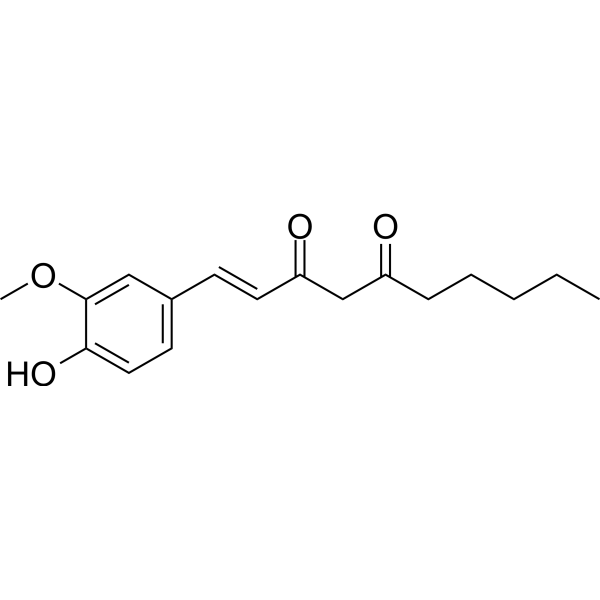
    6-Dehydrogingerdione sensitizes human hepatoblastoma Hep G2 cells to TRAIL-induced apoptosis via reactive oxygen species-mediated increase of DR5 .
    6-Dehydrogingerdione
  • HY-N2045
    Musk ketone
    1 Publications Verification

    Environmental Pollutants Apoptosis Akt Cytochrome P450 PI3K Neurological Disease
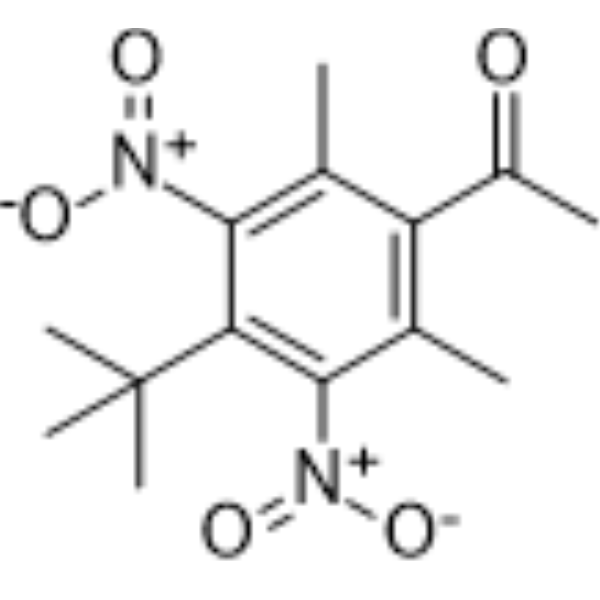
    Musk ketone is a widely used artificial fragrance. Musk ketone is also a cytochrome P450 enzyme inducer. Musk ketone shows mutagenic and comutagenic effects in Hep G2 cells and induces neural stem cell proliferation and differentiation in cerebral ischemia via activation of the PI3K/Akt signaling pathway. In the brain, musk ketone is neuroprotective against stroke injury through inhibition of cell apoptosis .
    Musk ketone
  • HY-144666

    Glutaminase Cancer
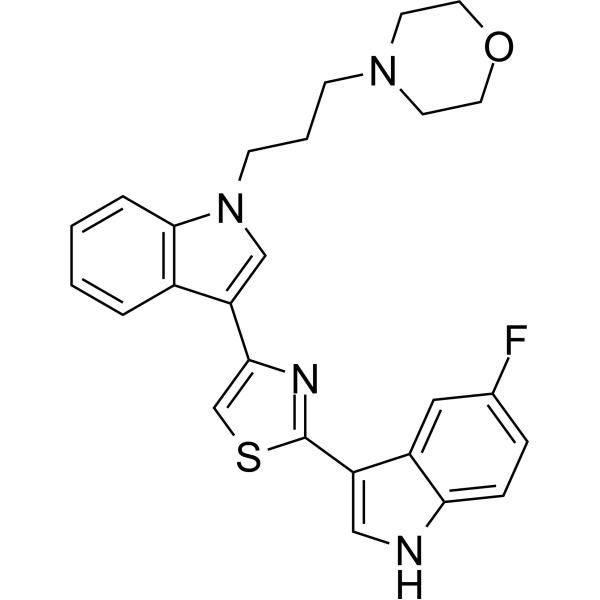
    GLS-1-IN-1 (compound 1d) is a GLS-1 inhibitor. GLS-1-IN-1 shows inhibitory effect against Hep G2, MCF 7, and MCF 10A cells .
    GLS-1-IN-1
  • HY-168574

    PROTACs Sirtuin Apoptosis Cancer
    SZU-B6 is a PROTAC degrader for SIRT6 with DC50 of 45 nM and 154 nM in cell SK-HEP-1 and Huh-7. SZU-B6 inhibits the proliferation of cell SK-HEP-1 with an IC50 of 1.51 μM, inhibits the colony formation of SK-HEP-1 and Huh-7, induces apoptosis and arrests the cell cycle at G2/M phase in SK-HEP-1. SZU-B6 exhibits antitumor efficacy in mouse model. (Pink: ligand for target protein (HY-16605); Black: linker (HY-W012935); BLue: ligand for E3 ligase (HY-W453548)
    SZU-B6
  • HY-W654334

    Isotope-Labeled Compounds Endogenous Metabolite Inflammation/Immunology
    9-cis-Retinol-d5 is deuterium labeled 9-cis Retinol (HY-W587806). 9-cis Retinol is a precursor of 9-cis-Retinal (HY-W009310). 9-cis Retinol can inhibit 9-cis-Retinoic acid (HY-15128) synthesis in Hep G2 cells .
    9-cis-Retinol-d5
  • HY-177291

    Microsomal Triglyceride Transfer Protein (MTP) Smo Hedgehog LDLR Cardiovascular Disease Cancer
    LAB687 is a microsomal triglyceride transfer protein (MTP) inhibitor with an IC50 of 0.9 nM for apolipoprotein B (apoB) secretion in HepG2 cells. LAB687 also acts as a Smoothened (Smo) antagonist, with IC50 values of 2.48 μM and 3.42 μM against mouse and human Smo receptors, respectively. LAB687 reduces triglyceride and low-density lipoprotein cholesterol (LDL-C) levels, and inhibits the Hedgehog signaling pathway. LAB687 can be used in studies related to Hedgehog-dependent cancers .
    LAB687
  • HY-W587806

    Endogenous Metabolite Inflammation/Immunology
    9-cis Retinol is a precursor of 9-cis-Retinal (HY-W009310). 9-cis Retinol can inhibit 9-cis-Retinoic acid (HY-15128) synthesis in Hep G2 cells .
    9-cis Retinol
  • HY-N8954

    Others Cancer
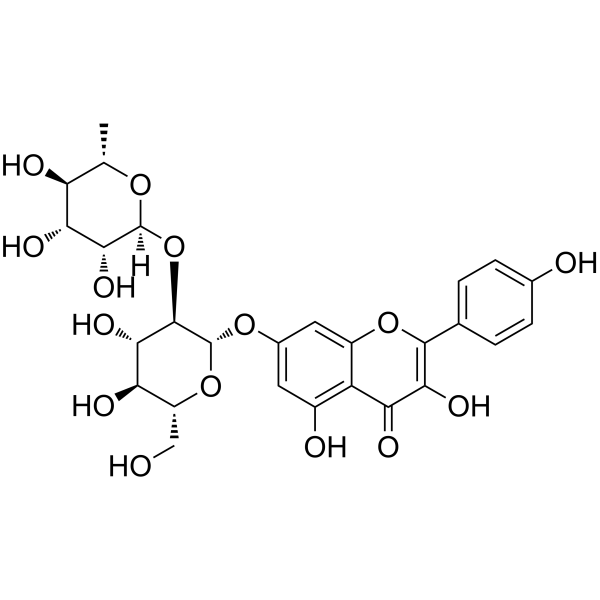
    Kaempferol 7-O-neohesperidoside is a ?avonoid glycoside that can be isolated from Litchi chinensis. Kaempferol 7-O-neohesperidoside exhibits significant cytotoxic activity against A549, LAC, Hep-G2, and HeLa cell lines with IC50s of 0.53, 7.93, 0.020, and 0.051 μM, respectively .
    Kaempferol 7-O-neohesperidoside
  • HY-N8882

    Others Cancer
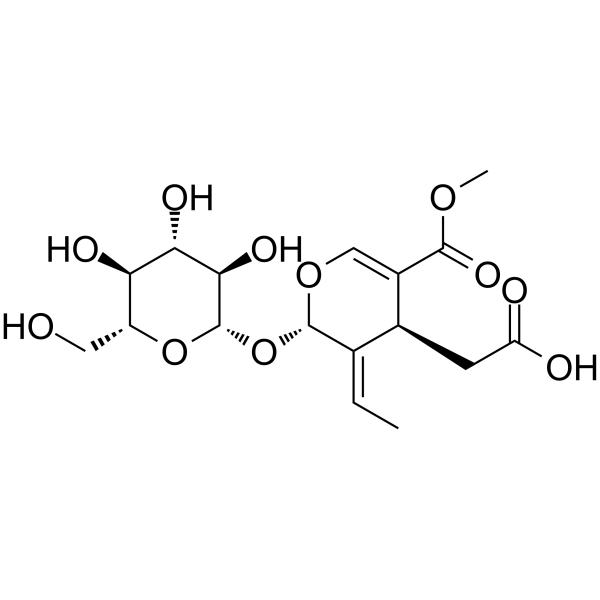
    Oleoside 11-methyl ester is a secoiridoid glucoside and possesses a strong cytotoxic activity against Hep-G2 cells .
    Oleoside 11-methyl ester
  • HY-N7273

    Apoptosis Cancer
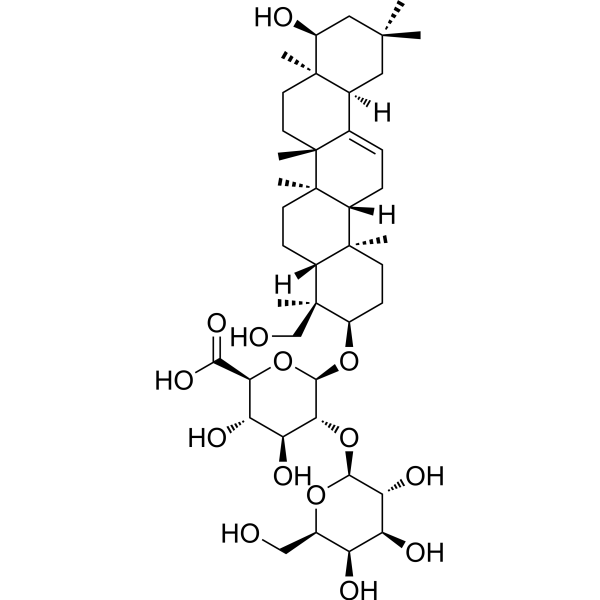
    Soyasaponin III, a monodesmodic oleanane triterpenoid, is one of the main potentially bioactive saponins found in soy (Glycine max) and related products. Soyasaponin III can induce apoptosis in Hep-G2 cells .
    Soyasaponin III
  • HY-20808

    COX Cancer
    Antioxidant agent-15 (Compound 4) is a potent antioxidant inhibition activity, with the IC50 of 15.44 nM. Antioxidant agent-15 inhibits tumor cell growth in Hela, Hep G2 and Caco-2 cells, with the IC50 of 395.26, 400.4 and 24.6 nM, respectively .
    Antioxidant agent-15
  • HY-N2298

    Apoptosis Cancer
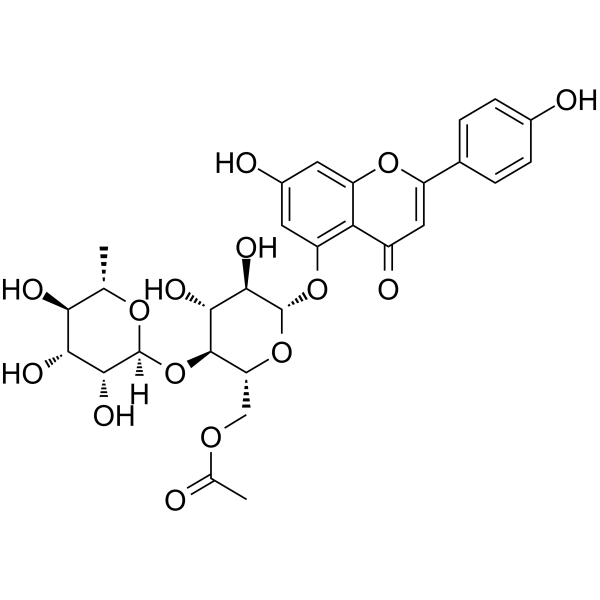
    Camellianin A, the main flavonoid in A. nitida leaves, displays anticancer activity and angiotensin converting enzyme (ACE)-inhibitory activity. Camellianin A inhibits the proliferation of the human Hep G2 and MCF-7 cell lines and induces the significant increase of the G0/G1 cell population .
    Camellianin A
  • HY-N10023

    NO Synthase Inflammation/Immunology
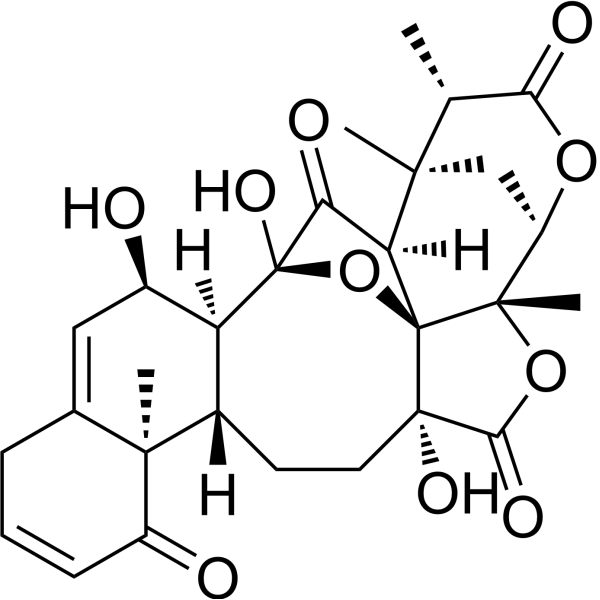
    Physalin O is a physalin that can be isolated from Physalis angulata. Physalin O shows cytotoxicity to Hep G2 and MCF-7 cancer cells with IC50 values of 31.1 and 11.4 µM, respectively. Physalin O inhibits the production of nitric oxide (NO) and shows anti-inflammatory activities .
    Physalin O
  • HY-145291

    Topoisomerase Apoptosis Cancer
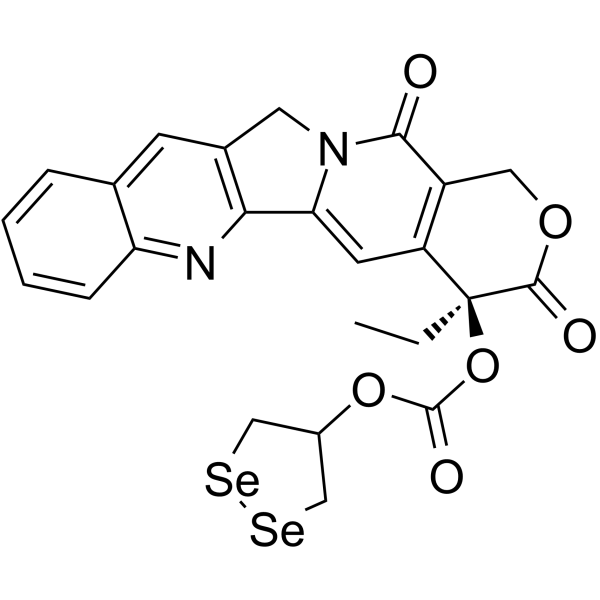
    CPT-Se4, a selenoproagent of Camptothecin (CPT), shows improved potency in killing cancer cells and inhibiting tumor growth. CPT-Se4 decreases the GSH/GSSG ratio and total thiols, elevates the ROS level in Hep G2 cells, and eventually induces apoptosis of cancer cells. CPT-Se4 shows cytotoxicity against HeLa, Hep G2, A549, and SMMC-7721 cells (IC50= 2.54-6.4 μM) .
    CPT-Se4
  • HY-145290

    Topoisomerase Apoptosis Cancer
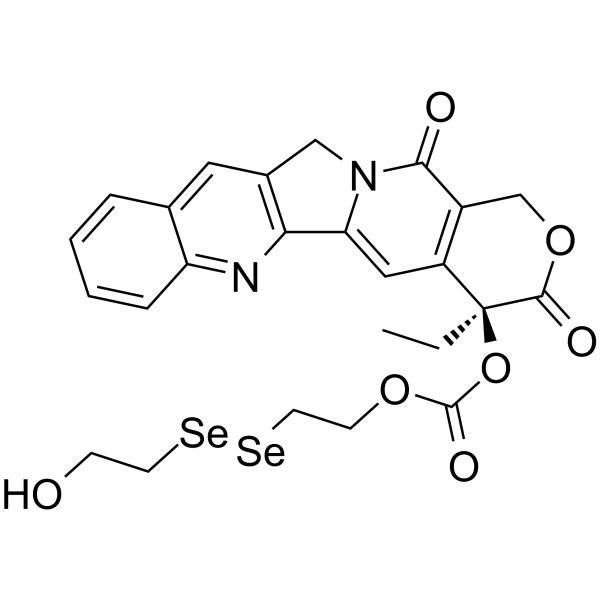
    CPT-Se3, a selenoproagent of Camptothecin (CPT), shows improved potency in killing cancer cells and inhibiting tumor growth. CPT–Se3 decreases the GSH/GSSG ratio and total thiols, elevates the ROS level in Hep G2 cells, and eventually induces apoptosis of cancer cells. CPT-Se3 shows cytotoxicity against HeLa, Hep G2, A549, and SMMC-7721 cells (IC50= 2.19-4.7 μM) .
    CPT-Se3
  • HY-117219

    Cytochrome P450 HMG-CoA Reductase (HMGCR) Endogenous Metabolite Metabolic Disease
    SKF 104976 is a 3,2-carboxylic acid derivative with potent 14-alpha-demethylase (14 alpha DM) inhibitory activity. SKF 104976 inhibited 14 alpha DM activity by 50% at 2 nM in Hep G2 cell extracts. SKF 104976 inhibited the incorporation of [14C]acetate into cholesterol in intact cells at similar concentrations, accompanied by accumulation of lanosterol, and resulted in a 40-70% decrease in 3-hydroxy-3-methylglutaryl-CoA reductase (HMGR) activity. SKF 104976 did not affect the uptake and degradation of low-density lipoprotein in Hep G2 cells, indicating that HMGR and low-density lipoprotein receptor activities are not coordinately regulated under these conditions. The inhibitory effect of SKF 104976 on HMGR activity remained unchanged even when the flux of carbon units in the sterol synthesis pathway was reduced by 80%. SKF 104976 did not inhibit HMGR activity under conditions where sterol synthesis was almost completely blocked by lovastatin .
    SKF 104976
  • HY-118518

    Calcium Channel Cardiovascular Disease Cancer
    Ronipamil is a calcium ion antagonist. Ronipamil increases the specific binding and internalization of human 125I-LDL in human skin fibroblasts (HSF) and the human hepatoma cell line Hep G2 .
    Ronipamil
  • HY-N15577

    Drug Derivative Cancer
    Antiproliferative agent-69 (Compound 1) is a prenylated kaempferol derivative found in the fresh bud’s fur of Platanus acerifolia. Antiproliferative agent-69 shows significant antiproliferative effects against human breast cancer cells (MCF-7) and human hepatocellular carcinoma cells (Hep-G2) with IC50 values of 38.2 μM and 39.5 μM, respectively. Antiproliferative agent-69 is promising for research of breast cancer and liver cancer .
    Antiproliferative agent-69
  • HY-146189

    Topoisomerase Apoptosis Cancer
    Topoisomerase II inhibitor 9 (Compound 19b) is a Topo II inhibitor with an IC50 of 0.97 μM. Topoisomerase II inhibitor 9 is also a classical DNA-intercalator with an IC50 of 43.51 μM. Topoisomerase II inhibitor 9 arrests the cell cycle at the G2/M phase and induces apoptosis in Hep G‐2 cells .
    Topoisomerase II inhibitor 9
  • HY-N16642

    Others Cancer
    Rabdoternin D is an Ent-Kaurane diterpenoid found in Rabdosia rubescens. Rabdoternin D shows no significant cytotoxicity to Hep G2, COLO 205, MCF-7 and HL-60 cancer cells with IC50 values >100 μM .
    Rabdoternin D
  • HY-N15419

    HBV Infection
    Acutumidine (compound 4) is an alkaloid with anti-HBV activity that can be isolated from Hypserpa nitida Miers. Acutumidine inhibits the production of HBsAg in Hep G2.2.15 cells stably transfected with HBV genome with an IC50 value of 2.023 mM .
    Acutumidine
  • HY-W754691

    HBV Infection
    Glaziovine is an antiviral agent found in Hypserpa nitida. Glaziovine exhibits significant inhibitory activity against HBV, capable of suppressing hepatitis B virus surface antigen (HBsAg) secretion in Hep G2.2.15 cells transfected with HBV, with an IC50 of 8 nM .
    Glaziovine
  • HY-N3093

    (+)-Periglaucine B

    HBV Infection
    Periglaucine B ((+)-Periglaucine B) is an alkaloid and an HBsAg inhibitor. Periglaucine B can be isolated from Pericampylus glaucus. Periglaucine B inhibits the secretion of hepatitis B virus (HBV) surface antigen (HBsAg) in Hep G2.2.15 cells with an IC50 of 0.47 mM .
    Periglaucine B
  • HY-N3094

    HBV HIV Infection
    Periglaucine A, a hasubanane-type alkaloid, can be isolated from Pericampylus glaucus. Periglaucine A can inhibits HBV surface antigen (HBsAg) secretion in Hep G2.2.15 cells. Periglaucine A also shows anti-HIV-1 activity in C8166 cells (EC50: 204 μM) .
    Periglaucine A
  • HY-161617

    DNA/RNA Synthesis Apoptosis Cancer
    LASSBio-2052 is a derivative of N-acylhydrazone with antitumor activity against hepatocellular carcinoma (HCC). LASSBio-2052 inhibits HCC cells HepG2 and Hep3B, with IC50 of 18 and 41 μM. LASSBio-2052 arrests the cell cycle at G2/M phase, through downregulation of FOXM1. LASSBio-2052 induces apoptosis in HCC cells .
    LASSBio-2052
  • HY-N15392

    Antibiotic Bacterial Infection
    Lactonamycin Z is an antitumor antibiotic. Lactonamycin Z has weak anti-Gram-positive bacterial activity. Lactonamycin Z can inhibit human tumor cells HMO2, MCF7 and Hep G2 with GI50 (μg/mL) of 1.9, 0.85 and 5.11, respectively .
    Lactonamycin Z
  • HY-147901

    Histone Demethylase CDK Apoptosis Caspase Cancer
    KDM1/CDK1-IN-1 (compound 4) is a potent KDM1 and CDK1 inhibitor, with IC50 values of 0.096 and 0.078 μM, respectively.KDM1/CDK1-IN-1 induces cell cycle arrest at G2/M phase and apoptosis in HOP-92 cells. KDM1/CDK1-IN-1 exhibits potent cytotoxic activity against the CCRF-CEM, HOP-92 and Hep-G2 cells, with IC50 values of 16.34, 3.45 and 7.79 μM, respectively .
    KDM1/CDK1-IN-1
  • HY-P4042

    Hepatitis B peptide 4980

    HBV Infection Inflammation/Immunology
    Hepatitis B Virus Receptor Binding Fragment (hepatitis B peptide 4980) is a synthetic peptide analog which specifically binds to Hep G2 cells. Hepatitis B Virus Receptor Binding Fragment is a promising immunogen expected to elicit protective antibodies based on the concept of the attachment blockade pathway of virus neutralization .
    Hepatitis B Virus Receptor Binding Fragment
  • HY-W080443

    Endogenous Metabolite Others Cancer
    O-allylvanillin is O-allylchalcone derivative with anti-cancer effects . O-allylvanillin inhibits THP-1, HL60, Hep-G2, MCF-7 cells growth with IC50 values of 74.76 μM, 63.52 μM, 90.99 μM, and 90.11 μM, respectively .
    O-allylvanillin
  • HY-113725

    HMG-CoA Reductase (HMGCR) Others
    L 668411 is a β-lactone inhibitor with activity against 3-hydroxy-3-methylglutaryl-CoA synthase and cholesterol biosynthesis. L 668411 inhibits rat liver cytosolic 3-hydroxy-3-methylglutaryl-CoA synthase and [14C] acetate incorporation into sterols in cultured Hep G2 cells, and the inhibition appears to be irreversible in cells but reversible in cultured cells and animals.
    L 668411
  • HY-118362

    Bacterial Infection
    Netzahualcoyonol is a quinone methyl triterpene isolated from the roots of Salacia multiflora (Lam.) DC. Netzahualcoyonol exhibits antibacterial and anti-biofilm activities. Netzahualcoyonol inhibits Gram-positive bacteria (MIC=3.26–52 μM). Additionally, Netzahualcoyonol demonstrates cytotoxicity against Hep G2 cells (IC50 = 1.95 μM) but exhibits low toxicity towards Vero cells .
    Netzahualcoyonol
  • HY-N12105

    HBV Infection
    Dihydrodehydrodiconiferyl alcohol 9-O-β-D-xylopyranoside is an anti-hepatitis B virus (anti-HBV) agent. Dihydrodehydrodiconiferyl alcohol 9-O-β-D-xylopyranoside inhibits HBV surface antigen (HBsAg) and HBV e antigen (HBeAg) secretion on Hep G2.2.15 cell line, with IC50 values of 1.67 and >2.15 mM, respectively .
    Dihydrodehydrodiconiferyl alcohol 9-O-β-D-xylopyranoside
  • HY-149632

    EGFR Dihydrofolate reductase (DHFR) Cancer
    EGFR/HER2/DHFR-IN-2 (Compound 4b) is an inhibitor of EGFR, HER2, and DHFR (IC50: 0.248, 0.156, 0.138 μM respectively). EGFR/HER2/DHFR-IN-2 has anticancer activities against a panel of cancer cells (IC50: 9.14, 7.33, 14.18, 24.87, 20.07, 6.16 μM for Hep G2, HeLa, HEp-2, HCT 116, PC-3, MCF7 cells). EGFR/HER2/DHFR-IN-2 reduce breast cancer tumor growth .
    EGFR/HER2/DHFR-IN-2
  • HY-N3626

    Others Cancer
    Coronalolide is a natural triterpene with anticancer effects. Coronalolide exhibits a broad cytotoxic activity for human breast (BT474), gastric (KATO-3), lung (CHAGO), colon (SW-620), and liver (Hep-G2) cancer cell lines, with IC50 values of 6.59 µg/mL, 5.85 µg/mL, 5.42 µg/mL, 4.98 µg/mL, and 6.41 µg/mL, respectively .
    Coronalolide
  • HY-149523

    Apoptosis NO Synthase Caspase Inflammation/Immunology Cancer
    Anticancer agent 157 (compound 15) is a NO inhibitor (IC50=0.62 μg/mL) with anti-inflammatory and anticancer activities. Anticancer agent 157 can bind to iNOS (inducible NO synthase) and caspase 8, causing nuclear fragmentation and chromatin condensation, inducing apoptosis. Anticancer agent 157 inhibits HT29 colon cancer cells (IC50=2.45 μg/mL), Hep-G2 liver cancer cells (IC50=3.25 μg/mL), and B16-F10 murine melanoma cells (IC50=3.84 μg/mL) .
    Anticancer agent 157
  • HY-115407

    Bacterial Infection Cancer
    Cochliodone A is an active compound extracted from cultures of the deep-sea derived fungus Chaetomium sp. and has antibacterial and anticancer activity. Cochliodone A is toxic to a variety of bacteria, with MICs of 15.3 μg/mL (V. vulnificus), 32.7 μg/mL (V. rotiferianus), 15.9 μg/mL (S. aureus ATCC 43300), and 16.3 μg/mL (S . aureus CGMCC 1.12409). Cochliodone A also inhibits a variety of cancer cell lines, with IC50s of 28.1 μM (A549), 20.7 μM (HeLa), and 23.2 μM (Hep G2) .
    Cochliodone A
  • HY-173402

    Fungal Infection
    TPS1-IN-1 (Compound O1) is a highly potent and broad-spectrum TPS1 inhibitor. TPS1-IN-1 with IC50s of 14.73 μM for MoTPS1 (TPS1 of M oryzae) and 59.99 μM for BcTPS1 (TPS1 of B cinerea), respectively. TPS1-IN-1 exerts a broad-spectrum fungicidal effect by interfering with spore germination, appressorium formation, and turgor pressure accumulation of fungi. TPS1-IN-1 has good safety and has the potential to be a novel fungicide candidate compound .
    TPS1-IN-1
  • HY-143491

    VEGFR Apoptosis Reactive Oxygen Species (ROS) Cancer
    VS 8 (Compound VS 8) is a potent, orally active VEGFR-2 inhibitor with significant anti-angiogenic effects. VS 8 induces cancer cell apoptosis and migration. VS 8 is active against CSCs (Cancer stem cells) .
    VS 8
  • HY-N3627

    NSC 680073

    Others Cancer
    Coronalolide methyl ester (NSC 680073) is a natural triterpene with anticancer effects. Coronalolide methyl ester shows moderately cytotoxic to KATO-3, SW-620, and Hep-G2 cells., with IC50 values of 8.64 µg/mL, 6.19 µg/mL, and 6.8 µg/mL, respectively .
    Coronalolide methyl este
  • HY-171982

    Biochemical Assay Reagents Others
    ATII (Traseolide), a Polycyclic musk fragrance, is a hydrophobic hapten. ATII has no genotoxicity in the human lymphocytes and the human hepatoma cell line Hep G2. ATII can be bound by antibody M02/05/01 (H93 Val) with superior binding capacity. ATII can be conjugated to carrier proteins for antigen design .
    ATII
  • HY-175309

    URAT1 Metabolic Disease
    URAT1-IN-14 is a potent and orally active Urate transporter 1 (URAT1) inhibitor. URAT1-IN-14 inhibits the human URAT1 in HEK293 cells with an IC50 of 0.72 μM. URAT1-IN-14 exhibits low cytotoxic in Hep-G2 cells. URAT1-IN-14 shows urate-lowering effect in hyperuricemia mouse models. URAT1-IN-14 can be used for the study of hyperuricemia and gout .
    URAT1-IN-14
  • HY-182269

    Cathepsin Apoptosis PARP Caspase Cancer
    Cathepsin-IN-5 is a cathepsin inhibitor with IC50 values of 6.2 μM and 81 nM for cathepsin L and cathepsin S. Cathepsin-IN-5 inhibits cancer cells proliferation, induces apoptosis, reduces growth of hepatocellular tumors in mouse models, and modulates expression of genes linked to cell death, cell proliferation, and cellular processes. Cathepsin-IN-5 can be used for the research of hepatocellular carcinoma .
    Cathepsin-IN-5
  • HY-118606

    PAK Parasite Infection Cancer
    LDN-0044878 is a PAK3 inhibitor. LDN-0044878 inhibits the proliferation or induces the death of p53-deficient cells. LDN-0044878 exhibits moderate trypanocidal activity against Trypanosoma brucei, but does not directly inhibit the core target Rhodesain. LDN-0044878 can be used in studies related to cervical adenocarcinoma and Trypanosoma brucei infection.
    LDN-0044878
  • HY-181675

    Microtubule/Tubulin Apoptosis Bcl-2 Family Caspase Cancer
    CHNQD-01522 is a microtubule inhibitor targeting the colchicine binding site on β-tubulin. CHNQD-01522 binds to the colchicine binding site on β-tubulin, inhibits microtubule polymerization, and evades P-glycoprotein transport in cancer cells. CHNQD-01522 inhibits proliferation, suppresses tumor cell colony formation, arrests cell cycle in G2/M phases, and induces apoptosis in cancer cells. CHNQD-01522 upregulates of Bax and activation of caspase-9 and caspase-3. CHNQD-01522 shows anti-tumor efficacy in subcutaneous and orthotopic hepatocellular carcinoma xenograft tumor models. CHNQD-01522 can be used for the research of hepatocellular carcinoma .
    CHNQD-01522

Inquiry Online

Your information is safe with us. * Required Fields.

Salutation


Country or Region *

Applicant Name *


Organization Name *

Department *


Email Address *


Product Name *

Cat. No.


Requested quantity *

Phone Number *


Remarks

Inquiry Online

Inquiry Information

Product Name:
Cat. No.:
Quantity:
MCE Japan Authorized Agent:

