
1. Search Result
Search Result
Isoforms Recommended: IRAK1
Results for "

IRAK1

" in MedChemExpress (MCE) Product Catalog:

47

Inhibitors & Agonists

1

Peptides

3

Natural
Products

1

Recombinant Proteins

2

Isotope-Labeled Compounds

3

Antibodies

1

Click Chemistry

3

Oligonucleotides

Targets Recommended:
Cat. No. Product Name Target Research Areas Chemical Structure
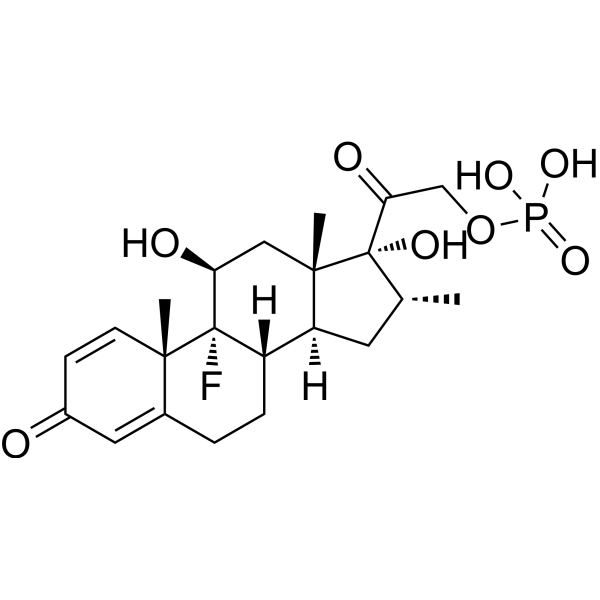
  • HY-B1829A
    Dexamethasone phosphate disodium
    10+ Cited Publications

    Dexamethasone 21-phosphate disodium

    Glucocorticoid Receptor TGF-β Receptor Interleukin Related Neurological Disease Inflammation/Immunology
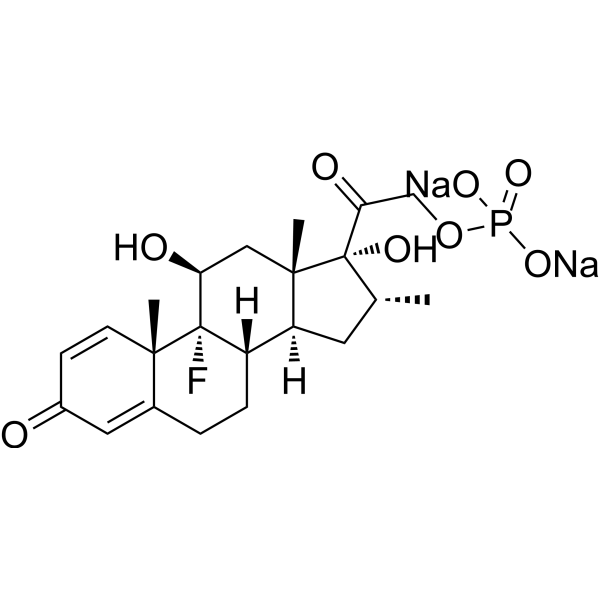
    Dexamethasone phosphate (Dexamethasone 21-phosphate) disodium is a prodrug form of the glucocorticoid Dexamethasone (HY-14648). Dexamethasone phosphate disodium is produced by introducing a phosphate ester group at the 21-position of the Dexamethasone molecule, forming a salt with sodium ions, thereby significantly improving water solubility. Dexamethasone phosphate disodium inhibits LPS (HY-D1056)-induced degradation of IRAK-1 and IRAK-4, and blocks LPS-induced activation of TRAF6, p-TAK1 and p-JNK. Dexamethasone phosphate disodium inhibits the secretion of RANTES, TGF1 and NO, promotes the production of MIP-1α and IL-10, and blocks microglial migration. Dexamethasone phosphate disodium is almost completely converted to Dexamethasone in rat blood, and supports transdermal delivery via iontophoresis. Dexamethasone phosphate disodium can be used in research related to steroid-dependent ulcerative colitis, chemotherapy-induced vomiting, allergic asthma and acute colitis (inflammatory bowel disease) [1] .
    Dexamethasone phosphate disodium
  • HY-N0039
    Ginsenoside Rb1
    10+ Cited Publications

    Gypenoside III

    Na+/K+ ATPase IRAK NF-κB Autophagy Mitophagy HSV Inflammation/Immunology Cancer
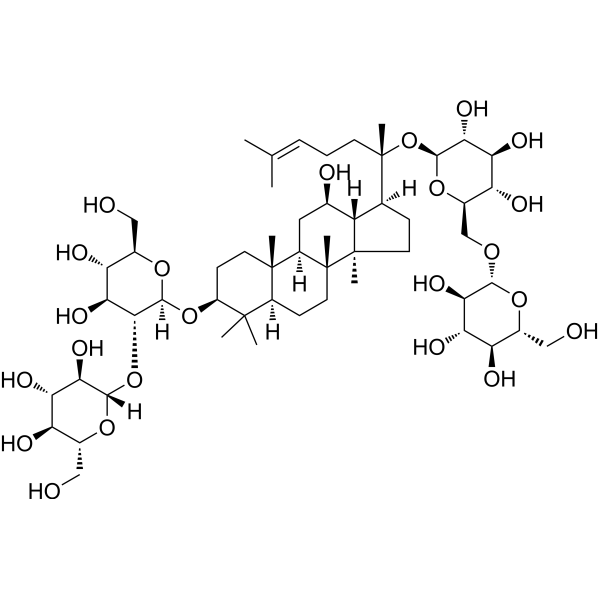
    Ginsenoside Rb1, a main constituent of the root of Panax ginseng, inhibits Na +, K +-ATPase activity with an IC50 of 6.3±1.0 μM. Ginsenoside also inhibits IRAK-1 activation and phosphorylation of NF-κB p65 .
    Ginsenoside Rb1
  • HY-103490
    Takinib
    25+ Cited Publications

    EDHS-206

    MAP3K Apoptosis Infection Inflammation/Immunology Cancer
    Takinib (EDHS-206) is an orally active and selective TAK1 inhibitor (IC50=9.5 nM), more than 1.5 log more potent than the second and third ranked targets, IRAK4 (120 nM) and IRAK1 (390 nM), respectively. Takinib is an inhibitor of autophosphorylated TAK1 that non-competitively binds within the ATP binding pocket. Takinib induces apoptosis following TNFα stimulation in cell models of rheumatoid arthritis and metastatic breast cancer. Takinib is also a P. falciparum protein kinase 9 (PfPK9) inhibitor (KD(app) of 0.46 μM) [1] .
    Takinib
  • HY-14721
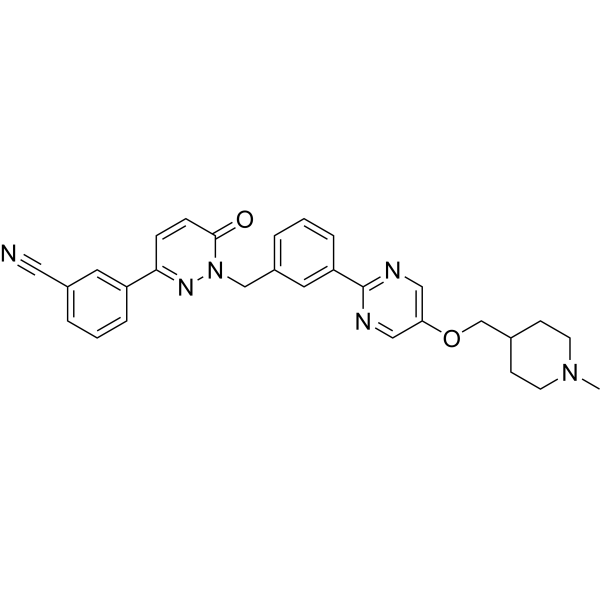
    Tepotinib
    5+ Cited Publications

    EMD-1214063

    c-Met/HGFR Autophagy Cancer
    Tepotinib (EMD-1214063) is an orally active and highly selective, reversible, ATP-competitive c-Met inhibitor with an IC50 of 3 nM, >200-fold selective for c-Met than IRAK4, TrkA, Axl, IRAK1, and Mer. Tepotinib inhibits c-Met phosphorylation and induces autophagy. Tepotinib has antitumor effects [1] .
    Tepotinib
  • HY-147141
    HS-276
    2 Publications Verification

    IRAK TNF Receptor Casein Kinase Interleukin Related Inflammation/Immunology
    HS-276 is an orally active, potent and highly selective TAK1 inhibitor, with a Ki of 2.5 nM. HS-276 shows significant inhibition of TAK1, CLK2, GCK, ULK2, MAP4K5, IRAK1, NUAK, CSNK1G2, CAMKKβ-1, and MLK1, with IC50 values of 8.25, 29, 33, 63, 125, 264, 270, 810, 1280, and 5585 nM, respectively. HS-276 reduces the expression of TNF, IL-6, and IL-1β. HS-276 can be used for rheumatoid arthritis (RA) research [1].
    HS-276
  • HY-50937
    ST 2825
    Maximum Cited Publications
    70 Publications Verification

    MyD88 Inflammation/Immunology
    ST 2825 is a specific MyD88 dimerization inhibitor. ST2825 interferes with recruitment of IRAK1 and IRAK4 by MyD88, causing inhibition of IL-1β-mediated activation of NF-κB transcriptional activity [1] .
    ST 2825
  • HY-103017A
    JH-X-119-01
    5+ Cited Publications

    IRAK Infection Inflammation/Immunology Cancer
    JH-X-119-01 is a potent and selective interleukin-1 receptor-associated kinases 1 (IRAK1) inhibitor. JH-X-119-01 ameliorates LPS-induced sepsis in mice [1]. JH-X-119-01 inhibits IRAK1 biochemically with an apparent IC50 of 9 nM while exhibiting no inhibition of IRAK4 at concentrations up to 10 μM .
    JH-X-119-01
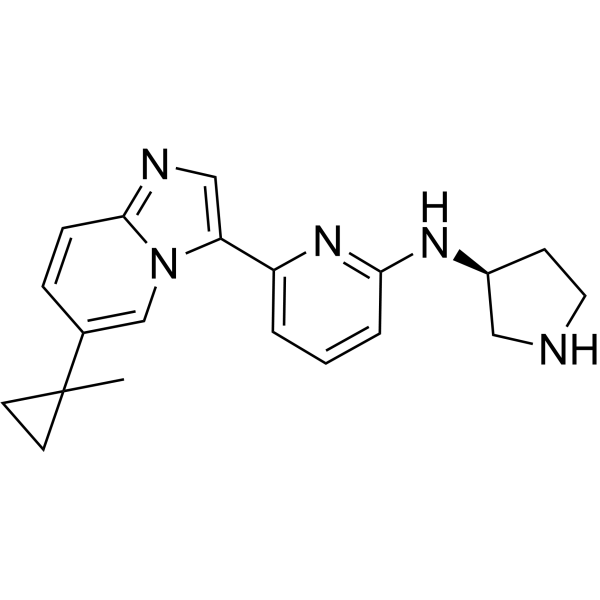
  • HY-153188

    PROTACs Apoptosis IRAK Cancer
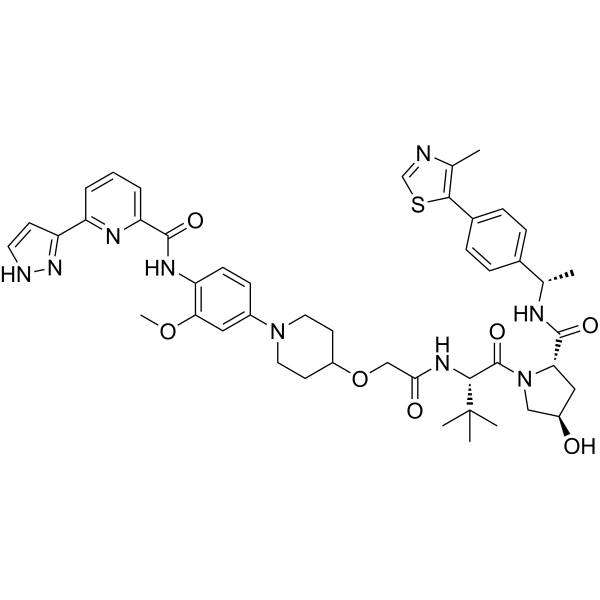
    JNJ-1013 is a potent and selective IRAK1 PROTAC degrader with an IC50s of 72, 443, 1071 nM for IRAK1, IRAK4, VHL FP respectively. JNJ-1013 induces apoptosis and increases the expression of cleavaged PARP. JNJ-1013 decreases the expression IRAK1, p-IKBα, pSTAT3(Tyr705) (Pink: ligand for target protein (HY-138834); black: linker (HY-Y1760); Blue: E3 ligase ligand (HY-112078)) [1].
    JNJ-1013
  • HY-111101

    IRAK Cancer
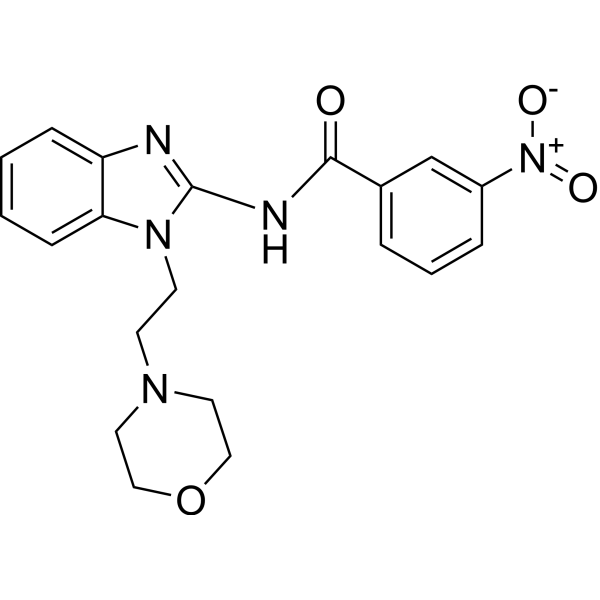
    AZ1495, a weak base, is a potent orally active interleukin-1 receptor associated kinase 4 (IRAK4) inhibitor. AZ1495 has a favorable physicochemical and kinase selectivity for IRAK4 and IRAK1 with IC50 values of 0.005 μM and 0.023 μM, respectively. AZ1495 has IRAK4 inhibition with a Kd value of 0.0007 μM. AZ1495 can be used for the research of diffuse large B-cell lymphoma (DLBCL) [1].
    AZ1495
  • HY-13329
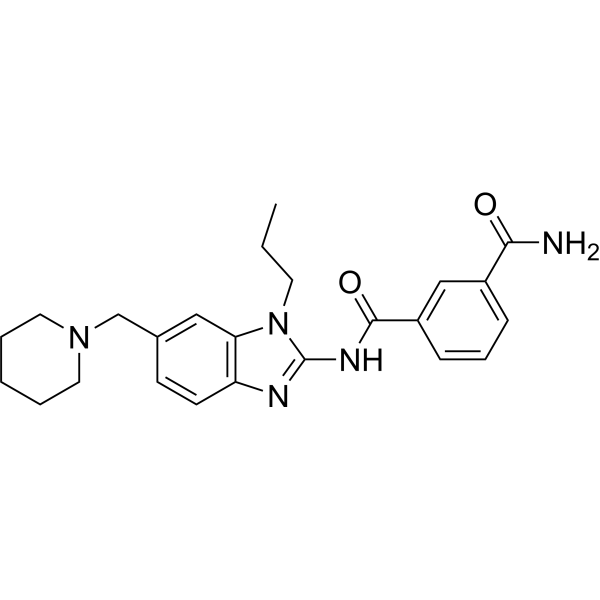
    IRAK-1-4 Inhibitor I
    5+ Cited Publications

    IRAK-1/4 Inhibitor I

    IRAK Inflammation/Immunology
    IRAK-1-4 Inhibitor I is an inhibitor of interleukin-1 receptor-associated kinase 1/4 (IRAK 1/4) with IC50s of 0.2 μM and 0.3 μM, respectively.
    IRAK-1-4 Inhibitor I
  • HY-103017
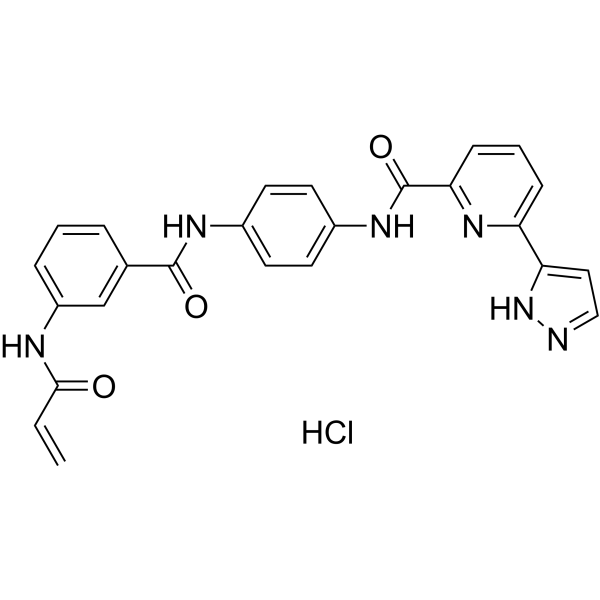
    JH-X-119-01 hydrochloride
    5+ Cited Publications

    IRAK Infection
    JH-X-119-01 hydrochloride is a potent and selective interleukin-1 receptor-associated kinases 1 (IRAK1) inhibitor. JH-X-119-01 hydrochloride ameliorates LPS-induced sepsis in mice [1].
    JH-X-119-01 hydrochloride
  • HY-160487

    IRAK Apoptosis Cancer
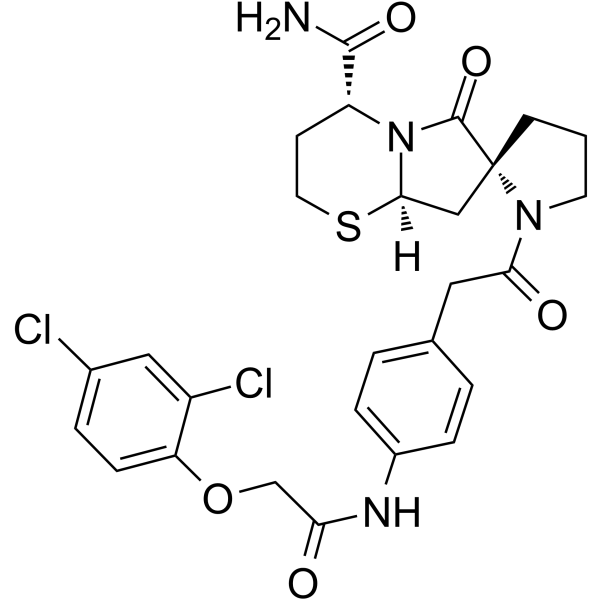
    KME-2780 is the orally active inhibitor for IRAK1 and IRAK4 with IC50s of 19 nM and 0.5 nM. KME-2780 can be used for research of dysregulation of innate immune signaling and hematologic malignancies [1].
    KME-2780
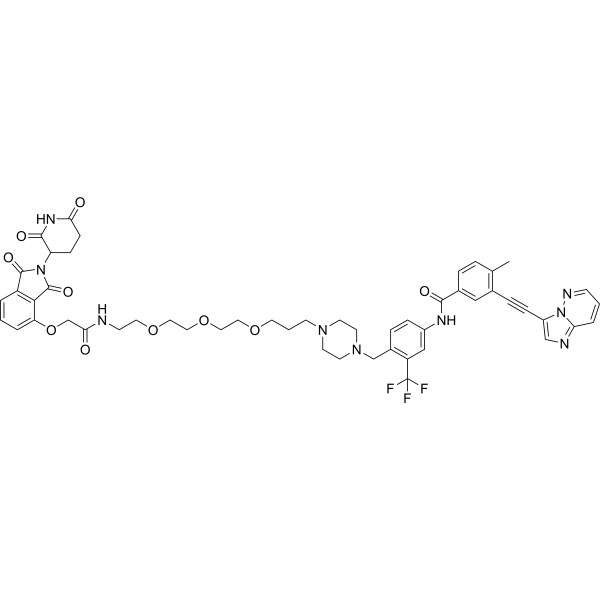
  • HY-137342

    PROTACs Src IRAK Bcr-Abl MAP4K Cyclin G-associated Kinase (GAK) CDK Cancer
    SB1-G-187 is a multi-target kinase PROTAC degrader with activity against various kinases including GCK, YES1, IRAK1 and LYN. SB1-G-187 induces degradation of target kinases via a p97-dependent pathway, and forms ternary complexes with CRBN and specific functional kinases. SB1-G-187 can be used in tumor-related research. (Pink: multi-target kinase ligand (HY-125142); Blue: CRBN ligand (HY-A0003); Black: linker) [1].
    SB1-G-187
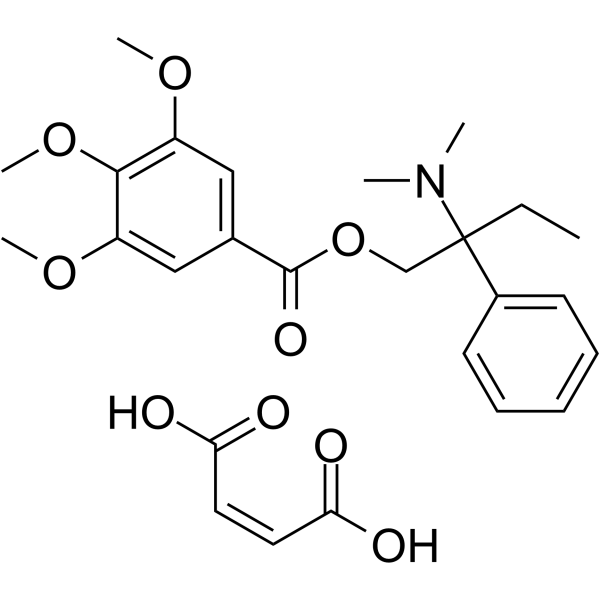
  • HY-B0380A

    Opioid Receptor Toll-like Receptor (TLR) Calcium Channel Potassium Channel IRAK ERK JNK NF-κB Akt Apoptosis Neurological Disease Metabolic Disease Inflammation/Immunology Cancer
    Trimebutine maleate is a multi-target inhibitor and opioid receptor agonist with antimuscarinic activity. Trimebutine maleate inhibits L-type Ca 2+ channels and large-conductance calcium-activated potassium channels (BKCa channels), thereby inhibiting extracellular calcium influx and potassium ion efflux. Trimebutine maleate also targets Toll-like receptors, inhibits Toll-like receptor 2/4/7/8/9 signals, and inhibits LPS-induced IRAK1 activation, as well as ERK1/2, JNK and NF-κB activation, thereby exerting anti-inflammatory effects. Trimebutine maleate also induces tumor cell apoptosis by inhibiting the AKT/ERK pathway. Trimebutine maleate also inhibits excessive contraction of smooth muscle and can be used in the study of gastrointestinal disorders such as irritable bowel syndrome (IBS) [1] .
    Trimebutine maleate
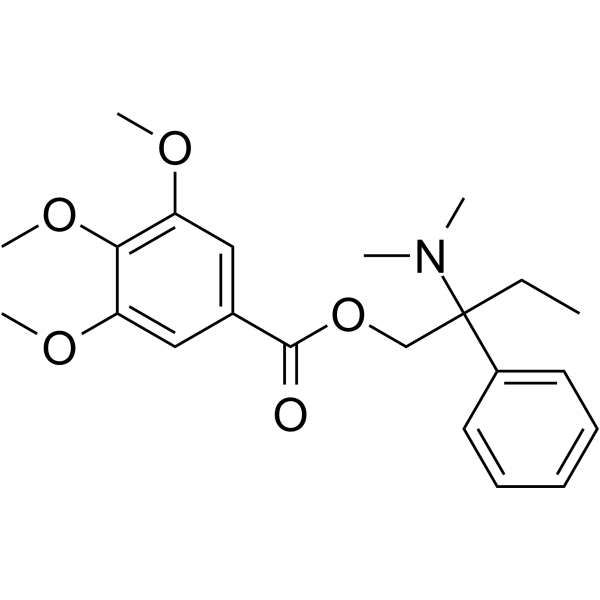
  • HY-B0380

    Opioid Receptor Toll-like Receptor (TLR) Calcium Channel Potassium Channel IRAK ERK JNK NF-κB Akt Apoptosis Neurological Disease Metabolic Disease Inflammation/Immunology Cancer
    Trimebutine is a multi-target inhibitor and opioid receptor agonist with antimuscarinic activity. Trimebutine inhibits L-type Ca 2+ channels and large-conductance calcium-activated potassium channels (BKCa channels), thereby inhibiting extracellular calcium influx and potassium ion efflux. Trimebutine also targets Toll-like receptors, inhibits Toll-like receptor 2/4/7/8/9 signals, and inhibits LPS-induced IRAK1 activation, as well as ERK1/2, JNK and NF-κB activation, thereby exerting anti-inflammatory effects. Trimebutine also induces tumor cell apoptosis by inhibiting the AKT/ERK pathway. Trimebutine also inhibits excessive contraction of smooth muscle and can be used in the study of gastrointestinal disorders such as irritable bowel syndrome (IBS) [1] .
    Trimebutine
  • HY-P5432

    IRAK-1 (360-380)

    IRAK Others
    IRAK-4 Peptide substrate (IRAK-1 (360-380)) is a biological active peptide. (This is a substrate peptide for Interleukin-1 Receptor-Associated Kinase (IRAK) 4)
    IRAK-4 Peptide substrate
  • HY-159953

    IRAK FLT3 Inflammation/Immunology Cancer
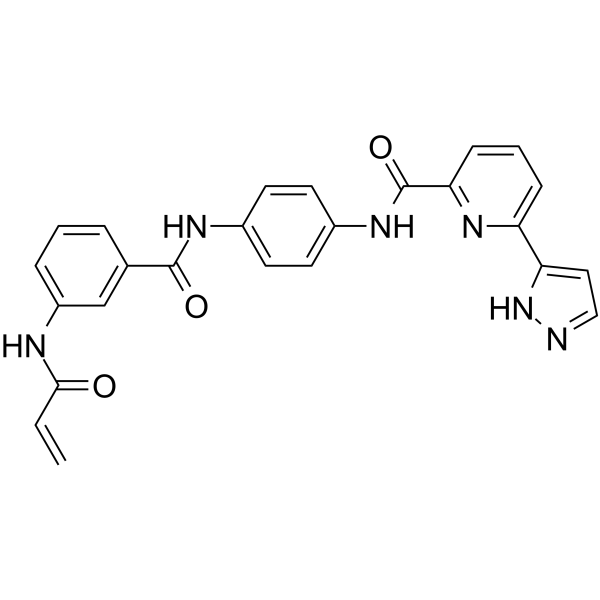
    IRAK1/4/pan-FLT3 Kinase-IN-1 is an orally active, potent and selective IRAK/pan-FLT3 kinase inhibitor with IC50s of 5 nM, 0.6 nM and <0.5 nM against IRAK1, IRAK4 and FLT3, respectively. IRAK1/4/pan-FLT3 Kinase-IN-1 can be used for research on AML [1].
    IRAK1/4/pan-FLT3 Kinase-IN-1
  • HY-14721R

    EMD-1214063 (Standard)

    Reference Standards c-Met/HGFR Autophagy Cancer
    Tepotinib (Standard) is the analytical standard of Tepotinib. This product is intended for research and analytical applications. Tepotinib (EMD-1214063) is an orally active and highly selective, reversible, ATP-competitive c-Met inhibitor with an IC50 of 3 nM, >200-fold selective for c-Met than IRAK4, TrkA, Axl, IRAK1, and Mer. Tepotinib inhibits c-Met phosphorylation. Tepotinib has antitumor effects [1] .
    Tepotinib (Standard)
  • HY-W031757

    Influenza Virus Bacterial Dipeptidyl Peptidase COX NF-κB AP-1 RIG-I-like receptor (RLR) STAT Infection Neurological Disease Inflammation/Immunology
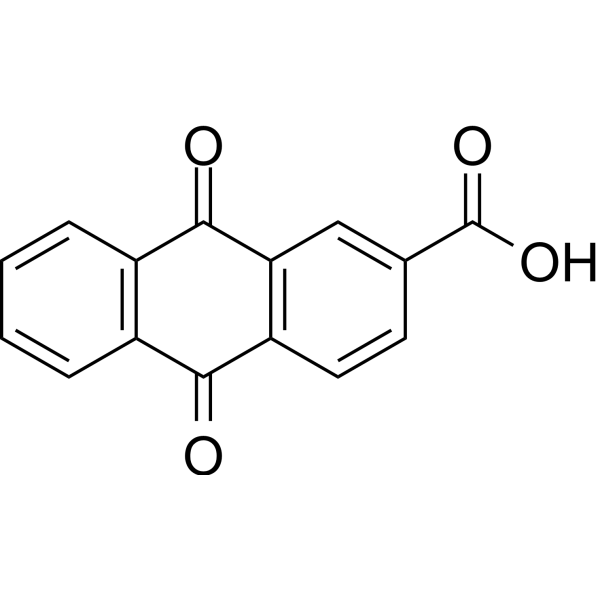
    Anthraquinone-2-carboxylic acid is an orally active anthraquinone compound and Antibacterial agent. Anthraquinone-2-carboxylic acid can be isolated from Bajitian. Anthraquinone-2-carboxylic acid inhibits the activation of DPP-IV, COX-2, NF-κB and AP-1. Anthraquinone-2-carboxylic acid blocks IAV-induced activation of the RIG-I/STAT1 pathway, alleviates IAV-mediated weight loss, and protects against lethal IAV infection. Anthraquinone-2-carboxylic acid inhibits the growth of various Staphylococcus strains. It possesses potent anti-inflammatory, immunomodulatory, analgesic and antibacterial activities [1] .\n


    Anthraquinone-2-carboxylic acid
  • HY-134911

    IRAK CDK Inflammation/Immunology Cancer
    HS-243 is a potent and selective IRAK-4 and IRAK-1 inhibitor, with IC50 values of 20 and 24 nM. HS-243 shows minimal TAK1 (transforming growth factor β-activated kinase 1) inhibition activity, with a IC50 of 0.5 μM. HS-243 shows anti-inflammatory and anticancer activity [1].
    HS-243
  • HY-169949

    MAP3K NF-κB MMP Leukotriene Receptor Inflammation/Immunology
    TAK-756 is a selective transforming growth factor β-activated kinase 1 (TAK1) inhibitor with a target pIC50 of 8.6. TAK-756 can inhibit TAK1 autophosphorylation and downstream NF-κB phosphorylation, suppress the production of inflammatory and catabolic factors such as MMP-3 and IL-6. TAK-756 exhibits anti-inflammatory effects in a rat joint inflammation model. TAK-756 can be used for the research of inflammatory joint disease, osteoarthritis [1].
    TAK-756
  • HY-B1829AR

    Dexamethasone 21-phosphate disodium (Standard)

    Glucocorticoid Receptor Reference Standards Interleukin Related TGF-β Receptor Neurological Disease Metabolic Disease Inflammation/Immunology
    Dexamethasone phosphate (Dexamethasone 21-phosphate) disodium (Standard) is the analytical standard of Dexamethasone phosphate disodium (HY-B1829A). This product is intended for research and analytical applications. Dexamethasone phosphate (Dexamethasone 21-phosphate) disodium is a prodrug form of the glucocorticoid Dexamethasone (HY-14648). Dexamethasone phosphate disodium is produced by introducing a phosphate ester group at the 21-position of the Dexamethasone molecule, forming a salt with sodium ions, thereby significantly improving water solubility. Dexamethasone phosphate disodium inhibits LPS (HY-D1056)-induced degradation of IRAK-1 and IRAK-4, and blocks LPS-induced activation of TRAF6, p-TAK1 and p-JNK. Dexamethasone phosphate disodium inhibits the secretion of RANTES, TGF1 and NO, promotes the production of MIP-1α and IL-10, and blocks microglial migration. Dexamethasone phosphate disodium is almost completely converted to Dexamethasone in rat blood, and supports transdermal delivery via iontophoresis. Dexamethasone phosphate disodium can be used in research related to steroid-dependent ulcerative colitis, chemotherapy-induced vomiting, allergic asthma and acute colitis (inflammatory bowel disease).
    Dexamethasone phosphate disodium (Standard)
  • HY-N0039R
    Ginsenoside Rb1 (Standard)
    10+ Cited Publications

    Gypenoside III (Standard)

    Reference Standards Na+/K+ ATPase IRAK NF-κB Autophagy Mitophagy HSV Inflammation/Immunology Cancer
    Ginsenoside Rb1 (Standard) is the analytical standard of Ginsenoside Rb1. This product is intended for research and analytical applications. Ginsenoside Rb1, a main constituent of the root of Panax ginseng, inhibits Na +, K +-ATPase activity with an IC50 of 6.3±1.0 μM. Ginsenoside also inhibits IRAK-1 activation and phosphorylation of NF-κB p65 .
    Ginsenoside Rb1 (Standard)
  • HY-RS06894

    Small Interfering RNA (siRNA) IRAK Others

    Irak1 Mouse Pre-designed siRNA Set A contains three designed siRNAs for Irak1 gene (Mouse), as well as a negative control, a positive control, and a FAM-labeled negative control.

    Irak1 Mouse Pre-designed siRNA Set A
    Irak1 Mouse Pre-designed siRNA Set A
  • HY-14721A

    EMD-1214063 hydrochloride

    c-Met/HGFR Autophagy Cancer
    Tepotinib (EMD-1214063) hydrochloride is an orally active and highly selective, reversible, ATP-competitive c-Met inhibitor with an IC50 of 3 nM, >200-fold selective for c-Met than IRAK4, TrkA, Axl, IRAK1, and Mer. Tepotinib hydrochloride inhibits c-Met phosphorylation and induces autophagy. Tepotinib hydrochloride has antitumor effects [1] .
    Tepotinib hydrochloride
  • HY-B1829
    Dexamethasone phosphate
    10+ Cited Publications

    Dexamethasone 21-phosphate

    Glucocorticoid Receptor TGF-β Receptor Interleukin Related Neurological Disease Inflammation/Immunology
    Dexamethasone phosphate (Dexamethasone 21-phosphate) is a prodrug form of the glucocorticoid Dexamethasone (HY-14648). Dexamethasone phosphate is prepared by introducing a phosphate ester group to the hydroxyl group at position 21 of the Dexamethasone molecule. Dexamethasone phosphate inhibits LPS (HY-D1056)-induced degradation of IRAK-1 and IRAK-4, and blocks LPS-induced activation of TRAF6, p-TAK1 and p-JNK. Dexamethasone phosphate inhibits the secretion of RANTES, TGF-β1 and NO, promotes the production of MIP-1α and IL-10, and blocks microglial migration. Dexamethasone phosphate is almost completely converted to Dexamethasone in rat blood, and supports transdermal delivery via iontophoresis. Dexamethasone phosphate can be used in research related to steroid-dependent ulcerative colitis, chemotherapy-induced vomiting, allergic asthma and acute colitis (inflammatory bowel disease) [1] .
    Dexamethasone phosphate
  • HY-RS06893

    Small Interfering RNA (siRNA) IRAK Others

    IRAK1 Human Pre-designed siRNA Set A contains three designed siRNAs for IRAK1 gene (Human), as well as a negative control, a positive control, and a FAM-labeled negative control.

    IRAK1 Human Pre-designed siRNA Set A
    IRAK1 Human Pre-designed siRNA Set A
  • HY-RS06895

    Small Interfering RNA (siRNA) Others

    Irak1 Rat Pre-designed siRNA Set A contains three designed siRNAs for Irak1 gene (Rat), as well as a negative control, a positive control, and a FAM-labeled negative control.

    Irak1 Rat Pre-designed siRNA Set A
    Irak1 Rat Pre-designed siRNA Set A
  • HY-177515

    IRAK STAT JAK NF-κB Inflammation/Immunology
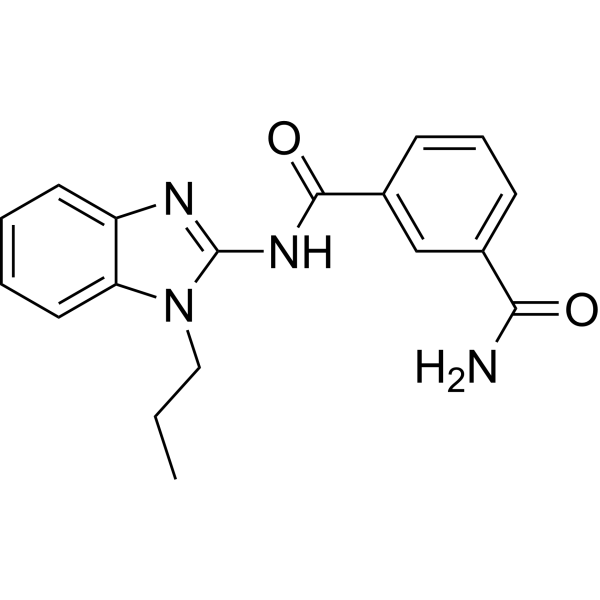
    IRAK4 modulator-2 (Compound 5) is a selective dual Interleukin-1 Receptor Associated Kinase 4 (IRAK4) and IRAK1 inhibitor with IC50 values of 0.005 μM and 0.97 μM, erespectively. IRAK4 modulator-2 blocks IRAK-mediated signaling pathways (e.g., JAK-STAT, NF-κB pathways), reduces the production of pro-inflammatory cytokines (e.g., IL-1, TNF), and exerts anti-inflammatory activity. IRAK4 modulator-2 is promising for research of autoimmune diseases and inflammatory diseases, such as rheumatoid arthritis, psoriasis, inflammatory bowel disease [1].
    IRAK4 modulator-2
  • HY-179095

    Ligands for Target Protein for PROTAC IRAK NF-κB p38 MAPK Cancer
    UR241-2 is an IRAK4 inhibitor. UR241-2 suppresses IL-1–induced IRAK1/4 signaling, NF-κβ activation, and phosphorylation of p65 and p38. UR241-2 selectively inhibits leukemia stem cell clonogenicity. UR241-2 can serve as a ligand for target proteins for PROTAC, facilitating the development and design of PROTAC degraders for IRAK4. UR241-2 can be used in the research of acute myeloid leukemia [1].
    UR241-2
  • HY-158434

    IRAK Inflammation/Immunology
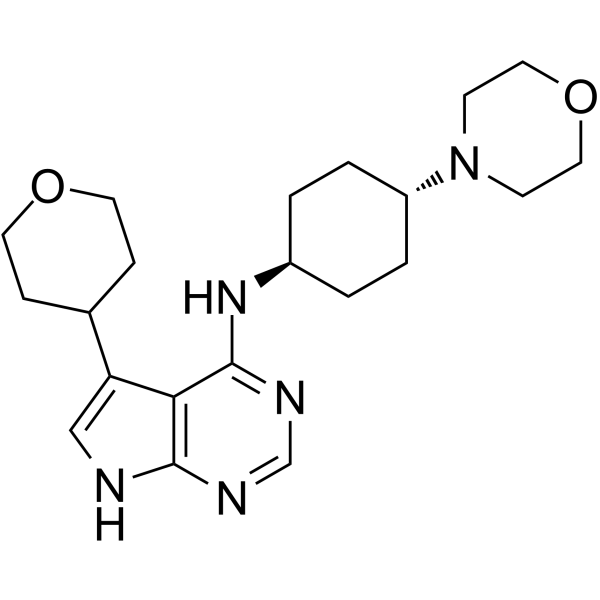
    IRAK1-IN-1 (compound B8) is an orally active IRAK1 inhibitor. IRAK1-IN-1 inhibits the release of IL-6 with the IC50 values of 4.57 μM and 6.51 μM on mouse cells J774A. 1 and human cells THP-1, respectively. IRAK1-IN-1 alleviats LPS (HY-D1056)-induced acute lung injury (ALI) and DSS(HY-116282C)-induced colitis in mice [1].
    IRAK1-IN-1
  • HY-160787

    FLT3 IRAK Cancer
    NCGC1481 is an inhibitor of FLT3, IRAK1, and IRAK4, with IC50 values of <0.5 nM, 22.6 nM, and 0.8 nM, respectively. NCGC1481 can effectively overcome the adaptive resistance of leukemia cells to FLT3 inhibitors and has antileukemic activity [1].
    NCGC1481
  • HY-176410

    IRAK Cancer
    IRAK1/4/pan-FLT3 Kinase-IN-2 (compound 27) is a potent IRAK1/4 and FLT3 dual inhibitor with IC50s of 10, 0.7, and <0.5 nM. IRAK1/4/pan-FLT3 Kinase-IN-2 extends acute myeloid leukemia model mouse survival [1].
    IRAK1/4/pan-FLT3 Kinase-IN-2
  • HY-181712

    IRAK Cancer
    IRAK1-IN-2 is an orally active IRAK1 inhibitor and antitumor agent with high selectivity for IRAK4 and other kinases in the same group. IRAK1-IN-2 functionally inhibits IRAK1 and interferes with the TLR/IL-1R signaling pathway. IRAK1-IN-2 suppresses hepatocellular carcinoma-related cellular processes in vitro and in animal models. IRAK1-IN-2 serves as a chemical probe for IRAK1 research and is applicable to studies on hepatocellular carcinoma [1].
    IRAK1-IN-2
  • HY-B0380S1

    Isotope-Labeled Compounds Opioid Receptor Toll-like Receptor (TLR) Calcium Channel Potassium Channel IRAK ERK JNK NF-κB Akt Apoptosis Neurological Disease Metabolic Disease Inflammation/Immunology Cancer
    Trimebutine-d5 fumarate is deuterium labeled Trimebutine fumarate. Trimebutine fumarate is a multi-target inhibitor and opioid receptor agonist with antimuscarinic activity. Trimebutine fumarate inhibits L-type Ca 2+ channels and large-conductance calcium-activated potassium channels (BKCa channels), thereby inhibiting extracellular calcium influx and potassium ion efflux. Trimebutine fumarate also targets Toll-like receptors, inhibits Toll-like receptor 2/4/7/8/9 signals, and inhibits LPS-induced IRAK1 activation, as well as ERK1/2, JNK and NF-κB activation, thereby exerting anti-inflammatory effects. Trimebutine fumarate also induces tumor cell apoptosis by inhibiting the AKT/ERK pathway. Trimebutine fumarate also inhibits excessive contraction of smooth muscle and can be used in the study of gastrointestinal disorders such as irritable bowel syndrome (IBS) [1] .
    Trimebutine-d5 fumarate
  • HY-B0380AR

    Reference Standards Opioid Receptor Apoptosis Potassium Channel NF-κB Akt IRAK JNK Toll-like Receptor (TLR) ERK Calcium Channel Neurological Disease Metabolic Disease Inflammation/Immunology Cancer
    Trimebutine maleate (Standard) is the analytical standard of Trimebutine maleate (HY-B0380A). This product is intended for research and analytical applications. Trimebutine maleate is a multi-target inhibitor and opioid receptor agonist with antimuscarinic activity. Trimebutine maleate inhibits L-type Ca 2+ channels and large-conductance calcium-activated potassium channels (BKCa channels), thereby inhibiting extracellular calcium influx and potassium ion efflux. Trimebutine maleate also targets Toll-like receptors, inhibits Toll-like receptor 2/4/7/8/9 signals, and inhibits LPS-induced IRAK1 activation, as well as ERK1/2, JNK and NF-κB activation, thereby exerting anti-inflammatory effects. Trimebutine maleate also induces tumor cell apoptosis by inhibiting the AKT/ERK pathway. Trimebutine maleate also inhibits excessive contraction of smooth muscle and can be used in the study of gastrointestinal disorders such as irritable bowel syndrome (IBS) [1] .
    Trimebutine maleate (Standard)
  • HY-162641

    IRAK NF-κB p38 MAPK TNF Receptor Inflammation/Immunology
    AF-45 inhibits IRAK4 and IRAK1, with IC50s of 128 nM and 1765 nM. AF-45 inhibits the release of IL-6 and TNF-α in macrophages, with IC50s of 0.53-1.54 μM and 0.6-2.75 μM. AF-45 is also an inhibitor for NF-κB/MAPK signaling pathway. AF-45 exhibits anti-inflammatory activities against DSS-induced ulcerative colitis and Lipopolysaccharide (HY-D1056)-induced acute lung injury in mouse model. AF-45 exhibits good pharmacokinetic characteristics in rat models [1].
    AF-45
  • HY-103490R

    EDHS-206 (Standard)

    Reference Standards MAP3K Apoptosis Infection Inflammation/Immunology Cancer
    Takinib (Standard) is the analytical standard of Takinib. This product is intended for research and analytical applications. Takinib (EDHS-206) is an orally active and selective TAK1 inhibitor (IC50=9.5 nM), more than 1.5 log more potent than the second and third ranked targets, IRAK4 (120 nM) and IRAK1 (390 nM), respectively. Takinib is an inhibitor of autophosphorylated TAK1 that non-competitively binds within the ATP binding pocket. Takinib induces apoptosis following TNFα stimulation in cell models of rheumatoid arthritis and metastatic breast cancer. Takinib is also a P. falciparum protein kinase 9 (PfPK9) inhibitor (KD(app) of 0.46 μM) [1] .
    Takinib (Standard)
  • HY-B1829R

    Dexamethasone 21-phosphate (Standard)

    Glucocorticoid Receptor Reference Standards TGF-β Receptor Interleukin Related Neurological Disease Inflammation/Immunology
    Dexamethasone phosphate (Standard) (Dexamethasone 21-phosphate (Standard)) is the analytical standard of Dexamethasone phosphate (HY-B1829). This product is intended for research and analytical applications. Dexamethasone phosphate (Dexamethasone 21-phosphate) is a prodrug form of the glucocorticoid Dexamethasone (HY-14648). Dexamethasone phosphate is prepared by introducing a phosphate ester group to the hydroxyl group at position 21 of the Dexamethasone molecule. Dexamethasone phosphate inhibits LPS (HY-D1056)-induced degradation of IRAK-1 and IRAK-4, and blocks LPS-induced activation of TRAF6, p-TAK1 and p-JNK. Dexamethasone phosphate inhibits the secretion of RANTES, TGF1 and NO, promotes the production of MIP-1α and IL-10, and blocks microglial migration. Dexamethasone phosphate is almost completely converted to Dexamethasone in rat blood, and supports transdermal delivery via iontophoresis. Dexamethasone phosphate can be used in research related to steroid-dependent ulcerative colitis, chemotherapy-induced vomiting, allergic asthma and acute colitis (inflammatory bowel disease).
    Dexamethasone phosphate (Standard)
  • HY-B0380S2

    Isotope-Labeled Compounds Opioid Receptor Toll-like Receptor (TLR) Calcium Channel Potassium Channel IRAK ERK JNK NF-κB Akt Apoptosis Neurological Disease Metabolic Disease Inflammation/Immunology Cancer
    Trimebutine-d3 hydrochloride is deuterium labeled Trimebutine hydrochloride. Trimebutine hydrochloride is a multi-target inhibitor and opioid receptor agonist with antimuscarinic activity. Trimebutine hydrochloride inhibits L-type Ca 2+ channels and large-conductance calcium-activated potassium channels (BKCa channels), thereby inhibiting extracellular calcium influx and potassium ion efflux. Trimebutine hydrochloride also targets Toll-like receptors, inhibits Toll-like receptor 2/4/7/8/9 signals, and inhibits LPS-induced IRAK1 activation, as well as ERK1/2, JNK and NF-κB activation, thereby exerting anti-inflammatory effects. Trimebutine hydrochloride also induces tumor cell apoptosis by inhibiting the AKT/ERK pathway. Trimebutine hydrochloride also inhibits excessive contraction of smooth muscle and can be used in the study of gastrointestinal disorders such as irritable bowel syndrome (IBS) [1] .
    Trimebutine-d3 hydrochloride
  • HY-103017AR

    Reference Standards IRAK Infection Inflammation/Immunology Cancer
    JH-X-119-01 (Standard) is the analytical standard of JH-X-119-01 (HY-103017A). This product is intended for research and analytical applications. JH-X-119-01 is a potent and selective interleukin-1 receptor-associated kinases 1 (IRAK1) inhibitor. JH-X-119-01 ameliorates LPS-induced sepsis in mice [1]. JH-X-119-01 inhibits IRAK1 biochemically with an apparent IC50 of 9 nM while exhibiting no inhibition of IRAK4 at concentrations up to 10 μM .
    JH-X-119-01 (Standard)
  • HY-B0380R

    Opioid Receptor Toll-like Receptor (TLR) Calcium Channel Potassium Channel IRAK ERK JNK NF-κB Akt Apoptosis Reference Standards Neurological Disease Metabolic Disease Inflammation/Immunology Cancer
    Trimebutine (Standard) is the analytical standard of Trimebutine (HY-B0380). This product is intended for research and analytical applications. Trimebutine is a multi-target inhibitor and opioid receptor agonist with antimuscarinic activity. Trimebutine inhibits L-type Ca 2+ channels and large-conductance calcium-activated potassium channels (BKCa channels), thereby inhibiting extracellular calcium influx and potassium ion efflux. Trimebutine also targets Toll-like receptors, inhibits Toll-like receptor 2/4/7/8/9 signals, and inhibits LPS-induced IRAK1 activation, as well as ERK1/2, JNK and NF-κB activation, thereby exerting anti-inflammatory effects. Trimebutine also induces tumor cell apoptosis by inhibiting the AKT/ERK pathway. Trimebutine also inhibits excessive contraction of smooth muscle and can be used in the study of gastrointestinal disorders such as irritable bowel syndrome (IBS) [1] .
    Trimebutine (Standard)
  • HY-183800

    Ligands for Target Protein for PROTAC IRAK Inflammation/Immunology
    JH-l-25-NH2 is an IRAK1/4 inhibitor analog derived from JH-I-25 and serves as the IRAK4-binding moiety for synthesizing VHL-recruiting and CRBN-recruiting IRAK4 PROTAC degraders [1].
    JH-l-25-NH2
  • HY-103017R

    Reference Standards IRAK Infection
    JH-X-119-01 hydrochloride (Standard) is the analytical standard of JH-X-119-01 hydrochloride (HY-103017). This product is intended for research and analytical applications. JH-X-119-01 hydrochloride is a potent and selective interleukin-1 receptor-associated kinases 1 (IRAK1) inhibitor. JH-X-119-01 hydrochloride ameliorates LPS-induced sepsis in mice [1].
    JH-X-119-01 hydrochloride (Standard)
  • HY-147141A

    IRAK TNF Receptor Casein Kinase Interleukin Related Inflammation/Immunology
    HS-276 hydrochloride is an orally active, potent and highly selective TAK1 inhibitor, with a Ki of 2.5 nM. HS-276 hydrochloride shows significant inhibition of TAK1, CLK2, GCK, ULK2, MAP4K5, IRAK1, NUAK, CSNK1G2, CAMKKβ-1, and MLK1, with IC50 values of 8.25, 29, 33, 63, 125, 264, 270, 810, 1280, and 5585 nM, respectively. HS-276 hydrochloride reduces the expression of TNF, IL-6, and IL-1β. HS-276 hydrochloride can be used for rheumatoid arthritis (RA) research [1].
    HS-276 hydrochloride
  • HY-147141B

    IRAK TNF Receptor Casein Kinase Interleukin Related Inflammation/Immunology
    HS-276 formic is an orally active, potent and highly selective TAK1 inhibitor, with a Ki of 2.5 nM. HS-276 formic shows significant inhibition of TAK1, CLK2, GCK, ULK2, MAP4K5, IRAK1, NUAK, CSNK1G2, CAMKKβ-1, and MLK1, with IC50 values of 8.25, 29, 33, 63, 125, 264, 270, 810, 1280, and 5585 nM, respectively. HS-276 formic reduces the expression of TNF, IL-6, and IL-1β. HS-276 formic can be used for rheumatoid arthritis (RA) research [1].
    HS-276 formic
  • HY-125142

    Ligands for Target Protein for PROTAC Cancer
    AP-24567 is a Ligands for Target Protein for PROTAC, which can be used for the synthesis of SB1-G-187 (HY-137342) [1].
    AP-24567

Inquiry Online

Your information is safe with us. * Required Fields.

Salutation


Country or Region *

Applicant Name *


Organization Name *

Department *


Email Address *


Product Name *

Cat. No.


Requested quantity *

Phone Number *


Remarks

Inquiry Online

Inquiry Information

Product Name:
Cat. No.:
Quantity:
MCE Japan Authorized Agent:

