331 Results for "

Integrity

" in MedChemExpress (MCE) Product Catalog:
Products (331)

331 Results for "Integrity" in MCE Product Catalog:

1930
1930 Publications Verification
Cat. No.: HY-K0010

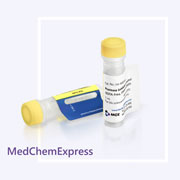
MCE Protease Inhibitor Cocktail (EDTA-Free, 100× in DMSO) is a blend of 6 pan-protease inhibitors for protection of protein integrity.The 1 mL volume is defined as the base specification. All larger sizes correspond to incremental volumes of this base.

252
252 Cited Publications
Cat. No.: HY-K0011

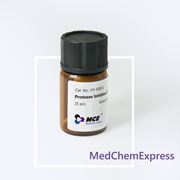
MCE Protease Inhibitor Cocktail, mini-Tablet (EDTA-Free) is a blend of 5 pan-protease inhibitors for protection of protein integrity. The 25 pcs is defined as the base specification. All larger sizes correspond to incremental volumes of this base.

42
42 Cited Publications
Cat. No.: HY-13813
CAS No.: 674289-55-5
Purity:  98.89%
Target:  

Myosin

Research Areas:  

Others

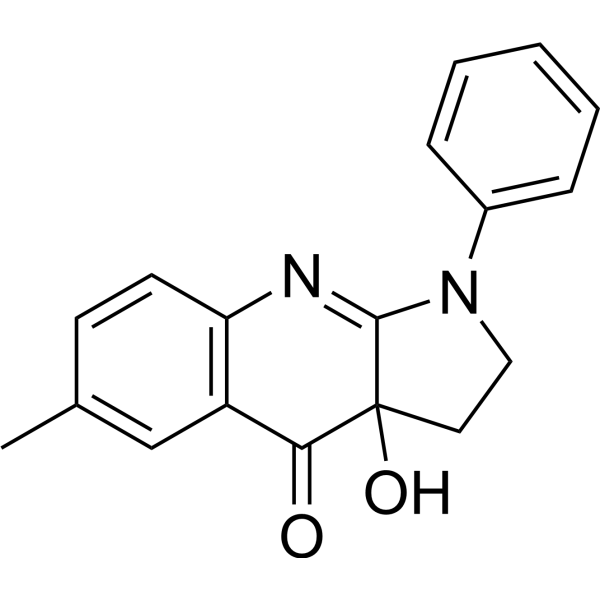
Blebbistatin is a selective non-muscle myosin II (NMII) inhibitor, promotes directional migration of corneal endothelial cells (CECs) and accelerates wound healing, and better preserves cell junctional integrity and barrier function. Blebbistatin blocks cell migration .
27
27 Cited Publications
Cat. No.: HY-B0221
CAS No.: 1397-89-3
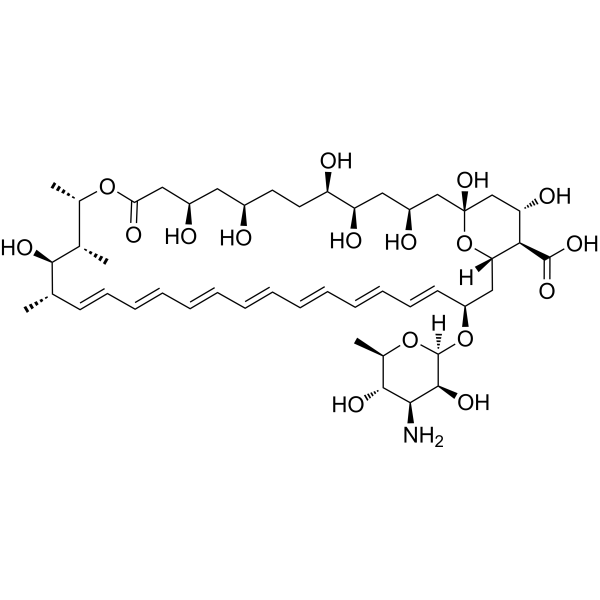
Amphotericin B is a polyene antifungal agent against a wide variety of fungal pathogens. It binds irreversibly to ergosterol, resulting in disruption of membrane integrity and ultimately cell death.
26
26 Cited Publications
Cat. No.: HY-13771
CAS No.: 128-13-2
Purity:  99.94%
Synonyms: Ursodeoxycholate; Ursodiol; UDCA
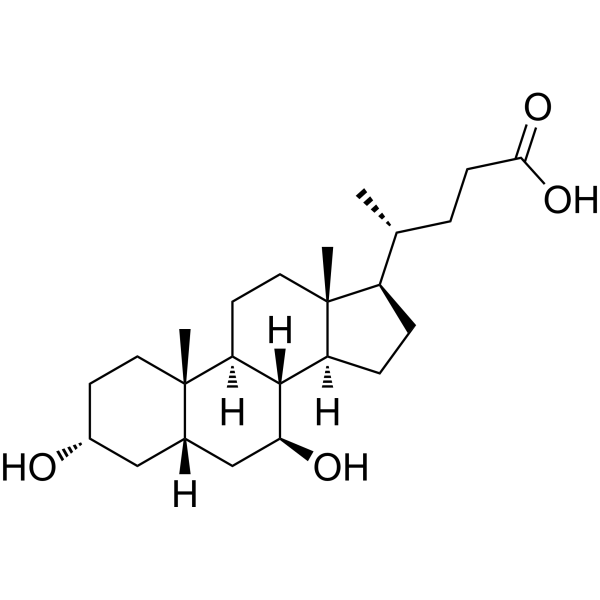
Ursodeoxycholic acid (Ursodeoxycholate) is a secondary bile acid issued from the transformation of (cheno)deoxycholic acid by intestinal bacteria, acting as a key regulator of the intestinal barrier integrity and essential for lipid metabolism. Ursodeoxycholic acid acts as signaling molecule, exerting its effects by interacting with bile acid activated receptors, including G-protein coupled bile acid receptor 5 (TGR5, GPCR19) and the farnesoid X receptor (FXR). Ursodeoxycholic acid can be used for the research of a variety of hepatic and gastrointestinal diseases. Ursodeoxycholic acid also reduces ACE2 expression and is beneficial for reducing SARS-CoV-2 infection. Orally active .
26
26 Cited Publications
Cat. No.: HY-13771A
CAS No.: 2898-95-5
Purity:  99.06%
Synonyms: Ursodeoxycholate sodium; Ursodiol sodium; UCDA sodium
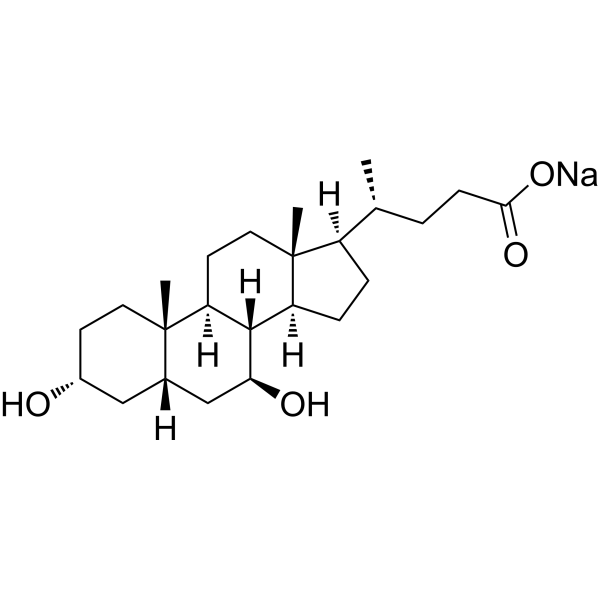
Ursodeoxycholic acid (Ursodeoxycholate) sodium is a secondary bile acid issued from the transformation of (cheno)deoxycholic acid by intestinal bacteria, acting as a key regulator of the intestinal barrier integrity and essential for lipid metabolism. Ursodeoxycholic acid sodium acts as signaling molecule, exerting its effects by interacting with bile acid activated receptors, including G-protein coupled bile acid receptor 5 (TGR5, GPCR19) and the farnesoid X receptor (FXR). Ursodeoxycholic acid sodium can be used for the research of a variety of hepatic and gastrointestinal diseases. Orally active .
14
14 Cited Publications
Cat. No.: HY-N0637
CAS No.: 552-58-9
Synonyms: Huazhongilexone
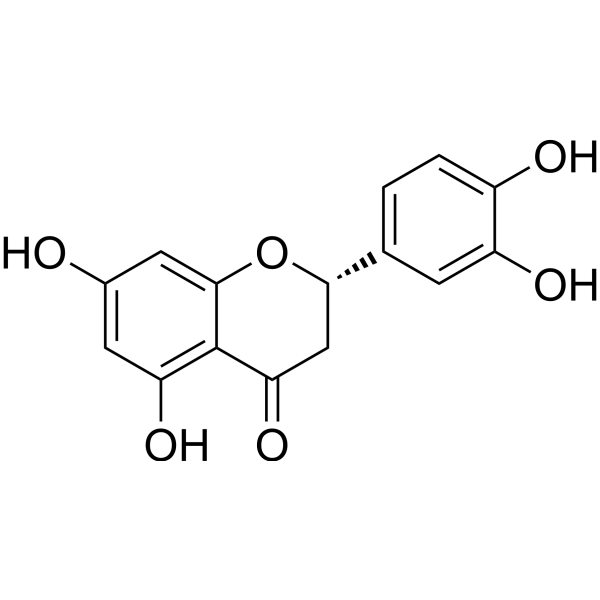
Eriodictyol ((±)-Huazhongilexone; Dihydroluteolin) is an orally active TRPV1 receptor antagonist (IC50=44-47 nM, rTRPV1) with antioxidant and anti-inflammatory activities. Eriodictyol effectively inhibits lipid peroxidation and the release of proinflammatory cytokines by specifically antagonizing the TRPV1 receptor and activating the Nrf2 signaling pathway. Eriodictyol reduces the levels of ICAM-1, VEGF, eNOS and TNF-α in the retina and maintains the integrity of the blood-retinal barrier. Eriodictyol alleviates oxidative stress-induced apoptosis and hyperalgesia, enhances the activity and cytotoxicity of immune cells (such as B lymphocytes, NK cells and macrophages), and increases the levels of antioxidant enzymes simultaneously. Eriodictyol can be used in the research of diabetic retinopathy, acute lung injury and various pain-related diseases .
11
11 Cited Publications
Cat. No.: HY-100201
CAS No.: 1982372-88-2
Purity:  99.73%
Research Areas:  

Cancer

A-196 is a potent and selective inhibitor of SUV420H1 and SUV420H2 with IC50 values of 25 nM and 144 nM, respectively. A-196 inhibits SUV4-20 biochemically in a substrate-competitive manner. A-196 represents a first-in-class chemical probe of SUV4-20 to investigate the role of histone methyltransferases in genomic integrity .
6
6 Cited Publications
Cat. No.: HY-126124
CAS No.: 1429061-80-2
Purity:  96.35%
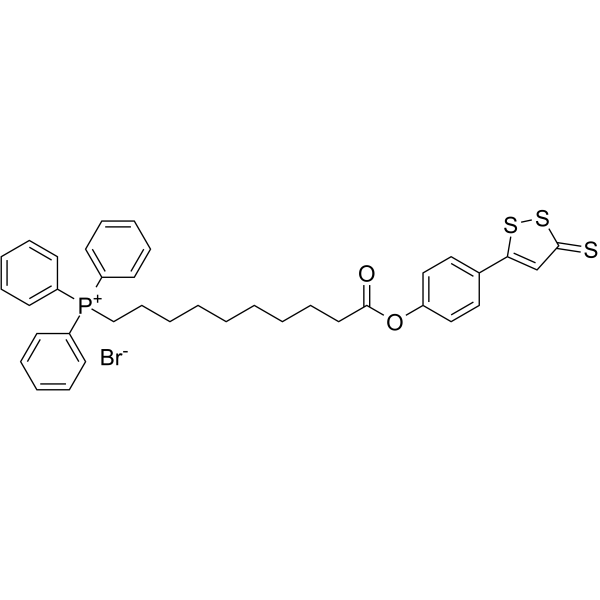
AP39 is a triphenylphosphonium derivatised anethole dithiolethione and mitochondria-targeting hydrogen sulfide (H2S) donor. AP39 increases intracellular H2S levels. AP39 exerts cytoprotective effects and maintains mitochondrial DNA integrity under oxidative stress conditions. AP39 protects against myocardial reperfusion injury in mice model and has the potential for Alzheimer's disease research .
5
5 Cited Publications
Cat. No.: HY-B0417A
CAS No.: 859-18-7
Synonyms: U10149A
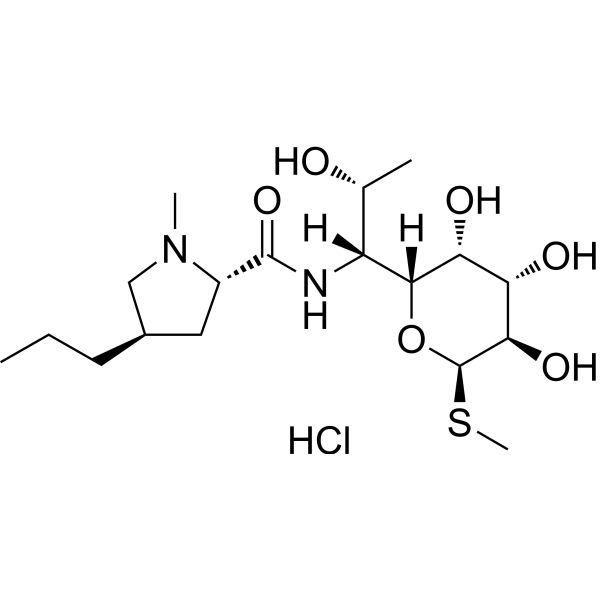
Lincomycin hydrochloride (U10149A) is an orally active lincosamide antibiotic. Lincomycin hydrochloride binds to the ribosomes of Gram-positive bacteria to inhibit protein synthesis. Lincomycin hydrochloride can inhibit chloroplast translation, disrupt chloroplast integrity, and activate chloroplast-to-nucleus retrograde signaling in Arabidopsis thaliana seedlings. Lincomycin hydrochloride induces alterations in lipid profiles and liver injury, disrupts blood glucose and insulin levels, and increases growth rate in mice .
5
5 Cited Publications
Cat. No.: HY-117660
CAS No.: 154-21-2
Purity:  99.82%
Synonyms: U-10149
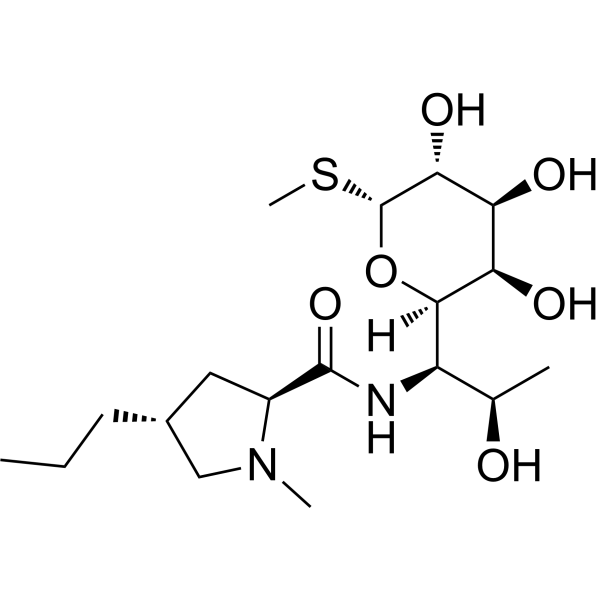
Lincomycin (U-10149) is an orally active lincosamide antibiotic. Lincomycin binds to the ribosomes of Gram-positive bacteria to inhibit protein synthesis. Lincomycin can inhibit chloroplast translation, disrupt chloroplast integrity, and activate chloroplast-to-nucleus retrograde signaling in Arabidopsis thaliana seedlings. Lincomycin induces alterations in lipid profiles and liver injury, disrupts blood glucose and insulin levels, and increases growth rate in mice .
5
5 Cited Publications
Cat. No.: HY-B1358
CAS No.: 7179-49-9
Synonyms: U-10149 hydrochloride monohydrate
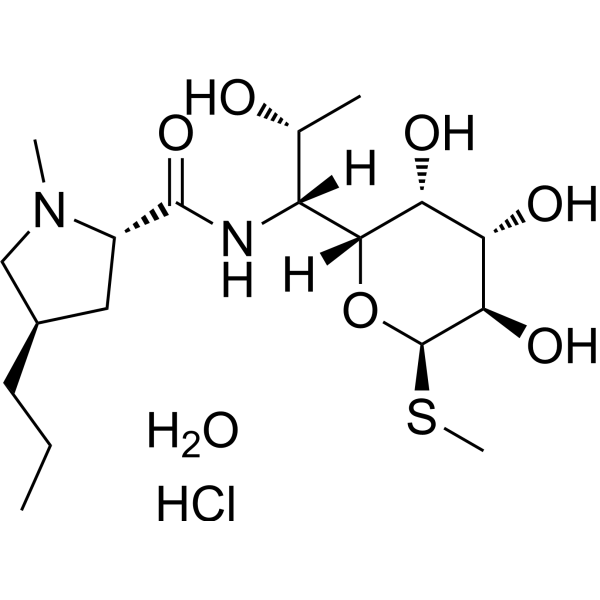
Lincomycin (U-10149) hydrochloride monohydrate is an orally active lincosamide antibiotic. Lincomycin hydrochloride monohydrate binds to the ribosomes of Gram-positive bacteria to inhibit protein synthesis. Lincomycin hydrochloride monohydrate can inhibit chloroplast translation, disrupt chloroplast integrity, and activate chloroplast-to-nucleus retrograde signaling in Arabidopsis thaliana seedlings. Lincomycin hydrochloride monohydrate induces alterations in lipid profiles and liver injury, disrupts blood glucose and insulin levels, and increases growth rate in mice .
4
4 Cited Publications
Cat. No.: HY-W040821
CAS No.: 454-29-5
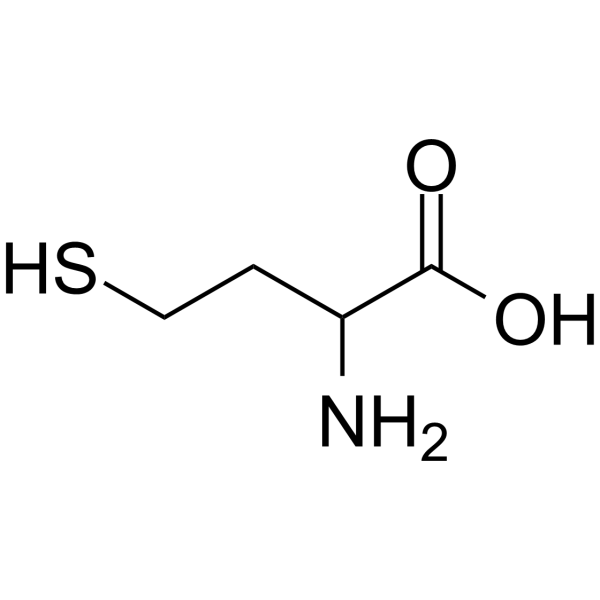
DL-Homocysteine is a weak neurotoxin, and can affect the production of kynurenic acid in the brain. DL-Homocysteine is correlated with Vitamin B12, renal functions and folate levels, affects the cross-sectional cognition indirectly through white matter microstructural integrity .
4
4 Cited Publications
Cat. No.: HY-N5034
CAS No.: 1071-23-4
Synonyms: Monoaminoethyl phosphate; NSC 254167; O-Phosphoethanolamine
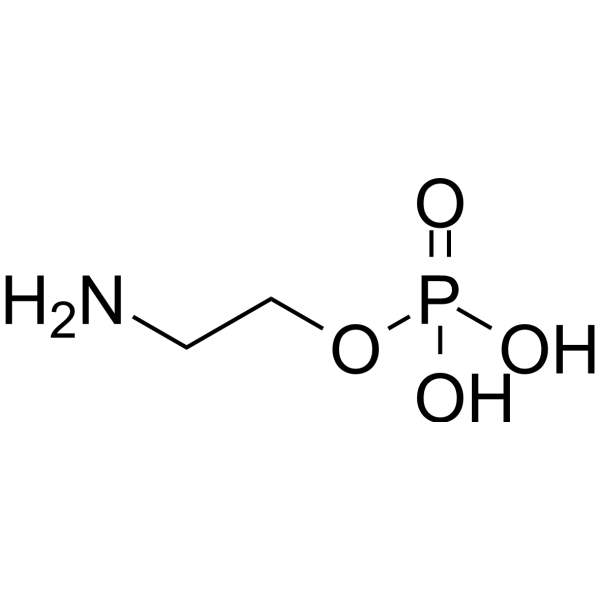
Phosphorylethanolamine (Monoaminoethyl phosphate) is a membrane phospholipid and an important precursor of Phosphatidylcholine (HY-B2233B). It is found in most animal tissues and various human extracranial tumors, playing a critical role in membrane integrity, cell division, mitochondrial respiratory function, and more. Studies have shown that changes in the abundance of Phosphorylethanolamine are associated with Alzheimer's disease and Parkinson's disease. Lowering the ratio of Phosphorylethanolamine to Phosphatidylcholine in the liver can improve insulin signaling. Phosphorylethanolamine holds promise for research in the fields of cancer, neurodegenerative disorders, and metabolic diseases .
3
3 Cited Publications
Cat. No.: HY-D1098
CAS No.: 195199-08-7
SYBR Green II is a fluorescent nucleic acid dye that mainly binds single-stranded nucleotides. SYBR Green II is sensitive to oligonucleotides or larger nucleic acid polymers in a variety of cells and gels. SYBR Green II can be used to study cell structure, membrane integrity or function, and cell cycle distribution. Wavelength 484/515 nm .
3
3 Cited Publications
Cat. No.: HY-N0237
CAS No.: 126054-77-1
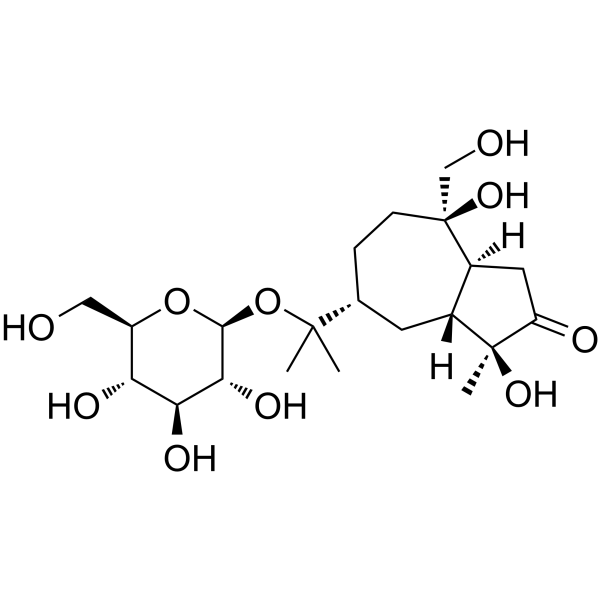
Atractyloside A is an orally active inhibitor of the TLR4/MyD88/NF-κB signaling pathway and also an opener of the mitochondrial permeability transition pore (MPTP). Atractyloside A interferes with the activation of the TLR4/MyD88/NF-κB pathway, thereby inhibiting intestinal inflammatory responses. Atractyloside A reverses mucin synthesis impairment, improves intestinal barrier integrity, and restores homeostasis by altering the composition of the gut microbiota. Atractyloside A can be used in studies related to spleen deficiency diarrhea and myocardial injury .
3
3 Cited Publications
Cat. No.: HY-139598
CAS No.: 2102347-47-5
Purity:  98.01%
Target:  

Phospholipase

Research Areas:  

Cardiovascular Disease

LFHP-1c is an PGAM5 inhibitor with neuroprotective activity in brain ischemic stroke. LFHP-1c protects blood-brain barrier integrity from ischemia-induced injury. LFHP-1c binds to endothelial PGAM5 to inhibit the activity of PGAM5 phosphatase and the interaction of PGAM5 with NRF2. LFHP-1c exhibits in vitro and in vivo protection .
3
3 Cited Publications
Cat. No.: HY-Y0850O
CAS No.: 9002-89-5
Synonyms: PVA (Mw 31000-50000, 87-89% hydrolyzed); Poly(Ethenol) (Mw 31000-50000, 87-89% hydrolyzed)
Polyvinyl alcohol (PVA; Poly (Ethenol)) (Mw 31000-50000, 87-89% hydrolyzed) is a polymer with emulsifying and stabilizing properties, with a degree of hydrolysis of 87-89%. Polyvinyl alcohol (Mw 31000-50000, 87-89% hydrolyzed) mainly acts as a stabilizer in the preparation of nanomedicines; it not only maintains the structural integrity of PEGylated PLGA nanoparticles during double emulsion synthesis, but also facilitates the preparation of chitosan/matrine-PLGA nanoparticle aqueous solutions and lipid-polymer nanoparticles. Polyvinyl alcohol (Mw 31000-50000, 87-89% hydrolyzed) can be widely used in research related to fields such as breast cancer .
2
2 Cited Publications
Cat. No.: HY-113212
CAS No.: 2955-27-3
Purity:  99.91%
Ursocholic acid, a bile acid present in mammalian bile, is converted to deoxycholic acid (UDC) by the mouse intestinal flora. Ursocholic acid acts as a gallstone dissolving agent in the liver through anti-apoptosis, anti-inflammatory, immunomodulatory, bile regulation, and coordinated changes in mitochondrial integrity and cell signaling, Ursocholic acid also has favorable effects on bones in patients with chronic cholestasis .
2
2 Cited Publications
Cat. No.: HY-Y0525
CAS No.: 2997-92-4
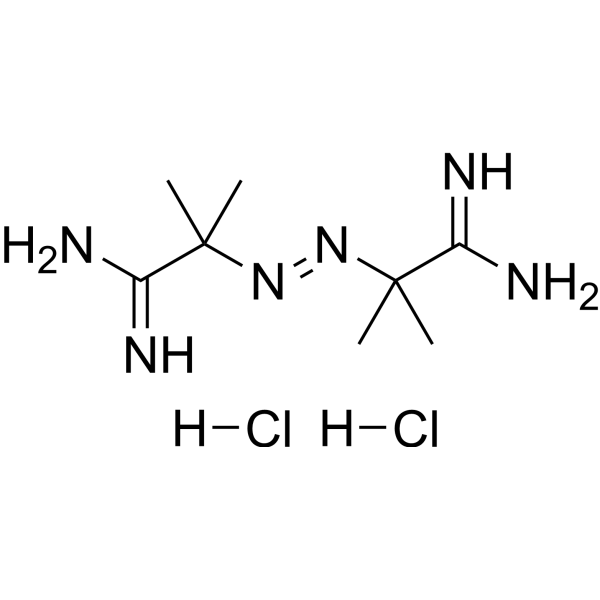
Synonyms: 2,2'-Azodiisobutyramidine dihydrochloride
Research Areas:  

Inflammation/Immunology

AAPH (2,2'-Azodiisobutyramidine dihydrochloride) has an effect of radical generation. AAPH induces oxidative stress and erythrocyte hemolysis . AAPH decomposes at 37°C to generate an alkyl radical, is used as an initiator. In the presence of oxygen, these alkyl radicals will be converted to peroxyl radicals that can cause lipid peroxidation and loss of erythrocyte membrane integrity, which could ultimately lead to hemolysis .

