

1. Search Result
Search Result
Pathways Recommended: Stem Cell/Wnt Cell Cycle/DNA Damage
Results for "

M1 cells

" in MedChemExpress (MCE) Product Catalog:

100

Inhibitors & Agonists

1

Screening Libraries

5

Fluorescent Dyes

4

Biochemical Assay Reagents

6

Peptides

7

Inhibitory Antibodies

10

Natural
Products

1

Recombinant Proteins

5

Isotope-Labeled Compounds

1

Antibodies

2

Oligonucleotides

Cat. No. Product Name Target Research Areas Chemical Structure
  • HY-B0527A
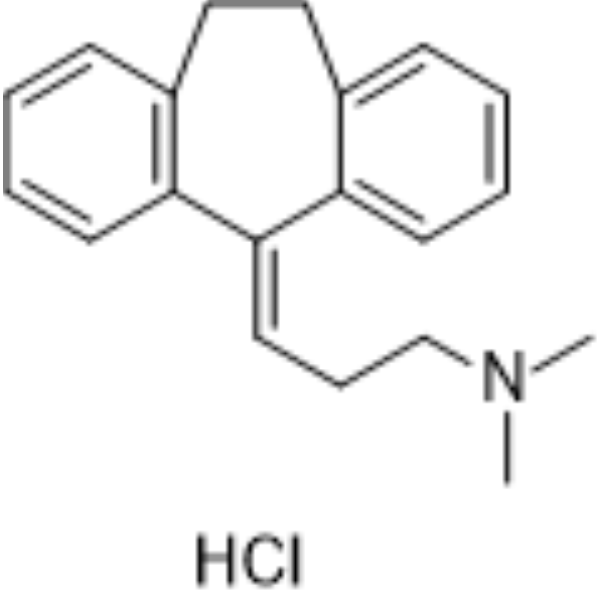
    Amitriptyline hydrochloride
    Maximum Cited Publications
    8 Publications Verification

    Serotonin Transporter 5-HT Receptor mAChR Histamine Receptor Adrenergic Receptor Trk Receptor Sodium Channel Potassium Channel Dopamine Transporter Apoptosis Neurological Disease Inflammation/Immunology Endocrinology
    Amitriptyline hydrochloride is an orally active tricyclic antidepressant (TCA). Amitriptyline hydrochloride mainly exerts its antidepressant effect by blocking SERT (Ki = 3.45 nM) and NET (Ki = 13.3 nM), thereby increasing the concentrations of 5-hydroxytryptamine (5-HT) and norepinephrine (NE) in the synaptic cleft. Amitriptyline hydrochloride is also an agonist at α2A and TrkA/TrkB receptors, thereby exerting analgesic and neurotrophic activities (inhibiting cell apoptosis). Amitriptyline hydrochloride can reduce inflammation, angiogenesis and fibrosis. Amitriptyline hydrochloride binds to DAT (with Ki = 2.58 μM). Amitriptyline hydrochloride has high affinity for a series of receptors and can antagonize muscarinic cholinergic receptors (M1/M2/M3/M4/M5 receptors) (Ki = 11-24 nM), H1 receptors (Ki = 0.5-1.1 nM), adrenergic α1 receptors (Ki = 4.4 nM), etc., resulting in a series of side effects. Amitriptyline hydrochloride can block sodium channels and hERG potassium channel (IC50 = 4.78 μM) and it has cardiotoxicity .
    Amitriptyline hydrochloride
  • HY-B0527
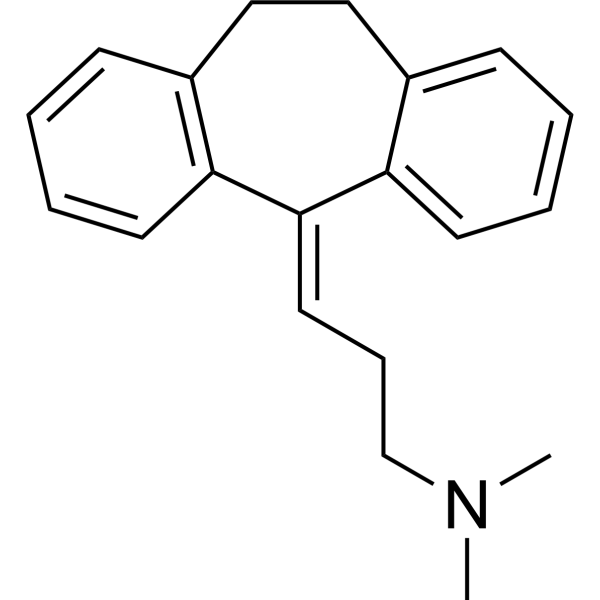
    Amitriptyline
    Maximum Cited Publications
    8 Publications Verification

    Serotonin Transporter Trk Receptor Sodium Channel 5-HT Receptor Histamine Receptor Adrenergic Receptor mAChR Potassium Channel Dopamine Transporter Apoptosis Neurological Disease Inflammation/Immunology Endocrinology
    Amitriptyline is an orally active tricyclic antidepressant (TCA). Amitriptyline mainly exerts its antidepressant effect by blocking SERT (Ki = 3.45 nM) and NET (Ki = 13.3 nM), thereby increasing the concentrations of 5-hydroxytryptamine (5-HT) and norepinephrine (NE) in the synaptic cleft. Amitriptyline is also an agonist at α2A and TrkA/TrkB receptors, thereby exerting analgesic and neurotrophic activities (inhibiting cell apoptosis). Amitriptyline can reduce inflammation, angiogenesis and fibrosis. Amitriptyline binds to DAT (with Ki = 2.58 μM). Amitriptyline has high affinity for a series of receptors and can antagonize muscarinic cholinergic receptors (M1/M2/M3/M4/M5 receptors) (Ki = 11-24 nM), H1 receptors (Ki = 0.5-1.1 nM), adrenergic α1 receptors (Ki = 4.4 nM), etc., resulting in a series of side effects. Amitriptyline can block sodium channels and hERG potassium channel (IC50 = 4.78 μM) and it has cardiotoxicity .
    Amitriptyline
  • HY-N6871
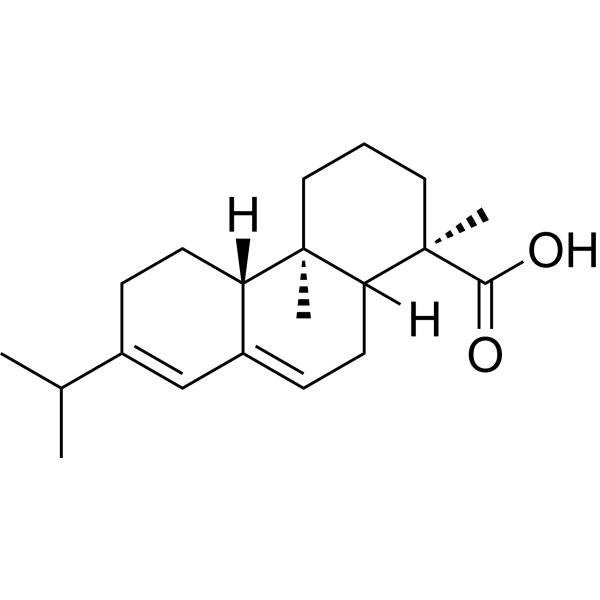
    Abietic acid
    3 Publications Verification

    Bacterial IKK Ferroptosis Infection Metabolic Disease Inflammation/Immunology Cancer
    Abietic acid, an orally active diterpene isolated from Colophony, displays significant anti-proliferative, anti-inflammatory, anti-obesity effect, bacteriostatic, cell cycle arresting and pro-apoptotic activities. Abietic acid inhibits lipoxygenase activity for allergy. Abietic acid enhances cell migration and tube formation in HUVECs. Abietic acid induces significant angiogenic potential, which is associated with upregulation of extracellular signal-regulated kinase (ERK) and p38 expression. Abietic acid attenuates sepsis-induced lung injury by inhibiting nuclear factor kappa-light-chain-enhancer of activated B cells (NF-κB) pathway to inhibit M1 macrophage polarization. Abietic acid exhibits a positive effect against liver injury by attenuating inflammation and ferroptosis. Abietic acid shows accelerated wound closure in a mouse model of cutaneous wounds. Abietic acid significantly reduces the proliferation and growth of NSCLC cells by IKKβ inhibition.Additionally, Abietic acid ameliorates psoriasis-like inflammation and modulates gut microbiota in mice. Abietic acid is promising for research in non-small-cell lung cancer (NSCLC), liver injury-related deseases and psoriasis .
    Abietic acid
  • HY-125783
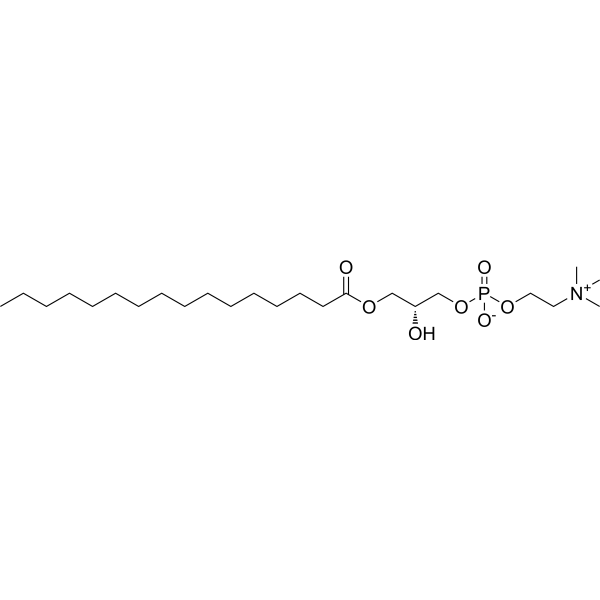
    1-Palmitoyl-sn-glycero-3-phosphocholine
    2 Publications Verification

    16:0 Lyso PC

    Endogenous Metabolite Cardiovascular Disease Metabolic Disease Inflammation/Immunology
    1-Palmitoyl-sn-glycero-3-phosphocholine (16:0 Lyso PC) is an abundant lysophosphatidylcholine. 1-Palmitoyl-sn-glycero-3-phosphocholine exhibits proinflammatory activity. 1-Palmitoyl-sn-glycero-3-phosphocholine can be used in the study of atherosclerosis .
    1-Palmitoyl-sn-glycero-3-phosphocholine
  • HY-143712
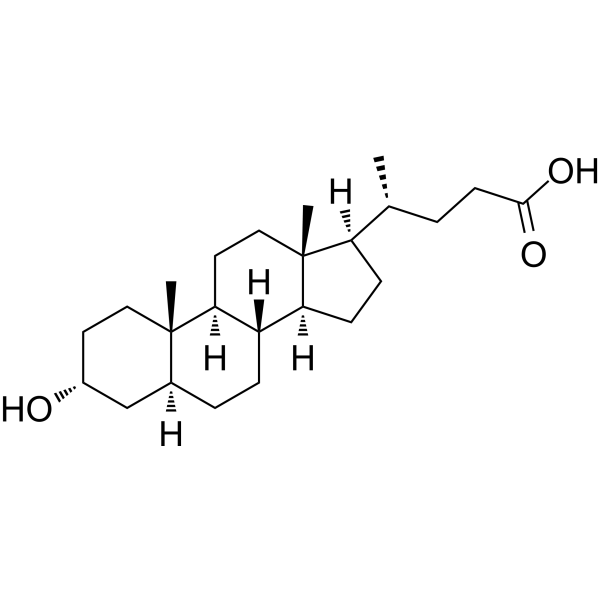
    Allolithocholic acid
    1 Publications Verification

    Drug Metabolite G protein-coupled Bile Acid Receptor 1 ROR Metabolic Disease Inflammation/Immunology Cancer
    Allolithocholic acid is an orally active metabolite of Lithocholic acid (HY-B0172). Allolithocholic acid is a dual GPBAR1 agonist (EC50 = 2.7 μM) and RORγt inverse agonist (IC50 = 3.4 μM). Allolithocholic acid modulates immune and metabolic pathways, regulates immune cell polarization, prevents M1 macrophage and Th17 CD4 cell polarization. Allolithocholic acid improves insulin sensitivity, reduces liver lipid accumulation, reverses liver immunological, inflammatory and metabolic signaling dysregulation, restores bile acid homeostasis, adipose tissue histopathology/function, and intestinal microbiota composition, modulates intestinal immunity. Allolithocholic acid can be used for the researches of cancer, inflammayion, immunology and metabolic disease .
    Allolithocholic acid
  • HY-19979
    RCM-1
    5+ Cited Publications

    DNA/RNA Synthesis Cancer
    RCM-1 is a forkhead box M1 (FOXM1) inhibitor with an EC50 of 0.72 μM in U2OS cells. RCM-1 blocks the nuclear localization and increased the proteasomal degradation of FOXM1. RCM-1 can be used for asthma and other chronic airway diseases research .
    RCM-1
  • HY-153079

    mRNA Others
    eGFP mRNA (N1-Me-Pseudo UTP) will express green fluorescent protein, originally isolated from the jellyfish, Aequorea victoria. The eGFP is a commonly used direct detection reporter in mammalian cell culture, yielding bright green fluorescence. The substitution with N1-Me-Pseudo UTP (m1Ψ) improves protein expression and reduces innate immune response.
    eGFP mRNA (N1-Me-Pseudo UTP)
  • HY-152830

    Q702

    c-Fms TAM Receptor MHC Cancer
    Adrixetinib (Q702) is an orally active triple inhibitor against CSF1R, Mer, and Axl, with Kd values of 8.7 nM, 0.8 nM, and 0.3 nM, respectively. Adrixetinib acts as a potent immune modulator that remodels the tumor microenvironment. Adrixetinib increases the abundance of M1 macrophages and CD8⁺ T cells, while decreasing the levels of M2 macrophages and myeloid-derived suppressor cells (MDSCs). Adrixetinib upregulates the expression of MHC class I and E-cadherin in tumor cells. Adrixetinib shows remarkable antitumor efficacy in syngeneic mouse tumor models. Adrixetinib is suitable for the research of breast cancer, renal adenocarcinoma, colon carcinoma, and melanoma .
    Adrixetinib
  • HY-17037
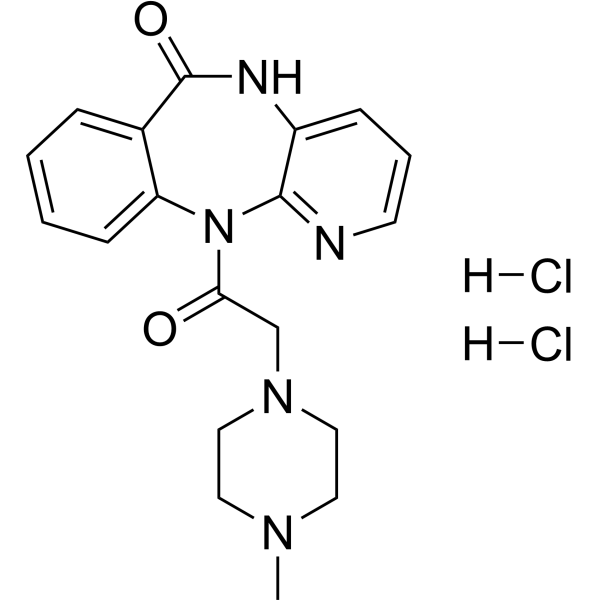
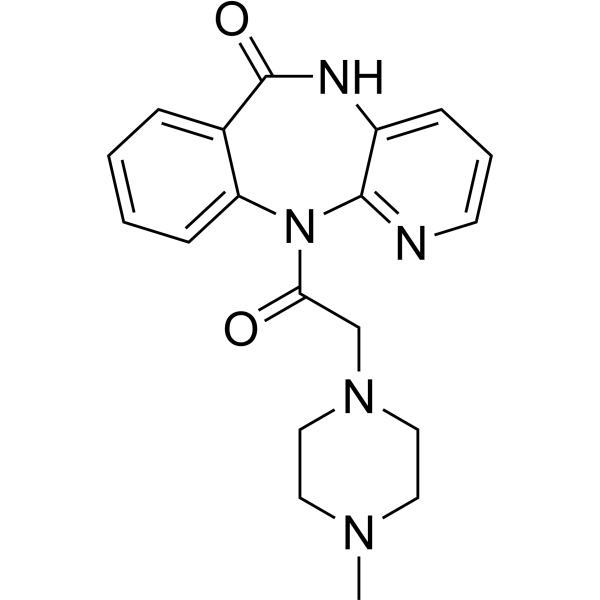
    Pirenzepine dihydrochloride
    5 Publications Verification

    LS 519; Pirenzepin dihydrochloride; Gastrozepin dihydrochloride

    mAChR Metabolic Disease Cancer
    Pirenzepine (LS 519) dihydrochloride is a selective M1 mAChR (muscarinic acetylcholine receptor) antagonist, with poor penetration of the blood-brain barrier. Pirenzepine dihydrochloride reduces gastric acid secretion and reduces muscle spasm, can be used in peptic ulcers research. Pirenzepine dihydrochloride shows anti-proliferative activity to cancer cells .
    Pirenzepine dihydrochloride
  • HY-P99364
    Icrucumab
    1 Publications Verification

    Anti-VEGFR1/FLT1 Reference Antibody; IMC-18F1

    VEGFR Apoptosis p38 MAPK Akt Endocrinology Cancer
    Icrucumab (Anti-VEGFR1/FLT1 Reference Antibody; IMC-18F1) is an IgG1 antibody inhibitor targeting VEGFR-1/FLT1 with anti-tumor activity. By blocking ligand-dependent phosphorylation and downstream signal transduction, Icrucumab reduces the activities of MAPK and Akt in breast cancer xenograft models, inhibits the proliferation and invasion of VEGFR-1-positive tumor cells, and reverses the conversion of M1 macrophages to the pro-tumor M2-like phenotype. Icrucumab also inhibits tumor cell proliferation, promotes apoptosis, and effectively suppresses tumor growth through direct targeting of tumors and host support mechanisms. In addition, Icrucumab exhibits a synergistic effect when combined with chemotherapeutic agents, and it is used in research related to various cancers including advanced solid malignancies, thyroid cancer, melanoma, and lung cancer .
    Icrucumab
  • HY-113306

    Endogenous Metabolite Others
    1-Methyladenine is a gonad maturation-promoting regulator. 1-Methyladenine is produced in testes and ovarian follicle cells of starfish under the induction of gonad-stimulating substance (GSS). 1-Methyladenine promotes starfish oocyte maturation and spawning, and modifies bases that regulate DNA structure. 1-Methyladenine converts T-A base pairs in double-stranded DNA into non-disruptive T (anti)m1A (syn) Hoogsteen conformation. If this conformational base is not repaired in a timely manner, 1-Methyladenine transforms into cytotoxic DNA damage and blocks the replication process .
    1-Methyladenine
  • HY-A0082

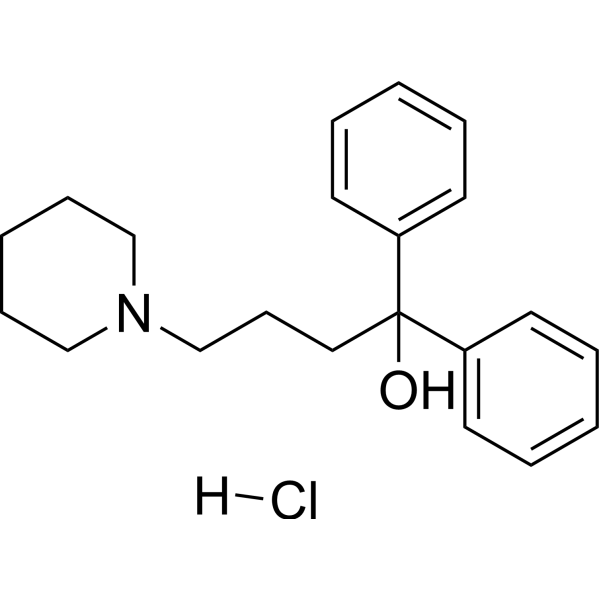
    Difenidol hydrochloride

    mAChR Sodium Channel Neurological Disease
    Diphenidol hydrochloride (Difenidol hydrochloride) is a non-selective muscarinic M1-M4 receptor antagonist, has anti-arrhythmic activity. Diphenidol hydrochloride is also a potent non-specific blocker of voltage-gated ion channels (Na +, K +, and Ca 2+) in neuronal cells. Diphenidol hydrochloride can be used in the study of antivertigo and antinausea .
    Diphenidol hydrochloride
  • HY-17037A
    Pirenzepine
    5 Publications Verification

    LS 519 free base; Pirenzepin; Gastrozepin

    mAChR Metabolic Disease Cancer
    Pirenzepine (LS 519 free base) is a selective M1 mAChR (muscarinic acetylcholine receptor) antagonist, with poor penetration of the blood-brain barrier. Pirenzepine reduces gastric acid secretion and reduces muscle spasm, can be used in peptic ulcers research. Pirenzepine shows anti-proliferative activity to cancer cells .
    Pirenzepine
  • HY-W614507

    NADPH Oxidase Apoptosis Bcl-2 Family Metabolic Disease Cancer
    Dihydronicotinamide riboside is a potent NAD + concentration enhancer. Dihydronicotinamide riboside modulates targets BAX, PUMA, NQO2, and IκB kinase. Dihydronicotinamide riboside mediates apoptosis, induces pro-oxidant activity, mitochondrial dysfunction, metabolic dysregulation, redox modulation, and pro-inflammatory M1 phenotype induction. Dihydronicotinamide riboside increases intracellular and mitochondrial NAD + levels, maintains cell survival against NAD +-depleting genotoxins. Dihydronicotinamide riboside can be used for the research of hepatocellular carcinoma .
    Dihydronicotinamide riboside
  • HY-15618

    M1 receptor modulator

    mAChR Calcium Channel Neurological Disease
    MK-7622 (M1 receptor modulator) is an orally active positive allosteric modulator of muscarinic M1 acetylcholine receptors (mAChRs). MK-7622 enhances ACh-induced calcium flux in CHO cells expressing human M1 receptors (EC50 = 21 nM) and shows robust agonist activity in rat M1-expressing CHO cells, increasing intracellular calcium. MK-7622 reverses Scopolamine (HY-N0296)-induced cognitive deficits in rhesus macaques in an object retrieval detour task. MK-7622 can be used for the study of Alzheimer's disease (AD) .
    MK-7622
  • HY-P99313

    Anti-Human IGHE Recombinant Antibody

    Apoptosis Inflammation/Immunology
    Quilizumab (Anti-Human IGHE Recombinant Antibody) is a humanized IgG1κ monoclonal antibody targeting immunoglobulin epsilon (also konwn as: IGHE, IgE). Quilizumab targets the M1-prime fragment of membrane-expressed IGHE/IgE, leading to IGHE/IgE switching and memory B cell depletion. Quilizumab has potential in asthma research .
    Quilizumab
  • HY-P99236
    Bexmarilimab
    1 Publications Verification

    FP-1305

    Transmembrane Glycoprotein Inflammation/Immunology Cancer
    Bexmarilimab (FP-1305) is a potent humanized anti-CLEVER-1 IgG4 antibody with an IC50 value of 4.51 nM. Bexmarilimab is capable of inducing a phenotypic M2 to M1 immune switch of tumor-associated macrophages. Bexmarilimab can promote antigen presentation and pro-inflammatory cytokine secretion. Bexmarilimab can induce B-cell and T-cell activation. Bexmarilimab can be used in researches of immunology and cancer, such as colorectal carcinoma .
    Bexmarilimab
  • HY-17377

    SCH-417690 maleate; SCH-D maleate

    CCR HIV Infection Endocrinology Cancer
    Vicriviroc maleate (SCH-417690 maleate; SCH-D maleate) is a potent, selective, oral bioavailable and CNS penetrated antagonist of CCR5, with a Ki of 2.5 nM, and also inhibits HIV-1 in PBMC cells, with IC90s of 3.3 nM (JrFL), 2.8 nM (ADA-M), 1.8 nM (301657), 4.9 nM (JV1083) and 10 nM (RU 570).
    Vicriviroc maleate
  • HY-107651
    VU 0365114
    1 Publications Verification

    mAChR Metabolic Disease
    VU 0365114 is a selective mAChR M5 positive allosteric modulator, with an EC50 of 2.7 μM, and >30 μM for M1, M2, M3 and M4 receptors. VU 0365114 increases insulin secretion stimulated by ACh in human β-cells .
    VU 0365114
  • HY-107648
    McN-A-343
    2 Publications Verification

    mAChR Neurological Disease Inflammation/Immunology
    McN-A-343 is a selective M1 muscarinic agonist that stimulates muscarinic transmission in sympathetic ganglia. McN-A-343 produces a significant inhibitory effect on Muscarine (HY-121404)-evoked catecholamine secretion from the isolated perfused rat adrenal gland. McN-A-343 is involved in the regulation of neuronal firing and activates enteroendocrine L cells to release glucagon-like peptide 1 (GLP-1) and modulates the secretion of α-melanocyte stimulating hormone (α-MSH) from the pituitary gland in the central nervous system. McN-A-343 reduces colonic inflammation and oxidative stress in Acetic acid (HY-Y0319)-induced ulcerative colitis (UC) mice. McN-A-343 can be used for the study of ulcerative colitis .
    McN-A-343
  • HY-P6292

    PACAP Receptor PKA ERK PI3K Akt GSK-3 Neurological Disease Cancer
    KS-133 is a bicyclic peptide with VIPR2 antagonistic activity that can cross the blood-brain barrier. KS-133 selectively blocks VIPR2-mediated Gq/Ca, Gs/cAMP, cAMP/PKA/ERK and PI3K/AKT/GSK3β signaling pathways. KS-133 inhibits VIPR2 agonist-induced CREB phosphorylation in the prefrontal cortex of mice. KS-133 shifts the polarization direction of macrophages toward M1. KS-133 attenuates cancer cell proliferation and reduces the cell cycle distribution level at the S-M phase. KS-133 exerts antitumor effects in a mouse model of colorectal cancer. KS-133 reverses cognitive decline in mouse models of psychiatric disorders. KS-133 can be used for research related to schizophrenia, colorectal cancer and breast cancer .
    KS-133
  • HY-D1056F

    Biotin-LPS, from Escherichia coli (O111:B4)

    Biochemical Assay Reagents Inflammation/Immunology
    Biotin-Lipopolysaccharide, from E.coli O111:B4 (Biotin-LPS, from Escherichia coli (O111:B4)) is a biotin-conjugated Lipopolysaccharide (LPS) (HY-D1056A1) that can be coupled with streptavidin protein. Biotin-Lipopolysaccharide, from E.coli O111:B4 can be used to identify Lipopolysaccharide ligands. Lipopolysaccharides, from E. coli O111:B4 (LPS, from Escherichia coli (O111:B4)) are endotoxins and TLR4 activators extracted from Escherichia coli (E. coli O111:B4) and are classified as S (smooth) type LPS. Lipopolysaccharides, from E. coli O111:B4 possess the typical three-part structure: O-antigen, R3-type core oligosaccharide, and lipid A. Lipopolysaccharides, from E. coli O111:B4 activate TLR-4 in immune cells and can cause significant gastric diseases. Lipopolysaccharides, from E. coli O111:B4 can also induce M1-type polarization in mouse macrophages .
    It is recommended to prepare a solution with concentration ≥2 mg/mL. Vortex thoroughly for more than 10 minutes. Due to the adsorption characteristics of LPS, silanized container or low adsorption centrifuge tubes should be used for aliquoting and storage, and mix thoroughly before use.
    Biotin-Lipopolysaccharide, from E.coli O111:B4
  • HY-126236
    3,5-Diiodothyropropionic acid
    1 Publications Verification

    Thyroid Hormone Receptor Cardiovascular Disease Endocrinology
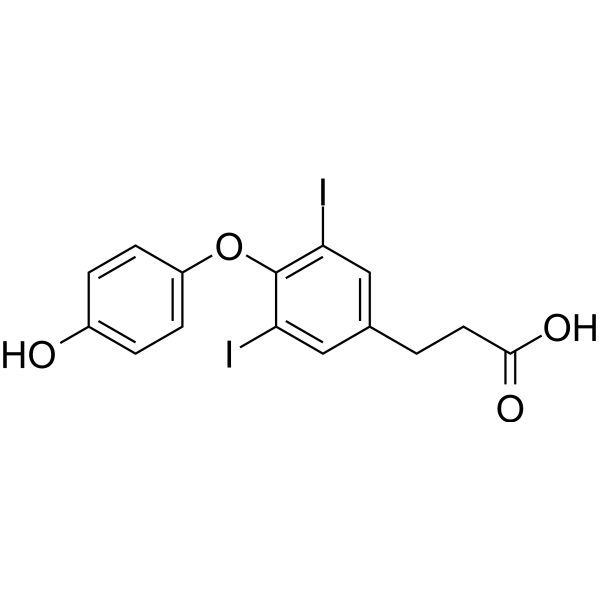
    3,5-Diiodothyropropionic acid is a thyroid hormone analog, induces α-myosin heavy chain mRNA expression, binds to thyroid hormone receptor (TR), with Ka of 2.40 and 4.06 M -1 for TRα1 and TRβ1, respectively. 3,5-Diiodothyropropionic acid promotes angiogenesis in 3-D human dermal microvascular endothelial cell sprouting assay. 3,5-Diiodothyropropionic acid prevents myocardial arteriolar loss in thyroidectomized rats and enhances cardiac energy-generating capacity in postinfarction heart failure rats. 3,5-Diiodothyropropionic can be used in studies related to angiogenesis and heart failure .
    3,5-Diiodothyropropionic acid
  • HY-B0460
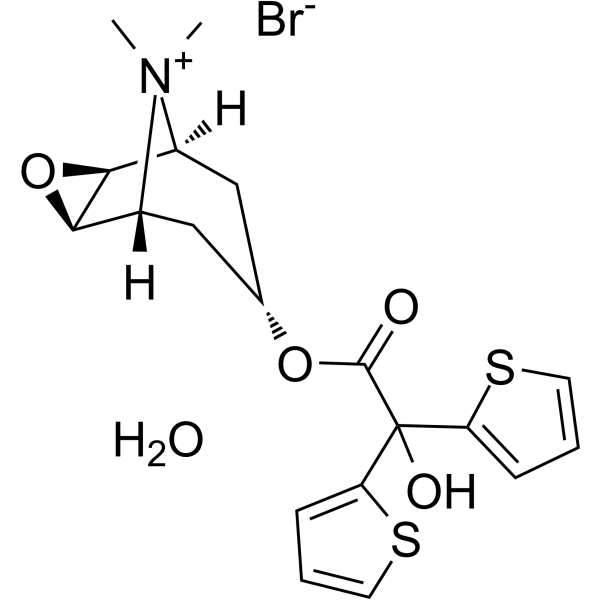
    Tiotropium bromide monohydrate
    2 Publications Verification

    BA-679 BR monohydrate

    mAChR Inflammation/Immunology
    Tiotropium bromide monohydrate (BA-679 BR monohydrate) is a long-acting anticholinergic bronchodilator. Tiotropium bromide monohydrate blocks the action of acetylcholine at muscarinic M1, M2, and M3 receptors, prevents bronchoconstriction, and dilates bronchial airways. Tiotropium bromide monohydrate is applicable to research related to chronic obstructive pulmonary disease and asthma .
    Tiotropium bromide monohydrate
  • HY-24504

    Mixed Lineage Kinase Inflammation/Immunology Cancer
    MBA-m1 is a MLKL inhibitor. MBA-m1 inhibits necroptosis in Mlkl −/− NIH-3T3 cells. MBA-m1 ameliorates disease in MLKL-induced dermatitis and abdominal aortic aneurysm mouse model .
    MBA-m1
  • HY-148692

    STAT Cancer
    OSM-SMI-10B a derivative of OSM-SMI-10. OSM-SMI-10B significantly reduces OSM-induced STAT3 phosphorylation in cancer cells upon co-incubation with OSM (Oncostatin M) .
    OSM-SMI-10B
  • HY-177106

    Drug Intermediate Ras Cancer
    ADT-1004 is an orally active prodrug of ADT-007 (HY-157887). ADT-007 is a reversible, highly potent and selective pan-RAS inhibitor that binds to the nucleotide-free conformation of RAS proteins and blocks their GTP activation, thereby inhibiting the downstream MAPK and AKT signaling pathways. ADT-1004 can be used for the research of pancreatic ductal adenocarcinoma .
    ADT-1004
  • HY-105005

    AAD-2004

    Prostaglandin Receptor PGE synthase Reactive Oxygen Species (ROS) Apoptosis Neurological Disease Inflammation/Immunology
    Crisdesalazine (AAD-2004) is a microsomal prostaglandin E2 synthase-1 (mPGES-1) inhibitor. Crisdesalazine acts as a potent free radical scavenger that directly neutralizes reactive oxygen species (ROS) including hydrogen peroxide, exerting neuroprotective effects against apoptosis and axonal damage. Crisdesalazine inhibits PGE2 production, mediates inflammatory responses, and promotes the conversion of macrophages from the pro-inflammatory M1 phenotype to the anti-inflammatory M2 phenotype. Crisdesalazine is applicable to neuroprotection research in multiple sclerosis and spinal cord injury .
    Crisdesalazine
  • HY-P4111

    CXCR Inflammation/Immunology Cancer
    Peptide R is a cyclic peptide and a specific CXCR4 antagonist. Peptide R exhibits excellent ability to effectively remodel tumor stroma. Peptide R has potential for use in tumor research .
    Peptide R
  • HY-176200

    AF98943

    mAChR Neurological Disease
    VU6008055 (AF98943) is a brain-penetrant, orally active and selective muscarinic acetylcholine receptor subtype 4 (mAChR4) activator with human EC50 values of 73.4 nM. VU6008055 potentiates mAChR4 receptor activity in the presence of acetylcholine, and exhibits no activity at mAChR1, mAChR3, or mAChR5. VU6008055 can be used for the research of schizophrenia, parkinson’s disease, alzheimer’s disease .
    VU6008055
  • HY-N8559

    Reactive Oxygen Species (ROS) Apoptosis Inflammation/Immunology
    Aloesone is a phenolic compound. Aloesone can inhibit the production of ROS, the release of NO, M1 polarization, and apoptosis in RAW264.7 cells stimulated by LPS (HY-D1056). Aloesone has anti-inflammatory and antioxidant activities .
    Aloesone
  • HY-P11107

    Apoptosis TNF Receptor Inflammation/Immunology Cancer
    RP-832c is a synthetic analogue of host defense peptides (HDP), targeting the mannose receptor CD206 on the surface of M2 polarized macrophages (Kd = 3.5 μM). RP-832c binding to CD206 induces a significant conformational change in the receptor, activating signaling pathways that lead to rapid apoptosis and repolarization of CD206-positive M2 macrophages to an M1 phenotype. RP-832c treatment significantly reduces CD206 gene expression in M2 macrophages while transiently increasing expression of TNF-α, a marker for M1 macrophages. RP-832c is used for the studies of T-cell lymphoma (CTCL) and idiopathic pulmonary fibrosis (IPF) .
    RP-832c
  • HY-B0527AR
    Amitriptyline hydrochloride (Standard)
    4 Publications Verification

    Reference Standards Serotonin Transporter 5-HT Receptor Histamine Receptor mAChR Adrenergic Receptor Trk Receptor Sodium Channel Potassium Channel Dopamine Transporter Apoptosis Neurological Disease Inflammation/Immunology Endocrinology
    Amitriptyline hydrochloride (Standard) is the analytical standard of Amitriptyline hydrochloride (HY-B0527A). This product is intended for research and analytical applications. Amitriptyline hydrochloride is an orally active tricyclic antidepressant (TCA). Amitriptyline hydrochloride mainly exerts its antidepressant effect by blocking SERT (Ki = 3.45 nM) and NET (Ki = 13.3 nM), thereby increasing the concentrations of 5-hydroxytryptamine (5-HT) and norepinephrine (NE) in the synaptic cleft. Amitriptyline hydrochloride is also an agonist at α2A and TrkA/TrkB receptors, thereby exerting analgesic and neurotrophic activities (inhibiting cell apoptosis). Amitriptyline hydrochloride can reduce inflammation, angiogenesis and fibrosis. Amitriptyline hydrochloride binds to DAT (with Ki = 2.58 μM). Amitriptyline hydrochloride has high affinity for a series of receptors and can antagonize muscarinic cholinergic receptors (M1/M2/M3/M4/M5 receptors) (Ki = 11-24 nM), H1 receptors (Ki = 0.5-1.1 nM), adrenergic α1 receptors (Ki = 4.4 nM), etc., resulting in a series of side effects. Amitriptyline hydrochloride can block sodium channels and hERG potassium channel (IC50 = 4.78 μM) and it has cardiotoxicity.
    Amitriptyline hydrochloride (Standard)
  • HY-P99121

    Integrin Inflammation/Immunology Cancer
    Anti-Mouse/Human CD11b Antibody (M1/70) is an anti-mouse CD11b IgG2b monoclonal antibody. Anti-Mouse/Human CD11b Antibody (M1/70) can significantly inhibit the adhesion between dendritic cells (DCs) and platelets. Anti-Mouse/Human CD11b Antibody (M1/70) can kill ovarian cancer cells and inhibit their migration. Anti-Mouse/Human CD11b Antibody (M1/70) can alleviate renal fibrosis and inflammation. Anti-Mouse/Human CD11b Antibody (M1/70) can be used for researches on inflammation conditions and cancer such as ischemia-reperfusion injury (IRI), thrombotic inflammatory conditions and ovarian cancer .
    Anti-Mouse/Human CD11b Antibody (M1/70)
  • HY-N12302

    N1-Dihydrocaffeoyl, N10-caffeoyl spermidine

    mAChR Others
    Scotanamine D (N1-Dihydrocaffeoyl, N10-caffeoyl spermidine) is a spermidine alkaloid. It can be isolated from S. tangutica. Scotanamine D potently and selectively inhibits the activity of the M1 muscarinic acetylcholine receptor, with an IC50 of 32 nM. It can be used in studies related to Parkinson's disease .
    Scotanamine D
  • HY-D1156A
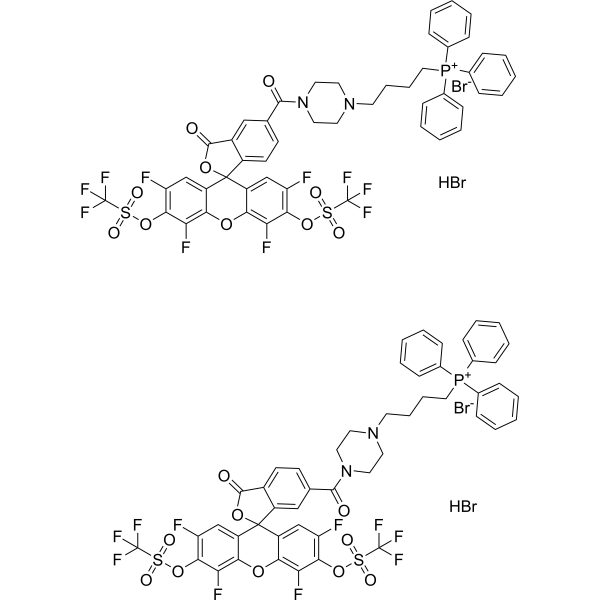
    HKSOX-1m (5/6-mixture) hydrobromide
    2 Publications Verification

    Reactive Oxygen Species (ROS) Fluorescent Dye Others
    HKSOX-1m (5/6-mixture) hydrobromide is a O2 fluorescent probe for mitochondria-targeting (Ex/Em=509/534nm; green), exhibiting excellent selectivity and sensitivity toward O2 over a broad range of pH, strong oxidants, and abundant reductants found in cells .
    HKSOX-1m (5/6-mixture) hydrobromide
  • HY-116586

    Sigma Receptor mAChR ERK Amyloid-β Tau Protein Neurological Disease
    AF710B is an orally effective allosteric agonist for the M1 muscarinic receptor and σ1 receptor. AF710B activates the downstream phosphorylated ERK1/2 and phosphorylated CREB signaling pathways. AF710B simultaneously improves cognitive function and alleviates the core pathological features of Alzheimer's disease, including deposition, excessive Tau phosphorylation and neuroinflammation. AF710B is applicable to the research of Alzheimer's disease .
    AF710B
  • HY-W614656

    Drug Derivative Neurological Disease
    Pterostilbene glucoside, a stilbene derivative of Resveratrol (HY-16561), is a bioactive compound with potent protective effects against oxidative stress. Pterostilbene glucoside effectively protects M1 muscarinic receptor-transfected COS-7 cells from dopamine (DA)-induced deficits in calcium clearance. Pterostilbene glucoside can be used for the study of the reduction of age-related neuronal and behavioral deleterious effects .
    Pterostilbene glucoside
  • HY-164548

    HSP Apoptosis PI3K Akt NF-κB Inflammation/Immunology Cancer
    WK88-1 is an apoptosis inducer and Hsp90 client protein inhibitor with antiproliferative and immunomodulatory activities. WK88-1 inhibits signaling pathways such as PI3K/Akt and NF-κB, and induces mitochondrial dysfunction and cell cycle arrest. WK88-1 effectively suppresses cancer cell migration and invasion, and reverses various EGFR mutations and resistance to Gefitinib (HY-50895). WK88-1 also regulates the differentiation of monocytes and dendritic cells, blocks the expression of multiple chemokines, inhibits immune cell migration and M1 marker transcription, and restores impaired endocytic activity. WK88-1 has been used in studies of breast cancer, non-small cell lung cancer with various EGFR mutations or Met amplification, and atherosclerosis and other related diseases .
    WK88-1
  • HY-145491

    ERK NF-κB CCR Inflammation/Immunology
    Resolvin D5 is an anti-inflammatory and analgesic agent produced in M2 macrophages. Resolvin D5 alleviates Paclitaxel (HY-B0015)-induced mechanical allodynia and inflammatory pain by activating the GPR32 receptor, with gender specificity (effective only in male mice) and independence from TRPV1 or TRPA1 channels. Resolvin D5 attenuates LPS-induced ERK phosphorylation and NF-κB nuclear translocation, downregulates proinflammatory mediators such as IL-6 and CCL5, inhibits Th17 cell differentiation and osteoclastogenesis, promotes regulatory T cell differentiation, and shows no cytotoxicity to human monocytes. The level of Resolvin D5 is elevated in arthritic SKG mice, but Resolvin D5 has no effect on dendritic cell differentiation or M1 macrophage polarization, nor does it prevent ZyA-induced arthritis progression. Resolvin D5 is suitable for research related to chemotherapy-induced peripheral neuropathy, inflammatory pain and rheumatoid arthritis .
    Resolvin D5
  • HY-B0527AS

    Isotope-Labeled Compounds Serotonin Transporter 5-HT Receptor Histamine Receptor mAChR Adrenergic Receptor Trk Receptor Sodium Channel Potassium Channel Dopamine Transporter Apoptosis Neurological Disease Inflammation/Immunology Endocrinology
    Amitriptyline-d6 hydrochloride is the deuterium labeled Amitriptyline hydrochloride (HY-B0527A). Amitriptyline hydrochloride is an orally active tricyclic antidepressant (TCA). Amitriptyline hydrochloride mainly exerts its antidepressant effect by blocking SERT (Ki = 3.45 nM) and NET (Ki = 13.3 nM), thereby increasing the concentrations of 5-hydroxytryptamine (5-HT) and norepinephrine (NE) in the synaptic cleft. Amitriptyline hydrochloride is also an agonist at α2A and TrkA/TrkB receptors, thereby exerting analgesic and neurotrophic activities (inhibiting cell apoptosis). Amitriptyline hydrochloride can reduce inflammation, angiogenesis and fibrosis. Amitriptyline hydrochloride binds to DAT (with Ki = 2.58 μM). Amitriptyline hydrochloride has high affinity for a series of receptors and can antagonize muscarinic cholinergic receptors (M1/M2/M3/M4/M5 receptors) (Ki = 11-24 nM), H1 receptors (Ki = 0.5-1.1 nM), adrenergic α1 receptors (Ki = 4.4 nM), etc., resulting in a series of side effects. Amitriptyline hydrochloride can block sodium channels and hERG potassium channel (IC50 = 4.78 μM) and it has cardiotoxicity.
    Amitriptyline-d6 hydrochloride
  • HY-118806A

    mAChR Neurological Disease
    AC-42 hydrochloride is the hydrochloride salt form of AC-42 (HY-118806). AC-42 hydrochloride is an allosteric agonist for muscarinic M1 receptor with EC50s of 805 nM and 220 nM for human wild-type and Y381A mutated M1 receptors, respectively. AC-42 hydrochloride stimulates the inositol phosphate (IP)-accumulation and calcium mobilization in CHO cells .
    AC-42 hydrochloride
  • HY-152203

    Drug Derivative Cancer
    Mitochondrial respiration-IN-2 is the fluorine derivative of Virginiamycin M1 (HY-N6686). Mitochondrial respiration-IN-2 can inhibit mitochondrial translation of glioblastoma stem cells .
    Mitochondrial respiration-IN-2
  • HY-139990
    CSF1R-IN-3
    1 Publications Verification

    c-Fms Cancer
    CSF1R-IN-3 (compound 21) is a potent and orally active CSF-1R inhibitor (IC50=2.1 nM). CSF1R-IN-3 is a potent antiproliferative activity against colorectal cancer cells. CSF1R-IN-3 inhibits the progression of colorectal cancer by suppressing the migration of macrophages, reprograming M2-like macrophages to the M1 phenotype, and enhancing the antitumor immunity .
    CSF1R-IN-3
  • HY-107656

    mAChR Neurological Disease
    PTAC oxalate is a selective muscarinic receptor ligand. PTAC oxalate is an partial agonist of M2 and M4 but antagonist of M1, M3, and M5 (Ki values of 0.2-2.8 nM for hM1-5 in CHO cells). PTAC oxalate alleviates the mechanical allodynia on the neuropathic pain and has antidepression effects .
    PTAC oxalate
  • HY-179047

    Toll-like Receptor (TLR) MyD88 IKK p38 MAPK ERK TNF Receptor Interleukin Related Inflammation/Immunology Cancer
    SMU-L11-R is a selective TLR7 agonist with an EC50 of 0.012 μM for human TLR7. SMU-L11-R specifically activates TLR7, recruits  MyD88, and triggers MAPK/NF-κB pathways, leading to TNF-α/IL-1β/IL-6 secretion in both mouse and human peripheral blood mononuclear cells. SMU-L11-R promotes M1-like macrophage polarization. SMU-L11-R exhibits excellent synergistic anti-tumor effects with PD-L1 inhibitors by upregulating CD8 +T cells. SMU-L11-R shows potential in colorectal cancer studies .
    SMU-L11-R
  • HY-P10971

    CXCR Apoptosis VEGFR GSK-3 Cadherin Caspase Cancer
    Nef-M1 (Nef-Motif-1) is an antagonist peptide targeting CXCR4 and an apoptosis inducer derived from a myristoylated protein encoded by the nef gene in HIV. Nef-M1 inhibits tumor angiogenesis and epithelial-mesenchymal transition (EMT). Nef-M1 activates the apoptosis pathway by increasing the level of caspase-3 in cancer cells. Nef-M1 simultaneously inhibits VEGF-A, p-GSK-3β and vimentin, and enhances E-cadherin, thereby inhibiting angiogenesis and EMT processes. Nef-M1 can be used in the study of colorectal cancer and breast cancer .
    Nef-M1
  • HY-A0270

    mAChR Sodium Channel Neurological Disease
    Diphenidol is a non-selective muscarinic M1-M4 receptor antagonist, has anti-arrhythmic activity. Diphenidol is also a potent non-specific blocker of voltage-gated ion channels (Na +, K +, and Ca 2+) in neuronal cells. Diphenidol can be used in the study of antivertigo and antinausea .
    Diphenidol
  • HY-N3248

    Momordicacoside G

    Endogenous Metabolite Reactive Oxygen Species (ROS) Apoptosis Inflammation/Immunology Cancer
    Momordicoside G (Momordicacoside G) is an orally active cucurbitane-type triterpene glycoside. Momordicoside G selectively induces apoptosis of M1-like macrophages, without affecting M2-like macrophages. Momordicoside G reduces intracellular ROS levels and promotes autophagy. Momordicoside G also has anticancer activity, inhibiting the growth of cancer cell lines. Momordicoside G stimulates M2-associated lung injury repair and prevents inflammatory lung cancer injury .
    Momordicoside G
  • HY-P991217

    Transmembrane Glycoprotein Cancer
    EU-103 is a humanized monoclonal antibody targeting V-Set And Immunoglobulin Domain Containing 4 (VSIG4) with a KD value ranging from 10 −7 and 10 −9. EU-103 blocks the interaction between VSIG4 and CD8+ T cells, promotes the conversion of M2 macrophages into M1 macrophages, induces the proliferation of CD8+ T cells and the secretion of pro-inflammatory cytokines, thereby inhibiting tumor growth. EU-103 is promising for research of cancers, such as bladder cancer, breast cancer, and colon cancer .
    EU-103

Inquiry Online

Your information is safe with us. * Required Fields.

Salutation


Country or Region *

Applicant Name *


Organization Name *

Department *


Email Address *


Product Name *

Cat. No.


Requested quantity *

Phone Number *


Remarks

Inquiry Online

Inquiry Information

Product Name:
Cat. No.:
Quantity:
MCE Japan Authorized Agent:

