
From 11:00 pm to 12:00 pm EST ( 8:00 pm to 9:00 pm PST ) on January 6th, the website will be under maintenance. We are sorry for the inconvenience. Please arrange your schedule properly.
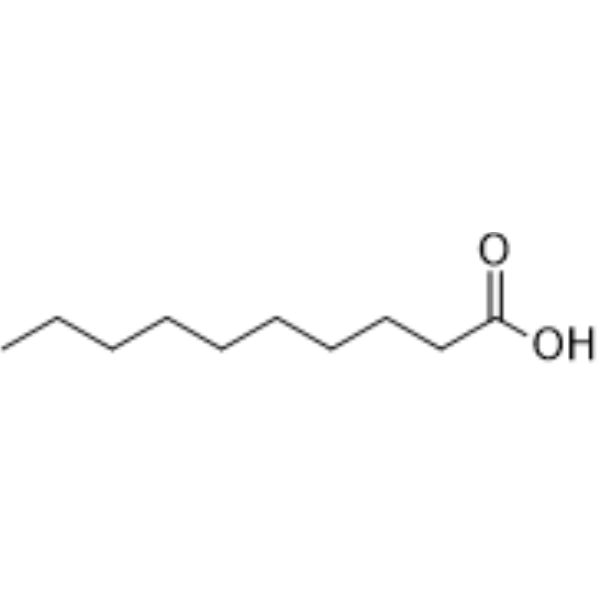
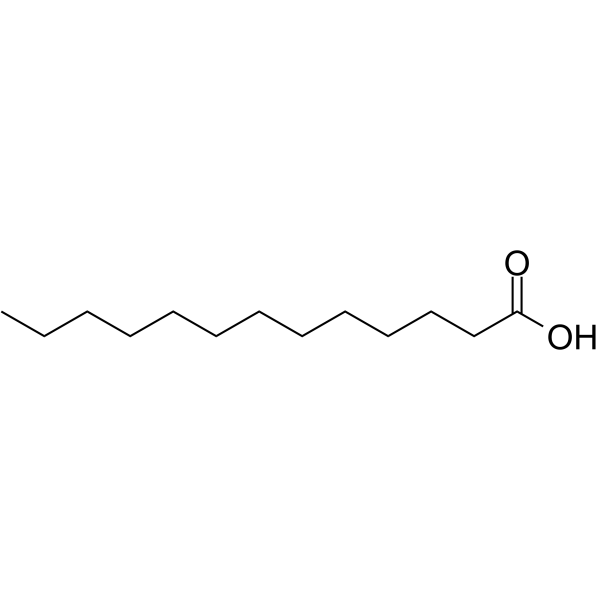
Decanoic acid is a key component of the medium-chain triglyceride (MCT) found in coconut oil. Decanoic acid is a brain-penetrant and non-competitive inhibitor of AMPA receptor showing antiseizure activity in rats. Decanoic acid reduces tyrosinase activity and inhibits melanosome maturation. Decanoic acid suppresses the phosphorylation of c-Met and induced apoptosis in hepatocellular carcinoma (HCC) cells by inhibiting the expression of various oncogenic proteins, which is promising for research in the field of mTORC1 signaling, HCC and epilepsy .
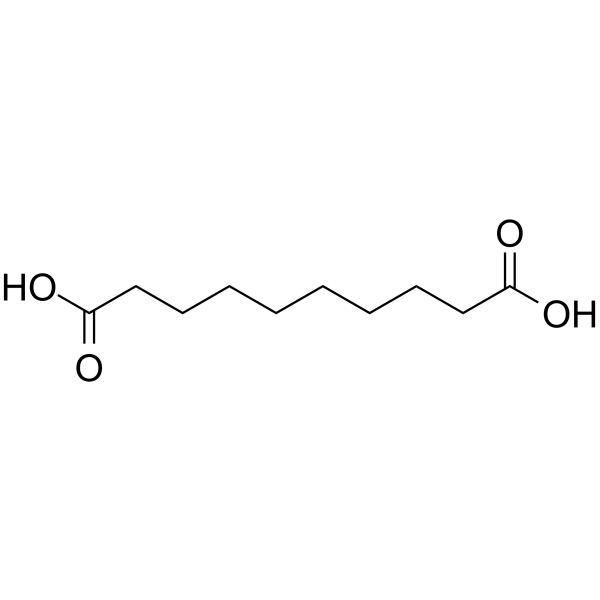
Decanedioic acid is a straight-chain dicarboxylic acid. Dodecanedioic acid overcomes metabolic inflexibility in type 2 diabetes. Decanedioic acid prevents and reverses metabolic-associated liver disease and obesity. Decanedioic acid is associated with carnitine-acylcarnitine translocase deficiency and mediumchain acyl-CoA dehydrogenase deficiency .
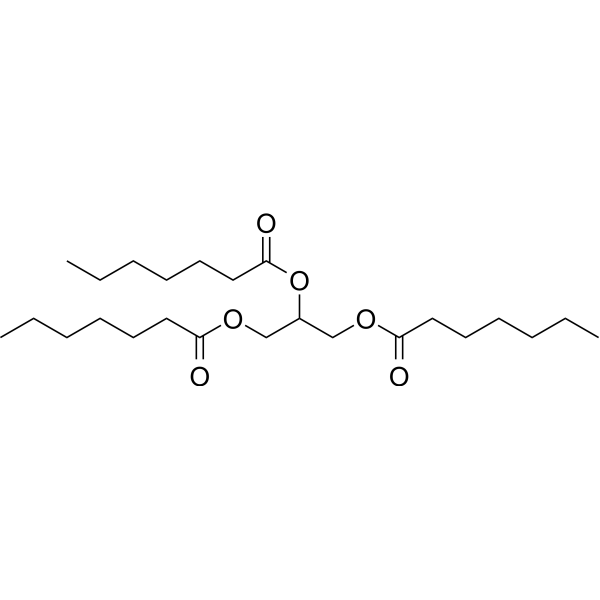
Triheptanoin (Propane-1,2,3-triyl triheptanoate) is a synthetic medium-chain triglyceride (MCT) consisting of three odd-chain 7-carbon (heptanoate) fatty acids on a glycerol backbone. Triheptanoin can be used for the research of inherited metabolic disorders .
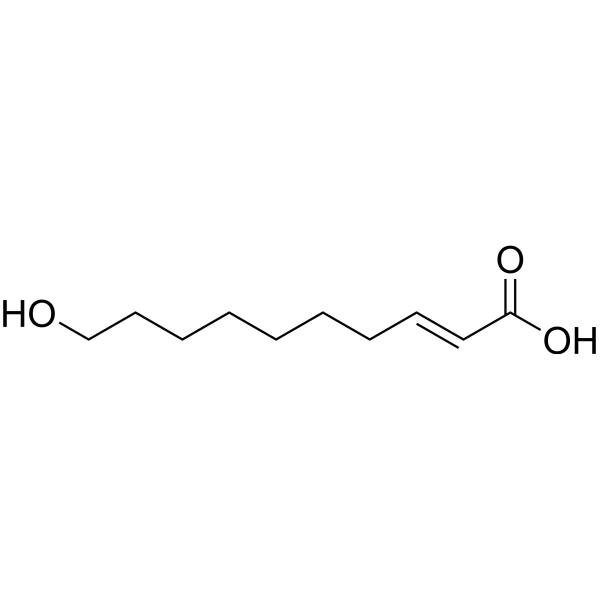
10-Hydroxy-2-decenoic acid (10-HDA) is an orally active unsaturated medium-chain fatty acid with various physiological activities. 10-Hydroxy-2-decenoic acid induces ROS-mediated apoptosis in A549 cells. 10-Hydroxy-2-decenoic acid inhibits VEGF-induced angiogenesis in human venous endothelial cells. 10-Hydroxy-2-decenoic acid alleviates non-alcoholic fatty liver disease (NAFLD) by activating the AMPK-α signaling pathway. 10-Hydroxy-2-decenoic acid protects against bone loss by inhibiting NF-κB signaling downstream of FFAR4. 10-Hydroxy-2-decenoic acid is an antibiotic against many bacteria and fungi, such as Neurospora sitophila, molds and Staphylococcus aureus. 10-Hydroxy-2-decenoic acid has longevity-promoting effects in C. elegans. 10-Hydroxy-2-decenoic acid prevents osteoarthritis by targeting aspartyl β hydroxylase and inhibiting chondrocyte senescence .
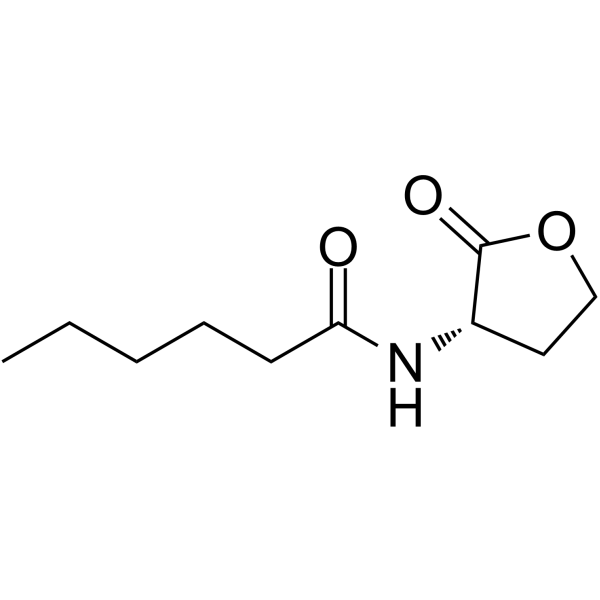
N-Hexanoyl-L-homoserine lactone is a short-chained N-acyl homoserine lactone (AHL). N-hexanoyl-L-homoserine lactone is also a mediator of bacterial quorum-sensing regulation. N-hexanoyl-L-homoserine lactone promotes lipid accumulation in algae. AHL is an intercellular communication signal molecule in the quorum sensing system of Gram-negative bacteria and a medium for mediating information exchange between eukaryotic plants and prokaryotic bacteria. AHL can affect bacteria activities, such as biofilm formation, pigment synthesis, and antibiotic synthesis .
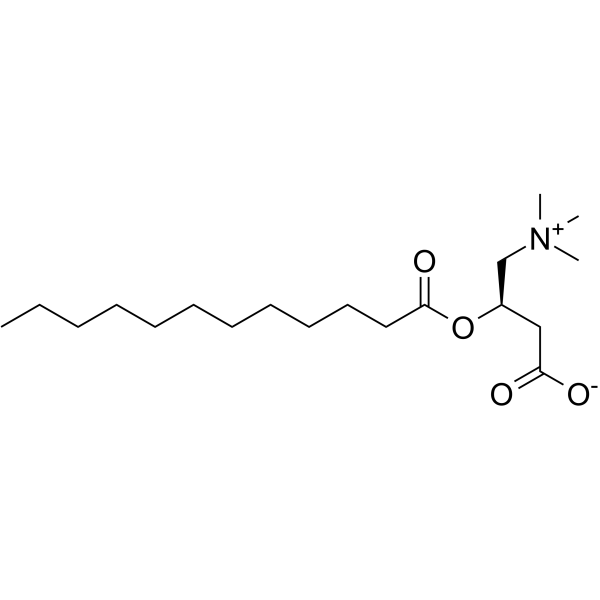
Dodecanoylcarnitine ((-)-Lauroylcarnitine) is a medium long-chain acylcarnitine, an intermediate product in key energy metabolic pathways of fatty acid β-oxidation and amino acids catabolism. The abnormal decrease in the Dodecanoylcarnitine levels indicats that mitochondrial fuel metabolism, including fatty acid oxidation is significantly disturbed. Changes in plasma concentrations of Dodecanoylcarnitine are not only associated with type II diabetes, but also with pre-diabetes status. Dodecanoylcarnitine is present in fatty acid oxidation disorders such as long-chain acyl CoA dehydrogenase deficiency, carnitine palmitoyltransferase I/II deficiency, and is also associated with celiac disease. Dodecanoylcarnitine deomonstrates high sensitivities and specificities in predicting asthma. Combined model of Decanoylcarnitine (HY-113069), Dodecanoylcarnitine, PC (16:0/0:0), and Asp Arg Pro can be used as a potential biomarker for the diagnosis of Yin-deficiency-heat syndrome .
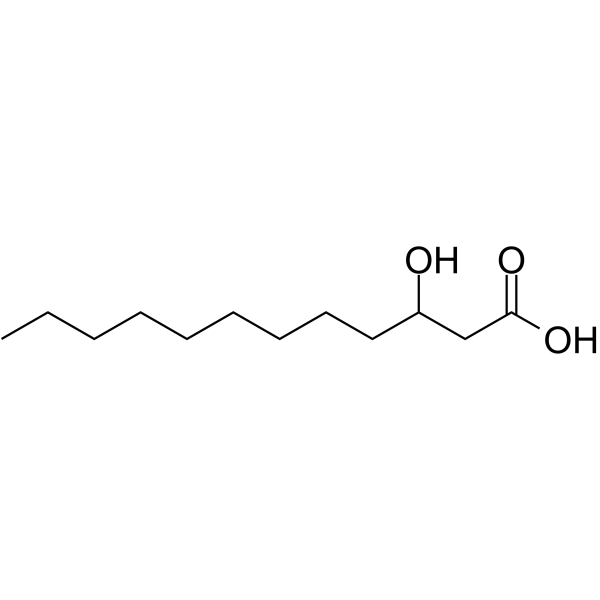
3-Hydroxydodecanoic acid is a medium-chain fatty acid. 3-Hydroxydodecanoic acid activates GPR84 and promotes IL-12 production. 3-Hydroxydodecanoic acid has anticancer activity against colon cancer, lung cancer, and melanoma .
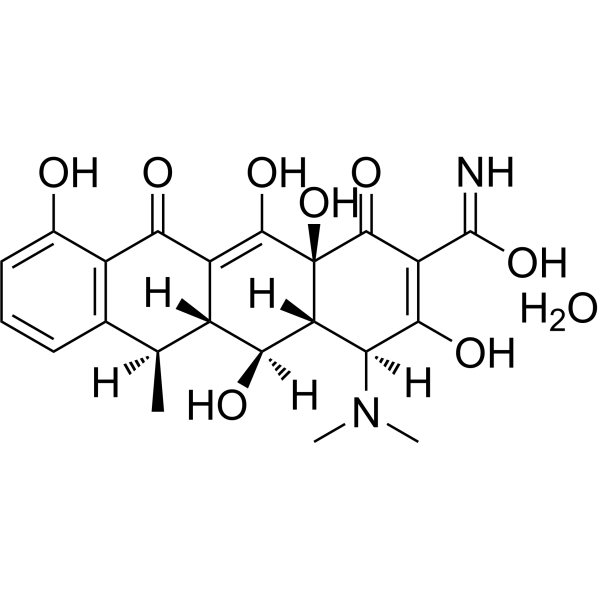
Doxycycline monohydrate is an orally active highly lipophilic, tissue-permeable MMP inhibitor with broad-spectrum antibacterial activity. Doxycycline monohydrate is also a semi-synthetic antibiotic with chelating properties, which blocks bacterial protein synthesis and inhibits extracellular matrix degradation through interactions with zinc and calcium atoms. Doxycycline monohydrate also inhibits mitochondrial biogenesis, translation, and the expression of respiratory chain proteins. Doxycycline monohydrate induces apoptosis, inhibits autophagy and EMT, downregulates stem cell markers, and activates the PI3K-AKT pathway, thereby effectively inhibiting the viability and proliferation of cancer cells such as breast cancer cells. Doxycycline monohydrate also promotes the survival and self-renewal of embryonic stem cells and neural stem cells, and reduces the frequency of medium changes in culture. Doxycycline monohydrate has been applied in studies related to breast cancer, prostate cancer, bladder cancer, and other cancers .
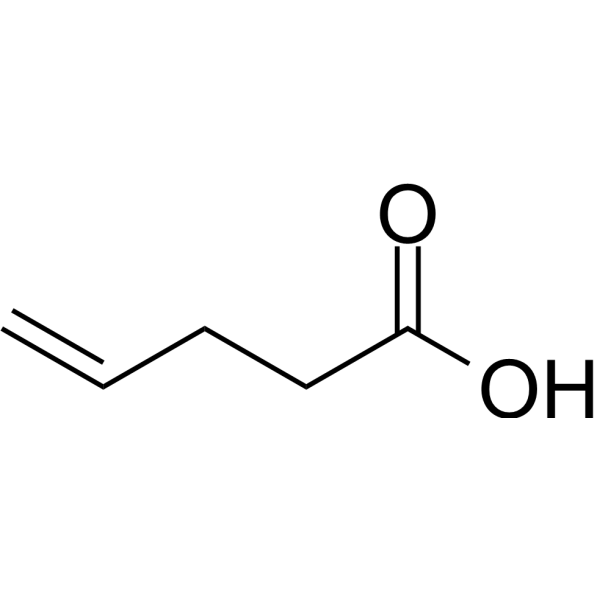
4-Pentenoic acid is a medium-chain unsaturated fatty acid. 4-Pentenoic acid has hypoglycemic and fatty acid oxidation inhibitory activities. 4-Pentenoic acid can affect blood glucose metabolism and energy metabolism through mechanisms such as inhibiting long-chain fatty acid oxidation, reducing gluconeogenesis, and promoting glucose utilization .
Arabinoxylan Medium viscosity is an orally active Dectin-1 splice variant modulator, glucose absorption inhibitor, and chyme viscosity enhancer. Arabinoxylan Medium viscosity inhibits particulate β-glucan-induced Dectin-1A activation and mildly suppresses Dectin-1B activation. In human dendritic cells stimulated with particulate β-glucan, Arabinoxylan Medium viscosity reduces the production of IL-10 and TNF-α, and increases the production of IL-4 and IL-23. Arabinoxylan Medium viscosity also supports antifungal immune responses without activating TLR2, TLR4 or TLR5, and does not induce cytokine production when used to stimulate human dendritic cells alone. Arabinoxylan Medium viscosity increases small intestinal chyme viscosity, gets degraded in the large intestine to produce short-chain fatty acids, reduces glucose absorption and insulin response, and improves glucose homeostasis. Arabinoxylan Medium viscosity supports microbial fermentation and the growth of beneficial microbiota in the gastrointestinal tract, prevents bile acid reabsorption, and delays starch digestion. Arabinoxylan Medium viscosity can be used in research related to type 2 diabetes, impaired glucose tolerance, and metabolic syndrome .
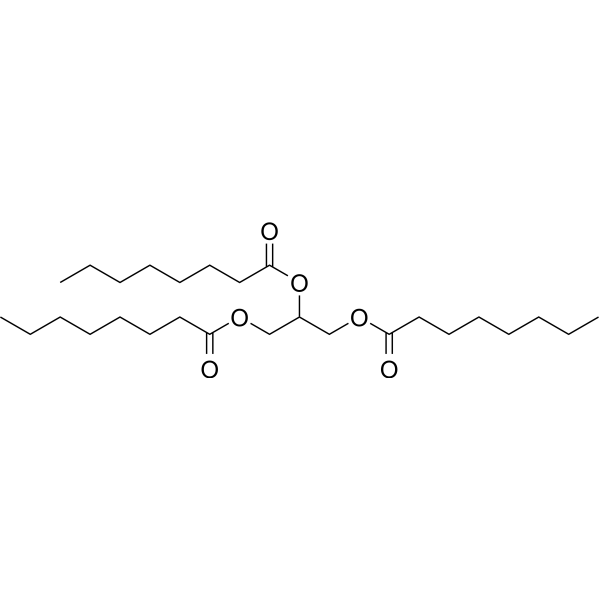
Tricaprilin (Trioctanoin) is an orally active and well tolerated ketogenic agent that safely induces ketosis. Tricaprilin restores brain electrical activity and metabolism to help counteract neuroinflammation in migraine. Tricaprilin is promising for research of migraine prevention and Alzheimer’s disease (AD). Tricaprilin is a pure C8 mediumchain triglyceride (MCT) .
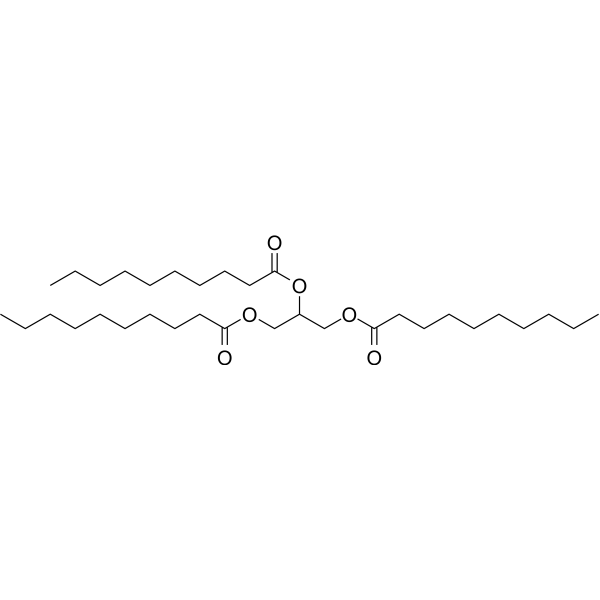
Trisdecanoin (Tricaprin; Glyceryl tridecanoate) is an orally available precursor of decanoic acid (DA precursor) that can be hydrolyzed to decanoic acid. Trisdecanoin and its metabolite capric acid not only provide the body with a quick source of energy, but can also affect lipid metabolism. Trisdecanoin is a major component of mediumchain triglycerides (MCT), which has preventive or inhibitory properties for abdominal aortic aneurysms (AAA), inhibition of cardiovascular disease, and anti-androgen (NSAA) and anti-hyperglycemic properties. Trisdecanoin can be used as an additive in food, medicine and cosmetics .
Carnitine acetyltransferase is a mitochondrial matrix enzyme that catalyzes the interconversion of Acetyl-CoA and Acetylcarnitine (HY-126358). Carnitine acetyltransferase functions as a positive regulator of total body glucose tolerance and muscle activity of pyruvate dehydrogenase. Carnitine acetyltransferase is responsible for mitochondrial acetyl-CoA balance and regulation of fatty acid oxidation by utilizing short- and medium- chain fatty acids and their corresponding acylcarnitines as substrates. Carnitine acetyltransferase plays a crucial role in regulating glucose homeostasis. Carnitine acetyltransferase can be utilized in the research of aging, obesity, and diabetes .
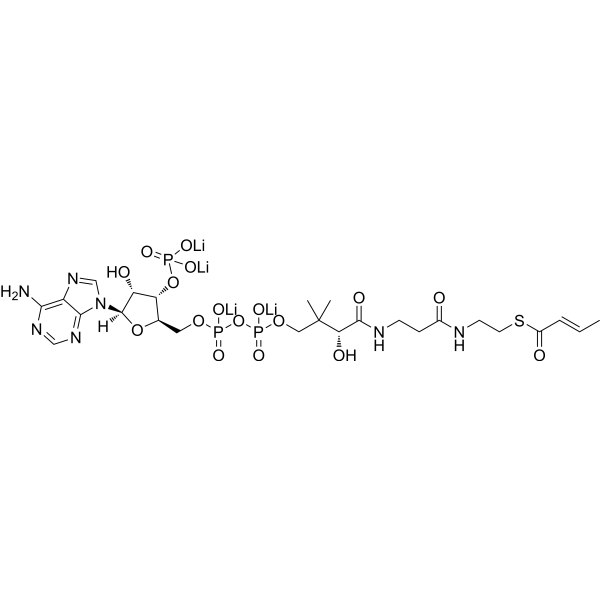
2-Butenoyl coenzyme A lithium is an inactivator and a substrate of Plasmodium falciparum enoyl-β-hydroxyacyl-acyl carrier protein (ACP) reductase and other enoyl-CoA reductases, and it is also the lithium salt of trans-2-methyl-2-butenoyl coenzyme A. 2-Butenoyl coenzyme A lithium acts on short-chain and medium-chain coenzyme A dehydrogenases as well as glutaryl-CoA dehydrogenase, and shows no activity against wild-type isovaleryl-CoA dehydrogenase. 2-Butenoyl coenzyme A lithium functions as a metabolite in the L-isoleucine catabolic pathway, and can serve as a substrate in the activity assay of 3-ketothiolase. 2-Butenoyl coenzyme A lithium is applicable to research related to 3-ketothiolase deficiency .
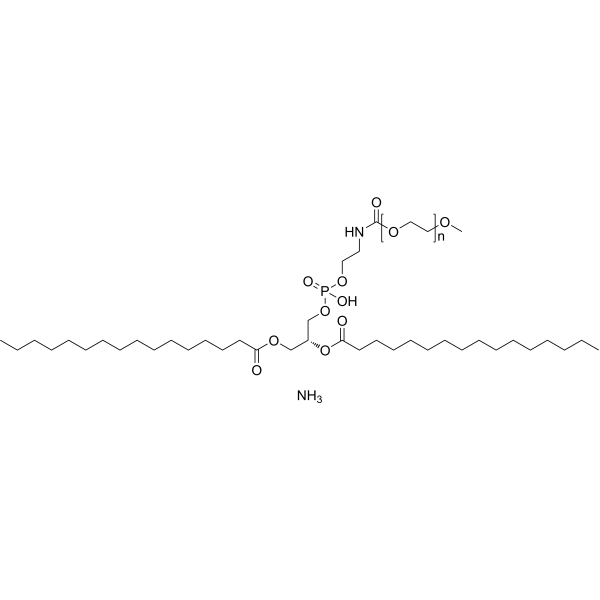
DPPE-PEG2000 ammonium (16:0 PEG5000 PE) is a polymer-lipid conjugate and LipoParticle stabilizer with a PEG chain of 5,000 g/mol molecular weight attached to its polar head, and it can be internalized by biological membranes. DPPE-PEG2000 ammonium enables LipoParticle to maintain colloidal stability after 20-fold dilution in PBS or cell culture medium, and prevents aggregate formation during lyophilization and rehydration. DPPE-PEG2000 ammonium helps enhance the non-cytotoxic property of LipoParticle formulations against human osteoblasts. DPPE-PEG2000 ammonium serves as a PEG lipid functional end group for synthesizing liposomes (LPs), is used in the design of conjugated polymer nanoparticles, and applies to research related to bone and joint infections .
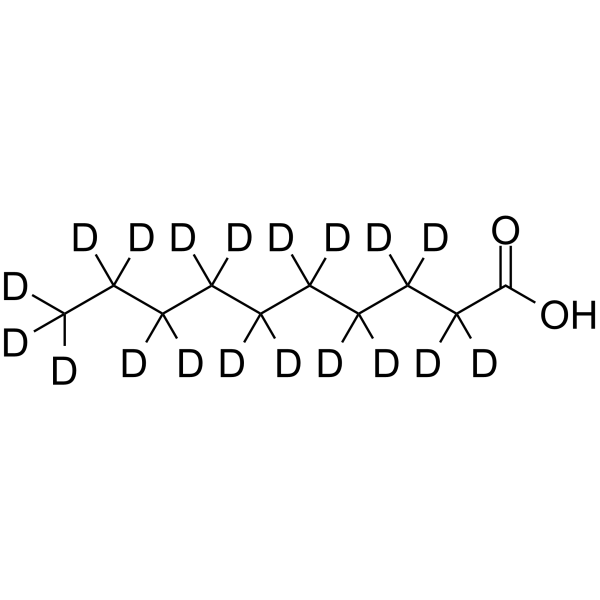
Decanoic acid-d199 is the deuterium labeled Decanoic acid. Decanoic acid, a component of mediumchain triclycerides, is a brain-penetrant and non-competitive inhibitor of AMPA receptor. Decanoic acid has antiseizure effects .
Distearoylphosphatidylserine sodium is an anionic phospholipid with stearic acid tails (18:0) and contains a carboxylic acid (COOH) and amine (NH2) in their head group. It has been used in the preparation of lipid-mixing vesicles, liposome, or artificial membrane. Due to the medium size of fatty acid chain, DLPS is used to form thinner membranes/walls.
C17 Ceramide (d18:1/17:0) (N-Heptadecanoyl-D-erythro-sphingosine) is a phospholipid internal standard. C17 Ceramide (d18:1/17:0) is used in studies of medium-chain acyl-CoA dehydrogenase deficiency (MCADD) .
4-Hydroxyhippuric acid is a metabolite of polyphenols. 4-Hydroxyhippuric acid is generated via medium-chain acyl-CoA dehydrogenase (MCAD)-dependent β-oxidation of microbially-produced 3-(4-hydroxyphenyl)propionic acid, followed by host glycine conjugation. 4-Hydroxyhippuric acid can be simultaneously detected in urine as a biomarker of dietary polyphenol intake .
Sodium LaurateIt is an organic compound belonging to fatty acids. It is the sodium salt of lauric acid, a medium-chain saturated fatty acid found in various animal and vegetable fats. Sodium LaurateCommonly used as surfactants, emulsifiers and cleaning agents in various industries such as cosmetics, personal care and detergent industries. It's found in a variety of products, including soaps, shampoos, toothpaste, and laundry detergent. Furthermore, it also has applications in the food industry where it is used as a food additive to improve texture and stability.
Tridecanoic acid (N-Tridecanoic acid) is a medium-chain saturated fatty acid and inhibitor with no antibacterial activity against enterohemorrhagic E. coli (EHEC). When used in combination with Ciprofloxacin (HY-B0356) or Ampicillin (HY-B0522), Tridecanoic acid suppresses persister formation in exponentially growing E. coli and EHEC, but exerts no inhibitory effect on persister formation induced by Kanamycin (HY-16566) or in stationary-phase cells. Tridecanoic acid inhibits biofilm formation in EHEC. It can be used in the research of bacterial infections .
DPPE-PEG5000 (16:0 PEG5000 PE) is a polymer-lipid conjugate and LipoParticle stabilizer with a PEG chain of 5,000 g/mol molecular weight attached to its polar head, and it can be internalized by biological membranes. DPPE-PEG5000 enables LipoParticle to maintain colloidal stability after 20-fold dilution in PBS or cell culture medium, and prevents aggregate formation during lyophilization and rehydration. DPPE-PEG5000 helps enhance the non-cytotoxic property of LipoParticle formulations against human osteoblasts. DPPE-PEG5000 serves as a PEG lipid functional end group for synthesizing liposomes (LPs), is used in the design of conjugated polymer nanoparticles, and applies to research related to bone and joint infections .
Doxycycline-d3 hyclate (major) is the deuterium labeled Doxycycline hyclate (HY-N0565B). Doxycycline hyclate is an orally active highly lipophilic, tissue-permeable MMP inhibitor with broad-spectrum antibacterial activity. Doxycycline hyclate is also a semi-synthetic antibiotic with chelating properties, which blocks bacterial protein synthesis and inhibits extracellular matrix degradation through interactions with zinc and calcium atoms. Doxycycline hyclate also inhibits mitochondrial biogenesis, translation, and the expression of respiratory chain proteins. Doxycycline hyclate induces apoptosis, inhibits autophagy and EMT, downregulates stem cell markers, and activates the PI3K-AKT pathway, thereby effectively inhibiting the viability and proliferation of cancer cells such as breast cancer cells. Doxycycline hyclate also promotes the survival and self-renewal of embryonic stem cells and neural stem cells, and reduces the frequency of medium changes in culture. Doxycycline hyclate has been applied in studies related to breast cancer, prostate cancer, bladder cancer, and other cancers .
Doxycycline hydrochloride (Standard) is the analytical standard of Doxycycline hydrochloride (HY-N0565A). This product is intended for research and analytical applications. Doxycycline hydrochloride is an orally active highly lipophilic, tissue-permeable MMP inhibitor with broad-spectrum antibacterial activity. Doxycycline hydrochloride is also a semi-synthetic antibiotic with chelating properties, which blocks bacterial protein synthesis and inhibits extracellular matrix degradation through interactions with zinc and calcium atoms. Doxycycline hydrochloride also inhibits mitochondrial biogenesis, translation, and the expression of respiratory chain proteins. Doxycycline hydrochloride induces apoptosis, inhibits autophagy and EMT, downregulates stem cell markers, and activates the PI3K-AKT pathway, thereby effectively inhibiting the viability and proliferation of cancer cells such as breast cancer cells. Doxycycline hydrochloride also promotes the survival and self-renewal of embryonic stem cells and neural stem cells, and reduces the frequency of medium changes in culture. Doxycycline hydrochloride has been applied in studies related to breast cancer, prostate cancer, bladder cancer, and other cancers .
Doxycycline (Standard) is the analytical standard of Doxycycline (HY-N0565). This product is intended for research and analytical applications. Doxycycline is an orally active highly lipophilic, tissue-permeable MMP inhibitor with broad-spectrum antibacterial activity. Doxycycline is also a semi-synthetic antibiotic with chelating properties, which blocks bacterial protein synthesis and inhibits extracellular matrix degradation through interactions with zinc and calcium atoms. Doxycycline also inhibits mitochondrial biogenesis, translation, and the expression of respiratory chain proteins. Doxycycline induces apoptosis, inhibits autophagy and EMT, downregulates stem cell markers, and activates the PI3K-AKT pathway, thereby effectively inhibiting the viability and proliferation of cancer cells such as breast cancer cells. Doxycycline also promotes the survival and self-renewal of embryonic stem cells and neural stem cells, and reduces the frequency of medium changes in culture. Doxycycline has been applied in studies related to breast cancer, prostate cancer, bladder cancer, and other cancers .
Doxycycline hyclate (Standard) is the analytical standard of Doxycycline hyclate (HY-N0565B). This product is intended for research and analytical applications. Doxycycline hyclate is an orally active highly lipophilic, tissue-permeable MMP inhibitor with broad-spectrum antibacterial activity. Doxycycline hyclate is also a semi-synthetic antibiotic with chelating properties, which blocks bacterial protein synthesis and inhibits extracellular matrix degradation through interactions with zinc and calcium atoms. Doxycycline hyclate also inhibits mitochondrial biogenesis, translation, and the expression of respiratory chain proteins. Doxycycline hyclate induces apoptosis, inhibits autophagy and EMT, downregulates stem cell markers, and activates the PI3K-AKT pathway, thereby effectively inhibiting the viability and proliferation of cancer cells such as breast cancer cells. Doxycycline hyclate also promotes the survival and self-renewal of embryonic stem cells and neural stem cells, and reduces the frequency of medium changes in culture. Doxycycline hyclate has been applied in studies related to breast cancer, prostate cancer, bladder cancer, and other cancers .
3-Hydroxysebacic acid is an endogenous metabolite present in Urine that can be used for the research of MediumChain Acyl Co A Dehydrogenase Deficiency .
Allyl heptanoate is an ester that is formed by the esterification of medium-chain fatty acids, heptanoic acid and allyl alcohol. The compound has a fruity smell and is commonly used as a flavoring in foods such as baked goods, candy and beverages.
Methyl decanoate is a class of esters consisting of medium-chain fatty acids, capric acid, esterified with methanol. The compound has a fruity smell and is commonly used as a flavoring in foods such as baked goods, candy and beverages.
Tridecanoic acid-d2 is the deuterium labeled Tridecanoic acid. Tridecanoic acid (N-Tridecanoic acid), a 13-carbon medium-chain saturated fatty acid, can serve as an antipersister and antibiofilm agent that may be applied to research bacterial infections. Tridecanoic acid inhibits Escherichia coli persistence and biofilm formation .
Tridecanoic acid-d25 is the deuterium labeled Tridecanoic acid. Tridecanoic acid (N-Tridecanoic acid), a 13-carbon medium-chain saturated fatty acid, can serve as an antipersister and antibiofilm agent that may be applied to research bacterial infections. Tridecanoic acid inhibits Escherichia coli persistence and biofilm formation .
Tricaprilin- 13C3 (Trioctanoin- 13C3) is a 13C-labeled Tricaprilin (HY-B1804) . Tricaprilin is an orally active and well tolerated ketogenic agent that safely induces ketosis. Tricaprilin restores brain electrical activity and metabolism to help counteract neuroinflammation in migraine. Tricaprilin is promising for research of migraine prevention and Alzheimer’s disease (AD). Tricaprilin is a pure C8 mediumchain triglyceride (MCT) .
DCEBIO is a small/medium conductance calcium-activated potassium (SKCa/IKCa) channel opener and primary neuron signal blocker. It hyperpolarizes the membrane potential of C2C12 myoblasts by activating IKCa channels, thereby promoting myogenic differentiation. The specific biological activity of DCEBIO is manifested in increased myotube formation, enhanced myosin heavy chain II protein levels and myogenin mRNA levels. DCEBIO can be applied in the field of muscle research, especially in muscle-related degenerative diseases such as sarcopenia .
Decanoic acid- 13C is the 13C-labeled Decanoic acid (HY-W015309). Decanoic acid is a key component of the medium-chain triglyceride (MCT) found in coconut oil. Decanoic acid is a brain-penetrant and non-competitive inhibitor of AMPA receptor showing antiseizure activity in rats. Decanoic acid reduces tyrosinase activity and inhibits melanosome maturation. Decanoic acid suppresses the phosphorylation of c-Met and induced apoptosis in hepatocellular carcinoma (HCC) cells by inhibiting the expression of various oncogenic proteins, which is promising for research in the field of mTORC1 signaling, HCC and epilepsy .
2-Hydroxyvaleric acid is a mediumchain α-hydroxy fatty acid. 2-Hydroxyvaleric acid is an activator in fat metabolism of palmitic acid-1-C 14. 2-hydroxyvaleric acid is also used as a staining agent for measuring tissue-specific Lactate dehydrogenase activity and elevated levels of 2-hydroxyvaleric acid induces lactic acidosis .
Hexanoyl coenzyme A trilithium is a hexanoyl-based medium-chain fatty acyl coenzyme A that is present in all organisms. Hexanoyl coenzyme A trilithium can be used as a precursor for cannabinoid biosynthesis and acts as a competitive inhibitor of medium-chain acyl coenzyme A dehydrogenase (MCAD) .
(±)-Hexanoylcarnitine exists in human urine and plasma. (±)-Hexanoylcarnitine can be used as a plasma detection indicator in patients with methylmalonic aciduria, propionic acidemia, and medium-chain acyl-CoA dehydrogenase deficiency .
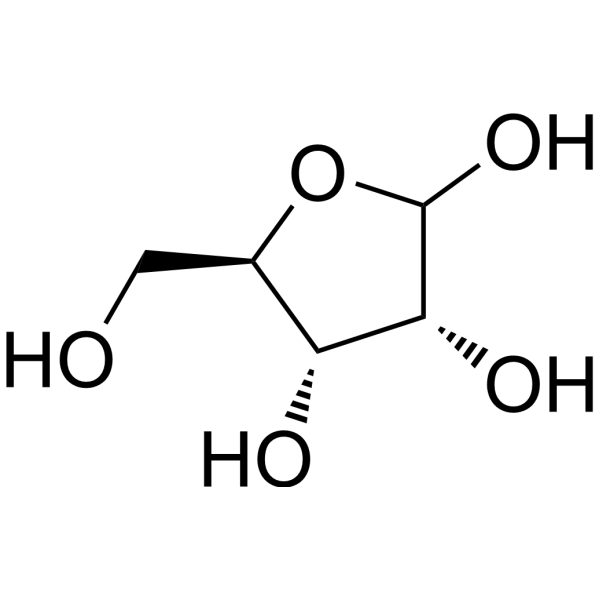
D-Ribofuranose (D-Ribose) is an endogenous metabolite present in Cerebrospinal_Fluid that can be used for the research of Ribose 5 Phosphate Isomerase Deficiency and MediumChain Acyl Co A Dehydrogenase Deficiency .
Decanoic acid-d5 is the deuterium labeled Decanoic acid. Decanoic acid, a component of mediumchain triclycerides, is a brain-penetrant and non-competitive inhibitor of AMPA receptor. Decanoic acid has antiseizure effects .
Ethyl octanoate is a class of esters consisting of the medium-chain fatty acid octanoic acid esterified with ethanol. The compound has a fruity smell and is commonly used as a flavoring in foods such as baked goods, candy and beverages. It can also be used as a fragrance ingredient in personal care products, and as a solvent or plasticizer in various industrial applications. In addition, Ethyl octanoate can be used as a starting material for the synthesis of other organic compounds.
Doxycycline-d3 hydrochloride is deuterium labeled Doxycycline hydrochloride (HY-N0565A). Doxycycline hydrochloride is an orally active highly lipophilic, tissue-permeable MMP inhibitor with broad-spectrum antibacterial activity. Doxycycline hydrochloride is also a semi-synthetic antibiotic with chelating properties, which blocks bacterial protein synthesis and inhibits extracellular matrix degradation through interactions with zinc and calcium atoms. Doxycycline hydrochloride also inhibits mitochondrial biogenesis, translation, and the expression of respiratory chain proteins. Doxycycline hydrochloride induces apoptosis, inhibits autophagy and EMT, downregulates stem cell markers, and activates the PI3K-AKT pathway, thereby effectively inhibiting the viability and proliferation of cancer cells such as breast cancer cells. Doxycycline hydrochloride also promotes the survival and self-renewal of embryonic stem cells and neural stem cells, and reduces the frequency of medium changes in culture. Doxycycline hydrochloride has been applied in studies related to breast cancer, prostate cancer, bladder cancer, and other cancers .
Doxycycline- 13C,d3 is 13C and deuterium labeled Doxycycline (HY-N0565). Doxycycline is an orally active highly lipophilic, tissue-permeable MMP inhibitor with broad-spectrum antibacterial activity. Doxycycline is also a semi-synthetic antibiotic with chelating properties, which blocks bacterial protein synthesis and inhibits extracellular matrix degradation through interactions with zinc and calcium atoms. Doxycycline also inhibits mitochondrial biogenesis, translation, and the expression of respiratory chain proteins. Doxycycline induces apoptosis, inhibits autophagy and EMT, downregulates stem cell markers, and activates the PI3K-AKT pathway, thereby effectively inhibiting the viability and proliferation of cancer cells such as breast cancer cells. Doxycycline also promotes the survival and self-renewal of embryonic stem cells and neural stem cells, and reduces the frequency of medium changes in culture. Doxycycline has been applied in studies related to breast cancer, prostate cancer, bladder cancer, and other cancers .
Decanoic acid-d3 is the deuterium labeled Decanoic acid. Decanoic acid, a component of mediumchain triclycerides, is a brain-penetrant and non-competitive inhibitor of AMPA receptor. Decanoic acid has antiseizure effects .
N-Hexanoyl-L-homoserine lactone (Standard) is the analytical standard of N-Hexanoyl-L-homoserine lactone (HY-133685). This product is intended for research and analytical applications. N-Hexanoyl-L-homoserine lactone is a short-chained N-acyl homoserine lactone (AHL). N-hexanoyl-L-homoserine lactone is also a mediator of bacterial quorum-sensing regulation. N-hexanoyl-L-homoserine lactone promotes lipid accumulation in algae. AHL is an intercellular communication signal molecule in the quorum sensing system of Gram-negative bacteria and a medium for mediating information exchange between eukaryotic plants and prokaryotic bacteria. AHL can affect bacteria activities, such as biofilm formation, pigment synthesis, and antibiotic synthesis.
Quorum sensing is a regulatory system used by bacteria to control gene expression in response to increased cell density. This regulatory process manifests itself in a variety of phenotypes, including biofilm formation and virulence factor production. Coordinated gene expression is achieved through the production, release and detection of small diffusible signaling molecules called autoinducers. N-acylated homoserine lactones (AHLs) comprise a class of such autoinducers, each of which generally consists of a fatty acid coupled to a homoserine lactone (HSL). Modulation of bacterial quorum-sensing signaling systems to suppress pathogenesis represents a new approach to antimicrobial research for infectious diseases. AHLs differ in acyl length (C4-C18), C3 substitution (hydrogen, hydroxyl, or oxo group), and the presence or absence of one or more carbon-carbon double bonds in the fatty acid chain. These differences confer signaling specificity through the affinity of the LuxR family of transcriptional regulators. C9-HSL is a rare odd-numbered acyl carbon chain produced by wild-type Erwinia carotovora strain SCC 3193 grown in nutrient-rich Luria-Bertani broth (LB) medium.
DLPS is an anionic phospholipid with lauric acid tails (12:0) and contains a carboxylic acid (COOH) and amine (NH2) in their head group. It has been used in the preparation of lipid-mixing vesicles, liposome, or artificial membrane. Due to the medium size of fatty acid chain, DLPS is used to form thinner membranes/walls.
Methyl decanoate (Standard) is the analytical standard of Methyl decanoate. This product is intended for research and analytical applications. Methyl decanoate is a class of esters consisting of medium-chain fatty acids, capric acid, esterified with methanol. The compound has a fruity smell and is commonly used as a flavoring in foods such as baked goods, candy and beverages.
1,2-Dilauroyl-sn-glycero-3-phosphate (1,2-DLPA) sodium is a phospholipid containing the medium-chain (12:0) lauric acid inserted at the sn-1 and sn-2 positions. It can be used in the generation of micelles, liposomes, and other types of artificial membranes.
D-Ribofuranose- 13C5 (D-Ribose- 13C5) is the 13C-labeled D-Ribofuranose (HY-113375). D-Ribofuranose (D-Ribose) is an endogenous metabolite present in Cerebrospinal_Fluid that can be used for the research of Ribose 5 Phosphate Isomerase Deficiency and MediumChain Acyl Co A Dehydrogenase Deficiency .
10-Hydroxy-2-decenoic acid (Standard) is an analytical standard for 10-Hydroxy-2-decenoic acid (HY-W592871). This product is intended for research and analytical applications.10-Hydroxy-2-decenoic acid (10-HDA) is an orally active unsaturated medium-chain fatty acid with various physiological activities. 10-Hydroxy-2-decenoic acid induces ROS-mediated apoptosis in A549 cells. 10-Hydroxy-2-decenoic acid inhibits VEGF-induced angiogenesis in human venous endothelial cells. 10-Hydroxy-2-decenoic acid alleviates non-alcoholic fatty liver disease (NAFLD) by activating the AMPK-α signaling pathway. 10-Hydroxy-2-decenoic acid protects against bone loss by inhibiting NF-κB signaling downstream of FFAR4. 10-Hydroxy-2-decenoic acid is an antibiotic against many bacteria and fungi, such as Neurospora sitophila, molds and Staphylococcus aureus. 10-Hydroxy-2-decenoic acid has longevity-promoting effects in C. elegans. 10-Hydroxy-2-decenoic acid prevents osteoarthritis by targeting aspartyl β hydroxylase and inhibiting chondrocyte senescence .
Nonanoyl-CoA-d17 (Pelargonoyl-CoA-d17) is the deuterium labeled Nonanoyl-CoA (HY-E70246). Nonanoyl-CoA is a medium-chain fatty acyl-CoA that can be used as substrate for the medium-chain hydrolase .
Arachidyl Laurate is a laurate mediumchain saturated (C20:0) fatty acid ester compound that can be used as a reference for the analysis of wax laurate.
Hexanoyl-Coenzyme A triammonium (06:0 Coenzyme A) is a medium-chain fatty acyl CoA that is an acyl donor substrate for ghrelin O-acyltransferase (GOAT) .
2-Methylhexanoic acid (Standard) is the analytical standard of 2-Methylhexanoic acid. This product is intended for research and analytical applications. 2-methylhexanoic acid is a medium-chain fatty acid and is used as flavouring[1].
Decanoic acid-d2 is the deuterium labeled Decanoic acid. Decanoic acid, a component of mediumchain triclycerides, is a brain-penetrant and non-competitive inhibitor of AMPA receptor. Decanoic acid has antiseizure effects .
2-Hydroxyoctanoic acid (Standard) is the analytical standard of 2-Hydroxyoctanoic acid. This product is intended for research and analytical applications. 2-Hydroxyoctanoic acid is a mediumchain acyl-CoA synthetase inhibitor with a Ki of 500 μM[1].
Triheptanoin (Standard) is the analytical standard of Triheptanoin. This product is intended for research and analytical applications. Triheptanoin (Propane-1,2,3-triyl triheptanoate) is a synthetic medium-chain triglyceride (MCT) consisting of three odd-chain 7-carbon (heptanoate) fatty acids on a glycerol backbone. Triheptanoin can be used for the research of inherited metabolic disorders .
Decanedioic acid (Standard) is the analytical standard of Decanedioic acid (HY-W014787). This product is intended for research and analytical applications. Decanedioic acid is a straight-chain dicarboxylic acid. Dodecanedioic acid overcomes metabolic inflexibility in type 2 diabetes. Decanedioic acid prevents and reverses metabolic-associated liver disease and obesity. Decanedioic acid is associated with carnitine-acylcarnitine translocase deficiency and mediumchain acyl-CoA dehydrogenase deficiency .
Tridecanoic acid-d9 is the deuterium labeled Tridecanoic acid. Tridecanoic acid (N-Tridecanoic acid), a 13-carbon medium-chain saturated fatty acid, can serve as an antipersister and antibiofilm agent that may be applied to research bacterial infections. Tridecanoic acid inhibits Escherichia coli persistence and biofilm formation .
4-Pentenoic acid (Standard) is the analytical standard of 4-Pentenoic acid (HY-Y0624). This product is intended for research and analytical applications. 4-Pentenoic acid is a medium-chain unsaturated fatty acid. 4-Pentenoic acid has hypoglycemic and fatty acid oxidation inhibitory activities. 4-Pentenoic acid can affect blood glucose metabolism and energy metabolism through mechanisms such as inhibiting long-chain fatty acid oxidation, reducing gluconeogenesis, and promoting glucose utilization.
Tridecanoic acid (Standard) is the analytical standard of Tridecanoic acid. This product is intended for research and analytical applications. Tridecanoic acid (N-Tridecanoic acid), a 13-carbon medium-chain saturated fatty acid, can serve as an antipersister and antibiofilm agent that may be applied to research bacterial infections. Tridecanoic acid inhibits Escherichia coli persistence and biofilm formation .
1,3-Dioleoyl-2-octanoyl glycerol (1,3-Olein-2-caprylin) is a triacylglycerol. 1,3-Dioleoyl-2-octanoyl glycerol can be used to characterize the functionality of R. oryzae lipase for regiodistribution analysis of fats containing medium- and short-chain fatty acids .
3-Hydroxydodecanoic acid (Standard) is an analytical standard for 3-Hydroxydodecanoic acid. This product is intended for use in research and analytical applications. 3-Hydroxydodecanoic acid is a medium-chain fatty acid. 3-Hydroxydodecanoic acid activates GPR84 and promotes IL-12 production. 3-Hydroxydodecanoic acid has anticancer activity against colon cancer, lung cancer, and melanoma .
Tricaprilin-d50 (Trioctanoin-d50) is the deuterium labeled Tricaprilin (HY-B1804). Tricaprilin is an orally active and well tolerated ketogenic agent that safely induces ketosis. Tricaprilin restores brain electrical activity and metabolism to help counteract neuroinflammation in migraine. Tricaprilin is promising for research of migraine prevention and Alzheimer’s disease (AD). Tricaprilin is a pure C8 mediumchain triglyceride (MCT) .
Tricaprilin-d15 (Trioctanoin-d15) is the deuterium labeled Tricaprilin (HY-B1804). Tricaprilin is an orally active and well tolerated ketogenic agent that safely induces ketosis. Tricaprilin restores brain electrical activity and metabolism to help counteract neuroinflammation in migraine. Tricaprilin is promising for research of migraine prevention and Alzheimer’s disease (AD). Tricaprilin is a pure C8 mediumchain triglyceride (MCT) .
4-Hydroxyhippuric acid (Standard) is the analytical standard of 4-Hydroxyhippuric acid (HY-113158). This product is intended for research and analytical applications. 4-Hydroxyhippuric acid is a metabolite of polyphenols. 4-Hydroxyhippuric acid is generated via medium-chain acyl-CoA dehydrogenase (MCAD)-dependent β-oxidation of microbially-produced 3-(4-hydroxyphenyl)propionic acid, followed by host glycine conjugation. 4-Hydroxyhippuric acid can be simultaneously detected in urine as a biomarker of dietary polyphenol intake .
Decanoic acid (Standard) is the analytical standard of Decanoic acid. This product is intended for research and analytical applications. Decanoic acid is a key component of the medium-chain triglyceride (MCT) found in coconut oil. Decanoic acid is a brain-penetrant and non-competitive inhibitor of AMPA receptor showing antiseizure activity in rats. Decanoic acid reduces tyrosinase activity and inhibits melanosome maturation. Decanoic acid suppresses the phosphorylation of c-Met and induced apoptosis in hepatocellular carcinoma (HCC) cells by inhibiting the expression of various oncogenic proteins, which is promising for research in the field of mTORC1 signaling, HCC and epilepsy .
Sodium octyl sulfate (SOS)-d17 (Sodium capryl sulfate-d17) is the deuterated analogue of Sodium octyl sulfate (SOS). Sodium octyl sulfate (Sodium capryl sulfate; SOS) is a medium‑chain anionic surfactant. Sodium octyl sulfate (SOS) can undergo strong hydrophobic interactions with serum albumins (such as human serum albumin (HSA) and bovine serum albumin (BSA)), while exhibiting weak interactions with other proteins including myoglobin and hemoglobin. As an environmental pollutant in freshwater ecosystems, Sodium octyl sulfate (SOS) can mimic interspecific pheromones released by Daphnia magna and induce the formation of multicellular colonies in green algae.
Trisdecanoin (Standard) is the analytical standard of Trisdecanoin. This product is intended for research and analytical applications. Trisdecanoin (Tricaprin; Glyceryl tridecanoate) is an orally available precursor of decanoic acid (DA precursor) that can be hydrolyzed to decanoic acid. Trisdecanoin and its metabolite capric acid not only provide the body with a quick source of energy, but can also affect lipid metabolism. Trisdecanoin is a major component of mediumchain triglycerides (MCT), which has preventive or inhibitory properties for abdominal aortic aneurysms (AAA), inhibition of cardiovascular disease, and anti-androgen (NSAA) and anti-hyperglycemic properties. Trisdecanoin can be used as an additive in food, medicine and cosmetics .
Dodecanoylcarnitine (Standard) is the analytical standard of Dodecanoylcarnitine (HY-113166). This product is intended for research and analytical applications. Dodecanoylcarnitine ((-)-Lauroylcarnitine) is a medium long-chain acylcarnitine, an intermediate product in key energy metabolic pathways of fatty acid β-oxidation and amino acids catabolism. The abnormal decrease in the Dodecanoylcarnitine levels indicats that mitochondrial fuel metabolism, including fatty acid oxidation is significantly disturbed. Changes in plasma concentrations of Dodecanoylcarnitine are not only associated with type II diabetes, but also with pre-diabetes status. Dodecanoylcarnitine is present in fatty acid oxidation disorders such as long-chain acyl CoA dehydrogenase deficiency, carnitine palmitoyltransferase I/II deficiency, and is also associated with celiac disease. Dodecanoylcarnitine deomonstrates high sensitivities and specificities in predicting asthma. Combined model of Decanoylcarnitine (HY-113069), Dodecanoylcarnitine, PC (16:0/0:0), and Asp Arg Pro can be used as a potential biomarker for the diagnosis of Yin-deficiency-heat syndrome .
Doxycycline calcium is an orally active highly lipophilic, tissue-permeable MMP inhibitor with broad-spectrum antibacterial activity. Doxycycline calcium is also a semi-synthetic antibiotic with chelating properties, which blocks bacterial protein synthesis and inhibits extracellular matrix degradation through interactions with zinc and calcium atoms. Doxycycline calcium also inhibits mitochondrial biogenesis, translation, and the expression of respiratory chain proteins. Doxycycline calcium induces apoptosis, inhibits autophagy and EMT, downregulates stem cell markers, and activates the PI3K-AKT pathway, thereby effectively inhibiting the viability and proliferation of cancer cells such as breast cancer cells. Doxycycline calcium also promotes the survival and self-renewal of embryonic stem cells and neural stem cells, and reduces the frequency of medium changes in culture. Doxycycline calcium has been applied in studies related to breast cancer, prostate cancer, bladder cancer, and other cancers .
Doxycycline monohydrate (Standard) is the analytical standard of Doxycycline monohydrate (HY-W008923). Doxycycline monohydrate is an orally active highly lipophilic, tissue-permeable MMP inhibitor with broad-spectrum antibacterial activity. Doxycycline monohydrate is also a semi-synthetic antibiotic with chelating properties, which blocks bacterial protein synthesis and inhibits extracellular matrix degradation through interactions with zinc and calcium atoms. Doxycycline monohydrate also inhibits mitochondrial biogenesis, translation, and the expression of respiratory chain proteins. Doxycycline monohydrate induces apoptosis, inhibits autophagy and EMT, downregulates stem cell markers, and activates the PI3K-AKT pathway, thereby effectively inhibiting the viability and proliferation of cancer cells such as breast cancer cells. Doxycycline monohydrate also promotes the survival and self-renewal of embryonic stem cells and neural stem cells, and reduces the frequency of medium changes in culture. Doxycycline monohydrate has been applied in studies related to breast cancer, prostate cancer, bladder cancer, and other cancers .
5-Hydroxyhexanoic acid is a normal monohydroxy carboxylic acid degradation product of fatty acids with mediumchain lengths (particularly hexanoic acid). 5-Hydroxyhexanoic acid functions as a predictor of early renal functional decline in type 2 diabetes with microalbuminuria .
Decanedioic acid-d4 is the deuterium labeled Decanedioic acid (HY-W014787). Decanedioic acid is a straight-chain dicarboxylic acid. Dodecanedioic acid overcomes metabolic inflexibility in type 2 diabetes. Decanedioic acid prevents and reverses metabolic-associated liver disease and obesity. Decanedioic acid is associated with carnitine-acylcarnitine translocase deficiency and mediumchain acyl-CoA dehydrogenase deficiency .
Decanedioic acid-d16 is the deuterium labeled Decanedioic acid (HY-W014787). Decanedioic acid is a straight-chain dicarboxylic acid. Dodecanedioic acid overcomes metabolic inflexibility in type 2 diabetes. Decanedioic acid prevents and reverses metabolic-associated liver disease and obesity. Decanedioic acid is associated with carnitine-acylcarnitine translocase deficiency and mediumchain acyl-CoA dehydrogenase deficiency .
Octanoylcarnitine is an orally active medium-chain acylcarnitine transport intermediate in fatty acid β-oxidation. Octanoylcarnitine is converted to octanoyl-CoA by carnitine acetyltransferase (CrAT), which then generates energy via β-oxidation in mitochondria of the heart and skeletal muscle. Octanoylcarnitine enhances grip strength and treadmill endurance, alleviates lactic acidosis, distributes in muscle and heart tissues, increases free carnitine levels, and mitigates mitochondrial stress. Octanoylcarnitine is associated with long-chain fatty acid metabolism, shows a positive correlation with subcutaneous fat area in patients with metastatic pancreatic ductal adenocarcinoma, and is closely related to central retinal artery occlusion (CRAO) .
DCEBIO (Standard) is the analytical standard of DCEBIO (HY-102052). This product is intended for research and analytical applications. DCEBIO is a small/medium conductance calcium-activated potassium (SKCa/IKCa) channel opener and primary neuron signal blocker. It hyperpolarizes the membrane potential of C2C12 myoblasts by activating IKCa channels, thereby promoting myogenic differentiation. The specific biological activity of DCEBIO is manifested in increased myotube formation, enhanced myosin heavy chain II protein levels and myogenin mRNA levels. DCEBIO can be applied in the field of muscle research, especially in muscle-related degenerative diseases such as sarcopenia .
2-Butenoyl coenzyme A lithium is an inactivator and a substrate of Plasmodium falciparum enoyl-β-hydroxyacyl-acyl carrier protein (ACP) reductase and other enoyl-CoA reductases, and it is also the lithium salt of trans-2-methyl-2-butenoyl coenzyme A. 2-Butenoyl coenzyme A lithium acts on short-chain and medium-chain coenzyme A dehydrogenases as well as glutaryl-CoA dehydrogenase, and shows no activity against wild-type isovaleryl-CoA dehydrogenase. 2-Butenoyl coenzyme A lithium functions as a metabolite in the L-isoleucine catabolic pathway, and can serve as a substrate in the activity assay of 3-ketothiolase. 2-Butenoyl coenzyme A lithium is applicable to research related to 3-ketothiolase deficiency .
DPPE-PEG2000 ammonium (16:0 PEG5000 PE) is a polymer-lipid conjugate and LipoParticle stabilizer with a PEG chain of 5,000 g/mol molecular weight attached to its polar head, and it can be internalized by biological membranes. DPPE-PEG2000 ammonium enables LipoParticle to maintain colloidal stability after 20-fold dilution in PBS or cell culture medium, and prevents aggregate formation during lyophilization and rehydration. DPPE-PEG2000 ammonium helps enhance the non-cytotoxic property of LipoParticle formulations against human osteoblasts. DPPE-PEG2000 ammonium serves as a PEG lipid functional end group for synthesizing liposomes (LPs), is used in the design of conjugated polymer nanoparticles, and applies to research related to bone and joint infections .
Sodium LaurateIt is an organic compound belonging to fatty acids. It is the sodium salt of lauric acid, a medium-chain saturated fatty acid found in various animal and vegetable fats. Sodium LaurateCommonly used as surfactants, emulsifiers and cleaning agents in various industries such as cosmetics, personal care and detergent industries. It's found in a variety of products, including soaps, shampoos, toothpaste, and laundry detergent. Furthermore, it also has applications in the food industry where it is used as a food additive to improve texture and stability.
DPPE-PEG5000 (16:0 PEG5000 PE) is a polymer-lipid conjugate and LipoParticle stabilizer with a PEG chain of 5,000 g/mol molecular weight attached to its polar head, and it can be internalized by biological membranes. DPPE-PEG5000 enables LipoParticle to maintain colloidal stability after 20-fold dilution in PBS or cell culture medium, and prevents aggregate formation during lyophilization and rehydration. DPPE-PEG5000 helps enhance the non-cytotoxic property of LipoParticle formulations against human osteoblasts. DPPE-PEG5000 serves as a PEG lipid functional end group for synthesizing liposomes (LPs), is used in the design of conjugated polymer nanoparticles, and applies to research related to bone and joint infections .
Allyl heptanoate is an ester that is formed by the esterification of medium-chain fatty acids, heptanoic acid and allyl alcohol. The compound has a fruity smell and is commonly used as a flavoring in foods such as baked goods, candy and beverages.
Methyl decanoate is a class of esters consisting of medium-chain fatty acids, capric acid, esterified with methanol. The compound has a fruity smell and is commonly used as a flavoring in foods such as baked goods, candy and beverages.
Hexanoyl coenzyme A trilithium is a hexanoyl-based medium-chain fatty acyl coenzyme A that is present in all organisms. Hexanoyl coenzyme A trilithium can be used as a precursor for cannabinoid biosynthesis and acts as a competitive inhibitor of medium-chain acyl coenzyme A dehydrogenase (MCAD) .
Ethyl octanoate is a class of esters consisting of the medium-chain fatty acid octanoic acid esterified with ethanol. The compound has a fruity smell and is commonly used as a flavoring in foods such as baked goods, candy and beverages. It can also be used as a fragrance ingredient in personal care products, and as a solvent or plasticizer in various industrial applications. In addition, Ethyl octanoate can be used as a starting material for the synthesis of other organic compounds.
Quorum sensing is a regulatory system used by bacteria to control gene expression in response to increased cell density. This regulatory process manifests itself in a variety of phenotypes, including biofilm formation and virulence factor production. Coordinated gene expression is achieved through the production, release and detection of small diffusible signaling molecules called autoinducers. N-acylated homoserine lactones (AHLs) comprise a class of such autoinducers, each of which generally consists of a fatty acid coupled to a homoserine lactone (HSL). Modulation of bacterial quorum-sensing signaling systems to suppress pathogenesis represents a new approach to antimicrobial research for infectious diseases. AHLs differ in acyl length (C4-C18), C3 substitution (hydrogen, hydroxyl, or oxo group), and the presence or absence of one or more carbon-carbon double bonds in the fatty acid chain. These differences confer signaling specificity through the affinity of the LuxR family of transcriptional regulators. C9-HSL is a rare odd-numbered acyl carbon chain produced by wild-type Erwinia carotovora strain SCC 3193 grown in nutrient-rich Luria-Bertani broth (LB) medium.
Methyl decanoate (Standard) is the analytical standard of Methyl decanoate. This product is intended for research and analytical applications. Methyl decanoate is a class of esters consisting of medium-chain fatty acids, capric acid, esterified with methanol. The compound has a fruity smell and is commonly used as a flavoring in foods such as baked goods, candy and beverages.
Arachidyl Laurate is a laurate mediumchain saturated (C20:0) fatty acid ester compound that can be used as a reference for the analysis of wax laurate.
Decanoic acid is a key component of the medium-chain triglyceride (MCT) found in coconut oil. Decanoic acid is a brain-penetrant and non-competitive inhibitor of AMPA receptor showing antiseizure activity in rats. Decanoic acid reduces tyrosinase activity and inhibits melanosome maturation. Decanoic acid suppresses the phosphorylation of c-Met and induced apoptosis in hepatocellular carcinoma (HCC) cells by inhibiting the expression of various oncogenic proteins, which is promising for research in the field of mTORC1 signaling, HCC and epilepsy .
Decanedioic acid is a straight-chain dicarboxylic acid. Dodecanedioic acid overcomes metabolic inflexibility in type 2 diabetes. Decanedioic acid prevents and reverses metabolic-associated liver disease and obesity. Decanedioic acid is associated with carnitine-acylcarnitine translocase deficiency and mediumchain acyl-CoA dehydrogenase deficiency .
10-Hydroxy-2-decenoic acid (10-HDA) is an orally active unsaturated medium-chain fatty acid with various physiological activities. 10-Hydroxy-2-decenoic acid induces ROS-mediated apoptosis in A549 cells. 10-Hydroxy-2-decenoic acid inhibits VEGF-induced angiogenesis in human venous endothelial cells. 10-Hydroxy-2-decenoic acid alleviates non-alcoholic fatty liver disease (NAFLD) by activating the AMPK-α signaling pathway. 10-Hydroxy-2-decenoic acid protects against bone loss by inhibiting NF-κB signaling downstream of FFAR4. 10-Hydroxy-2-decenoic acid is an antibiotic against many bacteria and fungi, such as Neurospora sitophila, molds and Staphylococcus aureus. 10-Hydroxy-2-decenoic acid has longevity-promoting effects in C. elegans. 10-Hydroxy-2-decenoic acid prevents osteoarthritis by targeting aspartyl β hydroxylase and inhibiting chondrocyte senescence .
Dodecanoylcarnitine ((-)-Lauroylcarnitine) is a medium long-chain acylcarnitine, an intermediate product in key energy metabolic pathways of fatty acid β-oxidation and amino acids catabolism. The abnormal decrease in the Dodecanoylcarnitine levels indicats that mitochondrial fuel metabolism, including fatty acid oxidation is significantly disturbed. Changes in plasma concentrations of Dodecanoylcarnitine are not only associated with type II diabetes, but also with pre-diabetes status. Dodecanoylcarnitine is present in fatty acid oxidation disorders such as long-chain acyl CoA dehydrogenase deficiency, carnitine palmitoyltransferase I/II deficiency, and is also associated with celiac disease. Dodecanoylcarnitine deomonstrates high sensitivities and specificities in predicting asthma. Combined model of Decanoylcarnitine (HY-113069), Dodecanoylcarnitine, PC (16:0/0:0), and Asp Arg Pro can be used as a potential biomarker for the diagnosis of Yin-deficiency-heat syndrome .
3-Hydroxydodecanoic acid is a medium-chain fatty acid. 3-Hydroxydodecanoic acid activates GPR84 and promotes IL-12 production. 3-Hydroxydodecanoic acid has anticancer activity against colon cancer, lung cancer, and melanoma .
4-Pentenoic acid is a medium-chain unsaturated fatty acid. 4-Pentenoic acid has hypoglycemic and fatty acid oxidation inhibitory activities. 4-Pentenoic acid can affect blood glucose metabolism and energy metabolism through mechanisms such as inhibiting long-chain fatty acid oxidation, reducing gluconeogenesis, and promoting glucose utilization .
Arabinoxylan Medium viscosity is an orally active Dectin-1 splice variant modulator, glucose absorption inhibitor, and chyme viscosity enhancer. Arabinoxylan Medium viscosity inhibits particulate β-glucan-induced Dectin-1A activation and mildly suppresses Dectin-1B activation. In human dendritic cells stimulated with particulate β-glucan, Arabinoxylan Medium viscosity reduces the production of IL-10 and TNF-α, and increases the production of IL-4 and IL-23. Arabinoxylan Medium viscosity also supports antifungal immune responses without activating TLR2, TLR4 or TLR5, and does not induce cytokine production when used to stimulate human dendritic cells alone. Arabinoxylan Medium viscosity increases small intestinal chyme viscosity, gets degraded in the large intestine to produce short-chain fatty acids, reduces glucose absorption and insulin response, and improves glucose homeostasis. Arabinoxylan Medium viscosity supports microbial fermentation and the growth of beneficial microbiota in the gastrointestinal tract, prevents bile acid reabsorption, and delays starch digestion. Arabinoxylan Medium viscosity can be used in research related to type 2 diabetes, impaired glucose tolerance, and metabolic syndrome .
Tricaprilin (Trioctanoin) is an orally active and well tolerated ketogenic agent that safely induces ketosis. Tricaprilin restores brain electrical activity and metabolism to help counteract neuroinflammation in migraine. Tricaprilin is promising for research of migraine prevention and Alzheimer’s disease (AD). Tricaprilin is a pure C8 mediumchain triglyceride (MCT) .
Trisdecanoin (Tricaprin; Glyceryl tridecanoate) is an orally available precursor of decanoic acid (DA precursor) that can be hydrolyzed to decanoic acid. Trisdecanoin and its metabolite capric acid not only provide the body with a quick source of energy, but can also affect lipid metabolism. Trisdecanoin is a major component of mediumchain triglycerides (MCT), which has preventive or inhibitory properties for abdominal aortic aneurysms (AAA), inhibition of cardiovascular disease, and anti-androgen (NSAA) and anti-hyperglycemic properties. Trisdecanoin can be used as an additive in food, medicine and cosmetics .
2-Butenoyl coenzyme A lithium is an inactivator and a substrate of Plasmodium falciparum enoyl-β-hydroxyacyl-acyl carrier protein (ACP) reductase and other enoyl-CoA reductases, and it is also the lithium salt of trans-2-methyl-2-butenoyl coenzyme A. 2-Butenoyl coenzyme A lithium acts on short-chain and medium-chain coenzyme A dehydrogenases as well as glutaryl-CoA dehydrogenase, and shows no activity against wild-type isovaleryl-CoA dehydrogenase. 2-Butenoyl coenzyme A lithium functions as a metabolite in the L-isoleucine catabolic pathway, and can serve as a substrate in the activity assay of 3-ketothiolase. 2-Butenoyl coenzyme A lithium is applicable to research related to 3-ketothiolase deficiency .
4-Hydroxyhippuric acid is a metabolite of polyphenols. 4-Hydroxyhippuric acid is generated via medium-chain acyl-CoA dehydrogenase (MCAD)-dependent β-oxidation of microbially-produced 3-(4-hydroxyphenyl)propionic acid, followed by host glycine conjugation. 4-Hydroxyhippuric acid can be simultaneously detected in urine as a biomarker of dietary polyphenol intake .
Tridecanoic acid (N-Tridecanoic acid) is a medium-chain saturated fatty acid and inhibitor with no antibacterial activity against enterohemorrhagic E. coli (EHEC). When used in combination with Ciprofloxacin (HY-B0356) or Ampicillin (HY-B0522), Tridecanoic acid suppresses persister formation in exponentially growing E. coli and EHEC, but exerts no inhibitory effect on persister formation induced by Kanamycin (HY-16566) or in stationary-phase cells. Tridecanoic acid inhibits biofilm formation in EHEC. It can be used in the research of bacterial infections .
3-Hydroxysebacic acid is an endogenous metabolite present in Urine that can be used for the research of MediumChain Acyl Co A Dehydrogenase Deficiency .
2-Hydroxyvaleric acid is a mediumchain α-hydroxy fatty acid. 2-Hydroxyvaleric acid is an activator in fat metabolism of palmitic acid-1-C 14. 2-hydroxyvaleric acid is also used as a staining agent for measuring tissue-specific Lactate dehydrogenase activity and elevated levels of 2-hydroxyvaleric acid induces lactic acidosis .
(±)-Hexanoylcarnitine exists in human urine and plasma. (±)-Hexanoylcarnitine can be used as a plasma detection indicator in patients with methylmalonic aciduria, propionic acidemia, and medium-chain acyl-CoA dehydrogenase deficiency .
10-Hydroxy-2-decenoic acid (Standard) is an analytical standard for 10-Hydroxy-2-decenoic acid (HY-W592871). This product is intended for research and analytical applications.10-Hydroxy-2-decenoic acid (10-HDA) is an orally active unsaturated medium-chain fatty acid with various physiological activities. 10-Hydroxy-2-decenoic acid induces ROS-mediated apoptosis in A549 cells. 10-Hydroxy-2-decenoic acid inhibits VEGF-induced angiogenesis in human venous endothelial cells. 10-Hydroxy-2-decenoic acid alleviates non-alcoholic fatty liver disease (NAFLD) by activating the AMPK-α signaling pathway. 10-Hydroxy-2-decenoic acid protects against bone loss by inhibiting NF-κB signaling downstream of FFAR4. 10-Hydroxy-2-decenoic acid is an antibiotic against many bacteria and fungi, such as Neurospora sitophila, molds and Staphylococcus aureus. 10-Hydroxy-2-decenoic acid has longevity-promoting effects in C. elegans. 10-Hydroxy-2-decenoic acid prevents osteoarthritis by targeting aspartyl β hydroxylase and inhibiting chondrocyte senescence .
2-Hydroxyoctanoic acid (Standard) is the analytical standard of 2-Hydroxyoctanoic acid. This product is intended for research and analytical applications. 2-Hydroxyoctanoic acid is a mediumchain acyl-CoA synthetase inhibitor with a Ki of 500 μM[1].
Decanedioic acid (Standard) is the analytical standard of Decanedioic acid (HY-W014787). This product is intended for research and analytical applications. Decanedioic acid is a straight-chain dicarboxylic acid. Dodecanedioic acid overcomes metabolic inflexibility in type 2 diabetes. Decanedioic acid prevents and reverses metabolic-associated liver disease and obesity. Decanedioic acid is associated with carnitine-acylcarnitine translocase deficiency and mediumchain acyl-CoA dehydrogenase deficiency .
4-Pentenoic acid (Standard) is the analytical standard of 4-Pentenoic acid (HY-Y0624). This product is intended for research and analytical applications. 4-Pentenoic acid is a medium-chain unsaturated fatty acid. 4-Pentenoic acid has hypoglycemic and fatty acid oxidation inhibitory activities. 4-Pentenoic acid can affect blood glucose metabolism and energy metabolism through mechanisms such as inhibiting long-chain fatty acid oxidation, reducing gluconeogenesis, and promoting glucose utilization.
Tridecanoic acid (Standard) is the analytical standard of Tridecanoic acid. This product is intended for research and analytical applications. Tridecanoic acid (N-Tridecanoic acid), a 13-carbon medium-chain saturated fatty acid, can serve as an antipersister and antibiofilm agent that may be applied to research bacterial infections. Tridecanoic acid inhibits Escherichia coli persistence and biofilm formation .
3-Hydroxydodecanoic acid (Standard) is an analytical standard for 3-Hydroxydodecanoic acid. This product is intended for use in research and analytical applications. 3-Hydroxydodecanoic acid is a medium-chain fatty acid. 3-Hydroxydodecanoic acid activates GPR84 and promotes IL-12 production. 3-Hydroxydodecanoic acid has anticancer activity against colon cancer, lung cancer, and melanoma .
4-Hydroxyhippuric acid (Standard) is the analytical standard of 4-Hydroxyhippuric acid (HY-113158). This product is intended for research and analytical applications. 4-Hydroxyhippuric acid is a metabolite of polyphenols. 4-Hydroxyhippuric acid is generated via medium-chain acyl-CoA dehydrogenase (MCAD)-dependent β-oxidation of microbially-produced 3-(4-hydroxyphenyl)propionic acid, followed by host glycine conjugation. 4-Hydroxyhippuric acid can be simultaneously detected in urine as a biomarker of dietary polyphenol intake .
Decanoic acid (Standard) is the analytical standard of Decanoic acid. This product is intended for research and analytical applications. Decanoic acid is a key component of the medium-chain triglyceride (MCT) found in coconut oil. Decanoic acid is a brain-penetrant and non-competitive inhibitor of AMPA receptor showing antiseizure activity in rats. Decanoic acid reduces tyrosinase activity and inhibits melanosome maturation. Decanoic acid suppresses the phosphorylation of c-Met and induced apoptosis in hepatocellular carcinoma (HCC) cells by inhibiting the expression of various oncogenic proteins, which is promising for research in the field of mTORC1 signaling, HCC and epilepsy .
Trisdecanoin (Standard) is the analytical standard of Trisdecanoin. This product is intended for research and analytical applications. Trisdecanoin (Tricaprin; Glyceryl tridecanoate) is an orally available precursor of decanoic acid (DA precursor) that can be hydrolyzed to decanoic acid. Trisdecanoin and its metabolite capric acid not only provide the body with a quick source of energy, but can also affect lipid metabolism. Trisdecanoin is a major component of mediumchain triglycerides (MCT), which has preventive or inhibitory properties for abdominal aortic aneurysms (AAA), inhibition of cardiovascular disease, and anti-androgen (NSAA) and anti-hyperglycemic properties. Trisdecanoin can be used as an additive in food, medicine and cosmetics .
Dodecanoylcarnitine (Standard) is the analytical standard of Dodecanoylcarnitine (HY-113166). This product is intended for research and analytical applications. Dodecanoylcarnitine ((-)-Lauroylcarnitine) is a medium long-chain acylcarnitine, an intermediate product in key energy metabolic pathways of fatty acid β-oxidation and amino acids catabolism. The abnormal decrease in the Dodecanoylcarnitine levels indicats that mitochondrial fuel metabolism, including fatty acid oxidation is significantly disturbed. Changes in plasma concentrations of Dodecanoylcarnitine are not only associated with type II diabetes, but also with pre-diabetes status. Dodecanoylcarnitine is present in fatty acid oxidation disorders such as long-chain acyl CoA dehydrogenase deficiency, carnitine palmitoyltransferase I/II deficiency, and is also associated with celiac disease. Dodecanoylcarnitine deomonstrates high sensitivities and specificities in predicting asthma. Combined model of Decanoylcarnitine (HY-113069), Dodecanoylcarnitine, PC (16:0/0:0), and Asp Arg Pro can be used as a potential biomarker for the diagnosis of Yin-deficiency-heat syndrome .
5-Hydroxyhexanoic acid is a normal monohydroxy carboxylic acid degradation product of fatty acids with mediumchain lengths (particularly hexanoic acid). 5-Hydroxyhexanoic acid functions as a predictor of early renal functional decline in type 2 diabetes with microalbuminuria .
Hadh; Hadhsc; Mschad; Schad; Hydroxyacyl-coenzyme A dehydrogenase; mitochondrial; HCDH; EC 1.1.1.35; Medium and short-chain L-3-hydroxyacyl-coenzyme A dehydrogenase; Short-chain 3-hydroxyacyl-CoA dehydrogenase
HCDH Protein, pivotal in mitochondrial fatty acid beta-oxidation, manages the third step for medium and short-chain 3-hydroxy fatty acyl-CoAs (C4 to C10). Beyond lipid metabolism, HCDH regulates insulin secretion by inhibiting glutamate dehydrogenase 1 (GLUD1) activation, a key enzyme in amino acid-induced insulin secretion. HCDH emerges as a pivotal factor in regulating cellular processes related to energy metabolism and glucose homeostasis. HCDH Protein, Mouse (His-SUMO) is the recombinant mouse-derived HCDH protein, expressed by E. coli , with N-His, N-SUMO labeled tag.
Decanoic acid-d199 is the deuterium labeled Decanoic acid. Decanoic acid, a component of mediumchain triclycerides, is a brain-penetrant and non-competitive inhibitor of AMPA receptor. Decanoic acid has antiseizure effects .
Doxycycline-d3 hyclate (major) is the deuterium labeled Doxycycline hyclate (HY-N0565B). Doxycycline hyclate is an orally active highly lipophilic, tissue-permeable MMP inhibitor with broad-spectrum antibacterial activity. Doxycycline hyclate is also a semi-synthetic antibiotic with chelating properties, which blocks bacterial protein synthesis and inhibits extracellular matrix degradation through interactions with zinc and calcium atoms. Doxycycline hyclate also inhibits mitochondrial biogenesis, translation, and the expression of respiratory chain proteins. Doxycycline hyclate induces apoptosis, inhibits autophagy and EMT, downregulates stem cell markers, and activates the PI3K-AKT pathway, thereby effectively inhibiting the viability and proliferation of cancer cells such as breast cancer cells. Doxycycline hyclate also promotes the survival and self-renewal of embryonic stem cells and neural stem cells, and reduces the frequency of medium changes in culture. Doxycycline hyclate has been applied in studies related to breast cancer, prostate cancer, bladder cancer, and other cancers .
Tridecanoic acid-d2 is the deuterium labeled Tridecanoic acid. Tridecanoic acid (N-Tridecanoic acid), a 13-carbon medium-chain saturated fatty acid, can serve as an antipersister and antibiofilm agent that may be applied to research bacterial infections. Tridecanoic acid inhibits Escherichia coli persistence and biofilm formation .
Tridecanoic acid-d25 is the deuterium labeled Tridecanoic acid. Tridecanoic acid (N-Tridecanoic acid), a 13-carbon medium-chain saturated fatty acid, can serve as an antipersister and antibiofilm agent that may be applied to research bacterial infections. Tridecanoic acid inhibits Escherichia coli persistence and biofilm formation .
Tricaprilin- 13C3 (Trioctanoin- 13C3) is a 13C-labeled Tricaprilin (HY-B1804) . Tricaprilin is an orally active and well tolerated ketogenic agent that safely induces ketosis. Tricaprilin restores brain electrical activity and metabolism to help counteract neuroinflammation in migraine. Tricaprilin is promising for research of migraine prevention and Alzheimer’s disease (AD). Tricaprilin is a pure C8 mediumchain triglyceride (MCT) .
Decanoic acid- 13C is the 13C-labeled Decanoic acid (HY-W015309). Decanoic acid is a key component of the medium-chain triglyceride (MCT) found in coconut oil. Decanoic acid is a brain-penetrant and non-competitive inhibitor of AMPA receptor showing antiseizure activity in rats. Decanoic acid reduces tyrosinase activity and inhibits melanosome maturation. Decanoic acid suppresses the phosphorylation of c-Met and induced apoptosis in hepatocellular carcinoma (HCC) cells by inhibiting the expression of various oncogenic proteins, which is promising for research in the field of mTORC1 signaling, HCC and epilepsy .
Decanoic acid-d5 is the deuterium labeled Decanoic acid. Decanoic acid, a component of mediumchain triclycerides, is a brain-penetrant and non-competitive inhibitor of AMPA receptor. Decanoic acid has antiseizure effects .
Doxycycline-d3 hydrochloride is deuterium labeled Doxycycline hydrochloride (HY-N0565A). Doxycycline hydrochloride is an orally active highly lipophilic, tissue-permeable MMP inhibitor with broad-spectrum antibacterial activity. Doxycycline hydrochloride is also a semi-synthetic antibiotic with chelating properties, which blocks bacterial protein synthesis and inhibits extracellular matrix degradation through interactions with zinc and calcium atoms. Doxycycline hydrochloride also inhibits mitochondrial biogenesis, translation, and the expression of respiratory chain proteins. Doxycycline hydrochloride induces apoptosis, inhibits autophagy and EMT, downregulates stem cell markers, and activates the PI3K-AKT pathway, thereby effectively inhibiting the viability and proliferation of cancer cells such as breast cancer cells. Doxycycline hydrochloride also promotes the survival and self-renewal of embryonic stem cells and neural stem cells, and reduces the frequency of medium changes in culture. Doxycycline hydrochloride has been applied in studies related to breast cancer, prostate cancer, bladder cancer, and other cancers .
Doxycycline- 13C,d3 is 13C and deuterium labeled Doxycycline (HY-N0565). Doxycycline is an orally active highly lipophilic, tissue-permeable MMP inhibitor with broad-spectrum antibacterial activity. Doxycycline is also a semi-synthetic antibiotic with chelating properties, which blocks bacterial protein synthesis and inhibits extracellular matrix degradation through interactions with zinc and calcium atoms. Doxycycline also inhibits mitochondrial biogenesis, translation, and the expression of respiratory chain proteins. Doxycycline induces apoptosis, inhibits autophagy and EMT, downregulates stem cell markers, and activates the PI3K-AKT pathway, thereby effectively inhibiting the viability and proliferation of cancer cells such as breast cancer cells. Doxycycline also promotes the survival and self-renewal of embryonic stem cells and neural stem cells, and reduces the frequency of medium changes in culture. Doxycycline has been applied in studies related to breast cancer, prostate cancer, bladder cancer, and other cancers .
Decanoic acid-d3 is the deuterium labeled Decanoic acid. Decanoic acid, a component of mediumchain triclycerides, is a brain-penetrant and non-competitive inhibitor of AMPA receptor. Decanoic acid has antiseizure effects .
D-Ribofuranose- 13C5 (D-Ribose- 13C5) is the 13C-labeled D-Ribofuranose (HY-113375). D-Ribofuranose (D-Ribose) is an endogenous metabolite present in Cerebrospinal_Fluid that can be used for the research of Ribose 5 Phosphate Isomerase Deficiency and MediumChain Acyl Co A Dehydrogenase Deficiency .
Nonanoyl-CoA-d17 (Pelargonoyl-CoA-d17) is the deuterium labeled Nonanoyl-CoA (HY-E70246). Nonanoyl-CoA is a medium-chain fatty acyl-CoA that can be used as substrate for the medium-chain hydrolase .
Decanoic acid-d2 is the deuterium labeled Decanoic acid. Decanoic acid, a component of mediumchain triclycerides, is a brain-penetrant and non-competitive inhibitor of AMPA receptor. Decanoic acid has antiseizure effects .
Tridecanoic acid-d9 is the deuterium labeled Tridecanoic acid. Tridecanoic acid (N-Tridecanoic acid), a 13-carbon medium-chain saturated fatty acid, can serve as an antipersister and antibiofilm agent that may be applied to research bacterial infections. Tridecanoic acid inhibits Escherichia coli persistence and biofilm formation .
Tricaprilin-d50 (Trioctanoin-d50) is the deuterium labeled Tricaprilin (HY-B1804). Tricaprilin is an orally active and well tolerated ketogenic agent that safely induces ketosis. Tricaprilin restores brain electrical activity and metabolism to help counteract neuroinflammation in migraine. Tricaprilin is promising for research of migraine prevention and Alzheimer’s disease (AD). Tricaprilin is a pure C8 mediumchain triglyceride (MCT) .
Tricaprilin-d15 (Trioctanoin-d15) is the deuterium labeled Tricaprilin (HY-B1804). Tricaprilin is an orally active and well tolerated ketogenic agent that safely induces ketosis. Tricaprilin restores brain electrical activity and metabolism to help counteract neuroinflammation in migraine. Tricaprilin is promising for research of migraine prevention and Alzheimer’s disease (AD). Tricaprilin is a pure C8 mediumchain triglyceride (MCT) .
Sodium octyl sulfate (SOS)-d17 (Sodium capryl sulfate-d17) is the deuterated analogue of Sodium octyl sulfate (SOS). Sodium octyl sulfate (Sodium capryl sulfate; SOS) is a medium‑chain anionic surfactant. Sodium octyl sulfate (SOS) can undergo strong hydrophobic interactions with serum albumins (such as human serum albumin (HSA) and bovine serum albumin (BSA)), while exhibiting weak interactions with other proteins including myoglobin and hemoglobin. As an environmental pollutant in freshwater ecosystems, Sodium octyl sulfate (SOS) can mimic interspecific pheromones released by Daphnia magna and induce the formation of multicellular colonies in green algae.
Decanedioic acid-d4 is the deuterium labeled Decanedioic acid (HY-W014787). Decanedioic acid is a straight-chain dicarboxylic acid. Dodecanedioic acid overcomes metabolic inflexibility in type 2 diabetes. Decanedioic acid prevents and reverses metabolic-associated liver disease and obesity. Decanedioic acid is associated with carnitine-acylcarnitine translocase deficiency and mediumchain acyl-CoA dehydrogenase deficiency .
Decanedioic acid-d16 is the deuterium labeled Decanedioic acid (HY-W014787). Decanedioic acid is a straight-chain dicarboxylic acid. Dodecanedioic acid overcomes metabolic inflexibility in type 2 diabetes. Decanedioic acid prevents and reverses metabolic-associated liver disease and obesity. Decanedioic acid is associated with carnitine-acylcarnitine translocase deficiency and mediumchain acyl-CoA dehydrogenase deficiency .
ACSM3; SAH; Acyl-coenzyme A synthetase ACSM3; mitochondrial; Acyl-CoA synthetase Medium-chain family member 3; Butyrate--CoA ligase 3; Butyryl-coenzyme A synthetase 3; Middle-chain acyl-CoA synthetase 3; Protein SA homolog
WB, ICC/IF, IP, ELISA, IF-Tissue
Human, Mouse, Rat
ACSM3 Antibody (YA5106) is a Mouse-derived and non-conjugated monoclonal antibody, targeting to ACSM3.
Dodecanoylcarnitine ((-)-Lauroylcarnitine) is a medium long-chain acylcarnitine, an intermediate product in key energy metabolic pathways of fatty acid β-oxidation and amino acids catabolism. The abnormal decrease in the Dodecanoylcarnitine levels indicats that mitochondrial fuel metabolism, including fatty acid oxidation is significantly disturbed. Changes in plasma concentrations of Dodecanoylcarnitine are not only associated with type II diabetes, but also with pre-diabetes status. Dodecanoylcarnitine is present in fatty acid oxidation disorders such as long-chain acyl CoA dehydrogenase deficiency, carnitine palmitoyltransferase I/II deficiency, and is also associated with celiac disease. Dodecanoylcarnitine deomonstrates high sensitivities and specificities in predicting asthma. Combined model of Decanoylcarnitine (HY-113069), Dodecanoylcarnitine, PC (16:0/0:0), and Asp Arg Pro can be used as a potential biomarker for the diagnosis of Yin-deficiency-heat syndrome .
DPPE-PEG2000 ammonium (16:0 PEG5000 PE) is a polymer-lipid conjugate and LipoParticle stabilizer with a PEG chain of 5,000 g/mol molecular weight attached to its polar head, and it can be internalized by biological membranes. DPPE-PEG2000 ammonium enables LipoParticle to maintain colloidal stability after 20-fold dilution in PBS or cell culture medium, and prevents aggregate formation during lyophilization and rehydration. DPPE-PEG2000 ammonium helps enhance the non-cytotoxic property of LipoParticle formulations against human osteoblasts. DPPE-PEG2000 ammonium serves as a PEG lipid functional end group for synthesizing liposomes (LPs), is used in the design of conjugated polymer nanoparticles, and applies to research related to bone and joint infections .
Distearoylphosphatidylserine sodium is an anionic phospholipid with stearic acid tails (18:0) and contains a carboxylic acid (COOH) and amine (NH2) in their head group. It has been used in the preparation of lipid-mixing vesicles, liposome, or artificial membrane. Due to the medium size of fatty acid chain, DLPS is used to form thinner membranes/walls.
DPPE-PEG5000 (16:0 PEG5000 PE) is a polymer-lipid conjugate and LipoParticle stabilizer with a PEG chain of 5,000 g/mol molecular weight attached to its polar head, and it can be internalized by biological membranes. DPPE-PEG5000 enables LipoParticle to maintain colloidal stability after 20-fold dilution in PBS or cell culture medium, and prevents aggregate formation during lyophilization and rehydration. DPPE-PEG5000 helps enhance the non-cytotoxic property of LipoParticle formulations against human osteoblasts. DPPE-PEG5000 serves as a PEG lipid functional end group for synthesizing liposomes (LPs), is used in the design of conjugated polymer nanoparticles, and applies to research related to bone and joint infections .
DLPS is an anionic phospholipid with lauric acid tails (12:0) and contains a carboxylic acid (COOH) and amine (NH2) in their head group. It has been used in the preparation of lipid-mixing vesicles, liposome, or artificial membrane. Due to the medium size of fatty acid chain, DLPS is used to form thinner membranes/walls.
1,2-Dilauroyl-sn-glycero-3-phosphate (1,2-DLPA) sodium is a phospholipid containing the medium-chain (12:0) lauric acid inserted at the sn-1 and sn-2 positions. It can be used in the generation of micelles, liposomes, and other types of artificial membranes.
Inquiry Online
Your information is safe with us. * Required Fields.
Western blot analysis of extracts from THP-1(lane 2(20μg), Jurkat (lane 3(20μg) and NIH3T3(lane 4(20μg) using FOXO1A (HY-P80132) Rabbit mAb. Proteins were transferred
to a PVDF membrane and blocked with 5% non-fat milk in TBST for 2 hour at room temperature. The primary antibody (1/1000) and Loading control antibody (Beta Actin, HY-P80438, 1/10000) was
used in 5% non-fat milk in TBST at 4°C overnight. Goat Anti-Mouse/Rabbit IgG-HRP Secondary Antibody (1/10000) was used for 1 hour at room temperature.
Western blot analysis of extracts from THP-1(lane 2(20μg), Jurkat (lane 3(20μg) and NIH3T3(lane 4(20μg) using FOXO1A (HY-P80132) Rabbit mAb. Proteins were transferred
to a PVDF membrane and blocked with 5% non-fat milk in TBST for 2 hour at room temperature. The primary antibody (1/1000) and Loading control antibody (Beta Actin, HY-P80438, 1/10000) was
used in 5% non-fat milk in TBST at 4°C overnight. Goat Anti-Mouse/Rabbit IgG-HRP Secondary Antibody (1/10000) was used for 1 hour at room temperature.
Western blot analysis of extracts from THP-1(lane 2(20μg), Jurkat (lane 3(20μg) and NIH3T3(lane 4(20μg) using FOXO1A (HY-P80132) Rabbit mAb. Proteins were transferred
to a PVDF membrane and blocked with 5% non-fat milk in TBST for 2 hour at room temperature. The primary antibody (1/1000) and Loading control antibody (Beta Actin, HY-P80438, 1/10000) was
used in 5% non-fat milk in TBST at 4°C overnight. Goat Anti-Mouse/Rabbit IgG-HRP Secondary Antibody (1/10000) was used for 1 hour at room temperature.
Western blot analysis of extracts from THP-1(lane 2(20μg), Jurkat (lane 3(20μg) and NIH3T3(lane 4(20μg) using FOXO1A (HY-P80132) Rabbit mAb. Proteins were transferred
to a PVDF membrane and blocked with 5% non-fat milk in TBST for 2 hour at room temperature. The primary antibody (1/1000) and Loading control antibody (Beta Actin, HY-P80438, 1/10000) was
MedchemExpress Validation 03
Western blot analysis of extracts from THP-1(lane 2(20μg), Jurkat (lane 3(20μg) and NIH3T3(lane 4(20μg) using FOXO1A (HY-P80132) Rabbit mAb. Proteins were transferred
MedchemExpress Validation 04
Western blot analysis of extracts from THP-1(lane 2(20μg), Jurkat (lane 3(20μg) and NIH3T3(lane 4(20μg) using FOXO1A (HY-P80132) Rabbit mAb. Proteins were transferred
to a PVDF membrane and blocked with 5% non-fat milk in TBST for 2 hour at room temperature. The primary antibody (1/1000) and Loading control antibody (Beta Actin, HY-P80438, 1/10000) was
used in 5% non-fat milk in TBST at 4°C overnight. Goat Anti-Mouse/Rabbit IgG-HRP Secondary Antibody (1/10000) was used for 1 hour at room temperature.
MedchemExpress Validation
Western blot analysis of extracts from THP-1(lane 2(20μg), Jurkat (lane 3(20μg) and NIH3T3(lane 4(20μg) using FOXO1A (HY-P80132) Rabbit mAb. Proteins were transferred
to a PVDF membrane and blocked with 5% non-fat milk in TBST for 2 hour at room temperature. The primary antibody (1/1000) and Loading control antibody (Beta Actin, HY-P80438, 1/10000) was
used in 5% non-fat milk in TBST at 4°C overnight. Goat Anti-Mouse/Rabbit IgG-HRP Secondary Antibody (1/10000) was used for 1 hour at room temperature.
Western blot analysis of extracts from THP-1(lane 2(20μg), Jurkat (lane 3(20μg) and NIH3T3(lane 4(20μg) using FOXO1A (HY-P80132) Rabbit mAb. Proteins were transferred
to a PVDF membrane and blocked with 5% non-fat milk in TBST for 2 hour at room temperature. The primary antibody (1/1000) and Loading control antibody (Beta Actin, HY-P80438, 1/10000) was
used in 5% non-fat milk in TBST at 4°C overnight. Goat Anti-Mouse/Rabbit IgG-HRP Secondary Antibody (1/10000) was used for 1 hour at room temperature.
MedchemExpress Validation
Western blot analysis of extracts from THP-1(lane 2(20μg), Jurkat (lane 3(20μg) and NIH3T3(lane 4(20μg) using FOXO1A (HY-P80132) Rabbit mAb. Proteins were transferred
to a PVDF membrane and blocked with 5% non-fat milk in TBST for 2 hour at room temperature. The primary antibody (1/1000) and Loading control antibody (Beta Actin, HY-P80438, 1/10000) was
used in 5% non-fat milk in TBST at 4°C overnight. Goat Anti-Mouse/Rabbit IgG-HRP Secondary Antibody (1/10000) was used for 1 hour at room temperature.
MedchemExpress Validation
Western blot analysis of extracts from THP-1(lane 2(20μg), Jurkat (lane 3(20μg) and NIH3T3(lane 4(20μg) using FOXO1A (HY-P80132) Rabbit mAb. Proteins were transferred
to a PVDF membrane and blocked with 5% non-fat milk in TBST for 2 hour at room temperature. The primary antibody (1/1000) and Loading control antibody (Beta Actin, HY-P80438, 1/10000) was
used in 5% non-fat milk in TBST at 4°C overnight. Goat Anti-Mouse/Rabbit IgG-HRP Secondary Antibody (1/10000) was used for 1 hour at room temperature.
MedchemExpress Validation
Western blot analysis of extracts from THP-1(lane 2(20μg), Jurkat (lane 3(20μg) and NIH3T3(lane 4(20μg) using FOXO1A (HY-P80132) Rabbit mAb. Proteins were transferred
to a PVDF membrane and blocked with 5% non-fat milk in TBST for 2 hour at room temperature. The primary antibody (1/1000) and Loading control antibody (Beta Actin, HY-P80438, 1/10000) was
used in 5% non-fat milk in TBST at 4°C overnight. Goat Anti-Mouse/Rabbit IgG-HRP Secondary Antibody (1/10000) was used for 1 hour at room temperature.
MedchemExpress Validation
Western blot analysis of extracts from THP-1(lane 2(20μg), Jurkat (lane 3(20μg) and NIH3T3(lane 4(20μg) using FOXO1A (HY-P80132) Rabbit mAb. Proteins were transferred
to a PVDF membrane and blocked with 5% non-fat milk in TBST for 2 hour at room temperature. The primary antibody (1/1000) and Loading control antibody (Beta Actin, HY-P80438, 1/10000) was
used in 5% non-fat milk in TBST at 4°C overnight. Goat Anti-Mouse/Rabbit IgG-HRP Secondary Antibody (1/10000) was used for 1 hour at room temperature.
MedchemExpress Validation
Western blot analysis of extracts from THP-1(lane 2(20μg), Jurkat (lane 3(20μg) and NIH3T3(lane 4(20μg) using FOXO1A (HY-P80132) Rabbit mAb. Proteins were transferred
to a PVDF membrane and blocked with 5% non-fat milk in TBST for 2 hour at room temperature. The primary antibody (1/1000) and Loading control antibody (Beta Actin, HY-P80438, 1/10000) was
used in 5% non-fat milk in TBST at 4°C overnight. Goat Anti-Mouse/Rabbit IgG-HRP Secondary Antibody (1/10000) was used for 1 hour at room temperature.
MedchemExpress Validation
Western blot analysis of extracts from THP-1(lane 2(20μg), Jurkat (lane 3(20μg) and NIH3T3(lane 4(20μg) using FOXO1A (HY-P80132) Rabbit mAb. Proteins were transferred
to a PVDF membrane and blocked with 5% non-fat milk in TBST for 2 hour at room temperature. The primary antibody (1/1000) and Loading control antibody (Beta Actin, HY-P80438, 1/10000) was
used in 5% non-fat milk in TBST at 4°C overnight. Goat Anti-Mouse/Rabbit IgG-HRP Secondary Antibody (1/10000) was used for 1 hour at room temperature.
MedChemExpress values your privacy and your trust is important to us. We use cookies to enhance your website experience. Some cookies are necessary to run the website.
Privacy and Cookie Policy

