

1. Search Result
Search Result
Pathways Recommended: Metabolic Enzyme/Protease
Results for "

Metabolic activation

" in MedChemExpress (MCE) Product Catalog:

268

Inhibitors & Agonists

3

Bibliothèques de criblage

4

Fluorescent Dyes

5

Biochemical Assay Reagents

26

Peptides

2

Inhibitory Antibodies

75

Natural
Products

12

Isotope-Labeled Compounds

1

Click Chemistry

5

Oligonucleotides

1

GMP Molecules

Targets Recommended:
Cat. No. Nom du produit Target Áreas de investigación Chemical Structure
  • HY-B2176
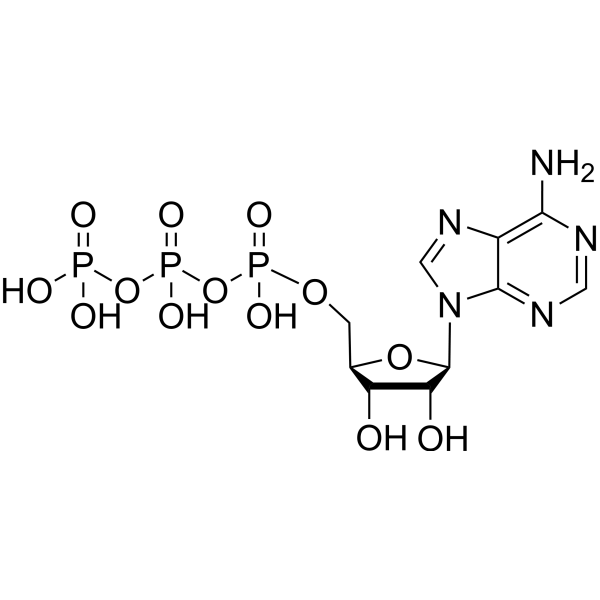
    ATP
    150+ Cited Publications

    Adenosine 5'-triphosphate

    Endogenous Metabolite NOD-like Receptor (NLR) Interleukin Related Bacterial Infection Metabolic Disease Inflammation/Immunology
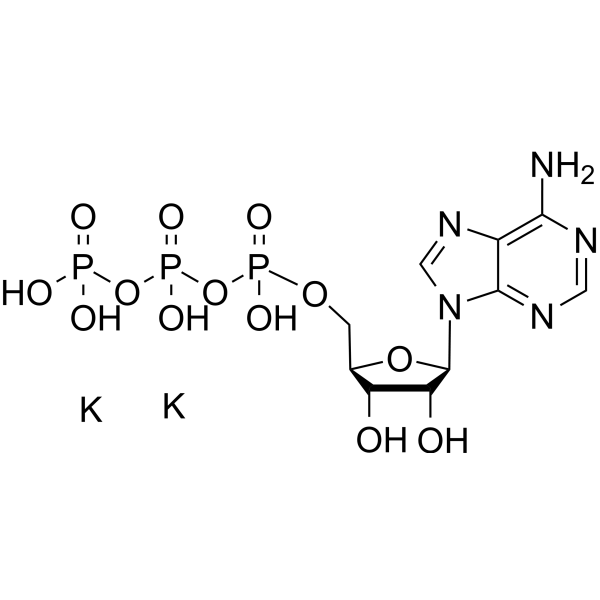
    ATP (Adenosine 5'-triphosphate) is a central component of energy storage and metabolism in vivo. ATP provides the metabolic energy to drive metabolic pumps and serves as a coenzyme in cells. ATP is an important endogenous signaling molecule in immunity and inflammation. ATP can activate the NLRP3 inflammasome and induce IL-1β and chemokines secretion. ATP has anti-bacterial infection effects and can protect mice against bacterial infection in mice .
    ATP
  • HY-15372
    GW6471
    65+ Cited Publications

    PPAR Apoptosis Cancer
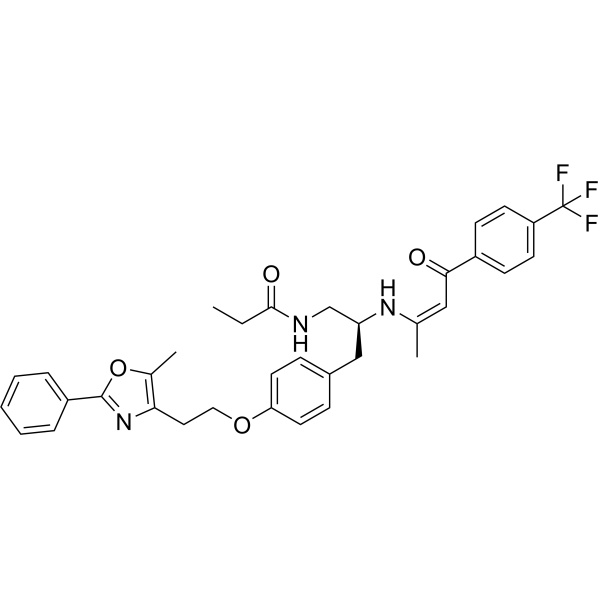
    GW6471 is a selective peroxisome proliferator-activated receptor α (PPARα) antagonist. GW6471 reduces cancer stem cell viability, proliferation, and spheroid formation. GW6471 induces apoptosis and causes metabolic impairment including energy imbalance. GW6471 can be used for the research of paragangliomas and triple-negative breast cancer .
    GW6471
  • HY-114481
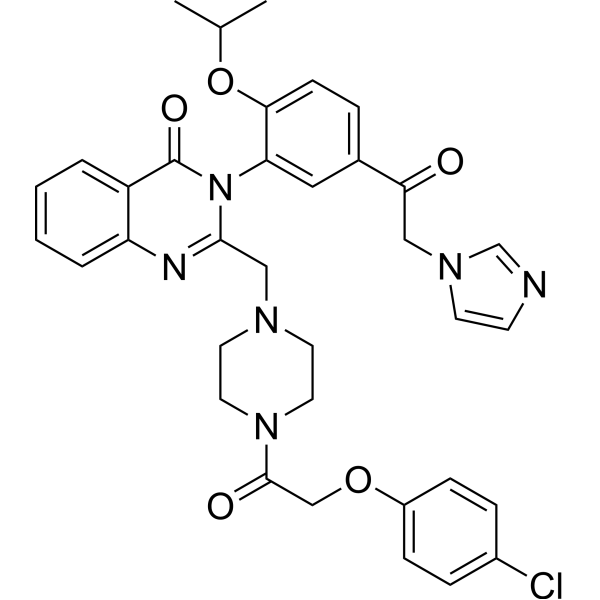
    Imidazole ketone erastin
    45+ Cited Publications

    IKE

    Ferroptosis Cancer
    Imidazole ketone erastin is a potent, selective, and metabolically stable inhibitor of the cystine-glutamate antiporter, system xc - and an activator of ferroptosis. Imidazole ketone erastin has anti-tumor activity .
    Imidazole ketone erastin
  • HY-50662
    A-769662
    40+ Cited Publications

    AMPK Metabolic Disease
    A-769662 is a AMP-activated protein kinase (AMPK) activator. A-769662 inhibits the function of the 26S proteasome by an AMPK-independent mechanism and leads to cell cycle arrest. A-769662 directly stimulates partially purified rat liver AMPK (EC50 = 0.8 μM) and inhibits fatty acid synthesis in primary rat hepatocytes (IC50 = 3.2 μM). A-769662 can alleviate the symptoms of metabolic diseases such as type 2 diabetes .
    A-769662
  • HY-123033A
    Nicotinamide riboside chloride
    20+ Cited Publications

    Sirtuin Endogenous Metabolite Neurological Disease Metabolic Disease Cancer
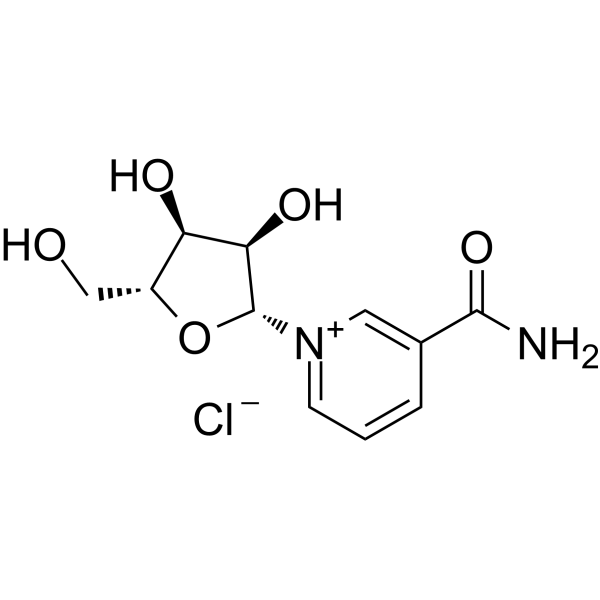
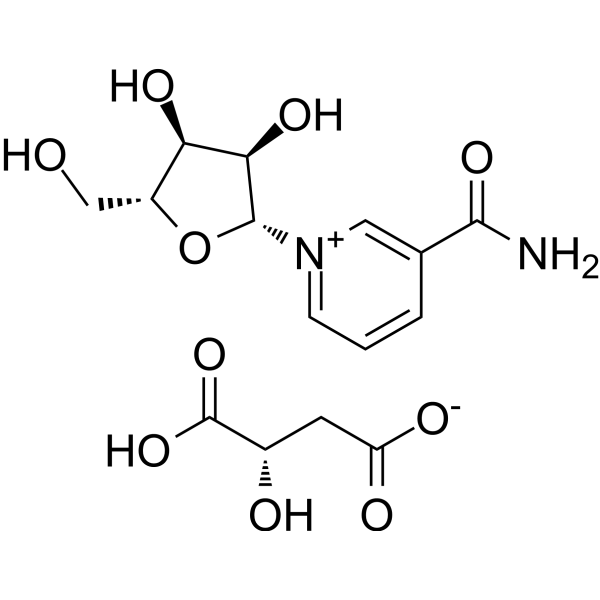
    Nicotinamide riboside Chloride, an orally active NAD + precursor, increases NAD + levels and activates SIRT1 and SIRT3. Nicotinamide riboside Chloride is a source of vitamin B3 (niacin) and enhances oxidative metabolism, protection against high fat diet-induced metabolic abnormalities . Nicotinamide riboside Chloride reduces cognitive deterioration in a transgenic mouse model of Alzheimer’s disease .
    Nicotinamide riboside chloride
  • HY-101455
    CDN1163
    15+ Cited Publications

    Calcium Channel Metabolic Disease
    CDN1163 is an allosteric sarco/endoplasmic reticulum Ca 2+-ATPase (SERCA) activator that improves Ca 2+ homeostasis. CDN1163 attenuates diabetes and metabolic disorders .
    CDN1163
  • HY-W013093
    Uridine triphosphate trisodium salt
    4 Publications Verification

    UTP trisodium salt; Uridine 5'-triphosphate trisodium salt

    Endogenous Metabolite P2Y Receptor Cardiovascular Disease Inflammation/Immunology Cancer
    Uridine triphosphate (UTP) trisodium salt is a pyrimidine nucleoside triphosphate that is used as a substrate to synthesize RNA or as an energy source in metabolic reactions. Uridine triphosphate trisodium salt activates membrane-bound P2Y2 receptors .
    Uridine triphosphate trisodium salt
  • HY-126370A

    Endogenous Metabolite YAP Apoptosis Interleukin Related STAT ERK Ras Cancer
    Geranylgeranyl pyrophosphate triammonium is a type of isoprenoid metabolic intermediate, mainly synthesized through the mevalonate pathway. Geranylgeranyl pyrophosphate triammonium is a key precursor in various biological synthesis processes, especially as a necessary substrate for post-translational modification of proteins - geranylgeranyl phosphorylation. Geranylgeranyl pyrophosphate triammonium regulates various cellular processes and disease progression through protein geranylgeranyl phosphorylation, such as activating the YAP signaling pathway, promoting cell proliferation and inhibiting apoptosis; promoting IL-2 production and STAT5 phosphorylation; and influencing metabolic homeostasis and cancer, etc .
    Geranylgeranyl pyrophosphate triammonium
  • HY-N1178
    Taraxasterol
    4 Publications Verification

    Interleukin Related LXR Inflammation/Immunology
    Taraxasterol is a pentacyclic triterpenoid compound isolated from Taraxacum mongolicum. Taraxasterol is an LXRα activator, with metabolic and anti-inflammatory effects. Taraxasterol may be used in research on immune-inflammatory diseases .
    Taraxasterol
  • HY-N0010
    Geniposidic acid
    5+ Cited Publications

    FXR Sirtuin TNF Receptor Interleukin Related Metabolic Disease
    Geniposidic acid is an orally active FXR modulator and SIRT6 activator. Geniposidic acid binds to the Ser332 and His447 sites on the FXR ligand-binding domain, thereby driving nuclear translocation, coactivator recruitment, and transcription of downstream bile acid and cholesterol metabolism-related genes. Geniposidic acid improves metabolic dysfunction-related fatty liver disease by activating the SIRT6 signaling pathway. Geniposidic acid inhibits inflammation and modulates gut microbiota to alleviate colitis. Geniposidic acid can be used in research on drug-induced liver injury, inflammatory bowel disease, metabolic dysfunction-related fatty liver disease, and metabolic dysfunction-related steatohepatitis .
    Geniposidic acid
  • HY-131296
    5-A-RU-PABC-Val-Cit-Fmoc
    5+ Cited Publications

    Drug Derivative Inflammation/Immunology
    5-A-RU-PABC-Val-Cit-Fmoc is the proagent of 5-A-RU . 5-A-RU, a precursor of bacterial Riboflavin, is a mucosal-associated invariant T (MAIT) cells activator. 5-A-RU forms potent MAIT-activating antigens via non-enzymatic reactions with small molecules, such as glyoxal and methylglyoxal, which are derived from other metabolic pathways .
    5-A-RU-PABC-Val-Cit-Fmoc
  • HY-P990964

    BOS-580; LLF580

    FGFR Metabolic Disease Inflammation/Immunology
    Efimosfermin alfa is a genetically engineered FGF21 variant. Efimosfermin alfa exerts its function by activating the FGFR1c/β-Klotho complex. Efimosfermin alfa is applicable to researches on metabolic dysfunction-associated steatohepatitis, obesity and mild hypertriglyceridemia .
    Efimosfermin alfa
  • HY-P10736

    GCGR Metabolic Disease
    AMG133 peptide payload is a GLP-1 analog agonist peptide. AMG133 peptide potently activates GLP-1R, and exhibits weight loss and metabolic improvement activities. AMG133 peptide payload can be used for the synthesis of AMG 133 (HY-164535) .
    AMG133 peptide payload
  • HY-P10736A

    GCGR Metabolic Disease
    AMG133 peptide payload TFA is a GLP-1 analog agonist peptide. AMG133 peptide payload TFA potently activates GLP-1R and exhibits weight loss and metabolic improvement activities. AMG133 peptide payload TFA can be used for the synthesis of AMG 133 (HY-164535) .
    AMG133 peptide payload TFA
  • HY-148189
    Aldometanib
    5+ Cited Publications

    LXY-05-029

    Fructose-1,6-bisphosphate aldolase AMPK Metabolic Disease
    Aldometanib (LXY-05-029) is an orally active aldolase inhibitor. Aldometanib can activate lysosomal adenosine monophosphate-activated protein kinase (AMPK) and decreases blood glucose. Aldometanib can be used for the research of metabolic homeostasis .
    Aldometanib
  • HY-123033

    Sirtuin Endogenous Metabolite Neurological Disease Metabolic Disease Cancer
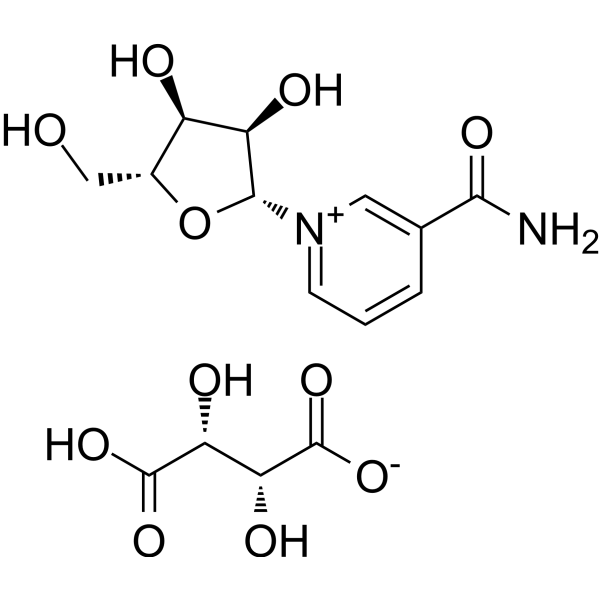
    Nicotinamide riboside, an orally active NAD + precursor, increases NAD + levels and activates SIRT1 and SIRT3. Nicotinamide riboside is a source of vitamin B3 (niacin) and enhances oxidative metabolism, protection against high fat diet-induced metabolic abnormalities . Nicotinamide riboside reduces cognitive deterioration in a transgenic mouse model of Alzheimer’s disease .
    Nicotinamide riboside
  • HY-157421

    NAMPT Metabolic Disease
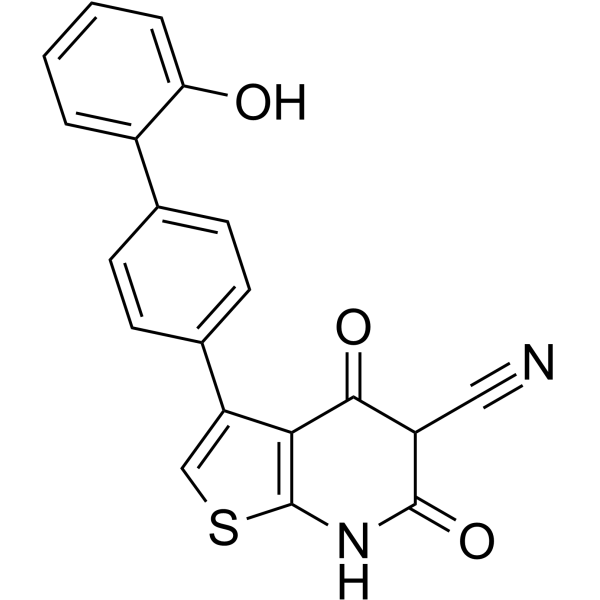
    Nampt activator-4 is an orally active NAMPT activator, with an EC50 of 58 nM and a Ka of 85.38 nM against human NAMPT. Nampt activator-4 effectively relieves the feedback inhibition of nicotinamide and NAD +, thereby enhancing enzymatic activity and significantly increasing intracellular NAD + levels. Nampt activator-4 exhibits moderate stability in human and mouse liver microsomes. Nampt activator-4 shows low to moderate inhibitory effects on cytochrome P450 (especially CYP3A4). Nampt activator-4 can be used for the research of type 2 diabetes and related metabolic disorders .
    Nampt activator-4
  • HY-134356

    AICAR-5'-MP

    Endogenous Metabolite Others
    AICA-riboside, 5′-phosphate is AICA riboside with a phosphate group. The functions of AICA riboside include: 1) conversion into AMP mimetic to selectively activate AMPK; 2) competition with adenosine for the uptake of nucleoside transporters, reversible blocking of adenosine reuptake, increasing extracellular adenosine concentration, and indirectly activating adenosine A1 receptors. AICA riboside is involved in metabolic regulation (promoting catabolism and inhibiting anabolism) and adenosine-dependent neuroprotection (inhibiting excitatory synaptic transmission). AICA riboside can be used in the study of metabolic diseases (such as diabetes and obesity) and neurological diseases (such as ischemia and epilepsy), and has central nervous system protective activity .
    AICA-riboside, 5′-phosphate
  • HY-107372

    UTP; Uridine 5'-triphosphate

    Endogenous Metabolite DNA/RNA Synthesis P2Y Receptor Cardiovascular Disease
    Uridine triphosphate (UTP; Uridine 5'-triphosphate) is a pyrimidine nucleoside triphosphate that is used as a substrate to synthesize RNA or as an energy source in metabolic reactions. Uridine triphosphate activates membrane-bound P2Y2 receptors .
    Uridine triphosphate
  • HY-160929

    CS-0159

    FXR Inflammation/Immunology
    Linafexor (CS-0159) is a FXR agonist and bile acid homeostasis modulator. Linafexor exerts its effects by activating FXR, a regulator of liver function. Linafexor is applicable to research related to primary sclerosing cholangitis (PSC). Linafexor is also suitable for research in the field of metabolic dysfunction-associated steatohepatitis (MASH) .
    Linafexor
  • HY-N6807
    Elemicin
    1 Publications Verification

    Stearoyl-CoA Desaturase (SCD) Influenza Virus Bacterial Infection Cancer
    Elemicin is an orally active alkenylbenzene widely distributed in many herbs and spices. Elemicin inhibits Stearoyl-CoA Desaturase 1 (SCD1) by metabolic activation. Elemicin has anti-influenza activities, antimicrobial, antioxidant, and antiviral activities. Elemicin and its reactive metabolite of 1′-Hydroxyelemicin can induce hepatotoxicity .
    Elemicin
  • HY-W006230

    Cytochrome P450 Cancer
    Anthraflavic acid specifically inhibits the activity of cytochrome P-448 without affecting phenobarbital-induced cytochrome P-450 or NADPH-dependent cytochrome c reduction. Anthraflavic acid inhibits cytosolic metabolic pathways, blocks the microsomal and cytosolic activation of IQ, and reduces the metabolic activation level of Glu-P-I. Anthraflavic acid may exert anticancer activity by inhibiting the metabolic activation of chemical carcinogens. Anthraflavic acid is applicable to cancer-related research .
    Anthraflavic acid
  • HY-148815

    NAMPT Metabolic Disease
    Nampt activator-1 is a nicotinamide phosphoribosyltransferase (NAMPT) activator, with an EC50 of 3.3~3.7 μM. Nampt activator-1 enhances the enzymatic activity of NAMPT. Nampt activator-1 can be used for research related to metabolic disorders .
    Nampt activator-1
  • HY-136093A
    Lixumistat acetate
    1 Publications Verification

    IM156; HL156A; HL271 acetate

    Mitochondrial Metabolism AMPK Neurological Disease Metabolic Disease Inflammation/Immunology Cancer
    Lixumistat (IM156) acetate is a potent and orally active AMPK activator and OXPHOS inhibitor. Lixumistat acetate strongly activates AMPK, while it lacks the systemic metabolic regulatory effects of classic metformin, such as hypoglycemic and weight-lowering activities. Lixumistat acetate exhibits significant therapeutic effects on cognitive decline associated with brain aging and pulmonary fibrosis .
    Lixumistat acetate
  • HY-116003

    Endogenous Metabolite Metabolic Disease
    12,13-DiHOME is a stimulator of Brown adipose tissue (BAT), as well as a thermogenic lipokine that activates BAT in response to cold. (±)12,13-DiHOME activates BAT fuel uptake and enhances cold tolerance, via promoting the translocation of the FA transporters FATP1 and CD36 to the cell membrane. (±)12,13-DiHOME can be used for research of metabolic disorders .
    12,13-DiHOME
  • HY-126370

    Endogenous Metabolite YAP Apoptosis Interleukin Related STAT ERK Ras Cancer
    Geranylgeranyl pyrophosphate is a type of isoprenoid metabolic intermediate, mainly synthesized through the mevalonate pathway. Geranylgeranyl pyrophosphate is a key precursor in various biological synthesis processes, especially as a necessary substrate for post-translational modification of proteins - geranylgeranyl phosphorylation. Geranylgeranyl pyrophosphate regulates various cellular processes and disease progression through protein geranylgeranyl phosphorylation, such as activating the YAP signaling pathway, promoting cell proliferation and inhibiting apoptosis; promoting IL-2 production and STAT5 phosphorylation; and influencing metabolic homeostasis and cancer, etc .
    Geranylgeranyl pyrophosphate
  • HY-125366

    FAP Metabolic Disease
    ARI-3099 is an oral fibroblast activation protein (FAP) inhibitor. ARI-3099 specifically inhibits the proteolytic activity of FAP and blocks the cleavage of human FGF-21 between residues P171 and S172. ARI-3099 extends the half-life of circulating human FGF-21 in mice. ARI-3099 can be used in the research of type 2 diabetes and metabolic disorders .
    ARI-3099
  • HY-107460
    LDN-211904 oxalate
    1 Publications Verification

    Ephrin Receptor Cancer
    LDN-211904 oxalate is a potent and reversible EphB3 inhibitor with an IC50 of 79 nM. LDN-211904 oxalate shows good metabolic stability in mouse liver microsomes. LDN-211904 oxalate with Cetuximab (HY-P9905) could be effective in inhibiting STAT3-activated colorectal cancer (CRC) stemness and Cetuximab resistance in CRC .
    LDN-211904 oxalate
  • HY-N10508

    Drug Metabolite VD/VDR Metabolic Disease Cancer
    Calcitroic acid is a vitamin D receptor (VDR) agonist that can activate VDR-mediated transcription. Calcitroic acid is the main metabolite of 1,25-dihydroxyvitamin D3, with the highest concentrations found in the liver and mucosa of mice, and it has metabolic stability and very low toxicity .
    Calcitroic acid
  • HY-154823

    Glycosidase Metabolic Disease
    Gcase activator 2 (compound 14), a pyrrolo[2,3-b]pyrazine, is alos a β-Glucocerebrosidase (GCase) activator (EC50=3.8 μM). Gcase activator 2 induces GCase dimerizatio (both K-type and V-type). And Gcase activator 2 has low metabolic clearance in human and mouse .
    Gcase activator 2
  • HY-136093B
    Lixumistat
    1 Publications Verification

    IM156 free base; HL156A free base; HL271 free base

    Mitochondrial Metabolism AMPK Neurological Disease Inflammation/Immunology
    Lixumistat (IM156 free base) is a potent and orally active AMPK activator and OXPHOS inhibitor. Lixumistat strongly activates AMPK, while it lacks the systemic metabolic regulatory effects of classic metformin, such as hypoglycemic and weight-lowering activities. Lixumistat exhibits significant therapeutic effects on cognitive decline associated with brain aging and pulmonary fibrosis .
    Lixumistat
  • HY-124156A

    Wnt Metabolic Disease
    KY-02327 acetate, a metabolically stabilized KY-02061 analog, is a potent Dishevelled (Dvl)-CXXC5 interaction inhibitor. KY-02327 acetate shows an activating effect on the Wnt/β-catenin pathway, resulting in promotion of osteoblast differentiation .
    KY-02327 acetate
  • HY-163358
    SLC3037
    1 Publications Verification

    NOD-like Receptor (NLR) NEKs Cardiovascular Disease Neurological Disease Inflammation/Immunology
    SLC3037 is a NLRP3 inhibitor which blocks NLRP3 from binding to NEK7 or oligomerization, inhibiting inflammasome caused by MSU and other inflammasome activators. SLC3037 can be used for research of gout, cardiovascular diseases, metabolic syndrome or neurodegenerative diseases .
    SLC3037
  • HY-N7912

    (2S)-Pterosin A

    AMPK PEPCK GSK-3 GLUT Akt p38 MAPK Reactive Oxygen Species (ROS) Metabolic Disease
    Pterosin A ((2S)-Pterosin A) is a sesquiterpene compound. Pterosin A is an orally active AMPK activator with anti-diabetic effect. Pterosin A can promote glucose uptake, increase serum insulin, and improve hyperglycemia and glucose intolerance. Pterosin A can prevent insulin-secreting cells death and reduce ROS production. Pterosin A can be used for the research of metabolic disease, such as diabetes .
    Pterosin A
  • HY-136093
    Lixumistat hydrochloride
    1 Publications Verification

    HL271; IM156 hydrochloride; HL156A hydrochloride

    Mitochondrial Metabolism AMPK Neurological Disease
    Lixumistat (IM156) hydrochloride is a potent and orally active AMPK activator and OXPHOS inhibitor. Lixumistat hydrochloride strongly activates AMPK, while it lacks the systemic metabolic regulatory effects of classic metformin, such as hypoglycemic and weight-lowering activities. Lixumistat hydrochloride exhibits significant therapeutic effects on cognitive decline associated with brain aging and pulmonary fibrosis .
    Lixumistat hydrochloride
  • HY-136059

    Keap1-Nrf2 Autophagy Cardiovascular Disease Cancer
    Desfluoro-ezetimibe is a desfluoro impurity of Ezetimibe. Ezetimibe is a potent, metabolically stable cholesterol absorption inhibitor. Ezetimibe is a Niemann-Pick C1-like1 (NPC1L1) inhibitor, and is a potent Nrf2 activator .
    Desfluoro-ezetimibe
  • HY-W011297

    Arachidonic acid methyl ester

    PKC Metabolic Disease
    Methyl arachidonate is a protein kinase C activator and also an orally active substrate that undergoes esterase-mediated hydrolysis. Methyl arachidonate indirectly activates protein kinase C via eicosanoid metabolites generated through the arachidonic acid metabolic pathway, exerting effects via cyclooxygenase products at low concentrations and via lipoxygenase products at high concentrations. Methyl arachidonate can be used in studies related to lipodystrophy .
    Methyl arachidonate
  • HY-156065

    Keap1-Nrf2 Reactive Oxygen Species (ROS) Interleukin Related Metabolic Disease
    S217879 is an orally active and selective NRF2 activator. S217879 activates the NRF2 pathway by specifically disrupting the KEAP1 (Kd: 4.15 nM)-NRF2 interaction, and upregulates the antioxidant response. S217879 also ameliorates steatohepatitis and reduces the degree of liver fibrosis. S217879 can be used in the research of metabolic dysfunction-associated steatotic liver disease and nonalcoholic steatohepatitis .
    S217879
  • HY-10860

    sFRP-1 Wnt β-catenin Metabolic Disease
    WAY-362692 is a secreted frizzled-related protein (sFRP-1) inhibitor (IC50 of 0.02 μM), targeting the netrin domain of sFRP-1. WAY-362692 can competitively inhibit the interaction between sFRP-1 and Wnt proteins, and activate the Wnt/β-catenin signaling pathway (EC50 = 0.03 μM). WAY-362692 can activate osteoblasts and promote bone remodeling. WAY-362692 can be used for the research of metabolic disease, such as osteoporosis .
    WAY-362692
  • HY-124822
    COH-SR4
    2 Publications Verification

    AMPK Metabolic Disease Cancer
    COH-SR4 is an AMPK activator. COH-SR4 shows potent anti-proliferative activities against leukemia, melanoma, breast and lung cancers. COH-SR4 inhibits adipocyte differentiation via AMPK activation. COH-SR4 can be used for the research of obesity and related metabolic disorders .
    COH-SR4
  • HY-59384

    Free Fatty Acid Receptor Metabolic Disease Inflammation/Immunology
    MOMBA is a selective FFA2 (Free Fatty Acid Receptor 2) orthosteric agonist that activates receptor signaling pathways by binding to the orthosteric site of FFA2 with high specificity. MOMBA holds potential for research on metabolic and inflammatory diseases .
    MOMBA
  • HY-124156

    Wnt Metabolic Disease
    KY-02327, a metabolically stabilized KY-02061 analog, is a potent Dishevelled (Dvl)-CXXC5 interaction inhibitor. KY-02327 shows an activating effect on the Wnt/β-catenin pathway, resulting in promotion of osteoblast differentiation .
    KY-02327
  • HY-14172

    Glucokinase Metabolic Disease
    NVP-LBX192 (Compound 17c) is a glucokinase activator with a K(a) of 39 nM. NVP-LBX192 can significantly reduce glucose levels. NVP-LBX192 can be used for the research of metabolic disease, such as type 2 diabetes .
    NVP-LBX192
  • HY-W015697

    Cytochrome P450 Neurological Disease Metabolic Disease Inflammation/Immunology Cancer
    3-Methylquinoline is a selective cytochrome P450 (CYP1A2) inhibitor with an IC50 of 13 μM. 3-Methylquinoline can reduce the metabolic clearance of CYP1A2 substrate drugs. 3-Methylquinoline can inhibit the activation of carcinogenic precursors .
    3-Methylquinoline
  • HY-W150695

    N-(Naphthalen-1-yl)acetamide

    Bacterial Infection
    1-Acetamidonaphthalene (N-(Naphthalen-1-yl)acetamide) is a degradation product of Digitoxigenin (HY-B2151). 1-Acetamidonaphthalene is weakly mutagenic to Salmonella typhimurium TA98 with metabolic activation. 1-Acetamidonaphthalene can be used for the research of bacterial infection .
    1-Acetamidonaphthalene
  • HY-175703

    RANKL/RANK Reactive Oxygen Species (ROS) NF-κB p38 MAPK ERK JNK MMP Metabolic Disease
    RANKL-IN-1 is a selective and orally active Receptor Activator of Nuclear Factor-κ B Ligand (RANKL) inhibitor with a KD value of 7.6 μM. RANKL-IN-1 exhibits inhibitory activity and selectivity against osteoclastogenesis with an IC50 value of 0.07 μM and SI of 82.57. RANKL-IN-1binds directly to RANKL and blocks the RANKL-induced activation of the NF-κB and MAPK pathways. RANKL-IN-1 can be used for the research of metabolic disease, such as osteoporosis .
    RANKL-IN-1
  • HY-W013093R

    UTP trisodium salt (Standard); Uridine 5'-triphosphate trisodium salt (Standard)

    Reference Standards Endogenous Metabolite P2Y Receptor Cardiovascular Disease Inflammation/Immunology Cancer
    Uridine triphosphate (trisodium salt) (Standard) is the analytical standard of Uridine triphosphate (trisodium salt). This product is intended for research and analytical applications. Uridine triphosphate (UTP) trisodium salt is a pyrimidine nucleoside triphosphate that is used as a substrate to synthesize RNA or as an energy source in metabolic reactions. Uridine triphosphate trisodium salt activates membrane-bound P2Y2 receptors .
    Uridine triphosphate trisodium salt (Standard)
  • HY-W415798

    Endogenous Metabolite Others
    Ac4GalNAlk is a weakly alkyne-labeled reagent for metabolic oligosaccharide engineering (MOE) that can be used to detect protein glycosylation. MOE reagents can be activated by cellular biosynthetic machinery into nucleotide sugars, which can be further traced through the introduction of glycoproteins in bioorthogonal chemistry. Ac4GalNAlk promotes nucleotide-sugar biosynthesis and increases bioorthogonal cell surface markers .
    Ac4GalNAlk
  • HY-147037

    AMPK Cardiovascular Disease Metabolic Disease
    AMPK activator 7 (compound I-3-24) is a an AMPK activator with the EC50 of 8.8 nM. AMPK activator 7 can be used for the research of diseases involving AMPK, particularly diseases such as type 2 diabetes, hyperglycemia, metabolic syndrome, obesity, hypercholesterolemia and/or hypertension .
    AMPK activator 7
  • HY-16244

    Fatty Acid Synthase (FASN) Metabolic Disease Endocrinology
    GW-300 is a SREBP cleavage-activating protein (SCAP) ligand that can be used for the study of endocrinology and metabolic disease.
    GW-300

Demande en ligne

Your information is safe with us. * Required Fields.

Civilité


Country or Region *

Nom du demandeur *


Nom de l'organisation *

Department *


Adresse e-mail *


Nom du produit *

Cat. No.


Requested quantity *

Numéro de téléphone *


Remarques

Demande en ligne

Inquiry Information

Nom du produit:
Cat. No.:
Quantité:
MCE Japan Authorized Agent:

