19 Results for "

PUP

" in MedChemExpress (MCE) Product Catalog:
Products (19)

19 Results for "PUP" in MCE Product Catalog:

1
1 Cited Publications
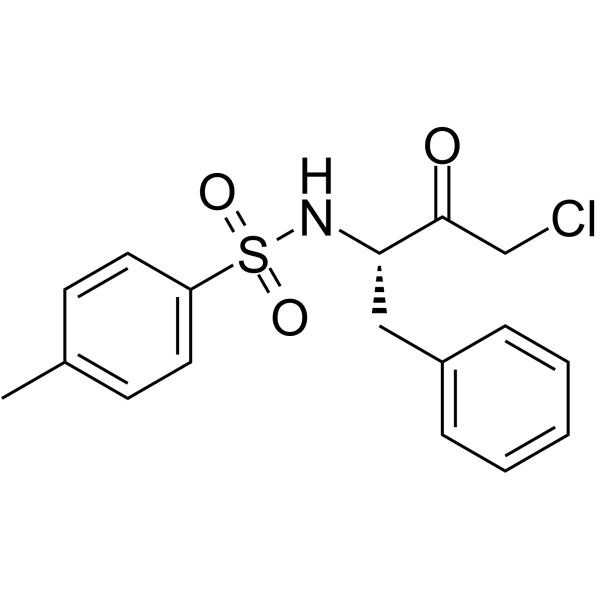
Cat. No.: HY-124379
CAS No.: 402-71-1
Purity:  98.05%
Synonyms: L-1-Tosylamido-2-phenylethyl chloromethyl ketone; L-TPCK
TPCK (L-1-Tosylamido-2-phenylethyl chloromethyl ketone; L-TPCK) is an effective serine protease inhibitor and also a blocker of the PDK1/Akt pathway. TPCK can modify the E7 protein in actively keratinocyte cells. TPCK can induce cellular apoptosis, suppress tumor growth, reduce hypoxic-ischemic brain injury in rat pups, and affect vascular permeability in inflamed rats .
loading...
    loading...
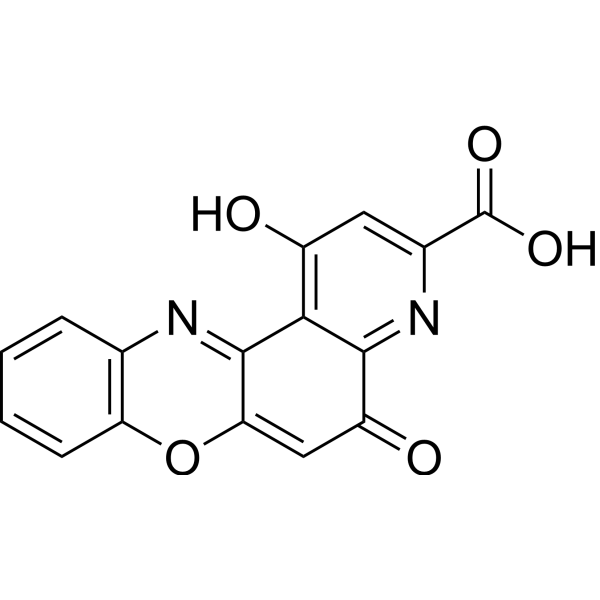
Cat. No.: HY-108296
CAS No.: 1043-21-6
Purity:  ≥95.0%
Synonyms: Catalin K
Pirenoxine (Catalin K) is an antioxidant with lens-protective activity. Pirenoxine inhibits lens sclerosis, prevents lipid peroxidation and suppresses lens protein opacification. Pirenoxine blocks benzoquinone acetic acid-induced cataract progression. Pirenoxine can be used in research related to presbyopia and cataracts .
loading...
    loading...
Cat. No.: HY-W002199
CAS No.: 647-42-7
Synonyms: 6:2 FTOH; 1H,1H,2H,2H-Perfluoro-1-octanol; 2-(Perfluorohexyl)ethanol
6:2 Fluorotelomer alcohol (6:2 FTOH) is an orally active, blood-brain barrier-permeable modulator of cyclin D1 and ETS1. 6:2 Fluorotelomer alcohol downregulates cyclin D1 expression, upregulates ETS1 via the TNF-α/ERK 1/2 pathway, impairs mitochondrial membrane potential and respiratory function, increases reactive oxygen species levels, disrupts calcium homeostasis and activates endoplasmic reticulum stress markers, and induces cell proliferation inhibition and endothelial-mesenchymal transition. Furthermore, 6:2 Fluorotelomer alcohol induces morphological abnormalities in zebrafish embryos and liver developmental damage, while disrupting the brain immune microenvironment in mice, causing systemic toxicity and delayed pup maturation in CD-1 mice. 6:2 Fluorotelomer alcohol also induces cortical neuron apoptosis, glial cell activation, synaptic abnormalities, colonic barrier damage, intestinal dysbiosis and autism spectrum disorder-like symptoms in mice. 6:2 Fluorotelomer alcohol shows no mutagenic, clastogenic, primary skin/eye irritation or skin sensitizing effects, exhibits no selective reproductive toxicity in CD-1 mice, and is classified as GHS Category 4 for acute oral toxicity. 6:2 Fluorotelomer alcohol can be used in studies of neurodevelopmental disorders and autism spectrum disorders .
loading...
    loading...
Cat. No.: HY-W203683
CAS No.: 375-95-1
Synonyms: PFNA; Heptadecafluorononanoic acid
Target:  

PPAR PERK

Research Areas:  

Metabolic Disease

Perfluorononanoic acid (PFNA) is an orally active PPARα activator. Perfluorononanoic acid activates PPARα-mediated gene expression, including upregulating target genes associated with lipid metabolism and triglyceride storage. Perfluorononanoic acid exhibits certain developmental and reproductive toxicity. Perfluorononanoic acid causes hepatomegaly in pregnant mice, induces high postnatal mortality in neonatal mice, and leads to dose-dependent delays in eye-opening time and puberty onset in mouse offspring .
loading...
    loading...
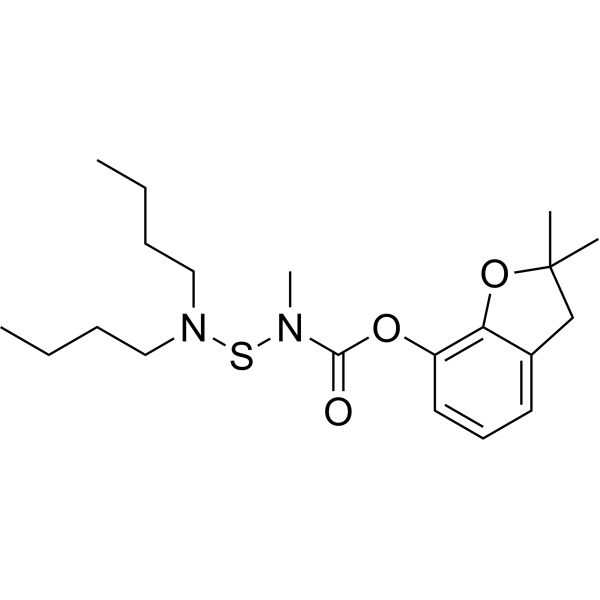
Cat. No.: HY-B2015
CAS No.: 55285-14-8
Carbosulfan is an orally active AChE inhibitor that hydrolyzes to Carbofuran in organisms to exert insecticidal effects. Carbosulfan exhibits broad-spectrum insecticidal activity, and it also induces severe oxidative stress by enhancing lipid peroxidation and impairing the antioxidant defense system. Carbosulfan causes reproductive toxicity in male rats and developmental disorders in their offspring. Carbosulfan shows persistence in paddy field environments and potential hazards to non-target organisms, and it is commonly used in studies related to reproductive toxicity and environmental risk assessment .
loading...
    loading...
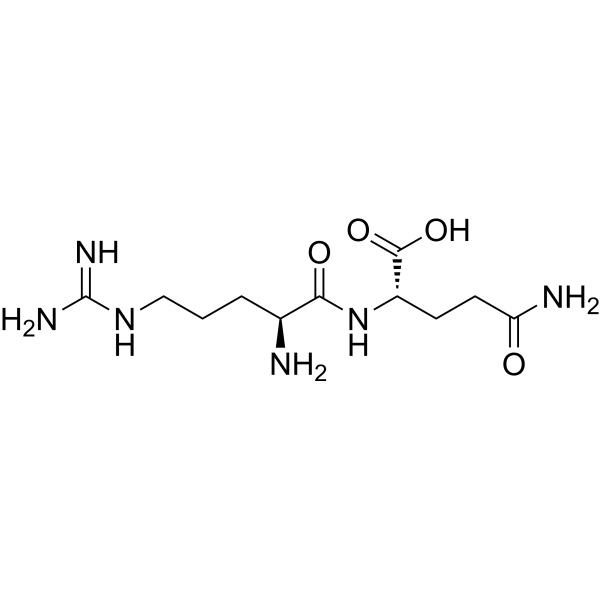
Cat. No.: HY-P4253
CAS No.: 2483-17-2
Synonyms: H-Arg-Gln-OH
Target:  

VEGFR

Research Areas:  

Cardiovascular Disease

Arginyl-Glutamine is a dipeptide that can decrease VEGF levels and inhibit retinal neovascularization in a mouse model of oxygen-induced retinopathy .
loading...
    loading...
Cat. No.: HY-154828
CAS No.: 2922-95-4
Purity:  99.65%
Synonyms: 3′,5′-UDP
Target:  

DNA/RNA Synthesis

Research Areas:  

Others

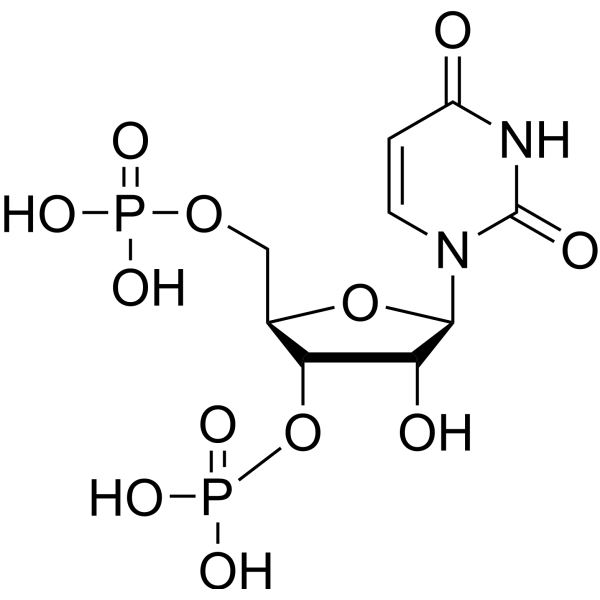
Uridine 3′,5′-diphosphate (3′,5′-UDP; Compound pUp) is a competitive RNase inhibitor .
loading...
    loading...
Cat. No.: HY-128030
CAS No.: 20137-14-8
Purity:  96.64%
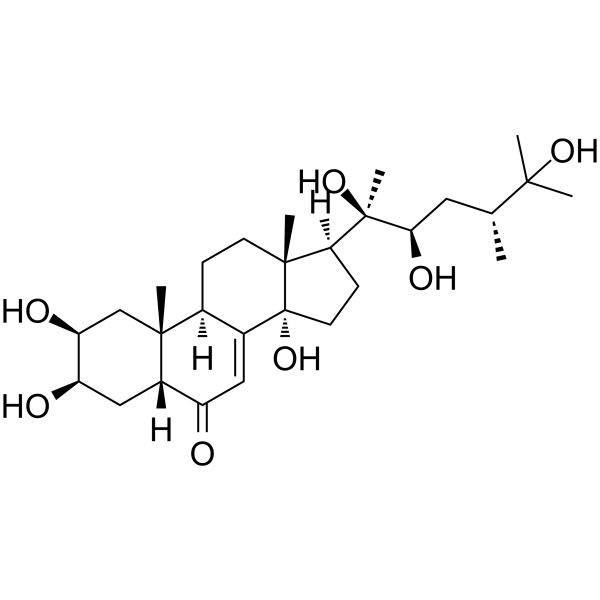
Makisterone A, a 28-carbon moulting hormone, has been identified as the major free pupal ecdysteroid in the honey bee, Apis mellifera .
loading...
    loading...
Cat. No.: HY-P4253A
Synonyms: H-Arg-Gln-OH TFA
Target:  

VEGFR

Research Areas:  

Cardiovascular Disease

Arginyl-Glutamine TFA is a dipeptide that can decrease VEGF levels and inhibit retinal neovascularization in a mouse model of oxygen-induced retinopathy .
loading...
    loading...
Cat. No.: HY-118339
CAS No.: 1065110-43-1
Target:  

5-HT Receptor

Research Areas:  

Cardiovascular Disease Cancer

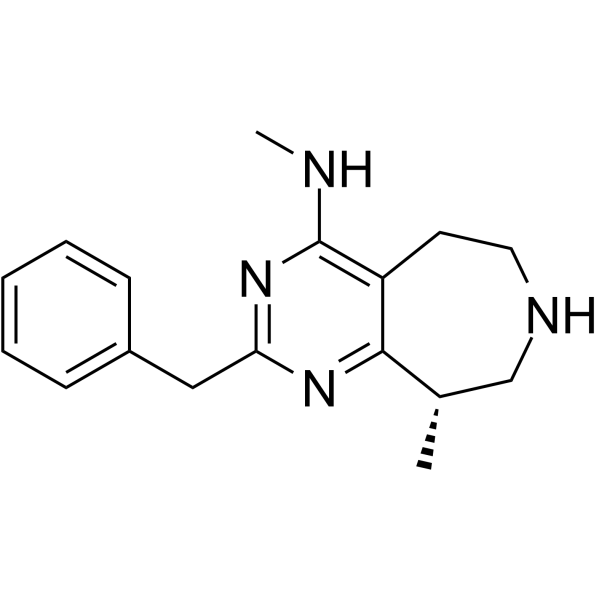
PF-4479745 is a potent and selective 5-HT2C receptor agonist (EC50: 10 nM, ki: 15 nM). PF-4479745 can be used in the research of cardiovascular disease like hypertension .
loading...
    loading...
Cat. No.: HY-P10034
CAS No.: 141281-40-5
Synonyms: Pss-PT
Target:  

Endogenous Metabolite

Research Areas:  

Endocrinology

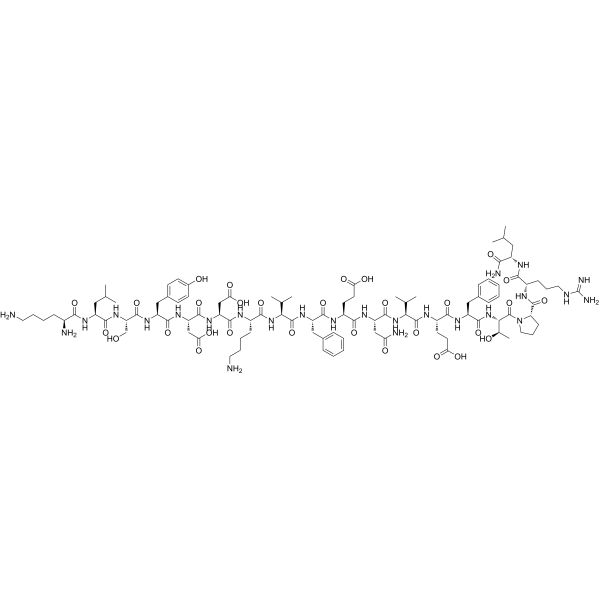
Pheromonotropin (Pseudaletia separata) (Pss-PT) is an armyworm (Pseudaletia separata) pheromone with the C-terminal pentapeptide FXPRL-amide. Pheromonotropin (Pseudaletia separata) belongs to the PK/PBAN family and stimulates sex pheromone biosynthesis in moths, mediating feeding (intestinal muscle contraction), development (embryonic diapause, pupal diapause, and pupation), and defense against natural enemy insects wait .
loading...
    loading...
Cat. No.: HY-105334A
CAS No.: 247046-64-6
Synonyms: E-6006 citrate
Target:  

Neurokinin Receptor

Research Areas:  

Neurological Disease

Dilopetine citrate is an inhibitor of substance P release. Dilopetine citrate dose-dependently reduces the vocalizing of isolated guinea pig pups. Dilopetine citrate shows good activity as an antidepressant .
loading...
    loading...
Cat. No.: HY-W102352
CAS No.: 111-21-7
Target:  

Drug Derivative

Research Areas:  

Endocrinology

Triethylene glycol diacetate is an orally active Triethylene glycol (HY-W017440) derivative with reproduction toxicity. Triethylene glycol diacetate reduces body weights of nursing mouse pups during lactation, with effects reversing by young adulthood, and increases combined kidney/adrenal weight in adult. Triethylene glycol diacetate can be used for the research of reproductive and developmental toxicity .
loading...
    loading...
Cat. No.: HY-122431
CAS No.: 299-86-5
Target:  

Insecticide Parasite

Research Areas:  

Infection

Crufomate is an organophosphate insecticide. Crufomate is used to control warble fly maggot infections and botfly infestations in dairy cows, and accumulates in milk fat. Crufomate reduces mating responses, conception rates, pup survival rates, and post-weaning body weights of offspring in mice. Crufomate is used in studies related to botfly infestations and gastrointestinal parasitic infections .
loading...
    loading...
Cat. No.: HY-P1724
CAS No.: 143458-86-0
Synonyms: Dromyosuppressin; Neb-MS; DMS
Target:  

Peptides

Neomyosuppressin (Dromyosuppressin) is a myosuppressive peptide. Neomyosuppressin is isolable from head extracts of Neobellieria bullata, as well as the brains and intestines of Drosophila melanogaster. Neomyosuppressin inhibits spontaneous visceral muscle movements of isolated insect hindguts and oviducts, as well as contractions of various insect visceral muscles. Neomyosuppressin slows the heart rate of adult and pupal Drosophila without altering rhythmicity .
loading...
    loading...
Cat. No.: HY-179463
CAS No.: 2332840-70-5
Target:  

Parasite

Research Areas:  

Infection

BKI 1708 is a potent and orally active calcium-dependent protein kinase 1 (CDPK1) inhibitor (IC50 = 0.7 nM). BKI 1708 exhibits potent activity against Neospora (IC50 = 481 nM) and Toxoplasma (IC50 = 122 nM). BKI-1708 induces the formation of multinucleated complexes. BKI-1708 efficiently inhibits vertical transmission of both parasites and increases pup survival in mice .
loading...
    loading...
Cat. No.: HY-182440
CAS No.: 1162658-64-1
Target:  

5-HT Receptor

Research Areas:  

Neurological Disease

AZD3783 is an orally active, blood-brain barrier-penetrant 5-HT1B receptor antagonist. AZD3783 reverses agonist-induced hypothermia, inhibits separation-induced vocalizations in guinea pig pups, and acts as a moderately permeable glycoprotein substrate with moderate clearance. AZD3783 inhibits hERG channel activity. AZD3783 is applicable for research on depression, anxiety disorders, and other psychiatric diseases associated with serotonergic neurotransmission .
loading...
    loading...
Cat. No.: HY-108296A
CAS No.: 51410-30-1
Synonyms: Catalin K sodium
Pirenoxine sodium (Catalin K sodium) is an antioxidant with lens-protective activity. Pirenoxine sodium inhibits lens sclerosis, prevents lipid peroxidation and suppresses lens protein opacification. Pirenoxine sodium blocks benzoquinone acetic acid-induced cataract progression. Pirenoxine sodium can be used in research related to presbyopia and cataracts .
loading...
    loading...
Cat. No.: HY-183405
CAS No.: 143984-56-9
Target:  

RAR/RXR

Research Areas:  

Neurological Disease

CD2019 is a selective retinoic acid receptor β (RARβ) agonist, with a Kd value of 26 nM for RARβ and an AC50 value of 3.8 nM for human RARβ. CD2019 regulates downstream biological effects via the PI3K signaling pathway. CD2019 suppresses squamous metaplasia, inhibits squamous differentiation markers, maintains pseudostratified epithelial structure, induces neurite and axon growth, and promotes functional recovery; it exhibits cytotoxicity at higher concentrations and reduces endogenous retinol levels. CD2019 can be used in studies related to squamous metaplasia, spinal cord injury and embryonic malformations .
loading...
    loading...
  • 1

