
Search Result
Results for "
Polymer monomers
" in MedChemExpress (MCE) Product Catalog:
14
Biochemical Assay Reagents
1
Isotope-Labeled Compounds
| Cat. No. |
Product Name |
Target |
Research Areas |
Chemical Structure |
-
- HY-125865
-
Casein
2 Publications Verification
|
Environmental Pollutants
Endogenous Metabolite
Casein Kinase
|
Endocrinology
Cancer
|
|
Casein is an orally active phosphoprotein that can be separated into various electrophoretic components, such as α2-Casein, κ-Casein, β-casein, and γ-casein. Casein has also been blended and grafted with other polymers, cross-linkers, or monomers to improve its functional properties. Casein enhances calcium absorption and reduces the extent of fissure as well as smooth-surface caries. Casein promotes proliferation of prostate cancer. Casein has various applications in the paper, leather, textile, and food industries, serving as coatings, adhesives, and packaging materials .
|
-
-
- HY-W110551
-
|
|
Biochemical Assay Reagents
Interleukin Related
|
Infection
Inflammation/Immunology
|
|
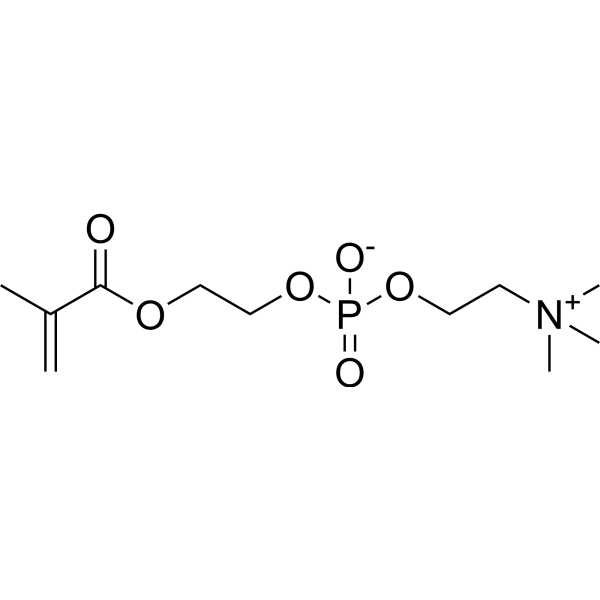
2-Methacryloyloxyethyl phosphorylcholine is a polymer monomer containing a phospholipid polar group. 2-Methacryloyloxyethyl phosphorylcholine polymers modify the surface properties of materials and reduce protein-surface interactions, reduce IL-8 production, inhibit cell, Staphylococcus aureus, and Porphyromonas gingivalis adhesion. 2-Methacryloyloxyethyl phosphorylcholine is used in the study of medical device-associated infections, periodontitis, and dental caries .
|
-
-
- HY-16929
-
|
LAT-A
|
Arp2/3 Complex
|
Cancer
|
|
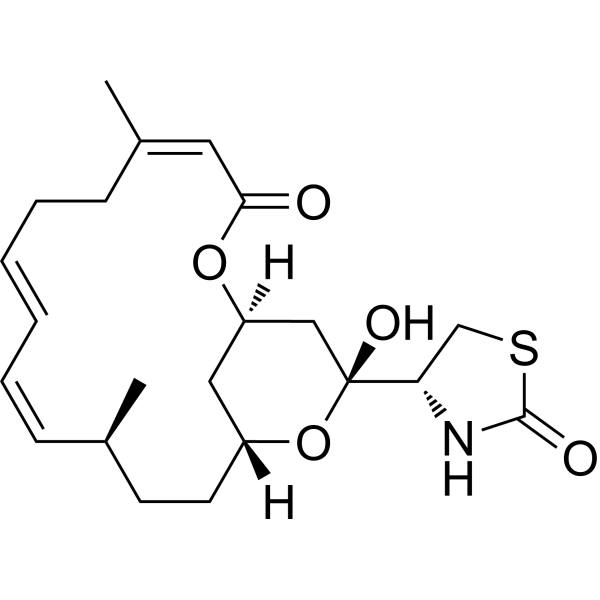
Latrunculin A (LAT-A), found in the red sea sponge Latrunculia magnifica, is a G-actin polymerization inhibitor. Latrunculin A binds to actin monomers and inhibits polymerization of actin with Kds of 0.1, 0.4, 4.7 μM and 0.19 μM for ATP-actin, ADP-Pi-actin, ADP-actin and G-actin, respectively. Latrunculin A has effective anti-metastatic properties for cancer research. Latrunculin A blocks cell migration .
|
-
-
- HY-W012723
-
|
|
Biochemical Assay Reagents
|
Others
|
|
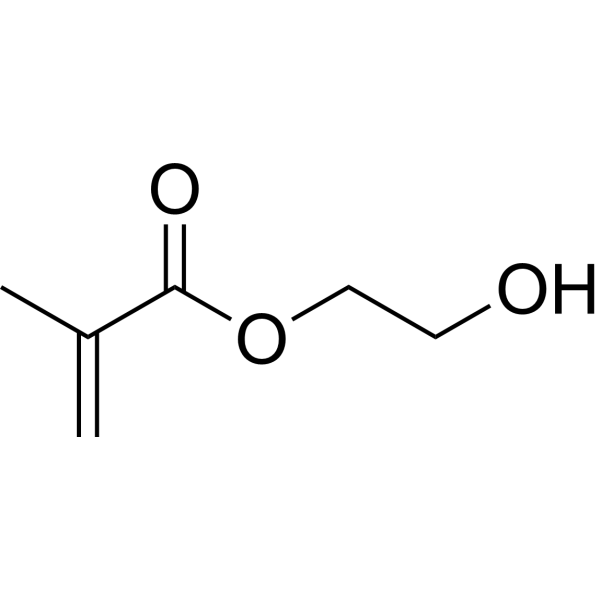
2-Hydroxyethyl methacrylate (HEMA) is a monomer used in the synthesis of various polymers, and the polymer PHEMA of 2-Hydroxyethyl methacrylate is widely used in the synthesis of dental composite materials .
|
-
-
- HY-140696E
-
|
mPEG1000-Hydroxy; Polyethylene glycol monomethyl ether 1000
|
Environmental Pollutants
Biochemical Assay Reagents
|
Cancer
|
|
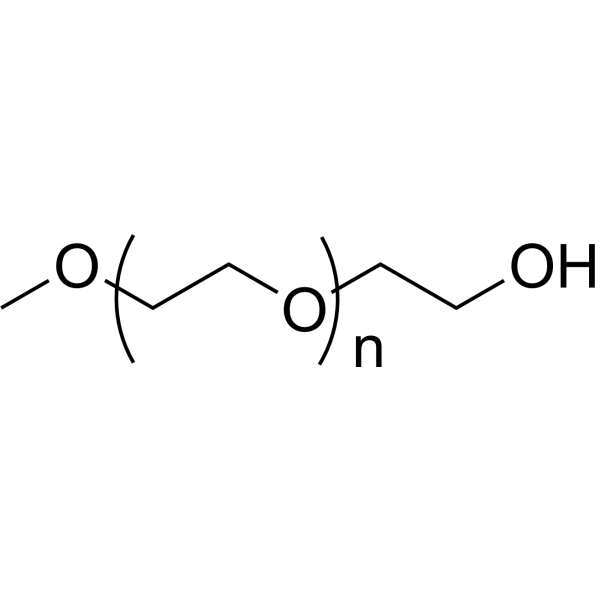
m-PEG1000-OH (mPEG1000-Hydroxy) is a monomethoxypolyethylene glycol and also a macroinitiator for organocatalytic ring-opening polymerization of aliphatic cyclic carbonate monomers. m-PEG1000-OH can participate in the synthesis of amphiphilic block copolymers. Amphiphilic block copolymers can be used to prepare nanoscale micelles for active drug delivery .
|
-
-
- HY-126437K
-
|
PLL solution 0.01%, sterile-filtered, hydrobromide, MW 70000-150000, for cell culture
|
Biochemical Assay Reagents
|
Others
|
|
Poly-L-lysine solution (0.01%, sterile-filtered, MW 70000-150000) (PLL solution (0.01%, sterile-filtered, hydrobromide, MW 70000-150000, for cell culture)) is a polycationic electrolyte polymer solution polymerized from L-lysine monomers and can be used for cell culture .
|
-
-
- HY-140697
-
|
mPEG5000-Hydroxy; Polyethylene glycol monomethyl ether 5000
|
Environmental Pollutants
PROTAC Linkers
|
Cancer
|
|
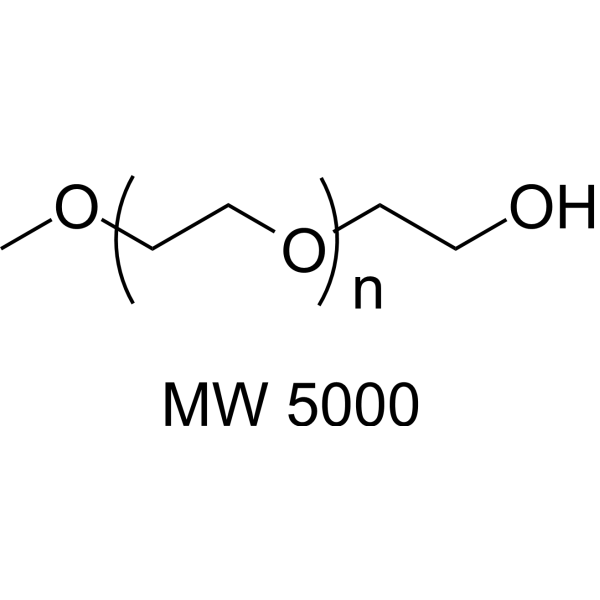
m-PEG5000-OH (mPEG5000-Hydroxy) is a monomethoxypolyethylene glycol and also a macroinitiator for organocatalytic ring-opening polymerization of aliphatic cyclic carbonate monomers. m-PEG1000-OH can participate in the synthesis of amphiphilic block copolymers. Amphiphilic block copolymers can be used to prepare nanoscale micelles for active drug delivery .
|
-
-
- HY-116073
-
|
|
Acyltransferase
|
Infection
Cancer
|
|
L-Penicillamine is an orally active serine palmitoyltransferase (SPT) inhibitor. L-Penicillamine inactivates the PLP cofactor by forming adducts, thereby inhibiting SPT activity and reducing sphingolipid biosynthesis. L-Penicillamine not only blocks tumor access to vitamin B6, but also stabilizes the human papillomavirus 16 E6 oncoprotein monomer and inhibits its polymerization, exhibiting a unique anticancer mechanism. L-Penicillamine effectively delays the growth of Sarcoma-180, induces tumor necrosis and prolongs survival (though long-term use may lead to Pyridoxine (HY-B1328) deficiency and weight loss) .
|
-
-
- HY-W105423
-
|
NHS-MA
|
Biochemical Assay Reagents
|
Others
|
|
Methacrylic acid N-hydroxysuccinimide ester (NHS-MA) is a polymer that serves as a monomer to prepare degradable amphiphilic block copolymer microparticles via RAFT polymerization for low pH-triggered drug delivery. Methacrylic acid N-hydroxysuccinimide ester is used for the synthesis of nanogels .
|
-
-
- HY-W923198
-
|
Methacryloyloxy fluorescein
|
Fluorescent Dye
|
Others
|
|
Fluorescein O-methacrylate (Methacryloyloxy fluorescein) is a pH-responsive fluorescent monomeric dye. Fluorescein O-methacrylate exhibits pH-responsive fluorescence properties: its fluorescence is activated under alkaline conditions and quenched under neutral or acidic conditions; reversible switching of fluorescence is achievable by adjusting the pH of the solution. Fluorescein O-methacrylate can be used as a monomer for the synthesis of amphiphilic fluorescein polymers. These polymers can self-assemble into stable polymer nanoparticles with enhanced aqueous-phase fluorescence, and also enable the conjugation of nanoparticles with amine-containing biomolecules to support sensitive optical detection of biomarkers (Ex/Em = 490/520 nm) .
|
-
-
- HY-N1915
-
|
|
Endogenous Metabolite
|
Metabolic Disease
|
|
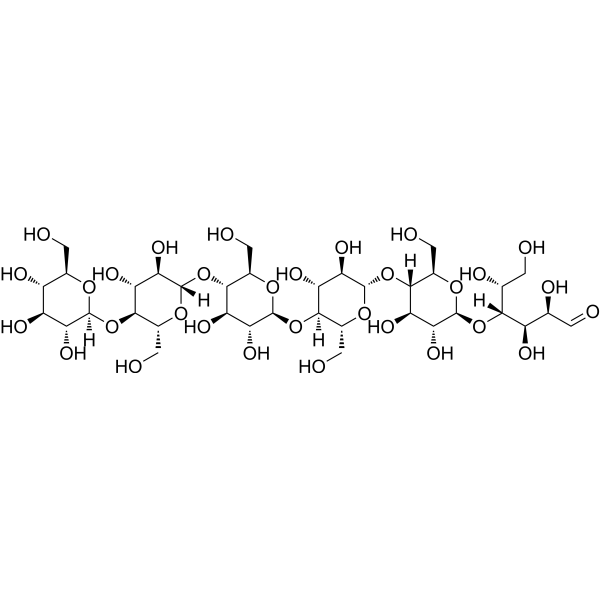
Cellohexaose is a glucose polymer with two or more glucose monomers produced from the breakdown of cellulose, consisting of a condensation of beta (1-4) linked D-glucose monomers .
|
-
-
- HY-140696B
-
|
mPEG550-Hydroxy; Polyethylene glycol monomethyl ether 550
|
Environmental Pollutants
Biochemical Assay Reagents
|
Cancer
|
|
m-PEG550-OH (mPEG550-Hydroxy) is a monomethoxypolyethylene glycol and also a macroinitiator for organocatalytic ring-opening polymerization of aliphatic cyclic carbonate monomers. m-PEG550-OH can participate in the synthesis of amphiphilic block copolymers. Amphiphilic block copolymers can be used to prepare nanoscale micelles for active drug delivery .
|
-
-
- HY-W007729
-
|
|
Biochemical Assay Reagents
|
Others
|
|
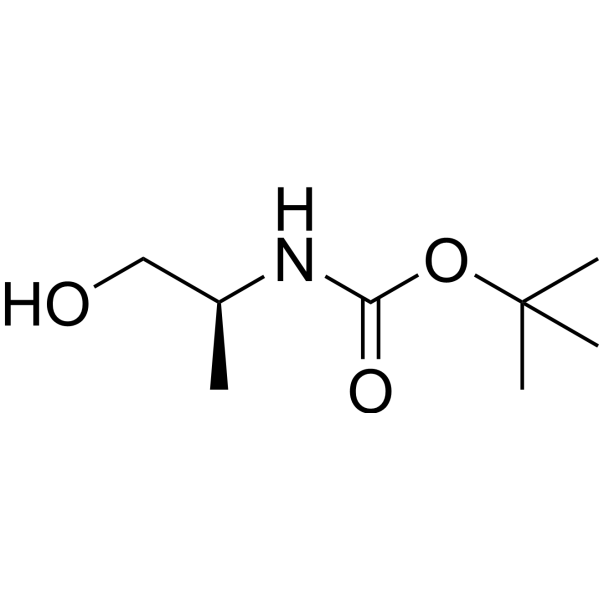
Boc-L-Alaninol is a Boc-protected chiral amino alcohol. Boc-L-Alaninol can be used in the synthesis of optically active bipyridine-containing polymers .
|
-
-
- HY-113101
-
|
|
Endogenous Metabolite
|
Others
|
|
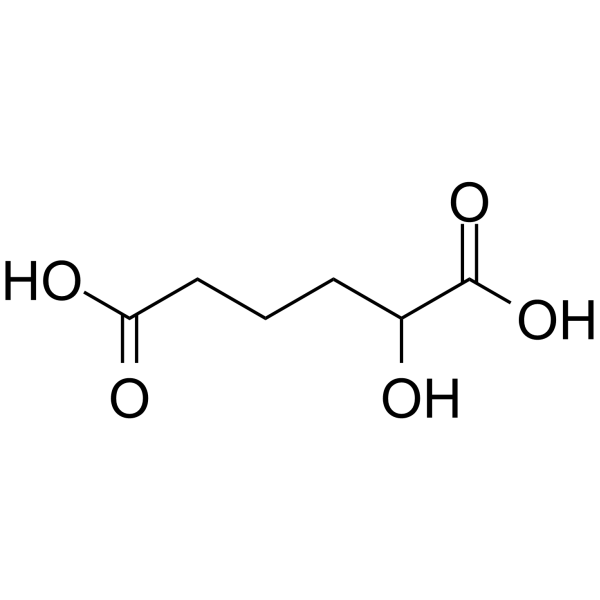
2-Hydroxyadipic acid is a dicarboxylic acid and monomer for functional polymers.2-Hydroxyadipic acid bears structural similarity to adipic acid.2-Hydroxyadipic acid forms via oxidative C-C cleavage of 2-hydroxycyclohexanone as a sustainable monomer source .
|
-
-
- HY-W028714
-
|
|
Drug Intermediate
|
Others
|
|
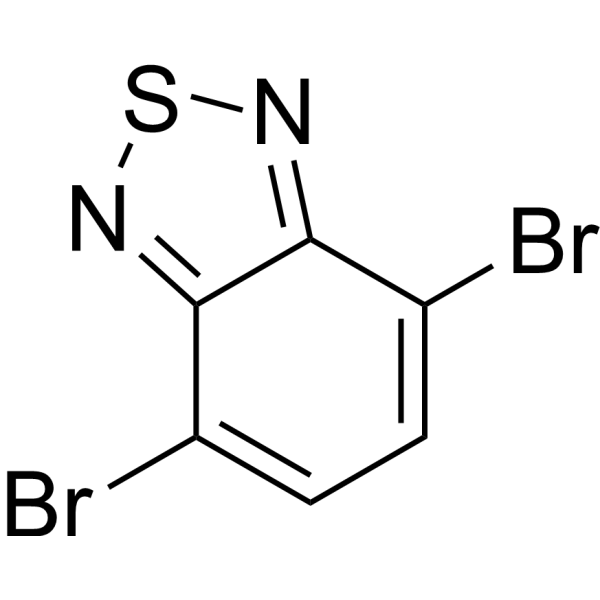
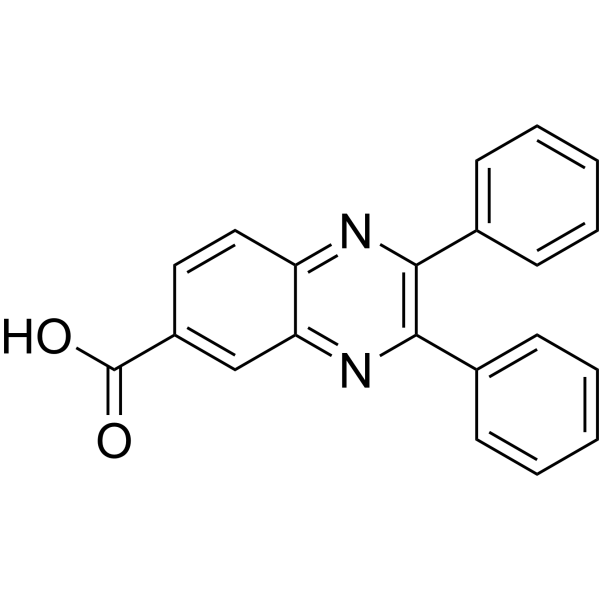
2,3-Diphenylquinoxaline-6-carboxylic acid is used for end-capping in the synthesis of AB2 monomers, which facilitates the synthesis and chain-end modification of hyperbranched polymers containing alternating quinoxaline and benzoxazole repeating units .
|
-
-
- HY-139446A
-
|
ETPTA (MW 912); TMPETA (MW 912)
|
Biochemical Assay Reagents
|
Others
|
|
Trimethylolpropane ethoxylate triacrylate (MW 912) (ETPTA (MW 912); TMPETA (MW 912)) is a trifunctional acrylate monomer with multiple acrylate functional groups, which can be used in polymerization and crosslinking reactions. Trimethylolpropane ethoxylate triacrylate (MW 912) is widely used in the preparation of cured resins for 3D printing, optical coatings for display devices, and dental composite restorative materials .
|
-
-
- HY-140696H
-
|
mPEG750-Hydroxy; Polyethylene glycol monomethyl ether 750
|
Biochemical Assay Reagents
|
Cancer
|
|
m-PEG750-OH (mPEG750-Hydroxy) is a monomethoxypolyethylene glycol and also a macroinitiator for organocatalytic ring-opening polymerization of aliphatic cyclic carbonate monomers. m-PEG750-OH can participate in the synthesis of amphiphilic block copolymers. Amphiphilic block copolymers can be used to prepare nanoscale micelles for active drug delivery .
|
-
-
- HY-134858
-
|
A1AT modulator 1
|
Serpin
Ser/Thr Protease
|
Metabolic Disease
|
|
GSK716 (A1AT modulator 1) is an orally active Z α1-antitrypsin (Z-A1AT) inhibitor with a pIC50 of 8.3. GSK716 binds a cryptic Z α1-antitrypsin pocket, stabilizes monomeric folding intermediates, blocks polymerization, and increases monomer secretion. GSK716 acts on select sensitive α1-antitrypsin variants but fails to affect resistant variants. GSK716 can be used for the research of α1-antitrypsin deficiency and α1-antitrypsin deficiency-associated liver disease .
|
-
-
- HY-W012723S
-
|
|
Isotope-Labeled Compounds
Biochemical Assay Reagents
|
Others
|
|
2-Hydroxyethyl methacrylate- 13C is the 13C--labeled 2-Hydroxyethyl methacrylate (HY-W012723). 2-Hydroxyethyl methacrylate (HEMA) is a monomer used in the synthesis of various polymers, and the polymer PHEMA of 2-Hydroxyethyl methacrylate is widely used in the synthesis of dental composite materials .
|
-
-
- HY-W106486
-
|
N,N-Dimethyl-N-2-propenyl-2-propen-1-aminium chloride
|
Biochemical Assay Reagents
|
Others
|
|
Diallyldimethylammonium chloride (60% in water) is a quaternary ammonium compound belonging to the class of alkylammonium salts. The compound is widely used as a cationic monomer in the production of water-soluble polymers, especially in the manufacture of flocculants and coagulants for water treatment processes. In addition, it can be used as an antimicrobial agent, surfactant or adhesive in various industrial applications. Its unique chemical properties make it an important ingredient in a variety of industrial processes, including papermaking, textiles and personal care products.
|
-
-
- HY-W091249
-
|
|
Biochemical Assay Reagents
|
Others
|
|
Tri(ethylene Glycolyl) divinyl ether is a difunctional monomer that can be used as a photoinitiator for the cationic polymerization of vinyl ester monomers .
|
-
-
- HY-W090151
-
|
|
Biochemical Assay Reagents
|
Others
|
|
Silyl-ether based ROMP monomer iPrSi is a biochemical reagent that can be used in the synthesis of advanced polymer materials for biomedical applications, including drug delivery vehicles and hydrogels .
|
-
-
- HY-163977
-
|
2,2-Diphenyl-1,3-dioxa-2-silacyclooct-5-ene
|
Biochemical Assay Reagents
|
Others
|
|
Silyl-ether based ROMP Monomer (2,2-Diphenyl-1,3-dioxa-2-silacyclooct-5-ene) is a biochemical reagent that can be used in the synthesis of advanced polymer materials for biomedical applications, including drug delivery vehicles and hydrogels .
|
-
-
- HY-W773487
-
|
|
Bacterial
|
Infection
|
|
FtsZ-IN-10 is a bacterial division inhibitor that interferes with the normal assembly of FtsZ. FtsZ-IN-10 specifically binds to Bacillus subtilis FtsZ monomers, thereby affecting their polymerization behavior. FtsZ-IN-10 may also activate nucleotide-free archaeal FtsZ to form ordered polymers. FtsZ-IN-10 can hinder the localization of FtsZ in the Z ring and inhibit bacterial cell division. Chlorinated analogs of FtsZ-IN-10 show the ability to inhibit the growth of antibiotic-resistant clinical isolates such as Staphylococcus aureus and Enterococci .
|
-
-
- HY-160726
-
|
|
Biochemical Assay Reagents
|
Others
|
|
Polymethacrylate Copolymer N−C4−52−6.9 is a polymer that consists of hydrophobic butylmethacrylate and cationic methacroylcholine chloride monomers. Polymethacrylate Copolymer N−C4−52−6.9 is able to solubilise lipid bilayers into nanodiscs. Polymethacrylate Copolymer N−C4−52−6.9 can be utilized in structure and functional studies on membrane proteins .
|
-
-
- HY-W002105R
-
|
|
Reference Standards
Biochemical Assay Reagents
|
Others
|
|
2,5-Furandicarboxylic acid (Standard) is the analytical standard of 2,5-Furandicarboxylic acid (HY-W002105). This product is intended for research and analytical applications. 2,5-Furandicarboxylic acid can be used as the monomer for synthesis of biodegradable polymers such as polyethylene furandicarboxylate (PEF) and polybutylene furandicarboxylate (PBF). 2,5-Furandicarboxylic acid improves the polymers' rigidity, heat resistance and barrier properties, that can be used for food packaging. 2,5-Furandicarboxylic acid can be used as the raw material for various chemical intermediates to synthesize polymers, polyurethanes, thermosetting resins, plasticizers, fungicides, macrocyclic ligands and other products.
|
-
-
- HY-79587
-
|
|
Biochemical Assay Reagents
|
Others
|
|
Benzil is a 1,2-diketone compound with multiple functions including photo-peroxidation initiator, crosslinking initiator and pattern-forming agent, and is commonly used as a precursor for photodegradable network crosslinkers. In oxygen-purged polymer films or glassy matrices, Benzil reacts with molecular oxygen under illumination at wavelengths greater than 370 nm or 400 nm, and converts to benzoyl peroxide in nearly quantitative yield. Subsequently, the generated benzoyl peroxide groups produce free radicals via thermal or photochemical decomposition, thereby enabling crosslinking of polymer chains, grafting of new monomers, and preparation of patterned polymers on solid surfaces using mask irradiation. Benzil also induces crosslinking of photodegradable poly (phenyl vinyl ketone) to form a stable photodegradable polymer network .
|
-
-
- HY-D3448
-
|
|
Fluorescent Dye
|
Others
|
|
8-Anthracene-BODIPY 505/515-di iodine (BDP-1) is an iodine-substituted BODIPY derivative and monomer for synthesis of conjugated porous polymer CPP-1. BODIPY dye is a small molecule dye with strong ultraviolet absorption ability, its fluorescence peak is relatively sharp, and the quantum yield is high (Ex/Em = 505/515 nm) .
|
-
-
- HY-W583729
-
|
|
Biochemical Assay Reagents
|
Others
|
|
DL-Poly (lactic acid) is a biodegradable poly (α-hydroxy acid) matrix and a coating material for controlled drug release. DL-Poly (lactic acid) is classified as a drug release retardant, which degrades into natural lactic acid monomers, an intermediate product of carbohydrate metabolism, enabling complete drug delivery that lasts for several weeks. Its drug release rate is affected by the pH of the surrounding environment .
|
-
-
- HY-182885
-
|
EPEMA
|
Drug Intermediate
Biochemical Assay Reagents
|
Metabolic Disease
|
|
2-(Ethyl (propyl) amino) ethyl methacrylate (EPEMA) is an acid-responsive reagent and chemical intermediate. 2-(Ethyl (propyl) amino) ethyl methacrylate can be used for the synthesis of pDMA-pEPEMA. The protonation of 2-(Ethyl (propyl) amino) ethyl methacrylate in pDMA-pEPEMA under acidic conditions triggers the responsive release of Cortistatin. 2-(Ethyl (propyl) amino) ethyl methacrylate can be used in the research of diabetic ulcers .
|
-
| Cat. No. |
Product Name |
Type |
-
- HY-W923198
-
|
Methacryloyloxy fluorescein
|
Fluorescent Dye
|
|
Fluorescein O-methacrylate (Methacryloyloxy fluorescein) is a pH-responsive fluorescent monomeric dye. Fluorescein O-methacrylate exhibits pH-responsive fluorescence properties: its fluorescence is activated under alkaline conditions and quenched under neutral or acidic conditions; reversible switching of fluorescence is achievable by adjusting the pH of the solution. Fluorescein O-methacrylate can be used as a monomer for the synthesis of amphiphilic fluorescein polymers. These polymers can self-assemble into stable polymer nanoparticles with enhanced aqueous-phase fluorescence, and also enable the conjugation of nanoparticles with amine-containing biomolecules to support sensitive optical detection of biomarkers (Ex/Em = 490/520 nm) .
|
-
- HY-D3448
-
|
|
Fluorescent Dye
|
|
8-Anthracene-BODIPY 505/515-di iodine (BDP-1) is an iodine-substituted BODIPY derivative and monomer for synthesis of conjugated porous polymer CPP-1. BODIPY dye is a small molecule dye with strong ultraviolet absorption ability, its fluorescence peak is relatively sharp, and the quantum yield is high (Ex/Em = 505/515 nm) .
|
| Cat. No. |
Product Name |
Type |
-
- HY-125865
-
Casein
2 Publications Verification
|
Biochemical Assay Reagents
|
|
Casein is an orally active phosphoprotein that can be separated into various electrophoretic components, such as α2-Casein, κ-Casein, β-casein, and γ-casein. Casein has also been blended and grafted with other polymers, cross-linkers, or monomers to improve its functional properties. Casein enhances calcium absorption and reduces the extent of fissure as well as smooth-surface caries. Casein promotes proliferation of prostate cancer. Casein has various applications in the paper, leather, textile, and food industries, serving as coatings, adhesives, and packaging materials .
|
-
- HY-W110551
-
|
|
Biochemical Assay Reagents
|
|
2-Methacryloyloxyethyl phosphorylcholine is a polymer monomer containing a phospholipid polar group. 2-Methacryloyloxyethyl phosphorylcholine polymers modify the surface properties of materials and reduce protein-surface interactions, reduce IL-8 production, inhibit cell, Staphylococcus aureus, and Porphyromonas gingivalis adhesion. 2-Methacryloyloxyethyl phosphorylcholine is used in the study of medical device-associated infections, periodontitis, and dental caries .
|
-
- HY-140696E
-
|
mPEG1000-Hydroxy; Polyethylene glycol monomethyl ether 1000
|
Biochemical Assay Reagents
|
|
m-PEG1000-OH (mPEG1000-Hydroxy) is a monomethoxypolyethylene glycol and also a macroinitiator for organocatalytic ring-opening polymerization of aliphatic cyclic carbonate monomers. m-PEG1000-OH can participate in the synthesis of amphiphilic block copolymers. Amphiphilic block copolymers can be used to prepare nanoscale micelles for active drug delivery .
|
-
- HY-126437K
-
|
PLL solution 0.01%, sterile-filtered, hydrobromide, MW 70000-150000, for cell culture
|
Biochemical Assay Reagents
|
|
Poly-L-lysine solution (0.01%, sterile-filtered, MW 70000-150000) (PLL solution (0.01%, sterile-filtered, hydrobromide, MW 70000-150000, for cell culture)) is a polycationic electrolyte polymer solution polymerized from L-lysine monomers and can be used for cell culture .
|
-
- HY-W105423
-
|
NHS-MA
|
Biochemical Assay Reagents
|
|
Methacrylic acid N-hydroxysuccinimide ester (NHS-MA) is a polymer that serves as a monomer to prepare degradable amphiphilic block copolymer microparticles via RAFT polymerization for low pH-triggered drug delivery. Methacrylic acid N-hydroxysuccinimide ester is used for the synthesis of nanogels .
|
-
- HY-140696B
-
|
mPEG550-Hydroxy; Polyethylene glycol monomethyl ether 550
|
Biochemical Assay Reagents
|
|
m-PEG550-OH (mPEG550-Hydroxy) is a monomethoxypolyethylene glycol and also a macroinitiator for organocatalytic ring-opening polymerization of aliphatic cyclic carbonate monomers. m-PEG550-OH can participate in the synthesis of amphiphilic block copolymers. Amphiphilic block copolymers can be used to prepare nanoscale micelles for active drug delivery .
|
-
- HY-W007729
-
|
|
Biochemical Assay Reagents
|
|
Boc-L-Alaninol is a Boc-protected chiral amino alcohol. Boc-L-Alaninol can be used in the synthesis of optically active bipyridine-containing polymers .
|
-
- HY-139446A
-
|
ETPTA (MW 912); TMPETA (MW 912)
|
Biochemical Assay Reagents
|
|
Trimethylolpropane ethoxylate triacrylate (MW 912) (ETPTA (MW 912); TMPETA (MW 912)) is a trifunctional acrylate monomer with multiple acrylate functional groups, which can be used in polymerization and crosslinking reactions. Trimethylolpropane ethoxylate triacrylate (MW 912) is widely used in the preparation of cured resins for 3D printing, optical coatings for display devices, and dental composite restorative materials .
|
-
- HY-140696H
-
|
mPEG750-Hydroxy; Polyethylene glycol monomethyl ether 750
|
Biochemical Assay Reagents
|
|
m-PEG750-OH (mPEG750-Hydroxy) is a monomethoxypolyethylene glycol and also a macroinitiator for organocatalytic ring-opening polymerization of aliphatic cyclic carbonate monomers. m-PEG750-OH can participate in the synthesis of amphiphilic block copolymers. Amphiphilic block copolymers can be used to prepare nanoscale micelles for active drug delivery .
|
-
- HY-W106486
-
|
N,N-Dimethyl-N-2-propenyl-2-propen-1-aminium chloride
|
Biochemical Assay Reagents
|
|
Diallyldimethylammonium chloride (60% in water) is a quaternary ammonium compound belonging to the class of alkylammonium salts. The compound is widely used as a cationic monomer in the production of water-soluble polymers, especially in the manufacture of flocculants and coagulants for water treatment processes. In addition, it can be used as an antimicrobial agent, surfactant or adhesive in various industrial applications. Its unique chemical properties make it an important ingredient in a variety of industrial processes, including papermaking, textiles and personal care products.
|
-
- HY-W091249
-
|
|
Biochemical Assay Reagents
|
|
Tri(ethylene Glycolyl) divinyl ether is a difunctional monomer that can be used as a photoinitiator for the cationic polymerization of vinyl ester monomers .
|
-
- HY-W090151
-
|
|
Biochemical Assay Reagents
|
|
Silyl-ether based ROMP monomer iPrSi is a biochemical reagent that can be used in the synthesis of advanced polymer materials for biomedical applications, including drug delivery vehicles and hydrogels .
|
-
- HY-163977
-
|
2,2-Diphenyl-1,3-dioxa-2-silacyclooct-5-ene
|
Biochemical Assay Reagents
|
|
Silyl-ether based ROMP Monomer (2,2-Diphenyl-1,3-dioxa-2-silacyclooct-5-ene) is a biochemical reagent that can be used in the synthesis of advanced polymer materials for biomedical applications, including drug delivery vehicles and hydrogels .
|
-
- HY-160726
-
|
|
Biochemical Assay Reagents
|
|
Polymethacrylate Copolymer N−C4−52−6.9 is a polymer that consists of hydrophobic butylmethacrylate and cationic methacroylcholine chloride monomers. Polymethacrylate Copolymer N−C4−52−6.9 is able to solubilise lipid bilayers into nanodiscs. Polymethacrylate Copolymer N−C4−52−6.9 can be utilized in structure and functional studies on membrane proteins .
|
| Cat. No. |
Product Name |
Target |
Research Area |
-
- HY-116073
-
|
|
Acyltransferase
|
Infection
Cancer
|
|
L-Penicillamine is an orally active serine palmitoyltransferase (SPT) inhibitor. L-Penicillamine inactivates the PLP cofactor by forming adducts, thereby inhibiting SPT activity and reducing sphingolipid biosynthesis. L-Penicillamine not only blocks tumor access to vitamin B6, but also stabilizes the human papillomavirus 16 E6 oncoprotein monomer and inhibits its polymerization, exhibiting a unique anticancer mechanism. L-Penicillamine effectively delays the growth of Sarcoma-180, induces tumor necrosis and prolongs survival (though long-term use may lead to Pyridoxine (HY-B1328) deficiency and weight loss) .
|
-
- HY-P3531
-
|
|
Peptides
|
Others
|
|
Fibrinogen γ-chain (397-411), a esidues 397-411 of the γ chain of fibrinogen, is a site recognizing the platelet receptor, which is distinct from the site(s) involved in polymerization of fibrin monomers .
|
| Cat. No. |
Product Name |
Category |
Target |
Chemical Structure |
-
- HY-16929
-
-
-
- HY-N1915
-
-
-
- HY-113101
-
-
-
- HY-W002105R
-
|
|
Structural Classification
Ketones, Aldehydes, Acids
Endogenous metabolite
Source Classification
|
Reference Standards
Biochemical Assay Reagents
|
|
2,5-Furandicarboxylic acid (Standard) is the analytical standard of 2,5-Furandicarboxylic acid (HY-W002105). This product is intended for research and analytical applications. 2,5-Furandicarboxylic acid can be used as the monomer for synthesis of biodegradable polymers such as polyethylene furandicarboxylate (PEF) and polybutylene furandicarboxylate (PBF). 2,5-Furandicarboxylic acid improves the polymers' rigidity, heat resistance and barrier properties, that can be used for food packaging. 2,5-Furandicarboxylic acid can be used as the raw material for various chemical intermediates to synthesize polymers, polyurethanes, thermosetting resins, plasticizers, fungicides, macrocyclic ligands and other products.
|
-
| Cat. No. |
Product Name |
Chemical Structure |
-
- HY-W012723S
-
|
|
|
2-Hydroxyethyl methacrylate- 13C is the 13C--labeled 2-Hydroxyethyl methacrylate (HY-W012723). 2-Hydroxyethyl methacrylate (HEMA) is a monomer used in the synthesis of various polymers, and the polymer PHEMA of 2-Hydroxyethyl methacrylate is widely used in the synthesis of dental composite materials .
|
-
Your information is safe with us. * Required Fields.
Inquiry Information
- Product Name:
- Cat. No.:
- Quantity:
- MCE Japan Authorized Agent:

