152 Results for "

ROS+levels

" in MedChemExpress (MCE) Product Catalog:
Products (152)

152 Results for "ROS+levels" in MCE Product Catalog:

755
755 Publications Verification
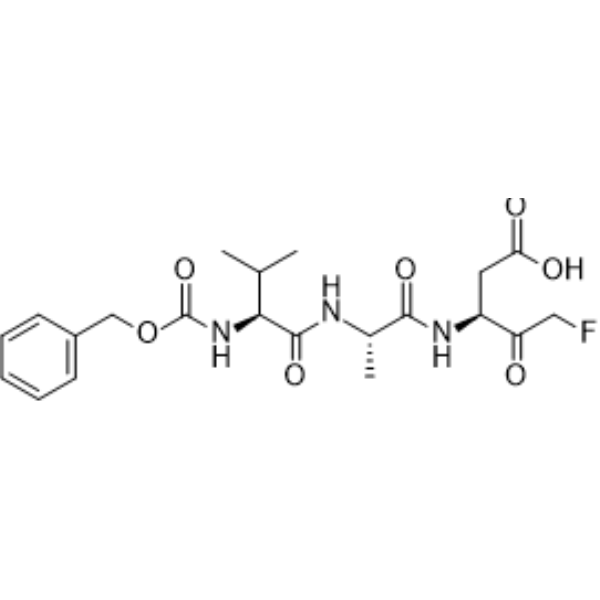
Cat. No.: HY-16658B
CAS No.: 161401-82-7
Synonyms: Z-VAD(OH)-FMK
Z-VAD-FMK is a pan-caspase inhibitor and also an ICE-like protease inhibitor, which inhibits apoptosis by preventing the processing of CPP32 to its active form. Z-VAD-FMK sensitivity varies primarily due to differential expression of receptor-interacting protein 1 (RIP1). Z-VAD-FMK limits the cryopreservation-induced apoptosis by reducing caspase-3 activity of in vitro produced bovine embryos. Z-VAD-FMK is immunosuppressive in vitro and inhibits T cell proliferation without blocking the processing of caspase-8 and caspase-3. Z-VAD-FMK leads to a decrease in intracellular glutathione (GSH) with a concomitant increase in reactive oxygen species (ROS) levels in activated T cells. Z-VAD-FMK is due to oxidative stress via the depletion of GSH. Z-VAD-FMK can be used for the study of acute pancreatitis .
143
143 Cited Publications
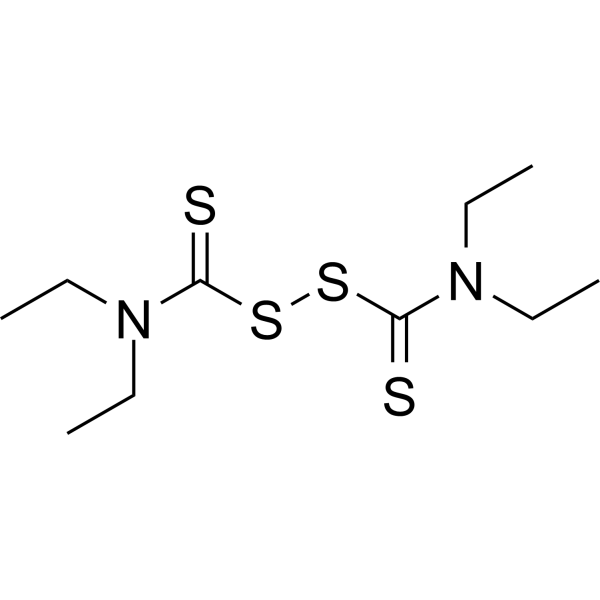
Cat. No.: HY-B0240
CAS No.: 97-77-8
Synonyms: Tetraethylthiuram disulfide; TETD
Disulfiram (Tetraethylthiuram disulfide) is a specific inhibitor of aldehyde-dehydrogenase (ALDH1), used for the treatment of chronic alcoholism by producing an acute sensitivity to alcohol. Disulfiram inhibits gasdermin D (GSDMD) pore formation in liposomes and inflammasome-mediated pyroptosis and IL-1β secretion in human and mouse cells. Disulfiram, a copper ion carrier, with Cu 2+ increases intracellular ROS levels and induces cuproptosis .
90
90 Cited Publications
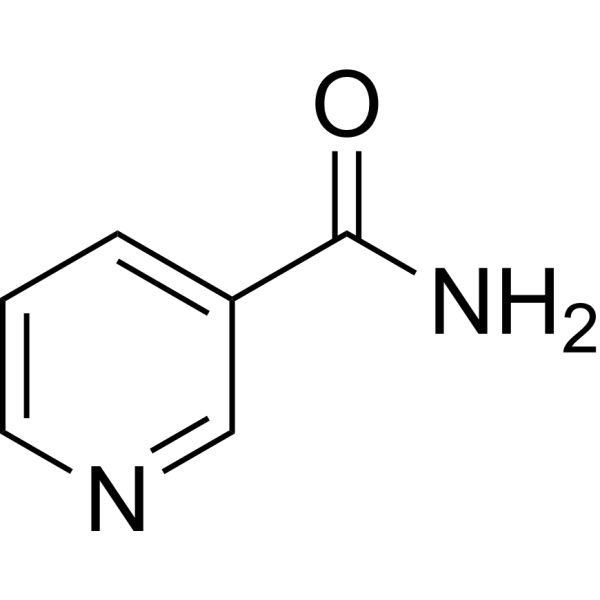
Cat. No.: HY-B0150
CAS No.: 98-92-0
Synonyms: Niacinamide; Nicotinic acid amide
Nicotinamide is a form of vitamin B3 or niacin. Nicotinamide Hydrochloride inhibits SIRT2 activity (IC50: 2 μM). Nicotinamide also inhibits SIRT1. Nicotinamide increases cellular NAD+, ATP, ROS levels. Nicotinamide inhibits tumor growth and improves survival. Nicotinamide also has anti-HBV activity .
90
90 Cited Publications
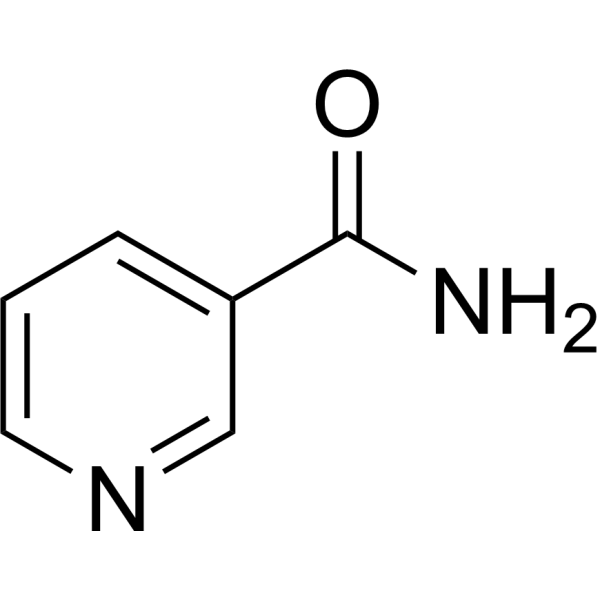
Cat. No.: HY-B0150R
CAS No.: 98-92-0
Synonyms: Niacinamide(Standard); Nicotinic acid amide (Standard)
Research Areas:  

Cancer

Nicotinamide (Standard) is the analytical standard of Nicotinamide. This product is intended for research and analytical applications. Nicotinamide is a form of vitamin B3 or niacin. Nicotinamide Hydrochloride inhibits SIRT2 activity (IC50: 2 μM). Nicotinamide also inhibits SIRT1. Nicotinamide increases cellular NAD+, ATP, ROS levels. Nicotinamide inhibits tumor growth and improves survival. Nicotinamide also has anti-HBV activity .
27
27 Cited Publications
Cat. No.: HY-N0155
CAS No.: 478-01-3
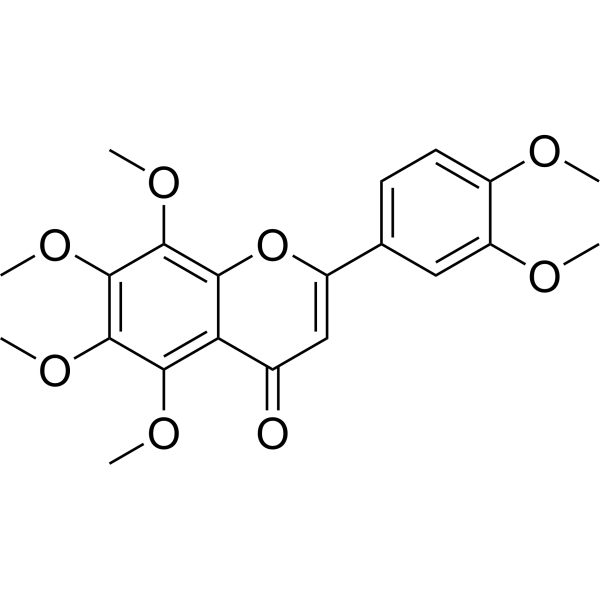
Nobiletin is a poly-methoxylated flavone from the citrus peel that improves memory loss. Nobiletin is a retinoid acid receptor-related orphan receptors (RORs) agonist. Nobiletin can reduce reactive oxygen species (ROS) levels in differentiated C2C12 myotubes and has anti-inflammation and anti-cancer properties, including anti-angiogenesis, anti-proliferation, anti-metastasis and induced apoptosis .
6
6 Cited Publications
Cat. No.: HY-N0260
CAS No.: 110642-44-9
Synonyms: Epimedin-C; Baohuoside-VI
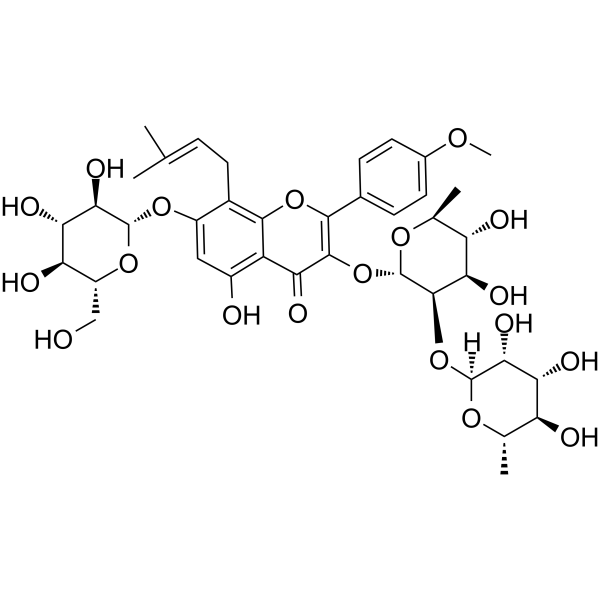
Epmedin C (Epimedin-C; Baohuoside-VI) is an orally active anti-inflammatory agent and immunomodulator that binds to multiple key proteins including UCP1, Caspase-1, CDK2 and Keap1. Epmedin C inhibits epithelial cell proliferation by disrupting the complex function of CDK2/Cyclin E. Epmedin C also upregulates Nrf2 expression, reduces ROS levels and inhibits pro-inflammatory cytokine secretion, thereby effectively restoring antibody production and alleviating tissue damage. Epmedin C has good safety with no hepatotoxicity or skin sensitization, and it has been used in studies on diseases such as obesity, Deoxynivalenol (HY-N6684)-induced immunotoxicity and mammary hyperplasia .
5
5 Cited Publications
Cat. No.: HY-N0502
CAS No.: 88901-36-4
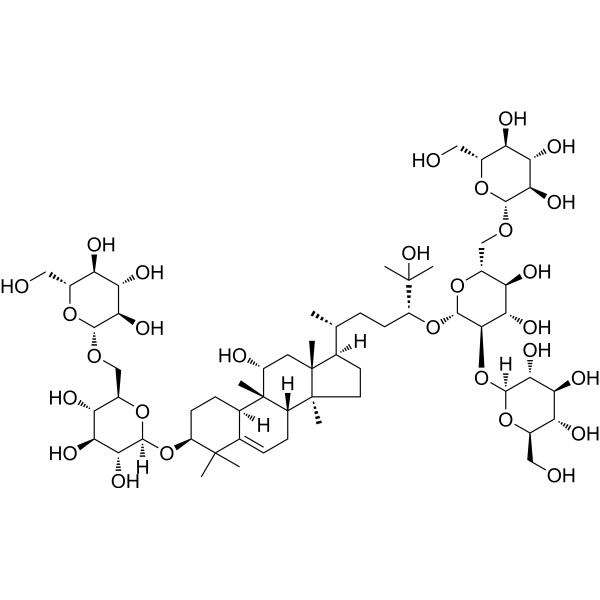
Mogroside V is a the major active constituent of a traditional Chinese medicine Siraitiae Fructus. Mogroside V reduces the intracellular reactive oxygen species (ROS) levels and enhances mitochondrial function. Mogroside V has anti-oxidative, anti-diabetic and anti-carcinogenic effects. Mogroside V can be used for diabetic diseases research .
4
4 Cited Publications
Cat. No.: HY-N2445
CAS No.: 37308-75-1
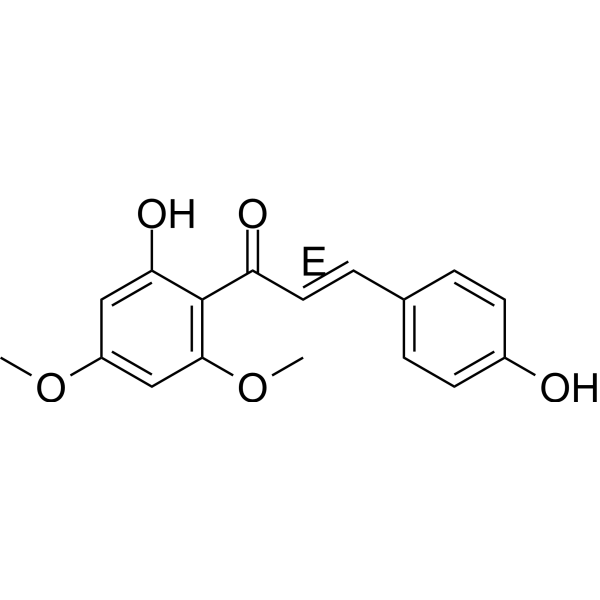
Flavokawain C is an orally active natural chalcone. Flavokawain C inhibits the proliferation of various cancer cells. Flavokawain C upregulates GADD153 in cancer cells, inhibits the phosphorylation of Akt and JNK, suppresses early ERK phosphorylation, activates late ERK phosphorylation, activates caspase related subtypes, induces PARP-1 cleavage, causes upregulation of p21 and p27, downregulation of mutant p53 and anti-apoptotic IAP proteins, elevates intracellular ROS levels, reduces SOD activity, and induces apoptosis. Flavokawain C downregulates FABP4, induces autophagy in cancer cells, and activates the AMPK/mTOR pathway . Flavokawain C decreases the expression of glycolysis-related proteins GLUT1 and HK2, and inhibits glycolysis in nasopharyngeal carcinoma cells. Flavokawain C inhibits the activation of the EGFR/PI3K/Akt/mTOR signaling pathway and reduces the expression of HSP90B1. Flavokawain C inhibits angiogenesis by decreasing the expression of angiogenic proteins Ang-1 and VEGF in human umbilical vein endothelial cells. Flavokawain C increases γ-H2AX levels in cells, inhibits the phosphorylation of FAK, PI3K and AKT in cells, and induces DNA damage in cells. Flavokawain C exerts anti-tumor activity in multiple tumor xenograft mouse models. Flavokawain C is applicable to research related to colorectal cancer, colon adenocarcinoma, nephroblastoma, nasopharyngeal carcinoma and liver cancer .
3
3 Cited Publications
Cat. No.: HY-108527
CAS No.: 107430-66-0
Purity:  98.01%
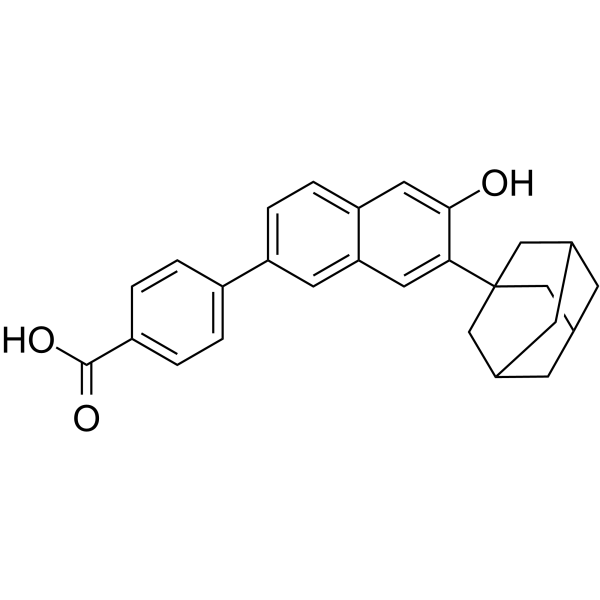
CD1530 is an orally active, selective RARγ agonist and antibacterial agent. CD1530 reduces Smad1/5/8 phosphorylation and overall Smad levels. CD1530 reduces β-catenin, MMP9 protein, and ROS levels. CD1530 exhibits activities such as inhibiting heterotopic ossification, promoting Achilles tendon healing, and inhibiting muscle fatty infiltration. CD1530 can be used in the research of orthopedic diseases (such as heterotopic ossification, Achilles tendon injury), muscle diseases (such as muscle fatty infiltration-related diseases) .
3
3 Cited Publications
Cat. No.: HY-N0597
CAS No.: 32791-84-7
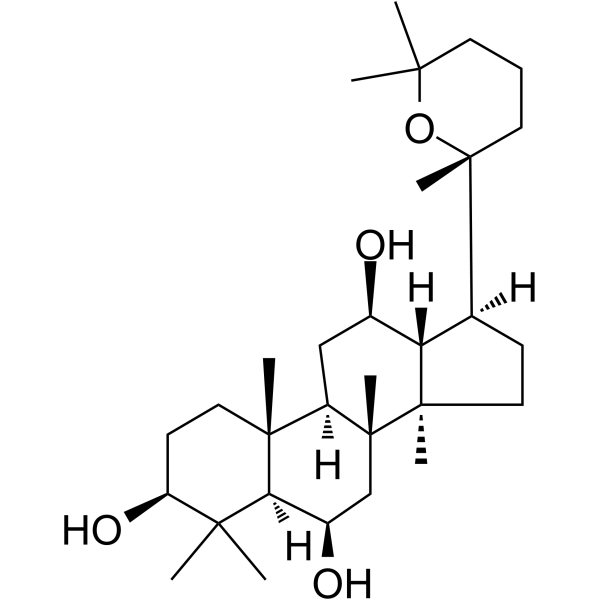
Panaxatriol is an orally active dammarane-type tetracyclic triterpene sapogenin. Panaxatriol enhances the phosphorylation levels of Akt, insulin receptor and p70S6K in skeletal muscle. Panaxatriol reduces the mRNA expression level of Atrogin1 in skeletal muscle. Panaxatriol induces apoptosis, pre-G1 cell cycle arrest and increased intracellular ROS levels in prostate cancer cells, decreases mitochondrial membrane potential, inhibits cell migration and reduces colony formation. Panaxatriol can be used in research related to insulin resistance, myocardial ischemia/reperfusion injury and prostate cancer [1][2][3].
2
2 Cited Publications
Cat. No.: HY-N0316
CAS No.: 55481-88-4
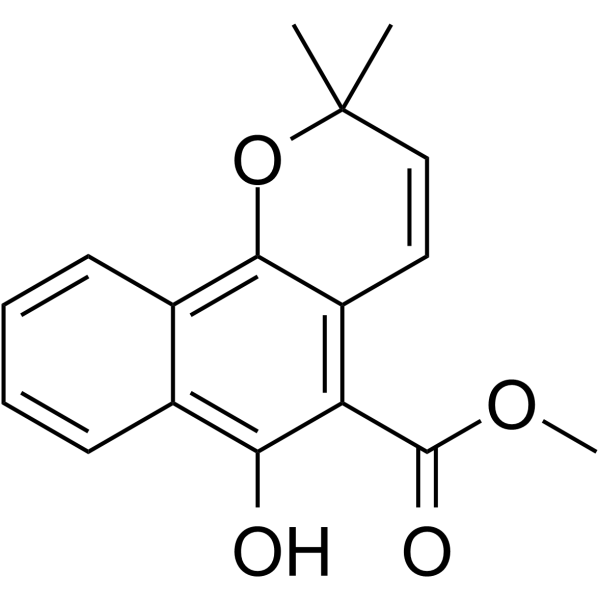
Mollugin is an orally active and potent NF-κB inhibitor. Mollugin induces S-phase arrest of HepG2 cells, and increased intracellular reactive oxygen species (ROS) levels. Mollugin induces DNA damage in HepG2 cells, as well as an increase in the expression of p-H2AX. Mollugin shows anti-cancer effect by inhibiting TNF-α-induced NF-κB activation. Mollugin enhances the osteogenic action of BMP-2 (bone morphogenetic protein 2) via the p38-Smad signaling pathway .
2
2 Cited Publications
Cat. No.: HY-N2484
CAS No.: 73340-41-7
Synonyms: Astrapterocarpan
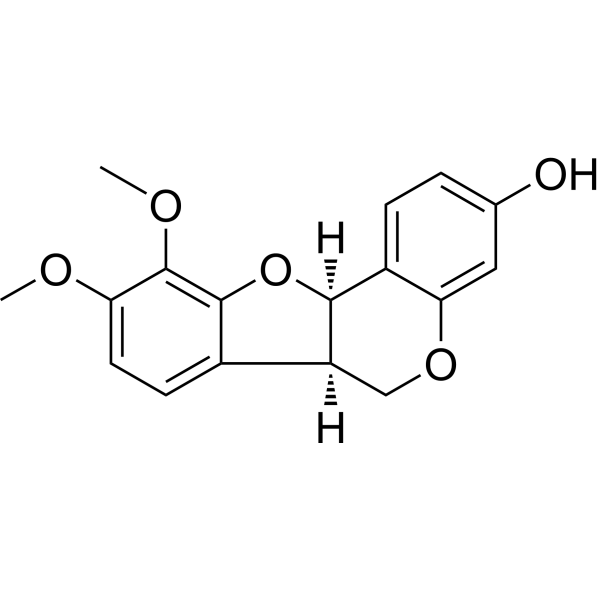
Methylnissolin (Astrapterocarpan) is an osteoclast inhibitor with anti-inflammatory, neuroprotective and antioxidant activities. Methylnissolin downregulates the activation of the MAPK and PI3K/AKT pathways, inhibits the phosphorylation of MAPK1 and AKT1, and blocks PDGF-BB-induced phosphorylation of ERK1/2. Methylnissolin reduces the expression and secretion of proinflammatory mediators, decreases intracellular ROS levels, upregulates antioxidant enzymes, and downregulates osteoclastogenesis markers. Methylnissolin is applicable to research related to ischemic stroke, osteoporosis, cardiovascular diseases, skin aging, etc.
2
2 Cited Publications
Cat. No.: HY-N1921
CAS No.: 32685-93-1
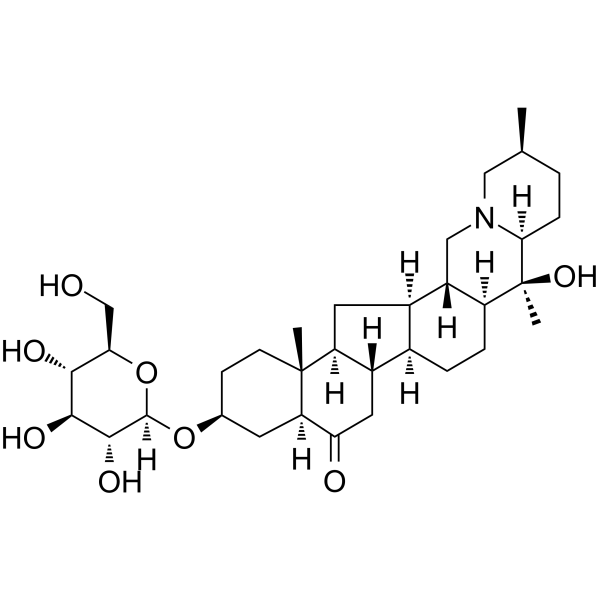
Edpetiline is an anti-inflammatory agent. Edpetiline inhibits the phosphorylation of IκB, nuclear transcription/translocation of NF-κB p65, as well as the phosphorylation of p38 MAPK and ERK MAPK. Edpetiline reduces intracellular ROS levels, inhibits the expression of TNF-α, IL-6, iNOS, COX-2, and promotes the expression of IL-4. Edpetiline is applicable to the research of diseases associated with inflammation and oxidative stress .
2
2 Cited Publications
Cat. No.: HY-N0887
CAS No.: 84676-88-0
Synonyms: Isoastragaloside-I
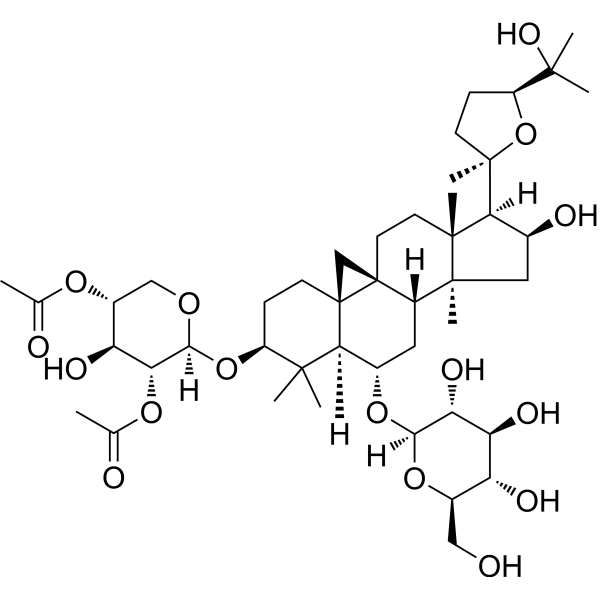
Isoastragaloside I is a natural compound found in Astragalus membranaceus, with oral activity and multiple biological activities such as anti-inflammatory and antioxidant properties. Isoastragaloside I inhibits Akt, NF-κB, MAPKs and PI3K, enhances the activity of hepatic FXR, regulates the TGF-β/Smads signaling pathway, and upregulates antioxidant molecules downstream of Nrf2. Isoastragaloside I inhibits the expression of NO, TNF-α, iNOS, COX-2, IL-1β and VCAM-1, and reduces intracellular ROS levels. Isoastragaloside I attenuates blood-brain barrier disruption, restores intestinal barrier function, increases β-cell mass, improves glucose homeostasis, and elevates circulating adiponectin levels. Isoastragaloside I can be used for the study of neuroinflammation-related neurodegenerative diseases, cholestatic liver disease, and diabetes .
1
1 Cited Publications
Cat. No.: HY-N3651
CAS No.: 20493-56-5
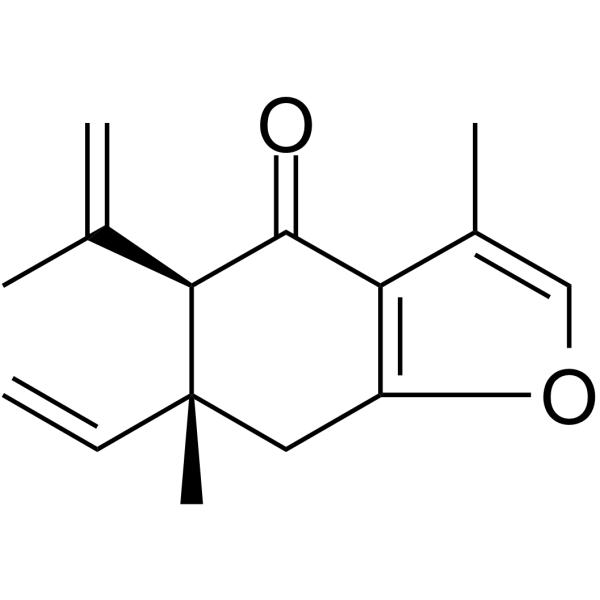
Curzerenone is an orally active sesquiterpene compound and Antibacterial agent. Curzerenone can be isolated from Curcuma zedoaria and Curcuma aeruginosa plants. Curzerenone increases ROS levels, activates Apoptotic signaling pathways, and attenuates the PI3K/AKT/mTOR signaling pathway. Curzerenone exhibits anticancer activity against liver cancer and cervical cancer. Curzerenone has antioxidant effects. Curzerenone shows weak antibacterial activity against Escherichia coli. Curzerenone can be used in research related to hepatocellular carcinoma, cervical cancer, and Escherichia coli infection .
1
1 Cited Publications
Cat. No.: HY-W040045
CAS No.: 18466-51-8
Synonyms: Pelargonidin-3-O-glucoside chloride
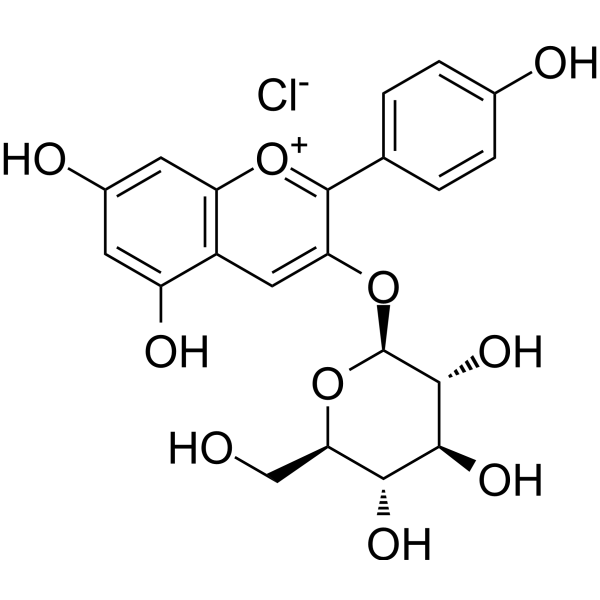
Callistephin (Pelargonidin 3-O-glucoside) chloride is an anthocyanin. Callistephin chloride regulates the expression of inflammatory (reducing iNOS/TNF-α/COX-2) and apoptosis-related proteins by inhibiting p38 phosphorylation, and enhances the protective effect of Isoflurane (HY-A0134) on microglial cell damage. Callistephin chloride significantly reduces ROS levels, eliminates DPPH free radicals, protects retinal pigment epithelial cells, and inhibits lipid peroxidation. Callistephin chloride can alleviate glutamate excitotoxicity, reduce neuronal apoptosis, and protect cerebellar granule neurons. Callistephin chloride can inhibit the proliferation and metastasis of breast cancer cells by inducing apoptosis .
Cat. No.: HY-N0864
CAS No.: 136849-88-2
Synonyms: Macranthoiside I
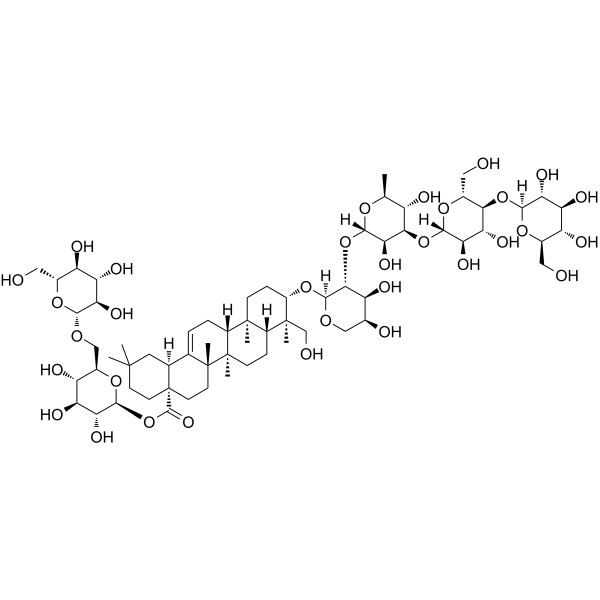
Macranthoidin B (Macranthoiside I) is an orally active triterpene saponin. Macranthoidin B inhibits epithelial-mesenchymal transition in endometriosis via the COX‑2/PGE2 pathway, and also induces tumor cell apoptosis and inhibits their proliferation by regulating metabolism and increasing ROS levels . Macranthoidin B can be used in studies related to endometriosis, colorectal cancer and hepatocellular carcinoma .
Cat. No.: HY-B0240R
CAS No.: 97-77-8
Synonyms: Tetraethylthiuram disulfide (Standard); TETD (Standard)
Disulfiram (Standard) is the analytical standard of Disulfiram. This product is intended for research and analytical applications. Disulfiram (Tetraethylthiuram disulfide) is a specific inhibitor of aldehyde-dehydrogenase (ALDH1), used for the treatment of chronic alcoholism by producing an acute sensitivity to alcohol. Disulfiram inhibits gasdermin D (GSDMD) pore formation in liposomes and inflammasome-mediated pyroptosis and IL-1β secretion in human and mouse cells. Disulfiram + Cu 2+ increases intracellular ROS levels triggering apoptosis of ovarian cancer stem cells [1-6].
Cat. No.: HY-W275295
CAS No.: 307-55-1
Synonyms: PFDoA
Perfluorododecanoic acid (PFDoA) is an orally active, blood-brain barrier-permeable perfluorinated compound. Perfluorododecanoic acid increases Caspase 3 activity, disrupts mitochondrial membrane potential, and elevates ROS levels. Perfluorododecanoic acid induces cognitive deficits. Perfluorododecanoic acid exhibits hepatotoxicity .
Cat. No.: HY-128784
CAS No.: 874146-69-7
Purity:  98.73%
Research Areas:  

Cancer

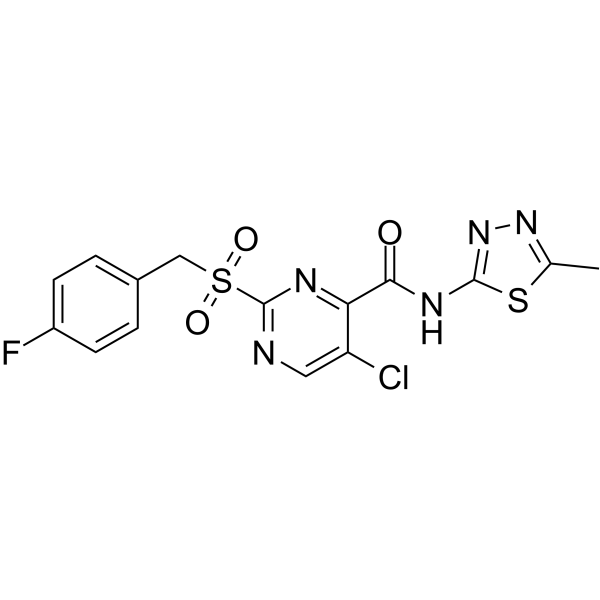
PK11007 is a mild thiol alkylator with anticancer activity. PK11007 stabilizes p53 via selective alkylation of two surface-exposed cysteines without compromising its DNA binding activity. PK11007 induces mutant p53 cancer cell death by increasing reactive oxygen species (ROS) levels .

