84 Results for "

Radiation Inhibitors

" in MedChemExpress (MCE) Product Catalog:
Products (84)

84 Results for "Radiation Inhibitors" in MCE Product Catalog:

11
11 Publications Verification
Cat. No.: HY-15651
CAS No.: 848141-11-7
Purity:  99.87%
Synonyms: AZD9668
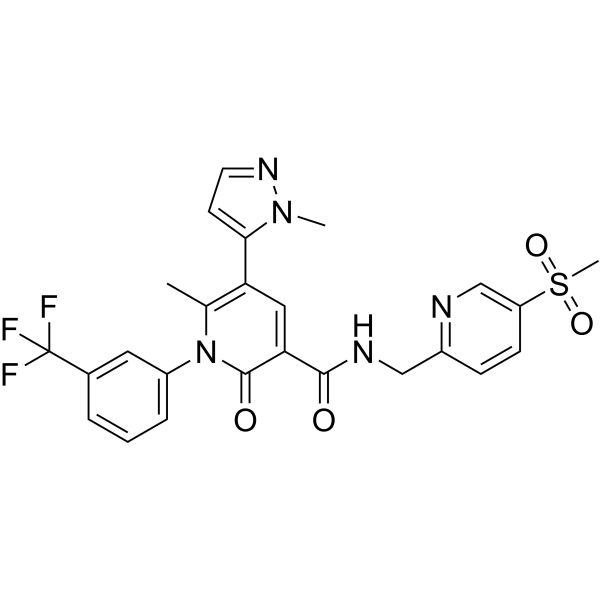
Alvelestat (AZD9668) is an orally active, selective inhibitor of neutrophil elastase. Alvelestat reduces elastase activity, myeloperoxidase release, neutrophil recruitment and activation, and calcium phosphate precipitation; promotes smooth muscle cell colonization and collagen deposition; and inhibits the formation of neutrophil extracellular traps (NETs) as well as NET-derived neutrophil elastase activity. Alvelestat restores endothelial dysfunction, regulates antioxidant factors, improves the expression of endothelial tight junctions, reduces vascular leakage, and accelerates wound healing. Alvelestat prevents pulmonary hemorrhage, matrix protein degradation, airspace enlargement, and small airway wall remodeling; and alleviates cigarette-induced inflammatory responses. Alvelestat inhibits the growth of abdominal aortic aneurysms exacerbated by Porphyromonas gingivalis. Alvelestat can be used in research related to chronic obstructive pulmonary disease, abdominal aortic aneurysm, radiation-induced skin injury, and bronchiectasis .
loading...
    loading...
5
5 Cited Publications
Cat. No.: HY-N0232
CAS No.: 18642-23-4
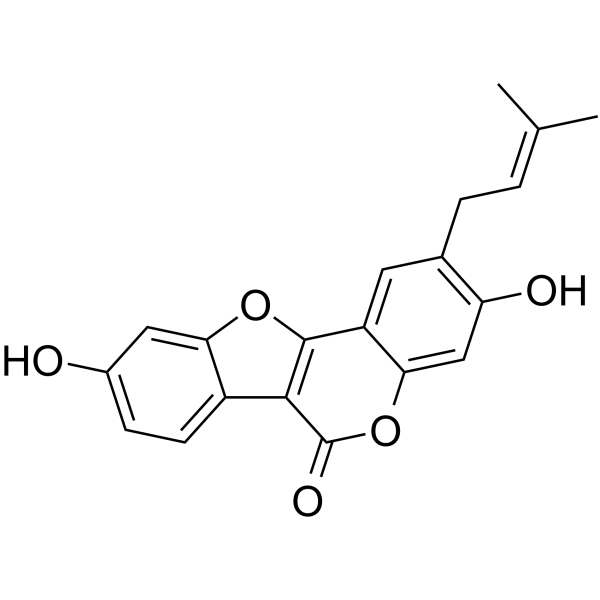
Psoralidin is a dual inhibitor of COX-2 and 5-LOX, regulates ionizing radiation (IR)-induced pulmonary inflammation.Anti-cancer, anti-bacterial, and anti-inflammatory properties . Psoralidin significantly downregulates NOTCH1 signaling. Psoralidin also greatly induces ROS generation .
loading...
    loading...
2
2 Cited Publications
Cat. No.: HY-N2099
CAS No.: 35906-36-6
Synonyms: Senegin III
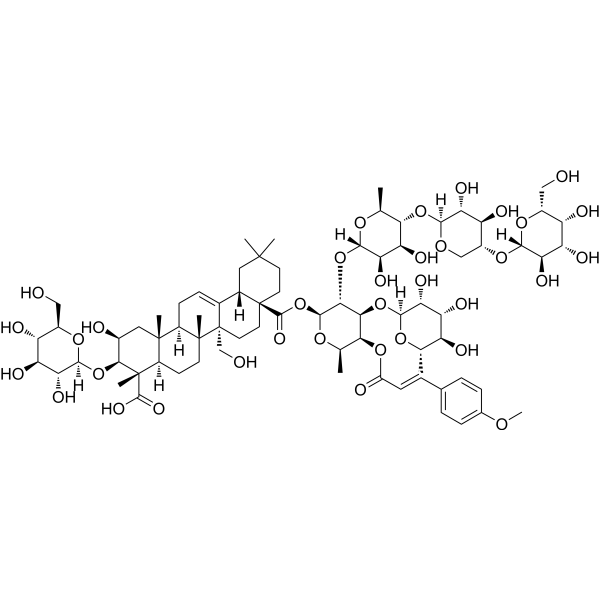
Onjisaponin B is an orally active natural product derived from Polygala tenuifolia. Onjisaponin B inhibits NF-κB p65. Onjisaponin B enhances autophagy and accelerates the degradation of mutant α-synuclein and huntingtin. Onjisaponin B reduces β-amyloid (Aβ) production. Onjisaponin B reduces radiation-induced cell apoptosis. Onjisaponin B has anti-oxidant and anti-inflammatory activities. Onjisaponin B can be used for neurological disease and radiation injury study, and its metabolite tenuifolin (TF) can enter the brain through the BBB .
loading...
    loading...
2
2 Cited Publications
Cat. No.: HY-15045
CAS No.: 501364-82-5
Purity:  98.86%
Target:  

PARP

Research Areas:  

Cancer

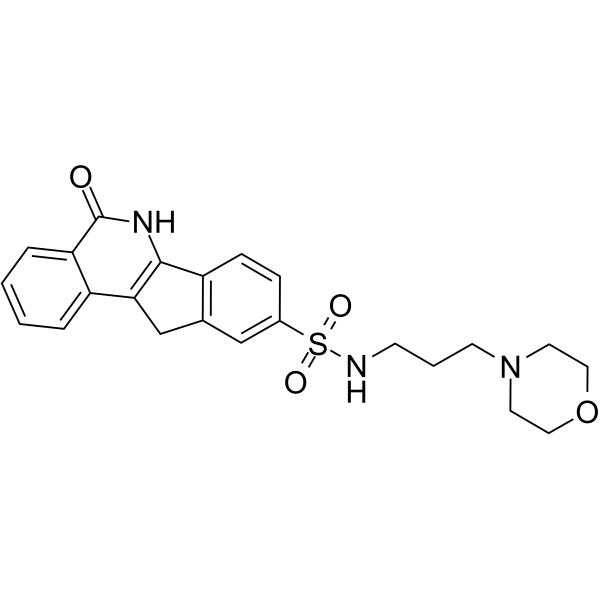
INO-1001 is a potent and selective poly (ADP-ribose) polymerase (PARP) inhibitor. INO-1001 is a potent enhancer of radiation sensitivity and enhances radiation-induced cell killing by interfering with DNA repair mechanisms, resulting in necrotic cell death . INO-1001 has anti-tumor effects .
loading...
    loading...
1
1 Cited Publications
Cat. No.: HY-171006
CAS No.: 701225-07-2
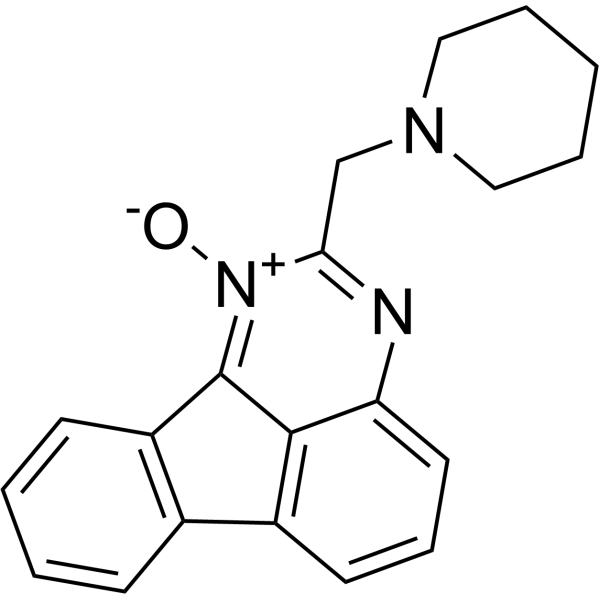
IRF1-IN-1 (Compound I-2) is an IRF1 inhibitor. IRF1-IN-1 decreases the recruitment of IRF1 to the promoter of CASP1. IRF1-IN-1 inhibits cell death signaling pathway (i.e., cleavage of Caspase 1, GSDMD, IL-1 and PARP1). IRF1-IN-1 has a protective effect on ionizing radiation-induced inflammatory skin injury .
loading...
    loading...
1
1 Cited Publications
Cat. No.: HY-171007
CAS No.: 708245-32-3
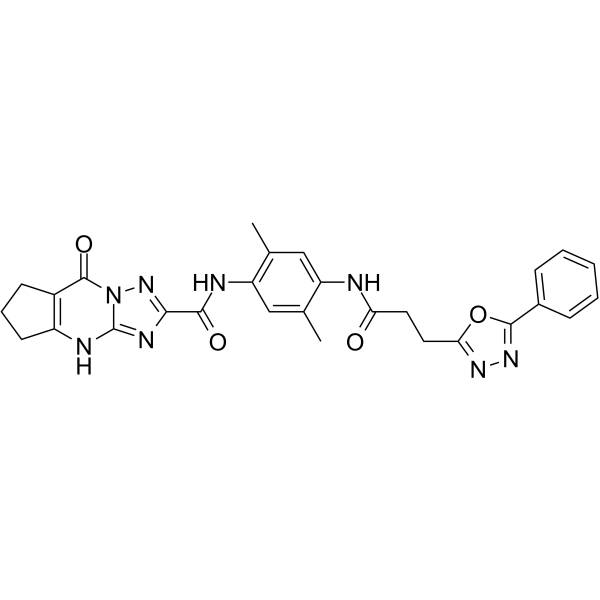
IRF1-IN-2 (Compound I-19) is an IRF1 inhibitor. IRF1-IN-2 decreases the recruitment of IRF1 to the promoter of CASP1. IRF1-IN-2 inhibits cell death signaling pathway (i.e., cleavage of Caspase 1, GSDMD, IL-1 and PARP1; inhibits the Pho of TKB1, upregulates GPX4 and downregulates FACL4). IRF1-IN-2 has a protective effect on ionizing radiation-induced inflammatory skin injury .
loading...
    loading...
1
1 Cited Publications
Cat. No.: HY-B0897
CAS No.: 103597-45-1
Research Areas:  

Others

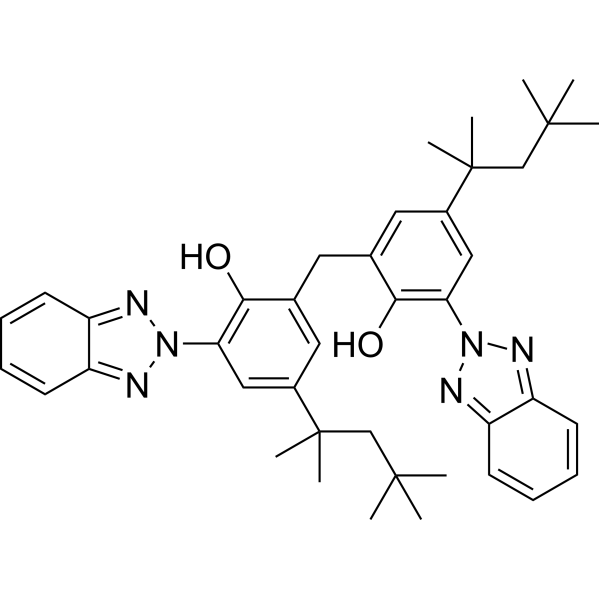
Bisoctrizole is a broad-spectrum UVA/UVB absorber that belongs to the benzotriazole class of compounds. Bisoctrizole absorbs UV light through hydroxyphenyl groups, causing reversible electronic transitions, thereby converting light energy into heat energy, inhibiting UV-induced material or skin damage. Bisoctrizole is highly efficient in capturing UVA (320-400 nm) and some UVB (280-320 nm) radiation. Bisoctrizole delays the photodegradation of materials such as silicones, improving their UV aging resistance or enhancing the photoprotective ability of sunscreen products .
loading...
    loading...
1
1 Cited Publications
Cat. No.: HY-N16011
CAS No.: 1246303-12-7
Synonyms: 18:1 LBPA (S,S)
Research Areas:  

Inflammation/Immunology

18:1 BMP (S,S) ammonium (18:1 LBPA (S,S)) is a monounsaturated fatty acid phospholipid. 18:1 BMP (S,S) ammonium reduces lysosomal lipid peroxidation and inhibits the ionizing radiation-induced elevation of intracellular labile ferrous ion (Fe 2+) levels. 18:1 BMP (S,S) ammonium can be used in studies related to ionizing radiation-induced intestinal injury .
loading...
    loading...
Cat. No.: HY-134816
CAS No.: 9012-72-0
Purity:  ≥96.0%
D-Glucan is an orally effective Dectin-1 receptor immune activator with antioxidant properties (reducing TNF-α). D-Glucan activates macrophages and neutrophils to scavenge free radicals, inhibit oxidative stress and inflammatory responses, and improve insulin sensitivity. D-Glucan promotes glycolysis by enhancing the activity of the antioxidant enzyme glutathione, inhibiting gluconeogenesis and activating GK. D-Glucan can be used in the research of liver damage protection (antagonizing Acetaminophen (HY-66005) toxicity), radiation protection (synergistic with vitamin E) and diabetes (improving glucose metabolism) .
loading...
    loading...
Cat. No.: HY-162472
CAS No.: 2595308-10-2
Target:  

ATM/ATR DNA-PK

Research Areas:  

Cancer

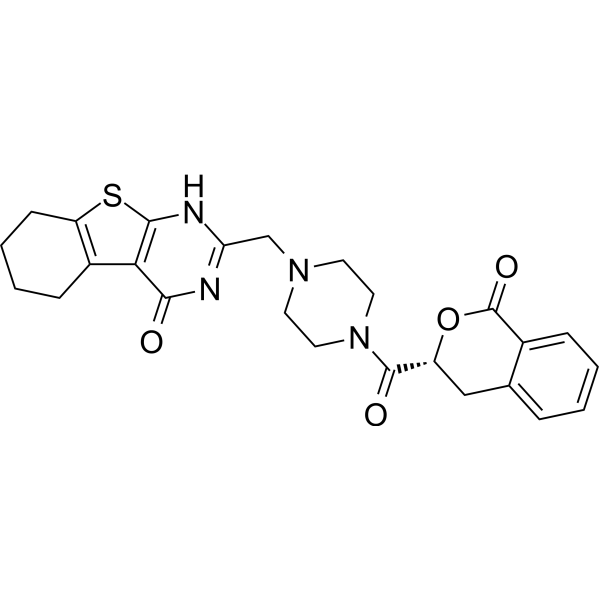
XRD-0394 is a potent and orally active dual ATM and DNA-PKcs inhibitor with IC50s of 0.39 nM and 0.89 nM, respectively. XRD-0394 shows selectivity over other PIKK and PI3K family members. XRD-0394 significantly enhances tumor cell killing in vitro and in vivo under therapeutic ionizing radiation conditions. XRD-0394 can potentiate the effects of PARP and topoisomerase I inhibitors in vitro .
loading...
    loading...
Cat. No.: HY-P1698
CAS No.: 1447799-33-8
Synonyms: AB-103
Target:  

Bacterial CD28

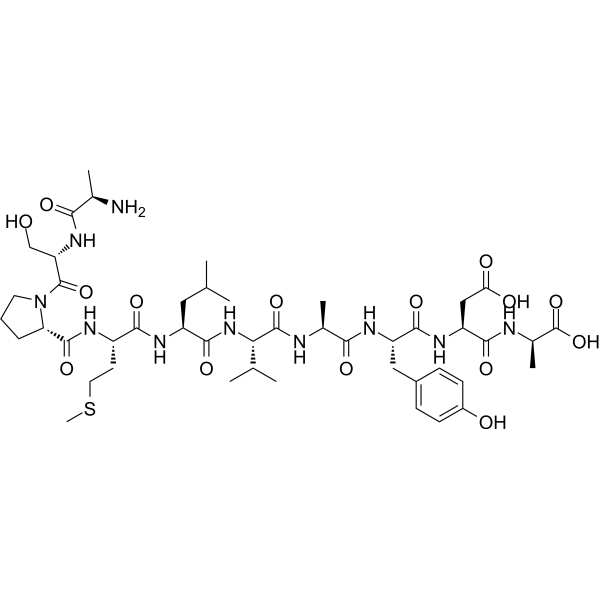
Reltecimod (AB-103) is a T-cell-specific surface glycoprotein CD28 (TP44) antagonist. Reltecimod has beneficial effects against different bacterial infections, their exotoxins and endotoxins, and ionizing radiation. Reltecimod modulates the inflammatory response by targeting and attenuating the critical CD28/B7-2 co-stimulatory pathway, without inhibiting it. Reltecimod can be used to research necrotizing soft-tissue infections (NSTIs) .
loading...
    loading...
Cat. No.: HY-111940
CAS No.: 2274819-46-2
Purity:  97.23%
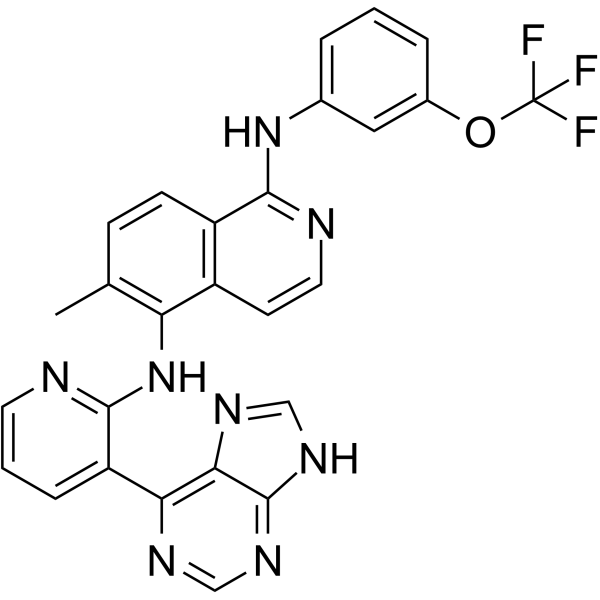
Synonyms: LUT014
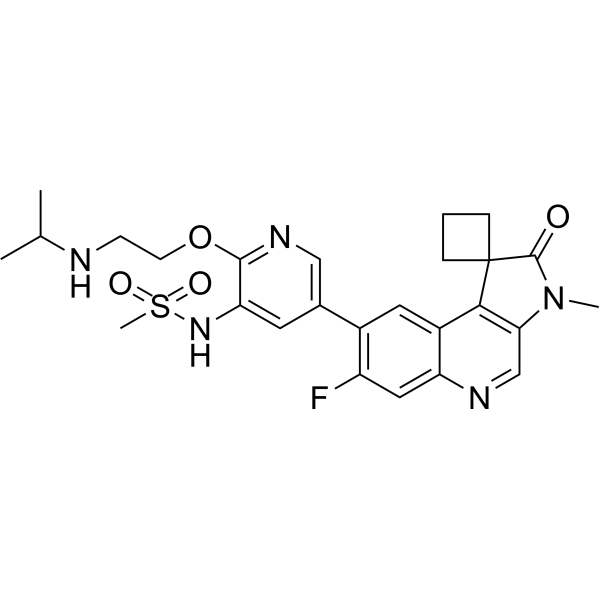
Omzirafenib (LUT014) is a topical inhibitor targeting BRAF that cannot pass through the blood-brain barrier. Omzirafenib inhibits BRAF kinase and abnormally activates the MAPK/ERK signaling pathway, promoting the proliferation of epidermal keratinocytes, repairing skin barrier damage caused by radiation damage, and alleviating inflammatory responses. Omzirafenib is independent of RAS signaling and accelerates the repair and regeneration of damaged skin cells. Omzirafenib can be used to study radiation dermatitis, especially skin damage caused by breast cancer radiotherapy .
loading...
    loading...
Cat. No.: HY-P0064
CAS No.: 221227-05-0
Synonyms: Palmitoyl Tetrapeptide-7
Target:  

Interleukin Related

Research Areas:  

Inflammation/Immunology

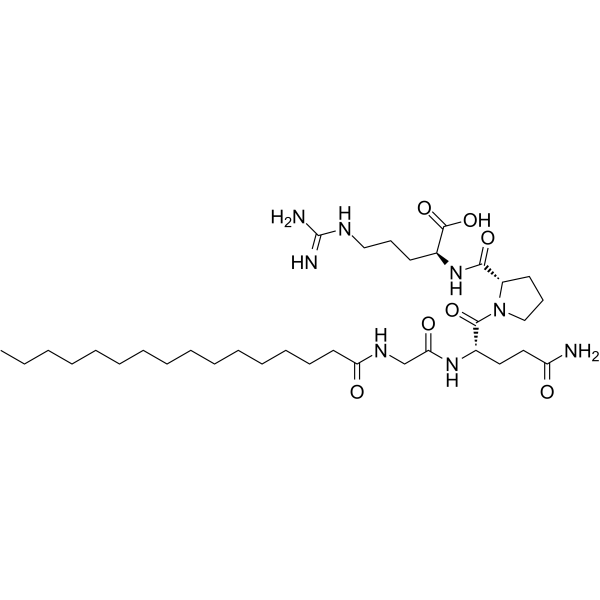
Palmitoyl Tetrapeptide-3 (Palmitoyl Tetrapeptide-7) is a synthetic peptide corresponding to amino acids 341-344 of the human immunoglobulin heavy chain, with the ability to stimulate phagocytosis. Palmitoyl tetrapeptide-3 reduces interleukin-6 (IL-6) secretion in keratinocytes and inhibits the UVB radiation-exposure inflammatory response of skin. Palmitoyl tetrapeptide-3 It also has anti-inflammatory and anti-aging effects, reducing skin wrinkles by promoting the production of elastic fibers in the papillary dermis .
loading...
    loading...
Cat. No.: HY-N0507
CAS No.: 84954-92-7
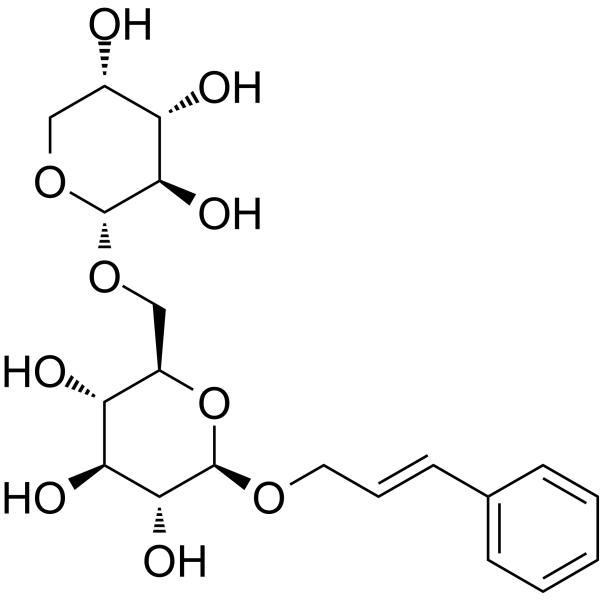
Rosavin, an orally bioactive phenylpropanoid from Rhodiola rosea L. (RRL), is an adaptogen that enhances the body’s response to environmental stress. Rosavin significantly influences bone tissue metabolism by inhibiting osteoclastogenesis and promoting osteoblast differentiation, also impacts various diseases, demonstrating antidepressant, adaptogenic, and anxiolytic effects in mouse models. Additionally, Rosavin improves survival, reducing intestinal damage in irradiated rats and Ischemia-reperfusion(I/R)-induced cerebral injury in vivo by regulating inflammation and oxidative stress, making it a promising candidate for research in radiation-induced intestinal injury, I/R-induced cerebral injury and osteoporosis .
loading...
    loading...
Cat. No.: HY-15044
CAS No.: 90417-38-2
Purity:  98.50%
Target:  

PARP

Research Areas:  

Neurological Disease Cancer

NU1025 is a potent PARP inhibitor with an IC50 of 400 nM and a Ki of 48 nM. NU1025 potentiates the cytotoxicity of ionizing radiation and anticancer agents. NU1025 has anti-cancer and neuroprotective activity .
loading...
    loading...
Cat. No.: HY-141831
CAS No.: 2298390-71-1
Research Areas:  

Cancer

STF-1084 is a specific, cell-impermeable, competitive inhibitor of ENPP1 (Ki = 33 nM). STF-1084 increases extracellular cGAMP concentrations by preventing its degradation by ENPP1, thereby enhancing immune infiltration. STF-1084 acts synergistically with ionizing radiation (IR) and cGAMP to delay tumor progression. STF-1084 can be used to study cancers with low immunogenicity .
loading...
    loading...
Cat. No.: HY-124813
CAS No.: 2083618-79-3
Purity:  99.29%
Synonyms: 113B7
Target:  

FAK EGFR MMP NF-κB SDCBP

Research Areas:  

Cancer

PDZ1i (113B7) is a inhibitor of MDA-9/Syntenin, with selective binding to the PDZ1 domain. PDZ1i inhibits radiation-induced invasion of glioblastoma (GBM) cells, radiosensitizes GBM cells, and impairs GBM-related signaling pathways (including Src/EphA2, EGFRvIII/FAK, and NF-κB). PDZ1i reduces radiation-induced secretion of invasion-related proteases (MMP-2, MMP-9, ADAM9). PDZ1i shows anti-tumor effects in nude mice bearing intracranial U1242-luc xenografts or GBM xenografts. PDZ1i can be used for the study of glioblastoma (GBM), breast cancer and prostate cancer .
loading...
    loading...
Cat. No.: HY-156135
CAS No.: 5358-76-9
Purity:  ≥98.0%
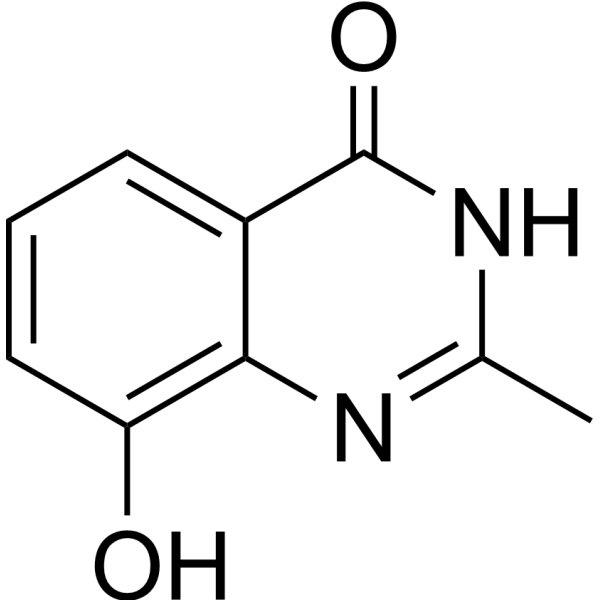
NSC194598 is a p53 DNA-binding inhibitor with an IC50 value of 180 nM. NSC194598 inhibits p53 DNA binding and induction of target genesn when p53 is stabilized and activated by irradiation or chemotherapy. NSC194598 can interfere with transcriptional activation of mutated rearranged during transfection (RET) gene, induce apoptosis and G0/G1 phase arrest. NSC194598 can be used for the researches of acute radiation toxicity and medullary thyroid carcinoma .
loading...
    loading...
Cat. No.: HY-P10580
CAS No.: 1359657-45-6
Vasculotide is a blood-brain barrier (BBB)-penetrant Tie2 agonist. Vasculotide binds to a unique domain of Tie2, induces receptor clustering to drive phosphorylation, activates downstream PI3K/Akt and eNOS pathways, enhances inter-endothelial cell junctions (such as VE-cadherin and claudin-5), and inhibits inflammatory adhesion molecules, ultimately stabilizing the vascular endothelial barrier and reducing its permeability . Vasculotide alleviates pulmonary microvascular leakage and microcirculatory dysfunction caused by cardiopulmonary bypass, acts as an adjuvant radioprotective agent to reduce acute radiation dermatitis, and promotes BBB recovery after focused ultrasound (FUS). Combination of Vasculotide with antibiotics reduces lung injury .
loading...
    loading...
Cat. No.: HY-114340
CAS No.: 1814881-70-3
Purity:  98.06%
Research Areas:  

Cancer

LEM-14 is a potent and selective NSD2 inhibitor with an IC50 of 132 µM. LEM-14 has very weak activitv against NSD1 and has no activity against NSD3. LEM-14 inhibits fibrotic gene expression in ND but not DIO BMDMs. LEM-14 combined with ionizing radiation (IR) enhances the apoptosis rate and reduces the colony-formation ability of CRC cells. LEM-14 exhibits enhanced anti-tumor efficacy in Balb/c nude mice bearing LoVo cell xenografts when combined with ionizing radiation. LEM-14 has the potential for the research of multiple myeloma and colorectal cancer .
loading...
    loading...

