1. Search Result
Search Result
Results for "

Ribosome

" in MedChemExpress (MCE) Product Catalog:

217

Inhibitors & Agonists

2

Biochemical Assay Reagents

9

Peptides

5

MCE Kits

58

Natural
Products

3

Recombinant Proteins

22

Isotope-Labeled Compounds

11

Oligonucleotides

Cat. No. Product Name Target Research Areas Chemical Structure
  • HY-18982
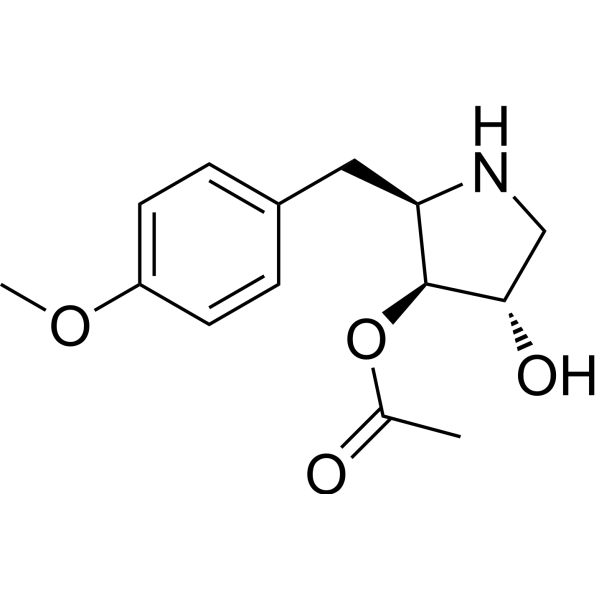
    Anisomycin
    Maximum Cited Publications
    138 Publications Verification

    Flagecidin; Wuningmeisu C

    DNA/RNA Synthesis JNK Bacterial Apoptosis Antibiotic Parasite Infection Cancer
    Anisomycin is a potent protein synthesis inhibitor which interferes with protein and DNA synthesis by inhibiting peptidyl transferase or the 80S ribosome system . Anisomycin is a JNK activator, which increases phospho-JNK . Anisomycin is a bacterial antibiotic .
    Anisomycin
  • HY-B1329
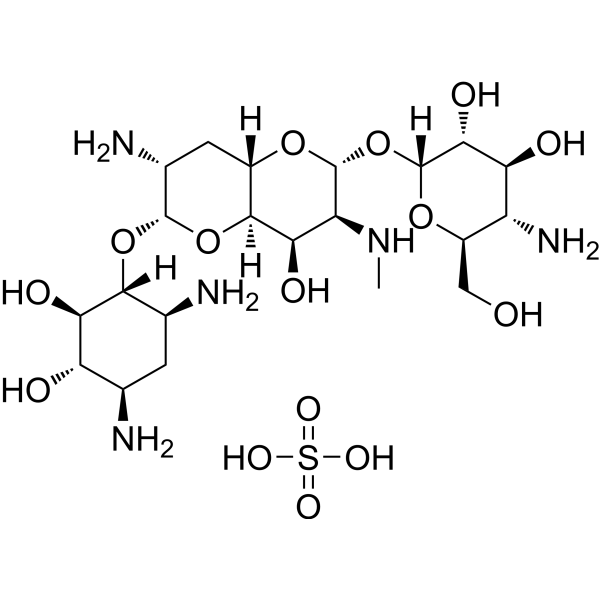
    Apramycin sulfate
    4 Publications Verification

    Nebramycin II sulfate

    Bacterial Antibiotic Infection
    Apramycin (EBL 1003) sulfate is an orally active, acidic pH tolerant and aminoglycoside-modifying-enzymes-tolerant aminoglycoside antibiotic which inhibits protein biosynthesis by targeting the bacterial ribosome. Apramycin sulfate is a potential anti-drug-resistance antibiotic .
    Apramycin sulfate
  • HY-B0438
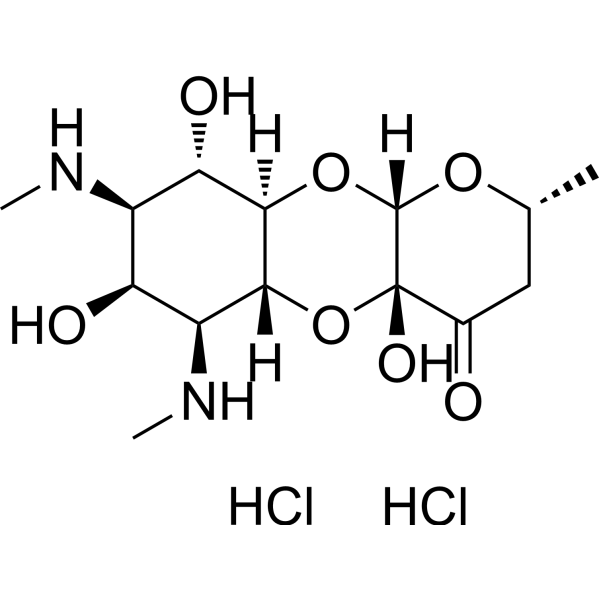
    Spectinomycin dihydrochloride
    3 Publications Verification

    Bacterial Antibiotic Infection
    Spectinomycin dihydrochloride is a broad-spectrum antibiotic and inhibits the growth of a variety of gram-positive and gram-negative organisms. Spectinomycin dihydrochloride acts by selectively targeting to the bacterial ribosome and interrupting protein synthesis. Spectinomycin dihydrochloride is also a noncompetitive inhibitor of td intron RNA with an Ki value of 7.2 mM - .
    Spectinomycin dihydrochloride
  • HY-103248
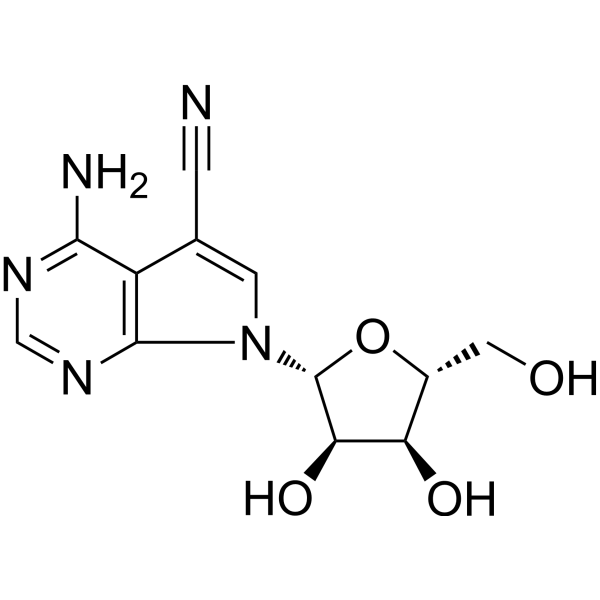
    Toyocamycin
    5+ Cited Publications

    Vengicide

    IRE1 Fungal Antibiotic Apoptosis CDK Infection Cancer
    Toyocamycin (Vengicide) is an adenosine analog produced by Streptomyces diastatochromogenes, acts as an XBP1 inhibitor. Toyocamycin blocks RNA synthesis and ribosome function, and induces apoptosis. Toyocamycin affects IRE1α-XBP1 pathway, and inhibits XBP1 mRNA cleavage with an IC50 value of 80 nM with affecting IRE1α auto-phosphorylation. Toyocamycin specifically inhibits CDK9 with an IC50 value of 79 nM .
    Toyocamycin
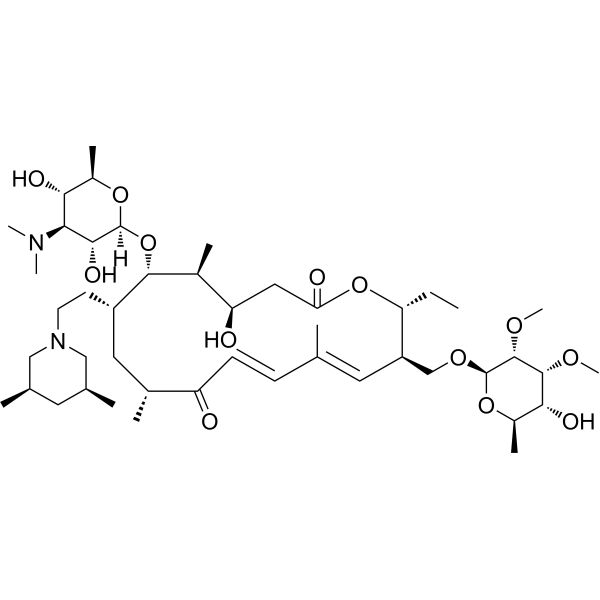
  • HY-15662
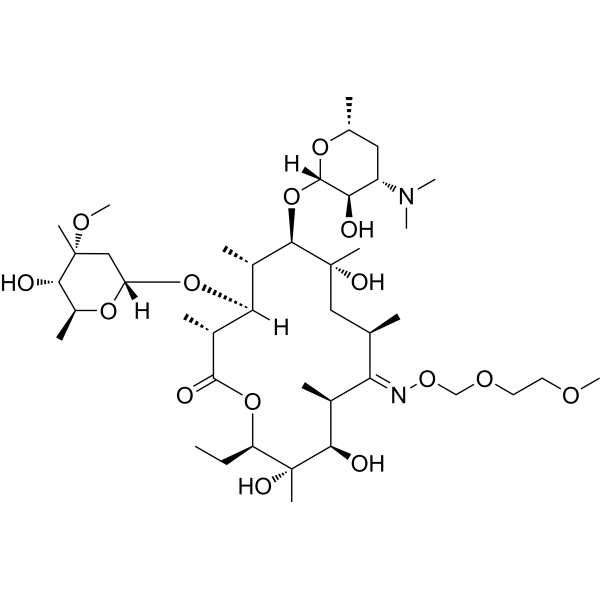
    Tulathromycin A
    2 Publications Verification

    Tulathromycin; CP 472295

    Antibiotic Bacterial Infection
    Tulathromycin A (Tulathromycin), a macrolide antibiotic, inhibits protein synthesis (IC50=0.26 µM) by targeting bacterial ribosome. Tulathromycin A is used for the research of respiratory disease in cattle and swine. Immunomodulatory effects .
    Tulathromycin A
  • HY-114231B
    Exaluren disulfate
    2 Publications Verification

    ELX-02 disulfate; NB-124 disulfate

    DNA/RNA Synthesis Inflammation/Immunology
    Exaluren (ELX-02; NB-124) disulfate is an synthetic eukaryotic ribosome-selective glycoside that induces read-through of nonsense mutations, resulting in normally localized full-length functional proteins. Exaluren disulfate is used for the research of cystic fibrosis caused by nonsense mutations .
    Exaluren disulfate
  • HY-B1327
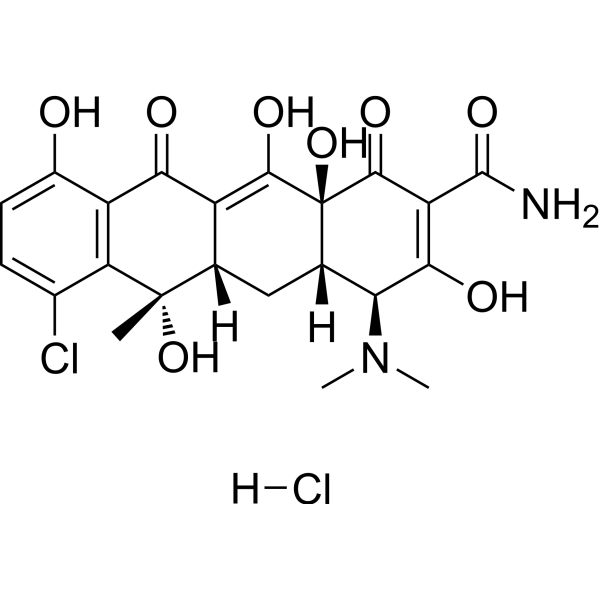
    Chlortetracycline hydrochloride
    5+ Cited Publications

    7-Chlorotetracycline hydrochloride

    Bacterial Antibiotic Parasite Infection Inflammation/Immunology
    Chlortetracycline hydrochloride (7-Chlorotetracycline hydrochloride) is an orally active, effective and selectively methanogenic bacteria inhibitor with bactericidal effects. Chlortetracycline hydrochloride is also a antibiotic that acts by inhibiting bacterial protein synthesis. Additionally, Chlortetracycline hydrochloride is a specific and potent calcium ionophore antibiotic, inhibiting binding of aminoacyl-tRNA to ribosomes .
    Chlortetracycline hydrochloride
  • HY-112582
    N1-Methylpseudouridine
    1 Publications Verification

    1-Methylpseudouridine; N1-methyl-pseudouridine

    Nucleoside Antimetabolite/Analog DNA/RNA Synthesis Inflammation/Immunology
    N1-methyl-pseudouridine (1-Methylpseudouridine), a methylpseudouridine, outperforms 5 mC and 5 mC/N1-methyl-pseudouridine in translation. N1-methyl-pseudouridine in mRNA enhances translation through eIF2α-dependent and independent mechanisms by increasing ribosome density .
    N1-Methylpseudouridine
  • HY-120088A
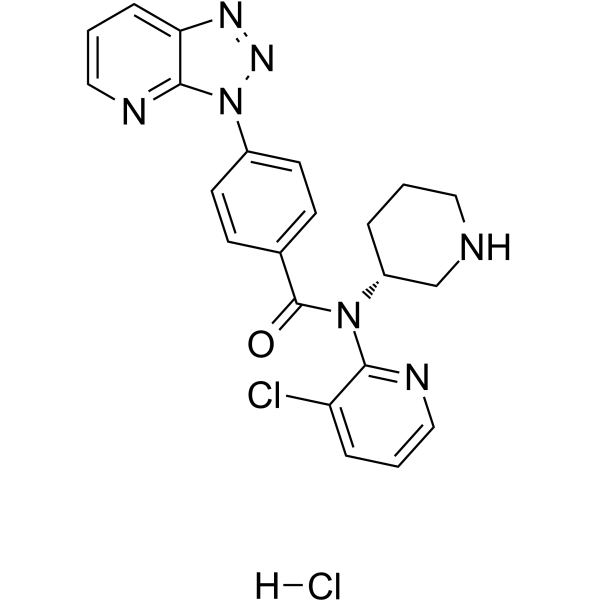
    PF-06446846 hydrochloride
    5+ Cited Publications

    PCSK9 Cardiovascular Disease
    PF-06446846 hydrochloride is an orally active and highly selective inhibitor of translation of Proprotein convertase subtilisin/kexin type 9 (PCSK9). PF-06446846 hydrochloride inhibits PCSK9 by inducing the ribosome to stall around codon 34 .
    PF-06446846 hydrochloride
  • HY-113061
    Pseudouridine
    1 Publications Verification

    Endogenous Metabolite Nucleoside Antimetabolite/Analog DNA/RNA Synthesis Cancer
    Pseudouridine is an isomer of uridine and the most abundant modified nucleoside in non-coding RNA. It fine-tunes and stabilizes regional structures in rRNA and tRNA, maintaining their functions in mRNA decoding, ribosome assembly, processing, and translation. Pseudouridine-modified tRNA fragments can inhibit aberrant protein synthesis and hold promise for research on myelodysplastic syndrome (MDS)-related leukemia. .
    Pseudouridine
  • HY-B1828A

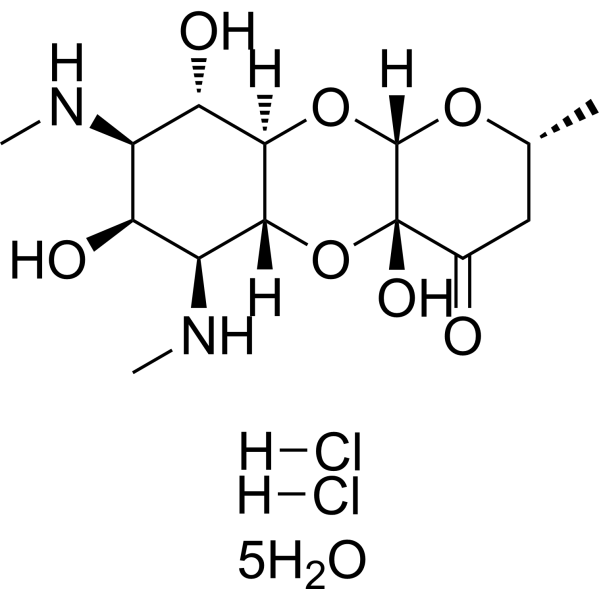
    Spectinomycin hydrochloride hydrate

    Bacterial Antibiotic Infection
    Spectinomycin dihydrochloride pentahydrate is a broad-spectrum antibiotic and inhibits the growth of a variety of gram-positive and gram-negative organisms. Spectinomycin dihydrochloride pentahydrate acts by selectively targeting to the bacterial ribosome and interrupting protein synthesis. Spectinomycin dihydrochloride pentahydrate is also a noncompetitive inhibitor of td intron RNA with an Ki value of 7.2 mM - .
    Spectinomycin dihydrochloride pentahydrate
  • HY-14855
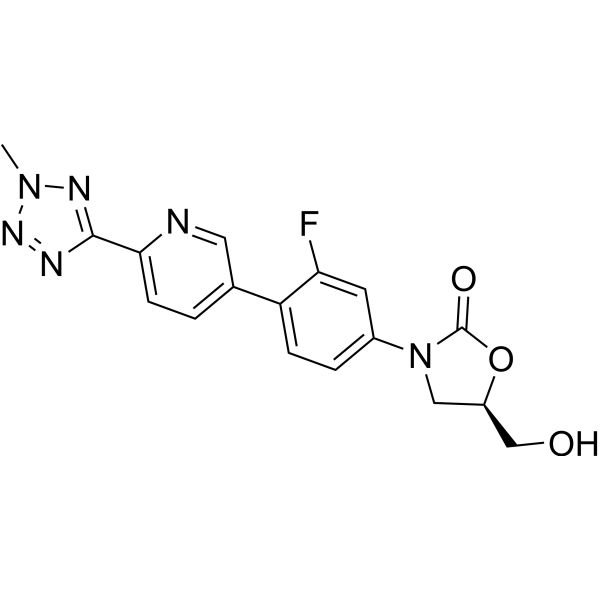
    Tedizolid
    15+ Cited Publications

    TR 700; Torezolid; DA-7157

    Bacterial Antibiotic Infection
    Tedizolid (TR 700; Torezolid; DA-7157) is a novel oxazolidinone, acting through inhibition of bacterial protein synthesis by binding to 23S ribosomal RNA (rRNA) of the 50S subunit of the ribosome.
    Tedizolid
  • HY-B1920
    Josamycin
    1 Publications Verification

    EN-141

    Bacterial Antibiotic Infection
    Josamycin (EN-141) is an orally active macrolide antibiotic exhibiting antimicrobial activity against a wide spectrum of pathogens, such as bacteria. The dissociation constant Kd from ribosome for Josamycin is 5.5 nM .
    Josamycin
  • HY-116010
    Oleandomycin
    1 Publications Verification

    Bacterial Antibiotic Infection
    Oleandomycin is a macrolide antibiotic structurally closely related to Erythromycin. Oleandomycin is similar to Erythromycin with antimicrobial activity. Oleandomycin inhibits protein synthesis by interference with translation of activated amino acids to nascent peptide chains on the ribosomes .
    Oleandomycin
  • HY-B1350
    Fusidic acid
    2 Publications Verification

    Fusidate; SQ-16603

    Bacterial Antibiotic Infection Cancer
    Fusidic acid (Fusidate) a bacteriostatic antibiotic produced from the Fusidium coccineum fungus, belongs to the class of steroids. Fusidic acid has no corticosteroid effects. Fusidic acid inhibits the growth of bacteria by preventing the release of translation elongation factor G (EF-G) from the ribosome. Fusidic acid holds promise for research in anticancer and anti-infective applications. .
    Fusidic acid
  • HY-13858A
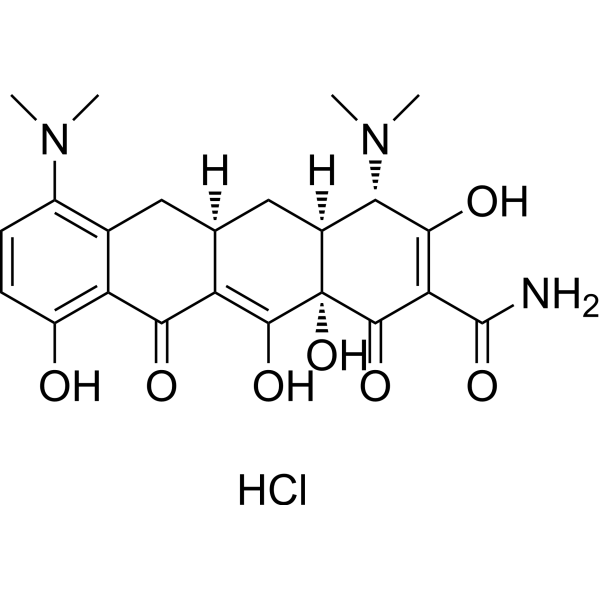
    Sarecycline hydrochloride
    4 Publications Verification

    P-005672 hydrochloride

    Antibiotic Bacterial DNA/RNA Synthesis Infection
    Sarecycline hydrochloride is an orally active narrow-spectrum tetracycline derivative antibiotic. Sarecycline hydrochloride has anti-inflammatory activity. Sarecycline hydrochloride inhibits the activity of Gram-positive bacteria and several types of keratobacterium acnes. Sarecycline hydrochloride interferes with tRNA accommodation and tethers mRNA to the 70S ribosome. Sarecycline hydrochloride can be used to study moderate to severe acne .
    Sarecycline hydrochloride
  • HY-117660
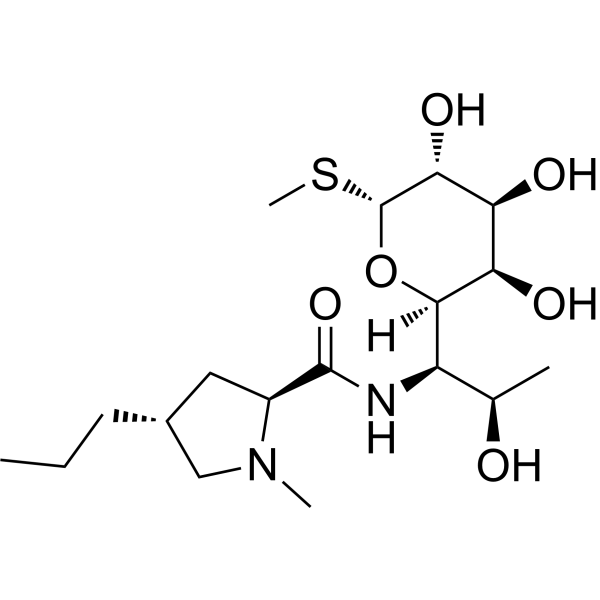
    Lincomycin
    5 Publications Verification

    U-10149

    Antibiotic Bacterial DNA/RNA Synthesis Infection Metabolic Disease
    Lincomycin (U-10149) is an orally active lincosamide antibiotic. Lincomycin binds to the ribosomes of Gram-positive bacteria to inhibit protein synthesis. Lincomycin can inhibit chloroplast translation, disrupt chloroplast integrity, and activate chloroplast-to-nucleus retrograde signaling in Arabidopsis thaliana seedlings. Lincomycin induces alterations in lipid profiles and liver injury, disrupts blood glucose and insulin levels, and increases growth rate in mice .
    Lincomycin
  • HY-17010
    Retapamulin
    5 Publications Verification

    SB-275833

    Bacterial Antibiotic Infection Cancer
    Retapamulin (SB-275833) is a topical antibiotic that binds Staphylococcus aureus and E. coli ribosomes with a Kd of 3 nM. Retapamulin can be used in researches of atopic dermatitis and prostate cancer .
    Retapamulin
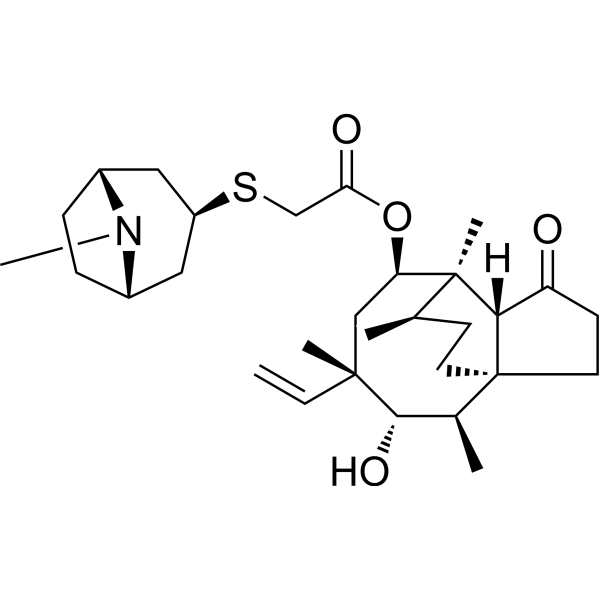
  • HY-16908A
    Lefamulin acetate
    4 Publications Verification

    BC-3781 acetate

    Bacterial Antibiotic Infection Inflammation/Immunology
    Lefamulin (BC-3781) acetate is an orally active antibiotic. Lefamulin acetate inhibits protein synthesis by binding to the peptidyl transferase center of the 50S bacterial ribosome. Lefamulin acetate has anti-inflammatory activity. Lefamulin acetate can be used in the research of bacterial infections, such as bacterial pneumonia .
    Lefamulin acetate
  • HY-B1864A
    Kasugamycin hydrochloride
    1 Publications Verification

    Ksg hydrochloride

    Environmental Pollutants Antibiotic Bacterial Infection
    Kasugamycin (Ksg) hydrochloride hydrate is an antibiotic that binds to 30s and 70s ribosomes but not to the 50s subunit, and has anti-infective activity. Kasugamycin hydrochloride hydrate mimics mRNA nucleotides, disrupts tRNA binding and inhibits canonical translation initiation. Kasugamycin hydrochloride hydrate increases the sensitivity of mycobacteria to Rifampicin (HY-B0272) in vitro and in mouse infection models .
    Kasugamycin hydrochloride
  • HY-148865
    Puromycin-bis(PEG2-amide)-Biotin
    1 Publications Verification

    Biochemical Assay Reagents Others
    Puromycin-bis (PEG2-amide)-Biotin (Compound 3P) is a binding molecule. Puromycin-bis (PEG2-amide)-Biotin binds to ribosome-RNA complexes within single cells. Puromycin-bis (PEG2-amide)-Biotin is used for single-cell translatome sequencing .
    Puromycin-bis(PEG2-amide)-Biotin
  • HY-B1327A

    7-Chlorotetracycline

    Bacterial Antibiotic Parasite Infection Inflammation/Immunology
    Chlortetracycline (7-Chlorotetracycline) is an orally active, effective and selectively methanogenic bacteria inhibitor with bactericidal effects. Chlortetracycline is also a antibiotic that acts by inhibiting bacterial protein synthesis. Additionally, Chlortetracycline is a specific and potent calcium ionophore antibiotic, inhibiting binding of aminoacyl-tRNA to ribosomes .
    Chlortetracycline
  • HY-101354

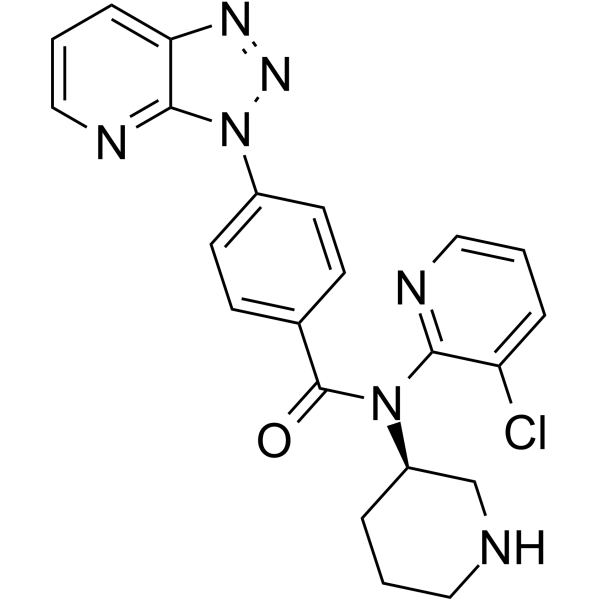
    PF-00932239

    PCSK9 Cardiovascular Disease Cancer
    R-IMPP (PF-00932239) is an anti-secretagogue of PCSK9 (IC50=4.8 μM), which targets the 80S ribosome to inhibit PCSK9 protein translation .
    R-IMPP
  • HY-B1864B
    Kasugamycin hydrochloride hydrate
    1 Publications Verification

    Ksg hydrochloride hydrate

    Antibiotic Bacterial Infection
    Kasugamycin (Ksg) hydrochloride hydrate is an antibiotic that binds to 30s and 70s ribosomes but not to the 50s subunit, and has anti-infective activity. Kasugamycin hydrochloride hydrate mimics mRNA nucleotides, disrupts tRNA binding and inhibits canonical translation initiation. Kasugamycin hydrochloride hydrate increases the sensitivity of mycobacteria to Rifampicin (HY-B0272) in vitro and in mouse infection models .
    Kasugamycin hydrochloride hydrate
  • HY-B1828

    Antibiotic Bacterial Infection
    Spectinomycin is a broad-spectrum antibiotic and inhibits the growth of a variety of gram-positive and gram-negative organisms. Spectinomycin acts by selectively targeting to the bacterial ribosome and interrupting protein synthesis. Spectinomycin is also a noncompetitive inhibitor of td intron RNA .
    Spectinomycin
  • HY-114231
    Exaluren
    2 Publications Verification

    ELX-02; NB-124

    Drug Derivative Inflammation/Immunology
    Exaluren (ELX-02; NB-124) is an synthetic eukaryotic ribosome-selective glycoside that induces read-through of nonsense mutations, resulting in normally localized full-length functional proteins. Exaluren is used for the research of cystic fibrosis caused by nonsense mutations .
    Exaluren
  • HY-A0279A
    Pristinamycin IA
    1 Publications Verification

    Mikamycin B; Mikamycin IA

    Bacterial Antibiotic Infection
    Pristinamycin IA (Mikamycin B) is a cycle-peptidic macrolactone antibiotic. Pristinamycin IA is a substrate of P-glycoprotein and inhibits its function. Pristinamycin IA is active against StaphyloEoccus and Srreptococcus .
    Pristinamycin IA
  • HY-172815

    JNK Eukaryotic Initiation Factor (eIF) p38 MAPK Cancer
    IDB-001 is a human ribosomal peptidyl transferase center (PTC) inhibitor that induces conformational changes and blocks translational elongation in specific sequence contexts through complementary interactions with Asp/Glu residues in nascent polypeptides. IDB-001 preferentially stalls ribosomes at positions containing acidic peptide motifs, thereby inhibiting cancer cell proliferation, and activates the integrated stress response via eIF2α phosphorylation at high concentrations. In addition, IDB-001 mildly triggers ribotoxic stress responses through phosphorylation of JNK and p38. IDB-001 has been applied to mechanistic studies of triple-negative breast cancer .
    IDB-001
  • HY-126396

    Antibiotic CaMK Fungal Infection
    Sordarin sodium is an eEF2 inhibitor and antibiotic. Sordarin sodium's function is dependent on the diphthamide modification on eEF2. Sordarin sodium inhibits protein synthesis by preventing the binding of eEF2 to the ribosome complex. Sordarin sodium has antifungal activity .
    Sordarin sodium
  • HY-100816
    Rbin-1
    3 Publications Verification

    Ribozinoindole-1

    Phosphatase Metabolic Disease
    Rbin-1 is a potent, reversible, and specific chemical inhibitor of eukaryotic ribosome biogenesis. Rbin-1 inhibits the ATPase with GI50 of 136 nM. Rbin-1 is a potent and selective chemical inhibitor of Midasin (Mdn1).
    Rbin-1
  • HY-141667

    7-(p-Methoxybenzylamino)-4-nitrobenz-2,1,3-oxadiazole

    Fluorescent Dye Others
    MBD (7-(p-Methoxybenzylamino)-4-nitrobenz-2,1,3-oxadiazole), a new fluorescent probe for protein and nucleoprotein conformation, is applied to bacterial ribosomes and to bovine trypsinogen and trypsin. MBD is strongly fluorescent upon binding to a hydrophobic area of a macromolecule .
    MBD
  • HY-131920A

    Polyuridylic acid potassium

    DNA/RNA Synthesis Others
    Polyuridylic acid potassium is a polynucleotide. In protein synthesis systems based on active mammalian ribosomes, Polyuridylic acid potassium acts as a specific messenger to induce the biosynthesis of polyphenylalanine, with no effect on the incorporation of non-phenylalanine amino acids. Polyuridylic acid potassium serves as a template to promote the non-enzymatic synthesis of oligoadenylates .
    Poly(U) potassium
  • HY-112565
    MBX-4132
    2 Publications Verification

    Bacterial Infection
    MBX-4132, a member of a chemical class called oxadiazoles that inhibit trans translation by binding to the bacterial ribosome.
    MBX-4132
  • HY-B1864
    Kasugamycin
    1 Publications Verification

    Ksg

    Antibiotic Bacterial Infection
    Kasugamycin (Ksg) is an antibiotic which binds both the 30S and 70S ribosome but not isolated 50S subunits. Kasugamycin mimics mRNA nucleotides to destabilize tRNA binding and inhibit canonical translation initiation .
    Kasugamycin
  • HY-120088
    PF-06446846
    5+ Cited Publications

    PCSK9 Cardiovascular Disease
    PF-06446846 is an orally active proprotein convertase subtilisin/kexin type 9 (PCSK9) inhibitor. PF-06446846 directly and selectively inhibits translation of PCSK9 by stalling the 80S ribosome in the proximity of codon region .
    PF-06446846
  • HY-B1350R
    Fusidic acid (Standard)
    1 Publications Verification

    Fusidate (Standard); SQ-16603 (Standard)

    Antibiotic Bacterial Reference Standards Infection Cancer
    Fusidic acid (Standard) is the analytical standard of Fusidic acid. This product is intended for research and analytical applications. Fusidic acid (Fusidate) a bacteriostatic antibiotic produced from the Fusidium coccineum fungus, belongs to the class of steroids. Fusidic acid has no corticosteroid effects. Fusidic acid inhibits the growth of bacteria by preventing the release of translation elongation factor G (EF-G) from the ribosome .
    Fusidic acid (Standard)
  • HY-P5731

    Bacterial Infection
    Bac7(1-35) is a proline-rich antimicrobial peptide. Bac7(1-35) efficiently binds to different regions of prokaryote ribosomes, leading to the inhibition of protein synthesis. Bac7(1-35) demonstrates in vitro activity against P. aeruginosa strains .
    Bac7(1-35)
  • HY-113061R

    Reference Standards Endogenous Metabolite Nucleoside Antimetabolite/Analog DNA/RNA Synthesis Others
    Pseudouridine (Standard) is the analytical standard of Pseudouridine. This product is intended for research and analytical applications. Pseudouridine is an isomer of the nucleoside uridine, and the most abundant modified nucleoside in non-coding RNAs. Pseudouridine in rRNA and tRNA can fine-tune and stabilize the regional structure and help maintain their functions in mRNA decoding, ribosome assembly, processing and translation [4].
    Pseudouridine (Standard)
  • HY-100817

    Phosphatase Others
    Rbin-2 is a potent, reversible and selective inhibitor of Midasin (Mdn1), an enzyme belonging to the AAA+ (ATPases associated with diverse cellular activities) protein family. Rbin-2 inhibits eukaryotic ribosome biogenesis and is a powerful probe for the eukaryotic ribosome assembly .
    Rbin-2
  • HY-B1327S

    7-Chlorotetracycline-d6 hydrochloride

    Bacterial Antibiotic Infection
    Chlortetracycline-d6 (hydrochloride) is the deuterium labeled Chlortetracycline hydrochloride. Chlortetracycline hydrochloride (7-Chlorotetracycline hydrochloride) is a specific and potent calcium ionophore antibiotic, inhibits binding of aminoacyl-tRNA to ribosomes.
    Chlortetracycline-d6 hydrochloride
  • HY-P5723A

    Bacterial Infection
    Api137 TFA is an antimicrobial peptide that interferes with bacterial growth by inhibiting translation. Api137 TFA inhibits protein synthesis by trapping of release factors on the 70S ribosome following hydrolysis of the nascent polypeptide chain .
    Api137 TFA
  • HY-118593

    Madumycin II; Antibiotic A 2315A

    Antibiotic Infection
    A2315A (Madumycin II) is an alanine-containing streptogramin A antibiotic. A2315A is a potent peptidyl transferase center (PTC) inhibitor. A2315A inhibits the ribosome prior to the first cycle of peptide bond formation .
    A2315A
  • HY-B1329R

    Nebramycin II sulfate (Standard)

    Reference Standards Bacterial Antibiotic Infection
    Apramycin (sulfate) (Standard) is the analytical standard of Apramycin (sulfate). This product is intended for research and analytical applications. Apramycin (EBL 1003) is an orally active, acidic pH tolerant and aminoglycoside-modifying-enzymes-tolerant aminoglycoside antibiotic which inhibits protein biosynthesis by targeting the bacterial ribosome. Apramycin is a potential anti-drug-resistance antibiotic .
    Apramycin sulfate (Standard)
  • HY-158359

    Xanthosine 5′-diphosphate sodium

    Endogenous Metabolite Others
    5’-XDP sodium (Xanthosine 5' -diphosphate sodium) is an ADP analog involved in the synthesis of ribosomes .
    5′-XDP sodium
  • HY-101865

    Bacterial Infection
    KKL-10 is a small-molecule ribosome rescue inhibitor with broad-spectrum antimicrobial activity against bacteria.
    KKL-10
  • HY-127072

    Antibiotic Bacterial Infection Inflammation/Immunology Cancer
    Amicoumacin A is an orally active antibiotic. Amicoumacin A targets bacterial ribosomes and inhibits bacterial translation by stabilizing the interaction between mRNA and ribosomes. Amicoumacin A induces cancer cell death by targeting eukaryotic ribosomes. Amicoumacin A exhibits anti-inflammatory and anti-ulcer activities, inhibits carrageenan-induced paw edema, and prevents stress-induced gastric ulcers. Amicoumacin A inhibits the growth of Gram-positive bacteria, Salmonella spp., Shigella spp., Helicobacter pylori, and methicillin-resistant Staphylococcus aureus. Amicoumacin A can be used in the research of lung cancer, breast cancer, bacterial infections, inflammatory edema and gastric ulcers [2] .
    Amicoumacin A
  • HY-P3270

    Bacterial Antibiotic Infection
    Capreomycin is a macrocyclic peptide antibiotic. Capreomycin can be used for anti-multidrug-resistant-tuberculosis research. Capreomycin can inhibit phenylalanine synthesis in in mycobacterial ribosomes translation
    Capreomycin
  • HY-128906

    Drug-Linker Conjugates for ADC Cancer
    MC-Val-Cit-PAB-Retapamulin is a agent-linker conjugate for ADC with potent antitumor activity by using Retapamulin (a ribosome inhibitor), linked via the ADC linker MC-Val-Cit-PAB.
    MC-Val-Cit-PAB-Retapamulin
  • HY-111903

    Bacterial Infection
    Levomecol (Chloramphenicol), made up of Chloramphenicol, Methyluracil, is a broad-spectrum antibiotic that is derived from the bacterium Streptomyces venezuelae. Levomecol (Chloramphenicol)) stops bacterial growth by binding to the bacterial ribosome (blocking peptidyl transferase) and inhibiting protein synthesis .
    Levomecol
  • HY-113767

    DNA/RNA Synthesis Metabolic Disease
    Momordin II, an oleanane-type triterpene glycoside, is a ribosome inactivating protein. Momordin II inhibits cell-free protein synthesis, releases adenine from rat liver ribosomes and from DNA, and has no RNase activity .
    Momordin II

Inquiry Online

Your information is safe with us. * Required Fields.

Salutation


Country or Region *

Applicant Name *


Organization Name *

Department *


Email Address *


Product Name *

Cat. No.


Requested quantity *

Phone Number *


Remarks

Inquiry Online

Inquiry Information

Product Name:
Cat. No.:
Quantity:
MCE Japan Authorized Agent:

