

1. Search Result
Search Result
Results for "

S. Typhimurium

" in MedChemExpress (MCE) Product Catalog:

26

Inhibitors & Agonists

2

Biochemical Assay Reagents

8

Peptides

9

Natural
Products

1

Isotope-Labeled Compounds

Cat. No. Product Name Target Research Areas Chemical Structure
  • HY-NP134

    Toll-like Receptor (TLR) MyD88 NF-κB Interleukin Related IFNAR Inflammation/Immunology Cancer
    Flagellin from S. typhimurium is a potent TLR5 agonist. Flagellin from S. typhimurium activates immune cells and inhibits the activity of melanoma cells. Flagellin from S. typhimurium activates the NF-κB pathway dependent on the TLR5/MyD88/TRAF6 signaling axis in cells. Flagellin from S. typhimurium induces a proinflammatory response in the primary chicken hepatocyte-nonparenchymal cell co-culture system by promoting IL-8 production, inhibiting IL-10 production, and increasing the IFN-γ/IL-10 ratio. Flagellin from S. typhimurium can be used for research on melanoma and inflammatory diseases .
    Flagellin from S. typhimurium
  • HY-N8060A
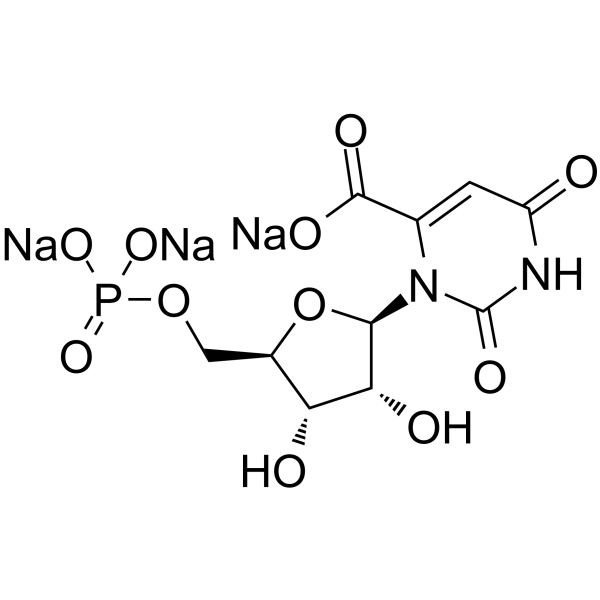
    Orotidine 5′-monophosphate trisodium
    1 Publications Verification

    Orotidine monophosphate trisodium; Orotidylic acid trisodium

    Endogenous Metabolite DNA/RNA Synthesis Metabolic Disease
    Orotidine 5'-monophosphate trisodium is a pyrimidine nucleotide. Orotidine 5'-monophosphate trisodium is synthesized via the de novo synthesis pathway for DNA synthesis in a large number of microorganisms including M. tuberculosis, S. cerevisiae, S. typhimurium and P. falciparum to name a few. The synthesis of orotidine 5'-monophosphate trisodium uses phosphoribosyl pyrophosphate (PRPP) and orotic acid (OA) as the substrates catalyzed by orotate phosphoribosyltransferase (OPRT) .
    Orotidine 5′-monophosphate trisodium
  • HY-D1056C3

    LPS, from Salmonella enterica (Serotype Typhimurium)

    Toll-like Receptor (TLR) Inflammation/Immunology
    Lipopolysaccharides, from S. enterica (Salmonella enterica) serotype typhimurium are lipopolysaccharide endotoxins and TLR4 activators derived from serotype typhimurium of Salmonella enterica, and are classified as S-type LPS. Lipopolysaccharides, from S. enterica exhibit a typical three-part structure: O-antigen, core oligosaccharide, and lipid A. Lipopolysaccharides, from S. enterica serotype typhimurium can modulate the fate of bacteria in dendritic cells (DC), determining the uptake, degradation, and activation of immune functions by DC cells against the bacteria .
    It is recommended to prepare a solution with concentration ≥2 mg/mL. Vortex thoroughly for more than 10 minutes. Due to the adsorption characteristics of LPS, silanized container or low adsorption centrifuge tubes should be used for aliquoting and storage, and mix thoroughly before use.
    Lipopolysaccharides, from S. enterica serotype typhimurium
  • HY-N10479

    DNA/RNA Synthesis Drug Intermediate Endogenous Metabolite Bacterial Infection
    Chorismic acid is a precursor for the biosynthesis of aromatic amino acids and vitamins, as well as a key metabolite in tRNA modification. Chorismic acid is a critical metabolite for the synthesis of cmo 5U. Deficiency of Chorismic acid inhibits the formation of cmo 5U and mcmo 5U. Chorismic acid can be used in studies of S. typhimurium and E. coli infections .\n


    Chorismic acid
  • HY-W001189

    Bacterial Infection
    1,3-Dithiane is a protected formaldehyde anion equivalent and a sulfur-containing Maillard reaction product. 1,3-Dithiane is found in cooked beef extracts. 1,3-Dithiane is a potent mutagenic agent against S. typhimurium TA98 and TA100. 1,3-Dithiane can be used as a useful marker synthon .
    1,3-Dithiane
  • HY-P5016A

    Antibiotic Fungal Bacterial Infection Cancer
    CRAMP-18 (mouse) acetate is an antibiotic peptide without hemolytic activity. CRAMP-18 (mouse) acetate has good inhibitory activity against Gram-negative bacteria, such as S. typhimurium and P. aeruginosa. CRAMP-18 (mouse) acetate has the potential to study antifungal, antibacterial and antitumor .
    CRAMP-18 (mouse) acetate
  • HY-P5640

    Bacterial Parasite Infection
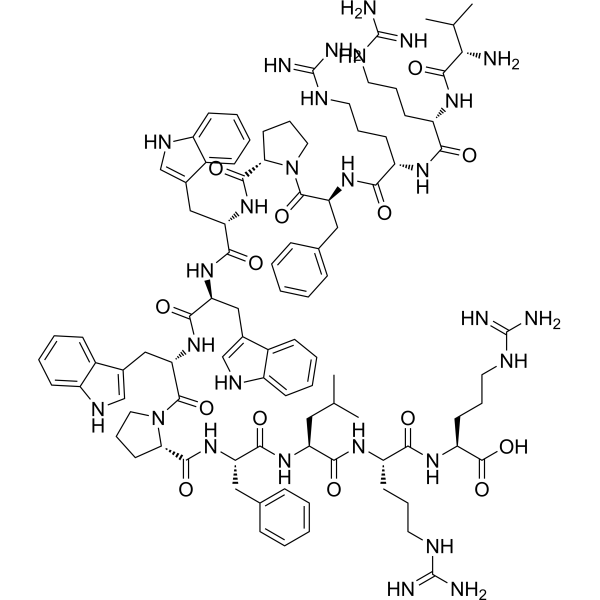
    Tritrpticin is a porcine-derived antimicrobial peptide with properties such as membrane disruption and hemolysis. Tritrpticin disrupts the cell membranes of bacteria, fungi and Jurkat T cell leukemia cells and induces their death. Tritrpticin also enhances the efficacy of Metronidazole (HY-B0318) against *Trichomonas vaginalis*, reduces plasma endotoxin and inflammatory cytokine levels, restricts bacterial growth in blood and visceral tissues, decreases the mortality rate of septic shock in rats and enhances the therapeutic effect of ertapenem. Tritrpticin exhibits selective cytotoxicity against Jurkat T cell leukemia cells, while showing low toxicity to normal peripheral blood mononuclear cells and red blood cells, and can serve as a template for antimicrobial peptide design. Tritrpticin can be applied to research related to bacterial infections, fungal infections, trichomoniasis, septic shock and leukemia .
    Tritrpticin
  • HY-134013

    DNA/RNA Synthesis Endothelin Receptor Cardiovascular Disease Cancer
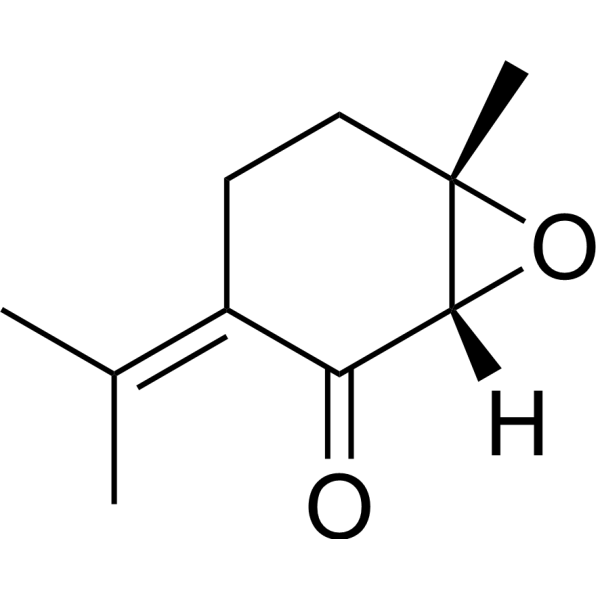
    Piperitenone oxide is an orally active monoterpene ketone. Piperitenone oxide can be isolated from the essential oils of plants belonging to Mentha x villosa and Ziziphora clinopodioides. Piperitenone oxide induces differentiation. Piperitenone oxide induces chromosome breakage damage, aneuploidy damage and DNA single-strand breaks. Piperitenone oxide reduces ET-1 levels. Piperitenone oxide exerts antihypertensive effects. Piperitenone oxide can be used in studies related to colon cancer .
    Piperitenone oxide
  • HY-W099540

    Bacterial Infection
    OES2-0017 shows potent synergy with polyamines and growth-inhibitory effects at the low micromolar range. OES2-0017 inhibits spermine/spermidine acetyltransferase (SpeG) (IC50: 34.82 μM ) and other polyamine detoxification enzymes in low concentrations, perturbed the bacterial membrane in higher concentrations .
    OES2-0017
  • HY-P5565

    Bacterial Infection Cancer
    RP-1 is an antimicrobial peptide, and is active against S. aureus, S. typhimurium, E. coli, and C. albicans .
    RP-1
  • HY-P5122

    Caspase Inflammation/Immunology
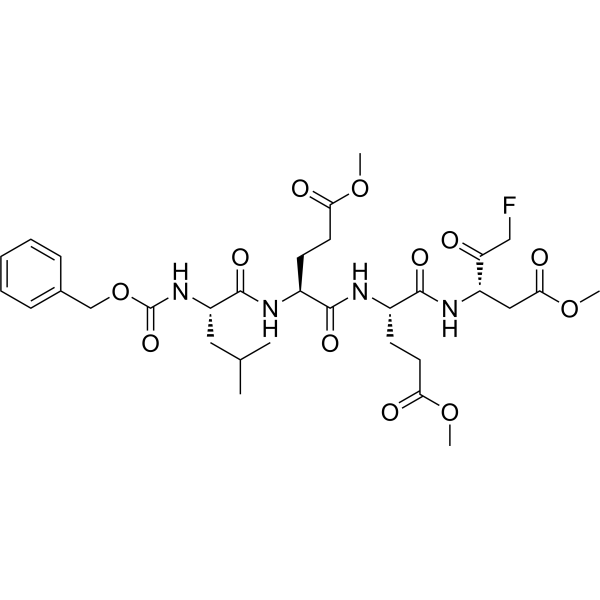
    Z-LEED-FMK is a caspase-13 and caspase-4 inhibitor. Z-LEED-FMK also inhibits caspase-1 processing in S. typhimurium-infected macrophages .
    Z-LEED-FMK
  • HY-N3616

    DNA/RNA Synthesis Endogenous Metabolite Cancer
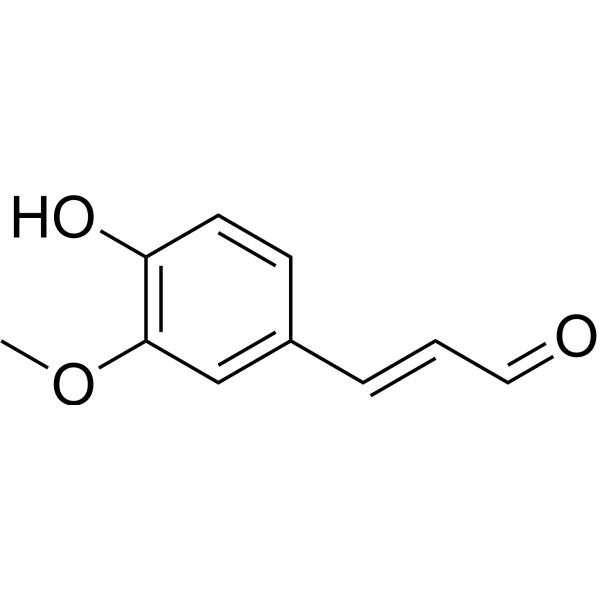
    trans-Coniferyl aldehyde (compound 2) is a natural compound isolated from the buds of clove (Syzygium aromaticum).trans-Coniferyl aldehyde suppresses 63% of the UV mutable gene expression at 1.20 μM, and with an ID50 value of 0.76 μM,and has the antimutagenic activities against furylfuramide, Trp-P-1, and activated Trp-P-1 .
    trans-Coniferyl aldehyde
  • HY-N5054

    TNF Receptor Inflammation/Immunology
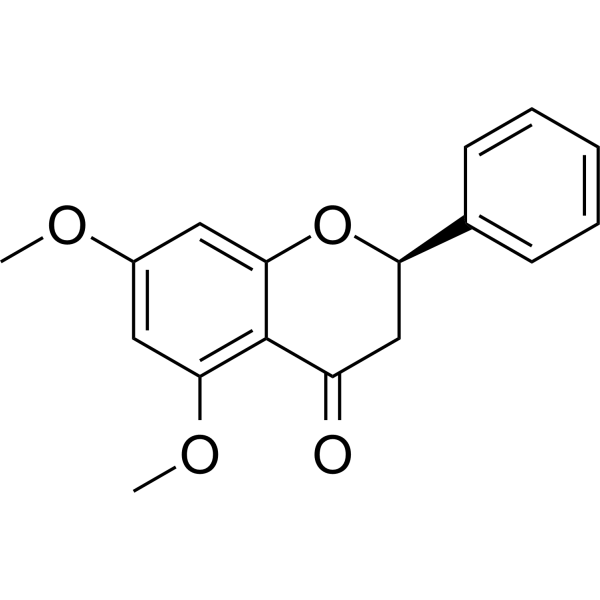
    (R)-5,7-Dimethoxyflavanone shows potent antimutagenic activity against MeIQ mutagenesis in Ames test using the S. typhimurium TA100 and TA98 strains . And (R)-5,7-Dimethoxyflavanone significantly and dose-dependently inhibits the inflammatory mediato .
    (R)-5,7-Dimethoxyflavanone
  • HY-P11091

    Bacterial Infection
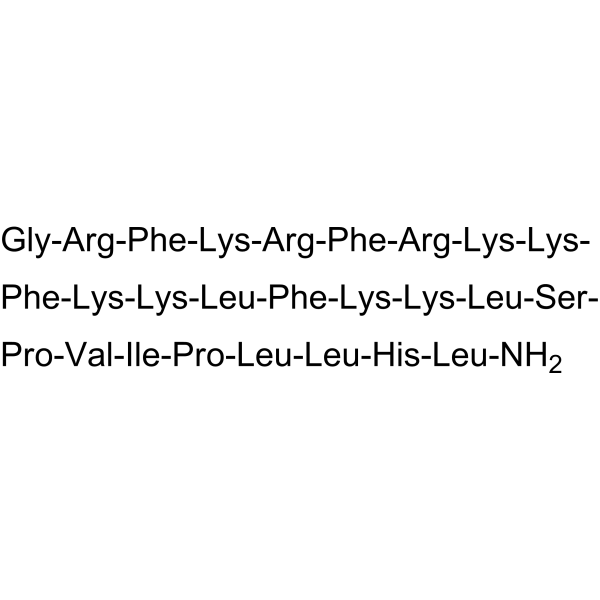
    PA2-GNU7 is an antimicrobial peptide (AMP). PA2-GNU7 exhibits potent antimicrobial activity with minimal inhibitory concentration (MIC) against P. aeruginosa, E. coli, S. typhimurium, S. aureus, and C. albicans are 2 μM, 1 μM, 2 μM, 2 μM, and 8 μM, respectively. PA2-GNU7 rapidly and selectively kills Pseudomonas aeruginosa without affecting other commensal bacteria. PA2-GNU7 significantly improves survival of mice infected with P. aeruginosa. PA2-GNU7 can be used for the research and development of therapeutic agents against MDR Pseudomonas aeruginosa infections .
    PA2-GNU7
  • HY-P5016

    Antibiotic Bacterial Fungal Infection Cancer
    CRAMP-18 (mouse) is an antibiotic peptide without hemolytic activity. CRAMP-18 (mouse) has good inhibitory activity against Gram-negative bacteria, such as S. typhimurium and P. aeruginosa. CRAMP-18 (mouse) has the potential to study antifungal, antibacterial and antitumor .
    CRAMP-18 (mouse)
  • HY-173077

    PD-1/PD-L1 Bacterial Infection Inflammation/Immunology
    PD-L1/LpxC-IN-1 (Conpound 12b) is the inhibitor for PD-L1 and LpxC with IC50 of 5.2 μM and 0.081 μM. PD-L1/LpxC-IN-1 inhibits the biosynthesis of bacterial lipopolysaccharide, causes the lysis and death of bacterial cells. PD-L1/LpxC-IN-1 inhibits Gram-negative bacteria, MIC for K. pneumoniae ATCC 13883, E. coli ATCC 8739, S. typhimurium ATCC 14028 and P. aeruginosa ATCC 9027 is 0.25-0.5 μg/mL. PD-L1/LpxC-IN-1 downregulates the expression of inflammatory factors IL-2 and IFN-γ, upregulates the expression of CD4+ and CD8+ cells, thereby activating the immune system and inhibiting excessive inflammatory responses. PD-L1/LpxC-IN-1 exhibits antibacterial activity in K. pneumoniae ATCC 13883 infected mouse models .
    PD-L1/LpxC-IN-1
  • HY-120002

    Kilacar; R 8284

    Parasite Infection
    Proclonol (Kilacar) is an insecticide-acaricide. Proclonol is a weak mutagen in the TA97 strain of S. typhimurium .
    Proclonol
  • HY-N2980

    Cabraleone

    Bacterial Infection
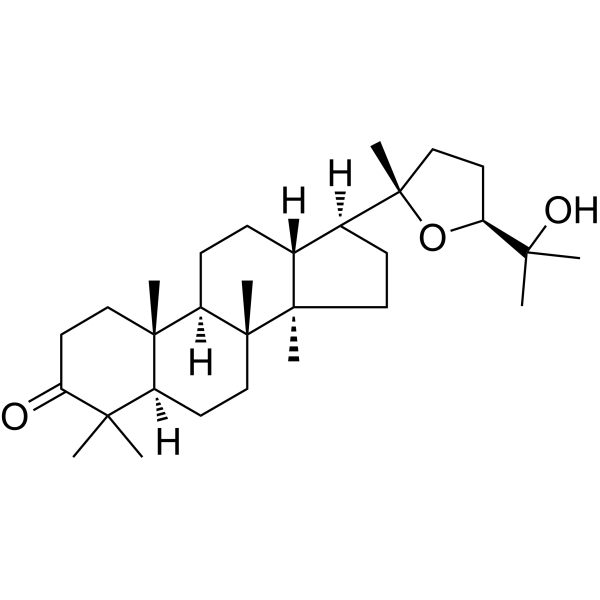
    Ocotillone ((24S)-20,24-Epoxy-25-hydroxydammaran-3-one) is a triterpenoids that can be isolated from the fruits of Dysoxylum richii. Ocotillone has antibacterial activities against P. aeruginosa and S. typhimurium without hemolytic activity .
    Ocotillone
  • HY-W844796

    (S)-2-Amino-5-methylhex-5-enoic acid

    Bacterial Amino Acid Derivatives Infection
    2-Amino-5-methyl-5-hexenoic acid ((S)-2-Amino-5-methylhex-5-enoic acid) is a Methionine analog that competes with methionine and resulting in inhibition of cell growth. 2-Amino-5-methyl-5-hexenoic acid inhibits protein synthesis but not DNA or RNA synthesis in S. typhimurium TA1535 and E. coli K-12 . X
    2-Amino-5-methyl-5-hexenoic acid
  • HY-N8256

    Mycousunin

    Fungal Infection
    (–)-Mycousnine is a microbial metabolite and derivative of Usnic Acid (HY-N0656) originally isolated from M. nawae that has antibacterial and antifungal activities. It is active against the Gram-positive bacteria B. subtilis, K. rhizophila, and S. aureus (MICs=4, 8, and 4 g/ml, respectively) but not the Gram-negative bacteria E. coli, S. typhimurium, and K. pneumoniae (MICs=>128 g/ml for all).2 (–)-Mycousnine is also active against the fungi T. mentagrophytes, T. rubrum, and C. albicans (MICs=25, 25, and 100 μg/mL, respectively).
    (–)-Mycousnine
  • HY-W001189S

    Isotope-Labeled Compounds Bacterial Infection
    1,3-Dithiane-d2 is the deuterium labeled 1,3-Dithiane (HY-W001189). 1,3-Dithiane is a protected formaldehyde anion equivalent and a sulfur-containing Maillard reaction product. 1,3-Dithiane is found in cooked beef extracts. 1,3-Dithiane is a potent mutagenic agent against S. typhimurium TA98 and TA100. 1,3-Dithiane can be used as a useful marker synthon .
    1,3-Dithiane-d2
  • HY-W001189R

    Reference Standards Bacterial Infection
    1,3-Dithiane (Standard) is an analytical standard of 1,3-Dithiane (HY-W001189). This product is intended for research and analytical applications. 1,3-Dithiane is a protected formaldehyde anion equivalent and a sulfur-containing Maillard reaction product. 1,3-Dithiane is found in cooked beef extracts. 1,3-Dithiane is a potent mutagenic agent against S. typhimurium TA98 and TA100. 1,3-Dithiane can be used as a useful marker synthon .
    1,3-Dithiane (Standard)
  • HY-W250061

    Others Cancer
    (-)-(1S,3S)-MTCA can be isolated from Japanese soy sauce. (-)-(1S,3S)-MTCA induces revertants of Salmonella typhimurium TA100, after treatment with nitrite .
    (-)-(1S,3S)-MTCA
  • HY-P11132

    Bacterial Infection
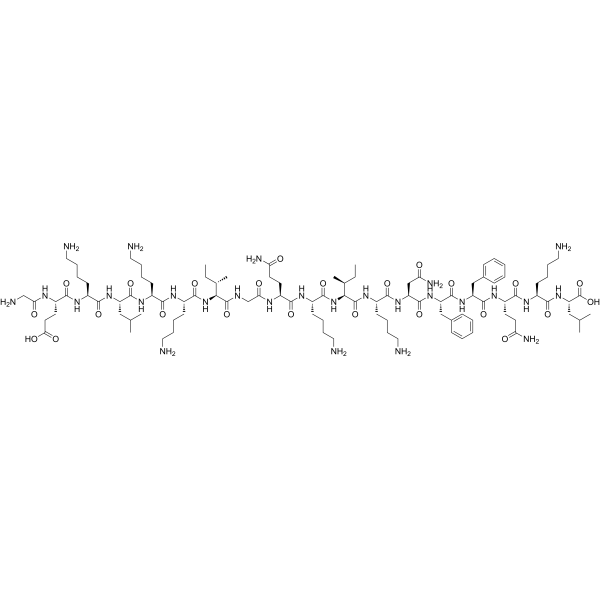
    RFQF4 is a nanonet-forming peptide and antibacterial agent. RFQF4 exhibits excellent bacterial capture capability coupled with moderate antibacterial activity. RFQF4 shows bactericidal activity against E. coli, S. typhimurium, S. aureus, L. monocytogenes, and S. epidermidis (IC50: 4.89-21.85 μM) .
    RFQF4
  • HY-P11151

    Bacterial Drug Derivative Infection
    HPA3NT3-A2 is an analogue of the HP (2-20) peptide, antimicrobial peptide. HPA3NT3-A2 shows antimicrobial activities against multi-reagent resistant bacteria strains .
    HPA3NT3-A2
  • HY-N18080

    Parasite DNA Alkylator/Crosslinker Bacterial Infection Inflammation/Immunology Cancer
    Parthenin is a pseudoguaianolide-type sesquiterpene lactone present in Parthenium hysterophorus L. Parthenin induces chromosomal aberrations, mainly chromatid breaks, in human peripheral blood lymphocytes. Parthenin exhibits toxicity against Salmonella typhimurium and Escherichia coli strains, with reduced toxicity in the presence of a metabolic activation system (S9). Parthenin acts as an antifeedant against the 6th instar larvae of the tobacco cutworm (Spodoptera litura). Parthenin shows insecticidal activity against adult cowpea weevils (Callosobruchus maculatus). Parthenin inhibits seed germination and seedling growth of sicklepod (Cassia tora). Parthenin possesses nematicidal activity against the 2nd instar larvae of the southern root-knot nematode (Meloidogyne incognita). Parthenin serves as a research agent for studies related to cancer, malaria, amoebiasis, inflammatory diseases, and bacterial infections .
    Parthenin

Inquiry Online

Your information is safe with us. * Required Fields.

Salutation


Country or Region *

Applicant Name *


Organization Name *

Department *


Email Address *


Product Name *

Cat. No.


Requested quantity *

Phone Number *


Remarks

Inquiry Online

Inquiry Information

Product Name:
Cat. No.:
Quantity:
MCE Japan Authorized Agent:

