1. Search Result
Search Result
Results for "

SHEDs

" in MedChemExpress (MCE) Product Catalog:

25

Inhibitors & Agonists

1

Fluorescent Dye

1

Biochemical Assay Reagents

1

Peptides

5

Inhibitory Antibodies

3

Natural
Products

2

Oligonucleotides

Cat. No. Product Name Target Research Areas Chemical Structure
  • HY-148905
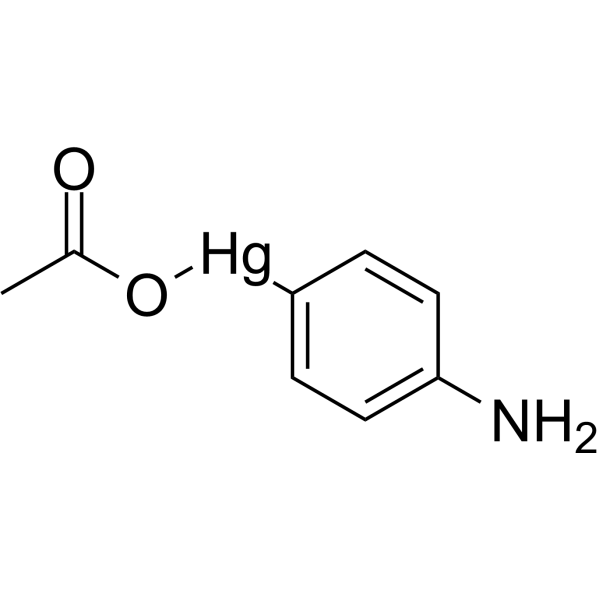
    p-Aminophenylmercuric acetate
    5+ Cited Publications

    Cathepsin MMP Infection
    p-Aminophenylmercuric acetate is an organomercurial activator of matrix metalloproteinases (MMP). P-Aminophenylmercuric acetate participates in the activation and inhibition of MMP-8 by attacking protein sulfhydryl or inducing cysteine switching reaction. p-Aminophenylmercuric acetate promotes the shedding of betacellulin precursor (pro-BTC). p-Aminophenylmercuric acetate influences the binding of agonists and antagonists to the opiate receptor .
    p-Aminophenylmercuric acetate
  • HY-N2065
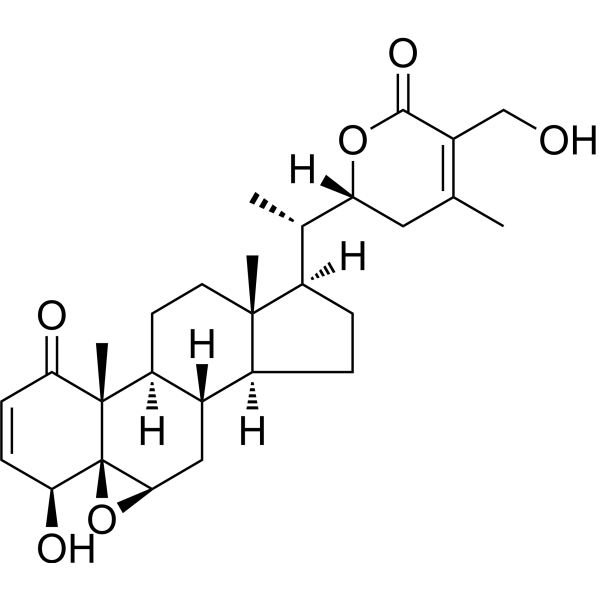
    Withaferin A
    10+ Cited Publications

    NF-κB Ferroptosis Inflammation/Immunology Cancer
    Withaferin A is a steroidal lactone isolated from Withania somnifera, inhibits NF-kB activation and targets vimentin, with potent antiinflammatory and anticancer activities. Withaferin A is an inhibitor of endothelial protein C receptor (EPCR) shedding.
    Withaferin A
  • HY-P99126
    Anti-Mouse/Human CD44 Antibody (IM7)
    2 Publications Verification

    Transmembrane Glycoprotein CD44 Inflammation/Immunology Cancer
    Anti-Mouse/Human CD44 Antibody (IM7) is an anti-huamn and mouse CD44 IgG2b monoclonal antibody that recognizes a conserved epitope outside the HA-binding domain of the CD44 molecule. Anti-Mouse/Human CD44 Antibody (IM7) exerts a potent anti-inflammatory effect by inducing the shedding of cell surface CD44, significantly improving symptoms in mice with rheumatoid arthritis without affecting relevant immune responses. Anti-Mouse/Human CD44 Antibody (IM7) can be used for researches on inflammation conditions and cancer such as arthritis and osteosarcoma .
    Anti-Mouse/Human CD44 Antibody (IM7)
  • HY-108610A
    Edelfosine
    1 Publications Verification

    ET-18-OCH3

    Apoptosis Parasite Bcl-2 Family Cytochrome P450 Infection Inflammation/Immunology Cancer
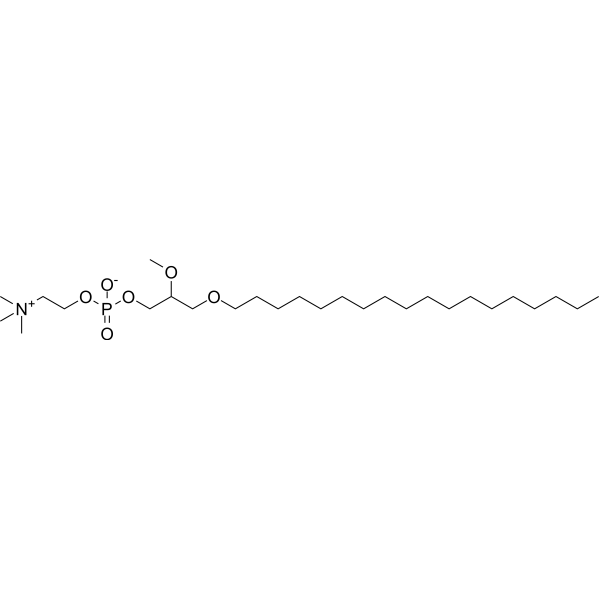
    Edelfosine (ET-18-OCH3) is an orally active lipid raft modulator and apoptosis inducer that alters membrane fluidity and preferentially inserts into tumor cell membranes. Edelfosine recruits death receptor ligands (FasL/CD95L, TRAIL) and Bid to lipid rafts to form death-inducing signaling complexes, thereby initiating mitochondria-dependent apoptosis and inducing cytochrome c release. Edelfosine also exerts anti-inflammatory effects, promotes L-Selectin shedding, and causes no gastrointestinal or organ toxicity. In addition, Edelfosine inhibits nucleic acid and protein synthesis in Leishmania donovani and exhibits antiproliferative activity. Edelfosine can be used in research on multiple myeloma, inflammatory bowel diseases (such as ulcerative colitis and Crohn's disease), and visceral leishmaniasis .
    Edelfosine
  • HY-16657A

    MMP mAChR Neurological Disease Inflammation/Immunology Cancer
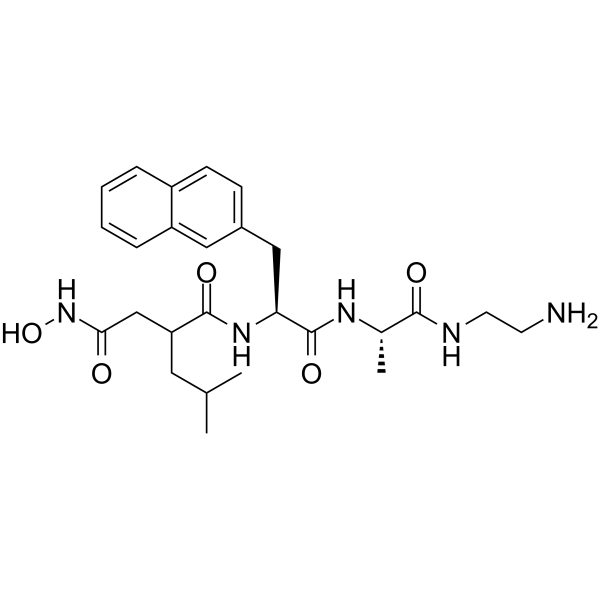
    (S,S)-TAPI-1 is an isomer of TAPI-1. TAPI-1 is a TACE (ADAM17) inhibitor and blocks the shedding of several cell surface proteins. TAPI-1 is also a metalloproteinase (MMP) inhibitor .
    (S,S)-TAPI-1
  • HY-111253

    LPL Receptor Neurological Disease
    CYM-5478 is a potent and highly selective S1P2 agonist with an EC50 of 119 nM in a TGFα-shedding assay. CYM-5478 protects neural-derived cell lines against Cisplatin toxicity .
    CYM-5478
  • HY-148949

    Kallikrein Others
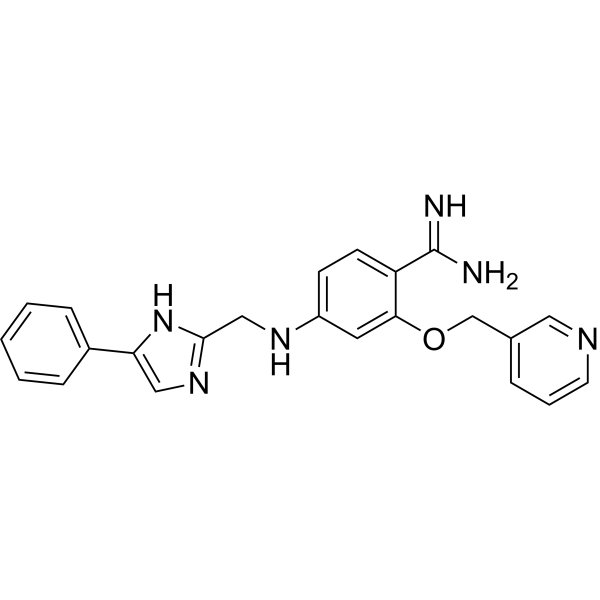
    Kallikrein 5-IN-2 (compound 21) is a selective Kallikrein KLK5 inhibitor (pIC50=7.1). KLK5 inhibition may normalise epidermal shedding and reduce the associated inflammation and itching .
    Kallikrein 5-IN-2
  • HY-P6442

    Chemerin Receptor Syk ERK Src p38 MAPK P-selectin Cardiovascular Disease Neurological Disease Inflammation/Immunology
    Chemerin15 is an anti-inflammatory peptide derived from Chemerin. Chemerin15 binds to ChemR23. Chemerin15 inhibits TNFα-induced activation of Syk, ERK and Src kinases. Chemerin15 increases the expression of p-p38 mRNA and protein. Chemerin15 mediates phagocytosis, resolution of inflammation, CD62L shedding and downregulation of PSGL-1 expression in macrophages and microglia. Chemerin15 inhibits neutrophil-mediated vascular inflammation and myocardial ischemia-reperfusion injury via ChemR23. Chemerin15 enhances microglial phagocytosis, thereby alleviating cerebral ischemia-reperfusion injury .
    Chemerin15
  • HY-126569

    Antibiotic Bacterial Infection
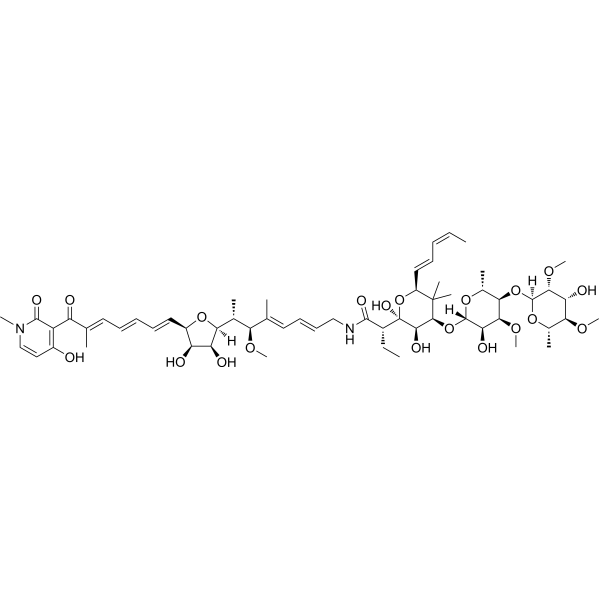
    Efrotomycin is an orally active antibiotic. Efrotomycin can be isolated from the Streptomyces Lactamdurans. Efrotomycin has insignificant effect on Salmonella typhimurium quantity, duration, shedding rate, and antimicrobial susceptibility in infected pigs .
    Efrotomycin
  • HY-N2065R

    Reference Standards NF-κB Ferroptosis Inflammation/Immunology Cancer
    Withaferin A (Standard) is the analytical standard of Withaferin A. This product is intended for research and analytical applications. Withaferin A is a steroidal lactone isolated from Withania somnifera, inhibits NF-kB activation and targets vimentin, with potent antiinflammatory and anticancer activities. Withaferin A is an inhibitor of endothelial protein C receptor (EPCR) shedding.
    Withaferin A (Standard)
  • HY-156404
    PM-1
    2 Publications Verification

    Fluorescent Dye Others
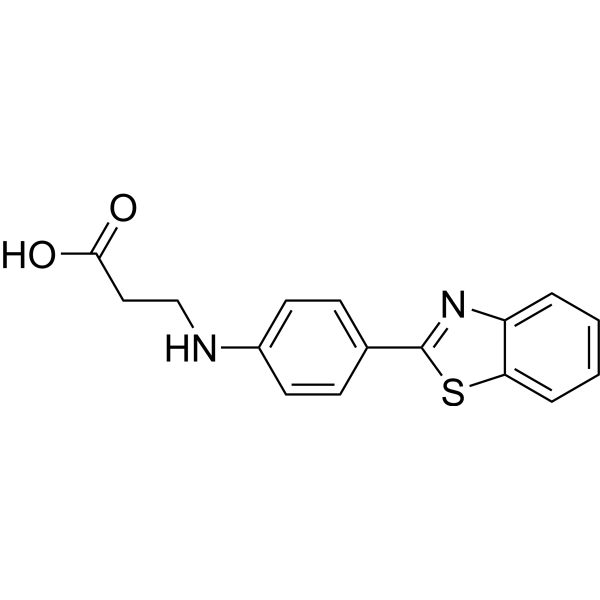
    PM-1, a derivative of Thioflavin-T (ThT; HY-D0218), is a small but highly specific plasma membrane (PM) fluorescent dye for specific and long-time membrane imaging of living and fixed cells. PM-1 is embedded directly into the cell membrane and exhibits a very long retention time on the plasma membrane with a half-life of approximately 15 h. PM-1 can be used in combination with protein labeling probes to study ectodomain shedding and endocytosis processes of cell surface proteins .
    PM-1
  • HY-B2119

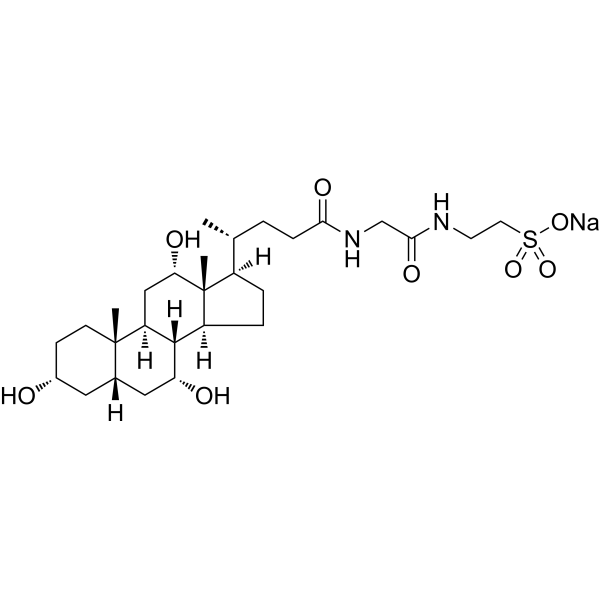
    Tauroglycocholic acid sodium salt

    Biochemical Assay Reagents Metabolic Disease
    Sodium tauroglycocholate (Tauroglycocholic acid sodium salt) is a multifunctional surfactant and penetration enhancer that can serve as a cholegraphic contrast agent. In organic solvents, Sodium tauroglycocholate embeds and stabilizes invertase by forming reverse micelles, and prolongs its active lifespan. In terms of transdermal absorption, Sodium tauroglycocholate effectively regulates the flux of aminophylline through snake slough by binding to keratin filaments, disrupting keratinocytes and altering lipid components of the stratum corneum. It exhibits rapid penetration characteristics without lag time at a concentration of 100 μg/mL. Sodium tauroglycocholate does not interfere with the hepatic uptake of Gd-EOB-DTPA by the bile acid transport system in rat hepatocytes .
    Sodium tauroglycocholate
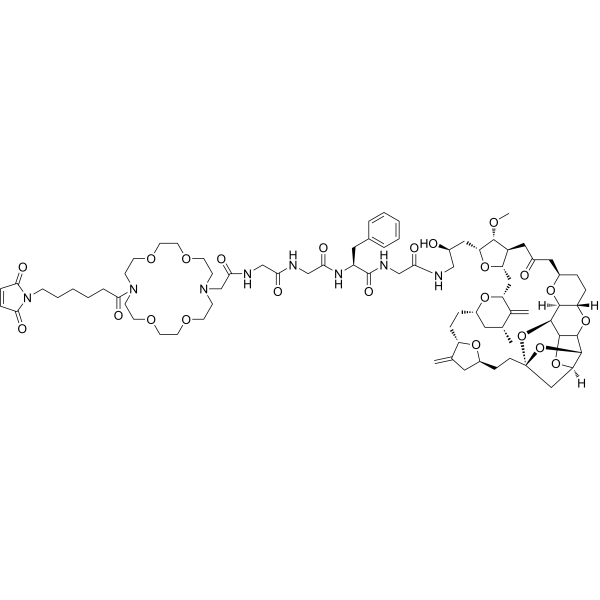
  • HY-153909

    Drug-Linker Conjugates for ADC Cancer
    SMP-33693 is a Drug-Linker Conjugate for ADC with a low payload shedding rate and has in vivo tumor inhibitory effects on ovarian cancer, gastric cancer, and breast cancer .
    SMP-33693
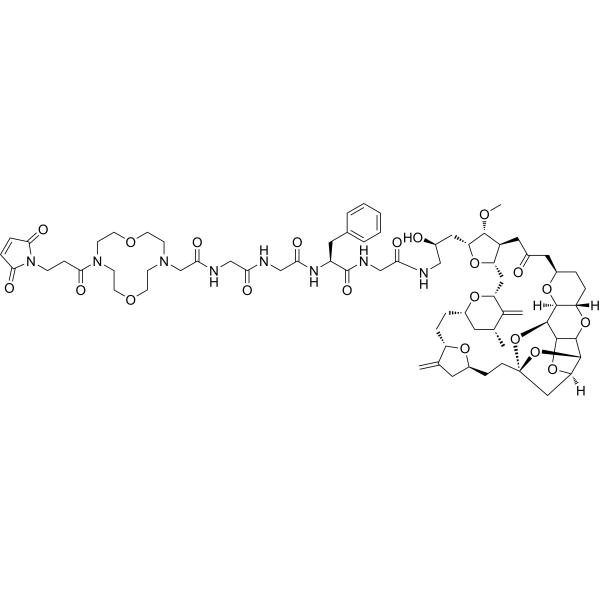
  • HY-153908

    Drug-Linker Conjugates for ADC Cancer
    SMP-93566 is a kind of antibody-drug conjugates (ADCs) with a low payload shedding rate and has in vivo tumor inhibitory effects on ovarian cancer, gastric cancer, and breast cancer .
    SMP-93566
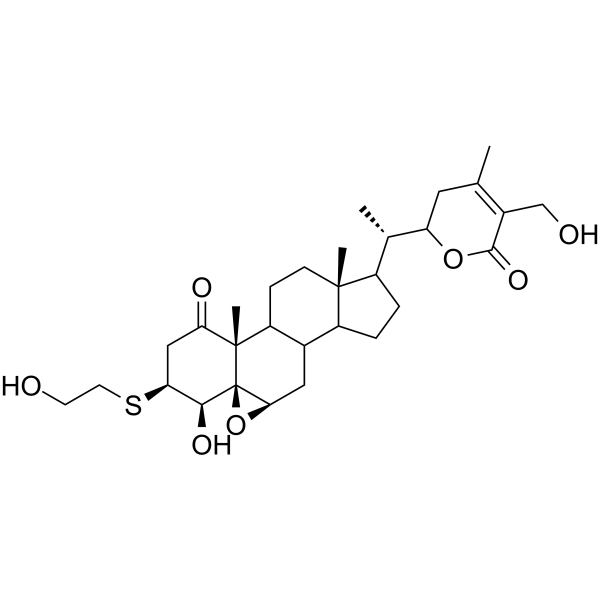
  • HY-N10358

    NF-κB Others
    3-(2-Hydroxyethyl) thio withaferin A is a Withaferin A derivative. Withaferin A, a steroidal lactone, inhibits NF-kB activation and targets vimentin, with potent antiinflammatory and anticancer activities. Withaferin A is an inhibitor of endothelial protein C receptor (EPCR) shedding .
    3-(2-Hydroxyethyl) thio withaferin A
  • HY-174529

    mRNA Inflammation/Immunology
    Human TGFBR3 mRNA encodes the human transforming growth factor beta receptor 3 (TGFBR3) protein, a transforming growth factor (TGF)-beta type III receptor. TGFBR3 is a membrane proteoglycan that often functions as a co-receptor with other TGF-beta receptor superfamily members. Ectodomain shedding produces soluble TGFBR3, which may inhibit TGFB signaling. Decreased expression of this receptor has been observed in various cancers.
    Human TGFBR3 mRNA
  • HY-P991491

    SARS-CoV Influenza Virus Infection
    VIR-7229 is a human IgG1 monoclonal antibody (mAb) targeting Receptor-Binding Domain, RBD, Spike glycoprotein. VIR-7229 exerts antiviral activity by competing with ACE2 for binding and inducing S1 protein shedding. VIR-7229 can be used in SARS-CoV-2 infection research. Recommended isotype control: Human IgG1 kappa, Isotype Control (HY-P99001) .
    VIR-7229
  • HY-180412

    BB-3644

    MMP Cancer
    Solimastat (BB-3644) is a potent metalloproteinase (MMP) inhibitor that blocks constitutive and antibody-stimulated CD30 shedding from cell surfaces with an IC50 of 180 nM. Solimastat enhances persistence of anti-CD30 antibody Ki-3 on cells and favors its internalization. Solimastat enhances cytotoxic activity of Ki-3.dgA towards CD30 + L540 cells. Solimastat can be used for the research of CD30 + malignancies .
    Solimastat
  • HY-P992481

    c-Met/HGFR Cancer
    VERT-002 is a MET degrader and monoclonal antibody. VERT-002 induces nearly complete and profound degradation of the MET protein by enhancing the intrinsic shedding of the MET extracellular domain (ECD). VERT-002 demonstrates significant anti-tumor activity. VERT-002 can be used in non-small cell lung cancer research. .
    VERT-002
  • HY-P992406

    MMP IFNAR Cancer
    MEDI-3622 is a human monoclonal antibody against ADAM17. MEDI-3622 blocks the ADAM17-mediated shedding of CD16A and CD62L on NK cells, and binds with high specificity to a surface loop unique to the metalloprotease catalytic domain of ADAM17. MEDI-3622 enhances IFNγ production by NK cells when they bind to antibody-coated tumor cells. MEDI-3622 can be used in the research of ovarian cancer, Burkitt lymphoma, head and neck cancer, and colorectal cancer .
    MEDI-3622
  • HY-182702

    TREM receptor Syk Neurological Disease
    As48 is a selective TREM2 agonist with a KD value of 12.48 μM in TRIC binding assay. As48 binds near the TREM2 cleavage region, forms hydrogen bonds with Gly68, reduces conformational flexibility in regions 58-102, restricts protease accessibility to the cleavage site. As48 activates SYK phosphorylation, enhances microglial phagocytosis, and induces downstream calcium signaling in TREM2-expressing cells. As48 inhibits TREM2 ectodomain shedding without affecting ADAM10/17 protease activities. As48 can be used for the research of Alzheimer's disease .
    As48
  • HY-182413

    Phospholipase Infection
    SMases D-IN-1 is an inhibitor of SMase D (sphingomyelinase D) from Loxosceles (brown recluse spider), with a Ki value of 0.54 μM. SMases D-IN-1 inhibits the hydrolysis of sphingomyelin substrates by recombinant and native SMases D, reduces the binding ability of SMases D to human red blood cells, and prevents the shedding of glycophorin C from the surface of human red blood cells. SMases D-IN-1 partially inhibits Loxosceles venom-induced death of human keratinocytes and also suppresses systemic reactions triggered by Loxosceles venom. SMases D-IN-1 can be used in studies related to recluse spider envenomation .
    SMases D-IN-1
  • HY-164641

    Orphan GPCR Drug Derivative Others
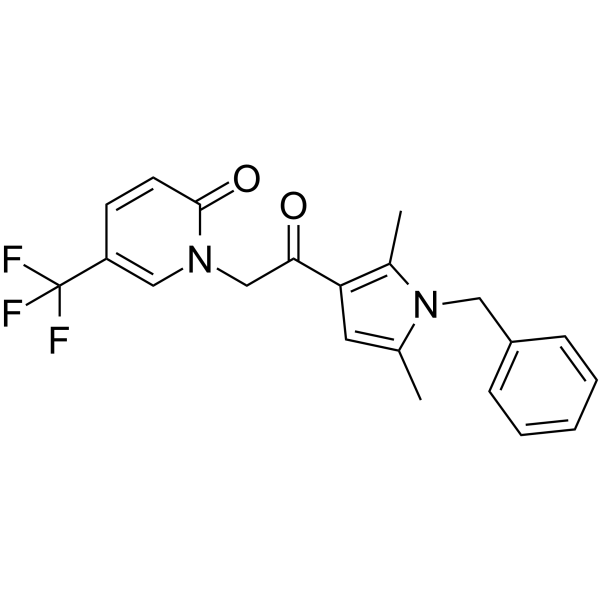
    GPR34 agonist 1 (Compound M1), a lysophosphatidylserine analogue, is an efficient GPR34 agonist .
    GPR34 agonist 1
  • HY-P992341

    MMP Cancer
    D8P1C1 is a high-affinity ADAM17 inhibitor (with a Kd of 180 pM targeting ADAM17-ECD) that reduces the shedding and phosphorylation of EGFR ligands. D8P1C1 inhibits cancer cell proliferation in vitro and tumor growth in xenograft models. 89Zr-DFO-D8P1C1 radioimmunological PET imaging shows its substantial accumulation in ovarian tumor xenografts, serving as a platform for generating bispecific T-cell engager derivatives. D8P1C1 can be applied to research on related diseases including triple-negative breast cancer, various types of ovarian cancer, lung adenocarcinoma, glioma, and colon cancer .
    D8P1C1
  • HY-W115785

    Environmental Pollutants VEGFR RUNX Metabolic Disease
    Zinc borate is a bioactive inorganic substance with properties including osteogenic induction, pro-angiogenesis, antioxidation, antimutagenesis and cytotoxicity. In the field of bone tissue engineering, Zinc borate is often incorporated into chitosan scaffolds. By releasing zinc ions and borate ions, Zinc borate induces the differentiation of human dental pulp stem cells into osteoblasts, upregulates the expression of bone-related genes and promotes calcium deposition. Zinc borate also promotes angiogenesis by upregulating key factors such as vascular endothelial growth factor. Zinc borate exhibits antioxidant capacity to scavenge free radicals, and can specifically reduce mutagenicity under specific conditions. Zinc borate reduces the survival rate of mouse fibroblasts, but it can still be used in studies related to bone tissue engineering .
    Zinc borate

Inquiry Online

Your information is safe with us. * Required Fields.

Salutation


Country or Region *

Applicant Name *


Organization Name *

Department *


Email Address *


Product Name *

Cat. No.


Requested quantity *

Phone Number *


Remarks

Inquiry Online

Inquiry Information

Product Name:
Cat. No.:
Quantity:
MCE Japan Authorized Agent:

