1. Search Result
Search Result
Results for "

STAT3-IN-3

" in MedChemExpress (MCE) Product Catalog:

43

Inhibitors & Agonists

3

Peptides

1

Inhibitory Antibodies

10

Natural
Products

Cat. No. Product Name Target Research Areas Chemical Structure
  • HY-N0751
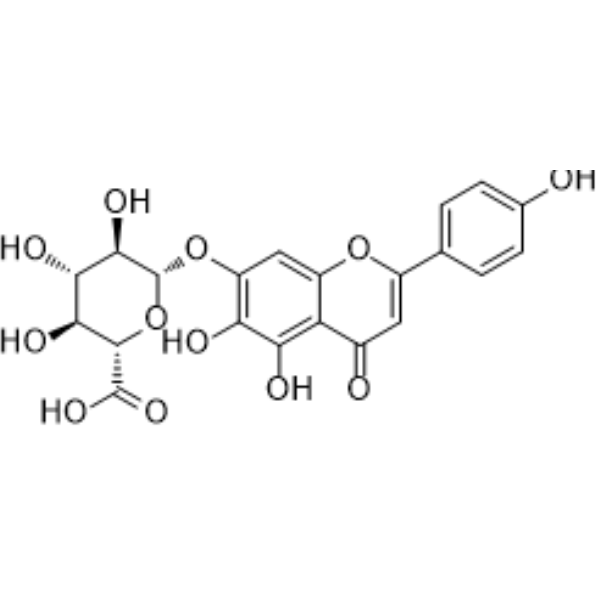
    Scutellarin
    Maximum Cited Publications
    23 Publications Verification

    STAT Akt HIV Infection Cancer
    Scutellarin, an active flavone isolated from Scutellaria baicalensis, can down-regulates the STAT3/Girdin/Akt signaling in HCC cells, and inhibits RANKL-mediated MAPK and NF-κB signaling pathway in osteoclasts. Scutellarin is active against HIV-1IIIB, HIV-1(74V) and HIV-1KM018 with EC50s of 26 μM, 253 μM and 136 μM, respectively.
    Scutellarin
  • HY-112288
    C188-9
    Maximum Cited Publications
    32 Publications Verification

    TTI-101

    STAT Apoptosis DNA Methyltransferase Metabolic Disease Inflammation/Immunology Cancer
    C188-9 (TTI-101) is a STAT3 inhibitor with a Kd value of 4.7 nM. C188-9 targets the SH2 domain of STAT3, blocks the processes of STAT3 ligand binding, receptor recruitment, homodimerization and phosphorylation, and regulates STAT3-mediated genes associated with tumorigenesis and radioresistance. C188-9 regulates STAT1-mediated genes related to radioresistance and reduces the activation level of STAT1. C188-9 downregulates the expression of DNMT1, enhances DAC-induced demethylation and re-expression of RASSF1A, and simultaneously potentiates the anti-tumor effect of DAC on pancreatic cancer cells. C188-9 inhibits both anchorage-dependent and anchorage-independent growth of cancer cells, induces Apoptosis, blocks the growth of tumor xenografts, and suppresses muscle atrophy. C188-9 maintains muscle mass, increases body weight and improves grip strength in tumor-bearing mice. C188-9 can be used in research related to head and neck squamous cell carcinoma, pancreatic cancer, sepsis-related skeletal muscle wasting, non-small cell lung cancer, acute myeloid leukemia and cancer cachexia .
    C188-9
  • HY-128588
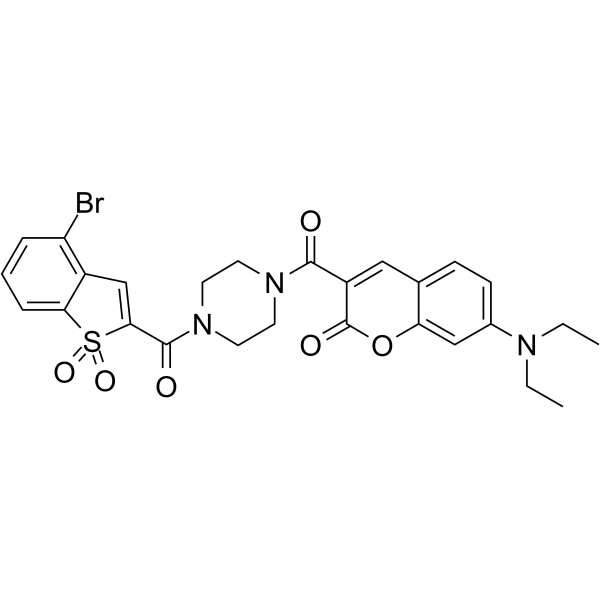
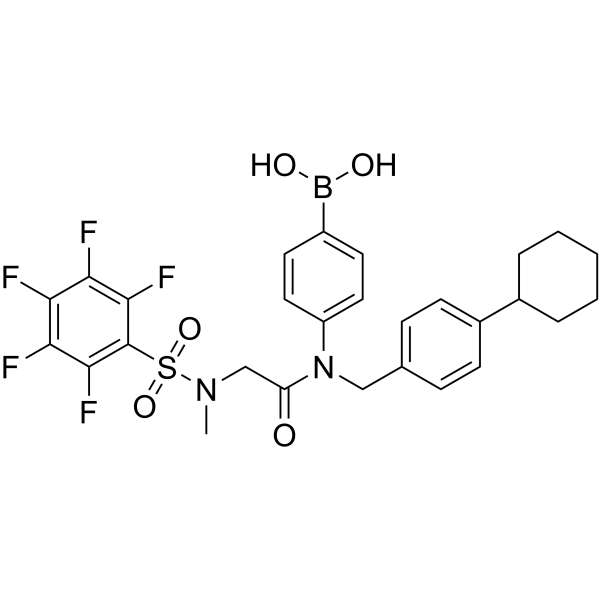
    STAT3-IN-3
    5+ Cited Publications

    STAT Apoptosis Cancer
    STAT3-IN-3 is a potent and selective inhibitor of signal transducer and activator of transcription 3 (STAT3), with anti-proliferative activity. STAT3-IN-3 induces apoptosis in breast cancer cells. STAT3-IN-3 acts as a promising mitochondria-targeting STAT3 inhibitor for cancer research .
    STAT3-IN-3
  • HY-N2959
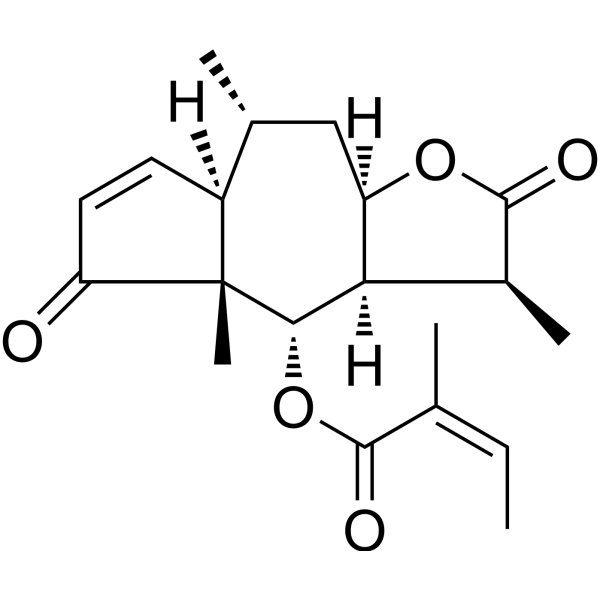
    Brevilin A
    5 Publications Verification

    JAK STAT Apoptosis Autophagy Cancer
    Brevilin A is an orally active STAT3/JAK inhibitor (STAT3 IC50=?10.6 μM). Brevilin A shows anti-tumor activity, anti-proliferative activity to cancer cells, and can induce apoptosis and autophagy .
    Brevilin A
  • HY-111152
    ML115
    5+ Cited Publications

    STAT Cancer
    ML115, a molecular probe of the signal transducer, is a selective STAT3 agonist, with an EC50 of 2 nM. ML115 increases the expression of BCL3, a known STAT3-dependent oncogene. ML115 is inactive against the related STAT1, STAT5 and NF-κB anti-targets. ML115 counteracts the effects of Ginsenoside Rc (HY-N0042) on cell viability and inflammatory responses in LPS (HY-D1056)-stimulated H9c2 and RAW264.7 cells, while altering oxidative stress markers. ML115 can be used for the study of breast and prostate cancers .
    ML115
  • HY-N0447
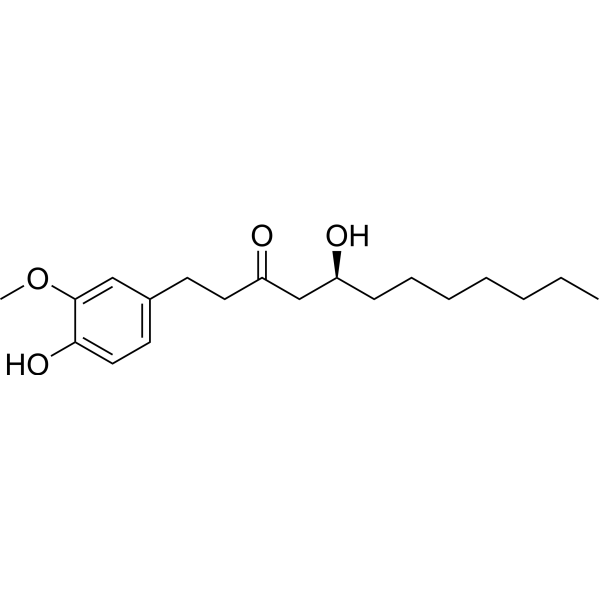
    8-Gingerol
    5 Publications Verification

    TRP Channel Bacterial Apoptosis Autophagy STAT PERK EGFR PI3K Akt mTOR Caspase MMP Infection Cardiovascular Disease Inflammation/Immunology Cancer
    8-Gingerol can be found in the rhizome of ginger (Z. officinale) and has oral bioactivity. It activates TRPV1, with an EC50 value of 5.0 µM. 8-Gingerol inhibits COX-2 and also suppresses the growth of H. pylori in vitro. Additionally, 8-Gingerol exhibits anticancer, antioxidant, and anti-inflammatory properties by inhibiting the epidermal growth factor receptor (EGFR) and modulating its downstream STAT3/ERK pathway to suppress the proliferation, migration, and invasion of colorectal cancer cells. 8-Gingerol also exerts immunosuppressive effects by inhibiting oxidative stress, inducing cell cycle arrest, promoting apoptosis, and regulating autophagy. Furthermore, 8-Gingerol has cardioprotective effects. 8-Gingerol is promising for research in the fields of cancer, infection, immunosuppression, and cardiovascular diseases.
    8-Gingerol
  • HY-N6953
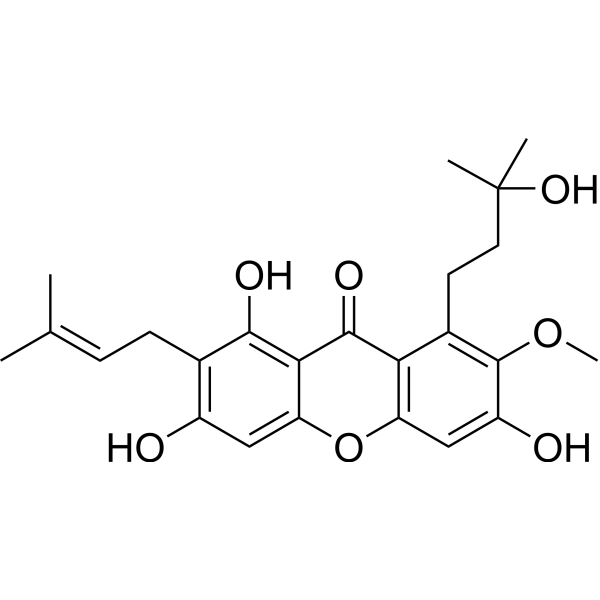
    Garcinone D
    4 Publications Verification

    STAT Keap1-Nrf2 Reactive Oxygen Species (ROS) Neurological Disease
    Garcinone D is an activator of the STAT3/Cyclin D1 and Nrf2/HO-1 pathways, and an inhibitor of CDK2/CyclinE1 (IC50 for CDK2/CyclinE1 is 28.23 μM). Garcinone D promotes neural stem cell proliferation by activating STAT3 phosphorylation and Cyclin D1 expression and enhancing the Nrf2/HO-1 signaling pathway. In addition, Garcinone D blocks the tumor cell cycle by inhibiting CDK2/CyclinE1. Garcinone D can promote the proliferation of C17.2 neural stem cells and inhibit prostate and breast cancer .
    Garcinone D
  • HY-136658
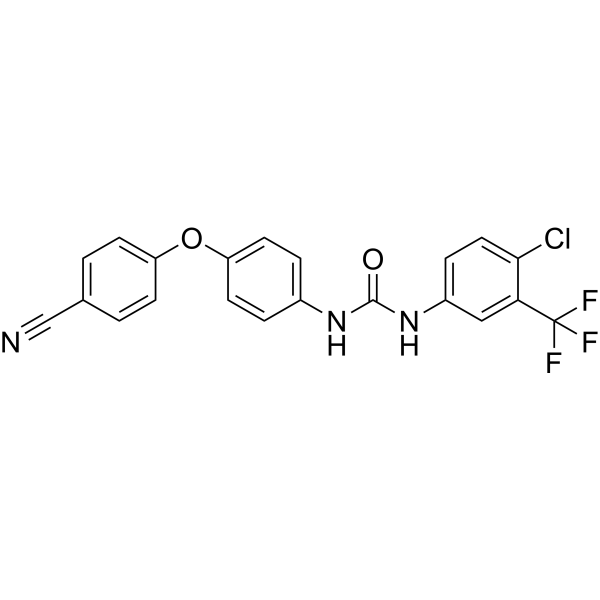
    STAT3-IN-48
    1 Publications Verification

    STAT Apoptosis Cancer
    STAT3-IN-48 is a Sorafenib analogue and potently inhibits the phosphorylation of STAT3. STAT3-IN-48 induces cell apoptosis through SHP-1 dependent STAT3 inactivation. STAT3-IN-48 does not inhibit kinase activity and has anticancer effects .
    STAT3-IN-48
  • HY-107460
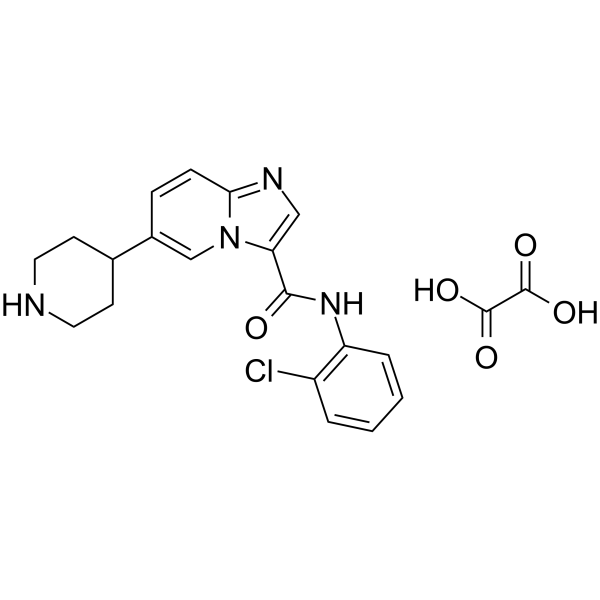
    LDN-211904 oxalate
    1 Publications Verification

    Ephrin Receptor Cancer
    LDN-211904 oxalate is a potent and reversible EphB3 inhibitor with an IC50 of 79 nM. LDN-211904 oxalate shows good metabolic stability in mouse liver microsomes. LDN-211904 oxalate with Cetuximab (HY-P9905) could be effective in inhibiting STAT3-activated colorectal cancer (CRC) stemness and Cetuximab resistance in CRC .
    LDN-211904 oxalate
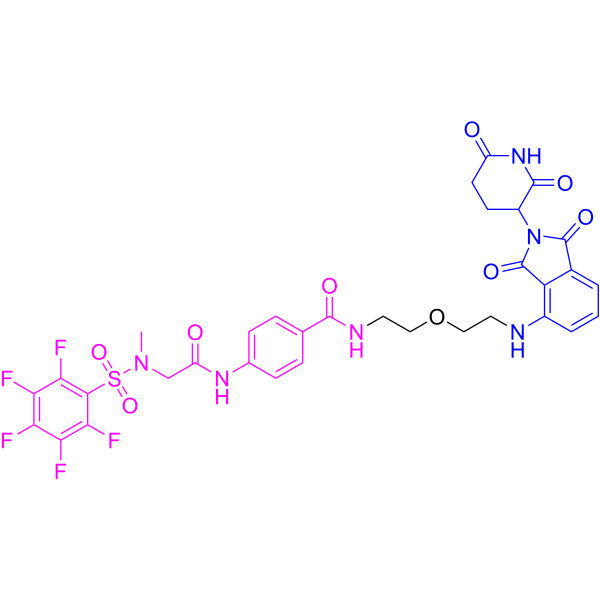
  • HY-163502

    PROTACs STAT Cancer
    PROTAC STAT3 degrader-3 is a STAT3 PROTAC degrader. PROTAC STAT3 degrader-3 recruits the E3 ubiquitin ligase CRBN and induces the degradation of STAT3 protein. PROTAC STAT3 degrader-3 inhibits the proliferation of malignant tumor cells. PROTAC STAT3 degrader-3 can be used for the research of non-small cell lung cancer and liver cancer .
    PROTAC STAT3 degrader-3
  • HY-P2282
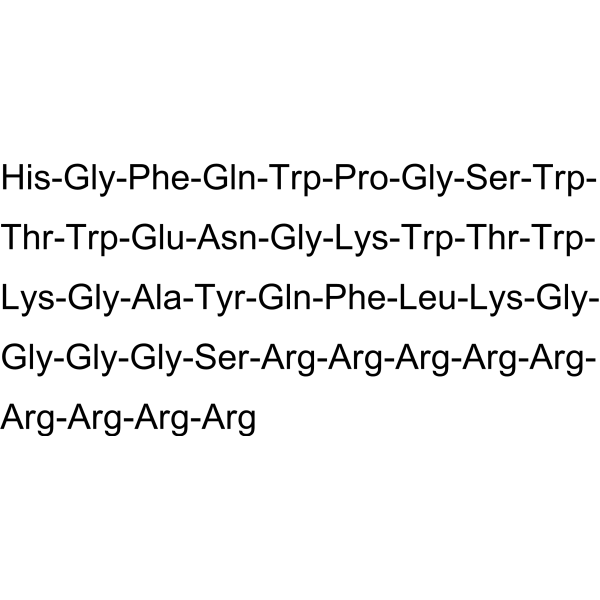
    APTSTAT3-9R
    1 Publications Verification

    STAT Cancer
    APTSTAT3-9R, a specific STAT3-binding peptide, inhibits STAT3 activation and downstream signaling by specifically blocking STAT3 phosphorylation. APTSTAT3-9R exerts antiproliferative effects and antitumor activity .
    APTSTAT3-9R
  • HY-150084

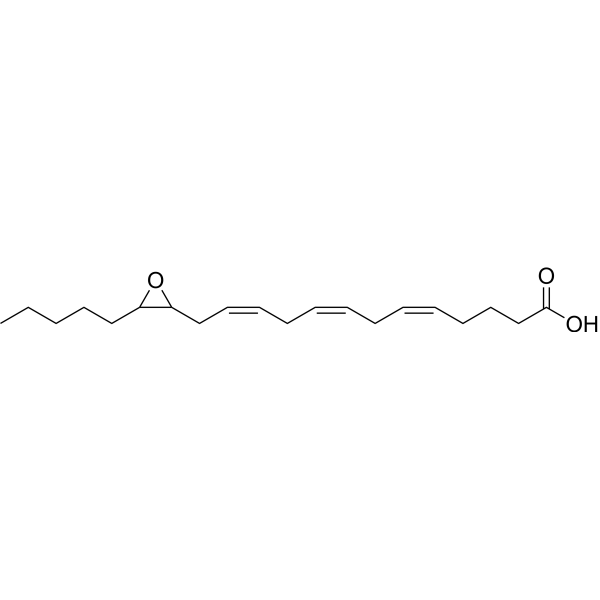
    (±)14(15)-EET

    Cytochrome P450 Mitosis Cancer
    (±)14,15-Epoxyeicosatrienoic acid ((±)14(15)-EET) is the Cytochrome P450 metabolite of arachidonic acid. While CYP3A4 may be involved in breast cancer cell growth, (±)14,15-Epoxyeicosatrienoic acid may promote mitosis and anchorage-dependent cloning through STAT3 affected by CYP3A4. (±)14,15-Epoxyeicosatrienoic acid exhibits STAT3-dependent cell growth promotion and may also participate in the autocrine/paracrine pathway that drives cell growth .
    (±)14,15-Epoxyeicosatrienoic acid
  • HY-151577

    STAT Apoptosis Cancer
    STAT3-SH2 domain inhibitor 1 is a potent Src Homology 2 (SH2) Domain of STAT3 (STAT3-SH2 domain) inhibitor with a Kd value of 1.57 μM. STAT3-SH2 domain inhibitor 1 inhibits STAT3 signaling transduction and transcriptional activation. STAT3-SH2 domain inhibitor 1 induces apoptosis in gastric cancer cells. STAT3-SH2 domain inhibitor 1 can be used in research of cancer .
    STAT3-SH2 domain inhibitor 1
  • HY-P991196

    Transmembrane Glycoprotein Cancer
    Anti-CD24 Antibody (SWA11) is a human IgG1 monoclonal antibody targeting CD24, with high affinity and specificity for CD24-expressing tumor cells. Anti-CD24 Antibody (SWA11) triggers endocytosis, alters STAT3-dependent gene expression, regulates Src phosphorylation, and blocks CD24-mediated signaling pathways. Anti-CD24 Antibody (SWA11) is applicable to cancer-related research such as lung cancer and ovarian cancer. Recommended isotype control: Human IgG1 kappa, Isotype Control (HY-P99001) .
    Anti-CD24 Antibody (SWA11)
  • HY-P10115

    STAT Cancer
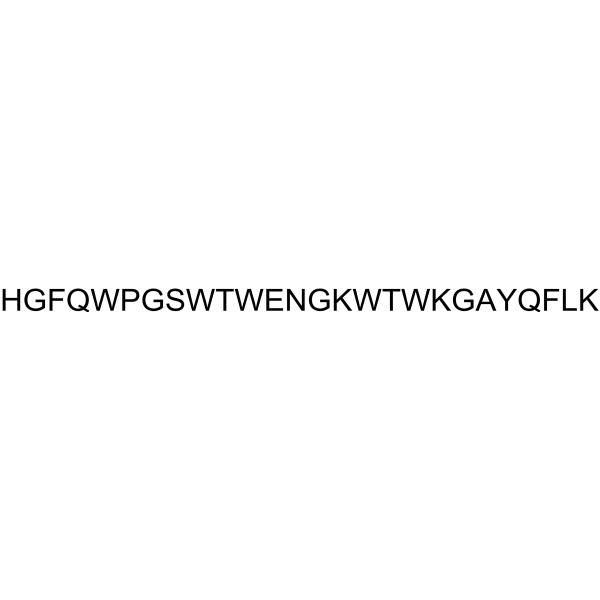
    APT STAT3 is a specific STAT3-binding peptide. APT STAT3 can bind STAT3 with high specificity and affinity (~231 nmol/L). APT STAT3 is a tractable agent for translation to target the broad array of cancers harboring constitutively activated STAT3 .
    APT STAT3
  • HY-172767

    PROTACs STAT Apoptosis Cancer
    STAT3-D11-PROTAC-VHL (Compound D11-PROTAC) is a PROTAC degrader targeting Signal Transducer and Activator of Transcription 3 (STAT3). STAT3-D11-PROTAC-VHL exhibits anti-tumor activity with IC50 values of 1335 nM and 1973 nM against HeLa and MCF-7 cells, respectively. STAT3-D11-PROTAC-VHL binds to the DNA-binding domain of STAT3 and recruits the E3 ligase VHL to form a ternary complex, leading to the ubiquitination of STAT3 and subsequent degradation by the proteasome. STAT3-D11-PROTAC-VHL also inhibits tumor cell growth, induces cell cycle arrest and apoptosis, and suppresses tumor immune evasion .
    STAT3-D11-PROTAC-VHL
  • HY-155335

    Formyl Peptide Receptor (FPR) Inflammation/Immunology
    FPR2 agonist 3 (compound CMC23) can limit the lactate dehydrogenase release in LPS (HY-D1056) -stimulated cultures and decrease the levels of pro-inflammatory IL-1β and IL-6. FPR2 agonist 3 decrease the level of phosphor-STAT3 via the STAT3/SOCS3 signaling pathway .
    FPR2 agonist 3
  • HY-100610

    STAT Cancer
    S3I-1757 is a STAT3 inhibitor. S3I-1757 inhibits the phosphorylation and dimerization of STAT3. S3I-1757 can be used for the research of STAT3 hyperactive cancers such as melanoma .
    S3I-1757
  • HY-13559

    Azaspirane ; SKF 106615-12; SKF 106615A12

    STAT Apoptosis Autophagy Reactive Oxygen Species (ROS) Caspase Bcl-2 Family p62 Atg8/LC3 PARP NF-κB PERK JAK Cardiovascular Disease Inflammation/Immunology Cancer
    Atiprimod (Azaspirane) is a STAT3 inhibitor with antitumor, anti-inflammatory, and anti-angiogenic activities. Atiprimod blocks the signaling pathways of IL-6 and VEGF by inhibiting the phosphorylation of signal transducer and activator of STAT3. Atiprimod blocks the JAK-STAT signaling pathway by inhibiting the phosphorylation of JAK2 and JAK3. Atiprimod also inhibits cell proliferation, induces cell cycle arrest, and induces autophagy and apoptosis. Atiprimod triggers persistent ER stress-mediated apoptosis in breast cancer cells by activating the PERK/eIF2α/ATF4/CHOP axis and inhibiting the nuclear translocation of STAT3/NF-κB. Atiprimod shows great anti-tumor activities in tumor xenograft mouse models. Atiprimod can be used for the study of pituitary adenoma, breast cancer, multiple myeloma and acute myeloid leukemia (AML) .
    Atiprimod
  • HY-163526

    Ligands for Target Protein for PROTAC STAT Cancer
    STAT3-IN-26 is the ligand for the target protein STAT3 in PROTAC STAT3 degrader-3 (HY-163502), which can be used for the synthesis of PROTACs .
    STAT3-IN-26
  • HY-155982

    STAT Cancer
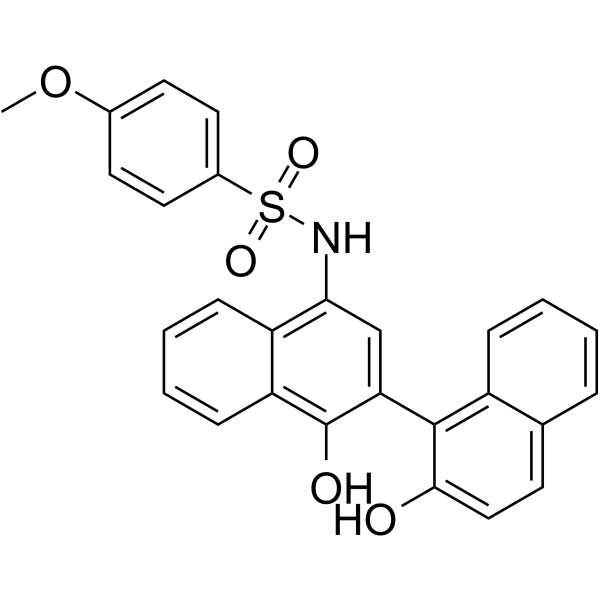
    STAT3-IN-20 (Compound 40) is a selective STAT3 inhibitor (IC50: 0.65 μM). STAT3-IN-20 binds the SH2 domain to inhibit STAT3 phosphorylation, translocation, and downstream gene transcription. STAT3-IN-20 exhibits antiproliferative activities against STAT3-overactivated DU145 and MDA-MB-231 cancer cells (IC50: 2.97 μM and 3.26 μM respectively). STAT3-IN-20 induces cell cycle arrest and apoptosis .
    STAT3-IN-20
  • HY-136358

    Ephrin Receptor Cancer
    LDN-211904 is a potent and reversible EphB3 inhibitor with an IC50 of 79 nM. LDN-211904 shows good metabolic stability in mouse liver microsomes. LDN-211904 with cetuximab could be effective in inhibiting STAT3-activated colorectal cancer (CRC) stemness and Cetuximab (HY-P9905) resistance in CRC .
    LDN-211904
  • HY-107595
    SD-1008
    1 Publications Verification

    JAK STAT Apoptosis Cancer
    SD-1008 is a potent JAK inhibitor. SD-1008 inhibits tyrosyl phosphorylation of STAT3, JAK2 and Src. SD-1008 also reduces STAT3-dependent luciferase activity. SD-1008 enhances apoptosis induced by Paclitaxel in ovarian cancer cells via directly blocking the JAK-STAT3 signaling pathway .
    SD-1008
  • HY-N0751R

    Reference Standards STAT Akt HIV Infection Cancer
    Scutellarin (Standard) is the analytical standard of Scutellarin. This product is intended for research and analytical applications. Scutellarin, an active flavone isolated from Scutellaria baicalensis, can down-regulates the STAT3/Girdin/Akt signaling in HCC cells, and inhibits RANKL-mediated MAPK and NF-κB signaling pathway in osteoclasts. Scutellarin is active against HIV-1IIIB, HIV-1(74V) and HIV-1KM018 with EC50s of 26 μM, 253 μM and 136 μM, respectively.
    Scutellarin (Standard)
  • HY-W414644

    Parasite STAT Phosphatase MDM-2/p53 Apoptosis Infection Neurological Disease Inflammation/Immunology Cancer
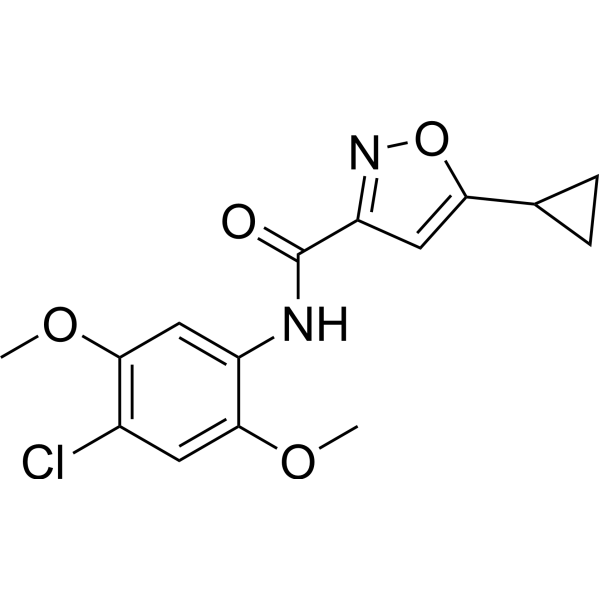
    Fluacrypyrim, a Miticide, is a STAT3 inhibitor. Fluacrypyrim significantly increases the protein tyrosine phosphatases(PTPs) activity. Fluacrypyrim inhibits the growth of leukemia cells by a predominant G1 arrest with significant decrease of the protein and mRNA levels of cyclin D1. Fluacrypyrim selectively inhibits STAT3 signaling, inducing growth arrest and apoptosis in STAT3-dependent cancer cells. Fluacrypyrim mitigates IR-induced hematopoietic system injury mainly by preventing apoptosis in the HSCs. Fluacrypyrim demonstrates significant analgesic and anti-inflammatory effects by inhibiting uterine smooth muscle contraction and inflammatory responses .
    Fluacrypyrim
  • HY-13559A

    Azaspirane dimaleate; SKF 106615-12 dimaleate; SKF 106615A12 dimaleate

    STAT Apoptosis Caspase Interleukin Related Autophagy Reactive Oxygen Species (ROS) Atg8/LC3 p62 JAK Cardiovascular Disease Inflammation/Immunology Cancer
    Atiprimod (Azaspirane) (dimaleate) is a STAT3 inhibitor with antitumor, anti-inflammatory, and anti-angiogenic activities. Atiprimod blocks the signaling pathways of IL-6 and VEGF by inhibiting the phosphorylation of signal transducer and activator of STAT3. Atiprimod blocks the JAK-STAT signaling pathway by inhibiting the phosphorylation of JAK2 and JAK3. Atiprimod also inhibits cell proliferation, induces cell cycle arrest, and induces autophagy and apoptosis. Atiprimod triggers persistent ER stress-mediated apoptosis in breast cancer cells by activating the PERK/eIF2α/ATF4/CHOP axis and inhibiting the nuclear translocation of STAT3/NF-κB. Atiprimod shows great anti-tumor activities in tumor xenograft mouse models. Atiprimod can be used for the study of pituitary adenoma, breast cancer, multiple myeloma and acute myeloid leukemia (AML) .
    Atiprimod dimaleate
  • HY-110102

    Azaspirane hydrochloride; SKF 106615-12 hydrochloride; SKF 106615

    JAK STAT Apoptosis Autophagy Reactive Oxygen Species (ROS) Caspase Atg8/LC3 p62 Cardiovascular Disease Inflammation/Immunology Cancer
    Atiprimod (Azaspirane) hydrochloride is a STAT3 inhibitor with antitumor, anti-inflammatory, and anti-angiogenic activities. Atiprimod blocks the signaling pathways of IL-6 and VEGF by inhibiting the phosphorylation of signal transducer and activator of STAT3. Atiprimod blocks the JAK-STAT signaling pathway by inhibiting the phosphorylation of JAK2 and JAK3. Atiprimod also inhibits cell proliferation, induces cell cycle arrest, and induces autophagy and apoptosis. Atiprimod triggers persistent ER stress-mediated apoptosis in breast cancer cells by activating the PERK/eIF2α/ATF4/CHOP axis and inhibiting the nuclear translocation of STAT3/NF-κB. Atiprimod shows great anti-tumor activities in tumor xenograft mouse models. Atiprimod can be used for the study of pituitary adenoma, breast cancer, multiple myeloma and acute myeloid leukemia (AML) .
    Atiprimod hydrochloride
  • HY-153902

    STAT Fluorescent Dye Others
    DG-8 is a potent inhibitor of STAT3-dependent transcription (IC50 0.98 μM). DG-8 is a fluorescent probe that contains a fluorescent dansyl moiety .
    DG-8
  • HY-161864

    STAT Inflammation/Immunology
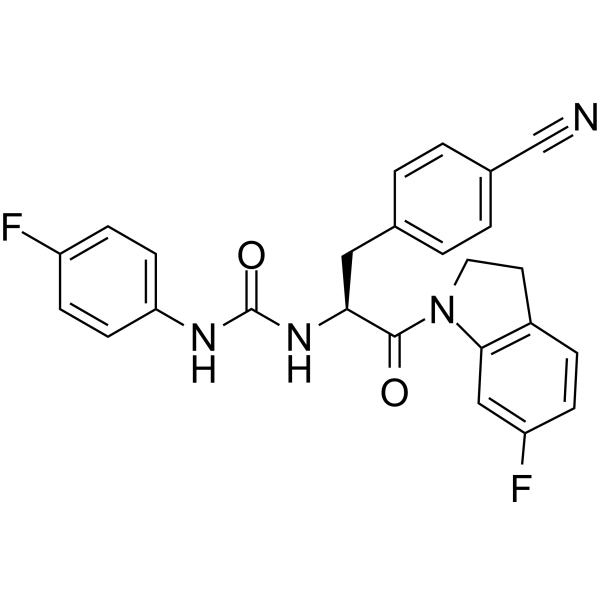
    STAT3-IN-29 (Compound B20) is an inhibitor for STAT3. STAT3-IN-29 inhibits the proliferation of HaCaT cell with IC50 of 0.09 µM, ameliorates the IMQ-induced psoriasis in mouse models .
    STAT3-IN-29
  • HY-P10101

    APTscr

    STAT Others
    APT STAT3, scrambled (APTscr), a control peptide of STAT3-specific aptide (APTSTAT3), does not bind STAT3. APT STAT3, scrambled contains the same trpzip scaffold but with a scrambled sequence in the target-binding site .
    APT STAT3, scrambled
  • HY-170977

    JAK STAT Inflammation/Immunology
    JAK1/STAT3-IN-1 (compound 4f) is an anti-AD (atopic dermatitis) agent by inhibiting JAK1/STAT3 signaling pathway. JAK1/STAT3-IN-1 inhibits NO generation with an IC50 of 2.17 μM. JAK1/STAT3-IN-1 improves the skin condition of AD-like mice, reduces inflammatory infiltration, inhibits the expressions of p-JAK1/JAK1 and p-STAT3/STAT3, and mitigates the excessive immune response on Calcipotriol (HY-10001) (MC903)-induced AD-like mice .
    JAK1/STAT3-IN-1
  • HY-N2959R

    Reference Standards JAK STAT Apoptosis Autophagy Cancer
    Brevilin A (Standard) is the analytical standard of Brevilin A. This product is intended for research and analytical applications. Brevilin A is an orally active STAT3/JAK inhibitor (STAT3 IC50= 10.6 μM). Brevilin A shows anti-tumor activity, anti-proliferative activity to cancer cells, and can induce apoptosis and autophagy .
    Brevilin A (Standard)
  • HY-173000

    Apoptosis Ferroptosis STAT Cancer
    STAT3-IN-40 (Compound 8b) is an anti-cancer agent. STAT3-IN-40 can trigger the immune responses of CD4+ and CD8+ T lymphocytes and induce ferroptosis and apoptosis of tumor cells by inhibiting the expression and phosphorylation of STAT3. STAT3-IN-40 can be used in the research of chemoimmunotherapeutic agents for cancer .
    STAT3-IN-40
  • HY-N8098

    STAT Autophagy JAK Cancer
    Pulchinenoside E2 is a triterpenoid saponin. Pulchinenoside E2 inhibits the phosphorylation of STAT3 and JAK2, blocks the nuclear translocation and transcriptional activity of STAT3, and suppresses STAT3-dependent mitochondrial oxidative phosphorylation. Pulchinenoside E2 inhibits invasion, migration and autophagy of triple-negative breast cancer cells. Pulchinenoside E2 can be used in research related to triple-negative breast cancer .
    Pulchinenoside E2
  • HY-169007

    STAT Inflammation/Immunology
    STAT3-IN-34 (Compound 15E) is an inhibitor for STAT3, and inhibits the nuclear translocation and transcriptional regulator activity of STAT3. STAT3-IN-34 inhibits the proliferation of cell HaCaT with IC50 of 0.008 μM. STAT3-IN-34 inhibits IL-17A expression and ameliorates Imiquimod (HY-B0180)-induced psoriasis in mice .
    STAT3-IN-34
  • HY-169797

    STAT Survivin Apoptosis Cancer
    STAT3-IN-38 (Compound 4m) is an inhibitor of STAT3 (KD of rhSTAT3: 45.33  µM). STAT3-IN-38 binds to the SH2 domain of STAT3 protein and suppresses the STAT3’s phosphorylation at site pTyr705 as well as its downstream genes (Survivin and Mcl-1). STAT3-IN-38 could block cell-cycle and induce Apoptosis in colorectal cancer cells .
    STAT3-IN-38
  • HY-108417

    STAT JAK Bcr-Abl Cancer
    Debio 0617B, a multi-kinase inhibitor, reduces maintenance and self-renewal of primary human AML CD34 + stem/progenitor cells. Debio 0617B has a unique profile targeting key kinases upstream of STAT3/STAT5 signaling such as JAK, SRC, ABL, and class III/V receptor tyrosine kinases (TKs). Debio 0617B has documented efficacy in STAT3-driven solid tumors .
    Debio 0617B
  • HY-173280

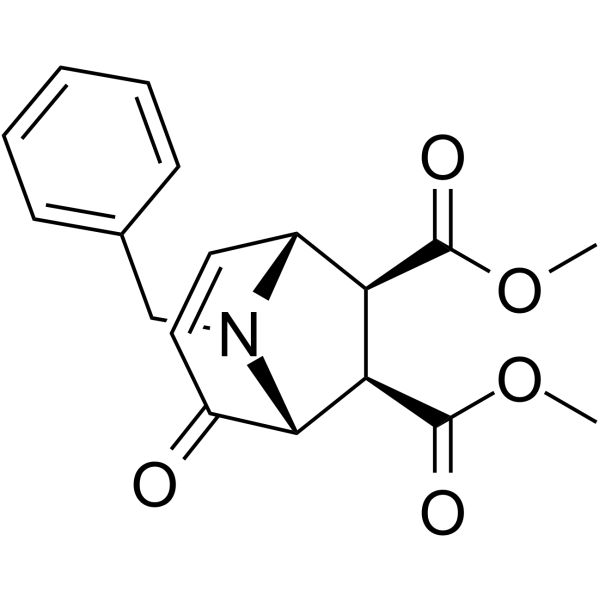
    CHNQD-01228

    Arf Family GTPase BMX Kinase Cancer
    Brefeldin A 4-O-nicotinate (CHNQD-01228) is a dual inhibitor of Arf1 and BMX proteins. The IC50 value for the proliferation of T24 cells is 0.22 μM. It can also dose-dependently inhibit the migration and colony formation of T24 cells, induce G1 phase arrest and trigger Apoptosis. Brefeldin A 4-O-nicotinate exerts its anti-cancer activity by targeting the BMX protein to inhibit the AKT/p-AKT and STAT3/p-STAT3 signaling pathways, as well as by inhibiting the Arf1 protein to eliminate bladder cancer stem cells and activate anti-tumor immunity. Brefeldin A 4-O-nicotinate can be used in the research related to bladder cancer .
    Brefeldin A 4-O-nicotinate
  • HY-N6953R

    Reference Standards STAT Keap1-Nrf2 Reactive Oxygen Species (ROS) Neurological Disease
    Garcinone D (Standard) is the analytical standard of Garcinone D (HY-N6953). This product is intended for research and analytical applications. Garcinone D is an activator of the STAT3/Cyclin D1 and Nrf2/HO-1 pathways, and an inhibitor of CDK2/CyclinE1 (IC50 for CDK2/CyclinE1 is 28.23 μM). Garcinone D promotes neural stem cell proliferation by activating STAT3 phosphorylation and Cyclin D1 expression and enhancing the Nrf2/HO-1 signaling pathway. In addition, Garcinone D blocks the tumor cell cycle by inhibiting CDK2/CyclinE1. Garcinone D can promote the proliferation of C17.2 neural stem cells and inhibit prostate and breast cancer .
    Garcinone D (Standard)
  • HY-N17494

    STAT Bcl-2 Family CDK Cancer
    Crispene E is a STAT3 inhibitor with an IC50 of 10.27 μM against STAT3 dimerization. Crispene E exerts specific cytotoxicity against STAT3-dependent MDA-MB-231 breast cancer cells. Crispene E is applicable to research related to breast cancer .
    Crispene E
  • HY-107460R

    Reference Standards Ephrin Receptor Cancer
    LDN-211904 oxalate (Standard) is the analytical standard of LDN-211904 (oxalate) (HY-107460). This product is intended for research and analytical applications. LDN-211904 oxalate is a potent and reversible EphB3 inhibitor with an IC50 of 79 nM. LDN-211904 oxalate shows good metabolic stability in mouse liver microsomes. LDN-211904 oxalate with Cetuximab (HY-P9905) could be effective in inhibiting STAT3-activated colorectal cancer (CRC) stemness and Cetuximab resistance in CRC .
    LDN-211904 oxalate (Standard)
  • HY-182510

    STAT Interleukin Related Apoptosis Cancer
    NTZ-24 is a selective STAT3 pathway inhibitor. NTZ-24 suppresses STAT3 phosphorylation at Tyr705, blocks STAT3-DNA interaction, and downregulates the levels of STAT3 downstream target proteins. NTZ-24 induces cell-cycle arrest and promotes apoptosis in cancer cells. NTZ-24 exerts significant antiproliferative activity against HeLa cells (IC50 = 3.3 μM). NTZ-24 can be used for the research of cervical cancer .
    NTZ-24
  • HY-177990

    STAT MMP Apoptosis Cancer
    STAT3-IN-52 (Compound 9) is a selective and orally active signal transducer and activator of transcription 3 (STAT3) inhibitor. STAT3-IN-52 binds to the pY705 site of STAT3 (Ki = 440 nM), blocking the phosphorylation and dimerization of STAT3. STAT3-IN-52 shows strong cytotoxicity against various cancer cells, such as breast cancer MDA-MB-231 (IC50 = 0.7 μM), medulloblastoma UW426, pancreatic cancer BKPC3 cells. STAT3-IN-52 can induce cell apoptosis, inhibit the STAT3 nuclear transport and DNA binding activity and downregulate the expression of the STAT3 target gene MMP9. STAT3-IN-52 can be used for research related to STAT3 abnormal activation in cancer .
    STAT3-IN-52

Inquiry Online

Your information is safe with us. * Required Fields.

Salutation


Country or Region *

Applicant Name *


Organization Name *

Department *


Email Address *


Product Name *

Cat. No.


Requested quantity *

Phone Number *


Remarks

Inquiry Online

Inquiry Information

Product Name:
Cat. No.:
Quantity:
MCE Japan Authorized Agent:

