
1. Search Result
Search Result
Results for "

STING activator

" in MedChemExpress (MCE) Product Catalog:

102

Inhibitors & Agonists

1

Screening Libraries

1

Fluorescent Dyes

1

Biochemical Assay Reagents

1

Inhibitory Antibodies

8

Natural
Products

2

Click Chemistry

1

Oligonucleotides

Targets Recommended:
Cat. No. Product Name Target Research Areas Chemical Structure
  • HY-10964
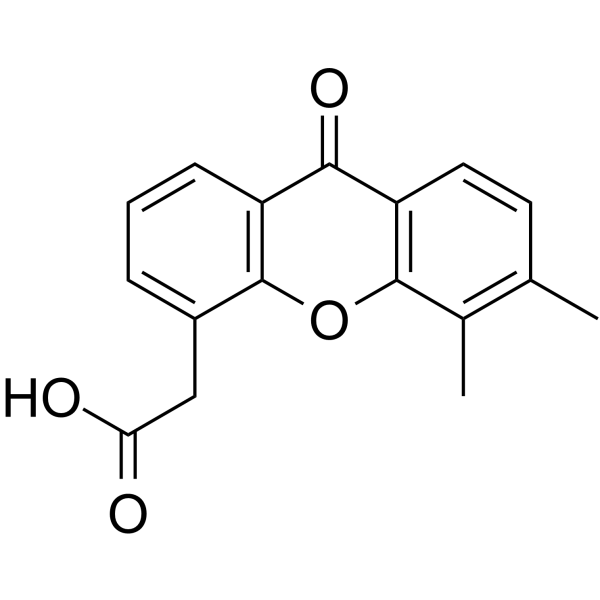
    Vadimezan
    70+ Cited Publications

    DMXAA; ASA-404

    STING IFNAR Influenza Virus Infection Cancer
    Vadimezan (DMXAA), the tumor vascular disrupting agent (tumor-VDA), is a murine agonist of the stimulator of interferon genes (STING) and also a potent inducer of type I IFNs and other cytokines. Vadimezan is unable to activate human STING. Vadimezan has anti-influenza virus H1N1-PR8 activities.
    Vadimezan
  • HY-112906
    C-176
    Maximum Cited Publications
    110 Publications Verification

    STING Inflammation/Immunology
    C-176 is a selective and blood-brain barrier permeable STING inhibitor. C-176 covalently targets transmembrane cysteine residue 91 and thereby blocking activation-induced palmitoylation of STING .
    C-176
  • HY-12212
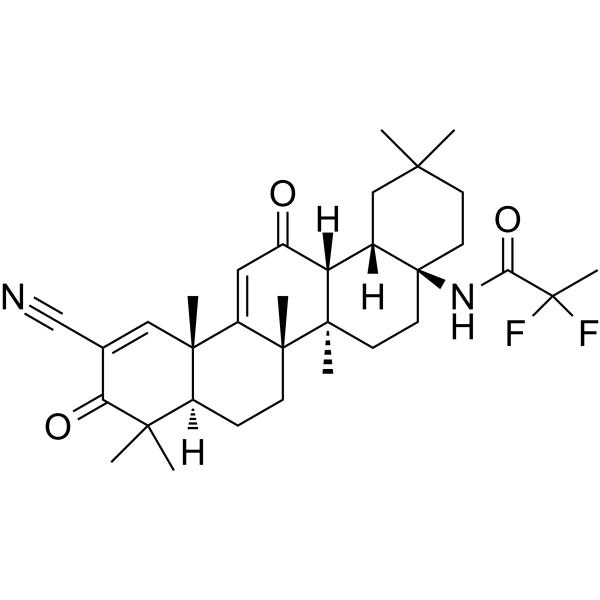
    Omaveloxolone
    20+ Cited Publications

    RTA 408

    Keap1-Nrf2 STING Apoptosis Inflammation/Immunology Cancer
    Omaveloxolone (RTA 408) is an antioxidant inflammation modulator (AIM), which activates Nrf2 and suppresses nitric oxide (NO). Omaveloxolone attenuates osteoclastogenesis by inhibiting STING dependent NF-κb signaling.
    Omaveloxolone
  • HY-12512
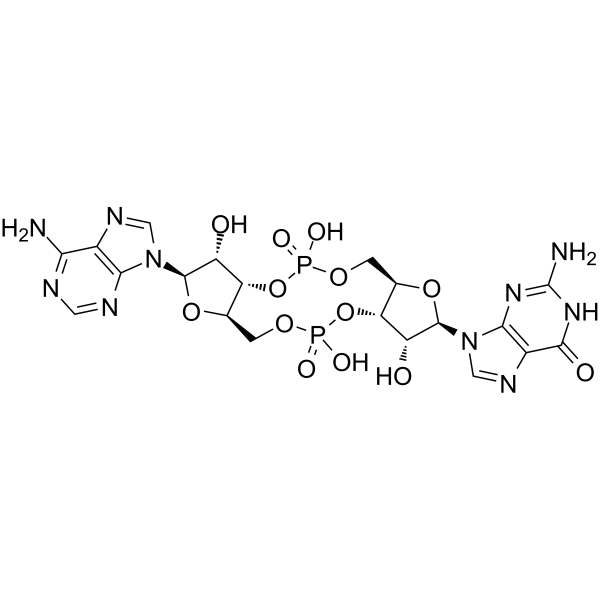
    cGAMP
    25+ Cited Publications

    Cyclic GMP-AMP; 3',3'-cGAMP

    STING Inflammation/Immunology
    cGAMP (Cyclic GMP-AMP) functions as an endogenous second messenger in metazoans and triggers interferon production in response to cytosolic DNA. cGAMP activates stimulator of interferon genes (STING), which activates a signaling cascade leading to the production of type I interferons and other immune mediators .
    cGAMP
  • HY-13902
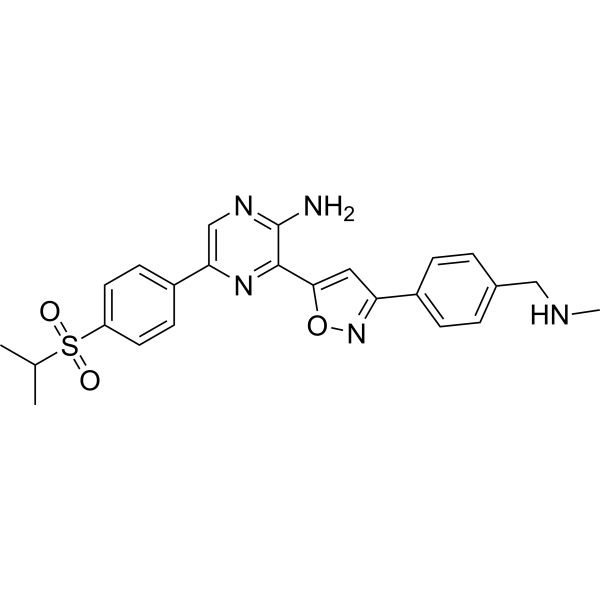
    Berzosertib
    20+ Cited Publications

    VE-822; VX-970; M6620

    ATM/ATR Apoptosis STING Caspase Infection Metabolic Disease Cancer
    Berzosertib (VE-822) is an orally active, CNS-penetrant, and selective ATR kinase inhibitor. Berzosertib blocks ATR kinase activity, abrogates G2/M cell cycle checkpoint, impairs DNA damage repair. Berzosertib induces apoptosis, inhibnits conlony migration, inhibits cell proliferation, and activates cGAS-STING axes in cancer cells. Berzosertib can be used for the research of cancers, such as head and neck squamous cell carcinoma, and colorectal cancer .
    Berzosertib
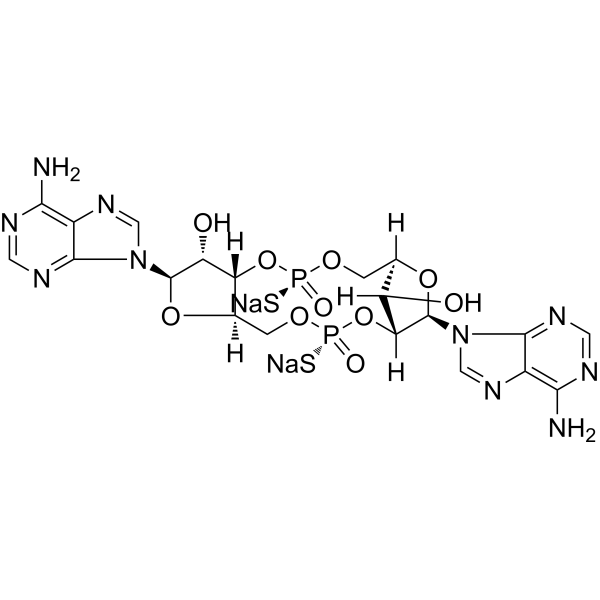
  • HY-12885A

    ADU-S100 disodium salt; MIW815 disodium salt; ML RR-S2 CDA disodium salt

    STING Inflammation/Immunology Cancer
    2’3’-c-di-AM(PS)2 (Rp,Rp) disodium salt (ADU-S100 disodium salt) is an activator of stimulator of interferon genes (STING).
    2’3’-c-di-AM(PS)2 (Rp,Rp) disodium salt
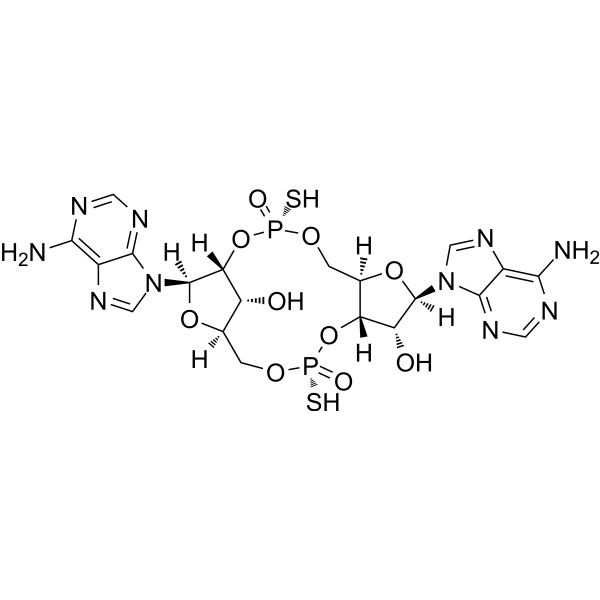
  • HY-12885
    2’3’-c-di-AM(PS)2 (Rp,Rp)
    85+ Cited Publications

    ADU-S100; MIW815; ML RR-S2 CDA

    STING Inflammation/Immunology Cancer
    2’3’-c-di-AM(PS)2 (Rp,Rp) (ADU-S100), an activator of stimulator of interferon genes (STING), leads to potent and systemic tumor regression and immunity .
    2’3’-c-di-AM(PS)2 (Rp,Rp)
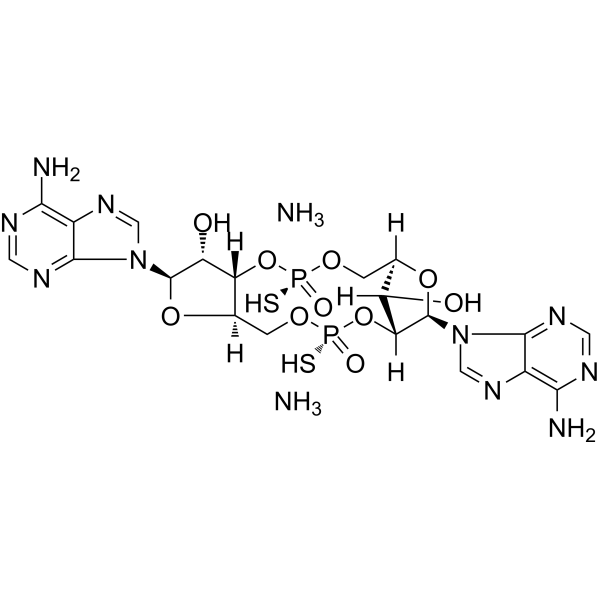
  • HY-12885B

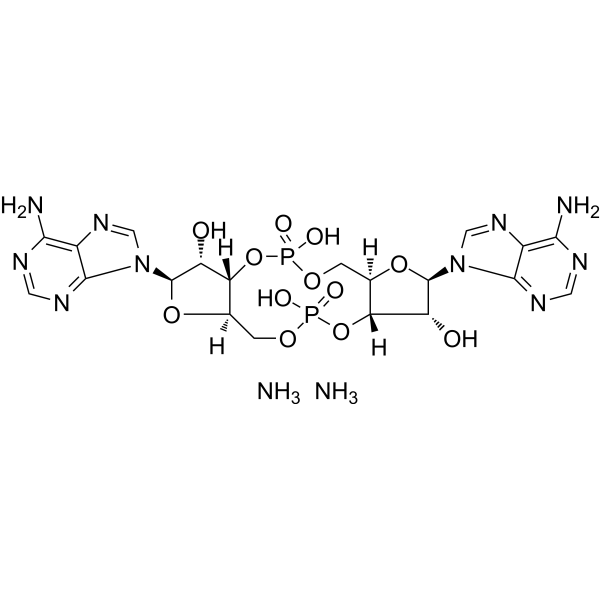
    ADU-S100 ammonium salt; MIW815 ammonium salt; ML RR-S2 CDA ammonium salt

    STING Inflammation/Immunology Cancer
    2’3’-c-di-AM(PS)2 (Rp,Rp) ammonium salt (ADU-S100 ammonium salt), an activator of stimulator of interferon genes (STING), leads to potent and systemic tumor regression and immunity .
    2’3’-c-di-AM(PS)2 (Rp,Rp) ammonium salt
  • HY-145010
    SN-011
    10+ Cited Publications

    STING Inflammation/Immunology
    SN-011 is a potent and selective mouse and human STING inhibitor, with an IC50 of 76 nM for STING signaling. SN-011 competes with cyclic dinucleotide (CDN) for the binding pocket of the STING dimer, blocking CDN binding and STING activation. SN-011 can be used for the research of STING-driven autoimmune and inflammatory disease .
    SN-011
  • HY-12326A
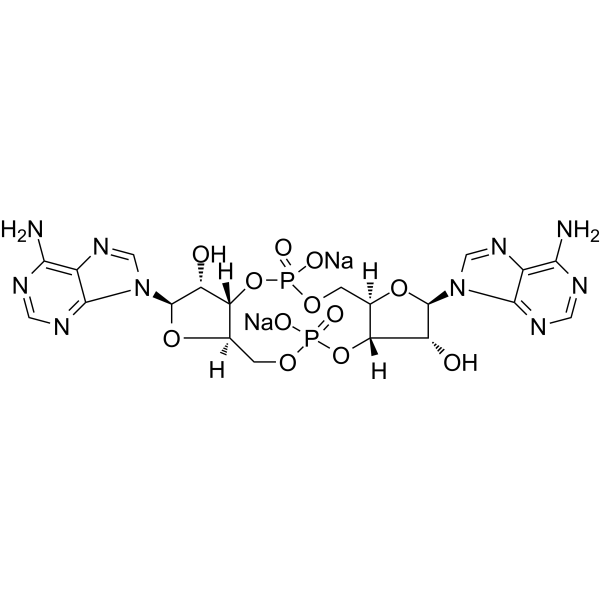
    c-di-AMP disodium
    15+ Cited Publications

    Cyclic diadenylate disodium; Cyclic-di-AMP disodium

    STING Bacterial Endogenous Metabolite Inflammation/Immunology
    c-di-AMP (Cyclic diadenylate) sodium is a STING agonist, which binds to the transmembrane protein STING thereby activating the TBK3-IRF3 signaling pathway, subsequently triggering the production of type I IFN and TNF. c-di-AMP sodium is also a bacterial second messenger, which regulates cell growth, survival, and virulence, primarily within Gram-positive bacteria, and also regulates host immune response. c-di-AMP sodium acts as a potent mucosal adjuvant stimulating both humoral and cellular responses .
    c-di-AMP disodium
  • HY-10249
    GSK-690693
    40+ Cited Publications

    Akt AMPK Autophagy Cancer
    GSK-690693 is an ATP-competitive pan-Akt inhibitor with IC50s of 2 nM, 13 nM, 9 nM for Akt1, Akt2 and Akt3, respectively. GSK-690693 is also an AMPK inhibitor, affects Unc-51-like autophagy activating kinase 1 (ULK1) activity and robustly inhibits STING-dependent IRF3 activation .
    GSK-690693
  • HY-123963
    C-178
    5+ Cited Publications

    STING Inflammation/Immunology
    C-178 is a potent and selective covalent inhibitor of STING. C-178 binds to Cys91 and suppresses the STING responses elicited by distinct bona fide activators in mouse but not human .
    C-178
  • HY-148029

    TAK-676

    STING Cancer
    Dazostinag disodium (TAK-676) is an agonist of STING, triggering the activation of STING signaling pathway and type I interferons. Dazostinag disodium is also a modulator of immune system, resulting complete regressions and durable memory T-cell immunity. Dazostinag disodium promotes durable IFN-dependent antitumor immunity .
    Dazostinag disodium
  • HY-12326

    Cyclic diadenylate; Cyclic-di-AMP

    STING Bacterial Endogenous Metabolite Inflammation/Immunology
    c-di-AMP (Cyclic diadenylate) is a STING agonist, which binds to the transmembrane protein STING thereby activating the TBK3-IRF3 signaling pathway, subsequently triggering the production of type I IFN and TNF. c-di-AMP (Cyclic diadenylate) is also a bacterial second messenger, which regulates cell growth, survival, and virulence, primarily within Gram-positive bacteria, and also regulates host immune response. c-di-AMP (Cyclic diadenylate) acts as a potent mucosal adjuvant stimulating both humoral and cellular responses .
    c-di-AMP
  • HY-147010
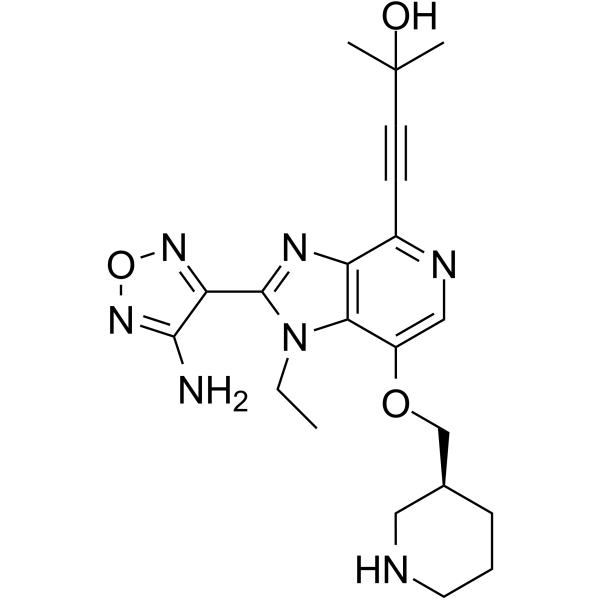
    STING agonist-12
    2 Publications Verification

    STING Inflammation/Immunology
    STING agonist-12 (Compound 53) is a potent, orally active human STING activator with an EC50 of 185 nM .
    STING agonist-12
  • HY-164919

    XMT-2056

    Antibody-Drug Conjugates (ADCs) EGFR STING Inflammation/Immunology Cancer
    Calotatug ginistinag (XMT-2056) is an antibody-drug conjugate targeting HER2, with an effective payload connected via a linker (LP, HY-148067) to a STING agonist (STING agonist-20, HY-148068), and has potential immune activation and anticancer activity .
    Calotatug ginistinag
  • HY-110385
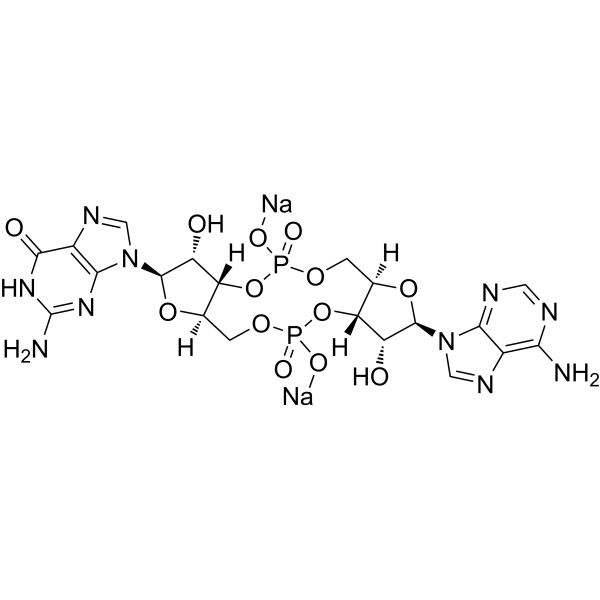
    cGAMP disodium
    Maximum Cited Publications
    26 Publications Verification

    Cyclic GMP-AMP disodium; 3',3'-cGAMP disodium

    STING Endogenous Metabolite Inflammation/Immunology
    cGAMP (Cyclic GMP-AMP) disodium functions as an endogenous second messenger in metazoans and triggers interferon production in response to cytosolic DNA. cGAMP diammonium activates stimulator of interferon genes (STING), which activates a signaling cascade leading to the production of type I interferons and other immune mediators .
    cGAMP disodium
  • HY-116282B

    DSS (MW 16000-24000); DXS (MW 16000-24000)

    Biochemical Assay Reagents STING Others
    Dextran sulfate sodium salt (DSS) (MW 16000-24000) is a polymer of dehydrated glucose with a molecular weight of approximately 16000-24000. Dextran sulfate sodium salt with different molecular weights exhibits different biological activities. Dextran sulfate sodium salt (MW 16000-24000) induces STING polymerization and TBK1 activation .
    Dextran sulfate sodium salt (MW 16000-24000)
  • HY-162874

    STING IFNAR Cancer
    diABZI-V/C-DBCO is a STING agonist with an EC50 of 1.47 nM. diABZI-V/C-DBCO activates the STING pathway, induces the production of IFN-I, and stimulates the secretion of IFN-β. diABZI-V/C-DBCO serves as a substrate for cathepsin B, and releases active diABZI-amine via cathepsin B-mediated cleavage. In an orthotopic mouse model of breast cancer, diABZI-V/C-DBCO increases serum IFN-β levels and the frequency of granzyme B + CD8 + T cells. diABZI-V/C-DBCO is applicable to research related to triple-negative breast cancer .
    diABZI-V/C-DBCO
  • HY-168034

    STING Integrin NF-κB SARS-CoV Infection Inflammation/Immunology
    diABZI-4 is a STING activator and broad-spectrum antiviral agent with immunostimulatory activity. diABZI-4 triggers the TBK1-IRF3 and NF-κB signaling cascades by inducing STING oligomerization, thereby promoting the production of type I/III interferons and various proinflammatory cytokines. diABZI-4 exhibits broad-spectrum antiviral activity and effectively inhibits the replication of influenza A virus, SARS-CoV-2, herpes simplex virus, and other viruses. diABZI-4 also activates lymphocytes and macrophages to provide significant pre- and post-exposure protection in viral disease models. diABZI-4 can be used to study COVID-19, respiratory viral infections, and related immunopathological mechanisms .
    diABZI-4
  • HY-152955
    STING agonist-22
    1 Publications Verification

    STING Infection Inflammation/Immunology
    STING agonist-22 (CF501) is a potent non-nucleotide STING agonist. STING agonist-22 is a adjuvant by activating STING to induce the type I interferon (IFN-I) response and proinflammatory cytokine production. STING agonist-22 can be used as an adjuvant to boost the original protein vaccine, producing potent, broad, and long-term immune protection. STING agonist-22 can be used for SARS-CoV-2 variants and sarbecovirus diseases research .
    STING agonist-22
  • HY-128481

    STING Inflammation/Immunology Cancer
    SB24011 is a STING modulator and a TRIM29-STING protein-protein interaction inhibitor. SB24011 blocks TRIM29-induced K48-linked specific ubiquitination by binding to STING, thereby upregulating intracellular STING protein levels. SB24011 enhances inflammatory cytokine expression and STING-mediated immune responses, and exhibits abscopal antitumor activity that promotes tumor regression and activates T cell infiltration. When combined with STING agonists or anti-PD1 antibodies, SB24011 synergistically enhances antitumor responses. SB24011 is suitable for research related to colon cancer and melanoma .
    SB24011
  • HY-148488

    Liposome STING Inflammation/Immunology Cancer
    A18-Iso5-2DC18 (Compound A18) is a cyclic lipidoid. A18-Iso5-2DC18 partially activates STING. A18-Iso5-2DC18 promotes mRNA protein expression and induces a strong immune response. A18-Iso5-2DC18 can be used in melanoma research .
    A18-Iso5-2DC18
  • HY-N0660

    Apoptosis PARP Caspase AMPK Autophagy VEGFR Keap1-Nrf2 STING 11β-HSD Ferroptosis PI3K Akt p38 MAPK ERK Neurological Disease Metabolic Disease Inflammation/Immunology Cancer
    Jujuboside B is a bioactive saponin component isolated from Ziziphi Spinosae Semen (sour jujube seed), with oral efficacy and blood-brain barrier permeability. Jujuboside B induces acute leukemia cell death and drives necroptosis apoptosis by activating the RIPK1/RIPK3/MLKL pathway. Jujuboside B upregulates the expression of NOXA, PARP and caspase-3, activates AMPK, inhibits the proliferation of breast cancer cells, and induces cell apoptosis and autophagy. Jujuboside B inhibits angiogenesis and tumor growth by blocking the VEGFR-2 signaling pathway. Jujuboside B alleviates liver injury in mice by regulating the Nrf2-STING signaling pathway . Jujuboside B alleviates liver injury by regulating anti-inflammatory responses and downregulating the expression of 11β-HSD2. Jujuboside B induces ferroptosis and overcomes radioresistance in non-small cell lung cancer via the PPARγ-ATF3-Gpx4 signaling pathway. Jujuboside B exerts inhibitory effects on platelet aggregation. Jujuboside B inhibits febrile seizures by suppressing the activity of AMPA receptors. Jujuboside B reverses chronic unpredictable mild stress-promoted tumor progression by blocking the PI3K/Akt and MAPK/ERK pathways and dephosphorylating CREB signaling. Jujuboside B is applicable to related studies on acute leukemia, breast cancer, PM2.5-induced lung injury, hepatotoxicity, liver injury, colorectal cancer, non-small cell lung cancer, thromboembolic diseases, cardiovascular diseases associated with high platelet aggregation, febrile seizures, and depressive-like phenotypes .
    Jujuboside B
  • HY-138683
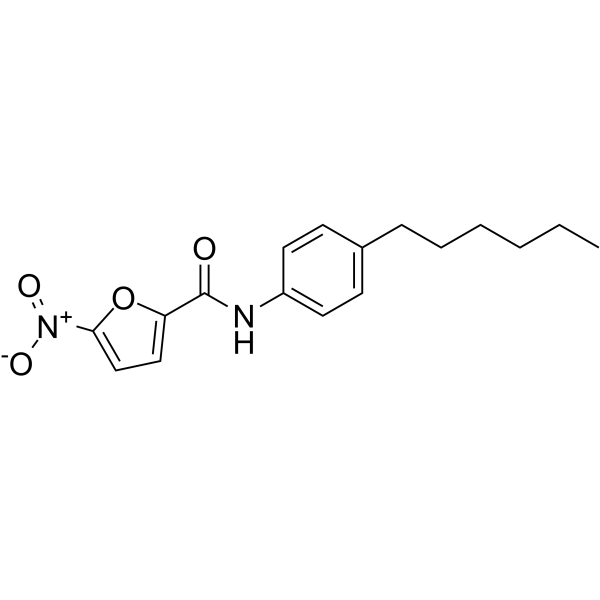
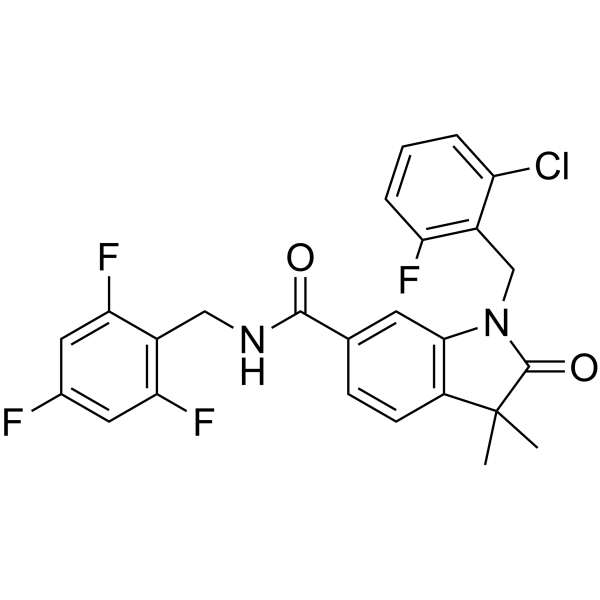
    STING-IN-3
    2 Publications Verification

    STING Inflammation/Immunology
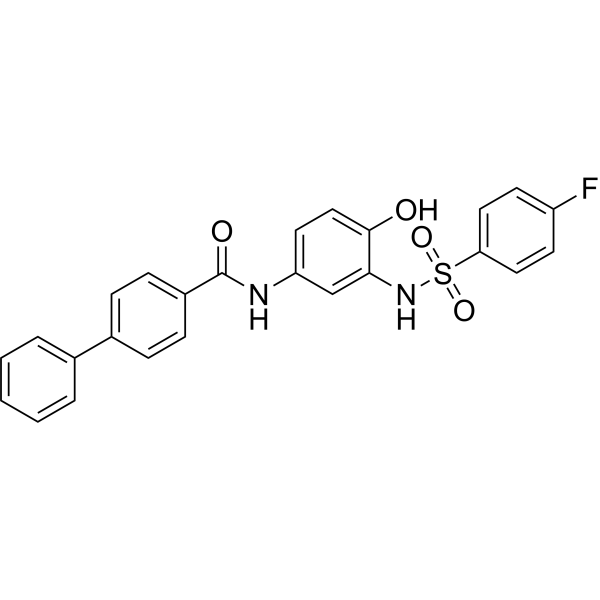
    STING-IN-3 is an inhibitor of stimulator of interferon genes (STING). STING-IN-3 efficiently inhibits both hsSTING and mmSTING through covalently target the predicted transmembrane cysteine residue 91 and thereby block the activation-induced palmitoylation of STING .
    STING-IN-3
  • HY-177338

    STING Cyclic GMP-AMP Synthase IFNAR TNF Receptor Interleukin Related Inflammation/Immunology Cancer
    STING agonist-45 is a selective STING agonist (EC50 = 0.28 μM). STING agonist-45 activates the innate immune response through the cGAS-STING pathway, upregulating key markers such as p-TBK1 and IRF3. STING agonist-45 exhibits robust STING activation in human peripheral blood mononuclear cells (PBMCs), inducing the production of type I interferons (such as IFN-β) and downstream cytokines (such as TNF-α and IL-6). STING agonist-45 enhances anti-tumor immunity, inhibits tumor growth, and increases CD8 + T cell infiltration in mouse models. STING agonist-45 is promising for the study of STING-related diseases .
    STING agonist-45
  • HY-164278

    STING Cathepsin Cancer
    diABZI-V/C-Mal is a STING agonist (with a STING EC50 of 314 nM in TH1 dual reporter cells) and a Cathepsin B substrate. diABZI-V/C-Mal activates STING, thereby triggering the IRF3 signaling pathway. diABZI-V/C-Mal is cleaved by Cathepsin B to regenerate diABZI-NH2 .
    diABZI-V/C-Mal
  • HY-157214
    NVS-STG2
    1 Publications Verification

    STING Molecular Glues Cancer
    NVS-STG2 is a molecular glue that targets STINGactivates STING-mediated immune signaling. NVS-STG2 induces higher-order oligomerization of human STING by binding to pockets between adjacent STING dimer transmembrane domains, effectively acting as a molecular glue. NVS-STGI enhances the activity of cGAMP by inducing the formation of more abundant and larger oligomers. NVS-STG2 produces antitumor activity in animal models .
    NVS-STG2
  • HY-151970

    STING Inflammation/Immunology
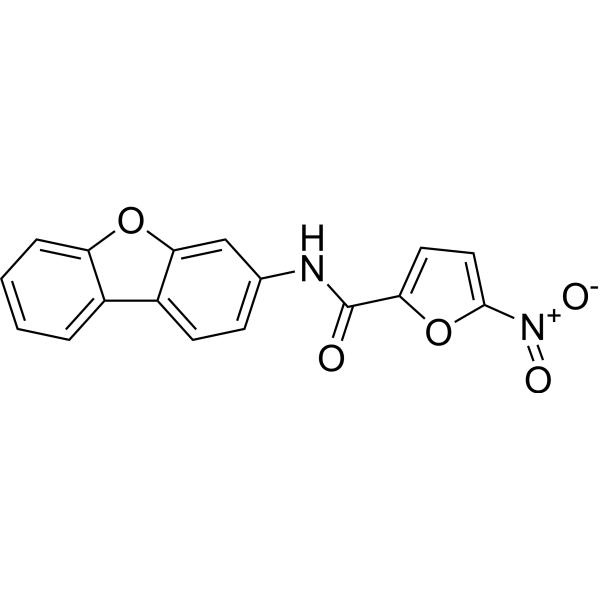
    STING-IN-4 (Compound 1) is a STING inhibitor that inhibits STING expression and hence reducing activation of STING and nuclear factor-κB (NF-κB) signaling. STING-IN-4 shows anti-inflammatory activity and can be used for the research of sepsis .
    STING-IN-4
  • HY-158045

    PROTACs PARP Cancer
    PROTAC PARP1 degrader-1 is a PARP1 PROTAC degrader with a DC50 value of 252.5 nM. PROTAC PARP1 degrader-1, combined with Daunorubicin (HY-13062A), induces the accumulation of cytoplasmic DNA fragments, activates the cGAS/STING innate immune pathway, and remodels the tumor microenvironment. PROTAC PARP1 degrader-1 can be used in research related to breast cancer .
    PROTAC PARP1 degrader-1
  • HY-164288

    TDI-006570

    Cyclic GMP-AMP Synthase STING Neurological Disease Inflammation/Immunology
    TDI-6570 (TDI-006570) is a blood-brain barrier-permeable, orally active cGAS inhibitor with an IC50 of 1.64 μM. TDI-6570 exhibits high gastrointestinal absorption and a long brain half-life in mice, and shows no toxicity to primary neurons. By inhibiting the cGAS-STING-IFN signaling pathway, TDI-6570 reduces STING levels and the activation of TBK1, blocks double-stranded DNA-induced cGAS activation and downstream interferon-stimulated gene expression, thereby reducing tau protein spread and improving synaptic loss. TDI-6570 reverses memory deficits, increases the amplitude of long-term potentiation, enhances the MEF2C transcriptional network, restores PSD-95 and vGAT punctate structures, and significantly improves cognitive resilience. TDI-6570 can be applied to the research of Alzheimer's disease, Parkinson's disease, systemic lupus erythematosus, as well as various central nervous system and autoimmune diseases .
    TDI-6570
  • HY-152959

    STING Infection Cancer
    STING agonist-26 (CF508) is a non-nucleotide small-molecule STING agonist. STING agonist-23 activates STING, increases phosphorylation of STING, TBK1 and IRF3. STING agonist-23 promotes the levels of IFN-β, IL-6, CXCL-10, TNF-α, ISG-15, and CCL-5 in tumor cells. STING agonist-23 exhibits activity against SARS-CoV series strains .
    STING agonist-26
  • HY-12326B
    c-di-AMP diammonium
    15+ Cited Publications

    Cyclic diadenylate diammonium; Cyclic-di-AMP diammonium

    STING Bacterial Endogenous Metabolite Inflammation/Immunology
    c-di-AMP diammonium is a STING agonist, which binds to the transmembrane protein STING thereby activating the TBK3-IRF3 signaling pathway, subsequently triggering the production of type I IFN and TNF. c-di-AMP diammonium is also a bacterial second messenger, which regulates cell growth, survival, and virulence, primarily within Gram-positive bacteria, and also regulates host immune response. c-di-AMP diammonium acts as a potent mucosal adjuvant stimulating both humoral and cellular responses .
    c-di-AMP diammonium
  • HY-12885C

    ADU-S100 enantiomer ammonium salt; MIW815 enantiomer ammonium salt; ML RR-S2 CDA enantiomer ammonium salt

    IFNAR Inflammation/Immunology
    2’3’-c-di-AM(PS)2 (Rp,Rp) enantiomer ammonium salt (ADU-S100 enantiomer ammonium salt) is the less active enantiomer of 2’3’-c-di-AM(PS)2 (Rp,Rp). 2’3’-c-di-AM(PS)2 (Rp,Rp) is an activator of stimulator of interferon genes (STING) .
    2’3’-c-di-AM(PS)2 (Rp,Rp) enantiomer ammonium salt
  • HY-139179

    STING Infection Cancer
    STING agonist-14 (compound 12b) is a potent STING agonist that is efficacious across species. STING agonist-14 could activate the pathway by directly binding human STING. STING agonist-14 can be used for the research of tumours or viral infections .
    STING agonist-14
  • HY-152956

    STING Infection Cancer
    STING agonist-23 (CF502) is a non-nucleotide small-molecule STING agonist. STING agonist-23 activates STING, increases phosphorylation of STING, TBK1 and IRF3. STING agonist-23 promotes the levels of IFN-β, IL-6, CXCL-10, TNF-α, ISG-15, and CCL-5 in tumor cells. STING agonist-23 exhibits activity against SARS-CoV series strains .
    STING agonist-23
  • HY-175714

    STING Inflammation/Immunology Cancer
    STING agonist-46 is an orally active STING agonist. STING agonist-46 activates the STING signaling pathway, promoting phosphorylation of TBK1 and IRF3, and secretion of IFN-β and IP-10. STING agonist-46 directly binds to STING and increases its thermal stability. STING agonist-46 demonstrates potent anti-tumor efficacy in B16F10, CT26, and 4T1 mouse models. STING agonist-46 can be used for cancer immunotherapy studies .
    STING agonist-46
  • HY-162133

    STING Apoptosis IKK IFNAR NF-κB Cancer
    MSA-2-Pt, platinum salt-modified MSA-2 (HY-136927), is a STING agonist. MSA-2-Pt inducing cell
    death by platinum and activating the STING pathway by MSA-2. MSA-2-Pt direct activates STING pathway, induces phosphorylation of TBK1, IRF3, and NF-κB p65. MSA-2-Pt enhances tumor infiltration of CD4 + and CD8 + T cells, and induces tumor cell death and apoptosis in mouse colon carcinoma and melanoma models .
    MSA-2-Pt
  • HY-175167

    STING IFNAR Inflammation/Immunology
    diABZI-i is an orthogonal STING inhibitor. diABZI-i significantly inhibits cGAMP-induced IFNβ in PBMCs. diABZI-i also activates constitutive signaling of V155M SAVI and exerts potent agonistic effects in the STING V155M THP-1 cell model. diABZI-i can be used for research on monogenic autoinflammatory diseases such as SAVI .
    diABZI-i
  • HY-138646

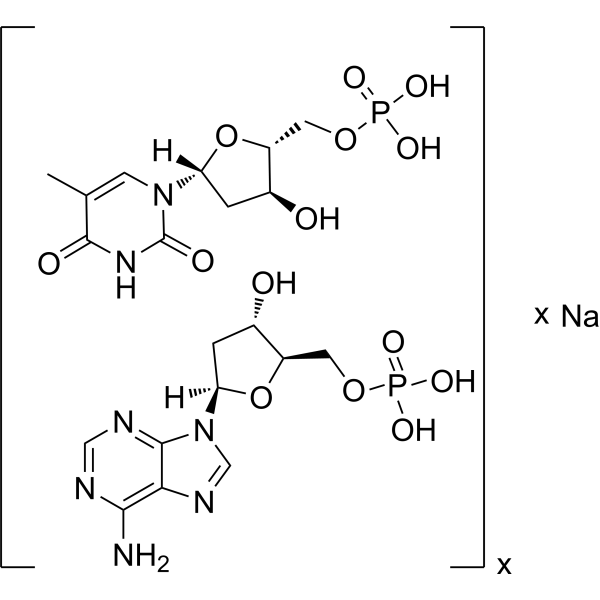
    Poly(dA:dT) sodium

    Cyclic GMP-AMP Synthase STING Inflammation/Immunology
    Poly(deoxyadenylic-thymidylic) acid (Poly(dA:dT)) sodium is a double-stranded DNA stimulant. Poly(deoxyadenylic-thymidylic) acid sodium is recognized by the intracellular DNA sensor DDX41 and activates the innate immune pathway via the adaptor protein STING, inducing the production of cytokines such as type I interferons. Poly(deoxyadenylic-thymidylic) acid sodium also serves as an in vitro transcription template for free RNA polymerase .
    Poly(deoxyadenylic-thymidylic) acid sodium
  • HY-144329

    STING Inflammation/Immunology Cancer
    STING agonist-11 (Compound 92) is a potent small molecule cyclic urea activator of STING with EC50 of 18 nM. Activation of STING is a highly promising approach in immunotherapy .
    STING agonist-11
  • HY-148606

    STING Cancer
    STING modulator-3 is a STING inhibitor. STING modulator-3 inhibits R232 STING with an Ki value of 43.1 nM in scintillation proximity assay. STING modulator-3 has no effect on IRF-3 activation or TNF-β induction in THP-1 cells .
    STING modulator-3
  • HY-174136

    STING IFNAR Inflammation/Immunology
    STING Degrader-2 is an orally active STING degrader that promotes proteasome-independent degradation of STING. STING Degrader-2 inhibits cGAMP-induced STING activation, suppresses STING oligomerization, and inhibits phosphorylation of STING and interferon regulatory factor 3 (IRF3). STING Degrader-2 reduces serum IFN-β and CXCL-10 levels in a cGAMP-induced autoimmune disease mouse model. STING Degrader-2 can be used for the research of autoimmune diseases .
    STING Degrader-2
  • HY-110385A
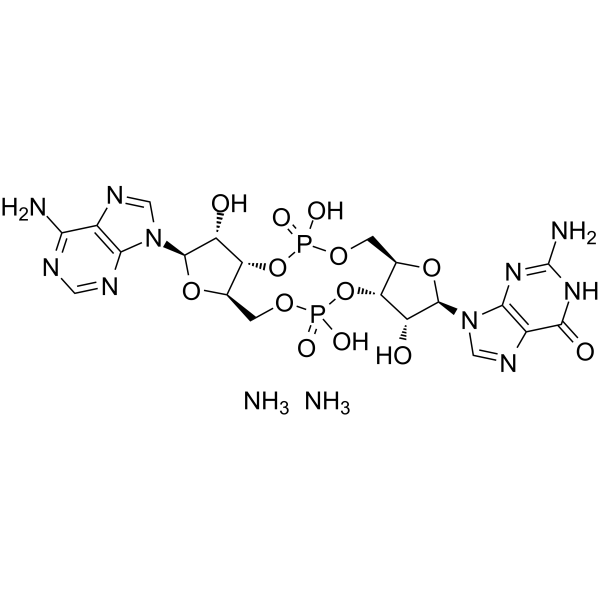
    cGAMP diammonium
    Maximum Cited Publications
    26 Publications Verification

    Cyclic GMP-AMP diammonium; 3',3'-cGAMP diammonium

    STING Endogenous Metabolite Inflammation/Immunology
    cGAMP (Cyclic GMP-AMP) diammonium functions as an endogenous second messenger in metazoans and triggers interferon production in response to cytosolic DNA. cGAMP diammonium activates stimulator of interferon genes (STING), which activates a signaling cascade leading to the production of type I interferons and other immune mediators .
    cGAMP diammonium
  • HY-10964R

    DMXAA (Standard); ASA-404 (Standard)

    STING IFNAR Influenza Virus Reference Standards Infection Cancer
    Vadimezan (Standard) (DMXAA (Standard)) is the analytical standard of Vadimezan (HY-10964). This product is intended for research and analytical applications. Vadimezan (DMXAA; ASA-404), the tumor vascular disrupting agent (tumor-VDA), is a murine agonist of the stimulator of interferon genes (STING) and also a potent inducer of type I IFNs and other cytokines. Vadimezan is unable to activate human STING. Vadimezan has anti-influenza virus H1N1-PR8 activities.
    Vadimezan (Standard)
  • HY-139678

    FLAP Opioid Receptor Apoptosis STING Neurological Disease Cancer
    SC13 is an orally active, selective Flap structure-specific endonuclease 1 (FEN1) inhibitor and mu opioid receptor (MOR) activator. SC13 impairs DNA damage repair and induces apoptosis in cancer cells. SC13 activates cGAS-STING signaling, increases chemokine secretion, and promotes CAR-T cell infiltration at solid tumour sites. SC13 can be used for the research of solid tumours and pain .
    SC13
  • HY-175478

    Phosphodiesterase (PDE) STING Inflammation/Immunology Cancer
    Enpp-1-IN-27 is a selective ENPP1 inhibitor with an IC50 of 14.68 nM, exhibiting approximately 410-fold selectivity against ENPP2 and 10-fold selectivity against ENPP3. Enpp-1-IN-27 stabilizes cGAMP levels and activates the STING pathway, promoting cytokine release and enhancing innate immune responses. Enpp-1-IN-27 induces ISRE activation and amplified cGAMP-mediated immune responses and shows the desired antitumor efficacy in the 4T1 and CT26 syngeneic mouse models. Enpp-1-IN-27 can used for the studies of breast cancer and colon cancer .
    Enpp-1-IN-27
  • HY-143321

    STING Cancer
    STING agonist-13 is a stimulator of interferon genes (STING) agonist, for cancer immunity via STING-mediated immune activation. STING agonist-13 can stimulate STING downstream signaling and promoting type I interferon immune responses. STING agonist-13 significantly decreases tumor volume and shows immunological memory-derived cancer inhibition .
    STING agonist-13
  • HY-175210

    STING Interleukin Related IFNAR Reactive Oxygen Species (ROS) Apoptosis Inflammation/Immunology
    STING-IN-16 is a STING inhibitor with IC50 values of 44 nM (human) and 32 nM (mice) for cellular STING inhibition. STING-IN-16 effectively inhibits the activation of the STING axis in both human and murine cells. STING-IN-16 can restore renal mitochondrial function, suppress reactive oxygen species (ROS) production, and reduce cell apoptosis. STING-IN-16 shows robust anti-inflammatory efiicacy in vivo. STING-IN-16 can be used for the study of autoimmune and autoinflammatory diseases .
    STING-IN-16
  • HY-152961

    STING Infection
    STING agonist-28 (CF510) is a non-nucleotide small-molecule STING agonist. STING agonist-23 activates STING, increases phosphorylation of STING, TBK1 and IRF3. STING agonist-23 promotes the levels of IFN-β, IL-6, CXCL-10, TNF-α, ISG-15, and CCL-5 in tumor cells. STING agonist-23 exhibits activity against SARS-CoV series strains .
    STING agonist-28

Inquiry Online

Your information is safe with us. * Required Fields.

Salutation


Country or Region *

Applicant Name *


Organization Name *

Department *


Email Address *


Product Name *

Cat. No.


Requested quantity *

Phone Number *


Remarks

Inquiry Online

Inquiry Information

Product Name:
Cat. No.:
Quantity:
MCE Japan Authorized Agent:

