1. Search Result
Search Result
Results for "

Small-molecule activator

" in MedChemExpress (MCE) Product Catalog:

95

Inhibitors & Agonists

12

Screening Libraries

13

Fluorescent Dye

15

Biochemical Assay Reagents

2

Peptides

1

Inhibitory Antibodies

4

Natural
Products

1

Isotope-Labeled Compounds

3

Oligonucleotides

11

GMP Molecules

Cat. No. Product Name Target Research Areas Chemical Structure
  • HY-100354
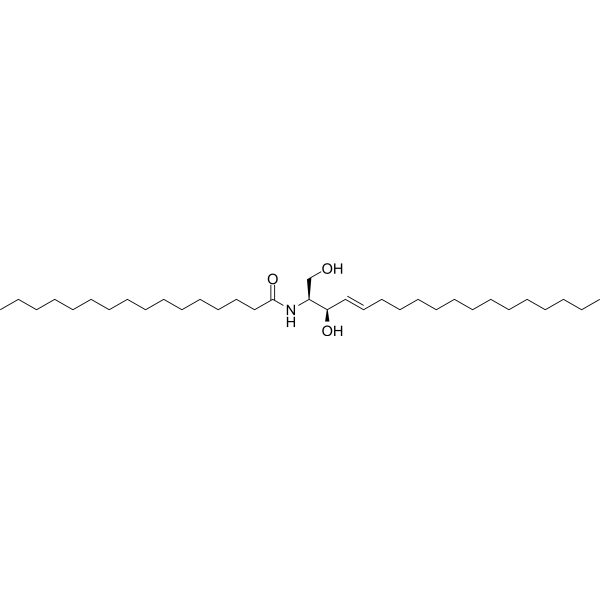
    C16-Ceramide (d18:1/16:0)
    5+ Cited Publications

    C16-Ceramide

    MDM-2/p53 Apoptosis Endogenous Metabolite Cancer
    C16-Ceramide (d18:1/16:0) is a natural small molecule activating p53 through the direct and selective binding .
    C16-Ceramide (d18:1/16:0)
  • HY-128892
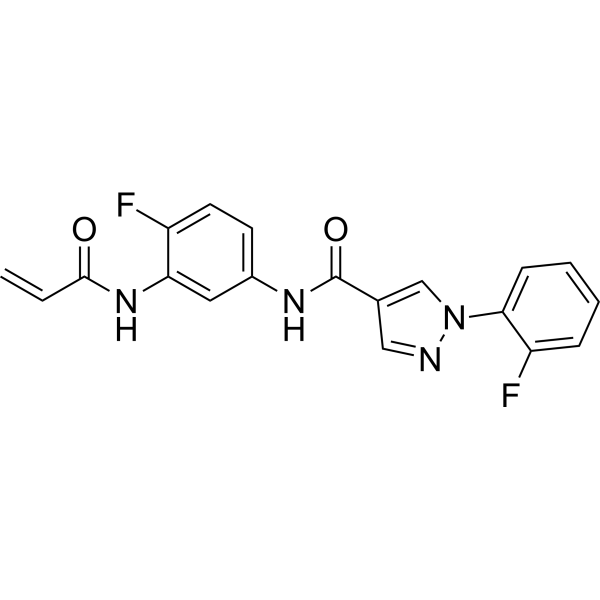
    EN6
    5 Publications Verification

    Autophagy Neurological Disease
    EN6 is a small-molecule in vivo autophagy activator that covalently targets cysteine 277 in the ATP6V1A subunit of the lysosomal v-ATPase. EN6-mediated modification of ATP6V1A uncouples v-ATPase from Rag, leading to inhibition of mTORC1 signalling, increased lysosomal acidification, and activation of autophagy. EN6 also scavenges TDP-43 aggregates (causative agents of frontotemporal dementia) in a lysosome-dependent manner .
    EN6
  • HY-154848
    UCL-TRO-1938
    3 Publications Verification

    PI3K Akt Cardiovascular Disease Neurological Disease Cancer
    UCL-TRO-1938 is a potent small molecule allosteric activator of PI3Kα with an EC50 value of approximately 60 μM. UCL-TRO-1938 can induce cell proliferation and has cardioprotective effects from ischaemia reperfusion injury and enhances nerve regeneration following nerve crush .
    UCL-TRO-1938
  • HY-132831
    Selnoflast
    1 Publications Verification

    Somalix; RO-7486967; IZD334

    NOD-like Receptor (NLR) Interleukin Related Neurological Disease Inflammation/Immunology
    Selnoflast (RO7486967), formerly somalix/RG6418/IZD334, is an orally active, potent, selective and reversible small molecule NLRP3 inflammasome inhibitor. Selnoflast is a potent inhibitor of IL-1β release stimulated by NLRP3 activation in human Alzheimer's disease (AD) monocyte-derived macrophages. Selnoflast is promising for research of AD and systemic inflammatory diseases, such as ulcerative colitis and chronic obstructive pulmonary disease .
    Selnoflast
  • HY-131296
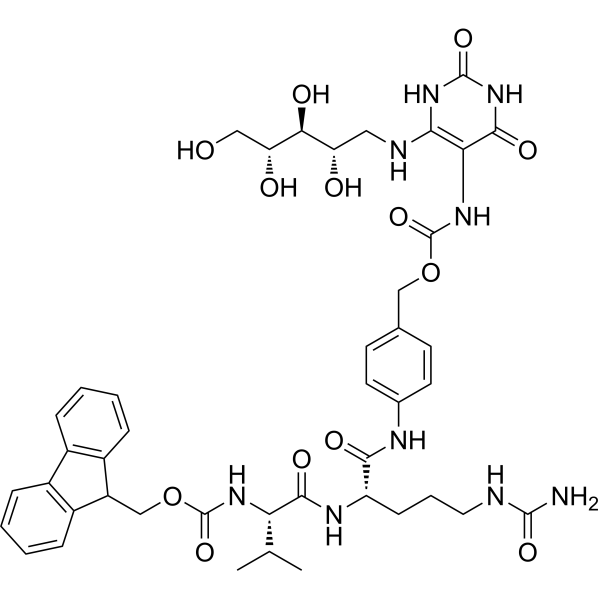
    5-A-RU-PABC-Val-Cit-Fmoc
    5+ Cited Publications

    Drug Derivative Inflammation/Immunology
    5-A-RU-PABC-Val-Cit-Fmoc is the proagent of 5-A-RU . 5-A-RU, a precursor of bacterial Riboflavin, is a mucosal-associated invariant T (MAIT) cells activator. 5-A-RU forms potent MAIT-activating antigens via non-enzymatic reactions with small molecules, such as glyoxal and methylglyoxal, which are derived from other metabolic pathways .
    5-A-RU-PABC-Val-Cit-Fmoc
  • HY-123834
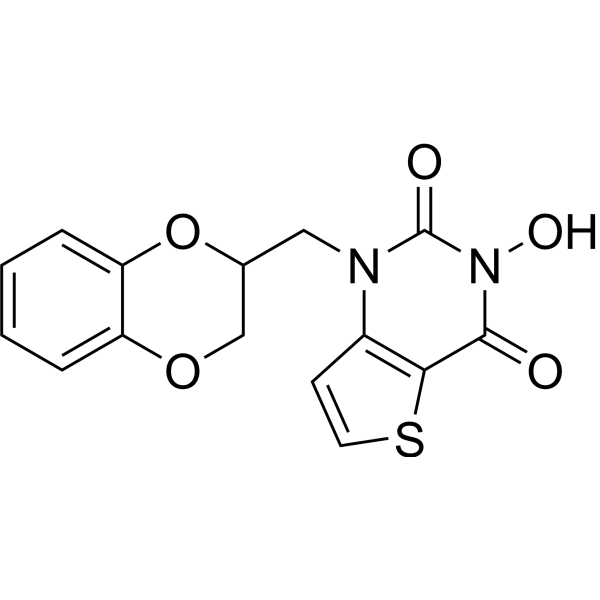
    FEN1-IN-1
    Maximum Cited Publications
    8 Publications Verification

    FLAP ATM/ATR Cancer
    FEN1-IN-1 (compound 1) is a small molecule flap endonuclease 1 (FEN1) inhibitor with antitumor activity. FEN1-IN-1 binds to the active site of FEN1 and partly achieves inhibition by the co-ordination of Mg 2+ ions. FEN1-IN-1 initiaties a DNA damage response and activates the ATM checkpoint signalling pathway, the phosphorylation of histone H2AX and the ubiquitination of FANCD2 in mammalian cells. FEN1-IN-1 is promising for research of cancers .
    FEN1-IN-1
  • HY-30004

    Environmental Pollutants Endogenous Metabolite Cardiovascular Disease Metabolic Disease
    1-Aminocyclopropane-1-carboxylic acid is an endogenous metabolite. In the presence of low concentrations (1 μM) of glutamate, 1-Aminocyclopropane-1-carboxylic acid acts as a small molecule agonist of NMDA receptors with an EC50 of 0.7-0.9 μM. At high concentrations (10 μM) of glutamate, 1-Aminocyclopropane-1-carboxylic acid acts as a competitive antagonist of NMDA receptors with an EC50 of 81.6 nM. 1-Aminocyclopropane-1-carboxylic acid exerts neuroprotective activity by moderately activating NMDA receptors to prevent neuronal cell death in ischemic animal models. Additionally, 1-Aminocyclopropane-1-carboxylic acid is an antagonist of NMDA receptors, inducing blood pressure reduction and antioxidant effects in stroke-prone hypertensive rats. 1-Aminocyclopropane-1-carboxylic acid enhances object recognition memory and cognitive flexibility dependent on the prefrontal cortex, but does not affect impulsivity nor exhibit an antipsychotic-like profile. 1-Aminocyclopropane-1-carboxylic acid shows promise for research in the field of neurotoxicity. .
    1-Aminocyclopropane-1-carboxylic acid
  • HY-107413

    BMS-649

    RAR/RXR Tyrosine Hydroxylase Cancer
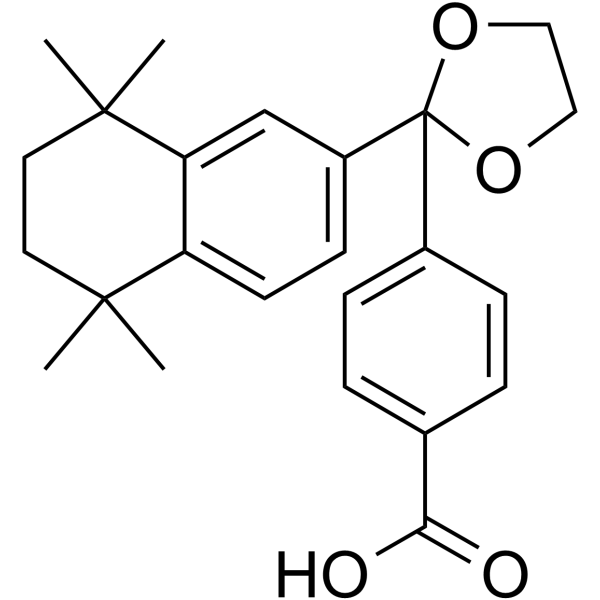
    SR11237 (BMS-649) GMP is SR11237 (HY-107413) produced by using GMP guidelines. GMP small molecules works appropriately as an auxiliary reagent for cell therapy manufacture. SR11237 is a RXR activator and lipid metabolism regulator that promotes the differentiation of induced neural stem cells into dopaminergic (TH-positive) neurons. SR11237 induces transcriptional regulation of lipogenic genes and cholesterol transporters, increases glycosaminoglycan release, and elevates total cellular triglyceride levels. SR11237 promotes heterodimerization of RXR with Nurr1, thereby enhancing tyrosine hydroxylase expression and facilitating dopamine release. SR11237 produces a synergistic effect when used in combination with bFGF/EGF. SR11237 is mainly used in studies related to osteoarthritis and Parkinson's disease .
    SR11237
  • HY-111498
    RGX-104 hydrochloride
    3 Publications Verification

    Abequolixron hydrochloride

    LXR Inflammation/Immunology Cancer
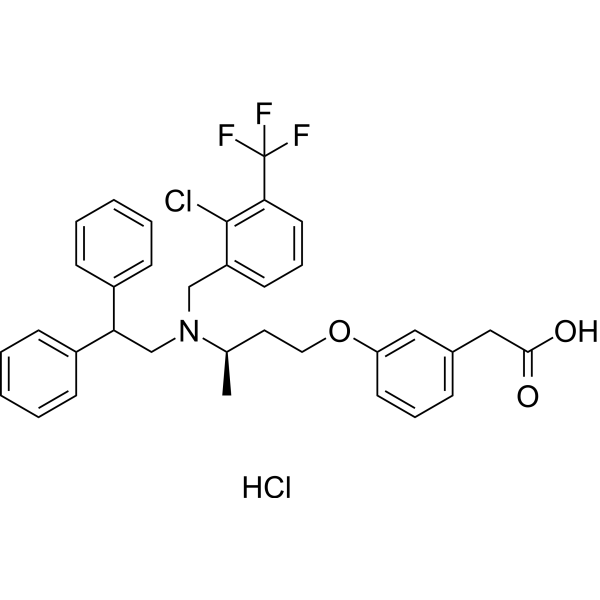
    RGX-104 hydrochloride is a small-molecule LXR agonist that modulates innate immunity via transcriptional activation of the ApoE gene.
    RGX-104 hydrochloride
  • HY-174216

    DNA/RNA Synthesis Oxidative Phosphorylation Mitochondrial Metabolism Neurological Disease Metabolic Disease
    PZL-A is a activator of mitochondrial DNA (mtDNA) synthesis. PZL-A restores wild-type-like activity to mutant forms of polymerase γ (POLγ) with AC50 s of 160 and 20 nM for A467T and G848S. PZL-A activates mtDNA synthesis in cells, enhancing biogenesis of the oxidative phosphorylation machinery and cellular respiration. PZL-A is promising for relieving POLG disease and other severe conditions linked to depletion of mtDNA .
    PZL-A
  • HY-19767
    GSK 3008348
    2 Publications Verification

    Integrin TGF-β Receptor Infection Inflammation/Immunology Cancer
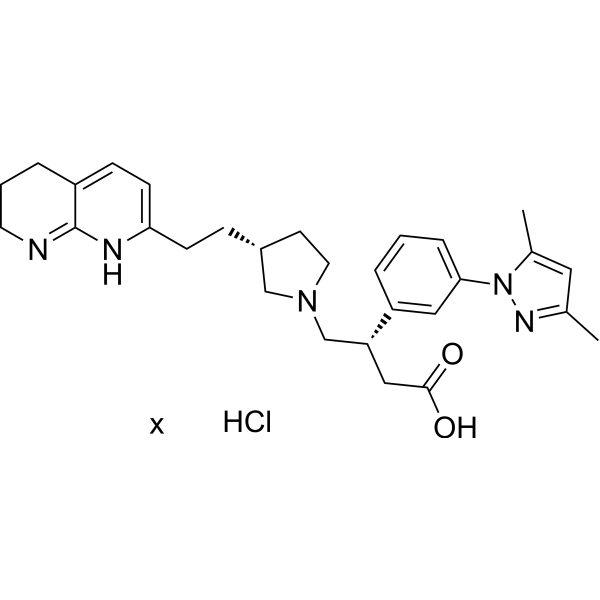
    GSK 3008348 is a small molecule antagonist of integrin αvβ6 with IC50 values for αvβ6, αvβ1, αvβ3, αvβ5, and αvβ8 are 1.50, 2.83, 12.53, 4.00, and 2.26 nM, respectively. GSK 3008348 can target the αvβ6 integrin, inhibit TGF-β activation, and thereby alleviate the fibrotic process. GSK 3008348 prevents the binding of the foot-and-mouth disease virus (FMDV) to the αvβ6 integrin receptor on the surface of host cells, thereby inhibiting the entry of the virus. GSK 3008348 can be used for research on pulmonary fibrosis and various types of cancer .
    GSK 3008348
  • HY-W011890
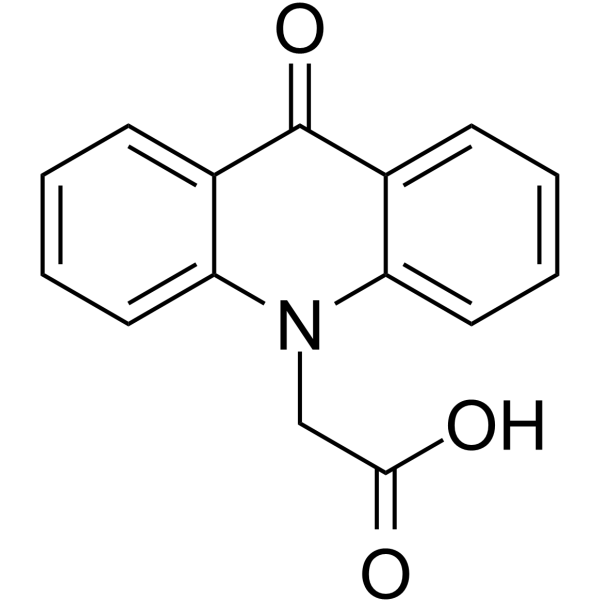
    Cridanimod
    1 Publications Verification

    Progesterone Receptor IFNAR Inflammation/Immunology Cancer
    Cridanimod is a potent progesterone receptor (PR) activator mediated through induction of IFNα and IFNβ expression. Cridanimod is a small-molecule immunomodulator and interferon inducer .
    Cridanimod
  • HY-402361

    MEK ERK AP-1 Neurological Disease Inflammation/Immunology
    TERT activator-1 is a small molecule activator of telomerase reverse transcriptase (TERT). TERT activator-1 promotes TERT transcription through the MEK/ERK/AP-1 signaling cascade. TERT activator-1 promotes adult neurogenesis and enhances neuromuscular function. TERT activator-1 reduces cellular senescence and systemic inflammation in aged mice, and can be used in the study of aging .
    TERT activator-1
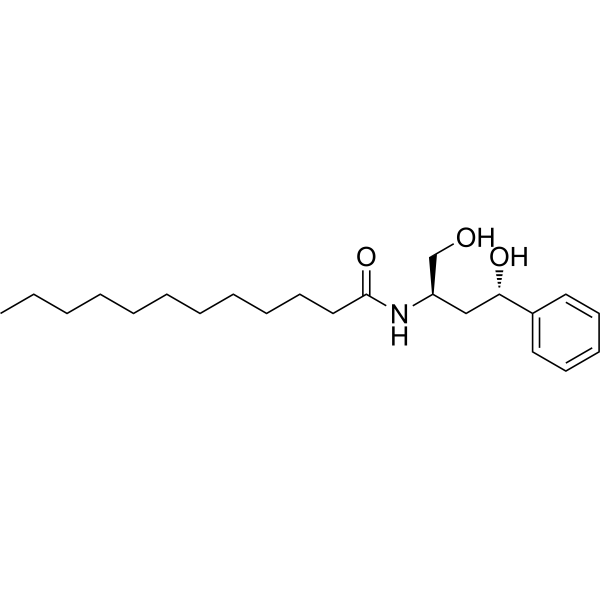
  • HY-132182
    HPA-12
    1 Publications Verification

    Ceramidase Autophagy Apoptosis ATF6 Neurological Disease Cancer
    HPA-12 is a blood-brain barrier-permeable small-molecule inhibitor of ceramide transfer protein (CERT) with four stereoisomers (the (1R,3R)-stereoisomer exhibits the highest activity). HPA-12 blocks the transport of ceramide from the endoplasmic reticulum to the Golgi apparatus by binding to the START domain of CERT, leading to intracellular ceramide accumulation and inhibition of sphingomyelin (SM) synthesis. HPA-12 induces endoplasmic reticulum stress via the GRP78/ATF6/CHOP axis and activates mitochondrial autophagy, thereby inhibiting cell growth and inducing apoptosis. In in vivo experiments, HPA-12 significantly reduces the leukemia burden and splenomegaly in mouse models of acute myeloid leukemia (AML) and prolongs survival. HPA-12 is applicable for the research of lipid metabolism in acute myeloid leukemia and Alzheimer's disease .
    HPA-12
  • HY-144987
    RBN013209
    1 Publications Verification

    CD38 LAG-3 Tim3 PD-1/PD-L1 Inflammation/Immunology Cancer
    RBN013209 is an orally active small molecule inhibitor of CD38 with an IC50 of 0.01 to 0.1 μM for human CD38. RBN013209 prevents the conversion of extracellular NAD + to ADPR or cADPR in tumor cells and PBMCs. RBN013209 can be used in the study of tumor. In addition, RBN013209 enables CAR-T cells to maintain the naive state and central memory state, and decreases the expression of cell activation markers and exhaustion-related inhibitory receptors .
    RBN013209
  • HY-103080

    Apelin Receptor (APJ) Cardiovascular Disease
    CMF019 is an orally active, potent and small molecule agonist at Apelin receptor (APJ) with G protein bias. CMF019 binds to APJ with pKi values of 8.58, 8.49 and 8.71 for human, rat, and mouse, respectively. CMF019 mimics the beneficial cardiovascular actions of apelin in rodents . Apelin receptor (APJ) is a G protein-coupled receptor (GPCR) activated by the endogenous peptide apelin. CMF019 is promising for research of chronic diseases, such as, pulmonary arterial hypertension .
    CMF019
  • HY-129115

    Reactive Oxygen Species (ROS) Caspase Others
    S1QEL1.1 is a small molecule inhibitor that specifically inhibits the generation of superoxide and hydrogen peroxide at the IQ site during reverse electron transfer in mitochondrial respiratory chain complex I (Complex I), with an IC50 of 0.07 μM. S1QEL1.1 can significantly reduce the activation of cysteine-aspartic protease (caspase) triggered by endoplasmic reticulum stress. S1QEL1.1 helps to decrease excessive proliferation of stem cells by inhibiting the Reactive Oxygen Species signaling pathway initiated by endoplasmic reticulum stress .
    S1QEL1.1
  • HY-153713
    MYC-RIBOTAC
    1 Publications Verification

    RIBOTAC c-Myc Apoptosis Cancer
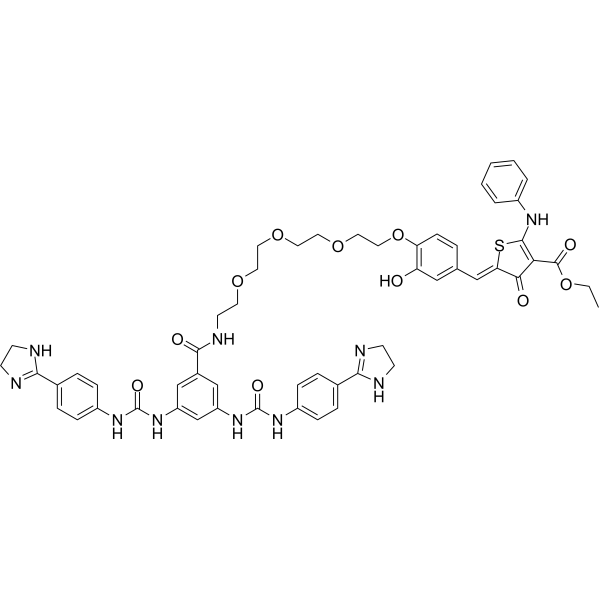
    MYC-RIBOTAC is a nucleic acid-targeting degrader (ribonuclease-targeting chimera, RIBOTAC) that targets the MYC internal ribosome entry site (IRES). MYC-RIBOTAC contains a MYC mRNA binding component and a small molecule that recruits and locally activates RNAse L1. MYC-RIBOTAC reduces MYC mRNA and protein expression levels, induces cell apoptosis, and can be used for antitumor research . MYC-RIBOTAC consists of pre-miR-155 binder Anticancer agent 167 (HY-156839), RNA binder NCI-B16 (HY-156215), and Linker Amino-PEG4-alcohol (HY-W008005).
    MYC-RIBOTAC
  • HY-160698

    MALT1 Apoptosis Cancer
    SGR-1505 is an oral small molecule MALT1 inhibitor with anti-proliferative and antitumor activity.SGR-1505 inhibits MALT1 enzymatic activity to modulate NF-κB pathway gene expression.SGR-1505 induces modulation of cell cycle, DNA damage, and apoptosis-related genes in in vivo tumor samples.SGR-1505 exerts tumorostatic and regressive activity in ABC-DLBCL xenograft models.SGR-1505 can be used for the research of activated B cell-like diffuse large B cell lymphoma, non-Hodgkin B-cell lymphomas, chronic lymphocytic leukemia, and mature B cell neoplasms .
    SGR-1505
  • HY-145601

    TT 00420

    Aurora Kinase FGFR VEGFR Cancer
    Tinengotinib (TT00420) is an orally active, spectrally selective small molecule kinase inhibitor targeting Aurora A/B (IC50=1.2-3.3 nM), FGFR1/2/3 (IC50=1.5-3.5 nM), VEGFRs, JAK1/2 and CSF1R. Tinengotinib blocks Aurora kinase-mediated cell cycle progression (inducing G2/M arrest), inhibits FGFR/JNK-JUN signaling pathway and activates MEK/ERK-dependent apoptotic pathway. Tinengotinib has the activity of anti-tumor proliferation, inducing apoptosis, inhibiting angiogenesis and regulating tumor microenvironment. Tinengotinib can be used in the study of triple-negative breast cancer (TNBC), gallbladder cancer and tumor immune microenvironment .
    Tinengotinib
  • HY-147287

    PSMA Drug Intermediate Cancer
    Glu-urea-Glu-NHS ester is an activated N-hydroxysuccinamide (NHS) ester of Glu-urea-Glu. Glu-urea-Glu-NHS ester can be used for synthesis of small-molecule prostate-specific membrane antigen (PSMA) inhibitors, imaging agents (such as PSMAi-PEG conjugates), and targeted drug delivery vehicles .
    Glu-urea-Glu-NHS ester
  • HY-159190

    MAPKAPK2 (MK2) Cancer
    HRX-0233 is a small-molecule MAP2K4 inhibitor. HRX-0233 results in strong tumor shrinkage without any apparent toxicity in H358 KRASG12C-mutant non-small cell lung cancers (NSCLC) in vivo. HRX-0233 efficiently prevents feedback activation of receptor tyrosine kinases (RTKs) upon monotherapy KRAS inhibitor Sotorasib (HY-114277) and causes a more sustained and complete inhibition of MAPK signaling. HRX-0233 is promising for research of AR-negative prostate cancer, lung and colon cancers .
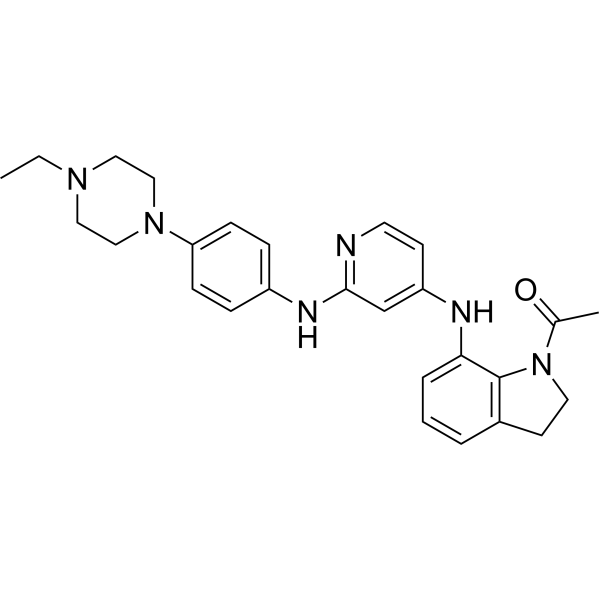
    HRX-0233
  • HY-18085G
    Quercetin
    1 Publications Verification

    PI3K Autophagy Mitophagy Apoptosis Reactive Oxygen Species (ROS) Cancer
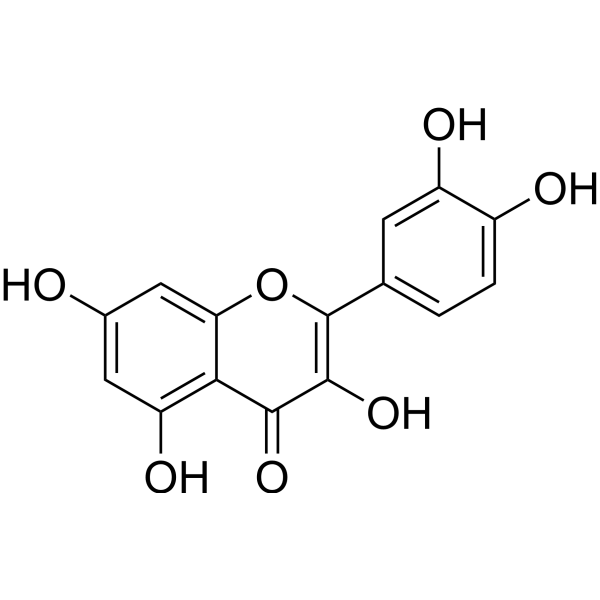
    Quercetin GMP is Quercetin (HY-18085) produced by using GMP guidelines. GMP small molecules works appropriately as an auxiliary reagent for cell therapy manufacture. Quercetin is a flavonoid antioxidant, a PI3K inhibitor and a SIRT1 Activator .
    Quercetin
  • HY-144984

    β-catenin Molecular Glues Cancer
    NRX-1933 is a type of molecular glue. NRX-1933 is a β-catenin:β-TrCP interaction enhancer for the development of small molecule degraders. NRX-1933 promotes the ubiquitination of mutated β-Catenin, leading to degradation. NRX-1933 can be applied to tumor research on abnormal activation of Wnt/β - catenin signaling pathway .
    NRX-1933
  • HY-10219G

    Sirolimus; AY-22989; NSC 226080

    mTOR FKBP Fungal Autophagy Endogenous Metabolite Antibiotic Bacterial Infection Cancer
    Rapamycin (Sirolimus) (GMP) is Rapamycin (HY-10219) produced by using GMP guidelines. GMP small molecules works appropriately as an auxiliary reagent for cell therapy manufacture. Rapamycin (Sirolimus; AY 22989) is a potent and specific mTOR inhibitor with an IC50 of 0.1 nM in HEK293 cells. Rapamycin binds to FKBP12 and specifically acts as an allosteric inhibitor of mTORC1 . Rapamycin is an autophagy activator, an immunosuppressant .
    Rapamycin
  • HY-43515

    Endogenous Metabolite Metabolic Disease
    ESI1 is a small molecule epigenetic silencing inhibitor. ESI1 can trigger the formation of nuclear condensates of key lipid metabolism regulators SREBP1/2, concentrating transcriptional co-activators to drive lipid/cholesterol biosynthesis. ESI1 can promote myelin regeneration in demyelinated animal models and facilitate de novo myelination on regenerating CNS axons, reversing age-related declines in cognitive abilities .
    ESI1
  • HY-10219GL

    Sirolimus (GMP Like); AY-22989 (GMP Like); NSC 226080 (GMP Like)

    mTOR FKBP Fungal Autophagy Endogenous Metabolite Antibiotic Bacterial Cancer
    Rapamycin (Sirolimus) GMP Like is Rapamycin (HY-10219) produced by using GMP like guidelines. GMP Like small molecules works appropriately as an auxiliary reagent for cell therapy manufacture. Rapamycin (Sirolimus; AY 22989) is a potent and specific mTOR inhibitor with an IC50 of 0.1 nM in HEK293 cells. Rapamycin binds to FKBP12 and specifically acts as an allosteric inhibitor of mTORC1 . Rapamycin is an autophagy activator, an immunosuppressant .
    Rapamycin (GMP Like)
  • HY-108464A

    Sodium Channel TRP Channel Metabolic Disease Inflammation/Immunology
    Phenamil methanesulfonate, an analog of Amiloride (HY-B0285), is a more potent and less reversible epithelial sodium channel (ENaC) blocker with an IC50 of 400 nM . Phenamil methanesulfonate is also a competive inhibitor of TRPP3 and inhibits TRPP3-mediated Ca 2+ transport with an IC50 of 140 nM in a Ca 2+ uptake assay . Phenamil methanesulfonate is an intriguing small molecule to promote bone repair by strongly activating BMP signaling pathway . Phenamil methanesulfonate is used for the research of cystic fibrosis lung disease .
    Phenamil methanesulfonate
  • HY-P10409

    Small humanin-like peptide 2

    Apoptosis Reactive Oxygen Species (ROS) Neurological Disease Metabolic Disease
    SHLP2 (Small humanin-like peptide 2) is a small molecule peptide encoded by mitochondrial DNA, belonging to mitochondria derived peptide. SHLP2 has the activity of regulating apoptosis and inhibits cell death. SHLP2 binds to mitochondrial complex 1. SHLP2 improves mitochondrial metabolism by increasing respiration and biogenesis, reducing ROS, and decreasing mtDNA oxidation. SHLP2 also regulated energy homeostasis through the activation of hypothalamic neurons. SHLP2 can be used in the study of diseases related to mitochondrial dysfunction and anti-aging diseases, such as age-related macular degeneration and Parkinson’s disease .
    SHLP2
  • HY-19767A
    GSK 3008348 hydrochloride
    2 Publications Verification

    Integrin TGF-β Receptor Infection Inflammation/Immunology Cancer
    GSK 3008348 hydrochloride is a small molecule antagonist of integrin αvβ6 with IC50 values for αvβ6, αvβ1, αvβ3, αvβ5, and αvβ8 are 1.50, 2.83, 12.53, 4.00, and 2.26 nM, respectively. GSK 3008348 hydrochloride can target the αvβ6 integrin, inhibit TGF-β activation, and thereby alleviate the fibrotic process. GSK 3008348 hydrochloride prevents the binding of the foot-and-mouth disease virus (FMDV) to the αvβ6 integrin receptor on the surface of host cells, thereby inhibiting the entry of the virus. GSK 3008348 hydrochloride can be used for research on pulmonary fibrosis and various types of cancer .
    GSK 3008348 hydrochloride
  • HY-139742
    ADTL-SA1215
    2 Publications Verification

    Sirtuin Cancer
    ADTL-SA1215 is a first-in-class specific small-molecule activator of SIRT3 that modulates autophagy in triple negative breast cancer.
    ADTL-SA1215
  • HY-152959

    STING Infection Cancer
    STING agonist-26 (CF508) is a non-nucleotide small-molecule STING agonist. STING agonist-23 activates STING, increases phosphorylation of STING, TBK1 and IRF3. STING agonist-23 promotes the levels of IFN-β, IL-6, CXCL-10, TNF-α, ISG-15, and CCL-5 in tumor cells. STING agonist-23 exhibits activity against SARS-CoV series strains .
    STING agonist-26
  • HY-100534

    Organoid TGF-beta/Smad Others
    IDE2 is a small molecule cell-permeable inducer of definitive endoderm formation in mouse and human embryonic stem cells (ESCs) by activating the TGF-βsignaling pathway .
    IDE 2
  • HY-153238

    Parasite Infection
    AN15368 is an orally active small-molecule precursor that can be activated by parasite carboxypeptidase to produce a compound that targets the messenger RNA processing pathway in T. cruzi. cruzi. AN15368 has the potential to prevent and research Chagas disease potential .
    AN15368
  • HY-174066

    mTOR Autophagy Interleukin Related Neurological Disease Inflammation/Immunology
    SI-W052 is an orally active, brain-penetrant and selective small-molecule inhibitor targeting mTOR and TEX264. SI-W052 activates autophagy by inhibiting mTOR phosphorylation and enhances TEX264 expression to promote ER turnover, suppressing LPS-induced release of inflammatory factors (TNF-α, IL-6). SI-W052 is promising for research of Alzheimer’s disease (AD)-associated neuroinflammation .
    SI-W052
  • HY-152956

    STING Infection Cancer
    STING agonist-23 (CF502) is a non-nucleotide small-molecule STING agonist. STING agonist-23 activates STING, increases phosphorylation of STING, TBK1 and IRF3. STING agonist-23 promotes the levels of IFN-β, IL-6, CXCL-10, TNF-α, ISG-15, and CCL-5 in tumor cells. STING agonist-23 exhibits activity against SARS-CoV series strains .
    STING agonist-23
  • HY-12848G

    Smo Cancer
    SAG (GMP) is SAG (HY-12848) in GMP grade. GMP-grade small molecules can be used as auxiliary reagents in cell therapy. SAG is a potent Smoothened (Smo) receptor agonist (EC50=3 nM; Kd=59 nM). SAG activates the Hedgehog signaling pathway and counteracts Cyclopamine (HY-17024) inhibition of Smo .
    SAG
  • HY-30004R

    Reference Standards Endogenous Metabolite Cardiovascular Disease Metabolic Disease
    1-Aminocyclopropane-1-carboxylic acid (Standard) is the analytical standard of 1-Aminocyclopropane-1-carboxylic acid. This product is intended for research and analytical applications. 1-Aminocyclopropane-1-carboxylic acid is an endogenous metabolite. In the presence of low concentrations (1 μM) of glutamate, 1-Aminocyclopropane-1-carboxylic acid acts as a small molecule agonist of NMDA receptors with an EC50 of 0.7-0.9 μM. At high concentrations (10 μM) of glutamate, 1-Aminocyclopropane-1-carboxylic acid acts as a competitive antagonist of NMDA receptors with an EC50 of 81.6 nM. 1-Aminocyclopropane-1-carboxylic acid exerts neuroprotective activity by moderately activating NMDA receptors to prevent neuronal cell death in ischemic animal models. Additionally, 1-Aminocyclopropane-1-carboxylic acid is an antagonist of NMDA receptors, inducing blood pressure reduction and antioxidant effects in stroke-prone hypertensive rats. 1-Aminocyclopropane-1-carboxylic acid enhances object recognition memory and cognitive flexibility dependent on the prefrontal cortex, but does not affect impulsivity nor exhibit an antipsychotic-like profile. 1-Aminocyclopropane-1-carboxylic acid shows promise for research in the field of neurotoxicity. .
    1-Aminocyclopropane-1-carboxylic acid (Standard)
  • HY-144329

    STING Inflammation/Immunology Cancer
    STING agonist-11 (Compound 92) is a potent small molecule cyclic urea activator of STING with EC50 of 18 nM. Activation of STING is a highly promising approach in immunotherapy .
    STING agonist-11
  • HY-162811

    LAG-3 Cancer
    LAG-3 biner 1 (compound 3) is a small molecule ligand (Kd=1.23 μM) for the immune checkpoint lymphocyte activation gene 3 (LAG-3). LAG-3 biner 1 can be used in the research of cancer diagnosis targeting LAG-3 .
    LAG-3 biner 1
  • HY-148748G

    JAK STAT p38 MAPK Cardiovascular Disease
    Butyzamide (GMP) is Butyzamide (HY-148748) produced by using GMP guidelines. GMP small molecules works appropriately as an auxiliary reagent for cell therapy manufacture. Butyzamide is an orally active activator of Mpl, a thrombopoietin (TPO) receptor. Butyzamide increases the phosphorylation level of JAK2, STAT3, STAT5 and MAPK. Butyzamide increases the level of platelets in mouse xenotransplantation assay .
    Butyzamide
  • HY-P11162

    FGFR Akt ERK mTOR Apoptosis Inflammation/Immunology
    FGF7p is a small molecule peptide and a potential bladder protector. FGF7p can activate downstream signaling pathways of FGFR2 in the urinary tract epithelium (pFRS2α, pAKT and pERK). FGF7p alleviates cyclophosphamide induced apoptosis and tissue damage in urinary tract epithelial cells by activating AKT and its downstream anti apoptotic targets (pBAD, pS6/mTORC1). FGF7p is commonly used in the study of inflammatory conditions .
    FGF7p
  • HY-76573

    Apoptosis Cardiovascular Disease Cancer
    ML-10 is a small molecule apoptosis probe. Due to the presence of fluorine atoms, ML-10 can be radiolabeled with 18F isotopes and can be used for apoptosis positron emission tomography imaging studies. ML-10 is selectively taken up and accumulated in apoptotic cells, while being excluded from live or necrotic cells. In addition, the uptake of ML-10 is associated with apoptotic features such as caspase activation, Annexin-V binding, and disruption of mitochondrial membrane potential .
    ML-10
  • HY-167710

    Endogenous Metabolite Cancer
    CRCD2 is a small molecule NT5C2 nucleotidase inhibitor with enhanced 6-mercaptopurine cytotoxic activity. CRCD2 can effectively reverse 6-mercaptopurine resistance caused by mutations in the NT5C2 gene or non-genetic activation mechanisms. CRCD2 combined with 6-mercaptopurine can enhance its cytotoxic activity in NT5C2 wild-type leukemia, showing its potential in the treatment of acute lymphoblastic leukemia .
    CRCD2
  • HY-16561G

    trans-Resveratrol; SRT501

    DNA/RNA Synthesis IKK Autophagy Mitophagy Sirtuin Apoptosis Bacterial Fungal Keap1-Nrf2 Infection Inflammation/Immunology Cancer
    Resveratrol (GMP) is Resveratrol (HY-16561) produced by using GMP guidelines. GMP small molecules work appropriately as an auxiliary reagent for cell therapy manufacture. Resveratrol (trans-Resveratrol; SRT501), a natural polyphenolic phytoalexin that possesses anti-oxidant, anti-inflammatory, cardioprotective, and anti-cancer properties. Resveratrol (SRT 501) has a wide spectrum of targets including mTOR, JAK, β-amyloid, Adenylyl cyclase, IKKβ, DNA polymerase. Resveratrol also is a specific SIRT1 activator . Resveratrol is a potent pregnane X receptor (PXR) inhibitor . Resveratrol is an Nrf2 activator, ameliorates aging-related progressive renal injury in mice model . Resveratrol increases production of NO in endothelial cells .
    Resveratrol
  • HY-152961

    STING Infection
    STING agonist-28 (CF510) is a non-nucleotide small-molecule STING agonist. STING agonist-23 activates STING, increases phosphorylation of STING, TBK1 and IRF3. STING agonist-23 promotes the levels of IFN-β, IL-6, CXCL-10, TNF-α, ISG-15, and CCL-5 in tumor cells. STING agonist-23 exhibits activity against SARS-CoV series strains .
    STING agonist-28
  • HY-175353

    FAP Cancer
    TriOncoFAP-GlyPro-MMAE is a small molecule drug conjugate (SMDC) targeting fibroblast activation protein (FAP) with an IC50 of 13 pmol/L. TriOncoFAP-GlyPro-MMAE combines a FAP-targeting ligand (TriOnco), a cleavable glycine-proline linker, and a cytotoxic payload (MMAE) .
    TriOncoFAP-GlyPro-MMAE
  • HY-170327
    ZCL279
    1 Publications Verification

    Ras Cancer
    ZCL279 is a small molecule modulator (SMM) that inhibits Cdc42-intersectin (ITSN) interaction. ZCL279 can activate Cdc42 (a cytoplasmic small GTPase in the Ras superfamily) at lower concentrations (<10 μM) and significantly inhibit it at higher concentrations (<10 μM) .
    ZCL279
  • HY-18985G

    Phorbol dibutyrate; PDBu

    PKC Cancer
    Phorbol 12,13-dibutyrate (Phorbol dibutyrate) (GMP) is Phorbol 12,13-dibutyrate (HY-18985) produced by using GMP guidelines. GMP small molecules works appropriately as an auxiliary reagent for cell therapy manufacture. Phorbol 12,13-dibutyrate is a PKC activator and a potent skin tumor promoter .
    Phorbol 12,13-dibutyrate
  • HY-13259G

    Z-Leu-Leu-Leu-al

    Proteasome Autophagy Apoptosis Cancer
    MG-132 (GMP) (Z-Leu-Leu-Leu-al (GMP)) is MG-132 (HY-13259) produced by using GMP guidelines. GMP small molecules works appropriately as an auxiliary reagent for cell therapy manufacture. MG-132 (Z-Leu-Leu-Leu-al) is a potent proteasome and calpain inhibitor with IC50s of 100 nM and 1.2 μM, respectively. MG-132 effectively blocks the proteolytic activity of the 26S proteasome complex. MG-132, a peptide aldehyde, also is an autophagy activator. MG-132 also induces apoptosis .
    MG-132

Inquiry Online

Your information is safe with us. * Required Fields.

Salutation


Country or Region *

Applicant Name *


Organization Name *

Department *


Email Address *


Product Name *

Cat. No.


Requested quantity *

Phone Number *


Remarks

Inquiry Online

Inquiry Information

Product Name:
Cat. No.:
Quantity:
MCE Japan Authorized Agent:

