

1. Search Result
Search Result
Results for "

Sucrose

" in MedChemExpress (MCE) Product Catalog:

189

Inhibitors & Agonists

57

Biochemical Assay Reagents

1

Peptides

63

Natural
Products

5

Recombinant Proteins

13

Isotope-Labeled Compounds

2

Antibodies

5

Oligonucleotides

Targets Recommended:
Cat. No. Product Name Target Research Areas Chemical Structure
  • HY-B1779
    Sucrose
    Maximum Cited Publications
    10 Publications Verification

    D-(+)-Saccharose

    Environmental Pollutants Endogenous Metabolite Metabolic Disease Cancer
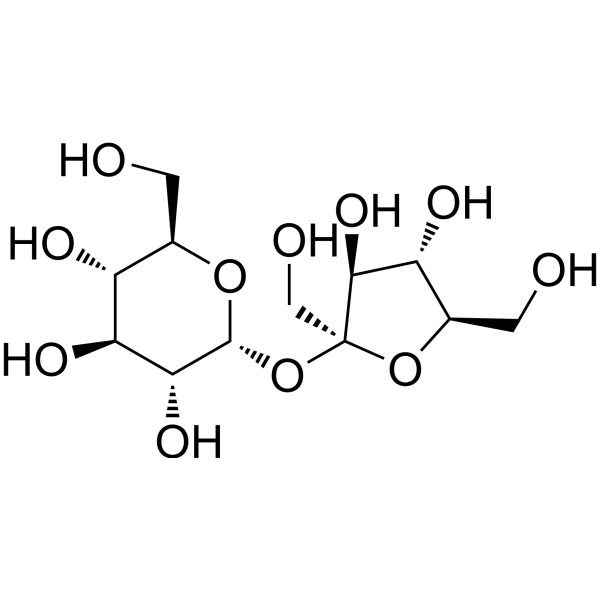
    Sucrose (D-(+)-Saccharose) is a disaccharide which is composed of two monosaccharides, glucose and fructose. Sucrose can be applied in some animal models, including metabolic disease, obesity, diet on preference, and diabetes, et al .
    Sucrose
  • HY-N0395
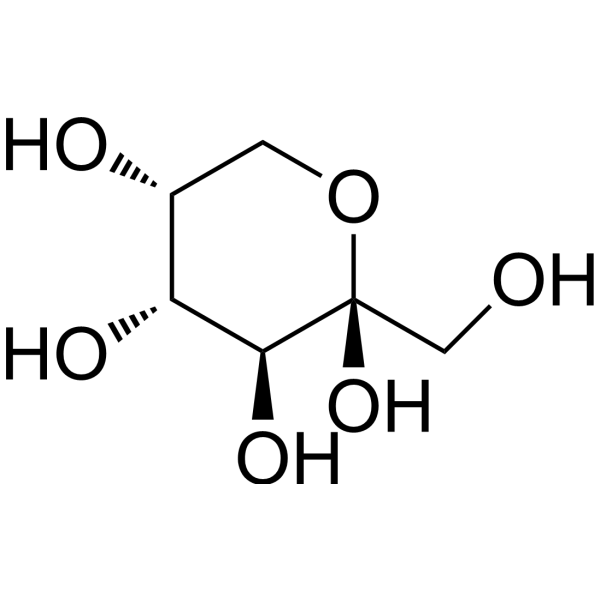
    Fructose
    2 Publications Verification

    beta-D-Fructopyranose

    Others Cardiovascular Disease Infection Metabolic Disease Cancer
    Fructose is a simple ketonic monosaccharide found in many plants, where it is often bonded to glucose to form the disaccharide sucrose.
    Fructose
  • HY-W015611

    Endogenous Metabolite Metabolic Disease
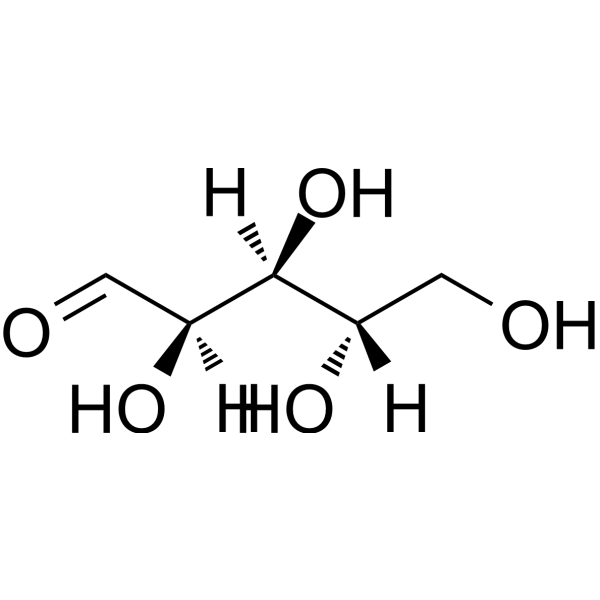
    L-(+)-Arabinose selectively inhibits intestinal sucrase activity in a noncompetitive manner and suppresses the plasma glucose increase due to sucrose ingestion.
    L-(+)-Arabinose
  • HY-B2068
    Iron sucrose
    1 Publications Verification

    Iron saccharate

    Reactive Oxygen Species (ROS) Metabolic Disease Cancer
    Iron sucrose (Iron saccharate) is a intravenous iron preparation and a pro-oxidant agent. Iron sucrose has the potential for iron deficiency anemia treatment .
    Iron sucrose
  • HY-P2979

    β-D-Fructofuranosidase

    Endogenous Metabolite Others
    Invertase, baker's yeast (S. cerevisiae) is a major enzyme present in plants and microorganisms, is often used in biochemical studies. Invertase catalyzes the hydrolysis of the disaccharide sucrose into glucose and fructose .
    Invertase, baker's yeast (S. cerevisiae)
  • HY-131960
    Polysucrose 400
    2 Publications Verification

    Biochemical Assay Reagents Others
    Polysucrose 400 is a synthetic polymer of sucrose, can be used for cells and organelles isolation .
    Polysucrose 400
  • HY-B0644

    Sucrose octasulfate-aluminum complex

    Bacterial Infection Inflammation/Immunology Cancer
    Sucralfate (Sucrose octasulfate-aluminum complex) is a potent and orally active gastroprotectant with no systemic effects. Sucralfate inhibits peptic activity and binds to negatively charged subepithelial proteins exposed during mucosal injury, forming a viscous layer that protects the vascular bed and proliferative zone. Sucralfate is used for prevention and research of several gastrointestinal diseases in vivo .
    Sucralfate
  • HY-N6833
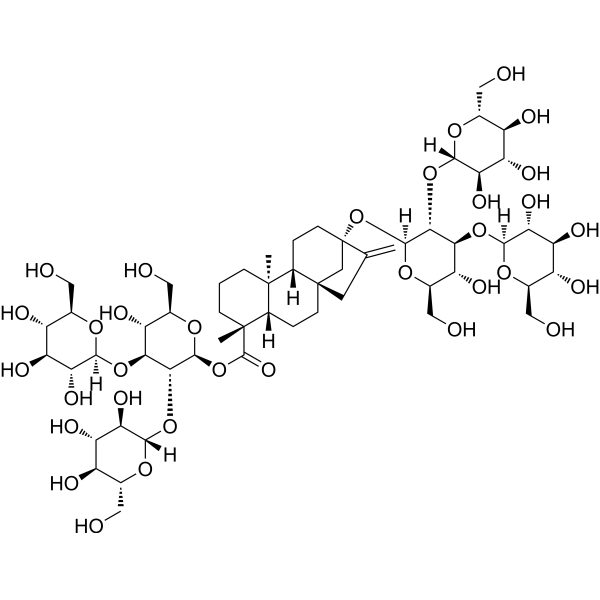
    Rebaudioside M
    1 Publications Verification

    Others Metabolic Disease Inflammation/Immunology Cancer
    Rebaudioside M, a glycoside of the ent-kaurene diterpenoid aglycone, is a non-calorie sweetener isolated from Stevia rebaudiana. Rebaudioside M has antidiabetics, antihypertension, anti-inflammatory, antioxidant, anticaries and anticancer benefits. Rebaudioside M is more than 350 times sweeter than sucrose. Rebaudioside M can be used in food and beverage .
    Rebaudioside M
  • HY-139338
    Erlose
    1 Publications Verification

    Glycosidase Others
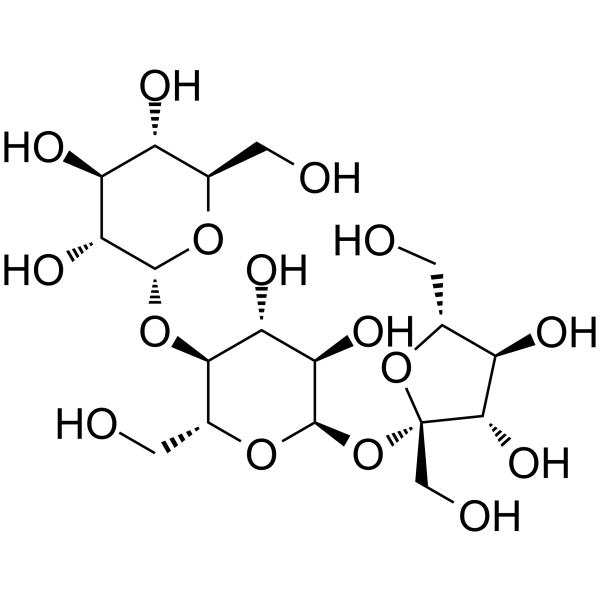
    Erlose is a trisaccharide sucrose derivative and low-calorie sweetener synthesized from glucose and sucrose via an α-glucosidase-mediated transglycosylation reaction. Erlose is often used as a marker to identify whether honey is adulterated with artificial sucrose. Erlose has approximately half the sweetness of sucrose but a similar taste, and it effectively inhibits crystal formation and browning reactions during food heat treatment .
    Erlose
  • HY-B2122

    PPAR Fatty Acid Synthase (FASN) Others
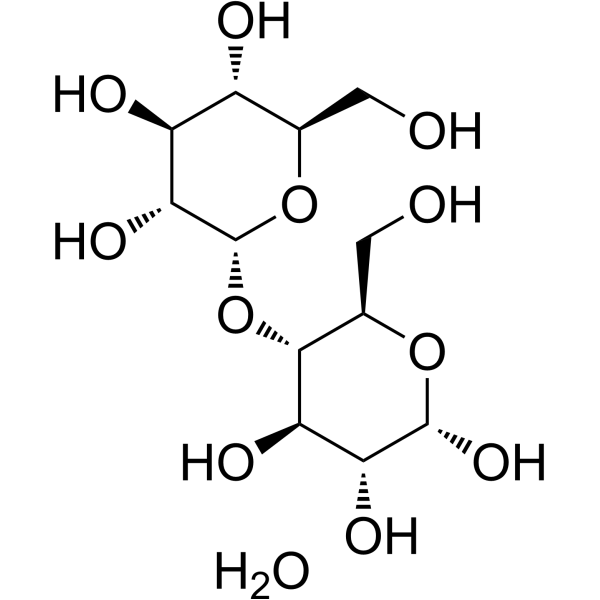
    Maltitol is an orally active polyol and sugar alcohol sweetener produced by the hydrogenation of maltose. Maltitol can replace sucrose and has characteristics of having a minor impact on blood sugar and potential prebiotic effects .
    Maltitol
  • HY-150350

    Biochemical Assay Reagents Others
    The 20 mM HEPES, 150 mM NaCl, 240 mM Sucrose, pH 7.2 buffer is a physiological buffer composed of 20 mM HEPES, 150 mM NaCl and 240 mM Sucrose, adjusted to pH 7.2, which is used to resuspend human erythrocyte ghost preparations .
    20 mM HEPES, 150 mM NaCl, 240 mM Sucrose, pH 7.2 buffer
  • HY-141633

    Bacterial Infection
    Sucrose monolaurate is a glycolipid surfactant . Sucrose monolaurate interacts with bacterial DNA, disrupts cell membrane permeability, and exerts excellent inhibitory and bactericidal effects against a variety of foodborne pathogens (especially Gram-positive bacteria). Sucrose monolaurate significantly reduces liquid surface tension, and acts as a synergist for chlorine-based disinfectants in food cleaning and disinfection to improve the removal efficiency of pathogens on the surface of agricultural products .
    Sucrose monolaurate
  • HY-B1779R

    D-(+)-Saccharose (Standard)

    Reference Standards Endogenous Metabolite Metabolic Disease Cancer
    Sucrose (Standard) is the analytical standard of Sucrose. This product is intended for research and analytical applications. Sucrose (D-(+)-Saccharose) is a disaccharide which is composed of two monosaccharides, glucose and fructose. Sucrose?can be applied in some animal models, including metabolic disease, obesity,?diet on preference,?and diabetes, et al .
    Sucrose (Standard)
  • HY-113334

    Endogenous Metabolite Metabolic Disease Inflammation/Immunology
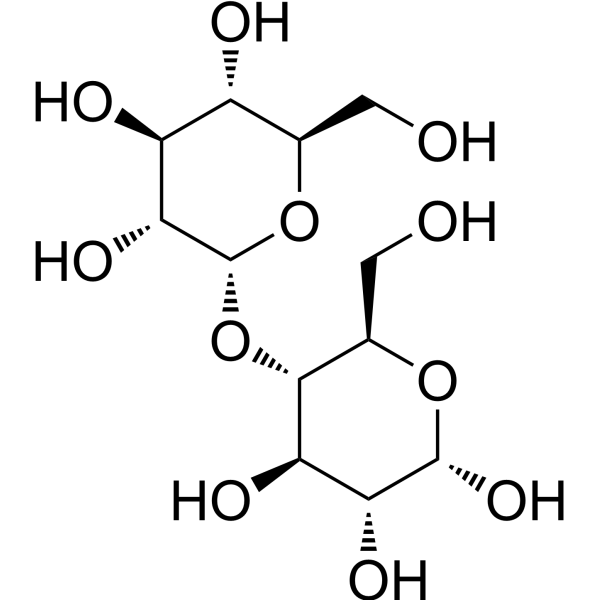
    Turanose is an isomer of Sucrose that naturally exists in honey. Turanose has anti-inflammatory and regulates adipogenesis effect. Turanose has potential for obesity and related chronic diseases research .
    Turanose
  • HY-129847

    Amino Acid Derivatives Others
    Alitame is a nonnutritive high-intensity sweetener, 2000 times sweeter than sucrose with no bitter or metallic aftertaste. Alitame is composed of L-aspartic acid, D-alanine, and a C-terminal amide moiety .
    Alitame
  • HY-W004286

    Methyl dodecanoate

    Environmental Pollutants Drug Derivative Others
    Methyl laurate (Methyl dodecanoate) is a fatty acid methyl ester. Methyl laurate can serve as a raw material to produce sucrose monolaurate via transesterification with sucrose .
    Methyl laurate
  • HY-139091

    Taste Receptor Others
    FEMA 4774 is a positive allosteric modulator of taste receptors T1R2 and T1R3, two subunits of the human sweet taste receptor. FEMA 4774 is also used as a sucrose sweetness enhancer .
    FEMA 4774
  • HY-W793693

    Biochemical Assay Reagents Others
    Sucrose 6′-monophosphate dipotassium is a dipotassium salt of a phosphorylated derivative of Sucrose (HY-B1779).
    Sucrose 6′-monophosphate dipotassium
  • HY-N2456
    Mogroside IV-E
    1 Publications Verification

    Others Metabolic Disease Cancer
    Mogroside IV-E, a triterpenoid glycoside, is a nonsugar sweetener. Mogrosides are sweeter than sucrose. Mogrosides exhibit antioxidant, antidiabetic and anticancer activities .
    Mogroside IV-E
  • HY-119309

    Environmental Pollutants Biochemical Assay Reagents Others
    Sucrose octaacetate is an acetylated derivative of sucrose with an intensely bitter tasting and can be used as bitter tasting surrogate. Sucrose octaacetate can be used as food additive and also used as an adhesive and plasticizer. Sucrose octaacetate also used in many pesticides, insecticides, and other toxic products as a deterrent to accidental poisoning. Sucrose octaacetate can also be used as an in situ seed and a soft template to synthesize polyaniline (PANI) nanofibers .
    Sucrose octaacetate
  • HY-B1779S3

    D-(+)-Saccharose-d14

    Endogenous Metabolite Metabolic Disease Cancer
    Sucrose-d14 is the deuterium labeled Sucrose. Sucrose (D-(+)-Saccharose) is a disaccharide which is composed of two monosaccharides, glucose and fructose. Sucrose can be applied in some animal models, including metabolic disease, obesity, diet on preferen
    Sucrose-d14
  • HY-W768338

    D-(+)-Saccharose-13C

    Isotope-Labeled Compounds Metabolic Disease Cancer
    Sucrose- 13C is 13C labeled Sucrose. Sucrose (D-(+)-Saccharose) is a disaccharide which is composed of two monosaccharides, glucose and fructose. Sucrose can be applied in some animal models, including metabolic disease, obesity, diet on preference, and diabetes, et al .
    Sucrose-13C
  • HY-W768340

    D-(+)-Saccharose-13C6-1

    Isotope-Labeled Compounds Metabolic Disease Cancer
    Sucrose- 13C6-1 is 13C labeled Sucrose. Sucrose (D-(+)-Saccharose) is a disaccharide which is composed of two monosaccharides, glucose and fructose. Sucrose can be applied in some animal models, including metabolic disease, obesity, diet on preference, and diabetes, et al .
    Sucrose-13C6-1
  • HY-N6833R

    Reference Standards Others Others
    Rebaudioside M (Standard) is the analytical standard of Rebaudioside M. This product is intended for research and analytical applications. Rebaudioside M, a glycoside of the ent-kaurene diterpenoid aglycone, is a non-calorie sweetener isolated from Stevia rebaudiana. Rebaudioside M is more than 350 times sweeter than sucrose .
    Rebaudioside M (Standard)
  • HY-W250316

    Sucrose Stearate, Type II, USP

    Biochemical Assay Reagents Others
    Alpha-d-Glucopyranoside, beta-d-fructofuranosyl, octadecanoate (Sucrose Stearate, Type II, USP) is a non-ionic surfactant. Alpha-d-Glucopyranoside, beta-d-fructofuranosyl, octadecanoate enhances the skin permeability of formulations .
    Alpha-d-Glucopyranoside, beta-d-fructofuranosyl, octadecanoate
  • HY-N6814

    Others Metabolic Disease Cancer
    Mogroside IIe is a nonsugar sweetener. Mogrosides are sweeter than sucrose. Mogrosides exhibit antioxidant, antidiabetic and anticancer activities .
    Mogroside IIe
  • HY-108275

    Others Metabolic Disease Cancer
    Mogroside VI is a triterpenoid glycoside and a nonsugar sweetener. Mogrosides are sweeter than sucrose. Mogrosides exhibit antioxidant, antidiabetic and anticancer activities .
    Mogroside VI
  • HY-N6854

    Others Metabolic Disease Cancer
    Mogroside I A1 is a triterpenoid glycoside and a nonsugar sweetener. Mogrosides are sweeter than sucrose. Mogrosides exhibit antioxidant, antidiabetic and anticancer activities .
    Mogroside I A1
  • HY-E70425

    Glycosyltransferase Metabolic Disease
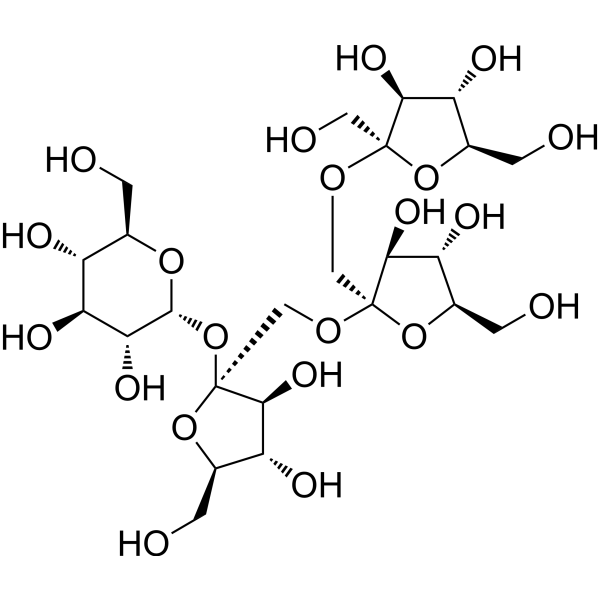
    Sucrose synthase belongs to glycosyltransferases and is a reversible catalyst present in plants, which catalyzes the conversion of sucrose into fructose and UDP-G or ADP-G. Sucrose synthase localizes to the cytoplasm, plasma membrane, cell wall, vacuole and mitochondria of plants. Sucrose synthase regulates sugar metabolism, supports the development of taproots, fruits, seeds and vascular tissues, drives the synthesis of starch, cellulose and callose, and enhances nitrogen fixation capacity. Sucrose synthase mediates signal transduction in plant meristems. Sucrose synthase is associated with plant growth, anaerobic stress tolerance, as well as shoot apical meristem and leaf morphology; overexpression of this enzyme promotes plant growth, increases xylem size, and elevates cellulose and starch contents .
    Sucrose synthase
  • HY-137273

    Somatostatin Receptor MMP Inflammation/Immunology
    Sucrose octasulfate sodium, a derivative of sulfated oligosaccharides, is a matrix metalloproteinase (MMP) inhibitor. Sucrose octasulfate sodium stimulates the release of somatostatin-like immunoreactivity (SLI) from the stomach by acting directly on D cells in the gastric mucosa. Sucrose octasulfate sodium exerts its ulcer-healing effect by releasing endogenous gastric somatostatin. Sucrose octasulfate sodium can be used as a pharmaceutical excipient and significantly improves wound closure in diabetic foot ulcers caused by nerve ischemia and venous leg ulcers. Sucrose octasulfate sodium can be used in the study of chronic wound healing .
    Sucrose octasulfate sodium
  • HY-167544

    SAIB (90% solution)

    Biochemical Assay Reagents Others
    Sucrose acetoisobutyrate (SAIB) is a biochemical reagent.
    Sucrose acetoisobutyrate (90% solution)
  • HY-B1779S5

    D-(+)-Saccharose-13C6

    Endogenous Metabolite Metabolic Disease
    Sucrose- 13C6 is the 13C labeled Sucrose . Sucrose (D-(+)-Saccharose) is a disaccharide which is composed of two monosaccharides, glucose and fructose. Sucrose can be applied in some animal models, including metabolic disease, obesity, diet on preference, and diabetes, et al .
    Sucrose-13C6
  • HY-107950

    Biochemical Assay Reagents Others
    Invert sugar is a mixture of dextrose and levulose. Invert sugar is formed when sucrose is split in two by an enzyme or acid. Invert sugar can be used as a sweetener .
    Invert sugar
  • HY-P2979B

    Endogenous Metabolite Others
    Invertase, baker's yeast (S. cerevisiae), glucose/fructose/sucrose free is a major enzyme present in plants and microorganisms, is often used in biochemical studies. Invertase catalyzes the hydrolysis of the disaccharide sucrose into glucose and fructose .
    Invertase, baker's yeast (S. cerevisiae), glucose/fructose/sucrose free
  • HY-154637

    Biochemical Assay Reagents Others
    Sucrose Stearate can be used as an excipient, such as Surfactants, emulsifiers, solubilizers, etc. Pharmaceutical excipients, or pharmaceutical auxiliaries, refer to other chemical substances used in the pharmaceutical process other than pharmaceutical ingredients. Pharmaceutical excipients generally refer to inactive ingredients in pharmaceutical preparations, which can improve the stability, solubility and processability of pharmaceutical preparations. Pharmaceutical excipients also affect the absorption, distribution, metabolism, and elimination (ADME) processes of co-administered drugs .
    Sucrose Stearate
  • HY-E70113

    Biochemical Assay Reagents Others
    β-Fructosidase is an enzyme that hydrolyzes sucrose to release fructose and glucose .
    β-Fructosidase
  • HY-P2979A

    β-D-Fructofuranosidase, candida sp.

    Biochemical Assay Reagents Others
    Invertase from Candida sp. is responsible for catalyzing the hydrolysis of sucrose into glucose and fructose and is widely used in the field of carbohydrate processing. Invertase from Candida sp. can be used for enzymatic determination of sucrose concentration as well as for structural analysis of carbohydrates containing β-D-fructofuranosyl residues .
    Invertase, candida sp.
  • HY-P2723

    Endogenous Metabolite Metabolic Disease
    Dextran sucrase is an extracellular glucosyltransferase (GTF) that catalyses the transfer of D-glucopyranosyl residues from sucrose to dextran .
    Dextran sucrase
  • HY-N6855

    Others Metabolic Disease Cancer
    Mogroside IIA1 is a triterpenoid glycoside and a nonsugar sweetener. Mogrosides are sweeter than sucrose. Mogrosides exhibit antioxidant, antidiabetic and anticancer activities .
    Mogroside IIA1
  • HY-N4320

    Others Others
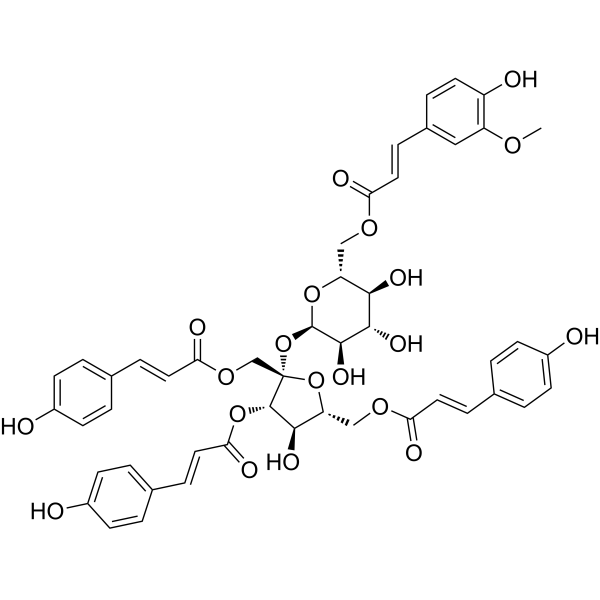
    3-Feruloyl-1-Sinapoyl sucrose (compound 1) is a glycoside isolated from the aerial parts of Polygala chamaebuxus .
    3-​Feruloyl-​1-​Sinapoyl sucrose
  • HY-145501A

    Biochemical Assay Reagents Others
    Sucrose hexasulfate (potassium) is a class of biochemical reagents used in glycobiology research. Glycobiology studies the structure, synthesis, biology, and evolution of sugars. It involves carbohydrate chemistry, enzymology of glycan formation and degradation, protein-glycan recognition, and the role of glycans in biological systems. This field is closely related to basic research, biomedicine, and biotechnology .
    Sucrose hexasulfate potassium
  • HY-141436

    Sucrose octasulfate potassium

    MMP Biochemical Assay Reagents Cardiovascular Disease Metabolic Disease
    Sucrosofate potassium (Sucrose octasulfate potassium) is a wound healing promoter. Sucrosofate potassium inhibits MMP, promotes angiogenesis and improves microcirculation. Sucrosofate potassium causes mild skin irritation. Sucrosofate potassium can be used to prepare p (MMA-co-AM)/PVA@PSO hydrogels. Sucrosofate potassium is applicable to research related to diabetic wounds .
    Sucrosofate potassium
  • HY-105291

    Glycosidase Bacterial Infection Metabolic Disease
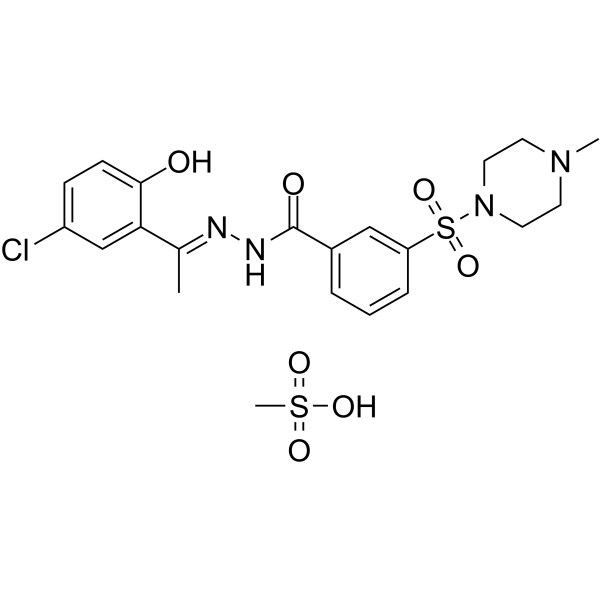
    CKD-711 is an orally active aminooligosaccharide α-glucosidase inhibitor with an IC50 of 78 μg/mL. CKD-711 also inhibits porcine intestinal maltase and sucrose with IC50 values of 2.5 and 0.5 μg/mL. CKD-711 shows selective antibacterial activity against Comamonas terrigena. CKD-711 can be used for the researches of infection and metabolic disease, such as diabetes .
    CKD-711
  • HY-137204

    GABA Receptor Neurological Disease
    COR659 is a potent and effective GABAB positive allosteric modulator (PAM). COR659 suppresses alcohol and chocolate self-administration in rats .
    COR659
  • HY-N1102

    6-Hydroxypeganine

    Angiotensin-converting Enzyme (ACE) Cardiovascular Disease
    Vasicinol is a reversible inhibitor of sucrase (IC50: 250 μM). Vasicinol is a HbF inducer. Vasicinol also inhibits Angiotensin-converting Enzyme (ACE). Vasicinol is apyrroquinazoline alkaloid that can be isolated from Adhatoda vasica .
    Vasicinol
  • HY-119309R

    Biochemical Assay Reagents Reference Standards Others
    Sucrose octaacetate (Standard) is the analytical standard of Sucrose octaacetate. This product is intended for research and analytical applications. Sucrose octaacetate is an acetylated derivative of sucrose with an intensely bitter tasting and can be used as bitter tasting surrogate. Sucrose octaacetate can be used as food additive and also used as an adhesive and plasticizer. Sucrose octaacetate also used in many pesticides, insecticides, and other toxic products as a deterrent to accidental poisoning. Sucrose octaacetate can also be used as an in situ seed and a soft template to synthesize polyaniline (PANI) nanofibers .
    Sucrose octaacetate (Standard)
  • HY-W145494

    Sucrose monocaprate

    Biochemical Assay Reagents Others
    Sucrose monodecanoate is a biochemical reagent that can be used as a biological material or organic compound for life science related research.
    Sucrose monodecanoate
  • HY-P2753
    Sucrose phosphorylase
    1 Publications Verification

    SP

    Endogenous Metabolite Others Cancer
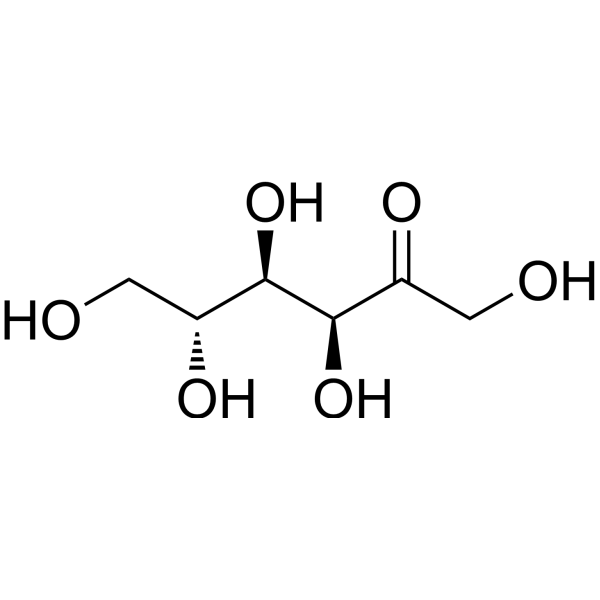
    Sucrose phosphorylase is a bacterial transglucosidase that catalyzes the conversion of sucrose and phosphate into α-D-glucose-1-phosphate and D-fructose. The glucosylated Sucrose phosphorylase can also be hydrolyzed into α-D-glucose, or transfer the glucoyl to the hydroxyl group of the receptor, and then decomposed into new α-D-glucoside products. The enzymatic activity of base phosphorylase to substrate and product is weak .
    Sucrose phosphorylase
  • HY-172190A

    Biochemical Assay Reagents Others
    MS Medium (Agar-Free, Sucrose-Free) is a culture medium with a high concentration of inorganic salts and ions, making it a relatively stable balanced solution. The quantity and ratio of nutrients in MS Medium (Agar-Free, Sucrose-Free) are suitable to meet the nutritional and physiological needs of plants.
    MS Medium (Agar-Free, Sucrose-Free)
  • HY-141436R

    Sucrose octasulfate potassium (Standard)

    Biochemical Assay Reagents Reference Standards Cancer
    Sucrosofate (potassium) (Standard) is the analytical standard of Sucrosofate (potassium). This product is intended for research and analytical applications. Sucrosofate (Sucrose octasulfate) potassium is a sucrose acid that can be used to prepare liposomes to deliver Irinotecan (HY-16562). Irinotecan is an inhibitor of topoisomerase Topo I and is commonly used in colon and rectal cancer research. Sucrosofate nanoliposome preparation loaded with Irinotecan, also known as PEP02 or MM-398 .
    Sucrosofate potassium (Standard)

Inquiry Online

Your information is safe with us. * Required Fields.

Salutation


Country or Region *

Applicant Name *


Organization Name *

Department *


Email Address *


Product Name *

Cat. No.


Requested quantity *

Phone Number *


Remarks

Inquiry Online

Inquiry Information

Product Name:
Cat. No.:
Quantity:
MCE Japan Authorized Agent:

