


1. Search Result
Search Result
Results for "

TA

" in MedChemExpress (MCE) Product Catalog:

87

Inhibitors & Agonists

2

Fluorescent Dyes

3

Biochemical Assay Reagents

5

Inhibitory Antibodies

17

Natural
Products

2

Recombinant Proteins

9

Isotope-Labeled Compounds

10

Antibodies

3

Oligonucleotides

Cat. No. Product Name Target Research Areas Chemical Structure
  • HY-P9970
    Infliximab
    25+ Cited Publications

    Avakine; CT-P13; SB2; TA-650

    TNF Receptor Neurological Disease Metabolic Disease Inflammation/Immunology Cancer
    Infliximab (Avakine) is a chimeric monoclonal IgG1 antibody that specifically binds to TNF-α. Infliximab prevents the interaction of TNF-α with TNF-α receptor (TNFR1 and TNFR2). Infliximab has the potential for autoimmune, chronic inflammatory diseases and diabetic neuropathy research .
    The component ratio of this product is Active ingredient : Excipients = 9 : 47.
    Infliximab
  • HY-12169
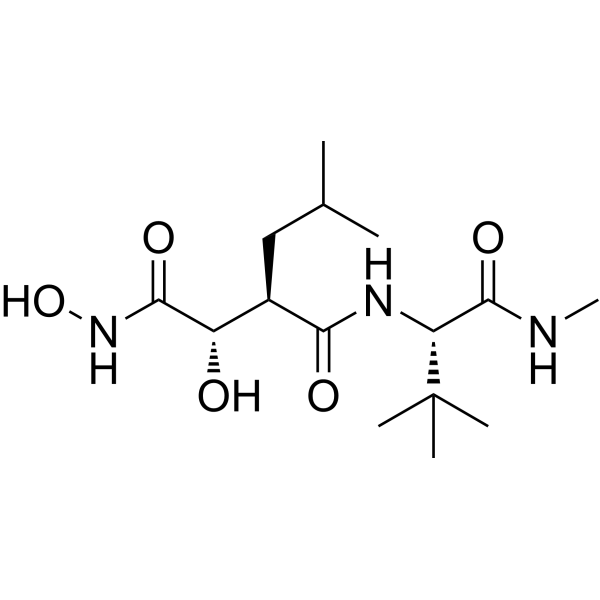
    Marimastat
    15+ Cited Publications

    BB2516; TA2516

    MMP Cancer
    Marimastat (BB2516) is a broad spectrum and orally bioavailable inhibitor of MMPs, with potent activity against MMP-9 (IC50=3 nM), MMP-1 (IC50=5 nM), MMP-2 (IC50=6 nM), MMP-14 (IC50=9 nM) and MMP-7 (IC50=13 nM), used in the treatment of cancer. Marimastat (BB2516) is an angiogenesis and metastasis inhibitor, which limits the growth and production of blood vessels. As an antimetatstatic agent it prevents malignant cells from breaching the basement membranes .
    Marimastat
  • HY-P99634

    PankoMab; DS-3939a antibody

    Mucin Cancer
    Gatipotuzumab (PankoMab) is a humanized monoclonal antibody which recognizes the tumor-specific epitope of mucin-1 (TA-MUC1). Gatipotuzumab reveals a potent tumor-specific antibody-dependent cell cytotoxicity (ADCC) .
    Gatipotuzumab
  • HY-112486

    Megakaryocytes/platelets inducing agent

    Cyclin G-associated Kinase (GAK) Cardiovascular Disease
    TA-3166 (Megakaryocytes/platelets inducing agent) is a novel chemically synthesized c-MPL agonist (CMA) and thrombopoietin (TPO) receptor agonist. TA-316 enhances ex vivo platelet generation from human-induced pluripotent stem (iPS) cells .
    TA-316
  • HY-18252
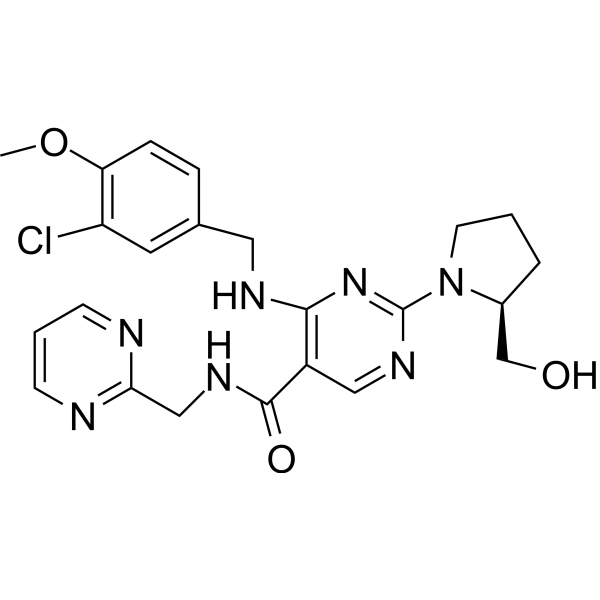
    Avanafil
    1 Publications Verification

    TA1790

    Phosphodiesterase (PDE) NO Synthase Endogenous Metabolite Cardiovascular Disease Endocrinology
    Avanafil (TA-1790) is a potent and selective phosphodiesterase-5 (PDE-5) inhibitor with IC50 values of 5.2 nM, 630 nM, 5700 nM, 6200 nM, 12000 nM, 27000 nM, 51000 nM and 53000 nM for PDE-5, PDE-6, PDE-4, PDE-10, PDE-8, PDE-7, PDE-2 and PDE-1, respectively. Avanafil activates NO/cGMP/PKG signaling-pathway to decrease loss in BMD, bone atrophy, and oxidative stress. Avanafil inhibits cyclic guanosine monophosphate (cGMP) hydrolysis and thus increases cGMP levels. Avanafil can be used for the research of erectile dysfunction and osteoporosis .
    Avanafil
  • HY-18778

    TA-8995; DEZ-001; AMG-899

    CETP Apolipoprotein LPL Receptor LDLR Cardiovascular Disease
    Obicetrapib (TA-8995; DEZ-001) is an orally active cholesteryl ester transfer protein (CETP) inhibitor. Obicetrapib potently reduces atherogenic lipoproteins (such as LDL-C, ApoB, Lp (a)) and increases HDL-C. Obicetrapib can be used for the research of dyslipidemia and atherosclerotic cardiovascular disease (ASCVD) .
    Obicetrapib
  • HY-177442

    DS-3939

    Antibody-Drug Conjugates (ADCs) Mucin Topoisomerase Apoptosis Cancer
    DS-3939a (DS-3939) is an anti-TA-MUC1 (tumor-associated mucin-1) antibody-drug conjugate (ADC). DS-3939a consists of a humanized anti-TA-MUC1 IgG1 monoclonal antibody Gatipotuzumab ( HY-P99634), a stable and cleavable tetrapeptide-based linker (Gly-Gly-Phe-Gly), and a DNA topoisomerase I inhibitor payload (DXd) (HY-13631D), and the drug-linker conjugate for ADC is Deruxtecan (HY-13631E). DS-3939a inhibits the growth of TA-MUC1-positive cancer cells (CFPAC-1, NCI-H2110) by inducing DNA damage and apoptosis. DS-3939a exhibits significant antitumor activity in a variety of TA-MUC1-expressing advanced solid tumors. DS-3939a can be used for the study of TA-MUC1-expressing advanced cancers .
    DS-3939a
  • HY-100115
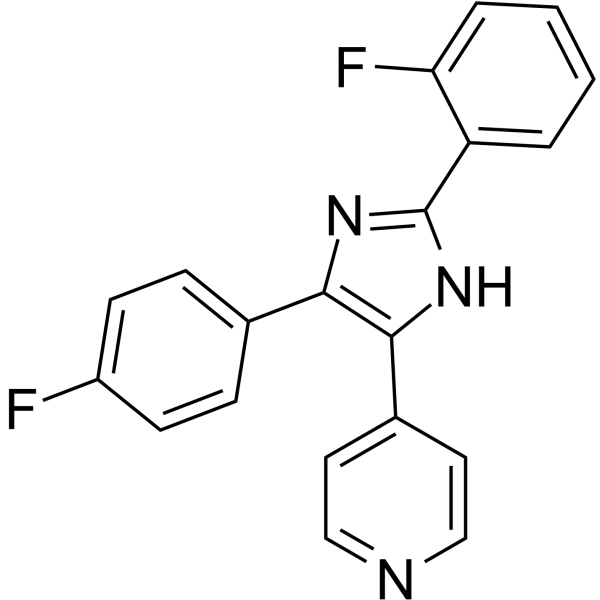
    TA-02
    2 Publications Verification

    p38 MAPK Autophagy Cardiovascular Disease Inflammation/Immunology Cancer
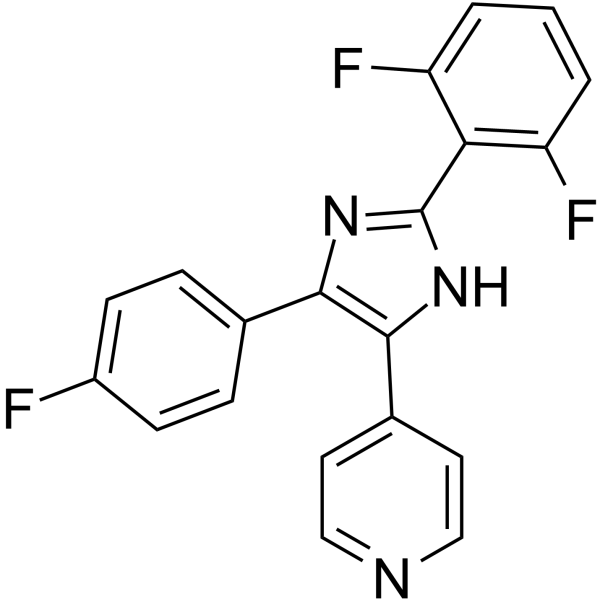
    TA-02, an analog of SB 203580 (HY-10256), is a p38 MAPK inhibitor with an IC50 of 20 nM. TA-02 especially inhibits TGFBR-2. TA-02 exhibits similar cardiogenic properties as SB 203580 and SB 202190 (HY-10295) .
    TA-02
  • HY-119515

    (R)-(-)-Denopamine; TA-064

    Adrenergic Receptor Cardiovascular Disease Cancer
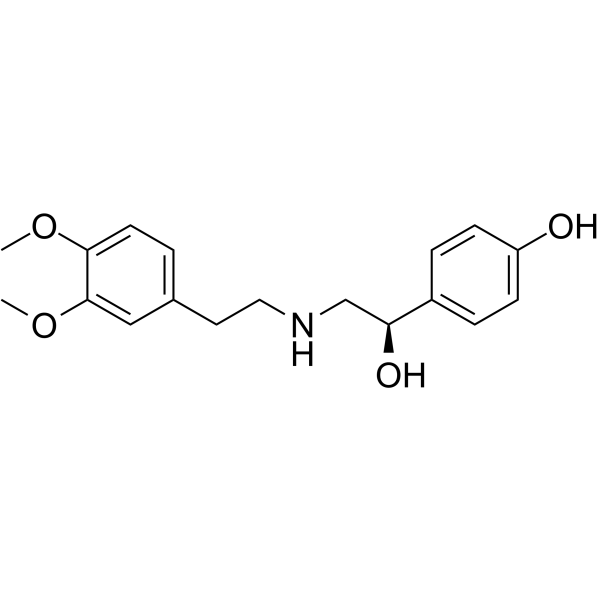
    Denopamine ((R)-(-)-Denopamine) is an orally active, selective β1-adrenergic agonist. Denopamine prolongs survival in a murine model of congestive heart failure induced by viral myocarditis: suppression of tumor necrosis factor-α production in the heart. Cardiovascular effects .
    Denopamine
  • HY-Y1134

    D-(-)-TArTAric acid

    Biochemical Assay Reagents Bacterial Infection
    D-Tartaric acid (D-(-)-Tartaric acid) serves as an additive in beverages and other food products. When combined with pyrrole, D-Tartaric acid is used to construct a D-TA/polypyrrole-based bacterial imprinted polymer sensor for the detection of Vibrio parahaemolyticus. D-Tartaric acid enhances the sensitivity of polypyrrole-based bacterial imprinted polymer sensors for detecting Vibrio parahaemolyticus. D-Tartaric acid is applicable to research on Vibrio parahaemolyticus infection .
    D-Tartaric acid
  • HY-113306

    Endogenous Metabolite Others
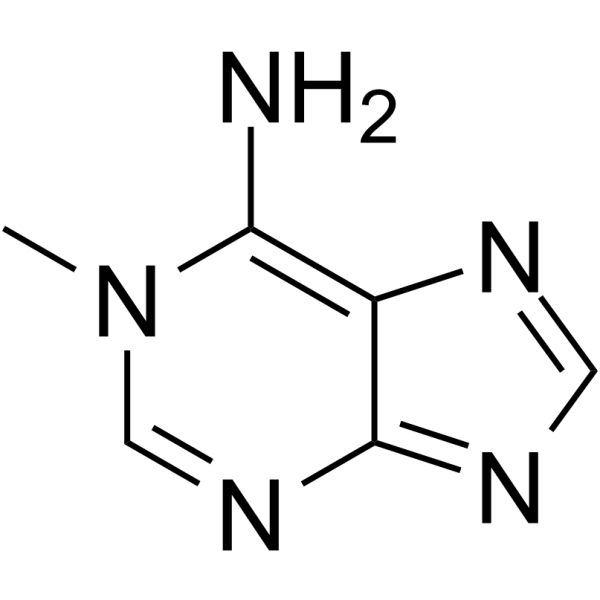
    1-Methyladenine is a gonad maturation-promoting regulator. 1-Methyladenine is produced in testes and ovarian follicle cells of starfish under the induction of gonad-stimulating substance (GSS). 1-Methyladenine promotes starfish oocyte maturation and spawning, and modifies bases that regulate DNA structure. 1-Methyladenine converts T-A base pairs in double-stranded DNA into non-disruptive T (anti)m1A (syn) Hoogsteen conformation. If this conformational base is not repaired in a timely manner, 1-Methyladenine transforms into cytotoxic DNA damage and blocks the replication process .
    1-Methyladenine
  • HY-B0596
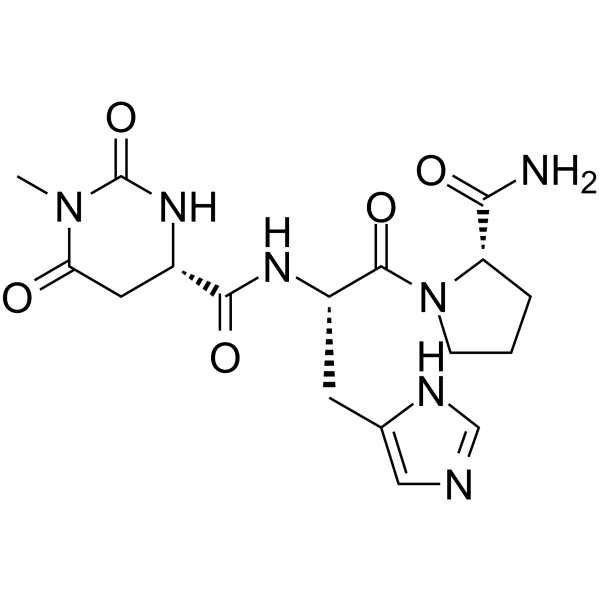
    Taltirelin
    1 Publications Verification

    TA-0910

    Thyroid Hormone Receptor Apoptosis Neurological Disease Endocrinology
    Taltirelin (TA-0910) is an orally effective analogue of thyrotropin releasing hormone (TRH) and a TRH receptor (TRH-R) superagonist (IC50 at 910 nM). Taltirelin can cross the blood-brain barrier. Taltirelin stimulates an increase in cytosolic Ca 2+ concentration (Ca 2+ release) with an EC50 value of 36 nM. Taltirelin increases cell viability and reduces apoptosis in SH-SY5Y cells and primary rat mesencephalic neurons treated with MPP+ (HY-W008719) or Rotenone (HY-B1756). Taltirelin has neuroprotective effects in both cellular and animal models of Parkinson's disease. Taltirelin alleviates fatigue-like behavior in mouse models of cancer-related fatigue .
    Taltirelin
  • HY-100114

    Casein Kinase p38 MAPK Autophagy Cardiovascular Disease
    TA-01 is a potent CK1 and p38 MAPK inhibitor, with IC50s of 6.4 nM, 6.8 nM, 6.7 nM for CK1ε, CK1δ and p38 MAPK, respectively. TA-01 acts as a cardiogenic inhibitor.
    TA-01
  • HY-B1451

    TA-6366

    Angiotensin-converting Enzyme (ACE) MMP JNK Cardiovascular Disease Neurological Disease Metabolic Disease Inflammation/Immunology
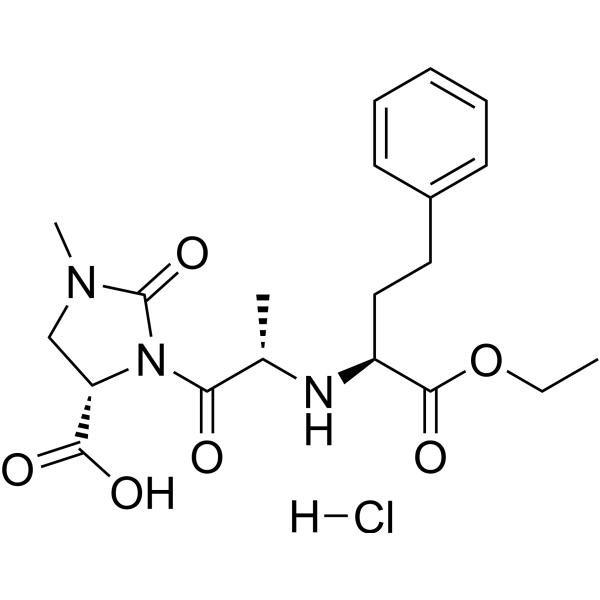
    Imidapril hydrochloride (TA-6366) is an orally active dual inhibitor of angiotensin-converting enzyme (ACE) and MMP-9. Imidapril hydrochloride inhibits lipopolysaccharide-induced phosphorylation of c-Jun, MKK4 and JNK in monocytes, and downregulates the production of specific inflammatory factors such as TNF-α and IP-10, thereby exerting anti-inflammatory activity. Imidapril hydrochloride also effectively ameliorates mesangial expansion and reduces urinary albumin excretion by inhibiting angiotensin AngII production, lowering glomerular pressure and oxidative stress, thus delaying disease progression. Imidapril hydrochloride can also directly bind to the active site of MMP-9 to inhibit gelatinase activity, and suppress the enlargement of cerebral aneurysms without altering systemic blood pressure. Imidapril hydrochloride is widely applicable to related studies on autoimmune glomerulonephritis, diabetic nephropathy, cerebral aneurysms and other conditions .
    Imidapril hydrochloride
  • HY-16487

    TMFX; TA-167 free acid; A-62254 free acid

    Bacterial Antibiotic Infection
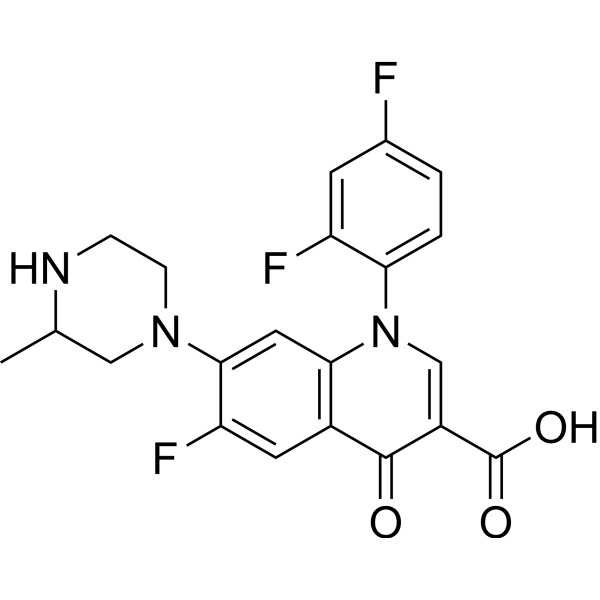
    Temafloxacin (TMFX) is an orally active quinolone broad-spectrum antibacterial agent. Temafloxacin is well tolerated in lower respiratory and genitourinary tract infections .
    Temafloxacin
  • HY-W020246

    TMTM

    Squalene Monooxygenase Bacterial Infection Inflammation/Immunology
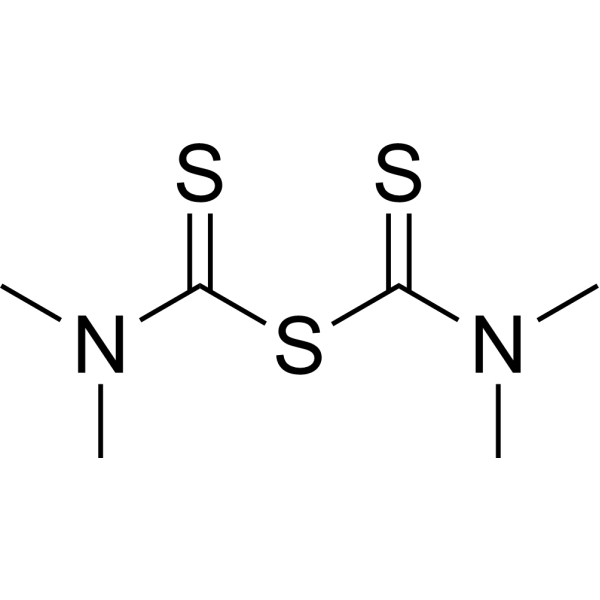
    Tetramethylthiuram monosulfide (TMTM) is an orally active microsomal monooxygenases inhibitor. Tetramethylthiuram monosulfide is used as an accelerator and activator in the processing of natural rubber and butyl rubber. Tetramethylthiuram monosulfide reduces palmitic acid incorporation into microsomal phospholipids, disrupts microsomal membrane integrity, and impairs electron transport during oxygenation. Tetramethylthiuram monosulfide can be used for the research of fungal infection, bacterial infection and allergic contact dermatitis .
    Tetramethylthiuram monosulfide
  • HY-B0952
    2-Aminoheptane
    1 Publications Verification

    TuaminohepTAne

    Adrenergic Receptor Neurological Disease
    2-Aminoheptane (Tuaminoheptane) is a norepinephrine transporter inhibitor. 2-Aminoheptane binds to norepinephrine transporter via ionic and hydrophobic interactions to block norepinephrine uptake. 2-Aminoheptane deactivates ω-TAmla enzyme, reduces recombinant whole cell stability, and acts as an amino group donor substrate for ω-TA and ω-TAmla enzymes. 2-Aminoheptane can be used in research on depression and Alzheimer's disease .
    2-Aminoheptane
  • HY-N5092

    Reactive Oxygen Species (ROS) Cytochrome P450 Metabolic Disease
    7-Methylcoumarin is a coumarin derivative with potent hepatoprotective and antioxidant properties. 7-Methylcoumarin is a mechanism-based inhibitor for CYP2A6. 7-Methylcoumarin significantly decreases alanine aminotransferase (ALT), aspartate aminotransferase (AST), and serum bilirubin (TB) in rats with CCl4-induced liver damage, whilst restoring total protein (TP) and albumin (TA) levels in serum as well as preventing oxidative stress. 7-Methylcoumarin can decline mitotic activity of A. sativum promeristem .
    7-Methylcoumarin
  • HY-N2459
    Peonidin chloride
    1 Publications Verification

    YGM-6 chloride

    Interleukin Related Neurological Disease Inflammation/Immunology Cancer
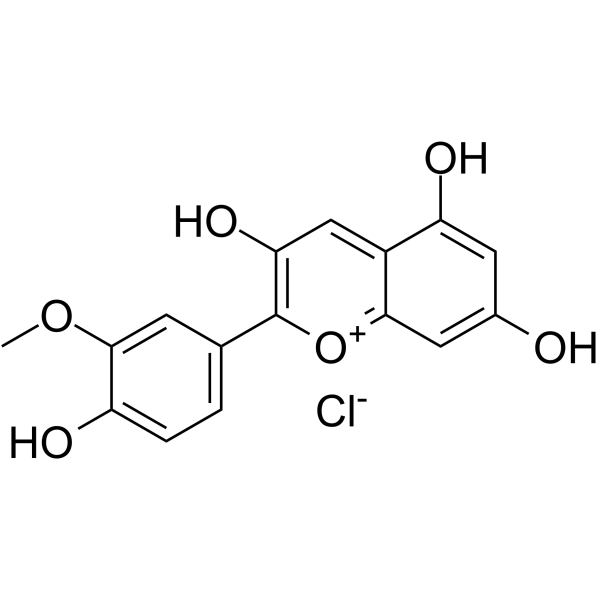
    Peonidin (YGM-6) chloride is an anthocyanin compound found in plants such as grapes and purple-fleshed sweet potatoes. Peonidin chloride alone exerts no stable inhibitory effect on LPS (HY-D1056)-mediated inflammatory gene expression. The acylated form of Peonidin chloride exhibits antimutagenic activity .
    Peonidin chloride
  • HY-B0596A
    Taltirelin acetate
    1 Publications Verification

    TA-0910 aceTAte

    Thyroid Hormone Receptor Apoptosis Neurological Disease Endocrinology
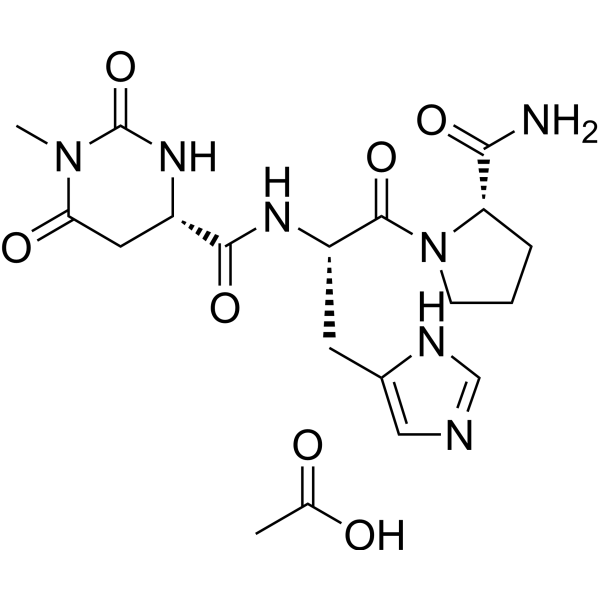
    Taltirelin acetate (TA-0910) is an acetate form of Taltirelin (TA-0910). Taltirelin (TA-0910) is an orally effective analogue of thyrotropin releasing hormone (TRH) and a TRH receptor (TRH-R) superagonist (IC50 at 910 nM). Taltirelin can cross the blood-brain barrier. Taltirelin stimulates an increase in cytosolic Ca 2+ concentration (Ca 2+ release) with an EC50 value of 36 nM. Taltirelin increases cell viability and reduces apoptosis in SH-SY5Y cells and primary rat mesencephalic neurons treated with MPP+ (HY-W008719) or Rotenone (HY-B1756). Taltirelin has neuroprotective effects in both cellular and animal models of Parkinson's disease. Taltirelin alleviates fatigue-like behavior in mouse models of cancer-related fatigue .
    Taltirelin acetate
  • HY-B1451A

    TA-6366 free base

    Angiotensin-converting Enzyme (ACE) MMP JNK Cardiovascular Disease Metabolic Disease
    Imidapril (TA-6366 free base) is an orally active dual inhibitor of angiotensin-converting enzyme (ACE) and MMP-9. Imidapril inhibits lipopolysaccharide-induced phosphorylation of c-Jun, MKK4 and JNK in monocytes, and downregulates the production of specific inflammatory factors such as TNF-α and IP-10, thereby exerting anti-inflammatory activity. Imidapril also effectively ameliorates mesangial expansion and reduces urinary albumin excretion by inhibiting angiotensin AngII production, lowering glomerular pressure and oxidative stress, thus delaying disease progression. Imidapril can also directly bind to the active site of MMP-9 to inhibit gelatinase activity, and suppress the enlargement of cerebral aneurysms without altering systemic blood pressure. Imidapril is widely applicable to related studies on autoimmune glomerulonephritis, diabetic nephropathy, cerebral aneurysms and other conditions .
    Imidapril
  • HY-109592

    6366A; Imidaprilat

    Angiotensin-converting Enzyme (ACE) Cardiovascular Disease
    Imidaprilate is an active metabolite of TA-6366, acts as a potent angiotensin converting enzyme (ACE) inhibitor, with an IC50 of 2.6 nM, and is used in the research of hypertensive disease.
    Imidaprilate
  • HY-163942

    DNA/RNA Synthesis Cancer
    GSK_WRN4 is an orally active WRN helicase inhibitor (pIC50=7.6). GSK_WRN4 induces DNA damage markers (p21, p-γH2AX, p-KAP1). GSK_WRN4 selectively inhibits microsatellite-unstable tumor growth in vitro and in vivo by inducing DNA double-strand breaks, particularly at expanded TA repeats and regions of DNA damage .
    GSK_WRN4
  • HY-12608

    JNJ-39933673

    SGLT Metabolic Disease
    TA-1887 (JNJ-39933673) is a highly potent, selective and orally active SGLT2 inhibitor (IC50: 1.4 nM) with antihyperglycemic effects. TA-1887 can be used in the research of diabetes .
    TA-1887
  • HY-W001189

    Bacterial Infection
    1,3-Dithiane is a protected formaldehyde anion equivalent and a sulfur-containing Maillard reaction product. 1,3-Dithiane is found in cooked beef extracts. 1,3-Dithiane is a potent mutagenic agent against S. typhimurium TA98 and TA100. 1,3-Dithiane can be used as a useful marker synthon .
    1,3-Dithiane
  • HY-W008030

    Bacterial Infection
    3-Aminobiphenyl is a chemical isomer of 4-ABP. 3-Aminobiphenyl can inhibit the growth of human intestinal bacteria Bifidobacterium infantis ATCC 15697, B. bifidium ATCC 11863, Clostridium perfringens ATCC 13124, Escherichia coli ATCC 25922, E. coli ATCC 35218, Enterobacter cloacae ATCC 13047 and Salmonella typhimurium TA98, TA100, YG1041. 3-Aminobiphenyl can be used as a biomarker of exposure to aromatic amines from cigarette smoke .
    3-Aminobiphenyl
  • HY-W275553

    DNA Alkylator/Crosslinker Infection
    4-Decanol is an antimutagenic compound, that can be isolated from mustard leaves. 4-Decanol inhibits mutagenic activities of Aflatoxin B1 (HY-N6615) and MNNG (HY-128612) in Salmonella typhimurium TA100 .
    4-Decanol
  • HY-B0691A

    TA-2711

    Reactive Oxygen Species (ROS) Bacterial Apoptosis Infection
    Ecabet sodium (TA-2711) is currently applied to some gastrointestinal disease by inhibiting the ROS production and improving Helicobacter pylori eradication . Ecabet sodium reduces apoptosis .
    Ecabet sodium
  • HY-P99823

    TA-46; sFGFR3

    FGFR Others
    Recifercept (TA-46) is a soluble, recombinant fibroblast growth factor receptor 3 (FGFR3) molecule. Recifercept can be used as a decoy/ligand trap to decrease the amount of fibroblast growth factors that can bind to mutant FGFR3 receptors. Recifercept can be used for the research of achondroplasia .
    Recifercept
  • HY-W150695

    N-(Naphthalen-1-yl)aceTAmide

    Bacterial Infection
    1-Acetamidonaphthalene (N-(Naphthalen-1-yl)acetamide) is a degradation product of Digitoxigenin (HY-B2151). 1-Acetamidonaphthalene is weakly mutagenic to Salmonella typhimurium TA98 with metabolic activation. 1-Acetamidonaphthalene can be used for the research of bacterial infection .
    1-Acetamidonaphthalene
  • HY-124234

    Endothelin Receptor Cardiovascular Disease
    TA-0201 is a novel orally active, competitive, non-peptide endothelin receptor antagonist. TA-0201 antagonizes the specific binding of [ 125I]ET-1 to cloned human receptors of ETA and ETB with Ki values of 15 pM and 41 nM, respectively. TA-0201 inhibits the pressor response to the exogenous big ET-1 .
    TA-0201
  • HY-112486G

    Megakaryocytes/platelets inducing agent (GMP)

    Cyclin G-associated Kinase (GAK) Cardiovascular Disease
    TA-316 (GMP) is TA-316 (HY-112486) produced by using GMP guidelines. GMP grade small molecules can be used as auxiliary agents in cell therapy. TA-316 is a c-MPL agonist and a thrombopoietin (TPO) receptor agonist .
    TA-316 (GMP)
  • HY-P990149

    Tyrosinase Cancer
    Anti-Mouse/Human TYRP1 Antibody (TA99) is a mouse-derived IgG2a κ type antibody inhibitor, targeting to mouse/human TYRP1. Anti-Mouse/Human TYRP1 Antibody (TA99) binds to Tyrp1 (tyrosinase related protein-1) on tumor. Anti-Mouse/Human TYRP1 Antibody (TA99) enhances infiltration of the tumor by CD8 + T cells. Anti-Mouse/Human TYRP1 Antibody (TA99) can be used for the research of melanoma .
    Anti-Mouse/Human TYRP1 Antibody (TA99)
  • HY-164594

    Radionuclide-Drug Conjugates (RDCs) Cancer
    TA-DOTA-GA is a radionuclide conjugate (RDC), which is capable of binding to a radionuclide. RDC has the ability to specifically target biomolecules and can be used in medical imaging or therapy .
    TA-DOTA-GA
  • HY-18252A

    TA1790 dibenzenesulfonate

    Phosphodiesterase (PDE) NO Synthase Endogenous Metabolite Cardiovascular Disease Endocrinology
    Avanafil (TA-1790) dibenzenesulfonate is a potent and selective phosphodiesterase-5 (PDE-5) inhibitor with IC50 values of 5.2 nM, 630 nM, 5700 nM, 6200 nM, 12000 nM, 27000 nM, 51000 nM and 53000 nM for PDE-5, PDE-6, PDE-4, PDE-10, PDE-8, PDE-7, PDE-2 and PDE-1, respectively. Avanafil dibenzenesulfonate activates NO/cGMP/PKG signaling-pathway to decrease loss in BMD, bone atrophy, and oxidative stress. Avanafil dibenzenesulfonate inhibits cyclic guanosine monophosphate (cGMP) hydrolysis and thus increases cGMP levels. Avanafil dibenzenesulfonate can be used for the research of erectile dysfunction and osteoporosis .
    Avanafil dibenzenesulfonate
  • HY-N5054

    TNF Receptor Inflammation/Immunology
    (R)-5,7-Dimethoxyflavanone shows potent antimutagenic activity against MeIQ mutagenesis in Ames test using the S. typhimurium TA100 and TA98 strains . And (R)-5,7-Dimethoxyflavanone significantly and dose-dependently inhibits the inflammatory mediato .
    (R)-5,7-Dimethoxyflavanone
  • HY-113595

    TMFX hydrochloride; TA-167; A-62254

    Antibiotic Bacterial Infection
    Temafloxacin (TMFX) hydrochloride is an orally active quinolone broad-spectrum antibacterial agent. Temafloxacin hydrochloride is well tolerated in lower respiratory and genitourinary tract infections .
    Temafloxacin hydrochloride
  • HY-12169R

    BB2516 (STAndard); TA2516 (STAndard)

    MMP Reference Standards Cancer
    Marimastat (Standard) is the analytical standard of Marimastat. This product is intended for research and analytical applications. Marimastat (BB2516) is a broad spectrum and orally bioavailable inhibitor of MMPs, with potent activity against MMP-9 (IC50=3 nM), MMP-1 (IC50=5 nM), MMP-2 (IC50=6 nM), MMP-14 (IC50=9 nM) and MMP-7 (IC50=13 nM), used in the treatment of cancer. Marimastat (BB2516) is an angiogenesis and metastasis inhibitor, which limits the growth and production of blood vessels. As an antimetatstatic agent it prevents malignant cells from breaching the basement membranes .
    Marimastat (Standard)
  • HY-Y1134R

    D-(-)-TArTAric acid (STAndard)

    Biochemical Assay Reagents Reference Standards Bacterial Infection
    D-Tartaric acid (Standard) is the analytical standard of D-Tartaric acid (HY-Y1134). This product is intended for research and analytical applications. D-Tartaric acid (D-(-)-Tartaric acid) serves as an additive in beverages and other food products. When combined with pyrrole, D-Tartaric acid is used to construct a D-TA/polypyrrole-based bacterial imprinted polymer sensor for the detection of Vibrio parahaemolyticus. D-Tartaric acid enhances the sensitivity of polypyrrole-based bacterial imprinted polymer sensors for detecting Vibrio parahaemolyticus. D-Tartaric acid is applicable to research on Vibrio parahaemolyticus infection .
    D-Tartaric acid (Standard)
  • HY-117178

    Thyroid Hormone Receptor Metabolic Disease
    TA 0910 acid-type is a metabolite of TA 0910. TA-0910 is a metabolically stable analogue of thyrotropin releasing hormone (TRH) .
    TA 0910 acid-type
  • HY-123226

    Angiotensin Receptor Cardiovascular Disease
    TA-606 is a potent and orally active angiotensin II-receptor antagonist. TA-606 shows antihypertensive efficacy. TA-606 can be used for hypertension research .
    TA-606
  • HY-19030

    Others Metabolic Disease
    TA-1801 is a hypolipidemic agent.
    TA-1801
  • HY-100253

    Acyltransferase Cardiovascular Disease
    TA-7552 is a potent cholesterol-lowering agent.
    TA-7552
  • HY-126467

    Lipoxygenase Inflammation/Immunology
    TA-270, a novel quinolinone derivative, is a potent inhibitor of 5-lipoxygenase that plays an important role in asthma research .
    TA-270
  • HY-18252S2

    TA1790-d4

    NO Synthase Endogenous Metabolite Phosphodiesterase (PDE) Isotope-Labeled Compounds Endocrinology
    Avanafil-d4 (TA1790-d4) is deuterium-labeled Avanafil (HY-18252) .
    Avanafil-d4
  • HY-164599

    Radionuclide-Drug Conjugates (RDCs) Cancer
    TA-DOTA is a radionuclide conjugate (RDC), which is capable of binding to a radionuclide. RDC has the ability to specifically target biomolecules and can be used in medical imaging or therapy .
    TA-DOTA
  • HY-18252B

    (R)-TA1790

    Phosphodiesterase (PDE) Endocrinology
    (R)-Avanafil ((R)-TA1790) is a selective PDE5 inhibitor (IC50: 5.2 nM). (R)-Avanafil can be used for research of erectile dysfunction .
    (R)-Avanafil
  • HY-B0596S

    TA-0910-13C,d3

    Isotope-Labeled Compounds Thyroid Hormone Receptor Apoptosis Neurological Disease Endocrinology
    Taltirelin- 13C,d3 (TA-0910- 13C,d3) is 13C and deuterated labeled Taltirelin (HY-B0596). Taltirelin (TA0910) is a superagonist at thyrotropin-releasing hormone receptor (TRH-R) with an IC50 of 910 nM and EC50 of 36 nM for stimulating an increase in cytosolic Ca 2+ concentration (Ca 2+ release).
    Taltirelin-13C,d3
  • HY-18252R

    TA1790 (STAndard)

    Reference Standards Phosphodiesterase (PDE) NO Synthase Endogenous Metabolite Cardiovascular Disease Endocrinology
    Avanafil (Standard) is the analytical standard of Avanafil. This product is intended for research and analytical applications. Avanafil (TA-1790) is a potent and selective phosphodiesterase-5 (PDE-5) inhibitor with IC50 values of 5.2 nM, 630 nM, 5700 nM, 6200 nM, 12000 nM, 27000 nM, 51000 nM and 53000 nM for PDE-5, PDE-6, PDE-4, PDE-10, PDE-8, PDE-7, PDE-2 and PDE-1, respectively. Avanafil activates NO/cGMP/PKG signaling-pathway to decrease loss in BMD, bone atrophy, and oxidative stress. Avanafil inhibits cyclic guanosine monophosphate (cGMP) hydrolysis and thus increases cGMP levels. Avanafil can be used for the research of erectile dysfunction and osteoporosis .
    Avanafil (Standard)
  • HY-B1451R

    TA-6366 (STAndard)

    Reference Standards Angiotensin-converting Enzyme (ACE) MMP JNK Cardiovascular Disease Metabolic Disease
    Imidapril (hydrochloride) (Standard) is the analytical standard of Imidapril (hydrochloride). This product is intended for research and analytical applications. Imidapril hydrochloride (TA-6366) is an orally active dual inhibitor of angiotensin-converting enzyme (ACE) and MMP-9. Imidapril hydrochloride inhibits lipopolysaccharide-induced phosphorylation of c-Jun, MKK4 and JNK in monocytes, and downregulates the production of specific inflammatory factors such as TNF-α and IP-10, thereby exerting anti-inflammatory activity. Imidapril hydrochloride also effectively ameliorates mesangial expansion and reduces urinary albumin excretion by inhibiting angiotensin AngII production, lowering glomerular pressure and oxidative stress, thus delaying disease progression. Imidapril hydrochloride can also directly bind to the active site of MMP-9 to inhibit gelatinase activity, and suppress the enlargement of cerebral aneurysms without altering systemic blood pressure. Imidapril hydrochloride is widely applicable to related studies on autoimmune glomerulonephritis, diabetic nephropathy, cerebral aneurysms and other conditions .
    Imidapril hydrochloride (Standard)

Inquiry Online

Your information is safe with us. * Required Fields.

Salutation


Country or Region *

Applicant Name *


Organization Name *

Department *


Email Address *


Product Name *

Cat. No.


Requested quantity *

Phone Number *


Remarks

Inquiry Online

Inquiry Information

Product Name:
Cat. No.:
Quantity:
MCE Japan Authorized Agent:

