Search Result
Results for "
Whole
" in MedChemExpress (MCE) Product Catalog:
2
Biochemical Assay Reagents
11
Isotope-Labeled Compounds
| Cat. No. |
Product Name |
Target |
Research Areas |
Chemical Structure |
-
- HY-13344
-
-
-
- HY-B0753
-
|
S1702; SE1702
|
Potassium Channel
|
Cardiovascular Disease
|
|
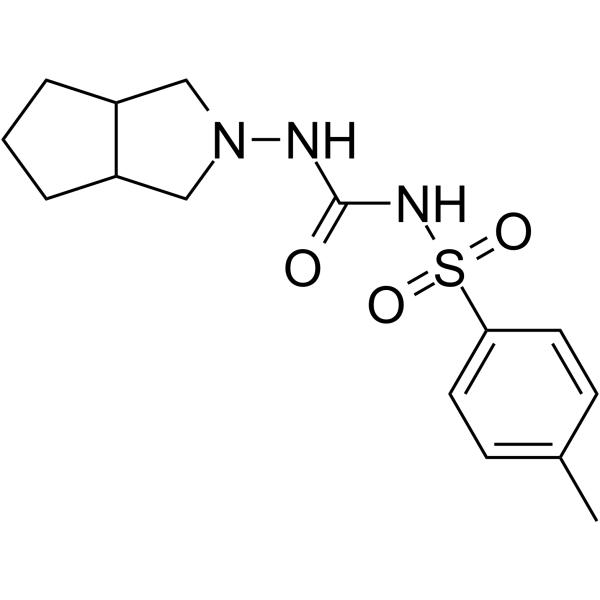
Gliclazide (S1702) is a whole-cell beta-cell ATP-sensitive potassium currents blocker with an IC50 of 184 nM. Gliclazide is used as an antidiabetic .
|
-
-
- HY-137892
-
|
|
Epigenetic Reader Domain
|
Inflammation/Immunology
|
|
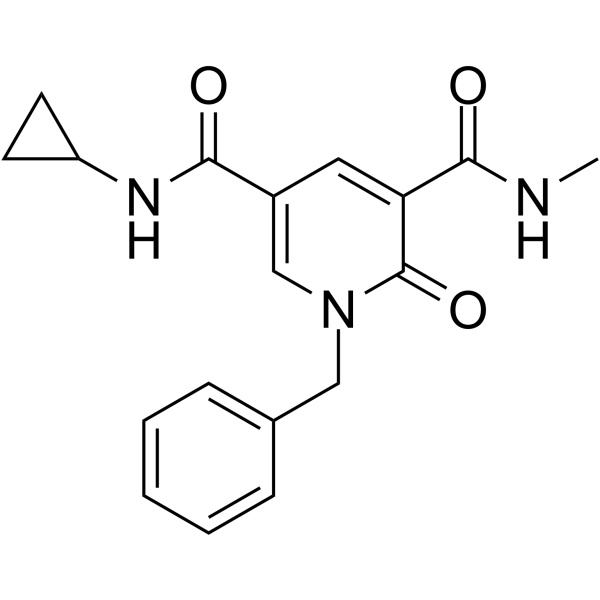
GSK620, a chemical probe, is a potent and orally active pan-BD2 inhibitor with excellent broad selectivity, developability and in vivo oral pharmacokinetics. GSK620 is highly selective for the BET-BD2 family of proteins, with >200-fold selectivity over all other bromodomains. GSK620 shows an anti-inflammatory phenotype in human whole blood .
|
-
-
- HY-176949
-
|
|
STAT
|
Inflammation/Immunology
|
|
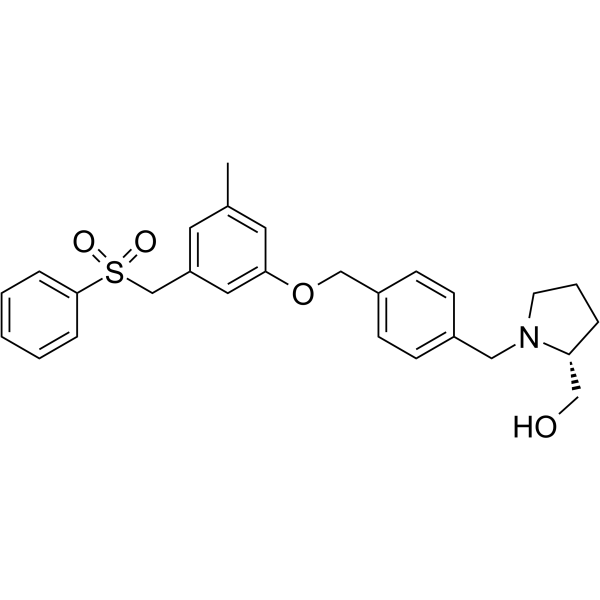
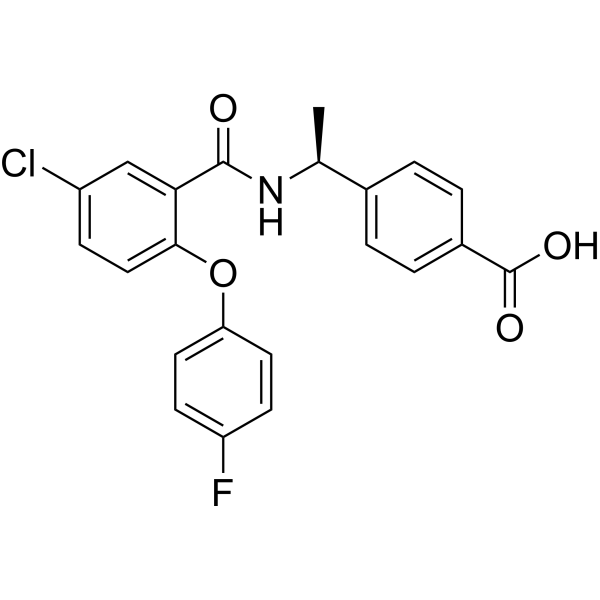
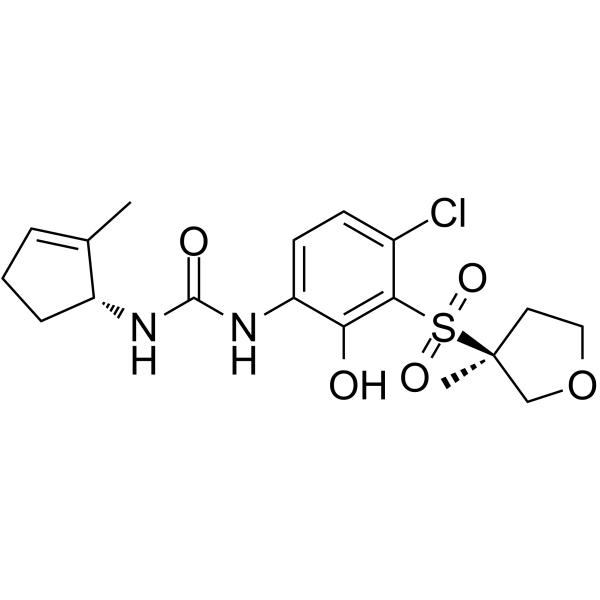
STAT6-IN-10 is a STAT6 (signal transducer and activator of transcription 6) inhibitor with an EC50 of 2 nM. STAT6-IN-10 can inhibit the secretion of CCL17 in human peripheral whole blood. STAT6-IN-10 can be used in the research of dermatological and respiratory system diseases .
|
-
-
- HY-20070
-
|
|
TNF Receptor
|
Inflammation/Immunology
|
|
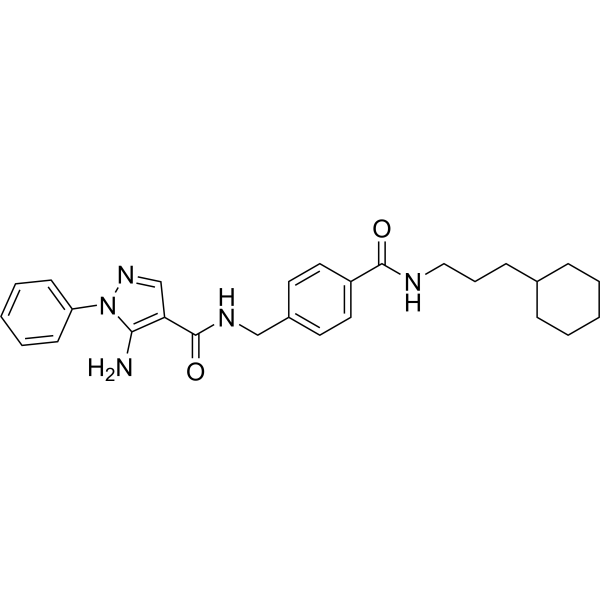
BMS-566394 is a selective, orally active TACE (ADAM17) inhibitor. BMS-566394 inhibits LPS-induced TNF-α production in whole blood. BMS-566394 selectively inhibits TACE activity .
|
-
-
- HY-120878
-
|
|
CXCR
|
Inflammation/Immunology
|
|
CXCR2-IN-2 is a selective, brain penetrant, and orally bioavailable CXCR2 antagonist (IC50=5.2 nM/1 nM in β-arrestin assay/CXCR2 Tango assay, respectively). CXCR2-IN-2 displays ~730-fold selectivity over CXCR1 and >1900-fold selectivity over all other chemokine receptors. CXCR2-IN-2 inhibits human whole blood Gro-α induced CD11b expression with an IC50 of 0.04 μM .
|
-
-
- HY-117690
-
|
|
PROTACs
Epigenetic Reader Domain
|
Cancer
|
|
dBRD9,a PROTAC, can selective degrades BRD9. dBRD9 improves the bromine domain binding profile and reduces the binding activity of the whole BET family .
|
-
-
- HY-32018
-
|
|
MAP3K
|
Cancer
|
|
Cot inhibitor-2 is a potent, selective and orally active cot (Tpl2/MAP3K8) inhibitor with an IC50 of 1.6 nM. Cot inhibitor-2 inhibts TNF-α production in LPS-stimulated human whole blood with an IC50 of 0.3 μM .
|
-
-
- HY-112998
-
|
|
Factor VIII
|
Cardiovascular Disease
|
|
Efmoroctocog alfa is a recombinant factor VIII-Fc fusion protein (rFVIIIFc). In mice with hemophilia A, Efmoroctocog alfa provides longer-lasting protection against tail vein transection injury than conventional rFVIII products. In dogs with hemophilia A, Efmoroctocog alfa produces a longer duration of improvement in whole blood clotting time than conventional rFVIII products. Efmoroctocog alfa can be used for research on hemophilia A .
|
-
-
- HY-D0233
-
|
|
Fluorescent Dye
|
Others
|
|
Leucocrystal violet is a cationic triarylmethane dye. Leucocrystal violet generates a colored purple product in the presence of hydrogen peroxide and horseradish peroxidase, or when oxidized by periodate under the catalysis of horseradish peroxidase. Leucocrystal violet serves as a chromogenic reagent for the determination of submicrogram-level hydrogen peroxide, with no interference from tryptophan, persulfate or chromate. Leucocrystal violet reacts with blood to produce a purple/violet color in the presence of hydrogen peroxide; it forms a very weak fluorophore when acting with whole blood in an unbuffered solution, with a maximum absorption wavelength of 630 nm and a maximum fluorescence emission wavelength of 665 nm upon excitation at 630 nm. Leucocrystal violet is widely used for staining blood residues on porous and non-porous materials .
|
-
-
- HY-12089
-
|
CP-529414
|
CETP
|
Endocrinology
|
|
Torcetrapib (CP-529414) is a selective, potent cholesteryl ester transfer protein (CETP) inhibitor. A typical inhibition curve for whole human plasma, having a CETP concentration of 37 nM .
|
-
-
- HY-137896
-
|
|
Fluorescent Dye
|
Others
|
|
4-Acetamido-4'-isothiocyanatostilbene-2,2'-disulfonic acid disodium is a fluorescent dye. 4-Acetamido-4'-isothiocyanatostilbene-2,2'-disulfonic acid disodium can be used to demonstrate retrograde axonal transport to label secondary antibodies and as a fluorescent whole cell stain .
|
-
-
- HY-135674
-
SR-318
1 Publications Verification
|
p38 MAPK
TNF Receptor
|
Inflammation/Immunology
Cancer
|
|
SR-318, a chemical probe, is a potent and highly selective p38 MAPK inhibitor with IC50s of 5 nM, 32 nM and 6.11 μM for p38α, p38β and p38α/β, respectively. SR-318 potently inhibits the TNF-α release in whole blood with an IC50 of 283 nM. SR-318 has anti-cancer and anti-inflammatory activity .
|
-
-
- HY-159114
-
-
-
- HY-153254
-
|
|
Toll-like Receptor (TLR)
|
Inflammation/Immunology
|
|
BMS905 is an orally active TLR7 and TLR8 dual inhibitor (IC50s: 0.7 and 3.2 nM respectively). BMS905 inhibits TLR7 or TLR8 induced IL-6 production in human/mouse whole blood. BMS905 can be used for research of lupus .
|
-
-
- HY-134820
-
|
|
MALT1
|
Inflammation/Immunology
|
|
MLT-943 is a potent, selective and orally active MALT1 protease inhibitor. MLT-943 inhibits stimulated-IL-2 secretion in PBMC or in whole blood with a similar IC50 across species (0.07-0.09 μM in PBMC, 0.6-0.8 μM in whole blood). MLT-943 has anti-inflammatory activities and can be used for FcgR-mediated inflammation research .
|
-
-
- HY-109066
-
|
IW-1701
|
Guanylate Cyclase
|
Cardiovascular Disease
|
|
Olinciguat (IW-1701) is an oral guanylate cyclase (sGC) stimulator with concentration-dependent stimulation of sGC in purified rat and human enzyme assays and a whole cell assay .
|
-
-
- HY-N0463
-
|
|
Others
|
Others
|
|
Blinin is a neoclerodane diterpene, isolated from the whole plant of Conyza blinii .
|
-
-
- HY-13344A
-
-
-
- HY-N7252
-
|
|
Bacterial
|
Infection
|
|
Daphnin is one of the major coumarin bioactive components with antibacterial activity. Daphnin is isolated from the whole herb of Daphne odora (Thunb.), which is a folk medicine in China for the relief of fever .
|
-
-
- HY-153440
-
|
|
JAK
|
Cancer
|
|
JAK-IN-25 (compound 19) is a potent JAK inhibitor with IC50s of 6 nM, 21 nM, 8 nM, 1051 nM for TYK2, JAK1, JAK2, JAK3, respectively. JAK-IN-25 inhibits human whole blood IL-12 (HEB IL-12) with an IC50 of 28 nM. JAK-IN-25 has the potential for cancer research .
|
-
-
- HY-153673
-
|
|
IRAK
PROTACs
|
Cancer
|
|
PROTAC IRAK4 degrader-8 (Compound 2) is a PROTAC IRAK4 degrader (IC50: 15.5 nM). PROTAC IRAK4 degrader-8 degrades IRAK4 in THP-1 cells (DC50: 1.8 nM)。PROTAC IRAK4 degrader-8 also inhibits L-6 production in human whole blood and LPS-induced human PBMC cells, with IC50s of 246 nM and 2.2 nM respectively .
|
-
-
- HY-111140
-
|
|
PGE synthase
Lipoxygenase
PPAR
|
Inflammation/Immunology
|
|
YS121 is a dual inhibitor of microsomal prostaglandin E2 synthase-1 (mPGES-1; IC50 = 3.4 μM) and 5-lipoxygenase (5-LOX; IC50 = 6.5 μM). YS121 exhibits direct, reversible, and specific binding to mPGES-1 (KD = 10-14 μM) . YS121 dose-dependently reduces PGE2 production with an EC50 of 12 μM in IL-1β-stimulated A549 cells . YS121 (compound 9) activates PPAR-α and -γ (EC50 = 1 and 3.6 μM, respectively) . YS121 exhibits anti-inflammatory efficiency in human whole blood as well as in vivo. YS121 can be used for pleurisy research .
|
-
-
- HY-W001154
-
|
|
Others
|
Others
|
|
Methyl 2,6-dihydroxybenzoate is a volatile, that can be isolated from whole flowers and corolla of Primula spectabilis .
|
-
-
- HY-107275
-
|
|
Cholinesterase (ChE)
|
Neurological Disease
|
|
Ebeiedinone, a steroidal alkaloid from Fritillaria species, inhibits the bioactivity of human whole blood cholinesterase (ChE) at the concentration of 0.1 mM, with the inhibitory effects of 69.0% .
|
-
-
- HY-107918
-
-
-
- HY-125116
-
|
|
Others
|
Others
|
|
Jatrophane 2 is a kind of jatrophane diterpene polyester that can be isolated from the highly irritant extract of whole fresh plants of E. peplus L. (Euphorbiaceae) .
|
-
-
- HY-125115
-
|
|
Others
|
Others
|
|
Jatrophane 3 is a kind of jatrophane diterpene polyester that can be isolated from the highly irritant extract of whole fresh plants of E. peplus L. (Euphorbiaceae) .
|
-
-
- HY-163039
-
-
-
- HY-110225
-
|
UCB L059-d6 (ring-d6)
|
Others
|
Others
|
|
Levetiracetam-d6 (ring-d6) can be used as internal standard for the determination of Levetiracetam (HY-B0106) content in whole blood .
|
-
-
- HY-N3573
-
|
|
Potassium Channel
|
Others
|
|
Chlorahololide D is a potent and selective Potassium Channel blocker with an IC50 value of 2.7 μM. Chlorahololide D is a nature product that could be isolated from the whole plant of Chloranthus holostegius .
|
-
-
- HY-N1020
-
|
|
Others
|
Others
|
|
11-Hydroxyrankinidine is an alkaloid compound isolated from the whole plant of Gelsemium elegans .
|
-
-
- HY-N2559R
-
-
-
- HY-N9898
-
|
|
Others
|
Others
|
|
Sinocrassoside C1 is a natural compound isolated from themethanolic extract of the whole plant ofSinocrassula indica (Crassulaceae) .
|
-
-
- HY-125965
-
|
|
Bacterial
|
Infection
|
|
BioA-IN-13 is a potent, cell permeable and whole-cell active inhibitor of Mycobacterium tuberculosis BioA enzyme .
|
-
-
- HY-N1027
-
|
|
Others
|
Others
|
|
12α-Hydroxygrandiflorenic acid is a compound isolated from the whole plant of Wedelia chinensis (Osbeck.) .
|
-
-
- HY-106093
-
|
|
COX
|
Inflammation/Immunology
|
|
Eltenac, a non-steroidal anti-inflammatory drug (NSAID), is a COX inhibitor. Eltenac shows IC50 of 0.03 μM for both COX-1 and COX-2 in isolated human whole blood .
|
-
-
- HY-113209A
-
|
|
Endogenous Metabolite
|
Metabolic Disease
|
|
Ent-8-Iso-15(S)-prostaglandin F2α is an isomer of 8-Isoprostaglandin F2α, with a better inhibiting activity in the whole blood platelet aggregation inhibition assay .
|
-
-
- HY-N11914
-
|
|
Others
|
Others
|
|
Isolaureline can be isolated from the whole plant of Stephania longa .
|
-
-
- HY-N2418
-
|
|
Others
|
Others
|
|
Homoarbutin is a phenolic glycoside isolated from the whole plants of Pyrola japonica .
|
-
-
- HY-N8968
-
|
|
Others
|
Others
|
|
Scillascillol is a Triterpenoids product that can be isolated from the whole plants of Scilla scilloides. .
|
-
-
- HY-N8991
-
|
|
Others
|
Others
|
|
Isohomoarbutin is a Phenols product that can be isolated from the whole herbs of Pyrola rotundifolia. .
|
-
-
- HY-N9072
-
|
|
Others
|
Others
|
|
Lucidioline is a Alkaloids product that can be isolated from the whole plants of Lycopodium japonicum. .
|
-
-
- HY-N9273
-
|
|
Others
|
Others
|
|
Taraxasterone (compound 6) is a triterpene that can be found in the whole plant of Sida acuta .
|
-
-
- HY-N3621
-
|
|
Others
|
Others
|
|
Corchoionol C is a n-butanol-soluble fraction of the whole plant extract of Pulicaria undulate .
|
-
-
- HY-N9028
-
|
|
Others
|
Others
|
|
Scillascillone is a lanostane-type triterpenoid, which can be isolated from the whole plants of Scilla scilloides .
|
-
-
- HY-N11800
-
|
|
Others
|
Others
|
|
Transilin is a sesquiterpene lactone. Transilin can be isolated from the whole plant of Lepisorus contortus (Christ) Ching .
|
-
-
- HY-N3350
-
|
|
Others
|
Others
|
|
Lycoclavanol is a serratane-type triterpenoid, which can be isolated from the dried whole plants of Lycopodium japonicum .
|
-
-
- HY-N9048
-
|
|
Others
|
Others
|
|
12α-Methoxygrandiflorenic acid (compound 6) is a compound isolated from the whole plant of Wedelia chinensis (Osbeck.) .
|
-
-
- HY-N15701
-
|
|
Others
|
Others
|
|
Isocorytuberine is an alkaloid. Isocorytuberine can be isolated and purified from the whole plant of Dicranostigma leptopodum (Maxim.) Fedde (DLF) .
|
-
- HY-N9087
-
|
|
Bacterial
|
Infection
|
|
Filicenol B can be isolated from the whole plant of Adiantum lunulatum. Filicenol B has antibacterial activity .
|
-
- HY-N3854
-
|
|
Others
|
Others
|
|
Erysubin B is a prenylated isoflavonoid, which can be isolated from the whole plant (roots and aerial parts) of Erinacea anthyllis .
|
-
- HY-N10030
-
|
|
Others
|
Others
|
|
11-O-Syringylbergenin is a bergenin derivative isolated from the whole plants of Corylopsis willmottiae Rehd. et Wils
|
-
- HY-N2749
-
|
|
Others
|
Others
|
|
7-Hydroxy-5,8-dimethoxyflavanone is a compound isolated from the ethanol extract of the whole plants of Sarcandra hainanensis .
|
-
- HY-N9244
-
|
|
Others
|
Others
|
|
Filic-3-en-25-al is a Triterpenoids product that can be isolated from the whole plant of Adiantum lunulatum .
|
-
- HY-N3073
-
|
Picraline, 16-de(acetoxymethyl)-16-formyl-
|
COX
Lipoxygenase
|
Others
|
|
Picralinal (Picraline, 16-de(acetoxymethyl)-16-formyl-) is a Triterpenoids product that can be isolated from the whole plants of Scilla scilloides. .
|
-
- HY-135337
-
|
|
Potassium Channel
|
Metabolic Disease
|
|
Ethyl tosylcarbamate is an intermediate in the synthesis of Gliclazide (G409877) . Gliclazide is a whole-cell beta-cell ATP-sensitive potassium currents blocker with an IC50 of 184 nM .
|
-
- HY-113486S
-
-
- HY-U00170
-
-
- HY-N9227
-
|
|
Others
|
Others
|
|
7,13-Dideacetyl-9,10-didebenzoyltaxchinin C is a Diterpenoids product that can be isolated from the whole plants of Taxus chinensis var. mairei. .
|
-
- HY-N7932
-
|
|
Others
|
Others
|
|
Kaempferol 3-O-α-L-rhamnopyranosyl(2,1)-α-L-rhamnopyranoside (compound 23) is a flavonoid isolated from the whole herb of E. wushanense .
|
-
- HY-133614
-
|
|
Potassium Channel
|
Others
|
|
Dihydroisopimaric acid activates large conductance Ca 2+ activated K + (BK) channels alphabeta1 in the direct measurement of BKalphabeta1 opening under whole-cell voltage clamp .
|
-
- HY-119688
-
|
|
Parasite
|
Others
|
|
Amabiline is a compound isolated from a plant that contains a variety of bioactive ingredients including Amabiline. The plant as a whole has a variety of traditional uses and also has certain pharmacological activity and toxicity.
|
-
- HY-16641
-
|
|
JAK
|
Cancer
|
|
JAK1-IN-17 (Compound 31) is a highly selective inhibitor of JAK1 with a Ki of 1.9 nM. JAK1-IN-17 exhibits a low whole blood shift, which allows maintaining good whole blood potency. JAK1-IN-17 is also a nitrile-containing analogue with consistent, yet weak reversible inhibition of CYP3A4 using a midazolam probe (IC50 = 7.9 μM). JAK1-IN-17 can be studied in cancer research .
|
-
- HY-N9951
-
|
|
Others
|
Others
|
|
Oleodaphnone is a natural product found in the whole plant of Daphne gracilis E. Pritz .
|
-
- HY-N18240
-
|
|
Drug Derivative
|
Others
|
|
Acoapetaline A is an anthranilamide derivative. Acoapetaline A can be found in the whole plants of Aconitum apetalum .
|
-
- HY-N19769
-
|
|
Others
|
Others
|
|
Phenylmethyl O-β-D-glucopyranosyl-(1→3)-O-β-D-glucopyranoside (Compound 10) is a triglycoside compound. Phenylmethyl O-β-D-glucopyranosyl-(1→3)-O-β-D-glucopyranoside is isolated from the whole plant of sesame (Sesamum indicum) .
|
-
- HY-181884
-
|
|
|
Inflammation/Immunology
|
|
TLR9-IN-3 is a TLR9 antagonist with an IC50 of 0.4 μM. TLR9-IN-3 shows selectivity for TLR4 and TLR8, and inhibits CD69 activation in human whole blood with a corresponding IC50 of 1.1 μM. TLR9-IN-3 can be used in research related to pulmonary fibrosis .
|
-
- HY-N18248
-
|
|
Others
|
Others
|
|
dl-Tetrahydroberberrubine is an alkaloid found in the whole plants of Corydalis hendersonii .
|
-
- HY-N18010
-
|
|
Others
|
Others
|
|
Opuntiol is an α-pyrone found in the whole plant of Opuntia elatior .
|
-
- HY-N17911
-
|
|
Others
|
Others
|
|
Plicatol D is a phenanthrene found in the whole plant of Dendrobium fimbriatum Hook .
|
-
- HY-N8861
-
|
|
Others
|
Others
|
|
Isoflavidinin is a Phenols product that can be isolated from the whole plants of Pholidota articulata. .
|
-
- HY-N16631
-
|
|
Others
|
Others
|
|
Chantriolide A is a withanolide glucoside that can be isolated from the whole plant of Tacca plantaginea .
|
-
- HY-N8966
-
|
|
Others
|
Others
|
|
Saropyrone is a Phenols product that can be isolated from the whole plants of Hypericum Japonicum. .
|
-
- HY-N17301
-
|
|
Others
|
Others
|
|
Capilliposide I is a tetrasaccharide flavonol glycoside found in the whole herbs of Lysimachia capillipes .
|
-
- HY-N19939
-
|
|
Others
|
Others
|
|
Saponarioside D is a triterpenoid saponin found in whole plants and roots of Saponaria officinalis L. .
|
-
- HY-N18665
-
|
|
Others
|
Others
|
|
Medicago sativa extract is a whole-plant extract of alfalfa, a legume, and can be used in research on health supplements.
|
-
- HY-N9250
-
|
|
Others
|
Others
|
|
Gentiside J is a Phenols product that can be isolated from the whole plants of Gentiana rigescens Franch. .
|
-
- HY-N1176
-
|
(-)-Tartarinoid A
|
Others
|
Others
|
|
Tatarinoid A ((-)-Tartarinoid A) is a Phenols product that can be isolated from the whole plants of Gentiana rigescens Franch. .
|
-
- HY-N17893
-
|
|
Others
|
Others
|
|
Swertiachoside B (compound 4) is a tetrahydroxanthone glycoside (3-nortetrahydroswertiamarin) that occurs throughout the whole plant of Swertia chirayita .
|
-
- HY-N17897
-
|
|
Endogenous Metabolite
|
Others
|
|
Tubuloside E is a phenylethanoid glycoside compound that can be isolated from the whole plant of Cistanche tubulosa (Schrenk) Hook. f. (Orobanchaceae) .
|
-
- HY-N16737
-
|
|
Others
|
Others
|
|
Trijugin A is a gemmane-type sesquiterpenoid compound that can be isolated from the whole plant of Salvia miltiorrhiza with three pairs of leaves .
|
-
- HY-N18057
-
|
|
Others
|
Others
|
|
Luteolin 3',4'-diglucoside (compound 4) is a flavonoid glycoside that occurs in the whole plant of Caralluma negevensis Zohary (Apocynaceae) .
|
-
- HY-N16743
-
|
|
Others
|
Others
|
|
Trijugin B is a gemmane-type sesquiterpenoid that can be isolated from the whole plant of Salvia miltiorrhiza with three pairs of leaves .
|
-
- HY-N16744
-
|
|
Others
|
Others
|
|
Trijugin C is a gemmane-type sesquiterpenoid that can be isolated from the whole plant of Salvia miltiorrhiza with three pairs of leaves .
|
-
- HY-N1130
-
|
|
Fungal
|
Infection
|
|
Trianthenol is a tetraterpenoid antifungal agent that can be extracted from the whole plant of Trianthema portulacastrum (a plant of the genus Trianthema in the Aizoaceae family) .
|
-
- HY-N17965
-
|
|
Others
|
Others
|
|
Guan-fu base Z (Compound 9) is a diterpenoid alkaloid that can be isolated from the whole herb of Aconitum tanguticum var. trichocarpum .
|
-
- HY-N11961
-
|
|
Others
|
Others
|
|
2-Hydroxy-3-methoxybenzoic acid glucose ester is a Phenols product that can be isolated from the whole plants of Gentiana scabra. .
|
-
- HY-N9839
-
|
|
Others
|
Others
|
|
Phochinenin G is a bis-9,10-dihydrophenanthrene compound that can be naturally extracted from the whole plant of Pholidota chinensis .
|
-
- HY-N7283
-
-
- HY-N18655
-
|
|
Others
|
Others
|
|
Portulaca oleracea extract is derived from the whole above-ground part of the plant Portulaca oleracea, which is a fully water-soluble raw material for plant cosmetics.
|
-
- HY-N17303
-
|
|
Drug Derivative
|
Others
|
|
Capilliposide II is a flavonol glycoside found in the whole herbs of Lysimachia capillipes. Capilliposide II has the structure kaempferol-3-O---β-D-galactopyranoside .
|
-
- HY-N18177
-
|
|
Others
|
Others
|
|
Apigenin 6-C-β-boivinopyranosyl-7-O-β-glucopyranoside is a C-glycosylflavone that can be found in the whole plant of Pogonatherum crinitum (Thunb.) Kunth .
|
-
- HY-N8973
-
|
|
Others
|
Others
|
|
2,7-Dimethyl-1,4-dihydroxynaphthalene 1-O-glucoside is a Phenols product that can be isolated from the whole plants of Pholidota articulata .
|
-
- HY-185379
-
|
|
STING
|
Inflammation/Immunology
|
|
STING antagonist-3 is a potent STING antagonist with an IC50 of 2.3 nM against human wild-type STING. STING antagonist-3 inhibits human wild-type STING and the gain-of-function STING mutants N154S and V155M. STING antagonist-3 suppresses IFN‑α2a production in stimulated human whole blood. STING antagonist-3 inhibits IP-10 production in activated human dermal microvascular endothelial cells (HMVEC-d). STING antagonist-3 can be used for the research of autoimmune diseases, autoinflammatory diseases, interferonopathies, and fibrotic disorders .
|
-
- HY-N16987
-
|
|
Others
|
Others
|
|
Anthriscifoldine B is a lycoctonine-type C19-diterpene alkaloid. Anthriscifoldine B can be naturally extracted from the dried whole plant of Delphinium anthriscifolium var. savatieri .
|
-
- HY-N18221
-
|
|
Drug Derivative
|
Others
|
|
Apigenin-7-O-(6′′-E-p-coumaroyl-β-D-glucopyranoside) (compound 17) is a flavone found in the whole herb of Leucas cephalotes SPRENG .
|
-
- HY-N15612
-
|
|
Others
|
Cancer
|
|
5-Hydroxy-7-methoxycoumarin is a coumarin compound present in the whole plant of Euphorbia kansuensis, with an IC50 > 40 μM against five human cancer cell lines .
|
-
- HY-N16942
-
|
|
Drug Derivative
|
Others
|
|
Maltol 3-O-β-D-apiofuranosyl-(1→2)-β-D-glucopyranoside is a natural phenolic compound.
|
-
- HY-N8027
-
|
|
Others
|
Inflammation/Immunology
|
|
Wushankaempferol is a flavonoid found in the whole herb of Epimedium wushanense T.S. Ying (Berberidaceae). Wushankaempferol shows antioxidant activity and can scavenge DPPH radical. Wushankaempferol can be used for the research of inflammation .
|
-
- HY-N17948
-
|
|
Others
|
Cancer
|
|
Isolobetyol is a polyacetylene found in whole plants of Lobelia chinensis. Isolobetyol shows cytotoxic effects against cancer cells. Isolobetyol can be used for the research of cancer, such as human lung cancer and biphasic mesothelioma .
|
-
- HY-162457
-
|
|
DNA/RNA Synthesis
|
Infection
|
|
Mn007 is a potent inhibitor of bovine pancreatic DNase I, with the IC50 of 45 μM, by forming molecular aggregation. Mn007 shows suppression of S. pyogenes growth in human whole blood .
|
-
- HY-N4168
-
|
|
HBV
|
Infection
Cancer
|
|
3-O-Caffeoylquinic acid methyl ester is a monocaffeoylquinic acid derivative and phenolic acid component, which can be found in the whole plant of Pyrrosia calvata (Backer) Ching and the flower buds of Lonicera japonica Thunb .
|
-
- HY-169908
-
|
|
STAT
|
Cancer
|
|
STAT3-IN-37 (Compound 101) is the inhibitor for STAT3 with an IC50 of 15 nM (measuring by DNA-HTRF assay) or 2 nM (measuring by human whole blood SOCS3 qPCR assay) .
|
-
- HY-N2559
-
|
Amylohexaose
|
Endogenous Metabolite
|
Cancer
|
|
Maltohexaose (Amylohexaose) is a linear oligosaccharide containing 6 glucose units, which can be produced from amylose, amylopectin, and whole starch. Maltohexaose can inhibit the proliferation of P-815 cells .
|
-
- HY-172195
-
|
|
p38 MAPK
|
Inflammation/Immunology
|
|
FS-694, a chemical probe, is the inhibitor for p38α with an IC50 of 0.2 nM. FS-694 inhibits the TNFα release in human whole blood with an IC50 of 35.0 nM .
|
-
- HY-P1015
-
|
Vasoactive Intestinal Peptide, guinea pig
|
PACAP Receptor
|
Neurological Disease
Metabolic Disease
|
|
VIP Guinea pig (Vasoactive intestinal peptide), a trophic and mitogenic factor, stimulates growth in whole cultured embryos. VIP Guinea pig functions as a simple gastrointestinal hormone and suggest a possible neurotransmitter function .
|
-
- HY-161924
-
|
|
HIV
|
Infection
|
|
HIV-1 inhibitor-73 (compound 13c) is a potent anti-HIV-1 agent, against the whole tested viral panel with EC50 ranging from 4.68 to 229 nM .
|
-
- HY-N18311
-
|
|
Others
|
Cardiovascular Disease
|
|
Caragiside B is an isoflavone glucoside that can be isolated from the whole plant of Caragana densa. Caragiside B inhibits arachidonic acid (HY-109590)-induced platelet aggregation by interfering with platelet aggregation pathways .
|
-
- HY-114586
-
|
|
Angiotensin Receptor
|
Cancer
|
|
L-158809 is an angiotensin type 1 (AT1) receptor antagonist that prevents or ameliorates fractionated whole-brain irradiation-induced cognitive impairment. L-158809 is promising for research of brain tumor .
|
-
- HY-116205
-
|
|
iGluR
|
Others
|
|
UBP684 is a novel positive allosteric modulator of NMDA receptors (NMDARs) that enhances receptor function by stabilizing the ligand-binding domains in a closed conformation, resulting in potentiated whole-cell currents and increased mean open time.
|
-
- HY-P1015A
-
|
Vasoactive Intestinal Peptide, guinea pig TFA
|
PACAP Receptor
|
Neurological Disease
Metabolic Disease
|
|
VIP Guinea pig TFA (Vasoactive intestinal peptide), a trophic and mitogenic factor, stimulates growth in whole cultured embryos. VIP Guinea pig functions as a simple gastrointestinal hormone and suggest a possible neurotransmitter function .
|
-
- HY-B0753R
-
|
S1702 (Standard); SE1702 (Standard)
|
Reference Standards
Potassium Channel
|
Cardiovascular Disease
|
|
Gliclazide (Standard) is the analytical standard of Gliclazide. This product is intended for research and analytical applications. Gliclazide (S1702) is a whole-cell beta-cell ATP-sensitive potassium currents blocker with an IC50 of 184 nM. Gliclazide is used as an antidiabetic .
|
-
- HY-100686
-
|
|
GABA Receptor
|
Neurological Disease
|
|
U93631 is a GABAA receptor ligand of novel chemical structure with IC50 of 100 nM,and has been shown to induce a rapid, time-dependent decay of GABA-induced whole-cell Cl-currents in recombinant GABAA receptors.
|
-
- HY-U00037
-
|
PLA 725
|
Phospholipase
|
Inflammation/Immunology
|
|
Ecopladib is a sub-micromolar inhibitor of cytosolic phospholipase A2α (cPLA2α), with IC50s of 0.15 μM and 0.11 μM in the GLU micelle and rat whole blood assays, respectively.
|
-
- HY-135945
-
|
|
Biochemical Assay Reagents
|
Inflammation/Immunology
|
|
Dihydrocoptisine is a benzylisoquinoline alkaloid that can be isolated from the methanolic extract of the whole plant of Argemone mexicana L. Dihydrocoptisine can activate XBP1 transcription activity. Dihydrocoptisine can be studied in research on anti-ulcertative colitis .
|
-
- HY-10437A
-
|
MK-0633 tosylate
|
Lipoxygenase
|
Inflammation/Immunology
|
|
Setileuton tosylate is an inhibitor for 5-lipoxygenase, that inhibits the oxidation of arachidonic acid by recombinant human 5-LO, and the production of LTB4 in calcium ionophore-stimulated human whole blood, with IC50 of 3.9 and 52 nM, respectively .
|
-
- HY-163040
-
|
|
Biochemical Assay Reagents
|
Inflammation/Immunology
|
|
DOTA-Tyr-Lys-DOTA is a DOTA-based small molecule hapten. DOTA-Tyr-Lys-DOTAexhibits rapid clearance and low whole-body retention. DOTA-Tyr-Lys-DOTA can used in study pretargeted radioimmunotherapy .
|
-
- HY-N1782
-
|
|
Others
|
Inflammation/Immunology
|
|
3,4-O-Isopropylidene-shikimicn acid is a natural product that can be isolated from the whole plants of Hypericum wightianum. 3,4-O-Isopropylidene-shikimic acid has anti-inflammatory effect and antioxidant activities .
|
-
- HY-70068
-
-
- HY-N11912
-
|
|
Biochemical Assay Reagents
|
Cancer
|
|
Soladulcoside A is a steroidal glycoside and antineoplastic agent that can be obtained from the whole plant of Solanum nigrum. Soladulcoside A can inhibit A549 cells and has the potential to study cancers such as non-small cell lung cancer (NSCLC) .
|
-
- HY-B0753S
-
|
|
Potassium Channel
|
Cardiovascular Disease
|
|
Gliclazide-d4 (S1702 D4) is the deuterium labeled Gliclazide. Gliclazide (S1702) is a whole-cell beta-cell ATP-sensitive potassium currents blocker with an IC50 of 184 nM. Gliclazide is used as an antidiabetic .
|
-
- HY-108695
-
|
|
Apoptosis
Endogenous Metabolite
|
Cancer
|
|
Enterodiol is transformed by human intestinal bacteria from lignans contained in various whole-grain cereals, nuts, legumes, flaxseed, and vegetables. Enterodiol has an apoptotic effect in colorectal cancer (CRC) cells. Anti-cancer activities .
|
-
- HY-N9558
-
|
|
TNF Receptor
|
Inflammation/Immunology
|
|
12-Hydroxydehydroabietic acid is a diterpenoid found in the whole plant of Gaultheria yunnanensis. 12-Hydroxydehydroabietic acid weakly inhibits pro-inflammatory cytokine TNF-α production in LPS (HY-D1056)-induced macrophages .
|
-
- HY-N19153
-
|
|
Others
|
Cancer
|
|
Minimolide L is a sesquiterpene lactone. Minimolide L can be isolated from the whole plant of Centipeda minima. Minimolide L does not inhibit nitric oxide production. Minimolide L exhibits no anticancer activity against liver cancer, colorectal cancer, and cervical cancer .
|
-
- HY-P99725
-
-
- HY-N16854
-
-
- HY-100937
-
|
PD 116948
|
Adenosine Receptor
|
Cardiovascular Disease
|
|
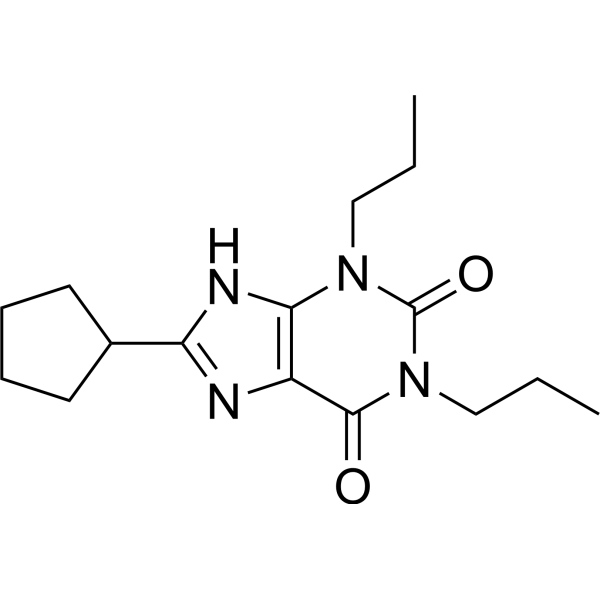
DPCPX (PD 116948), a xanthine derivative, is a highly potent and selective Adenosine A1 receptor antagonist, with a Ki of 0.46 nM in 3H-CHA binding to A1 receptors in rat whole brain membranes .
|
-
- HY-N18737
-
|
|
Others
|
Inflammation/Immunology
|
|
Phyllanthus niruri extract, extracted from the whole plant of Phyllanthus niruri, is rich in bioactive compounds such as alkaloids, flavonoids, and tannins. Phyllanthus niruri extract has alkalizing properties, which may help prevent the formation of gallstones and acidic kidney stones.
|
-
- HY-13344AR
-
|
|
Phosphodiesterase (PDE)
|
Inflammation/Immunology
Cancer
|
|
PF-8380 (hydrochloride) (Standard) is the analytical standard of PF-8380 (hydrochloride). This product is intended for research and analytical applications. PF-8380 hydrochloride is a potent autotaxin inhibitor with an IC50 of 2.8 nM in isolated enzyme assay and 101 nM in human whole blood.
|
-
- HY-B2158
-
|
|
Estrogen Receptor/ERR
COX
|
Cardiovascular Disease
Endocrinology
|
|
Chlorotrianisene is a long-acting non-steroidal estrogen and an orally active estrogen receptor modulator. Chlorotrianisene exhibits antiestrogenic activity. Chlorotrianisene potently inhibits the enzyme COX-1 and inhibits platelet aggregation in whole blood .
|
-
- HY-120865
-
|
|
NO Synthase
|
Inflammation/Immunology
|
|
1,3-PBIT is a potent inhibitor of iNOS with a Ki of 47 nM compared to Ki values for eNOS and nNOS are 9 and 0.25 μM, respectively, for the purified human enzymes. Its inhibition in whole cells is greatly diminished, presumably to poor membrane permeability.
|
-
- HY-13344R
-
|
|
Phosphodiesterase (PDE)
|
Inflammation/Immunology
Cancer
|
|
PF-8380 (Standard) is the analytical standard of PF-8380. This product is intended for research and analytical applications. PF-8380 is a potent autotaxin inhibitor with an IC50 of 2.8 nM in isolated enzyme assay and 101 nM in human whole blood.
|
-
- HY-N13571
-
|
|
Others
|
Cancer
|
|
Adenostemmoic acid G is a kaurane-type diterpenoid compound, and other diterpenoid compounds in the plant extract containing it exhibit cytotoxic and antitumor activity. Adenostemmoic acid G can be naturally extracted from the fresh whole plant of Adenostemma lavenia O. KUNTZE .
|
-
- HY-19614
-
|
|
CETP
|
Cardiovascular Disease
|
|
BMS-795311 is a potent and orally bioavailable inhibitor of cholesteryl ester transfer protein (CETP), with IC50s of 4 nM in an enzyme-based scintillation proximity assay (SPA) and 0.22 μM in a human whole plasma assay (hWPA), respectively .
|
-
- HY-126015
-
P053
1 Publications Verification
|
Acyltransferase
|
Metabolic Disease
|
|
P053 is a potent, non-competitive and selective ceramide synthase 1 (CerS1) inhibitor wirh an IC50 of 0.5 μM. P053 acts as an endogenous inhibitor of mitochondrial fatty acid oxidation in muscle. Whole-body adiposity regulator .
|
-
- HY-10437
-
|
MK-0633
|
Lipoxygenase
|
Inflammation/Immunology
|
|
Setileuton (MK-0633) is an inhibitor for 5-lipoxygenase, that inhibits the oxidation of arachidonic acid by recombinant human 5-LO, and the production of LTB4 in calcium ionophore-stimulated human whole blood, with IC50 of 3.9 and 52 nM, respectively .
|
-
- HY-138101
-
|
|
COX
|
Inflammation/Immunology
|
|
Desmethyl etoricoxib (example 21) is a selective COX-2 inhibitor with an IC50 of 1 μM in whole blood. Desmethyl etoricoxib inhibits COX-1 with an IC50 of 16 μM in U937 cells. Desmethyl etoricoxib has anti-inflammatory effects .
|
-
- HY-181003
-
|
|
Epigenetic Reader Domain
|
Cancer
|
|
GSK785 is a BRD2/4-selective, BRD3-sparing bivalent BET inhibitor. GSK785 inhibits production of the MCP1 cytokine in human whole blood. GSK785 can be used for the research of cancer .
|
-
- HY-76612
-
-
- HY-112744
-
|
|
17β-HSD
|
Cancer
|
|
BMS-856 is a 17β-HSD3 inhibitor. BMS-856 inhibits enzymatic activity of 17β-HSD3, with IC50s of 60 and 300 nM respectively in the enzyme and whole cell assays .
|
-
- HY-N17979
-
|
|
Drug Derivative
|
Others
|
|
5-Hydroxy-3′,4′,7,8-tetramethoxyflavone is a flavone found in the whole plant of Peperomia sui. 5-Hydroxy-3′,4′,7,8-tetramethoxyflavone shows no activity against cancer cell lines in vitro .
|
-
- HY-N19936
-
|
|
Drug Derivative
|
Cancer
|
|
Qinyangshengenin-3-O-β-D-digitoxopyranoside is a C21 steroidal glycoside that can be found in the whole herb of Prunella vulgaris Linn. Qinyangshengenin-3-O-β-D-digitoxopyranoside can be used for research of leukemia and lung cancer .
|
-
- HY-N7252R
-
|
|
Reference Standards
Bacterial
|
Infection
|
|
Daphnin (Standard) is the analytical standard of Daphnin. This product is intended for research and analytical applications. Daphnin is one of the major coumarin bioactive components with antibacterial activity. Daphnin is isolated from the whole herb of Daphne odora (Thunb.), which is a folk medicine in China for the relief of fever .
|
-
- HY-N12872
-
|
|
Others
|
Endocrinology
|
|
(2R)-O-[4'-(3"-Hydroxypropyl)-2',6'-dimethoxyphenyl]-3-O-β-Dglucopyranosyl-sn-glycerol (compound 6) is a glycerol glycoside that can Isolated from the whole plant of genus Pilea .
|
-
- HY-32015
-
|
|
MAP3K
|
Inflammation/Immunology
|
|
Cot inhibitor-1 (compound 28) is a selective tumor progression loci-2 (Tpl2) kinase inhibitor with an IC50 of 28 nM. Cot inhibitor-1 shows an inhibition of TNF-alpha production in human whole blood with an IC50 of 5.7 nM .
|
-
- HY-N12339
-
|
|
Virus Protease
|
Infection
|
|
Wulfenioidin F is a diterpenoid, that can be isolated from the whole plant of Orthosiphon wulfenioides. Wulfenioidin F exhibits activity against Zika virus (ZIKV) with an EC50 of 8.07 μM. Wulfenioidin F interferes with the replication of the ZIKV by inhibiting the expression of the ZIKV envelope (E) protein .
|
-
- HY-W723322
-
|
|
Isotope-Labeled Compounds
Potassium Channel
|
Metabolic Disease
|
|
Ethyl tosylcarbamate-d7 is the deuterium labeled Ethyl tosylcarbamate (HY-135337). Ethyl tosylcarbamate is an intermediate in the synthesis of Gliclazide (G409877) . Gliclazide is a whole-cell beta-cell ATP-sensitive potassium currents blocker with an IC50 of 184 nM .
|
-
- HY-18725
-
-
- HY-18725A
-
-
- HY-109066R
-
|
IW-1701 (Standard)
|
Reference Standards
Guanylate Cyclase
|
Cardiovascular Disease
|
|
Olinciguat (Standard) is the analytical standard of Olinciguat (HY-109066). This product is intended for research and analytical applications. Olinciguat (IW-1701) is an oral guanylate cyclase (sGC) stimulator with concentration-dependent stimulation of sGC in purified rat and human enzyme assays and a whole cell assay .
|
-
- HY-120606
-
|
|
Lipoxygenase
|
Inflammation/Immunology
|
A-78773 is a 5-lipoxygenase inhibitor. A-78773 can inhibit the formation of LTB4 in human whole blood and human neutrophils, with IC50 values of 85 nM and 20 nM, respectively. A-78773 can be used in the study of inflammation-related diseases .
|
-
- HY-W699533
-
|
Valeryl-4-hydroxyvalsartan; CGP 71580
|
Drug Metabolite
|
Cardiovascular Disease
|
|
4-Hydroxy valsartan is a metabolite of Valsartan (HY-18204). 4-Hydroxy valsartan regulates the expression of platelet surface receptors and inhibits conventional plasma or whole blood collagen induced platelet aggregation. 4-Hydroxy valsartan has antiplatelet activity .
|
-
- HY-12159
-
|
|
Integrin
|
Inflammation/Immunology
|
|
MK-0668 is an amino acid-based, potent antagonist of unactivated VLA-4, with an IC50) of 0.13 nM in human whole blood. And MK-0668 exhibits IC50s of 0.19 nM in dogs, 0.21 nM in rhesus monkeys, and 0.4 nM in rats .
|
-
- HY-145884
-
|
|
Btk
|
Inflammation/Immunology
|
|
BTK-IN-8 is a potent and selective peripheral covalent BTK inhibitor (IC50=0.22 nM; Kd=0.91 nM). BTK-IN-8 has good whole blood CD69 cellular potency (IC50=0.029 µM) .
|
-
- HY-108695B
-
|
|
Apoptosis
Endogenous Metabolite
|
Cancer
|
|
(±)-Enterodiol is the racemate of Enterodiol (HY-108695). Enterodiol is transformed by human intestinal bacteria from lignans contained in various whole-grain cereals, nuts, legumes, flaxseed, and vegetables. Enterodiol has an apoptotic effect in colorectal cancer (CRC) cells. Enterodiol has anti-cancer activities .
|
-
- HY-105704
-
|
NSC 170955; WA 335
|
5-HT Receptor
|
Neurological Disease
|
|
Danitracen (NSC 170955) is an orally active, CNS penetrant serotonin antagonist with antidepressant activity. Danitracen reduces serotonin levels in the cerebrum, cerebellum, medulla and the whole brain. Danitracen exhibits anticataleptic effects in rat catalepsy models. Danitracen can be used for catalepsy and depression research .
|
-
- HY-122558
-
|
|
Prostaglandin Receptor
|
Neurological Disease
|
|
AM432 (sodium) is a potent and selective antagonist of the DP2 receptor (CRTH2). AM432 (sodium) exhibits excellent potency in a human whole blood eosinophil shape change assay with prolonged incubation. AM432 (sodium) also demonstrates excellent pharmacokinetics in dog and mouse models of inflammatory disease .
|
-
- HY-12159A
-
|
|
Integrin
|
Inflammation/Immunology
|
|
MK-0668 mesylate is an amino acid-based, potent antagonist of unactivated VLA-4, with an IC50) of 0.13 nM in human whole blood. And MK-0668 mesylate exhibits IC50s of 0.19 nM in dogs, 0.21 nM in rhesus monkeys, and 0.4 nM in rats .
|
-
- HY-N16623
-
|
|
Others
|
Others
|
|
Erythro-guaiacylglycerol β-threo-syringylglycerol ether (Compound 17) is a phenylpropanoid. Erythro-guaiacylglycerol β-threo-syringylglycerol ether can be isolated from the whole plants of T. chinense. Erythro-guaiacylglycerol β-threo-syringylglycerol ether exhibits moderate antioxidant activity .
|
-
- HY-N9000
-
|
|
TNF Receptor
|
Inflammation/Immunology
|
|
Loganic acid 6′-O-β-D-glucoside, a iridoidal glucoside, is isolated from the whole plant of Gentiana rhodantha (Gentianaceae). Loganic acid 6′-O-β-D-glucoside inhibits LPS-induced NO and TNF-α production in macrophage RAW264.7 cells .
|
-
- HY-P3102
-
|
|
GCGR
|
Metabolic Disease
|
|
GLP-1(32-36)amide, a pentapeptide, derived from the C terminus of the glucoregulatory hormone GLP-1. GLP-1(32-36)amide could inhibit weight gain and modulate whole body glucose metabolism in diabetic mice .
|
-
- HY-B2158S
-
-
- HY-N12919
-
|
|
Others
|
Endocrinology
|
|
(E)-3-Dodecenol is a termite trail pheromone that can be isolated from the whole body and thymus extracts of termite workers. (E)-3-Dodecenol induces orientational and recruitment behavior effects, but its induction effect is weaker than (Z)-Dodecenol or natural thymus extracts .
|
-
- HY-N17822
-
|
|
Others
|
Others
|
|
9-Angeloylretronecine is a pyrrolizidine alkaloid compound. 9-Angeloylretronecine can be used in natural product chemistry, plant secondary metabolites, and research on active ingredients of Boraginaceae plants. 9-Angeloylretronecine can be extracted from the whole plant methanol extract of Echium glomeratum (a plant of the Boraginaceae family) .
|
-
- HY-N18744
-
|
|
Others
|
Inflammation/Immunology
|
|
Eclipta alba extract is a versatile plant extract derived from the whole plant of Wedelia candel. It is rich in various bioactive compounds, such as eclipta lactone, wedelia saponins, ursolic acid, oleanolic acid, luteolin, and apigenin. Eclipta alba extract is a potent hepatoprotective agent, helping to improve liver function and protect the liver from damage.
|
-
- HY-113854
-
AZD2906
1 Publications Verification
|
Glucocorticoid Receptor
|
Cardiovascular Disease
Endocrinology
|
|
AZD2906 is a selective glucocorticoid receptor (GR) agonist, increases micronucleated immature erythrocytes in the bone marrow of rats. AZD2906 shows IC50s of 2.2, 0.3, 41.6 and 7.5 nM at GR in human, rat PBMC and human, rat whole blood, respectively .
|
-
- HY-N1691
-
|
3-Epilycoclavanol
|
Others
|
Cancer
|
|
3-Epilycoclavanol (3-Epilycoclavanol) is a triterpenoid antitumor agent that can be extracted from the dried whole plant of Lycopodium japonicum (a plant of the Lycopodium genus in the Lycopodiaceae family). 3-Epilycoclavanol inhibits human tumor A549 and K562 cell lines at concentrations of 10-100 μg/mL .
|
-
- HY-P3102A
-
|
|
GCGR
|
Metabolic Disease
|
|
GLP-1(32-36)amide TFA, a pentapeptide, derived from the C terminus of the glucoregulatory hormone GLP-1. GLP-1(32-36)amide TFA could inhibit weight gain and modulate whole body glucose metabolism in diabetic mice .
|
-
- HY-116211
-
|
WIN-25978
|
Biochemical Assay Reagents
|
Neurological Disease
|
|
Amfonelic acid (WIN-25978) is a highly selective dopamine reuptake inhibitor. Amfonelic acid interferes with the in vitro neuronal uptake of norepinephrine in the iris of rats, but does not alter the concentrations of norepinephrine or dopamine in the whole mouse brain. Amfonelic acid can be used as a pharmacological tool to study the brain reward system, dopamine pathway and dopamine transporter .
|
-
- HY-N18310
-
|
|
Others
|
Cancer
|
|
Robustaflavone 4′-methyl ether is a biflavonoid compound that can be isolated from the whole plant of Selaginella gracillima. Robustaflavone 4′-methyl ether inhibits the growth of cancer cells. Robustaflavone 4′-methyl ether can be used in the research of EBV-transformed B-cell carcinoma and lung cancer .
|
-
- HY-151894
-
|
|
Epigenetic Reader Domain
|
Cancer
|
|
I-BET432 is a BET inhibitor. I-BET432 inhibits BRD4 N-terminal bromodomain (BD1) and the C-terminal bromodomain (BD2) with pIC50 values of 7.5 and 7.2, respectively. I-BET432 can be used as an oral candidate quality molecule for the research of multiple oncology and inflammatory diseases .
|
-
- HY-B0883
-
|
|
Bacterial
Fluorescent Dye
Potassium Channel
DNA/RNA Synthesis
|
Infection
Neurological Disease
Cancer
|
|
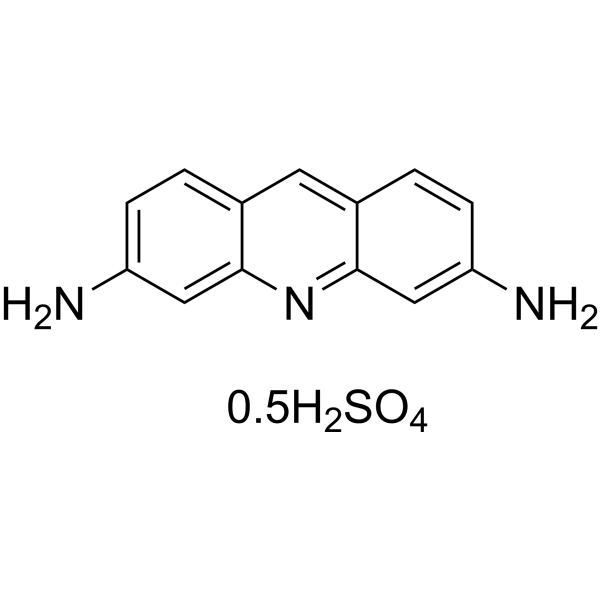
3,6-Diaminoacridine hemisulfate is a multifunctional acridine compound. 3,6-Diaminoacridine hemisulfate is an acridine dye and also a DNA inserter. 3,6-Diaminoacridine hemisulfate is a potent broad-spectrum antibacterial agent. Its mechanism is to insert into bacterial DNA, interfering with replication and transcription, leading to bacterial lysis. 3,6-Diaminoacridine hemisulfate is a Kir3.2 potassium channel blocker and can be used to study the neurological phenotype of Down syndrome. 3,6-Diaminoacridine hemisulfate can penetrate the stratum corneum of the skin and accumulate in the cell nucleus. Long-term exposure may induce skin cancer or other malignant tumors .
|
-
- HY-B2158R
-
|
|
Reference Standards
Estrogen Receptor/ERR
COX
|
Cardiovascular Disease
Endocrinology
|
|
Chlorotrianisene (Standard) is the analytical standard of Chlorotrianisene. This product is intended for research and analytical applications. Chlorotrianisene is a long-acting non-steroidal estrogen and an orally active estrogen receptor modulator. Chlorotrianisene exhibits antiestrogenic activity. Chlorotrianisene potently inhibits the enzyme COX-1 and inhibits platelet aggregation in whole blood .
|
-
- HY-W419570
-
|
|
P2Y Receptor
|
Cardiovascular Disease
|
|
(Rac)-BX 048 is a BX 048 racemate. BX 048 is a P2Y12 receptor antagonist. BX 048 inhibits ADP-induced platelet aggregation in human, dog and rat whole blood. BX 048 also inhibits Arachidonic acid (HY-109590) induced platelet aggregation (IC50 of 15 μM) .
|
-
- HY-19114
-
|
|
Lipoxygenase
|
Inflammation/Immunology
|
|
WY-50295 is an orally active and selective 5-lipoxygenase inhibitor. WY-5029 inhibits LTB4 formation in rat whole blood leukocytes (IC50: 40 μM and oral ED50: 18 mg/kg). WY-50295 can be used in the study of asthma and other leukotriene-dependent diseases .
|
-
- HY-100937R
-
|
PD 116948 (Standard)
|
Reference Standards
Adenosine Receptor
|
Cardiovascular Disease
|
|
DPCPX (Standard) is the analytical standard of DPCPX. This product is intended for research and analytical applications. DPCPX (PD 116948), a xanthine derivative, is a highly potent and selective Adenosine A1 receptor antagonist, with a Ki of 0.46 nM in 3H-CHA binding to A1 receptors in rat whole brain membranes .
|
-
- HY-14166A
-
|
L 663536 sodium salt
|
PPAR
Apoptosis
Leukotriene Receptor
FLAP
|
Cancer
|
|
MK-886 (L 663536) sodium salt is a potent, cell-permeable and orally active FLAP (IC50 of 30 nM) and leukotriene biosynthesis (IC50s of 3 nM and 1.1 μM in intact leukocytes and human whole blood, respectively) inhibitor. MK-886 sodium salt is also a non-competitive PPARα antagonist and can induce apoptosis .
|
-
- HY-105933
-
|
|
Lipoxygenase
COX
Leukotriene Receptor
|
Inflammation/Immunology
|
|
L-652343 is a dual cyclooxygenase/lipoxygenase inhibitor. L-652343 can inhibit the production of LTB4 in isolated human polymorphonuclear leukocytes treated with Calcimycin (HY-N6687) (IC50: 1.4 μM), but it is inactive in whole blood. L-652343 can be used in the research of inflammatory and immune diseases .
|
-
- HY-123812
-
|
|
Histamine Receptor
|
Neurological Disease
Inflammation/Immunology
|
|
PF-03654764 is an orally active, selective histamine H3 receptor antagonist with Ki values of 1.2 nM and 7.9 nM for human H3 and rat H3 in whole cell assay, respectively. The combination of PF-03654764 and Fexofenadine (HY-B0801A) has the potential for allergic rhinitis research .
|
-
- HY-N10595
-
|
|
Others
|
Others
|
|
Ladanetin-6-O-β-(6′′-O-acetyl)glucoside is a flavonoid isolated from the whole plants of Dracocephalum tanguticum, with antioxidant ability. Flavonoids from Dracocephalum tanguticum show cardioprotective effects against Doxorubicin (HY-15142A)-induced toxicity in H9c2 cells .
|
-
- HY-70068R
-
|
|
Orexin Receptor (OX Receptor)
|
Neurological Disease
Endocrinology
|
|
SB-408124 (Standard) is the analytical standard of SB-408124. This product is intended for research and analytical applications. SB-408124 is a non-peptide OX1 receptor antagonist with Kis of 57 nM and 27 nM in whole cell and membrane, respectively. SB-408124 exhibits 50-fold selectivity over OX2 receptor .
|
-
- HY-153504
-
|
|
TNF Receptor
|
Inflammation/Immunology
|
|
TACE-IN-1 is an orally active hydantoin-based tumor necrosis factor-α converting enzyme (TACE) inhibitor. TACE-IN-1 inhibits the production of TNF-α in human whole blood. TACE-IN-1 can be prepared as a stable neutral form. TACE-IN-1 can be used in anti-inflammatory research .
|
-
- HY-122125
-
|
|
Drug Derivative
|
Neurological Disease
|
|
RX 336M is a dihydrocodeinone analogue. RX 336M induces behaviors consisting of consisting of behavioral activation, rapid forepaw movements, excessive grooming, and whole body "wet-dog" shakes (WDS) (rapid twisting of the head and trunk with the forepaws leaving the ground). RX 336M can be used for the study of neurological disease .
|
-
- HY-N18018
-
|
|
Drug Derivative
|
Metabolic Disease
Inflammation/Immunology
|
|
Tetrahydroswertianolin (Compound 1) is a tetrahydroxyxanthone glycoside that can be isolated from the whole plant of Swertia japonica Makino. Tetrahydroswertianolin reduces the elevated blood ALT levels in mice with immune-induced liver injury and exhibits protective activity against liver injury. Tetrahydroswertianolin can be used in studies related to anthelmintic, antipyretic and immune-induced liver injury .
|
-
- HY-170364
-
-
- HY-14166
-
|
L 663536
|
FLAP
Leukotriene Receptor
PPAR
Apoptosis
|
Cancer
|
|
MK-886 (L 663536) is a potent, cell-permeable and orally active FLAP (IC50 of 30 nM) and leukotriene biosynthesis (IC50s of 3 nM and 1.1 μM in intact leukocytes and human whole blood, respectively) inhibitor. MK-886 is also a non-competitive PPARα antagonist and can induce apoptosis .
|
-
- HY-15321S
-
|
MK-0663-d4; L-791456-d4
|
COX
|
Others
|
|
Etoricoxib-d4 (MK-0663-d4) is a deuterium labeled Etoricoxib. Etoricoxib is a non steroidal anti-inflammatory agent, acting as a selective and orally active COX-2 inhibitor, with IC50s of 1.1 μM and 116 μM for COX-2 and COX-1 in human whole blood.
|
-
- HY-178012
-
|
|
IRAK
TNF Receptor
|
Inflammation/Immunology
|
|
GLPG4471 is a selective and orally active IRAK4 inhibitor with an IC50 of 1.7 nM. GLPG4471 exhibits potent inhibition of cytokine (TNFα and IFNα) secretion in cellular and whole blood phenotypic assays. GLPG4471 displays significant activity in a mouse model of collagen-induced arthritis. GLPG4471 can be used for the study of arthritis .
|
-
- HY-15321R
-
|
MK-0663 (Standard); L-791456 (Standard)
|
Reference Standards
COX
|
Inflammation/Immunology
Cancer
|
|
Etoricoxib (Standard) is the analytical standard of Etoricoxib. This product is intended for research and analytical applications. Etoricoxib (MK-0663) is a non steroidal anti-inflammatory agent, acting as a selective and orally active COX-2 inhibitor, with IC50s of 1.1 μM and 116 μM for COX-2 and COX-1 in human whole blood.
|
-
- HY-128338
-
|
|
CETP
|
Cardiovascular Disease
|
|
CETP-IN-3 (Compound 13) is an small molecule inhibitor of the plasma glycoprotein cholesterol ester transfer protein (CETP), elevating HDL-C through inhibition of CETP. CETP-IN-3 for the CETP inhibitory activity in the scintillation proximity (SPA) and whole plasma assay (WPA) with IC50s of 0.002 μM and 0.06 μM, respectively .
|
-
- HY-N7155
-
|
|
Reactive Oxygen Species (ROS)
|
Inflammation/Immunology
|
|
2,4,7-Trihydroxy-9,10-dihydrophenanthrene is a dihydrophenanthrene derivative that can be isolated from the air-dried whole plant of Pholidota chinensis Lindl.. 2,4,7-Trihydroxy-9,10-dihydrophenanthrene shows potent activities of IC50 at 16.2 μM in DPPH radical-scavenging assay .
|
-
- HY-N18315
-
|
|
Apoptosis
Caspase
IAP
Survivin
|
Cancer
|
|
(2''S)-2'',3''-Dihydrodelicaflavone is a biflavonoid compound present in the whole herb of Selaginella doederleinii, which exhibits antiproliferative and apoptosis-inducing activities against non-small cell lung cancer cells. (2''S)-2'',3''-Dihydrodelicaflavone can be used in the research of non-small cell lung cancer .
|
-
- HY-10885
-
|
ABT-472
|
PARP
|
Cancer
|
|
A-620223 succinate (ABT-472) is an orally available poly(ADP-ribose) polymerase (PARP) inhibitor. A-620223 succinate (ABT-472) exhibits very good potency against the PARP-1 enzyme with a Ki value of 8 nM and an EC50 value of 3 nM in whole cell assay, making it useful in cancer research .
|
-
- HY-156961
-
|
GLPG3667
|
JAK
|
Inflammation/Immunology
|
|
Cadefrecitinib (GLPG3667) is a reversible, ATP-competitive and orally active TYK2 inhibitor with an IC50 of 2.3 nM. Cadefrecitinib inhibits IFNα/pSTAT1, and the IC50 values in human peripheral blood mononuclear cell (PBMC) and whole blood assays are 70 nM and 623 nM, respectively. Cadefrecitinib has the potential for the study of inflammatory and autoimmune diseases .
|
-
- HY-15321S2
-
|
MK-0663-d3; L-791456-d3
|
COX
|
Inflammation/Immunology
|
|
Etoricoxib-d3 is the deuterium labeled Etoricoxib . Etoricoxib (MK-0663) is a non steroidal anti-inflammatory agent, acting as a selective and orally active COX-2 inhibitor, with IC50s of 1.1 μM and 116 μM for COX-2 and COX-1 in human whole blood .
|
-
- HY-15321
-
|
MK-0663; L-791456
|
COX
|
Inflammation/Immunology
Cancer
|
|
Etoricoxib (MK-0663) is a non steroidal anti-inflammatory agent, acting as a selective and orally active COX-2 inhibitor. Etoricoxib can cross the blood-brain barrier, with IC50s of 1.1 μM and 116 μM for COX-2 and COX-1 in human whole blood .
|
-
- HY-100864
-
|
|
PGE synthase
|
Inflammation/Immunology
|
|
mPGES1-IN-3 (Compound 17d) is a potent and selective microsomal prostaglandin E2 synthase-1 (mPGES-1) inhibitor, which exhibits excellent mPGES-1 enzyme (IC50: 8 nM), cell (A549 IC50: 16.24 nM) and human whole blood potency (IC50: 249.9 nM) .
|
-
- HY-183750
-
|
|
Cholinesterase (ChE)
|
Metabolic Disease
|
|
BChE reactivator-1 is a human butyrylcholinesterase (BChE) activator and antidote, with a Ki value of 0.52 μM against human BChE. BChE reactivator-1 activates BChE inhibited by organophosphorus compounds, binds reversibly to native BChE, and restores cholinesterase activity in human whole blood. BChE reactivator-1 is applicable to research related to organophosphorus poisoning .
|
-
- HY-15321S1
-
|
MK-0663-13C,d3; L-791456-13C,d3
|
Isotope-Labeled Compounds
COX
|
Inflammation/Immunology
Cancer
|
|
Etoricoxib- 13C,d3 is the 13C- and deuterium labeled Etoricoxib. Etoricoxib (MK-0663) is a non steroidal anti-inflammatory agent, acting as a selective and orally active COX-2 inhibitor, with IC50s of 1.1 μM and 116 μM for COX-2 and COX-1 in human whole blood.
|
-
- HY-N17005
-
|
|
Others
|
Cancer
|
|
3-O-(p-Hydroxybenzoyl)serratriol is a serratene-type triterpenoid compound with low cytotoxicity against cancer cells (IC50 >100 μg/mL against three human cancer cell lines: K562, SMMC-7721, and SGC7901). 3-O-(p-Hydroxybenzoyl)serratriol can be naturally extracted from the whole plant of Palhinhaea cernua .
|
-
- HY-E70584
-
|
|
DNA/RNA Synthesis
|
Infection
|
|
Recombinant APOBEC3A (A3A) Protein is a single-domain cytosine deaminase with antiviral activity that deaminates cytosine to uracil, thereby specifically detecting DNA methylation levels. Recombinant APOBEC3A (A3A) Protein is recombinantly expressed in E.coli and is suitable for bisulfite-free 5-hydroxymethylcytosine whole-genome sequencing (such as ACE-Seq), cytosine deamination, etc .
|
-
- HY-108695BR
-
|
|
Reference Standards
Apoptosis
Endogenous Metabolite
|
Cancer
|
|
(±)-Enterodiol (Standard) is the analytical standard of (±)-Enterodiol. This product is intended for research and analytical applications. (±)-Enterodiol is the racemate of Enterodiol (HY-108695). Enterodiol is transformed by human intestinal bacteria from lignans contained in various whole-grain cereals, nuts, legumes, flaxseed, and vegetables. Enterodiol has an apoptotic effect in colorectal cancer (CRC) cells. Enterodiol has anti-cancer activities .
|
-
- HY-76612R
-
|
|
Orexin Receptor (OX Receptor)
|
Neurological Disease
Endocrinology
|
|
SB-408124 (Hydrochloride) (Standard) is the analytical standard of SB-408124 (Hydrochloride). This product is intended for research and analytical applications. SB-408124 Hydrochloride is a selective non-peptide orexin receptor 1 (OX1) receptor antagonist with Kis of 57 nM and 27 nM in whole cell and membrane, respectively. SB-408124 Hydrochloride exhibits 50-fold selectivity over OX2 receptor .
|
-
- HY-N9814
-
|
|
NO Synthase
|
Inflammation/Immunology
|
|
Shanciol B, isolated from the ethyl acetate extract of the air-dried whole plant of Pholidota imbricate Hook, inhibits nitric oxide (NO) production and 1,1-diphenyl-2-picrylhydrazil (DPPH) radical scavenging activity . Shanciol B is a microsomal prostaglandin E synthase-1 (mPGES-1) inhibitor with anti-inflammatory activity .
|
-
- HY-N8371
-
|
|
NO Synthase
COX
Interleukin Related
TNF Receptor
|
Inflammation/Immunology
|
|
Shizukaol B is a lindenane-type dimeric sesquiterpene, used to be isolated from the whole plant of Chloranthus henryi. Shizukaol B has anti-inflammatory effect against lipopolysaccharide (LPS)-induced activation of BV2 microglial cells. Shizukaol B inhibits iNOS and COX-2, and suppresses NO production, TNF-α, and IL-1β expression .
|
-
- HY-148300
-
|
|
P2Y Receptor
|
Cardiovascular Disease
|
|
AR-C66096 is a potent and selective antagonist of the Gi-coupled P2Y12 receptor. AR-C66096 suppresses platelet thrombus stability under physiological flow conditions. AR-C66096 inhibits ADP-induced aggregation in whole blood aggregometry. AR-C66096 can be used for antithrombotic research .
|
-
- HY-N2574
-
|
|
Glycosidase
|
Metabolic Disease
|
|
Gitogenin is a natural steroid isolated from the whole plant of Tribulus longipetalus. Gitogenin is a selective inhibitor of UDP-glucuronosyltransferase 1A4 (UGT1A4) and enzyme α-glucosidase with IC50 values of 0.69 μM (use trifluoperazine as a substrate) and 37.2 μM, respectively, and does not inhibit the activities of major human cytochrome P450 isoforms .
|
-
- HY-136527
-
|
|
ROR
Interleukin Related
|
Inflammation/Immunology
|
|
BMS-986251 is an orally active and selective RORγt inverse agonist with an EC50 of 12 nM for RORγt GAL4. BMS-986251 inhibits IL-17 with an EC50 of 24 nM in human whole blood assay. BMS-986251 demonstrates robust efficacy in mouse acanthosis and Imiquimod-induced (HY-B0180) models (preclinical models of psoriasis) .
|
-
- HY-N10623
-
|
|
Tyrosinase
|
Cancer
|
|
5-epi-Arvestonate A is a sesquiterpenoid isolated from the whole plants of Seriphidium transiliense. 5-epi-Arvestonate A promotes melanogenic production by activating the transcription of microphthalmia-associated transcription factor (MITF) and tyrosinase family genes. 5-epi-Arvestonate A inhibits the expression of IFN-γ-chemokine through the JAK/STAT signaling pathway in immortalized human keratinocyte (HaCaT) cells .
|
-
- HY-120245
-
|
|
Epigenetic Reader Domain
|
Inflammation/Immunology
|
|
GSK-340 is a BET inhibitor with high affinity and significant selectivity for BD2 from BRD4 with a pIC50 of 7.2. GSK-340 inhibits MCP-1 release in Lipopolysaccharide (HY-D1056) treated PBMCs and whole blood with the pIC50 of 7.4 and 6.0, respectively. GSK-340 has immunomodulatory activity .
|
-
- HY-153480
-
|
BAX499
|
Factor Xa
Factor VIIa
Tissue Factor Pathway Inhibitor (TFPI)
|
Others
|
|
ARC19499 is an aptamer that inhibits tissue factor pathway inhibitor (TFPI) , thereby enabling clot initiation and propagation via the extrinsic pathway. The core aptamer binds tightly and specifically to TFPI. ARC19499 blocks TFPI inhibition of both factor Xa and the TF/factor VIIa complex. ARC19499 corrects thrombin generation in hemophilia A and B plasma and restores clotting in FVIII-neutralized whole blood.
|
-
- HY-153480A
-
|
BAX499 sodium
|
Factor Xa
Factor VIIa
Tissue Factor Pathway Inhibitor (TFPI)
|
Others
|
|
ARC19499 sodium is an aptamer that inhibits tissue factor pathway inhibitor (TFPI) , thereby enabling clot initiation and propagation via the extrinsic pathway. The core aptamer binds tightly and specifically to TFPI. ARC19499 sodium blocks TFPI inhibition of both factor Xa and the TF/factor VIIa complex. ARC19499 sodium corrects thrombin generation in hemophilia A and B plasma and restores clotting in FVIII-neutralized whole blood.
|
-
- HY-156409
-
|
|
JAK
|
Inflammation/Immunology
|
|
ABBV-712 is a selective and orally active inhibitor of Tyrosine kinase 2 (TYK2). ABBV-712 has EC50 values of 0.01, 0.19, and 0.17 μM for TYK2 JH2, TYK2 cells and human whole blood, respectively. ABBV-712 has anti-inflammatory activity and can be used in the research of autoimmune diseases .
|
-
- HY-N13749
-
|
|
Others
|
Cancer
|
|
Juncatrin A is a dihydrophenanthrene compound that can be naturally extracted from the whole plant methanol extract of Juncus atratus Krock. (a plant of the Juncaceae family, Juncus genus). Juncatrin A exhibits only weak antiproliferative activity against HeLa human cervical cancer cells (55.60% inhibition at 30 μM). Juncatrin A can be used in the research of anticancer natural drug precursors and active components of Juncus plants .
|
-
- HY-12995A
-
|
|
FLAP
|
Inflammation/Immunology
|
|
(S)-BI 665915 is an orally active oxadiazole-containing 5-lipoxygenase-activating protein (FLAP) inhibitor with an IC50 of 1.7 nM for FLAP binding. (S)-BI 665915 inhibits FLAP functional in human whole blood with an IC50 of 45 nM. (S)-BI 665915 demonstrates an excellent cross-species agent metabolism and pharmacokinetics (DMPK) profile and a dose-dependent inhibition of LTB4 production .
|
-
- HY-W705820
-
|
|
Isotope-Labeled Compounds
Apoptosis
Endogenous Metabolite
|
Cancer
|
|
(±)-Enterodiol-d6 is the deuterium labeled (±)-Enterodiol (HY-108695B). (±)-Enterodiol is the racemate of Enterodiol (HY-108695). Enterodiol is transformed by human intestinal bacteria from lignans contained in various whole-grain cereals, nuts, legumes, flaxseed, and vegetables. Enterodiol has an apoptotic effect in colorectal cancer (CRC) cells. Enterodiol has anti-cancer activities .
|
-
- HY-N17655
-
|
|
Endogenous Metabolite
|
Others
|
|
Neonootkatol is an alcoholic secondary metabolite that can be found in Hedyotis diffusa (HD) and Hedyotis corymbosa (HC) .
|
-
- HY-W741033
-
|
|
Drug Metabolite
|
Others
|
|
Demeton-S sulfone is an oxidative metabolite of the organophosphorus insecticide Disulfoton .
|
-
- HY-153993
-
|
|
Endogenous Metabolite
|
Others
|
|
Pyrocatechol sulfate, a phenolic metabolite present in human plasma, is associated with the consumption of specific foods such as berries and the condition of gut microbiota. It serves as a potential urinary biomarker for kidney function, dialytic clearance, whole grain consumption, and regular coffee intake. Additionally, Pyrocatechol sulfate, along with other phenolic sulfates, plays a role in modulating various biological functions, including those related to brain health and the rhythmic beating of cardiomyocytes.
|
-
- HY-W778288
-
|
|
Isotope-Labeled Compounds
Apoptosis
Endogenous Metabolite
|
Cancer
|
|
(±)-Enterodiol- 13C3 is the 13C-labeled (±)-Enterodiol (HY-108695B). (±)-Enterodiol is the racemate of Enterodiol (HY-108695). Enterodiol is transformed by human intestinal bacteria from lignans contained in various whole-grain cereals, nuts, legumes, flaxseed, and vegetables. Enterodiol has an apoptotic effect in colorectal cancer (CRC) cells. Enterodiol has anti-cancer activities .
|
-
- HY-102064
-
|
|
5-HT Receptor
|
Neurological Disease
|
|
SR 57227A is a potent, orally active and selective 5-HT3 receptor agonist, with ability to cross the blood brain barrier. SR 57227A has affinities (IC50) varying between 2.8 and 250 nM for 5-HT3 receptor binding sites in rat cortical membranes and on whole NG 108-15 cells or their membranes. Anti-depressant effects .
|
-
- HY-150508
-
MK-0159
1 Publications Verification
|
CD38
|
Cardiovascular Disease
Metabolic Disease
Inflammation/Immunology
|
|
MK-0159 is an orally active, potent and selective CD38 inhibitor, with IC50 values of 22, 3, and 70 nM for human, mouse and rat CD38, respectively. MK-0159 also shows good microsomal stability for human and rodent liver microsomes. MK-0159 increases NAD + (nicotinamide adenine dinucleotide) and reduces ADPR (adenosine diphosphate ribose) in whole blood and heart .
|
-
- HY-138623
-
|
|
Epigenetic Reader Domain
TNF Receptor
Interleukin Related
|
Inflammation/Immunology
Cancer
|
|
GSK789 is a selective inhibitor of BET BD1. GSK789 inhibits the growth of leukemia cell lines. GSK789 inhibits LPS-stimulated production of MCP-1, TNFα and IL-6 in human whole blood. GSK789 exhibits antiproliferative, anti-inflammatory and immunomodulatory activities. GSK789 can be used in research related to cancers such as leukemia, as well as inflammatory and immune diseases .
|
-
- HY-163159
-
|
|
NOD-like Receptor (NLR)
Interleukin Related
|
Inflammation/Immunology
|
|
NP3-562 is an orally active NLRP3 Inhibitor. NP3-562 inhibits IL-1β release in the supernatant of Nigericin (HY-127019)-stimulated THP-1 cells (IC50 = 66 nM), human whole blood (IC50 = 214 nM) and a mouse acute peritonitis model. NP3-562 can be used for the study of acute peritonitis .
|
-
- HY-N9765
-
|
|
NF-κB
NO Synthase
Quinone Reductase
COX
|
Others
|
|
threo-Guaiacylglycerol β-coniferyl ether (compound 9) is a potentially active compound, but its inhibitory activity against NF-κB, nitric oxide production, aromatase, quinone reductase 2, and cyclooxygenase (COX-1/-2) is not significant. threo-Guaiacylglycerol β-coniferyl ether can be naturally extracted from the 95% ethanol extract of the whole plant of Lepisorus contortus (Christ) Ching (a plant of the Polypodiaceae family) .
|
-
- HY-150720
-
|
|
JAK
IFNAR
|
Inflammation/Immunology
|
|
TYK2-IN-12 (compound 30) is an orally active, potent and selective TYK2 (tyrosine kinase 2) inhibitor, with a Ki of 0.51 nM. TYK2-IN-12 inhibits IL-12 induced IFNγ, with IC50 values of 2.7 and 7.0 μM in human and mouse whole blood, respectively. TYK2-IN-12 can be used for psoriasis research .
|
-
- HY-14165A
-
|
(S)-BAY X 1005; (S)-DG-031
|
Leukotriene Receptor
FLAP
|
Inflammation/Immunology
|
|
(S)-Veliflapon ((S)-BAY X 1005) is an orally active inhibitor of leukotriene biosynthesis and 5-lipoxygenase activating protein (FLAP). (S)-Veliflapon inhibits the formation of leukotriene B4 (LTB4) in rat, mouse and human leukocytes with IC50 values of 0.026 µM, 0.039 µM and 0.22 µM respectively. (S)-Veliflapon showes enantioselectivity in human whole blood .
|
-
- HY-18794
-
|
|
p38 MAPK
TNF Receptor
Interleukin Related
|
Inflammation/Immunology
|
|
R-03201195 is an efficient and selective p38 MAP kinase inhibitor with an IC50 for p38α of 0.7 nM. R-03201195 has inhibitory activity against TNF-α in THP-1 cells and against IL-1β in human whole blood, with IC50 values of 0.25 and 0.57 nM respectively. R-03201195 can be used for inflammatory diseases such as rheumatoid arthritis .
|
-
- HY-185073
-
|
|
STAT
|
Inflammation/Immunology
|
|
STAT6-IN-11 (example 3) is a STAT6 inhibitor with an EC50 of 6 nM. STAT6-IN-11 inhibits CCL17 secretion in peripheral human whole blood, stimulated through the IL-13-IL- 13 receptor/IL-4 receptor pathway, with an IC50 of 83 nM. STAT6-IN-11 can be used for the study of dermatological condition or a respiratory condition .
|
-
- HY-B1328R
-
|
Pyridoxol (Standard)
|
Reference Standards
Endogenous Metabolite
Keap1-Nrf2
|
Neurological Disease
Cancer
|
|
Pyridoxine (Standard) is the analytical standard of Pyridoxine. This product is intended for research and analytical applications. Pyridoxine (Pyridoxol) is a pyridine derivative. Pyridoxine exerts antioxidant effects in cell model of Alzheimer's disease via the Nrf-2/HO-1 pathway.
In Vitro: Pyridoxine exerts a protective potential against AD, attenuates ROS levels, decreases the expressions of cytoplasmic Nrf2, and upregulates whole-cell HO-1 expression .
|
-
- HY-10797
-
|
CJ-042794
|
Prostaglandin Receptor
|
Inflammation/Immunology
Endocrinology
|
|
CJ-42794 (CJ-042794) is a potent, orally active, selective prostaglandin E receptor 4 (EP4) antagonist with an IC50 value of 10 nM, which is 200-fold more selective than EP1, EP2 and EP3. CJ-42794 can be used in research of gastric ulcers .
|
-
- HY-D3219
-
|
|
Fluorescent Dye
|
Others
|
|
Ctrl-CPF1 is a control dye for Copper Phosphorus Fluor 1 (CPF1), which exhibits no metal-dependent fluorescence response and shows no reactivity toward Cu + .
|
-
- HY-10797R
-
|
CJ-042794 (Standard)
|
Reference Standards
Prostaglandin Receptor
|
Inflammation/Immunology
Endocrinology
|
|
CJ-42794 (Standard) is the analytical standard of CJ-42794 (HY-10797). This product is intended for research and analytical applications. CJ-42794 (CJ-042794) is a potent, orally active, selective prostaglandin E receptor 4 (EP4) antagonist with an IC50 value of 10 nM, which is 200-fold more selective than EP1, EP2 and EP3. CJ-42794 can be used in research of gastric ulcers .
|
-
- HY-171739
-
|
|
Endogenous Metabolite
|
Others
|
|
PLPEth (16:0/18:2 PEth) is a predominant phosphatidylethanol homologue and can be used as direct biomarker for long-term alcohol use .
|
-
- HY-N2574R
-
|
|
Reference Standards
Glycosidase
|
Metabolic Disease
|
|
Gitogenin (Standard) is the analytical standard of Gitogenin. This product is intended for research and analytical applications. Gitogenin is a natural steroid isolated from the whole plant of Tribulus longipetalus. Gitogenin is a selective inhibitor of UDP-glucuronosyltransferase 1A4 (UGT1A4) and enzyme α-glucosidase with IC50 values of 0.69 μM (use trifluoperazine as a substrate) and 37.2 μM, respectively, and does not inhibit the activities of major human cytochrome P450 isoforms .
|
-
- HY-105424
-
|
|
COX
|
Inflammation/Immunology
|
|
Florifenine is a selective cyclooxygenase (COX) inhibitor with anti-inflammatory activity. Florifenine inhibits TXB2 in human whole blood with an IC50 of 32.5 nM. Florifenine exhibits anti-inflammatory effects in ear oedema. Florifenine inhibits neutrophil migration and reduces PGE2 levles in the inflamed ears. Florifenine inhibits leukocyte migration and PGE2 levels in the air pouch inflammation induced by Zymosan (HY-159069). Florifenine can be used for anti-inflammatory research .
|
-
- HY-10615
-
|
|
PARP
|
Cancer
|
|
A-620223 is a PARP-1 inhibitor with a Ki of 8 nM against PARP-1 and EC50 of 3 nM in a whole cell assay. A-620223 demonstrates good in vivo efficacy in a B16F10 subcutaneous murine melanoma model in combination with Temozolomide (TMZ) (HY-17364) and in an MX-1 breast xenograph model in combination with Cisplatin (HY-17394). A-620223 can be used for the studies of melanoma and breast cancer .
|
-
- HY-E70730
-
|
|
IGF-1R
|
Metabolic Disease
|
|
The whole IGF axis constitutes an interactive network composed of the peptide-ligands IGF1, IGF2 and insulin, and the receptors IGF1R, IGF2R and insulin receptor (INSR) as IGF binding proteins (IGFBPs). The INSR itself appears in two isoforms, INSRA and INSRB differing in 12 amino acids encoded by exon 11. INSR Recombinant Human Active Protein Kinase is a recombinant INSR protein that can be used to study INSR-related functions .
|
-
- HY-D1585
-
|
|
Fluorescent Dye
|
Others
|
|
BODIPY TR methyl ester is a lipophilic GFP Counterstain. BODIPY TR methyl ester dye readily permeates cell membranes and localizes in endomembranous organelles but not localize strongly in plasma membranes. BODIPY TR methyl ester is an excellent red fluorescent vital dye (Ex=568 nm, Em=625 nm), can be used to reveal the location and shapes of cell nuclei, the shapes of cells within embryonic tissues, as well as the bound aries of organ-forming tissues within the whole embryo .
|
-
- HY-117931
-
|
|
Potassium Channel
|
Neurological Disease
|
|
NS004 is a potassium (BK) channel activator that increases Iberiotoxin (HY-P0190) or Tetraethylammonium (HY-B1793)-sensitive whole-cell efflux currents. NS004 also significantly increased the activity of individual GH3 cell BK channels and rat brain BK channels reorganized into planar lipid bilayers, causing an increase in channel mean open time, a decrease in intermittent time, and an increase in channel voltage/calcium sensitivity .
|
-
- HY-14166R
-
|
L 663536 (Standard)
|
FLAP
Leukotriene Receptor
PPAR
Apoptosis
Reference Standards
|
Cancer
|
|
MK-886 (Standard) is the analytical standard of MK-886. This product is intended for research and analytical applications. MK-886 (L 663536) is a potent, cell-permeable and orally active FLAP (IC50 of 30 nM) and leukotriene biosynthesis (IC50s of 3 nM and 1.1 μM in intact leukocytes and human whole blood, respectively) inhibitor. MK-886 is also a non-competitive PPARα antagonist and can induce apoptosis .
|
-
- HY-N13729
-
|
|
NO Synthase
|
Cardiovascular Disease
Neurological Disease
|
|
Stephalonine P is a hasubanan-type alkaloid anti-inflammatory agent with neuroprotective effects against neuroinflammation. Stephalonine P regulates post-ischemic inflammatory responses by inhibiting NO production in LPS-activated BV2 microglia (IC50=34.01 μM), thereby reducing microglial activation and neuronal damage. Stephalonine P can be isolated from the whole plant of Stephania japonica. Stephalonine P can be used in research on stroke and other neuroinflammation-related diseases .
|
-
- HY-B0952
-
|
Tuaminoheptane
|
Adrenergic Receptor
|
Neurological Disease
|
|
2-Aminoheptane (Tuaminoheptane) is a norepinephrine transporter inhibitor. 2-Aminoheptane binds to norepinephrine transporter via ionic and hydrophobic interactions to block norepinephrine uptake. 2-Aminoheptane deactivates ω-TAmla enzyme, reduces recombinant whole cell stability, and acts as an amino group donor substrate for ω-TA and ω-TAmla enzymes. 2-Aminoheptane can be used in research on depression and Alzheimer's disease .
|
-
- HY-18862
-
|
|
p38 MAPK
|
Inflammation/Immunology
|
|
PF-03715455 is a potent inhaled p38 MAPK inhibitor. PF-03715455 shows some selectivity for p38α over p38β with respective IC50 values of 0.88 and 23 nM. PF-03715455 potently inhibits LPS-induced TNFα production in human whole blood (IC50=1.7 nM). PF-03715455 has potential for the treatment of COPD (chronic obstructive pulmonary disease) .
|
-
- HY-N15690
-
|
|
Biochemical Assay Reagents
|
Others
|
|
3-(R)-3-β-Glucopyranosyloxy-4-hydroxybutanoic acid is a butanoic acid glucose. 3-(R)-3-β-Glucopyranosyloxy-4-hydroxybutanoic acid can be isolated from the methanol extract of dried whole plants of Anoectochilus formosanus Hay. 3-(R)-3-β-Glucopyranosyloxy-4-hydroxybutanoic acid can be formed in 3 types of regenerated plantlets in vitro .
|
-
- HY-145301
-
|
|
Bacterial
|
Infection
|
|
Mycobactin-IN-1, a pyrazoline analogue, is a mycobactin biosynthesis inhibitor against mycobacteria. Mycobactin-IN-1 binds to salicyl-AMP ligase (MbtA), a key enzyme in the mycobactin biosynthetic pathway. Mycobactin-IN-1 inhibits whole-cell drug efflux pumps in M. smegmatis. Mycobactin-IN-1 eradicates intracellularly surviving mycobacteria. Mycobactin-IN-1 shows an excellent in vivo pharmacokinetic profile. Mycobactin-IN-1 can be used for the research of tuberculosis .
|
-
- HY-173131
-
|
|
5-HT Receptor
|
Others
|
|
5-HT4R agonist-2 (Compound 4) is a selective 5-HT4R agonist with an EC50 value of 0.41 nM. 5-HT4R agonist-2 can significantly enhance whole gut and colonic transit, increase fecal output and water content, while maintaining minimal systemic absorption, and it shows promise for the research of chronic idiopathic constipation .
|
-
- HY-P3071
-
|
Stichodactyla helianthus neurotoxin
|
Potassium Channel
|
Neurological Disease
Inflammation/Immunology
|
|
ShK toxin blocks voltage-dependent potassium channel (Kv1.3 channel). ShK toxin can be isolated from the whole body extract of the Caribbean sea anemone (Stichodactylu helianthus). ShK toxin competes with dendrotoxin I and α-dendrotoxin for binding to synaptosomal membranes of rat brain, facilitates acetylcholine release. ShK toxin suppresses K+ currents in cultured rat dorsal root ganglion neurons. ShK toxin also inhibits T lymphocyte proliferation .
|
-
- HY-15425B
-
|
Sphingosine Kinase 1 Inhibitor II hydrochloride
|
SphK
LPL Receptor
Apoptosis
Autophagy
|
Cardiovascular Disease
Inflammation/Immunology
Cancer
|
|
PF-543 hydrochloride (Sphingosine Kinase 1 Inhibitor II hydrochloride) is a potent, selective, reversible and sphingosine-competitive SPHK1 inhibitor with an IC50 of 2 nM and a Ki of 3.6 nM. PF-543 hydrochloride is >100-fold selectivity for SPHK1 over SPHK2. PF-543 hydrochloride is an effective potent inhibitor of sphingosine 1-phosphate (S1P) formation in whole blood with an IC50 of 26.7 nM. PF-543 hydrochloride induces apoptosis, necrosis, and autophagy .
|
-
- HY-161860
-
|
|
Bacterial
|
Cancer
|
|
Antibacterial agent 233 (Compound 7c) exhibits inhibitory efficacy against Helicobacter pylori with MIC of 0.4-1.6 μg/mL. Antibacterial agent 233 inhibits jack bean urease (IC50 is 0.27 μg/mL), changes the permeability of H. pylori cell membrane, causes the leakage of cellular contents. Antibacterial agent 233 exhibits metabolic stability in whole blood and artificial gastric fluid. Antibacterial agent 233 exhibits antitumor efficacy against U2OS in mice .
|
-
- HY-125975
-
|
|
Lipoxygenase
|
Inflammation/Immunology
|
|
1-Naphthyl 3,5-dinitrobenzoate is a potent 5-lipoxygenase inhibitor with IC50 values of 1.04 µM and 3.6 µM for 5-LOX and mPGES-1, respectively. 1-Naphthyl 3,5-dinitrobenzoate has strong inhibition activity in the human whole blood (HWB) assay with an IC50 value of 8.6 μM. 1-Naphthyl 3,5-dinitrobenzoate can be used in research of inflammation .
|
-
- HY-N9799
-
|
|
NO Synthase
Reactive Oxygen Species (ROS)
|
Inflammation/Immunology
|
|
Pholidotol C is a stilbene compound with nitric oxide (NO) production inhibitory activity and DPPH free radical scavenging activity (IC50 values ??of 28.6 μM and 21.9 μM, respectively). Pholidotol C exerts its anti-inflammatory and antioxidant activities through mechanisms involving the inhibition of NO production in activated macrophages and free radical scavenging, and can be used in research on inflammation-related diseases. Pholidotol C can be extracted from the dried whole plant of Pholidota chinensis (an orchid of the genus Pholidota) .
|
-
- HY-179024
-
-
- HY-15425
-
PF-543
Maximum Cited Publications
22 Publications Verification
Sphingosine Kinase 1 Inhibitor II
|
SphK
LPL Receptor
Apoptosis
Autophagy
|
Cardiovascular Disease
Inflammation/Immunology
Cancer
|
|
PF-543 (Sphingosine Kinase 1 Inhibitor II) is a potent, selective, reversible and sphingosine-competitive SPHK1 inhibitor with an IC50 of 2 nM and a Ki of 3.6 nM. PF-543 is >100-fold selectivity for SPHK1 over SPHK2. PF-543 is an effective potent inhibitor of sphingosine 1-phosphate (S1P) formation in whole blood with an IC50 of 26.7 nM. PF-543 induces apoptosis, necrosis, and autophagy .
|
-
- HY-D3327
-
|
|
Fluorescent Dye
|
Others
|
|
PE-AF700 is a tandem fluorescent dye used for flow cytometry, consisting of the donor phycoerythrin (PE) and the acceptor Alexa Fluor 700 (AF700) (Ex/Em = 488 nm/715 nm) .
|
-
- HY-W1011921
-
-
- HY-D3347
-
|
|
Fluorescent Dye
|
Cancer
|
|
DUPA-FITC is a fluorescent reagent targeting PSMA, which specifically binds to prostate cancer cells expressing PSMA without non-specific binding to normal blood cells. DUPA-FITC can label PSMA-expressing prostate cancer cells in whole blood, followed by internalization and trafficking to acidic intracellular endosomes, during which the fluorescence is quenched. When combined with flow cytometry and density gradient centrifugation enrichment, DUPA-FITC enables quantitative analysis of circulating tumor cells in peripheral blood samples from prostate cancer patients .
|
-
- HY-108642B
-
|
|
p38 MAPK
Casein Kinase
|
Inflammation/Immunology
|
|
AMG-548 dihydrochloride, an orally active and selective p38α inhibitor (Ki=0.5 nM), shows slightly selective over p38β (Ki=36 nM) and >1000 fold selective against p38γ and p38δ. AMG-548 dihydrochloride is also extremely potent in the inhibition of whole blood LPS stimulated TNFα (IC50=3 nM) . AMG-548 dihydrochloride inhibits Wnt signaling by directly inhibiting Casein kinase 1 isoforms δ and ε .
|
-
- HY-108642
-
|
|
p38 MAPK
Casein Kinase
|
Inflammation/Immunology
|
|
AMG-548, an orally active and selective p38α inhibitor (Ki=0.5 nM), shows slightly selective over p38β (Ki=36 nM) and >1000 fold selective against p38γ and p38δ. AMG 548 is also extremely potent in the inhibition of whole blood LPS stimulated TNFα (IC50=3 nM) . AMG-548 inhibits Wnt signaling by directly inhibiting Casein kinase 1 isoforms δ and ε .
|
-
- HY-108642A
-
|
|
p38 MAPK
Casein Kinase
|
Inflammation/Immunology
|
|
AMG-548 hydrochloride, an orally active and selective p38α inhibitor (Ki=0.5 nM), shows slightly selective over p38β (Ki=36 nM) and >1000 fold selective against p38γ and p38δ. AMG-548 hydrochloride is also extremely potent in the inhibition of whole blood LPS stimulated TNFα (IC50=3 nM) . AMG-548 hydrochloride inhibits Wnt signaling by directly inhibiting Casein kinase 1 isoforms δ and ε .
|
-
- HY-102064R
-
|
|
Reference Standards
5-HT Receptor
|
Neurological Disease
|
|
SR 57227A (Standard) is the analytical standard of SR 57227A (HY-102064). This product is intended for research and analytical applications. SR 57227A is a potent, orally active and selective 5-HT3 receptor agonist, with ability to cross the blood brain barrier. SR 57227A has affinities (IC50) varying between 2.8 and 250 nM for 5-HT3 receptor binding sites in rat cortical membranes and on whole NG 108-15 cells or their membranes. Anti-depressant effects .
|
-
- HY-15425A
-
PF-543 Citrate
Maximum Cited Publications
22 Publications Verification
Sphingosine Kinase 1 Inhibitor II Citrate
|
SphK
LPL Receptor
Apoptosis
Autophagy
|
Cardiovascular Disease
Inflammation/Immunology
Cancer
|
|
PF-543 Citrate (Sphingosine Kinase 1 Inhibitor II Citrate) is a potent, selective, reversible and sphingosine-competitive SPHK1 inhibitor with an IC50 of 2 nM and a Ki of 3.6 nM. PF-543 Citrate is >100-fold selectivity for SPHK1 over SPHK2. PF-543 Citrate is an effective potent inhibitor of sphingosine 1-phosphate (S1P) formation in whole blood with an IC50 of 26.7 nM. PF-543 Citrate induces apoptosis, necrosis, and autophagy .
|
-
- HY-E70541B
-
|
|
Biochemical Assay Reagents
|
Cardiovascular Disease
|
|
Canine Factor IX is a functional coagulation factor. Canine Factor IX shortens whole blood clotting time and activated partial thromboplastin time, and restores coagulation function. After intramuscular administration via rAAV vector in hemophilia B dogs, Canine Factor IX maintains a sustained circulating level for at least 1 year, partially corrects the hemophilia B phenotype in a dose-dependent manner, and its plasma expression persists for more than 17 months. Canine Factor IX is applicable to relevant research on hemophilia B .
|
-
- HY-P5183
-
|
|
Sodium Channel
|
Neurological Disease
|
|
Hm1a is a venom peptide and a selective hNaV1.1 activator with an EC50 of 7.5 nM. Hm1a enhances hNaV1.1 and hNaV1.3 channel currents via delayed inactivation. Hm1a restores action potential firing in Dravet syndrome GABAergic inhibitory interneurons, reduces interictal epileptiform discharges and whole-brain hyperexcitability, lowers seizure frequency, and rescues premature death in Dravet syndrome mice. Hm1a can be used for the research of neurological disease, such as Dravet syndrome .
|
-
- HY-N7469
-
-
- HY-182345
-
|
|
CD38
|
Cancer
|
|
NOTA-MK0159 is a NOTA (HY-134418) and MK0159 (HY-150508) conjugate. NOTA-MK0159 inhibits human and mouse CD38 with IC50 values of 72.58 and 7.55 nM. NOTA-MK0159 coupled with radioactive elements acts as a imaging agent with specific uptake in CD38-positive multiple myeloma cells, enabling noninvasive whole-body assessment of CD38 expression in multiple myeloma xenografts. NOTA-MK0159 can be used for the research of multiple myeloma .
|
-
- HY-120059
-
|
|
Potassium Channel
|
Neurological Disease
|
|
NS4591 is a modulator of calcium-activated potassium channels with activity that enhances small (SK) and intermediate (IK) conductivity. NS4591 doubled IK-mediated currents in whole-cell patch-clamp experiments at a concentration of 45 +/- 6 nM, and doubled SK3-mediated currents at a concentration of 530 +/- 100 nM. NS4591 inhibits the number of action potentials generated by suprathreshold depolarizing pulses in acutely isolated bladder primary afferent neurons. NS4591 also reduced carbakol-induced detrusor ring contraction in the rat bladder, demonstrating sensitivity to apamin .
|
-
- HY-122144
-
|
Teroxirone
|
Endogenous Metabolite
|
Cancer
|
|
α-Triglycidyl isocyanurate (Teroxirone) is an antitumor compound with activity to inhibit DNA replication. α-Triglycidyl isocyanurate exerts its anticancer effect by alkylating and cross-linking DNA. α-Triglycidyl isocyanurate is relatively stable in fresh human plasma and whole blood, showing good biocompatibility. The metabolism of α-Triglycidyl isocyanurate mainly occurs in rat liver and is metabolized through an NADPH-independent pathway. The cytotoxicity of α-Triglycidyl isocyanurate can be partially restored under specific conditions, suggesting the complexity of its metabolic pathway .
|
-
- HY-160023
-
|
D3S-001
|
Ras
PERK
|
Cancer
|
|
Elisrasib (D3S-001) is an orally active and selective inhibitor for KRAS. Elisrasib inhibits the proliferation of KRAS G12C mutant H358 and MIA-PA-CA-2. D3S-001 also inhibits the phosphorylation of cellular ERK1/2. Elisrasib exhibits good metabolic stability in hepatocytes, liver microsomes, plasma and whole blood in various species. D3S-001 exhibits good pharmacokinetic characteristics and antitumor efficacy in mice .
|
-
- HY-182630
-
|
|
Interleukin Related
TNF Receptor
|
Inflammation/Immunology
|
|
CJ-14897 is a cytokine production inhibitor, with IC50 values of 0.059 μM and 0.59 μM for IL-1β and TNF-α production, respectively, and an IC50 of 180 μM for leucine uptake. CJ-14897 is isolated from the fermentation broth of the basidiomycete Marasmius strain CL21624 .
|
-
- HY-N16869
-
-
- HY-P3071A
-
|
Stichodactyla helianthus neurotoxin TFA
|
Potassium Channel
|
Neurological Disease
Inflammation/Immunology
|
|
ShK toxin TFA (Stichodactyla helianthus neurotoxin TFA) is a neurotoxin. ShK toxin TFA blocks voltage-dependent potassium channel (Kv1.3 channel). ShK toxin TFA can be isolated from the whole body extract of the Caribbean sea anemone (Stichodactylu helianthus). ShK toxin TFA competes with dendrotoxin I and α-dendrotoxin for binding to synaptosomal membranes of rat brain, facilitates acetylcholine release. ShK toxin TFA suppresses K + currents in cultured rat dorsal root ganglion neurons. ShK toxin TFA also inhibits T lymphocyte proliferation .
|
-
- HY-N18316
-
|
|
Others
|
Cancer
|
|
(2''S)-6''-Methyl-2'',3''-Dihydrodelicaflavone is a biflavonoid compound present in the whole herb of Selaginella doederleinii. (2''S)-6''-Methyl-2'',3''-Dihydrodelicaflavone exhibits antiproliferative activity against non-small cell lung cancer cells (IC50 = 3.1-6.8 μM) with low cytotoxicity toward normal cells. (2''S)-6''-Methyl-2'',3''-Dihydrodelicaflavone can be used in studies related to non-small cell lung cancer .
|
-
- HY-W134422
-
|
Polyoxyethylene octylphenol ether
|
Environmental Pollutants
Biochemical Assay Reagents
|
Others
|
|
(1,1,3,3-Tetramethylbutyl)phenyl-polyethylene glycol X-114 is a surfactant. (1,1,3,3-Tetramethylbutyl)phenyl-polyethylene glycol X-114 is used to solubilize membranes and whole cells. A solution of (1,1,3,3-Tetramethylbutyl)phenyl-polyethylene glycol X-114 is homogeneous at 0 degrees C but separates in an aqueous phase and a detergent phase above 20 degrees C. (1,1,3,3-Tetramethylbutyl)phenyl-polyethylene glycol X-114 can be used in phase separation studies .
|
-
- HY-P990068
-
|
SRF617
|
NTPDase
|
Inflammation/Immunology
Cancer
|
|
Perenostobart (SRF617) is a human IgG4 antibody with inhibitory activity against CD39 ATPase. Perenostobart inhibits CD39-mediated hydrolysis of extracellular ATP to AMP, with IC50 values of 1.9 nM (HEK293 OE cells), 0.7 nM (MOLP-8 cells), and 1.2 nM (RBC-lysed whole blood). Perenostobart enhances CD4 + T-cell proliferation, promotes dendritic cell maturation, and boosts inflammasome activation in macrophages in the presence of ATP. Perenostobart demonstrates significant single-agent anti-tumor efficacy in MOLP-8 and H520 xenograft models. Perenostobart can be used for the study of cancer .
|
-
- HY-123789
-
|
|
Toll-like Receptor (TLR)
|
Inflammation/Immunology
|
|
T-5342126 is a toll-like receptor 4 (TLR4) antagonist. It reduces LPS-induced production of nitric oxide (NO) in RAW 264.7 cells (IC50=27.8 μM), as well as decreases LPS-induced IL-8, TNF-α, and IL-6 production in isolated human whole blood (IC50s=110.5, 315.6, and 318.4 μM, respectively). T-5342126 (82 mg/kg) reduces ethanol intake and the abundance of ionized calcium-binding adapter molecule 1 (Iba1), a marker of microglial activation, in the central nucleus of the amygdala in ethanol-dependent mice.
|
-
- HY-B0742
-
|
17α-Hydroxyprogesterone hexanoate; 17α-Hydroxyprogesterone caproate
|
Progesterone Receptor
|
Endocrinology
|
|
Hydroxyprogesterone caproate (17α-Hydroxyprogesterone hexanoate; 17α-Hydroxyprogesterone caproate) is a progesterone receptor (progesterone receptor) ligand and steroid hormone transcription inhibitor. Hydroxyprogesterone caproate downregulates estrogen receptors in target tissues and activates their metabolic pathways, and exhibits equivalent affinity for progesterone receptor A and progesterone receptor B. Hydroxyprogesterone caproate shows no consistent teratogenicity or developmental toxicity in rat, mouse and monkey models, but induces resorption or abortion in rhesus monkeys at human-equivalent doses. Hydroxyprogesterone caproate promotes the production of TNF-α in lipopolysaccharide-stimulated whole blood from non-pregnant women. Hydroxyprogesterone caproate can be used in scientific research related to preterm birth .
|
-
- HY-D3274
-
|
|
Fluorescent Dye
|
Others
|
|
PE-Cy5 is a tandem fluorescent dye commonly used in flow cytometry, immunofluorescence, and cell biology research. It is formed by the covalent linkage of two fluorescent molecules, namely phycoerythrin and CY5. PE-Cy5 binds to human FcγRI (CD64), and this binding can be blocked by human pooled serum, anti-CD64 monoclonal antibodies targeting the ligand-binding region, or aggregated IgG. PE-Cy5 supports three-color flow cytometry analysis, and whole blood staining can partially reduce its non-specific binding (Ex/Em = 450-500 nm/665 nm) .
|
-
- HY-116153
-
|
|
Cholinesterase (ChE)
|
Neurological Disease
|
|
HUHS2002 is a free fatty acid derivative with the ability to enhance α7 cholinergic receptor activity. HUHS2002 enhances whole-cell membrane currents of α7 ACh receptors expressed in Xenopus oocytes in a concentration-dependent manner. The effects of HUHS2002 were blocked in the presence of the Ca2 /calmodulin-dependent protein kinase II (CaMKII) inhibitor KN-93. HUHS2002 activated CaMKII in cultured rodent hippocampal neurons, and this activation was abolished by KN-93. HUHS2002 also partially inhibited the activity of protein phosphatase 1 (PP1) in a cell-free PP1 activity assay .
|
-
- HY-W142283
-
|
|
Drug Derivative
|
Others
|
|
2,3-Dimethylfuran is a furan derivative. 2,3-Dimethylfuran can be formed by the cyclization of (Z)-3-methylpent-2-en-4-yn-1-ol by various methods .
|
-
- HY-108642BR
-
|
|
Reference Standards
p38 MAPK
Casein Kinase
|
Inflammation/Immunology
|
|
AMG-548 dihydrochloride (Standard) is the analytical standard of AMG-548 (dihydrochloride) (HY-108642B). This product is intended for research and analytical applications. AMG-548 dihydrochloride, an orally active and selective p38α inhibitor (Ki=0.5 nM), shows slightly selective over p38β (Ki=36 nM) and >1000 fold selective against p38γ and p38δ. AMG-548 dihydrochloride is also extremely potent in the inhibition of whole blood LPS stimulated TNFα (IC50=3 nM) . AMG-548 dihydrochloride inhibits Wnt signaling by directly inhibiting Casein Kinase 1 isoforms δ and ε .
|
-
- HY-103693
-
NAZ2329
3 Publications Verification
|
Phosphatase
|
Cancer
|
|
NAZ2329, the first cell-permeable inhibitor of R5 subfamily of receptor-type protein tyrosine phosphatases (RPTPs), allosterically and preferentially inhibits PTPRZ (IC50=7.5 µM for hPTPRZ1) and PTPRG (IC50=4.8 µM for hPTPRG) over other PTPs. NAZ2329 binds to the active D1 domain and more potently inhibits PTPRZ-D1 fragment (IC50 of 1.1 µM) than the whole intracellular (D1 + D2) fragment (IC50 of 7.5 µM). NAZ2329 can effectively inhibit tumor growth of the glioblastoma cells and suppress stem cell-like properties .
|
-
- HY-105567A
-
|
|
GABA Receptor
|
Neurological Disease
|
|
Carbiphene hydrochloride is a GABAA receptor allosteric modulator. Carbiphene hydrochloride inhibits [ 35S] TBPS binding and enhances [ 3H] muscimol binding on rat forebrain membranes, acting on specific GABAA receptor subsets. Carbiphene hydrochloride can be used in research related to schizophrenia .
|
-
- HY-105567
-
|
|
GABA Receptor
|
Neurological Disease
|
|
Carbiphene is a GABAA receptor allosteric modulator. Carbiphene inhibits [ 35S] TBPS binding and enhances [ 3H] muscimol binding on rat forebrain membranes, acting on specific GABAA receptor subsets. Carbiphene can be used in research related to schizophrenia .
|
-
- HY-D0233S
-
|
|
Isotope-Labeled Compounds
Fluorescent Dye
|
Others
|
|
Leucocrystal violet-d6 is the deuterium labeled Leucocrystal violet (HY-D0233). Leucocrystal violet is a cationic triarylmethane dye. Leucocrystal violet generates a colored purple product in the presence of hydrogen peroxide and horseradish peroxidase, or when oxidized by periodate under the catalysis of horseradish peroxidase. Leucocrystal violet serves as a chromogenic reagent for the determination of submicrogram-level hydrogen peroxide, with no interference from tryptophan, persulfate or chromate. Leucocrystal violet reacts with blood to produce a purple/violet color in the presence of hydrogen peroxide; it forms a very weak fluorophore when acting with whole blood in an unbuffered solution, with a maximum absorption wavelength of 630 nm and a maximum fluorescence emission wavelength of 665 nm upon excitation at 630 nm. Leucocrystal violet is widely used for staining blood residues on porous and non-porous materials.
|
-
- HY-P99390
-
|
MCLA 117
|
CD3
Interleukin Related
IFNAR
TNF Receptor
|
Inflammation/Immunology
Cancer
|
|
Tepoditamab (MCLA-117) is a full-length human IgG1 bispecific monoclonal antibody that binds to CLEC12A of myeloid cells and CD3 of cytotoxic T cells. Among others, CLEC12A is a myeloid differentiation antigen. Tepoditamab kills AML leukaemia mother cells and AML leukaemia stem cells, induces T cell-mediated proliferative lysis of AML cells. Tepoditamab induces upto 30-fold T-cell expansion. Tepoditamab results in moderate to strong cytokine (IFNγ, IL-6, IL-8, IL-10, and TNFα) and IFNγ release in human whole blood and PBMC, respectively. Tepoditamab can be used in acute myeloid leukaemia (AML) research .
|
-
- HY-128342
-
|
|
Complement System
|
Inflammation/Immunology
|
|
Compound C5-IN-1 (Compound 7) is a selective allosteric inhibitor of complement component protein C5. Compound C5-IN-1 prevents C5 from being cleaved by C5 convertase, inhibits the cleavage of C5 into C5a and C5b, and thus blocks the formation of membrane attack complex (MAC). Compound C5-IN-1 has an IC50 of 0.77 μM and 5 nM in 50% human whole blood and 2% human serum to block MAC deposition induced by zymosan, respectively. Compound C5-IN-1 can be used to study diseases related to complement overactivation, such as paroxysmal nocturnal hemoglobinuria (PNH) and atypical hemolytic uremic syndrome (aHUS) .
|
-
- HY-160184
-
|
|
COX
|
Neurological Disease
Inflammation/Immunology
|
|
COX-1-IN-5 (example 13, compound PS13) is a potent and selective COX-1 inhibitor (COX-1 IC50 = 1 nM, COX-2 IC50 > 0.1 μM) exhibiting >1000-fold selectivity over COX-2. COX-1-IN-5 possesses strong anti-inflammatory, antipyretic, analgesic, antithrombotic, anti-cancer activities. COX-1-IN-5 can be used for COX-mediated diseases research, such as inflammatory conditions and pain. COX-1-IN-5 radiolabeled with 11C can be used as a selective PET tracer for whole‑body imaging of COX‑1 distribution and target engagement in vivo .
|
-
- HY-173154B
-
|
|
Molecular Glues
NEKs
NOD-like Receptor (NLR)
Interleukin Related
|
Inflammation/Immunology
|
|
NK7-902 diTFA is a selective and orally active CRBN-dependent NEK7 molecular glue degrader with Kd values of 1.5 and 2.6 μM for hNEK7 and mNEK7. NK7-902 diTFA fully degrades NEK7 in human primary monocytes and whole blood but only partially inhibits NLRP3-dependent IL-1β production. NK7-902 diTFA shows activity in murine systems and induces a profound and long-lasting NEK7 degradation but only transiently blocks NLRP3 inflammasome activation. NK7-902 diTFA can be used for the research of inflammation, such as cryopyrin-associated periodic syndromes .
|
-
- HY-169430
-
|
|
PGE synthase
|
|
|
AGU654 (Compound 44) is a selective mPGES-1 inhibitor with an IC50 of 2.9 nM against mPGES-1. AGU654 inhibits mPGES-1 to block the pathway converting arachidonic acid into prostaglandin E2 (PGE2) by COX-1/2, thereby alleviating inflammatory responses, pain, and fever. In activated human monocyte-derived macrophages and human whole blood models, AGU654 selectively suppresses bacterial exotoxin-induced PGE2 production while preserving the production of other prostaglandins. In guinea pig models, AGU654 significantly alleviates fever, inflammation, and inflammatory pain, exhibiting excellent anti-inflammatory, analgesic, and antipyretic effects. AGU654 holds promise as a strategy for studying inflammatory diseases and pain .
|
-
- HY-181929
-
|
H018
|
JAK
|
Inflammation/Immunology
|
RAI-20 (H018) is an orally active JAK1/JAK2 dual inhibitor (IC50=15.1 and 22.7 nM). RAI-20 exhibits excellent pharmacokinetic properties, including plasma stability, systemic exposure, and a long half-life. In a collagen-induced arthritis rat model, RAI-20 shows significant anti-inflammatory and anti-arthritic activities, effectively reducing paw swelling volume and arthritis index. RAI-20 can be used for research on the pathogenesis of rheumatoid arthritis .
|
-
- HY-159099
-
|
|
Molecular Glues
Histone Acetyltransferase
|
Cardiovascular Disease
|
|
WIZ degrader 9 is an orally active molecular glue degrader of the WIZ transcription factor. As a molecular glue, WIZ degrader 9 recruits WIZ to the cereblon E3 ubiquitin ligase complex via its ZF7 domain, driving proteasome-dependent degradation of WIZ. WIZ degrader 9 induces hemoglobin production, reduces the level of H3K9 dimethylation across the whole genome and at the β-globin locus, upregulates the transcription of γ-globin and BGLT3, and increases the level of histone H3K9 acetylation in the promoter region of HBG1/2. WIZ degrader 9 effectively induces fetal hemoglobin production in both mice and cynomolgus monkeys. WIZ degrader 9 can be used for research on sickle cell disease .
|
-
- HY-D0233R
-
|
|
Reference Standards
Fluorescent Dye
|
Others
|
|
Leucocrystal violet (Standard) is the analytical standard of Leucocrystal violet (HY-D0233). This product is intended for research and analytical applications. Leucocrystal violet is a cationic triarylmethane dye. Leucocrystal violet generates a colored purple product in the presence of hydrogen peroxide and horseradish peroxidase, or when oxidized by periodate under the catalysis of horseradish peroxidase. Leucocrystal violet serves as a chromogenic reagent for the determination of submicrogram-level hydrogen peroxide, with no interference from tryptophan, persulfate or chromate. Leucocrystal violet reacts with blood to produce a purple/violet color in the presence of hydrogen peroxide; it forms a very weak fluorophore when acting with whole blood in an unbuffered solution, with a maximum absorption wavelength of 630 nm and a maximum fluorescence emission wavelength of 665 nm upon excitation at 630 nm. Leucocrystal violet is widely used for staining blood residues on porous and non-porous materials.
|
-
- HY-B0742R
-
|
17α-Hydroxyprogesterone hexanoate(Standard); 17α-Hydroxyprogesterone caproate (Standard)
|
Reference Standards
Progesterone Receptor
|
Others
|
|
Hydroxyprogesterone caproate (Standard) is the analytical standard of Hydroxyprogesterone caproate. This product is intended for research and analytical applications. Hydroxyprogesterone caproate (17α-Hydroxyprogesterone hexanoate; 17α-Hydroxyprogesterone caproate) is a progesterone receptor (progesterone receptor) ligand and steroid hormone transcription inhibitor. Hydroxyprogesterone caproate downregulates estrogen receptors in target tissues and activates their metabolic pathways, and exhibits equivalent affinity for progesterone receptor A and progesterone receptor B. Hydroxyprogesterone caproate shows no consistent teratogenicity or developmental toxicity in rat, mouse and monkey models, but induces resorption or abortion in rhesus monkeys at human-equivalent doses. Hydroxyprogesterone caproate promotes the production of TNF-α in lipopolysaccharide-stimulated whole blood from non-pregnant women. Hydroxyprogesterone caproate can be used in scientific research related to preterm birth .
|
-
- HY-139589
-
|
ISC-27864; GRC-27864
|
PGE synthase
COX
Collagen
|
Neurological Disease
Inflammation/Immunology
|
|
Zaloglanstat (ISC-27864; GRC-27864) is a selective, orally active microsomal mPGES-1 inhibitor. Zaloglanstat has an IC50 of 5 nM for human mPGES-1 without significant inhibitory effect on COX-1/2 (IC50 >10 μM). Zaloglanstat blocks the conversion of arachidonic acid metabolite prostaglandin PGH2 to prostaglandin PGE2, thereby inhibiting inflammation-related PGE2 overproduction and reducing inflammatory responses and pain. Zaloglanstat inhibits IL-1β-induced PGE2 release in A549 cells and human synovial fibroblasts in vitro. Zaloglanstat inhibits PGE2 release in pig and dog whole blood with IC50s ??of 161 nM and 154 nM, respectively. Zaloglanstat can be used in the study of asthma, osteoarthritis, and neurodegenerative diseases .
|
-
- HY-103693R
-
|
|
Reference Standards
Phosphatase
|
Cancer
|
|
NAZ2329 (Standard) is the analytical standard of NAZ2329 (HY-103693). This product is intended for research and analytical applications. NAZ2329, the first cell-permeable inhibitor of R5 subfamily of receptor-type protein tyrosine phosphatases (RPTPs), allosterically and preferentially inhibits PTPRZ (IC50=7.5 µM for hPTPRZ1) and PTPRG (IC50=4.8 µM for hPTPRG) over other PTPs. NAZ2329 binds to the active D1 domain and more potently inhibits PTPRZ-D1 fragment (IC50 of 1.1 µM) than the whole intracellular (D1 + D2) fragment (IC50 of 7.5 µM). NAZ2329 can effectively inhibit tumor growth of the glioblastoma cells and suppress stem cell-like properties .
|
-
- HY-182579
-
|
|
p38 MAPK
TNF Receptor
Interleukin Related
|
Inflammation/Immunology
|
|
CBS-3408 is an orally active p38α MAPK inhibitor. CBS-3408 inhibits the release of TNFα and IL-1β. CBS-3408 reduces the disease severity of arthritis in mice. CBS-3408 inhibits TNFα release in a rat endotoxemia model. CBS-3408 can be used in studies related to endotoxemia and arthritis .
|
-
- HY-B0742S1
-
|
17α-Hydroxyprogesterone hexanoate-d8; 17α-Hydroxyprogesterone caproate-d8
|
Isotope-Labeled Compounds
Progesterone Receptor
|
Others
|
|
Hydroxyprogesterone caproate-d8 (17α-Hydroxyprogesterone hexanoate-d8) is the deuterium labeled Hydroxyprogesterone caproate (HY-B0742). Hydroxyprogesterone caproate (17α-Hydroxyprogesterone hexanoate; 17α-Hydroxyprogesterone caproate) is a progesterone receptor (progesterone receptor) ligand and steroid hormone transcription inhibitor. Hydroxyprogesterone caproate downregulates estrogen receptors in target tissues and activates their metabolic pathways, and exhibits equivalent affinity for progesterone receptor A and progesterone receptor B. Hydroxyprogesterone caproate shows no consistent teratogenicity or developmental toxicity in rat, mouse and monkey models, but induces resorption or abortion in rhesus monkeys at human-equivalent doses. Hydroxyprogesterone caproate promotes the production of TNF-α in lipopolysaccharide-stimulated whole blood from non-pregnant women. Hydroxyprogesterone caproate can be used in scientific research related to preterm birth .
|
-
- HY-111781
-
|
WS-413
|
Btk
|
Cancer
|
|
Civorebrutinib (WS-413) is a selective, orally active BTK and TEC inhibitor with an IC50 of <100 nM for both targets. Civorebrutinib inhibits B cell activation. Civorebrutinib significantly suppresses the in vivo growth of diffuse large B-cell lymphoma cells. Civorebrutinib can be used for the research of diffuse large B-cell lymphoma .
|
-
- HY-P992394
-
|
CNTO-6358
|
IFNAR
|
Inflammation/Immunology
|
|
JNJ-55920839 (CNTO-6358) is a fully human immunoglobulin G1κ monoclonal antibody and a selective Interferon α/ω neutralizer, with a Kd value of 0.9-10.7 pM against hIFNα and a Kd of 1.44 pM against IFNω. JNJ-55920839 can be used in research related to systemic lupus erythematosus .
|
-
- HY-B2209
-
|
Vitamin B12a
|
Endogenous Metabolite
|
Neurological Disease
Metabolic Disease
|
|
Hydroxocobalamin (Vitamin B12a) is a cyanide antidote. Hydroxocobalamin can decrease the cell and plasma cyanide concentrations and increase survival rate in acute cyanide poisoning. Hydroxocobalamin can improve newborn Cbl-C defect-induced metabolic profile and neurocognitive outcome. Hydroxocobalamin can normalize Vitamin B12 deficiency. Hydroxocobalamin can induce acute kidney injury. Hydroxocobalamin can be used for the researches of metabolic and neurological disease .
|
-
- HY-182406
-
|
|
Ser/Thr Protease
|
Cardiovascular Disease
|
|
CU-2010 is a Serine protease inhibitor. In canine models, CU-2010 reduces blood loss after cardiac surgery in a dose-dependent manner and improves post-ischemic recovery .
|
-
- HY-142035
-
|
|
Mitochondrial Metabolism
|
Neurological Disease
Metabolic Disease
Inflammation/Immunology
Cancer
|
|
N-Propargylglycine is a brain-penetrant and orally active PRODH inhibitor. N-Propargylglycine covalently modifies enzyme-bound FAD and active site lysine, causing enzyme structural distortion, protein decay, and irreversible inhibition of proline and 4-hydroxyproline catabolism. N-Propargylglycine induces UPRmt, upregulates mitochondrial chaperones and YME1L1, enhances mitochondrial proteostasis, blocks astrocytic L-proline consumption, and abolishes L-proline’s ATP-maintaining and viability-protective effects. N-Propargylglycine stimulates neural processes, increases brain proline, hydroxyproline, and sarcosine levels, partially normalizes Huntington’s disease whole brain transcriptomes. N-Propargylglycine reduces hyperoxaluria, prevents calcium oxalate stone formation, reduces kidney tubular damage, and restores weight and survival in Grhpr knockout mice. N-Propargylglycine can be used for the research of breast cancer, neurodegenerative disorders, Huntington’s disease, and primary hyperoxaluria type 2 .
|
-
- HY-146248B
-
|
|
Poly(ADP-ribose) Glycohydrolase (PARG)
SARS-CoV
Protease Activated Receptor (PAR)
|
Metabolic Disease
|
|
TFMU-ADPr diammonium is a selective reporter substrate of SARS-CoV-2 Macro1 (IC50=0.59 μM), with an excitation wavelength (λEx) of 385 nm, and an emission wavelength (λEm) of 502 nm (or 495 nm). TFMU-ADPr diammonium can also undergo enzymatic hydrolysis with Poly(ADP-ribose) Glycohydrolase (PARG) sourced from human, Tetrahymena thermophila and ADP-ribosylhydrolase 3 from human to release fluorophores, thereby directly reporting total poly (ADP-ribose) hydrolase activity. TFMU-ADPr diammonium binds to the ADPr-binding site of SARS-CoV-2 Macro1, and its TFMU moiety inserts into the narrow hydrophobic groove of this protein. TFMU-ADPr diammonium can thus be used to evaluate small-molecule inhibitors targeting PAR hydrolases under in vitro conditions, to investigate the regulatory mechanisms of ADP-ribosyl catabolic enzymes, or to detect PAR hydrolase activity in whole-cell lysate assays. TFMU-ADPr diammonium is also applicable to COVID-19-related research .
|
-
- HY-146248A
-
|
|
Poly(ADP-ribose) Glycohydrolase (PARG)
SARS-CoV
Protease Activated Receptor (PAR)
|
Others
|
|
TFMU-ADPr triethylamine is a selective reporter substrate of SARS-CoV-2 Macro1 (IC50=0.59 μM), with an excitation wavelength (λEx) of 385 nm, and an emission wavelength (λEm) of 502 nm (or 495 nm). TFMU-ADPr triethylamine can also undergo enzymatic hydrolysis with Poly(ADP-ribose) Glycohydrolase (PARG) sourced from human, Tetrahymena thermophila and ADP-ribosylhydrolase 3 from human to release fluorophores, thereby directly reporting total poly (ADP-ribose) hydrolase activity. TFMU-ADPr triethylamine binds to the ADPr-binding site of SARS-CoV-2 Macro1, and its TFMU moiety inserts into the narrow hydrophobic groove of this protein. TFMU-ADPr triethylamine can thus be used to evaluate small-molecule inhibitors targeting PAR hydrolases under in vitro conditions, to investigate the regulatory mechanisms of ADP-ribosyl catabolic enzymes, or to detect PAR hydrolase activity in whole-cell lysate assays. TFMU-ADPr triethylamine is also applicable to COVID-19-related research .
|
-
- HY-146248
-
|
|
SARS-CoV
Poly(ADP-ribose) Glycohydrolase (PARG)
Protease Activated Receptor (PAR)
|
Infection
|
|
TFMU-ADPr is a selective reporter substrate of SARS-CoV-2 Macro1 (IC50=0.59 μM), with an excitation wavelength (λEx) of 385 nm, and an emission wavelength (λEm) of 502 nm (or 495 nm). TFMU-ADPr can also undergo enzymatic hydrolysis with Poly(ADP-ribose) Glycohydrolase (PARG) sourced from human, Tetrahymena thermophila and ADP-ribosylhydrolase 3 from human to release fluorophores, thereby directly reporting total poly (ADP-ribose) hydrolase activity. TFMU-ADPr binds to the ADPr-binding site of SARS-CoV-2 Macro1, and its TFMU moiety inserts into the narrow hydrophobic groove of this protein. TFMU-ADPr can thus be used to evaluate small-molecule inhibitors targeting PAR hydrolases under in vitro conditions, to investigate the regulatory mechanisms of ADP-ribosyl catabolic enzymes, or to detect PAR hydrolase activity in whole-cell lysate assays. TFMU-ADPr is also applicable to COVID-19-related research .
|
-
- HY-125089
-
|
|
FLAP
|
Inflammation/Immunology
|
|
AM-643 is a FLAP inhibitor with human IC50 of 2 nM, oral activity, and dermal activity.AM-643 selectively inhibits FLAP, reduces leukotriene biosynthesis and reduces inflammatory ear swelling.AM-643 can be used for the research of skin disorders involving leukotriene production .
|
-
- HY-182335
-
|
|
Itk
Trk Receptor
Interleukin Related
IFNAR
|
Inflammation/Immunology
|
|
PF-07245303 is a ITK/TRK inhibitor. PF-07245303 reduces the production of inflammatory cytokines such as IL-4 and IFNγ, and inhibits the phosphorylation of PLCγ1. PF-07245303 inhibits nerve growth factor-induced basophil activation and the phosphorylation of TRKA. PF-07245303 reduces oxazolone-induced ear swelling in mouse ear tissues. PF-07245303 is applicable to research related to atopic dermatitis .
|
-
- HY-118156
-
|
|
Others
|
Others
|
|
L-699333 is a 5-lipoxygenase (5-LO) inhibitor belonging to the thieno[2,3,4-cd]indole class. This compound has a 2-ethoxybutyric acid side chain and is a potent inhibitor of the biosynthesis of 5-HPETE and LTB4 produced from human 5-LO, with ICm values of 22 nM, 7 nM, and 3.8 pM for human neutrophils and whole blood, respectively. L-699333 has shown anti-inflammatory and antiasthmatic effects in a variety of animal models, including rat pleurisy models, antigen-induced wheezing models, and awake macaque and sheep asthma models. Its inhibition of 5-LO is highly selective, with higher ICm values or stronger competitive inhibition in FLAP binding assays compared to inhibition of human 15-LO, porcine 12-LO, and ram epididymal cyclooxygenase. The racemic enantiomer 14g of L-699333 is the most potent enantiomer to date, with inhibitory effects similar to those of the known MK-0591, which has been shown in clinical trials to inhibit the biochemical effects of LTB4 biosynthesis in vitro and LTE4 excretion in urine.
|
-
- HY-P991921
-
|
|
TNF Receptor
Fc Receptor (FcR)
|
Cardiovascular Disease
Endocrinology
|
|
TNX-1500 is a crystallizable fragment-modified anti-CD154 antibody. TNX-1500 contains the hu5c8 fragment antigen-binding (Fab) domain from Ruplizumab (HY-P99315) and an IgG4 Fc region engineered to reduce FcγRIIa binding. TNX-1500 has significantly weaker binding affinity to FcγRI, FcγRIIaH, FcγRIIbF, FcγRIIIaF, and FcγRIIIaV compared to hu5c8 (Kd values: 8.7 nM, 7100 nM, 4900 nM, 8000 nM, 6000 nM respectively). TNX-1500 prolongs nonhuman primate renal allograft survival, prolongs nonhuman primate cardiac allograft survival. TNX-1500 can be used for the research of allograft rejection [1] [2].
|
-
- HY-186072
-
|
|
NOD-like Receptor (NLR)
Interleukin Related
Cytochrome P450
|
Neurological Disease
Metabolic Disease
Inflammation/Immunology
|
|
NT-0527 is a selective, orally active, and brain-permeable NLRP3 inflammasome inhibitor. NT-0527 can specifically block the formation of the NLRP3 inflammasome, resulting in the reduction in the maturation and release of IL-1β, exhibit inhibition on CYP2C19. NT-0527 displays anti-inflammatory activity in the mouse LPS (HY-D1056) /ATP (HY-B2176)-induced peritonitis model. NT-0527 can be used for the research of neuroinflammatory disorders (Parkinson's disease, Alzheimer's disease, amyotrophic lateral sclerosis) and peripheral inflammatory disorders (type II diabetes, atherosclerosis, gout, etc.) associated with NLRP3 inflammasome .
|
-
-
-
HY-L022M
-
|
|
3,220 compounds
|
|
New drug development is a time-consuming and high-cost process. Drug repurposing (also called drug repositioning, reprofiling or re‑tasking) offers various advantages over developing an entirely new drug for a given indication. First, the risk of failure is lower. Second, the time frame for drug development can be reduced. Third, less investment is needed. Approved drugs have identified bioactivities, good pharmacokinetic characteristics and safety which are suitable for drug repurposing.
MCE owns a unique collection of 3,220 approved compounds which have been completed extensive preclinical and clinical studies and have well-characterized bioactivities, safety and bioavailability properties. The package of this library is 96-well microplate with peelable foil seal, which makes the screening process easier and faster.
|
| Cat. No. |
Product Name |
Type |
-
- HY-B0883
-
|
|
Fluorescent Dyes
|
|
3,6-Diaminoacridine hemisulfate is a multifunctional acridine compound. 3,6-Diaminoacridine hemisulfate is an acridine dye and also a DNA inserter. 3,6-Diaminoacridine hemisulfate is a potent broad-spectrum antibacterial agent. Its mechanism is to insert into bacterial DNA, interfering with replication and transcription, leading to bacterial lysis. 3,6-Diaminoacridine hemisulfate is a Kir3.2 potassium channel blocker and can be used to study the neurological phenotype of Down syndrome. 3,6-Diaminoacridine hemisulfate can penetrate the stratum corneum of the skin and accumulate in the cell nucleus. Long-term exposure may induce skin cancer or other malignant tumors .
|
-
- HY-D0233
-
|
|
Fluorescent Dyes
|
|
Leucocrystal violet is a cationic triarylmethane dye. Leucocrystal violet generates a colored purple product in the presence of hydrogen peroxide and horseradish peroxidase, or when oxidized by periodate under the catalysis of horseradish peroxidase. Leucocrystal violet serves as a chromogenic reagent for the determination of submicrogram-level hydrogen peroxide, with no interference from tryptophan, persulfate or chromate. Leucocrystal violet reacts with blood to produce a purple/violet color in the presence of hydrogen peroxide; it forms a very weak fluorophore when acting with whole blood in an unbuffered solution, with a maximum absorption wavelength of 630 nm and a maximum fluorescence emission wavelength of 665 nm upon excitation at 630 nm. Leucocrystal violet is widely used for staining blood residues on porous and non-porous materials .
|
-
- HY-137896
-
|
|
Fluorescent Dyes
|
|
4-Acetamido-4'-isothiocyanatostilbene-2,2'-disulfonic acid disodium is a fluorescent dye. 4-Acetamido-4'-isothiocyanatostilbene-2,2'-disulfonic acid disodium can be used to demonstrate retrograde axonal transport to label secondary antibodies and as a fluorescent whole cell stain .
|
-
- HY-146248
-
|
|
Fluorescent Dyes
|
|
TFMU-ADPr is a selective reporter substrate of SARS-CoV-2 Macro1 (IC50=0.59 μM), with an excitation wavelength (λEx) of 385 nm, and an emission wavelength (λEm) of 502 nm (or 495 nm). TFMU-ADPr can also undergo enzymatic hydrolysis with Poly(ADP-ribose) Glycohydrolase (PARG) sourced from human, Tetrahymena thermophila and ADP-ribosylhydrolase 3 from human to release fluorophores, thereby directly reporting total poly (ADP-ribose) hydrolase activity. TFMU-ADPr binds to the ADPr-binding site of SARS-CoV-2 Macro1, and its TFMU moiety inserts into the narrow hydrophobic groove of this protein. TFMU-ADPr can thus be used to evaluate small-molecule inhibitors targeting PAR hydrolases under in vitro conditions, to investigate the regulatory mechanisms of ADP-ribosyl catabolic enzymes, or to detect PAR hydrolase activity in whole-cell lysate assays. TFMU-ADPr is also applicable to COVID-19-related research .
|
-
- HY-D1585
-
|
|
Fluorescent Dyes
|
|
BODIPY TR methyl ester is a lipophilic GFP Counterstain. BODIPY TR methyl ester dye readily permeates cell membranes and localizes in endomembranous organelles but not localize strongly in plasma membranes. BODIPY TR methyl ester is an excellent red fluorescent vital dye (Ex=568 nm, Em=625 nm), can be used to reveal the location and shapes of cell nuclei, the shapes of cells within embryonic tissues, as well as the bound aries of organ-forming tissues within the whole embryo .
|
-
- HY-D0233R
-
|
|
Fluorescent Dyes
|
|
Leucocrystal violet (Standard) is the analytical standard of Leucocrystal violet (HY-D0233). This product is intended for research and analytical applications. Leucocrystal violet is a cationic triarylmethane dye. Leucocrystal violet generates a colored purple product in the presence of hydrogen peroxide and horseradish peroxidase, or when oxidized by periodate under the catalysis of horseradish peroxidase. Leucocrystal violet serves as a chromogenic reagent for the determination of submicrogram-level hydrogen peroxide, with no interference from tryptophan, persulfate or chromate. Leucocrystal violet reacts with blood to produce a purple/violet color in the presence of hydrogen peroxide; it forms a very weak fluorophore when acting with whole blood in an unbuffered solution, with a maximum absorption wavelength of 630 nm and a maximum fluorescence emission wavelength of 665 nm upon excitation at 630 nm. Leucocrystal violet is widely used for staining blood residues on porous and non-porous materials.
|
-
- HY-D3219
-
|
|
Fluorescent Dyes
|
|
Ctrl-CPF1 is a control dye for Copper Phosphorus Fluor 1 (CPF1), which exhibits no metal-dependent fluorescence response and shows no reactivity toward Cu + .
|
-
- HY-D3327
-
|
|
Fluorescent Dyes
|
|
PE-AF700 is a tandem fluorescent dye used for flow cytometry, consisting of the donor phycoerythrin (PE) and the acceptor Alexa Fluor 700 (AF700) (Ex/Em = 488 nm/715 nm) .
|
-
- HY-D3347
-
|
|
Fluorescent Dyes
|
|
DUPA-FITC is a fluorescent reagent targeting PSMA, which specifically binds to prostate cancer cells expressing PSMA without non-specific binding to normal blood cells. DUPA-FITC can label PSMA-expressing prostate cancer cells in whole blood, followed by internalization and trafficking to acidic intracellular endosomes, during which the fluorescence is quenched. When combined with flow cytometry and density gradient centrifugation enrichment, DUPA-FITC enables quantitative analysis of circulating tumor cells in peripheral blood samples from prostate cancer patients .
|
-
- HY-D3274
-
|
|
Fluorescent Dyes
|
|
PE-Cy5 is a tandem fluorescent dye commonly used in flow cytometry, immunofluorescence, and cell biology research. It is formed by the covalent linkage of two fluorescent molecules, namely phycoerythrin and CY5. PE-Cy5 binds to human FcγRI (CD64), and this binding can be blocked by human pooled serum, anti-CD64 monoclonal antibodies targeting the ligand-binding region, or aggregated IgG. PE-Cy5 supports three-color flow cytometry analysis, and whole blood staining can partially reduce its non-specific binding (Ex/Em = 450-500 nm/665 nm) .
|
| Cat. No. |
Product Name |
Type |
-
- HY-W134422
-
|
Polyoxyethylene octylphenol ether
|
Biochemical Assay Reagents
|
|
(1,1,3,3-Tetramethylbutyl)phenyl-polyethylene glycol X-114 is a surfactant. (1,1,3,3-Tetramethylbutyl)phenyl-polyethylene glycol X-114 is used to solubilize membranes and whole cells. A solution of (1,1,3,3-Tetramethylbutyl)phenyl-polyethylene glycol X-114 is homogeneous at 0 degrees C but separates in an aqueous phase and a detergent phase above 20 degrees C. (1,1,3,3-Tetramethylbutyl)phenyl-polyethylene glycol X-114 can be used in phase separation studies .
|
-
- HY-159114
-
|
|
Biochemical Assay Reagents
|
|
Whole Glucan Particles is a Dectin-1a agonist. Whole Glucan Particles activates the innate immune system to improve the function of macrophages, monocytes and other immune cells .
|
| Cat. No. |
Product Name |
Target |
Research Area |
-
- HY-P1015
-
|
Vasoactive Intestinal Peptide, guinea pig
|
PACAP Receptor
|
Neurological Disease
Metabolic Disease
|
|
VIP Guinea pig (Vasoactive intestinal peptide), a trophic and mitogenic factor, stimulates growth in whole cultured embryos. VIP Guinea pig functions as a simple gastrointestinal hormone and suggest a possible neurotransmitter function .
|
-
- HY-P3071
-
|
Stichodactyla helianthus neurotoxin
|
Potassium Channel
|
Neurological Disease
Inflammation/Immunology
|
|
ShK toxin blocks voltage-dependent potassium channel (Kv1.3 channel). ShK toxin can be isolated from the whole body extract of the Caribbean sea anemone (Stichodactylu helianthus). ShK toxin competes with dendrotoxin I and α-dendrotoxin for binding to synaptosomal membranes of rat brain, facilitates acetylcholine release. ShK toxin suppresses K+ currents in cultured rat dorsal root ganglion neurons. ShK toxin also inhibits T lymphocyte proliferation .
|
-
- HY-P5183
-
|
|
Sodium Channel
|
Neurological Disease
|
|
Hm1a is a venom peptide and a selective hNaV1.1 activator with an EC50 of 7.5 nM. Hm1a enhances hNaV1.1 and hNaV1.3 channel currents via delayed inactivation. Hm1a restores action potential firing in Dravet syndrome GABAergic inhibitory interneurons, reduces interictal epileptiform discharges and whole-brain hyperexcitability, lowers seizure frequency, and rescues premature death in Dravet syndrome mice. Hm1a can be used for the research of neurological disease, such as Dravet syndrome .
|
-
- HY-P3102
-
|
|
GCGR
|
Metabolic Disease
|
|
GLP-1(32-36)amide, a pentapeptide, derived from the C terminus of the glucoregulatory hormone GLP-1. GLP-1(32-36)amide could inhibit weight gain and modulate whole body glucose metabolism in diabetic mice .
|
-
- HY-P3071A
-
|
Stichodactyla helianthus neurotoxin TFA
|
Potassium Channel
|
Neurological Disease
Inflammation/Immunology
|
|
ShK toxin TFA (Stichodactyla helianthus neurotoxin TFA) is a neurotoxin. ShK toxin TFA blocks voltage-dependent potassium channel (Kv1.3 channel). ShK toxin TFA can be isolated from the whole body extract of the Caribbean sea anemone (Stichodactylu helianthus). ShK toxin TFA competes with dendrotoxin I and α-dendrotoxin for binding to synaptosomal membranes of rat brain, facilitates acetylcholine release. ShK toxin TFA suppresses K + currents in cultured rat dorsal root ganglion neurons. ShK toxin TFA also inhibits T lymphocyte proliferation .
|
-
- HY-P1015A
-
|
Vasoactive Intestinal Peptide, guinea pig TFA
|
PACAP Receptor
|
Neurological Disease
Metabolic Disease
|
|
VIP Guinea pig TFA (Vasoactive intestinal peptide), a trophic and mitogenic factor, stimulates growth in whole cultured embryos. VIP Guinea pig functions as a simple gastrointestinal hormone and suggest a possible neurotransmitter function .
|
-
- HY-P3102A
-
|
|
GCGR
|
Metabolic Disease
|
|
GLP-1(32-36)amide TFA, a pentapeptide, derived from the C terminus of the glucoregulatory hormone GLP-1. GLP-1(32-36)amide TFA could inhibit weight gain and modulate whole body glucose metabolism in diabetic mice .
|
-
- HY-K6302
-
|
|
|
MCE Human iPSC/ESC Whole-Brain Organoid Induction Differentiation Kit is a non-region-specific brain organoid induction kit designed based on the neuroectoderm self-differentiation system. After 38 d of culture using this kit, the resulting whole-brain organoids stably express core neuronal markers such as TUJ1, SOX2, Nestin, and NeuN, as well as forebrain/cortical markers including FOXG1 and CTIP2.
|
-
- HY-K0311
-
|
|
|
MCE GSH/GSSG Assay Kit is suitable for the quantitative determination of reduced and oxidized glutathione (GSH/GSSG) in whole blood, plasma, serum, urine, and tissue and cell extracts.
|
-
- HY-K0537
-
|
|
|
MCE Blood Direct PCR Kit (with Dye) is specifically designed for direct amplification from blood samples. It enables PCR amplification directly from whole blood without the need for conventional DNA extraction and purification steps, thereby significantly simplifying the workflow and improving detection efficiency.
|
-
- HY-K0324
-
|
|
|
MCE MCE Total Superoxide Dismutase (SOD) Activity Colorimetric Assay Kit (Xanthine Oxidase-NBT Method) is based on the xanthine oxidase–NBT chromogenic system and quantitatively determines total SOD activity in various biological samples by measuring the inhibition of NBT reduction to formazan in the xanthine/xanthine oxidase–generated superoxide system at 560 nm. It is suitable for the determination of SOD activity in cell or tissue homogenate supernatants, whole blood, erythrocyte extracts, serum, and other biological samples.
|
| Cat. No. |
Product Name |
Target |
Research Area |
Image |
-
- HY-P99725
-
-
(5)
-
- HY-112998
-
|
|
Factor VIII
|
Cardiovascular Disease
|
|
Efmoroctocog alfa is a recombinant factor VIII-Fc fusion protein (rFVIIIFc). In mice with hemophilia A, Efmoroctocog alfa provides longer-lasting protection against tail vein transection injury than conventional rFVIII products. In dogs with hemophilia A, Efmoroctocog alfa produces a longer duration of improvement in whole blood clotting time than conventional rFVIII products. Efmoroctocog alfa can be used for research on hemophilia A .
|
-
(5)
-
- HY-P99390
-
|
MCLA 117
|
CD3
Interleukin Related
IFNAR
TNF Receptor
|
Inflammation/Immunology
Cancer
|
|
Tepoditamab (MCLA-117) is a full-length human IgG1 bispecific monoclonal antibody that binds to CLEC12A of myeloid cells and CD3 of cytotoxic T cells. Among others, CLEC12A is a myeloid differentiation antigen. Tepoditamab kills AML leukaemia mother cells and AML leukaemia stem cells, induces T cell-mediated proliferative lysis of AML cells. Tepoditamab induces upto 30-fold T-cell expansion. Tepoditamab results in moderate to strong cytokine (IFNγ, IL-6, IL-8, IL-10, and TNFα) and IFNγ release in human whole blood and PBMC, respectively. Tepoditamab can be used in acute myeloid leukaemia (AML) research .
|
-
(5)
-
- HY-P990068
-
|
SRF617
|
NTPDase
|
Inflammation/Immunology
Cancer
|
|
Perenostobart (SRF617) is a human IgG4 antibody with inhibitory activity against CD39 ATPase. Perenostobart inhibits CD39-mediated hydrolysis of extracellular ATP to AMP, with IC50 values of 1.9 nM (HEK293 OE cells), 0.7 nM (MOLP-8 cells), and 1.2 nM (RBC-lysed whole blood). Perenostobart enhances CD4 + T-cell proliferation, promotes dendritic cell maturation, and boosts inflammasome activation in macrophages in the presence of ATP. Perenostobart demonstrates significant single-agent anti-tumor efficacy in MOLP-8 and H520 xenograft models. Perenostobart can be used for the study of cancer .
|
-
(5)
-
- HY-N9415
-
|
|
Inhibitory Antibodies
|
Cancer
|
|
Sitoindoside II is a chemopreventive agent that induces HL-60 cell differentiation (ED50: 69 nM). Sitoindoside II can be isolated from the ethanol extract of whole plants of Munronia delavayi .
|
-
(5)
-
- HY-P992394
-
|
CNTO-6358
|
IFNAR
|
Inflammation/Immunology
|
|
JNJ-55920839 (CNTO-6358) is a fully human immunoglobulin G1κ monoclonal antibody and a selective Interferon α/ω neutralizer, with a Kd value of 0.9-10.7 pM against hIFNα and a Kd of 1.44 pM against IFNω. JNJ-55920839 can be used in research related to systemic lupus erythematosus .
|
-
(5)
-
- HY-P991921
-
|
|
TNF Receptor
Fc Receptor (FcR)
|
Cardiovascular Disease
Endocrinology
|
|
TNX-1500 is a crystallizable fragment-modified anti-CD154 antibody. TNX-1500 contains the hu5c8 fragment antigen-binding (Fab) domain from Ruplizumab (HY-P99315) and an IgG4 Fc region engineered to reduce FcγRIIa binding. TNX-1500 has significantly weaker binding affinity to FcγRI, FcγRIIaH, FcγRIIbF, FcγRIIIaF, and FcγRIIIaV compared to hu5c8 (Kd values: 8.7 nM, 7100 nM, 4900 nM, 8000 nM, 6000 nM respectively). TNX-1500 prolongs nonhuman primate renal allograft survival, prolongs nonhuman primate cardiac allograft survival. TNX-1500 can be used for the research of allograft rejection [1] [2].
|
-
(5)
| Cat. No. |
Product Name |
Category |
Target |
Chemical Structure |
- HY-N18240
-
-
- HY-N19769
-
-
- HY-N18248
-
-
- HY-N18010
-
-
- HY-N17911
-
-
- HY-N8861
-
-
- HY-N16631
-
-
- HY-N8966
-
-
- HY-N17301
-
-
- HY-N19939
-
-
- HY-N18665
-
-
- HY-N9250
-
-
- HY-N1176
-
-
- HY-N17893
-
-
- HY-N17897
-
-
- HY-N16737
-
-
- HY-N18057
-
-
- HY-N16743
-
-
- HY-N16744
-
-
- HY-N1130
-
-
- HY-N17965
-
-
- HY-N11961
-
-
- HY-N9839
-
-
- HY-N7283
-
-
- HY-N18655
-
|
|
Structural Classification
Extract
|
Others
|
|
Portulaca oleracea extract is derived from the whole above-ground part of the plant Portulaca oleracea, which is a fully water-soluble raw material for plant cosmetics.
|
-
- HY-N17303
-
-
- HY-N18177
-
-
- HY-N8973
-
-
- HY-N16987
-
-
- HY-N18221
-
-
- HY-N15612
-
-
- HY-N16942
-
-
- HY-N8027
-
-
- HY-N17948
-
-
- HY-N18311
-
-
- HY-N9558
-
-
- HY-N19153
-
-
- HY-N16854
-
-
- HY-N18737
-
|
|
Structural Classification
Extract
|
Others
|
|
Phyllanthus niruri extract, extracted from the whole plant of Phyllanthus niruri, is rich in bioactive compounds such as alkaloids, flavonoids, and tannins. Phyllanthus niruri extract has alkalizing properties, which may help prevent the formation of gallstones and acidic kidney stones.
|
-
- HY-N13571
-
-
- HY-N17979
-
-
- HY-N19936
-
-
- HY-N17822
-
-
- HY-N18744
-
|
|
Structural Classification
Extract
|
Others
|
|
Eclipta alba extract is a versatile plant extract derived from the whole plant of Wedelia candel. It is rich in various bioactive compounds, such as eclipta lactone, wedelia saponins, ursolic acid, oleanolic acid, luteolin, and apigenin. Eclipta alba extract is a potent hepatoprotective agent, helping to improve liver function and protect the liver from damage.
|
-
- HY-N1691
-
-
- HY-N18310
-
-
- HY-N18018
-
-
- HY-N18315
-
-
- HY-N17005
-
-
- HY-N13749
-
|
|
Structural Classification
Juncaceae
Phenols
Polyphenols
Juncus atratus Krocker
Plants
Source Classification
|
Others
|
|
Juncatrin A is a dihydrophenanthrene compound that can be naturally extracted from the whole plant methanol extract of Juncus atratus Krock. (a plant of the Juncaceae family, Juncus genus). Juncatrin A exhibits only weak antiproliferative activity against HeLa human cervical cancer cells (55.60% inhibition at 30 μM). Juncatrin A can be used in the research of anticancer natural drug precursors and active components of Juncus plants .
|
-
- HY-N17655
-
-
- HY-N9765
-
-
- HY-B1328R
-
-
- HY-N2574R
-
-
- HY-N13729
-
-
- HY-N15690
-
-
- HY-N9799
-
-
- HY-N7469
-
-
- HY-N16869
-
-
- HY-N18316
-
-
- HY-B2209
-
-
| Cat. No. |
Product Name |
Chemical Structure |
-
- HY-15321S
-
1 Publications Verification
|
|
Etoricoxib-d4 (MK-0663-d4) is a deuterium labeled Etoricoxib. Etoricoxib is a non steroidal anti-inflammatory agent, acting as a selective and orally active COX-2 inhibitor, with IC50s of 1.1 μM and 116 μM for COX-2 and COX-1 in human whole blood.
|
-
-
- HY-B0753S
-
|
|
|
Gliclazide-d4 (S1702 D4) is the deuterium labeled Gliclazide. Gliclazide (S1702) is a whole-cell beta-cell ATP-sensitive potassium currents blocker with an IC50 of 184 nM. Gliclazide is used as an antidiabetic .
|
-
-
- HY-15321S2
-
|
|
|
Etoricoxib-d3 is the deuterium labeled Etoricoxib . Etoricoxib (MK-0663) is a non steroidal anti-inflammatory agent, acting as a selective and orally active COX-2 inhibitor, with IC50s of 1.1 μM and 116 μM for COX-2 and COX-1 in human whole blood .
|
-
-
- HY-W705820
-
|
|
|
(±)-Enterodiol-d6 is the deuterium labeled (±)-Enterodiol (HY-108695B). (±)-Enterodiol is the racemate of Enterodiol (HY-108695). Enterodiol is transformed by human intestinal bacteria from lignans contained in various whole-grain cereals, nuts, legumes, flaxseed, and vegetables. Enterodiol has an apoptotic effect in colorectal cancer (CRC) cells. Enterodiol has anti-cancer activities .
|
-
-
- HY-113486S
-
|
|
|
(S)-Lathosterol-d4 is the deuterium labeled (S)-Lathosterol. Lathosterol is a cholesterol-like molecule. Serum Lathosterol concentration is an indicator of whole-body cholesterol synthesis .
|
-
-
- HY-W723322
-
|
|
|
Ethyl tosylcarbamate-d7 is the deuterium labeled Ethyl tosylcarbamate (HY-135337). Ethyl tosylcarbamate is an intermediate in the synthesis of Gliclazide (G409877) . Gliclazide is a whole-cell beta-cell ATP-sensitive potassium currents blocker with an IC50 of 184 nM .
|
-
-
- HY-B2158S
-
|
|
|
Chlorotrianisene-d9 is the deuterium labeled Chlorotrianisene. Chlorotrianisene is a long-acting non-steroidal estrogen and an orally active estrogen receptor modulator. Chlorotrianisene exhibits antiestrogenic activity. Chlorotrianisene potently inhibits the enzyme COX-1 and inhibits platelet aggregation in whole blood .
|
-
-
- HY-15321S1
-
|
|
|
Etoricoxib- 13C,d3 is the 13C- and deuterium labeled Etoricoxib. Etoricoxib (MK-0663) is a non steroidal anti-inflammatory agent, acting as a selective and orally active COX-2 inhibitor, with IC50s of 1.1 μM and 116 μM for COX-2 and COX-1 in human whole blood.
|
-
-
- HY-W778288
-
|
|
|
(±)-Enterodiol- 13C3 is the 13C-labeled (±)-Enterodiol (HY-108695B). (±)-Enterodiol is the racemate of Enterodiol (HY-108695). Enterodiol is transformed by human intestinal bacteria from lignans contained in various whole-grain cereals, nuts, legumes, flaxseed, and vegetables. Enterodiol has an apoptotic effect in colorectal cancer (CRC) cells. Enterodiol has anti-cancer activities .
|
-
-
- HY-D0233S
-
|
|
|
Leucocrystal violet-d6 is the deuterium labeled Leucocrystal violet (HY-D0233). Leucocrystal violet is a cationic triarylmethane dye. Leucocrystal violet generates a colored purple product in the presence of hydrogen peroxide and horseradish peroxidase, or when oxidized by periodate under the catalysis of horseradish peroxidase. Leucocrystal violet serves as a chromogenic reagent for the determination of submicrogram-level hydrogen peroxide, with no interference from tryptophan, persulfate or chromate. Leucocrystal violet reacts with blood to produce a purple/violet color in the presence of hydrogen peroxide; it forms a very weak fluorophore when acting with whole blood in an unbuffered solution, with a maximum absorption wavelength of 630 nm and a maximum fluorescence emission wavelength of 665 nm upon excitation at 630 nm. Leucocrystal violet is widely used for staining blood residues on porous and non-porous materials.
|
-
-
- HY-B0742S1
-
|
|
|
Hydroxyprogesterone caproate-d8 (17α-Hydroxyprogesterone hexanoate-d8) is the deuterium labeled Hydroxyprogesterone caproate (HY-B0742). Hydroxyprogesterone caproate (17α-Hydroxyprogesterone hexanoate; 17α-Hydroxyprogesterone caproate) is a progesterone receptor (progesterone receptor) ligand and steroid hormone transcription inhibitor. Hydroxyprogesterone caproate downregulates estrogen receptors in target tissues and activates their metabolic pathways, and exhibits equivalent affinity for progesterone receptor A and progesterone receptor B. Hydroxyprogesterone caproate shows no consistent teratogenicity or developmental toxicity in rat, mouse and monkey models, but induces resorption or abortion in rhesus monkeys at human-equivalent doses. Hydroxyprogesterone caproate promotes the production of TNF-α in lipopolysaccharide-stimulated whole blood from non-pregnant women. Hydroxyprogesterone caproate can be used in scientific research related to preterm birth .
|
-
| Cat. No. |
Product Name |
|
Classification |
-
- HY-142035
-
|
|
|
Alkynes
|
|
N-Propargylglycine is a brain-penetrant and orally active PRODH inhibitor. N-Propargylglycine covalently modifies enzyme-bound FAD and active site lysine, causing enzyme structural distortion, protein decay, and irreversible inhibition of proline and 4-hydroxyproline catabolism. N-Propargylglycine induces UPRmt, upregulates mitochondrial chaperones and YME1L1, enhances mitochondrial proteostasis, blocks astrocytic L-proline consumption, and abolishes L-proline’s ATP-maintaining and viability-protective effects. N-Propargylglycine stimulates neural processes, increases brain proline, hydroxyproline, and sarcosine levels, partially normalizes Huntington’s disease whole brain transcriptomes. N-Propargylglycine reduces hyperoxaluria, prevents calcium oxalate stone formation, reduces kidney tubular damage, and restores weight and survival in Grhpr knockout mice. N-Propargylglycine can be used for the research of breast cancer, neurodegenerative disorders, Huntington’s disease, and primary hyperoxaluria type 2 .
|
| Cat. No. |
Product Name |
|
Classification |
-
- HY-153480A
-
|
BAX499 sodium
|
|
Aptamers
|
|
ARC19499 sodium is an aptamer that inhibits tissue factor pathway inhibitor (TFPI) , thereby enabling clot initiation and propagation via the extrinsic pathway. The core aptamer binds tightly and specifically to TFPI. ARC19499 sodium blocks TFPI inhibition of both factor Xa and the TF/factor VIIa complex. ARC19499 sodium corrects thrombin generation in hemophilia A and B plasma and restores clotting in FVIII-neutralized whole blood.
|
-
- HY-153480
-
|
BAX499
|
|
Aptamers
|
|
ARC19499 is an aptamer that inhibits tissue factor pathway inhibitor (TFPI) , thereby enabling clot initiation and propagation via the extrinsic pathway. The core aptamer binds tightly and specifically to TFPI. ARC19499 blocks TFPI inhibition of both factor Xa and the TF/factor VIIa complex. ARC19499 corrects thrombin generation in hemophilia A and B plasma and restores clotting in FVIII-neutralized whole blood.
|
-
- HY-160067
-
|
|
|
Aptamers
|
|
T18.3 aptamer sodium is an anticoagulant RNA aptamer targeting FV/Va and eliminates the interaction of FV/FVa with phospholipid membranes. T18.3 aptamer sodium exhibits clinically relevant anticoagulant activity in plasma and whole blood and acts synergistically with low molecular weight heparin. The anticoagulant activity of T18.3 aptamer sodium is effectively and rapidly reversed by protamine sulfate .
|
Your information is safe with us. * Required Fields.
Inquiry Information
- Product Name:
- Cat. No.:
- Quantity:
- MCE Japan Authorized Agent:

