64 Results for "

agrochemicals

" in MedChemExpress (MCE) Product Catalog:
Products (64)

64 Results for "agrochemicals" in MCE Product Catalog:

3
3 Cited Publications
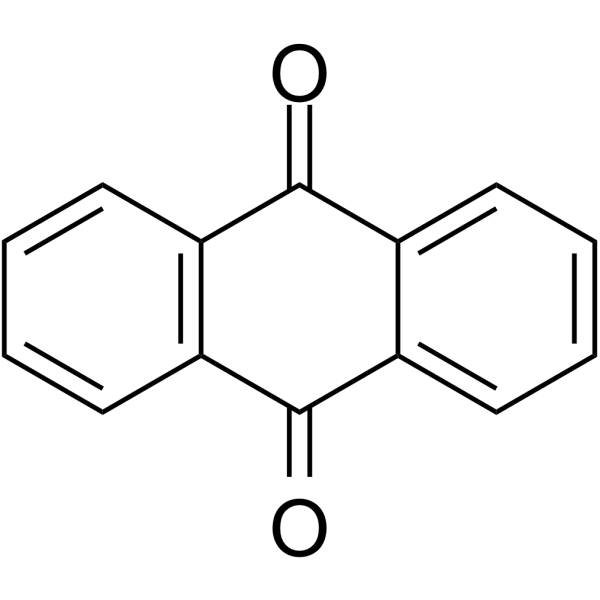
Cat. No.: HY-N0354
CAS No.: 84-65-1
Anthraquinone is used as a precursor for dye formation and agrochemicals, existing in different organisms, such as bacteria, fungi, plants, and some animals. Anthraquinone has biological activities: anticancer, antiinflammatory, diuretic, antiarthritic, antifungal, antibacterial, antimalarial and antioxidant. Anthraquinone also plays an important role in the primary metabolism of plants by acting on the electron transport chain through the inhibition of energy transfer in the photosynthetic process. Anthraquinone can intercalates into DNA and inhibits the topoisomerase II (topo II) enzyme, resulting in cell death via Apoptosis .
loading...
    loading...
1
1 Cited Publications
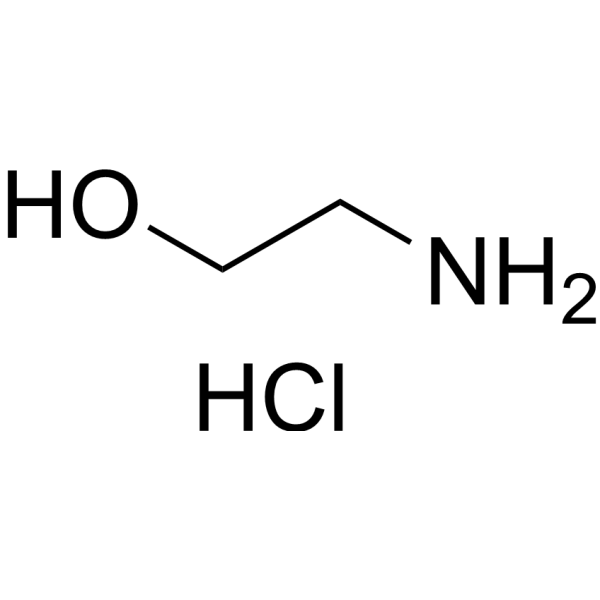
Cat. No.: HY-W035903
CAS No.: 2002-24-6
Synonyms: 2-Aminoethanol hydrochloride
Ethanolamine hydrochloride, is an organic compound used in various industrial applications. It is a white or colorless solid that is soluble in water and has a faint odor. One of the major uses of Ethanolamine hydrochloride is in the production of detergents and surfactants. Used as a raw material in the manufacture of compounds such as ethylenediaminetetraacetic acid (EDTA) and diethanolamine, which are commonly used in household and industrial cleaning products. Ethanolamine hydrochloride is also used in the synthesis of pharmaceuticals, agrochemicals and rubber processing agents. It acts as a buffer in certain chemical reactions, helping to adjust pH and maintain stability. Ethanolamine hydrochloride can be used for gas purification and metal corrosion inhibitor. Its ability to react with acid gases such as carbon dioxide and sulfur dioxide makes it useful for removing impurities from natural gas and other industrial gases. Overall, Ethanolamine hydrochloride is a multifunctional compound with many potential industrial applications. Its ability to act as a buffer, chelating agent, and corrosion inhibitor makes it an important tool in a variety of industries.
loading...
    loading...
1
1 Cited Publications
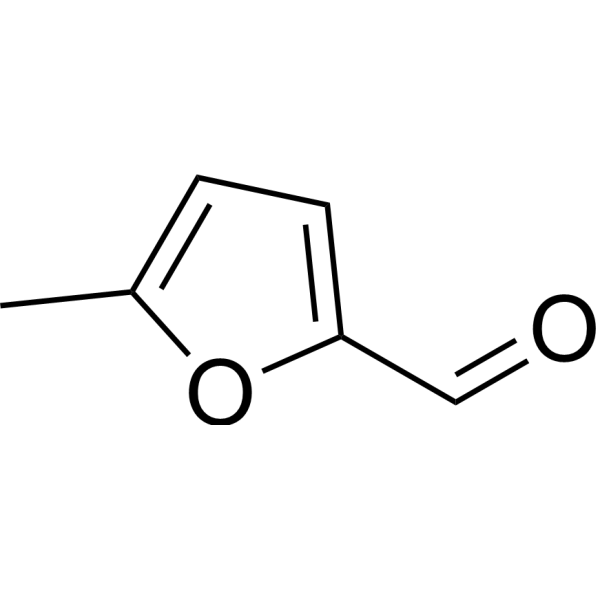
Cat. No.: HY-Y0543
CAS No.: 620-02-0
5-Methylfurfural is a chemical that can be utilized as food additive, intermediate in the production of agrochemicals, and precursor of certain anti-cancer natural products. 5-Methylfurfural is formed during the photoexposition of ranitidine hydrochloride. 5-Methylfurfural is an organic compound. 5-Methylfurfural has a strong tendency to be further hydrogenated to 2,5-dimethylfuran (DMF). 5-Methylfurfural can predominantly evoke skin inflammation and barrier disintegration. 5-Methylfurfural degrades native DNA through the formation of single-strand breaks .
loading...
    loading...
1
1 Cited Publications
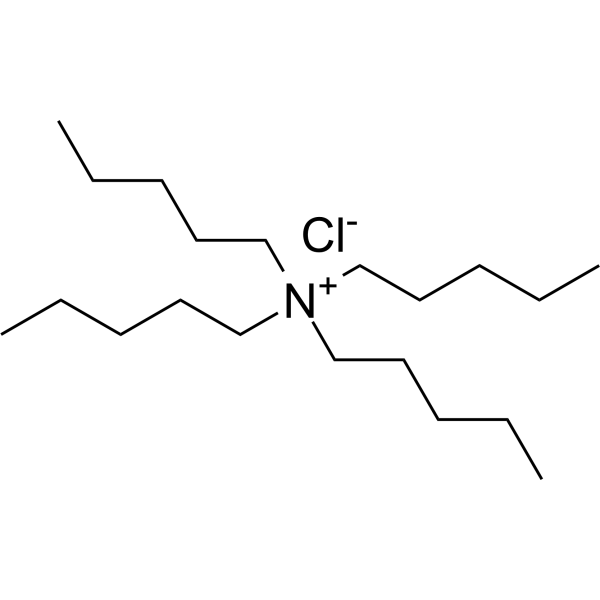
Cat. No.: HY-W127637
CAS No.: 4965-17-7
Synonyms: Tetrapentylammonium chloride
Tetraamylammonium chloride is an organic compound containing ammonium and chloride ions. It is commonly used as a phase transfer catalyst in organic synthesis, especially in the production of pharmaceuticals and agrochemicals. Tetraamylammonium Chloride has a strong base that facilitates the transfer of reactants between immiscible solvents, resulting in more efficient chemical reactions. In addition, it can also be used as an intermediate in the synthesis of other quaternary ammonium compounds.
loading...
    loading...
1
1 Cited Publications
Cat. No.: HY-W127375
CAS No.: 14047-60-0
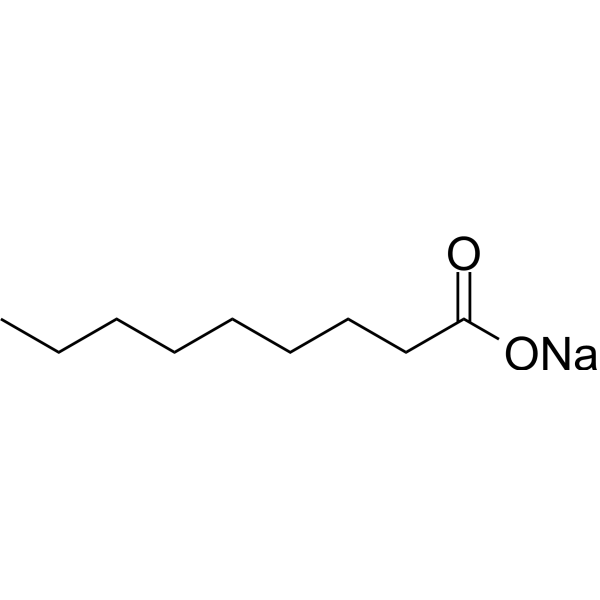
Synonyms: Sodium pelargonate
Sodium nonanoate is a salt-like compound commonly used as a surfactant or emulsifier in a variety of industrial applications, including the production of detergents, soaps and personal care products. In addition, it can be used as an intermediate in the synthesis of various organic compounds, including pharmaceuticals and agrochemicals. Its unique chemical properties make it an important ingredient in a variety of industrial processes, especially in the manufacture of textiles and paper products.
loading...
    loading...
Cat. No.: HY-W027592
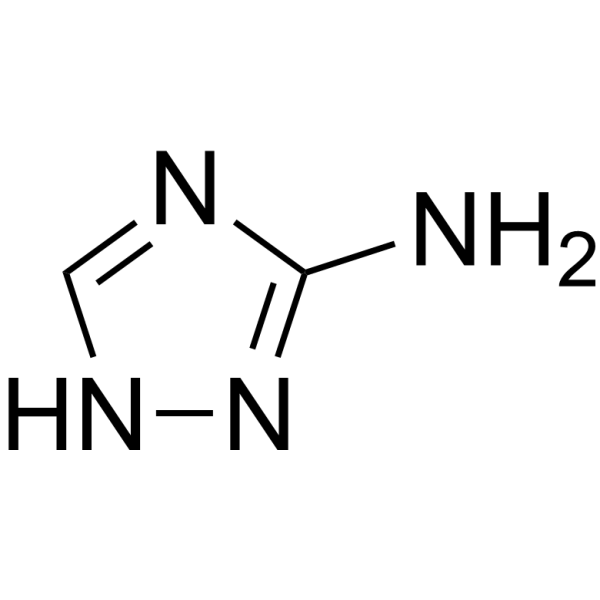
CAS No.: 61-82-5
1H-1,2,4-Triazol-3-amine consists of a triazole ring system and an amino group attached to carbon atom 3. The compound has potential applications in various fields such as medicinal chemistry, agrochemicals and material science. In medicinal chemistry, 1H-1,2,4-Triazol-3-amine is used as a starting material for the synthesis of pharmaceutical compounds such as antifungal agents, anticancer agents, and enzyme inhibitors associated with cardiovascular disease. In agrochemicals, it can be used as a raw material for the synthesis of herbicides, fungicides and insecticides. Furthermore, 1H-1,2,4-Triazol-3-amine is used as a ligand in coordination chemistry and as a precursor for the production of new functional materials such as polymers and metal-organic frameworks.
loading...
    loading...
Cat. No.: HY-W010639
CAS No.: 821-09-0
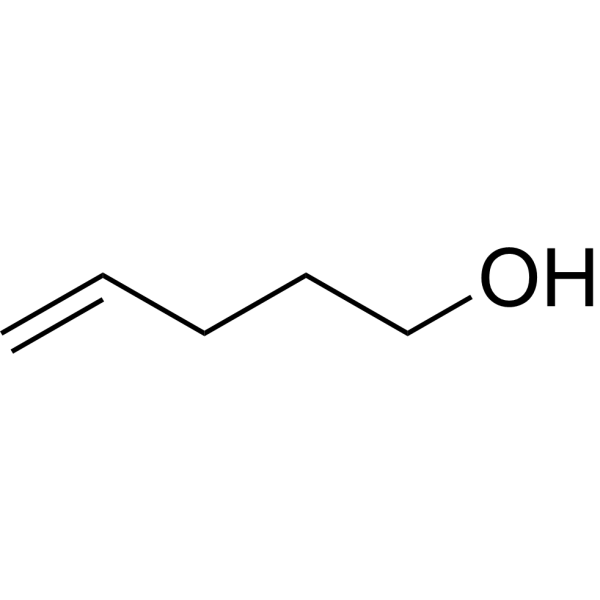
Synonyms: Pent-4-en-1-ol
4-Penten-1-ol is commonly used as a flavor ingredient in various products, including food, beverages, and perfumes, and can also be used as a starting material for the synthesis of various organic compounds, including pharmaceuticals and agrochemicals. In addition, 4-Penten -1-ol has been investigated for its potential use as a biobased solvent due to its low toxicity and biodegradability, and its antimicrobial properties against certain bacteria and fungi, which may make it useful for developing new Antibacterial agents.
loading...
    loading...
Cat. No.: HY-W010532
CAS No.: 1577-18-0
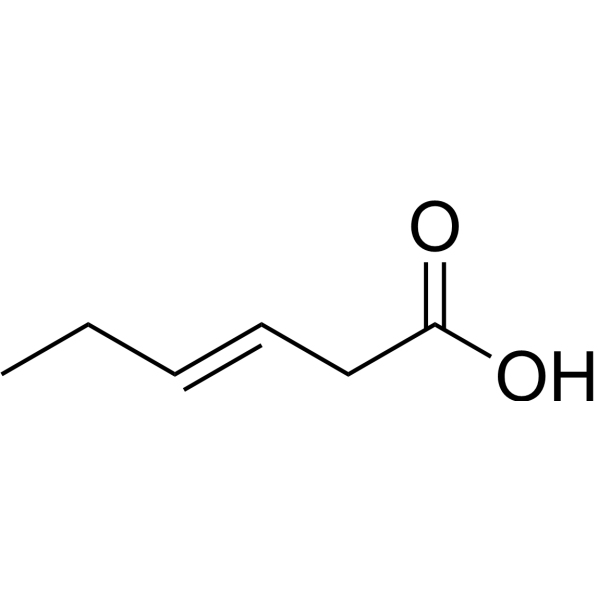
Synonyms: (E)-Hex-3-enoic acid
(E)-Hex-3-enoic acid is an unsaturated organic compound. It is commonly used as a fragrance ingredient in a variety of products, including food, beverages, and personal care products, and it can also be used as a starting material for the synthesis of various organic compounds, including pharmaceuticals and agrochemicals. In addition, (E)-Hex- 3-enoic acid has been investigated for its potential use as a biobased solvent due to its low toxicity and biodegradability, as well as its potential antibacterial and antifungal properties, which may make it useful for developing new Antibacterial agents.
loading...
    loading...
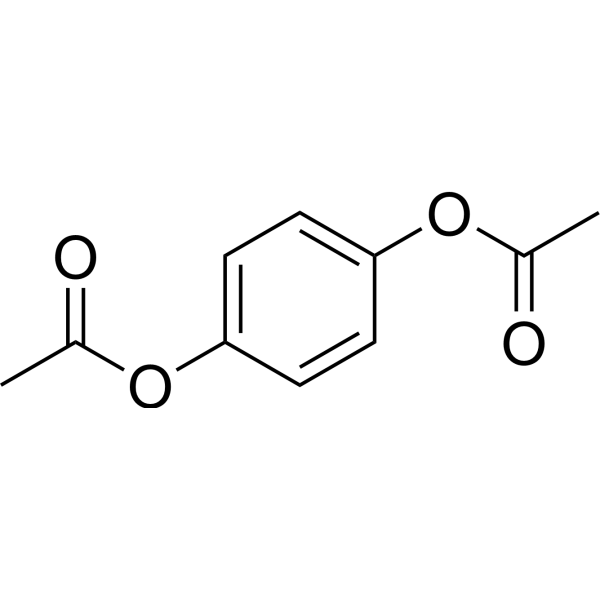
Cat. No.: HY-118292
CAS No.: 1205-91-0
Purity:  98.79%
Synonyms: 1,4-Diacetoxybenzene
Target:  

Drug Intermediate

Research Areas:  

Others

Hydroquinone diacetate (1,4-Diacetoxybenzene) is a diester product and also a commonly used synthetic intermediate for agrochemicals and fine chemicals. Hydroquinone diacetate can be produced via the acetylation of hydroquinone (HY-B0951) with acetic anhydride .
loading...
    loading...
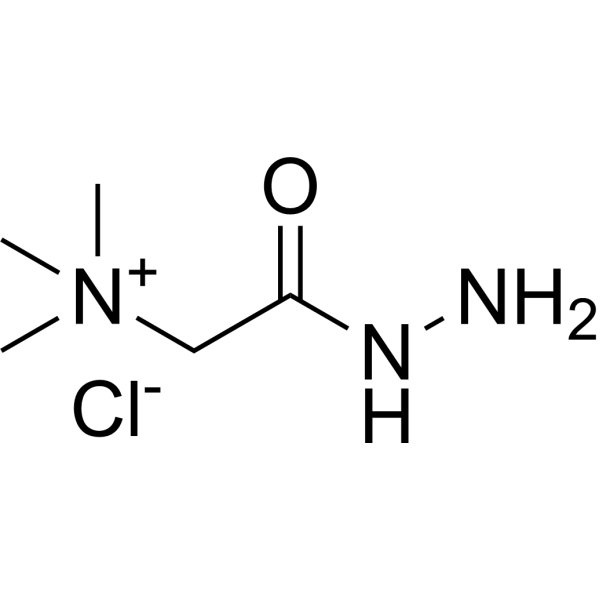
Cat. No.: HY-W074541
CAS No.: 123-46-6
Synonyms: Trimethylacetohydrazideammonium chloride
Girard's reagent T is often used in analytical chemistry as a derivatizing agent for carbonyl compounds. Girard's reagent T reacts with ketones and aldehydes to form stable hydrazones that can be readily analyzed by various techniques including chromatography and spectrophotometry. In addition, Girard's Reagent T has been used in the synthesis of a variety of organic compounds, including pharmaceuticals and agrochemicals.
loading...
    loading...
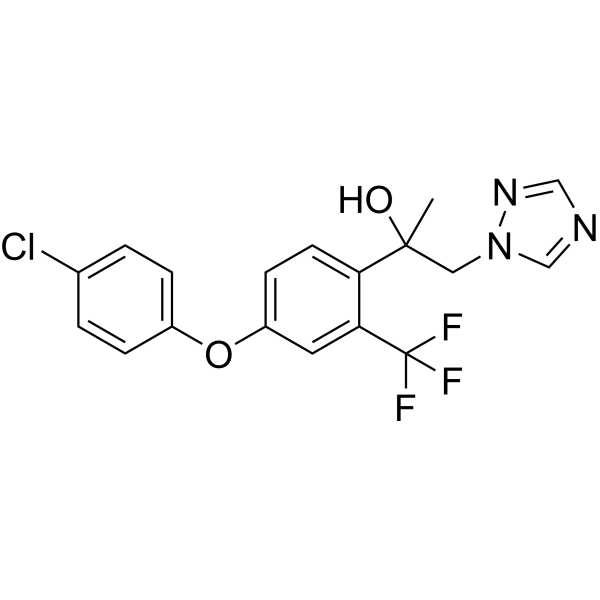
Cat. No.: HY-136063
CAS No.: 1417782-03-6
Purity:  99.61%
Research Areas:  

Infection

Mefentrifluconazole is a novel azole derivative and used as an agrochemical broad-spectrum antifungal agent. Mefentrifluconazole is a potent, selective and orally active fungal CYP51 (Kd= 0.5 nM) inhibitor, but shows less inhibitory activity on human aromatase (IC50=0.92 μM) .
loading...
    loading...
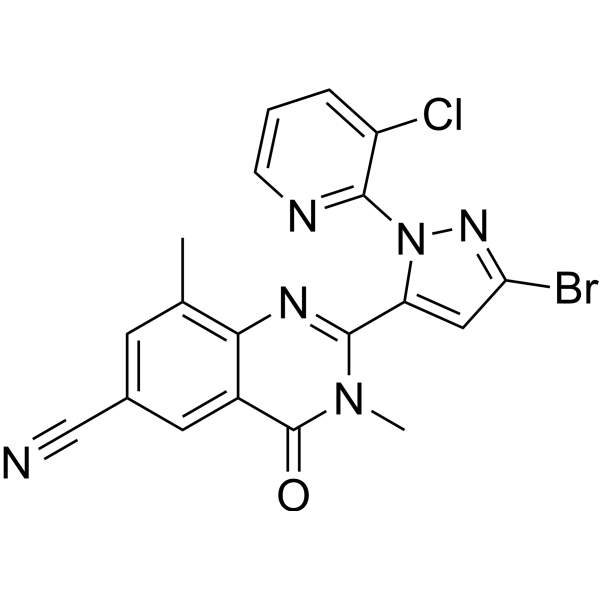
Cat. No.: HY-160758
CAS No.: 1414864-34-8
Target:  

Insecticide

Research Areas:  

Others

J9Z38 is a metabolite of Cyantraniliprole (HY-12779), a broad-spectrum agrochemical insecticide belonging to the anthranilic diamide insecticide class. Cyantraniliprole effectively controls the growth of various pests on fruits, vegetables, cereals and other crops. Thus, J9Z38 is a key indicator for indirect detection and evaluation of Cyantraniliprole residue levels .
loading...
    loading...
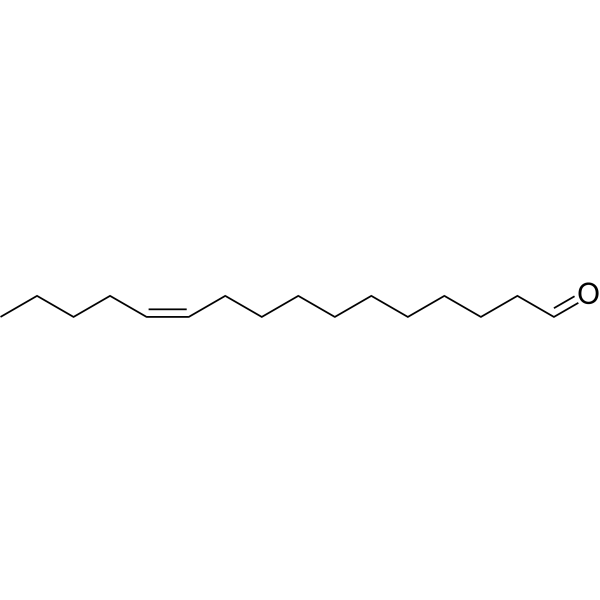
Cat. No.: HY-W127507
CAS No.: 53939-28-9
cis-11-Hexadecenal has a fatty, waxy odor and is commonly used as a flavoring agent in the food and beverage industry. In addition, it can be used as an intermediate in the synthesis of various organic compounds, including fragrances, pharmaceuticals, and agrochemicals. Its unique chemical properties make it an important ingredient in a variety of industrial processes, notably in the production of perfumes and air fresheners.
loading...
    loading...
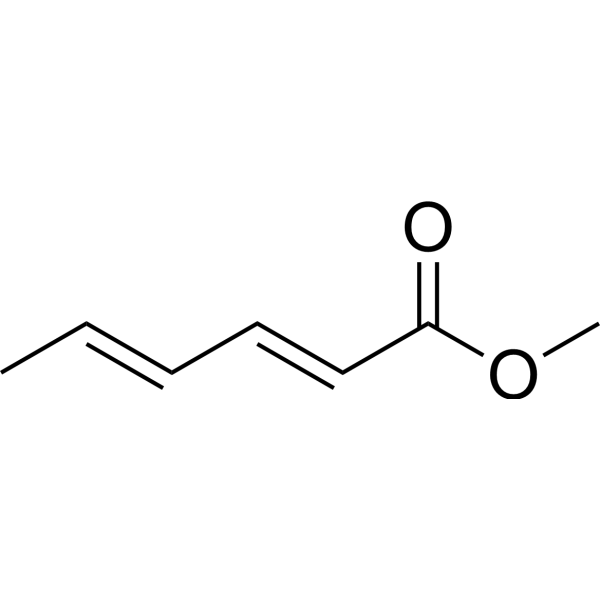
Cat. No.: HY-W068700
CAS No.: 1515-80-6
Methyl sorbate, which is an ester formed by the condensation of methanol and hexa-2,4-dienoic acid, is commonly used as a flavoring agent and fragrance in the food and cosmetic industries due to its fruity, floral, and taste, and in addition , it has also been investigated for its potential use as a starting material in the synthesis of various organic compounds, including pharmaceuticals, agrochemicals, and polymers.
loading...
    loading...
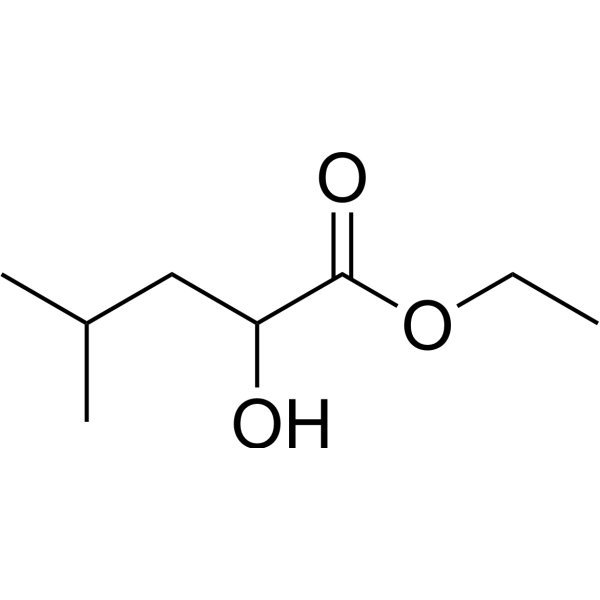
Cat. No.: HY-W114581
CAS No.: 10348-47-7
Ethyl2-hydroxy-4-methylpentanoate has a fruity odor and is commonly used as a flavoring agent in the food and beverage industry. In addition, it can be used as an intermediate in the synthesis of various organic compounds, including pharmaceuticals and agrochemicals. Its unique chemical properties make it an important ingredient in a variety of industrial processes, including the production of cosmetics and personal care products.
loading...
    loading...
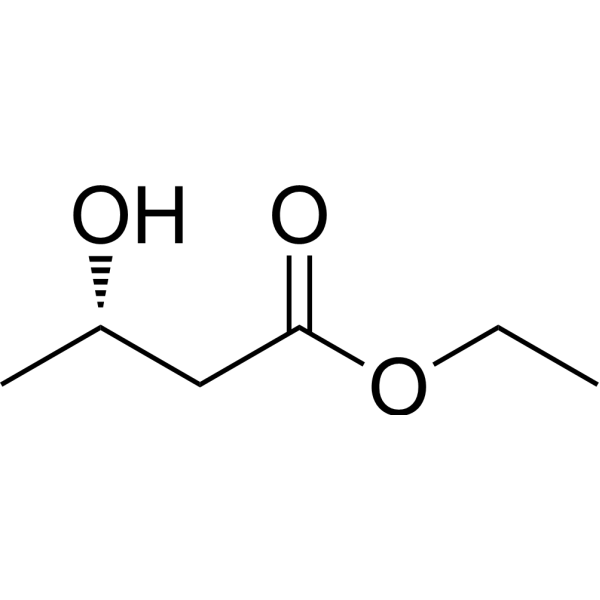
Cat. No.: HY-W076441
CAS No.: 56816-01-4
Synonyms: Ethyl (S)-3-hydroxybutyrate
Ethyl (S)-3-hydroxybutanoate, also known as (S)-ethyl lactate, which is an ester formed by the condensation of ethanol and (S)-3-hydroxybutanoate, is known for its fruity, sweet smell and taste , which are commonly used as flavoring agents and fragrances in the food and cosmetic industries, and in addition, its potential use as a starting material for the synthesis of various organic compounds, including pharmaceuticals and agrochemicals, has been investigated.
loading...
    loading...
Cat. No.: HY-W111375
CAS No.: 1576-87-0
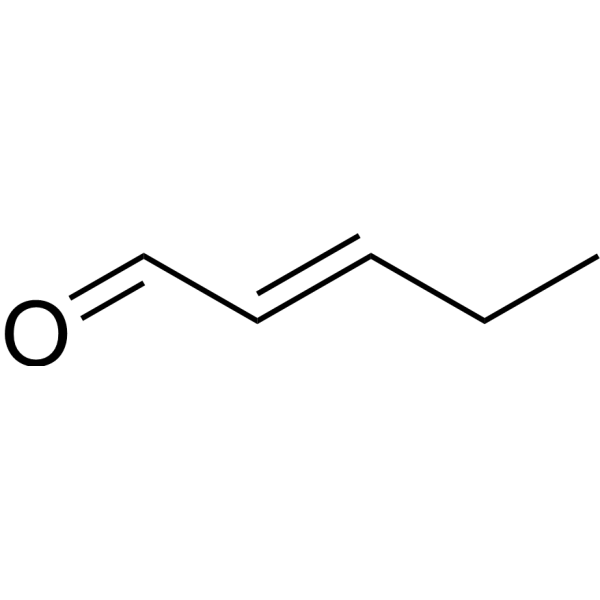
(E)-Pent-2-enal has a pungent fruity odor. This compound is commonly used in the flavor and fragrance industry because of its strong aroma, often described as fresh and green. Furthermore, (E)-Pent-2-enal can be used as an intermediate in the synthesis of various organic compounds, including pharmaceuticals and agrochemicals. Its unique chemical properties make it an important ingredient in many commercial products, including perfumes, air fresheners and cleaners.
loading...
    loading...
Cat. No.: HY-W003601
CAS No.: 357927-50-5
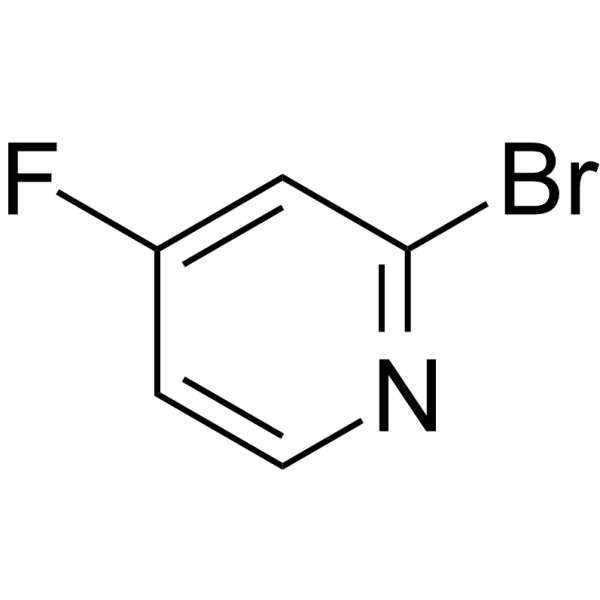
2-Bromo-4-fluoropyridine is a synthetic halogenated heterocyclic organic compound and a key intermediate in the pharmaceutical and agrochemical industries. 2-Bromo-4-fluoropyridine can be used to synthesize bioactive molecules through cross-coupling reactions, such as Suzuki coupling or Buchwald-Hartwig amination.
loading...
    loading...
Cat. No.: HY-W105734
CAS No.: 4617-33-8
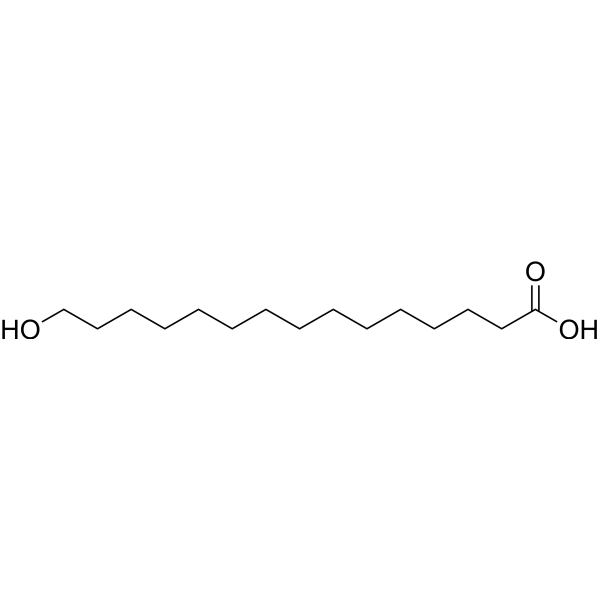
15-Hydroxypentadecanoic acid is a long-chain fatty acid found in various plant and animal sources and also produced by bacteria and fungi. It has potential health benefits and is used as an intermediate in the synthesis of other organic compounds, including pharmaceuticals, agrochemicals and surfactants. Its unique chemical properties make it an essential ingredient in several industrial processes, especially in the fields of food science and nutrition.
loading...
    loading...
Cat. No.: HY-W101255
CAS No.: 10052-47-8
Synonyms: MTEACl
Triethylmethylammonium chloride is a quaternary ammonium salt belonging to the class of alkylammonium salts. This compound is widely used as a phase transfer catalyst in organic synthesis to facilitate the transfer of reactants between immiscible phases. In addition, it can be used as an electrolyte in electrochemical devices, a surfactant in emulsion polymerization, and a corrosion inhibitor. Its unique chemical properties make it an important ingredient in a variety of industrial applications, including pharmaceuticals, agrochemicals, and materials science.
loading...
    loading...

