1. Search Result
Search Result
Results for "

alterations

" in MedChemExpress (MCE) Product Catalog:

84

Inhibitors & Agonists

8

Screening Libraries

2

Biochemical Assay Reagents

6

Peptides

1

MCE Kits

12

Natural
Products

4

Isotope-Labeled Compounds

1

Click Chemistry

2

Oligonucleotides

Cat. No. Product Name Target Research Areas Chemical Structure
  • HY-N6718
    Filipin III
    Maximum Cited Publications
    24 Publications Verification

    Antibiotic Fungal Inflammation/Immunology
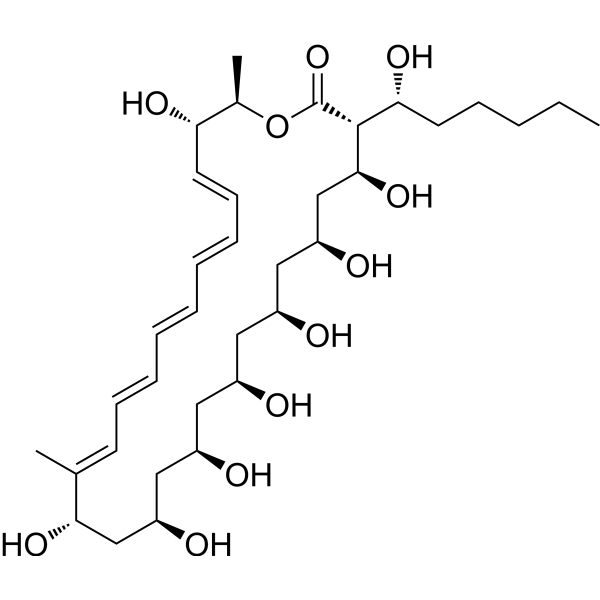
    Filipin III is the major component of Filipin, a 28-membered ring pentaene macrolide antifungal antibiotic produced by S. filipinensis, S. avermitilis and S. miharaensis. Filipin interacts with membrane sterols causing the alteration of membrane structure .
    Filipin III
  • HY-147250
    Lirafugratinib
    1 Publications Verification

    RLY-4008

    FGFR Cancer
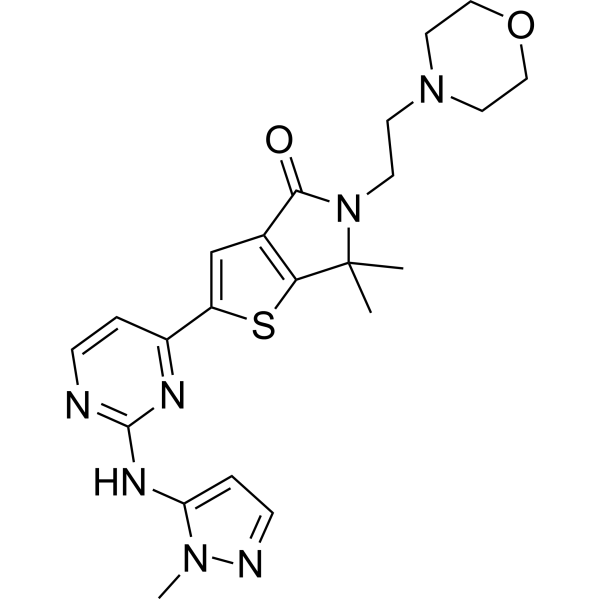
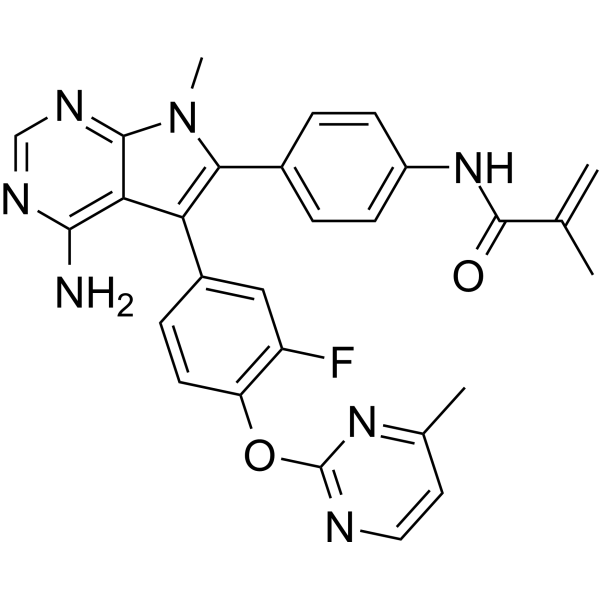
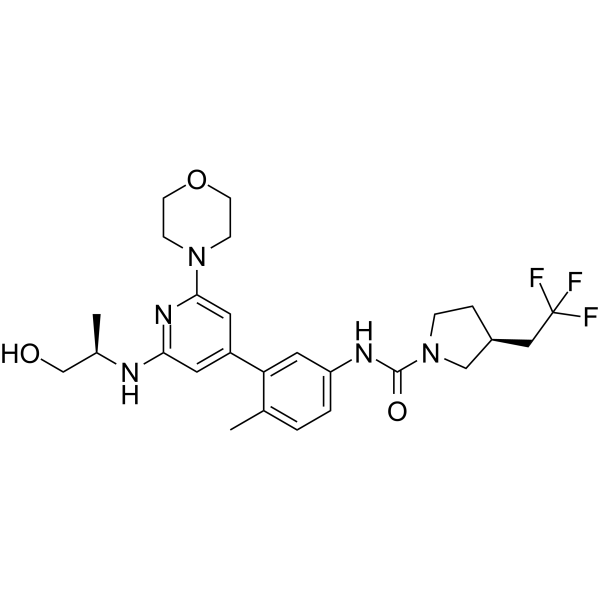
    Lirafugratinib (RLY-4008) is an orally active, irreversible and highly selective FGFR2 inhibitor with an IC50 of 3 nM. Lirafugratinib covalently binds to Cys491. Lirafugratinib targets FGFR2 primary alterations and resistance mutations and induces tumor regression while sparing other FGFRs .
    Lirafugratinib
  • HY-123986
    CTPI-2
    10+ Cited Publications

    Mitochondrial Metabolism Inflammation/Immunology Cancer
    CTPI-2 is a third-generation mitochondrial citrate carrier SLC25A1 inhibitor with a KD of 3.5 μM. CTPI-2 inhibits glycolysis, PPARγ, and its downstream target the glucose transporter GLUT4. CTPI-2 halts salient alterations of NASH reverting steatosis, preventing the evolution to steatohepatitis, reducing inflammatory macrophage infiltration in the liver and adipose tissue, and starkly mitigating obesity induced by a high-fat diet. Antitumor activity .
    CTPI-2
  • HY-101494
    Temuterkib
    Maximum Cited Publications
    33 Publications Verification

    LY3214996

    ERK Cancer
    Temuterkib (LY3214996) is a highly selective inhibitor of ERK1 and ERK2, with IC50 of 5 nM for both enzymes in biochemical assays. Temuterkib potently inhibits cellular p-RSK1 in BRAF and RAS mutant cancer cell lines. Temuterkib shows potent antitumor activities in cancer models with MAPK pathway alterations.
    Temuterkib
  • HY-N0573
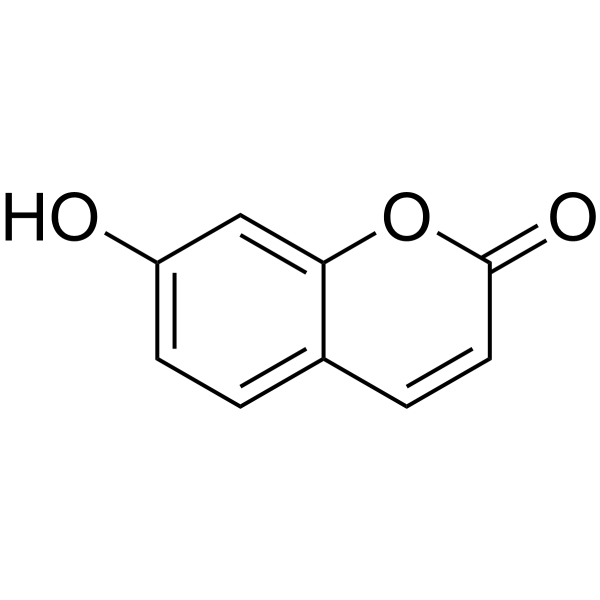
    Umbelliferone
    5 Publications Verification

    7-Hydroxycoumarin; Hydrangin; NSC 19790

    Apoptosis Fluorescent Dye Neurological Disease Inflammation/Immunology Cancer
    Umbelliferone (7-Hydroxycoumarin), a natural orally active product of the coumarin family, is a fluorescing compound which can be used as a sunscreen agent. Umbelliferone induces cell cycle arrest, apoptosis and DNA fragmentation in HepG2 cells. Umbelliferone exhibits significant anticancer effects. Umbelliferone attenuates the alteration characteristics of allergic airway inflammation. Umbelliferone displays the neuroprotective effects and cross the blood-brain barrier. Umbelliferone exhibits anti-inflammatory and antioxidant effects in chronic alcohol-fed rats .
    Umbelliferone
  • HY-156002

    Paluratide

    Ras ERK Cancer
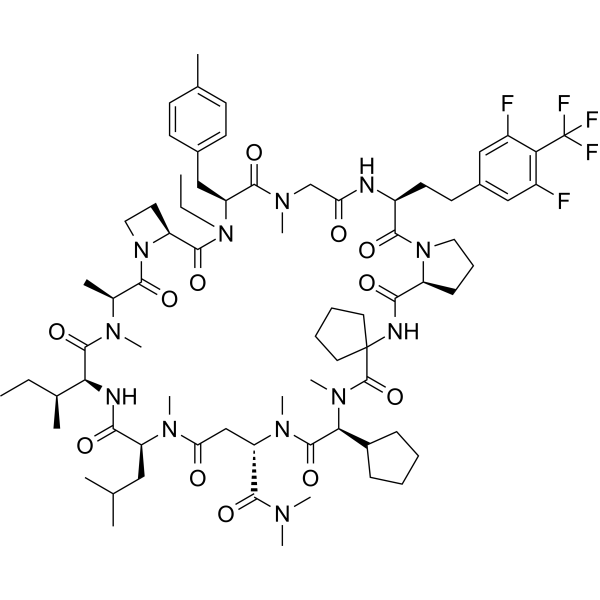
    LUNA18 is an orally-available cyclic peptide KRAS and ERK inhibitor. LUNA18 phosphorylates ERK and AKT and decreases cell proliferation in RAS-mutated cancer cells. LUNA18 exhibits RAS signal inhibition and potent anti-cancer activities through inhibiting interaction between RAS and guanine nucleotide exchange factors (GEFs) in a mouse xenograft model. LUNA18 shows significant cellular efficacy against cell lines with KRAS genetic alterations, such as colon cancer, stomach cancer, non-small cell lung cancer and pancreaticcancer .
    LUNA18
  • HY-B0631
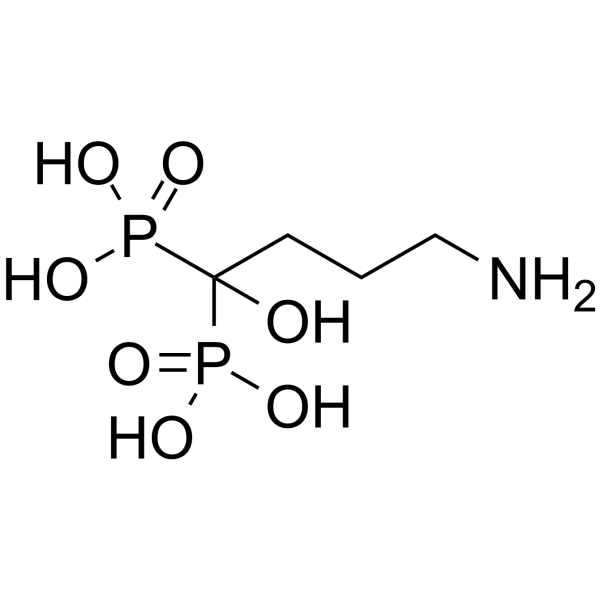
    Alendronic acid
    5+ Cited Publications

    NF-κB Interleukin Related Metabolic Disease
    Alendronate acid is an orally active bisphosphonate which binds to bone surfaces and inhibits bone resorption by osteoclasts. Alendronate acid induces skeletal alterations in the chicken embryonic development model. Alendronate acid can be used for osteoporosis research .
    Alendronic acid
  • HY-108685
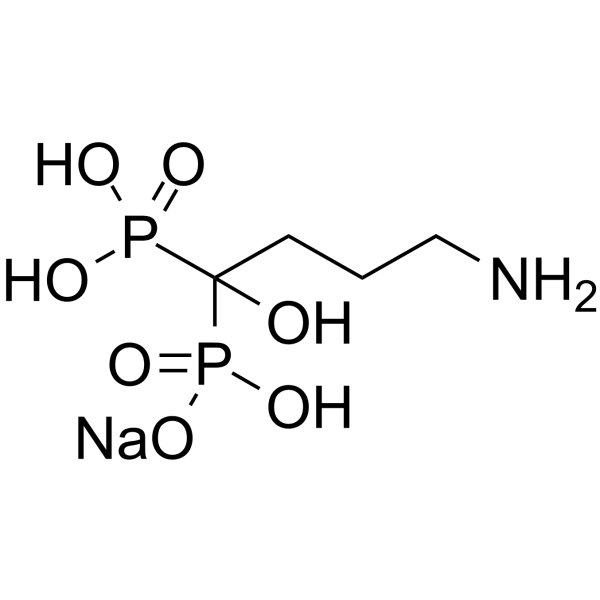
    Alendronate sodium
    5+ Cited Publications

    Alendronic acid monosodium salt

    NF-κB Interleukin Related Metabolic Disease
    Alendronate sodium is an orally active bisphosphonate which binds to bone surfaces and inhibits bone resorption by osteoclasts. Alendronate sodium induces skeletal alterations in the chicken embryonic development model. Alendronate sodium can be used for osteoporosis research .
    Alendronate sodium
  • HY-147268

    RAF/KIN_2787

    Raf p38 MAPK Cancer
    Exarafenib (RAF/KIN_2787) is an orally-available, selective pan-RAF inhibitor. Exarafenib is effective in RAF-dependent cancers, including all classes of BRAF alterations. Exarafenib suppresses MAPK signaling in RAF-dependent melanoma cell lines. Exarafenib has anticancer activity .
    Exarafenib
  • HY-N0538

    Xylite

    Environmental Pollutants Endogenous Metabolite Bacterial Autophagy Atg7 Atg8/LC3 Metabolic Disease Cancer
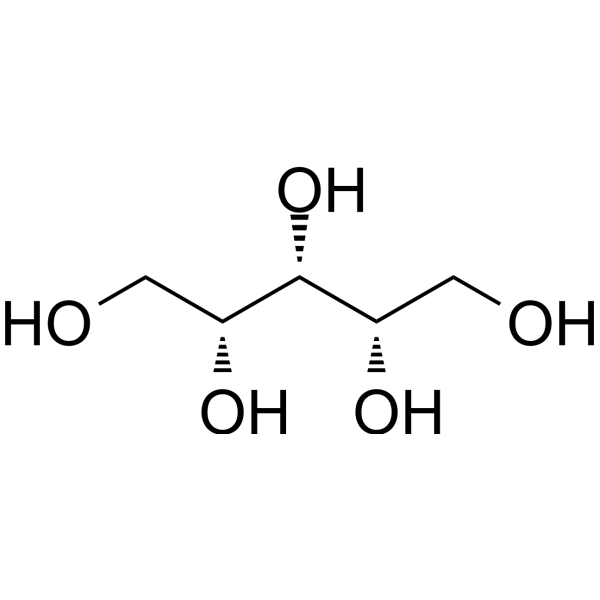
    Xylitol can be classified as a polyol and sugar alcohol, exhibiting inhibitory activity on cancer cell proliferation. It induces autophagy (Autophagy) and cell death in A549 cells by activating the autophagy signaling pathway, as evidenced by the increased expression of LC3-II and Atg5-Atg12 upon Xylitol treatment. Additionally, Xylitol inhibits acetaldehyde production by Candida species, thereby reducing their carcinogenic potential. In vivo, Xylitol induces alterations in the gut microbiota of mice, which may enhance cholesterol accumulation and upregulate hepatic ChREBP, while also slowing tumor growth in the B16F10 melanoma C57BL/6 mouse model .
    Xylitol
  • HY-136026

    BLU-5937

    P2X Receptor Inflammation/Immunology
    Camlipixant (BLU-5937) a potent, selective, non-competitive and orally active P2X3 homotrimeric receptor antagonist with an IC50 of 25 nM against hP2X3 homotrimeric. Camlipixant shows potent anti-tussive effect and no taste alteration. Camlipixant can be used for the research of unexplained, refractory chronic cough .
    Camlipixant
  • HY-117660
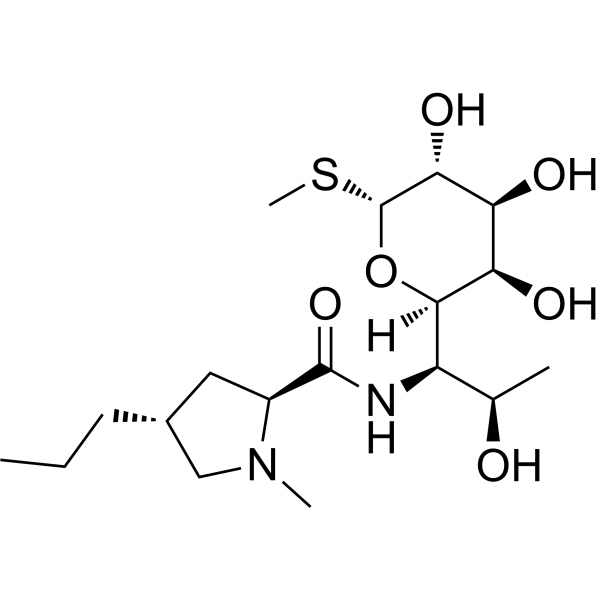
    Lincomycin
    5 Publications Verification

    U-10149

    Antibiotic Bacterial DNA/RNA Synthesis Infection Metabolic Disease
    Lincomycin (U-10149) is an orally active lincosamide antibiotic. Lincomycin binds to the ribosomes of Gram-positive bacteria to inhibit protein synthesis. Lincomycin can inhibit chloroplast translation, disrupt chloroplast integrity, and activate chloroplast-to-nucleus retrograde signaling in Arabidopsis thaliana seedlings. Lincomycin induces alterations in lipid profiles and liver injury, disrupts blood glucose and insulin levels, and increases growth rate in mice .
    Lincomycin
  • HY-147250A
    Lirafugratinib hydrochloride
    1 Publications Verification

    RLY-4008 hydrochloride

    FGFR Cancer
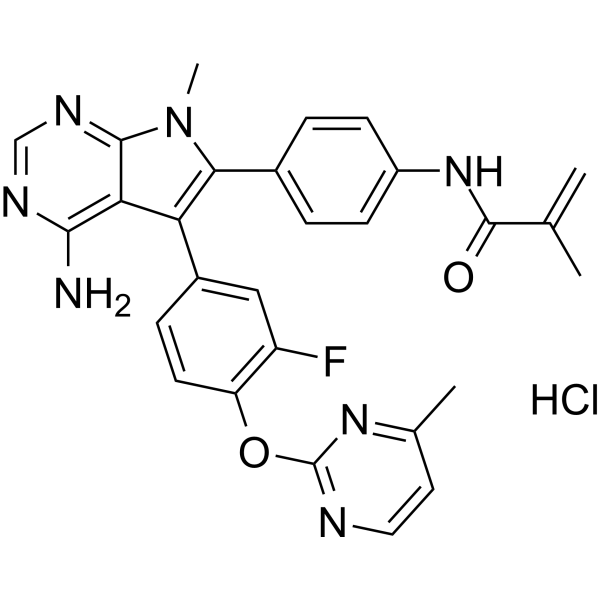
    Lirafugratinib (RLY-4008) hydrochloride is an orally active, irreversible and highly selective FGFR2 inhibitor with an IC50 of 3 nM. Lirafugratinib hydrochloride covalently binds to Cys491. Lirafugratinib hydrochloride targets FGFR2 primary alterations and resistance mutations and induces tumor regression while sparing other FGFRs .
    Lirafugratinib hydrochloride
  • HY-172236

    BNC210; IW-2143

    nAChR Neurological Disease
    Soclenicant (BNC210) is an orally active α7 nAChR negative alteration modulator (NAM) with no apparent side effects. Soclenicant exhibits acute anxiolytic activity in rodent models of anxiety. Soclenicant inhibits rat and human α7 nAChR currents (in stably transfected cell lines) induced by acetylcholine, nicotine, choline, and the a7-specific agonist PNU-282987 (HY-12560A) with IC50 values in the range of 1.2 to 3 μM. Soclenicant can be used in studies of anxiety, trauma, and stressor-related disorders .
    Soclenicant
  • HY-174374

    Topoisomerase Cardiovascular Disease
    Topobexin is a TOP2B-selective inhibitor with IC50 values of 0.19 μM and 4.8 μM for TOP2B and TOP2A (DNA decatenation assay). Topobexin binds to non-homologous residues in the obex pocket and targets the ATPase domain of TOP2B. Topobexin prevents anthracycline-induced DNA double-strand break formation, apoptotic signaling mediated by caspase 3/7, 8 and 9, cardiomyocyte morphological changes, mitochondrial depolarization/loss, left ventricular systolic dysfunction, extracellular matrix remodeling, fibrotic alterations, and increases in plasma cardiac troponin T and BNP. Topobexin does not impair the antiproliferative effects of anthracyclines in cancer cells, exhibits no intrinsic cytotoxicity in cardiomyocytes, and is well tolerated in rabbits. Topobexin can be used in studies related to anthracycline-induced cardiotoxicity .
    Topobexin
  • HY-B0417A
    Lincomycin hydrochloride
    5 Publications Verification

    U10149A

    DNA/RNA Synthesis Antibiotic Bacterial Infection Metabolic Disease
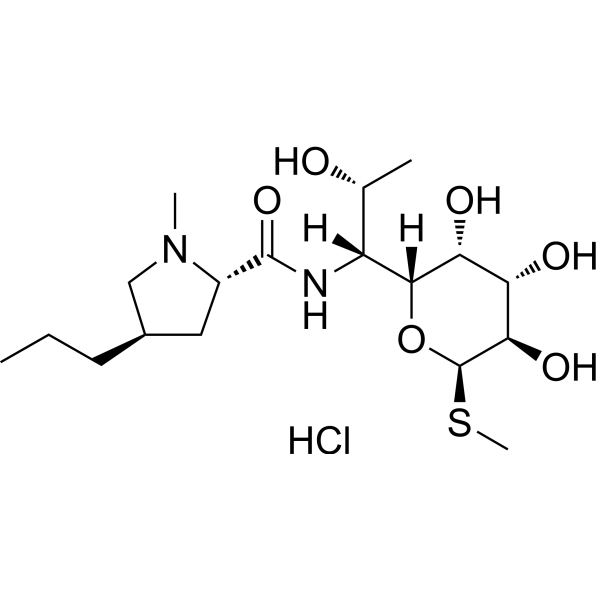
    Lincomycin hydrochloride (U10149A) is an orally active lincosamide antibiotic. Lincomycin hydrochloride binds to the ribosomes of Gram-positive bacteria to inhibit protein synthesis. Lincomycin hydrochloride can inhibit chloroplast translation, disrupt chloroplast integrity, and activate chloroplast-to-nucleus retrograde signaling in Arabidopsis thaliana seedlings. Lincomycin hydrochloride induces alterations in lipid profiles and liver injury, disrupts blood glucose and insulin levels, and increases growth rate in mice .
    Lincomycin hydrochloride
  • HY-B1358
    Lincomycin hydrochloride monohydrate
    5 Publications Verification

    U-10149 hydrochloride monohydrate

    DNA/RNA Synthesis Antibiotic Bacterial Infection Metabolic Disease
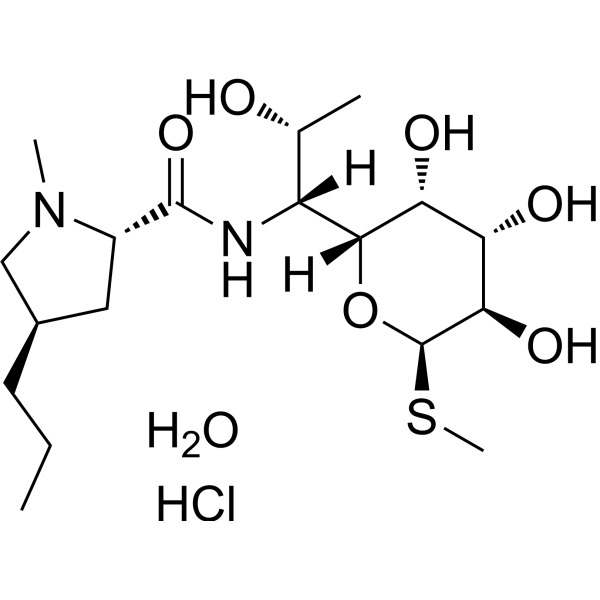
    Lincomycin (U-10149) hydrochloride monohydrate is an orally active lincosamide antibiotic. Lincomycin hydrochloride monohydrate binds to the ribosomes of Gram-positive bacteria to inhibit protein synthesis. Lincomycin hydrochloride monohydrate can inhibit chloroplast translation, disrupt chloroplast integrity, and activate chloroplast-to-nucleus retrograde signaling in Arabidopsis thaliana seedlings. Lincomycin hydrochloride monohydrate induces alterations in lipid profiles and liver injury, disrupts blood glucose and insulin levels, and increases growth rate in mice .
    Lincomycin hydrochloride monohydrate
  • HY-111130

    Histamine Receptor mAChR Neurological Disease Cancer
    Methapyrilene is a histamine antagonist, a pyridine chemical with anticholinergic activity. Methapyrilene can cause target organ-specific epigenetic alterations, such as a decrease in DNA methylation levels. Methapyrilene induces hepatocellular carcinoma in rats .
    Methapyrilene
  • HY-N6036
    Ganoderic acid F
    1 Publications Verification

    Others Cancer
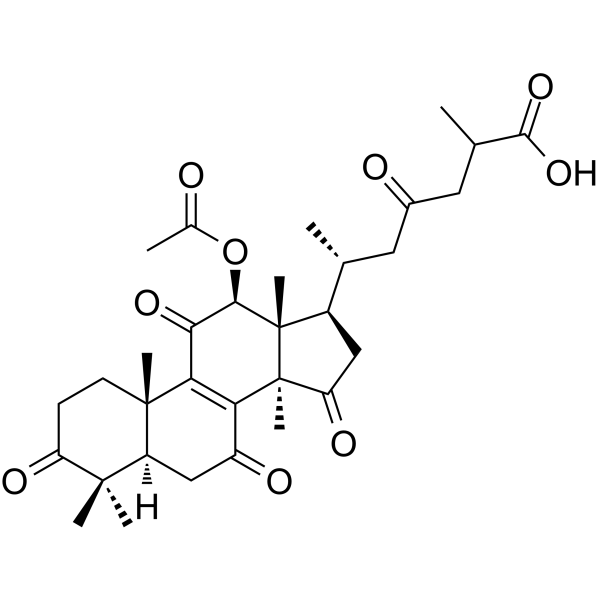
    Ganoderic acid F is a ganoderic acid. Ganoderic acid F exhibits antitumor and antimetastatic activities through inhibition of angiogenesis and alteration of proteins involving cell proliferation and/or cell death, carcinogenesis, oxidative stress, calcium signaling, and endoplasmic reticulum stress .
    Ganoderic acid F
  • HY-122236

    Mitosis Kinesin Microtubule/Tubulin Aurora Kinase Cancer
    UMK57 is a MCAK activator and kinetochore-microtubule destabilizer. UMK57 enhances MCAK-dependent microtubule depolymerization, increases kinetochore-microtubule turnover, reduces chromosome mis-segregation and lagging chromosomes, and inhibits cancer cell proliferation. UMK57 triggers adaptive resistance in Aurora B cancer cells via reversible Aurora B signaling pathway alterations. UMK57 can be used for the research of solid tumors .
    UMK57
  • HY-106856

    NT-11624

    iGluR Cancer
    Dimiracetam is an orally active compound, with anti-neuropathic activity. Dimiracetam inhibits hypersensitivity and neurological alterations, and inhibits Sorafenib (HY-10201)-induced neuropathy in cold stimulation rat models .
    Dimiracetam
  • HY-W250743

    Biochemical Assay Reagents Others
    Cresyl diphenyl phosphate is a compound that disrupts lipid homeostasis in zebrafish embryos, causing alterations in lipid content and lipidomic profiles, as well as affecting gene expression and energy homeostasis. |
    Cresyl diphenyl phosphate
  • HY-W588717

    Biochemical Assay Reagents Others
    DBCO-Tetraacetyl mannosamine is an organic compound commonly used for chemical alteration and modification in biological research. It can be used to modify glycoproteins, cell surface molecules, and other biomolecules, and is widely used in biomarking and purification techniques. In addition, this compound is used as a carrier for drugs in certain drug controlled release systems. DBCO-Tetraacetyl mannosamine is a click chemistry reagent, it contains a DBCO group that can undergo strain-promoted alkyne-azide cycloaddition (SPAAC) with molecules containing Azide groups.
    DBCO-Tetraacetyl mannosamine
  • HY-N0573R

    7-Hydroxycoumarin (Standard); Hydrangin (Standard); NSC 19790 (Standard)

    Reference Standards Apoptosis Fluorescent Dye Neurological Disease Inflammation/Immunology Cancer
    Umbelliferone (Standard) (7-Hydroxycoumarin (Standard)) is the analytical standard of Umbelliferone (HY-N0573). This product is intended for research and analytical applications. Umbelliferone (7-Hydroxycoumarin), a natural orally active product of the coumarin family, is a fluorescing compound which can be used as a sunscreen agent. Umbelliferone induces cell cycle arrest, apoptosis and DNA fragmentation in HepG2 cells. Umbelliferone exhibits significant anticancer effects. Umbelliferone attenuates the alteration characteristics of allergic airway inflammation. Umbelliferone displays the neuroprotective effects and cross the blood-brain barrier. Umbelliferone exhibits anti-inflammatory and antioxidant effects in chronic alcohol-fed rats.
    Umbelliferone (Standard)
  • HY-W020788

    CGA 154281

    Environmental Pollutants Glutathione S-transferase Estrogen Receptor/ERR Pregnane X Receptor (PXR) FXR Metabolic Disease Cancer
    Benoxacor (CGA 154281) is a herbicide safener and xenobiotic metabolism regulator. Benoxacor protects maize from the toxicity of metolachlor mainly by inducing detoxifying enzymes such as Glutathione S-transferase. Benoxacor also activates FXR, PXR and ERRα, and inhibits aromatase (aromatase). However, Benoxacor exhibits potential subacute oral toxicity and a high risk of hepatotoxicity in animal models. Benoxacor induces reactive oxygen species accumulation, interferes with embryonic heart development, and causes increased liver and kidney weights as well as alterations in gut microbiota in mice. Benoxacor can be used in studies related to hepatic steatosis, infertility, breast cancer and developmental toxicity .
    Benoxacor
  • HY-N0573S

    7-Hydroxycoumarin-d5; Hydrangin-d5; NSC 19790-d5

    Isotope-Labeled Compounds Apoptosis Fluorescent Dye Neurological Disease Inflammation/Immunology Cancer
    Umbelliferone-d5 (7-Hydroxycoumarin-d5) is the deuterium labeled Umbelliferone (HY-N0573 ). Umbelliferone (7-Hydroxycoumarin), a natural orally active product of the coumarin family, is a fluorescing compound which can be used as a sunscreen agent. Umbelliferone induces cell cycle arrest, apoptosis and DNA fragmentation in HepG2 cells. Umbelliferone exhibits significant anticancer effects. Umbelliferone attenuates the alteration characteristics of allergic airway inflammation. Umbelliferone displays the neuroprotective effects and cross the blood-brain barrier. Umbelliferone exhibits anti-inflammatory and antioxidant effects in chronic alcohol-fed rats .
    Umbelliferone-d5
  • HY-P1073

    Calcium Channel Potassium Channel Sodium Channel TRP Channel Neurological Disease Cancer
    ProTx-I is a toxin derived from Thrixopelma pruriens and a peptide inhibitor targeting TTX-resistant sodium channels. ProTx-I interacts with voltage sensors of multiple domains such as NaV1.7, reduces neuronal excitability through allosteric modulation of channel gating and alteration of voltage dependence. The IC50 values of ProTx-I against human NaV1.7, NaV1.2, NaV1.6, and NaV1.5 are 95 nM, 104 nM, 21 nM, and 358 nM, respectively; ProTx-I also potently inhibits Ba 2+ currents of hCav3.1, while its inhibitory potency against hCav3.2 is approximately 160-fold lower. ProTx-I is applicable to the research of chronic pain .
    ProTx-I
  • HY-Y0308D

    Disodium hydrogen phosphate, meets analytical specification of Ph. Eur. BP USP FCC E339

    Biochemical Assay Reagents Endocrinology
    Sodium phosphate dibasic (Disodium hydrogen phosphate), meets analytical specification of Ph. Eur. BP USP FCC E339 is an inorganic dibasic phosphate that functions as an electrolyte supplement, a buffer carrier for injectable drugs, while also exhibiting nephrotoxicity. Sodium phosphate dibasic, meets analytical specification of Ph. Eur. BP USP FCC E339 induces extensive nephrotic syndrome-like changes, including systemic symptoms such as persistent proteinuria, lipemia, hypercholesterolemia, and anemia, and causes severe renal pathological alterations such as renal enlargement, glomerular calcification, podocyte injury, and tubulointerstitial lesions. Sodium phosphate dibasic, meets analytical specification of Ph. Eur. BP USP FCC E339 has the ability to induce phosphate-induced nephropathy and glomerular calcification, and can be widely used in studies on nephrotic syndrome and related renal pathological mechanisms .
    Sodium phosphate dibasic, meets analytical specification of Ph. Eur. BP USP FCC E339
  • HY-W026842

    o-Benzoylbenzoic acid

    Drug Derivative Others
    2-Benzoylbenzoic acid is a Benzophenone (HY-Y0546) analog. 2-Benzoylbenzoic acid is non-phototoxic due to the alteration of the functional groups. 2-Benzoylbenzoic acid can be used to study the mechanism of phototoxicit .
    2-Benzoylbenzoic acid
  • HY-B0337B

    Sulphadimethoxine 1000 µg/mL in methanol

    Antibiotic Infection
    Sulfadimethoxine 1000 μg/mL in methanol (Sulphadimethoxine 1000 μg/mL in methanol) is a sulfonamide antibiotic that inhibits the enzyme dihydropteroate synthase, thereby blocking dihydrofolic acid synthesis and disrupting folic acid production in prokaryotic organisms. Its antimicrobial activity extends to both Gram-positive and Gram-negative bacteria, as well as Chlamydia. Resistance to this compound may arise through alterations in dihydropteroate synthase or the activation of alternative pathways for folic acid synthesis.
    Sulfadimethoxine 1000 µg/mL in methanol
  • HY-130326

    Ru(η6-p-cymene)Cl2(pta)

    Apoptosis Caspase Cardiovascular Disease Cancer
    RAPTA-C (Ru(η6-p-cymene)Cl2(pta)) acts as an anti-cancer and anti-angiogenic agent. RAPTA-C exhibits anti-metastatic, anti-angiogenic, and anti-tumoral activities through protein and histone-deoxyribonucleic acid alterations. RAPTA-C exhibits cell growth inhibition by triggering G(2)/M phase arrest in cancer cells. RAPTA-C also enhances the levels of p53 and triggers the mitochondrial Apoptotic pathway, resulting in cytochrome C release and caspase-9 activation. RAPTA-C reduces the growth of tumors with the inhibition of angiogenesis in a ovarian carcinoma model .
    RAPTA-C
  • HY-160052

    Interleukin Related Inflammation/Immunology Cancer
    IL-6 aptamer sodium is an aptamer that specifically binds to IL-6, and can serve as a biological recognition receptor for high-sensitivity detection. IL-6 aptamer sodium enables label-free specific detection through changes in electrical signals of carbon nanotube microarrays or alterations in capacitive impedance on the surface of gold sensors. IL-6 aptamer sodium still maintains high selectivity even below the gray zone threshold for cancer diagnosis, and shows no significant non-specific binding to bovine serum albumin. IL-6 aptamer sodium can form an ordered self-assembled monolayer with 6-mercapto-1-hexanol on gold surfaces, making it suitable for reagent-free capacitive impedance biosensing platforms. IL-6 aptamer sodium is widely used in research related to fields such as cancer, inflammatory diseases, myeloma, liver cancer and glioma .
    IL-6 aptamer sodium
  • HY-P11205A

    Cys-txCD47 TFA

    CD47 Reactive Oxygen Species (ROS) Thrombopoietin Receptor Inflammation/Immunology Cancer
    Cys-PKHB1 (Cys-txCD47) TFA is a peptide conjugated to PKHB1, a CD47 agonist peptide and a thrombospondin-1 peptide mimic with antitumor effects. PKHB1 induces mitochondrial alterations, ROS generation, intracellular Ca + accumulation, and calcium-dependent cell death in breast cancer cells. PKHB1 induces immune system activation in breast cancer cells through immunogenic cell death .
    Cys-PKHB1 TFA
  • HY-178174

    DNA/RNA Synthesis Topoisomerase Cancer
    MGB4 is a DNA minor groove binder. MGB4 binds to ARE-containing DNA and inhibition of topoisomerase I activity. MGB4 can impacts key cellular pathways, including inhibition oftranslation and alterations in sphingolipid and amino acid metabolism. MGB4 also reduces spermine and spermidine metabolism companied with Doxorubicin (HY-15142A). MGB4 can be used for the research of cancer, such as Prostate cancer .
    MGB4
  • HY-162320

    PPAR Metabolic Disease
    PPARγ agonist 12 (compound 9i) is a potent and selective PPARγ agonist with EC50s of 3.98 and 15.42 μM against PPARγ and PPARδ, respectively. PPARγ agonist 12 improves insulin secretion and has anti-diabetic effect .
    PPARγ agonist 12
  • HY-116046

    Melatonin Receptor Others
    GR 196429 is a melatonin receptor agonist with some selectivity for the MT1 subtype. GR 196429 produces both sleep-promoting effects and alterations of circadian rhythm, as well as stimulating melatonin release in mice .
    GR 196429
  • HY-106256

    Estrogen Receptor/ERR Metabolic Disease Endocrinology
    HMR-3339 is a new selective estrogen receptor modulator. HMR-3339 reduces total cholesterol, low-density lipoprotein cholesterol, and homocysteine. HMR-3339 corrects bone alterations induced by ovariectomy .
    HMR-3339
  • HY-174154

    FGFR Cancer
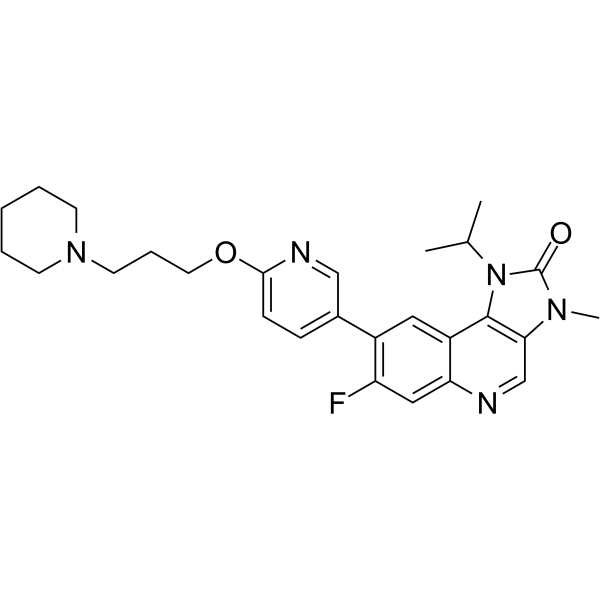
    INCB126503 is an orally activeM, selective FGFR2/3 Inhibitor with IC50 values of 70 nM (FGFR1), 2.1 nM (FGFR2), 1.2 nM (FGFR3), 0.92 nM (FGFR3-V555L), 0.85 nM (FGFR3-V555M) and 64 nM (FGFR4). INCB126503 suppresses FGFR signaling in vivo without causing hyperphosphatemia and shows antitumor efficacy in xenograft models harboring FGFR3 genetic alterations .
    INCB126503
  • HY-178362

    Carbonic Anhydrase NKCC mTOR Neurological Disease
    CAII/VII-IN-1 is an orally active hCA II (KI = 12.3 nM), and hCA VII (KI = 22.6 nM) inhibitor, showing no significant activity against hCA I. CAII/VII-IN-1 shows excellent neuroprotective activity in vivo Pilocarpine (HY-B0726A)-induced seizure model. CAII/VII-IN-1 can upregulate KCC2 and inhibit mTOR, exerting neuroprotective effects. CAII/VII-IN-1 does not show any significant neurotoxic effects or alterations in liver and kidney function. CAII/VII-IN-1 can be used for the study of epilepsy .
    CAII/VII-IN-1
  • HY-P10371

    txCD47

    Reactive Oxygen Species (ROS) Thrombopoietin Receptor Mitochondrial Metabolism HSP HSV CD47 Infection Inflammation/Immunology Cancer
    PKHB1 (txCD47) is a CD47 agonist and Thrombospondin-1 peptide mimetic. PKHB1 activates CD47 and triggers Caspase-independent, calcium-dependent cell death via mitochondrial alterations, ROS production, endoplasmic reticulum morphological changes, and dissipation of mitochondrial membrane potential. PKHB1 induces the exposure of Calreticulin, HSP70, and HSP90, thereby driving immunogenic cell death. PKHB1 promotes intratumoral CD8 + T cell infiltration and inhibits breast tumorigenesis. PKHB1 reduces HSV-1 levels and alleviates the severity of herpes simplex keratitis. PKHB1 can be used in research related to breast cancer, herpes simplex keratitis, and T-cell acute lymphoblastic leukemia .
    PKHB1
  • HY-W020788R

    CGA 154281 (Standard)

    Reference Standards Glutathione S-transferase Estrogen Receptor/ERR Pregnane X Receptor (PXR) FXR Others
    Benoxacor (Standard) is the analytical standard of Benoxacor. This product is intended for research and analytical applications. Benoxacor (CGA 154281) is a herbicide safener and xenobiotic metabolism regulator. Benoxacor protects maize from the toxicity of metolachlor mainly by inducing detoxifying enzymes such as Glutathione S-transferase. Benoxacor also activates FXR, PXR and ERRα, and inhibits aromatase (aromatase). However, Benoxacor exhibits potential subacute oral toxicity and a high risk of hepatotoxicity in animal models. Benoxacor induces reactive oxygen species accumulation, interferes with embryonic heart development, and causes increased liver and kidney weights as well as alterations in gut microbiota in mice. Benoxacor can be used in studies related to hepatic steatosis, infertility, breast cancer and developmental toxicity .
    Benoxacor (Standard)
  • HY-145528

    Endogenous Metabolite Metabolic Disease
    Heptanoyl-L-carnitine chloride (trans-3,4-methylene-heptanoylcarnitine) is an acylcarnitine. Heptanoyl-L-carnitine chloride causes exercise-induced alterations in the human metabolome in plasma and skeletal muscle tissue .
    Heptanoyl-L-carnitine chloride
  • HY-19586

    A 81-3138; HWA-138

    Phosphodiesterase (PDE) Endocrinology
    Albifylline (A 81-3138; HWA-138) is a Xanthine (HY-W017389) derivate. Albifylline reduces the shock-induced leukocyte adhesions to the sinusoidal endothelium in the liver after hemorrhagic shock and improves microvascular blood flow in the liver .
    Albifylline
  • HY-W067572

    (-)-Stobadine

    Reactive Oxygen Species (ROS) Cardiovascular Disease
    Stobadine is a potent antioxidant and prevents free radical induced alterations in ER membrane fluidity. Stobadine can be used for effective cardio- and neuroprotectants development based on antioxidant or free radical scavenging mechanisms of action .
    Stobadine
  • HY-153057

    Histone Methyltransferase Metabolic Disease Cancer
    PRMT5-IN-46 (compound 278) inhibits PRMT5 with IC50s of 1-10 μM. PRMT5 is a methyltransferase which is associated with specific genetic alterations. PRMT5-IN-46 can be used for research of proliferative diseases, metabolic disorders, and blood diseases .
    PRMT5-IN-46
  • HY-N6036R

    Reference Standards Others Cancer
    Ganoderic acid F (Standard) is the analytical standard of Ganoderic acid F. This product is intended for research and analytical applications. Ganoderic acid F is a ganoderic acid. Ganoderic acid F exhibits antitumor and antimetastatic activities through inhibition of angiogenesis and alteration of proteins involving cell proliferation and/or cell death, carcinogenesis, oxidative stress, calcium signaling, and endoplasmic reticulum stress .
    Ganoderic acid F (Standard)
  • HY-P10247

    Mitochondrial Metabolism Neurological Disease
    Amyloid precursor C-terminal peptide is cleaved from the C-terminus of Amyloid Precursor Protein (APP). Amyloid precursor C-terminal peptide accumulation causes mitochondrial morphology alteration and basal mitophagy failure, which indicates that amyloid precursor protein C-terminal peptide may correspond to an etiological trigger of Alzheimer’s disease (AD) pathology .
    Amyloid precursor C-terminal peptide
  • HY-P11205

    Cys-txCD47

    CD47 Reactive Oxygen Species (ROS) Thrombopoietin Receptor Inflammation/Immunology Cancer
    Cys-PKHB1 (Cys-txCD47) is a peptide conjugated to PKHB1, a CD47 agonist peptide and a thrombospondin-1 peptide mimic with antitumor effects. PKHB1 induces mitochondrial alterations, ROS generation, intracellular Ca + accumulation, and calcium-dependent cell death in breast cancer cells. PKHB1 induces immune system activation in breast cancer cells through immunogenic cell death .
    Cys-PKHB1
  • HY-E70776

    RET Cancer
    Rearranged during transfection (RET) is a transmembrane receptor protein tyrosine kinase (PTK) activated normally by forming ternary complexes with its cognate ligands and co-receptors. RET alterations by point mutations and gene fusions were found in diverse cancers. RET S891A is a mutant of RET. RET S891A Recombinant Human Active Protein Kinase is a recombinant RET S891A protein that can be used to study RET S891A-related functions .
    RET S891A Recombinant Human Active Protein Kinase
  • HY-121239

    NF-κB Neurological Disease Inflammation/Immunology Cancer
    Lemnalol is a potent agent for neuropathic pain. Lemnalol possesses potent anti-inflammatory, analgesic and anti-tumor activities. Lemnalol has the capacity to attenuate hyperalgesia and allodynia by modulation of neuroinflammatory processes in neuropathy. Lemnalol modulates LPS-induced alterations of left atrial (LA) calcium homeostasis and blocks the NF-κB pathways, which may contribute to the attenuation of lipopolysaccharide (LPS)-induced arrhythmogenesis and neuropathic pain. Lemnalolis a ylangene-type sesquiterpenoid compound, isolated from Lemnalia cervicorni .
    Lemnalol

Inquiry Online

Your information is safe with us. * Required Fields.

Salutation


Country or Region *

Applicant Name *


Organization Name *

Department *


Email Address *


Product Name *

Cat. No.


Requested quantity *

Phone Number *


Remarks

Inquiry Online

Inquiry Information

Product Name:
Cat. No.:
Quantity:
MCE Japan Authorized Agent:

