
1. Search Result
Search Result
Results for "

arterial

" in MedChemExpress (MCE) Product Catalog:

310

Inhibitors & Agonists

2

Screening Libraries

3

Biochemical Assay Reagents

24

Peptides

4

Inhibitory Antibodies

28

Natural
Products

19

Isotope-Labeled Compounds

2

Click Chemistry

6

Oligonucleotides

Cat. No. Product Name Target Research Areas Chemical Structure
  • HY-14184
    Macitentan
    10+ Cited Publications

    ACT-064992

    Endothelin Receptor Apoptosis Cardiovascular Disease Endocrinology Cancer
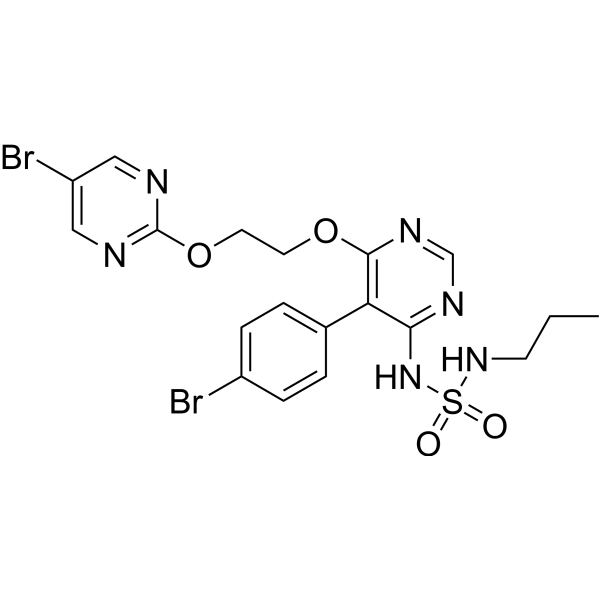
    Macitentan (ACT-064992) is an orally active, non-peptide dual ETA and ETB (endothelin receptor) antagonist. Macitentan has the potential for idiopathic pulmonary fibrosis (IPF) and pulmonary arterial hypertension (PAH) .
    Macitentan
  • HY-119358
    Traumatic Acid
    3 Publications Verification

    Reactive Oxygen Species (ROS) Apoptosis Cardiovascular Disease Inflammation/Immunology
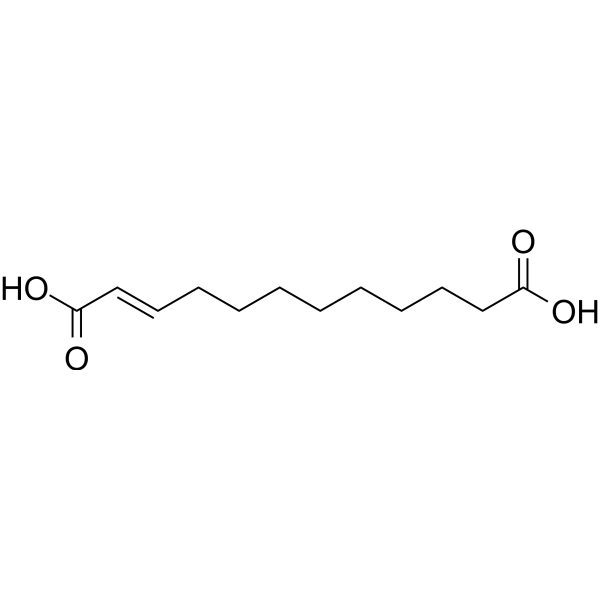
    Traumatic Acid is a wound healing agent and a cytokinin (phytohormone). Traumatic Acid enhances the biosynthesis of collagen in cultured human skin fibroblasts. Traumatic Acid inhibits MCF-7 breast cancer cells viability and enhances apoptosis and oxidative stress. Traumatic Acid can be used in studies of cancer, circulatory disorders (including arterial hypertension), and skin diseases associated with oxidative stress and impaired collagen biosynthesis .
    Traumatic Acid
  • HY-B0302
    Etidronic acid
    1 Publications Verification

    Etidronate; HEDPA; HEDP

    Environmental Pollutants Apoptosis Metabolic Disease Cancer
    Etidronic acid (Etidronate) is an orally and intravenously active bisphosphonate. Etidronic acid inhibits resorption of bone, reduces arterial calcification and can be used for osteoporosis research. Etidronic acid has anticancer activity. Etidronic acid is a chelating agent and can be used to remove heavy metal in water .
    Etidronic acid
  • HY-D0199

    Adenosine diphosphate disodium; ADP disodium

    Endogenous Metabolite Cardiovascular Disease
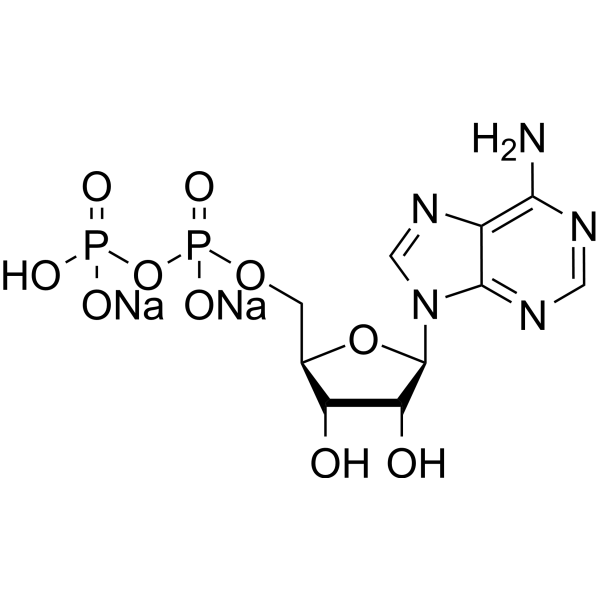
    Adenosine 5'-diphosphate disodium is a nucleoside diphosphate. Adenosine 5'-diphosphate disodium is the product of ATP dephosphorylation by ATPases. Adenosine 5'-diphosphate disodium is a platelet aggregation agent for hemostasis and the development and extension of arterial thrombosis .
    Adenosine 5'-diphosphate disodium
  • HY-124124
    N-Methylnicotinamide
    1 Publications Verification

    Endogenous Metabolite Drug Metabolite Cardiovascular Disease Metabolic Disease Cancer
    N-Methylnicotinamide is an endogenous metabolite with antithrombotic effect. N-Methylnicotinamide via production/release of prostacyclin inhibits arterial thrombosis development. N-Methylnicotinamide is also the N-methylation product from nicotinamide catalyzed by N-methyltransferase within nicotinate and nicotinamide metabolism pathway .
    N-Methylnicotinamide
  • HY-107582

    Ser/Thr Protease Calcium Channel PKC Cancer
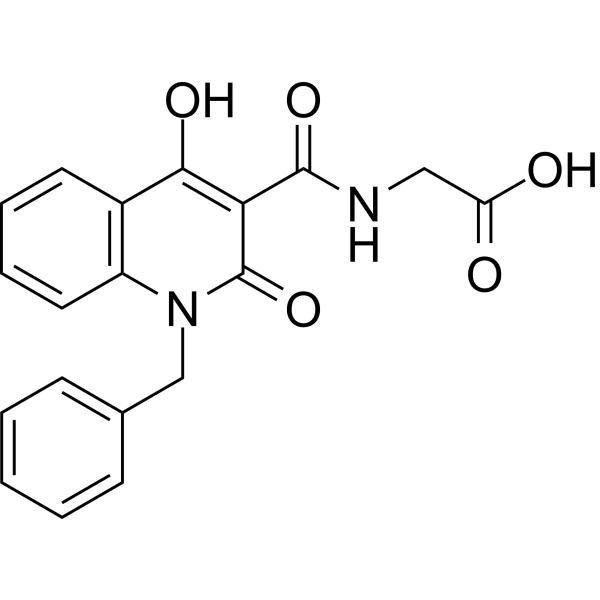
    JW480 is a selective KIAA1363/AADACL1 inhibitor with oral activity, featuring IC50 values of 12 nM against human KIAA1363, 20 nM against mouse KIAA1363. JW480 blocks lipid deacetylase activity to restrain HAG metabolism and lowers retinyl ester hydrolase function in hepatic stellate cells. JW480 reduces MAGE lipid levels and inhibits migration, invasion, survival and tumor growth of prostate cancer cells. JW480 lowers PKCδ phosphorylation, facilitates HAGP accumulation, diminishes platelet aggregation, dense granule secretion and Ca 2+ flux, delays arterial thrombosis and prolongs tail bleeding time in rats. JW480 can be used for the study of prostate cancer and thrombosis .
    JW480
  • HY-109190
    Seralutinib
    2 Publications Verification

    GB002; PK10571

    PDGFR c-Fms c-Kit Cardiovascular Disease
    Seralutinib (GB002) is an inhaled PDGFRα and PDGFRβ inhibitor. Seralutinib also targets to CSF1R and c-KIT with IC50s of 8 nM and 14 nM, respectively. Seralutinib (GB002) is used in the study for pulmonary arterial hypertension .
    Seralutinib
  • HY-13569A

    TRK-100; ML 1129 sodium

    Prostaglandin Receptor Cardiovascular Disease Inflammation/Immunology
    Beraprost sodium (TRK-100), a prostacyclin analog, is a stable and orally active proagent of PGI2. Beraprost sodium (TRK-100) is a potent vasodilator, has the potential for pulmonary arterial hypertension treatment through expanding renal vessels, improving microcirculation . Beraprost sodium (TRK-100) is a click chemistry reagent, it contains an Alkyne group and can undergo copper-catalyzed azide-alkyne cycloaddition (CuAAc) with molecules containing Azide groups.
    Beraprost sodium
  • HY-153999A

    BT200 sodium

    Integrin Apoptosis Cardiovascular Disease Inflammation/Immunology
    Rondaptivon pegol (BT200) sodium is an aptamer targeting von Willebrand factor (VWF), with an EC50 of 33 nM in humans. Rondaptivon pegol sodium effectively alleviates acute myocardial ischemia-reperfusion injury in mice by inhibiting VWF activity, reducing microvascular obstruction, inflammatory responses and cardiomyocyte apoptosis (apoptosis). Rondaptivon pegol sodium inhibits the binding of VWF to platelet glycoprotein GPIb, thereby preventing arterial thrombosis in cynomolgus monkeys. Rondaptivon pegol sodium can be used in research related to arterial thrombosis, stroke, myocardial infarction and myocardial ischemia-reperfusion injury .
    Rondaptivon pegol sodium
  • HY-109163

    INS-1009

    Prostaglandin Receptor Inflammation/Immunology Endocrinology
    Treprostinil palmitil is a long-acting inhaled pulmonary vasodilator prodrug of Treprostinil (HY-100441), formulated in a lipid nanoparticle (LNP). Treprostinil palmitil can inhibit pulmonary vascular remodeling induced by Su/Hx challenge in rats. Treprostinil palmitil can induce cough. Treprostinil palmitil demonstrates a sustained presence in the lungs with reduced systemic exposure and prolonged inhibition of hypoxia-induced pulmonary vasoconstriction in vivo. Treprostinil palmitil can be studied in research for pulmonary arterial hypertension and interstitial lung disease .
    Treprostinil palmitil
  • HY-175416

    KC289

    Piezo Channel Calcium Channel Cardiovascular Disease Metabolic Disease
    Yoda2 (KC289), the potassium salt of Yoda1 (HY-18723), is a PIEZO1 agonist with an EC50 of 150 nM. Yoda2 evokes Ca 2+ elevation and NO-dependent relaxation. Yoda2 induces relaxation in mouse arterial and cavernous tissues. Yoda2 inhibits glucocorticoid-induced osteoclast formation and bone resorptive activity, reverses glucocorticoid-induced bone density loss and architectural deterioration, and does not induce medication-related osteonecrosis of the jaw in mice. Yoda2 can be used for the researches of hypertension and osteoporosis .
    Yoda2
  • HY-154970A

    TGF-β Receptor GSK-3 Cardiovascular Disease Neurological Disease Cancer
    BMPR2-IN-1 TFA is a selective BMPR2 inhibitor with a human BMPR2 IC50 of 506 nM and a Kd of 83.5 nM. BMPR2-IN-1 TFA functions as an ATP mimetic, forming hydrogen bonds with the BMPR2 kinase domain backbone and hydrophobic interactions with specific residues, and demonstrates high selectivity for BMPR2 over other kinases.BMPR2-IN-1 TFA can be used for the researches of cancer, pulmonary arterial hypertension and Alzheimer’s disease .
    BMPR2-IN-1 TFA
  • HY-A0066A

    Imidaline hydrochloride; NSC35110 hydrochloride

    Adrenergic Receptor Cardiovascular Disease Endocrinology
    Tolazoline hydrochloride (Imidaline hydrochloride) is an α-adrenergic receptor antagonist. Tolazoline hydrochloride inhibits Noradrenaline (HY-13715)-induced cell contraction, modulates vascular resistance, increases arterial pressure, and reverses bradycardia and tachypnea. Tolazoline hydrochloride can be used to study erectile dysfunction, α2-adrenergic receptor agonist-related poisoning, and skin vascular disease research .
    Tolazoline hydrochloride
  • HY-N1393

    NSC 3778; O-Methylsalicylic acid; Salicylic acid methyl ether

    Carbonic Anhydrase Phospholipase Cardiovascular Disease
    2-Methoxybenzoic acid (NSC 3778; O-Methylsalicylic acid; Salicylic acid methyl ether) is a natural compound with potential salicylate-like effect. 2-Methoxybenzoic acid inhibits carbonic anhydrase activity, elevates intraplatelet cyclic guanosine monophosphate level, and suppresses cytosolic phospholipase A2 phosphorylation. 2-Methoxybenzoic acid suppresses platelet reactivity, including decreased spreading, retraction, and aggregation in platelets. 2-Methoxybenzoic acid ameliorates arterial thrombosis in a dose-dependent manner without affecting normal hemostasis in mice. 2-Methoxybenzoic acid can be used for the research of arterial thrombosis .
    2-Methoxybenzoic acid
  • HY-103080

    Apelin Receptor (APJ) Cardiovascular Disease
    CMF019 is an orally active, potent and small molecule agonist at Apelin receptor (APJ) with G protein bias. CMF019 binds to APJ with pKi values of 8.58, 8.49 and 8.71 for human, rat, and mouse, respectively. CMF019 mimics the beneficial cardiovascular actions of apelin in rodents . Apelin receptor (APJ) is a G protein-coupled receptor (GPCR) activated by the endogenous peptide apelin. CMF019 is promising for research of chronic diseases, such as, pulmonary arterial hypertension .
    CMF019
  • HY-B0464A
    Hydralazine
    3 Publications Verification

    DNA Methyltransferase Reactive Oxygen Species (ROS) COX NO Synthase PGE synthase Cardiovascular Disease Neurological Disease Inflammation/Immunology Cancer
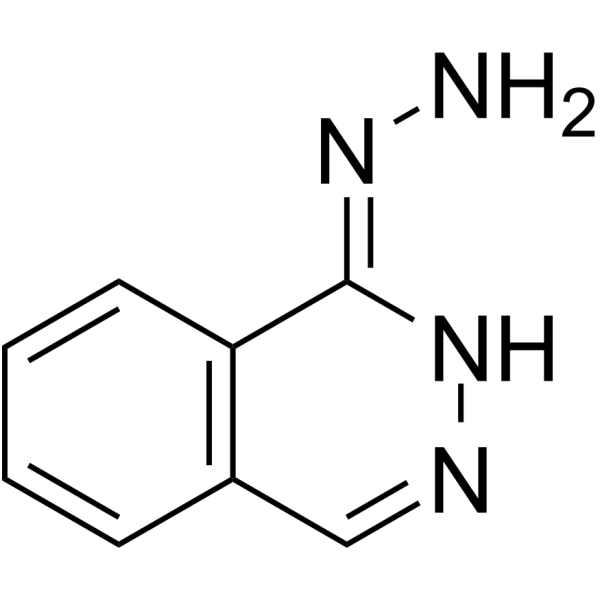
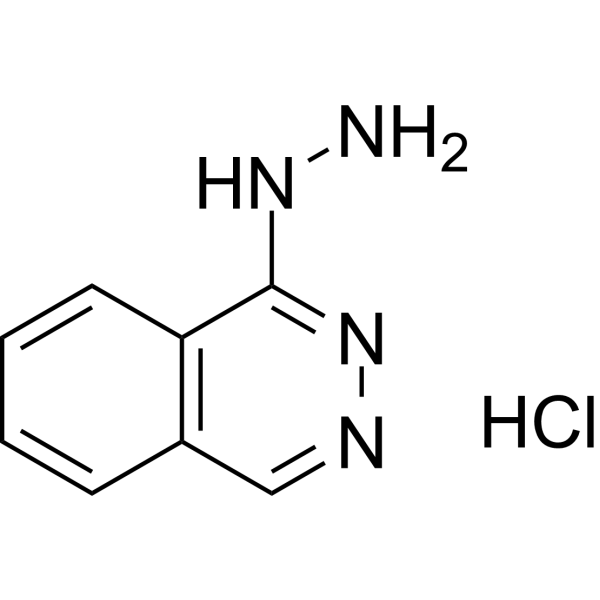
    Hydralazine is an orally active, blood-brain barrier-permeable DNA methyltransferase inhibitor with vasodilatory, arterial smooth muscle relaxant and hypotensive activities. Hydralazine reactivates silenced tumor suppressor genes via mediating DNA demethylation, while exerting neuroprotective and anti-inflammatory properties. Hydralazine inhibits NOS-2 (iNOS) and COX-2, and reduces the production of NO and PGEE2; meanwhile, Hydralazine scavenges reactive oxygen species and inhibits macrophage activation. Hydralazine alleviates motor dysfunction, neuropathic inflammatory pain, and formalin-induced somatic and emotional pain responses. In addition, Hydralazine directly induces DNA strand breaks and sister chromatid exchange, exhibiting certain mutagenic characteristics. Hydralazine has been widely used in studies on hypertension, various cancers (such as cervical cancer, leukemia), spinal cord injury and the mechanisms of inflammatory pain .
    Hydralazine
  • HY-170419

    Apelin Receptor (APJ) Cardiovascular Disease
    APJ receptor agonist 10 (Compound I choline salt) modulates the activity of APJ receptor and can be used in research about pulmonary arterial hypertension. APJ receptor agonist 10 exhibits good bioavailability other than its free base form .
    APJ receptor agonist 10
  • HY-150793

    TGF-β Receptor Cardiovascular Disease Neurological Disease
    SY-LB-57 is a highly potent bone morphogenetic protein (BMP) receptor signaling agonist. SY-LB-57 can be used in studies of diseases such as fractures and pulmonary arterial hypertension .
    SY-LB-57
  • HY-129851

    Prostaglandin Receptor Cardiovascular Disease
    NTP42 is a thromboxane A2 (TXA2) receptor antagonist with an IC50 of 3.278 nM for antagonizing T prostanoid receptor (TP)- mediated [Ca 2+] mobilization following stimulation of cells with the alternative TP agonist U46619 . NTP42 can be used for the treatment of pulmonary arterial hypertension (PAH) .
    NTP42
  • HY-B2078A

    Neurokinin Receptor Inflammation/Immunology
    Eprazinone dihydrochloride is a gent with mucolytic, secretolytic, antitussive, and bronchial antispasmodic properties. Eprazinone dihydrochloride is a neurokinin 1 receptor (NK1R) ligand. Eprazinone dihydrochloride has the potential for chronic bronchitis treatment that improved pulmonary function and arterial partial pressure of oxygen .
    Eprazinone dihydrochloride
  • HY-107915

    (-)-Cobefrin; (-)-α-Methylnoradrenaline; (-)-Nordefrin

    Adrenergic Receptor Cardiovascular Disease
    Levonordefrin ((-)-Cobefrin; (-)-α-Methylnoradrenaline; (-)-Nordefrin) is an α-adrenergic receptor agonist with blood pressure regulatory properties. Levonordefrin is a key metabolite responsible for the hypotensive effect of α-methyldopa. By stimulating central α-adrenergic receptors in the nucleus tractus solitarius region of the medulla oblongata, Levonordefrin induces centrally mediated hypotension and bradycardia. When administered intravenously, Levonordefrin increases mean arterial blood pressure in a dose-dependent manner. Levonordefrin is applicable for research on the pathophysiology of hypertension and drug metabolism .
    Levonordefrin
  • HY-D0199R

    Adenosine diphosphate disodium (Standard); ADP disodium (Standard)

    Endogenous Metabolite Reference Standards Cardiovascular Disease
    Adenosine 5'-diphosphate (disodium) (Standard) is the analytical standard of Adenosine 5'-diphosphate (disodium). This product is intended for research and analytical applications. Adenosine 5'-diphosphate disodium is a nucleoside diphosphate. Adenosine 5'-diphosphate disodium is the product of ATP dephosphorylation by ATPases. Adenosine 5'-diphosphate disodium is a platelet aggregation agent for hemostasis and the development and extension of arterial thrombosis .
    Adenosine 5'-diphosphate disodium (Standard)
  • HY-14184S

    ACT-064992-d4

    Isotope-Labeled Compounds Endothelin Receptor Apoptosis Cardiovascular Disease
    Macitentan-d4 is a deuterium labeled Sulfamethoxazole. Macitentan is an orally active, non-peptide dual ETA and ETB (endothelin) receptor antagonist. Macitentan has the potential for idiopathic pulmonary fibrosis (IPF) and pulmonary arterial hypertension (PAH) .
    Macitentan-d4
  • HY-14184R

    ACT-064992 (Standard)

    Reference Standards Endothelin Receptor Apoptosis Cardiovascular Disease Endocrinology Cancer
    Macitentan (Standard) is the analytical standard of Macitentan. This product is intended for research and analytical applications. Macitentan (ACT-064992) is an orally active, non-peptide dual ETA and ETB (endothelin receptor) antagonist. Macitentan has the potential for idiopathic pulmonary fibrosis (IPF) and pulmonary arterial hypertension (PAH) .
    Macitentan (Standard)
  • HY-P1534

    Adrenomedullin (rat)

    CGRP Receptor Cardiovascular Disease
    Adrenomedullin (1-50), rat is a 50 amino acid peptide, which induces a selective arterial vasodilation via activation of CGRP1 receptor.
    Adrenomedullin (1-50), rat
  • HY-162888

    PDGFR ERK Cardiovascular Disease
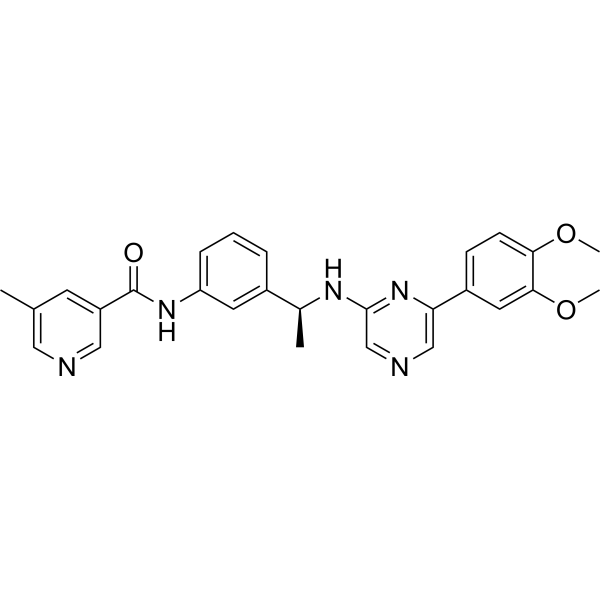
    WQ-C-401 is an orally active platelet-derived growth factor receptor (PDGFR) inhibitor. WQ-C-401 inhibits cell proliferation by blocking PDGFR autophosphorylation in a concentration-dependent manner, with EC50 values of 3.5 nM for PDGFRα Y849 and 5.8 nM for PDGFRβ Y1021. Additionally, WQ-C-401 can inhibit PASMCs proliferation and migration by blocking PDGF-BB-induced ERK1/2 phosphorylation, reducing collagen I synthesis, and increasing α-SMA expression, thereby preventing pulmonary vascular remodeling. WQ-C-401 holds promise for research in the field of pulmonary arterial hypertension .
    WQ-C-401
  • HY-107655

    ABET

    mAChR Cardiovascular Disease
    Arecaidine but-2-ynyl ester tosylate (ABET) is a selective mAChR M2 agonist that dose-dependently decreases mean arterial pressure and heart rate in rats. Arecaidine but-2-ynyl ester tosylate can be used for cardiovascular disease research . Arecaidine but-2-ynyl ester (tosylate) is a click chemistry reagent, it contains an Alkyne group and can undergo copper-catalyzed azide-alkyne cycloaddition (CuAAc) with molecules containing Azide groups.
    Arecaidine but-2-ynyl ester tosylate
  • HY-119358R

    Reference Standards Reactive Oxygen Species (ROS) Apoptosis Cardiovascular Disease Inflammation/Immunology
    Traumatic Acid (Standard) is the analytical standard of Traumatic Acid. This product is intended for research and analytical applications. Traumatic Acid is a wound healing agent and a cytokinin (phytohormone). Traumatic Acid enhances the biosynthesis of collagen in cultured human skin fibroblasts. Traumatic Acid inhibits MCF-7 breast cancer cells viability and enhances apoptosis and oxidative stress. Traumatic Acid can be used in studies of cancer, circulatory disorders (including arterial hypertension), and skin diseases associated with oxidative stress and impaired collagen biosynthesis[1][2].
    Traumatic Acid (Standard)
  • HY-76520

    IPI 1040; TBC-11251

    Endothelin Receptor TGF-β Receptor Cardiovascular Disease Metabolic Disease
    Sitaxsentan (IPI 1040 sodium; TBC11251 sodium) is a potent, selective and orally active endothelin A receptor (ETA) antagonist with an IC50 of 1.4 nM and a Ki of 0.43 nM. Sitaxsentan exhibits an IC50 for the ETB receptor of as high as 9800 nM. Sitaxsentan is metabolized by CYP2C9 and CYP3A4, normalizes shunt-induced endothelial abnormalities, restores BMPR signaling, and suppresses pulmonary vascular remodeling and hemodynamic deterioration. Sitaxsentan can be applied in the research of pulmonary arterial hypertension and portopulmonary hypertension .
    Sitaxsentan
  • HY-167906

    Bacterial Phosphodiesterase (PDE) Metabolic Disease
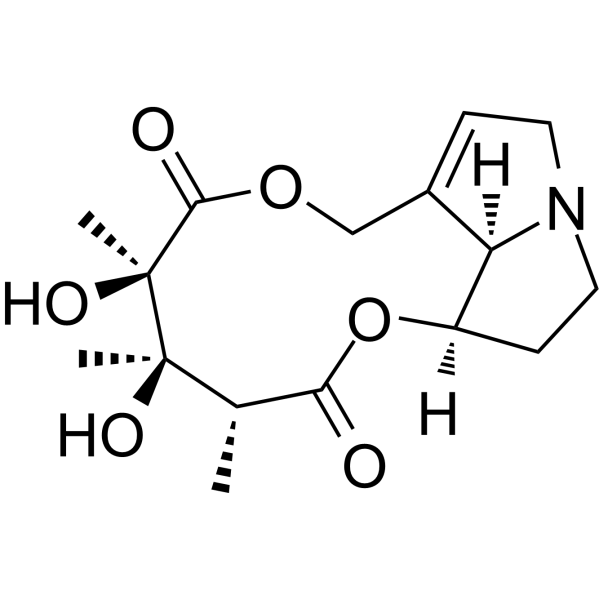
    Lunamarine is a inhibitor of PDE5 with BBB permeability. Lunamarine can be used in the reseach of Pulmonary Arterial Hypertension (PAH) and Erectile Dysfunction (ED) .
    Lunamarine
  • HY-N2299

    Others Cardiovascular Disease
    Morusinol is a flavonoid isolated from Morus alba root bark. Morusinol has an antiplatelet activity and  significantly inhibits arterial thrombosis in vivo .
    Morusinol
  • HY-116457

    Sombrevin; Fabantol

    GABA Receptor Cardiovascular Disease Neurological Disease
    Propanidid (Sombrevin; Fabantol) is a γ-aminobutyric acid type A (GABAA) receptor agonist and a short-acting non-barbiturate general agent that can suppress or relieve pain. Propanidid can decrease the arterial pressure .
    Propanidid
  • HY-154970

    TGF-β Receptor Cancer
    BMPR2-IN-1 (Compound 8a) is a BMPR2 inhibitor with an IC50 of 506 nM and a KD of 83.5 nM. BMPR2-IN-1 can be used for research of pulmonary arterial hypertension, Alzheimer’s disease and cancer .
    BMPR2-IN-1
  • HY-122592

    Factor Xa Cardiovascular Disease
    Zifaxaban is an orally active, competitively and selective Factor Xa (FXa) inhibitor with an IC50 of 11.1 nM for human FXa. Zifaxaban shows >10000-fold greater selectivity than other serine proteases. Zifaxaban can be used for the arterial and venous thrombosis research .
    Zifaxaban
  • HY-19660

    H-314-27

    Thrombin Cardiovascular Disease
    Inogatran (H-314-27) is a synthetic thrombin inhibitor, developed for the possible treatment and prophylaxis of arterial and venous thrombotic diseases.
    Inogatran
  • HY-172234

    CDK Cardiovascular Disease Cancer
    PF-06842874 is a CDK4/Cyclin D1 and CDK6/Cyclin D3 inhibitor (Ki values are 62 and 130 nM, respectively). PF-06842874 can be used in the research of pulmonary arterial hypertension and cancer .
    PF-06842874
  • HY-P3227

    XJ735

    Integrin Inflammation/Immunology
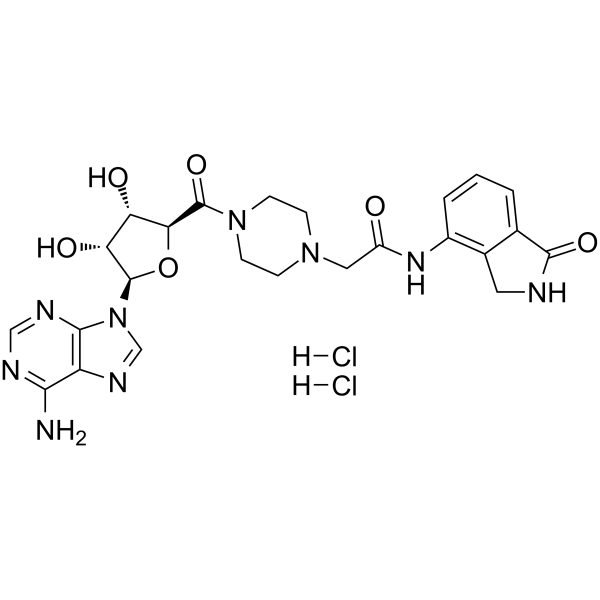
    Cyclo(Ala-Arg-Gly-Asp-Mamb) is a selective RGD peptide antagonist and has the potential for Pulmonary arterial hypertension research .
    Cyclo(Ala-Arg-Gly-Asp-Mamb)
  • HY-172094

    AMPK Apoptosis Autophagy Cardiovascular Disease
    AMPK-IN-6 (compound 13a) is potent AMPK inhibitor with an IC50 value of 0.093 µM. AMPK-IN-6 induces apoptosis and inhibits autophagy. AMPK-IN-6 shows antiproliferative activity. AMPK-IN-6 has the potential for the research of pulmonary arterial hypertension .
    AMPK-IN-6
  • HY-13569AR

    TRK-100 (Standard); ML 1129 sodium (Standard)

    Reference Standards Prostaglandin Receptor Cardiovascular Disease Inflammation/Immunology
    Beraprost (sodium) (Standard) is the analytical standard of Beraprost (sodium). This product is intended for research and analytical applications. Beraprost sodium, a prostacyclin analog, is a stable and orally active proagent of PGI2. Beraprost sodium is a potent vasodilator, has the potential for pulmonary arterial hypertension treatment through expanding renal vessels, improving microcirculation . Beraprost (sodium) is a click chemistry reagent, it contains an Alkyne group and can undergo copper-catalyzed azide-alkyne cycloaddition (CuAAc) with molecules containing Azide groups.
    Beraprost sodium (Standard)
  • HY-P991677

    INZ-701

    Phosphodiesterase (PDE) Cardiovascular Disease Endocrinology
    Efmirenpase alfa is an Fc-ENPP1 fusion protein (human IgG1 Fc domain linked to a modified human ENPP1). Efmirenpase alfa has prolonged half-life and enhanced receptor affinity compared with native human ENPP1. Efmirenpase alfa can be used as an enzyme replacement therapy for ENPP1 deficiency such as arterial calcification and hypophosphatemic rickets research .
    Efmirenpase alfa
  • HY-P10092

    Akt NO Synthase PI3K Cardiovascular Disease
    SP6 exertes an antihypertensive effect through vascular NO regulation .
    SP6
  • HY-148670

    Drug Intermediate Prostaglandin Receptor Cardiovascular Disease
    Pulmonary arterial hypertension agent-1 (example 15) is a pulmonary arterial hypertension agent . Pulmonary arterial hypertension agent-1 is a click chemistry reagent, it contains an Alkyne group and can undergo copper-catalyzed azide-alkyne cycloaddition (CuAAc) with molecules containing Azide groups.
    Pulmonary arterial hypertension agent-1
  • HY-19229

    Integrin Cardiovascular Disease
    TAK-029 is a potent GP IIb/IIIa antagonist. TAK-029 has potent antithrombotic effects with bleeding time (BT) prolongation in arterial thrombosis models. TAK-029 can be used for the research of various arterial thrombotic diseases .
    TAK-029
  • HY-113547

    UK 61260

    Phosphodiesterase (PDE) Cardiovascular Disease
    Nanterinone (UK 61260) is a positive inotropic and arterial vasodilating agent. Nanterinone is a phosphodiesterase inhibitor .
    Nanterinone
  • HY-N1115

    (+)-Tubotaiwine; NSC 306222; Tubotaiwin

    Others Cardiovascular Disease
    Tubotaiwine ((+)-Tubotaiwine), an alkaloid, has beneficial effect on cadmium (Cd) induced hypertension in rats. Tubotaiwine regulates systolic, diastolic and mean arterial blood pressure of the Cd exposed rats. Tubotaiwine reduces arterial stiffness, inhibits of oxidative stress and increases vascular remodeling .
    Tubotaiwine
  • HY-170419A

    Apelin Receptor (APJ) Cardiovascular Disease
    APJ receptor agonist 10 free base (Compound I) modulates the activity of APJ receptor and can be used in research about pulmonary arterial hypertension .
    APJ receptor agonist 10 free base
  • HY-117561

    Thrombin Cardiovascular Disease
    DuP 714 is an oral active thrombin inhibitor with the IC50 values of 150 nM aganist thrombin-induced aggregation in washed human platelets. DuP 714 can be used for study of arterial thrombosi .
    DuP 714
  • HY-19219A

    Thrombin Cardiovascular Disease
    BMS-189664 hydrochloride is a potent, selective, and orally active reversible inhibitor of a-thrombin, with an IC50 of 0.046 μM. BMS-189664 hydrochloride can be used for arterial and venous thrombosis research .
    BMS-189664 hydrochloride
  • HY-19219

    Thrombin Cardiovascular Disease
    BMS-189664 is a potent, selective, and orally active reversible inhibitor of a-thrombin, with an IC50 of 0.046 μM. BMS-189664 can be used for arterial and venous thrombosis research .
    BMS-189664
  • HY-P2021

    Thrombin Cardiovascular Disease
    BMS 180742 is a thrombin exosite inhibitor. BMS 180742 does not inhibit arterial thrombosis .
    BMS 180742

Inquiry Online

Your information is safe with us. * Required Fields.

Salutation


Country or Region *

Applicant Name *


Organization Name *

Department *


Email Address *


Product Name *

Cat. No.


Requested quantity *

Phone Number *


Remarks

Inquiry Online

Inquiry Information

Product Name:
Cat. No.:
Quantity:
MCE Japan Authorized Agent:

