1. Search Result
Search Result
Results for "

attractive

" in MedChemExpress (MCE) Product Catalog:

37

Inhibitors & Agonists

6

Screening Libraries

1

Biochemical Assay Reagents

1

Inhibitory Antibodies

9

Natural
Products

4

Isotope-Labeled Compounds

Cat. No. Product Name Target Research Areas Chemical Structure
  • HY-N6070

    Environmental Pollutants Prostaglandin Receptor Inflammation/Immunology
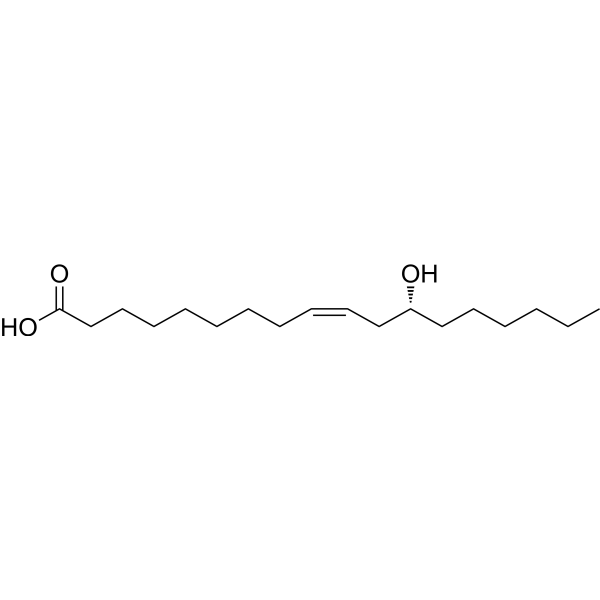
    Ricinoleic acid (purity≥85%), a hydroxy fatty acid, is an attractive feedstock for the production of high-performance lubricants, cosmetics, polymers, surfactants, and coatings. Ricinoleic acid is the main active ingredient of Castor oil (HY-107799). Ricinoleic acid is the agonist for prostaglandin EP3 receptor (EP3 receptor) (EC50 in MEG-01 is 0.5 μM), that causes laxative effects and uterine contraction. Ricinoleic acid exhibits antianxiety-like, anti-inflammatory and pro-inflammatory properties .
    Ricinoleic acid (purity≥85%)
  • HY-144776
    NAT
    4 Publications Verification

    NAMPT Cancer
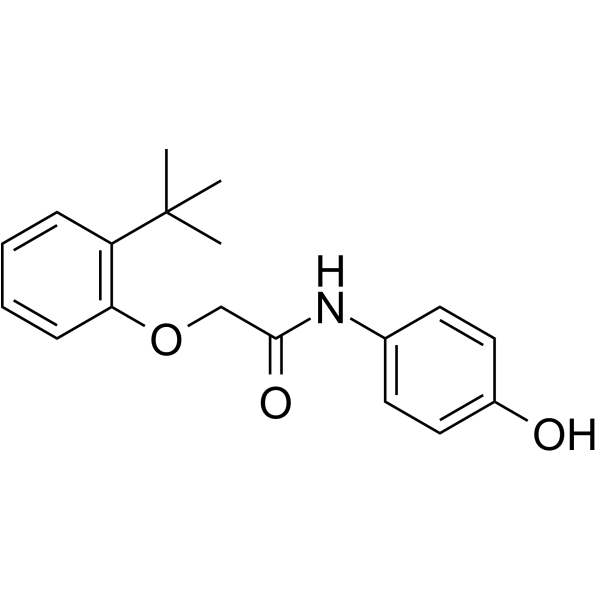
    NAT is an initial hit of NAMPT activator with an EC50 of 5.7 μM and a KD of 379 nM. NAMPT is the rate-limiting enzyme in the NAD salvage pathway, which makes it an attractive target for the research of many diseases associated with NAD exhaustion such as neurodegenerative diseases .
    NAT
  • HY-W032013
    1-Octanol
    1 Publications Verification

    Octanol

    Environmental Pollutants Endogenous Metabolite Calcium Channel Neurological Disease Metabolic Disease
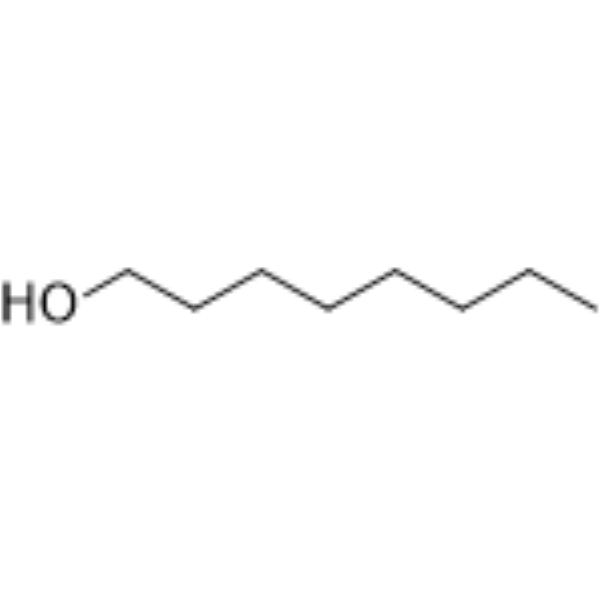
    1-Octanol (Octanol), a saturated fatty alcohol, is a T-type calcium channels (T-channels) inhibitor with an IC50 of 4 μM for native T-currents . 1-Octanol is a highly attractive biofuel with diesel-like properties .
    1-Octanol
  • HY-N6070A

    Environmental Pollutants Prostaglandin Receptor Inflammation/Immunology
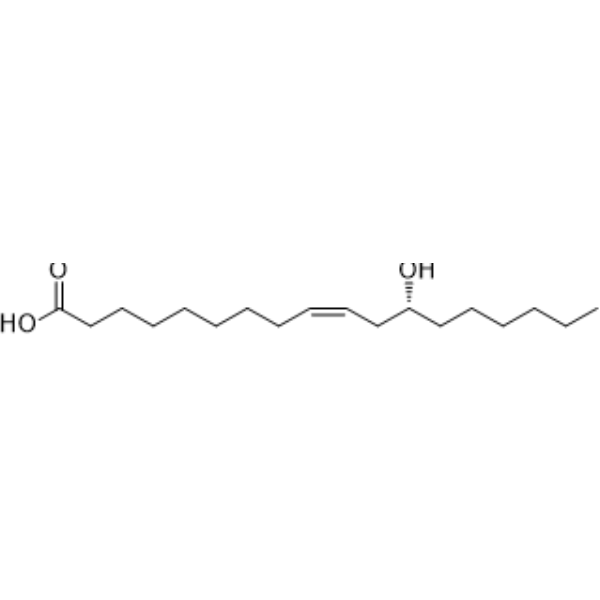
    Ricinoleic acid (purity≥99%), a hydroxy fatty acid, is an attractive feedstock for the production of high-performance lubricants, cosmetics, polymers, surfactants, and coatings. Ricinoleic acid is the main active ingredient of Castor oil (HY-107799). Ricinoleic acid is the agonist for prostaglandin EP3 receptor (EP3 receptor) (EC50 in MEG-01 is 0.5 μM), that causes laxative effects and uterine contraction. Ricinoleic acid exhibits antianxiety-like, anti-inflammatory and pro-inflammatory properties .
    Ricinoleic acid (purity≥99%)
  • HY-W016188

    Cholinesterase (ChE) Others
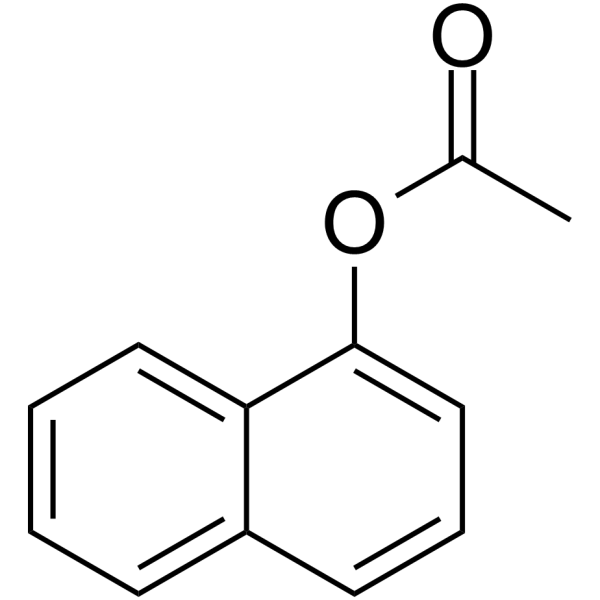
    1-Naphthyl acetate is an attractive chromogenic substrate for the detection of erythrocyte acetylcholinesterase (AChE) activity. 1-Naphthyl acetate has the potential to detect organophosphorus pesticide (OP) poisoning .
    1-Naphthyl acetate
  • HY-E70014

    FAD-GDH; Glucose 1-dehydrogenase

    Endogenous Metabolite Others
    FAD-dependent glucose dehydrogenase (EC 1.1.5.9), or glucose dehydrogenase (FAD)/Pseudomonas glucose dehydrogenase. FAD-dependent glucose dehydrogenase is insensitive to O2 and displays high substrate specificity to glucose and thus is especially attractive enzymes for use in glucose biosensor applications .
    FAD-dependent glucose dehydrogenase
  • HY-N6845

    DNA/RNA Synthesis Cancer
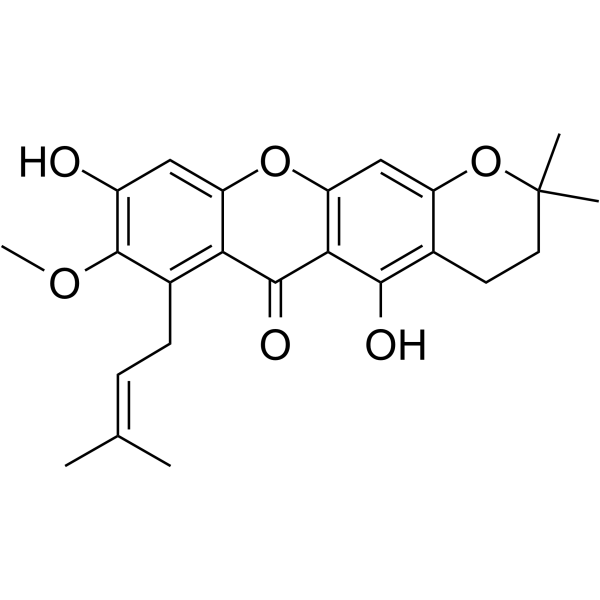
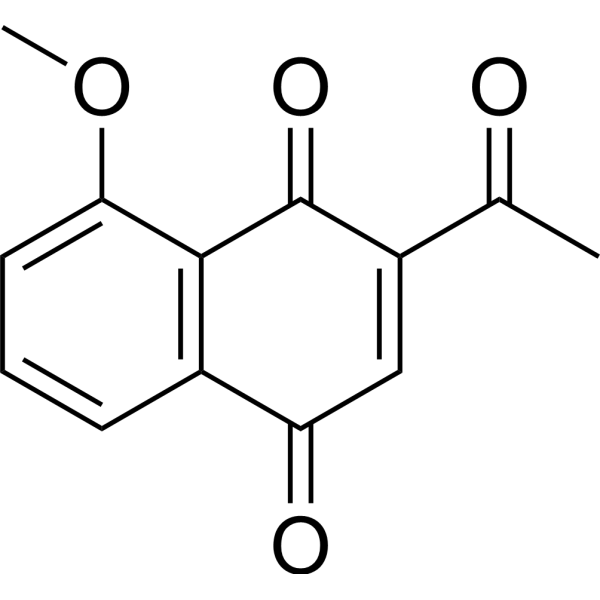
    3-Isomangostin, extracted from Garciniamangostana.L. shell, is a potent MutT homologue 1 (MTH1) inhibitor with an IC50 value of 52 nM. 3-Isomangostin would be an attractive chemical tool for the development of anticancer agents .
    3-Isomangostin
  • HY-108519

    ROCK Neurological Disease
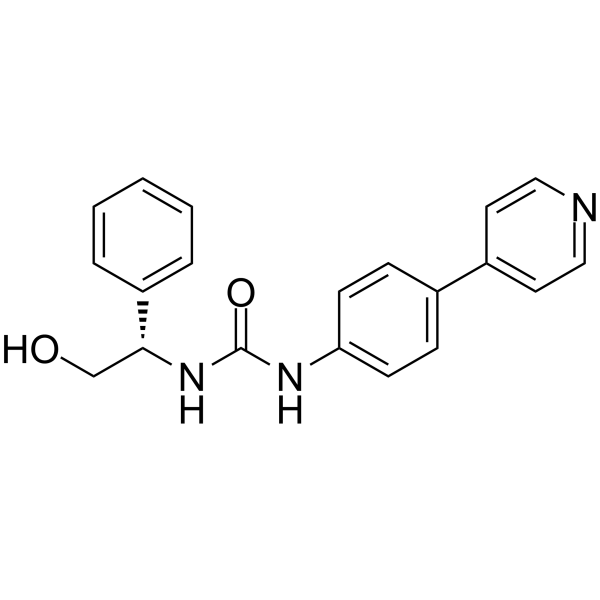
    AS1892802 is a potent, orally active, and highly selective inhibitor of ROCK. The onset of antinociceptive effect of AS1892802 is as fast as those of Tramadol and Diclofenac. AS1892802 did not induce gastric irritation or abnormal behavior. AS1892802 is an attractive analgesic profile for the research of severe osteoarthritis pain .
    AS1892802
  • HY-138084

    Separase Mitosis Cancer
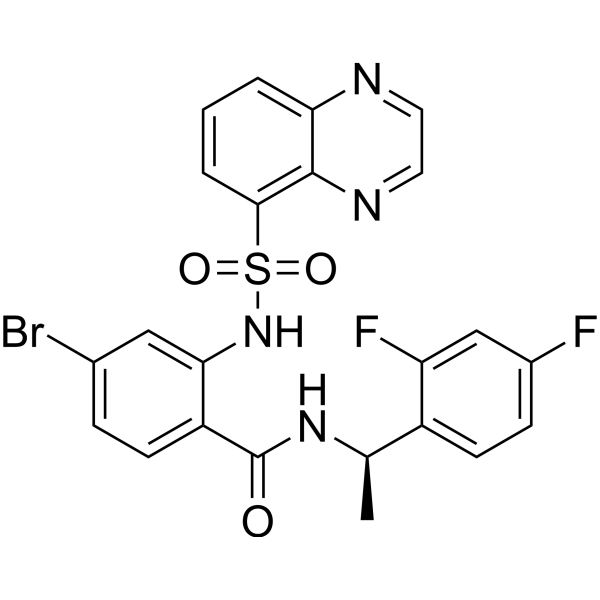
    SIC5-6 is a potent Separase inhibitor. Separase, a large cysteine protease, involves in chromosome segregation during mitosis and meiosis, DNA damage repair, centrosome disengagement and duplication, spindle stabilization and elongation. Separase is highly overexpressed in many solid cancers, serves as an attractive chemotherapeutic target .
    SIC5-6
  • HY-W099643

    Erucyl alcohol

    Endogenous Metabolite Others
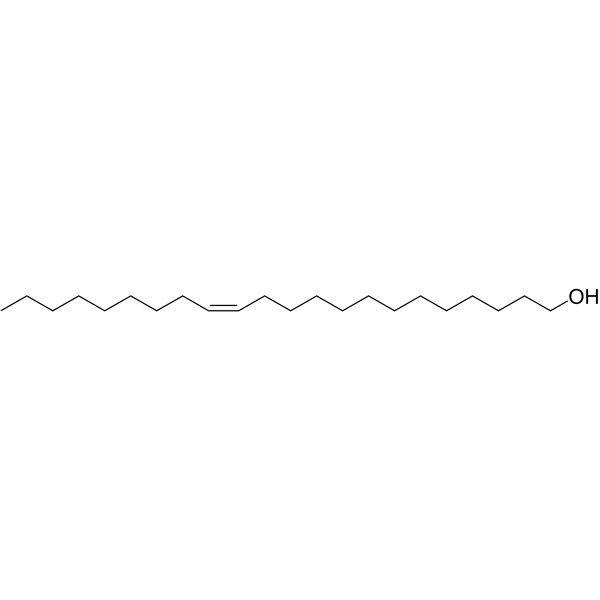
    Cis-13-docosenol (Erucyl alcohol) is a long-chain alcohol pheromone in insects. Cis-13-docosenol exhibits attractive effects on both male and female adult Holotrichia parallela. Cis-13-docosenol can be used for the monitoring and control of adult Holotrichia parallela .
    Cis-13-docosenol
  • HY-111313

    Cholecystokinin Receptor Metabolic Disease
    JNJ-26070109 is a high-affinity, competitive, orally bioactive, and selective cholecystokinin 2 (CCK2) receptor antagonist with good pharmacokinetic properties, with pKis of 8.49, 7.99, and 7.70 for human, rat, and dog CCK2 receptors, respectively. The dual function of CCK2 receptors in regulating gastric acid secretion and growth of the gastrointestinal mucosa make this an attractive and novel target for the research of gastroesophageal reflux disease .
    JNJ-26070109
  • HY-W004287

    Amyloid-β Cholinesterase (ChE) Parasite Infection Neurological Disease
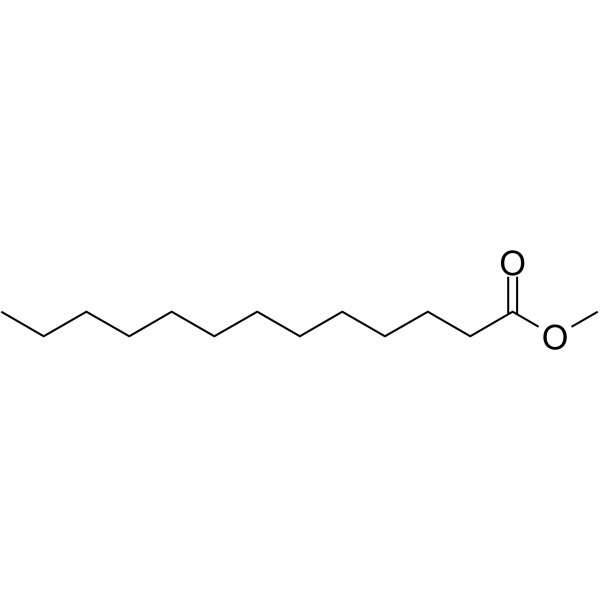
    Methyl tridecanoate is a fatty acid methyl ester. Methyl tridecanoate exhibits an IC50 of 3.26 μM and a Ki of 2.30 μM against AsOBP21f in Anopheles sinensis. Methyl tridecanoate induces electroantennographic responses in female Anopheles sinensis. Methyl tridecanoate shows a dose-dependent attractive effect on Anopheles sinensis. Methyl tridecanoate weakly inhibits β-amyloid aggregation and AChE activity. Methyl tridecanoate can be used in the research of malaria and Alzheimer's disease .
    Methyl tridecanoate
  • HY-W016188R

    Reference Standards Cholinesterase (ChE) Others
    1-Naphthyl acetate is an attractive chromogenic substrate for the detection of erythrocyte acetylcholinesterase (AChE) activity. 1-Naphthyl acetate has the potential to detect organophosphorus pesticide (OP) poisoning .
    1-Naphthyl acetate (Standard)
  • HY-W032013S1

    Octanol-d2

    Calcium Channel Endogenous Metabolite Metabolic Disease
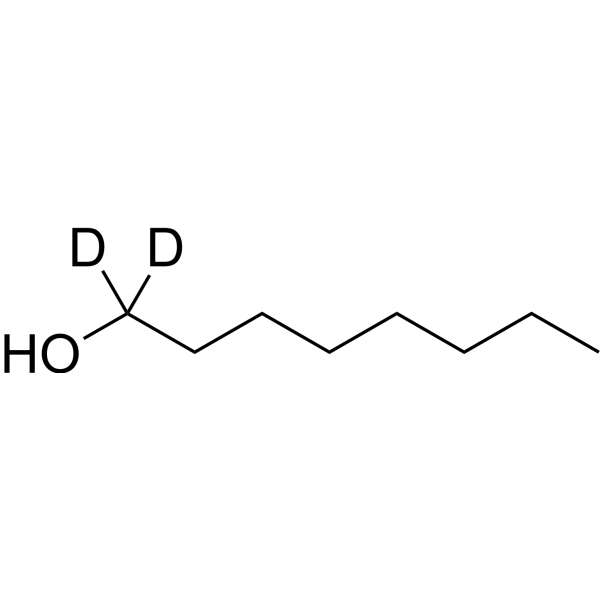
    1-Octanol-d2 is the deuterium labeled 1-Octanol . 1-Octanol (Octanol), a saturated fatty alcohol, is a T-type calcium channels (T-channels) inhibitor with an IC50 of 4 μM for native T-currents . 1-Octanol is a highly attractive biofuel with diesel-like properties .
    1-Octanol-d2
  • HY-127102

    DDD01305143​

    Parasite Proteasome Infection
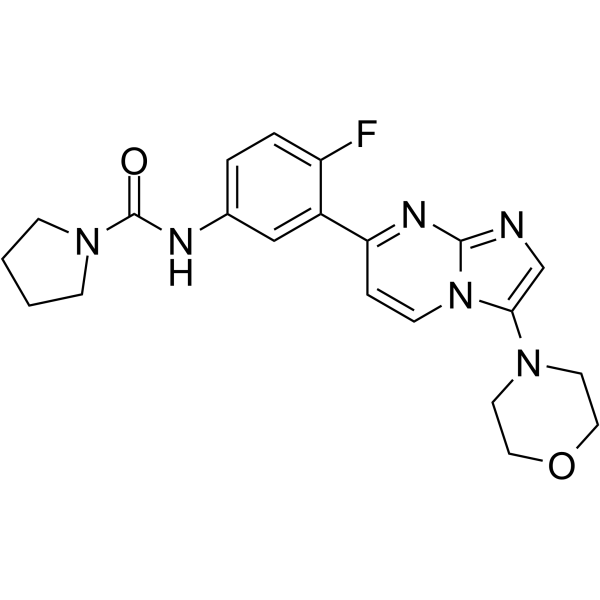
    GSK3494245 (DDD01305143) is a potent, orally active, and selective inhibitor of the chymotrypsin-like activity of the parasite proteasome binding in a site sandwiched between the β4 and β5 subunits (IC50=0.16 μM for WT L. donovani proteasomes). GSK3494245 moderately inhibits chymotrypsin-like activity of human proteasome (IC50: purified 26S=13 µM; enriched THP-1 extracts IC50=40µM). GSK3494245 exhibits attractive biological and biosafety properties .
    GSK3494245
  • HY-117964

    Lake Red C

    Endogenous Metabolite
    Pigment Red 53 (Lake Red C) is an organic pigment with good color stability and spectral properties. Pigment Red 53 is widely used in the coatings and plastics industries to provide a vivid red color. Pigment Red 53 is also used in food and cosmetics as a safe colorant to ensure an attractive product appearance.
    Pigment Red 53
  • HY-W032013R

    Octanol (Standard)

    Reference Standards Calcium Channel Endogenous Metabolite Neurological Disease Metabolic Disease
    1-Octanol (Standard) is the analytical standard of 1-Octanol. This product is intended for research and analytical applications. 1-Octanol (Octanol), a saturated fatty alcohol, is a T-type calcium channels (T-channels) inhibitor with an IC50 of 4 μM for native T-currents . 1-Octanol is a highly attractive biofuel with diesel-like properties .
    1-Octanol (Standard)
  • HY-116497

    FAK Cancer
    PH11 is a novel focal adhesion kinase (FAK) inhibitor that rapidly induces apoptosis in TRAIL-resistant PANC-1 cells when combined with TRAIL, but has no effect on normal human fibroblasts. The study found that PH11 downregulates c-FLIP through inhibition of FAK and phosphatidylinositol-3-kinase (PI3K)/AKT pathways, thereby restoring the TRAIL apoptotic pathway, suggesting that this combination therapy may provide an attractive therapeutic strategy for the safe and effective treatment of pancreatic cancer. PH11 selectively inhibits c-FLIP expression by modulating upstream signaling pathways and may represent an innovative therapeutic strategy. Although further work is needed to fully elucidate the mechanism of PH11-induced TRAIL sensitization, we believe that our results will provide a new approach to target c-FLIP without the risk of interfering with caspase-8 processing, which could potentially lead to TRAIL resistance. This study also suggests a role for the FAK/AKT signaling pathway in regulating c-FLIP expression in TRAIL-induced apoptosis, and this understanding will provide important clues to control the resistance mechanism to optimize the potential of TRAIL-based pancreatic cancer treatment.
    PH11
  • HY-120989

    Endogenous Metabolite Metabolic Disease
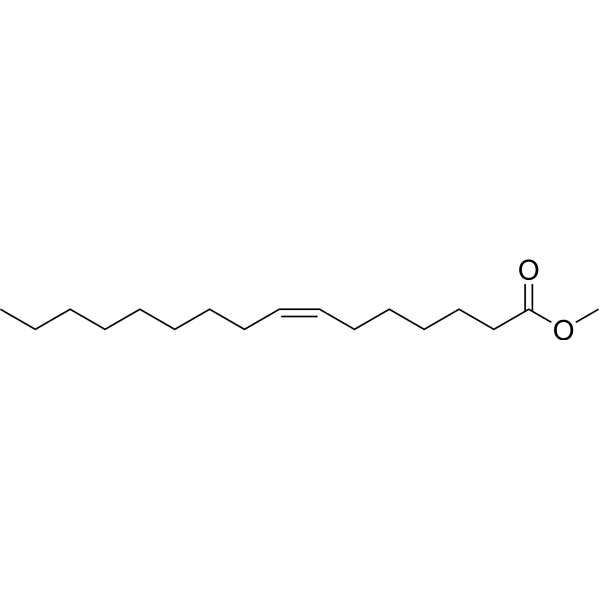
    Methyl 7(Z)-hexadecenoate is a sex pheromone produced by Trogoderma glabrum. Methyl 7(Z)-hexadecenoate can elicit attractive and sexually excitatory responses in Trogoderma glabrum males .
    Methyl 7(Z)-hexadecenoate
  • HY-N144101

    SARS-CoV Infection
    SARS-CoV MPro-IN-2 (compound 15) is a potent inhibitor of SARS-CoV-2 M pro with an IC50 value of 72.07 nM. The main protease (M pro) of the virus as the major enzyme processing viral polyproteins contributes to the replication and transcription of SARS-CoV-2 in host cells, and has been characterized as an attractive target in agent discovery. SARS-CoV MPro-IN-2 has the potential for the research of COVID-19 .
    SARS-CoV MPro-IN-2
  • HY-W780779

    Insecticide Endocrinology
    (Z)-12-Nonadecen-9-one is a sex pheromone attractive to male raspberry bud moths (Heterocrossa rubophaga) .
    (Z)-12-Nonadecen-9-one
  • HY-124287

    Insecticide Others
    (Z)-1,2-Dimethoxy-4-(3-fluoro-2-propenyl)benzene is a fluorine analog of Methyl eugenol (ME) and is attractive to oriental fruit fly B. dorsalis .
    (Z)-1,2-Dimethoxy-4-(3-fluoro-2-propenyl)benzene
  • HY-E70610

    Virus Protease SARS-CoV Infection
    SARS-CoV-2 main protease is a main protease (Mpro) of SARS-CoV-2, which plays a central role in viral replication and transcription and represents an attractive drug target for fighting COVID-19 .
    SARS-CoV-2 main protease
  • HY-W032013S

    Octanol-d17

    Calcium Channel Endogenous Metabolite Metabolic Disease
    1-Octanol-d17 is the deuterium labeled 1-Octanol . 1-Octanol (Octanol), a saturated fatty alcohol, is a T-type calcium channels (T-channels) inhibitor with an IC50 of 4 μM for native T-currents . 1-Octanol is a highly attractive biofuel with diesel-like properties .
    1-Octanol-d17
  • HY-144260

    SARS-CoV Infection
    3CPLro-IN-1 (compound A17) is a potent and orally active inhibitor of SARS-CoV-2 3CLpro with an IC50 of 5.65 μM. 3-Chymotrypsin-like cysteine protease (3CLpro) is an indispensable protein in viral replication and represents an attractive agent target for fighting COVID-19 .
    3CPLro-IN-1
  • HY-146384

    CRM1 Cancer
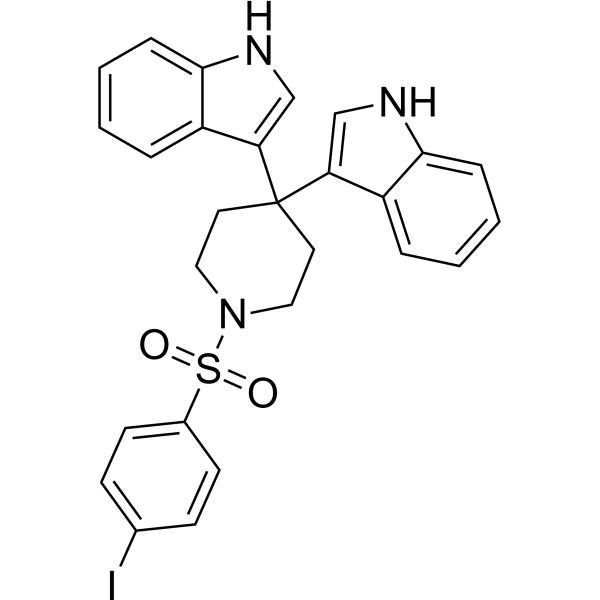
    CRM1 degrader 1 (1l) is a low toxic chromosome region maintenance 1 (CRM1) degrader. CRM1 is the sole nuclear exporter of several tumor suppressor, a growth regulatory protein as an attractive cancer agent target. CRM1 degrader 1 induces the apoptosis in gastric carcinoma and selectively inhibits proliferation of gastric cancer .
    CRM1 degrader 1
  • HY-W032013S2

    Octanol-d2-1

    Calcium Channel Endogenous Metabolite Isotope-Labeled Compounds Others
    1-Octanol-d2-1 is deuterated labeled 1-Octanol (HY-W032013). 1-Octanol (Octanol), a saturated fatty alcohol, is a T-type calcium channels (T-channels) inhibitor with an IC50 of 4 μM for native T-currents . 1-Octanol is a highly attractive biofuel with diesel-like properties .
    1-Octanol-d2-1
  • HY-W032013S3

    Octanol-d5

    Calcium Channel Endogenous Metabolite Isotope-Labeled Compounds Others
    1-Octanol-d5 is deuterated labeled 1-Octanol (HY-W032013). 1-Octanol (Octanol), a saturated fatty alcohol, is a T-type calcium channels (T-channels) inhibitor with an IC50 of 4 μM for native T-currents . 1-Octanol is a highly attractive biofuel with diesel-like properties .
    1-Octanol-d5
  • HY-144263

    SARS-CoV Infection
    3CPLro-IN-2 (compound C1) is a potent and orally active inhibitor of SARS-CoV-2 3CLpro with an IC50 and Ki of 1.55 and 6.09 μM, respectively. 3-Chymotrypsin-like cysteine protease (3CLpro) is an indispensable protein in viral replication and represents an attractive agent target for fighting COVID-19 .
    3CPLro-IN-2
  • HY-124310

    Phosphodiesterase (PDE) Neurological Disease
    PDE5-IN-6c is a potent and selective phosphodiesterase 5A1 (PDE5A1) inhibitor with the potential to inhibit Alzheimer's disease (AD). PDE5-IN-6c exhibits an excellent in vitro IC50 (0.056 nM), demonstrating its potent inhibitory activity. PDE5-IN-6c has improved water solubility, making it a more attractive drug candidate .
    PDE5-IN-6c
  • HY-145277

    SARS-CoV Infection
    SARS-CoV-2-IN-11 is a potent and nontoxic inhibitor of SARS-CoV-2 3CL protease (3CLpro) with an IC50 and EC50 of 0.17 and 1.45 nM, respectively. SARS-CoV-2 3C-like protease (3CLpro), an enzyme essential for viral replication, is an attractive target for intervention. SARS-CoV-2-IN-11 may lead to the emergence of effective SARS-CoV-2-specific antivirals .
    SARS-CoV-2-IN-11
  • HY-145276

    SARS-CoV Infection
    SARS-CoV-2-IN-10 is a potent and nontoxic inhibitor of SARS-CoV-2 3CL protease (3CLpro) with an IC50 and EC50 of 0.13 and 1.03 nM, respectively. SARS-CoV-2 3C-like protease (3CLpro), an enzyme essential for viral replication, is an attractive target for intervention. SARS-CoV-2-IN-11 may lead to the emergence of effective SARS-CoV-2-specific antivirals .
    SARS-CoV-2-IN-10
  • HY-N6070AR

    Reference Standards Prostaglandin Receptor Inflammation/Immunology
    Ricinoleic acid (Standard) is the analytical standard of Ricinoleic acid. This product is intended for research and analytical applications. Ricinoleic acid, a hydroxy fatty acid, is an attractive feedstock for the production of high-performance lubricants, cosmetics, polymers, surfactants, and coatings. Ricinoleic acid is the main active ingredient of Castor oil (HY-107799). Ricinoleic acid is the agonist for prostaglandin EP3 receptor (EP3 receptor) (EC50 in MEG-01 is 0.5 μM), that causes laxative effects and uterine contraction. Ricinoleic acid exhibits antianxiety-like, anti-inflammatory and pro-inflammatory properties .
    Ricinoleic acid (Standard)
  • HY-N12939

    Others Endocrinology
    (11Z,13Z)-Hexadecadien-1-ol is an insect sex pheromone attractive to male navel orangeworm moths (Amyeloistransitella), a secretion of the moth Z11, which can be isolated from Z13-16:Ald analogs .
    (11Z,13Z)-Hexadecadien-1-ol
  • HY-108519R

    Reference Standards ROCK Neurological Disease
    AS1892802 (Standard) is the analytical standard of AS1892802 (HY-108519). This product is intended for research and analytical applications. AS1892802 is a potent, orally active, and highly selective inhibitor of ROCK. The onset of antinociceptive effect of AS1892802 is as fast as those of Tramadol and Diclofenac. AS1892802 did not induce gastric irritation or abnormal behavior. AS1892802 is an attractive analgesic profile for the research of severe osteoarthritis pain .
    AS1892802 (Standard)
  • HY-W673672

    4-Ketocapric acid; 4-ODA

    Sex Pheromone Infection
    4-Oxodecanoic acid (4-Ketocapric acid) is a Sex pheromone component. 4-Oxodecanoic acid can be isolated from the sternal glands on the sixth abdominal segment of unmated female Vespa velutina. When mixed with 4-oxooctanoic acid at the natural secretion ratio of 0.78 in female wasps, 4-Oxodecanoic acid exhibits an attractive effect on male Vespa velutina. 4-Oxodecanoic acid can be used in population monitoring and control research on the invasive species Vespa velutina .
    4-Oxodecanoic acid
  • HY-P991744

    CXCR Cancer
    Anti-Mouse CXCR4 Antibody is a monoclonal antibody that specifically recognizes murine CXCR4 (C-X-C chemokine receptor 4), also known as fusin or CD184. CXCR4 is a seven-transmembrane G protein–coupled receptor whose principal endogenous ligand is CXCL12 (stromal cell–derived factor-1α, SDF-1α) and is widely expressed in hematopoietic cells, endothelial cells, neurons, as well as embryonic and adult stem cells. The CXCR4–CXCL12 signaling axis activates multiple downstream pathways, including ERK1/2, Ras, p38 MAPK, PLC/MAPK, and SAPK/JNK, thereby regulating cell survival, proliferation, migration, and stemness maintenance. Aberrant overexpression of CXCR4 is closely associated with poor prognosis and metastasis in various cancers, with CXCR4-positive tumor cells preferentially home to CXCL12-rich tissues such as the liver, bone marrow, lung, and lymph nodes. Accordingly, CXCR4 and its CXCL12-related antagonists emerge as attractive targets for experimental anticancer therapy. Anti-Mouse CXCR4 Antibody is generated using a cell-based immunization and screening strategy and exhibits high affinity for both endogenous and exogenous murine CXCR4. Anti-Mouse CXCR4 Antibody can be used for thestudy of chronic lymphocytic leukemia and multiple myeloma .
    Anti-Mouse CXCR4 Antibody (Cx4Mab-1)

Inquiry Online

Your information is safe with us. * Required Fields.

Salutation


Country or Region *

Applicant Name *


Organization Name *

Department *


Email Address *


Product Name *

Cat. No.


Requested quantity *

Phone Number *


Remarks

Inquiry Online

Inquiry Information

Product Name:
Cat. No.:
Quantity:
MCE Japan Authorized Agent:

