

Search Result
Results for "
bases
" in MedChemExpress (MCE) Product Catalog:
8
Biochemical Assay Reagents
5
Isotope-Labeled Compounds
| Cat. No. |
Product Name |
Target |
Research Areas |
Chemical Structure |
-
- HY-D1300
-
|
LysoTracker Red DND-99
|
Biochemical Assay Reagents
Fluorescent Dye
|
Others
|
|
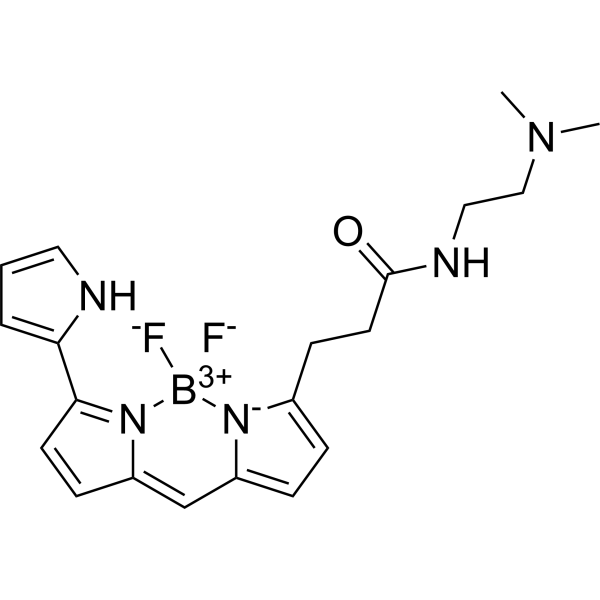
LysoTracker Red is a Red fluorescently labeled lysosomal probe with a maximum excitation/emission wavelength of 577/590 nm. The structure is composed of a fluorescein group and linked weak bases, which can freely cross the cell membrane and gather on spherical organelles. It is suitable for observing the internal biosynthesis and related pathogenesis of lysosomes .
|
-
-
- HY-I0626
-
|
|
Endogenous Metabolite
|
Cancer
|
|
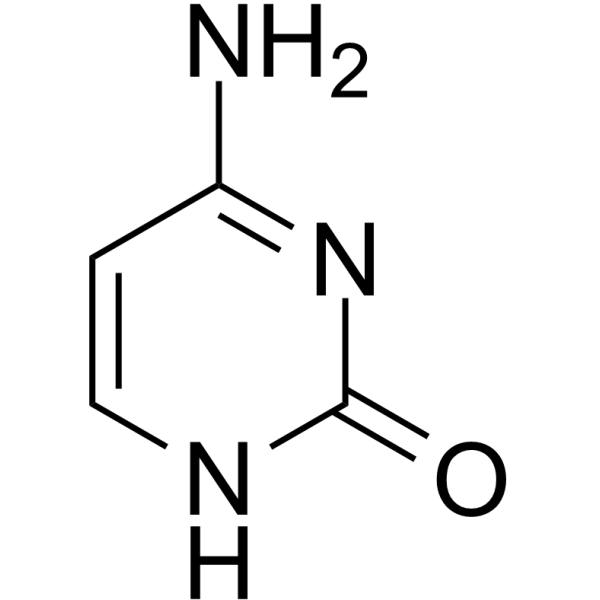
Cytosine is one of the four main bases found in DNA and RNA. Cytosine modifications exhibit circadian oscillations that are involved in epigenetic diversity and aging. Cytosine can be used in cancer research .
|
-
-
- HY-150743
-
|
|
Toll-like Receptor (TLR)
|
Infection
Inflammation/Immunology
|
|
ODN 2395 is a C class oligodeoxynucleotide and can be used as vaccine adjuvant. ODN 2395 is also a TLR9 agonist. ODN 2395 can be used in the research of immunological vaccines. Sequence: 5'-tcgtcgttttcggcgc:gcgccg-3' (Note: The bases are phosphorothioate; ODN 2395 contains the partial palindromic sequence cggcgc:gcgccg) .
|
-
-
- HY-DY1040
-
|
|
Fluorescent Dye
Biochemical Assay Reagents
|
Others
|
LysoTracker Red (solution) is a Red fluorescently labeled lysosomal probe with a maximum excitation/emission wavelength of 577/590 nm. The structure is composed of a fluorescein group and linked weak bases, which can freely cross the cell membrane and gather on spherical organelles. It is suitable for observing the internal biosynthesis and related pathogenesis of lysosomes . Solvent and concentration: DMSO: 1 mM
|
-
-
- HY-W010450
-
Thymine
1 Publications Verification
|
Endogenous Metabolite
|
Metabolic Disease
Cancer
|
|
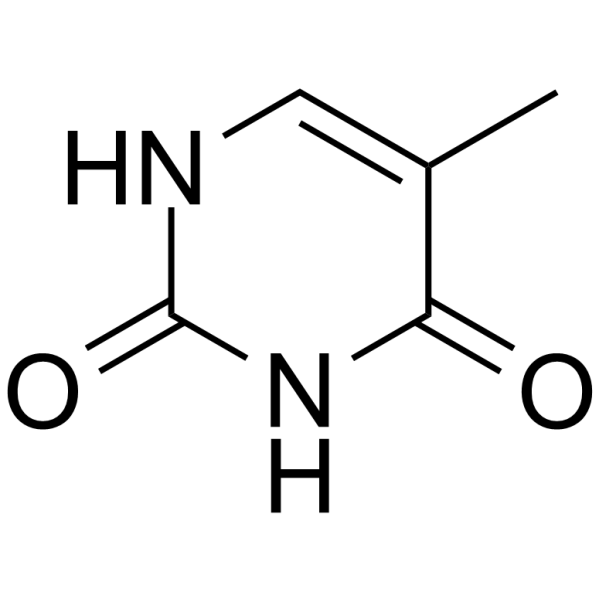
Thymine, one of the four bases of DNA, is a substrate for rat liver dihydropyrimidine dehydrogenase (DPD), with a Km value of 2.2 μM, Ki of 24 μM (using 5-FU as the DPD substrate), and a specific activity of 0.68 nmol/min/mg .
|
-
-
- HY-W012642
-
|
|
DNA Stain
|
Others
|
|
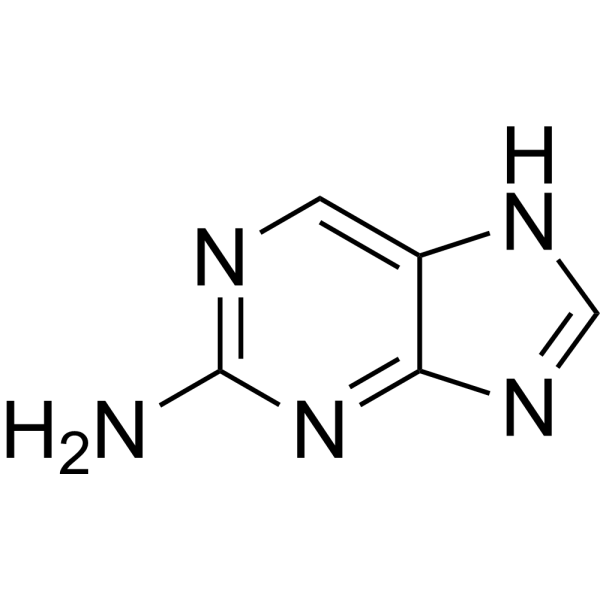
2-Aminopurine, a fluorescent analog of guanosine and adenosine, is a widely used fluorescence-decay-based probe of DNA structure. When 2-Aminopurine is inserted in anoligonucleotide, its fluorescence is highly quenched by stacking with the natural bases. 2-Aminopurine has been used to probe nucleic acid structure and dynamics .
|
-
-
- HY-113110
-
|
L-Cysteinylglycine; Cys-Gly; H-Cys-Gly-OH
|
Endogenous Metabolite
Reactive Oxygen Species (ROS)
DNA/RNA Synthesis
|
Cardiovascular Disease
Cancer
|
|
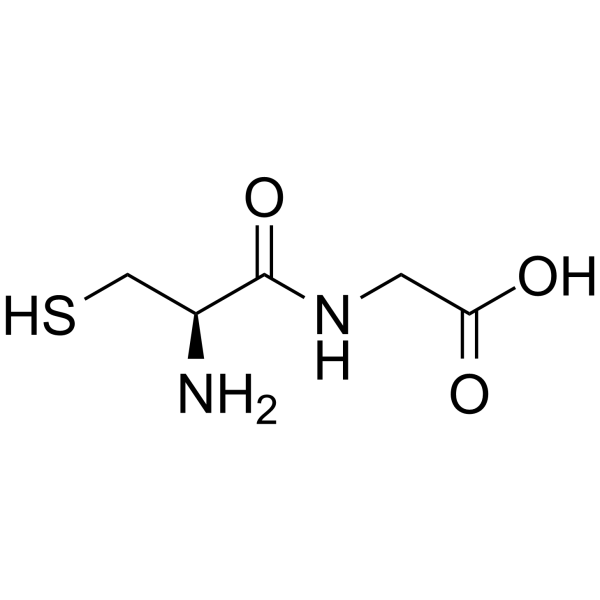
Cysteinylglycine (L-Cysteinylglycine; Cys-Gly) is a dipeptide formed by the peptide bond linkage between cysteine (Cysteine) and glycine (Glycine). Cysteinylglycine is an important metabolic intermediate in the human body, mainly derived from the degradation of glutathione (GSH). Cysteinylglycine reduces ferric iron to ferrous iron, drives the redox cycle of iron, generates reactive oxygen species (ROS), stimulates oxidative reactions, induces lipid peroxidation of human plasma LDL lipoproteins, and causes oxidative damage to DNA bases. Cysteinylglycine can be used as a biomarker to evaluate ischemic heart disease, breast cancer and other conditions .
|
-
-
- HY-34431
-
|
7H-Imidazo(4,5-d)pyrimidine
|
Endogenous Metabolite
PARP
|
Neurological Disease
Metabolic Disease
Cancer
|
|
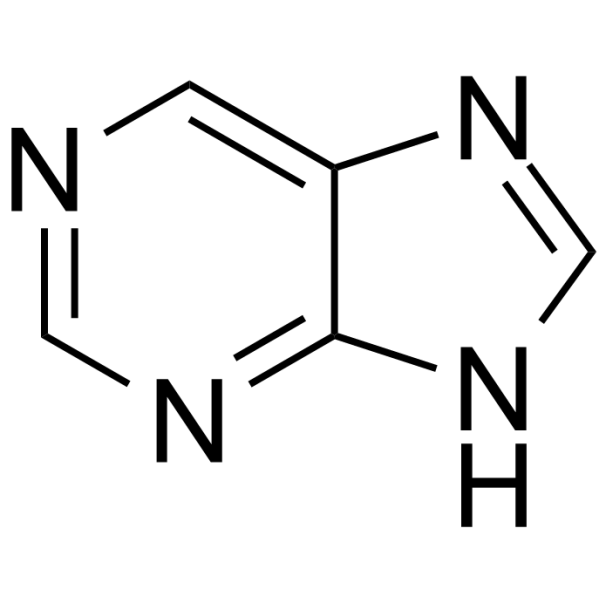
Purine is an endogenous metabolite. Purine bases are the building blocks of the nucleic acids. Purine inhibits the activation of PARP. Purine protects against oxidant-induced cell injury. Purine can be used in the research of cancer and nervous system diseases .
|
-
-
- HY-W018326
-
|
|
DNA/RNA Synthesis
|
Cancer
|
|
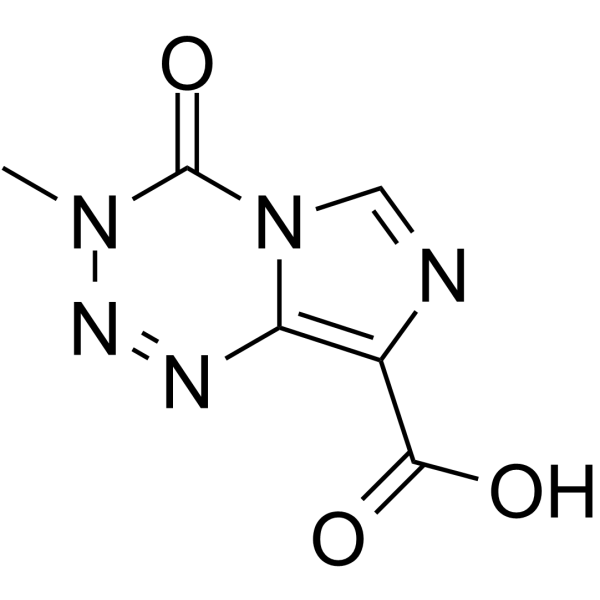
Temozolomide acid is a carboxylic acid derivative of Temozolomide (HY-17364) with anticancer activity. Temozolomide is a DNA alkylating agent, methylating the guanine and adenine bases of DNA, causing breaks in DNA double strand, cell cycle arrest, and eventually cell death. Temozolomide acid is promising for research of glioblastoma and brain cancer .
|
-
-
- HY-D1296
-
|
|
Fluorescent Dye
|
Others
|
|
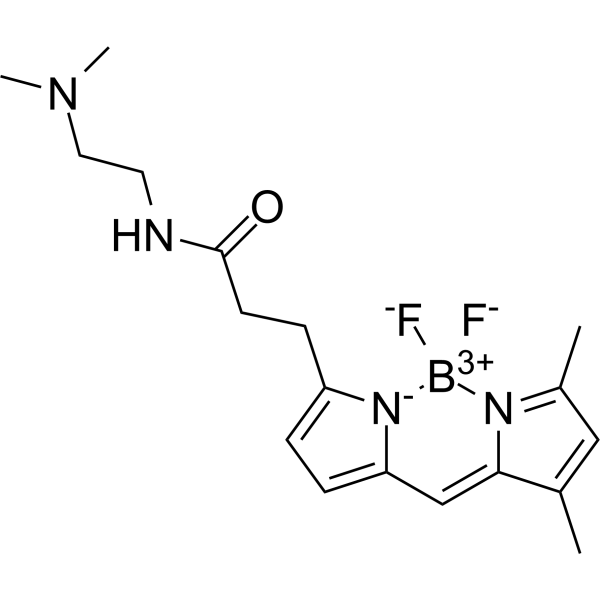
Green DND-26 is a green fluorescently labeled lysosomal probe with a maximum excitation/emission wavelength of 504/511 nm. The structure is composed of a fluorescein group and linked weak bases, which can freely cross the cell membrane and generally gather on spherical organelles. Green DND-26 is suitable for observing the internal biosynthesis and related pathogenesis of lysosomes .
|
-
-
- HY-113306
-
|
|
Endogenous Metabolite
|
Others
|
|
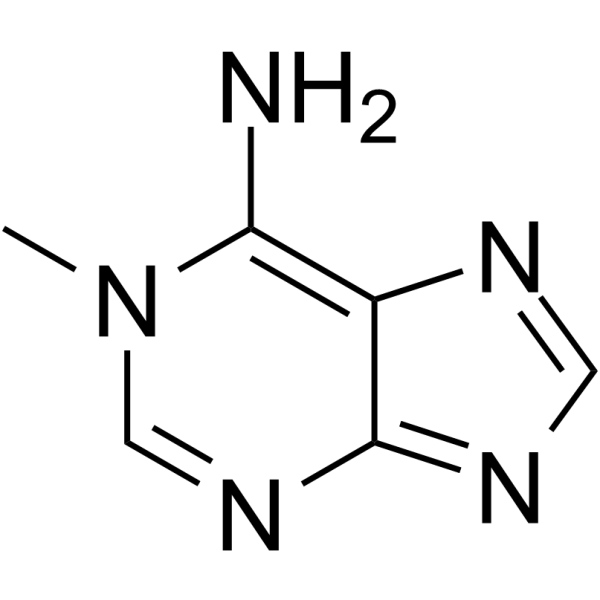
1-Methyladenine is a gonad maturation-promoting regulator. 1-Methyladenine is produced in testes and ovarian follicle cells of starfish under the induction of gonad-stimulating substance (GSS). 1-Methyladenine promotes starfish oocyte maturation and spawning, and modifies bases that regulate DNA structure. 1-Methyladenine converts T-A base pairs in double-stranded DNA into non-disruptive T (anti)m1A (syn) Hoogsteen conformation. If this conformational base is not repaired in a timely manner, 1-Methyladenine transforms into cytotoxic DNA damage and blocks the replication process .
|
-
-
- HY-Y0912
-
|
N-HBTU
|
Biochemical Assay Reagents
|
Inflammation/Immunology
|
|
HBTU (N-HBTU) is a guanidinium-based peptide coupling reagent and immunological sensitizer. HBTU can be used in combination with bases such as DIPEA (HY-130142) to complete coupling reactions, with HOBt and TMU as by-products. HBTU is a standard reagent in automated solid-phase peptide synthesis, particularly for the Fmoc/tBu strategy, which effectively promotes coupling steps, but it is not suitable for sterically hindered amino acids or dipeptide derivatives. HBTU can induce rhinitis, dermatitis, bronchial asthma and severe allergic reactions. HBTU can be used to study the pathogenesis of allergic reactions, occupational rhinitis, allergic contact dermatitis and bronchial asthma .
|
-
-
- HY-W008469
-
|
|
DNA/RNA Synthesis
|
Cancer
|
|
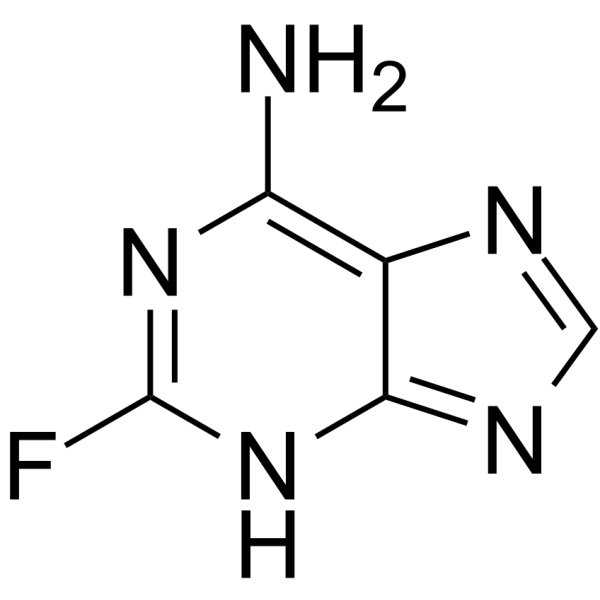
2-Fluoroadenine is a toxic purine bases. 2-Fluoroadenine has toxicity in nonproliferating and proliferating tumor cells. 2-Fluoroadenine can be used for researching anticancer .
|
-
-
- HY-N11684
-
|
|
Biochemical Assay Reagents
|
Others
|
|
Cocoa butter can be used as an excipient, such as lubricants, suppository bases. Pharmaceutical excipients, or pharmaceutical auxiliaries, refer to other chemical substances used in the pharmaceutical process other than pharmaceutical ingredients. Pharmaceutical excipients generally refer to inactive ingredients in pharmaceutical preparations, which can improve the stability, solubility and processability of pharmaceutical preparations. Pharmaceutical excipients also affect the absorption, distribution, metabolism, and elimination (ADME) processes of co-administered drugs .
|
-
-
- HY-150014
-
|
|
Others
|
Others
|
|
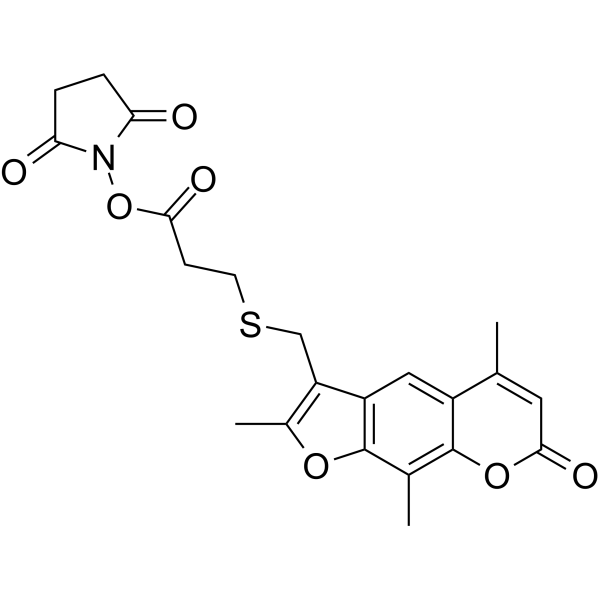
AMT-NHS is an RNA-protein crosslinker. AMT-NHS is composed of a psoralen derivative and an N-hydroxysuccinimide ester group which react with RNA bases and primary amines of protein, respectively. AMT-NHS can penetrate into living yeast cells and crosslink Cbf5 to H/ACA snoRNAs with high specificity. AMT-NHS induces different crosslinking patterns and targets both single- and double-stranded regions of RNA. AMT-NHS can be used for capturing diverse RNA-protein interactions in cells .
|
-
-
- HY-W007479
-
|
|
Biochemical Assay Reagents
|
Others
|
|
2,3-Dihydroxybenzaldehyde can be used to synthesize copper(II) complexes of Schiff bases. 2,3-Dihydroxybenzaldehyde can also be used in the synthesis of 2-ethoxy-3-hydroxy-4-nitrobenzoic acid .
|
-
-
- HY-145657
-
|
BQQ
|
Biochemical Assay Reagents
|
Others
|
|
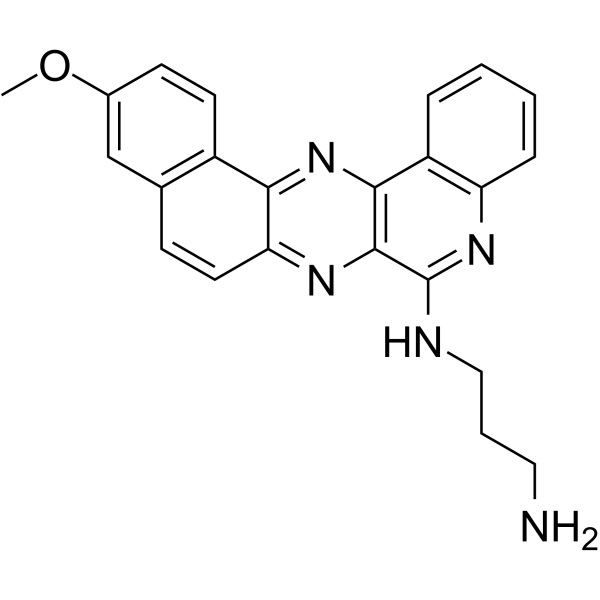
Benzoquinoquinoxaline (BQQ) is a heterocyclic compound with an aminoalkyl side chain. Benzoquinoquinoxaline preferentially binds to DNA triplex structures, intercalates between the bases, thus, stabilising the triplex conformation. Conjugation of Benzoquinoquinoxaline to 1,10-phenanthroline specifically binds and cleaves double strand DNA at the site of formation of a triplex structure .
|
-
-
- HY-77785
-
|
5-Chloro-2-aminobenzophenone
|
Drug Intermediate
|
Infection
Neurological Disease
|
|
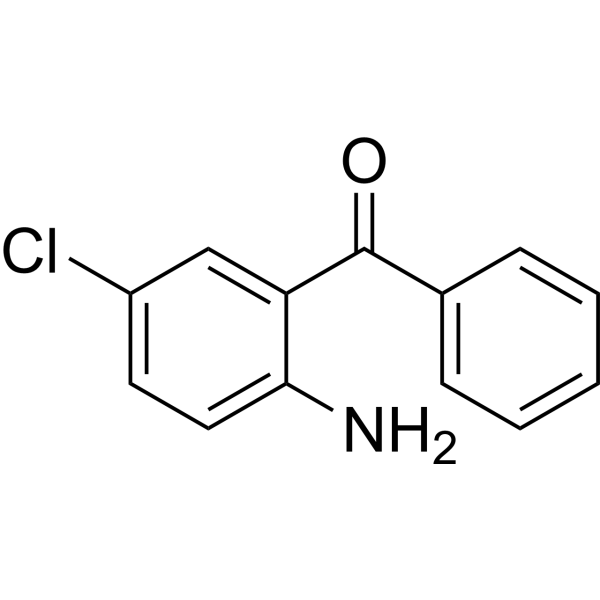
2-Amino-5-chlorobenzophenone (5-Chloro-2-aminobenzophenone) is a chemical intermediate. Derivatives of 2-Amino-5-chlorobenzophenone serve as skeletal muscle relaxants. 2-Amino-5-chlorobenzophenone acts as a starting material for the synthesis of anti-biofilm 2-amino-5-chlorobenzophenone Schiff bases. 2-Amino-5-chlorobenzophenone is applicable to research related to bacterial infections .\n
|
-
-
- HY-W008048
-
|
|
Nucleoside Antimetabolite/Analog
|
Others
|
|
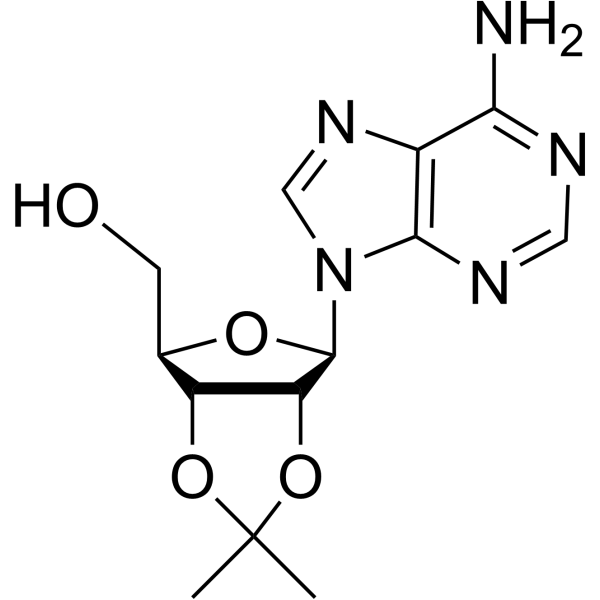
2',3'-O-Isopropylideneadenosine is a nucleoside compound and also a Golgi-targeting moiety. 2',3'-O-Isopropylideneadenosine constitutes a furanose ribose group that undergoes cyclization at the O (2') and O (3') atoms. As a component of the fluorescent probe TPE-Ade, 2',3'-O-Isopropylideneadenosine enables specific Golgi localization for fluorescence imaging. 2',3'-O-Isopropylideneadenosine participates in the synthesis of aggregation-induced emission (AIE) fluorescent probes .
|
-
-
- HY-115736A
-
-
-
- HY-I0626R
-
|
|
Reference Standards
Endogenous Metabolite
|
Others
|
|
Cytosine (Standard) is the analytical standard of Cytosine. This product is intended for research and analytical applications. Cytosine is one of the four main bases found in DNA and RNA. Cytosine modifications exhibit circadian oscillations that are involved in epigenetic diversity and aging .
|
-
-
- HY-N10706A
-
|
|
Endogenous Metabolite
|
Cardiovascular Disease
|
|
3-Keto sphinganine (d18:0) hydrochloride serves as the substrate for 3-keto-dihydrosphingosine reductase in the de novo sphingolipid synthesis pathway, and is a key intermediate in the de novo synthesis of sphingoid long-chain bases. 3-Keto sphinganine (d18:0) hydrochloride can be used in studies related to thrombocytopenia, anemia .
|
-
-
- HY-W013677
-
|
|
Drug Intermediate
|
Infection
|
|
4-Fluorobenzoic acid is a drug intermediate that can be used to synthesize a series of hydrazone derivatives with antituberculosis activity and Schiff bases with DPPH radical scavenging activity .
|
-
-
- HY-I0626S2
-
|
|
Endogenous Metabolite
|
Others
|
|
Cytosine-d2 is the deuterium labeled Cytosine . Cytosine is one of the four main bases found in DNA and RNA. Cytosine modifications exhibit circadian oscillations that are involved in epigenetic diversity and aging .
|
-
-
- HY-W002593
-
|
|
Biochemical Assay Reagents
|
Others
|
|
2-Acetyl-6-bromopyridine is a biochemical reagent that can be used as a biological material or organic compound for life science related research. 2-Acetyl-6-bromopyridine can be used to synthesize Schiff bases containing cycloalkyl substituents .
|
-
-
- HY-W541025
-
|
|
Biochemical Assay Reagents
|
Others
|
|
Deoxyribonucleic acid is a polymer formed by two polynucleotide chains twisted around each other to form a double-helix structure. Deoxyribonucleic acid exists in all dividing cells and is a fundamental component of chromosomes .
|
-
-
- HY-115736
-
-
-
- HY-I0626S1
-
|
|
Endogenous Metabolite
|
Others
|
|
Cytosine- 13C, 15N2 is the 13C and 15N labeled Cytosine . Cytosine is one of the four main bases found in DNA and RNA. Cytosine modifications exhibit circadian oscillations that are involved in epigenetic diversity and aging .
|
-
-
- HY-W001974
-
|
|
DNA/RNA Synthesis
Bacterial
|
Others
|
|
7-Nitroindole is a cleavable base analog and Antibacterial agent. 7-Nitroindole inhibits the growth of Lactobacillus arabinosus. 7-Nitroindole is used in studies of light-controlled DNA cleavage and Lactobacillus arabinosus infection .
|
-
-
- HY-W046786
-
|
|
Biochemical Assay Reagents
|
Others
|
|
Benzylisatin is a biologically potent derivative of isatin. Benzylisatin is used to prepare many new biologically potent Schiff bases and complexes suitable for medicinal purposes .
|
-
-
- HY-W142631
-
|
|
Fluorescent Dye
|
Cancer
|
|
4-(Phenylazo)diphenylamine is an excellent colorimetric indicator for the accurate determination of the concentration for a variety of strong bases, Lewis acids, and hydride reducing agents .
|
-
-
- HY-124455
-
|
|
Endogenous Metabolite
|
Others
|
|
Lunine is an alkaloid isolated from Lunasia quercifolia. Lunine is resistant to acids, bases, oxidants and reducing agents .
|
-
-
- HY-I0626S
-
|
|
Endogenous Metabolite
|
Others
|
|
Cytosine- 13C2, 15N3 is the 13C-labeled and 15N-labeled Cytosine. Cytosine is one of the four main bases found in DNA and RNA. Cytosine modifications exhibit circadian oscillations that are involved in epigenetic diversity and aging .
|
-
-
- HY-134529
-
|
Ribose 1-phosphate
|
Endogenous Metabolite
|
Others
|
|
D-Ribofuranose 1-dihydrogenphosphate (Ribose 1-phosphate) dicyclohexanamine is a pentose phosphate and serves as a key intermediate metabolite in the salvage synthesis pathway of purine and pyrimidine nucleotides. In nucleotide salvage synthesis, D-Ribofuranose 1-dihydrogenphosphate dicyclohexanamine directly "transfers" the ribosyl group from purine nucleosides to pyrimidine bases, acting as a hub molecule linking nucleoside/base metabolism with pentose phosphate metabolism .
|
-
-
- HY-P2724A
-
|
PNP, Bacillus sp.
|
Endogenous Metabolite
|
Metabolic Disease
|
|
Purine nucleoside phosphorylase, Bacillus sp. is a key enzyme in purine metabolism, involved in the purine salvage pathway. A deficiency in Purine nucleoside phosphorylase, Bacillus sp. can lead to impaired T-cell function. In the presence of inorganic phosphate as a second substrate, Purine nucleoside phosphorylase, Bacillus sp. catalyzes the cleavage of the glycosidic bond of ribonucleosides and deoxyribonucleosides, producing purine bases and ribose (or deoxyribose)-1-phosphate. Purine nucleoside phosphorylase, Bacillus sp. can be used for the determination of inorganic phosphate .
|
-
-
- HY-113110R
-
|
L-Cysteinylglycine (Standard); Cys-Gly (Standard); H-Cys-Gly-OH (Standard)
|
Reference Standards
Endogenous Metabolite
Reactive Oxygen Species (ROS)
DNA/RNA Synthesis
|
Cardiovascular Disease
Cancer
|
|
Cysteinylglycine (Standard) is the analytical standard of Cysteinylglycine. This product is intended for research and analytical applications. Cysteinylglycine is a dipeptide formed by the peptide bond linkage between cysteine (Cysteine) and glycine (Glycine). Cysteinylglycine is an important metabolic intermediate in the human body, mainly derived from the degradation of glutathione (GSH). Cysteinylglycine reduces ferric iron to ferrous iron, drives the redox cycle of iron, generates reactive oxygen species (ROS), stimulates oxidative reactions, induces lipid peroxidation of human plasma LDL lipoproteins, and causes oxidative damage to DNA bases. Cysteinylglycine can be used as a biomarker to evaluate ischemic heart disease, breast cancer and other conditions .
|
-
-
- HY-W008469R
-
|
|
Reference Standards
DNA/RNA Synthesis
|
Cancer
|
|
2-Fluoroadenine is a toxic purine bases. 2-Fluoroadenine has toxicity in nonproliferating and proliferating tumor cells. 2-Fluoroadenine can be used for researching anticancer .
|
-
-
- HY-112501
-
|
|
DNA/RNA Synthesis
|
Others
|
|
Codon readthrough inducer 1, containing pyrimidine bases, shows good readthrough activity.
|
-
-
- HY-N1567
-
|
|
Fungal
|
Infection
|
|
Pterolactam can be isolated from Chrysanthemum coronarium L. Pterolactam derivates serval analogues that Mannich bases of amide with antifungal activities and cytotoxicity .
|
-
-
- HY-E70023
-
|
|
Endogenous Metabolite
|
Metabolic Disease
|
|
Sphingolipid ceramide N-deacylase (SCDase) cleaves the N-acyl linkage between fatty acids and sphingosine bases in various glycosphingolipids. Sphingolipid ceramide N-deacylase catalyzes glycosphingolipids to lysoglycosphingolipids .
|
-
-
- HY-D1757
-
|
LYen; PAsp- LY
|
Fluorescent Dye
|
Others
|
|
Lucifer yellow ethylenediamine (LYen; PAsp- LY) is a polar tracer that can be coupled with aldehydes and ketones to form Schiff bases, which can be reduced to stable amine derivatives by sodium borohydride (NaBH4) or sodium cyanide borohydride (NaCNH3).
|
-
-
- HY-177371
-
|
|
Nucleoside Antimetabolite/Analog
|
Cancer
|
|
CEBPA-51 saRNA, a double-stranded RNA oligo duplex to specifically upregulate the transcription of the CEBPA gene. CEBPA-51 saRNA contains multiple 2′-O-methyl modified bases to prevent nonspecific immunostimulatory activity .
|
-
-
- HY-E70585
-
|
|
DNA/RNA Synthesis
|
Others
|
|
T4 Phage β-glucosyltransferase is a DNA-modifying enzyme encoded by bacteriophage T4. T4 Phage β-glucosyltransferase transfers glucose from uridine diphosphoglucose to 5-hydroxymethyl cytosine bases of phage T4 DNA .
|
-
-
- HY-W013677S
-
|
|
Isotope-Labeled Compounds
Drug Intermediate
|
Infection
|
|
4-Fluorobenzoic acid- 13C6 is the 13C6 labeled 4-Fluorobenzoic acid (HY-W013677). 4-Fluorobenzoic acid is a drug intermediate that can be used to synthesize a series of hydrazone derivatives with antituberculosis activity and Schiff bases with DPPH radical scavenging activity.
|
-
-
- HY-179668A
-
|
|
Biochemical Assay Reagents
|
Others
|
|
10x TE buffer, pH 8.0 is weakly alkaline and protects the bases of DNA. DNA is relatively stable in TE and is not easily damaged in terms of integrity or prone to ring opening and breakage. 1x TE buffer, pH 8.0 composition concentration: 100 mM Tris-HCl, 10 mM EDTA, pH 8.0.
|
-
-
- HY-161071
-
|
|
Fungal
|
Infection
Cancer
|
|
Antioxidant/anticancer agent 1 (compound 5) is a pyrimidine-derivatized Schiff base based on pyrimidine hydroxy-1-naphthaldehyde and has antibacterial, antioxidant, antifungal, and anticancer properties. Antioxidant/anticancer agent 1 .
|
-
-
- HY-N0157C
-
|
6-Carboxyuracil potassium; Vitamin B13 potassium
|
Endogenous Metabolite
DNA/RNA Synthesis
|
Metabolic Disease
|
|
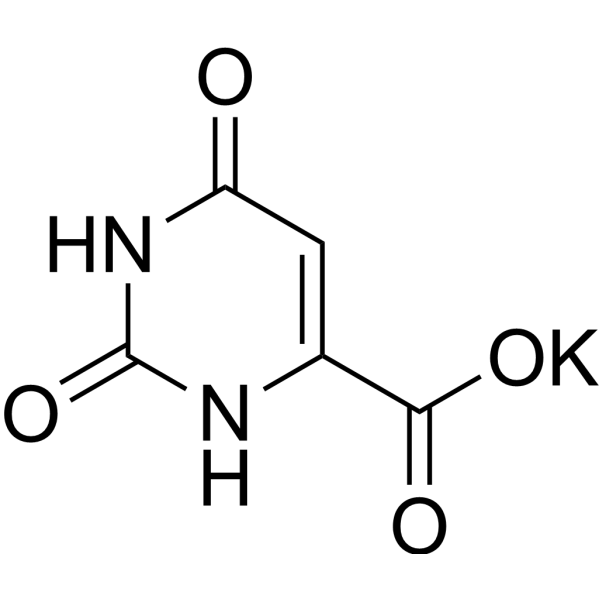
Orotic acid potassium (Vitamin B13 potassium) is a precursor of pyrimidine bases and is involved in the synthesis of DNA and RNA. Orotic acid potassium stimulates the growth of animals, plants and microorganisms, participates in carbohydrate metabolism, and is necessary for the growth and life activities of organisms. Orotic acid potassium is a measurement indicator in routine newborn screening for urea cycle abnormalities. Orotic acid potassium can cause hepatic steatosis and hepatomegaly in rats .
|
-
-
- HY-160048
-
|
|
PDGFR
|
Cancer
|
|
PEG40K unconjugated/naked AX102 sodium is AX102 without PEG40K conjugation. AX102 is a DNA oligonucleotide aptamer for platelet-derived growth factor PDGF-B. AX102 is 34 bases in length, selectively binds platelet-derived growth factor B (PDGF-B), and causes tumor vessel regression .
|
-
-
- HY-115736B
-
-
-
- HY-W574398
-
|
|
Biochemical Assay Reagents
|
Others
|
|
Fmoc-Aeg-OH is a peptide nucleic acid (PNA) backbone intermediate and an Fmoc-protected carboxylic acid. Fmoc-Aeg-OH can be coupled with base acetic acids to synthesize Fmoc-protected PNA monomers, including those with modified bases .
|
-
- HY-183219
-
|
|
Biochemical Assay Reagents
|
Others
|
|
(S,S)-3,5-Bistrifluoromethylphenyl-NAS bromide is a Maruoka catalyst. (S,S)-3,5-Bistrifluoromethylphenyl-NAS bromide promotes the asymmetric phase-transfer alkylation of aminoethyl ester Schiff bases .
|
-
- HY-19257
-
|
|
DNA Alkylator/Crosslinker
|
Cancer
|
|
Triplatin tetranitrate is a novel trinuclear platinum complex. Triplatin tetranitrate blocks G2/M phase. Triplatin tetranitrate can covalently bind to the DNA bases. Triplatin tetranitrate exhibits significant antitumor effects against neuroblastoma .
|
-
- HY-179668
-
|
|
Biochemical Assay Reagents
|
Others
|
|
1x TE buffer, pH 8.0 is weakly alkaline and protects the bases of DNA. DNA is relatively stable in TE and is not easily damaged in terms of integrity or prone to ring opening and breakage. 1x TE buffer, pH 8.0 composition concentration: 10 mM Tris-HCl, 1 mM EDTA, pH 8.0.
|
-
- HY-P11685
-
|
|
DNA/RNA Synthesis
|
Others
|
|
Fmoc-PNA-thioU(PMB)-OH is a nucleobase-modified peptide nucleic acid (PNA) monomer used in solid-phase synthesis. Fmoc-PNA-thioU(PMB)-OH features a thiouracil base protected with a p-methoxybenzyl (PMB) group on an Fmoc-protected backbone, designed for incorporating modified PNA bases into oligonucleotides to study binding properties.
|
-
- HY-N15947
-
|
|
Drug Derivative
|
Metabolic Disease
|
|
Trifunctional sphingosine is a clickable sphingoid base derivative. Trifunctional sphingosine can be used to study the biological function of sphingoid bases. Trifunctional lipids may overcome several challenges in interrogating lipid biology: their fast metabolism, their weak and transient (but functionally important) interactions with proteins, and the difficulty in tagging them without disturbing the cellular location .
|
-
- HY-W013677S1
-
|
|
Isotope-Labeled Compounds
Drug Intermediate
|
Infection
|
|
4-Fluorobenzoic acid- 13C,d4 is the 13C- and deuterium labeled 4-Fluorobenzoic acid (HY-W013677). 4-Fluorobenzoic acid is a drug intermediate that can be used to synthesize a series of hydrazone derivatives with antituberculosis activity and Schiff bases with DPPH radical scavenging activity .
|
-
- HY-N10706
-
|
|
Endogenous Metabolite
|
Cardiovascular Disease
|
|
3-Keto sphinganine (d18:0) serves as the substrate for 3-keto-dihydrosphingosine reductase in the de novo sphingolipid synthesis pathway, and is a key intermediate in the de novo synthesis of sphingoid long-chain bases. 3-Keto sphinganine (d18:0) can be used in studies related to thrombocytopenia, anemia .
|
-
- HY-DY1082
-
|
|
Fluorescent Dye
|
Others
|
Green DND-26 (solution) is a green fluorescently labeled lysosomal probe with a maximum excitation/emission wavelength of 504/511 nm. The structure is composed of a fluorescein group and linked weak bases, which can freely cross the cell membrane and generally gather on spherical organelles. Green DND-26 is suitable for observing the internal biosynthesis and related pathogenesis of lysosomes . Solvent and concentration: DMSO: 2 mM
|
-
- HY-P11684
-
|
|
DNA/RNA Synthesis
|
Others
|
|
Fmoc-PNA-C(Boc)-OH is a protected peptide nucleic acid (PNA) monomer for solid-phase synthesis. Fmoc-PNA-C(Boc)-OH possesses Fmoc-protected skeletal amino groups and Boc-protected cytosine bases, designed to construct stable synthetic DNA analogs. Fmoc-PNA-C(Boc)-OH can be used to prepare highly specific, enzyme-stable antisense probes and diagnostic probes.
|
-
- HY-180459
-
|
|
Bacterial
|
Infection
|
|
FabH-IN-3 (Compound 12) is an inhibitor of FabH. FabH-IN-3 exhibits MIC against Bacillus subtilis, Escherichia coli, Pseudomonas fluorescens, and Staphylococcus aureus are all 50 μg/mL. FabH-IN-3 can be used for research on Gram-negative bacterial infections .
|
-
- HY-185273
-
|
|
DNA/RNA Synthesis
|
Others
|
|
3'-O-(2-Nitrobenzyl)-dGTP is a reversible terminator. 3'-O-(2-Nitrobenzyl)-dGTP can be recognized and incorporated by DNA polymerases, thereby temporarily terminating DNA primer extension; after the 2-nitrobenzyl blocking group is removed via laser irradiation, a free 3'-OH can be regenerated to allow subsequent polymerase-mediated extension. 3'-O-(2-Nitrobenzyl)-dGTP can be used in DNA sequencing studies .
|
-
-
-
HY-L915
-
|
|
421 compounds
|
|
Lysine is the second most common target residue used in the design of TCIs and related covalent ligands. Its appeal lies in its abundance in human proteins, which is approximately three times higher than that of cysteine (5.8% vs. 1.9%). This significantly increases the number of proteins suitable for covalent targeting, especially given that many human proteins lack ligandable cysteine residues. Moreover, it has been suggested that functional lysines have a lower probability of being replaced by mutation, as they often play a crucial role in catalysis by acting as bases or nucleophiles. Additionally, lysines are essential for maintaining the structural integrity of proteins and for regulating post-translational modifications (PTMs). Consequently, targeting lysine has garnered significant interest in recent years.
Through careful selection, we constructed a structural filter containing over 110 electrophilic groups. By analyzing the electrophilic fragments selected by the structural filter, we removed any molecules with trivial or undesirable structural features. Ultimately, we obtained 445 fragment molecules which can target lysine residue and can be used for fragment-based covalent drug discovery.
|
| Cat. No. |
Product Name |
Type |
-
- HY-D1300
-
|
LysoTracker Red DND-99
|
Fluorescent Dyes
|
|
LysoTracker Red is a Red fluorescently labeled lysosomal probe with a maximum excitation/emission wavelength of 577/590 nm. The structure is composed of a fluorescein group and linked weak bases, which can freely cross the cell membrane and gather on spherical organelles. It is suitable for observing the internal biosynthesis and related pathogenesis of lysosomes .
|
-
- HY-DY1040
-
|
|
Fluorescent Dyes
|
LysoTracker Red (solution) is a Red fluorescently labeled lysosomal probe with a maximum excitation/emission wavelength of 577/590 nm. The structure is composed of a fluorescein group and linked weak bases, which can freely cross the cell membrane and gather on spherical organelles. It is suitable for observing the internal biosynthesis and related pathogenesis of lysosomes . Solvent and concentration: DMSO: 1 mM
|
-
- HY-W012642
-
|
|
Fluorescent Dyes
|
|
2-Aminopurine, a fluorescent analog of guanosine and adenosine, is a widely used fluorescence-decay-based probe of DNA structure. When 2-Aminopurine is inserted in anoligonucleotide, its fluorescence is highly quenched by stacking with the natural bases. 2-Aminopurine has been used to probe nucleic acid structure and dynamics .
|
-
- HY-D1296
-
|
|
Fluorescent Dyes
|
|
Green DND-26 is a green fluorescently labeled lysosomal probe with a maximum excitation/emission wavelength of 504/511 nm. The structure is composed of a fluorescein group and linked weak bases, which can freely cross the cell membrane and generally gather on spherical organelles. Green DND-26 is suitable for observing the internal biosynthesis and related pathogenesis of lysosomes .
|
-
- HY-W142631
-
|
|
Fluorescent Dyes
|
|
4-(Phenylazo)diphenylamine is an excellent colorimetric indicator for the accurate determination of the concentration for a variety of strong bases, Lewis acids, and hydride reducing agents .
|
-
- HY-D1757
-
|
LYen; PAsp- LY
|
Fluorescent Dyes
|
|
Lucifer yellow ethylenediamine (LYen; PAsp- LY) is a polar tracer that can be coupled with aldehydes and ketones to form Schiff bases, which can be reduced to stable amine derivatives by sodium borohydride (NaBH4) or sodium cyanide borohydride (NaCNH3).
|
-
- HY-DY1082
-
|
|
Fluorescent Dyes
|
Green DND-26 (solution) is a green fluorescently labeled lysosomal probe with a maximum excitation/emission wavelength of 504/511 nm. The structure is composed of a fluorescein group and linked weak bases, which can freely cross the cell membrane and generally gather on spherical organelles. Green DND-26 is suitable for observing the internal biosynthesis and related pathogenesis of lysosomes . Solvent and concentration: DMSO: 2 mM
|
| Cat. No. |
Product Name |
Type |
-
- HY-77785
-
|
5-Chloro-2-aminobenzophenone
|
Biochemical Assay Reagents
|
|
2-Amino-5-chlorobenzophenone (5-Chloro-2-aminobenzophenone) is a chemical intermediate. Derivatives of 2-Amino-5-chlorobenzophenone serve as skeletal muscle relaxants. 2-Amino-5-chlorobenzophenone acts as a starting material for the synthesis of anti-biofilm 2-amino-5-chlorobenzophenone Schiff bases. 2-Amino-5-chlorobenzophenone is applicable to research related to bacterial infections .\n
|
-
- HY-W013677
-
|
|
Biochemical Assay Reagents
|
|
4-Fluorobenzoic acid is a drug intermediate that can be used to synthesize a series of hydrazone derivatives with antituberculosis activity and Schiff bases with DPPH radical scavenging activity .
|
-
- HY-W002593
-
|
|
Biochemical Assay Reagents
|
|
2-Acetyl-6-bromopyridine is a biochemical reagent that can be used as a biological material or organic compound for life science related research. 2-Acetyl-6-bromopyridine can be used to synthesize Schiff bases containing cycloalkyl substituents .
|
-
- HY-W541025
-
|
|
Biochemical Assay Reagents
|
|
Deoxyribonucleic acid is a polymer formed by two polynucleotide chains twisted around each other to form a double-helix structure. Deoxyribonucleic acid exists in all dividing cells and is a fundamental component of chromosomes .
|
-
- HY-W001974
-
|
|
Biochemical Assay Reagents
|
|
7-Nitroindole is a cleavable base analog and Antibacterial agent. 7-Nitroindole inhibits the growth of Lactobacillus arabinosus. 7-Nitroindole is used in studies of light-controlled DNA cleavage and Lactobacillus arabinosus infection .
|
-
- HY-179668A
-
|
|
Biochemical Assay Reagents
|
|
10x TE buffer, pH 8.0 is weakly alkaline and protects the bases of DNA. DNA is relatively stable in TE and is not easily damaged in terms of integrity or prone to ring opening and breakage. 1x TE buffer, pH 8.0 composition concentration: 100 mM Tris-HCl, 10 mM EDTA, pH 8.0.
|
-
- HY-N0157C
-
|
6-Carboxyuracil potassium; Vitamin B13 potassium
|
Biochemical Assay Reagents
|
|
Orotic acid potassium (Vitamin B13 potassium) is a precursor of pyrimidine bases and is involved in the synthesis of DNA and RNA. Orotic acid potassium stimulates the growth of animals, plants and microorganisms, participates in carbohydrate metabolism, and is necessary for the growth and life activities of organisms. Orotic acid potassium is a measurement indicator in routine newborn screening for urea cycle abnormalities. Orotic acid potassium can cause hepatic steatosis and hepatomegaly in rats .
|
-
- HY-179668
-
|
|
Biochemical Assay Reagents
|
|
1x TE buffer, pH 8.0 is weakly alkaline and protects the bases of DNA. DNA is relatively stable in TE and is not easily damaged in terms of integrity or prone to ring opening and breakage. 1x TE buffer, pH 8.0 composition concentration: 10 mM Tris-HCl, 1 mM EDTA, pH 8.0.
|
| Cat. No. |
Product Name |
Target |
Research Area |
-
- HY-113110
-
|
L-Cysteinylglycine; Cys-Gly; H-Cys-Gly-OH
|
Endogenous Metabolite
Reactive Oxygen Species (ROS)
DNA/RNA Synthesis
|
Cardiovascular Disease
Cancer
|
|
Cysteinylglycine (L-Cysteinylglycine; Cys-Gly) is a dipeptide formed by the peptide bond linkage between cysteine (Cysteine) and glycine (Glycine). Cysteinylglycine is an important metabolic intermediate in the human body, mainly derived from the degradation of glutathione (GSH). Cysteinylglycine reduces ferric iron to ferrous iron, drives the redox cycle of iron, generates reactive oxygen species (ROS), stimulates oxidative reactions, induces lipid peroxidation of human plasma LDL lipoproteins, and causes oxidative damage to DNA bases. Cysteinylglycine can be used as a biomarker to evaluate ischemic heart disease, breast cancer and other conditions .
|
-
- HY-W574398
-
|
|
Biochemical Assay Reagents
|
Others
|
|
Fmoc-Aeg-OH is a peptide nucleic acid (PNA) backbone intermediate and an Fmoc-protected carboxylic acid. Fmoc-Aeg-OH can be coupled with base acetic acids to synthesize Fmoc-protected PNA monomers, including those with modified bases .
|
-
- HY-P11685
-
|
|
DNA/RNA Synthesis
|
Others
|
|
Fmoc-PNA-thioU(PMB)-OH is a nucleobase-modified peptide nucleic acid (PNA) monomer used in solid-phase synthesis. Fmoc-PNA-thioU(PMB)-OH features a thiouracil base protected with a p-methoxybenzyl (PMB) group on an Fmoc-protected backbone, designed for incorporating modified PNA bases into oligonucleotides to study binding properties.
|
-
- HY-P11684
-
|
|
DNA/RNA Synthesis
|
Others
|
|
Fmoc-PNA-C(Boc)-OH is a protected peptide nucleic acid (PNA) monomer for solid-phase synthesis. Fmoc-PNA-C(Boc)-OH possesses Fmoc-protected skeletal amino groups and Boc-protected cytosine bases, designed to construct stable synthetic DNA analogs. Fmoc-PNA-C(Boc)-OH can be used to prepare highly specific, enzyme-stable antisense probes and diagnostic probes.
|
| Cat. No. |
Product Name |
Category |
Target |
Chemical Structure |
| Cat. No. |
Product Name |
Chemical Structure |
-
- HY-I0626S2
-
|
|
|
Cytosine-d2 is the deuterium labeled Cytosine . Cytosine is one of the four main bases found in DNA and RNA. Cytosine modifications exhibit circadian oscillations that are involved in epigenetic diversity and aging .
|
-
-
- HY-I0626S1
-
|
|
|
Cytosine- 13C, 15N2 is the 13C and 15N labeled Cytosine . Cytosine is one of the four main bases found in DNA and RNA. Cytosine modifications exhibit circadian oscillations that are involved in epigenetic diversity and aging .
|
-
-
- HY-I0626S
-
|
|
|
Cytosine- 13C2, 15N3 is the 13C-labeled and 15N-labeled Cytosine. Cytosine is one of the four main bases found in DNA and RNA. Cytosine modifications exhibit circadian oscillations that are involved in epigenetic diversity and aging .
|
-
-
- HY-W013677S
-
|
|
|
4-Fluorobenzoic acid- 13C6 is the 13C6 labeled 4-Fluorobenzoic acid (HY-W013677). 4-Fluorobenzoic acid is a drug intermediate that can be used to synthesize a series of hydrazone derivatives with antituberculosis activity and Schiff bases with DPPH radical scavenging activity.
|
-
-
- HY-W013677S1
-
|
|
|
4-Fluorobenzoic acid- 13C,d4 is the 13C- and deuterium labeled 4-Fluorobenzoic acid (HY-W013677). 4-Fluorobenzoic acid is a drug intermediate that can be used to synthesize a series of hydrazone derivatives with antituberculosis activity and Schiff bases with DPPH radical scavenging activity .
|
-
| Cat. No. |
Product Name |
|
Classification |
-
- HY-150743
-
|
|
|
CpG ODNs
|
|
ODN 2395 is a C class oligodeoxynucleotide and can be used as vaccine adjuvant. ODN 2395 is also a TLR9 agonist. ODN 2395 can be used in the research of immunological vaccines. Sequence: 5'-tcgtcgttttcggcgc:gcgccg-3' (Note: The bases are phosphorothioate; ODN 2395 contains the partial palindromic sequence cggcgc:gcgccg) .
|
-
- HY-W010450
-
Thymine
1 Publications Verification
|
|
Nucleoside Analogs
Thymidine
|
|
Thymine, one of the four bases of DNA, is a substrate for rat liver dihydropyrimidine dehydrogenase (DPD), with a Km value of 2.2 μM, Ki of 24 μM (using 5-FU as the DPD substrate), and a specific activity of 0.68 nmol/min/mg .
|
-
- HY-N11684
-
|
|
|
Bases
|
|
Cocoa butter can be used as an excipient, such as lubricants, suppository bases. Pharmaceutical excipients, or pharmaceutical auxiliaries, refer to other chemical substances used in the pharmaceutical process other than pharmaceutical ingredients. Pharmaceutical excipients generally refer to inactive ingredients in pharmaceutical preparations, which can improve the stability, solubility and processability of pharmaceutical preparations. Pharmaceutical excipients also affect the absorption, distribution, metabolism, and elimination (ADME) processes of co-administered drugs .
|
-
- HY-W008048
-
|
|
|
Nucleoside Analogs
Adenosine
|
|
2',3'-O-Isopropylideneadenosine is a nucleoside compound and also a Golgi-targeting moiety. 2',3'-O-Isopropylideneadenosine constitutes a furanose ribose group that undergoes cyclization at the O (2') and O (3') atoms. As a component of the fluorescent probe TPE-Ade, 2',3'-O-Isopropylideneadenosine enables specific Golgi localization for fluorescence imaging. 2',3'-O-Isopropylideneadenosine participates in the synthesis of aggregation-induced emission (AIE) fluorescent probes .
|
-
- HY-153734
-
|
|
|
Antisense Oligonucleotides
|
|
Inactive ASO (in vivo) sodium is an inactive Antisense Oligonucleotide. ASO is a class of oligonucleotide molecules, usually composed of 20-30 bases, used to interfere with or regulate gene expression. Inactive ASO (in vivo) sodium is not targeted in the rodent genome and can be used as a negative control for Tofersen. Inactive ASO (in vivo) sodium contains thiophosphate skeleton modification and MOE modification. Cytosine in Inactive ASO (in vivo) is 5' methylcytosine. See References for the location of chemical modifications
|
-
- HY-177371
-
|
|
|
saRNAs
|
|
CEBPA-51 saRNA, a double-stranded RNA oligo duplex to specifically upregulate the transcription of the CEBPA gene. CEBPA-51 saRNA contains multiple 2′-O-methyl modified bases to prevent nonspecific immunostimulatory activity .
|
-
- HY-160048
-
|
|
|
Aptamers
|
|
PEG40K unconjugated/naked AX102 sodium is AX102 without PEG40K conjugation. AX102 is a DNA oligonucleotide aptamer for platelet-derived growth factor PDGF-B. AX102 is 34 bases in length, selectively binds platelet-derived growth factor B (PDGF-B), and causes tumor vessel regression .
|
-
- HY-185273
-
|
|
|
Nucleotide Analogs
Guanine Nucleotide
|
|
3'-O-(2-Nitrobenzyl)-dGTP is a reversible terminator. 3'-O-(2-Nitrobenzyl)-dGTP can be recognized and incorporated by DNA polymerases, thereby temporarily terminating DNA primer extension; after the 2-nitrobenzyl blocking group is removed via laser irradiation, a free 3'-OH can be regenerated to allow subsequent polymerase-mediated extension. 3'-O-(2-Nitrobenzyl)-dGTP can be used in DNA sequencing studies .
|
Your information is safe with us. * Required Fields.
Inquiry Information
- Product Name:
- Cat. No.:
- Quantity:
- MCE Japan Authorized Agent:

