155 Results for "

bile acids

" in MedChemExpress (MCE) Product Catalog:
Products (155)

155 Results for "bile acids" in MCE Product Catalog:

30
30 Publications Verification
Cat. No.: HY-13771
CAS No.: 128-13-2
Purity:  99.94%
Synonyms: Ursodeoxycholate; Ursodiol; UDCA
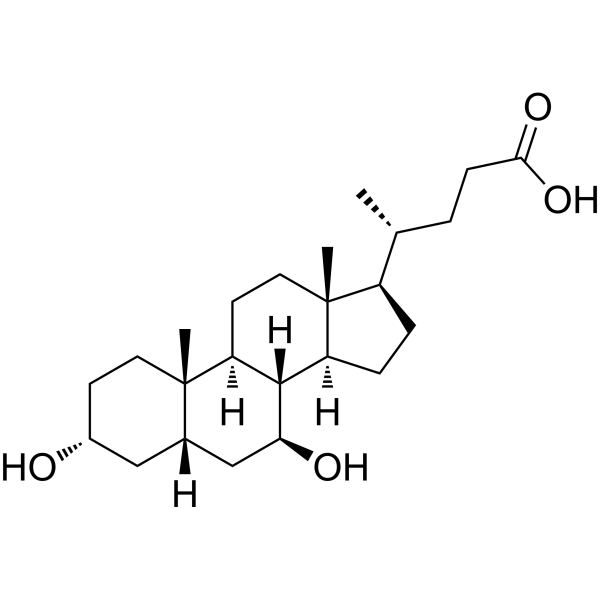
Ursodeoxycholic acid (Ursodeoxycholate) is a secondary bile acid issued from the transformation of (cheno)deoxycholic acid by intestinal bacteria, acting as a key regulator of the intestinal barrier integrity and essential for lipid metabolism. Ursodeoxycholic acid acts as signaling molecule, exerting its effects by interacting with bile acid activated receptors, including G-protein coupled bile acid receptor 5 (TGR5, GPCR19) and the farnesoid X receptor (FXR). Ursodeoxycholic acid can be used for the research of a variety of hepatic and gastrointestinal diseases. Ursodeoxycholic acid also reduces ACE2 expression and is beneficial for reducing SARS-CoV-2 infection. Orally active .
loading...
    loading...
30
30 Publications Verification
Cat. No.: HY-13771A
CAS No.: 2898-95-5
Purity:  99.06%
Synonyms: Ursodeoxycholate sodium; Ursodiol sodium; UCDA sodium
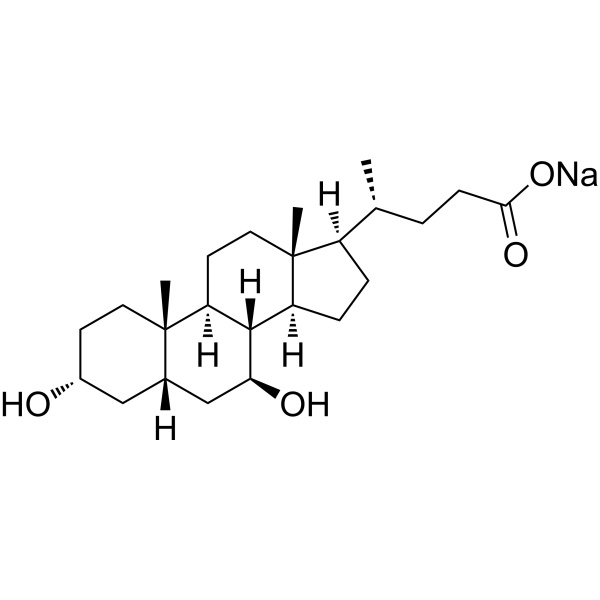
Ursodeoxycholic acid (Ursodeoxycholate) sodium is a secondary bile acid issued from the transformation of (cheno)deoxycholic acid by intestinal bacteria, acting as a key regulator of the intestinal barrier integrity and essential for lipid metabolism. Ursodeoxycholic acid sodium acts as signaling molecule, exerting its effects by interacting with bile acid activated receptors, including G-protein coupled bile acid receptor 5 (TGR5, GPCR19) and the farnesoid X receptor (FXR). Ursodeoxycholic acid sodium can be used for the research of a variety of hepatic and gastrointestinal diseases. Orally active .
loading...
    loading...
28
28 Cited Publications
Cat. No.: HY-N0593
CAS No.: 83-44-3
Synonyms: Cholanoic acid; Desoxycholic acid
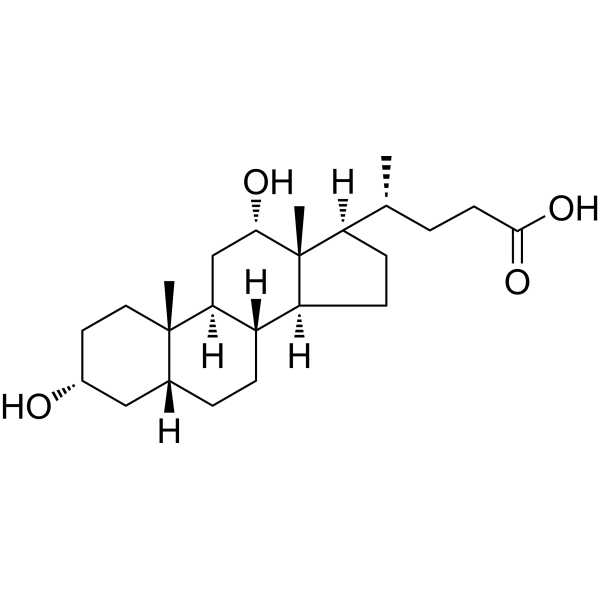
Deoxycholic acid (cholanoic acid), a bile acid, is a by-product of intestinal metabolism, that activates the G protein-coupled bile acid receptorTGR5 .
loading...
    loading...
28
28 Cited Publications
Cat. No.: HY-N0593A
CAS No.: 302-95-4
Synonyms: Sodium deoxycholate
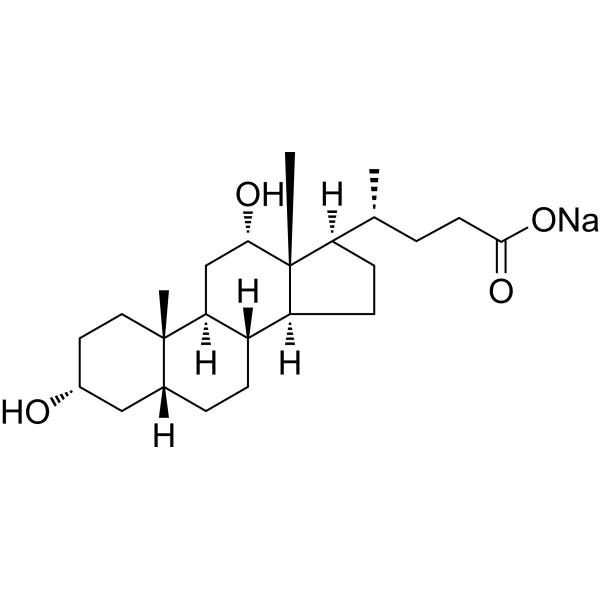
Deoxycholic acid sodium salt (sodium deoxycholate), a bile acid, is a by-product of intestinal metabolism, that activates the G protein-coupled bile acid receptorTGR5 .
loading...
    loading...
21
21 Cited Publications
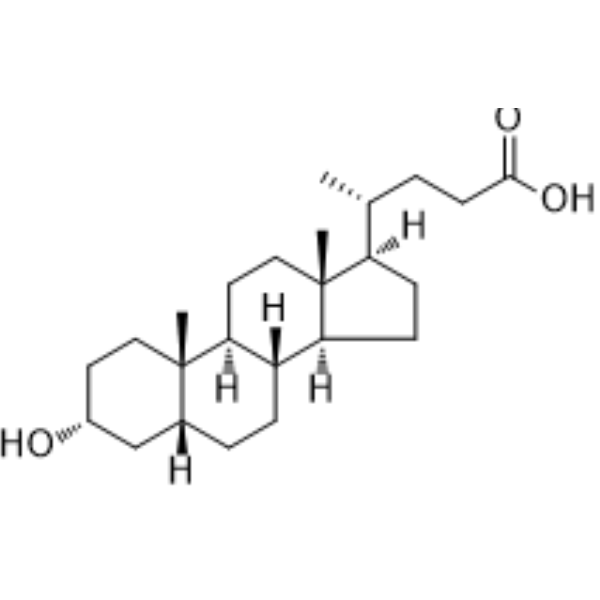
Cat. No.: HY-B0172
CAS No.: 434-13-9
Synonyms: 3α-Hydroxy-5β-cholanic acid
Lithocholic acid is a toxic secondary bile acid that can promote intrahepatic cholestasis and promote tumorigenesis. Lithocholic acid is also a FXR antagonist and a PXR/SXR agonist .
loading...
    loading...
12
12 Cited Publications
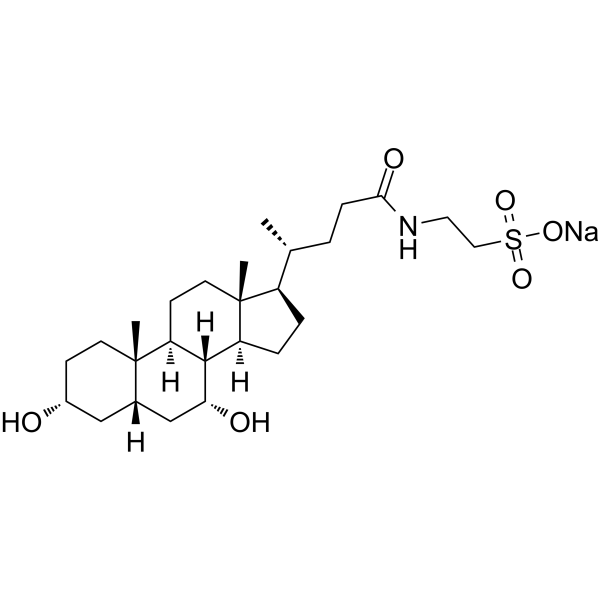
Cat. No.: HY-N1429
CAS No.: 6009-98-9
Synonyms: 12-Deoxycholyltaurine sodium
Taurochenodeoxycholic acid (12-Deoxycholyltaurine) sodium is one of the main bioactive substances of animals' bile acid. Taurochenodeoxycholic acid sodium induces apoptosis and shows obvious anti-inflammatory and immune regulation properties .
loading...
    loading...
12
12 Cited Publications
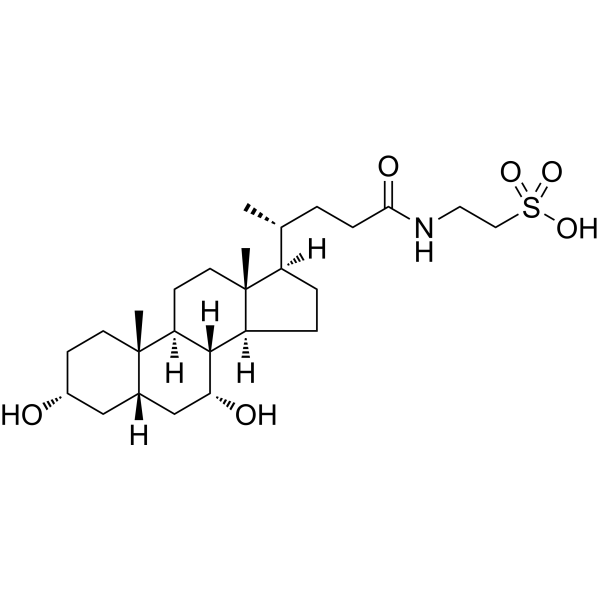
Cat. No.: HY-N2027
CAS No.: 516-35-8
Synonyms: 12-Deoxycholyltaurine
Taurochenodeoxycholic acid (12-Deoxycholyltaurine) is one of the main bioactive substances of animals' bile acid. Taurochenodeoxycholic acid induces apoptosis and shows obvious anti-inflammatory and immune regulation properties .
loading...
    loading...
9
9 Cited Publications
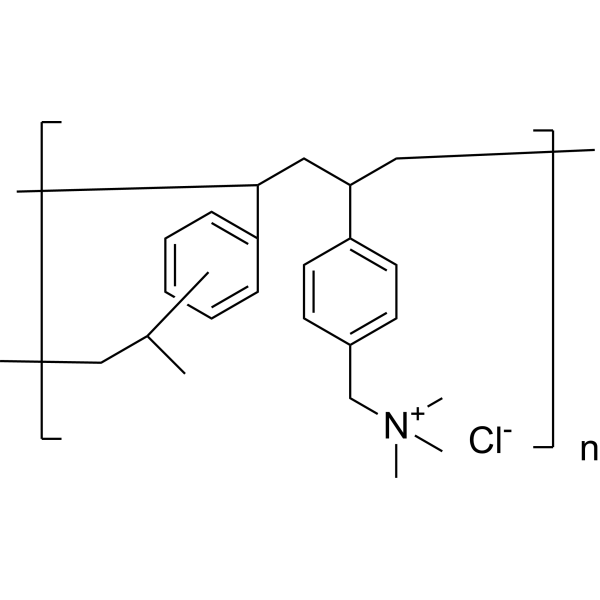
Cat. No.: HY-104081
CAS No.: 11041-12-6
Synonyms: Cholestyramine resin; Colestyramine
Cholestyramine (Cholestyramine resin) is an orally active bile acid sequestrant. Cholestyramine upregulates the expression of intestinal Apical sodium-dependent bile acid transporter and hepatic Cholesterol 7α-hydroxylase. Cholestyramine induces the expression of intestinal and hepatic cholesterol synthesis genes as well as hepatic lipogenesis genes, and promotes bile acid- and neutral sterol-mediated reverse cholesterol transport. Cholestyramine reduces intestinal cholesterol absorption and induces cholesterol efflux. Cholestyramine is applicable to research related to coronary artery disease, atherosclerotic cardiovascular disease and atherosclerosis .
loading...
    loading...
8
8 Cited Publications
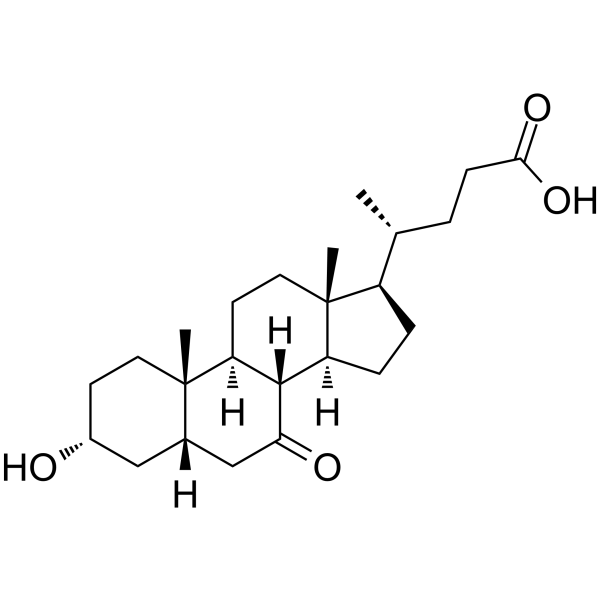
Cat. No.: HY-W018512
CAS No.: 4651-67-6
Synonyms: 3α-Hydroxy-7-oxo-5β-cholanic acid
7-Ketolithocholic acid (3α-Hydroxy-7-oxo-5β-cholanic acid), a bile acid, can be absorbed and suppresses endogenous bile acid production and biliary cholesterol secretion .
loading...
    loading...
7
7 Cited Publications
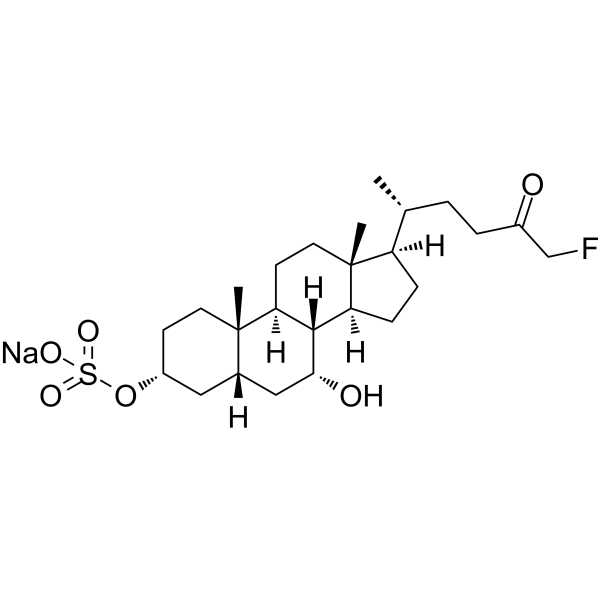
Cat. No.: HY-135747
CAS No.: 2553218-46-3
Purity:  98.23%
Synonyms: GR-7
Target:  

Bacterial

Research Areas:  

Infection

Gut restricted-7 (GR-7) is a potent, covalent and orally active pan-bile salt hydrolase (BSH) inhibitor. Gut restricted-7 has a tissue-selective and is restricted to the gut. Gut restricted-7 decreases gut bacterial BSHs and decreases deconjugated bile acid levels in feces of mice .
loading...
    loading...
5
5 Cited Publications
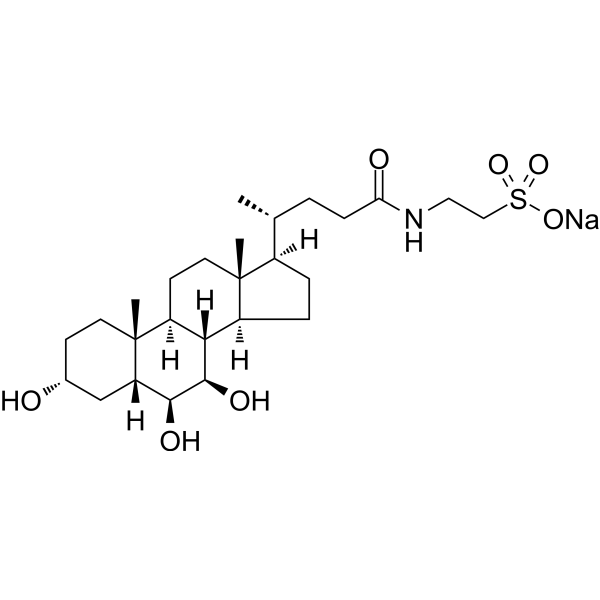
Cat. No.: HY-135103
CAS No.: 145022-92-0
Purity:  98.60%
Synonyms: T-βMCA sodium
Target:  

FXR

Research Areas:  

Cancer

Tauro-β-muricholic Acid sodium (T-βMCA sodium), a endogenous metabolite, is a competitive and reversible farnesoid X receptor (FXR) antagonist, with an IC50 of 40 μM .
loading...
    loading...
5
5 Cited Publications
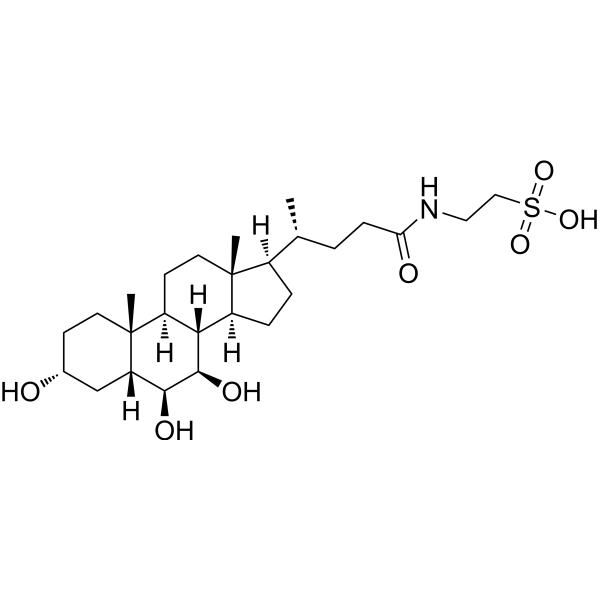
Cat. No.: HY-N9933
CAS No.: 25696-60-0
Synonyms: TβMCA
Tauro-β-muricholic acid (TβMCA) is an orally active trihydroxylated bile acid and a competitive, reversible FXR antagonist (IC50=40 μM). Tauro-β-muricholic acid inhibits bile acid-induced hepatocyte apoptosis by maintaining mitochondrial membrane potential, while simultaneously inhibiting intestinal FXR signaling, affecting bile acid synthesis, hepatic lipid metabolism, and insulin sensitivity. Accumulation of tauro-β-muricholic acid disrupts metabolic homeostasis, promoting cancer stem cell proliferation and tumor progression. The mechanisms of tauro-β-muricholic acid involve two aspects: first, inhibiting the translocation of the pro-apoptotic protein Bax to mitochondria and maintaining mitochondrial membrane potential (MMP); and second, blocking the FXR signaling pathway to regulate bile acid metabolism, reduce serum ceramide production, and downregulate the hepatic SREBP1C/CIDEA pathway. Tauro-β-muricholic acid possesses anti-hepatocyte apoptosis, bile acid homeostasis regulation, and liver fat accumulation reduction properties, and also functions as a biomarker, making it useful in the study of diseases such as bile acid metabolism disorders, non-alcoholic fatty liver disease, colorectal cancer, and liver fibrosis .
loading...
    loading...
4
4 Cited Publications
Cat. No.: HY-B1899A
CAS No.: 110026-03-4
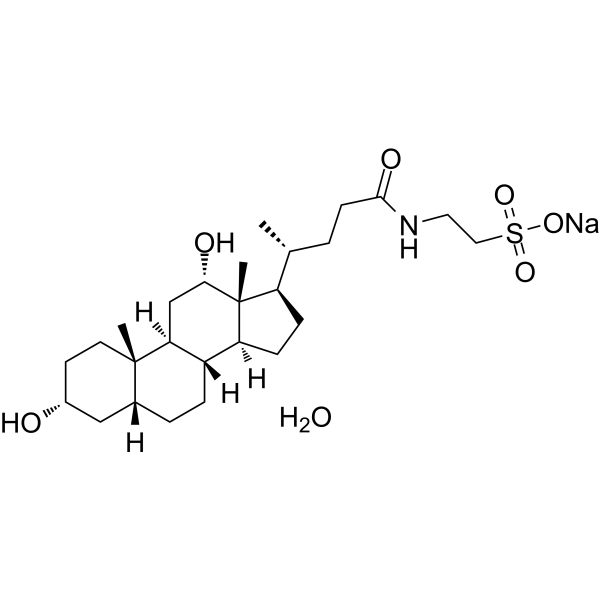
Synonyms: Taurodeoxycholate sodium hydrate
Taurodeoxycholic acid sodium hydrate (Sodium taurodeoxycholate monohydrate), a bile acid, is an amphiphilic surfactant molecule synthesized from cholesterol in the liver. Taurodeoxycholic acid sodium hydrate activates the S1PR2 pathway in addition to the TGR5 pathway .
loading...
    loading...
3
3 Cited Publications
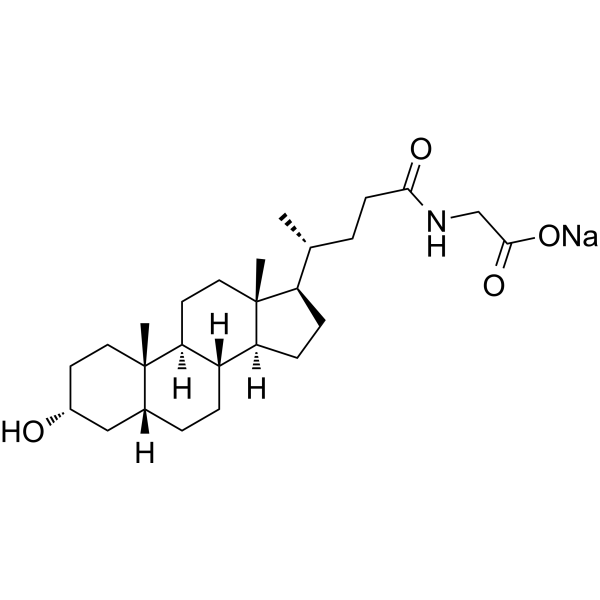
Cat. No.: HY-116374A
CAS No.: 24404-83-9
Purity:  ≥98.0%
Synonyms: Lithocholylglycine sodium
Target:  

Endogenous Metabolite

Research Areas:  

Metabolic Disease

Glycolithocholic acid (Lithocholylglycine) sodium is the sodium salt of Glycolithocholic acid. Glycolithocholic acid is a glycine-conjugated secondary bile acid. Glycolithocholic acid can be used to diagnose ulcerative colitis (UC), non-alcoholic steatohepatitis (NASH) and primary sclerosing cholangitis (PSC) .
loading...
    loading...
3
3 Cited Publications
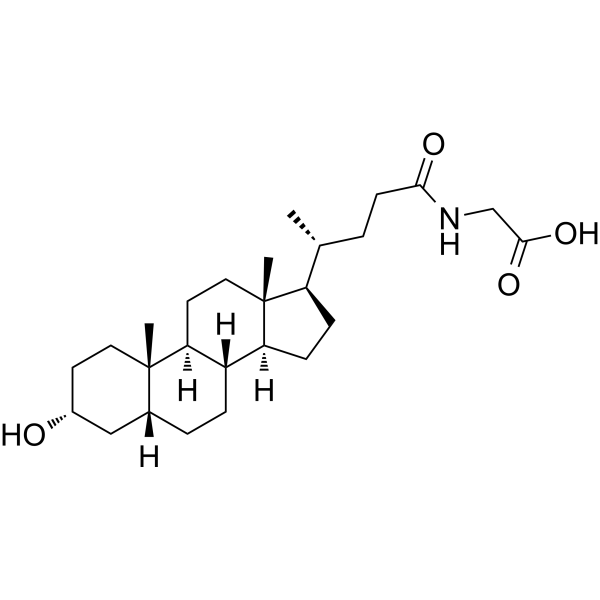
Cat. No.: HY-116374
CAS No.: 474-74-8
Purity:  99.90%
Synonyms: Lithocholylglycine
Glycolithocholic acid (Lithocholylglycine), an endogenous metabolite, is a glycine-conjugated secondary bile acid. Glycolithocholic acid can be used to diagnose ulcerative colitis (UC), non-alcoholic steatohepatitis (NASH) and primary sclerosing cholangitis (PSC) .
loading...
    loading...
2
2 Cited Publications
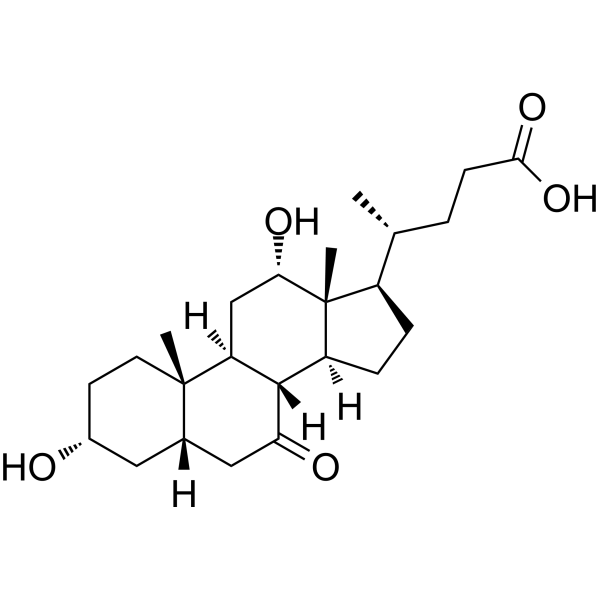
Cat. No.: HY-41324
CAS No.: 911-40-0
7-keto-Deoxycholic acid is a metabolite of bile acids in Clostridium absonum. 7-keto-Deoxycholic acid is also converted from Lactobacillus and Bifidobacterium with specific condition .
loading...
    loading...
2
2 Cited Publications
Cat. No.: HY-114360A
CAS No.: 38411-85-7
Purity:  99.60%
Taurohyodeoxycholic acid (THDCA) sodium is the taurine-conjugated form of the secondary bile acid hyodeoxycholic acid. Taurohyodeoxycholic acid can also reduce the activity and expression of myeloperoxidase TNF-α and IL-6, as well as colonic damage in TNBS-induced ulcerative colitis mouse model.
loading...
    loading...
2
2 Cited Publications
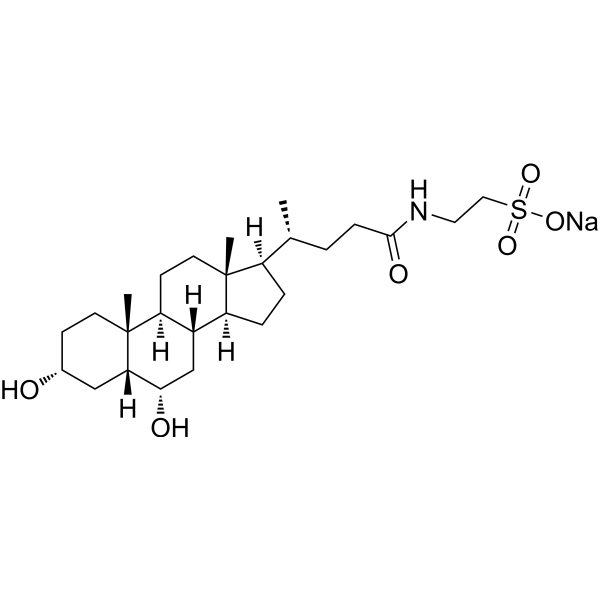
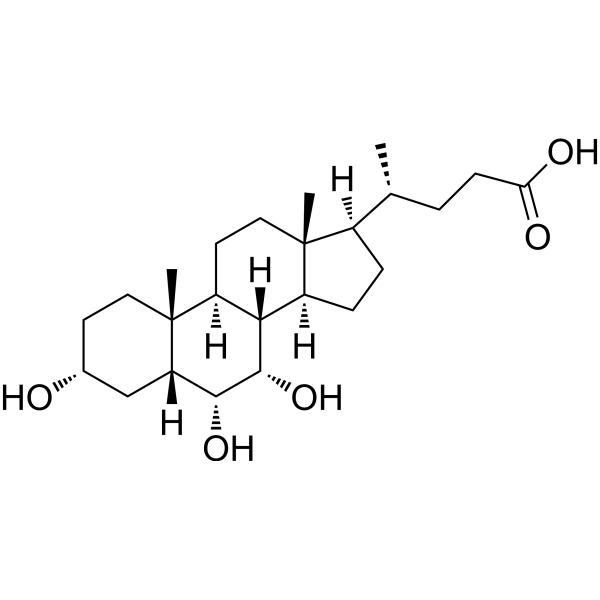
Cat. No.: HY-121238
CAS No.: 547-75-1
Purity:  99.46%
Hyocholic Acid is a bile acid found in pig. Hyocholic Acid can also be found in urine samples from patients with cholestasis. Hyocholic Acid promotes GLP-1 secretion via activating TGR5 and inhibiting FXR in enteroendocrine cells. Hyocholic Acid is known for its exceptional resistance to type 2 diabetes .
loading...
    loading...
1
1 Cited Publications
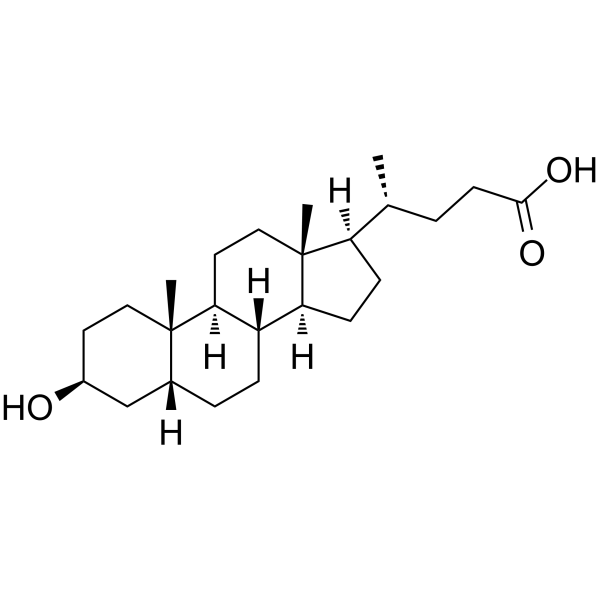
Cat. No.: HY-B0172B
CAS No.: 1534-35-6
Synonyms: 3β-Hydroxy-5β-cholanic acid; 3-Epilithocholic acid; β-Lithocholic acid
Isolithocholic acid (β-Lithocholic acid) is an isomer of Lithocholic acid. Isolithocholic acid, a bile acid, is formed by microbial metabolism of Lithocholic acid or Lithocholic acid 3α-sulfate .
loading...
    loading...
1
1 Cited Publications
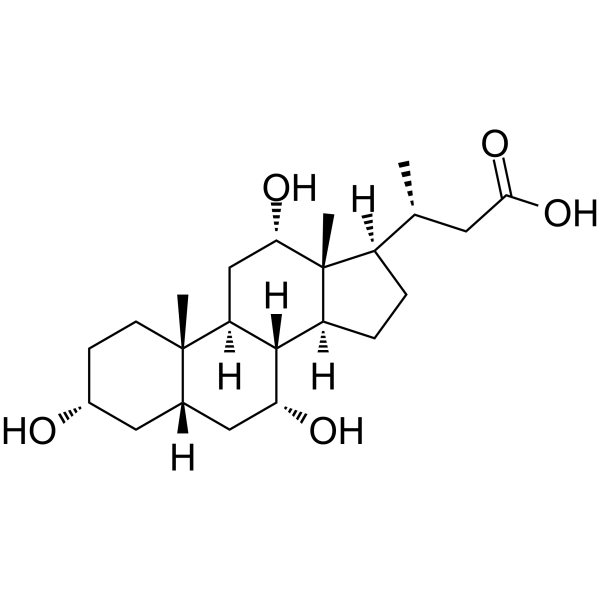
Cat. No.: HY-N9457
CAS No.: 60696-62-0
Norcholic acid is a normal minorbile C23 bile acid having four side chain and exsits in human urine and meconium. Norcholic acid can become prominent under certain pathological conditions. Norcholic acid is efficiently absorbed from intestine and quickly excreted into the bile but not into urine .
loading...
    loading...

