1. Search Result
Search Result
Results for "

bile secretion

" in MedChemExpress (MCE) Product Catalog:

37

Inhibitors & Agonists

3

Peptides

11

Natural
Products

5

Isotope-Labeled Compounds

Cat. No. Product Name Target Research Areas Chemical Structure
  • HY-P0093
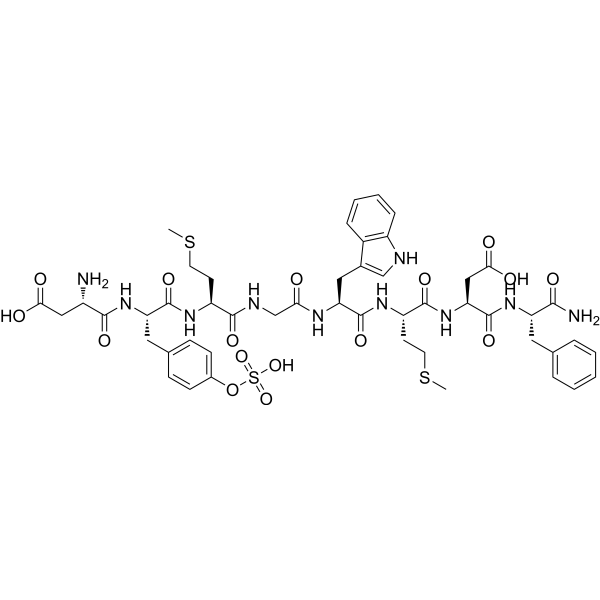
    Sincalide
    4 Publications Verification

    Cholecystokinin octapeptide; CCK-8; SQ19844

    Cholecystokinin Receptor Apoptosis PI3K Akt Infection Cancer
    Sincalide (Cholecystokinin octapeptide, CCK-8) is a rapid-acting amino acid polypeptide hormone analogue of cholecystokinin (CCK) for intravenous use in postevacuation cholecystography. Sincalide is a major bioactive segment of CCK that retains most of the biological activities of CCK. Sincalide can promote gallbladder contraction by injection and helps diagnose gallbladder and pancreas disorders. Sincalide can increase bile secretion, cause the gallbladder to contract and relax the sphincter of Oddi, resulting in bile drainage into the duodenum. Sincalide is a major bioactive segment of CCK that retains most of the biological activities of CCK .
    Sincalide
  • HY-121238
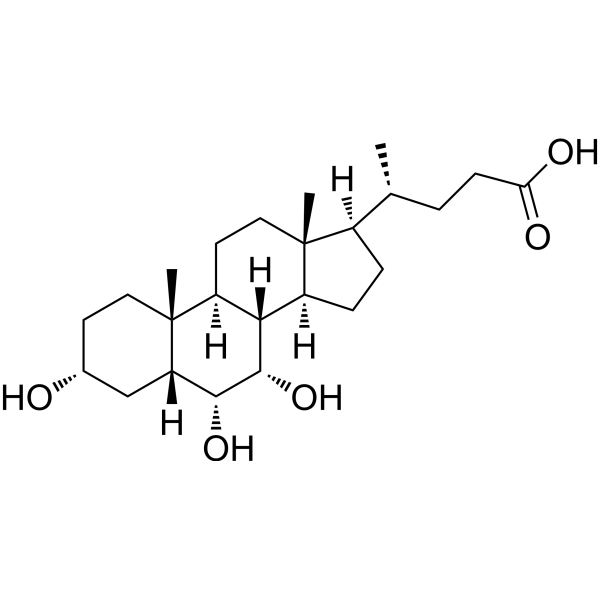
    Hyocholic acid
    2 Publications Verification

    FXR G protein-coupled Bile Acid Receptor 1 Metabolic Disease
    Hyocholic Acid is a bile acid found in pig. Hyocholic Acid can also be found in urine samples from patients with cholestasis. Hyocholic Acid promotes GLP-1 secretion via activating TGR5 and inhibiting FXR in enteroendocrine cells. Hyocholic Acid is known for its exceptional resistance to type 2 diabetes .
    Hyocholic acid
  • HY-113308
    Taurolithocholic acid
    Maximum Cited Publications
    6 Publications Verification

    Calcium Channel Ferroptosis PI3K Akt HBV Reactive Oxygen Species (ROS) Cardiovascular Disease Infection Inflammation/Immunology
    Taurolithocholic acid is an orally active bile acid and antiviral agent. Taurolithocholic acid upregulates FADS2 by activating the TGR5-PI3K/AKT-SREBP2 signaling axis, inhibits SFTSV-induced ferroptosis (Ferroptosis), viral replication and viral entry of HBV/HDV, while reducing the release of IL-1β, lipid ROS and LDH. While exerting antiviral protective effects, Taurolithocholic acid also stimulates the recycling of hepatocellular membrane transporters, impairs canalicular bile acid secretion function, and induces hepatocyte cholestasis, apoptosis and acute hepatocellular injury. Taurolithocholic acid serves as an experimental model compound for hepatocellular cholestasis. At concentrations ≤200 μM, Taurolithocholic acid shows no cytotoxicity and does not activate the interferon pathway. Taurolithocholic acid not only protects mice from lethal SFTSV infection but also is suitable for studies related to severe fever with thrombocytopenia syndrome and cholestasis .
    Taurolithocholic acid
  • HY-113308A
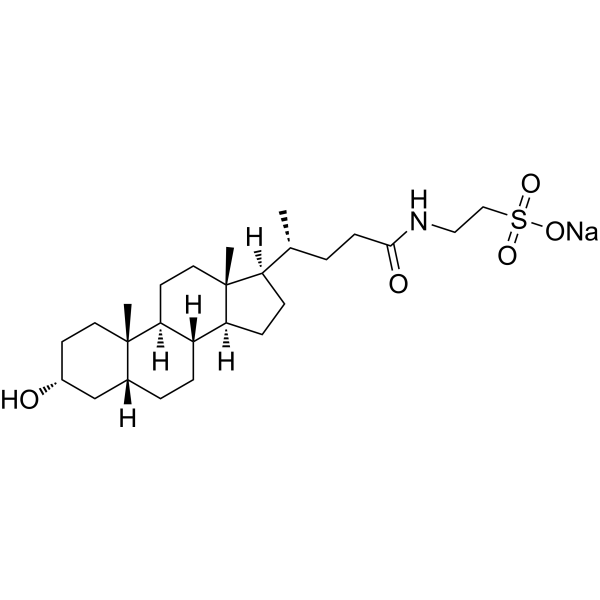
    Taurolithocholic acid sodium salt
    Maximum Cited Publications
    6 Publications Verification

    Calcium Channel Ferroptosis PI3K Reactive Oxygen Species (ROS) Akt HBV Metabolic Disease
    Taurolithocholic acid sodium salt is an orally active bile acid and antiviral agent. Taurolithocholic acid sodium salt upregulates FADS2 by activating the TGR5-PI3K/AKT-SREBP2 signaling axis, inhibits SFTSV-induced ferroptosis, viral replication and viral entry of HBV/HDV, while reducing the release of IL-1β, lipid ROS and LDH. While exerting antiviral protective effects, Taurolithocholic acid sodium salt also stimulates the recycling of hepatocellular membrane transporters, impairs canalicular bile acid secretion function, and induces hepatocyte cholestasis, apoptosis and acute hepatocellular injury. Taurolithocholic acid sodium salt serves as an experimental model compound for hepatocellular cholestasis. At concentrations ≤200 μM, Taurolithocholic acid sodium salt shows no cytotoxicity and does not activate the interferon pathway. Taurolithocholic acid sodium salt not only protects mice from lethal SFTSV infection but also is suitable for studies related to severe fever with thrombocytopenia syndrome and cholestasis .
    Taurolithocholic acid sodium salt
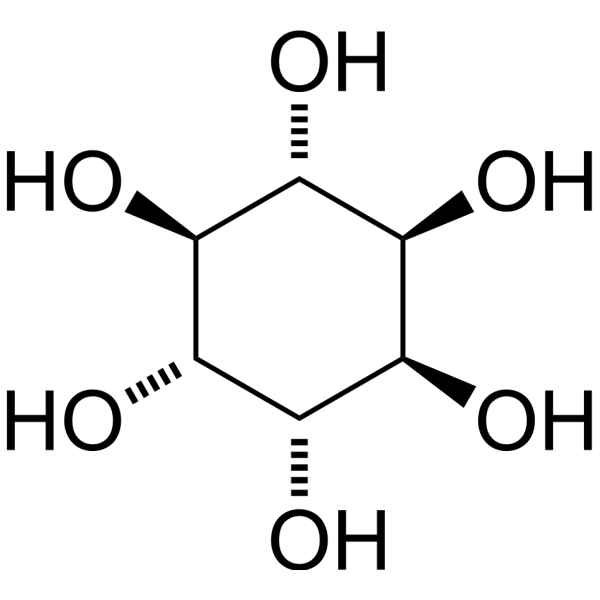
  • HY-N3021

    Endogenous Metabolite NF-κB TNF Receptor FOXO Microtubule/Tubulin Metabolic Disease
    D-chiro-Inositol is a stereoisomer of inositol that exhibits activities such as improving glucose metabolism, anti-tumor effects, anti-inflammatory properties, and antioxidant activity. D-chiro-Inositol effectively alleviates cholestasis by enhancing bile acid secretion and reducing oxidative stress. D-chiro-Inositol improves insulin resistance, lowers hyperglycemia and circulating insulin levels, reduces serum androgen levels, and ameliorates some metabolic abnormalities associated with X syndrome by mimicking the action of insulin. Additionally, D-chiro-Inositol can induce a reduction in pro-inflammatory factors (such as Nf-κB) and cytokines (such as TNF-α), thereby exerting anti-inflammatory effects. D-chiro-Inositol may be used in the study of liver cirrhosis, breast cancer, type 2 diabetes, and polycystic ovary syndrome .
    D-chiro-Inositol
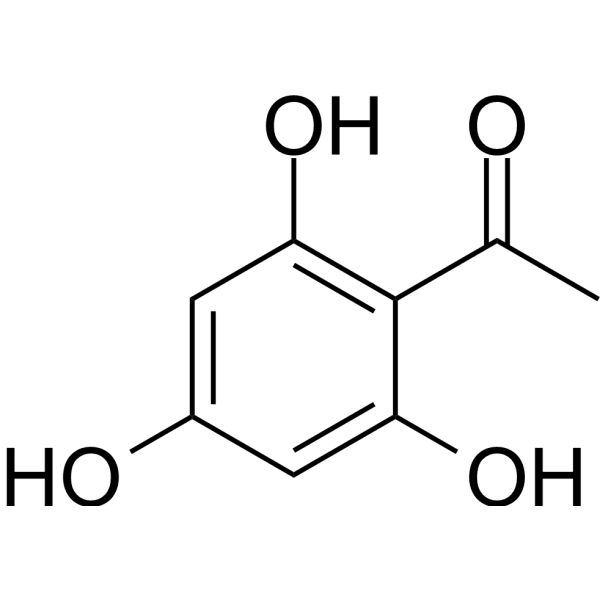
  • HY-W008226

    2,4,6-trihydroxyacetophenone; 1-(2,4,6-Trihydroxyphenyl)ethanone

    Cytochrome P450 Bacterial Antibiotic Infection Metabolic Disease
    Phloracetophenone (2,4,6-trihydroxyacetophenone) is the aglycone part of acetophenone glycoside obtained from Curcuma comosa Roxb, with cholesterol-lowering activity. Phloracetophenone enhances cholesterol 7α-hydroxylase (CYP7A1) activity . Phloracetophenone stimulats bile secretion mediated through Mrp2 .
    Phloracetophenone
  • HY-N15721

    Trp-CA

    Orphan GPCR GLP Receptor Metabolic Disease
    Tryptophan-cholic acid (Trp-CA) is a microbial amino acid-conjugated bile acid that acts as an endogenous ligand and agonist (EC50=9.6 μM) for the orphan G protein-coupled receptor (GPCR) MRGPRE (Mas-related G protein-coupled receptor family member E). Tryptophan-cholic acid is orally effective but has poor oral absorption and does not cross the blood-brain barrier. Tryptophan-cholic acid promotes the secretion of glucagon-like peptide GLP-1, thereby improving glucose tolerance in diabetic mice. Tryptophan-cholic acid improves glucose tolerance, promotes insulin secretion, and alleviates high-fat diet-induced hepatic steatosis without causing pruritus side effects. Tryptophan-cholic acid is primarily used in research on type 2 diabetes (T2D) .
    Tryptophan-cholic acid
  • HY-B1223
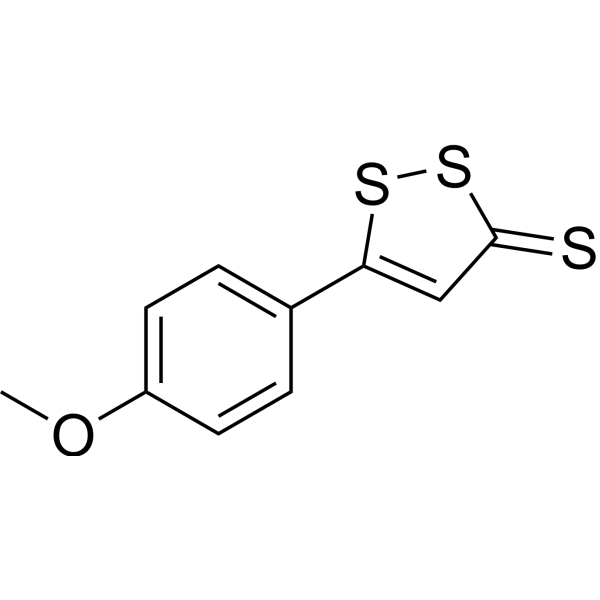
    Anethole trithione
    2 Publications Verification

    mAChR Neurological Disease Cancer
    Anethole trithione, a sulfur heterocyclic choleretic, is a bile secretion-stimulating agent. Anethole trithione enhances salivary secretion and increases mAChRs, and can be used for dry mouth research .
    Anethole trithione
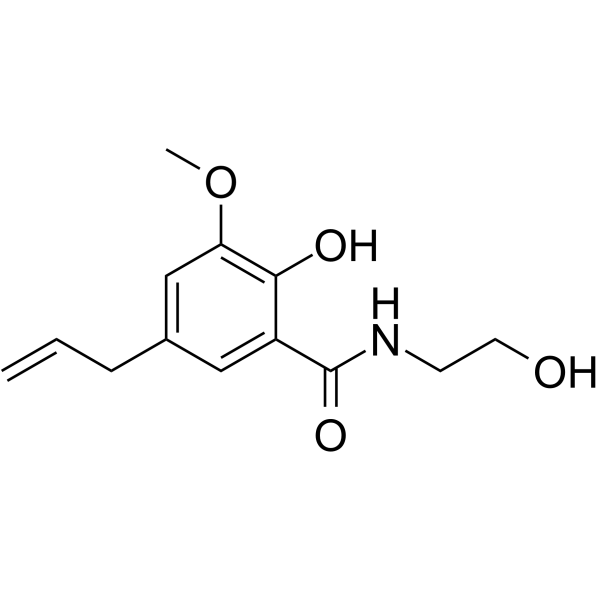
  • HY-B0326

    Drug Derivative Endocrinology
    Alibendol can be taken orally. It has anti-spasmodic properties and promotes bile secretion, making it useful for research on digestive system issues like indigestion, nausea, vomiting, and constipation .
    Alibendol
  • HY-15790A
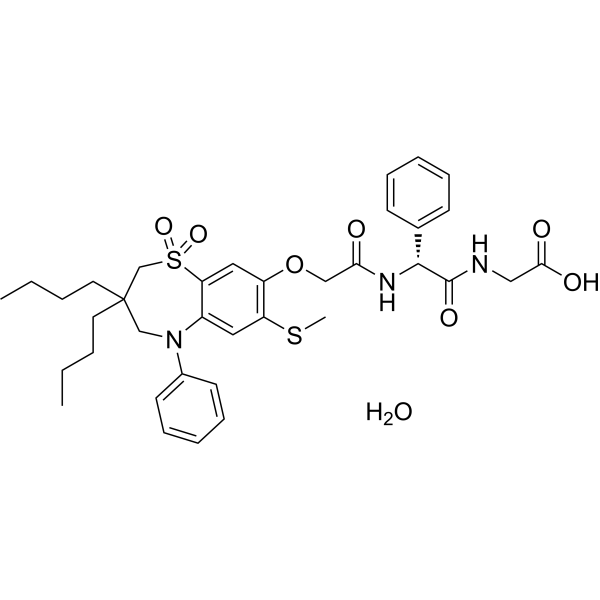
    Elobixibat hydrate
    1 Publications Verification

    A 3309 hydrate; AZD 7806 hydrate

    Apical Sodium-Dependent Bile Acid Transporter Metabolic Disease Cancer
    Elobixibat (A 3309; AZD 7806) hydrate is an orally active, bile acid transporter (IBAT) inhibitor with IC50 values ??of 0.53 nM (human IBAT), 0.13 nM (mouse IBAT), and 5.8 nM (canine IBAT). Elobixibat hydrate can lower LDL cholesterol, increase serum GLP-1, promote colonic motility, and has the potential to study metabolic syndrome. Elobixibat hydrate can be used in the study of chronic functional constipation (CIC), dyslipidemia, non-alcoholic hepatitis, and liver tumors in the elderly .
    Elobixibat hydrate
  • HY-P0093A
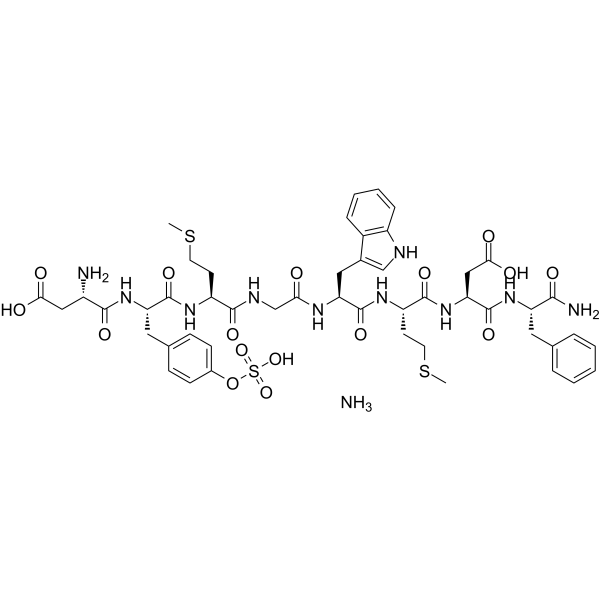
    Sincalide ammonium
    4 Publications Verification

    Cholecystokinin octapeptide ammonium; CCK-8 ammonium; SQ19844 ammonium

    Cholecystokinin Receptor Apoptosis PI3K Akt Infection Cancer
    Sincalide ammonium (Cholecystokinin octapeptide ammonium, CCK-8 ammonium) is a rapid-acting amino acid polypeptide hormone analogue of cholecystokinin (CCK) for intravenous use in postevacuation cholecystography. Sincalide ammonium is a major bioactive segment of CCK that retains most of the biological activities of CCK. CCK‐8 can promote gallbladder contraction by injection and helps diagnose gallbladder and pancreas disorders. Sincalide ammonium can increase bile secretion, cause the gallbladder to contract and relax the sphincter of Oddi, resulting in bile drainage into the duodenum. Sincalide ammonium is a major bioactive segment of CCK that retains most of the biological activities of CCK .
    Sincalide ammonium
  • HY-W018512
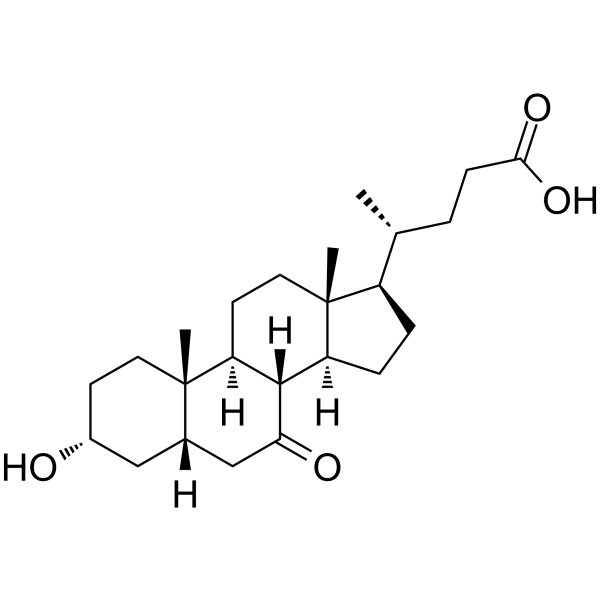
    7-Ketolithocholic acid
    4 Publications Verification

    3α-Hydroxy-7-oxo-5β-cholanic acid

    Endogenous Metabolite Metabolic Disease
    7-Ketolithocholic acid (3α-Hydroxy-7-oxo-5β-cholanic acid), a bile acid, can be absorbed and suppresses endogenous bile acid production and biliary cholesterol secretion .
    7-Ketolithocholic acid
  • HY-123879

    Interleukin Related Inflammation/Immunology
    BAA473 is a bile acid analog and is a potent activator of the pyrin inflammasome that induces the secretion of interleukin 18 (IL-18) through activation of the inflammasome in both myeloid and intestinal epithelial cells .
    BAA473
  • HY-W018512R

    3α-Hydroxy-7-oxo-5β-cholanic acid (Standard)

    Reference Standards Endogenous Metabolite Metabolic Disease
    7-Ketolithocholic acid (Standard) is the analytical standard of 7-Ketolithocholic acid. This product is intended for research and analytical applications. 7-Ketolithocholic acid (3α-Hydroxy-7-oxo-5β-cholanic acid), a bile acid, can be absorbed and suppresses endogenous bile acid production and biliary cholesterol secretion .
    7-Ketolithocholic acid (Standard)
  • HY-108283

    AA 149; Supacal

    Calcium Channel Inflammation/Immunology
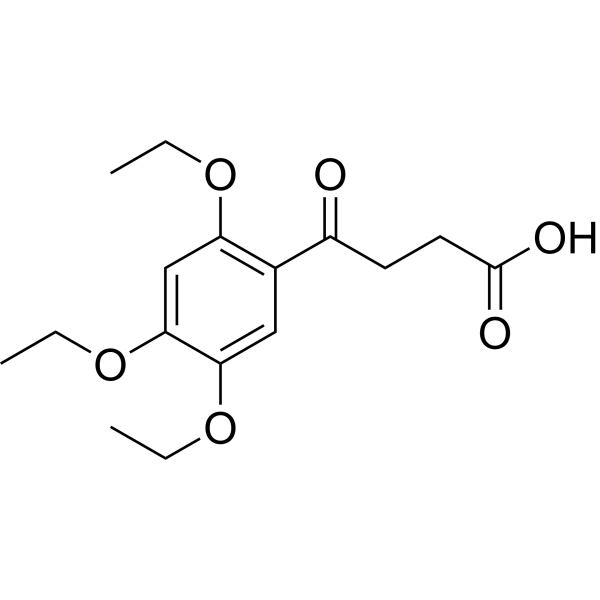
    Trepibutone (AA 149) increases secretion of bile and pancreatic juice, and accelerates flaccidity of the smooth muscle in the gastrointestinal tract. Trepibutone can be used for the research of cholecystitis and functional gastrointestinal disorders .
    Trepibutone
  • HY-B1557
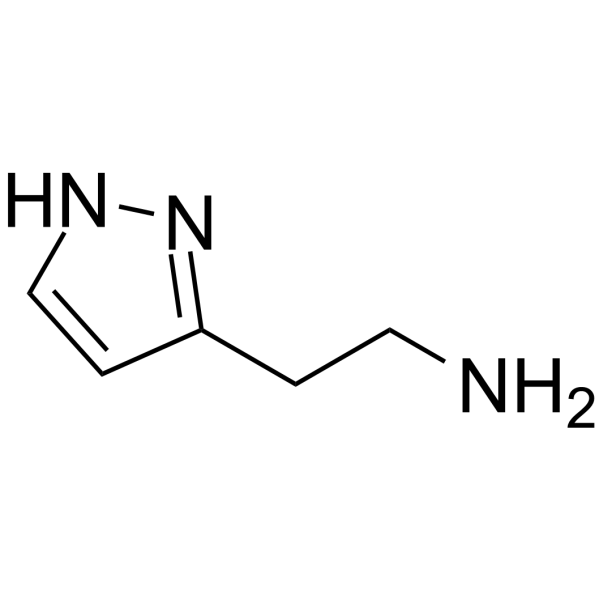
    Betazole
    1 Publications Verification

    Ametazole

    Histamine Receptor Metabolic Disease
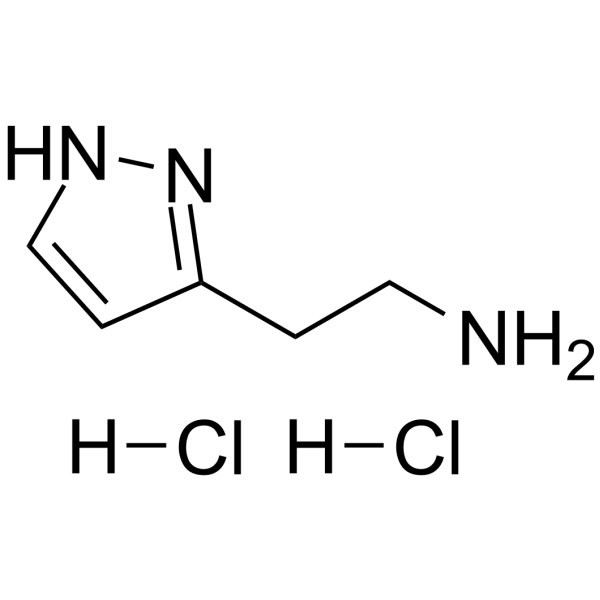
    Betazole (Ametazole), a pyrazole analogue of histamine, is an orally active histamine H2 receptor agonist. Betazole induces gastric acid secretion and causes an immediate and significant increase in common bile duct pressure. Betazole is used as a diagnostic agent known as histalog for investigating gastric acid secretory capacity .
    Betazole
  • HY-113308S1

    Isotope-Labeled Compounds Calcium Channel Ferroptosis PI3K Reactive Oxygen Species (ROS) Akt HBV Others
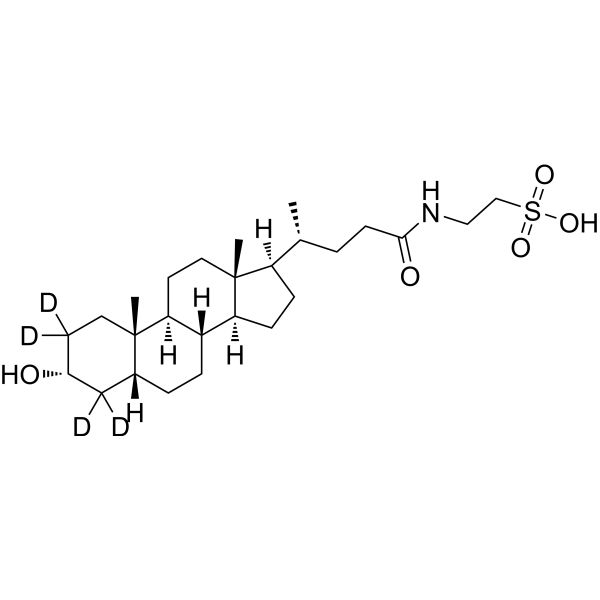
    Taurolithocholic acid-d4 is deuterium labeled Taurolithocholic acid. Taurolithocholic acid is an orally active bile acid and antiviral agent. Taurolithocholic acid upregulates FADS2 by activating the TGR5-PI3K/AKT-SREBP2 signaling axis, inhibits SFTSV-induced ferroptosis, viral replication and viral entry of HBV/HDV, while reducing the release of IL-1β, lipid ROS and LDH. While exerting antiviral protective effects, Taurolithocholic acid also stimulates the recycling of hepatocellular membrane transporters, impairs canalicular bile acid secretion function, and induces hepatocyte cholestasis, apoptosis and acute hepatocellular injury. Taurolithocholic acid serves as an experimental model compound for hepatocellular cholestasis. At concentrations ≤200 μM, Taurolithocholic acid shows no cytotoxicity and does not activate the interferon pathway. Taurolithocholic acid not only protects mice from lethal SFTSV infection but also is suitable for studies related to severe fever with thrombocytopenia syndrome and cholestasis .
    Taurolithocholic acid-d4
  • HY-B1557A

    Ametazole dihydrochloride

    Histamine Receptor Metabolic Disease
    Betazole (Ametazole) dihydrochloride, a pyrazole analogue of histamine, is an orally active H2 receptor agonist. Betazole dihydrochloride induces gastric acid secretion, and causes an immediate and significant increase in common bile duct pressure. Betazole dihydrochloride has been used as a diagnostic agent known as histalog, for investigating gastric acid secretory capacity .
    Betazole dihydrochloride
  • HY-113308AR

    Reference Standards Calcium Channel Ferroptosis PI3K Reactive Oxygen Species (ROS) Akt HBV Metabolic Disease
    Taurolithocholic acid (sodium salt) (Standard) is the analytical standard of Taurolithocholic acid (sodium salt). This product is intended for research and analytical applications. Taurolithocholic acid sodium salt is an orally active bile acid and antiviral agent. Taurolithocholic acid sodium salt upregulates FADS2 by activating the TGR5-PI3K/AKT-SREBP2 signaling axis, inhibits SFTSV-induced ferroptosis, viral replication and viral entry of HBV/HDV, while reducing the release of IL-1β, lipid ROS and LDH. While exerting antiviral protective effects, Taurolithocholic acid sodium salt also stimulates the recycling of hepatocellular membrane transporters, impairs canalicular bile acid secretion function, and induces hepatocyte cholestasis, apoptosis and acute hepatocellular injury. Taurolithocholic acid sodium salt serves as an experimental model compound for hepatocellular cholestasis. At concentrations ≤200 μM, Taurolithocholic acid sodium salt shows no cytotoxicity and does not activate the interferon pathway. Taurolithocholic acid sodium salt not only protects mice from lethal SFTSV infection but also is suitable for studies related to severe fever with thrombocytopenia syndrome and cholestasis .
    Taurolithocholic acid sodium salt (Standard)
  • HY-N3021R

    Reference Standards Endogenous Metabolite NF-κB TNF Receptor FOXO Microtubule/Tubulin Metabolic Disease
    D-chiro-Inositol is a stereoisomer of inositol that exhibits activities such as improving glucose metabolism, anti-tumor effects, anti-inflammatory properties, and antioxidant activity. D-chiro-Inositol effectively alleviates cholestasis by enhancing bile acid secretion and reducing oxidative stress. D-chiro-Inositol improves insulin resistance, lowers hyperglycemia and circulating insulin levels, reduces serum androgen levels, and ameliorates some metabolic abnormalities associated with X syndrome by mimicking the action of insulin. Additionally, D-chiro-Inositol can induce a reduction in pro-inflammatory factors (such as Nf-κB) and cytokines (such as TNF-α), thereby exerting anti-inflammatory effects. D-chiro-Inositol may be used in the study of liver cirrhosis, breast cancer, type 2 diabetes, and polycystic ovary syndrome .
    D-chiro-Inositol (Standard)
  • HY-N17272

    Drug Metabolite Metabolic Disease
    Cholic acid 3-sulfate is the sulfated metabolite of Cholic acid (HY-N0324), produced by liver enzyme sulfotransferase-2A1. Cholic acid 3-sulfate is less toxic than the parent compound, thus serving as a detoxification pathway for bile acids. Cholic acid 3-sulfate does not have the effect of stimulating intestinal secretion .
    Cholic acid 3-sulfate
  • HY-113308AS1

    Isotope-Labeled Compounds Calcium Channel Ferroptosis PI3K Reactive Oxygen Species (ROS) Akt HBV Metabolic Disease
    Taurolithocholic Acid-d5 (sodium) is the deuterium labeled Taurolithocholic acid sodium salt. Taurolithocholic Acid sodium salt is an orally active bile acid and antiviral agent. Taurolithocholic Acid sodium salt upregulates FADS2 by activating the TGR5-PI3K/AKT-SREBP2 signaling axis, inhibits SFTSV-induced ferroptosis, viral replication and viral entry of HBV/HDV, while reducing the release of IL-1β, lipid ROS and LDH. While exerting antiviral protective effects, Taurolithocholic Acid sodium salt also stimulates the recycling of hepatocellular membrane transporters, impairs canalicular bile acid secretion function, and induces hepatocyte cholestasis, apoptosis and acute hepatocellular injury. Taurolithocholic Acid sodium salt serves as an experimental model compound for hepatocellular cholestasis. At concentrations ≤200 μM, Taurolithocholic Acid sodium salt shows no cytotoxicity and does not activate the interferon pathway. Taurolithocholic Acid sodium salt not only protects mice from lethal SFTSV infection but also is suitable for studies related to severe fever with thrombocytopenia syndrome and cholestasis .
    Taurolithocholic Acid-d5 sodium salt
  • HY-B1223R

    mAChR Reference Standards Neurological Disease Cancer
    Anethole trithione (Standard) is the analytical standard of Anethole trithione. This product is intended for research and analytical applications. Anethole trithione, a sulfur heterocyclic choleretic, is a bile secretion-stimulating agent. Anethole trithione enhances salivary secretion and increases mAChRs, and can be used for dry mouth research .
    Anethole trithione (Standard)
  • HY-B1557R

    Ametazole (Standard)

    Reference Standards Histamine Receptor Metabolic Disease
    Betazole (Standard) is the analytical standard of Betazole. This product is intended for research and analytical applications. Betazole (Ametazole), a pyrazole analogue of histamine, is an orally active histamine H2 receptor agonist. Betazole induces gastric acid secretion and causes an immediate and significant increase in common bile duct pressure. Betazole is used as a diagnostic agent known as histalog for investigating gastric acid secretory capacity .
    Betazole (Standard)
  • HY-118534

    BRN-2209058

    Endogenous Metabolite Endocrinology
    Cyclobutyrol is a potent choleretic agent. Cyclobutyrol also inhibits biliary lipid secretion. Cyclobutyrol induces choleretic is unrelated to bile acids. Cyclobutyrol and bile acids do not compete for the hepatobiliar transport mechanisms[1]
    Cyclobutyrol
  • HY-129123R

    Reference Standards Antibiotic Infection
    7-Ketolithocholic acid (Standard) is the analytical standard of 7-Ketolithocholic acid. This product is intended for research and analytical applications. 7-Ketolithocholic acid (3α-Hydroxy-7-oxo-5β-cholanic acid), a bile acid, can be absorbed and suppresses endogenous bile acid production and biliary cholesterol secretion .
    ML318 (Standard)
  • HY-118311

    (Z)-Probilin; (Z)-Secrebil; (Z)-Piprozolin

    Others Metabolic Disease
    (Z)-W 3699 is a potential choleretic. (Z)-W 3699 can increase the solubility of cholesterol in the gallbladder by altering the secretion of micellar bile acids. (Z)-W 3699 can prevent the formation of cholesterol-containing gallstones in dogs.
    (Z)-W 3699
  • HY-108283R

    AA 149 (Standard); Supacal (Standard)

    Calcium Channel Reference Standards Inflammation/Immunology
    Trepibutone (Standard) is the analytical standard of Trepibutone. This product is intended for research and analytical applications. Trepibutone (AA 149) increases secretion of bile and pancreatic juice, and accelerates flaccidity of the smooth muscle in the gastrointestinal tract. Trepibutone can be used for the research of cholecystitis and functional gastrointestinal disorders .
    Trepibutone (Standard)
  • HY-107962

    Renovue 65

    Biochemical Assay Reagents Others
    Iodamide meglumine (Renovue 65) is a type of trityl ion contrast agent. Iodamide meglumine can block X-rays and is used in examinations such as cholangiography and cholecystography to display the gallbladder and bile ducts. Iodamide meglumine has the property of renal tubular active secretion. Iodamide meglumine can be used for intravenous urography .
    Iodamide meglumine
  • HY-121238R

    G protein-coupled Bile Acid Receptor 1 FXR Reference Standards Others Metabolic Disease
    Hyocholic Acid (Standard) is the analytical standard of Hyocholic Acid. This product is intended for research and analytical applications. Hyocholic Acid is a bile acid found in pig. Hyocholic Acid can also be found in urine samples from patients with cholestasis. Hyocholic Acid promotes GLP-1 secretion via activating TGR5 and inhibiting FXR in enteroendocrine cells. Hyocholic Acid is known for its exceptional resistance to type 2 diabetes [1][2][3].
    Hyocholic Acid (Standard)
  • HY-113308AS

    Isotope-Labeled Compounds Calcium Channel Ferroptosis PI3K Reactive Oxygen Species (ROS) Akt HBV Metabolic Disease
    Taurolithocholic acid-d4 (sodium) is the deuterium labeled Taurolithocholic acid (sodium salt). Taurolithocholic acid sodium is an orally active bile acid and antiviral agent. Taurolithocholic acid sodium upregulates FADS2 by activating the TGR5-PI3K/AKT-SREBP2 signaling axis, inhibits SFTSV-induced ferroptosis, viral replication and viral entry of HBV/HDV, while reducing the release of IL-1β, lipid ROS and LDH. While exerting antiviral protective effects, Taurolithocholic acid sodium also stimulates the recycling of hepatocellular membrane transporters, impairs canalicular bile acid secretion function, and induces hepatocyte cholestasis, apoptosis and acute hepatocellular injury. Taurolithocholic acid sodium serves as an experimental model compound for hepatocellular cholestasis. At concentrations ≤200 μM, Taurolithocholic acid sodium shows no cytotoxicity and does not activate the interferon pathway. Taurolithocholic acid sodium not only protects mice from lethal SFTSV infection but also is suitable for studies related to severe fever with thrombocytopenia syndrome and cholestasis .
    Taurolithocholic acid-d4 sodium
  • HY-113308AS2

    Isotope-Labeled Compounds Calcium Channel Ferroptosis PI3K Reactive Oxygen Species (ROS) Akt HBV Metabolic Disease
    Taurolithocholic acid-d4-1 (sodium) is the deuterium labeled Taurolithocholic acid. Taurolithocholic acid sodium is an orally active bile acid and antiviral agent. Taurolithocholic acid sodium upregulates FADS2 by activating the TGR5-PI3K/AKT-SREBP2 signaling axis, inhibits SFTSV-induced ferroptosis, viral replication and viral entry of HBV/HDV, while reducing the release of IL-1β, lipid ROS and LDH. While exerting antiviral protective effects, Taurolithocholic acid sodium also stimulates the recycling of hepatocellular membrane transporters, impairs canalicular bile acid secretion function, and induces hepatocyte cholestasis, apoptosis and acute hepatocellular injury. Taurolithocholic acid sodium serves as an experimental model compound for hepatocellular cholestasis. At concentrations ≤200 μM, Taurolithocholic acid sodium shows no cytotoxicity and does not activate the interferon pathway. Taurolithocholic acid sodium not only protects mice from lethal SFTSV infection but also is suitable for studies related to severe fever with thrombocytopenia syndrome and cholestasis .
    Taurolithocholic acid-d4-1 sodium
  • HY-113308S

    Isotope-Labeled Compounds Calcium Channel Ferroptosis PI3K Reactive Oxygen Species (ROS) Akt HBV Others
    Taurolithocholic acid-d5 is deuterium labeled Taurolithocholic acid. Taurolithocholic acid is an orally active bile acid and antiviral agent. Taurolithocholic acid upregulates FADS2 by activating the TGR5-PI3K/AKT-SREBP2 signaling axis, inhibits SFTSV-induced ferroptosis, viral replication and viral entry of HBV/HDV, while reducing the release of IL-1β, lipid ROS and LDH. While exerting antiviral protective effects, Taurolithocholic acid also stimulates the recycling of hepatocellular membrane transporters, impairs canalicular bile acid secretion function, and induces hepatocyte cholestasis, apoptosis and acute hepatocellular injury. Taurolithocholic acid serves as an experimental model compound for hepatocellular cholestasis. At concentrations ≤200 μM, Taurolithocholic acid shows no cytotoxicity and does not activate the interferon pathway. Taurolithocholic acid not only protects mice from lethal SFTSV infection but also is suitable for studies related to severe fever with thrombocytopenia syndrome and cholestasis .
    Taurolithocholic acid-d5
  • HY-119449

    Zanchol

    Others Inflammation/Immunology
    Florantyrone (Zanchol) is a bile-promoting agent. Florantyrone increases the volume of bile rather than the content of bile acids. Zanchol can stimulate the synthesis of cholesterol in the liver, significantly raising the plasma cholesterol level, increasing the weight of the liver, but has no significant effect on the synthesis of cholesterol in the intestine. Florantyrone can be used in research on biliary motility disorders .
    Florantyrone
  • HY-B1557B
    Betazole hydrochloride
    1 Publications Verification

    Ametazole hydrochloride

    Histamine Receptor Inflammation/Immunology
    Betazole hydrochloride (Ametazole hydrochloride), a pyrazole analogue of histamine, is an orally active histamine H2 receptor agonist. Betazole induces gastric acid secretion and causes an immediate and significant increase in common bile duct pressure. Betazole is used as a diagnostic agent known as histalog for investigating gastric acid secretory capacity .
    Betazole hydrochloride
  • HY-118534A

    BRN-2209058 sodium

    Endogenous Metabolite Endocrinology
    Cyclobutyrol sodium is a potent choleretic agent. Cyclobutyrol sodium also inhibits biliary lipid secretion. Cyclobutyrol sodium induces choleretic is unrelated to bile acids. Cyclobutyrol sodium and bile acids do not compete for the hepatobiliar transport mechanisms[1]
    Cyclobutyrol sodium
  • HY-122326

    Ioglycamide

    Biochemical Assay Reagents Metabolic Disease
    Ioglycamic acid (Ioglycamide) is an iodinated biliary contrast agent. Ioglycamic acid reduces bile acid independent cholesterol secretion .
    Ioglycamic acid

Inquiry Online

Your information is safe with us. * Required Fields.

Salutation


Country or Region *

Applicant Name *


Organization Name *

Department *


Email Address *


Product Name *

Cat. No.


Requested quantity *

Phone Number *


Remarks

Inquiry Online

Inquiry Information

Product Name:
Cat. No.:
Quantity:
MCE Japan Authorized Agent:

