1. Search Result
Search Result
Results for "

biliary

" in MedChemExpress (MCE) Product Catalog:

79

Inhibitors & Agonists

2

Fluorescent Dye

2

Peptides

5

Inhibitory Antibodies

18

Natural
Products

3

Recombinant Proteins

6

Isotope-Labeled Compounds

2

Antibodies

1

Click Chemistry

2

Oligonucleotides

Cat. No. Product Name Target Research Areas Chemical Structure
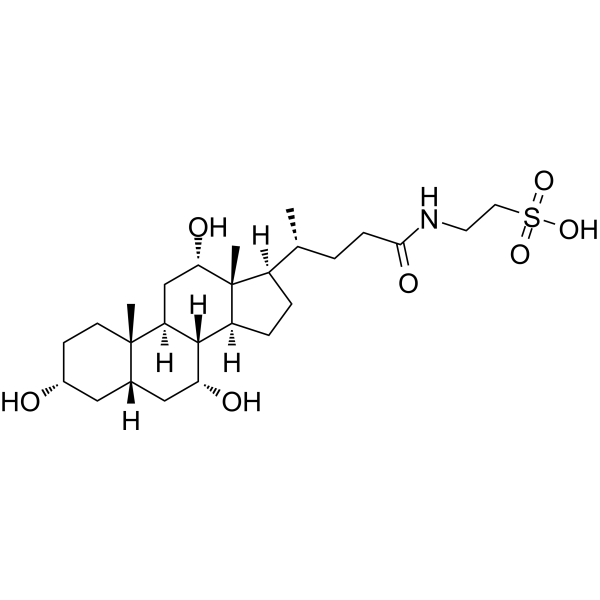
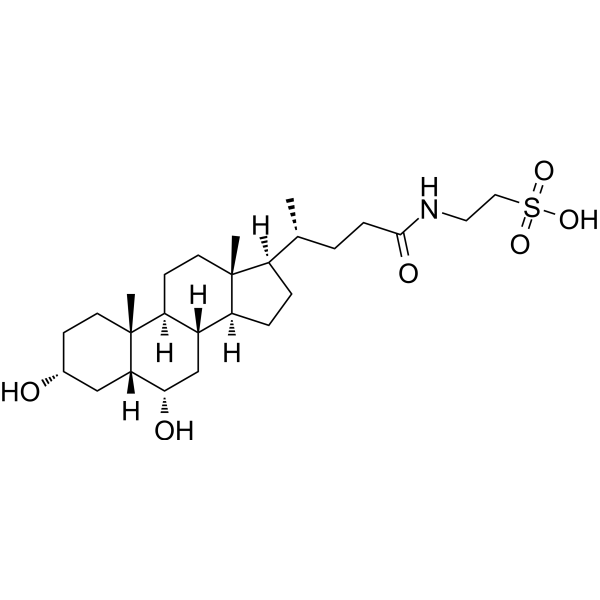
  • HY-B1788
    Taurocholic acid
    Maximum Cited Publications
    31 Publications Verification

    N-Choloyltaurine

    Endogenous Metabolite Neurological Disease Inflammation/Immunology
    Taurocholic acid (N-Choloyltaurine) has marked bioactive effects such as an inhibitory potential against hepatic artery ligation induced biliary damage by upregulation of VEGF-A expression. Taurocholic acid has immunoregulation effect .
    Taurocholic acid
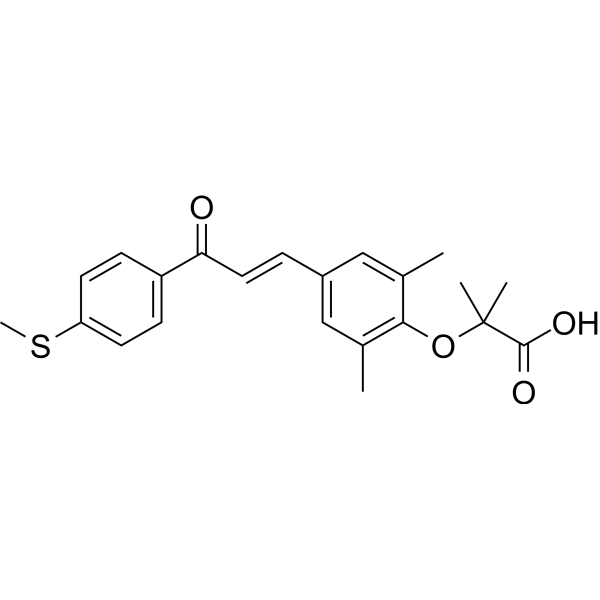
  • HY-16737
    Elafibranor
    15+ Cited Publications

    GFT505

    PPAR Metabolic Disease Inflammation/Immunology
    Elafibranor (GFT505) is a PPARα/δ agonist with EC50s of 45 and 175 nM, respectively. Elafibranor can be used for the study of primary biliary cholangitis .
    Elafibranor
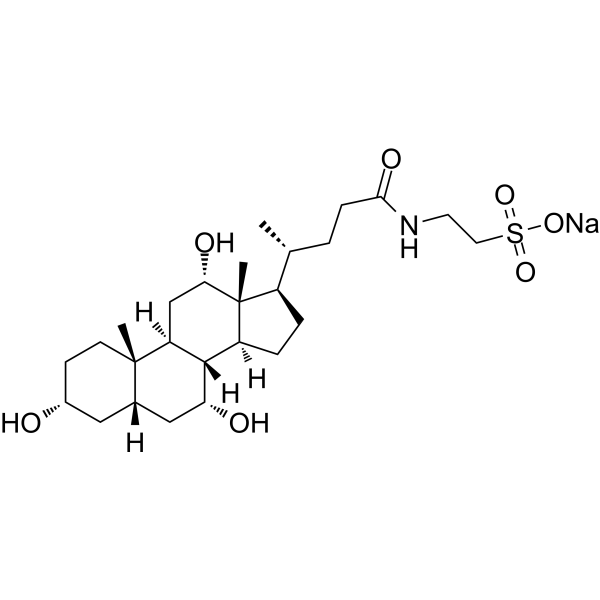
  • HY-N0545
    Taurocholic acid sodium
    Maximum Cited Publications
    31 Publications Verification

    Sodium taurocholate; N-Choloyltaurine sodium

    VEGFR Endogenous Metabolite Cardiovascular Disease Neurological Disease Inflammation/Immunology Cancer
    Taurocholic acid sodium (Sodium taurocholate) has marked bioactive effects such as an inhibitory potential against hepatic artery ligation induced biliary damage by upregulation of VEGF-A expression. Taurocholic acid sodium has immunoregulation effect .
    Taurocholic acid sodium
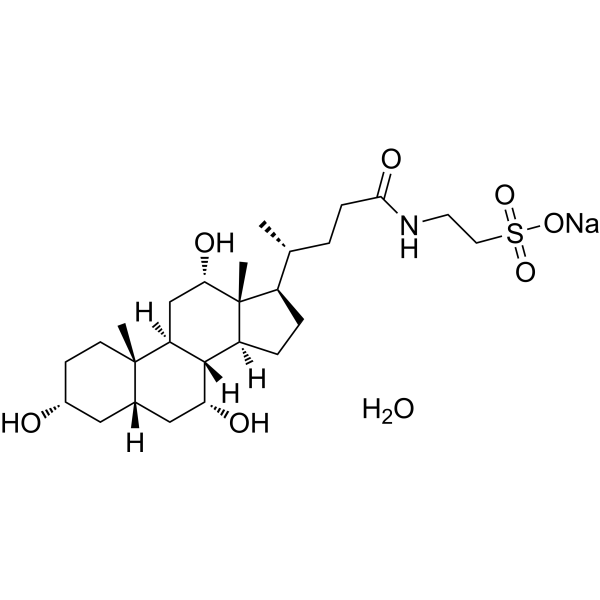
  • HY-B1131
    Taurocholic acid sodium salt hydrate
    Maximum Cited Publications
    31 Publications Verification

    Sodium taurocholate hydrate; N-Choloyltaurine sodium salt hydrate

    Endogenous Metabolite Neurological Disease Metabolic Disease Inflammation/Immunology
    Taurocholic acid (N-Choloyltaurine) sodium salt hydrate has marked bioactive effects such as an inhibitory potential against hepatic artery ligation induced biliary damage by upregulation of VEGF-A expression. Taurocholic acid sodium salt hydrate has immunoregulation effect .
    Taurocholic acid sodium salt hydrate
  • HY-19522
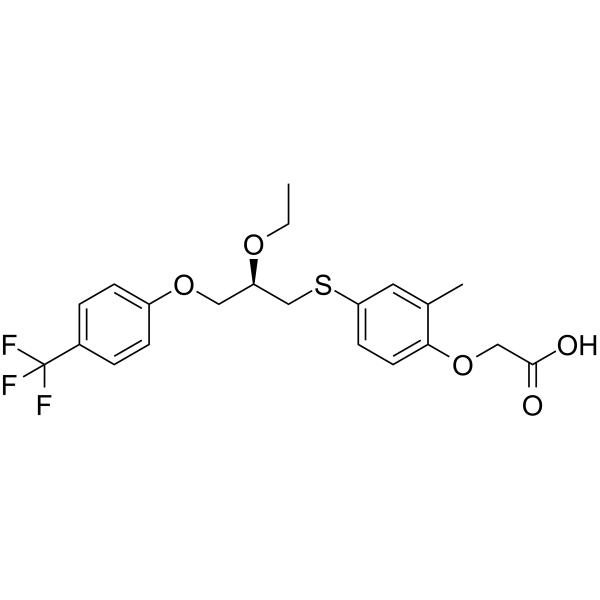
    Seladelpar
    1 Publications Verification

    MBX-8025; RWJ-800025

    PPAR Metabolic Disease
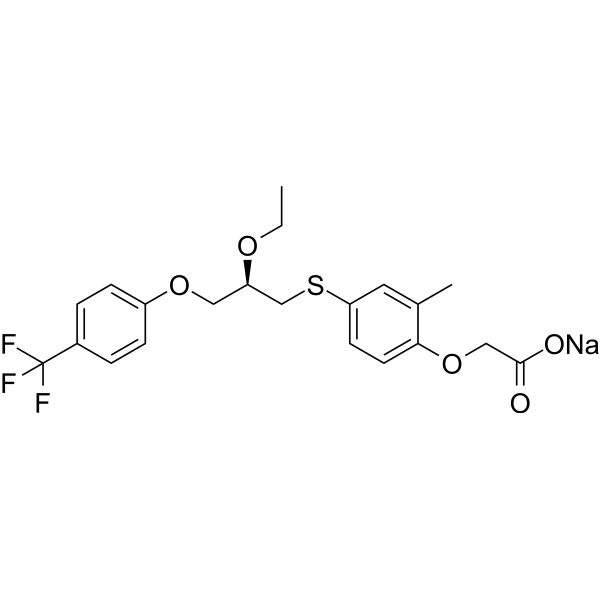
    Seladelpar (MBX-8025) is an orally active, potent and specific PPARδ agonist with an EC50 of 2 nM. Seladelpar shows more than 750-fold and 2500-fold selectivity over the PPARα and PPARγ receptors, respectively. Seladelpar can be used for the study of primary biliary cholangitis .
    Seladelpar
  • HY-109120
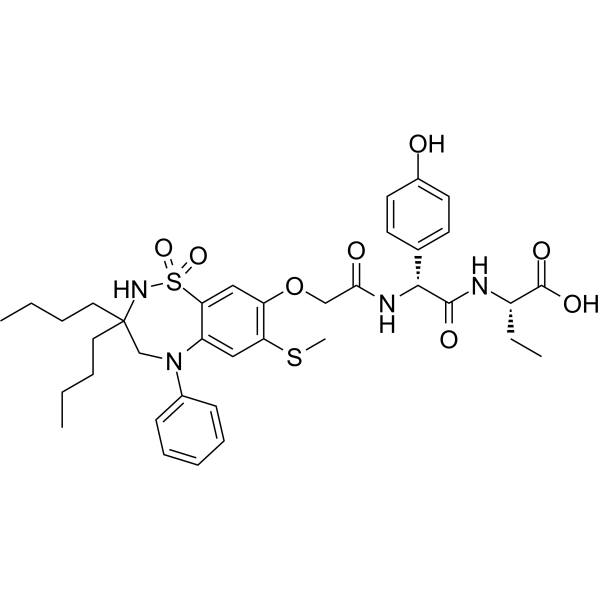
    Odevixibat
    4 Publications Verification

    A4250

    Apical Sodium-Dependent Bile Acid Transporter Metabolic Disease
    Odevixibat (A4250) is a selective and orally active ileal apical sodium-dependent bile acid transporter (ASBT) inhibitor. Odevixibat decreases cholestatic liver and bile duct injury in mice model. Odevixibat has the potential for the treatment of primary biliary cirrhosis .
    Odevixibat
  • HY-133707
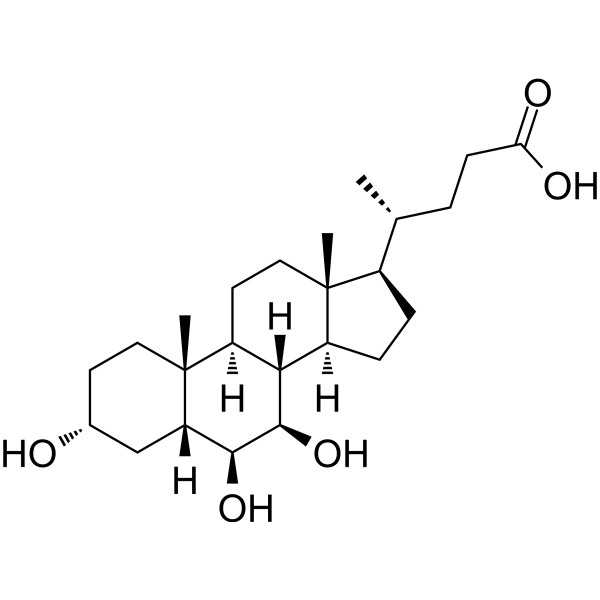
    β-Muricholic acid
    1 Publications Verification

    Endogenous Metabolite Metabolic Disease
    β-Muricholic acid is a potent and orally active biliary cholesterol-desaturating agent. β-Muricholic acid prevents cholesterol gallstones. β-Muricholic acid inhibits lipid accumulation. β-Muricholic acid has the potential for the research of nonalcoholic fatty liver disease (NAFLD) .
    β-Muricholic acid
  • HY-126995

    Endogenous Metabolite Metabolic Disease
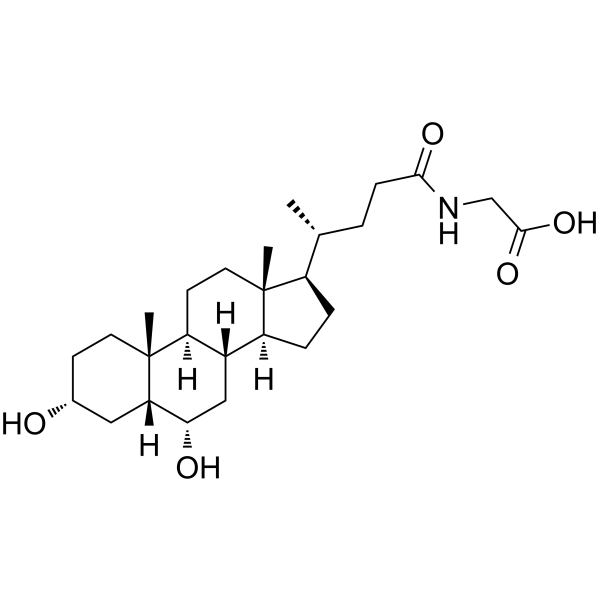
    Glycohyodeoxycholic acid is a glycine-conjugated bile acid and also a metabolite of Hyodeoxycholic acid (HY-N0169). The serum level of Glycohyodeoxycholic acid is negatively correlated with the severity of non-alcoholic fatty liver disease. Glycohyodeoxycholic acid can be used in research related to non-alcoholic fatty liver disease .
    Glycohyodeoxycholic acid
  • HY-B0998

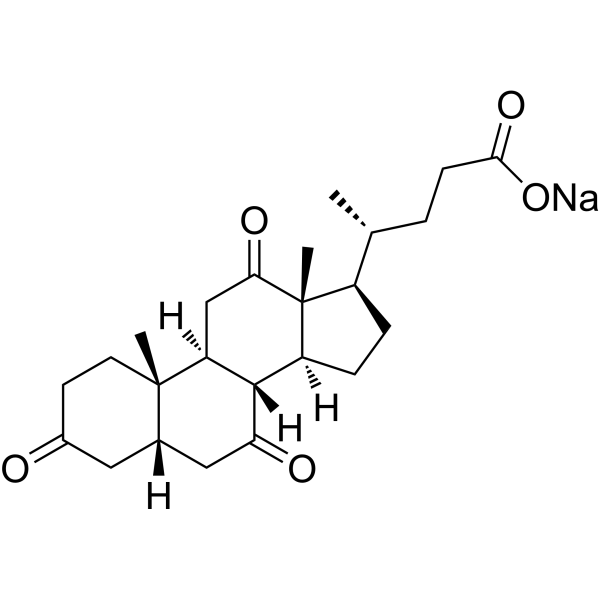
    Dehydrocholate sodium

    Amylases Lipase Autophagy Metabolic Disease
    Dehydrocholic acid (Dehydrocholate) sodium is an orally active hydrocholeretic agent. Dehydrocholic acid sodium modulates Autophagy, reduces serum amylase and lipase levels. Dehydrocholic acid sodium has the effects of promoting choleretic function, protecting the liver, reducing pancreatic damage, and regulating cholesterol metabolism. Dehydrocholic acid sodium can be used in the study of acute biliary pancreatitis and obstructive jaundice .
    Dehydrocholic acid sodium
  • HY-16643
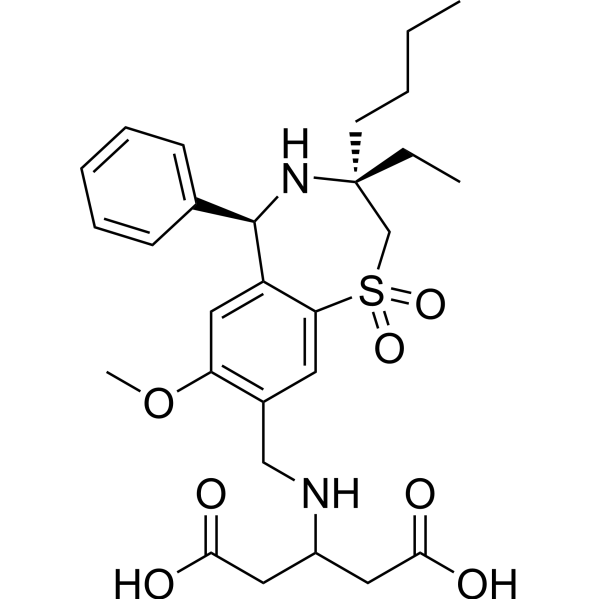
    Linerixibat
    10+ Cited Publications

    GSK2330672

    Apical Sodium-Dependent Bile Acid Transporter Infection Metabolic Disease Inflammation/Immunology
    Linerixibat (GSK2330672) is a highly potent, nonabsorbable and orally active apical sodium-dependent bile acid transporter (ASBT) inhibitor with an IC50 of 42 nM human ASBT. Linerixibat can be used as lipid-lowering agent. Linerixibat has the potential for type 2 diabetes and Primary Biliary Cholangitis treatment .
    Linerixibat
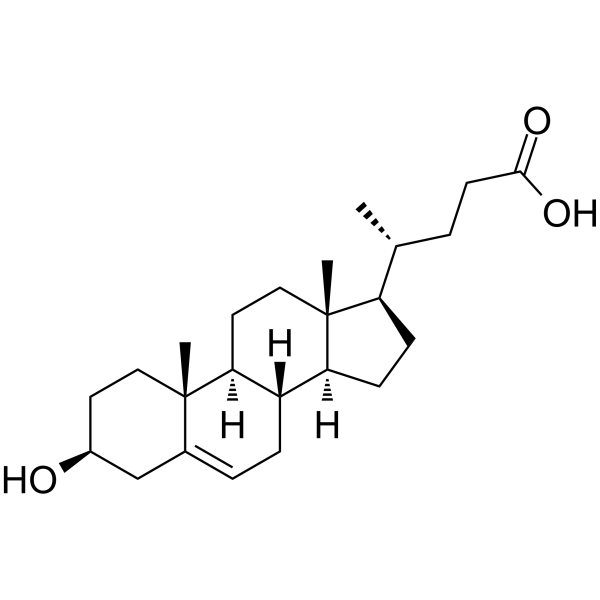
  • HY-113315

    Endogenous Metabolite Metabolic Disease
    3β-Hydroxy-5-cholenoic acid is a steroidal monohydroxy bile acid and serves as a substrate for sulfation reactions. It is applicable to the research of extrahepatic biliary atresia and recurrent intrahepatic cholestasis of pregnancy .
    3b-Hydroxy-5-cholenoic acid
  • HY-119412

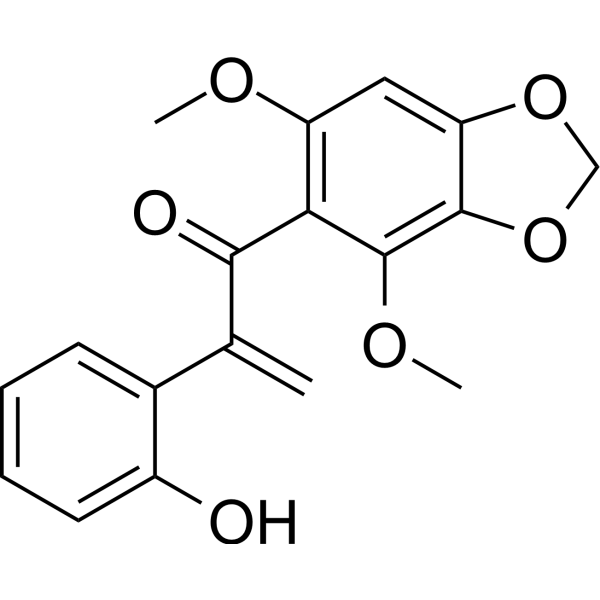
    Reactive Oxygen Species (ROS) Metabolic Disease
    Biliatresone is a natural toxin isolated from Dysphania glomulifera and D. littoralis. Biliatresone, a 1,2-diaryl-2-propenone class of isoflavonoid, produces extrahepatic biliary atresia in a zebrafish model .
    Biliatresone
  • HY-114360
    Taurohyodeoxycholic acid
    2 Publications Verification

    Endogenous Metabolite COX Interleukin Related Glutathione Peroxidase TNF Receptor Neurological Disease Metabolic Disease Inflammation/Immunology Cancer
    Taurohyodeoxycholic acid is an orally active 6 alpha-hydroxylated bile acid. Taurohyodeoxycholic acid decreases colonic MPO activity, TNF-α, lL-6 serum levels and the expression of COX-2. Taurohyodeoxycholic acid alleviates trinitrobenzene sulfonic acid induced ulcerative colitis via regulating Th1/Th2 and Th17/Treg cells balance. Taurohyodeoxycholic acid ameliorates high-fat diet-induced nonalcoholic fatty liver disease in mice. Taurohyodeoxycholic acid prevents Taurochenodeoxycholic acid (HY-N2027)-induced hepatotoxicity in bile fistula rats. Taurohyodeoxycholic acid can be used for the study of nonalcoholic fatty liver disease (NAFLD), colitis and biliary fistula .
    Taurohyodeoxycholic acid
  • HY-16747

    SHP625 chloride; LUM001 chloride; Lopixibat chloride

    Apical Sodium-Dependent Bile Acid Transporter Metabolic Disease
    Maralixibat (SHP625) chloride is an orally active ileal bile acid transporter (IBAT) inhibitor. Maralixibat chloride can be used for the research of rare cholestatic liver diseases including Alagille syndrome (ALGS), progressive familial intrahepatic cholestasis (PFIC) and biliary atresia .
    Maralixibat chloride
  • HY-P991564

    IBI-343 antibody; HB37A6; TAK-921 Antibody

    ADC Antibody Claudin Cancer
    Arcotatug (IBI-343 antibody) is a CLDN18.2 targeting humanized monoclonal antibody. Arcotatug can be used for synthesis of ADCs .
    Arcotatug
  • HY-160719

    Peptide-Drug Conjugates (PDCs) Inflammation/Immunology
    NHS-activated 2-octynoic acid-BSA is an immunogen used to establish a mouse model of primary biliary cholangitis (PBC). When used in combination with Complete Freund's Adjuvant (HY-153808), NHS-activated 2-octynoic acid-BSA stimulates the body's immune system, which recognizes it as a foreign antigen and triggers an immune response against autologous biliary epithelial cells. This leads to the production of anti-PDC-E2 antibodies, causing bile duct damage and inflammation. NHS-activated 2-octynoic acid-BSA is promising for use in primary biliary cholangitis research .
    2-octynoic acid-BSA
  • HY-B1393

    Dehydrocholate

    Autophagy Amylases Lipase Metabolic Disease
    Dehydrocholic acid (Dehydrocholate) is an orally active hydrocholeretic agent. Dehydrocholic acid modulates Autophagy, reduces serum amylase and lipase levels. Dehydrocholic acid has the effects of promoting choleretic function, protecting the liver, reducing pancreatic damage, and regulating cholesterol metabolism. Dehydrocholic acid can be used in the study of acute biliary pancreatitis and obstructive jaundice .
    Dehydrocholic acid
  • HY-B1210
    Pipemidic acid
    1 Publications Verification

    Bacterial Antibiotic Infection
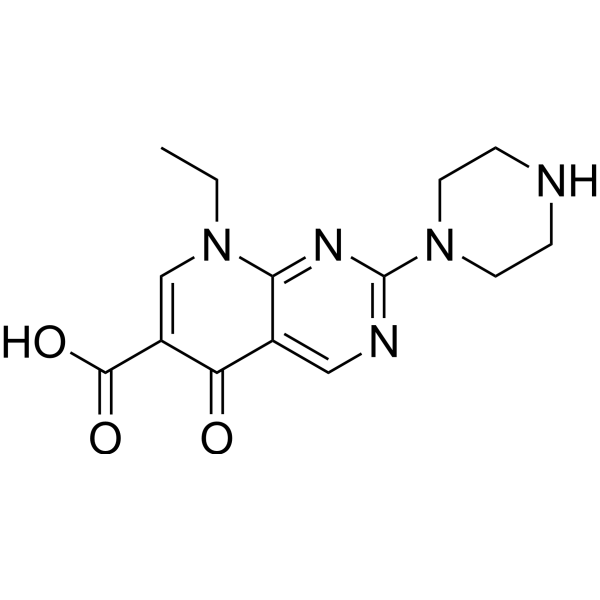
    Pipemidic acid , a derivative of Piromidic acid, is an antibacterial agent. Pipemidic acid inhibits DNA gyrase. Pipemidic acid is active against gram-negative bacteria including Pseudomonas aeruginosa as well as some gram-positive bacteria. Pipemidic acid can be used for the research of intestinal, urinary, and biliary tract infections .
    Pipemidic acid
  • HY-W353102

    Endogenous Metabolite P-glycoprotein Metabolic Disease
    Estradiol 17-(β-D-Glucuronide) is a D-ring glucuronide metabolite of natural estrogen formed in the liver. Estradiol 17-(β-D-Glucuronide) is a substrate of the organic anion-transporting polypeptide family (Oatp) and multidrug resistance-associated protein 2 (Mrp2). Estradiol 17-(β-D-Glucuronide) regulates MRP8-mediated transport processes and inhibits MRP8-mediated transport of dehydroepiandrosterone 3-sulfate and taurocholic acid. Estradiol 17-(β-D-Glucuronide) induces immediate, reversible reduction of bile flow and acute intrahepatic cholestasis in female rats without altering the bile acid composition in bile. Estradiol 17-(β-D-Glucuronide) can be used in studies related to intrahepatic cholestasis .
    Estradiol 17-(β-D-Glucuronide)
  • HY-W018512
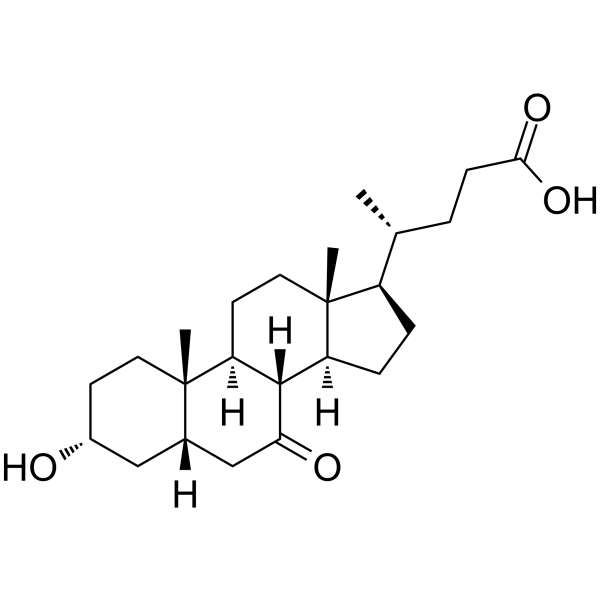
    7-Ketolithocholic acid
    4 Publications Verification

    3α-Hydroxy-7-oxo-5β-cholanic acid

    Endogenous Metabolite Metabolic Disease
    7-Ketolithocholic acid (3α-Hydroxy-7-oxo-5β-cholanic acid), a bile acid, can be absorbed and suppresses endogenous bile acid production and biliary cholesterol secretion .
    7-Ketolithocholic acid
  • HY-P99404

    E6011

    CXCR Inflammation/Immunology Cancer
    Quetmolimab (E6011) is a humanized anti-Fractalkine (CX3CL1) monoclonal antibody. Quetmolimab binds to membrane-bound and soluble Fractalkine, neutralizes Fractalkine-induced migration of CX3CR1-expressing cells, mediates target-bound complex elimination from serum. Quetmolimab suppresses free soluble Fractalkine levels in cynomolgus monkeys, with target engagement linked to increased serum total Fractalkine concentration. Quetmolimab can be used for the research of Crohn’s disease, rheumatoid arthritis, and primary biliary cholangitis .
    Quetmolimab
  • HY-134988

    FXR Phosphatase Cytochrome P450 Inflammation/Immunology
    EDP-305 is an orally active, potent and selective farnesoid X receptor (FXR) agonist, with EC50 values of 34 nM (chimeric FXR in CHO cells) and 8 nM (full-length FXR in HEK cells). EDP-305 shows a potent and consistent antifibrotic effect. EDP-305 can be used for primary biliary cholangitis (PBC) and non-alcoholic steatohepatitis (NASH) research .
    EDP-305
  • HY-B1043

    Bacterial Antibiotic Infection
    Piromidic acid is an antibacterial agent. Piromidic acid is active against gramnegative bacteria and staphylococci and can be used for the research of intestinal, urinary, and biliary tract infections .
    Piromidic acid
  • HY-N6987

    FXR Factor Xa Cardiovascular Disease Inflammation/Immunology
    Licraside, found in Glycyrrhiza glabra, is a Farnesoid X receptor (FXR) activator. Licraside activates FXR to induce upregulation of SHP and BSEP, regulates bile acid homeostasis, reduces elevated biliary and serum TBA, serum ALT, AST, GGT, ALP, and TBIL levels, and attenuates liver histopathological damage. Licraside inhibits factor Xa with an IC50 of 48.54 mM. Licraside can be used for the research of cholestasis and thromboembolic diseases .
    Licraside
  • HY-B2091

    Antibiotic Bacterial Infection
    Azidocillin, a semi-synthetic Penicillin, is an orally active β-lactam antibiotic. Azidocillin bears an azide functionality and retains on-target activity within bacteria. Azidocillin can be used to research osteitis caused by dental surgery, otitis media, enterococcal septicemia and other bacterial infectious diseases . Azidocillin is a click chemistry reagent, it contains an Azide group and can undergo copper-catalyzed azide-alkyne cycloaddition reaction (CuAAc) with molecules containing Alkyne groups. It can also undergo strain-promoted alkyne-azide cycloaddition (SPAAC) reactions with molecules containing DBCO or BCN groups.
    Azidocillin
  • HY-P990059

    INT-016; AZD8205 Antibody

    ADC Antibody CD276/B7-H3 Cancer
    Puxitatug (INT-016; AZD8205 Antibody) is a monoclonal antibody targeting VTCN1/B7-H4. Puxitatug can be used to synthesize antibody-drug conjugates (ADCs), such as Puxitatug samrotecan (HY-171689), which can be applied to various solid tumors. Puxitatug can also be used for researching adjuvant therapies for gastric cancer .
    Puxitatug
  • HY-118483

    L-2329

    Endogenous Metabolite Endocrinology
    Benziodarone is a potent inhibitor of S-arylglutathione transferase enzyme system. Benziodarone catalyzes BSP conjugation with GSH. Benziodarone inhibits biliary excretion of synthetic BSP-GSH conjugates .
    Benziodarone
  • HY-N9516

    TDHC

    Endogenous Metabolite Metabolic Disease
    Taurodehydrocholic acid is a biliary cholesterol secretion activator. Taurodehydrocholic acid significantly increases the expression of Abcg5 and decreases the expression of abc8. Taurodehydrocholic acid can be used in the study of cholesterol metabolism .
    Taurodehydrocholic acid
  • HY-N0545R

    Sodium taurocholate (Standard); N-Choloyltaurine sodium (Standard)

    Reference Standards VEGFR Endogenous Metabolite Inflammation/Immunology
    Taurocholic acid (sodium) (Standard) is the analytical standard of Taurocholic acid (sodium). This product is intended for research and analytical applications. Taurocholic acid sodium (Sodium taurocholate) has marked bioactive effects such as an inhibitory potential against hepatic artery ligation induced biliary damage by upregulation of VEGF-A expression. Taurocholic acid sodium has immunoregulation effect .
    Taurocholic acid sodium (Standard)
  • HY-19522A
    Seladelpar sodium salt
    1 Publications Verification

    MBX-8025 sodium salt; RWJ-800025 sodium salt

    PPAR Metabolic Disease Inflammation/Immunology
    Seladelpar (MBX-8025) sodium salt is an orally active, potent and specific PPARδ agonist with an EC50 of 2 nM. Seladelpar sodium salt shows more than 750-fold and 2500-fold selectivity over the PPARα and PPARγ receptors, respectively. Seladelpar sodium salt hydrochloride can be used for the study of primary biliary cholangitis .
    Seladelpar sodium salt
  • HY-W018512R

    3α-Hydroxy-7-oxo-5β-cholanic acid (Standard)

    Reference Standards Endogenous Metabolite Metabolic Disease
    7-Ketolithocholic acid (Standard) is the analytical standard of 7-Ketolithocholic acid. This product is intended for research and analytical applications. 7-Ketolithocholic acid (3α-Hydroxy-7-oxo-5β-cholanic acid), a bile acid, can be absorbed and suppresses endogenous bile acid production and biliary cholesterol secretion .
    7-Ketolithocholic acid (Standard)
  • HY-N9516A

    Endogenous Metabolite Metabolic Disease
    Taurodehydrocholic acid sodium is a biliary cholesterol secretion activator. Taurodehydrocholic acid sodium significantly increases the expression of Abcg5 and decreases the expression of abc8. Taurodehydrocholic acid sodium can be used in the study of cholesterol metabolism .
    Taurodehydrocholic acid sodium
  • HY-176510

    PPAR Drug Metabolite Metabolic Disease Inflammation/Immunology
    Elafibranor (GFT505) sulfoxide is a sulfoxide metabolite of Elafibranor (HY-16737). Elafibranor is a PPARα/δ agonist with EC50s of 45 and 175 nM, respectively. Elafibranor can be used for the study of primary biliary cholangitis .
    Elafibranor sulfoxide
  • HY-B2119

    Tauroglycocholic acid sodium salt

    Biochemical Assay Reagents Metabolic Disease
    Sodium tauroglycocholate (Tauroglycocholic acid sodium salt) is a multifunctional surfactant and penetration enhancer that can serve as a cholegraphic contrast agent. In organic solvents, Sodium tauroglycocholate embeds and stabilizes invertase by forming reverse micelles, and prolongs its active lifespan. In terms of transdermal absorption, Sodium tauroglycocholate effectively regulates the flux of aminophylline through snake slough by binding to keratin filaments, disrupting keratinocytes and altering lipid components of the stratum corneum. It exhibits rapid penetration characteristics without lag time at a concentration of 100 μg/mL. Sodium tauroglycocholate does not interfere with the hepatic uptake of Gd-EOB-DTPA by the bile acid transport system in rat hepatocytes .
    Sodium tauroglycocholate
  • HY-W653842

    Sodium taurocholate-d8 (Standard); N-Choloyltaurine-d8 sodium

    Isotope-Labeled Compounds VEGFR Endogenous Metabolite Inflammation/Immunology
    Taurocholic acid-d8 (sodium) is deuterium labeled Taurocholic acid (sodium). Taurocholic acid sodium (Sodium taurocholate) has marked bioactive effects such as an inhibitory potential against hepatic artery ligation induced biliary damage by upregulation of VEGF-A expression. Taurocholic acid sodium has immunoregulation effect .
    Taurocholic acid-d8 sodium
  • HY-19522C
    Seladelpar Lysine dihydrate
    1 Publications Verification

    MBX-8025 Lysine dihydrate; RWJ-800025 Lysine dihydrate

    PPAR Metabolic Disease
    Seladelpar (MBX-8025) Lysine dihydrate is the Lysine dihydrate salt form of Seladelpar (HY-19522). Seladelpar Lysine dihydrate is an orally active agonist for potent PPAR-δ, with EC50 of 2 nM. Seladelpar Lysine dihydrate shows more than 750-fold and 2500-fold selectivity over the PPARα and PPARγ receptors, respectively. Seladelpar Lysine dihydrate can be used for the study of primary biliary cholangitis. Seladelpar Lysine dihydrate normalizes hyperglycemia, hyperinsulinemia, glucose, serum lipids and cholesterol levels, ameliorates the nonalcoholic steatohepatitis in mouse model .
    Seladelpar Lysine dihydrate
  • HY-W013766
    Pipemidic acid trihydrate
    1 Publications Verification

    Bacterial Antibiotic Infection
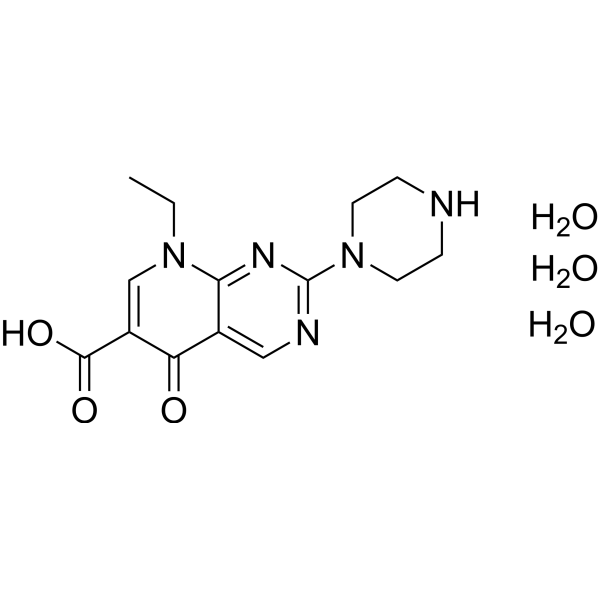
    Pipemidic acid trihydrate, a derivative of Piromidic acid, is an antibacterial agent. Pipemidic acid trihydrate inhibits DNA gyrase. Pipemidic acid trihydrate is active against gram-negative bacteria including Pseudomonas aeruginosa as well as some gram-positive bacteria. Pipemidic acid trihydrate can be used for the research of intestinal, urinary, and biliary tract infections .
    Pipemidic acid trihydrate
  • HY-B1788R

    N-Choloyltaurine (Standard)

    Reference Standards Endogenous Metabolite Inflammation/Immunology
    Taurocholic acid (Standard) is the analytical standard of Taurocholic acid. This product is intended for research and analytical applications. Taurocholic acid (N-Choloyltaurine) has marked bioactive effects such as an inhibitory potential against hepatic artery ligation induced biliary damage by upregulation of VEGF-A expression. Taurocholic acid has immunoregulation effect .
    Taurocholic acid (Standard)
  • HY-113086

    16:1(9Z) CE; 16:1(9Z) Cholesterol ester; Cholesterol Palmitoleate

    Endogenous Metabolite Cardiovascular Disease
    CE(16:1(9Z)) (16:1(9Z) CE) is a cholesterol ester. Plasma levels of cholesteryl palmitoleate are increased in ApoE -/- mice exposed to cigarette smoke and in pediatric patients with biliary atresia. Cholesteryl palmitoleate has been used as a standard for the identification of cholesterol esters in human meibomian gland secretions.
    CE(16:1(9Z))
  • HY-105047

    NRL972

    Biochemical Assay Reagents Metabolic Disease
    Fluorescein lisicol is a fluorescent-labelled bile salt and a marker of hepatic biliary transporter function. Fluorescein lisicol can be used for metabolic research .
    Fluorescein lisicol
  • HY-201296A

    TUCA sodium

    Drug Isomer Cancer
    Tauroursocholic acid (TUCA) sodium is a taurine-conjugated form of the bile acid ursocholic acid and the 7β-hydroxy epimer of Taurocholic acid (HY-B1788). Tauroursocholic acid sodium exists in abundance during the biliary tract cancer, disrupting the balance and cellular toxicity of bile acids and inducing carcinogenesis through oxidative DNA damage and DNA mutation. Tauroursocholic acid (TUCA) sodium can be used for biliary tract cancer research .
    Tauroursocholic acid sodium
  • HY-154857

    Scavenger Receptor Class B type I (SR-BI) Cancer
    1-Palmitoyl-2-succinyl-sn-glycerophosphorylcholine is a glycerophosphorylcholine, consisting of glycerol phosphate, choline and palmitic acid. It accumulates in vivo at sites of oxidative stress. 1-Palmitoyl-2-succinyl-sn-glycerophosphorylcholine may be a ligand of scavenger receptors class B, while oxidized phospholipids oxPC(CD36) are potent ligands of scavenger receptors class B (CD36 and SR-BI). Oxidized phospholipids (oxPLs) also play an important role in tumor apoptosis, may be elevated in malignant biliary strictures .
    1-Palmitoyl-2-succinyl-sn-glycerophosphorylcholine
  • HY-106162A

    NO Synthase Cardiovascular Disease Inflammation/Immunology Cancer
    ONO-1714 is an orally active nitric oxide synthase inhibitor. ONO-1714 attenuates endotoxin-induced acute lung injury, reduces intestinal ischemia–reperfusion injury, represses biliary carcinogenesis .
    ONO-1714
  • HY-16737R

    GFT505 (Standard)

    PPAR Reference Standards Metabolic Disease Inflammation/Immunology
    Elafibranor (Standard) is the analytical standard of Elafibranor. This product is intended for research and analytical applications. Elafibranor (GFT505) is a PPARα/δ agonist with EC50s of 45 and 175 nM, respectively. Elafibranor can be used for the study of primary biliary cholangitis .
    Elafibranor (Standard)
  • HY-19522B
    Seladelpar (lysine)
    1 Publications Verification

    MBX-8025 (lysine)

    PPAR Metabolic Disease
    Seladelpar (MBX-8025) lysine is an orally active, potent and specific PPARδ agonist with an EC50 of 2 nM. Seladelpar lysine shows more than 750-fold and 2500-fold selectivity over the PPARα and PPARγ receptors, respectively. Seladelpar lysine can be used for the study of primary biliary cholangitis .
    Seladelpar (lysine)
  • HY-19522R

    MBX-8025 (Standard); RWJ-800025 (Standard)

    PPAR Reference Standards Metabolic Disease
    Seladelpar (Standard) is the analytical standard of Seladelpar. This product is intended for research and analytical applications. Seladelpar (MBX-8025) is an orally active, potent and specific PPARδ agonist with an EC50 of 2 nM. Seladelpar shows more than 750-fold and 2500-fold selectivity over the PPARα and PPARγ receptors, respectively. Seladelpar can be used for the study of primary biliary cholangitis .
    Seladelpar (Standard)
  • HY-E70413

    Endogenous Metabolite Cardiovascular Disease Metabolic Disease
    Amino acid arylamidase, hog kidney is a metalloprotease that can hydrolyze proteins or peptides containing free α-amino or α-imino groups, playing a crucial role in amino acid metabolism and protein digestion. Its hydrolytic activity can be blocked by acetylation of the N-terminus. Amino acid arylamidase, hog kidney can be used in research on hepatic diseases, biliary diseases, and heart failure .
    Amino acid arylamidase, hog kidney
  • HY-109120S

    A4250-d5

    Apical Sodium-Dependent Bile Acid Transporter Isotope-Labeled Compounds Metabolic Disease
    Odevixibat-d5 is deuterated labeled Odevixibat (HY-109120). Odevixibat (A4250) is a selective and orally active ileal apical sodium-dependent bile acid transporter (ASBT) inhibitor. Odevixibat decreases cholestatic liver and bile duct injury in mice model. Odevixibat has the potential for the treatment of primary biliary cirrhosis .
    Odevixibat-d5
  • HY-109120R

    A4250 (Standard)

    Apical Sodium-Dependent Bile Acid Transporter Reference Standards Metabolic Disease
    Odevixibat (Standard) is the analytical standard of Odevixibat. This product is intended for research and analytical applications. Odevixibat (A4250) is a selective and orally active ileal apical sodium-dependent bile acid transporter (ASBT) inhibitor. Odevixibat decreases cholestatic liver and bile duct injury in mice model. Odevixibat has the potential for the treatment of primary biliary cirrhosis .
    Odevixibat (Standard)
  • HY-109120S1

    A4250-13C6

    Apical Sodium-Dependent Bile Acid Transporter Isotope-Labeled Compounds Metabolic Disease
    Odevixibat- 13C6 is 13C labeled Odevixibat (HY-109120). Odevixibat (A4250) is a selective and orally active ileal apical sodium-dependent bile acid transporter (ASBT) inhibitor. Odevixibat decreases cholestatic liver and bile duct injury in mice model. Odevixibat has the potential for the treatment of primary biliary cirrhosis .
    Odevixibat-13C6

Inquiry Online

Your information is safe with us. * Required Fields.

Salutation


Country or Region *

Applicant Name *


Organization Name *

Department *


Email Address *


Product Name *

Cat. No.


Requested quantity *

Phone Number *


Remarks

Inquiry Online

Inquiry Information

Product Name:
Cat. No.:
Quantity:
MCE Japan Authorized Agent:

