79 Results for "

caspase3/7

" in MedChemExpress (MCE) Product Catalog:
Products (79)

79 Results for "caspase3/7" in MCE Product Catalog:

111
111 Publications Verification
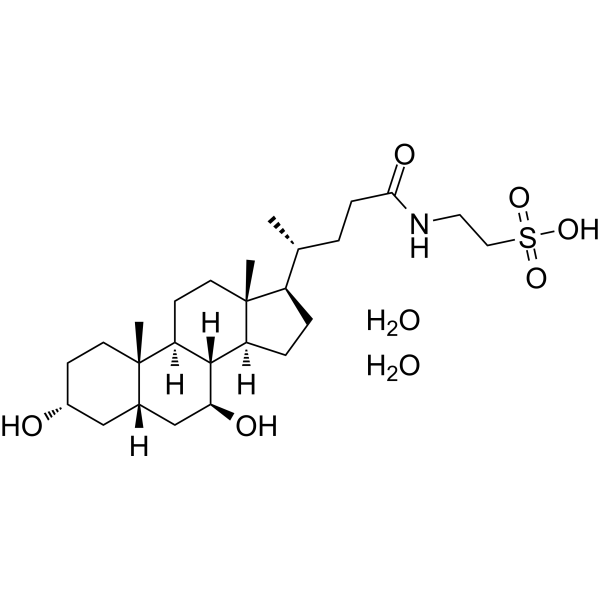
Cat. No.: HY-19696B
CAS No.: 117609-50-4
Synonyms: Tauroursodeoxycholic acid dihydrate; TUDCA dihydrate; UR 906 dihydrate
Tauroursodeoxycholate dehydrate is an orally active taurine conjugate of Ursodeoxycholic acid (HY-13771). Tauroursodeoxycholate dehydrate inhibits caspase-3/7, Apoptosis, IRE1α/TRAF2/NF-κB, prevents JNK phosphorylation, inhibits ROS generation, and activates Akt signaling. Tauroursodeoxycholate dehydrate prevents cataract formation, reduces renal tubular damage in type 2 diabetic mice, reduces I/R injury in liver, and inhibits intestinal inflammation and barrier disruption in nonalcoholic fatty liver disease [3] .
loading...
    loading...
4
4 Cited Publications
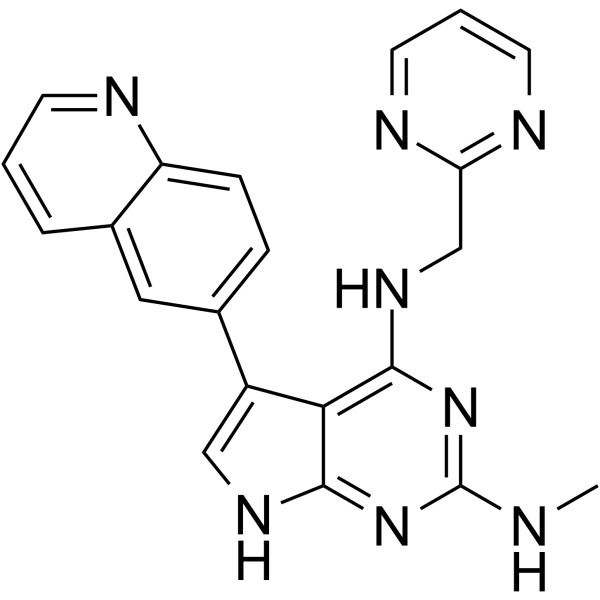
Cat. No.: HY-112296
CAS No.: 2407433-00-3
Purity:  99.64%
Target:  

CDK Apoptosis DYRK

Research Areas:  

Cancer

T025 is an orally active and highly potent inhibitor of Cdc2-like kinase (CLKs), with Kd values of 4.8, 0.096, 6.5, 0.61, 0.074, 1.5 and 32 nM for CLK1, CLK2, CLK3, CLK4, DYRK1A, DYRK1B and DYRK2, respectively. T025 induces caspase-3/7-mediated cell apoptosis. T025 reduces CLK-dependent phosphorylation. T025 exerts anti-proliferative activities in both hematological and solid cancer cell lines (IC50 values: 30-300 nM). T025 has an anti-tumor efficiency, mainly for MYC-driven disease research .
loading...
    loading...
4
4 Cited Publications
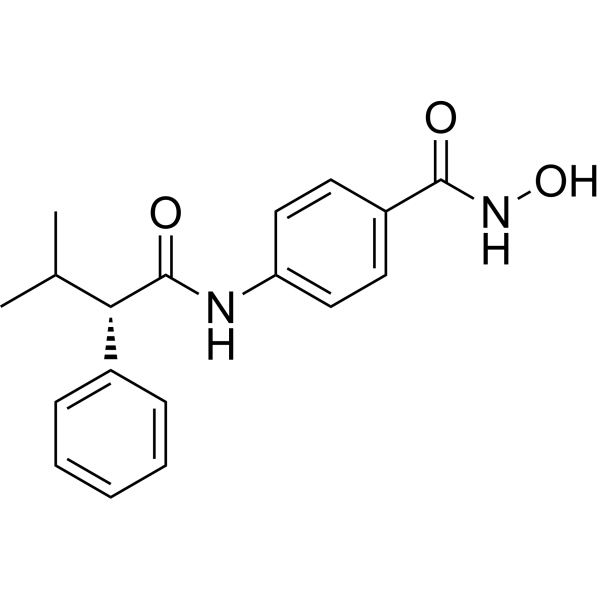
Cat. No.: HY-13265
CAS No.: 935881-37-1
Purity:  98.52%
Synonyms: HDAC-42; OSU-HDAC42
Target:  

HDAC Autophagy Apoptosis

Research Areas:  

Cancer

AR-42 (HDAC-42; OSU-HDAC42) is a potent, orally bioavailable pan-HDAC inhibitor (IC50=16 nM). AR-42 induces growth inhibition, cell-cycle arrest, apoptosis, and activation of caspases-3/7. AR-42 promotes hyperacetylation of H3, H4, and alpha-tubulin, and up-regulation of p21. AR-42 shows cytotoxicity against various human cancer cell lines .
loading...
    loading...
1
1 Cited Publications
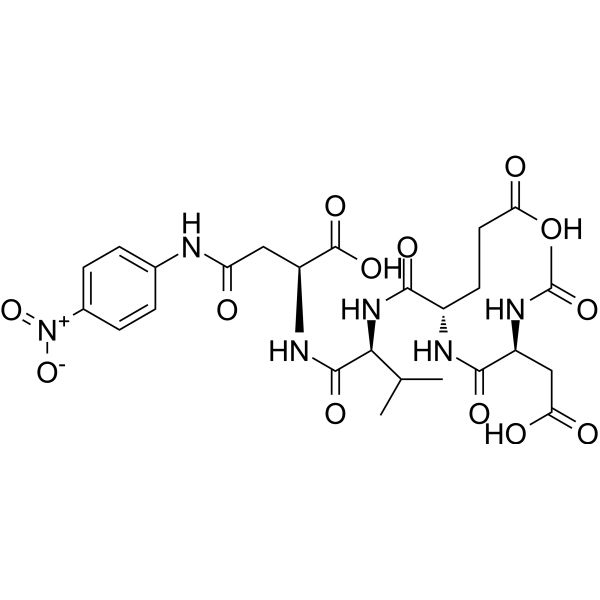
Cat. No.: HY-P1006
CAS No.: 189950-66-1
Target:  

Caspase

Research Areas:  

Others

Ac-DEVD-pNA is a ligand for caspase-3/-7 and related cysteine proteases .
loading...
    loading...
1
1 Cited Publications
Cat. No.: HY-N4183
CAS No.: 72357-31-4
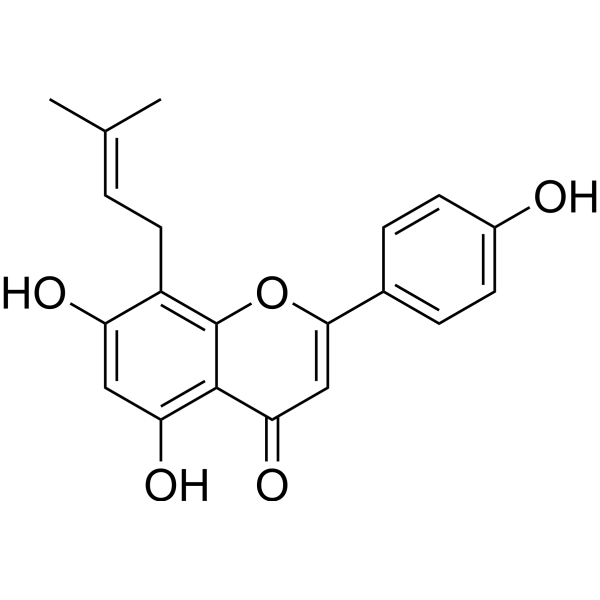
Licoflavone C is a broad-spectrum antiviral inhibitor with estrogen-like properties. Licoflavone C binds to viral endonuclease (CEN) and inhibits the replication of various bunyaviruses including severe fever with thrombocytopenia syndrome virus (SFTSV) and lymphocytic choriomeningitis virus in a non-substrate competitive manner. The IC50 values of Licoflavone C against SFTSV CEN and SFTSV CEN are 35.5 μM and 135.8 μM, respectively, and its Kd value against SFTSV CEN is 9.53 μM. After viral entry into cells, Licoflavone C reduces viral loads in mouse tissues in a dose-dependent manner, and exhibits extremely low cytotoxicity and genotoxicity. Licoflavone C induces apoptosis by increasing caspase 3/7 activity, blocks the cell cycle, and alleviates chemotherapy-induced chromosomal damage. Licoflavone C is applicable to the research on severe fever with thrombocytopenia syndrome and related viral infection mechanisms [3].
loading...
    loading...
1
1 Cited Publications
Cat. No.: HY-N1983
CAS No.: 38395-02-7
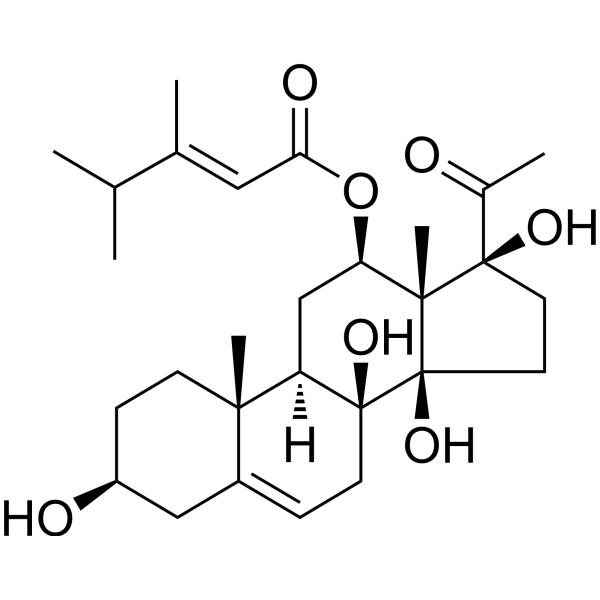
Caudatin is an orally active and brain-penetrant C-21 steroidal found in Cynanchum bungei decne with a variety of biological activities. Caudatin can inhibit cell proliferation, migration, invasion, cause cell phase arrest, induce apoptosis, autophagy, ROS prodution and loss of mitochondrial membrane potential. Caudatin activates PARP, caspase-3, -7, -9, upregulates pro-apoptotic Bad and Bax and downregulates anti-apoptotic Bcl-2 and Bcl-XL. Caudatin suppresses VEGF, FAK phosphorylation, upregulates p21, p27, DR5 protein expression, activates the p38 MAPK, JNK and PPARα/TFEB-mediated autophagy-lysosomal signaling pathways. Caudatin can be used for the research of cancer, inflammation and neurological disease, such as glioma and Alzheimer's disease .
loading...
    loading...
1
1 Cited Publications
Cat. No.: HY-N2123
CAS No.: 5088-75-5
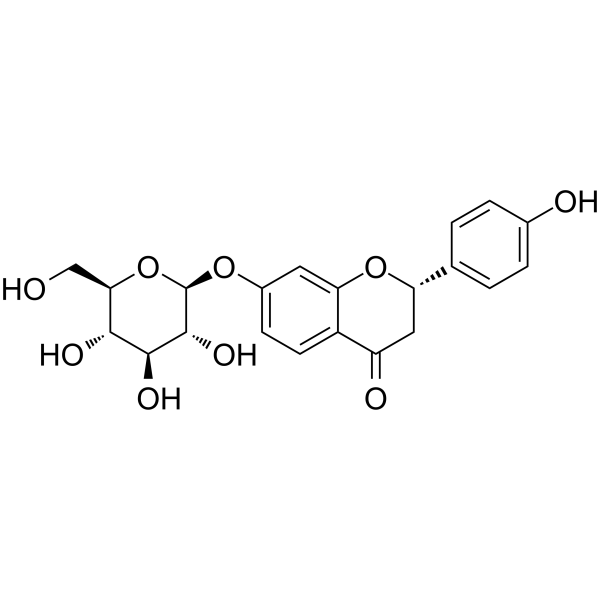
Neoliquiritin is a flavonoid and flavanone-derived cytotoxic agent with anticancer activity and neuroprotective effects. Neoliquiritin exhibits excellent tumor specificity, exerting a more pronounced killing effect on cancer cells compared with normal oral cells. Neoliquiritin also exerts neuroprotective effects by inhibiting ATP depletion and the elevation of caspase 3/7 activity. Widely present in the roots of Glycyrrhiza uralensis, Glycyrrhiza inflata and Glycyrrhiza glabra, Neoliquiritin can be applied to studies on human oral squamous cell carcinoma, leukemia, Parkinson's disease and other conditions [3].
loading...
    loading...
1
1 Cited Publications
Cat. No.: HY-103645
CAS No.: 551919-98-3
Purity:  99.85%
Research Areas:  

Infection Cancer

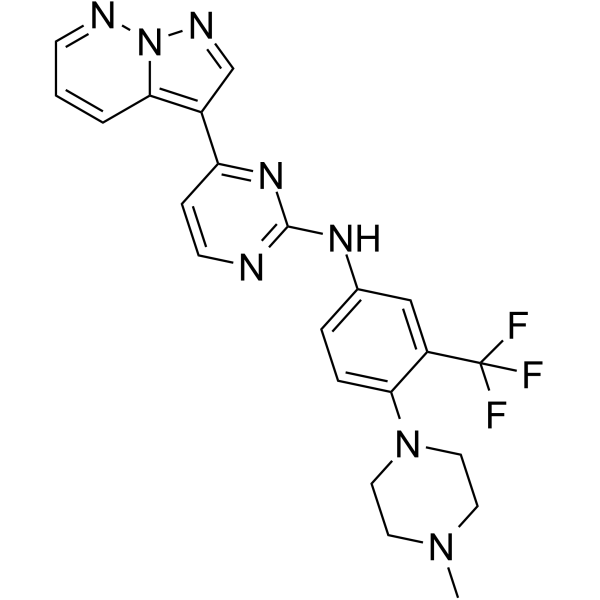
GW779439X is a pyrazolopyridazine identified in an inhibitor of the S. aureus PASTA kinase Stk1. GW779439X potentiates the activity of β-lactam antibiotics against various MRSA and MSSA isolates, some even crossing the breakpoint from resistant to sensitive. GW779439X is an AURKA inhibitor and induces apoptosis by the caspases 3/7 pathway . MRSA:methicillin-resistant S. aureus; MSSA: methicillin-sensitive S. aureus
loading...
    loading...
Cat. No.: HY-128483
CAS No.: 536-69-6
Purity:  99.94%
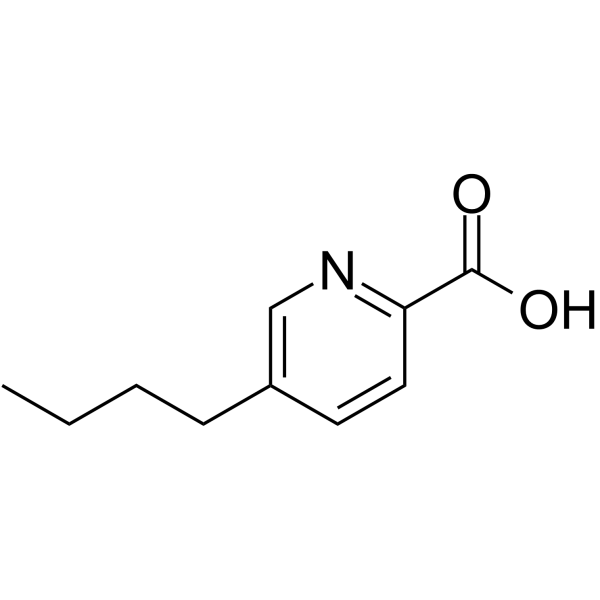
Fusaric acid is an orally active multi-pathway inhibitor with the activity of inducing oxidative stress and apoptosis. Fusaric acid can chelate divalent metal cations, damage mitochondrial membrane structure, and activate apoptosis-related proteases such as Caspase-3/7, -8, and -9. Fusaric acid also regulates Bax/Bcl-2 protein, inhibits fibrosis-related signaling pathways such as NF-κB, TGF-β1/SMADs, and PI3K/AKT/mTOR, and reduces collagen deposition. Fusaric acid is also a dopamine β-hydroxylase inhibitor, which reduces endogenous levels of norepinephrine and epinephrine in the brain, heart, spleen, and adrenal glands. Fusaric acid can play a role in myocardial fibrosis and improve cardiac hypertrophy in heart disease, and can also be used in the study of esophageal cancer and liver cancer [3] .
loading...
    loading...
Cat. No.: HY-107150
CAS No.: 916056-79-6
Purity:  98.85%
Synonyms: ADX-102; NS-2
Target:  

PKC Caspase

Reproxalap (ADX-102) is an active aldehyde sequestering agent. Reproxalap reduces the PKCα activity. Reproxalap blocks caspase 3/7 activation. Reproxalap protects cells from the cytotoxicity of C18:0-al. Reproxalap has anti-inflammatory and pain-relieving effects. Reproxalap is used in studies of dry eye, allergic conjunctivitis, and non-infectious anterior uveitis [3] .
loading...
    loading...
Cat. No.: HY-174374
CAS No.: 3076446-44-8
Target:  

Topoisomerase

Research Areas:  

Cardiovascular Disease

Topobexin is a TOP2B-selective inhibitor with IC50 values of 0.19 μM and 4.8 μM for TOP2B and TOP2A (DNA decatenation assay). Topobexin binds to non-homologous residues in the obex pocket and targets the ATPase domain of TOP2B. Topobexin prevents anthracycline-induced DNA double-strand break formation, apoptotic signaling mediated by caspase 3/7, 8 and 9, cardiomyocyte morphological changes, mitochondrial depolarization/loss, left ventricular systolic dysfunction, extracellular matrix remodeling, fibrotic alterations, and increases in plasma cardiac troponin T and BNP. Topobexin does not impair the antiproliferative effects of anthracyclines in cancer cells, exhibits no intrinsic cytotoxicity in cardiomyocytes, and is well tolerated in rabbits. Topobexin can be used in studies related to anthracycline-induced cardiotoxicity [3].
loading...
    loading...
Cat. No.: HY-N3126
CAS No.: 480-64-8
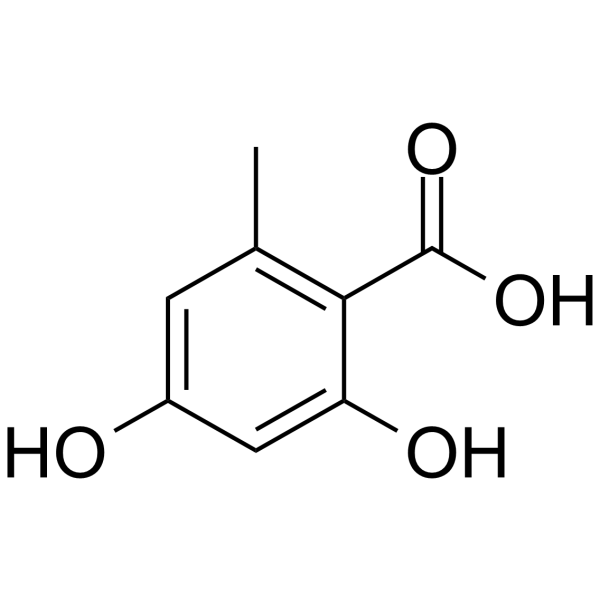
Orsellinic acid is a Benzoic acid (HY-N0216) derivative. Orsellinic acid can be isolated from Chaetomium globosum endophytic on Ephedra fasciculata (Mormon tea). Orsellinic acid blocks PAF-mediated Apoptosis, inhibits caspase-3/7 activation, and PARP cleavage. Orsellinic acid can be used in research of neurons and various tumors (non-small cell lung cancer, breast cancer, neuroblastoma, pancreatic cancer) [3].
loading...
    loading...
Cat. No.: HY-12842
CAS No.: 383392-66-3
Purity:  98.92%
Research Areas:  

Inflammation/Immunology Cancer

UC-112 is a XIAP inhibitor with anticancer activity. UC-112 selectively downregulates and degrades survivin via the ubiquitin-mediated proteasomal degradation pathway. UC-112 reduces XIAP levels in in vivo tumor models. UC-112 activates caspase-3/7 and caspase-9, and induces cancer cell apoptosis. UC-112 is applicable to studies on melanoma, prostate cancer and cancer-related research .
loading...
    loading...
Cat. No.: HY-P10285
CAS No.: 286380-05-0
Synonyms: D-(KLAKLAK)2
Research Areas:  

Cancer

d-KLA Peptide (D-(KLAKLAK)2), KLA peptide (HY-P5345) isomer, is a pro-apoptosis peptide. d-KLA Peptide can specifically target mitochondria and induce apoptosis by destroying the mitochondrial membrane. d-KLA Peptide increases caspase 3/7 activity, exerts proapoptotic activity and enhances antitumor efficacy in mouse melanoma models .
loading...
    loading...
Cat. No.: HY-W033813
CAS No.: 1110670-49-9
Target:  

Caspase Apoptosis

Research Areas:  

Cancer

Caspase-3/7 inhibitor I is a potent and reversible inhibitor of caspase-3 and caspase-7, with Kis of 60 and 170 nM, respectively. Caspase-3/7 inhibitor I can inhibit apoptosis in Camptothecin (HY-16560)-treated Jurkat cells and in chondrocytes .
loading...
    loading...
Cat. No.: HY-N2135
CAS No.: 114240-18-5
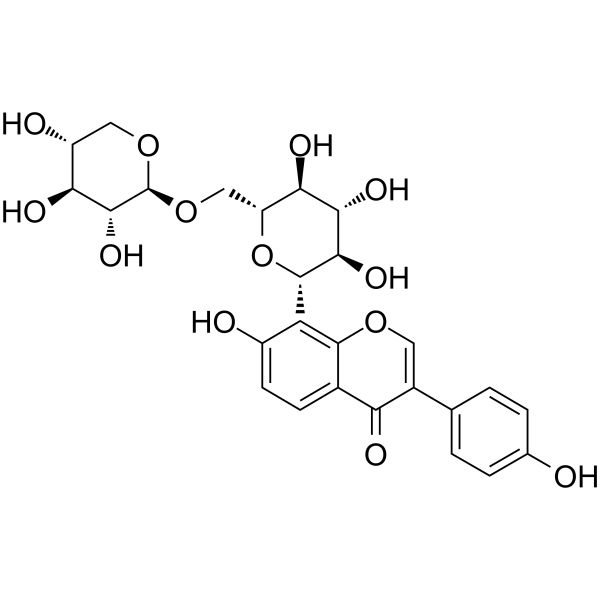
Puerarin 6''-O-Xyloside is one of the major iso-flavones found in P. lobata. Puerarin 6''-O-Xyloside inhibits cancer cells proliferation, induces apoptosis by upregulating cleaved caspase-3, 7, 9, Bax and downregulating Bcl-2 levles and inhibits tumor growth in mice. Puerarin 6''-O-Xyloside has anti-osteoporotic activity in ovariectomized mice. Puerarin 6''-O-Xyloside inhibits mushroom tyrosinase with an IC50 of 513.8 μM. Puerarin 6''-O-Xyloside can be used for the research of human lung carcinoma, osteoporosis, melanosis and melanomar .
loading...
    loading...
Cat. No.: HY-W017424
CAS No.: 136-95-8
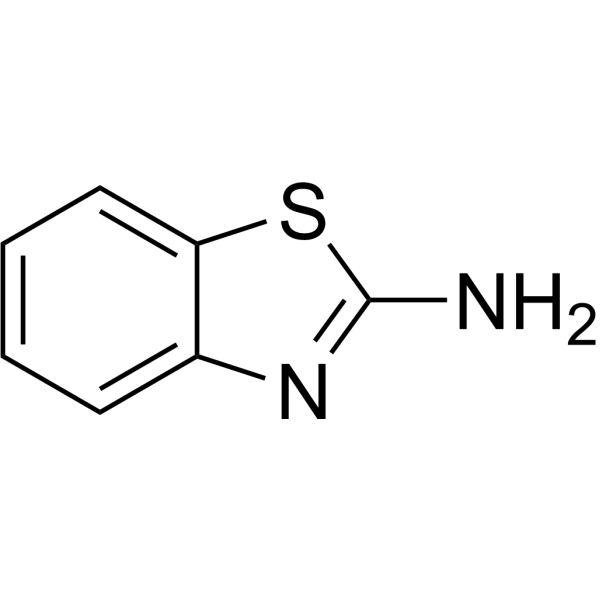
2-Aminobenzothiazole acts as a caspase 3/7 activator, an anticancer cytotoxic agent, and also exhibits neurotoxicity. 2-Aminobenzothiazole drives the apoptotic pathway by activating caspase 3/7, induces mitochondrial inner membrane depolarization, and triggers both early and late apoptosis via a caspase-dependent pathway. In zebrafish models, 2-Aminobenzothiazole induces oxidative damage in brain tissues and inhibits genes related to GABA and 5-HT synthesis pathways. Long-term exposure to 2-Aminobenzothiazole impairs motor ability, social behavior, anxiety-like state and cognitive function. 2-Aminobenzothiazole can be used in studies of human laryngeal carcinoma and related neurotoxicity .
loading...
    loading...
Cat. No.: HY-168669
CAS No.: 3052745-16-8
Target:  

PROTACs Ras Caspase ERK

Research Areas:  

Cancer

PROTAC K-Ras Degrader-5 is a cereblon-based K-Ras PROTAC degrader with a DC50 of <100 nM for KRAS G12D. PROTAC K-Ras Degrader-5 recruits KRAS G12D to the cereblon E3 ubiquitin ligase complex for ubiquitination and subsequent proteasomal degradation. PROTAC K-Ras Degrader-5 suppresses pERK levels downstream of KRAS G12D degradation in cancer cells. PROTAC K-Ras Degrader-5 reduces proliferation of cancer cells. PROTAC K-Ras Degrader-5 induces caspase 3/7 activity and cPARP, markers of apoptosis, in pancreatic cancer spheroids and tumors. PROTAC K-Ras Degrader-5 can be used for the research of pancreatic cancer and colorectal cancer .
loading...
    loading...
Cat. No.: HY-169172
CAS No.: 3097167-82-0
Target:  

Bcl-2 Family Caspase

Research Areas:  

Cancer

Bfl-1-IN-5 (Compound (R,R,S)-26) is a selective inhibitor for Bfl-1 with an IC50 of 0.022 μM. Bfl-1-IN-5 promotes the caspase-3/7 activity with an EC50 of 0.37 μM, and inhibits the cell viability of SU-DHL-1 with an EC50 of 1.3 μM .
loading...
    loading...
Cat. No.: HY-178861
Research Areas:  

Cancer

dCDK9-202 a potent CDK9 PROTAC degrader with an DC50 value of 3.5 nM. dCDK9-202 exhibits broad-spectrum anti-tumor activity and extensively disrupts the oncogenic transcriptome. dCDK9-202 can activate Caspase-3/7, increase the level of cleaved PARP, and directly induce apoptosis of tumor cells. dCDK9-202 effectively inhibits TC-71 tumor growth without any signs of toxicity in mice. dCDK9-202 can be used for the study of EGFR-driven cancers such as sarcoma (Pink: CDK9 ligand (HY-178862); Blue: CRBN ligand (HY-W248665); Black: Linker (HY-N8015)) .
loading...
    loading...

