144 Results for "

catabolism

" in MedChemExpress (MCE) Product Catalog:
Products (144)

144 Results for "catabolism" in MCE Product Catalog:

25
25 Publications Verification
Cat. No.: HY-P1731C
Synonyms: LY3298176 sodium
Tirzepatide sodium (LY3298176 sodium) is a dual glucose-dependent insulinotropic polypeptide (GIP) and glucagon-like peptide-1 (GLP-1) receptor agonist. Tirzepatide sodium exerts anti-apoptotic and pro-differentiation effects via the pAkt/CREB/BDNF cascade and miRNA in neurons; in the heart, it promotes BCAA catabolism and inhibits the mTOR pathway by mediating the dephosphorylation of BCKDHA; meanwhile, it effectively reduces insulin and leptin levels and suppresses inflammatory responses at the systemic level. Tirzepatide sodium can be used for research on myocardial infarction, colon cancer, diabetes, diabetic cognitive impairment, neurodegeneration, diabetes-related neuropathy, and obesity .
loading...
    loading...
22
22 Cited Publications
Cat. No.: HY-B0389A
CAS No.: 110187-42-3
Synonyms: Glucose-13C6; D-(+)-Glucose-13C6; Dextrose-13C6
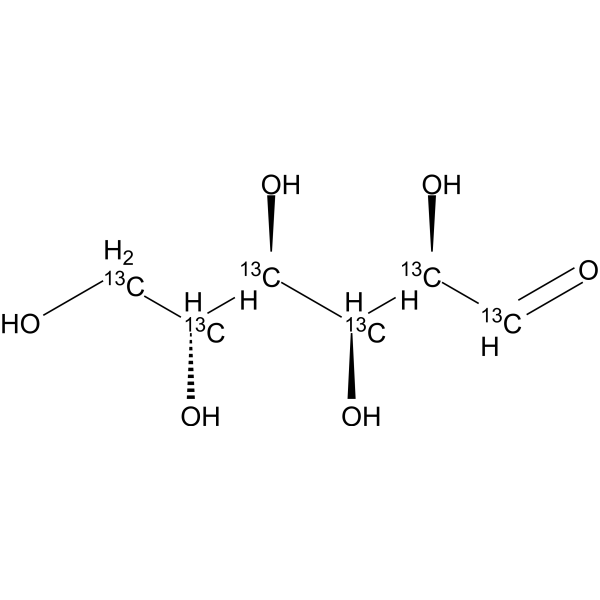
D-Glucose- 13C6 is a stable isotope-labeled counterpart of D-glucose (HY-B0389). D-Glucose- 13C6 can be used as a metabolic tracer to trace glucose-related synthetic catabolism or as synthesis ingredient, minimal media reagent, and internal standard .
loading...
    loading...
16
16 Cited Publications
Cat. No.: HY-N0092
CAS No.: 58-63-9
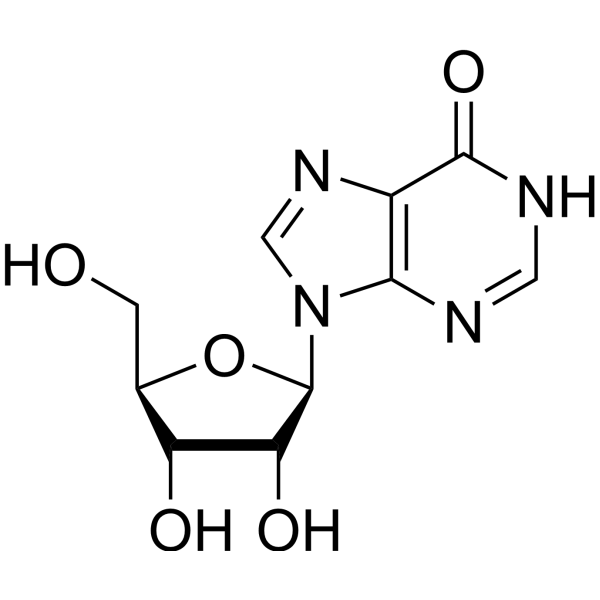
Inosine is an endogenous purine nucleoside produced by catabolism of adenosine. Inosine has anti-inflammatory, antinociceptive, immunomodulatory and neuroprotective effects. Inosine is an agonist for adenosine A1 (A1R) and A2A (A2AR) receptors .
loading...
    loading...
12
12 Cited Publications
Cat. No.: HY-N0390S1
CAS No.: 184161-19-1
Synonyms: L-Glutamic acid 5-amide-13C5
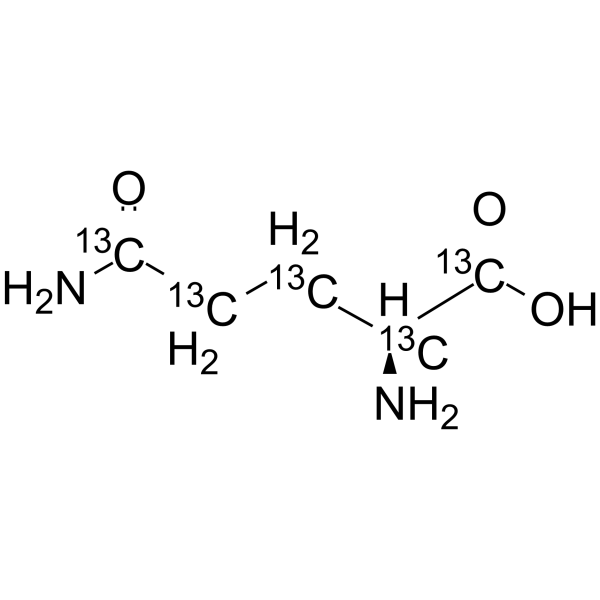
L-Glutamine- 13C5 is the 13C-labeled L-Glutamine (HY-N0390). L-Glutamine is an orally active nutritional agent and cellular metabolism regulator. L-Glutamine is taken up in a Na +-dependent manner and targets multiple key molecules including glutaminase, mTORC1, NF-κB, STAT-3 and HIF-1α. L-Glutamine enhances glutaminolytic catabolism, drives the conversion of glutamate to α-ketoglutarate, thereby regulating gene expression, integrating metabolic signals, mediating glutamine flux and maintaining redox homeostasis. L-Glutamine also promotes cell proliferation, osteogenic differentiation and fracture healing, exerts neuroprotective and cardioprotective effects, and inhibits osteoarthritis. L-Glutamine can be applied to research related to osteoporosis, osteoarthritis, ischemic stroke and acute cantharidin-induced cardiotoxicity .
loading...
    loading...
7
7 Cited Publications
Cat. No.: HY-N0323
CAS No.: 635-65-4
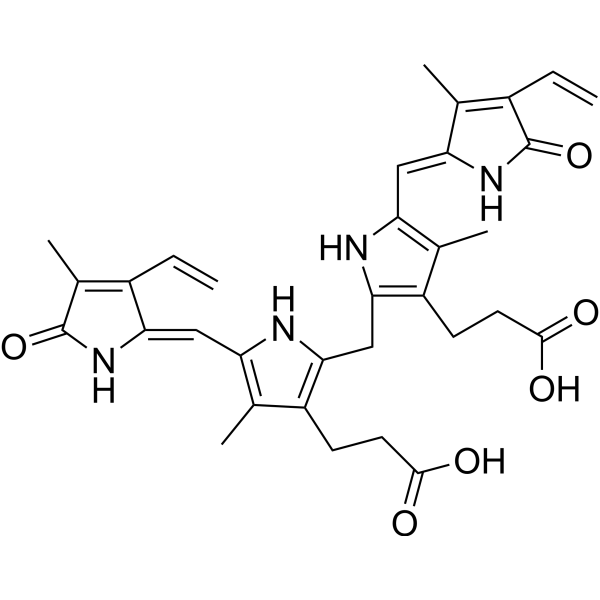
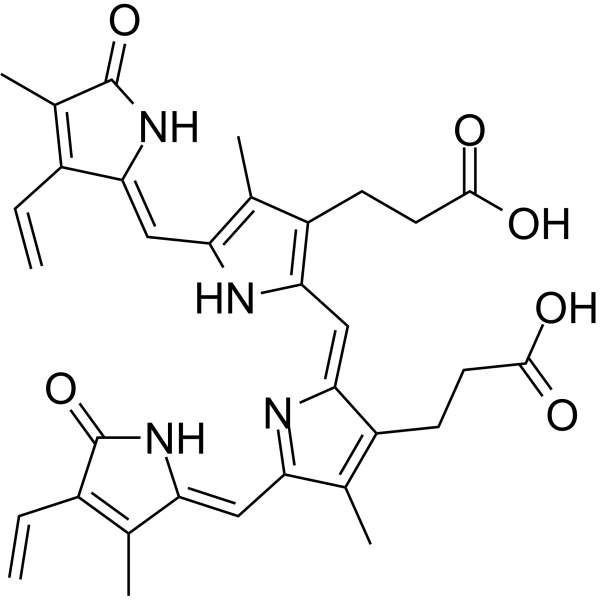
Bilirubin is a yellow breakdown product of heme catabolism . Bilirubin exhibits antioxidant and antimutagenic effects .
loading...
    loading...
6
6 Cited Publications
Cat. No.: HY-N0391
CAS No.: 372-75-8
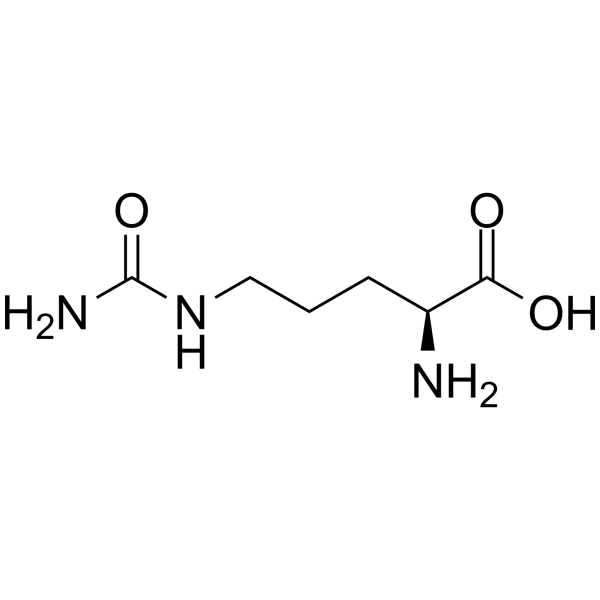
L-Citrulline is an amino acid derived from ornithine in the catabolism of proline or glutamine and glutamate, or from l-arginine via arginine-citrulline pathway.
loading...
    loading...
6
6 Cited Publications
Cat. No.: HY-15399
CAS No.: 68506-86-5
Purity:  ≥98.0%
Synonyms: γ-Vinyl-GABA
Target:  

GABA Receptor

Research Areas:  

Neurological Disease

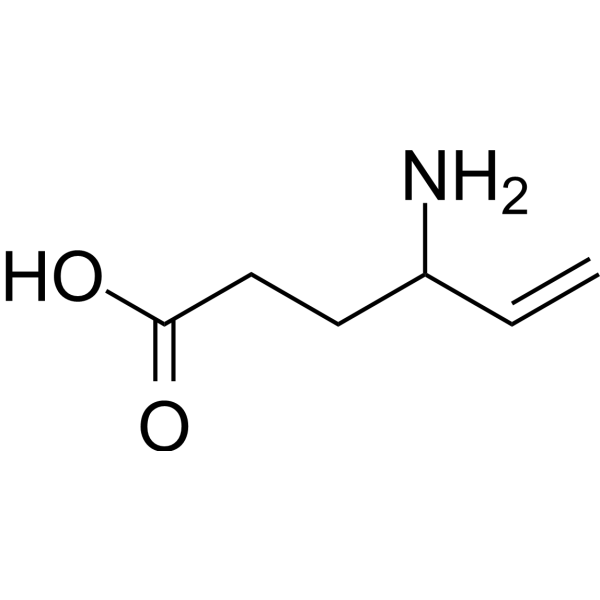
Vigabatrin (γ-Vinyl-GABA), an inhibitory neurotransmitter GABA vinyl-derivative, is an orally active and irreversible GABA transaminase inhibitor. Vigabatrin is an antiepileptic agent, which acts by increasing GABA levels in the brain by inhibiting the catabolism of GABA by GABA transaminase .
loading...
    loading...
6
6 Cited Publications
Cat. No.: HY-B0033
CAS No.: 1391054-02-6
Synonyms: γ-Vinyl-GABA hydrochloride
Target:  

GABA Receptor

Research Areas:  

Neurological Disease

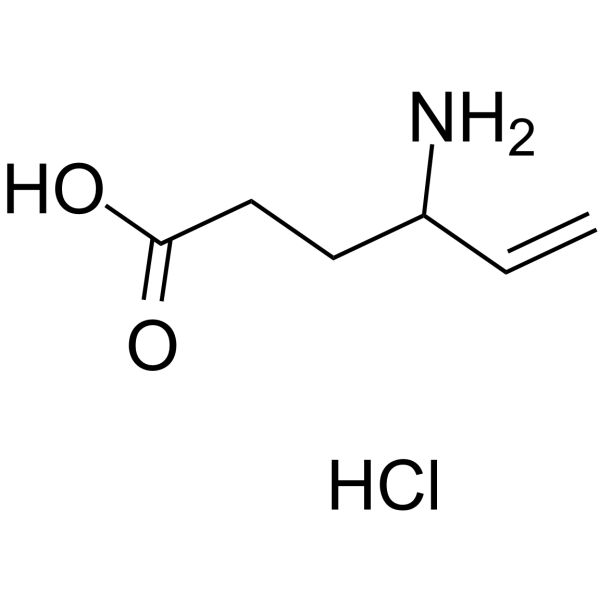
Vigabatrin hydrochloride (γ-Vinyl-GABA hydrochloride), a inhibitory neurotransmitter GABA vinyl-derivative, is an orally active and irreversible GABA transaminase inhibitor. Vigabatrin hydrochloride is an antiepileptic agent, which acts by increasing GABA levels in the brain by inhibiting the catabolism of GABA by GABA transaminase .
loading...
    loading...
6
6 Cited Publications
Cat. No.: HY-13610A
CAS No.: 156886-85-0
Purity:  99.82%
Synonyms: Diethylnorspermine tetrahydrochloride; DENSPM tetrahydrochloride; BENSPM tetrahydrochloride
Target:  

Caspase mTOR

Research Areas:  

Cancer

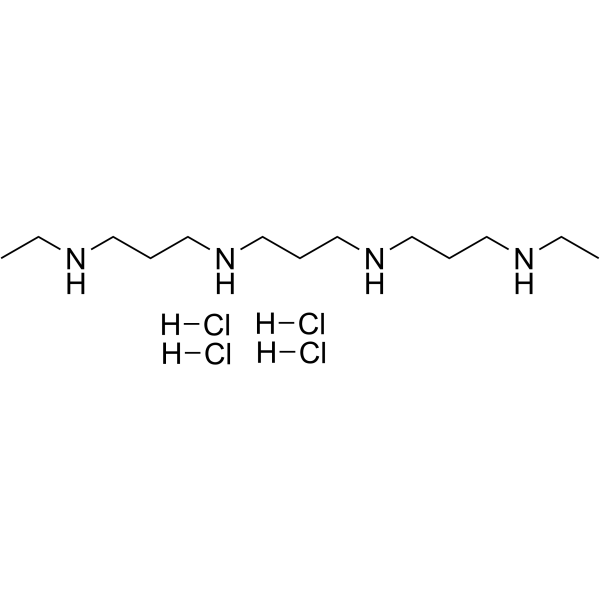
N1, N11-Diethylnorspermine tetrahydrochloride (DENSPM tetrahydrochloride) is a potent anticancer agent. N1,N11-Diethylnorspermine tetrahydrochloride activates polyamine catabolism and downregulates mTOR protein. N1,N11-Diethylnorspermine tetrahydrochloride induces the release of cytochrome c from mitochondria, resulting in activation of caspase 3. N1,N11-Diethylnorspermine tetrahydrochloride kills glioblastoma multiforme (GBM) through induction of SSAT (spermidine/spermine N1-acetyltransferase) coupled with H2O2 production .
loading...
    loading...
4
4 Cited Publications
Cat. No.: HY-B0388
CAS No.: 23288-49-5
Synonyms: DH-581
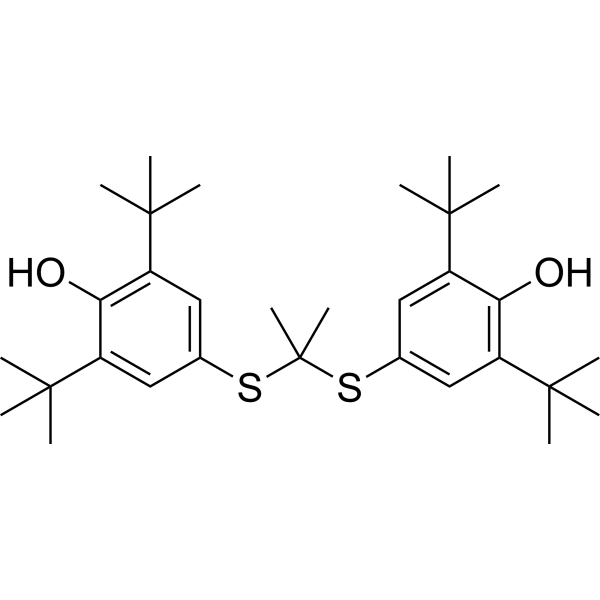
Probucol (DH-581) is an anti-hyperlipidemic agent. Probucol activates glutathione peroxidase. Probucol promotes low density lipoprotein (LDL) catabolism, inhibits ABCA1-dependent cholesterol efflux, and decreases HDL-C levels. Probucol also has anti-inflammatory, antioxidant and neuroprotective properties. Probucol can be used for researches on bone, cardiovascular, cancer, neurological, and metabolism-related diseases .
loading...
    loading...
4
4 Cited Publications
Cat. No.: HY-N0390S9
CAS No.: 59681-32-2
Synonyms: L-Glutamic acid 5-amide-15N-1
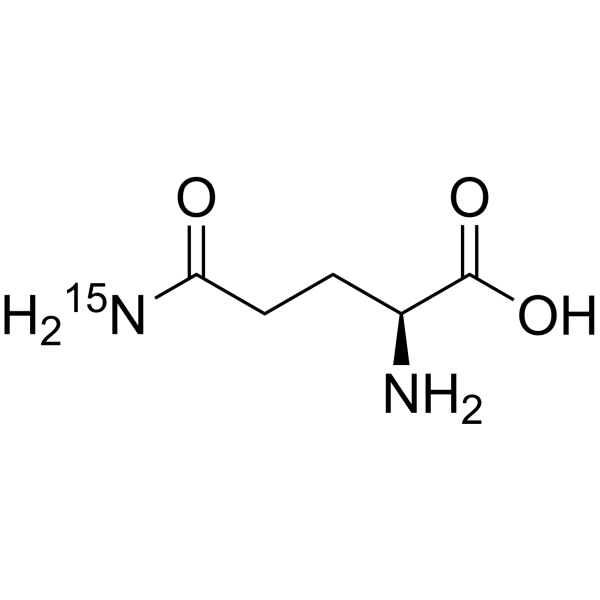
L-Glutamine- 15N-1 is the 15N-labeled L-Glutamine (HY-N0390). L-Glutamine is an orally active nutritional agent and cellular metabolism regulator. L-Glutamine is taken up in a Na +-dependent manner and targets multiple key molecules including glutaminase, mTORC1, NF-κB, STAT-3 and HIF-1α. L-Glutamine enhances glutaminolytic catabolism, drives the conversion of glutamate to α-ketoglutarate, thereby regulating gene expression, integrating metabolic signals, mediating glutamine flux and maintaining redox homeostasis. L-Glutamine also promotes cell proliferation, osteogenic differentiation and fracture healing, exerts neuroprotective and cardioprotective effects, and inhibits osteoarthritis. L-Glutamine can be applied to research related to osteoporosis, osteoarthritis, ischemic stroke and acute cantharidin-induced cardiotoxicity .
loading...
    loading...
3
3 Cited Publications
Cat. No.: HY-N0390S
CAS No.: 80143-57-3
Synonyms: L-Glutamic acid 5-amide-15N
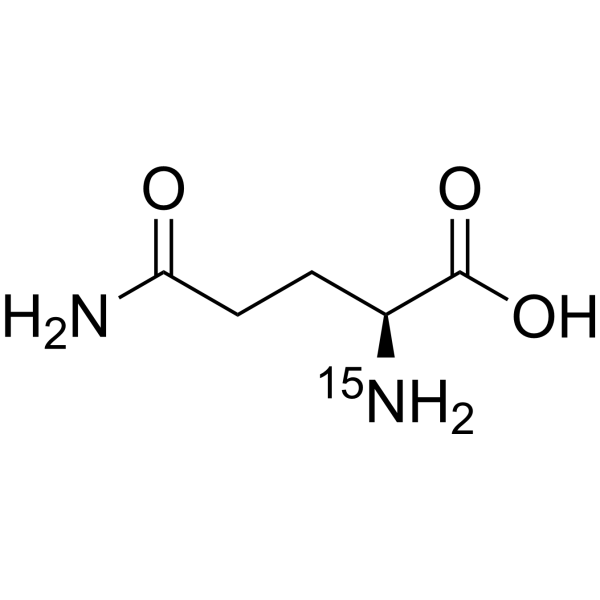
L-Glutamine- 15N is the 15N-labeled L-Glutamine (HY-N0390). L-Glutamine is an orally active nutritional agent and cellular metabolism regulator. L-Glutamine is taken up in a Na +-dependent manner and targets multiple key molecules including glutaminase, mTORC1, NF-κB, STAT-3 and HIF-1α. L-Glutamine enhances glutaminolytic catabolism, drives the conversion of glutamate to α-ketoglutarate, thereby regulating gene expression, integrating metabolic signals, mediating glutamine flux and maintaining redox homeostasis. L-Glutamine also promotes cell proliferation, osteogenic differentiation and fracture healing, exerts neuroprotective and cardioprotective effects, and inhibits osteoarthritis. L-Glutamine can be applied to research related to osteoporosis, osteoarthritis, ischemic stroke and acute cantharidin-induced cardiotoxicity .
loading...
    loading...
2
2 Cited Publications
Cat. No.: HY-106406
CAS No.: 82857-69-0
Purity:  98.18%
Synonyms: BAU; 5-Benzylacyclouridine
Target:  

Drug Derivative

Research Areas:  

Cancer

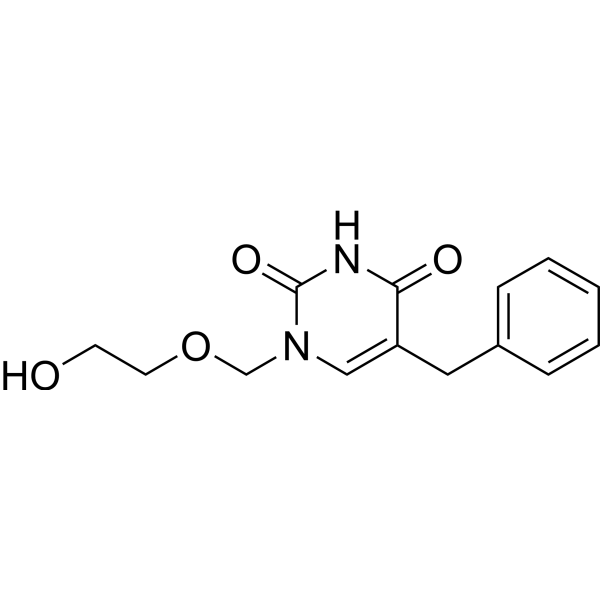
Benzylacyclouridine (BAU) is a potent and specific inhibitor of uridine phosphorylase, the first enzyme in the catabolism of uridine. Benzylacyclouridine inhibits the metabolic activity of UPP1 and the activity of UPP2. Benzylacyclouridine can modulate the cytotoxic side effects of 5-fluorouracil (5-FU) and its derivatives .
loading...
    loading...
2
2 Cited Publications
Cat. No.: HY-108681
CAS No.: 163239-22-3
Purity:  99.54%
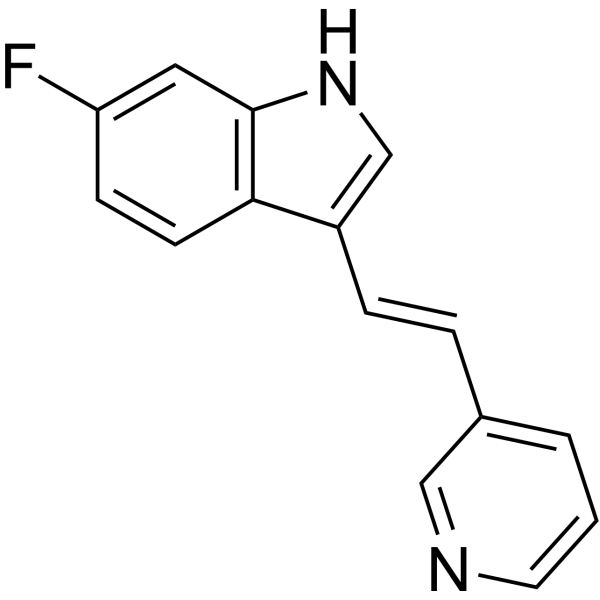
680C91 is an orally active, selective tryptophan 2,3-dioxygenase (TDO) inhibitor with a Ki of 51 nM. TDO is the key enzyme of tryptophan catabolism. 680C91 can be used for the research of cancer immunotherapy and Alzheimer’s Disease .
loading...
    loading...
2
2 Cited Publications
Cat. No.: HY-N0092S2
CAS No.: 503173-79-3
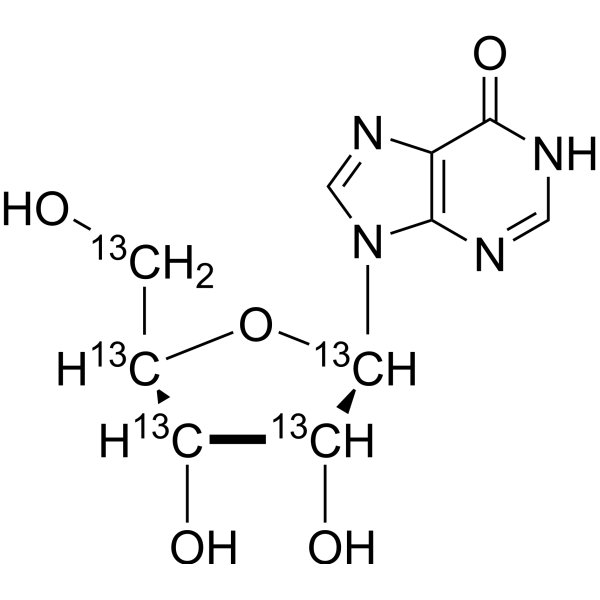
Inosine- 13C5 is the 13C5 labeled Inosine (HY-N0092). Inosine is an endogenous purine nucleoside produced by catabolism of adenosine. Inosine has anti-inflammatory, antinociceptive, immunomodulatory and neuroprotective effects. Inosine is an agonist for adenosine A1 (A1R) and A2A (A2AR) receptors .
loading...
    loading...
1
1 Cited Publications
Cat. No.: HY-135005A
CAS No.: 114-25-0
Purity:  ≥70.0%
Biliverdin, a tetrapyrrolic pigment, is a product of heme catabolism. Heme is broken down into Biliverdin and carbon monoxide and iron by heme oxidase. Biliverdin is then quickly broken down to bilirubin by Biliverdin reductase. Biliverdin can mediate the protective effects of HO-1 in many disease models including IRI and organ transplantation. Biliverdin exhibits anti-mutagenic, an antioxidant, anti-inflammatory, and immunosuppressant properties .
loading...
    loading...
1
1 Cited Publications
Cat. No.: HY-135005
CAS No.: 856699-18-8
Purity:  99.3%
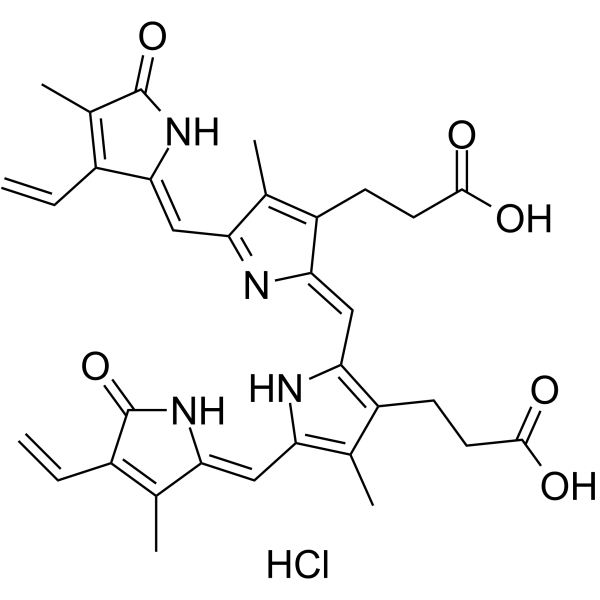
Biliverdin hydrochloride, a tetrapyrrolic pigment, is a product of heme catabolism. Heme is broken down into Biliverdin and carbon monoxide and iron by heme oxidase. Biliverdin hydrochloride is then quickly broken down to bilirubin by Biliverdin reductase. Biliverdin hydrochloride is anti-mutagenic, an antioxidant, anti-inflammatory, and immunosuppressant .
loading...
    loading...
1
1 Cited Publications
Cat. No.: HY-113380
CAS No.: 4249-19-8
Purity:  ≥98.0%
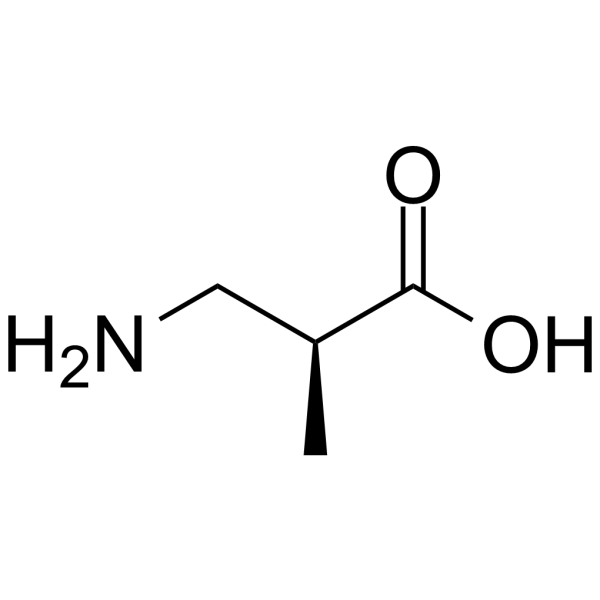
(S)-β-Aminoisobutyric acid is an orally active S-isomer of β-Aminoisobutyric acid (HY-W012974). (S)-β-Aminoisobutyric acid can be produced through the catabolism of thymine and valine. (S)-β-Aminoisobutyric acid reduces apoptosis and increases the ratio of p-AMPK. (S)-β-Aminoisobutyric acid has cardioprotective effects. (S)-β-Aminoisobutyric acid is associated with acute aerobic exercise .
loading...
    loading...
1
1 Cited Publications
Cat. No.: HY-161949
CAS No.: 1369963-51-8
Target:  

Potassium Channel

Research Areas:  

Neurological Disease

AP-6 is a selective inhibitor of TMEM175 with activity in modulating lysosomal function. Acute inhibition of TMEM175 by AP-6 increases lysosomal macromolecular catabolism, thereby accelerating macrophage and other digestive processes. AP-6 may be used in Parkinson's disease research .
loading...
    loading...
1
1 Cited Publications
Cat. No.: HY-138802
CAS No.: 1306638-12-9
Purity:  99.86%
ML089 is an orally active inhibitor of phosphomannose isomerase (PMI) and PHOSPHO1, with an IC50 value of 1.3 μM against human PMI and an IC50 value of 0.8 μM against PHOSPHO1. ML089 blocks the catabolism of mannose-6-phosphate, directs mannose-6-phosphate to participate in protein glycosylation, increases mannose incorporation into cellular proteins, and reduces tritiated water production from mannose-6-phosphate. ML089 inhibits PMI in living cells. ML089 can be used in research related to congenital disorder of glycosylation type Ia (CDG-Ia) .
loading...
    loading...

