
Search Result
Results for "
cell monolayers
" in MedChemExpress (MCE) Product Catalog:
3
Biochemical Assay Reagents
| Cat. No. |
Product Name |
Target |
Research Areas |
Chemical Structure |
-
- HY-U00434
-
3BDO
Maximum Cited Publications
21 Publications Verification
|
mTOR
Autophagy
Apoptosis
|
Infection
Inflammation/Immunology
|
|
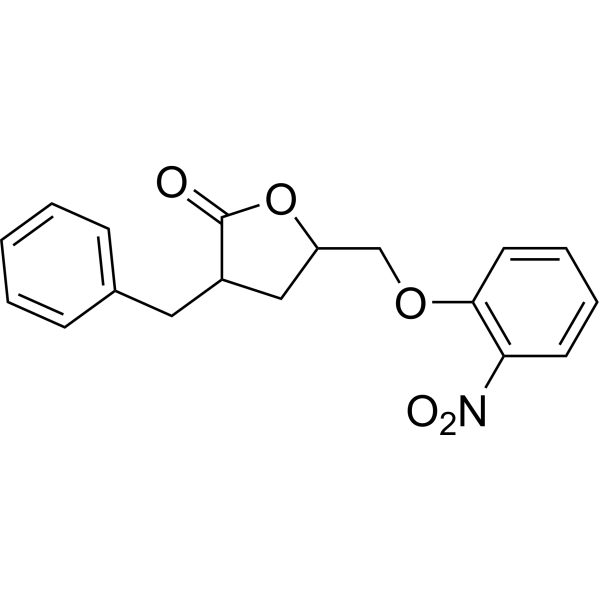
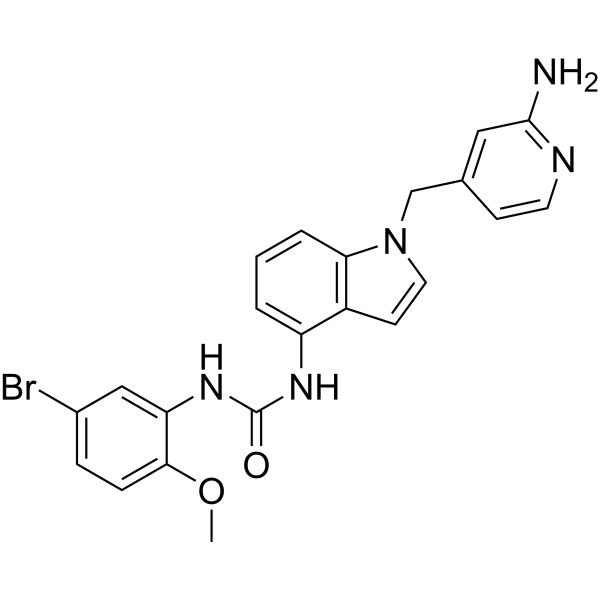
3BDO is a IFITM3 modulator and mTOR activator with antiviral and autophagy-inhibiting effects. 3BDO exhibits inhibitory activity against porcine coronaviruses. 3BDO increases the protein abundance of IFITM3, inhibits virus-cell membrane fusion, and blocks viral entry. 3BDO inhibits the entry of transmissible gastroenteritis virus, porcine epidemic diarrhea virus, and porcine respiratory coronavirus into host cells. 3BDO can be used for research on porcine coronavirus infection .
|
-
-
- HY-169996
-
-
-
- HY-W096638A
-
|
(S)-Glycerolphosphocholine
|
Endogenous Metabolite
|
Neurological Disease
Metabolic Disease
Cancer
|
|
Glycerophosphocholine ((S)-Glycerolphosphocholine) is an orally active metabolite that crosses the blood-brain barrier. Glycerophosphocholine acts as a precursor of acetylcholine, a specific marker for phosphatidylcholine breakdown, a major water-soluble storage form of choline, and an intermediate in phosphatidylcholine metabolism. Glycerophosphocholine is specifically elevated in the cerebrospinal fluid of Alzheimer's disease models, and it also promotes growth hormone secretion and fat oxidation. Glycerophosphocholine is also a potential biomarker for breast cancer .
|
-
-
- HY-122542B
-
|
|
Ligands for E3 Ligase
Molecular Glues
IKZF Family
|
Cardiovascular Disease
|
|
PPACK TFA is an orally active, selective molecular glue degrader targeting IKZF2. Through a molecular glue mechanism, PPACK TFA binds to CRBN, recruits IKZF2 to form a ternary complex, and promotes its ubiquitination and proteasomal degradation. This further converts inhibitory regulatory T cells (Treg) into effector-like T cells, enhances CD8 + T cell responses, and modulates the Teff:Treg balance. PPACK TFA also increases the production of the inflammatory cytokine IL-2 and reduces the suppressive activity of Treg. PPACK TFA can be used in cancer immunotherapy research, and exhibits a synergistic effect when combined with immune checkpoint inhibitors such as anti-PD1 .
|
-
-
- HY-W040203
-
|
|
Biochemical Assay Reagents
|
Others
|
|
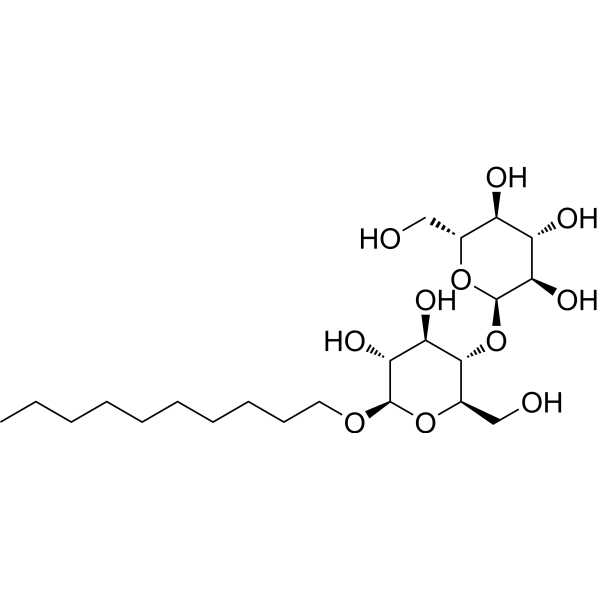
Decyl β-D-maltopyranoside is an epithelial permeability enhancer. Decyl β-D-maltopyranoside regulates the paracellular transport pathway and increases the permeability of molecules and proteins transported via the paracellular route. Decyl β-D-maltopyranoside enhances the transepithelial paracellular permeability of EPO across cell monolayers .
|
-
-
- HY-121447
-
|
|
Endogenous Metabolite
|
Metabolic Disease
|
|
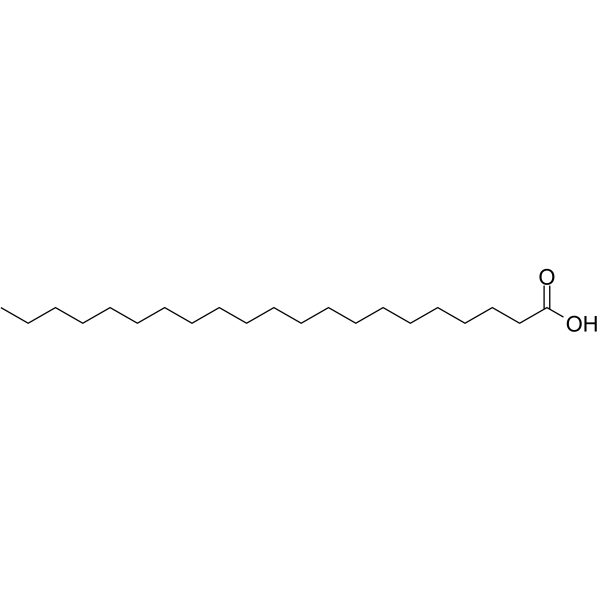
Heneicosanoic acid is an odd-chain saturated fatty acid widely present in human milk, fish, seeds, and cerebrosides in the cell membranes of the nervous system. Heneicosanoic acid can form Langmuir monolayers and is often used as a model to study lipid self-assembly and disassembly processes in biological membranes and drug delivery systems. In the low-temperature L'2 and CS crystalline phases, Heneicosanoic acid undergoes local oscillations, which in turn drive the spontaneous formation and expulsion of micelles and vesicles .
|
-
-
- HY-B0881
-
|
|
Potassium Channel
|
Metabolic Disease
Cancer
|
|
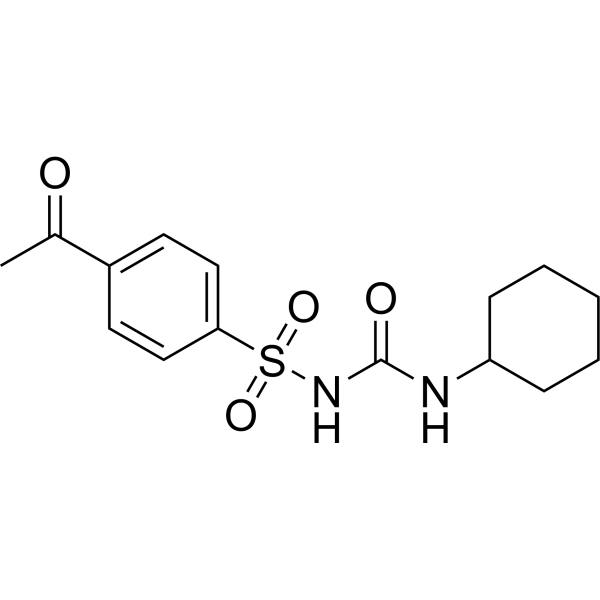
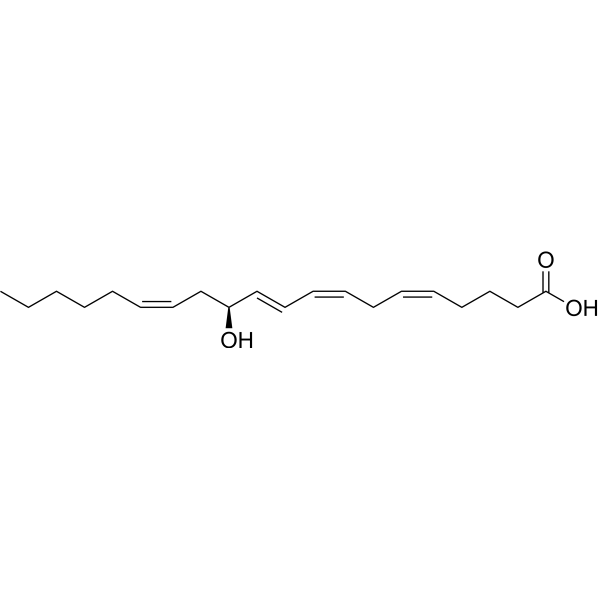
Acetohexamide is an orally active first-generation sulfonylurea agent used in research related to type 2 diabetes and cancer. Acetohexamide exerts reductase activity in human erythrocytes. Acetohexamide stimulates the pancreas to secrete insulin. Acetohexamide inhibits ATP-sensitive potassium channels in the β cells of the pancreas. Acetohexamide can inhibit the formation of circular chemorepellent induced defects (CCIDs) in lymphendothelial cell (LEC) monolayers. Acetohexamide inhibits markers of epithelial-to-mesenchymal-transition and migration. Acetohexamide suppresses the synthesis of 12(S)-HETE. Acetohexamide can potentiate hypoglycaemic action .
|
-
-
- HY-P2031
-
|
|
Arp2/3 Complex
|
Others
|
|
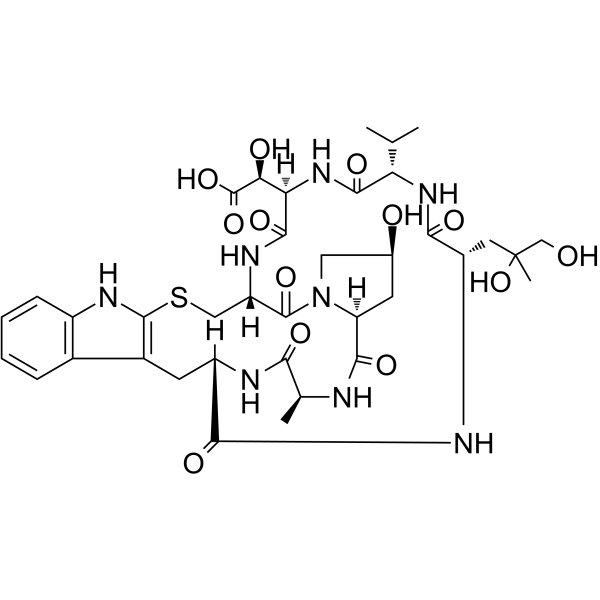
Phallacidin is a natural bicyclic heptapeptide derived from the poisonous mushroom Amanita phalloides. Phallacidin binds to filamentous actin specifically with high affinity, with a Kd of 20 nM. After binding to F-actin, Phallacidin strongly inhibits its depolymerization, stabilizes microfilament structures, and prevents their disruption by drugs such as cytochalasins. When conjugated with a fluorophore, Phallacidin serves as a specific fluorescent probe for F-actin, which is used to clearly visualize the distribution of actin in the cytoskeleton (e.g., stress fibers, cortical peripheral bands) under fluorescence microscopy .
|
-
-
- HY-P991400
-
|
|
TNF Receptor
Apoptosis
Interleukin Related
NF-κB
JNK
p38 MAPK
|
Inflammation/Immunology
|
|
GSK1995057 is a human monoclonal antibody (mAb) targeting TNFRSF1A. GSK1995057 selectively binds to TNFR1, blocks the binding of TNF-α and LT-α, and does not interfere with TNFR2 signaling. GSK1995057 inhibits the activation of NF-κB, JNK and MAPK pathways, alleviates apoptosis (apoptosis) and inflammatory responses (inhibiting IL-1β, IL-6, IL-10, TNF-α), and prevents viability loss of human nucleus pulposus cells. GSK1995057 inhibits the expression of cytokines and neutrophil adhesion molecules in human pulmonary microvascular endothelial cell monolayers, and reduces inflammatory responses and lung injury symptoms in non-human primates. GSK1995057 forms complexes with HAVH autoantibodies, thereby activating TNFR1 and triggering the release of cytokines and IL-8 in human cells. GSK1995057 can be used in research related to intervertebral disc degeneration and acute lung injury .
|
-
-
- HY-168046
-
|
|
Thyroid Hormone Receptor
|
Metabolic Disease
|
|
ALG-055009 is a selective and orally active Thyroid Hormone Receptor Beta (THR-β) agonist with an EC50 of 0.063 μM. ALG-055009 binds to the T3 hormone pocket of human THR-β, forming polar interactions with protein residues. ALG-055009 can lower total cholesterol levels in rats on a high-fat diet. ALG-055009 exhibits high metabolic stability, good permeability, a long in vivo half-life, and limited drug-drug interaction liability. ALG-055009 can be used in studies related to metabolic dysfunction-associated fatty liver disease .
|
-
-
- HY-155351
-
|
|
PARP
Cytochrome P450
|
Cancer
|
|
PARP7-IN-15 is an orally active and selective PARP7 inhibitor with an IC50 of 0.56 nM. PARP7-IN-15 inhibits the enzymatic activity of PARP7 and induces anti-tumor activity against lung cancer in vivo. PARP7-IN-15 can be used for the research of lung cancer .
|
-
-
- HY-148447
-
|
|
Eukaryotic Initiation Factor (eIF)
|
Cancer
|
|
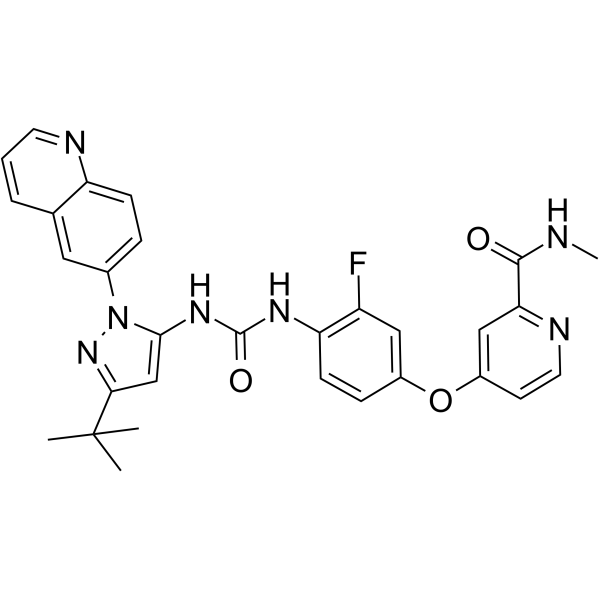
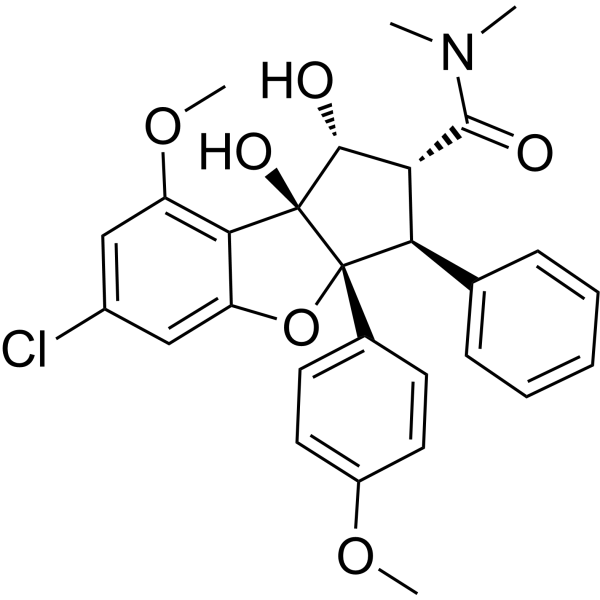
eIF4A-IN-3, Silvestrol (HY-13251) analogue, is an eIF4A inhibitor. eIF4A-IN-3 blocks protein translation initiation by interfering with eIF4F complex assembly, preferentially inhibiting translation of mRNAs with long, highly structured 5'-untranslated regions. eIF4A-IN-3 inhibits proliferation of human breast cancer cells. eIF4A-IN-3 has moderate apical to basolateral permeability in intestinal cell monolayers and a low efflux ratio .
|
-
-
- HY-138068
-
|
|
Endogenous Metabolite
|
Metabolic Disease
|
|
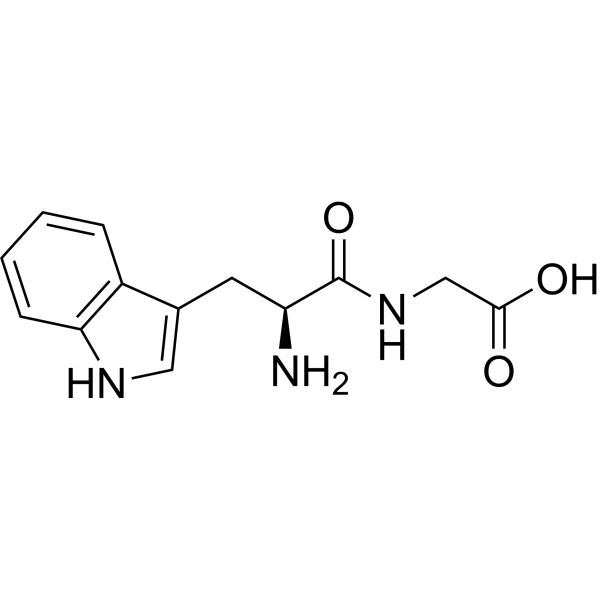
L-Tryptophanylglycine is a dipeptide. L-Tryptophanylglycine exerts its function through competitive substrate interaction with intestinal dipeptide transporters .
|
-
-
- HY-P4086
-
|
|
RABV
nAChR
|
Neurological Disease
Cancer
|
Chimeric Rabies Virus Glycoprotein Fragment (RVG-9R) is a cell-penetrating peptide that is synthesized by adding nona-arginine motif to the carboxy terminus of RVG (rabies virus glycoprotein). Chimeric Rabies Virus Glycoprotein Fragment (RVG-9R) binds to nAChR on neuronal cells to mediate receptor-mediated endocytosis and targeted siRNA delivery. Chimeric Rabies Virus Glycoprotein Fragment (RVG-9R) protects complexed siRNA from degradation, enhances transcellular siRNA delivery in neuronal cells, and promotes efficient, pecific gene silencing. Chimeric Rabies Virus Glycoprotein Fragment (RVG-9R) can be used for the researches of neurological disease and cancer .
|
-
-
- HY-142989
-
|
|
Liposome
HIV
HCV
HBV
|
Infection
Cancer
|
|
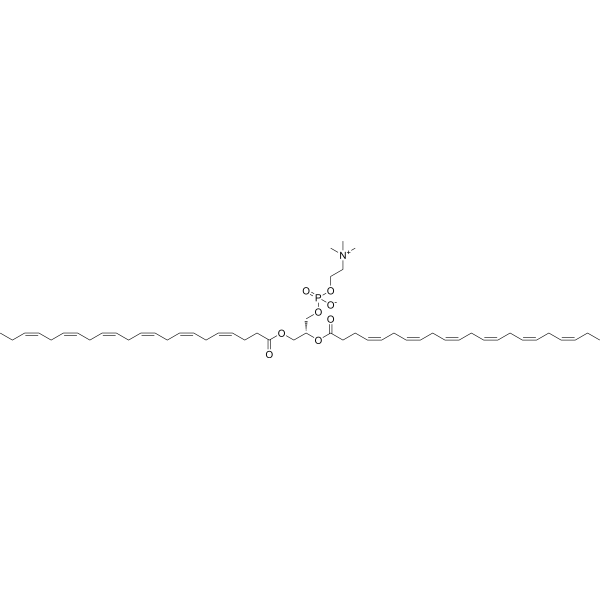
1,2-Didocosahexaenoyl-sn-glycero-3-phosphocholine is a polyunsaturated phospholipid that serves as a component of lipid monolayers and small unilamellar vesicles. 1,2-Didocosahexaenoyl-sn-glycero-3-phosphocholine can be used to prepare endoplasmic reticulum-targeted liposomes (PERLs), which are composed of 1,2-didocosahexaenoyl-sn-glycero-3-phosphoethanolamine, l-α-phosphatidylinositol and l-α-phosphatidylserine at a molar ratio of 1.5:1.5:1:1. PERLs reduce cholesterol levels in human peripheral blood mononuclear cells (PBMCs) and decrease HIV-1 particle secretion from HIV-1-infected PBMCs. Liposomes formed from 1,2-Didocosahexaenoyl-sn-glycero-3-phosphocholine exhibit cytotoxicity against leukemia cells. 1,2-Didocosahexaenoyl-sn-glycero-3-phosphocholine is applicable to studies related to hepatitis C virus infection, HIV infection, hepatitis B virus infection and leukemia .
|
-
-
- HY-P5189A
-
|
|
Endogenous Metabolite
Cholinesterase (ChE)
|
Others
|
|
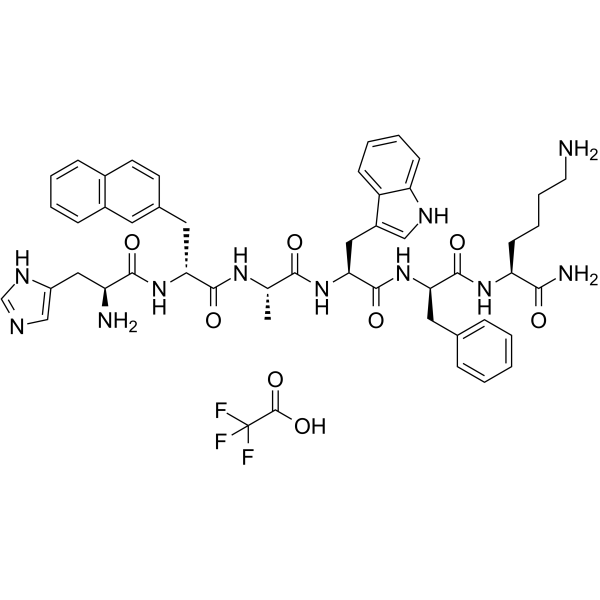
His-D-beta-Nal-Ala-Trp-D-Phe-Lys-NH2 TFA, is a growth hormone releasing peptide, as well as a metabolite of GHRP-1. GHRP-1, or Ala-His-D-beta Nal-Ala-Trp-D-Phe-Lys-NH2, has the effect of promoting the release of growth hormone (GH). GHRP-1 increases GH release and increases [Ca2+]i levels in static monolayer cells of rat pituitary gland, but does not affect cAMP levels .
|
-
-
- HY-W103047
-
|
|
Fluorescent Dye
Reactive Oxygen Species (ROS)
|
Others
|
|
1-Pyrenebutyric acid is a fluorescence probe whose fluorescence lifetime depends on local oxygen and free radical concentrations. 1-Pyrenebutyric acid is used in fluorescence determination of DNA. 1-Pyrenebutyric acid can be used as a linker for biomolecules to form a self-assembled monolayer on grapheme. 1-Pyrenebutyric acid can also be used for the measurement of free radicals in solution and in living cells .
|
-
-
- HY-P1784A
-
|
|
Secretin Receptor
|
Endocrinology
|
|
ecretin, canine TFA is an endocrine hormone that stimulates the secretion of bicarbonate-rich pancreatic fluids. Secretin, canine TFA can regulates gastric chief cell function and paracellular permeability in canine gastric monolayers by a Src kinase-dependent pathway .
|
-
-
- HY-P4079
-
-
-
- HY-158346
-
|
|
DNA/RNA Synthesis
|
Cancer
|
|
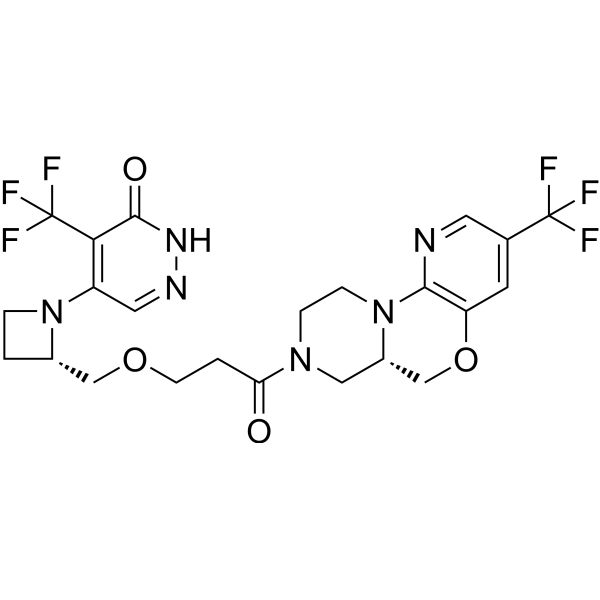
RP-2119 is an orally bioactive Polymerase Theta (Polθ) inhibitor, with an IC50 of 0.7 nM against human Polθ ATPase. RP-2119 reduces Polθ activity and exerts antiproliferative effects in BRCA2-deficient cancer cells. RP-2119 exhibits antitumor activity in BRCA2-deficient cancer cell xenograft mouse models . RP-2119 can be used for the research of cancer and homologous recombination-deficient cancers, including brca1/brca2-mutant cancers and shld2-mutant cancers .
|
-
-
- HY-N14107
-
|
|
Bacterial
Endogenous Metabolite
|
Infection
|
|
Cinnabarin is a natural phenoxazinone red pigment derived from Pycnoporus sanguineus. Cinnabarin reduces rabies virus infection levels in neuroblastoma cells and causes cytopathic effects on neuroblastoma cell monolayers at high concentrations. Cinnabarin exhibits antibacterial activity against bacteria, with a preference for Gram-positive bacteria and human isolates. Cinnabarin can be used in studies related to rabies and drug-resistant Gram-positive bacteria .
|
-
-
- HY-W1113135
-
|
|
Biochemical Assay Reagents
|
Others
|
|
Carboxymethyl-β-cyclodextrin sodium salt is a negatively charged β-cyclodextrin derivative, as well as a metal ion chelator and solubilizing reagent. Carboxymethyl-β-cyclodextrin sodium salt forms stable aqueous complexes with Ba 2+, Ca 2+, Cd 2+, Ni 2+, Pb 2+, Sr 2+, and Zn 2+ ions. Carboxymethyl-β-cyclodextrin sodium salt derived hydrogel carriers support oral insulin delivery via paracellular permeation across Caco-2 monolayers and produce sustained hypoglycemic effects in diabetic mice. Carboxymethyl-β-cyclodextrin sodium salt can be conjugated onto folate-modified BSA nanoparticles to boost folate receptor-mediated endocytosis, elevate intracellular anticancer drug uptake and trigger cell apoptosis. Carboxymethyl-β-cyclodextrin sodium salt can be utilized for chiral separation in capillary electrophoresis, development of nanoscale drug carriers and nucleic acid transfection research .
|
-
-
- HY-N4236
-
|
|
Others
|
Others
|
|
Angelol A is a coumarin isolated from the roots of Angelica pubescens f. biserrata, which is passive diffusion as the dominating process in Caco-2 cell monolayer model .
|
-
-
- HY-N4235
-
|
|
Others
|
Inflammation/Immunology
|
|
Angelol B is a coumarin isolated from the roots of Angelica pubescens f. biserrata, which is passive diffusion as the dominating process in Caco-2 cell monolayer model .
|
-
-
- HY-115356
-
|
14,15-LTE4; EoxE4
|
Drug Metabolite
|
Cardiovascular Disease
|
|
Eoxin E4 (14,15-LTE4) is the metabolite of 14,15-LTC4 and 14,15-LTD4. Eoxin E4 increases vascular permeability of human endothelial cell monolayers with about 10-fold less potency than LTC4, but approximately 100-fold greater potency than histamine .
|
-
-
- HY-119113
-
|
|
Drug Derivative
|
Cancer
|
|
C 175 is a nitroacridine derivative with antitumor activity. C 175 inhibits the growth of HeLa cells monolayer (ED50=0.49 μM) .
|
-
-
- HY-121931
-
|
|
Lipoxygenase
|
Cancer
|
|
AA863 is a 5-lipoxygenase inhibitor with activity in inhibiting the proliferation of human glioma cells. AA863 exhibits significant and dose-dependent inhibitory effects in monolayer cultured glioma cells with an IC50 of 9.0 micromolar .
|
-
-
- HY-169194
-
|
|
Parasite
|
Infection
|
|
Antimalarial agent 44 (Compound 3) is an antimalarial agent against parasite. Antimalarial agent 44 has a good permeability across MDCK-MDR1 cell monolayers and a high clearance by mouse liver microsomes .
|
-
-
- HY-P1784
-
|
|
Secretin Receptor
|
Endocrinology
|
|
Secretin, canine is an endocrine hormone that stimulates the secretion of bicarbonate-rich pancreatic fluids. Secretin, canine can regulates gastric chief cell function and paracellular permeability in canine gastric monolayers by a Src kinase-dependent pathway .
|
-
-
- HY-13646B
-
|
HM30181 hydrochloride; HM30181A hydrochloride
|
P-glycoprotein
|
Others
|
|
Encequidar hydrochloride (HM30181 hydrochloride) is an oral P-glycoprotein (P-gp) inhibitor with the activity of enhancing the oral bioavailability of P-gp substrate drugs. Encequidar shows the highest potency among various MDR1 inhibitors, with IC50=0.63nM. Encequidar effectively blocks the transepithelial transport of paclitaxel in MDCK monolayer cells, with IC50=35.4nM .
|
-
-
- HY-169022
-
|
|
Autophagy
mTOR
|
Neurological Disease
|
|
4-FPBUA is a semisynthetic analog of usnic acid (HY-W015883) that can enhance cellular blood-brain barrier (BBB) function and increase the transport of Amyloid β (Aβ) across monolayer cells. 4-FPBUA is also an inhibitor of mTOR, capable of enhancing cellular Autophagy, thereby reversing BBB disruption in vivo and being utilized in research for Alzheimer's disease .
|
-
-
- HY-B0881R
-
|
|
Reference Standards
Potassium Channel
|
Metabolic Disease
Cancer
|
|
Acetohexamide (Standard) is the analytical standard of Acetohexamide. This product is intended for research and analytical applications. Acetohexamide is an orally active first-generation sulfonylurea agent used in research related to type 2 diabetes and cancer. Acetohexamide exerts reductase activity in human erythrocytes. Acetohexamide stimulates the pancreas to secrete insulin. Acetohexamide inhibits ATP-sensitive potassium channels in the β cells of the pancreas. Acetohexamide can inhibit the formation of circular chemorepellent induced defects (CCIDs) in lymphendothelial cell (LEC) monolayers. Acetohexamide inhibits markers of epithelial-to-mesenchymal-transition and migration. Acetohexamide suppresses the synthesis of 12(S)-HETE. Acetohexamide can potentiate hypoglycaemic action .
|
-
-
- HY-P11740
-
|
|
Angiotensin-converting Enzyme (ACE)
Drug Intermediate
|
Others
|
|
VYPFPGPIHN is a precursor peptide of β-casomorphin (HY-P0179) and also an ACE inhibitor (IC50 = 123 μM). VYPFPGPIHN resists hydrolysis by peptidases associated with intestinal cell monolayers, maintaining structural integrity and ACE inhibitory activity. VYPFPGPIHN is not extensively taken up or transported by differentiated intestinal cell monolayers .
|
-
-
- HY-W344531
-
-
-
- HY-182755
-
|
|
Steroid Sulfatase
|
Cancer
|
|
Steroid sulfatase-IN-12 is a steroid sulfatase inhibitor. Steroid sulfatase-IN-12 inhibits the activity of steroid sulfatase. Steroid sulfatase-IN-12 can be used in research related to hormone receptor-positive/HER2-negative breast cancer .
|
-
-
- HY-W332450
-
-
-
- HY-153510
-
|
|
HIF/HIF Prolyl-Hydroxylase
|
Neurological Disease
Inflammation/Immunology
|
|
PHD-1-IN-2 is an orally active inhibitor of hypoxia-inducible factor prolyl hydroxylase domain 1 (PHD-1) with an IC50 of 0.07 μM. PHD-1-IN-2 acts as a substrate of MDR1 in MDR1-MDCK cell monolayer assays. PHD-1-IN-2 can be used in the research of ischemia, inflammatory responses and neurodegenerative diseases, such as inflammatory bowel disease and ischemia-reperfusion injury .
|
-
-
- HY-N13736
-
|
3β-Acetoxy-1,10-epoxy-4-germacrene-12,8; 15,6-diolide
|
Influenza Virus
|
Infection
|
|
3-epi-Dihydroscandenolide (3β-Acetoxy-1,10-epoxy-4-germacrene-12,8; 15,6-diolide) is a sesquiterpene lactone inhibitor of influenza A virus. 3-epi-Dihydroscandenolide can be isolated from the dried aerial parts of Mikania micrantha. 3-epi-Dihydroscandenolide inhibits the cytopathic effect induced by influenza A virus and can be used in studies related to influenza A .
|
-
-
- HY-153512
-
|
|
HIF/HIF Prolyl-Hydroxylase
|
Others
|
|
PHD-1-IN-3 is an orally active PHD-1 inhibitor with an IC50 of 0.09 μM. PHD-1-IN-3 acts via monodentate binding interaction with active site Fe 2+ ion .
|
-
-
- HY-153513
-
-
-
- HY-183752
-
|
|
SARS-CoV
Virus Protease
|
Infection
|
|
CG-0988 is a selective SARS-CoV-2 3C-like protease (3CL pro) inhibitor with an IC50 of 8.5 nM. CG-0988 functionally inhibits SARS-CoV-2 3CL pro, blocks SARS-CoV-2 replication, and exerts antiviral activity against SARS-CoV-2 variants. CG-0988 can be used in research related to coronavirus disease 2019 (COVID-19) .
|
-
-
- HY-NP216
-
|
LecB
|
Integrin
Endogenous Metabolite
Bacterial
|
Infection
|
|
PA-IIL (LecB) is a lectin produced by Pseudomonas aeruginosa. PA-IIL binds to glycosylated β1-integrin, fucose-containing glycosphingolipids, fucosylated/mannosylated neutrophil glycoconjugates, and pre-formed neutrophil extracellular traps. PA-IIL disrupts host defenses: it creates favorable conditions for Pseudomonas aeruginosa infection and dissemination by modulating the bactericidal activity of neutrophils, impairing the trafficking and recruitment of immune cells, and compromising the repair capacity of epithelial barriers. PA-IIL can be used in studies related to Pseudomonas aeruginosa infection .
|
-
-
- HY-181487
-
|
|
FAK
|
Inflammation/Immunology
|
|
FAK activator-1 is a FAK activator and mucosal healing inducer.FAK activator-1 increases FAK phosphorylation at Tyr-397, promoting FAK activation.FAK activator-1 promotes mucosal healing.FAK activator-1 can be used for the research of nsaid-associated gastrointestinal mucosal injury .
|
-
-
- HY-167754
-
|
|
GPR84
|
Inflammation/Immunology
|
|
Resolvin D5 n-3 DPA is a Docosapentaenoic acid (DPA) derived specialized proresolving lipid mediator (SPM). Resolvin D5 n-3 DPA is a GPR101, GPR12, and GPR84 agonist with EC50s of 4.6 pM, 14 pM, and 1.5 pM, respectively. Resolvin D5 n-3 DPA possesses potent pro-resolution and anti-inflammatory actions. Resolvin D5 n-3 DPA reduces cell adhesion onto TNF-α-activated human endothelial monolayers. Resolvin D5 n-3 DPA displays potent leukocyte-directed activities, upregulating the ability of neutrophils and macrophages to phagocytose bacteria. Resolvin D5 n-3 DPA can be used for the study of intestinal inflammation .
|
-
-
- HY-W663179
-
|
|
Parasite
Cytochrome P450
|
Infection
|
|
DNDI-VL-2098 is an orally active antileishmanial agent. DNDI-VL-2098 exhibits high permeability, in vitro metabolic stability, and selective inhibition of CYP2C19 (IC50=0.47 μM). DNDI-VL-2098 does not affect the activities of other major CYP enzymes (CYP1A2, CYP2C9, CYP2D6 and CYP3A4) at concentrations up to 12.5 μM. It shows favorable pharmacokinetic properties in multiple animal models including mice, hamsters, rats and dogs. DNDI-VL-2098 is characterized by moderate to high plasma protein binding and can be used for the research of visceral leishmaniasis .
|
-
-
- HY-16265A
-
|
|
Ephrin Receptor
PDGFR
VEGFR
|
Cancer
|
|
JI-101 hydrochloride is an orally active angiogenesis inhibitor and anticancer agent with 55% oral bioavailability in Sprague Dawley rats, high permeability, and no P-gp substrate activity .JI-101 hydrochloride modulates angiogenesis signaling pathways in tumor vessel beds, downregulates EphB4, targets EphB4, VEGFR-2, and PDGFR-β, and inhibits multiple stages of tumor angiogenesis .JI-101 hydrochloride exerts activity against cancer cells and xenografts, exhibits mild to moderate inhibition of CYP3A4, and shows stability in pre-clinical and human liver microsomes .JI-101 hydrochloride undergoes rapid oral absorption in Sprague Dawley rats, has extensive tissue distribution with preferred lung uptake, and is excreted via bile with mono- and di-hydroxy metabolites, with feces as the primary elimination route .JI-101 hydrochloride can be used for the research of ovarian cancer and solid tumors .
|
-
-
- HY-182421
-
|
|
Kisspeptin Receptor
|
Endocrinology
Cancer
|
|
GPR54 antagonist‑1 is a GPR54 antagonist with IC50 values of 3.6 nM and 15 nM against human and rat GPR54, respectively. GPR54 antagonist‑1 shows blood‑brain barrier penetration. GPR54 antagonist‑1 blocks the function of human and rat GPR54 receptors. GPR54 antagonist‑1 suppresses plasma luteinizing hormone levels in castrated male rats. GPR54 antagonist‑1 can be used for the study of prostate cancer and endometriosis .
|
-
-
- HY-186053
-
|
|
Parasite
|
Infection
|
|
Antimalarial agent 56 is an orally active antimalarial agent. Antimalarial agent 56 inhibits the growth of both drug-sensitive and drug-resistant Plasmodium falciparum strains in vitro. Antimalarial agent 56 can be used in malaria research .
|
-
-
- HY-186072
-
|
|
NOD-like Receptor (NLR)
Interleukin Related
Cytochrome P450
|
Neurological Disease
Metabolic Disease
Inflammation/Immunology
|
|
NT-0527 is a selective, orally active, and brain-permeable NLRP3 inflammasome inhibitor. NT-0527 can specifically block the formation of the NLRP3 inflammasome, resulting in the reduction in the maturation and release of IL-1β, exhibit inhibition on CYP2C19. NT-0527 displays anti-inflammatory activity in the mouse LPS (HY-D1056) /ATP (HY-B2176)-induced peritonitis model. NT-0527 can be used for the research of neuroinflammatory disorders (Parkinson's disease, Alzheimer's disease, amyotrophic lateral sclerosis) and peripheral inflammatory disorders (type II diabetes, atherosclerosis, gout, etc.) associated with NLRP3 inflammasome .
|
-
| Cat. No. |
Product Name |
Type |
-
- HY-W103047
-
|
|
Fluorescent Dye
|
|
1-Pyrenebutyric acid is a fluorescence probe whose fluorescence lifetime depends on local oxygen and free radical concentrations. 1-Pyrenebutyric acid is used in fluorescence determination of DNA. 1-Pyrenebutyric acid can be used as a linker for biomolecules to form a self-assembled monolayer on grapheme. 1-Pyrenebutyric acid can also be used for the measurement of free radicals in solution and in living cells .
|
| Cat. No. |
Product Name |
Type |
-
- HY-W040203
-
|
|
Biochemical Assay Reagents
|
|
Decyl β-D-maltopyranoside is an epithelial permeability enhancer. Decyl β-D-maltopyranoside regulates the paracellular transport pathway and increases the permeability of molecules and proteins transported via the paracellular route. Decyl β-D-maltopyranoside enhances the transepithelial paracellular permeability of EPO across cell monolayers .
|
-
- HY-142989
-
|
|
Biochemical Assay Reagents
|
|
1,2-Didocosahexaenoyl-sn-glycero-3-phosphocholine is a polyunsaturated phospholipid that serves as a component of lipid monolayers and small unilamellar vesicles. 1,2-Didocosahexaenoyl-sn-glycero-3-phosphocholine can be used to prepare endoplasmic reticulum-targeted liposomes (PERLs), which are composed of 1,2-didocosahexaenoyl-sn-glycero-3-phosphoethanolamine, l-α-phosphatidylinositol and l-α-phosphatidylserine at a molar ratio of 1.5:1.5:1:1. PERLs reduce cholesterol levels in human peripheral blood mononuclear cells (PBMCs) and decrease HIV-1 particle secretion from HIV-1-infected PBMCs. Liposomes formed from 1,2-Didocosahexaenoyl-sn-glycero-3-phosphocholine exhibit cytotoxicity against leukemia cells. 1,2-Didocosahexaenoyl-sn-glycero-3-phosphocholine is applicable to studies related to hepatitis C virus infection, HIV infection, hepatitis B virus infection and leukemia .
|
-
- HY-NP216
-
|
LecB
|
Biochemical Assay Reagents
|
|
PA-IIL (LecB) is a lectin produced by Pseudomonas aeruginosa. PA-IIL binds to glycosylated β1-integrin, fucose-containing glycosphingolipids, fucosylated/mannosylated neutrophil glycoconjugates, and pre-formed neutrophil extracellular traps. PA-IIL disrupts host defenses: it creates favorable conditions for Pseudomonas aeruginosa infection and dissemination by modulating the bactericidal activity of neutrophils, impairing the trafficking and recruitment of immune cells, and compromising the repair capacity of epithelial barriers. PA-IIL can be used in studies related to Pseudomonas aeruginosa infection .
|
| Cat. No. |
Product Name |
Target |
Research Area |
-
- HY-122542B
-
|
|
Ligands for E3 Ligase
Molecular Glues
IKZF Family
|
Cardiovascular Disease
|
|
PPACK TFA is an orally active, selective molecular glue degrader targeting IKZF2. Through a molecular glue mechanism, PPACK TFA binds to CRBN, recruits IKZF2 to form a ternary complex, and promotes its ubiquitination and proteasomal degradation. This further converts inhibitory regulatory T cells (Treg) into effector-like T cells, enhances CD8 + T cell responses, and modulates the Teff:Treg balance. PPACK TFA also increases the production of the inflammatory cytokine IL-2 and reduces the suppressive activity of Treg. PPACK TFA can be used in cancer immunotherapy research, and exhibits a synergistic effect when combined with immune checkpoint inhibitors such as anti-PD1 .
|
-
- HY-P2031
-
|
|
Arp2/3 Complex
|
Others
|
|
Phallacidin is a natural bicyclic heptapeptide derived from the poisonous mushroom Amanita phalloides. Phallacidin binds to filamentous actin specifically with high affinity, with a Kd of 20 nM. After binding to F-actin, Phallacidin strongly inhibits its depolymerization, stabilizes microfilament structures, and prevents their disruption by drugs such as cytochalasins. When conjugated with a fluorophore, Phallacidin serves as a specific fluorescent probe for F-actin, which is used to clearly visualize the distribution of actin in the cytoskeleton (e.g., stress fibers, cortical peripheral bands) under fluorescence microscopy .
|
-
- HY-P4086
-
|
|
RABV
nAChR
|
Neurological Disease
Cancer
|
Chimeric Rabies Virus Glycoprotein Fragment (RVG-9R) is a cell-penetrating peptide that is synthesized by adding nona-arginine motif to the carboxy terminus of RVG (rabies virus glycoprotein). Chimeric Rabies Virus Glycoprotein Fragment (RVG-9R) binds to nAChR on neuronal cells to mediate receptor-mediated endocytosis and targeted siRNA delivery. Chimeric Rabies Virus Glycoprotein Fragment (RVG-9R) protects complexed siRNA from degradation, enhances transcellular siRNA delivery in neuronal cells, and promotes efficient, pecific gene silencing. Chimeric Rabies Virus Glycoprotein Fragment (RVG-9R) can be used for the researches of neurological disease and cancer .
|
-
- HY-P5189A
-
|
|
Endogenous Metabolite
Cholinesterase (ChE)
|
Others
|
|
His-D-beta-Nal-Ala-Trp-D-Phe-Lys-NH2 TFA, is a growth hormone releasing peptide, as well as a metabolite of GHRP-1. GHRP-1, or Ala-His-D-beta Nal-Ala-Trp-D-Phe-Lys-NH2, has the effect of promoting the release of growth hormone (GH). GHRP-1 increases GH release and increases [Ca2+]i levels in static monolayer cells of rat pituitary gland, but does not affect cAMP levels .
|
-
- HY-P1784A
-
|
|
Secretin Receptor
|
Endocrinology
|
|
ecretin, canine TFA is an endocrine hormone that stimulates the secretion of bicarbonate-rich pancreatic fluids. Secretin, canine TFA can regulates gastric chief cell function and paracellular permeability in canine gastric monolayers by a Src kinase-dependent pathway .
|
-
- HY-P4079
-
-
- HY-P1784
-
|
|
Secretin Receptor
|
Endocrinology
|
|
Secretin, canine is an endocrine hormone that stimulates the secretion of bicarbonate-rich pancreatic fluids. Secretin, canine can regulates gastric chief cell function and paracellular permeability in canine gastric monolayers by a Src kinase-dependent pathway .
|
-
- HY-P11740
-
|
|
Angiotensin-converting Enzyme (ACE)
Drug Intermediate
|
Others
|
|
VYPFPGPIHN is a precursor peptide of β-casomorphin (HY-P0179) and also an ACE inhibitor (IC50 = 123 μM). VYPFPGPIHN resists hydrolysis by peptidases associated with intestinal cell monolayers, maintaining structural integrity and ACE inhibitory activity. VYPFPGPIHN is not extensively taken up or transported by differentiated intestinal cell monolayers .
|
-
- HY-K3023
-
|
|
|
MCE Cell Separation Medium (Density Gradient) is a low-density gradient medium characterized by its broad applicability, operational simplicity, and gentle separation performance.It is primarily composed of silica particles (15-30 nm in diameter) coated with a monolayer of polyvinylpyrrolidone (PVP).
|
| Cat. No. |
Product Name |
Target |
Research Area |
Image |
-
- HY-P991400
-
|
|
TNF Receptor
Apoptosis
Interleukin Related
NF-κB
JNK
p38 MAPK
|
Inflammation/Immunology
|
|
GSK1995057 is a human monoclonal antibody (mAb) targeting TNFRSF1A. GSK1995057 selectively binds to TNFR1, blocks the binding of TNF-α and LT-α, and does not interfere with TNFR2 signaling. GSK1995057 inhibits the activation of NF-κB, JNK and MAPK pathways, alleviates apoptosis (apoptosis) and inflammatory responses (inhibiting IL-1β, IL-6, IL-10, TNF-α), and prevents viability loss of human nucleus pulposus cells. GSK1995057 inhibits the expression of cytokines and neutrophil adhesion molecules in human pulmonary microvascular endothelial cell monolayers, and reduces inflammatory responses and lung injury symptoms in non-human primates. GSK1995057 forms complexes with HAVH autoantibodies, thereby activating TNFR1 and triggering the release of cytokines and IL-8 in human cells. GSK1995057 can be used in research related to intervertebral disc degeneration and acute lung injury .
|
-
(5)
| Cat. No. |
Product Name |
Category |
Target |
Chemical Structure |
-
- HY-W096638A
-
|
(S)-Glycerolphosphocholine
|
Structural Classification
Human Gut Microbiota Metabolites
Ketones, Aldehydes, Acids
Endogenous metabolite
Source Classification
|
Endogenous Metabolite
|
|
Glycerophosphocholine ((S)-Glycerolphosphocholine) is an orally active metabolite that crosses the blood-brain barrier. Glycerophosphocholine acts as a precursor of acetylcholine, a specific marker for phosphatidylcholine breakdown, a major water-soluble storage form of choline, and an intermediate in phosphatidylcholine metabolism. Glycerophosphocholine is specifically elevated in the cerebrospinal fluid of Alzheimer's disease models, and it also promotes growth hormone secretion and fat oxidation. Glycerophosphocholine is also a potential biomarker for breast cancer .
|
-
-
- HY-121447
-
-
-
- HY-P2031
-
|
|
Structural Classification
Microorganisms
Classification of Application Fields
Ketones, Aldehydes, Acids
Other Diseases
Disease Research Fields
Source Classification
|
Arp2/3 Complex
|
|
Phallacidin is a natural bicyclic heptapeptide derived from the poisonous mushroom Amanita phalloides. Phallacidin binds to filamentous actin specifically with high affinity, with a Kd of 20 nM. After binding to F-actin, Phallacidin strongly inhibits its depolymerization, stabilizes microfilament structures, and prevents their disruption by drugs such as cytochalasins. When conjugated with a fluorophore, Phallacidin serves as a specific fluorescent probe for F-actin, which is used to clearly visualize the distribution of actin in the cytoskeleton (e.g., stress fibers, cortical peripheral bands) under fluorescence microscopy .
|
-
-
- HY-N14107
-
|
|
Structural Classification
Microorganisms
Antibiotics
Other Antibiotics
Source Classification
|
Bacterial
Endogenous Metabolite
|
|
Cinnabarin is a natural phenoxazinone red pigment derived from Pycnoporus sanguineus. Cinnabarin reduces rabies virus infection levels in neuroblastoma cells and causes cytopathic effects on neuroblastoma cell monolayers at high concentrations. Cinnabarin exhibits antibacterial activity against bacteria, with a preference for Gram-positive bacteria and human isolates. Cinnabarin can be used in studies related to rabies and drug-resistant Gram-positive bacteria .
|
-
-
- HY-N4236
-
-
-
- HY-N4235
-
-
-
- HY-N13736
-
-
| Cat. No. |
Product Name |
|
Classification |
-
- HY-142989
-
|
|
|
Phospholipids
|
|
1,2-Didocosahexaenoyl-sn-glycero-3-phosphocholine is a polyunsaturated phospholipid that serves as a component of lipid monolayers and small unilamellar vesicles. 1,2-Didocosahexaenoyl-sn-glycero-3-phosphocholine can be used to prepare endoplasmic reticulum-targeted liposomes (PERLs), which are composed of 1,2-didocosahexaenoyl-sn-glycero-3-phosphoethanolamine, l-α-phosphatidylinositol and l-α-phosphatidylserine at a molar ratio of 1.5:1.5:1:1. PERLs reduce cholesterol levels in human peripheral blood mononuclear cells (PBMCs) and decrease HIV-1 particle secretion from HIV-1-infected PBMCs. Liposomes formed from 1,2-Didocosahexaenoyl-sn-glycero-3-phosphocholine exhibit cytotoxicity against leukemia cells. 1,2-Didocosahexaenoyl-sn-glycero-3-phosphocholine is applicable to studies related to hepatitis C virus infection, HIV infection, hepatitis B virus infection and leukemia .
|
Your information is safe with us. * Required Fields.
Inquiry Information
- Product Name:
- Cat. No.:
- Quantity:
- MCE Japan Authorized Agent:

