







Search Result
Results for "
cell-mediated
" in MedChemExpress (MCE) Product Catalog:
8
Biochemical Assay Reagents
5
Isotope-Labeled Compounds
| Cat. No. |
Product Name |
Target |
Research Areas |
Chemical Structure |
-
- HY-P1645
-
|
|
Cathepsin
|
Cardiovascular Disease
Inflammation/Immunology
|
|
Papain is a cysteine protease of the peptidase C1 family. Papain enhances red cell agglutination by anti-D and anti-A, and increases red cell sensitivity to K cell-mediated lysis in ADCC assays. Papain can induce pulmonary emphysema. Papain can be used for the researches of Rh haemolytic disease of the newborn and pulmonary emphysema .
|
-
-
- HY-N1724
-
Concanamycin A
Maximum Cited Publications
27 Publications Verification
Antibiotic X 4357B; Folimycin; X 4357B
|
Proton Pump
Bacterial
Antibiotic
|
Infection
Inflammation/Immunology
Cancer
|
|
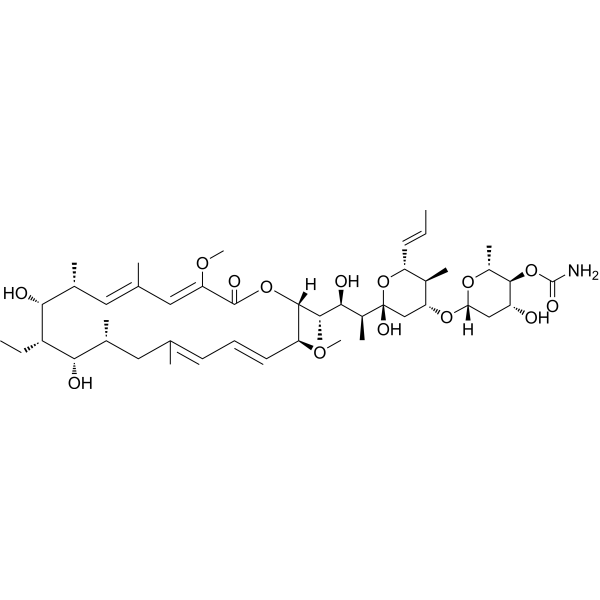
Concanamycin A (Folimycin; Antibiotic X 4357B) is a macrolide antibiotic, a vacuolar type H +-ATPase (V-ATPase) inhibitor. Concanamycin A is also an inhibitor of lysosomal acidification, can be used to T cell-mediated inflammation research - .
|
-
-
- HY-116282
-
|
DSS (MW 5000); DXS (MW 5000)
|
HIV
Complement System
Apoptosis
|
Infection
Inflammation/Immunology
|
|
Dextran sulfate sodium salt (DSS) (MW 5000) is a polymer of dehydrated glucose with a molecular weight of approximately 5000. Dextran sulfate sodium salt (DSS) with different molecular weights exhibits different biological activities. Dextran sulfate sodium salt (MW 5000) is an inhibitor of complement and coagulation pathways, and belongs to the glycosaminoglycans (GAG) family. Dextran sulfate sodium salt (MW 5000) acts as an anticoagulant, antiviral, and anti-lipemic agent. Dextran sulfate sodium salt (DSS) stops HIV-1 virus adsorption to host cells. Dextran sulfate sodium salt (MW 5000) prevents NK cell-mediated cytotoxicity. Dextran sulfate sodium salt (MW 5000) inhibits instant blood-mediated inflammatory reaction (IBMIR) .
|
-
-
- HY-P99392
-
|
JNJ-7957; JNJ-64007957; Tecvayli
|
CD3
|
Cancer
|
|
Teclistamab is a human bispecific antibody to BCMA and CD3 that recognizes BCMA on target cells and CD3 on T cells and induces T cell-mediated cytotoxicity leading to T cell activation and subsequent target cell lysis. Teclistamab can be used in studies of diseases related to multiple myeloma (MM) .
|
-
-
- HY-101092
-
|
Stimulon
|
NOD-like Receptor (NLR)
|
Inflammation/Immunology
Cancer
|
|
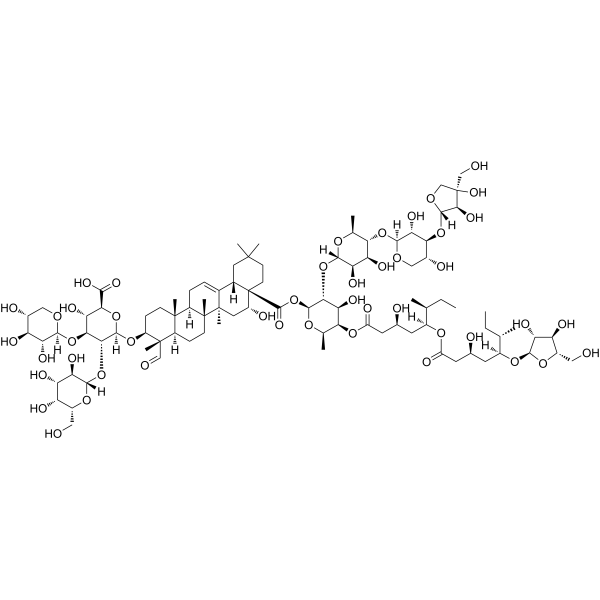
QS-21-Api, an immunostimulatory saponin, could be used as a potent vaccine adjuvant. QS-21-Api stimulates Th2 humoral and Th1 cell-mediated immune responses through action on antigen presenting cells (APCs) and T cells. QS-21-Api can activate the NLRP3 inflammasome with subsequent release of caspase-1 dependent cytokines, IL-1β and IL-18 .
|
-
-
- HY-108730
-
Avelumab
Maximum Cited Publications
10 Publications Verification
Anti-Human PD-L1, Human Antibody; MSB 0010718C; MSB0010718C
|
PD-1/PD-L1
|
Inflammation/Immunology
Cancer
|
|
Avelumab (Anti-Human PD-L1) a fully human IgG1 anti-PD-L1 monoclonal antibody (mAb) with potential antibody-dependent cell-mediated cytotoxicity (ADCC). Avelumab enhances ADCC on several cancer cell lines expressing PD-L1. Avelumab can be used for the study of chordoma .
|
-
-
- HY-19344
-
|
SAR 1118; SHP-606
|
Integrin
|
Inflammation/Immunology
|
|
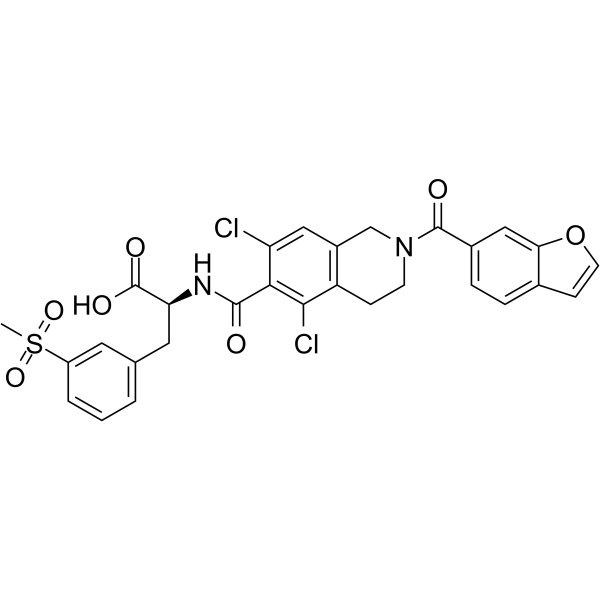
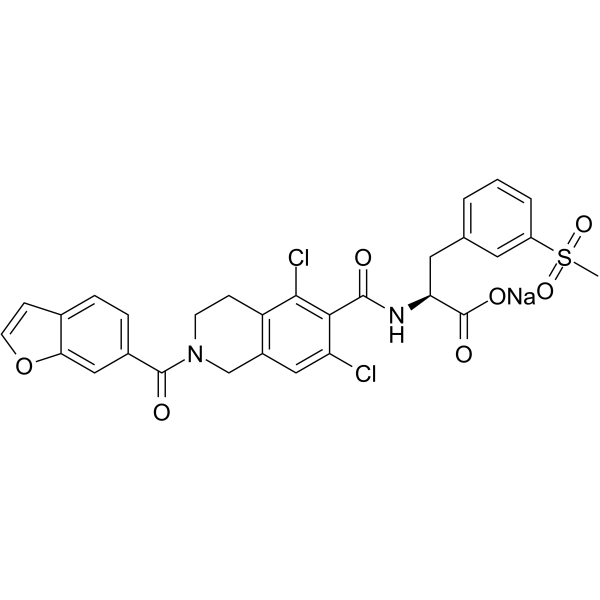
Lifitegrast (SAR 1118) is a potent integrin antagonist. Lifitegrast blocks the binding of intercellular adhesion molecule 1 (ICAM-1) to lymphocyte function-associated antigen 1 (LFA-1), interrupting the T cell-mediated inflammatory cycle. Lifitegrast inhibits Jurkat T cell attachment to ICAM-1 with an IC50 of 2.98 nM. Lifitegrast can be used for researching dry eye disease .
|
-
-
- HY-150298
-
|
CPI-818
|
Itk
|
Inflammation/Immunology
Cancer
|
|
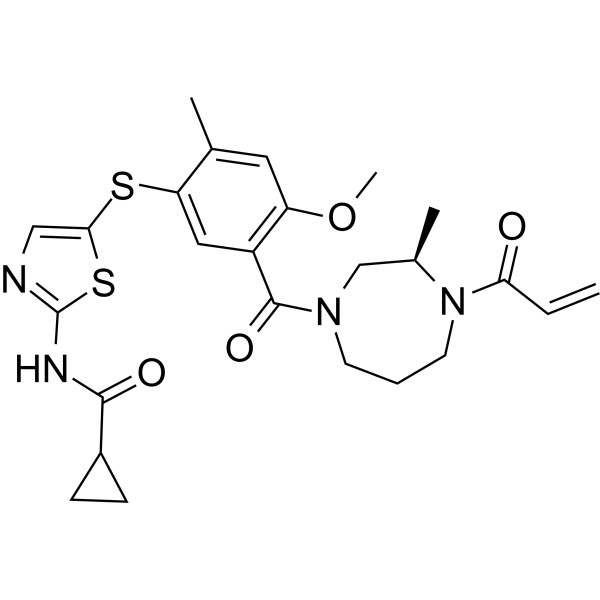
Soquelitinib (CPI-818) is an orally active and highly selective covalent interleukin-2-inducible kinase (ITK) inhibitor. Soquelitinib is active in six different models of T cell-mediated inflammatory and immune disease, including acute and chronic asthma, pulmonary fibrosis, systemic sclerosis (scleroderma), psoriasis, and acute graft versus host disease with Th2 cytokine product inhibition. Soquelitinib increases tumor infiltration of normal CD8 + cells that possess enhanced T effector function .
|
-
-
- HY-108730A
-
|
|
PD-1/PD-L1
|
Inflammation/Immunology
Cancer
|
|
Avelumab (anti-PD-L1) a fully human IgG1 anti-PD-L1 monoclonal antibody (mAb) with potential antibody-dependent cell-mediated cytotoxicity (ADCC). Avelumab (anti-PD-L1) enhances ADCC on several cancer cell lines expressing PD-L1. Avelumab (anti-PD-L1) can be used for the study of chordoma .
|
-
-
- HY-P9948
-
|
Campath-IH
|
Apoptosis
|
Cancer
|
|
Alemtuzumab (Campath-IH) is a humanized monoclonal antibody against CD52. Alemtuzumab does not cross-react with murine CD52. Alemtuzumab selectively targets the CD52 antigen to induce profound lymphocyte depletion, followed by recovery of T and B cells with regulatory phenotypes. Alemtuzumab is capable of complement-dependent cytotoxicity and antibody-dependent cell-mediated cytotoxicity (ADCC), as well as induction of apoptosis. Alemtuzumab has the potential for B-cell chronic lymphocytic leukaemia research .
|
-
-
- HY-P99361
-
|
PDL192; ABT-361; Anti-TNFRSF12A/TWEAKR/CD266 Reference Antibody (enavatuzumab)
|
TNF Receptor
|
Cancer
|
|
Enavatuzumab (PDL192; ABT-361) is a humanized IgG1 monoclonal antibody targeting the receptor of TNF-like weak inducer of apoptosis (TWEAK). TWEAK (Fn14; TNFRSF12A), the natural ligand of the TWEAK receptor (TweakR), stimulates multiple cellular responses. Enavatuzumab induces tumor growth inhibition through direct TweakR signaling and antibody dependent cell-mediated cytotoxicity (ADCC). Enavatuzumab can actively recruits and activates myeloid effectors to kill tumor cells. Enavatuzumab inhibits the growth of various human TweakR-positive cancer cell lines and xenografts in vitro and in vivo .
|
-
-
- HY-P99117
-
|
AK104
|
PD-1/PD-L1
CTLA-4
|
Inflammation/Immunology
Cancer
|
|
Cadonilimab (AK104) is a humanized tetravalent IgG1 bispecific antibody targeting PD1/CTLA4. Cadonilimab blocks both PD-1 and CTLA-4 pathways, thereby relieving their corresponding immunosuppressive effects and reversing tumor specific T cell exhaustion. Cadonilimab significantly downregulates Fc-mediated effector functions, including antibody-dependent cell-mediated cytotoxicity (ADCC), antibody-dependent cellular phagocytosis (ADCP), complement dependent cytotoxicity (CDC). Cadonilimab can be used for research of metastatic cervical cancer, as well as other malignancies such as gastric cancer, GEJ adenocarcinoma and non-small cell lung cancer (NSCLC) .
|
-
-
- HY-116282A
-
|
DSS (MW 4500-5500); DXS (MW 4500-5500)
|
HIV
Apoptosis
Complement System
|
Infection
Inflammation/Immunology
|
|
Dextran sulfate sodium salt (DSS) (MW 4500-5500) is a polymer of dehydrated glucose with a molecular weight of approximately 4500-5500. Dextran sulfate sodium salt with different molecular weights exhibits different biological activities. Dextran sulfate sodium salt (MW 4500-5500) is an inhibitor of complement and coagulation pathways, and belongs to the glycosaminoglycans (GAG) family. Dextran sulfate sodium salt (MW 4500-5500) acts as an anticoagulant, antiviral, and anti-lipemic agent. Dextran sulfate sodium salt (MW 4500-5500) stops HIV-1 virus adsorption to host cells. Dextran sulfate sodium salt (MW 4500-5500) prevents NK cell-mediated cytotoxicity. Dextran sulfate sodium salt (MW 4500-5500) inhibits instant blood-mediated inflammatory reaction (IBMIR) .
|
-
-
- HY-P991015
-
|
JNJ-78278343; KLCB-245
|
CD3
|
Cancer
|
|
Pasritamig (JNJ-78278343; KLCB-245) is a bispecific T-cell engager (BiTE) that targets the complex of human kallikrein KLK2 and CD3 receptor. Pasritamig redirects the cytotoxicity of T cells to KLK2-expressing tumor cells and induces T cell-mediated lysis of KLK2-expressing prostate cancer cells. Administered via subcutaneous injection, subcutaneous infusion or intravenous infusion, Pasritamig exhibits antitumor activity against metastatic castration-resistant prostate cancer. Pasritamig has a safety profile with an extremely low incidence of cytokine release syndrome and can be safely administered in an outpatient setting. Pasritamig is applicable to the research of metastatic castration-resistant prostate cancer .
|
-
-
- HY-P99113
-
|
MEDI-551
|
ADC Antibody
CD19
|
Inflammation/Immunology
|
|
Inebilizumab is an anti-CD19 monoclonal antibody (mAb) with enhanced antibody-dependent cell-mediated cytotoxicity against B cells. Inebilizumab can be used for multiple sclerosis and neuromyelitis optica research .
|
-
-
- HY-P9965
-
|
HuLuc 63; PDL 063; BMS 901608
|
Transmembrane Glycoprotein
|
Cancer
|
|
Elotuzumab (HuLuc 63) is an IgG1 monoclonal antibody targeting the SLAMF7 receptor. Elotuzumab exerts antitumor activity by activating natural killer cells and inducing antibody-dependent cell-mediated cytotoxicity. Elotuzumab can be combined with Lenalidomide (HY-A0003), Dexamethasone (HY-14648), etc., for the research of tumors such as multiple myeloma .
|
-
-
- HY-P99394
-
|
JNJ-64407564
|
CD3
|
Cancer
|
|
Talquetamab (JNJ-64407564) is a humanized bispecific antibody that binds to GPRC5D (member of G protein-coupled receptor family C5 group D) and CD3 to induce T cell-mediated killing of GPRC5D-expressing MM cells through T cell recruitment and activation. Talquetamab (JNJ-64407564) has antitumor activity .
|
-
-
- HY-P9933
-
|
APN-311; Ch14.18; MAb-14.18
|
Apoptosis
PERK
mTOR
|
Cancer
|
|
Dinutuximab (APN-311) is a chimeric human-mouse anti-GD2 monoclonal antibody. Dinutuximab can bind to GD2 on the cell surface, triggering antibody-dependent cell-mediated cytotoxicity and complement-dependent cytotoxicity, and promoting tumor regression. Dinutuximab can inhibit the growth, invasion, and migration and induce apoptosis of tumor cells. Dinutuximab can be used in the research of tumors such as neuroblastoma and breast cancer .
|
-
-
- HY-A0059
-
|
NF 113; SAP 113; Methylmercadone
|
Bacterial
Parasite
Antibiotic
Fungal
Apoptosis
STAT
Interleukin Related
TNF Receptor
|
Infection
Inflammation/Immunology
Cancer
|
|
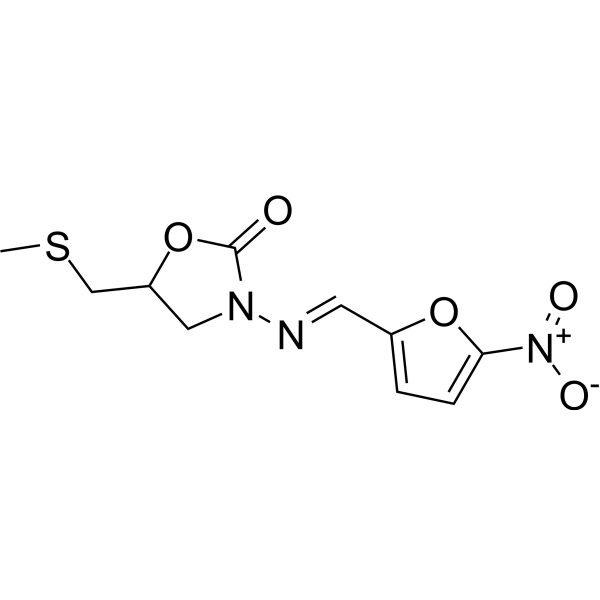
Nifuratel (NF 113) is an orally active broad-spectrum antibiotic with antiprotozoal, antibacterial, anticancer and anti-inflammatory activities, and has good inhibitory effects on Candida and Trichomonas. Nifuratel is also a STAT3 inhibitor, which significantly inhibits the growth and proliferation of human gastric cancer cells and induces apoptosis. In addition, Nifuratel also inhibits mast cell-mediated antigen hypersensitivity reactions and can be used in the study of IgE-mediated allergic diseases .
|
-
-
- HY-150741
-
|
|
Toll-like Receptor (TLR)
IFNAR
Interleukin Related
|
Infection
Inflammation/Immunology
Cancer
|
|
ODN 2216 is a type A CpG oligodeoxynucleotide vaccine adjuvant and a TLR9 agonist. ODN 2216 interacts with TLR9 in the lysosomes of CD4 + T cells and activates feedback-dependent signaling pathways. ODN 2216 induces the production of type I interferons, IL-6 and TGF-β via the IRAK4/IRF7 axis, while increasing intracellular ATP levels. ODN 2216 not only induces the differentiation of CD4 + T cells into anti-inflammatory Th3-like regulatory phenotypes to inhibit autologous proliferation, but also enhances the specific CD8 + T cell-mediated cytotoxicity against Mammaglobin-A in breast cancer cells. ODN 2216 is widely used in studies related to breast cancer and systemic lupus erythematosus .
|
-
-
- HY-P9923A
-
|
MEDI-563 (anti-IL5RA ); BIW-8405 (anti-IL5RA )
|
Interleukin Related
Apoptosis
|
Inflammation/Immunology
|
|
Benralizumab (anti-IL5RA ) (MEDI-563 (anti-IL5RA ); BIW-8405 (anti-IL5RA)) is an interleukin-5 receptor α (IL-5Rα)-directed cytolytic monoclonal antibody that induces direct, rapid and nearly complete depletion of eosinophils via enhanced antibody-dependent cell-mediated cytotoxicity. Benralizumab can be used for severe eosinophilic asthma study .
|
-
-
- HY-P99521
-
|
XmAb14045
|
CD3
|
Inflammation/Immunology
Cancer
|
|
Vibecotamab (XmAb14045) is a potent bispecific antibody targeting both CD123 and CD3. Vibecotamab targets T cell-mediated killing of CD123-expressing cells, regardless of T cell antigen specificity. Vibecotamab is a full length immunoglobulin molecule. Vibecotamab can be studied in research for diseases such as Myelodysplastic syndrome and acute myeloid leukemia. Recommend Isotype Control: half-IG G1-kappa/(scFv-heavy-lambda)-h-CH2-CH3 .
|
-
-
- HY-P9961
-
|
GSK1841157; OMB-157
|
CD20
|
Cancer
|
|
Ofatumumab is a fully human anti-CD20 monoclonal antibody that induces antibody-dependent cell-mediated cytotoxicity (ADCC) and complement-dependent cytotoxicity (CDC) in CD20-expressing B lymphocytes. Ofatumumab has strong lytic activity against CD20-positive B lymphocytes and eliminates CD20-positive tumor cells through ADCC and CDC. Ofatumumab is particularly effective against drug-resistant cells with low CD20 expression and can be applied to the research of chronic lymphocytic leukemia (CLL) .
|
-
-
- HY-19344A
-
|
SAR 1118 sodium; SHP-606 sodium
|
Integrin
|
Inflammation/Immunology
|
|
Lifitegrast (SAR 1118) sodium is a potent integrin antagonist. Lifitegrast sodium blocks the binding of intercellular adhesion molecule 1 (ICAM-1) to lymphocyte function-associated antigen 1 (LFA-1), interrupting the T cell-mediated inflammatory cycle. Lifitegrast sodium inhibits Jurkat T cell attachment to ICAM-1 with an IC50 of 2.98 nM. Lifitegrast sodium can be used for researching dry eye disease .
|
-
-
- HY-150725
-
|
|
IFNAR
TNF Receptor
|
Infection
Inflammation/Immunology
Cancer
|
|
ODN 1585 is a potent inducer of IFN and TNFα production. ODN 1585 is a potent stimulator of NK (natural killer) function. ODN 1585 increases CD8+ T-cell function, including the CD8+ T cell-mediated production of IFN-γ. ODN 1585 induces regression of established melanomas in mice. ODN 1585 can confer complete protection against malaria in mice. ODN 1585 can be used for acute myelogenous leukemia (AML) and malaria research. ODN 1585 can be used as a vaccine adjuvant .
|
-
-
- HY-P990083
-
|
AT-1501
|
TNF Receptor
|
Inflammation/Immunology
|
|
Tegoprubart (AT-1501) is a CD40 ligand inhibitor (EC50=100 ng/mL) and immunosuppressant that selectively inhibits the CD40 ligand, a co-stimulatory molecule involved in T cell activation. Tegoprubart suppresses immune rejection, prevents rejection in animal transplantation models, and reduces cell-mediated and antibody-mediated immune responses to create a more immunotolerant environment. Tegoprubart preserves renal function when combined with Mycophenolate (HY-B0421) and Corticosteroids, and maintains graft function in preclinical studies. Tegoprubart is applicable to research related to kidney transplantation and kidney transplant rejection .
|
-
-
- HY-P99866
-
|
MEHD-7945A; RG 7597
|
EGFR
|
Cancer
|
|
Duligotuzumab is a humanized IgG-κ monoclonal antibody targeting EGFR and HER3. It blocks the binding of ligands to these two receptors, inhibits the downstream HER/ErbB, AKT and MAPK signaling pathways, induces antibody-dependent cell-mediated cytotoxicity, reduces the proliferation and migration abilities of cancer cells, promotes cell apoptosis, exerts a radiosensitizing effect, and reverses EGFR resistance in cancer cells. Duligotuzumab can be used in tumor-related research .
|
-
-
- HY-P99152
-
|
Muromanab-CD3
|
CD3
Interleukin Related
IFNAR
|
Inflammation/Immunology
Cancer
|
|
Muromonab (Muromonab-CD3; OKT3) is a mouse monoclonal antibody targeting the CD3 antigen. Muromonab specifically binds to the CD3 antigen on the surface of human and higher primate T cells. Muromonab blocks the function of T cell receptors to recognize foreign antigens and inhibits T cell-mediated immune responses, including cell-mediated lymphocyte lysis and T cell proliferation responses. Muromonab can be used to study acute kidney, liver, heart and combined kidney-pancreas transplant rejection, and can also be used to study graft-versus-host disease in bone marrow transplant patients .
|
-
-
- HY-P1645A
-
|
|
Cathepsin
|
Cardiovascular Disease
Inflammation/Immunology
|
|
Papain (1.5-10 units/mg) is a cysteine protease of the peptidase C1 family. Papain (1.5-10 units/mg) enhances red cell agglutination by anti-D and anti-A, and increases red cell sensitivity to K cell-mediated lysis in ADCC assays. Papain (1.5-10 units/mg) can induce pulmonary emphysema. Papain (1.5-10 units/mg) can be used for the researches of Rh haemolytic disease of the newborn and pulmonary emphysema .
|
-
-
- HY-P991149
-
|
YH32367; ABL105
|
TNF Receptor
|
Cancer
|
|
Nesfrotamig (YH32367; ABL105) is a bispecific activator targeting HER2 and 4-1BB. The Kd values of Nesfrotamig for human HER2 and human 4-1BB are 0.48 nM and 3.36 nM, respectively. By blocking tumor cell growth signals, activating HER2-dependent local 4-1BB in tumors to maintain T cell survival, and inducing NK cell-mediated antibody-dependent cellular cytotoxicity, Nesfrotamig enhances the cytotoxicity and tumor infiltration ability of immune cells. Nesfrotamig promotes the generation of tumor-specific memory T cells, drives T cell-mediated tumor lysis, exhibits significant anti-tumor efficacy against both HER2-positive and HER2-low-expressing tumors, and shows synergistic activity when combined with anti-PD-1 antibodies. In cynomolgus monkey studies, Nesfrotamig demonstrates good safety and is suitable for research related to HER2-positive and HER2-low-expressing tumors .
|
-
-
- HY-P990925
-
|
BLYG8824A; RG6286
|
CD3
|
Inflammation/Immunology
|
|
Linclatamig (BLYG8824A) is a humanized IgG1 T-cell engaging bispecific antibody (TCB) targeting LY6G6D and CD3. Linclatamig can bind to LY6G6D and CD3-positive T cells, forming an immunological synapse to promote T cell-mediated killing of LY6G6D-positive cells. Linclatamig can be used in colorectal cancer research .
|
-
-
- HY-150741C
-
|
|
Toll-like Receptor (TLR)
|
Cancer
|
|
ODN 2216 sodium is a type A CpG oligodeoxynucleotide vaccine adjuvant and a TLR9 agonist. ODN 2216 sodium interacts with TLR9 in the lysosomes of CD4 + T cells and activates feedback-dependent signaling pathways. ODN 2216 sodium induces the production of type I interferons, IL-6 and TGF-β via the IRAK4/IRF7 axis, while increasing intracellular ATP levels. ODN 2216 sodium not only induces the differentiation of CD4 + T cells into anti-inflammatory Th3-like regulatory phenotypes to inhibit autologous proliferation, but also enhances the specific CD8 + T cell-mediated cytotoxicity against Mammaglobin-A in breast cancer cells. ODN 2216 sodium is widely used in studies related to breast cancer and systemic lupus erythematosus .
|
-
-
- HY-P99167
-
|
HCD122
|
TNF Receptor
|
Cancer
|
|
Lucatumumab (HCD122) is a fully human anti-CD40 antagonist monoclonal antibody, which blocks CD40/CD40L-mediated signaling. Lucatumumab efficiently mediates antibody-dependent cell-mediated cytotoxicity (ADCC) and clearance of tumor cells, can be used for refractory lymphomas, CLL and multiple myeloma research .
|
-
-
- HY-P99910
-
|
AMG-330
|
CD3
Transmembrane Glycoprotein
|
Inflammation/Immunology
Cancer
|
|
Eluvixtamab (AMG-330) is a bispecific T-cell engager. Eluvixtamab binds to CD33 and CD3 on T cells, thereby promoting T cell-mediated cytotoxicity against CD33+ cells. Eluvixtamab can be used in the research of tumors such as relapsed/refractory acute myeloid leukemia .
|
-
-
- HY-P9923
-
|
MEDI-563; BIW-8405; KHK4563
|
Interleukin Related
Apoptosis
|
Inflammation/Immunology
Cancer
|
|
Benralizumab (MEDI-563) is an interleukin-5 receptor α (IL-5Rα)-directed cytolytic monoclonal antibody that induces direct, rapid and nearly complete depletion of eosinophils via enhanced antibody-dependent cell-mediated cytotoxicity. Benralizumab can be used for severe eosinophilic asthma .
|
-
-
- HY-P991526
-
|
|
CD3
|
Cancer
|
|
M701 is a T-cell engager bispecific humanized antibody targeting epithelial cell adhesion molecule (EpCAM) and cluster of differentiation 3 (CD3). M701 binds to EpCAM on tumor cells and CD3 on T cells, thereby linking the two cell populations to achieve targeted cytotoxicity and T cell-mediated cytotoxicity. M701 is applicable to research related to advanced epithelial solid tumors .
|
-
-
- HY-P991669
-
|
AML-01
|
Caspase
Apoptosis
|
Cancer
|
|
IGN523 is an anti-CD98 antibody (hCD98, KD = 0.55 nM). IGN523 induces antibody-dependent cell-mediated cytotoxicity (ADCC) activity, lysosomal membrane permeabilization, and inhibition of essential amino acid transport, ultimately leading to caspase-3 and caspase-7-mediated apoptosis of tumor cells. IGN523 inhibits tumor growth in multiple tumor xenograft models. IGN523 is useful in the research of non-small cell lung cancer (NSCLC), acute myeloid leukemia (AML), and other cancers. .
|
-
-
- HY-P99304
-
|
Anti-Human ERBB3 Recombinant Antibody
|
EGFR
PI3K
Akt
p38 MAPK
|
Cancer
|
|
Lumretuzumab (Anti-Human ERBB3 Recombinant Antibody) is a humanized anti-HER3 (ERBB3) monoclonal antibody. Lumretuzumab effectively inhibits the activity of key oncogenic signaling pathways such as PI3K/AKT and MAPK. Lumretuzumab has been optimized through glycosyl engineering to enhance antibody-dependent cell-mediated cytotoxicity (ADCC). Lumretuzumab can be used to study HER3-positive, HER2-low-expressing solid tumors, especially breast cancer .
|
-
-
- HY-P9976A
-
|
|
CD38
Apoptosis
|
Cancer
|
|
Isatuximab (anti-CD38) is a monoclonal antibody that targets the transmembrane receptor and extracellular enzyme CD38, a protein highly expressed in hematological malignancies, including multiple myeloma. Isatuximab (anti-CD38) exhibits anti-tumor activity through multiple biological mechanisms, including antibody-dependent cell-mediated cytotoxicity, complement-dependent cytotoxicity, antibody-dependent cell phagocytosis, and non-crosslinking direct induction of apoptosis. Isatuximab (anti-CD38) also directly inhibits the extracellular enzyme activity of CD38, which is related to many cellular functions .
|
-
-
- HY-P99291
-
|
LM609; MEDI-522
|
Integrin
Apoptosis
Akt
|
Cancer
|
|
Etaracizumab (LM 609) is an αvβ3 integrin IgG mAb. Etaracizumab is developed to target αvβ3+ cancer cells via NK cell-mediated cytotoxicity. Etaracizumab sterically hinders access of large ligands to the RGD-binding pocket, without obstructing it. Etaracizumab decreases p-Akt in vitro. Etaracizumab can decrease cancer proliferation and invasion. Etaracizumab induces tumor cell apoptosis, and inhibition ofαvβ3-mediated cell adhesion, endothelial cell migration and osteoclast-mediated bone resorption. Etaracizumab can be studied in anti-tumor research against cancers such as ovarian cancer, metastatic melanoma as well as advanced solid tumors. Recommend Isotype Control: Human IgG1 kappa, Isotype Control (HY-P99001) .
|
-
-
- HY-129624A
-
|
Ro 31-7549 acetate; Bis VIII acetate
|
PKC
Apoptosis
|
Inflammation/Immunology
Cancer
|
|
Bisindolylmaleimide VIII acetate (Ro 31-7549 acetate) is a potent and selective protein kinase C (PKC) inhibitor with an IC50 of 158 nM for rat brain PKC. Bisindolylmaleimide VIII acetate has IC50s of 53, 195, 163, 213, and 175 nM for PKC-α, PKC-βI, PKC-βII, PKC-γ, PKC-ε, respectively . Bisindolylmaleimide VIII acetate facilitates Fas-mediated apoptosis and inhibits T cell-mediated autoimmune diseases .
|
-
-
- HY-P99395
-
|
JNJ 56022473; CSL 362
|
Interleukin Related
|
Cancer
|
|
Talacotuzumab (JNJ 56022473; CSL 362) is an IgG1-type fully humanized, CD123-neutralizing monoclonal antibody containing a modified Fc structure. Talacotuzumab has KDs of 0.43 nM, 188 nM, 46 nM, 16.8 nM for CD123, CD32b/c, CD16-158F, CD16-158V, respectively. Talacotuzumab inhibits IL-3 binding to CD123, antagonizing IL-3 signaling in target cells. Talacotuzumab has mutated the Fc region to increase affinity for CD16 (FcγRIIIa), thereby enhancing antibody-dependent cell-mediated cytotoxicity (ADCC). Talacotuzumab is highly effective in vivo reducing leukemic cell growth in acute myeloid leukemia (AML) xenograft mouse models .
|
-
-
- HY-P991201
-
|
|
Interleukin Related
|
Inflammation/Immunology
|
|
REGN-7257 is a humanized monoclonal antibody targeting IL2RG. REGN-7257 blocks the signal transduction induced by common gamma chain (γc) cytokines via the IL2RG chain of the γc cytokine receptor complex. REGN-7257 is applicable for research on immune-mediated diseases and T cell-mediated diseases . Its corresponding isotype control is Human IgG4 kappa, Isotype Control (HY-P99003).
|
-
-
- HY-P99390
-
|
MCLA 117
|
CD3
Interleukin Related
IFNAR
TNF Receptor
|
Inflammation/Immunology
Cancer
|
|
Tepoditamab (MCLA-117) is a full-length human IgG1 bispecific monoclonal antibody that binds to CLEC12A of myeloid cells and CD3 of cytotoxic T cells. Among others, CLEC12A is a myeloid differentiation antigen. Tepoditamab kills AML leukaemia mother cells and AML leukaemia stem cells, induces T cell-mediated proliferative lysis of AML cells. Tepoditamab induces upto 30-fold T-cell expansion. Tepoditamab results in moderate to strong cytokine (IFNγ, IL-6, IL-8, IL-10, and TNFα) and IFNγ release in human whole blood and PBMC, respectively. Tepoditamab can be used in acute myeloid leukaemia (AML) research .
|
-
-
- HY-148244
-
-
-
- HY-16289
-
-
-
- HY-P99308
-
|
AME 133v; LY 2469298; Humanized Anti-MS4A1 Recombinant Antibody
|
CD20
|
Cancer
|
|
Ocaratuzumab (AME 133v) is an Fc-engineered humanized IgG1 anti-CD20 monoclonal antibody, with a Kd of ~100 pM. Ocaratuzumab exhibits more effective antibody-dependent cell-mediated cytotoxicity (ADCC) .
|
-
-
- HY-P99746
-
|
3C23K; GM102
|
TGF-β Receptor
|
Inflammation/Immunology
Cancer
|
|
Murlentamab (3C23K; GM102) is a humanized anti-AMHRII antibody. AMHRII is the anti-Müllerian hormone receptor. Murlentama significantly promotes macrophage-mediated antibody-dependent cell-mediated cytotoxicity (ADCC). Murlentama stimulates pro-inflammatory and anti-tumor internal environment, recruits and activates T cells. Murlentama suppresses tumors growth by inducing naïve macrophage orientation and promoting tumor-associated macrophage (TAM) reprogramming .
|
-
-
- HY-P1645B
-
|
|
Cathepsin
|
Cardiovascular Disease
Inflammation/Immunology
|
|
Papain (lyophilized powder, ≥10 units/mg protein) is a cysteine protease of the peptidase C1 family. Papain (lyophilized powder, ≥10 units/mg protein) enhances red cell agglutination by anti-D and anti-A, and increases red cell sensitivity to K cell-mediated lysis in ADCC assays. Papain (lyophilized powder, ≥10 units/mg protein) can induce pulmonary emphysema. Papain (lyophilized powder, ≥10 units/mg protein) can be used for the researches of Rh haemolytic disease of the newborn and pulmonary emphysema .
|
-
-
- HY-150725C
-
|
|
TNF Receptor
IFNAR
|
Infection
Inflammation/Immunology
Cancer
|
|
ODN 1585 sodium is a potent inducer of IFN and TNFα production. ODN 1585 sodium is a potent stimulator of NK (natural killer) function. ODN 1585 sodium increases CD8+ T-cell function, including the CD8+ T cell-mediated production of IFN-γ. ODN 1585 sodium induces regression of established melanomas in mice. ODN 1585 sodium can confer complete protection against malaria in mice. ODN 1585 sodium can be used for acute myelogenous leukemia (AML) and malaria research. ODN 1585 sodium can be used as a vaccine adjuvant .
|
-
- HY-P99622
-
|
IMC-20D7S
|
Tyrosinase
|
Cancer
|
|
Flanvotumab (IMC-20D7S) is a human monoclonal antibody targeting to tyrosinase-related protein (TYRP1), specifically expressed in melanocytes and melanoma cells. Flanvotumab acts function via natural killing-mediated antibody-dependent cell-mediated cytotoxicity (ADCC). Flanvotumab has potent anti-tumor activity and good tolerance .
|
-
- HY-N0349S1
-
|
Methyl 4-hydroxybenzoate-13C6
|
Isotope-Labeled Compounds
Bacterial
Endogenous Metabolite
|
Infection
|
|
Methyl Paraben- 13C6 (Methyl 4-hydroxybenzoate- 13C6) is a 13C labeled Methyl Paraben (HY-N0349) . Methyl Paraben, isolated from the barks of Tsuga dumosa the methyl ester of p-hydroxybenzoic acid, is a standardized chemical allergen. Methyl Paraben is a stable, non-volatile compound used as an antimicrobial preservative in foods, agents and cosmetics. The physiologic effect of Methyl Paraben is by means of increased histamine release, and cell-mediated immunity .
|
-
- HY-P991309
-
|
|
C-type Lectin-like Receptors (CTLRs)
|
Cancer
|
|
ZM-008 is an anti-LLT1 monoclonal antibody. ZM-008 blocks the interaction between LLT1 and CD161 on the surface of NK cells and T cells. ZM-008 restores anti-tumor immune activity, shifts the tumor microenvironment to an immune-responsive state, and recovers NK cell-mediated cytotoxicity against tumor cells, thereby reversing immunosuppression in immune-resistant "cold" tumors. ZM-008 is applicable to the research of immune-resistant solid tumors .
|
-
- HY-P990208
-
|
|
Interleukin Related
NF-κB
Parasite
|
Infection
Inflammation/Immunology
Cancer
|
|
Anti-Mouse IL-9 Antibody (9C1) is an anti-mouse IL-9 IgG2a monoclonal antibody. Anti-Mouse IL-9 Antibody (9C1) can reduce the activation of NF-κB signaling pathway and decrease the infiltration of inflammatory cells. Anti-Mouse IL-9 Antibody (9C1) effectively reduces Th9 cell-mediated allergic reactions and anti-tumor effects. Anti-Mouse IL-9 Antibody (9C1) can be used for researches on inflammation, infection conditions and cancer such as parasitic infections, allergic reactions, breast cancer and osteosarcoma .
|
-
- HY-P1409A
-
|
|
Potassium Channel
|
Inflammation/Immunology
|
|
ADWX 1 TFA is a new peptide inhibitor that is potent and selective for Kv1.3 with an IC50 value of 1.89 pM. ADWX 1 inhibits Kv1.3 channel activity specifically to inhibit both the initial calcium signaling and NF-κB activation. ADWX 1 TFA ameliorates the disease in rats of experimental autoimmune encephalomyelitis (EAE) models. ADWX 1 TFA can be used to study T cell-mediated autoimmune diseases .
|
-
- HY-158057
-
|
|
Adenosine Receptor
|
Cancer
|
|
A2AR/A2BR antagonist 1 (compound 7ai) has a dual antagonistic effect on A2AR/A2BR, with the IC50 values of 11.2 nM and 6.4 nM for A2AR and A2BR, respectively. A2AR/A2BR antagonist 1 promotes T cell-mediated cancer cell death .
|
-
- HY-P991660
-
|
|
c-Met/HGFR
|
Cancer
|
|
ARGX-111 is an anti-MET antibody. ARGX-111 blocks HGF-dependent and -independent signaling, downregulating MET expression on the tumor cell surface. ARGX-111 depletes MET-expressing circulating tumor cells through enhanced antibody-dependent cell-mediated cytotoxicity (ADCC), thereby inhibiting tumor metastasis. ARGX-111 depletes circulating tumor cells and inhibits bone and lung metastasis in an orthotopic mouse model of metastatic breast cancer. ARGX-111 is promising for research in breast cancer and other cancers .
|
-
- HY-171883
-
|
|
Cannabinoid Receptor
CETP
MHC
|
Metabolic Disease
Inflammation/Immunology
Cancer
|
|
BI-5756 is a CETP inhibitor and cannabinoid receptor 1 (CB1) agonist. BI-5756 can significantly increase HDL-C levels and reduce LDL-C levels. BI-5756 can also enhance the function of regulatory T cells while maintaining T cell-mediated anti-tumor activity. BI-5756 can directly inhibit the growth of tumor cells and upregulate the expression of MHC I, MHC II, and CD80 on tumor cells. BI-5756 has a protective effect in graft-versus-host disease models. BI-5756 can be used in research on tumors, graft-versus-host disease, and metabolic diseases .
|
-
- HY-P991638
-
|
|
TNF Receptor
|
Cancer
|
|
XmAb-2513 is a humanized monoclonal antibody inhibitor targeting CD30. XmAb-2513 has significant anti-proliferative activity and superior antibody-dependent cell-mediated cytotoxicity (ADCC) as well as antibody-dependent cell-mediated phagocytosis (ADCP). XmAb-2513 can be used for hematologic malignancies like Hodgkin Lymphoma (HL) and Anaplastic Large Cell Lymphoma (ALCL) research .
|
-
- HY-159649A
-
|
|
DGK
|
Cancer
|
|
(1R)-BMS-986408 is an orally active dual DGK α/ζ inhibitor that restores T cell-mediated anti-tumor immunity by enhancing T cell signaling .
|
-
- HY-P991514
-
|
|
CD20
|
Cancer
|
|
MIL62 is an anti-CD20 monoclonal antibody. MIL62 shows enhanced affinity for the FcγRⅢa receptors and direct B-cell killing effects. MIL62 has antibody-dependent cell-mediated cytotoxicity (ADCC) activity. MIL62 can be used for the study of non-Hodgkin lymphoma (NHL) .
|
-
- HY-N0349S
-
|
Methyl 4-hydroxybenzoate-d4
|
Bacterial
Endogenous Metabolite
|
Infection
|
|
Methyl paraben-d4 is the deuterium labeled Methyl Paraben . Methyl Paraben, isolated from the barks of Tsuga dumosa the methyl ester of p-hydroxybenzoic acid, is a standardized chemical allergen. Methyl Paraben is a stable, non-volatile compound used as an antimicrobial preservative in foods, agents and cosmetics. The physiologic effect of Methyl Paraben is by means of increased histamine release, and cell-mediated immunity .
|
-
- HY-P11089
-
|
|
MHC
|
Cancer
|
|
TP53 neoepitope is a high-affinity antigenic peptide targeting HLA-A. TP53 neoepitope can triggers CD8 + T cell-mediated killing of TP53-mutant tumor cells. TP53 neoepitope is promising for research of solid tumors harboring TP53 hotspot mutations (e.g., R175H, R273H) .
|
-
- HY-159123
-
|
|
MAP4K
|
Cancer
|
|
KHK-6 is an inhibitor for serine/threonine kinase hematopoietic progenitor kinase 1 (HPK 1) with an IC50 of 20 nM. KHK-6 enhances CD3/CD28-induced cytokine production, enhances CD69, CD25 and HLA-DR markers on CD4+ and CD8+ T cells, and enhances T cell-mediated killing activity of SKOV3 and A549 cells .
|
-
- HY-19344R
-
|
SAR 1118 (Standard); SHP-606 (Standard)
|
Reference Standards
Integrin
|
Inflammation/Immunology
|
|
Lifitegrast (Standard) is the analytical standard of Lifitegrast. This product is intended for research and analytical applications. Lifitegrast (SAR 1118) is a potent integrin antagonist. Lifitegrast blocks the binding of intercellular adhesion molecule 1 (ICAM-1) to lymphocyte function-associated antigen 1 (LFA-1), interrupting the T cell-mediated inflammatory cycle. Lifitegrast inhibits Jurkat T cell attachment to ICAM-1 with an IC50 of 2.98 nM. Lifitegrast can be used for researching dry eye disease .
|
-
- HY-P991561
-
|
|
CD47
|
Cancer
|
|
AO-176 is a humanized anti-CD47 IgG2 monoclonal antibody. AO-176 induces tumor phagocytosis through blocking the CD47-SIRPα interaction. AO-176 preferentially binds to tumor versus normal cells and directly kills tumor by a cell autonomous mechanism not ADCC (antibody-dependent cell-mediated cytotoxicity). AO-176 demonstrates dose-dependent antitumor activity in tumor xenograft models. AO-176 can be used for the researches of cancer, such as lymphoma .
|
-
- HY-179288
-
|
|
Transmembrane Glycoprotein
STAT
|
Cancer
|
|
TPST2-IN-1 is a potent and selective TPST2 inhibitor with an IC50 of 946 nM and a Ka of 19.4 μM. TPST2-IN-1 increases the phosphorylation of Stat1 and upregulates the IFNγ-responsive gene CXCL10 by inhibiting TPST2 activity.TPST2-IN-1 exhibits anti-tumor activity and enhances T cell-mediated antitumor immunity characterized by increased infiltration of effector CD8 + T cells. TPST2-IN-1 can be used for the research of cancer, such as colon cancer .
|
-
- HY-P991016
-
|
PT-217
|
CD47
|
Inflammation/Immunology
|
|
Peluntamig (PT-217) is a bispecific antibody targeting DLL3 and CD47. The antibody arms of Peluntamig specifically bind to DLL3 on small cell lung cancer tumor cells while blocking the CD47-SIRPa interaction, thereby effectively stimulating macrophage phagocytosis and inducing NK cell-mediated cytotoxicity. Peluntamig exhibits significant anti-tumor activity against small cell lung cancer and also has favorable safety profiles. Peluntamig can be used in a variety of tumor-related studies including those on small cell lung cancer and L1210 leukemia .
|
-
- HY-156996
-
|
|
Others
|
Inflammation/Immunology
Cancer
|
|
AGI-134 is a fully synthetic alpha-Gal glycolipid. AGI-134 invokes CD8+ T cell-mediated immunity. AGI-134 induces tumor cell destruction and phagocytosis .
|
-
- HY-P991426
-
|
|
Transmembrane Glycoprotein
IFNAR
TNF Receptor
|
Cancer
|
|
MB-314 is a human IgG1 monoclonal antibody (mAb) targeting Lewis Y. MB-314 induces enhanced antibody-dependent cell-mediated cytotoxicity (ADCC) activity. MB-314 increases the release of IFN-γ, TNF-α, MCP-1, and IL-6. MB-314 can be used in cancer research .
|
-
- HY-129624
-
|
Ro 31-7549; Bis VIII
|
PKC
Apoptosis
|
Inflammation/Immunology
Cancer
|
|
Bisindolylmaleimide VIII (Ro 31-7549) is a potent and selective protein kinase C (PKC) inhibitor with an IC50 of 158 nM for rat brain PKC. Bisindolylmaleimide VIII has IC50s of 53, 195, 163, 213, and 175 nM for PKC-α, PKC-βI, PKC-βII, PKC-γ, PKC-ε, respectively . Bisindolylmaleimide VIII facilitates Fas-mediated apoptosis and inhibits T cell-mediated autoimmune diseases .
|
-
- HY-16289R
-
|
U-42585E (Standard)
|
Histamine Receptor
Reference Standards
|
Inflammation/Immunology
Endocrinology
|
|
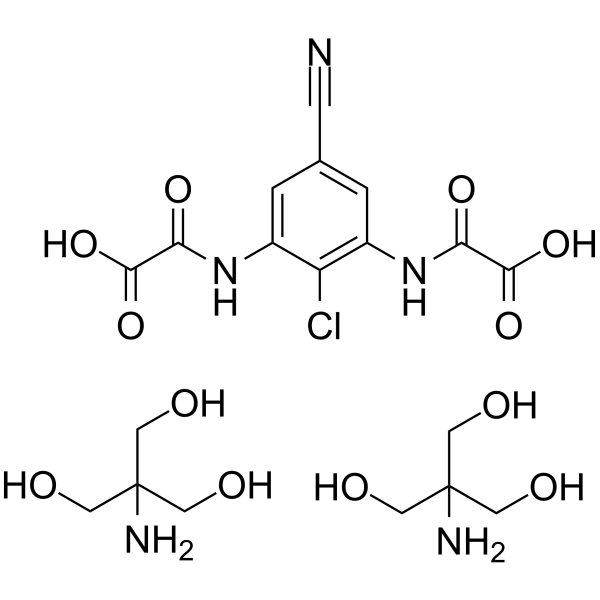
Lodoxamide (tromethamine) (Standard) is the analytical standard of Lodoxamide (tromethamine). This product is intended for research and analytical applications. Lodoxamide tromethamine (U-42585E) is a medication for the treatment of prophylaxis of mast cell-mediated allergic disease.
|
-
- HY-P991523
-
|
|
Apoptosis
|
Cancer
|
|
BI-836826 is a IgG1 chimerized and Fc-engineered anti-CD37 monoclonal antibody. BI 836826 displays both antibody-dependent cell-mediated cytotoxicity (ADCC) and direct pro-apoptotic activities. BI-836826 can be used for the study of chronic lymphocytic leukemia .
|
-
- HY-174765
-
|
|
mRNA
|
Inflammation/Immunology
|
|
Human CCL18 mRNA encodes the human C-C motif chemokine ligand 18 (CCL18) protein, a cytokine that displays chemotactic activity for naive T cells, CD4+ and CD8+ T cells and nonactivated lymphocytes, but not for monocytes or granulocytes. CCL18 may play a role in both humoral and cell-mediated immunity responses.
|
-
- HY-P991250
-
|
|
Integrin
|
Cancer
|
|
MSH-TP15e is a humanized monoclonal antibody inhibitor targeting intercellular adhesion molecule-1 (ICAM-1). MSH-TP15e recruits natural killer cells and significantly triggers antibody-dependent cell-mediated cytotoxicity (ADCC) to inhibit tumor cell growth. MSH-TP15e is promising for research of multiple myeloma (MM) .
|
-
- HY-P991587
-
|
|
Orphan GPCR
|
Cancer
|
|
SAR-446523 is a humanized IgG1 monoclonal antibody inhibitor targeting GPRC5D. SAR-446523 significantly induces antibody-dependent cell-mediated cytotoxicity (ADCC). SAR-446523 has potent antitumor activity with improvement of mouse survival in NK humanized NOG huIL15 transgenic mice model bearing MM cells. SAR-446523 can be used for multiple myeloma (MM) research .
|
-
- HY-P991366
-
|
AL008
|
CD47
|
Cancer
|
|
IBI-397 is a human monoclonal antibody (mAb) targeting SIRPα/CD172a . IBI-397 promotes human monocyte-derived dendritic cell-mediated T cell proliferation and increases the expression of CD86 and HLA-DR. IBI-397 has antitumor activity in the mouse MDA-MB-231 tumor model. IBI-397 can be used in Myeloma research .
|
-
- HY-P1409
-
|
|
Potassium Channel
|
Inflammation/Immunology
|
|
ADWX 1 is a new peptide inhibitor that is potent and selective for Kv1.3 with an IC50 value of 1.89 pM. ADWX 1 inhibits Kv1.3 channel activity specifically to inhibit both the initial calcium signaling and NF-κB activation. ADWX 1 ameliorates the disease in rats of experimental autoimmune encephalomyelitis (EAE) models. ADWX 1 can be used to study T cell-mediated autoimmune diseases .
|
-
- HY-119681
-
|
|
Others
|
Inflammation/Immunology
|
|
YM 11124 is an orally active selective immunosuppressive agent. YM 11124 can inhibit cell-mediated immune responses (type IV allergic reactions, such as delayed-type hypersensitivity and allogenic skin graft rejection) and type III allergic reactions (such as passive Arthus reaction). YM 11124 has no effect on type I, type II allergic reactions or acute inflammation. YM 11124 can be used in research related to organ transplantation and immune hypersensitivity .
|
-
- HY-19344S2
-
|
|
Isotope-Labeled Compounds
Integrin
|
Inflammation/Immunology
|
|
Lifitegrast-d4-1 is deuterium labeled Lifitegrast. Lifitegrast (SAR 1118) is a potent integrin antagonist. Lifitegrast blocks the binding of intercellular adhesion molecule 1 (ICAM-1) to lymphocyte function-associated antigen 1 (LFA-1), interrupting the T cell-mediated inflammatory cycle. Lifitegrast inhibits Jurkat T cell attachment to ICAM-1 with an IC50 of 2.98 nM. Lifitegrast can be used for researching dry eye disease .
|
-
- HY-P991555
-
|
|
TNF Receptor
Apoptosis
|
Cancer
|
|
XmAb5485 is an Fc-engineered humanized anti-CD40 monoclonal antibody with high affinity to Fc-γ receptors. XmAb5485 induces potent antibody-dependent cell-mediated cytotoxicity (ADCC) and antibody-dependent cellular phagocytosis (ADCP) against tumor cells. XmAb5485 inhibits proliferation and induces apoptosis of tumor cells. XmAb5485 shows highly cytotoxic against lymphoma, leukemia and multiple myeloma cell lines as well as primary cancer cells .
|
-
- HY-172809
-
|
|
Histone Demethylase
PD-1/PD-L1
|
Inflammation/Immunology
Cancer
|
|
LSD1-IN-42 (Compound 7ae) is an orally active LSD1 inhibitor that potently inhibits LSD1 activity (IC50 = 0.08 μM). LSD1-IN-42 downregulates PD-L1 expression and enhances T cell-mediated tumor killing effects. LSD1-IN-42 demonstrates significant anti-gastric cancer activity by inhibiting tumor cell invasion and migration .
|
-
- HY-P991233
-
|
|
EGFR
|
Cancer
|
|
BAT1006 is a monoclonal antibody targeting HER2 extracellular domain II with enhanced antibody-dependent cell-mediated cytotoxicity (ADCC) for the study of HER2-positive locally advanced/metastatic solid tumors. BAT1006 has an approximately 5-fold enhanced ADCC effect compared to pertuzumab (HY-P9912) and exhibits potent anti-tumor activity in the HER2-positive Calu-3 xenograft mouse model .
|
-
- HY-109139A
-
|
NIR178 mesylate; PBF509 mesylate
|
Adenosine Receptor
|
Cancer
|
|
Taminadenant mesylate (NIR178 mesylate) is a potent adenosine A2A receptor antagonist with potential anti-tumor activity. Taminadenant mesylate can selectively bind and inhibit A2AR on T lymphocytes, thereby releasing adenosine/A2AR-mediated inhibition of T lymphocytes and activating T cell-mediated immune responses against tumor cells. Taminadenant mesylate works by reducing the proliferation of susceptible tumor cells. Taminadenant mesylate also showed effectiveness in reversing dyskinesias in Parkinson's disease models and was able to inhibit dyskinesias caused by L-DOPA .
|
-
- HY-P991425
-
|
|
Transmembrane Glycoprotein
|
Cancer
|
|
AT-1413 is a human monoclonal antibody (mAb) targeting CD43. AT-1413 induces antibody-dependent cell-mediated cytotoxicity (ADCC) in melanoma cell lines and acute myeloid leukemia (AML) cells. AT-1413 has antitumor activity in AML mouse models. AT-1413 can be used in Acute myeloid leukaemia, Breast cancer, Malignant melanoma and Myelodysplastic syndromes research. Recommended isotype control: Human IgG1 kappa, Isotype Control (HY-P99001) .
|
-
- HY-164628
-
|
|
CD38
|
Cancer
|
|
CD38-IN-5 (compound 1) is a CD38 inhibitor that selectively inhibits CD38 hydrolase with an IC50 of 4.0 μM. CD38-IN-5 does not inhibits CD38 cyclase. CD38-IN-5 is highly effective at promoting NK cell-mediated tumor toxicity. CD38-IN-5 increases NADH+ and IFNγ levels in activated PBMCs. CD38-IN-5 can be used for the study of cancer .
|
-
- HY-106793
-
-
- HY-P992450
-
|
|
TNF Receptor
|
Cancer
|
|
REGN6569 is a fully human IgG1 monoclonal antibody targeting glucocorticoid-induced tumor necrosis factor receptor-related protein (GITR) with high specificity for GITR. REGN6569 exerts stronger in vitro antibody-dependent cell-mediated cytotoxicity (ADCC) against regulatory T cells expressing GITR. REGN6569 selectively depletes regulatory T cells via antibody-dependent cell-mediated cytotoxicity and increases the proportion of proliferative natural killer (NK) cells in peripheral blood. REGN6569 is applicable for advanced solid malignancies. Isotype control: HY-P99001 .
|
-
- HY-P991898
-
|
RD126
|
CD19
|
Inflammation/Immunology
|
|
IASO-782 (RD126) is a fully human monoclonal antibody targeting human CD19. The Fc segment of IASO-782 is mutated to enhance antibody-dependent cell-mediated cytotoxicity (ADCC) while maintaining the integrity of other Fc segment functions, such as ADCP. IASO-782 effectively eliminates CD19+ B cells, plasmablasts, and some plasma cells, thereby reducing or completely eliminating autoreactive antibodies produced by these cells. IASO-782 can be used for the study of immune thrombocytopenic purpura (ITP), warm autoimmune hemolytic anemia (wAIHA) and systemic lupus erythematosus (SLE).
|
-
- HY-P991802
-
|
|
MHC
|
Inflammation/Immunology
|
|
Anti-Mouse TCR Beta Antibody (H57-597) reacts with the mouse TCRβ. Anti-Mouse TCR Beta Antibody (H57-597) can be used for the study of T cell-mediated diseases and transplant rejection. Recommend Isotype Controls: Polyclonal Armenian hamster IgG, Isotype Control (HY-P990305) .
|
-
- HY-P11707
-
|
|
Apoptosis
Bcl-2 Family
|
Inflammation/Immunology
|
|
FS1 peptide is a synthetic BH3 mimetic peptide that shows potential in enhancing NK cell-mediated cancer immunity. FS1 peptide targets anti-apoptotic BCL-2 family proteins, triggers the release of cytochrome c, and thereby promotes apoptosis (Apoptosis). FS1 peptide can be used for NK cell-based immunological research .
|
-
- HY-180653
-
|
|
c-Kit
|
Inflammation/Immunology
|
|
c-Kit-IN-14 (Compound 1) is a c-kit kinase inhibitor. c-Kit-IN-14 inhibits the phosphorylation of wild-type c-kit, with an IC50 of 0.4 nM for pKIT. c-Kit-IN-14 inhibits Exon 11 KIT, with an IC50 of 0.4 nM. c-Kit-IN-14 can be used in the research of mast cell-mediated diseases such as urticaria .
|
-
- HY-180652
-
|
|
c-Kit
|
Inflammation/Immunology
|
|
c-Kit-IN-13 (Compound I) is a c-kit kinase inhibitor. c-Kit-IN-13 inhibits the autophosphorylation of wild-type c-kit, with an IC50 of 0.3 nM for pKIT. c-Kit-IN-13 inhibits Exon 11 KIT, with an IC50 of 0.9 nM. c-Kit-IN-13 can be used in the research of mast cell-mediated diseases such as urticaria .
|
-
- HY-E71363
-
|
|
Cathepsin
|
Cardiovascular Disease
Inflammation/Immunology
|
|
Papain (USP) refers to Papain (HY-P1645) that meets the standards of the US Pharmacopoeia. Papain is a cysteine protease of the peptidase C1 family. Papain enhances red cell agglutination by anti-D and anti-A, and increases red cell sensitivity to K cell-mediated lysis in ADCC assays. Papain can induce pulmonary emphysema. Papain can be used for the researches of Rh haemolytic disease of the newborn and pulmonary emphysema .
|
-
- HY-19344S1
-
|
SAR 1118-d6; SHP-606-d6
|
Isotope-Labeled Compounds
|
Inflammation/Immunology
|
|
Lifitegrast-d6 (SAR 1118-d6) is deuterium labeled Lifitegrast. Lifitegrast (SAR 1118) is a potent integrin antagonist. Lifitegrast blocks the binding of intercellular adhesion molecule 1 (ICAM-1) to lymphocyte function-associated antigen 1 (LFA-1), interrupting the T cell-mediated inflammatory cycle. Lifitegrast inhibits Jurkat T cell attachment to ICAM-1 with an IC50 of 2.98 nM. Lifitegrast can be used for researching dry eye disease .
|
-
- HY-19344S
-
|
SAR 1118-d4; SHP-606-d4
|
Isotope-Labeled Compounds
|
Inflammation/Immunology
|
|
Lifitegrast-d4 (SAR 1118-d4) is deuterium labeled Lifitegrast. Lifitegrast (SAR 1118) is a potent integrin antagonist. Lifitegrast blocks the binding of intercellular adhesion molecule 1 (ICAM-1) to lymphocyte function-associated antigen 1 (LFA-1), interrupting the T cell-mediated inflammatory cycle. Lifitegrast inhibits Jurkat T cell attachment to ICAM-1 with an IC50 of 2.98 nM. Lifitegrast can be used for researching dry eye disease .
|
-
- HY-181096
-
|
|
PD-1/PD-L1
|
Inflammation/Immunology
Cancer
|
|
PD-L1-IN-9 is a PD-L1 inhibitor with an IC50 of 110.85 nM. PD-L1-IN-9 has a Kd of 319 nM for human PD-L1 and a Kd of 450 nM for murine PD-L1. PD-L1-IN-9 blocks the PD-1/PD-L1 interaction, restores T cell-mediated anti-tumor immunity, and induces PD-L1 degradation in tumor tissues. PD-L1-IN-9 exhibits anti-tumor activity and can be used in the research of tumors such as melanoma .
|
-
- HY-P992391
-
|
IPH43
|
C-type Lectin-like Receptors (CTLRs)
Apoptosis
|
Cancer
|
|
IPH4301 is a monoclonal antibody targeting MICA/B, with dual activities of cytotoxicity and immunoregulation . IPH4301 blocks the interaction between MICA/B and NKG2D, inhibits their hydrolysis into soluble sMICA/B, and mediates antibody-dependent cellular cytotoxicity and antibody-dependent cellular phagocytosis against tumor cells expressing MICA/MICB. IPH4301 restores the expression and function of NKG2D on primary NK cells and T cells, reverses the immunosuppression induced by M2 macrophages, and enhances NK cell-mediated tumor cell apoptosis. IPH4301 can be used in research related to cancer and triple-negative breast cancer .
|
-
- HY-P992162
-
|
|
Orexin Receptor (OX Receptor)
Interleukin Related
|
Inflammation/Immunology
Cancer
|
|
23ME-00610 is a humanized effector-function-null IgG1 antibody targeting CD200R1, with a Kd of <0.1 nM for hCD200R1. 23ME-00610 blocks the binding of CD200 to CD200R1 and inhibits the recruitment of the downstream adaptor protein DOK2 to CD200R1. 23ME-00610 restores IL-2 production suppressed by CD200. 23ME-00610 induces cytokine production in cells. 23ME-00610 enhances cell-mediated tumor cell killing in vitro. 23ME-00610 can be used for melanoma research .
|
-
- HY-P991944
-
|
|
CCR
|
Cancer
|
|
ZL-1218 is a selective humanized IgG1 antibody, targeting CCR8. ZL-1218 induces antibody-dependent cellular cytotoxicity (ADCC), leading to NK cell-mediated depletion of CCR8-expressing regulatory T cells (Tregs). ZL-1218 blocks the binding of the CCR8 ligand CCL1 to CCR8 and reduces Treg recruitment by inhibiting the chemotaxis of CCR8 + cells. ZL-1218 reduces intratumoral Treg levels in a dose-dependent manner. ZL-1218 exerts enhanced antitumor activity when combined with the anti-PD-1 antibody. ZL-1218 can be used for solid tumour research .
|
-
- HY-P992159
-
|
|
SLC39 (Zinc Transporter)
|
Metabolic Disease
Inflammation/Immunology
|
|
Anti-ZnT8 Antibody (mAb43) is a monoclonal antibody targeting the zinc transporter ZnT8, with islet-specific biodistribution characteristics. Anti-ZnT8 Antibody (mAb43) binds to extracellular ZnT8 on the surface of pancreatic β-cells and masks its insulin-co-localizing sites to block autoimmune recognition. Anti-ZnT8 Antibody (mAb43) also promotes an increase in the proportion of regulatory T cells and inhibits B cell antigen presentation, thereby effectively blocking the T cell-mediated cascade of β-cell destruction. Anti-ZnT8 Antibody (mAb43) eliminates insulitis, preserves β-cell mass and induces seroconversion of autoantibodies, without directly altering the insulin secretion function or content of β-cells. Anti-ZnT8 Antibody (mAb43) can be used for research related to type 1 diabetes .
|
-
- HY-154974
-
|
|
Liposome
|
Cancer
|
|
LNP Lipid-8 (11-A-M) is an ionizable single-tail multi-head lipid that can be used as a lipid nanoparticle (LNP) to deliver siRNA to T cells without targeting ligands. LNP Lipid-8 is more selective for T cells than other cell types such as hepatocytes. LNP Lipid-8 selectively delivers siRNA/sgRNA to T cells (especially CD8+ T cells) through endogenous lipid transport pathways, and can enter cells and release RNA through endocytosis to achieve gene silencing. LNP Lipid-8 loaded with GFP siRNA (siGFP) significantly led to GFP gene silencing in mouse models. LNP Lipid-8 showed good efficacy and safety in both cells and animals, without obvious liver targeting and toxicity. LNP Lipid-8 can be used for RNA delivery research in the fields of tumor immunotherapy and T cell-mediated autoimmune diseases .
|
-
- HY-124447
-
|
|
IGF-1R
c-Myc
Apoptosis
TGF-beta/Smad
|
Cancer
|
|
BTYNB is a structure-specific nucleic acid binder and IGF2BP1 inhibitor (with an IC50 of 5 μM against hBTYNB). BTYNB disrupts the IGF2BP1-RNA interaction and blocks its binding to oncogenic mRNAs such as c-Myc, MDM2, PD-L1. BTYNB completely blocks the INHBA-Smad2/3 pathway, disrupts the MYCN/IGF2BP1 loop, and thereby induces apoptosis and cell cycle arrest, effectively inhibiting the proliferation and survival of cancer cells. In addition, BTYNB acts as an immune activator and tumor microenvironment modulator, enhances T cell-mediated tumor killing, and produces significant synergistic effects with inhibitors of PD-1, BRD and BIRC5. BTYNB can be used in relevant research on various malignant tumors including ovarian cancer, neuroblastoma, leukemia and melanoma .
|
-
- HY-P990018
-
-
- HY-P99562
-
|
XmAb-18087
|
CD3
|
Cancer
|
|
Tidutamab (XmAb-18087) is a humanized and affinity-optimized bispecific antibody (bsAb) targeting SSTR2 binding domain and T-cell binding domain (CD3). Tidutamab possesses a full Fc domain to maintain long serum half-life.Tidutamab eliminates SSTR+ tumor cells by stimulating redirected T cellmediated cytotoxicity (RTcC) .
|
-
- HY-N19083
-
|
|
Bacterial
|
Inflammation/Immunology
|
|
Tecomella undulata Extract, also known as Rohida extract, is a valuable botanical extract derived from the bark and leaves of the Tecomella undulata plant native to the Indian Thar Desert and is rich in bioactive compounds such as flavonoids, quinones, triterpenoids, and other phytochemicals that contribute to its diverse therapeutic properties. This extract is widely recognized for its hepatoprotective effects demonstrated through its ability to protect against liver damage induced by toxins such as paracetamol and carbon tetrachloride by normalizing elevated liver enzyme levels reducing oxidative stress and improving liver function. Additionally, it exhibits significant anti-inflammatory activity comparable to standard drugs like indomethacin and has been used to treat conditions like ascites and hepatosplenomegaly while also showing immunomodulatory effects by enhancing both humoral and cell-mediated immune responses and possessing antimicrobial properties that make it effective against various pathogens. Recent research suggests that Tecomella undulata may have potential in managing nonalcoholic steatohepatitis (NASH) by reducing body weight insulin resistance and improving liver function markers making it a versatile natural remedy with significant applications in hepatoprotection anti-inflammation and immune support.
|
-
- HY-P99014
-
|
ARGX-110
|
Fc Receptor (FcR)
NF-κB
|
Inflammation/Immunology
Cancer
|
|
Cusatuzumab (ARGX-110) is a selective competitive blocker targeting CD70 (with an equilibrium dissociation constant of 17 pM for binding to human CD70). Cusatuzumab also possesses enhanced antibody-dependent cell-mediated cytotoxicity (ADCC) activity. It is a humanized IgG1 monoclonal antibody, artificially synthesized through humanization and genetic engineering modifications (CH2 region mutation to enhance effector function). Cusatuzumab has a dual mechanism of action: firstly, it competitively blocks the interaction between CD70 and CD27, inhibiting the CD27-NF-κB signaling pathway, reducing regulatory T cell (Treg) activation and tumor cell proliferation; secondly, by enhancing binding to FcγRIIIa, it mediates ADCC and antibody-dependent cellular phagocytosis (ADCP), directly lysing CD70-positive tumor cells. Cusatuzumab can efficiently eliminate leukemia stem cells (LSCs), induce tumor cell differentiation and apoptosis, restore immune surveillance, and target CD70-positive tumors. Cusatuzumab is used in the study of acute myeloid leukemia (AML) .
|
-
- HY-177578
-
|
|
Antibody-Drug Conjugates (ADCs)
c-Kit
Apoptosis
Microtubule/Tubulin
ERK
Akt
Caspase
|
Cancer
|
|
NN3201 is a c-Kit-targeting antibody-drug conjugate (ADC) with high affinity (KD = 0.19 pM). NN3201 is composed of 4-(3-Tosyl-2-(tosylmethyl)propanoyl)benzoic acid-glu(PEG24-Me)-val-cit-NH-benzyloxyformic acid-MMAE (HY-178219) and an anti-c-Kit human monoclonal antibody NN2101 (HY-P991293). NN3201 rapidly internalizes and inhibits stem cell factor (SCF)-driven signaling, thereby delivering its payload to induce cell cycle arrest and apoptosis. NN3201 exhibits no Fc-mediated effector functions antibody-dependent cell-mediated cytotoxicity (ADCC)/complement-dependent cytotoxicity (CDC) due to reduced FcγR binding. NN3201 exhibits significant c-Kit-dependent anti-tumor efficacies in various tumor models. NN3201 can be used in small cell lung cancer (SCLC) and gastrointestinal stromal tumor (GIST) and acute myeloid leukemia (AML) research [1][2].
|
-
- HY-177300
-
|
|
Toll-like Receptor (TLR)
HBV
IFNAR
Interleukin Related
|
Infection
Inflammation/Immunology
|
|
TLR7/8 agonist 13 is an orally active dual agonist of TLR7 (lowest effective concentrations (LEC) [hTLR7] = 1.6 μM) and TLR8 (LEC [hTLR8] = 1.6 μM). TLR7/8 agonist 13 exhibits agonistic activity against human peripheral blood mononuclear cells (hPBMCs) (LEC [hPBMC] = 0.5 μM). TLR7/8 agonist 13 induces endogenous IFNα, activating myeloid dendritic cells and monocytes toward a TH1 phenotype in mice and cynomolgus monkeys. TLR7/8 agonist 13 reduces viral load and HBV surface antigen expression in a mouse model of chronic AAV-HBV infection. TLR7/8 agonist 13 has the potential to indirectly induce IFNγ, which may promote HBV antigen-specific CD8 T cell-mediated responses. TLR7/8 agonist 13 can be used to study hepatitis B virus .
|
-
- HY-P990688
-
|
AMG-509
|
CD3
|
Cancer
|
|
Xaluritamig (AMG-509) is a bispecific T cell engager and cytolytic agent with a Kd of 27.6 nM for human CD3ε. Xaluritamig binds to CD3ε via an anti-CD3 single-chain variable fragment (scFv) domain, and to STEAP1 via a bispecific anti-STEAP1 antigen-binding fragment (Fab) domain, thereby recruiting and activating T cells and forming a bridge between T cells and STEAP1-expressing cancer cells. Xaluritamig induces T cell-mediated redirected cytotoxicity, tumor cell lysis, cytokine release, CD8 + T cell activation and expansion, as well as tumor stasis or regression. Xaluritamig contains an Fc domain with no effector function, which prolongs serum half-life, exhibits only minimal activity against cells with low STEAP1 expression and normal cells, and shows extremely low target-related off-tumor toxicity in cynomolgus monkeys. Xaluritamig is used in STEAP1×CD3 XmAb 2+1 immunotherapy and in research on metastatic castration-resistant prostate cancer and Ewing sarcoma .
|
-
- HY-N10277
-
|
|
Others
|
Neurological Disease
|
|
Inubritannolide A displays slight strong neuroprotective potency against different types of neuronal cells mediated by various inducers including H2O2, 6-hydroxydopamine (6-OHDA), and lipopolysaccharide (LPS).
|
-
- HY-139007
-
|
|
LXR
|
Metabolic Disease
|
|
BLT-4 is a specific, reversible inhibitor of scavenger receptor, class B, type I (SR-BI). BLT-4 inhibits the transfer of lipids between high-density lipoproteins (HDL) and cells mediated by SR-BI. .
|
-
- HY-121662
-
|
LDK
|
Apoptosis
|
Inflammation/Immunology
Cancer
|
|
Lenaldekar (LDK) inhibits human and murine T-cell expansiomn. Lenaldekar inhibits autoimmune T cell response. Lenaldekar also induces cancer cell apoptosis. Lenaldekar can be used for T-cell mediated autoimmune diseases research .
|
-
- HY-P99931
-
|
GEN3013
|
CD3
CD20
|
Cancer
|
|
Epcoritamab (GEN3013) is an bispecific IgG1 antibody redirecting T-cells toward CD3×CD20 + tumor cells. Epcoritamab induces potent T-cell-mediated cytotoxicity towards B-cell NHL cell lines .
|
-
- HY-P991913
-
-
- HY-116767
-
|
Block lipid transport-1
|
HCV
|
Metabolic Disease
Inflammation/Immunology
|
|
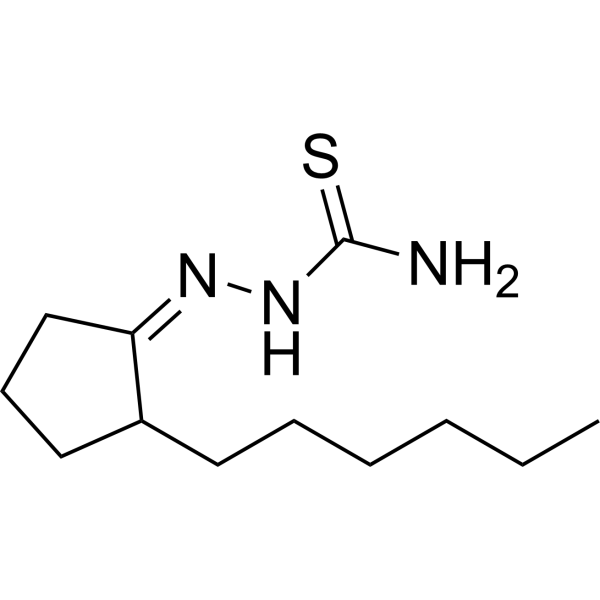
BLT-1, a thiosemicarbazone copper chelator, is a selective scavenger receptor B, type 1 (SR-BI) inhibitor. BLT-1 inhibits the transfer of lipids between high-density lipoproteins (HDL) and cells mediated by SR-BI. BLT-1 is a potent HCV entry inhibitor .
|
-
- HY-126328
-
|
|
PKC
Interleukin Related
|
Inflammation/Immunology
|
|
PKC-theta inhibitor 1 is an orally active and selective ATP-competitive inhibitor of Protein Kinase Cθ (PKCθ), with a Ki value of 6 nM. PKC-theta inhibitor 1 inhibits T-cell-mediated inflammatory responses by suppressing the release of proinflammatory cytokines (IL-2 IC50 = 0.21 μM in anti-CD3/CD28-stimulated PBMCs; IL-17 IC50 = 1 μM in CD3/CD28-stimulated Th17 cells) PKC-theta inhibitor 1 significantly reduces symptoms in mice with ongoing experimental autoimmune encephalomyelitis (EAE). PKC-theta inhibitor 1 can be used for the study of T-cell-mediated inflammatory diseases such as multiple sclerosis .
|
-
- HY-P9968
-
|
h-R3
|
EGFR
|
Cancer
|
|
Nimotuzumab is a humanized IgG1 monoclonal antibody targeting EGFR with a KD of 0.21 nM. Nimotuzumab is directed against the extracellular domain of the EGFR blocking the binding to its ligands. Nimotuzumab, a strong antitumor agent, is cytolytic on target tumors by its capacity to cause antibody dependent cell mediated cytotoxicity (ADCC) and complement dependent cytotoxicity (CDC) .
|
-
- HY-155884
-
|
mPEG4000-NH2
|
Biochemical Assay Reagents
|
Cancer
|
|
mPEG4000-amine can be used to synthesize folate-conjugated polymer micelles for encapsulating anticancer agent 9-nitrocamptothecin (HY-16560). folate-conjugated polymer micelles are effective carriers of insoluble anticancer drugs, which can avoid macrophages and play a role in endocytosis of tumor cells mediated by folate receptors (FR).
|
-
- HY-155880
-
|
mPEG350-NH2
|
Biochemical Assay Reagents
|
Cancer
|
|
mPEG350-amine can synthesize folate-conjugated polymer micelles for encapsulation of anticancer agent 9-nitrocamptothecin (HY-16560). folate-conjugated polymer micelles are effective carriers of insoluble anticancer drugs, which can avoid macrophages and play a role in endocytosis of tumor cells mediated by folate receptors (FR).
|
-
- HY-125859A
-
|
MPO
|
Bacterial
|
Inflammation/Immunology
|
|
Myeloperoxidase, human white blood cells (MPO) is a peroxidase. In Myeloperoxidase, human white blood cells mediate oxidative stress by promoting the production of reactive oxygen species (ROS) and active nitrogen (RNS), regulating the polarization and inflammation-related signaling pathways of microglia and neutrophils. Myeloperoxidase, human white blood cells has antibacterial activity .
|
-
- HY-155883
-
|
mPEG3400-NH2
|
Biochemical Assay Reagents
|
Cancer
|
|
mPEG3400-amine can synthesize folate-conjugated polymer micelles for encapsulation of anticancer agent 9-nitrocamptothecin (HY-16560). folate-conjugated polymer micelles are effective carriers of insoluble anticancer drugs, which can avoid macrophages and play a role in endocytosis of tumor cells mediated by folate receptors (FR).
|
-
- HY-119347
-
|
|
IFNAR
STAT
|
Inflammation/Immunology
Cancer
|
|
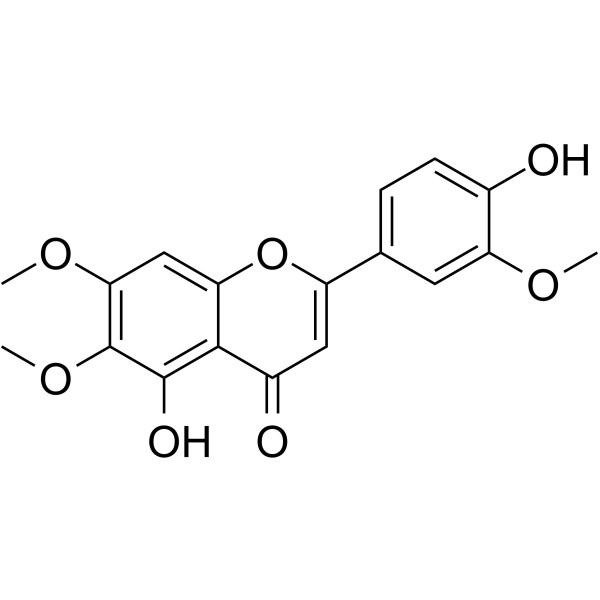
Cirsilineol, a natural flavone compound, selectively inhibits IFN-γ/STAT1/T-bet signaling in intestinal CD4 + T cells. Cirsilineol has potent immunosuppressive and anti-tumor properties. Cirsilineol significantly ameliorates trinitro-benzene sulfonic acid (TNBS)-induced T-cell-mediated experimental colitis in mice .
|
-
- HY-W591632
-
|
Poly(ethylene glycol)-bis-amine (MW 1000)
|
Biochemical Assay Reagents
|
Cancer
|
|
PEG-bis-amine (MW 1000) synthesizes folate-conjugated polymeric micelles for encapsulation of the anticancer agent 9-nitrocamptothecin HY-16560 (HY-16560). Folic acid-conjugated polymer micelles are effective carriers of insoluble anticancer drugs, which can avoid macrophages and play a role in endocytosis of tumor cells mediated by folate receptors (FR).
|
-
- HY-P9968A
-
|
|
EGFR
|
Cancer
|
|
Nimotuzumab (powder) is a humanized IgG1 monoclonal antibody targeting EGFR with a KD value of 0.21 nM. Nimotuzumab (powder) is directed against the extracellular domain of the EGFR blocking the binding to its ligands. Nimotuzumab (powder), a strong antitumor agent, is cytolytic on target tumors by its capacity to cause antibody dependent cell mediated cytotoxicity (ADCC) and complement dependent cytotoxicity (CDC) .
|
-
- HY-W115607
-
|
Poly(ethylene glycol)-bis-amine 4000
|
Biochemical Assay Reagents
|
Cancer
|
|
PEG4000-bis-amine synthesizes folate-conjugated polymeric micelles for encapsulation of the anticancer agent 9-nitrocamptothecin HY-16560 (HY-16560). Folic acid-conjugated polymer micelles are effective carriers of insoluble anticancer drugs, which can avoid macrophages and play a role in endocytosis of tumor cells mediated by folate receptors (FR).
|
-
- HY-170952
-
|
|
Molecular Glues
|
Cancer
|
|
LYG-409 is an orally active degrader of GSPT1. LYG-409 shows excellent anti-acute myeloid leukemia and prostate cancer in vivo with TGI of 94.34% and 104.49%, respectively. LYG-409 inhibits KG-1 cells mediated by the degradation of GSPT1 with an IC50 of 9.50 nM, with a DC50 of 7.87 nM in vitro .
|
-
- HY-P99437
-
|
KN-026
|
EGFR
|
Cancer
|
|
Anbenitamab (KN-026) is a bispecific antibody simultaneously targeting extracellular domains II and IV of human HER2. Anbenitamab blocks both ligand-dependent and ligand-independent HER2 signaling pathways. Anbenitamab mediates antibody-dependent cellular cytotoxicity (ADCC) via FcγIIIa binding. Ambrinitumab can be used in research for lung cancer, HER2-positive metastatic breast cancer (MBC), gastric cancer, and gastroesophageal junction cancer .
|
-
- HY-131675
-
|
|
TNF Receptor
|
Inflammation/Immunology
|
|
CH-100 is an immunomodulatory agent targeting T-cell activation and inflammatory mediator production. CH-100 demonstrates anti-inflammatory and hepatoprotective effects by reducing TNF-α secretion, suppressing CD4+ T-cell proliferation, and lowering endotoxin levels in alcohol-fed rats. CH-100 is promising for research of alcoholic liver disease and T-cell-mediated hepatitis .
|
-
- HY-161344
-
|
|
IFNAR
|
Cancer
|
|
Z36-MP5 is an Mi-2β-targeted inhibitor, with IC50 of 0.082 μM. Z36-MP5 can reduce Mi-2β ATPase activity and reactivates ISG transcription. Z36-MP5 can stimulate T-cell-mediated cytotoxicity .
|
-
- HY-119167
-
|
F 1686
|
COX
|
Inflammation/Immunology
|
|
Lotifazole (F 1686) is a non-steroidal anti-inflammatory agent. Lotifazole exhibits specific inhibition of delayed-type hypersensitivity and does not rely on the prostaglandin synthesis inhibition pathway at low doses. Lotifazole shows significant efficacy in treating paw edema induced by carrageenan in rats, erythema induced by ultraviolet radiation in guinea pigs, and pleurisy at high doses. Lotifazole can be used for the study of T-cell-mediated diseases .
|
-
- HY-N0074
-
|
|
COX
|
Inflammation/Immunology
|
|
Byakangelicol, isolated from Angelica dahurica, inhibits interleukin-1beta (IL-1beta) -induced prostaglandin E2 (PGE2) release in A549 cells mediated by suppression of cyclooxygenase-2 (COX-2) expression and the activity of COX-2 enzyme. Byakangelicol has therapeutic potential as an anti-inflammatory agent on airway inflammation .
|
-
- HY-119347R
-
|
|
Reference Standards
IFNAR
STAT
|
Inflammation/Immunology
Cancer
|
|
Cirsilineol (Standard) is the analytical standard of Cirsilineol. This product is intended for research and analytical applications. Cirsilineol, a natural flavone compound, selectively inhibits IFN-γ/STAT1/T-bet signaling in intestinal CD4+ T cells. Cirsilineol has potent immunosuppressive and anti-tumor properties. Cirsilineol significantly ameliorates trinitro-benzene sulfonic acid (TNBS)-induced T-cell-mediated experimental colitis in mice .
|
-
- HY-P99623
-
|
MGD006; S80880
|
CD3
|
Cancer
|
|
Flotetuzumab (MGD006; S80880) is an investigational CD123/CD3 bispecific dual-affinity retargeting antibody (DART) molecule. Flotetuzumab reactivates T cells by simultaneously binding to CD123 in target cells and CD3 in effector T cells, leading to T-cell-mediated cytotoxicity in target cells. Flotetuzumab shows inhibitory effect on a mouse model of patient-derived xenograft (PDX) in acute myeloid leukemia (AML) .
|
-
- HY-147385
-
|
|
CCR
|
Inflammation/Immunology
|
|
CCR4 antagonist 3 is a potent chemokine receptor 4 (CCR4) antagonist with an IC50 value of 1.7 μM for [ 125I]TARC (thymus and activation regulated chemokine). CCR4 antagonist 3 inhibits binding of radiolabeled TARC and macrophage-derived chemokine (MDC) to CCR4 receptors on the surface of CEM cells. CCR4 antagonist 3 also inhibits the in vitro migration of CEM cells mediated by TARC (IC50 = 6.4 μM) .
|
-
- HY-164002
-
|
|
Btk
|
Others
|
|
PF-303 is a potent, oral inhibitor of Bruton's tyrosine kinase (BTK) (IC50=0.64 nM). The melamine portion of PF-303 forms a covalent bond with BTK's Cys481, which is reversible and exhibits a high selectivity compared to irreversible covalent BTK inhibitors. PF-303 can be used to model and study the effects of BTK inhibition on the mature immune system, including effects on B-cell subsets, antibody responses, and T-cell-mediated activation .
|
-
- HY-112307A
-
|
|
Liposome
|
Cardiovascular Disease
Inflammation/Immunology
|
|
(Rac)-1,2-Distearoyl-sn-Glycero-3-Phosphatidylglycerol (sodium) is an anionic phospholipid, can be studied for drug delivery and the synthesis of liposomes. 1,2-Distearoyl-sn-Glycero-3-Phosphatidylglycerol-containing liposomes can induce Tregs that are specific for the liposomes’ cargo. 1,2-Distearoyl-sn-Glycero-3-Phosphatidylglycerol is taken up by antigen-presenting cells mediated via complement component 1q (C1q) .
|
-
- HY-W782083
-
|
|
Biochemical Assay Reagents
Radionuclide-Drug Conjugates (RDCs)
Bombesin Receptor
EGFR
|
Cancer
|
|
p-SCN-Bn-NOTA trihydrochloride is a macrocyclic chelator. p-SCN-Bn-NOTA trihydrochloride can be covalently coupled to molecules such as peptides through the thiocyanate group to form hexacoordinate copper (such as 64Cu) complexes. p-SCN-Bn-NOTA trihydrochloride specifically binds to GRPR or EGFR highly expressed on the surface of tumor cells, mediating tumor enrichment of radioactive probes. p-SCN-Bn-NOTA trihydrochloride can be used to study malignant tumors expressing GRPR or EGFR, such as prostate cancer and colorectal cancer .
|
-
- HY-P992482
-
|
|
Drug Derivative
Influenza Virus
Fc Receptor (FcR)
Complement System
|
Infection
|
|
VIR-2482 is a monoclonal antibody targeting influenza A hemagglutinin (HA). VIR-2482 is generated by introducing LS mutations (M428L/N434S) into the Fc region of MEDI8852 (HY-P991446). VIR-2482 binds to the conserved HA stem epitope across all 18 influenza A HA subtypes, neutralizes a broad spectrum of H1N1 and H3N2 strains, binds to FcγRIIIa, FcγRIIa and C1q, and induces antibody-dependent cellular cytotoxicity and complement-dependent cytotoxicity. VIR-2482 reduces morbidity and mortality caused by seasonal influenza A strains and provides prophylactic protection in mice. VIR-2482 can be used in research related to influenza A disease .
|
-
- HY-P99404
-
|
E6011
|
CXCR
|
Inflammation/Immunology
Cancer
|
|
Quetmolimab (E6011) is a humanized anti-Fractalkine (CX3CL1) monoclonal antibody. Quetmolimab binds to membrane-bound and soluble Fractalkine, neutralizes Fractalkine-induced migration of CX3CR1-expressing cells, mediates target-bound complex elimination from serum. Quetmolimab suppresses free soluble Fractalkine levels in cynomolgus monkeys, with target engagement linked to increased serum total Fractalkine concentration. Quetmolimab can be used for the research of Crohn’s disease, rheumatoid arthritis, and primary biliary cholangitis .
|
-
- HY-P992370
-
|
|
Interleukin Related
IFNAR
|
Cancer
|
|
HPN601 is a protease-activated EpCAM-targeting T-cell engager that binds EpCAM competitively and induces T-cell mediated tumor cell killing. HPN601 binds to EpCAM, CD3e and albumin; albumin binding extends its half-life, while masking groups keep the molecule inert outside the tumor microenvironment. HPN601 significantly reduces the release levels of IFN-γ, IL-2, IL-6 and IL-10. HPN601 can be used in research related to cancers such as breast cancer and gastric cancer .
|
-
- HY-P99027
-
|
LAG525; IMP701; Hu5A8
|
LAG-3
|
Cancer
|
|
Ieramilimab (LAG525; IMP701) is a humanized IgG4 monoclonal antibody that binds to LAG-3, resulting in inhibition of LAG-3 interaction with MHC-II molecules. Ieramilimab restores T-cell and NK-cell-mediated antileukemic immunity by reducing exhaustion and augmenting cytokine output and cytotoxicity. Ieramilimab increases the infiltration of cytotoxic T lymphocytes and reduces baseline densities of regulatory T cells (Tregs) and ADAM10-expressing tumor cells. Ieramilimab can be used for the study of various malignancies including melanoma, RCC, and advanced solid tumors .
|
-
- HY-P991155
-
|
JNJ-79635322; JNJ-5322
|
CD3
TNF Receptor
|
Cancer
|
|
Ramantamig (JNJ-79635322) is a humanized monoclonal antibody targeting human CD3ε, GPRC5D, and TNFRSF17 (BCMA). Ramantamig binds to BCMA and GPRC5D on multiple myeloma cells, binds to CD3ε on T cells, forms immunological synapses, and enables T-cell-mediated cytotoxicity. Ramantamig activates T cells concomitantly with inducing myeloma cell cytotoxicity, with no nonspecific T-cell activation in the absence of target myeloma cells. Ramantamig carries mutations to reduce interaction with Fc receptors and disrupt protein A binding of monomeric and homodimerized chains. Ramantamig can be used for the research of multiple myeloma .
|
-
- HY-159179
-
|
|
Integrin
|
Inflammation/Immunology
|
|
α4 integrin receptor antagonist 3 (Compound 11) is an orally active α4integrin receptor antagonist. α4 integrin receptor antagonist 3 can inhibit the adhesion of K562 cells mediated by the interaction between α4β1/VCAM-1 and α4β7/MAdCAM-1, with IC50 values of 130 nM and 2 nM, respectively. α4 integrin receptor antagonist 3 has the potential to be used in the study of dextran sulfate sodium (DSS) colitis mouse model .
|
-
- HY-P99014A
-
|
|
Transmembrane Glycoprotein
|
Cancer
|
|
Cusatuzumab (FUT8-KO) is an anti-CD70 monoclonal antibody that prepared by knocking out the fucosyltransferase 8 gene (FUT8) to remove fucose and thereby enhance the ADCC activity of the antibody .
|
-
- HY-P990809
-
|
|
TNF Receptor
|
Infection
Inflammation/Immunology
Cancer
|
|
Anti-Mouse 4-1BB/CD137 Antibody (LOB12.3) is an agonistic mouse-derived IgG2a κ antibody, targeting to mouse 4-1BB/CD137. Anti-Mouse 4-1BB/CD137 Antibody (LOB12.3) can stimulate 4-1BB signaling and induce T cell mediated antitumor immunity. Anti-Mouse 4-1BB/CD137 Antibody (LOB12.3) can be used for the researches of cancer, infection, immunology and neurological disease, such as glioblastoma and retrovirus infection .
|
-
- HY-P992060
-
|
|
CD20
NF-κB
|
Inflammation/Immunology
Cancer
|
|
Anti-Mouse CD20 Antibody (18B12) is a B cell depleting agent that targets mouse CD20. Anti-Mouse CD20 Antibody (18B12) not only inhibits the growth of mesothelioma, lung cancer and thymoma, but also significantly enhances the efficacy of adenoviral tumor antigen vaccines and induces tumor regression by increasing the number of tumor-specific CD8 + T cells. Anti-Mouse CD20 Antibody (18B12) reduces B cell infiltration into the central nervous system of mice with experimental autoimmune encephalomyelitis, and delays motor dysfunction and neuronal death after spinal cord injury by alleviating inflammatory responses and tissue damage. Anti-Mouse CD20 Antibody (18B12) is widely applicable to research in fields related to mesothelioma, lung cancer, thymoma, experimental autoimmune encephalomyelitis and spinal cord injury .
|
-
- HY-160151
-
|
|
PROTACs
Phosphatase
JAK
IFNAR
MHC
|
Cancer
|
|
TP1L is a potent and selective T-cell protein tyrosine phosphatase (TC-PTP) PROTAC degrader, with a DC50 value of 35.8 nM. TP1L elevates the phosphorylation level of TC-PTP substrates including pSTAT1 and pJAK1. TP1L selectively enhances IFN-γ signaling and increases MHC-I expression. TP1L activates TCR signaling through increases phosphorylation of LCK. TP1L enhances CAR-T cell mediated tumor killing efficacy through activation of the CAR-T cells. TP1L can be used for the study of cancer. (Pink: TC-PTP ligand: (HY-138964), Blue: E3 ligase CRBN Ligand (HY-A0003), Black: Linker: (HY-140002)) .
|
-
- HY-P991558
-
|
RG-7356
|
Transmembrane Glycoprotein
|
Cancer
|
|
RO-5429083 (RG-7356) is a humanized monoclonal antibody targeting CD44. RO-5429083 binds to the extracellular domain of CD44 and inhibits constitutive EGFR phosphorylation. RO-5429083 suppresses tumor growth in xenograft models and can be used in research related to head and neck squamous cell carcinoma and acute myeloid leukemia .
|
-
- HY-P991514A
-
|
|
CD20
|
Cancer
|
|
MIL62 (FUT8-KO) is a CD20-targeting antibody that prepared by knocking out the fucosyltransferase 8 gene (FUT8) to remove fucose and thereby enhance the ADCC activity of the antibody .
|
-
- HY-P990953
-
|
Gen1047
|
CD3
|
Cancer
|
|
Zubotamig (Gen1047) is an CD3E/VTCN1-targeting Ig(G1 -κ_G1 -λ2) type chimeric human antibody. The recommed isotype control is Human IgG1 kappa, Isotype Control (HY-P99001). Zubotamig induces T-cell mediated cytotoxicity of B7H4-positive tumor cells, triggers T-cell activation, and induces cytokine release from T cells in the presence of B7H4-expressing tumor cells. Zubotamig demonstrates antitumor activity in mouse patient-derived xenograft (PDX) models. Zubotamig can be used for the research of solid cancers (including breast, ovarian and lung cancer) .
|
-
- HY-P991984
-
|
|
EGFR
PI3K
Akt
|
Cancer
|
|
SIBP-03 is a specifical anti-HER3 antibody. SIBP-03 binds strongly and specifically to recombinant HER3 protein. SIBP-03 inhibits HER3 activation, as well as the downstream PI3K/AKT signaling pathway. SIBP-03 exhibits anticancer activity against squamous cell carcinoma, non-small cell lung cancer, gastric cancer, and breast cancer. SIBP-03 synergistically enhances the antitumor activity of DS-8201 (HY-138298A) and Cetuximab (HY-P9905) .
|
-
- HY-P992465
-
|
|
Fc Receptor (FcR)
|
Cancer
|
|
SIWA318H is an adbanvced glycation end product (AGE) specific antibody. SIWA318H selectively binds to advanced glycation end product biomarkers, human FcγRIIIa, and pancreatic cancer cells, and cancer-associated fibroblasts. SIWA318H suppresses tumor growth in mouse PSN1 xenografts. SIWA318H can be used for the research of pancreatic cancer .
|
-
- HY-P992401
-
|
|
EGFR
CD3
PI3K
Akt
p38 MAPK
Caspase
Apoptosis
IFNAR
TNF Receptor
Interleukin Related
|
Cancer
|
|
M802 is an anti-HER2/CD3 bispecific antibody, with a Kd of 0.578 nM for human HER2 and a Kd of 71.2 nM for human CD3. M802 inhibits the PI3K/AKT and MAPK signaling pathways, suppresses tumor cell proliferation, activates caspase-3, and promotes tumor cell apoptosis (apoptosis). M802 recruits and activates CD3-positive immune cells, mediates cytotoxicity against HER2-positive tumor cells, and induces immune cells to secrete IFN-γ, TNF-α, IL-2 and IL-6. M802 exhibits anti-tumor efficacy in mice with gastric cancer xenografts. M802 can be used in research related to HER2-positive breast cancer, HER2-positive gastric cancer and other cancers. The recommended isotype control is human IgG1 kappa (HY-P99001) .
|
-
- HY-P991883
-
|
Licartin; Metuximab; Mehuzumab
|
Apoptosis
CDK
Caspase
Bcl-2 Family
|
Cancer
|
|
Metuzumab (Licartin) is a human-mouse chimeric IgG1 monoclonal antibody targeting CD147. Metuzumab induces Apoptosis, reduces levels of Cyclin D1, full-length Caspase-3, and Bcl-2, and increases Bax expression. Metuzumab enhances the sensitivity of non-small cell lung cancer (NSCLC) cells to Gemcitabine (HY-17026). Metuzumab is applicable for research on hepatocellular carcinoma and non-small cell lung cancer [1] [2].
|
-
| Cat. No. |
Product Name |
Type |
-
- HY-116282
-
|
DSS (MW 5000); DXS (MW 5000)
|
Biochemical Assay Reagents
|
|
Dextran sulfate sodium salt (DSS) (MW 5000) is a polymer of dehydrated glucose with a molecular weight of approximately 5000. Dextran sulfate sodium salt (DSS) with different molecular weights exhibits different biological activities. Dextran sulfate sodium salt (MW 5000) is an inhibitor of complement and coagulation pathways, and belongs to the glycosaminoglycans (GAG) family. Dextran sulfate sodium salt (MW 5000) acts as an anticoagulant, antiviral, and anti-lipemic agent. Dextran sulfate sodium salt (DSS) stops HIV-1 virus adsorption to host cells. Dextran sulfate sodium salt (MW 5000) prevents NK cell-mediated cytotoxicity. Dextran sulfate sodium salt (MW 5000) inhibits instant blood-mediated inflammatory reaction (IBMIR) .
|
-
- HY-W782083
-
|
|
Biochemical Assay Reagents
|
|
p-SCN-Bn-NOTA trihydrochloride is a macrocyclic chelator. p-SCN-Bn-NOTA trihydrochloride can be covalently coupled to molecules such as peptides through the thiocyanate group to form hexacoordinate copper (such as 64Cu) complexes. p-SCN-Bn-NOTA trihydrochloride specifically binds to GRPR or EGFR highly expressed on the surface of tumor cells, mediating tumor enrichment of radioactive probes. p-SCN-Bn-NOTA trihydrochloride can be used to study malignant tumors expressing GRPR or EGFR, such as prostate cancer and colorectal cancer .
|
-
- HY-112307A
-
|
|
Biochemical Assay Reagents
|
|
(Rac)-1,2-Distearoyl-sn-Glycero-3-Phosphatidylglycerol (sodium) is an anionic phospholipid, can be studied for drug delivery and the synthesis of liposomes. 1,2-Distearoyl-sn-Glycero-3-Phosphatidylglycerol-containing liposomes can induce Tregs that are specific for the liposomes’ cargo. 1,2-Distearoyl-sn-Glycero-3-Phosphatidylglycerol is taken up by antigen-presenting cells mediated via complement component 1q (C1q) .
|
-
- HY-155884
-
|
mPEG4000-NH2
|
Biochemical Assay Reagents
|
|
mPEG4000-amine can be used to synthesize folate-conjugated polymer micelles for encapsulating anticancer agent 9-nitrocamptothecin (HY-16560). folate-conjugated polymer micelles are effective carriers of insoluble anticancer drugs, which can avoid macrophages and play a role in endocytosis of tumor cells mediated by folate receptors (FR).
|
-
- HY-155880
-
|
mPEG350-NH2
|
Biochemical Assay Reagents
|
|
mPEG350-amine can synthesize folate-conjugated polymer micelles for encapsulation of anticancer agent 9-nitrocamptothecin (HY-16560). folate-conjugated polymer micelles are effective carriers of insoluble anticancer drugs, which can avoid macrophages and play a role in endocytosis of tumor cells mediated by folate receptors (FR).
|
-
- HY-155883
-
|
mPEG3400-NH2
|
Biochemical Assay Reagents
|
|
mPEG3400-amine can synthesize folate-conjugated polymer micelles for encapsulation of anticancer agent 9-nitrocamptothecin (HY-16560). folate-conjugated polymer micelles are effective carriers of insoluble anticancer drugs, which can avoid macrophages and play a role in endocytosis of tumor cells mediated by folate receptors (FR).
|
-
- HY-W591632
-
|
Poly(ethylene glycol)-bis-amine (MW 1000)
|
Biochemical Assay Reagents
|
|
PEG-bis-amine (MW 1000) synthesizes folate-conjugated polymeric micelles for encapsulation of the anticancer agent 9-nitrocamptothecin HY-16560 (HY-16560). Folic acid-conjugated polymer micelles are effective carriers of insoluble anticancer drugs, which can avoid macrophages and play a role in endocytosis of tumor cells mediated by folate receptors (FR).
|
-
- HY-W115607
-
|
Poly(ethylene glycol)-bis-amine 4000
|
Biochemical Assay Reagents
|
|
PEG4000-bis-amine synthesizes folate-conjugated polymeric micelles for encapsulation of the anticancer agent 9-nitrocamptothecin HY-16560 (HY-16560). Folic acid-conjugated polymer micelles are effective carriers of insoluble anticancer drugs, which can avoid macrophages and play a role in endocytosis of tumor cells mediated by folate receptors (FR).
|
| Cat. No. |
Product Name |
Target |
Research Area |
-
- HY-P2114
-
|
|
Peptides
|
Cancer
|
|
IT9302 is a synthetic IL-10 agonist with the activity of inducing tolerogenic dendritic cells. IT9302 is able to mimic multiple effects of IL-10, including downregulating the antigen presentation machinery and increasing the sensitivity of tumor cells to natural killer cell-mediated lysis. IT9302 can also hinder the response of human monocytes to differentiation factors and reduce the antigen presentation and co-stimulatory capacity of dendritic cells. Dendritic cells treated with IT9302 showed a weakened ability to stimulate T cell proliferation and interferon-γ production. IT9302 exerts its effects through mechanisms that are partially different from IL-10, involving STAT3 inactivation and regulation of the NF-κB intracellular pathway. IT9302-treated dendritic cells showed enhanced expression of membrane-bound TGF-β, associated with the effective induction of foxp3+ regulatory T cells .
|
-
- HY-P1409A
-
|
|
Potassium Channel
|
Inflammation/Immunology
|
|
ADWX 1 TFA is a new peptide inhibitor that is potent and selective for Kv1.3 with an IC50 value of 1.89 pM. ADWX 1 inhibits Kv1.3 channel activity specifically to inhibit both the initial calcium signaling and NF-κB activation. ADWX 1 TFA ameliorates the disease in rats of experimental autoimmune encephalomyelitis (EAE) models. ADWX 1 TFA can be used to study T cell-mediated autoimmune diseases .
|
-
- HY-P11023
-
|
|
Peptides
|
Metabolic Disease
Inflammation/Immunology
Cancer
|
|
E16-uPA24 is a chimeric peptide targeting urokinase-type plasminogen activator receptor (uPAR). E16-uPA24 modifies senescent cells surface with polyglutamic acid, promoting immune cell-mediated responses through glutamate recognition. E16-uPA24 induces immune clearance of senescent cells and restores tissue homeostasis by enhancing immune cells recruitment and directly coupling senescent cells and immune cells. E16-uPA24 can be used for tissue degeneration, chronic inflammatory disease and age-related tumorigenesis research .
|
-
- HY-P5488
-
|
|
Peptides
|
Others
|
|
BDC2.5 Mimotope 1040-63 is a biological active peptide. (The TCR transgenic model (BDC2.5) mimitope was used in type 1 diabetes (T1D) study. T1D is an autoimmune disease in which T cells mediate damage to pancreatic islet b cells. T1D is caused by autoreactive T cell destruction of insulin-producing cells. BDC2.5 mimotope was utilized to support the study on antigen presentation of antigenic peptides to islet autoantigen-specific T cells.)
|
-
- HY-P11089
-
|
|
MHC
|
Cancer
|
|
TP53 neoepitope is a high-affinity antigenic peptide targeting HLA-A. TP53 neoepitope can triggers CD8 + T cell-mediated killing of TP53-mutant tumor cells. TP53 neoepitope is promising for research of solid tumors harboring TP53 hotspot mutations (e.g., R175H, R273H) .
|
-
- HY-P1409
-
|
|
Potassium Channel
|
Inflammation/Immunology
|
|
ADWX 1 is a new peptide inhibitor that is potent and selective for Kv1.3 with an IC50 value of 1.89 pM. ADWX 1 inhibits Kv1.3 channel activity specifically to inhibit both the initial calcium signaling and NF-κB activation. ADWX 1 ameliorates the disease in rats of experimental autoimmune encephalomyelitis (EAE) models. ADWX 1 can be used to study T cell-mediated autoimmune diseases .
|
-
- HY-P10535
-
|
|
Peptides
|
Others
|
|
The AAV-8 NSL epitope is a specific CD8+ T cell epitope identified from the capsid of an adeno-associated virus (AAV) serotype 8. The AAV-8 NSL epitope has a high affinity for MHC I molecules and is able to bind to MHC I molecules, thereby activating CD8+ T cells. The AAV-8 NSL epitope can be used to study the impact of T cell-mediated immune responses on AAV-mediated gene transfer .
|
-
- HY-P11707
-
|
|
Apoptosis
Bcl-2 Family
|
Inflammation/Immunology
|
|
FS1 peptide is a synthetic BH3 mimetic peptide that shows potential in enhancing NK cell-mediated cancer immunity. FS1 peptide targets anti-apoptotic BCL-2 family proteins, triggers the release of cytochrome c, and thereby promotes apoptosis (Apoptosis). FS1 peptide can be used for NK cell-based immunological research .
|
| Cat. No. |
Product Name |
Target |
Research Area |
Image |
-
- HY-P99392
-
|
JNJ-7957; JNJ-64007957; Tecvayli
|
CD3
|
Cancer
|
|
Teclistamab is a human bispecific antibody to BCMA and CD3 that recognizes BCMA on target cells and CD3 on T cells and induces T cell-mediated cytotoxicity leading to T cell activation and subsequent target cell lysis. Teclistamab can be used in studies of diseases related to multiple myeloma (MM) .
|
-
(5)
-
- HY-108730
-
Avelumab
Maximum Cited Publications
10 Publications Verification
Anti-Human PD-L1, Human Antibody; MSB 0010718C; MSB0010718C
|
PD-1/PD-L1
|
Inflammation/Immunology
Cancer
|
|
Avelumab (Anti-Human PD-L1) a fully human IgG1 anti-PD-L1 monoclonal antibody (mAb) with potential antibody-dependent cell-mediated cytotoxicity (ADCC). Avelumab enhances ADCC on several cancer cell lines expressing PD-L1. Avelumab can be used for the study of chordoma .
|
-
(5)
-
- HY-P990679
-
|
|
Inhibitory Antibodies
|
Inflammation/Immunology
Cancer
|
|
Rat IgG2a kappa, Isotype Control is a monoclonal antibody derived from rats, representing the immunoglobulin G2a (IgG2a) subclass with a kappa light chain. Rat IgG2a kappa, Isotype Control exhibits high efficiency in inducing K cell mediated cytotoxicity. Rat IgG2a kappa, Isotype Control is utilized in research investigating the roles of different immunoglobulin subclasses in tumor immunology. Rat IgG2a kappa, an isotype control, can be used as an isotype control for Anti-Mouse PD-1 Antibody (RMP1-14) (HY-P99144), Anti-Mouse CD11a/LFA-1α Antibody (M17/4) (HY-P990801), and Anti-Mouse IL-2 Antibody (S4B6-1) (HY-P990796) .
|
-
(5)
-
- HY-108730A
-
|
|
PD-1/PD-L1
|
Inflammation/Immunology
Cancer
|
|
Avelumab (anti-PD-L1) a fully human IgG1 anti-PD-L1 monoclonal antibody (mAb) with potential antibody-dependent cell-mediated cytotoxicity (ADCC). Avelumab (anti-PD-L1) enhances ADCC on several cancer cell lines expressing PD-L1. Avelumab (anti-PD-L1) can be used for the study of chordoma .
|
-
(5)
-
- HY-P9948
-
|
Campath-IH
|
Apoptosis
|
Cancer
|
|
Alemtuzumab (Campath-IH) is a humanized monoclonal antibody against CD52. Alemtuzumab does not cross-react with murine CD52. Alemtuzumab selectively targets the CD52 antigen to induce profound lymphocyte depletion, followed by recovery of T and B cells with regulatory phenotypes. Alemtuzumab is capable of complement-dependent cytotoxicity and antibody-dependent cell-mediated cytotoxicity (ADCC), as well as induction of apoptosis. Alemtuzumab has the potential for B-cell chronic lymphocytic leukaemia research .
|
-
(5)
-
- HY-P99361
-
|
PDL192; ABT-361; Anti-TNFRSF12A/TWEAKR/CD266 Reference Antibody (enavatuzumab)
|
TNF Receptor
|
Cancer
|
|
Enavatuzumab (PDL192; ABT-361) is a humanized IgG1 monoclonal antibody targeting the receptor of TNF-like weak inducer of apoptosis (TWEAK). TWEAK (Fn14; TNFRSF12A), the natural ligand of the TWEAK receptor (TweakR), stimulates multiple cellular responses. Enavatuzumab induces tumor growth inhibition through direct TweakR signaling and antibody dependent cell-mediated cytotoxicity (ADCC). Enavatuzumab can actively recruits and activates myeloid effectors to kill tumor cells. Enavatuzumab inhibits the growth of various human TweakR-positive cancer cell lines and xenografts in vitro and in vivo .
|
-
(5)
-
- HY-P99117
-
|
AK104
|
PD-1/PD-L1
CTLA-4
|
Inflammation/Immunology
Cancer
|
|
Cadonilimab (AK104) is a humanized tetravalent IgG1 bispecific antibody targeting PD1/CTLA4. Cadonilimab blocks both PD-1 and CTLA-4 pathways, thereby relieving their corresponding immunosuppressive effects and reversing tumor specific T cell exhaustion. Cadonilimab significantly downregulates Fc-mediated effector functions, including antibody-dependent cell-mediated cytotoxicity (ADCC), antibody-dependent cellular phagocytosis (ADCP), complement dependent cytotoxicity (CDC). Cadonilimab can be used for research of metastatic cervical cancer, as well as other malignancies such as gastric cancer, GEJ adenocarcinoma and non-small cell lung cancer (NSCLC) .
|
-
(5)
-
- HY-P991015
-
|
JNJ-78278343; KLCB-245
|
CD3
|
Cancer
|
|
Pasritamig (JNJ-78278343; KLCB-245) is a bispecific T-cell engager (BiTE) that targets the complex of human kallikrein KLK2 and CD3 receptor. Pasritamig redirects the cytotoxicity of T cells to KLK2-expressing tumor cells and induces T cell-mediated lysis of KLK2-expressing prostate cancer cells. Administered via subcutaneous injection, subcutaneous infusion or intravenous infusion, Pasritamig exhibits antitumor activity against metastatic castration-resistant prostate cancer. Pasritamig has a safety profile with an extremely low incidence of cytokine release syndrome and can be safely administered in an outpatient setting. Pasritamig is applicable to the research of metastatic castration-resistant prostate cancer .
|
-
(5)
-
- HY-P99014
-
|
ARGX-110
|
Fc Receptor (FcR)
NF-κB
|
Inflammation/Immunology
Cancer
|
|
Cusatuzumab (ARGX-110) is a selective competitive blocker targeting CD70 (with an equilibrium dissociation constant of 17 pM for binding to human CD70). Cusatuzumab also possesses enhanced antibody-dependent cell-mediated cytotoxicity (ADCC) activity. It is a humanized IgG1 monoclonal antibody, artificially synthesized through humanization and genetic engineering modifications (CH2 region mutation to enhance effector function). Cusatuzumab has a dual mechanism of action: firstly, it competitively blocks the interaction between CD70 and CD27, inhibiting the CD27-NF-κB signaling pathway, reducing regulatory T cell (Treg) activation and tumor cell proliferation; secondly, by enhancing binding to FcγRIIIa, it mediates ADCC and antibody-dependent cellular phagocytosis (ADCP), directly lysing CD70-positive tumor cells. Cusatuzumab can efficiently eliminate leukemia stem cells (LSCs), induce tumor cell differentiation and apoptosis, restore immune surveillance, and target CD70-positive tumors. Cusatuzumab is used in the study of acute myeloid leukemia (AML) .
|
-
(5)
-
- HY-P990688
-
|
AMG-509
|
CD3
|
Cancer
|
|
Xaluritamig (AMG-509) is a bispecific T cell engager and cytolytic agent with a Kd of 27.6 nM for human CD3ε. Xaluritamig binds to CD3ε via an anti-CD3 single-chain variable fragment (scFv) domain, and to STEAP1 via a bispecific anti-STEAP1 antigen-binding fragment (Fab) domain, thereby recruiting and activating T cells and forming a bridge between T cells and STEAP1-expressing cancer cells. Xaluritamig induces T cell-mediated redirected cytotoxicity, tumor cell lysis, cytokine release, CD8 + T cell activation and expansion, as well as tumor stasis or regression. Xaluritamig contains an Fc domain with no effector function, which prolongs serum half-life, exhibits only minimal activity against cells with low STEAP1 expression and normal cells, and shows extremely low target-related off-tumor toxicity in cynomolgus monkeys. Xaluritamig is used in STEAP1×CD3 XmAb 2+1 immunotherapy and in research on metastatic castration-resistant prostate cancer and Ewing sarcoma .
|
-
(5)
-
- HY-P99931
-
|
GEN3013
|
CD3
CD20
|
Cancer
|
|
Epcoritamab (GEN3013) is an bispecific IgG1 antibody redirecting T-cells toward CD3×CD20 + tumor cells. Epcoritamab induces potent T-cell-mediated cytotoxicity towards B-cell NHL cell lines .
|
-
(5)
-
- HY-P9968
-
|
h-R3
|
EGFR
|
Cancer
|
|
Nimotuzumab is a humanized IgG1 monoclonal antibody targeting EGFR with a KD of 0.21 nM. Nimotuzumab is directed against the extracellular domain of the EGFR blocking the binding to its ligands. Nimotuzumab, a strong antitumor agent, is cytolytic on target tumors by its capacity to cause antibody dependent cell mediated cytotoxicity (ADCC) and complement dependent cytotoxicity (CDC) .
|
-
(5)
-
- HY-P99113
-
|
MEDI-551
|
ADC Antibody
CD19
|
Inflammation/Immunology
|
|
Inebilizumab is an anti-CD19 monoclonal antibody (mAb) with enhanced antibody-dependent cell-mediated cytotoxicity against B cells. Inebilizumab can be used for multiple sclerosis and neuromyelitis optica research .
|
-
(5)
-
- HY-P9965
-
|
HuLuc 63; PDL 063; BMS 901608
|
Transmembrane Glycoprotein
|
Cancer
|
|
Elotuzumab (HuLuc 63) is an IgG1 monoclonal antibody targeting the SLAMF7 receptor. Elotuzumab exerts antitumor activity by activating natural killer cells and inducing antibody-dependent cell-mediated cytotoxicity. Elotuzumab can be combined with Lenalidomide (HY-A0003), Dexamethasone (HY-14648), etc., for the research of tumors such as multiple myeloma .
|
-
(5)
-
- HY-P99394
-
|
JNJ-64407564
|
CD3
|
Cancer
|
|
Talquetamab (JNJ-64407564) is a humanized bispecific antibody that binds to GPRC5D (member of G protein-coupled receptor family C5 group D) and CD3 to induce T cell-mediated killing of GPRC5D-expressing MM cells through T cell recruitment and activation. Talquetamab (JNJ-64407564) has antitumor activity .
|
-
(5)
-
- HY-P9933
-
|
APN-311; Ch14.18; MAb-14.18
|
Apoptosis
PERK
mTOR
|
Cancer
|
|
Dinutuximab (APN-311) is a chimeric human-mouse anti-GD2 monoclonal antibody. Dinutuximab can bind to GD2 on the cell surface, triggering antibody-dependent cell-mediated cytotoxicity and complement-dependent cytotoxicity, and promoting tumor regression. Dinutuximab can inhibit the growth, invasion, and migration and induce apoptosis of tumor cells. Dinutuximab can be used in the research of tumors such as neuroblastoma and breast cancer .
|
-
(5)
-
- HY-P9923A
-
|
MEDI-563 (anti-IL5RA ); BIW-8405 (anti-IL5RA )
|
Interleukin Related
Apoptosis
|
Inflammation/Immunology
|
|
Benralizumab (anti-IL5RA ) (MEDI-563 (anti-IL5RA ); BIW-8405 (anti-IL5RA)) is an interleukin-5 receptor α (IL-5Rα)-directed cytolytic monoclonal antibody that induces direct, rapid and nearly complete depletion of eosinophils via enhanced antibody-dependent cell-mediated cytotoxicity. Benralizumab can be used for severe eosinophilic asthma study .
|
-
(5)
-
- HY-P99521
-
|
XmAb14045
|
CD3
|
Inflammation/Immunology
Cancer
|
|
Vibecotamab (XmAb14045) is a potent bispecific antibody targeting both CD123 and CD3. Vibecotamab targets T cell-mediated killing of CD123-expressing cells, regardless of T cell antigen specificity. Vibecotamab is a full length immunoglobulin molecule. Vibecotamab can be studied in research for diseases such as Myelodysplastic syndrome and acute myeloid leukemia. Recommend Isotype Control: half-IG G1-kappa/(scFv-heavy-lambda)-h-CH2-CH3 .
|
-
(5)
-
- HY-P9961
-
|
GSK1841157; OMB-157
|
CD20
|
Cancer
|
|
Ofatumumab is a fully human anti-CD20 monoclonal antibody that induces antibody-dependent cell-mediated cytotoxicity (ADCC) and complement-dependent cytotoxicity (CDC) in CD20-expressing B lymphocytes. Ofatumumab has strong lytic activity against CD20-positive B lymphocytes and eliminates CD20-positive tumor cells through ADCC and CDC. Ofatumumab is particularly effective against drug-resistant cells with low CD20 expression and can be applied to the research of chronic lymphocytic leukemia (CLL) .
|
-
(5)
-
- HY-P990083
-
|
AT-1501
|
TNF Receptor
|
Inflammation/Immunology
|
|
Tegoprubart (AT-1501) is a CD40 ligand inhibitor (EC50=100 ng/mL) and immunosuppressant that selectively inhibits the CD40 ligand, a co-stimulatory molecule involved in T cell activation. Tegoprubart suppresses immune rejection, prevents rejection in animal transplantation models, and reduces cell-mediated and antibody-mediated immune responses to create a more immunotolerant environment. Tegoprubart preserves renal function when combined with Mycophenolate (HY-B0421) and Corticosteroids, and maintains graft function in preclinical studies. Tegoprubart is applicable to research related to kidney transplantation and kidney transplant rejection .
|
-
(5)
-
- HY-P99206
-
|
Naxitamab-gqgk; Humanized 3F8; Hu3F8
|
Inhibitory Antibodies
|
Cancer
|
|
Naxitamab (Hu3F8) is a humanized monoclonal antibody targeting the disialoganglioside GD2. Naxitamab can be used in research of neuroblastoma, osteosarcoma and other GD2-positive cancers .
|
-
(5)
-
- HY-P991155
-
|
JNJ-79635322; JNJ-5322
|
CD3
TNF Receptor
|
Cancer
|
|
Ramantamig (JNJ-79635322) is a humanized monoclonal antibody targeting human CD3ε, GPRC5D, and TNFRSF17 (BCMA). Ramantamig binds to BCMA and GPRC5D on multiple myeloma cells, binds to CD3ε on T cells, forms immunological synapses, and enables T-cell-mediated cytotoxicity. Ramantamig activates T cells concomitantly with inducing myeloma cell cytotoxicity, with no nonspecific T-cell activation in the absence of target myeloma cells. Ramantamig carries mutations to reduce interaction with Fc receptors and disrupt protein A binding of monomeric and homodimerized chains. Ramantamig can be used for the research of multiple myeloma .
|
-
(5)
-
- HY-P99866
-
|
MEHD-7945A; RG 7597
|
EGFR
|
Cancer
|
|
Duligotuzumab is a humanized IgG-κ monoclonal antibody targeting EGFR and HER3. It blocks the binding of ligands to these two receptors, inhibits the downstream HER/ErbB, AKT and MAPK signaling pathways, induces antibody-dependent cell-mediated cytotoxicity, reduces the proliferation and migration abilities of cancer cells, promotes cell apoptosis, exerts a radiosensitizing effect, and reverses EGFR resistance in cancer cells. Duligotuzumab can be used in tumor-related research .
|
-
(5)
-
- HY-P99152
-
|
Muromanab-CD3
|
CD3
Interleukin Related
IFNAR
|
Inflammation/Immunology
Cancer
|
|
Muromonab (Muromonab-CD3; OKT3) is a mouse monoclonal antibody targeting the CD3 antigen. Muromonab specifically binds to the CD3 antigen on the surface of human and higher primate T cells. Muromonab blocks the function of T cell receptors to recognize foreign antigens and inhibits T cell-mediated immune responses, including cell-mediated lymphocyte lysis and T cell proliferation responses. Muromonab can be used to study acute kidney, liver, heart and combined kidney-pancreas transplant rejection, and can also be used to study graft-versus-host disease in bone marrow transplant patients .
|
-
(5)
-
- HY-P991149
-
|
YH32367; ABL105
|
TNF Receptor
|
Cancer
|
|
Nesfrotamig (YH32367; ABL105) is a bispecific activator targeting HER2 and 4-1BB. The Kd values of Nesfrotamig for human HER2 and human 4-1BB are 0.48 nM and 3.36 nM, respectively. By blocking tumor cell growth signals, activating HER2-dependent local 4-1BB in tumors to maintain T cell survival, and inducing NK cell-mediated antibody-dependent cellular cytotoxicity, Nesfrotamig enhances the cytotoxicity and tumor infiltration ability of immune cells. Nesfrotamig promotes the generation of tumor-specific memory T cells, drives T cell-mediated tumor lysis, exhibits significant anti-tumor efficacy against both HER2-positive and HER2-low-expressing tumors, and shows synergistic activity when combined with anti-PD-1 antibodies. In cynomolgus monkey studies, Nesfrotamig demonstrates good safety and is suitable for research related to HER2-positive and HER2-low-expressing tumors .
|
-
(5)
-
- HY-P990925
-
|
BLYG8824A; RG6286
|
CD3
|
Inflammation/Immunology
|
|
Linclatamig (BLYG8824A) is a humanized IgG1 T-cell engaging bispecific antibody (TCB) targeting LY6G6D and CD3. Linclatamig can bind to LY6G6D and CD3-positive T cells, forming an immunological synapse to promote T cell-mediated killing of LY6G6D-positive cells. Linclatamig can be used in colorectal cancer research .
|
-
(5)
-
- HY-P99437
-
|
KN-026
|
EGFR
|
Cancer
|
|
Anbenitamab (KN-026) is a bispecific antibody simultaneously targeting extracellular domains II and IV of human HER2. Anbenitamab blocks both ligand-dependent and ligand-independent HER2 signaling pathways. Anbenitamab mediates antibody-dependent cellular cytotoxicity (ADCC) via FcγIIIa binding. Ambrinitumab can be used in research for lung cancer, HER2-positive metastatic breast cancer (MBC), gastric cancer, and gastroesophageal junction cancer .
|
-
(5)
-
- HY-P99623
-
|
MGD006; S80880
|
CD3
|
Cancer
|
|
Flotetuzumab (MGD006; S80880) is an investigational CD123/CD3 bispecific dual-affinity retargeting antibody (DART) molecule. Flotetuzumab reactivates T cells by simultaneously binding to CD123 in target cells and CD3 in effector T cells, leading to T-cell-mediated cytotoxicity in target cells. Flotetuzumab shows inhibitory effect on a mouse model of patient-derived xenograft (PDX) in acute myeloid leukemia (AML) .
|
-
(5)
-
- HY-P991558
-
|
RG-7356
|
Transmembrane Glycoprotein
|
Cancer
|
|
RO-5429083 (RG-7356) is a humanized monoclonal antibody targeting CD44. RO-5429083 binds to the extracellular domain of CD44 and inhibits constitutive EGFR phosphorylation. RO-5429083 suppresses tumor growth in xenograft models and can be used in research related to head and neck squamous cell carcinoma and acute myeloid leukemia .
|
-
(5)
-
- HY-P99167
-
|
HCD122
|
TNF Receptor
|
Cancer
|
|
Lucatumumab (HCD122) is a fully human anti-CD40 antagonist monoclonal antibody, which blocks CD40/CD40L-mediated signaling. Lucatumumab efficiently mediates antibody-dependent cell-mediated cytotoxicity (ADCC) and clearance of tumor cells, can be used for refractory lymphomas, CLL and multiple myeloma research .
|
-
(5)
-
- HY-P99910
-
|
AMG-330
|
CD3
Transmembrane Glycoprotein
|
Inflammation/Immunology
Cancer
|
|
Eluvixtamab (AMG-330) is a bispecific T-cell engager. Eluvixtamab binds to CD33 and CD3 on T cells, thereby promoting T cell-mediated cytotoxicity against CD33+ cells. Eluvixtamab can be used in the research of tumors such as relapsed/refractory acute myeloid leukemia .
|
-
(5)
-
- HY-P9923
-
|
MEDI-563; BIW-8405; KHK4563
|
Interleukin Related
Apoptosis
|
Inflammation/Immunology
Cancer
|
|
Benralizumab (MEDI-563) is an interleukin-5 receptor α (IL-5Rα)-directed cytolytic monoclonal antibody that induces direct, rapid and nearly complete depletion of eosinophils via enhanced antibody-dependent cell-mediated cytotoxicity. Benralizumab can be used for severe eosinophilic asthma .
|
-
(5)
-
- HY-P991526
-
|
|
CD3
|
Cancer
|
|
M701 is a T-cell engager bispecific humanized antibody targeting epithelial cell adhesion molecule (EpCAM) and cluster of differentiation 3 (CD3). M701 binds to EpCAM on tumor cells and CD3 on T cells, thereby linking the two cell populations to achieve targeted cytotoxicity and T cell-mediated cytotoxicity. M701 is applicable to research related to advanced epithelial solid tumors .
|
-
(5)
-
- HY-P991669
-
|
AML-01
|
Caspase
Apoptosis
|
Cancer
|
|
IGN523 is an anti-CD98 antibody (hCD98, KD = 0.55 nM). IGN523 induces antibody-dependent cell-mediated cytotoxicity (ADCC) activity, lysosomal membrane permeabilization, and inhibition of essential amino acid transport, ultimately leading to caspase-3 and caspase-7-mediated apoptosis of tumor cells. IGN523 inhibits tumor growth in multiple tumor xenograft models. IGN523 is useful in the research of non-small cell lung cancer (NSCLC), acute myeloid leukemia (AML), and other cancers. .
|
-
(5)
-
- HY-P99304
-
|
Anti-Human ERBB3 Recombinant Antibody
|
EGFR
PI3K
Akt
p38 MAPK
|
Cancer
|
|
Lumretuzumab (Anti-Human ERBB3 Recombinant Antibody) is a humanized anti-HER3 (ERBB3) monoclonal antibody. Lumretuzumab effectively inhibits the activity of key oncogenic signaling pathways such as PI3K/AKT and MAPK. Lumretuzumab has been optimized through glycosyl engineering to enhance antibody-dependent cell-mediated cytotoxicity (ADCC). Lumretuzumab can be used to study HER3-positive, HER2-low-expressing solid tumors, especially breast cancer .
|
-
(5)
-
- HY-P9976A
-
|
|
CD38
Apoptosis
|
Cancer
|
|
Isatuximab (anti-CD38) is a monoclonal antibody that targets the transmembrane receptor and extracellular enzyme CD38, a protein highly expressed in hematological malignancies, including multiple myeloma. Isatuximab (anti-CD38) exhibits anti-tumor activity through multiple biological mechanisms, including antibody-dependent cell-mediated cytotoxicity, complement-dependent cytotoxicity, antibody-dependent cell phagocytosis, and non-crosslinking direct induction of apoptosis. Isatuximab (anti-CD38) also directly inhibits the extracellular enzyme activity of CD38, which is related to many cellular functions .
|
-
(5)
-
- HY-P99291
-
|
LM609; MEDI-522
|
Integrin
Apoptosis
Akt
|
Cancer
|
|
Etaracizumab (LM 609) is an αvβ3 integrin IgG mAb. Etaracizumab is developed to target αvβ3+ cancer cells via NK cell-mediated cytotoxicity. Etaracizumab sterically hinders access of large ligands to the RGD-binding pocket, without obstructing it. Etaracizumab decreases p-Akt in vitro. Etaracizumab can decrease cancer proliferation and invasion. Etaracizumab induces tumor cell apoptosis, and inhibition ofαvβ3-mediated cell adhesion, endothelial cell migration and osteoclast-mediated bone resorption. Etaracizumab can be studied in anti-tumor research against cancers such as ovarian cancer, metastatic melanoma as well as advanced solid tumors. Recommend Isotype Control: Human IgG1 kappa, Isotype Control (HY-P99001) .
|
-
(5)
-
- HY-P99562
-
|
XmAb-18087
|
CD3
|
Cancer
|
|
Tidutamab (XmAb-18087) is a humanized and affinity-optimized bispecific antibody (bsAb) targeting SSTR2 binding domain and T-cell binding domain (CD3). Tidutamab possesses a full Fc domain to maintain long serum half-life.Tidutamab eliminates SSTR+ tumor cells by stimulating redirected T cellmediated cytotoxicity (RTcC) .
|
-
(5)
-
- HY-P99276
-
|
Anti-Human CA-125 Recombinant Antibody
|
Inhibitory Antibodies
|
Cancer
|
|
Abagovomab (Anti-Human CA-125 Recombinant Antibody) is a mouse monoclonal anti-idiotypic antibody that targets the tumor-associated antigen CA-125. Produced by mouse hybridoma cells, Abagovomab mimics the human TAA, CA-125. Abagovomab also induces humoral and cellular immune responses against ovarian cancer (OC) .
|
-
(5)
-
- HY-P99395
-
|
JNJ 56022473; CSL 362
|
Interleukin Related
|
Cancer
|
|
Talacotuzumab (JNJ 56022473; CSL 362) is an IgG1-type fully humanized, CD123-neutralizing monoclonal antibody containing a modified Fc structure. Talacotuzumab has KDs of 0.43 nM, 188 nM, 46 nM, 16.8 nM for CD123, CD32b/c, CD16-158F, CD16-158V, respectively. Talacotuzumab inhibits IL-3 binding to CD123, antagonizing IL-3 signaling in target cells. Talacotuzumab has mutated the Fc region to increase affinity for CD16 (FcγRIIIa), thereby enhancing antibody-dependent cell-mediated cytotoxicity (ADCC). Talacotuzumab is highly effective in vivo reducing leukemic cell growth in acute myeloid leukemia (AML) xenograft mouse models .
|
-
(5)
-
- HY-P991201
-
|
|
Interleukin Related
|
Inflammation/Immunology
|
|
REGN-7257 is a humanized monoclonal antibody targeting IL2RG. REGN-7257 blocks the signal transduction induced by common gamma chain (γc) cytokines via the IL2RG chain of the γc cytokine receptor complex. REGN-7257 is applicable for research on immune-mediated diseases and T cell-mediated diseases . Its corresponding isotype control is Human IgG4 kappa, Isotype Control (HY-P99003).
|
-
(5)
-
- HY-P99390
-
|
MCLA 117
|
CD3
Interleukin Related
IFNAR
TNF Receptor
|
Inflammation/Immunology
Cancer
|
|
Tepoditamab (MCLA-117) is a full-length human IgG1 bispecific monoclonal antibody that binds to CLEC12A of myeloid cells and CD3 of cytotoxic T cells. Among others, CLEC12A is a myeloid differentiation antigen. Tepoditamab kills AML leukaemia mother cells and AML leukaemia stem cells, induces T cell-mediated proliferative lysis of AML cells. Tepoditamab induces upto 30-fold T-cell expansion. Tepoditamab results in moderate to strong cytokine (IFNγ, IL-6, IL-8, IL-10, and TNFα) and IFNγ release in human whole blood and PBMC, respectively. Tepoditamab can be used in acute myeloid leukaemia (AML) research .
|
-
(5)
-
- HY-P99404
-
|
E6011
|
CXCR
|
Inflammation/Immunology
Cancer
|
|
Quetmolimab (E6011) is a humanized anti-Fractalkine (CX3CL1) monoclonal antibody. Quetmolimab binds to membrane-bound and soluble Fractalkine, neutralizes Fractalkine-induced migration of CX3CR1-expressing cells, mediates target-bound complex elimination from serum. Quetmolimab suppresses free soluble Fractalkine levels in cynomolgus monkeys, with target engagement linked to increased serum total Fractalkine concentration. Quetmolimab can be used for the research of Crohn’s disease, rheumatoid arthritis, and primary biliary cholangitis .
|
-
(5)
-
- HY-P99308
-
|
AME 133v; LY 2469298; Humanized Anti-MS4A1 Recombinant Antibody
|
CD20
|
Cancer
|
|
Ocaratuzumab (AME 133v) is an Fc-engineered humanized IgG1 anti-CD20 monoclonal antibody, with a Kd of ~100 pM. Ocaratuzumab exhibits more effective antibody-dependent cell-mediated cytotoxicity (ADCC) .
|
-
(5)
-
- HY-P99746
-
|
3C23K; GM102
|
TGF-β Receptor
|
Inflammation/Immunology
Cancer
|
|
Murlentamab (3C23K; GM102) is a humanized anti-AMHRII antibody. AMHRII is the anti-Müllerian hormone receptor. Murlentama significantly promotes macrophage-mediated antibody-dependent cell-mediated cytotoxicity (ADCC). Murlentama stimulates pro-inflammatory and anti-tumor internal environment, recruits and activates T cells. Murlentama suppresses tumors growth by inducing naïve macrophage orientation and promoting tumor-associated macrophage (TAM) reprogramming .
|
-
(5)
-
- HY-P99622
-
|
IMC-20D7S
|
Tyrosinase
|
Cancer
|
|
Flanvotumab (IMC-20D7S) is a human monoclonal antibody targeting to tyrosinase-related protein (TYRP1), specifically expressed in melanocytes and melanoma cells. Flanvotumab acts function via natural killing-mediated antibody-dependent cell-mediated cytotoxicity (ADCC). Flanvotumab has potent anti-tumor activity and good tolerance .
|
-
(5)
-
- HY-P990018
-
-
(5)
-
- HY-P990953
-
|
Gen1047
|
CD3
|
Cancer
|
|
Zubotamig (Gen1047) is an CD3E/VTCN1-targeting Ig(G1 -κ_G1 -λ2) type chimeric human antibody. The recommed isotype control is Human IgG1 kappa, Isotype Control (HY-P99001). Zubotamig induces T-cell mediated cytotoxicity of B7H4-positive tumor cells, triggers T-cell activation, and induces cytokine release from T cells in the presence of B7H4-expressing tumor cells. Zubotamig demonstrates antitumor activity in mouse patient-derived xenograft (PDX) models. Zubotamig can be used for the research of solid cancers (including breast, ovarian and lung cancer) .
|
-
(5)
-
- HY-P991309
-
|
|
C-type Lectin-like Receptors (CTLRs)
|
Cancer
|
|
ZM-008 is an anti-LLT1 monoclonal antibody. ZM-008 blocks the interaction between LLT1 and CD161 on the surface of NK cells and T cells. ZM-008 restores anti-tumor immune activity, shifts the tumor microenvironment to an immune-responsive state, and recovers NK cell-mediated cytotoxicity against tumor cells, thereby reversing immunosuppression in immune-resistant "cold" tumors. ZM-008 is applicable to the research of immune-resistant solid tumors .
|
-
(5)
-
- HY-P990208
-
|
|
Interleukin Related
NF-κB
Parasite
|
Infection
Inflammation/Immunology
Cancer
|
|
Anti-Mouse IL-9 Antibody (9C1) is an anti-mouse IL-9 IgG2a monoclonal antibody. Anti-Mouse IL-9 Antibody (9C1) can reduce the activation of NF-κB signaling pathway and decrease the infiltration of inflammatory cells. Anti-Mouse IL-9 Antibody (9C1) effectively reduces Th9 cell-mediated allergic reactions and anti-tumor effects. Anti-Mouse IL-9 Antibody (9C1) can be used for researches on inflammation, infection conditions and cancer such as parasitic infections, allergic reactions, breast cancer and osteosarcoma .
|
-
(5)
- HY-P99027
-
|
LAG525; IMP701; Hu5A8
|
LAG-3
|
Cancer
|
|
Ieramilimab (LAG525; IMP701) is a humanized IgG4 monoclonal antibody that binds to LAG-3, resulting in inhibition of LAG-3 interaction with MHC-II molecules. Ieramilimab restores T-cell and NK-cell-mediated antileukemic immunity by reducing exhaustion and augmenting cytokine output and cytotoxicity. Ieramilimab increases the infiltration of cytotoxic T lymphocytes and reduces baseline densities of regulatory T cells (Tregs) and ADAM10-expressing tumor cells. Ieramilimab can be used for the study of various malignancies including melanoma, RCC, and advanced solid tumors .
|
-
(5)
- HY-P991660
-
|
|
c-Met/HGFR
|
Cancer
|
|
ARGX-111 is an anti-MET antibody. ARGX-111 blocks HGF-dependent and -independent signaling, downregulating MET expression on the tumor cell surface. ARGX-111 depletes MET-expressing circulating tumor cells through enhanced antibody-dependent cell-mediated cytotoxicity (ADCC), thereby inhibiting tumor metastasis. ARGX-111 depletes circulating tumor cells and inhibits bone and lung metastasis in an orthotopic mouse model of metastatic breast cancer. ARGX-111 is promising for research in breast cancer and other cancers .
|
-
(5)
- HY-P9968A
-
|
|
EGFR
|
Cancer
|
|
Nimotuzumab (powder) is a humanized IgG1 monoclonal antibody targeting EGFR with a KD value of 0.21 nM. Nimotuzumab (powder) is directed against the extracellular domain of the EGFR blocking the binding to its ligands. Nimotuzumab (powder), a strong antitumor agent, is cytolytic on target tumors by its capacity to cause antibody dependent cell mediated cytotoxicity (ADCC) and complement dependent cytotoxicity (CDC) .
|
-
(5)
- HY-P991638
-
|
|
TNF Receptor
|
Cancer
|
|
XmAb-2513 is a humanized monoclonal antibody inhibitor targeting CD30. XmAb-2513 has significant anti-proliferative activity and superior antibody-dependent cell-mediated cytotoxicity (ADCC) as well as antibody-dependent cell-mediated phagocytosis (ADCP). XmAb-2513 can be used for hematologic malignancies like Hodgkin Lymphoma (HL) and Anaplastic Large Cell Lymphoma (ALCL) research .
|
-
(5)
- HY-P991514
-
|
|
CD20
|
Cancer
|
|
MIL62 is an anti-CD20 monoclonal antibody. MIL62 shows enhanced affinity for the FcγRⅢa receptors and direct B-cell killing effects. MIL62 has antibody-dependent cell-mediated cytotoxicity (ADCC) activity. MIL62 can be used for the study of non-Hodgkin lymphoma (NHL) .
|
-
(5)
- HY-P991561
-
|
|
CD47
|
Cancer
|
|
AO-176 is a humanized anti-CD47 IgG2 monoclonal antibody. AO-176 induces tumor phagocytosis through blocking the CD47-SIRPα interaction. AO-176 preferentially binds to tumor versus normal cells and directly kills tumor by a cell autonomous mechanism not ADCC (antibody-dependent cell-mediated cytotoxicity). AO-176 demonstrates dose-dependent antitumor activity in tumor xenograft models. AO-176 can be used for the researches of cancer, such as lymphoma .
|
-
(5)
- HY-P991016
-
|
PT-217
|
CD47
|
Inflammation/Immunology
|
|
Peluntamig (PT-217) is a bispecific antibody targeting DLL3 and CD47. The antibody arms of Peluntamig specifically bind to DLL3 on small cell lung cancer tumor cells while blocking the CD47-SIRPa interaction, thereby effectively stimulating macrophage phagocytosis and inducing NK cell-mediated cytotoxicity. Peluntamig exhibits significant anti-tumor activity against small cell lung cancer and also has favorable safety profiles. Peluntamig can be used in a variety of tumor-related studies including those on small cell lung cancer and L1210 leukemia .
|
-
(5)
- HY-P991426
-
|
|
Transmembrane Glycoprotein
IFNAR
TNF Receptor
|
Cancer
|
|
MB-314 is a human IgG1 monoclonal antibody (mAb) targeting Lewis Y. MB-314 induces enhanced antibody-dependent cell-mediated cytotoxicity (ADCC) activity. MB-314 increases the release of IFN-γ, TNF-α, MCP-1, and IL-6. MB-314 can be used in cancer research .
|
-
(5)
- HY-P991523
-
|
|
Apoptosis
|
Cancer
|
|
BI-836826 is a IgG1 chimerized and Fc-engineered anti-CD37 monoclonal antibody. BI 836826 displays both antibody-dependent cell-mediated cytotoxicity (ADCC) and direct pro-apoptotic activities. BI-836826 can be used for the study of chronic lymphocytic leukemia .
|
-
(5)
- HY-P991250
-
|
|
Integrin
|
Cancer
|
|
MSH-TP15e is a humanized monoclonal antibody inhibitor targeting intercellular adhesion molecule-1 (ICAM-1). MSH-TP15e recruits natural killer cells and significantly triggers antibody-dependent cell-mediated cytotoxicity (ADCC) to inhibit tumor cell growth. MSH-TP15e is promising for research of multiple myeloma (MM) .
|
-
(5)
- HY-P991587
-
|
|
Orphan GPCR
|
Cancer
|
|
SAR-446523 is a humanized IgG1 monoclonal antibody inhibitor targeting GPRC5D. SAR-446523 significantly induces antibody-dependent cell-mediated cytotoxicity (ADCC). SAR-446523 has potent antitumor activity with improvement of mouse survival in NK humanized NOG huIL15 transgenic mice model bearing MM cells. SAR-446523 can be used for multiple myeloma (MM) research .
|
-
(5)
- HY-P991366
-
|
AL008
|
CD47
|
Cancer
|
|
IBI-397 is a human monoclonal antibody (mAb) targeting SIRPα/CD172a . IBI-397 promotes human monocyte-derived dendritic cell-mediated T cell proliferation and increases the expression of CD86 and HLA-DR. IBI-397 has antitumor activity in the mouse MDA-MB-231 tumor model. IBI-397 can be used in Myeloma research .
|
-
(5)
- HY-P991555
-
|
|
TNF Receptor
Apoptosis
|
Cancer
|
|
XmAb5485 is an Fc-engineered humanized anti-CD40 monoclonal antibody with high affinity to Fc-γ receptors. XmAb5485 induces potent antibody-dependent cell-mediated cytotoxicity (ADCC) and antibody-dependent cellular phagocytosis (ADCP) against tumor cells. XmAb5485 inhibits proliferation and induces apoptosis of tumor cells. XmAb5485 shows highly cytotoxic against lymphoma, leukemia and multiple myeloma cell lines as well as primary cancer cells .
|
-
(5)
- HY-P991233
-
|
|
EGFR
|
Cancer
|
|
BAT1006 is a monoclonal antibody targeting HER2 extracellular domain II with enhanced antibody-dependent cell-mediated cytotoxicity (ADCC) for the study of HER2-positive locally advanced/metastatic solid tumors. BAT1006 has an approximately 5-fold enhanced ADCC effect compared to pertuzumab (HY-P9912) and exhibits potent anti-tumor activity in the HER2-positive Calu-3 xenograft mouse model .
|
-
(5)
- HY-P991425
-
|
|
Transmembrane Glycoprotein
|
Cancer
|
|
AT-1413 is a human monoclonal antibody (mAb) targeting CD43. AT-1413 induces antibody-dependent cell-mediated cytotoxicity (ADCC) in melanoma cell lines and acute myeloid leukemia (AML) cells. AT-1413 has antitumor activity in AML mouse models. AT-1413 can be used in Acute myeloid leukaemia, Breast cancer, Malignant melanoma and Myelodysplastic syndromes research. Recommended isotype control: Human IgG1 kappa, Isotype Control (HY-P99001) .
|
-
(5)
- HY-P990809
-
|
|
TNF Receptor
|
Infection
Inflammation/Immunology
Cancer
|
|
Anti-Mouse 4-1BB/CD137 Antibody (LOB12.3) is an agonistic mouse-derived IgG2a κ antibody, targeting to mouse 4-1BB/CD137. Anti-Mouse 4-1BB/CD137 Antibody (LOB12.3) can stimulate 4-1BB signaling and induce T cell mediated antitumor immunity. Anti-Mouse 4-1BB/CD137 Antibody (LOB12.3) can be used for the researches of cancer, infection, immunology and neurological disease, such as glioblastoma and retrovirus infection .
|
-
(5)
- HY-P992450
-
|
|
TNF Receptor
|
Cancer
|
|
REGN6569 is a fully human IgG1 monoclonal antibody targeting glucocorticoid-induced tumor necrosis factor receptor-related protein (GITR) with high specificity for GITR. REGN6569 exerts stronger in vitro antibody-dependent cell-mediated cytotoxicity (ADCC) against regulatory T cells expressing GITR. REGN6569 selectively depletes regulatory T cells via antibody-dependent cell-mediated cytotoxicity and increases the proportion of proliferative natural killer (NK) cells in peripheral blood. REGN6569 is applicable for advanced solid malignancies. Isotype control: HY-P99001 .
|
-
(5)
- HY-P991898
-
|
RD126
|
CD19
|
Inflammation/Immunology
|
|
IASO-782 (RD126) is a fully human monoclonal antibody targeting human CD19. The Fc segment of IASO-782 is mutated to enhance antibody-dependent cell-mediated cytotoxicity (ADCC) while maintaining the integrity of other Fc segment functions, such as ADCP. IASO-782 effectively eliminates CD19+ B cells, plasmablasts, and some plasma cells, thereby reducing or completely eliminating autoreactive antibodies produced by these cells. IASO-782 can be used for the study of immune thrombocytopenic purpura (ITP), warm autoimmune hemolytic anemia (wAIHA) and systemic lupus erythematosus (SLE).
|
-
(5)
- HY-P991802
-
|
|
MHC
|
Inflammation/Immunology
|
|
Anti-Mouse TCR Beta Antibody (H57-597) reacts with the mouse TCRβ. Anti-Mouse TCR Beta Antibody (H57-597) can be used for the study of T cell-mediated diseases and transplant rejection. Recommend Isotype Controls: Polyclonal Armenian hamster IgG, Isotype Control (HY-P990305) .
|
-
(5)
- HY-P992351
-
|
|
Inhibitory Antibodies
|
Infection
Cancer
|
|
ELB021 is an antibody inhibitor targeting the CD160 checkpoint. ELB021 specifically binds to CD160 on the cell surface and blocks its immune checkpoint pathway, thereby stimulating innate and adaptive anti-tumor immune responses. ELB021 effectively eliminates CD160-expressing cancer cells by enhancing T cell proliferation and CD8 + T cell-mediated cytotoxicity. Independent of PD-1 regulation, ELB021 is applicable to research related to B-cell leukemia and HIV-1 infection .
|
-
(5)
- HY-P992391
-
|
IPH43
|
C-type Lectin-like Receptors (CTLRs)
Apoptosis
|
Cancer
|
|
IPH4301 is a monoclonal antibody targeting MICA/B, with dual activities of cytotoxicity and immunoregulation . IPH4301 blocks the interaction between MICA/B and NKG2D, inhibits their hydrolysis into soluble sMICA/B, and mediates antibody-dependent cellular cytotoxicity and antibody-dependent cellular phagocytosis against tumor cells expressing MICA/MICB. IPH4301 restores the expression and function of NKG2D on primary NK cells and T cells, reverses the immunosuppression induced by M2 macrophages, and enhances NK cell-mediated tumor cell apoptosis. IPH4301 can be used in research related to cancer and triple-negative breast cancer .
|
-
(5)
- HY-P992162
-
|
|
Orexin Receptor (OX Receptor)
Interleukin Related
|
Inflammation/Immunology
Cancer
|
|
23ME-00610 is a humanized effector-function-null IgG1 antibody targeting CD200R1, with a Kd of <0.1 nM for hCD200R1. 23ME-00610 blocks the binding of CD200 to CD200R1 and inhibits the recruitment of the downstream adaptor protein DOK2 to CD200R1. 23ME-00610 restores IL-2 production suppressed by CD200. 23ME-00610 induces cytokine production in cells. 23ME-00610 enhances cell-mediated tumor cell killing in vitro. 23ME-00610 can be used for melanoma research .
|
-
(5)
- HY-P991944
-
|
|
CCR
|
Cancer
|
|
ZL-1218 is a selective humanized IgG1 antibody, targeting CCR8. ZL-1218 induces antibody-dependent cellular cytotoxicity (ADCC), leading to NK cell-mediated depletion of CCR8-expressing regulatory T cells (Tregs). ZL-1218 blocks the binding of the CCR8 ligand CCL1 to CCR8 and reduces Treg recruitment by inhibiting the chemotaxis of CCR8 + cells. ZL-1218 reduces intratumoral Treg levels in a dose-dependent manner. ZL-1218 exerts enhanced antitumor activity when combined with the anti-PD-1 antibody. ZL-1218 can be used for solid tumour research .
|
-
(5)
- HY-P992159
-
|
|
SLC39 (Zinc Transporter)
|
Metabolic Disease
Inflammation/Immunology
|
|
Anti-ZnT8 Antibody (mAb43) is a monoclonal antibody targeting the zinc transporter ZnT8, with islet-specific biodistribution characteristics. Anti-ZnT8 Antibody (mAb43) binds to extracellular ZnT8 on the surface of pancreatic β-cells and masks its insulin-co-localizing sites to block autoimmune recognition. Anti-ZnT8 Antibody (mAb43) also promotes an increase in the proportion of regulatory T cells and inhibits B cell antigen presentation, thereby effectively blocking the T cell-mediated cascade of β-cell destruction. Anti-ZnT8 Antibody (mAb43) eliminates insulitis, preserves β-cell mass and induces seroconversion of autoantibodies, without directly altering the insulin secretion function or content of β-cells. Anti-ZnT8 Antibody (mAb43) can be used for research related to type 1 diabetes .
|
-
(5)
- HY-P991913
-
-
(5)
- HY-P992482
-
|
|
Drug Derivative
Influenza Virus
Fc Receptor (FcR)
Complement System
|
Infection
|
|
VIR-2482 is a monoclonal antibody targeting influenza A hemagglutinin (HA). VIR-2482 is generated by introducing LS mutations (M428L/N434S) into the Fc region of MEDI8852 (HY-P991446). VIR-2482 binds to the conserved HA stem epitope across all 18 influenza A HA subtypes, neutralizes a broad spectrum of H1N1 and H3N2 strains, binds to FcγRIIIa, FcγRIIa and C1q, and induces antibody-dependent cellular cytotoxicity and complement-dependent cytotoxicity. VIR-2482 reduces morbidity and mortality caused by seasonal influenza A strains and provides prophylactic protection in mice. VIR-2482 can be used in research related to influenza A disease .
|
-
(5)
- HY-P992370
-
|
|
Interleukin Related
IFNAR
|
Cancer
|
|
HPN601 is a protease-activated EpCAM-targeting T-cell engager that binds EpCAM competitively and induces T-cell mediated tumor cell killing. HPN601 binds to EpCAM, CD3e and albumin; albumin binding extends its half-life, while masking groups keep the molecule inert outside the tumor microenvironment. HPN601 significantly reduces the release levels of IFN-γ, IL-2, IL-6 and IL-10. HPN601 can be used in research related to cancers such as breast cancer and gastric cancer .
|
-
(5)
- HY-P99014A
-
|
|
Transmembrane Glycoprotein
|
Cancer
|
|
Cusatuzumab (FUT8-KO) is an anti-CD70 monoclonal antibody that prepared by knocking out the fucosyltransferase 8 gene (FUT8) to remove fucose and thereby enhance the ADCC activity of the antibody .
|
-
(5)
- HY-P992060
-
|
|
CD20
NF-κB
|
Inflammation/Immunology
Cancer
|
|
Anti-Mouse CD20 Antibody (18B12) is a B cell depleting agent that targets mouse CD20. Anti-Mouse CD20 Antibody (18B12) not only inhibits the growth of mesothelioma, lung cancer and thymoma, but also significantly enhances the efficacy of adenoviral tumor antigen vaccines and induces tumor regression by increasing the number of tumor-specific CD8 + T cells. Anti-Mouse CD20 Antibody (18B12) reduces B cell infiltration into the central nervous system of mice with experimental autoimmune encephalomyelitis, and delays motor dysfunction and neuronal death after spinal cord injury by alleviating inflammatory responses and tissue damage. Anti-Mouse CD20 Antibody (18B12) is widely applicable to research in fields related to mesothelioma, lung cancer, thymoma, experimental autoimmune encephalomyelitis and spinal cord injury .
|
-
(5)
- HY-P991514A
-
|
|
CD20
|
Cancer
|
|
MIL62 (FUT8-KO) is a CD20-targeting antibody that prepared by knocking out the fucosyltransferase 8 gene (FUT8) to remove fucose and thereby enhance the ADCC activity of the antibody .
|
-
(5)
- HY-P991984
-
|
|
EGFR
PI3K
Akt
|
Cancer
|
|
SIBP-03 is a specifical anti-HER3 antibody. SIBP-03 binds strongly and specifically to recombinant HER3 protein. SIBP-03 inhibits HER3 activation, as well as the downstream PI3K/AKT signaling pathway. SIBP-03 exhibits anticancer activity against squamous cell carcinoma, non-small cell lung cancer, gastric cancer, and breast cancer. SIBP-03 synergistically enhances the antitumor activity of DS-8201 (HY-138298A) and Cetuximab (HY-P9905) .
|
-
(5)
- HY-P992465
-
|
|
Fc Receptor (FcR)
|
Cancer
|
|
SIWA318H is an adbanvced glycation end product (AGE) specific antibody. SIWA318H selectively binds to advanced glycation end product biomarkers, human FcγRIIIa, and pancreatic cancer cells, and cancer-associated fibroblasts. SIWA318H suppresses tumor growth in mouse PSN1 xenografts. SIWA318H can be used for the research of pancreatic cancer .
|
-
(5)
- HY-P992401
-
|
|
EGFR
CD3
PI3K
Akt
p38 MAPK
Caspase
Apoptosis
IFNAR
TNF Receptor
Interleukin Related
|
Cancer
|
|
M802 is an anti-HER2/CD3 bispecific antibody, with a Kd of 0.578 nM for human HER2 and a Kd of 71.2 nM for human CD3. M802 inhibits the PI3K/AKT and MAPK signaling pathways, suppresses tumor cell proliferation, activates caspase-3, and promotes tumor cell apoptosis (apoptosis). M802 recruits and activates CD3-positive immune cells, mediates cytotoxicity against HER2-positive tumor cells, and induces immune cells to secrete IFN-γ, TNF-α, IL-2 and IL-6. M802 exhibits anti-tumor efficacy in mice with gastric cancer xenografts. M802 can be used in research related to HER2-positive breast cancer, HER2-positive gastric cancer and other cancers. The recommended isotype control is human IgG1 kappa (HY-P99001) .
|
-
(5)
- HY-P991883
-
|
Licartin; Metuximab; Mehuzumab
|
Apoptosis
CDK
Caspase
Bcl-2 Family
|
Cancer
|
|
Metuzumab (Licartin) is a human-mouse chimeric IgG1 monoclonal antibody targeting CD147. Metuzumab induces Apoptosis, reduces levels of Cyclin D1, full-length Caspase-3, and Bcl-2, and increases Bax expression. Metuzumab enhances the sensitivity of non-small cell lung cancer (NSCLC) cells to Gemcitabine (HY-17026). Metuzumab is applicable for research on hepatocellular carcinoma and non-small cell lung cancer [1] [2].
|
-
(5)
| Cat. No. |
Product Name |
Category |
Target |
Chemical Structure |
| Cat. No. |
Product Name |
Chemical Structure |
-
- HY-N0349S1
-
|
|
|
Methyl Paraben- 13C6 (Methyl 4-hydroxybenzoate- 13C6) is a 13C labeled Methyl Paraben (HY-N0349) . Methyl Paraben, isolated from the barks of Tsuga dumosa the methyl ester of p-hydroxybenzoic acid, is a standardized chemical allergen. Methyl Paraben is a stable, non-volatile compound used as an antimicrobial preservative in foods, agents and cosmetics. The physiologic effect of Methyl Paraben is by means of increased histamine release, and cell-mediated immunity .
|
-
-
- HY-N0349S
-
|
|
|
Methyl paraben-d4 is the deuterium labeled Methyl Paraben . Methyl Paraben, isolated from the barks of Tsuga dumosa the methyl ester of p-hydroxybenzoic acid, is a standardized chemical allergen. Methyl Paraben is a stable, non-volatile compound used as an antimicrobial preservative in foods, agents and cosmetics. The physiologic effect of Methyl Paraben is by means of increased histamine release, and cell-mediated immunity .
|
-
-
- HY-19344S2
-
|
|
|
Lifitegrast-d4-1 is deuterium labeled Lifitegrast. Lifitegrast (SAR 1118) is a potent integrin antagonist. Lifitegrast blocks the binding of intercellular adhesion molecule 1 (ICAM-1) to lymphocyte function-associated antigen 1 (LFA-1), interrupting the T cell-mediated inflammatory cycle. Lifitegrast inhibits Jurkat T cell attachment to ICAM-1 with an IC50 of 2.98 nM. Lifitegrast can be used for researching dry eye disease .
|
-
-
- HY-19344S1
-
|
|
|
Lifitegrast-d6 (SAR 1118-d6) is deuterium labeled Lifitegrast. Lifitegrast (SAR 1118) is a potent integrin antagonist. Lifitegrast blocks the binding of intercellular adhesion molecule 1 (ICAM-1) to lymphocyte function-associated antigen 1 (LFA-1), interrupting the T cell-mediated inflammatory cycle. Lifitegrast inhibits Jurkat T cell attachment to ICAM-1 with an IC50 of 2.98 nM. Lifitegrast can be used for researching dry eye disease .
|
-
-
- HY-19344S
-
|
|
|
Lifitegrast-d4 (SAR 1118-d4) is deuterium labeled Lifitegrast. Lifitegrast (SAR 1118) is a potent integrin antagonist. Lifitegrast blocks the binding of intercellular adhesion molecule 1 (ICAM-1) to lymphocyte function-associated antigen 1 (LFA-1), interrupting the T cell-mediated inflammatory cycle. Lifitegrast inhibits Jurkat T cell attachment to ICAM-1 with an IC50 of 2.98 nM. Lifitegrast can be used for researching dry eye disease .
|
-
| Cat. No. |
Product Name |
|
Classification |
-
- HY-150741
-
|
|
|
CpG ODNs
|
|
ODN 2216 is a type A CpG oligodeoxynucleotide vaccine adjuvant and a TLR9 agonist. ODN 2216 interacts with TLR9 in the lysosomes of CD4 + T cells and activates feedback-dependent signaling pathways. ODN 2216 induces the production of type I interferons, IL-6 and TGF-β via the IRAK4/IRF7 axis, while increasing intracellular ATP levels. ODN 2216 not only induces the differentiation of CD4 + T cells into anti-inflammatory Th3-like regulatory phenotypes to inhibit autologous proliferation, but also enhances the specific CD8 + T cell-mediated cytotoxicity against Mammaglobin-A in breast cancer cells. ODN 2216 is widely used in studies related to breast cancer and systemic lupus erythematosus .
|
-
- HY-150725
-
|
|
|
CpG ODNs
|
|
ODN 1585 is a potent inducer of IFN and TNFα production. ODN 1585 is a potent stimulator of NK (natural killer) function. ODN 1585 increases CD8+ T-cell function, including the CD8+ T cell-mediated production of IFN-γ. ODN 1585 induces regression of established melanomas in mice. ODN 1585 can confer complete protection against malaria in mice. ODN 1585 can be used for acute myelogenous leukemia (AML) and malaria research. ODN 1585 can be used as a vaccine adjuvant .
|
-
- HY-150741C
-
|
|
|
CpG ODNs
|
|
ODN 2216 sodium is a type A CpG oligodeoxynucleotide vaccine adjuvant and a TLR9 agonist. ODN 2216 sodium interacts with TLR9 in the lysosomes of CD4 + T cells and activates feedback-dependent signaling pathways. ODN 2216 sodium induces the production of type I interferons, IL-6 and TGF-β via the IRAK4/IRF7 axis, while increasing intracellular ATP levels. ODN 2216 sodium not only induces the differentiation of CD4 + T cells into anti-inflammatory Th3-like regulatory phenotypes to inhibit autologous proliferation, but also enhances the specific CD8 + T cell-mediated cytotoxicity against Mammaglobin-A in breast cancer cells. ODN 2216 sodium is widely used in studies related to breast cancer and systemic lupus erythematosus .
|
-
- HY-154974
-
|
|
|
Cationic Lipids
|
|
LNP Lipid-8 (11-A-M) is an ionizable single-tail multi-head lipid that can be used as a lipid nanoparticle (LNP) to deliver siRNA to T cells without targeting ligands. LNP Lipid-8 is more selective for T cells than other cell types such as hepatocytes. LNP Lipid-8 selectively delivers siRNA/sgRNA to T cells (especially CD8+ T cells) through endogenous lipid transport pathways, and can enter cells and release RNA through endocytosis to achieve gene silencing. LNP Lipid-8 loaded with GFP siRNA (siGFP) significantly led to GFP gene silencing in mouse models. LNP Lipid-8 showed good efficacy and safety in both cells and animals, without obvious liver targeting and toxicity. LNP Lipid-8 can be used for RNA delivery research in the fields of tumor immunotherapy and T cell-mediated autoimmune diseases .
|
-
- HY-112307A
-
|
|
|
Phospholipids
|
|
(Rac)-1,2-Distearoyl-sn-Glycero-3-Phosphatidylglycerol (sodium) is an anionic phospholipid, can be studied for drug delivery and the synthesis of liposomes. 1,2-Distearoyl-sn-Glycero-3-Phosphatidylglycerol-containing liposomes can induce Tregs that are specific for the liposomes’ cargo. 1,2-Distearoyl-sn-Glycero-3-Phosphatidylglycerol is taken up by antigen-presenting cells mediated via complement component 1q (C1q) .
|
-
- HY-150725C
-
|
|
|
CpG ODNs
|
|
ODN 1585 sodium is a potent inducer of IFN and TNFα production. ODN 1585 sodium is a potent stimulator of NK (natural killer) function. ODN 1585 sodium increases CD8+ T-cell function, including the CD8+ T cell-mediated production of IFN-γ. ODN 1585 sodium induces regression of established melanomas in mice. ODN 1585 sodium can confer complete protection against malaria in mice. ODN 1585 sodium can be used for acute myelogenous leukemia (AML) and malaria research. ODN 1585 sodium can be used as a vaccine adjuvant .
|
-
- HY-155884
-
|
mPEG4000-NH2
|
|
Polymers
|
|
mPEG4000-amine can be used to synthesize folate-conjugated polymer micelles for encapsulating anticancer agent 9-nitrocamptothecin (HY-16560). folate-conjugated polymer micelles are effective carriers of insoluble anticancer drugs, which can avoid macrophages and play a role in endocytosis of tumor cells mediated by folate receptors (FR).
|
-
- HY-155880
-
|
mPEG350-NH2
|
|
Polymers
|
|
mPEG350-amine can synthesize folate-conjugated polymer micelles for encapsulation of anticancer agent 9-nitrocamptothecin (HY-16560). folate-conjugated polymer micelles are effective carriers of insoluble anticancer drugs, which can avoid macrophages and play a role in endocytosis of tumor cells mediated by folate receptors (FR).
|
-
- HY-155883
-
|
mPEG3400-NH2
|
|
Polymers
|
|
mPEG3400-amine can synthesize folate-conjugated polymer micelles for encapsulation of anticancer agent 9-nitrocamptothecin (HY-16560). folate-conjugated polymer micelles are effective carriers of insoluble anticancer drugs, which can avoid macrophages and play a role in endocytosis of tumor cells mediated by folate receptors (FR).
|
-
- HY-W591632
-
|
Poly(ethylene glycol)-bis-amine (MW 1000)
|
|
Polymers
|
|
PEG-bis-amine (MW 1000) synthesizes folate-conjugated polymeric micelles for encapsulation of the anticancer agent 9-nitrocamptothecin HY-16560 (HY-16560). Folic acid-conjugated polymer micelles are effective carriers of insoluble anticancer drugs, which can avoid macrophages and play a role in endocytosis of tumor cells mediated by folate receptors (FR).
|
-
- HY-W115607
-
|
Poly(ethylene glycol)-bis-amine 4000
|
|
Polymers
|
|
PEG4000-bis-amine synthesizes folate-conjugated polymeric micelles for encapsulation of the anticancer agent 9-nitrocamptothecin HY-16560 (HY-16560). Folic acid-conjugated polymer micelles are effective carriers of insoluble anticancer drugs, which can avoid macrophages and play a role in endocytosis of tumor cells mediated by folate receptors (FR).
|
-
- HY-174765
-
|
|
|
mRNA
Chemokine & Receptors
|
|
Human CCL18 mRNA encodes the human C-C motif chemokine ligand 18 (CCL18) protein, a cytokine that displays chemotactic activity for naive T cells, CD4+ and CD8+ T cells and nonactivated lymphocytes, but not for monocytes or granulocytes. CCL18 may play a role in both humoral and cell-mediated immunity responses.
|
Your information is safe with us. * Required Fields.
Inquiry Information
- Product Name:
- Cat. No.:
- Quantity:
- MCE Japan Authorized Agent:

