1. Search Result
Search Result
Results for "

centered

" in MedChemExpress (MCE) Product Catalog:

106

Inhibitors & Agonists

6

Screening Libraries

2

Fluorescent Dye

2

Biochemical Assay Reagents

8

Peptides

10

Natural
Products

7

Isotope-Labeled Compounds

2

Oligonucleotides

Cat. No. Product Name Target Research Areas Chemical Structure
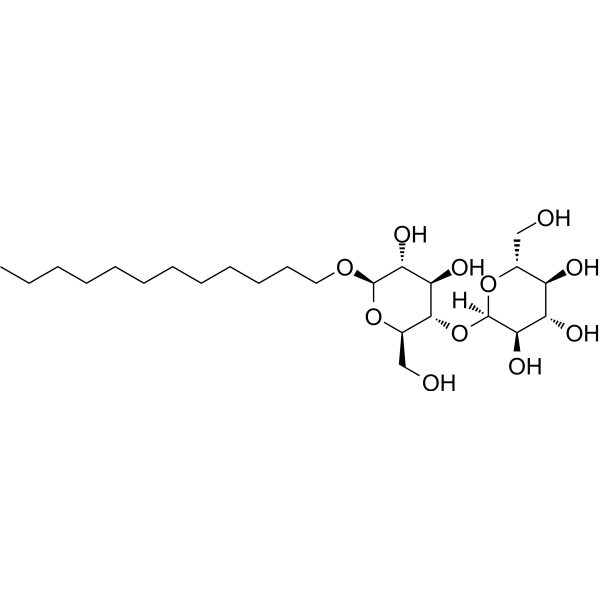
  • HY-128974
    N-Dodecyl-β-D-maltoside
    5 Publications Verification

    Lauryl Maltoside

    DNA/RNA Synthesis Others
    N-Dodecyl-β-D-maltoside (Lauryl Maltoside) is a non-ionic detergent. N-Dodecyl-β-D-maltoside has strong adsorption on alumina, titanium dioxide and hematite. N-Dodecyl-β-D-maltoside can promote the reactivation of various proteins. N-Dodecyl-β-D-maltoside can effectively stabilize photoactive reaction center complexes (RCs) and inhibit the degradation of Rhodopseudomonas spheroides R-26 reaction center in solution. N-Dodecyl-β-D-maltoside can be used for purification and stabilization of RNA polymerase and for detection of protein-lipid interactions .
    N-Dodecyl-β-D-maltoside
  • HY-D0020
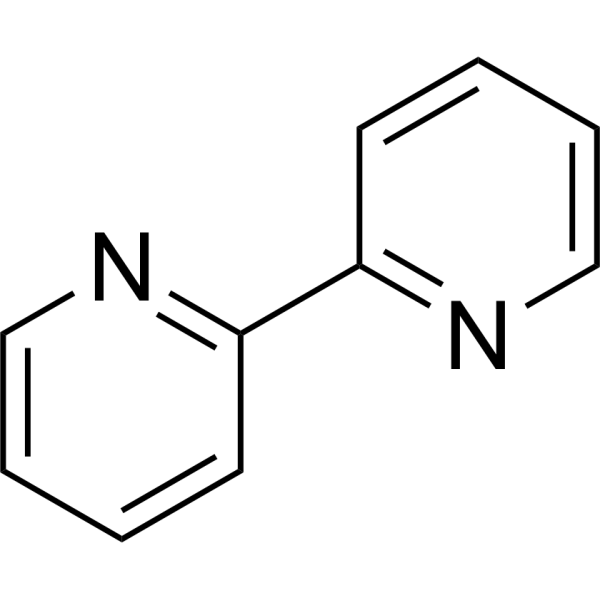
    2,2'-Bipyridine
    1 Publications Verification

    MOFs Infection Endocrinology
    2,2'-Bipyridine is the unique molecular scaffold of the bioactive natural products. 2,2'-Bipyridine is extensively used as the core structure of many chelating ligands by acting as a bridge in the arrangement of the catalytic center. 2,2'-Bipyridine shows robust redox stability and hyperglycemic activity .
    2,2'-Bipyridine
  • HY-W010991
    N-[3-(2-Furyl)acryloyl]-Phe-Gly-Gly
    1 Publications Verification

    FAPGG

    Angiotensin-converting Enzyme (ACE) Others
    N-[3-(2-Furyl)acryloyl]-Phe-Gly-Gly (FAPGG) is a specific substrate of angiotensin converting enzyme (ACE) with a Ki of 2.546×10 -4 M. It is used as a chromogenic probe for quantitative detection of ACE activity. N-[3-(2-Furyl)acryloyl]-Phe-Gly-Gly can be hydrolyzed by ACE to generate N-[3-(2-furyl)acryloyl]-Phe (FAP) and Gly-Gly, and the ACE inhibitory effect is monitored by photometry. FAPGG competitively binds to the active center of ACE and is a key tool for screening ACE inhibitors such as Captopril (HY-B0368) and Dioscorin. Its reversible mechanism of action supports hypertension research and drug development targeting the renin-angiotensin system .
    N-[3-(2-Furyl)acryloyl]-Phe-Gly-Gly
  • HY-P2853

    p38 MAPK Reactive Oxygen Species (ROS) Bacterial Fungal Infection Inflammation/Immunology Cancer
    Hemocyanin is an extracellular giant copper-containing glycoprotein. Hemocyanin can be found in the hemolymph of both mollusk and arthropod. Hemocyanin is responsible for oxygen transport. Hemocyanin is also involved in several physiological processes, such as energy storage, osmoregulation, molt cycle and exoskeleton formation. Hemocyanin in shrimp can enhance its immune response by modulating the p38 MAPK pathway. Hemocyanin from Penaeus monodon could act as an antiviral agent against a variety of viruses including DNA and RNA viruses. Hemocyanin from horseshoe crab Carcinoscorpius rotundicauda could possess a strong antimicrobial defense by the production of ROS activated with microbial proteases. Hemocyanin from L. vannamei would be effective against cervical cancer cell growth .
    Hemocyanin
  • HY-116807
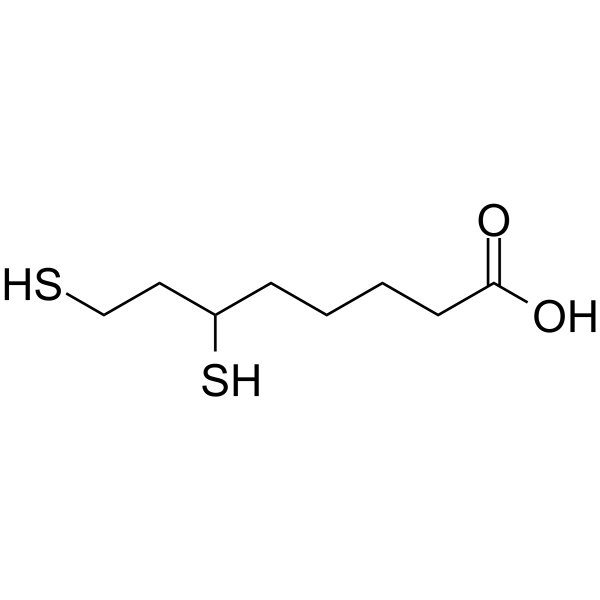
    Dihydrolipoic Acid
    2 Publications Verification

    DHLA

    Reactive Oxygen Species (ROS) Neurological Disease Inflammation/Immunology
    Dihydrolipoic Acid (DHLA) is an excellent antioxidant capable of scavenging almost any oxygen-centered radical . Dihydrolipoic acid exhibits anti-inflammatory properties in various diseases. Dihydrolipoic Acid exerts a preventive effect via ERK/Nrf2/HO-1/ROS/NLRP3 pathway in LPS-induced sickness behavior rats. Dihydrolipoic Acid can be used for the reaserch of depression .
    Dihydrolipoic Acid
  • HY-B0551

    Potassium Channel Neurological Disease
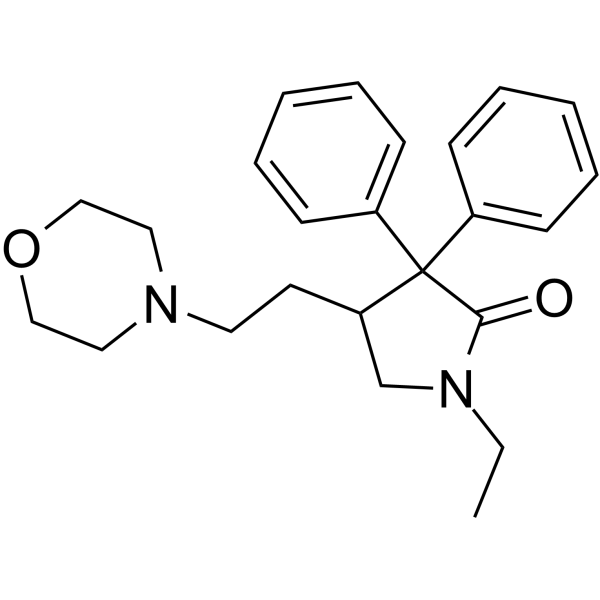
    Doxapram is a respiratory stimulant. Doxapram increases breathing rate and depth by acting on the brain's respiratory centers and peripheral chemoreceptors. Doxapram inhibits TASK-1, TASK-3, TASK-1/TASK-3 heterodimeric channel function with EC50s of 410 nM, 37 μM, 9 μM, respectively. Doxapram inhibits the Ca²⁺-activated potassium current (IC50 ≈ 13 μM) and Ca²⁺-independent potassium current (IC50 ≈ 20 μM) in type I cells of the carotid body. Doxapram significantly prolongs the effective refractory period of the atrium and has an anti-arrhythmic effect. Doxapram can be used for the study of respiratory depression such as post-anesthesia respiratory depression, chronic obstructive pulmonary disease and apnea of prematurity .
    Doxapram
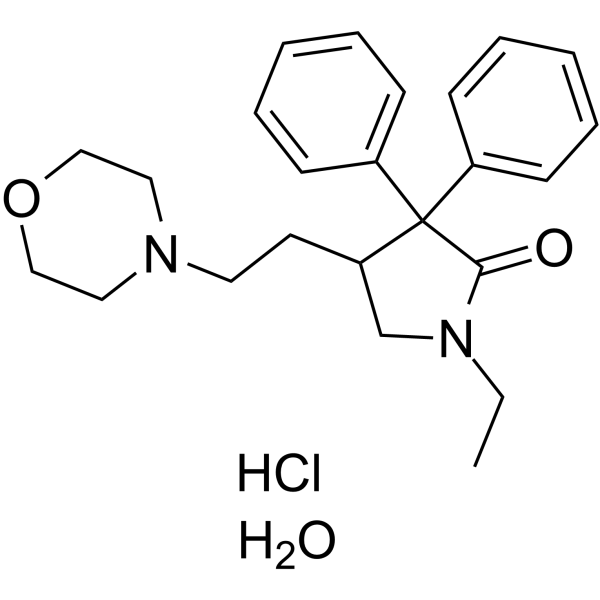
  • HY-B0551A

    Potassium Channel Neurological Disease
    Doxapram hydrochloride hydrate is a respiratory stimulant. Doxapram hydrochloride hydrate increases breathing rate and depth by acting on the brain's respiratory centers and peripheral chemoreceptors. Doxapram hydrochloride hydrate inhibits TASK-1, TASK-3, TASK-1/TASK-3 heterodimeric channel function with EC50s of 410 nM, 37 μM, 9 μM, respectively. Doxapram hydrochloride hydrate inhibits the Ca²⁺-activated potassium current (IC50 ≈ 13 μM) and Ca²⁺-independent potassium current (IC50 ≈ 20 μM) in type I cells of the carotid body. Doxapram hydrochloride hydrate significantly prolongs the effective refractory period of the atrium and has an anti-arrhythmic effect. Doxapram hydrochloride hydrate can be used for the study of respiratory depression such as post-anesthesia respiratory depression, chronic obstructive pulmonary disease and apnea of prematurity .
    Doxapram hydrochloride hydrate
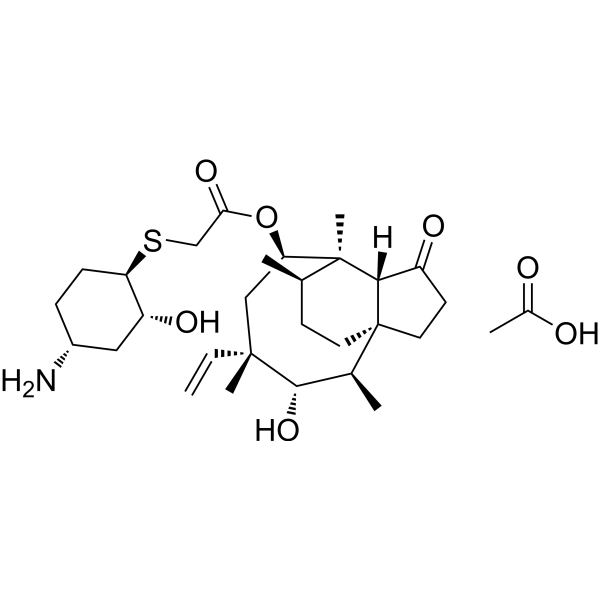
  • HY-16908A
    Lefamulin acetate
    4 Publications Verification

    BC-3781 acetate

    Bacterial Antibiotic Infection Inflammation/Immunology
    Lefamulin (BC-3781) acetate is an orally active antibiotic. Lefamulin acetate inhibits protein synthesis by binding to the peptidyl transferase center of the 50S bacterial ribosome. Lefamulin acetate has anti-inflammatory activity. Lefamulin acetate can be used in the research of bacterial infections, such as bacterial pneumonia .
    Lefamulin acetate
  • HY-108137
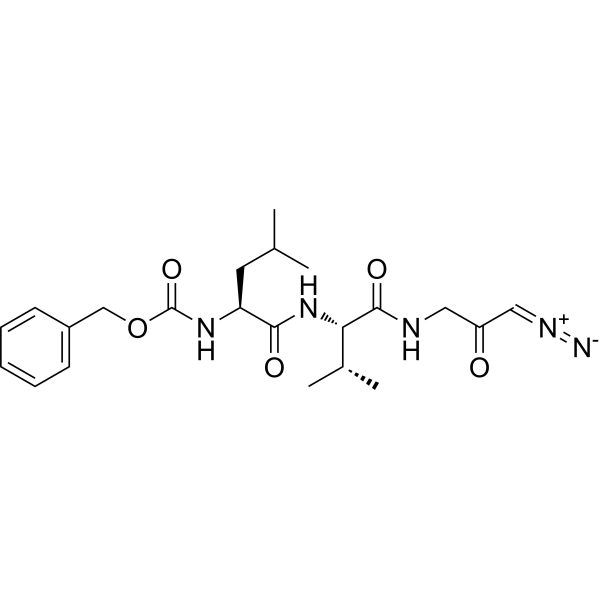
    Z-LVG-CHN2
    2 Publications Verification

    Cathepsin HSV SARS-CoV Infection Inflammation/Immunology
    Z-LVG-CHN2 is a cell-permeable and irreversible inhibitor of cysteine proteinase. Z-LVG-CHN2 is a tripeptide derivative and mimics part of the human cysteine proteinase-binding center. Z-LVG-CHN2 displays an inhibition on HSV whereas no significant effect on poliovirus replication. Z-LVG-CHN2 effectively blocks SARS-COV-2 replication (EC50=190 nM) via inhibition of SARS-COV-2 3CL pro protease .
    Z-LVG-CHN2
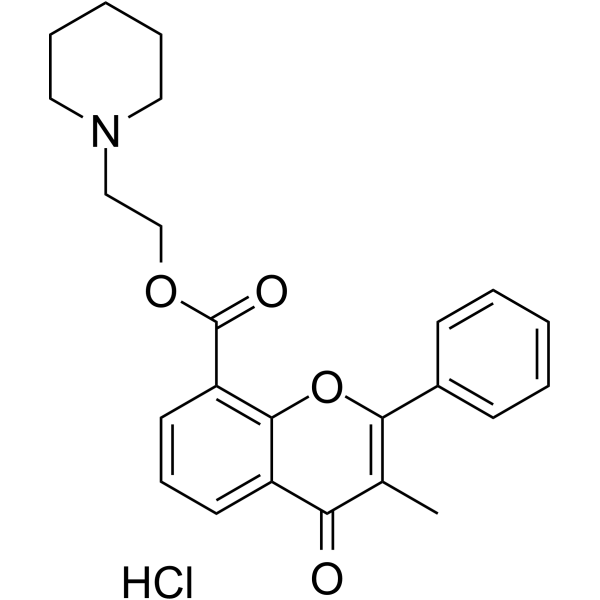
  • HY-B0549A

    Rec-7-0040; DW61

    Calcium Channel Adenosine Receptor mAChR Dopamine Receptor Adrenergic Receptor Cardiovascular Disease Infection Neurological Disease Cancer
    Flavoxate hydrochloride (Rec-7-0040; DW61) is an orally active L-type Ca 2+ channel inhibitor and antispasmodic. Flavoxate hydrochloride inhibits cyclic adenosine monophosphate production by blocking voltage-dependent inward Ba 2+ currents, regulating the brainstem micturition center, and stimulating G protein-coupled receptors. Consequently, Flavoxate hydrochloride induces relaxation of bladder smooth muscle and inhibits isovolumetric rhythmic contractions. Flavoxate hydrochloride effectively increases bladder capacity and alleviates symptoms of urgent urination frequency and pollakiuria caused by overactive bladder. Flavoxate hydrochloride can be used in research on overactive bladder and related voiding dysfunctions .
    Flavoxate hydrochloride
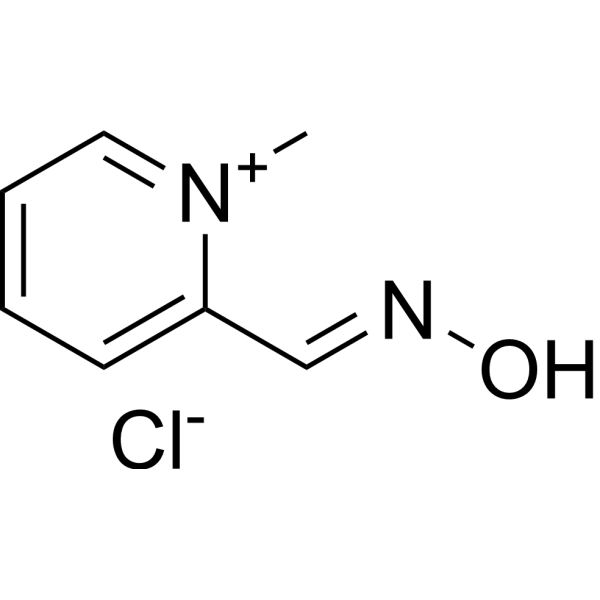
  • HY-B1200
    Pralidoxime chloride
    2 Publications Verification

    2-PAM chloride

    Cholinesterase (ChE) Neurological Disease
    Pralidoxime chloride is a potent reactivator of acetylcholinesterase (AChE). Pralidoxime chloride reactivates nerve agent-inhibited AChE via direct nucleophilic attack by the oxime moiety on the phosphorus center of the bound nerve agent. Pralidoxime chloride is an antidote for organophosphate poisoning .
    Pralidoxime chloride
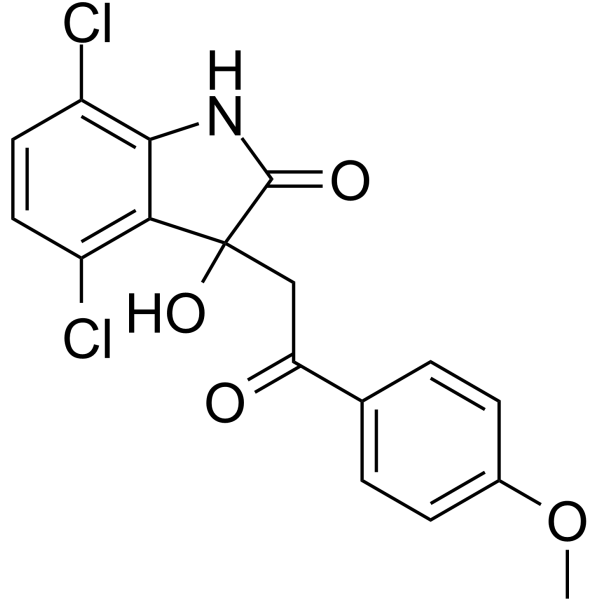
  • HY-14507
    YK-4-279
    Maximum Cited Publications
    7 Publications Verification

    DNA/RNA Synthesis Apoptosis Cancer
    YK-4-279 blocks RNA Helicase A (RHA) binding with EWS-FLI1 (oncogenic protein). YK-4-279 induces apoptosis and shows anti-proliferation activities towards various cancer cells. YK-4-279 has a chiral center and it can be separated into two enantiomers. YK-4-279 can be used for the research of cancer .
    YK-4-279
  • HY-10943
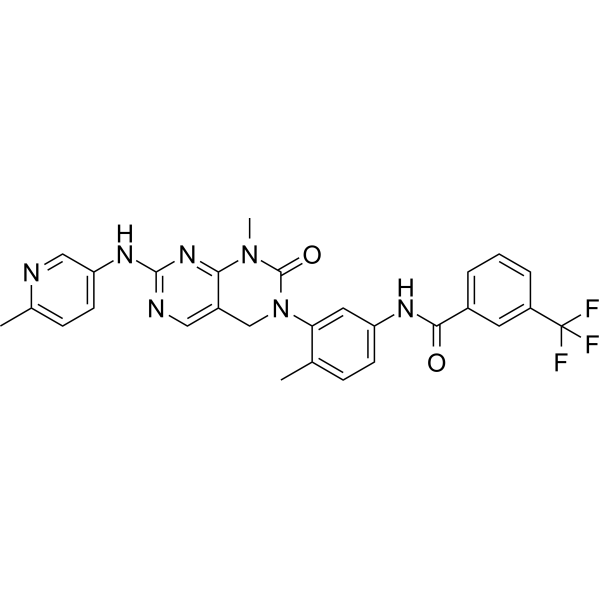
    GNF-7
    2 Publications Verification

    Bcr-Abl Ack1 Cancer
    GNF-7 is a multikinase inhibitor. GNF-7 is a Bcr-Abl inhibitor, with IC50s of 133 nM and 61 nM for Bcr-Abl WT and Bcr-Abl T315I, respectively. GNF-7 also possesses inhibitory activity against both ACK1 (activated CDC42 kinase 1) and GCK (germinal center kinase) with IC50s of 25 nM and 8 nM, respectively. GNF-7 can be used for the research of hematologic malignancies .
    GNF-7
  • HY-12545
    Brevetoxin-3
    1 Publications Verification

    PbTx-3

    Sodium Channel Inflammation/Immunology
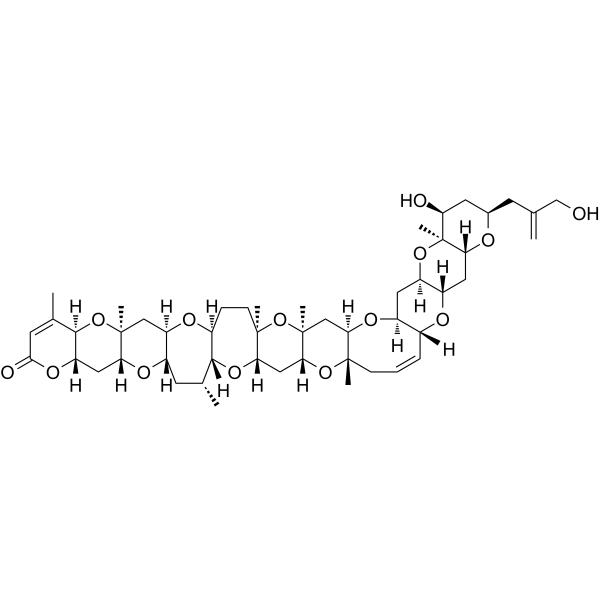
    Brevetoxin-3 (PbTx-3) is a potent allosteric voltage-gated Na + channel activator and has multiple active centers (A-ring lactone, C-42 of R side chain) . Brevetoxin-3 (PbTx-3) has a high affinity to site 5 of the voltage-sensitive Na + channels, inhibits the inactivation of Na + channels and prolongs the mean open time of these channels. Brevetoxin-3 (PbTx-3) repeated exposures can lead to prolonged airway hyperresponsiveness (AHR) and lung inflammation .
    Brevetoxin-3
  • HY-N8028
    Quercetin 3-O-sambubioside
    1 Publications Verification

    Others Cancer
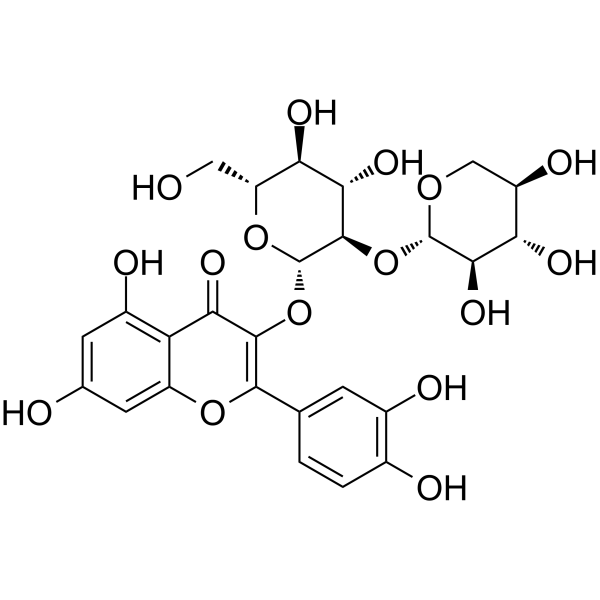
    Quercetin-3-O-sambubioside is a monomeric compound found in Eucommia ulmoides male flowers. Quercetin-3-O-sambubioside promotes the stimulation of the nerve center. Antioxidant and anticancer activities .
    Quercetin 3-O-sambubioside
  • HY-172815

    JNK Eukaryotic Initiation Factor (eIF) p38 MAPK Cancer
    IDB-001 is a human ribosomal peptidyl transferase center (PTC) inhibitor that induces conformational changes and blocks translational elongation in specific sequence contexts through complementary interactions with Asp/Glu residues in nascent polypeptides. IDB-001 preferentially stalls ribosomes at positions containing acidic peptide motifs, thereby inhibiting cancer cell proliferation, and activates the integrated stress response via eIF2α phosphorylation at high concentrations. In addition, IDB-001 mildly triggers ribotoxic stress responses through phosphorylation of JNK and p38. IDB-001 has been applied to mechanistic studies of triple-negative breast cancer .
    IDB-001
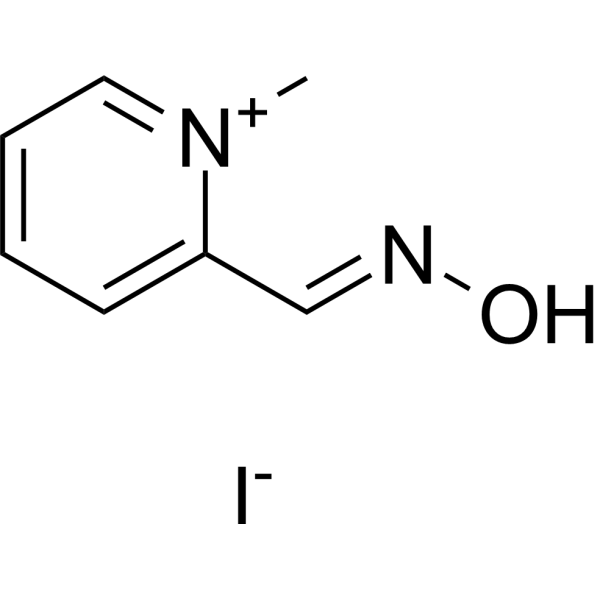
  • HY-B1738A

    Cholinesterase (ChE) Neurological Disease
    Pralidoxime iodide is a potent reactivator of acetylcholinesterase (AChE). Pralidoxime iodide reactivates nerve agent-inhibited AChE via direct nucleophilic attack by the oxime moiety on the phosphorus center of the bound nerve agent. Pralidoxime iodide is an antidote for organophosphate poisoning .
    Pralidoxime iodide
  • HY-B2011

    Environmental Pollutants Succinate Dehydrogenase Fungal Mitochondrial Metabolism Infection
    Flutolanil is a succinate dehydrogenase complex inhibitor and fungicide. Flutolanil blocks electron transfer between the redox center of succinate dehydrogenase and coenzyme Q, inhibits mycelial oxygen consumption, and suppresses mycelial growth. Flutolanil induces acute and sublethal toxicity in zebrafish at different life stages. Flutolanil can be used in studies on plant disease control .
    Flutolanil
  • HY-115733
    Cathepsin L-IN-2
    1 Publications Verification

    (Rac)-Z-Phe-Phe-FMK

    Cathepsin Cancer
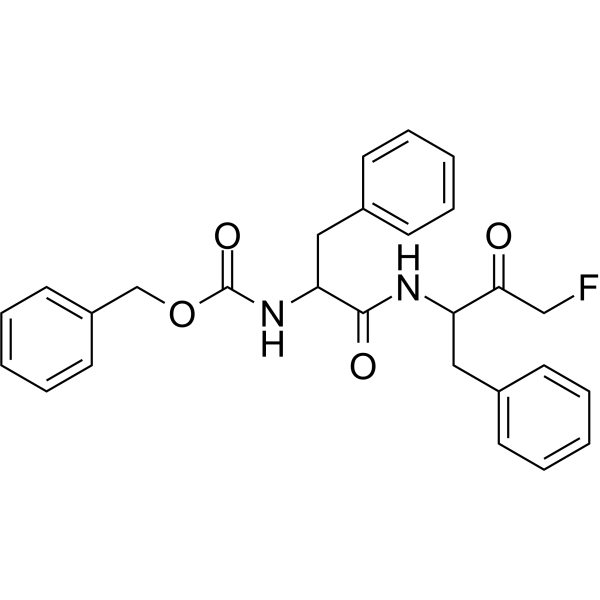
    Cathepsin L-IN-2 ((Rac)-Z-Phe-Phe-FMK) is an isomer of the Cathepsin L inhibitor Z-Phe-Phe-FMK (HY-141867), with an IC50 of 15 μM for cathepsin L. Z-Phe-Phe-FMK irreversibly blocks the proteolytic function of cathepsins by covalently binding to the cysteine residues in the active center of the enzyme. Cathepsin L-IN-2 and Z-Phe-Phe-FMK can be used to study neurodegenerative diseases (such as GRN-related frontotemporal dementia) and cancer invasion and metastasis.
    Cathepsin L-IN-2
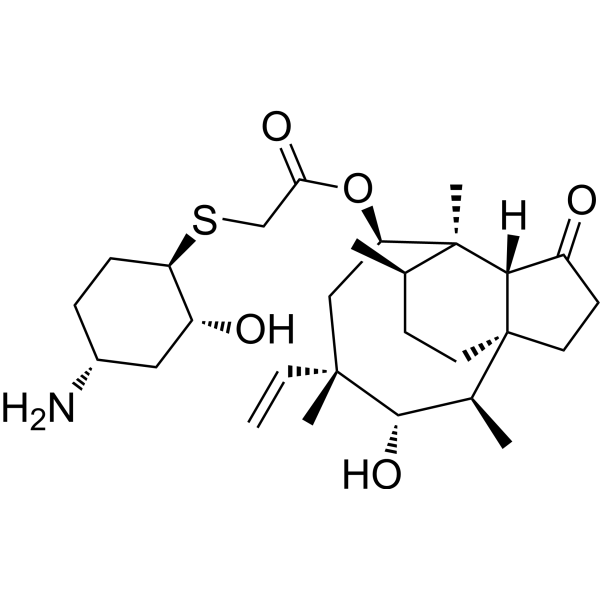
  • HY-16908
    Lefamulin
    4 Publications Verification

    BC-3781

    Bacterial Antibiotic Infection
    Lefamulin (BC-3781) is an orally active antibiotic. Lefamulin inhibits protein synthesis by binding to the peptidyl transferase center of the 50S bacterial ribosome. Lefamulin has anti-inflammatory activity. Lefamulin can be used in the research of bacterial infections, such as bacterial pneumonia .
    Lefamulin
  • HY-W048682

    Amino Acid Derivatives Others
    Fmoc-1-methyl-L-histidine is an Fmoc-protected amino acid as well as an amino acid-containing building block. Fmoc-1-methyl-L-histidine is applicable to the generation of the ε-nitrogen-coordinated copper center in nitrite copper reductase. It also serves as an intermediate in peptide synthesis .
    Fmoc-1-methyl-L-histidine
  • HY-B1096

    Ethamivan; N,N-Diethylvanillamide

    Biochemical Assay Reagents Neurological Disease
    Etamivan (Ethamivan; N,N-Diethylvanillamide) is an orally active respiratory stimulant. Ethamivan regulates breathing patterns by directly stimulating the medullary respiratory center, prioritizing increased breathing depth rather than frequency. Etamivan can be used in the research of barbiturate overdose and chronic obstructive pulmonary disease .
    Etamivan
  • HY-12291

    HMSL 10017-101-1

    Raf Apoptosis Cancer
    HG6-64-1 (HMSL 10017-101-1) is a B-raf kinase modulator.HG6-64-1 modulates B-raf kinase activity, including the V600E mutant form and the drug-resistant gatekeeper mutation T529I. HG6-64-1 is a germinal center kinase inhibitor. HG6-64-1 induces cell cycle arrest and apoptosis. HG6-64-1 can be used for the research of diffuse large B-cell lymphoma (DLBCL) .
    HG6-64-1
  • HY-152296

    Nucleoside Antimetabolite/Analog Bacterial Infection
    8-Methyladenosine is a modified adenosine nucleoside. Through methylation at the 8-position, 8-Methyladenosine confers bacterial resistance to five classes of antibiotics that bind to the ribosomal peptidyl transferase center. 8-Methyladenosine can be used in studies of antibiotic-resistant bacterial infections .
    8-Methyladenosine
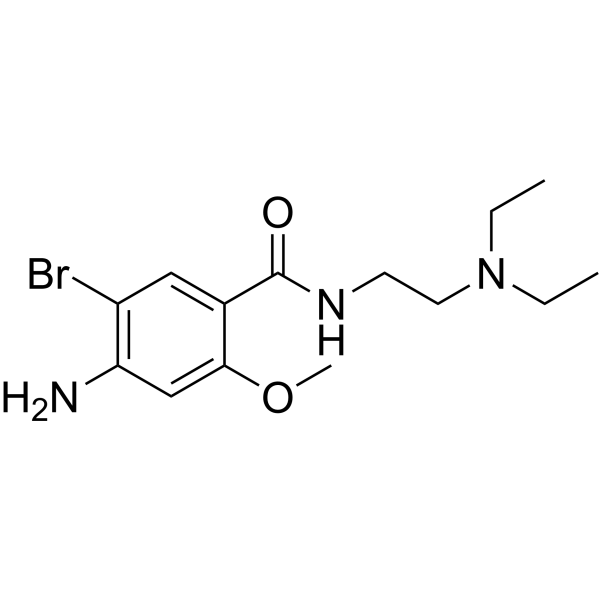
  • HY-B1164
    Bromopride
    2 Publications Verification

    Dopamine Receptor Neurological Disease
    Bromopride is a selective, irreversible, competitive, and orally effective dopamine D2 receptor antagonist. Bromopride can pass through the blood-brain barrier, inhibit the vomiting center, and enhance gastrointestinal motility, exerting antiemetic and gastrointestinal motility effects. Bromopride antagonizes dopamine-mediated vomiting reflexes and promotes gastrointestinal smooth muscle contraction, and has no adverse effects on abdominal wall healing in rats with postoperative abdominal infection. Bromopride can be used for the study of digestive system diseases (such as gastric hypomotility, nausea and vomiting) .
    Bromopride
  • HY-167920

    S-Sulfoglutathione

    Endogenous Metabolite Cancer
    Glutathione sulfonate (S-Sulfoglutathione) is a multifunctional bioactive compound that inhibits angiogenesis and tumor growth. Glutathione sulfonate is a competitive inhibitor of glutathione S-transferase and is involved in the detoxification process and the binding of a variety of exogenous and endogenous compounds. Glutathione sulfonate acts in the substrate binding site of Escherichia coli glutathione S-transferase, affecting the catalytic mechanism. The structural characteristics of Glutathione sulfonate contribute to its inhibitory effect by hydrogen bonding in the active center of the enzyme .
    Glutathione sulfonate
  • HY-118593

    Madumycin II; Antibiotic A 2315A

    Antibiotic Infection
    A2315A (Madumycin II) is an alanine-containing streptogramin A antibiotic. A2315A is a potent peptidyl transferase center (PTC) inhibitor. A2315A inhibits the ribosome prior to the first cycle of peptide bond formation .
    A2315A
  • HY-P1245

    Neuropeptide NPFF (human)

    CRFR Others
    Neuropeptide SF human augments paraventricular corticotrophin-releasing hormone (CRH) release and increases adrenocorticotropic hormone (ACTH) and corticosterone levels in the plasma. Neuropeptide SF human play a physiologic role in the regulation of such circadian functions as the activity of motor centers and the HPA axis, through the release of CRH .
    Neuropeptide SF (human)
  • HY-128974S

    Lauryl Maltoside-d25

    Isotope-Labeled Compounds DNA/RNA Synthesis Others
    N-Dodecyl-β-D-maltoside-d25 (Lauryl Maltoside-d25) is deuterium labeled N-Dodecyl-β-D-maltoside (HY-128974). N-Dodecyl-β-D-maltoside is a non-ionic detergent. N-Dodecyl-β-D-maltoside has strong adsorption on alumina, titanium dioxide and hematite. N-Dodecyl-β-D-maltoside can promote the reactivation of various proteins. N-Dodecyl-β-D-maltoside can effectively stabilize photoactive reaction center complexes (RCs) and inhibit the degradation of Rhodopseudomonas spheroides R-26 reaction center in solution. N-Dodecyl-β-D-maltoside can be used for purification and stabilization of RNA polymerase and for detection of protein-lipid interactions .
    N-Dodecyl-β-D-maltoside-d25
  • HY-W582504

    CuCl(TPP)3

    DNA Stain Bacterial Fungal Infection Cancer
    Chlorotris(triphenylphosphine)copper (CuCl(TPP)₃) is a DNA-targeted metal complex. Chlorotris(triphenylphosphine)copper involves non-covalent interactions (such as groove binding mode) through the copper(I) center to affect DNA function, showing inhibitory activity against bacteria, fungi, and tumor cells. Chlorotris(triphenylphosphine)copper is promising for research of antibacterial, antitumor, and antioxidant agents .
    Chlorotris(triphenylphosphine)copper
  • HY-W012885

    Biochemical Assay Reagents Others
    (S)-Methyl 3-hydroxybutanoate consists of a chiral center, resulting in two enantiomers, where (S)-Methyl 3-hydroxybutanoate means that the hydroxyl group is located on the third carbon atom of the S-configuration carboxylic acid group stereoisomers. This compound is often used as a building block for the synthesis of various pharmaceuticals and natural products. Due to its fruity taste, it is also used as a flavor and fragrance ingredient.
    (S)-Methyl 3-hydroxybutanoate
  • HY-W011985

    Biochemical Assay Reagents Others
    H-Arg-NH2 hydrochloride is a nucleophilic reagent. H-Arg-NH2 hydrochloride can be used in experiments related to the detection of enzyme activity centers .
    H-Arg-NH2 hydrochloride
  • HY-B1096R

    Ethamivan (Standard); N,N-Diethylvanillamide (Standard)

    Biochemical Assay Reagents Reference Standards Neurological Disease
    Etamivan (Ethamivan; N,N-Diethylvanillamide) (Standard) is the analytical standard of Etamivan (HY-B1096). This product is intended for research and analytical applications. Etamivan is an orally active respiratory stimulant. Ethamivan regulates breathing patterns by directly stimulating the medullary respiratory center, prioritizing increased breathing depth rather than frequency. Etamivan can be used in the research of barbiturate overdose and chronic obstructive pulmonary disease.
    Etamivan (Standard)
  • HY-P11321A

    acyl-GIP hydrochloride

    Insulin Receptor Metabolic Disease
    IUB0271 (acyl-GIP) hydrochloride is a fatty acylated and long-acting glucose-dependent insulinotropic polypeptide (GIP). IUB0271 hydrochloride increases cFos neuronal activity in hypothalamic feeding centers and decreases body weight, food intake and glycemia in DIO mouse models, and these effects depend on CNS-GIPR signaling. IUB0271 hydrochloride can be used for type 2 diabetes mellitus (T2DM) and obesity research .
    IUB0271 hydrochloride
  • HY-148631

    BCL6 Inflammation/Immunology Cancer
    GSK137 is an orally active, potent and selective B-cell lymphoma 6 (BCL6) inhibitor. GSK137 blocks the interaction between BCL6 and corepressors (e.g., SMRT), reducing the number of germinal center B cells. GSK137 is promising for research of autoimmune diseases such as systemic lupus erythematosus (SLE) and B-cell-related tumors such as diffuse large B-cell lymphoma .
    GSK137
  • HY-P11321

    acyl-GIP

    Insulin Receptor Metabolic Disease
    IUB0271 (acyl-GIP) is a fatty acylated and long-acting glucose-dependent insulinotropic polypeptide (GIP). IUB0271 increases cFos neuronal activity in hypothalamic feeding centers and decreases body weight, food intake and glycemia in DIO mouse models, and these effects depend on CNS-GIPR signaling. IUB0271 can be used for type 2 diabetes mellitus (T2DM) and obesity research .
    IUB0271
  • HY-W004782

    Bacterial Inflammation/Immunology
    3-Methylthiophene-2-carboxylic acid (compound 3) is a potent Pseudomonas quinolone signal system protein E (PqsE) inhibitor with a Kd of 19.6 µM and an IC50 of 40 µM. 3-Methylthiophene-2-carboxylic acid binds to the active center of PqsE and shows inhibition of the thioesterase activity. Methylthiophene-2-carboxylic acid can permeate into P. aeruginosa and affect 2,4-dihydroxyquinoline (DHQ) levels to a similar extent as deletion of the PqsE gene. 3-Methylthiophene-2-carboxylic acid can be used for cystic fibrosis research .
    3-Methylthiophene-2-carboxylic acid
  • HY-B0549

    Rec-7-0040 free base; DW61 free base

    mAChR Calcium Channel Adrenergic Receptor Adenosine Receptor Dopamine Receptor Neurological Disease
    Flavoxate (Rec-7-0040 free base; DW61 free base) is an orally active L-type Ca 2+ channel inhibitor and antispasmodic. Flavoxate inhibits cyclic adenosine monophosphate production by blocking voltage-dependent inward Ba 2+ currents, regulating the brainstem micturition center, and stimulating G protein-coupled receptors. Consequently, Flavoxate induces relaxation of bladder smooth muscle and inhibits isovolumetric rhythmic contractions. Flavoxate effectively increases bladder capacity and alleviates symptoms of urgent urination frequency and pollakiuria caused by overactive bladder. Flavoxate can be used in research on overactive bladder and related voiding dysfunctions .
    Flavoxate
  • HY-B0549AR

    Rec-7-0040 (Standard); DW61 (Standard)

    Reference Standards mAChR Calcium Channel Adrenergic Receptor Adenosine Receptor Dopamine Receptor Neurological Disease
    Flavoxate (hydrochloride) (Standard) is the analytical standard of Flavoxate (hydrochloride). This product is intended for research and analytical applications. Flavoxate hydrochloride (Rec-7-0040; DW61) is an orally active L-type Ca 2+ channel inhibitor and antispasmodic. Flavoxate hydrochloride inhibits cyclic adenosine monophosphate production by blocking voltage-dependent inward Ba 2+ currents, regulating the brainstem micturition center, and stimulating G protein-coupled receptors. Consequently, Flavoxate hydrochloride induces relaxation of bladder smooth muscle and inhibits isovolumetric rhythmic contractions. Flavoxate hydrochloride effectively increases bladder capacity and alleviates symptoms of urgent urination frequency and pollakiuria caused by overactive bladder. Flavoxate hydrochloride can be used in research on overactive bladder and related voiding dysfunctions .
    Flavoxate hydrochloride (Standard)
  • HY-N10516

    Bacterial Others
    Bacteriopheophytin, a photosynthetic pigment, is a bacterial demagnetised chlorophyll composed of bacterial chlorophyll in which two hydrogen atoms replace the magnesium center. Bacteriopheophytin acts as an electron acceptor in the purple bacterial reaction center (RC) and is involved in electron transfer .
    Bacteriopheophytin
  • HY-122060

    NO Synthase Metabolic Disease
    BYK 191023 is a selective and L-arginine competitive inducible nitric-oxide synthase inhibitor with an IC50 value of 86 nM, 17 µM, 162 µM for inducible (iNOS), neuronal (nNOS), and endothelial (eNOS) NO synthases respectively .
    BYK 191023
  • HY-107584

    NO Synthase Metabolic Disease
    BYK 191023 is a highly selective inducible nitric-oxide synthase (iNOS) inhibitor. BYK 191023 interacts with the catalytic center of the enzyme. BYK 191023 can be used to study the in vivo and in vitro effects mediated by iNOS .
    BYK 191023 dihydrochloride
  • HY-B1738

    Cholinesterase (ChE) Neurological Disease
    Pralidoxime is a potent reactivator of acetylcholinesterase (AChE). Pralidoxime reactivates nerve agent-inhibited AChE via direct nucleophilic attack by the oxime moiety on the phosphorus center of the bound nerve agent. Pralidoxime is an antidote for organophosphate poisoning .
    Pralidoxime
  • HY-W048718

    Fmoc-D-α-t-butylglycine

    Amino Acid Derivatives Others
    Fmoc-D-Tle-OH (Fmoc-D-α-t-butylglycine) is an amino acid derivative with an Fmoc protecting group, which can be used to synthesize chelating agents that can form a single stereoisomer-enriched form after coordination with metal centers .
    Fmoc-D-Tle-OH
  • HY-10053S

    Isotope-Labeled Compounds Neurokinin Receptor Neurological Disease Endocrinology
    Maropitant-d3 is the deuterium labeled Maropitant. Maropitant is a selective and orally active neurokinin (NK1) receptor antagonist. Maropitant acts by blocking the binding of substance P within the emetic center and the chemoreceptor trigger zone (CRTZ). Maropitant is highly effective in preventing vomiting .
    Maropitant-d3
  • HY-111170

    Microtubule/Tubulin Cancer
    STA-9584 is a potent vascular disrupting agent (VDA) that targets tubulin. STA-9584 exhibits potent antitumor activity in mouse xenograft model by selectively targeting microvasculature at both the center and periphery of tumors. STA-9584 can be used for research in prostate and breast cancer .
    STA-9584
  • HY-178292

    Phosphatase Cancer
    VHR-IN-3 (Compound 1) is a selective vaccinia H1-related (VHR) phosphatase inhibitor with a Ki of 0.81 μM. VHR-IN-3 mimics the phosphate group through the sulfonic acid group and competitively binds to the catalytic active center of VHR. VHR-IN-3 can be used for the research of cervical cancer .
    VHR-IN-3
  • HY-117121

    OX-1

    Measles Virus Infection
    MeV-IN-1 (OX-1) is an inhibitor of specific specific Measles virus (MeV) entry with an IC50 of 100 M. MeV-IN-1 has an IC50 of 55 M against live MeV-Edm. MeV-IN-1 efficiently suppresses the formation of infectious centers. MeV-IN-1 exhibits negligible cytotoxicity. MeV-IN-1 potently suppresses R18 redistribution in MV-H- and MV-F-expressing cells, preventing membrane merging .
    MeV-IN-1
  • HY-108137A

    Cathepsin HSV SARS-CoV Infection
    Z-L(D-Val)G-CHN2 is the isoform of Z-LVG-CHN2 (HY-108137). Z-LVG-CHN2 is a cell-permeable and irreversible inhibitor of cysteine proteinase. Z-LVG-CHN2 is a tripeptide derivative and mimics part of the human cysteine proteinase-binding center. Z-LVG-CHN2 displays an inhibition on HSV whereas no significant effect on poliovirus replication. Z-LVG-CHN2 effectively blocks SARS-COV-2 replication (EC50=190 nM) via inhibition of SARS-COV-2 3CL pro protease .
    Z-L(D-Val)G-CHN2
  • HY-179075

    PROTACs BCL6 IKZF Family Cancer
    PROTAC BCL6/IKZF1/3 Degrader-1 is a selective and orally active BCL6 and IKZF1/3 PROTAC degrader. PROTAC BCL6/IKZF1/3 Degrader-1 exhibits superior antiproliferative effects in various germinal center B-cell-like (GCB) and activated B-cell-like (ABC) diffuse large B-cell lymphoma (DLBCL) cell lines. PROTAC BCL6/IKZF1/3 Degrader-1 can be used for the research of cancer, such as lymphoma . (Structure Note: Pink: BCL6/IKZF1/3 ligand (HY-179064); Blue: CRBN ligand (HY-41547); Black: linker (HY-42427); CRBN ligand-Linker: (HY-179066))
    PROTAC BCL6/IKZF1/3 Degrader-1

Inquiry Online

Your information is safe with us. * Required Fields.

Salutation


Country or Region *

Applicant Name *


Organization Name *

Department *


Email Address *


Product Name *

Cat. No.


Requested quantity *

Phone Number *


Remarks

Inquiry Online

Inquiry Information

Product Name:
Cat. No.:
Quantity:
MCE Japan Authorized Agent: