1. Search Result
Search Result
Results for "

chlorophyll synthesis

" in MedChemExpress (MCE) Product Catalog:

11

Inhibitors & Agonists

1

Isotope-Labeled Compounds

Targets Recommended:
Cat. No. Product Name Target Research Areas Chemical Structure
  • HY-129430
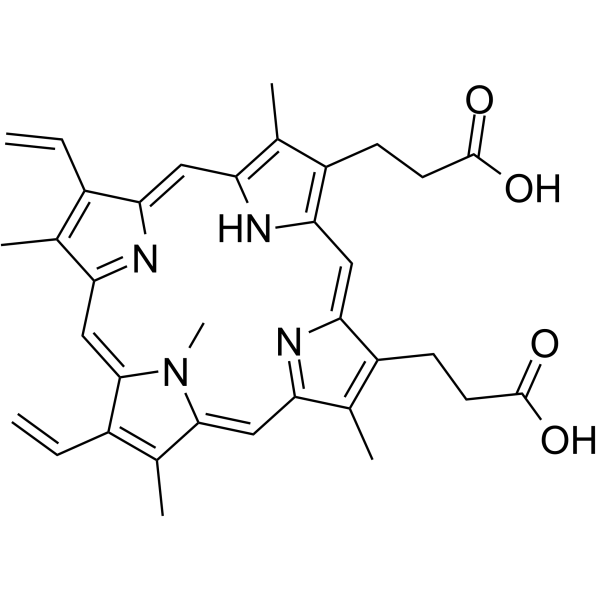
    N-Methylprotoporphyrin IX
    1 Publications Verification

    Ferrochelatase Metabolic Disease
    N-Methylprotoporphyrin IX is a Ferrochelatase inhibitor with a Ki app value of 3 nM. N-methylprotoporphyrin IX dimethyl ester potently inhibits the synthesis of phycocyanin and chlorophyll a. N-Methylprotoporphyrin IX can be used for the research of haem deficiency-associated disorders .
    N-Methylprotoporphyrin IX
  • HY-139838

    Herbicide Others Cancer
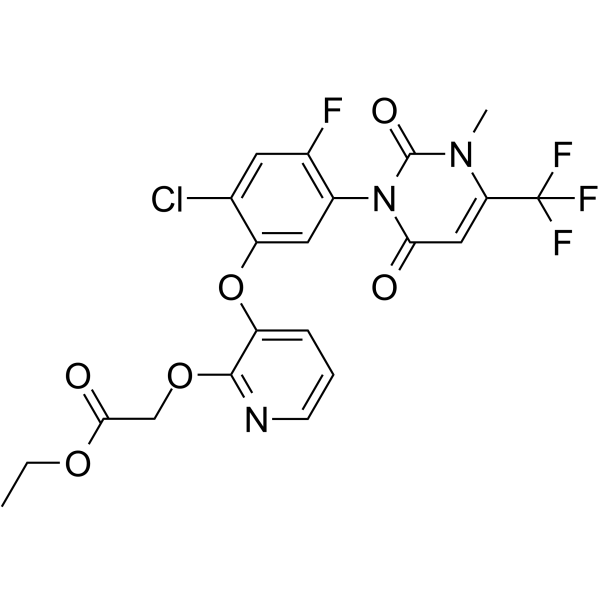
    Epyrifenacil is a protoporphyrinogen oxidase (PPO) inhibiting herbicide, potently targeting the PPO2 isoform from weeds such as Amaranthus palmeri with an IC50 of 0.637 nM. Epyrifenacil also inhibits liver mitochondrial PPO across species, with IC50 values of 2.2 nM (mouse), 2.6 nM (rat), 12.1 nM (rabbit), 7.6 nM (dog), and 10.2 nM (human). Epyrifenacil induces liver tumor development in mice. Epyrifenacil can be used for weed control, and also used as a tool compound in toxicological research to study the mechanism of PPO inhibition, chemical-induced hepatotoxicity, and the mode of action of non-genotoxic carcinogens in rodents [3].
    Epyrifenacil
  • HY-B2024

    Environmental Pollutants Herbicide Others
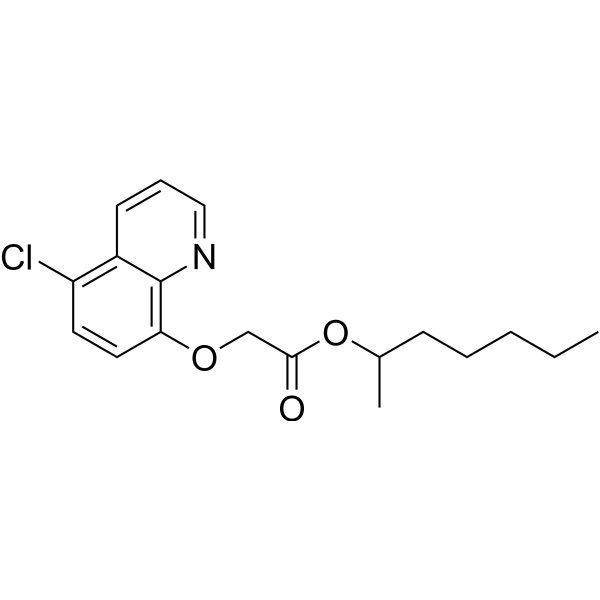
    Cloquintocet-mexyl is a herbicide safener. Cloquintocet-mexyl promotes the expression of genes related to chlorophyll synthesis (such as GTR and PPO) and chlorophyll-binding protein genes (CBP), increases the chlorophyll content, thereby promoting photosynthesis and reducing oxidative stress. Cloquintocet-mexyl improves wheat tolerance to Fomesafen (HY-B2010) .
    Cloquintocet-mexyl
  • HY-W040206

    Environmental Pollutants Acetolactate Synthase (ALS) Herbicide Others
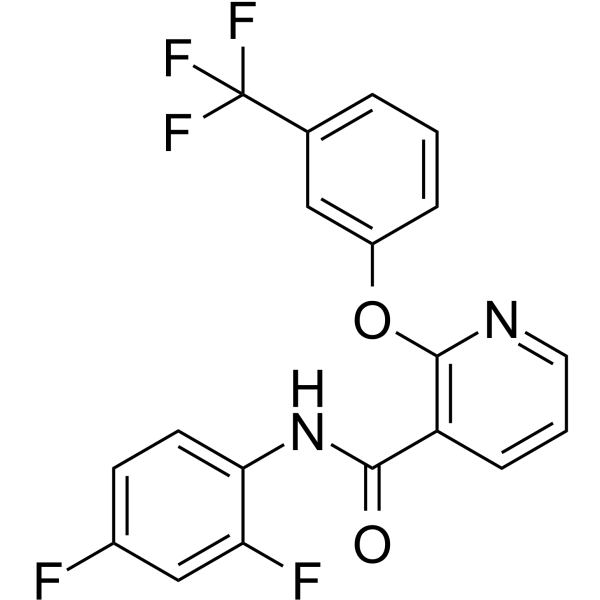
    Diflufenican is a Herbicide. Diflufenican inhibits phytoene desaturase (PDS) in the carotenoid synthesis pathway. Diflufenican suppresses the production of PDS, blocks carotenoid biosynthesis, thereby inducing chlorophyll destruction and cell membrane rupture, and ultimately causes the death of broadleaf weeds. The combination of Diflufenican and Flufenacet can be used to control Lolium rigidum populations resistant to ALS/ACCase .
    Diflufenican
  • HY-119176

    Environmental Pollutants Protoporphyrinogen IX oxidase Herbicide Others
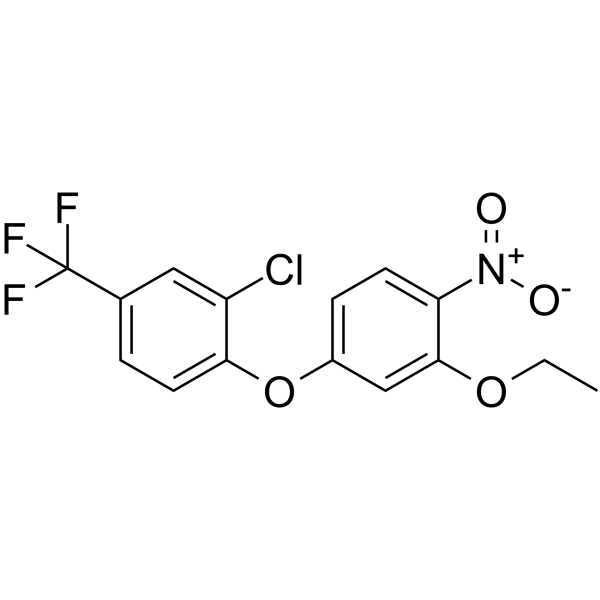
    Oxyfluorfen is a pre- and post-emergence diphenyl ether herbicide to control annual broad-leaved and grass weeds. Oxyfluorfen is a protoporphyrinogen oxidase inhibitor and inhibits photosynthesis by blocking chlorophyll synthesis. Oxyfluorfen can inhibit cell growth. Oxyfluorfen induces DNA damage and exhibits toxicity toward aquatic organisms such as Paramisgurnus dabryanus. Oxyfluorfen has genome-level deleterious effects on fish that can lead to stunted skeletal growth. Oxyfluorfen induces transverse limb deficiency or craniosynostosis .
    Oxyfluorfen
  • HY-137910

    Environmental Pollutants HPPD Herbicide Infection
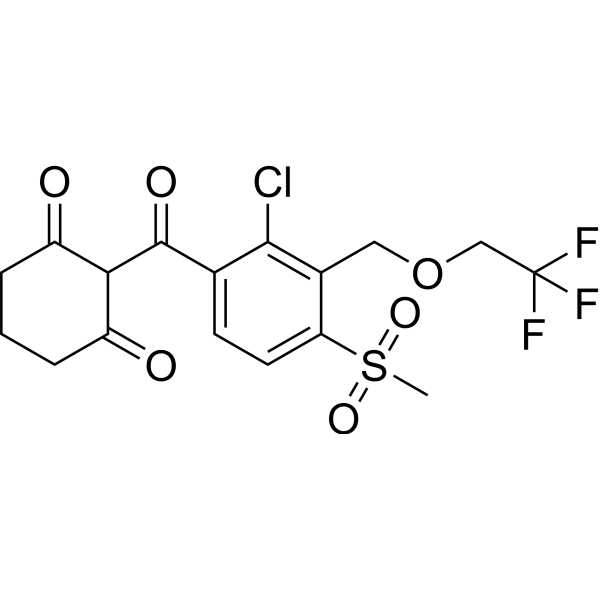
    Tembotrione is a herbicide belonging to the HPPD (dioxygenase) inhibitor class with crop selectivity. Tembotrione effectively controls a variety of weeds including broadleaf and gramineous species by disrupting carotenoid synthesis, which leads to chlorophyll degradation and leaf whitening. Mixing Tembotrione with isoxaflutole or adding surfactants optimizes its efficacy and reduces phytotoxicity, with no residual impact on subsequent cruciferous crops, thus helping to increase maize grain yield. The activity of Tembotrione decreases under drought conditions, and under specific conditions (such as double-dose treatment), it may cause reversible yellowing and even yield reduction in crops such as poppy .
    Tembotrione
  • HY-W725473

    Isotope-Labeled Compounds Others
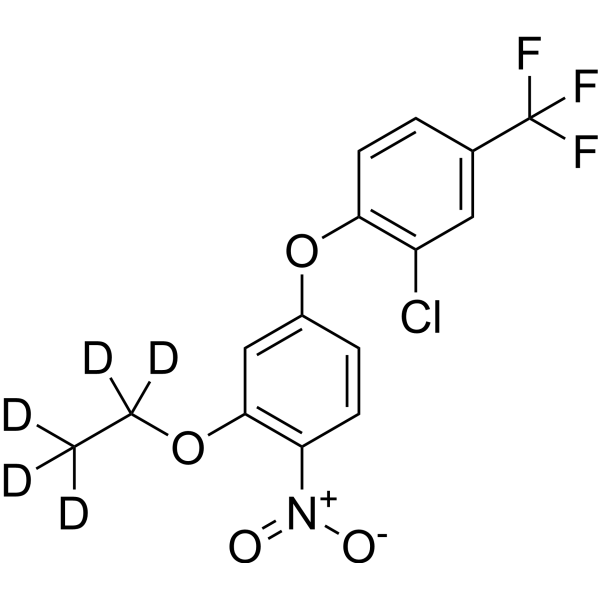
    Oxyfluorfen-d5 is deuterated labeled Oxyfluorfen (HY-119176) Oxyfluorfen is a pre- and post-emergence diphenyl ether herbicide to control annual broad-leaved and grass weeds. Oxyfluorfen is a protoporphyrinogen oxidase inhibitor and inhibits photosynthesis by blocking chlorophyll synthesis.
    Oxyfluorfen-d5
  • HY-157160

    Herbicide Others
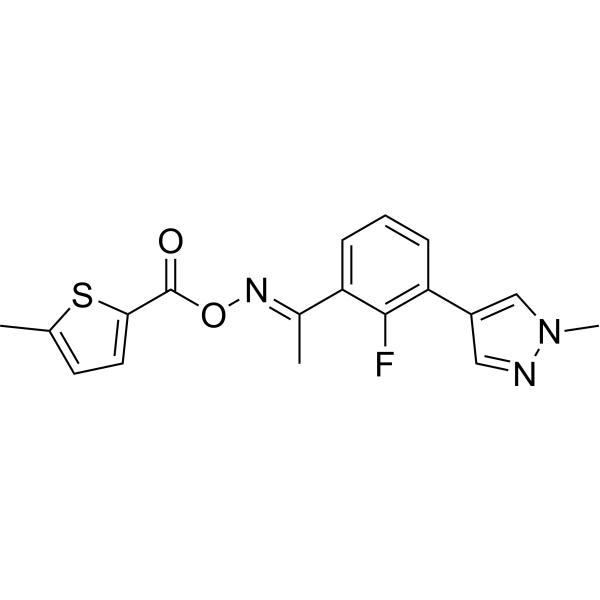
    PPO-IN-5 (compound 9) is a herbicide based on PPO inhibitors. PPO, protoporphyrinogen oxidase, participates in the biosynthetic pathway of heme and chlorophyll synthesis. PPO-IN-5 is tolerant in cereal crops such as wheat, corn, and rice, and is a potential herbicide in wheat fields .
    PPO-IN-5
  • HY-119176R

    Herbicide Reference Standards Protoporphyrinogen IX oxidase Others
    Oxyfluorfen (Standard) is the analytical standard of Oxyfluorfen. This product is intended for research and analytical applications. Oxyfluorfen is a pre- and post-emergence diphenyl ether herbicide to control annual broad-leaved and grass weeds. Oxyfluorfen is a protoporphyrinogen oxidase inhibitor and inhibits photosynthesis by blocking chlorophyll synthesis. Oxyfluorfen can inhibit cell growth. Oxyfluorfen induces DNA damage and exhibits toxicity toward aquatic organisms such as Paramisgurnus dabryanus. Oxyfluorfen has genome-level deleterious effects on fish that can lead to stunted skeletal growth. Oxyfluorfen induces transverse limb deficiency or craniosynostosis .
    Oxyfluorfen (Standard)
  • HY-137910R

    Reference Standards Herbicide HPPD Others
    Tembotrione (Standard) is the analytical standard of Tembotrione. This product is intended for research and analytical applications. Tembotrione is a drug that may reduce the productivity of carrots. Tembotrione has the activity of reducing carrot stem mass. Tembotrione can be used to study the total productivity of carrot . Tembotrione is a herbicide belonging to the HPPD (dioxygenase) inhibitor class with crop selectivity. Tembotrione effectively controls a variety of weeds including broadleaf and gramineous species by disrupting carotenoid synthesis, which leads to chlorophyll degradation and leaf whitening. Mixing Tembotrione with isoxaflutole or adding surfactants optimizes its efficacy and reduces phytotoxicity, with no residual impact on subsequent cruciferous crops, thus helping to increase maize grain yield. The activity of Tembotrione decreases under drought conditions, and under specific conditions (such as double-dose treatment), it may cause reversible yellowing and even yield reduction in crops such as poppy .
    Tembotrione (Standard)
  • HY-W728891

    Herbicide Others
    Pentoxazone is a protoporphyrinogen IX oxidase (PPO)-inhibiting herbicide. Pentoxazone inhibits chlorophyll and heme synthesis, drives protoporphyrinogen IX accumulation and oxidation, and generates singlet oxygen to oxidize cell membranes and induce cell damage.Pentoxazone suppresses fresh weight growth of multiple weed species and shows low activity against weedy rice. Pentoxazone can be used for the research of direct-seeding rice field weed management .
    Pentoxazone

Inquiry Online

Your information is safe with us. * Required Fields.

Salutation


Country or Region *

Applicant Name *


Organization Name *

Department *


Email Address *


Product Name *

Cat. No.


Requested quantity *

Phone Number *


Remarks

Inquiry Online

Inquiry Information

Product Name:
Cat. No.:
Quantity:
MCE Japan Authorized Agent:

