
234 Results for "

critical

" in MedChemExpress (MCE) Product Catalog:
Products (234)

234 Results for "critical" in MCE Product Catalog:

67
67 Publications Verification
Cat. No.: HY-12238
CAS No.: 1127442-82-3
Purity:  99.60%
Synonyms: endo-IWR 1; IWR-1-endo
Target:  

Organoid Wnt

Research Areas:  

Inflammation/Immunology Cancer

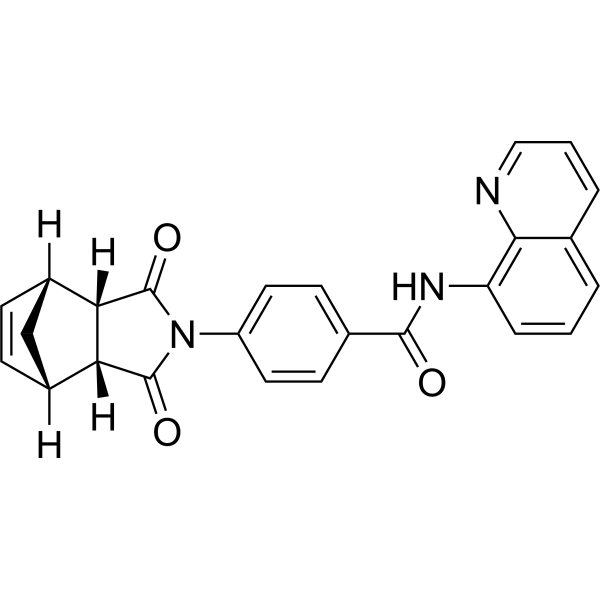
IWR-1 (IWR-1-endo) is a tankyrase inhibitor targeting Wnt/β-catenin (IC50 = 180 nM). IWR-1 compromises critical steps of the canonical Wnt signaling, namely translocation of β-catenin to the nucleus and subsequent TCF/LEF activation and expression of Wnt/β-catenin downstream targets. IWR-1 promotes β-catenin phosphorylation by promoting stability of Axin-scaffolded destruction complexes. IWR-1 can be studied in research for anti-tumor purposes, and diseases such as osteosarcoma, colorectal cancer and psoriasis .
loading...
    loading...
61
61 Cited Publications
Cat. No.: HY-B0389
CAS No.: 50-99-7
Synonyms: Glucose; D-(+)-Glucose; Dextrose
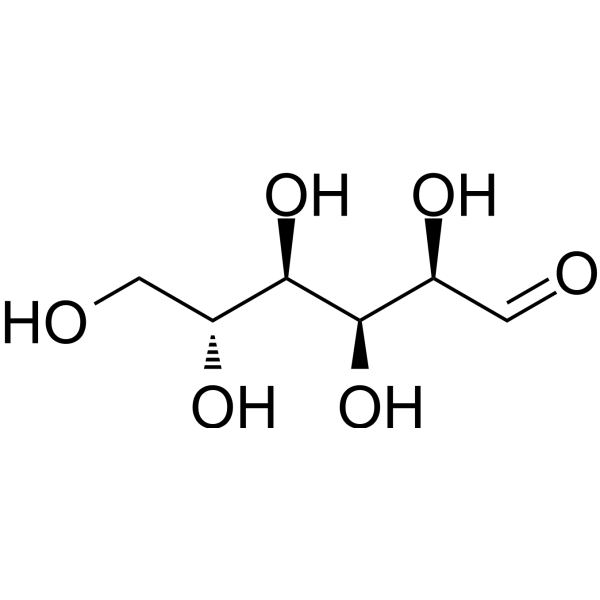
D-Glucose is the naturally occurring form of glucose and the most abundant monosaccharide. D-Glucose is a critical components of the general metabolism, and serve as critical signaling molecules in relation to both cellular metabolic status and biotic or abiotic stress response .
loading...
    loading...
41
41 Cited Publications
Cat. No.: HY-108882C
CAS No.: 9003-98-9
Target:  

DNA/RNA Synthesis

Research Areas:  

Inflammation/Immunology

DNase I is an enzyme that degrades DNA. DNase I is mainly produced by digestive system organs, such as the pancreas and parotid gland. Three types of DNase I are known in mammals: pancreatic type, parotid type, and pancreatico-parotid type. DNase I plays a key role in the cleavage of extracellular DNA, and is critical for limiting inflammatory responses and maintaining homeostasis. DNase I is responsible for digesting extracellular nucleoproteins, which may be essential for preventing autoimmune reactions. Decreased DNase I activity may be associated with the occurrence and development of systemic lupus erythematosus (SLE). DNase I (filtered) is filtered through a 0.22 μM membrane and is not tested for pyrogenicity .
loading...
    loading...
41
41 Cited Publications
Cat. No.: HY-108882B
CAS No.: 9003-98-9
Target:  

DNA/RNA Synthesis

Research Areas:  

Inflammation/Immunology

DNase I is an enzyme that degrades DNA. DNase I is mainly produced by digestive system organs, such as the pancreas and parotid gland. Three types of DNase I are known in mammals: pancreatic type, parotid type, and pancreatico-parotid type. DNase I plays a key role in the cleavage of extracellular DNA, and is critical for limiting inflammatory responses and maintaining homeostasis. DNase I is responsible for digesting extracellular nucleoproteins, which may be essential for preventing autoimmune responses. Decreased DNase I activity may be associated with the onset and progression of systemic lupus erythematosus (SLE). DNase I (RNase & Protease free) is a molecular biology-grade DNase I purified by chromatography to remove RNase and protease .
loading...
    loading...
29
29 Cited Publications
Cat. No.: HY-B0451
CAS No.: 51-61-6
Synonyms: ASL279 free base
Dopamine is a catecholamine neurotransmitter that is produced in the substantia nigra, ventral tegmental area, and hypothalamus of the brain. Dopamine plays several important roles in the brain and body . Dopamine acts through D2 dopamine receptors to induce endocytosis of VEGFR2, which is critical for promoting angiogenesis .
loading...
    loading...
29
29 Cited Publications
Cat. No.: HY-B0451A
CAS No.: 62-31-7
Synonyms: ASL279
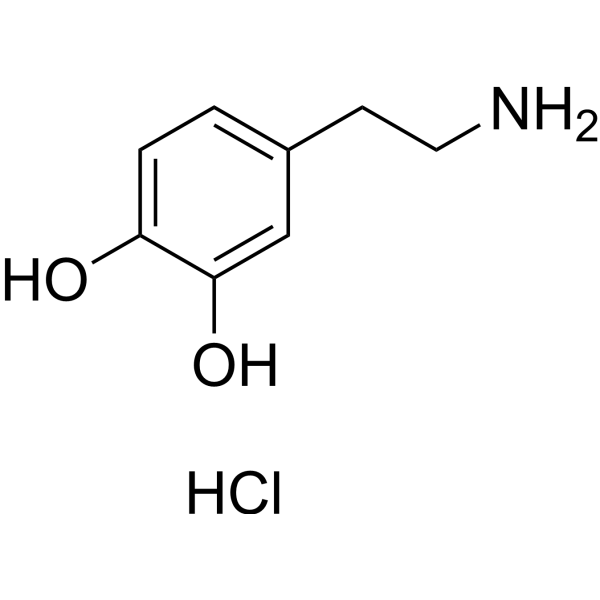
Dopamine hydrochloride (ASL279) is a catecholamine neurotransmitter that is produced in the substantia nigra, ventral tegmental area, and hypothalamus of the brain. Dopamine hydrochloride (ASL279) plays several important roles in the brain and body . Dopamine hydrochloride (ASL279) acts through D2 dopamine receptors to induce endocytosis of VEGFR2, which is critical for promoting angiogenesis .
loading...
    loading...
23
23 Cited Publications
Cat. No.: HY-16659
CAS No.: 754240-09-0
Target:  

Ras

Research Areas:  

Neurological Disease Cancer

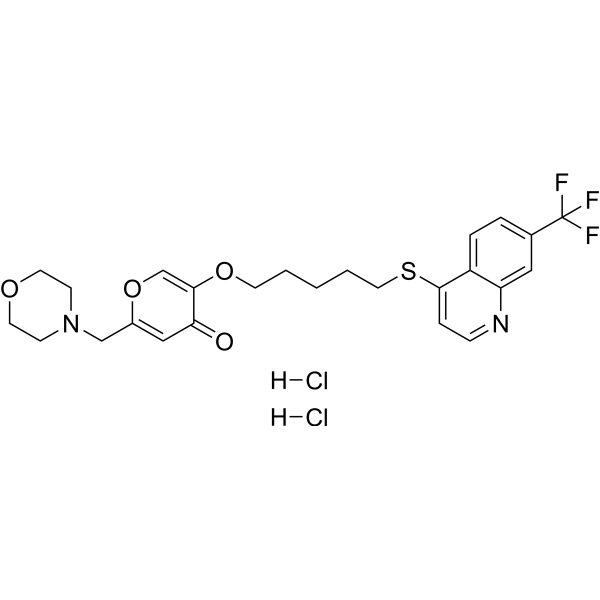
EHT 1864 is an inhibitor of Rac family small GTPases. EHT 1864 directly binds and impairs the ability of this small GTPase to engage critical downstream effectors required for growth transformation. The Kd values are 40, 50, 60, and 230 nM for Rac1, Rac1b, Rac2 and Rac3, respectively. EHT 1864 also potently inhibits other Rac-dependent transformation processes, Tiam1- and Ras-mediated growth transformation. EHT 1864 prevents Aβ 40 and Aβ 42 production in vivo. EHT 1864 dependently suppresses the release of migrasomes from podocytes induced by LPS, PAN, or HG .
loading...
    loading...
21
21 Cited Publications
Cat. No.: HY-B0260
CAS No.: 83-43-2
Synonyms: U 7532
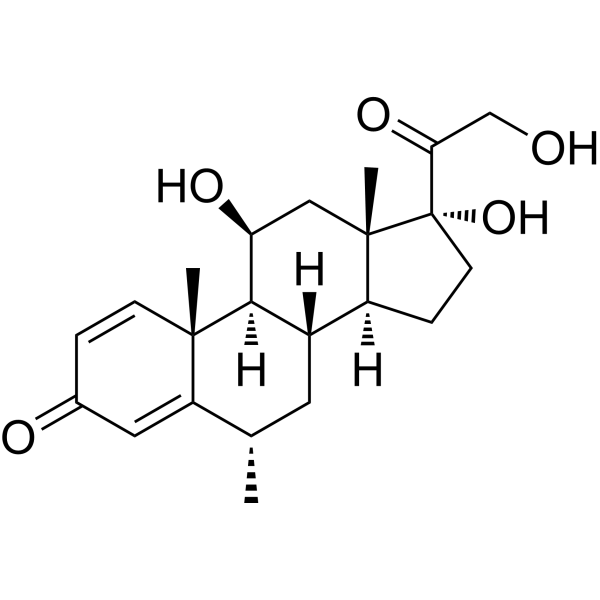
Methylprednisolone (U 7532) is a synthetic corticosteroid with anti-inflammatory and immunomodulating properties. Methylprednisolone improve severe or critical COVID-19 by activating ACE2 and reducing IL-6 levels .
loading...
    loading...
12
12 Cited Publications
Cat. No.: HY-103269
CAS No.: 335165-68-9
Purity:  99.89%
Target:  

Bcl-2 Family Apoptosis

Research Areas:  

Cancer

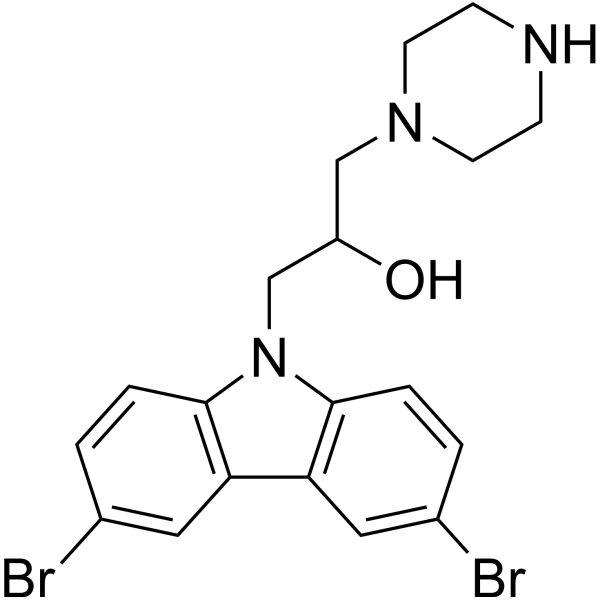
BAI1 is a selective and allosteric inhibitor of BAX, an apoptosis regulator. BAI1 directly binds to BAX and allosterically inhibits BAX activation. BAI1 has the potential for the research of diseases mediated by BAX-dependent cell death .
loading...
    loading...
7
7 Cited Publications
Cat. No.: HY-W011540
CAS No.: 88847-89-6
Synonyms: 8-Oxo-2-deoxyguanosine
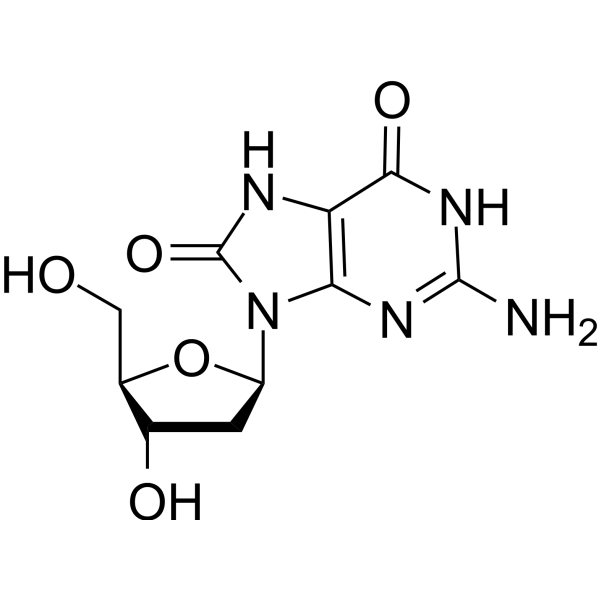
8-Hydroxy-2'-deoxyguanosine is a critical biomarker of oxidative stress and carcinogenesis.
loading...
    loading...
5
5 Cited Publications
Cat. No.: HY-137808
CAS No.: 108347-97-3
Purity:  94%
Synonyms: Succinyl-CoA sodium
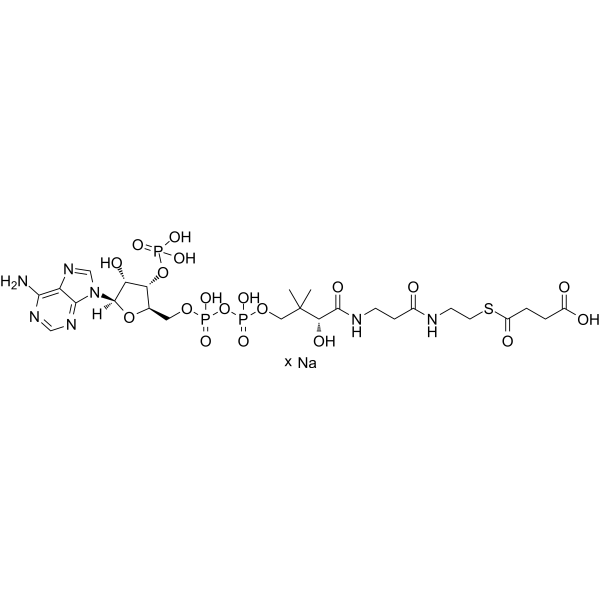
Succinyl CoA (Succinyl-coenzyme A) sodium is a pivotal intermediate metabolite in the tricarboxylic acid cycle and a key coenzyme A metabolite. Succinyl CoA sodium is biosynthesized from α-ketoglutarate or propionyl-CoA. Succinyl CoA sodium acts as a critical precursor and substrate for heme biosynthesis and gluconeogenesis. Succinyl CoA sodium insufficiency caused by cobalamin deficiency is directly linked to growth retardation, impaired heme synthesis, tissue glycine accumulation and neurological abnormalities. Succinyl CoA sodium can be used in research on metabolic, neurological, and hematological abnormalities (such as porphyria) caused by nutritional vitamin B12 deficiency (leading to a lack of Succinyl-Coenzyme A synthesis) .
loading...
    loading...
4
4 Cited Publications
Cat. No.: HY-N5034
CAS No.: 1071-23-4
Synonyms: Monoaminoethyl phosphate; NSC 254167; O-Phosphoethanolamine
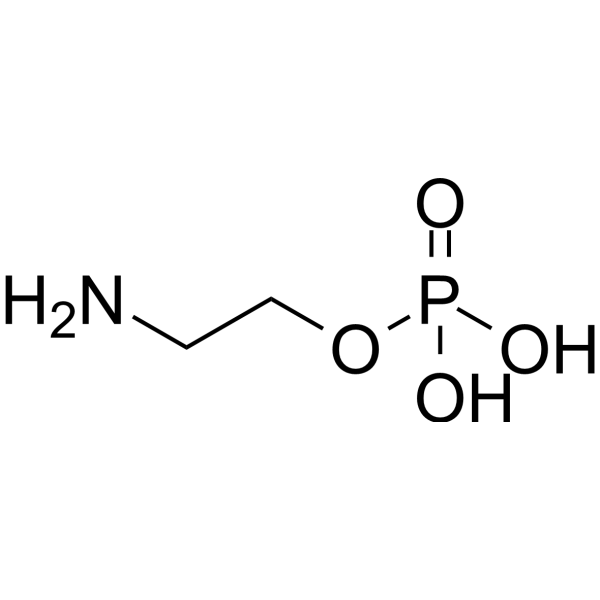
Phosphorylethanolamine (Monoaminoethyl phosphate) is a membrane phospholipid and an important precursor of Phosphatidylcholine (HY-B2233B). It is found in most animal tissues and various human extracranial tumors, playing a critical role in membrane integrity, cell division, mitochondrial respiratory function, and more. Studies have shown that changes in the abundance of Phosphorylethanolamine are associated with Alzheimer's disease and Parkinson's disease. Lowering the ratio of Phosphorylethanolamine to Phosphatidylcholine in the liver can improve insulin signaling. Phosphorylethanolamine holds promise for research in the fields of cancer, neurodegenerative disorders, and metabolic diseases .
loading...
    loading...
3
3 Cited Publications
Cat. No.: HY-113225B
CAS No.: 103192-46-7
Synonyms: GTP tritris solution (100 mM)
Research Areas:  

Cancer

Guanosine triphosphate tritris (GTP tritris) (100 mM) serves as a vital enhancer of myogenic cell differentiation and plays a critical role in modulating miRNA-myogenic regulator factors. It also facilitates the release of exosomes enriched with guanosine and guanosine-derived molecules, and is regarded as an activated precursor for RNA synthesis. In mitochondrial function, GTP participates in the import of proteins into the matrix, which is essential for various regulated pathways, and is involved in initiating peptide synthesis through the binding of formylmethionyl-tRNA to the ribosome, as well as polypeptide chain elongation. Additionally, GTP acts as a phosphate and pyrophosphate carrier that channels chemical energy into specific biosynthetic pathways. It activates signal transducing G proteins that regulate cellular processes such as proliferation and differentiation, and its hydrolysis by small GTPases, including Ras and Rho, is integral to both proliferation and apoptosis. Furthermore, the small GTPase Rab is instrumental in vesicle docking, fusion, and formation. Beyond signal transduction, GTP is an energy-rich precursor in the enzymatic biosynthesis of DNA and RNA.
loading...
    loading...
2
2 Cited Publications
Cat. No.: HY-B0580B
CAS No.: 66635-93-6
Synonyms: (+)-Ketorolac
Target:  

Ras

Research Areas:  

Cancer

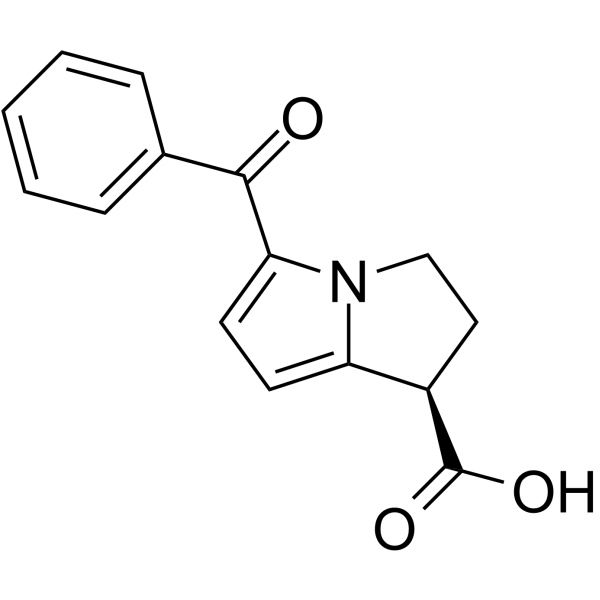
(R)-Ketorolac is an orally active Cdc42 and Rac1 inhibitor. (R)-Ketorolac inhibits GTPase. (R)-Ketorolac alters ovarian cancer cell behaviors critical for invasion and metastasis. (R)-Ketorolac ameliorates cancer-associated cachexia .
loading...
    loading...
2
2 Cited Publications
Cat. No.: HY-138078
CAS No.: 2468015-78-1
Purity:  99.87%
Synonyms: PF-07304814
Target:  

SARS-CoV

Research Areas:  

Infection

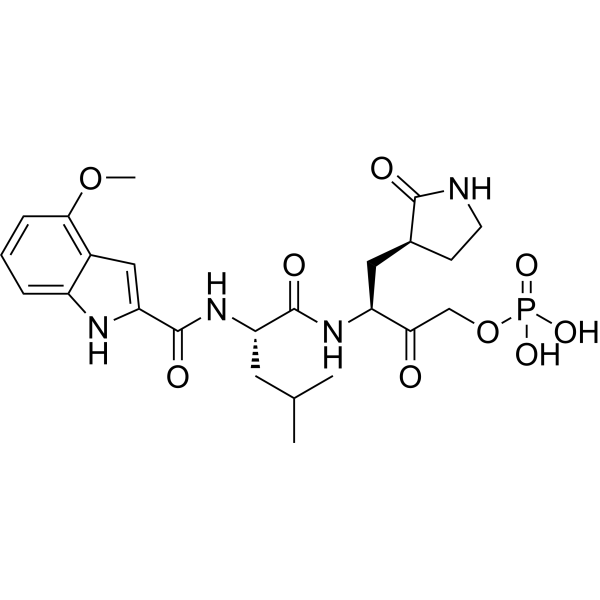
Lufotrelvir (PF-07304814), a phosphate proagent of PF-00835231, acts as a potent 3CLpro protease (Mpro) inhibitor with SARS-CoV-2 antiviral activity. Lufotrelvir binds and inhibits SARS-CoV-2 3CLpro activity with a Ki of 174nM. Lufotrelvir is promising single antiviral agent and also can be used for the research of combination with other antivirals that target other critical stages of the coronavirus life cycle.
loading...
    loading...
2
2 Cited Publications
Cat. No.: HY-A0183
CAS No.: 1446756-47-3
Synonyms: Phospholipids, phosphatidylserines; Serine glycerophosphatides
Category:  

Animals

Target:  

Akt TGF-β Receptor

Phosphatidylserine (Phospholipids) is a well-conserved anti-inflammatory and immunosuppressive signal. Phosphatidylserine is involved in membrane translocation and the activation of protein kinase C, participating in Akt signaling through its interaction with PIP3. The local exposure of Phosphatidylserine can interact with complement and other proteins, promoting microglial phagocytosis during critical periods of synaptic refinement. Phosphatidylserine can promote blood coagulation in the extracellular environment and acts as a "eat me" signal to clear out apoptotic cells. Phosphatidylserine can suppress inflammation in tissues by inducing TGF-β secretion and inhibiting immune responses .
loading...
    loading...
1
1 Cited Publications
Cat. No.: HY-B0389S10
CAS No.: 101615-88-7
Synonyms: Glucose-13C; D-(+)-Glucose-13C; Dextrose-13C
D-Glucose- 13C is the 13C labeled D-Glucose. D-Glucose (Glucose), a monosaccharide, is an important carbohydrate in biology. D-Glucose is a carbohydrate sweetener and critical components of the general metabolism, and serve as critical signaling molecules in relation to both cellular metabolic status and biotic and abiotic stress response .
loading...
    loading...
1
1 Cited Publications
Cat. No.: HY-D1553
CAS No.: 1029138-21-3
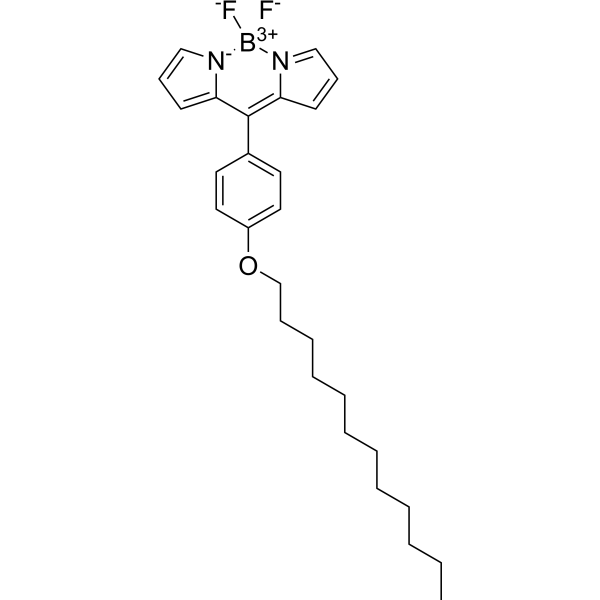
BODIPY-C12 is a boron-dipyrromethene derivative containing a lipophilic tail (excitation 490 nm). BODIPY-C12 is a hydrophobic molecular and sensitivity to the surrounding environment and can be used to quantify viscosity, critical micelle concentration, and critical micelle temperature .
loading...
    loading...
1
1 Cited Publications
Cat. No.: HY-B0389R
CAS No.: 50-99-7
Synonyms: Glucose (Standard); D-(+)-Glucose (Standard); Dextrose (Standard)
D-Glucose (Standard) is the analytical standard of D-Glucose. This product is intended for research and analytical applications. D-Glucose is the naturally occurring form of glucose and the most abundant monosaccharide. D-Glucose is a critical components of the general metabolism, and serve as critical signaling molecules in relation to both cellular metabolic status and biotic or abiotic stress response .
loading...
    loading...
1
1 Cited Publications
Cat. No.: HY-B0389S15
CAS No.: 138079-87-5
Synonyms: Glucose-13C2-4; D-(+)-Glucose-13C2-4; Dextrose-13C2-4
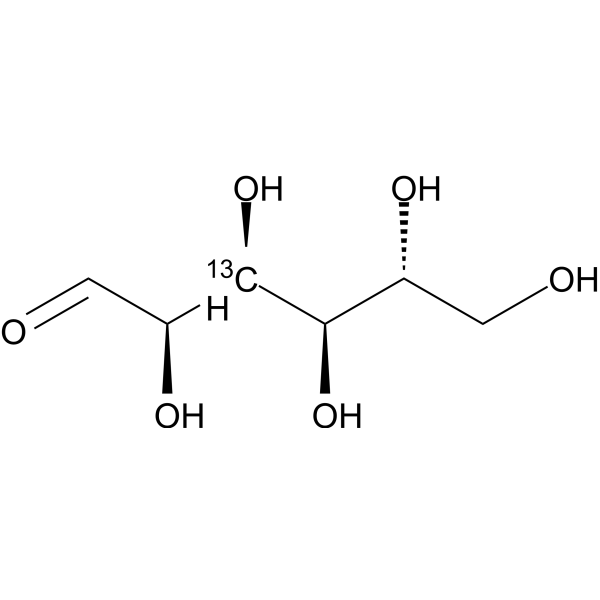
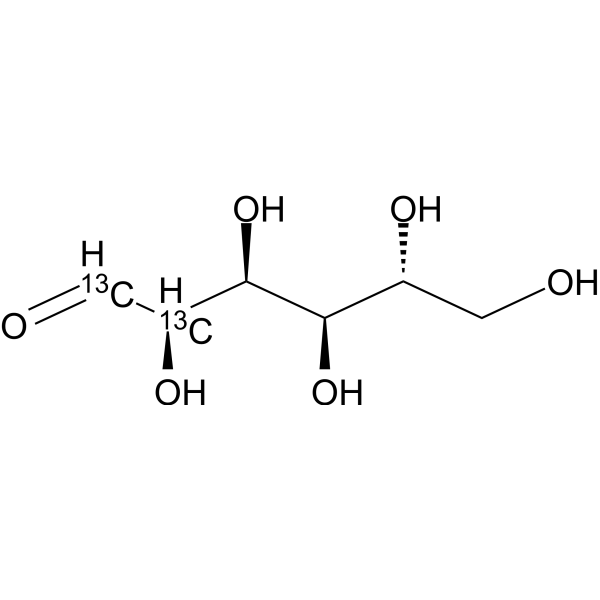
D-Glucose- 13C2-4 is the 13C labeled D-Glucose. D-Glucose (Glucose), a monosaccharide, is an important carbohydrate in biology. D-Glucose is a carbohydrate sweetener and critical components of the general metabolism, and serve as critical signaling molecules in relation to both cellular metabolic status and biotic and abiotic stress response .
loading...
    loading...

