



1. Search Result
Search Result
Results for "

dimethylsulfide

" in MedChemExpress (MCE) Product Catalog:

35

Inhibitors & Agonists

1

Biochemical Assay Reagents

35

Peptides

7

Natural
Products

2

Isotope-Labeled Compounds

Cat. No. Product Name Target Research Areas Chemical Structure
  • HY-P1607
    Nisin
    3 Publications Verification

    Bacterial Antibiotic Infection Inflammation/Immunology
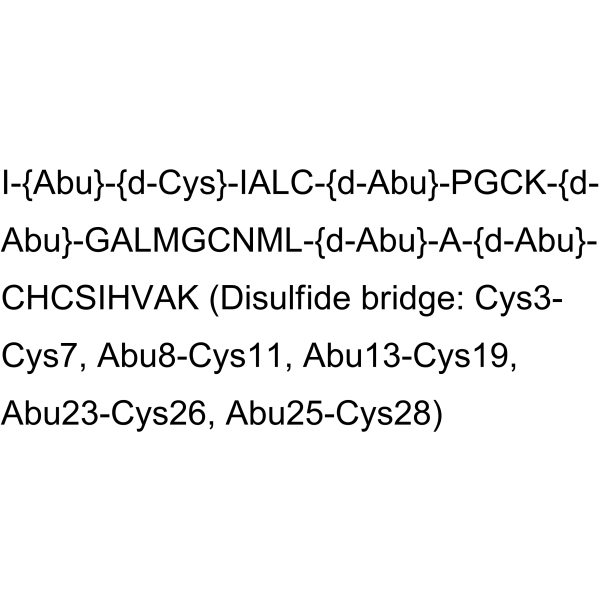
    Nisin is a bacteriocin produced by a group of Gram-positive bacteria that belongs to Lactococcus and Streptococcus species. Nisin has antibacterial and anti-inflammatory activity .
    Nisin
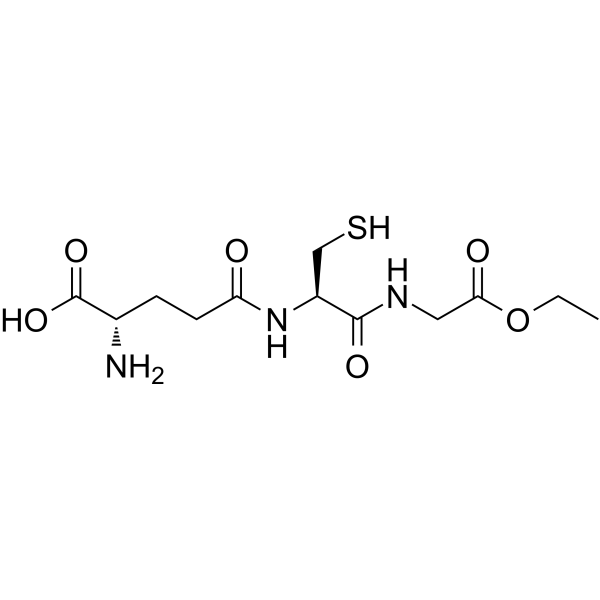
  • HY-134124

    Reactive Oxygen Species (ROS) Metabolic Disease
    Glutathione ethyl ester is a cell-permeable GSH donor and provides an efficient supply of GSH to the oocyte. Glutathione ethyl ester shows positive effect on the in vitro production of embryos by enhancement of the antioxidative defense .
    Glutathione ethyl ester
  • HY-P0028
    Phalloidin
    Maximum Cited Publications
    23 Publications Verification

    Fluorescent Dye Others
    Phalloidin is a mushroom-derived toxin which can be used to label F-actin of the cytoskeleton with fluorochrome .
    Phalloidin
  • HY-P10272

    PTG-300

    Ferroportin Others
    Rusfertide is a peptide mimetic of natural hepcidin, which targets and degrades ferroportin, reduces serum iron and transferrin-saturation, and thus regulates the production of red blood cells. Rusfertide ameliorates the polycythemia vera, β-thalassemia and hereditary hemochromatosis .
    Rusfertide
  • HY-A0248A
    Polymyxin B1
    1 Publications Verification

    Bacterial Infection
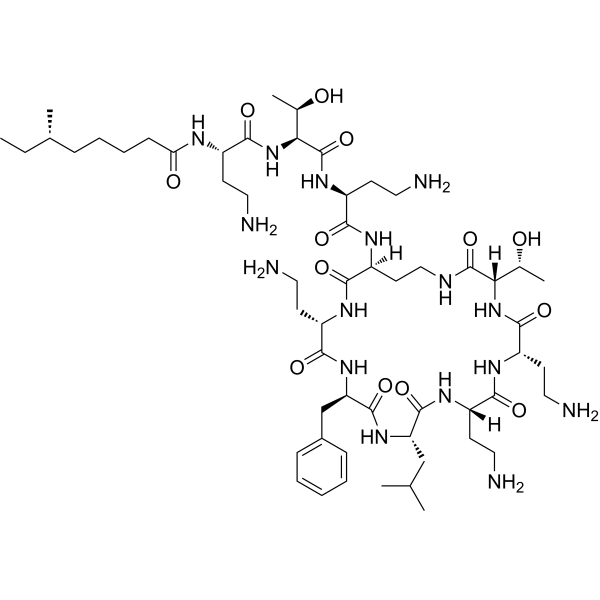
    Polymyxin B1 is a potent antimicrobial lipopeptide first derived from Bacilus polymyxa. Polymyxin B1 is the major component in Polymyxin B (HY-A0248). Polymyxin B1 can induce lysis of bacterial cells through interaction with their membranes. Polymyxin B1 has the potential for multidrug-resistant Gram-negative bacterial infections treatment .
    Polymyxin B1
  • HY-P1695

    Ro 09-0198

    Antibiotic Bacterial Infection
    Cinnamycin (Ro 09-0198) is a tetracyclic peptide antibiotic that binds specifically to phosphatidylethanolamine (PE) .
    Cinnamycin
  • HY-P3466

    Bacterial Fungal Infection Inflammation/Immunology
    Nisin Z is an antimicrobial and anti-inflammatory peptide. Nisin Z is effective against Gram-positive bacteria and fungi, such as C. albicans .
    Nisin Z
  • HY-P10486

    Bacterial Infection
    AIP-II is a cyclic peptide signaling molecule for quorum sensing, which is produced by Staphylococcus aureus. AIP-II potently inhibits AgrC-III in Methicillin (HY-121544)-resistant type III Staphylococcus aureus strain AH1747, with an IC50 of 0.532 nM. AIP-II binds to the AgrC-II receptor and regulates virulence gene expression in Staphylococcus aureus .
    AIP-II
  • HY-P1108A
    Astressin 2B TFA
    1 Publications Verification

    CRFR Neurological Disease Inflammation/Immunology
    Astressin 2B TFA is a blood-brain barrier-impermeable, highly selective CRFR2 antagonist (rCRFR2, IC50=0.57 nM). Astressin 2B TFA blocks the protective effects mediated by CRFR2, thereby exacerbating indomethacin (HY-14397)-induced hemorrhagic intestinal injury in rats. Astressin 2B TFA reverses the protective effects of Urocortin 1 against intestinal hypermotility, bacterial invasion and upregulation of inflammatory mediators. Astressin 2B TFA also blocks the anxiogenic effect of Urocortin 2 and attenuates stress-induced anxiety-related behaviors. In the Clostridioides difficile toxin A (C. difficile toxin A)-mediated enteritis model, Astressin 2B TFA mimics the phenotype of CRFR2-deficient mice, significantly exacerbating intestinal epithelial damage, edema, neutrophil migration and the expression of multiple proinflammatory cytokines. Astressin 2B TFA is an important tool molecule for investigating the intestinal protective mechanisms of CRFR2 .
    Astressin 2B TFA
  • HY-P1108
    Astressin 2B
    1 Publications Verification

    CRFR Neurological Disease Inflammation/Immunology
    Astressin 2B is a blood-brain barrier-impermeable, highly selective CRFR2 antagonist (rCRFR2, IC50=0.57 nM). Astressin 2B blocks the protective effects mediated by CRFR2, thereby exacerbating indomethacin (HY-14397)-induced hemorrhagic intestinal injury in rats. Astressin 2B reverses the protective effects of Urocortin 1 against intestinal hypermotility, bacterial invasion and upregulation of inflammatory mediators. Astressin 2B also blocks the anxiogenic effect of Urocortin 2 and attenuates stress-induced anxiety-related behaviors. In the Clostridioides difficile toxin A (C. difficile toxin A)-mediated enteritis model, Astressin 2B mimics the phenotype of CRFR2-deficient mice, significantly exacerbating intestinal epithelial damage, edema, neutrophil migration and the expression of multiple proinflammatory cytokines. Astressin 2B is an important tool molecule for investigating the intestinal protective mechanisms of CRFR2 .
    Astressin 2B
  • HY-P2031

    Arp2/3 Complex Others
    Phallacidin is a natural bicyclic heptapeptide derived from the poisonous mushroom Amanita phalloides. Phallacidin binds to filamentous actin specifically with high affinity, with a Kd of 20 nM. After binding to F-actin, Phallacidin strongly inhibits its depolymerization, stabilizes microfilament structures, and prevents their disruption by drugs such as cytochalasins. When conjugated with a fluorophore, Phallacidin serves as a specific fluorescent probe for F-actin, which is used to clearly visualize the distribution of actin in the cytoskeleton (e.g., stress fibers, cortical peripheral bands) under fluorescence microscopy .
    Phallacidin
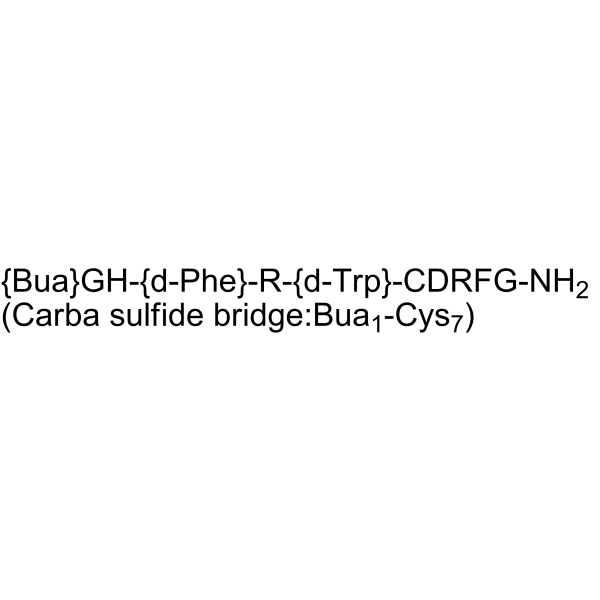
  • HY-P1726

    Melanocortin Receptor Neurological Disease Metabolic Disease Inflammation/Immunology Cancer
    MSG606 is a selective melanocortin 1 receptor (MC1R) antagonist. MSG606 can abolish the neuroprotective effects of BMS-470539 (HY-15616) (MC1R agonist). MSG606 can inhibit cancer cell proliferation and transition from the G1 to the S phase. MSG606 can delay pain hypersensitivity and reduce cholesterol levels. MSG606 can be used for the researches of cancer, inflammation, neurological and metabolic disease, such as breast cancer and subarachnoid hemorrhage (SAH) .
    MSG606
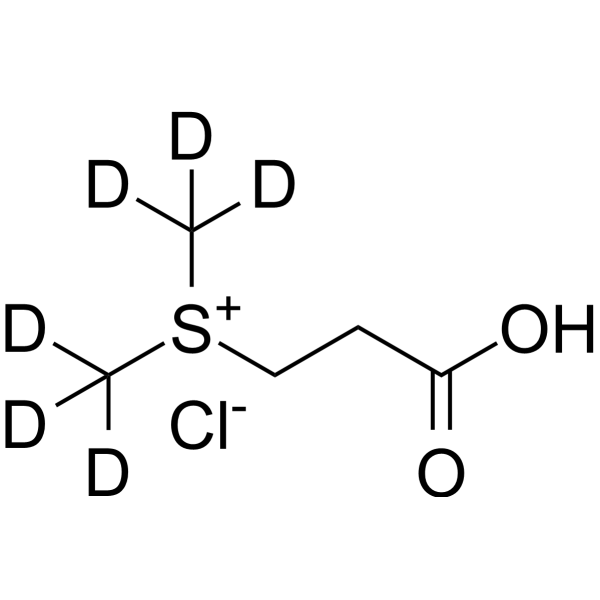
  • HY-W105506

    s,s-Dimethyl-β-propionic acid thetine

    Drug Intermediate Others
    Dimethylpropiothetin hydrochloride is a dimethylsulfide precursor. Dimethylpropiothetin hydrochloride can be isolated from the marine coccolithophore Hymenomonas carterae. Dimethylpropiothetin hydrochloride participates in the maintenance of cellular osmotic pressure .
    Dimethylpropiothetin hydrochloride
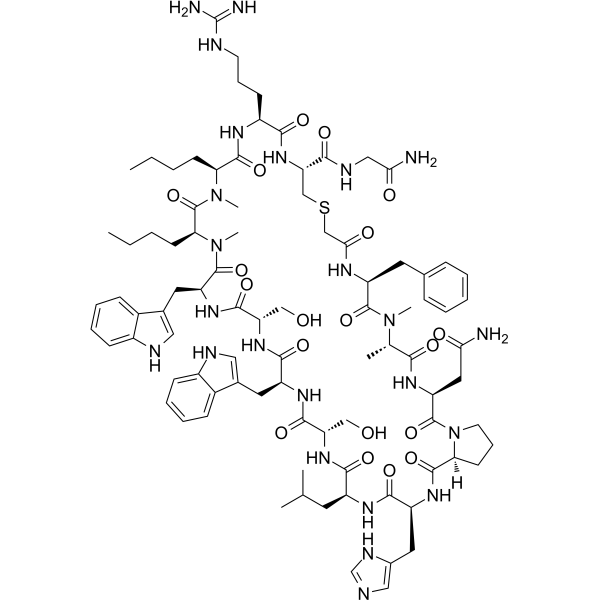
  • HY-P3143

    PD-1/PD-L1 Cancer
    BMSpep-57 is a potent and competitive macrocyclic peptide inhibitor of PD-1/PD-L1 interaction with an IC50 of 7.68 nM. BMSpep-57 binds to PD-L1 with Kds of 19 nM and 19.88 nM in MST and SPR assays, respectively. BMSpep-57 facilitates T cell function by in creasing IL-2 production in PBMCs .
    BMSpep-57
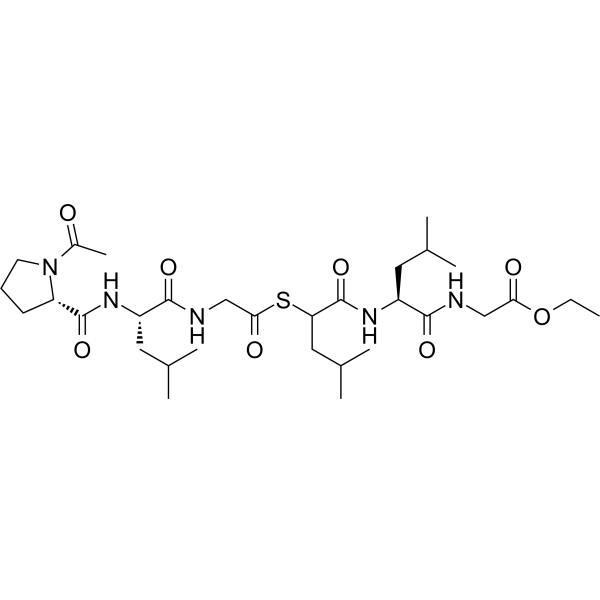
  • HY-P10143

    Ac-Pro-Leu-Gly-[(S)-2-mercapto-4-methyl-pentanoyl]-Leu-Gly-OEt

    MMP Others
    MMP-2/MMP-9 Substrate (Ac-Pro-Leu-Gly-[(S)-2-mercapto-4-methyl-pentanoyl]-Leu-Gly-OEt) is a synthetic chromogenic polypeptide substrate whose core structure mimics the cleavage sites of MMP-2 and MMP-9 (gelatinase A and B) in collagen. After being hydrolyzed by collagenase, MMP-2/MMP-9 Substrate reacts with 4,4'-dithiodipyridine or Ellman's Reagent via its thiol fragment to produce a product with ultraviolet absorption properties .
    MMP-2/MMP-9 Substrate
  • HY-A0248AS

    Isotope-Labeled Compounds Bacterial Infection
    Polymyxin B1-d7 TFA is the deuterium labeled Polymyxin B1 TFA (HY-A0248A). Polymyxin B1 is a potent antimicrobial lipopeptide first derived from Bacilus polymyxa. Polymyxin B1 is the major component in Polymyxin B (HY-A0248). Polymyxin B1 can induce lysis of bacterial cells through interaction with their membranes. Polymyxin B1 has the potential for multidrug-resistant Gram-negative bacterial infections treatment .
    Polymyxin B1-d7 TFA
  • HY-P10563

    BHV-1100

    CD38 Cancer
    Noraramtide (BHV-1100) is an antibody recruitment molecule. Noraramtide can specifically bind to CD38 molecules to recruit natural killer (NK) cells. Noraramtide enhances the ability of NK cells to kill tumor cells through antibody-dependent cellular cytotoxicity (ADCC). This mechanism allows NK cells to more effectively recognize and eliminate tumor cells while avoiding mutual killing between NK cells. Noraramtide can be used for the study of autologous cancer immunity .
    Noraramtide
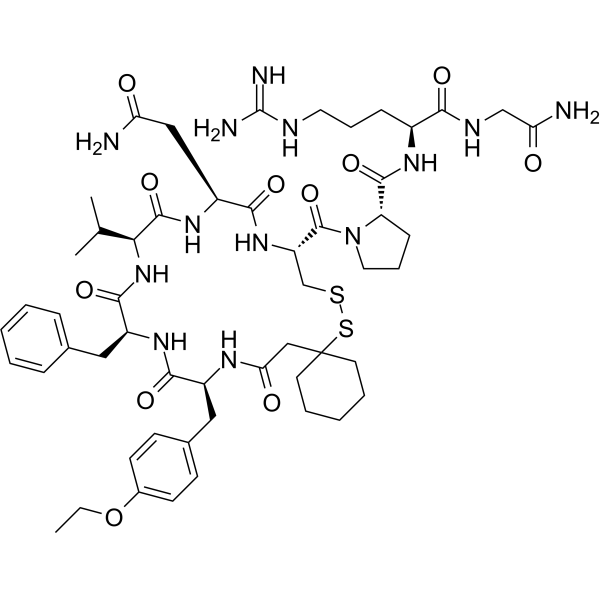
  • HY-P3066

    d(CH2)5Tyr(Et)VAVP

    Vasopressin Receptor Metabolic Disease
    SKF 100398 (d(CH2)5Tyr(Et)VAVP), an arginine vasopressin (AVP) analogue, is a specific antagonist of the antidiuretic effect of exogenous and endogenous AVP .
    SKF 100398
  • HY-P10964

    GHSR Endocrinology
    Tezusomant is a growth hormone receptor antagonist. Tezusomant is promising for research on diseases caused by excessive growth hormone secretion, such as acromegaly .
    Tezusomant
  • HY-P4308

    Prolyl Endopeptidase (PREP) Neurological Disease
    Z-Pro-Pro-aldehyde-dimethyl acetal is a potent inhibitor of prolyl endopeptidase (PREP), a cytoplasmic serine endoprotease (IC50= 12 nM). Z-Pro-Pro-aldehyde-dimethyl acetal plays an important role in cognitive dysfunction in aging and neurodegenerative diseases including Alzheimer's disease .
    Z-Pro-Pro-aldehyde-dimethyl acetal
  • HY-P10828

    Virus Protease Infection Inflammation/Immunology
    MAPI is a polypeptide irreversible 3C cysteine protease (SV3CP) inhibitor. MAPI inhibits SV3CP by covalently binding its C-terminal Michael-acceptor extension to the active site thiol of SV3CP Cys 139. MAPI is promising for research of noroviruses infection .
    MAPI
  • HY-P6053

    Opioid Receptor Neurological Disease
    KK-103 is a precursor of leucine-enkephalin (Leu-ENK) overcomes high proteolytic instability of Leu-ENK via markedly increased plasma stability in mice that has antinociceptive effect .
    KK-103
  • HY-P0077

    Oxytocin Receptor Endocrinology
    Merotocin is a selective, short-acting peptidic oxytocin receptor agonist. Merotocin can be used to support lactation .
    Merotocin
  • HY-P3143A

    PD-1/PD-L1 Cancer
    BMSpep-57 hydrochloride is a potent and competitive macrocyclic peptide inhibitor of PD-1/PD-L1 interaction with an IC50 of 7.68 nM. BMSpep-57 hydrochloride binds to PD-L1 with Kds of 19 nM and 19.88 nM in MST and SPR assays, respectively. BMSpep-57 hydrochloride facilitates T cell function by in creasing IL-2 production in PBMCs .
    BMSpep-57 hydrochloride
  • HY-P1726A

    Melanocortin Receptor Neurological Disease Metabolic Disease Inflammation/Immunology Cancer
    MSG606 TFA is a selective melanocortin 1 receptor (MC1R) antagonist. MSG606 TFA can abolish the neuroprotective effects of BMS-470539 (HY-15616) (MC1R agonist). MSG606 TFA can inhibit cancer cell proliferation and transition from the G1 to the S phase. MSG606 TFA can delay pain hypersensitivity and reduce cholesterol levels. MSG606 TFA can be used for the researches of cancer, inflammation, neurological and metabolic disease, such as breast cancer and subarachnoid hemorrhage (SAH) .
    MSG606 TFA
  • HY-P0041A

    Vasopressin Receptor Neurological Disease
    F992 TFA is an antidiuretic peptide and vasopressin (antidiuretic hormone) analogue .
    F992 TFA
  • HY-W105506R

    s,s-Dimethyl-β-propionic acid thetine (Standard)

    Reference Standards Endogenous Metabolite Others
    Dimethylpropiothetin hydrochloride (Standard) is the analytical standard of Dimethylpropiothetin hydrochloride. This product is intended for research and analytical applications. Dimethylpropiothetin hydrochloride (s,s-Dimethyl-β-propionic acid thetine) is the hydrochloride form of dimethylpropiothetin. Dimethylpropiothetin can be isolated in marine algae, and is a precursor to dimethylsulfide (DMS). Dimethylpropiothetin is involved in osmoregulation in Hymenomonas carterae .
    Dimethylpropiothetin hydrochloride (Standard)
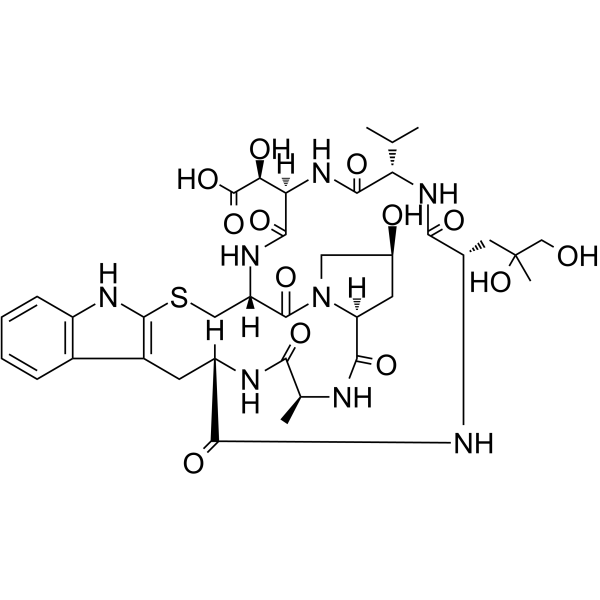
  • HY-P2331

    Antibiotic A 3802-IV-3; Gardimycin

    Antibiotic Infection
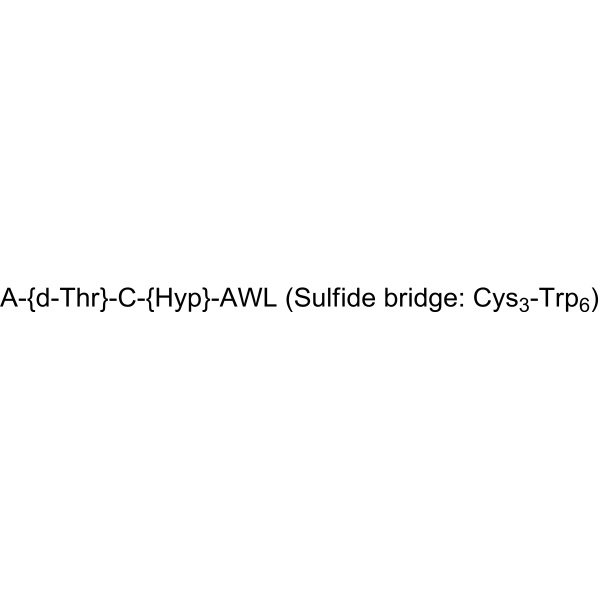
    Actagardin is a tetracyclic lantibiotic produced by several species of Actinoplanes. It is composed of macrocyclic rings formed by thioether bridges. Actagardin preferably targets Gram-positive bacteria, inhibiting the synthesis of peptidoglycan.
    Actagardin
  • HY-P2592

    Cholecystokinin Receptor Others
    Ro 23-7014 is an appetite suppressant. Ro 23-7014 is an analog of cholecystokinin (CCK-7) .
    Ro 23-7014
  • HY-125628

    Endogenous Metabolite Infection
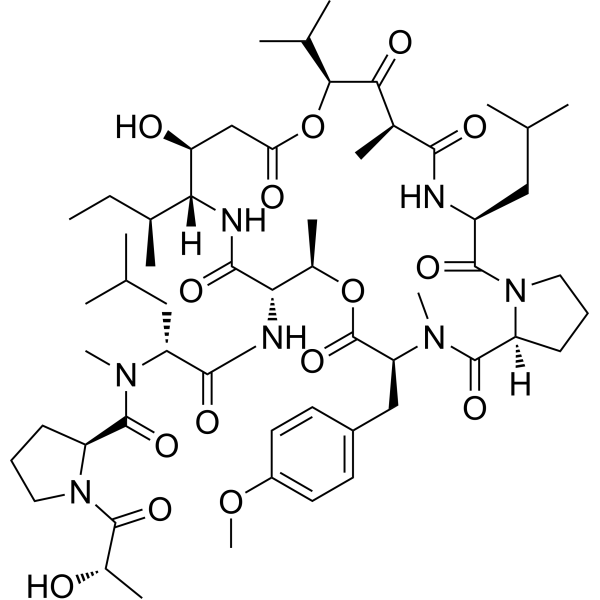
    Kahalalide A is an anti-mycobacterial compound with antimicrobial activity. Kahalalide A is derived from the marine mollusk Elysia rufescens. Kahalalide A has attracted extensive attention in natural product research due to its potential medicinal value .
    Kahalalide A
  • HY-P0041

    Vasopressin Receptor Neurological Disease
    F992 is an antidiuretic peptide and vasopressin (antidiuretic hormone) analogue .
    F992
  • HY-P11623

    Interleukin Related Collagen Inflammation/Immunology
    4L2-P13D is an IL-11 antagonist with an IC50 of 2.8 μM. 4L2-P13D has a KD of 11 nM for hIL-11. 4L2-P13D exhibits antifibrotic and renoprotective activities. 4L2-P13D can be used in the research of renal fibrosis .
    4L2-P13D
  • HY-P11673

    GLP Receptor Metabolic Disease
    Zabopegdutide is a glucagon and glucagon-like peptide 1 (GLP-1) receptor agonist. Zabopegdutide can be used for the study of obesity .
    Zabopegdutide
  • HY-A0248AS1

    Isotope-Labeled Compounds Bacterial Infection
    Polymyxin B1-D-Leu-d7 TFA is the deuterium labeled Polymyxin B1 (HY-A0248A). Polymyxin B1 is a potent antimicrobial lipopeptide first derived from Bacilus polymyxa. Polymyxin B1 is the major component in Polymyxin B (HY-A0248). Polymyxin B1 can induce lysis of bacterial cells through interaction with their membranes. Polymyxin B1 has the potential for multidrug-resistant Gram-negative bacterial infections treatment .
    Polymyxin B1-D-Leu-d7 TFA
  • HY-P4948

    Biochemical Assay Reagents Others
    Coumarin-phalloidin is a kind of phalloidin labeled with Coumarin (HY-N0709). Coumarin-phalloidin is a new type of actin probe that can be used for triple immunofluorescence microscopic observation of the cell skeleton .
    Coumarin-Phalloidin

Inquiry Online

Your information is safe with us. * Required Fields.

Salutation


Country or Region *

Applicant Name *


Organization Name *

Department *


Email Address *


Product Name *

Cat. No.


Requested quantity *

Phone Number *


Remarks

Inquiry Online

Inquiry Information

Product Name:
Cat. No.:
Quantity:
MCE Japan Authorized Agent:

