
Search Result
Results for "
dinucleotide
" in MedChemExpress (MCE) Product Catalog:
10
Biochemical Assay Reagents
7
Isotope-Labeled Compounds
| Cat. No. |
Product Name |
Target |
Research Areas |
Chemical Structure |
-
- HY-B0445
-
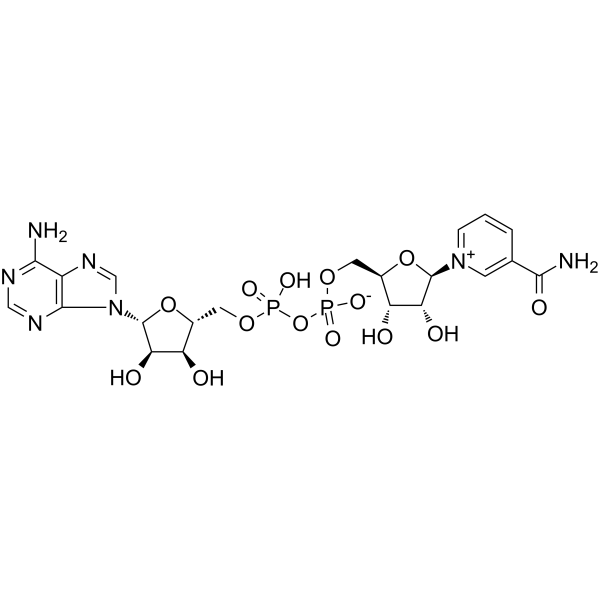
NAD+
Maximum Cited Publications
45 Publications Verification
β-DPN; β-NAD; β-Nicotinamide Adenine dinucleotide
|
Endogenous Metabolite
|
Metabolic Disease
|
|
NAD+ is a coenzyme composed of ribosylnicotinamide 5'-diphosphate coupled to adenosine 5'-phosphate by pyrophosphate linkage.
|
-
-
- HY-B1654
-
|
FAD
|
Endogenous Metabolite
|
Cardiovascular Disease
|
|
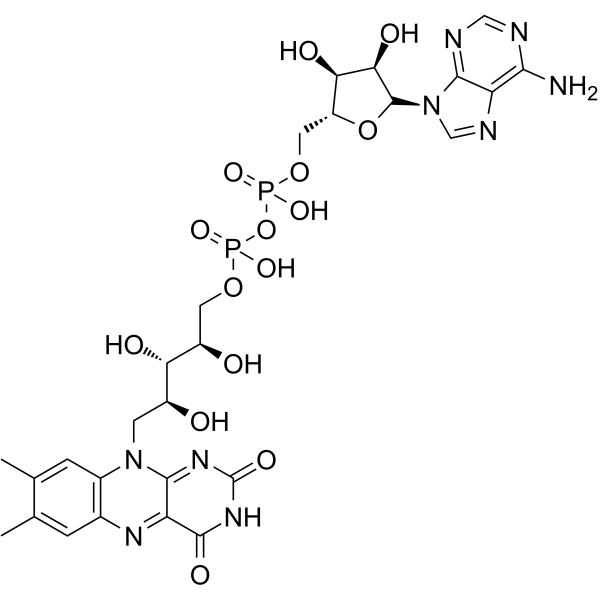
Flavin adenine dinucleotide (FAD) is a redox cofactor, more specifically a prosthetic group of a protein, involved in several important enzymatic reactions in metabolism.
|
-
-
- HY-B0456
-
|
Vitamin B2; E101
|
Environmental Pollutants
Endogenous Metabolite
Bacterial
|
Metabolic Disease
Cancer
|
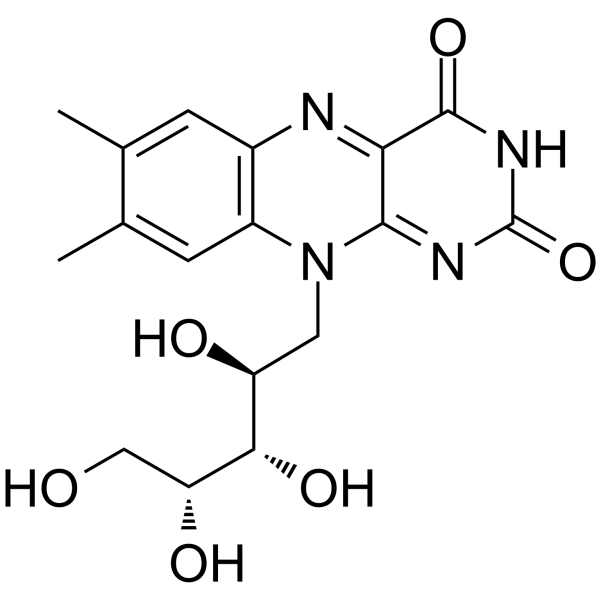
Riboflavin, an orally active and easily absorbed micronutrient, is a precursor of flavin mononucleotide (FMN) and flavin adenine dinucleotide (FAD), which serve as coenzymes for numerous enzymatic reactions and perform key metabolic functions by mediating the transfer of electrons in biological oxidation-reduction reaction .
|
-
-
- HY-137592
-
|
ε-NAD
|
Fluorescent Dye
Phosphodiesterase (PDE)
Glutamate Dehydrogenase (GLDH)
|
Others
|
|
Nicotinamide 1,N6-ethenoadenine dinucleotide (ε-NAD) is a fluorescent analog of NAD. Nicotinamide 1,N6-ethenoadenine dinucleotide can be cleaved by phosphodiesterase I (from C. adamanteus venom) and binds to bovine liver glutamate dehydrogenase. Nicotinamide 1,N6-ethenoadenine dinucleotide can serve as a substrate for G-ADP ribosylation of G proteins catalyzed by bacterial toxins. Nicotinamide 1,N6-ethenoadenine dinucleotide can be used as a fluorescent substrate for the study of ADP ribosylation reactions .
|
-
-
- HY-B0445A
-
|
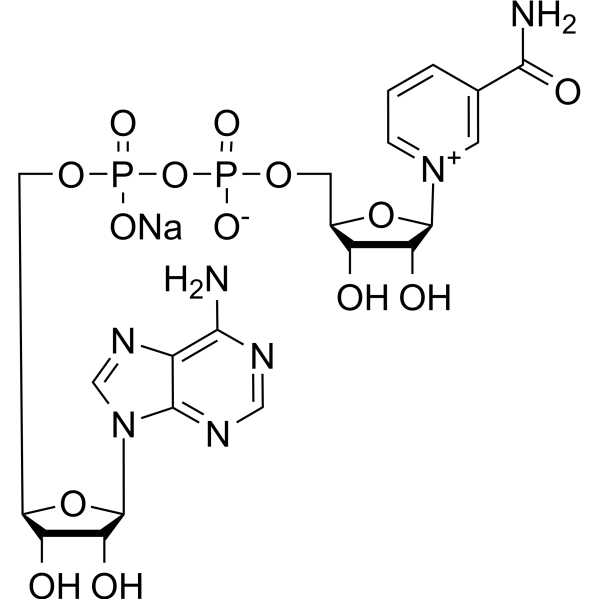
β-DPN sodium; β-NAD sodium; β-Nicotinamide Adenine dinucleotide sodium
|
Endogenous Metabolite
|
Metabolic Disease
|
|
NAD sodium is an orally effective cofactor and homeostatic regulator. NAD sodium can be reduced to β-nicotinamide adenine dinucleotide (NADH) during coupling with reactions that oxidize organic substrates. NAD sodium can be converted to β-nicotinamide adenine dinucleotide (NADH) and passes to the inside of mitochondria, which indirectly generates ATP. NAD sodium can be used for the research of non-alcoholic fatty liver disease, obesity, and glucose intolerance .
|
-
-
- HY-145010
-
|
|
STING
|
Inflammation/Immunology
|
|
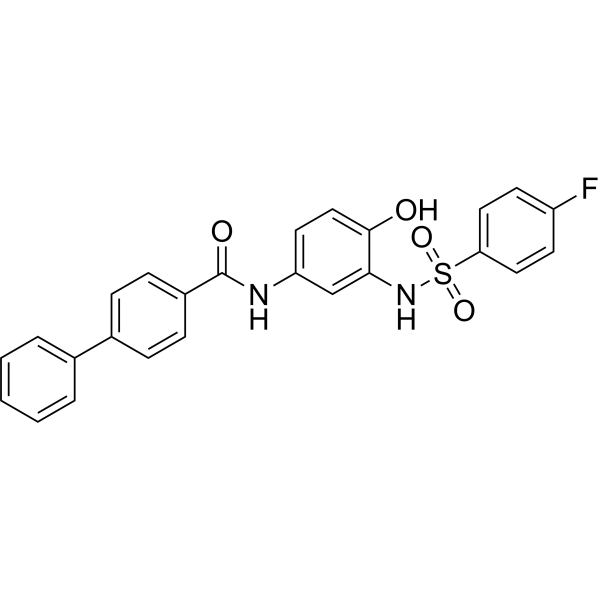
SN-011 is a potent and selective mouse and human STING inhibitor, with an IC50 of 76 nM for STING signaling. SN-011 competes with cyclic dinucleotide (CDN) for the binding pocket of the STING dimer, blocking CDN binding and STING activation. SN-011 can be used for the research of STING-driven autoimmune and inflammatory disease .
|
-
-
- HY-B1654A
-
|
FAD disodium salt; FAD-Na2
|
Endogenous Metabolite
|
Cardiovascular Disease
|
|
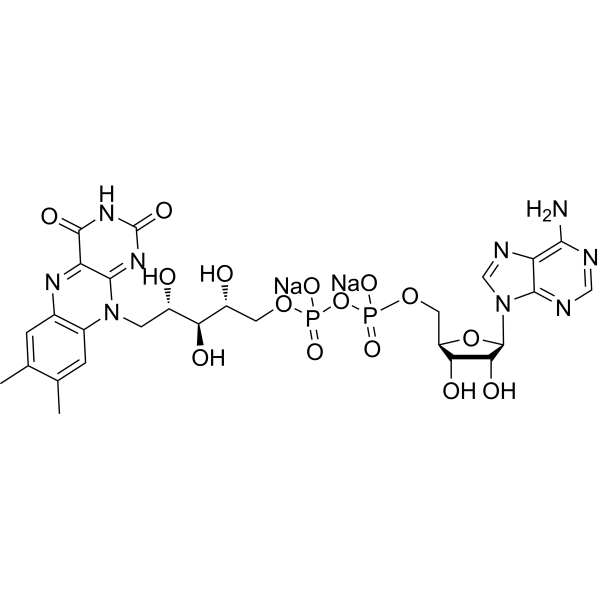
Flavin adenine dinucleotide (FAD) disodium salt is a redox cofactor, more specifically a prosthetic group of a protein, involved in several important enzymatic reactions in metabolism.
|
-
-
- HY-113432
-
|
2PY
|
Endogenous Metabolite
PARP
|
Metabolic Disease
|
|
Nudifloramide (2PY) is one of the end products of nicotinamide-adenine dinucleotide (NAD) degradation. Nudifloramide significantly inhibits poly(ADP-ribose) polymerase (PARP-1) activity in vitro .
|
-
-
- HY-45491
-
-
-
- HY-P2804
-
|
GADPH; G3PDH; Glyceraldehyde phosphate dehydrogenase
|
Endogenous Metabolite
|
Others
|
|
Glyceraldehyde phosphate dehydrogenase (EC 1.2.1.12) is the target of anti-thymocyte and anti-apoptotic agents. Glyceraldehyde phosphate dehydrogenase catalyzes the chain oxidation of reduced nicotinamide adenine dinucleotide by perhydroxyl radicals .
|
-
-
- HY-150508
-
MK-0159
1 Publications Verification
|
CD38
|
Cardiovascular Disease
Metabolic Disease
Inflammation/Immunology
|
|
MK-0159 is an orally active, potent and selective CD38 inhibitor, with IC50 values of 22, 3, and 70 nM for human, mouse and rat CD38, respectively. MK-0159 also shows good microsomal stability for human and rodent liver microsomes. MK-0159 increases NAD + (nicotinamide adenine dinucleotide) and reduces ADPR (adenosine diphosphate ribose) in whole blood and heart .
|
-
-
- HY-130115A
-
|
|
STING
|
Cancer
|
|
IACS-8803 disodium is a highly potent cyclic dinucleotide STING agonist. IACS-8803 disodium has a robust systemic antitumor efficacy .
|
-
-
- HY-113472
-
|
|
Drug Metabolite
|
Others
|
|
N-Methyl-4-pyridone-3-carboxamide (compound 4PY) is a final product of nicotinamide adenine dinucleotide (NAD) degradation .
|
-
-
- HY-P3185
-
|
|
Biochemical Assay Reagents
|
Metabolic Disease
|
|
Beta-galactose dehydrogenase is a selective catalyst for β-galactose. Under pH 8.6 conditions, beta-galactose dehydrogenase catalyzes the oxidation of β-galactose, produced by the hydrolysis of lactose by β-galactosidase, with nicotinamide adenine dinucleotide (NAD) to produce reduced nicotinamide adenine dinucleotide (NADH). Beta-galactose dehydrogenase specifically mediates this oxidation reaction for the quantitative detection of the substrate, used in the analysis of lactose concentration in samples such as breast milk .
|
-
-
- HY-141550
-
|
|
NF-κB
|
Inflammation/Immunology
|
|
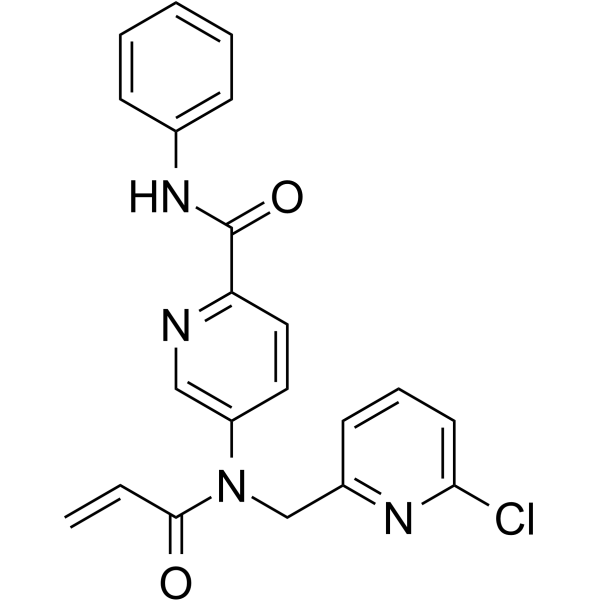
BPK-25, an active acrylamide, promotes degradation of nucleosome remodeling and deacetylation (NuRD) complex proteins by a post-translational mechanism involving covalent protein engagement. BPK-25 inhibits TMEM173 activation by the cyclic dinucleotide ligand cGAMP .
|
-
-
- HY-131924
-
|
Thio-NAD
|
Biochemical Assay Reagents
|
Others
|
|
Thionicotinamide adenine dinucleotide (Thio-NAD) is a thione-modified analog of the coenzyme nicotinamide adenine dinucleotide (NAD +). Thionicotinamide adenine dinucleotide can replace NAD + in enzymatic reactions and shift the absorption peak to 405 nM, enabling sensitive, real-time kinetic detection of enzyme activity, which is particularly suitable for high-sensitivity diagnostic cyclic detection systems .
|
-
-
- HY-139586
-
|
MK-1454
|
STING
|
Cancer
|
|
Ulevostinag (MK-1454) is a potent cyclic dinucleotide agonist stimulator of interferon genes (STING). Ulevostinag (MK-1454) acts in the intra-tumoral route by targeting the stimulator of interferon genes (STING) protein. Ulevostinag (MK-1454) can be used for immuno-tumor cancer disease research .
|
-
-
- HY-B0445GL
-
|
β-DPN (GMP Like); β-NAD (GMP Like); β-Nicotinamide Adenine dinucleotide (GMP Like)
|
Endogenous Metabolite
|
Metabolic Disease
|
|
NAD+ (GMP Like) is NAD+ (HY-B0445) produced by using GMP like guidelines. GMP Like small molecules works appropriately as an auxiliary reagent for cell therapy manufacture. NAD+ is a coenzyme composed of ribosylnicotinamide 5'-diphosphate coupled to adenosine 5'-phosphate by pyrophosphate linkage.
|
-
-
- HY-139100B
-
|
m7GpppA diammonium; N7-Methyl-guanosine-5'-triphosphate-5'-adenosine diammonium
|
DNA/RNA Synthesis
|
Infection
|
|
m7G(5')ppp(5')A (m7GpppA) diammonium is a dinucleotide cap analog that can be used for in vitro RNA transcription .
|
-
-
- HY-141514
-
|
|
STING
|
Inflammation/Immunology
Cancer
|
|
MSA-2 dimer is a selective, orally active non-nucleotide STING agonist (Kd=145 μM) with long-term antitumor and immunogenic activity. MSA-2 dimer is bound to STING as a non-covalent dimer exhibiting higher permeability than cyclic dinucleotide .
|
-
-
- HY-114570
-
|
NSC 286193; Riboxamide
|
Nucleoside Antimetabolite/Analog
Orthopoxvirus
|
Infection
Neurological Disease
Cancer
|
|
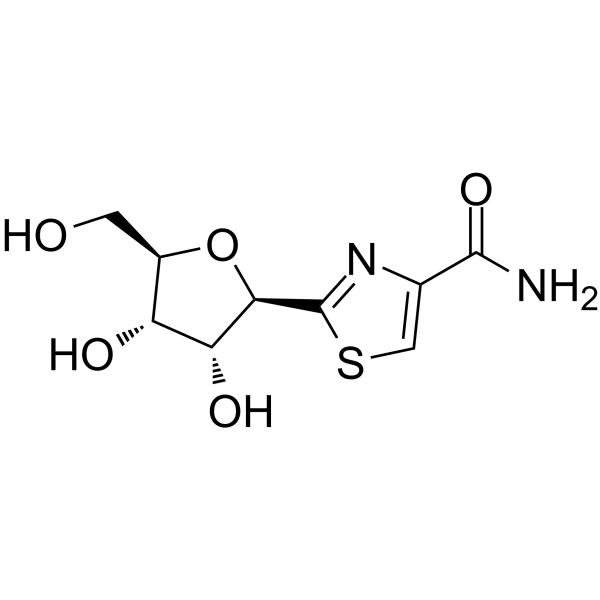
Tiazofurin (NSC 286193) is a synthetic nucleoside analogue with antineoplastic activity. Tiazofurin is anabolized intracellularly to tiazole-4-carboxamide adenine dinucleotide (TAD), a potent inhibitor of IMP dehydrogenase (IMPDH). Tiazofurin enhances the autosecretion of IL-6 in K562 cells. Tiazofurin also has anti-orthopoxvirus and anti-variola activities. Tiazofurin can be used for the study of leukemia and lung cancer .
|
-
-
- HY-131485
-
|
3-APAD, 90%; 3-Acetylpyridine NAD, 90%
|
Lactate Dehydrogenase
|
Metabolic Disease
|
|
3-Acetylpyridine adenine dinucleotide, 90% is an analog of nicotinamide adenine dinucleotide (NAD). 33-Acetylpyridine adenine dinucleotide, 90% collaboratively inhibits Lactate Dehydrogenase (LDH) with bisulfite .
|
-
-
- HY-B1654S
-
|
FAD-13C5 ammonium
|
Isotope-Labeled Compounds
Endogenous Metabolite
|
Cardiovascular Disease
|
|
Flavin adenine dinucleotide- 13C5 (FAD- 13C5) ammonium is 13C labeled Flavin adenine dinucleotide (HY-B1654). Flavin adenine dinucleotide (FAD) is a redox cofactor, more specifically a prosthetic group of a protein, involved in several important enzymatic reactions in metabolism.
|
-
-
- HY-B0445B
-
|
α-Nicotinamide Adenine dinucleotide
|
Mitochondrial Metabolism
Endogenous Metabolite
|
Metabolic Disease
|
|
α-NAD (α-Nicotinamide Adenine Dinucleotide) serves as a substrate for reninase, functions as an analog of β-NAD, affects the kinetics of NAD-dependent enzymes, and also plays a critical role as a cofactor in mitochondrial redox reactions .
|
-
-
- HY-154924
-
-
-
- HY-164690A
-
|
|
Endogenous Metabolite
|
Metabolic Disease
|
|
Nicotinamide-guanine dinucleotide sodium, a NAD sodium (HY-B0445A) analog, is an oxidized forms of nicotinamide guanine dinucleotide. Nicotinamide-guanine dinucleotide sodium serves as coenzymes for alcohol dehydrogenase (ADH) in vitro .
|
-
-
- HY-P2809
-
|
MDH; EC 1.1.1.37
|
Endogenous Metabolite
|
Metabolic Disease
|
|
Malate dehydrogenase (EC 1.1.1.37) (MDH) catalyzes the mutual conversion of oxaloacetate and malate, and is associated with the oxidation/reduction of dinucleotide coenzymes .
|
-
-
- HY-P2987
-
-
-
- HY-171213
-
|
|
Toll-like Receptor (TLR)
|
Neurological Disease
|
|
NB-3 is a nicotinamide adenine dinucleotide (NAD) hydrolase SARM1 inhibitor. NB-3 intercepts NAD hydrolysis and undergoes covalent conjugation with the reaction product adenosine diphosphate ribose (ADPR). The resulting small-molecule ADPR adducts are highly potent and confer compelling neuroprotection in neurological injury .
|
-
-
- HY-125863C
-
|
G6PD, Bacillus sp.
|
Endogenous Metabolite
|
Others
|
|
Glucose-6-phosphate dehydrogenase, Bacillus sp. catalyzes the conversion of glucose-6-phosphate into 6-phosphogluconolactone, and produces reduced nicotinamide adenine dinucleotide phosphate (NADPH) and ribose-5-phosphate in this process. Glucose-6-phosphate dehydrogenase, Bacillus sp. can be used in research about diabetic complications .
|
-
-
- HY-B0456R
-
|
Vitamin B2 (Standard); E101 (Standard)
|
Reference Standards
Endogenous Metabolite
Bacterial
|
Metabolic Disease
Cancer
|
Riboflavin (Standard) is the analytical standard of Riboflavin. This product is intended for research and analytical applications. Riboflavin, an orally active and easily absorbed micronutrient, is a precursor of flavin mononucleotide (FMN) and flavin adenine dinucleotide (FAD), which serve as coenzymes for numerous enzymatic reactions and perform key metabolic functions by mediating the transfer of electrons in biological oxidation-reduction reaction .
|
-
-
- HY-14374
-
|
CAY10618
|
NAMPT
Autophagy
|
Inflammation/Immunology
Cancer
|
|
GPP78 (CAY10618) is a potent Nampt inhibitor with an IC50 of 3.0 nM for nicotinamide adenine dinucleotide (NAD) depletion. GPP78 is cytotoxic to neuroblastoma cell line SH-SY5Y cells with an IC50 of 3.8 nM by inducing autophagy. GPP78 has anti-cancer and anti-inflammatory effects .
|
-
-
- HY-150249
-
|
|
DNA Methyltransferase
|
Cancer
|
|
GSK3735967 is an selective, reversible, non-nucleoside inhibitor of DNMT1 with an IC50 value of 40 nM. GSK3735967 contains a planar dicyanopyridine core that can specifically embed DNMT1 bound hemimethylated CpG dinucleotides. GSK3735967 has three binding sites, one of which can bind to histone H4K20me3 .
|
-
-
- HY-B1654R
-
|
FAD (Standard)
|
Reference Standards
Endogenous Metabolite
|
Cardiovascular Disease
|
|
Flavin adenine dinucleotide (Standard) is the analytical standard of Flavin adenine dinucleotide. This product is intended for research and analytical applications. Flavin adenine dinucleotide (FAD) is a redox cofactor, more specifically a prosthetic group of a protein, involved in several important enzymatic reactions in metabolism.
|
-
-
- HY-147342
-
|
|
Drug Metabolite
IMPDH
|
Cancer
|
|
β-Benzamide adenine dinucleotide is a biologically active metabolite of benzamide riboside. β-Benzamide adenine dinucleotide is a competitive inhibitor of human NAD kinase with a Ki value of 90 μM, and inhibits human IMPDH with IC50 values of 0.787 μM and 0.884 μM for type I and type II, respectively. β-Benzamide adenine dinucleotide exhibits inhibitory activities against lactate dehydrogenase, glutamate dehydrogenase, and malate dehydrogenase. β-Benzamide adenine dinucleotide can be used for the study of chronic myelogenous leukemia .
|
-
-
- HY-137672A
-
|
2',3'-cNADP+; β-Nicotinamide adenine dinucleotide-2',3'-cyclic phosphate
|
Phosphodiesterase (PDE)
Calcium Channel
|
Neurological Disease
|
|
2',3'-Cyclic NADP disodium (2',3'-cNADP+; β-Nicotinamide adenine dinucleotide-2',3'-cyclic phosphate) is a substrate for 2',3'-cyclic nucleotide 3'-phosphodiesterase (CNP), an enzyme abundant in myelin. It has been used in a coupled enzyme assay to quantify CNP activity. 2',3'-Cyclic NADP disodium (5 μM) increases calcium overload-induced calcium release and prevents calcium-induced swelling in rat brain mitochondria.
|
-
-
- HY-W250163
-
|
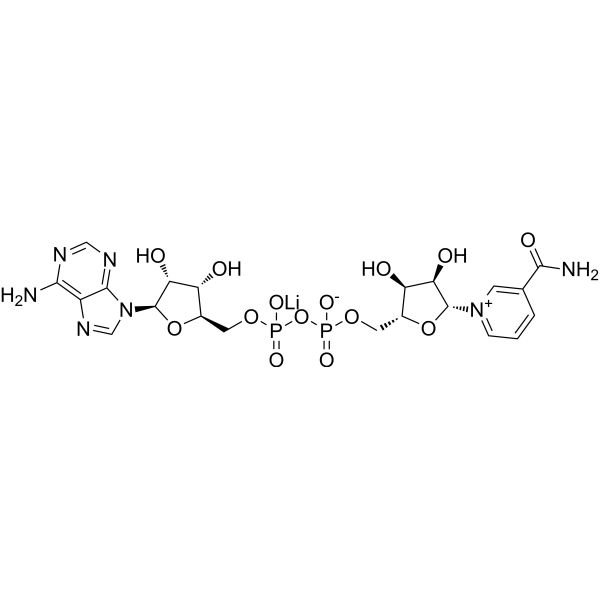
β-DPN lithium; β-NAD lithium; β-Nicotinamide Adenine dinucleotide lithium
|
Biochemical Assay Reagents
|
Metabolic Disease
|
|
NAD+ lithium (β-DPN lithium) is a lithium salt of nicotinamide adenine dinucleotide. NAD+ is a coenzyme in the REDOX reaction. NAD+ can directly or indirectly affect several key cellular functions, including metabolic pathways, DNA repair, chromatin remodeling, cell aging, and immune cell function .
|
-
-
- HY-21545
-
-
-
- HY-176809
-
|
|
STING
|
Cancer
|
|
Parent CDN is a cyclic dinucleotide and a STING agonist. Parent CDN exhibits anti-tumor activity .
|
-
-
- HY-130115
-
|
|
STING
|
Cancer
|
|
IACS-8803 is a highly potent cyclic dinucleotide STING agonist with robust systemic antitumor efficacy .
|
-
-
- HY-101954
-
|
ORI-9020; SB-9000
|
HBV
|
Infection
|
|
Inarigivir (ORI-9020) is a dinucleotide antiviral drug that can significantly reduce liver HBV DNA in transgenic mice expressing hepatitis B virus. Inarigivir (ORI-9020) act as a RIG-I agonist to activate cellular innate immune responses .
|
-
-
- HY-113432S
-
|
|
Endogenous Metabolite
PARP
|
Metabolic Disease
|
|
Nudifloramide-d3 (2PY-d3) is the deuterium labeled Nudifloramide. Nudifloramide (2PY) is one of the end products of nicotinamide-adenine dinucleotide (NAD) degradation. Nudifloramide significantly inhibits poly(ADP-ribose) polymerase (PARP-1) activity in vitro .
|
-
-
- HY-101954A
-
|
ORI-9020 ammonium; SB-9000 ammonium
|
HBV
|
Infection
Inflammation/Immunology
|
|
Inarigivir (ORI-9020) ammonium is a dinucleotide antiviral drug that can significantly reduce liver HBV DNA in transgenic mice expressing hepatitis B virus. Inarigivir (ORI-9020) ammonium acts as a RIG-I (Retinoic acid-inducible gene-I) agonist to activate cellular innate immune responses .
|
-
-
- HY-151936
-
|
|
Bacterial
|
Infection
|
|
LmNADK1-IN-1 (compound MC1) is an inhibitor of nicotinamide adenine dinucleotide kinases (NADK1) from
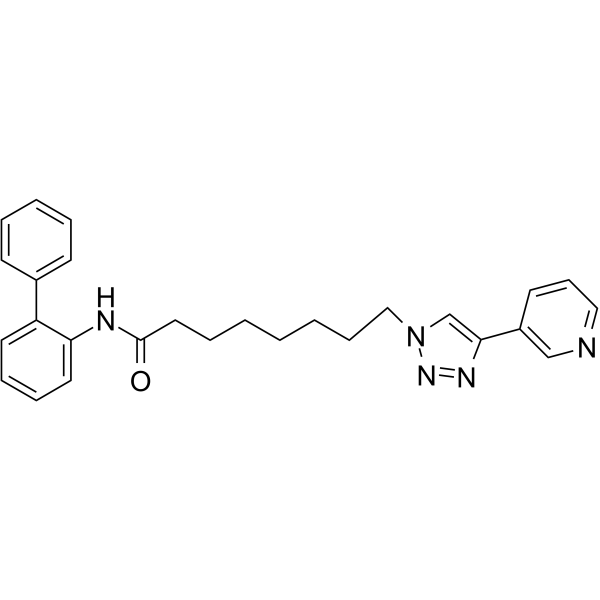
L. monocytogenes with a Ki value of 54 nM. LmNADK1-IN-1 can be used for the research of bacterial infection . LmNADK1-IN-1 is a click chemistry reagent, it contains an Alkyne group and can undergo copper-catalyzed azide-alkyne cycloaddition (CuAAc) with molecules containing Azide groups.
|
-
-
- HY-W250156
-
|
|
Biochemical Assay Reagents
|
Others
|
|
3-Acetylpyridine adenine dinucleotide (disodium) is a biochemical reagent that can be used as a biological material or organic compound for life science related research.
|
-
-
- HY-157438
-
|
|
Bacterial
|
Metabolic Disease
|
|
pppApA is a linear dinucleotide intermediate in the enzymatic production of the bacterial signalling nucleotide c-diAMP. pppApA is formed by conjugation between two molecules of ATP .
|
-
-
- HY-E70410
-
|
NAD+ Synthetase; Nicotinamide adenine dinucleotide synthetase
|
Endogenous Metabolite
|
Neurological Disease
Metabolic Disease
Cancer
|
|
NAD synthetase is responsible for the final step in the synthesis of nicotinamide adenine dinucleotide (NAD). The Km values for NAD, ATP, and ammonia of NAD synthetase from Escherichia coli are 200 μM, 11 μM, and 0.65 μM, respectively, while the Km values for NAD, ATP, and ammonia of NAD synthetase from yeast are 170 μM, 190 μM, and 64 μM, respectively. NAD synthetase can be used for enzymatic assays to determine ATP, ammonia, urea, or creatinine, and is also suitable for enzymatic cycling methods. Additionally, NAD synthetase holds potential for research into metabolic diseases, cancer, aging, and neurodegenerative diseases .
|
-
-
- HY-113432R
-
|
2PY (Standard)
|
Reference Standards
Endogenous Metabolite
PARP
|
Metabolic Disease
|
|
Nudifloramide (Standard) is the analytical standard of Nudifloramide. This product is intended for research and analytical applications. Nudifloramide (2PY) is one of the end products of nicotinamide-adenine dinucleotide (NAD) degradation. Nudifloramide significantly inhibits poly(ADP-ribose) polymerase (PARP-1) activity in vitro .
|
-
-
- HY-148420
-
|
|
STING
|
Inflammation/Immunology
|
|
CDN-A is a cyclic di-nucleotide, it can be used to synthesis antibody-drug conjugate (ADC). Cyclic di-nucleotides are potent stimulators of innate and adaptive immune responses. In humans, cyclic di-nucleotide, which are either produced endogenously in response to foreign DNA or by invading bacterial pathogens, trigger the innate immune system by activating the expression of interferon genes .
|
-
-
- HY-E70406
-
|
CHDH-5
|
Endogenous Metabolite
|
Others
|
|
Cholesterol Dehydrogenase, Nocardia sp. is an enzyme that uses nicotinamide adenine dinucleotide/nicotinamide adenine dinucleotide phosphate (NAD(P)) as its cofactor in oxidizing cholesterol to form cholest-4-en-3-one. This enzyme oxidizes the hydroxyl group at the 3 position of the sterol ring to form a ketone.
|
-
- HY-153838A
-
|
ODN 2395 Control sodium
|
Toll-like Receptor (TLR)
|
Inflammation/Immunology
|
|
ODN 5328 (ODN 2395 Control) sodium can be used as a sequence control for C-class ODN 2395. ODN 5328 sodium shares the sequence with ODN 2395 but contain GpC dinucleotides instead of the CpG motifs.
|
-
- HY-P2940
-
|
|
NAMPT
|
Inflammation/Immunology
|
|
NADase is an ectoenzyme/membrane-bound enzyme targeting nicotinamide adenine dinucleotide (NAD +). NADase regulates intracellular NAD + homeostasis by hydrolyzing NAD + into nicotinamide mononucleotide (NMN) and ADP-ribose. NADase is promising for research of autoimmune diseases (e.g., systemic sclerosis, systemic lupus erythematosus) and aging-related disorders .
|
-
- HY-B0445AR
-
|
β-DPN sodium (Standard); β-NAD sodium (Standard); β-Nicotinamide Adenine dinucleotide sodium (Standard)
|
Endogenous Metabolite
Reference Standards
|
Metabolic Disease
|
|
NAD sodium (Standard) is the analytical standard of NAD sodium. This product is intended for research and analytical applications. NAD (β-Nicotinamide Adenine Dinucleotide) sodium is an analogue of NAD. NAD sodium can be reduced to β-nicotinamide adenine dinucleotide (NADH) during coupling with reactions which oxidize organic substrates. NAD sodium can be converted to β-nicotinamide adenine dinucleotide (NADH) and passes to the inside of mitochondria that indirectly generates ATP .
|
-
- HY-W250154
-
|
|
Endogenous Metabolite
|
Metabolic Disease
|
|
β-Nicotinamide adenine dinucleotide reduced dipotassium is an orally active reduced coenzyme. β-Nicotinamide adenine dinucleotide reduced dipotassium is a donor of ADP-ribose units in ADP-ribosylaton reactions and a precursor of cyclic ADP-ribose. β-Nicotinamide adenine dinucleotide reduced dipotassium plays a role as a regenerative electron donor in cellular energy metabolism, including glycolysis, β-oxidation and the tricarboxylic acid (TCA) cycle .
|
-
- HY-130115B
-
|
|
STING
|
Cancer
|
|
IACS-8803 diammonium is a highly potent cyclic dinucleotide STING agonist. IACS-8803 diammonium has a robust systemic antitumor efficacy .
|
-
- HY-134375
-
|
Cyclic Adenosine-Inosine Monophosphate
|
NF-κB
IFNAR
|
Inflammation/Immunology
|
|
cAIMP (Cyclic Adenosine-Inosine Monophosphate) is an effective synthetic cyclic dinucleotide. cAIMP activates IRF and NF-κB in the THP1 human monocyte reporter cell line (THP1-Dual). cAIMP induces the secretion of IFNs and pro-inflammatory cytokines in vitro in human blood, with an EC50 of 6.4 μmol/L .
|
-
- HY-E70210
-
|
GpC
|
DNA Methyltransferase
|
Cancer
|
|
GpC Methyltransferase (GpC) is a DNA methylating enzyme. GpC Methyltransferase methylates cytosines in GpC dinucleotides in non-nucleosomal DNA in vitro .
|
-
- HY-153838
-
|
ODN 2395 Control
|
Toll-like Receptor (TLR)
|
Inflammation/Immunology
|
|
ODN 5328 (ODN 2395 Control) can be used as a sequence control for C-class ODN 2395. ODN 5328 shares the sequence with ODN 2395 but contain GpC dinucleotides instead of the CpG motifs.
|
-
- HY-139100
-
|
m7GpppA
|
DNA/RNA Synthesis
|
Infection
|
|
N7-Methyl-guanosine-5'-triphosphate-5'-adenosine (m7GpppA) is a dinucleotide cap analog that can be used for in vitro RNA transcription .
|
-
- HY-103305
-
|
|
Fluorescent Dye
Calcium Channel
|
Others
|
|
cis-Ned19 is an irreversible nicotinic acid adenine dinucleotide phosphate (NAADP) antagonist. cis-Ned19 localizes to lysosomes and endolysosomal vesicles, stains two-pore calcium channels and fluorescently labels NAADP receptors (Ex/Em = 365/410 nm) .
|
-
- HY-155100
-
|
|
STING
|
Inflammation/Immunology
Cancer
|
|
BI 7446 is a cyclic dinucleotide (CDN)-based potent and selective stimulator of interferon genes (STING) agonist. BI 7446 can activate all five STING variants in cells and induce tumor-specific immune-mediated tumor rejection. BI 7446 can be used for immuno-oncology research .
|
-
- HY-159857
-
|
Gp(2′-5′)Ap(3′) sodium; 2'5'-GpAp sodium; Guanylyl-(2′→5′)-3′-adenylic acid sodium
|
Nucleoside Antimetabolite/Analog
|
|
|
Gp(2′-5′)Ap sodium is a linear dinucleotide analog after hydrolysis of cyclic guanosine monophosphate- adenosine monophosphate (2’3’-cGAMP) by phosphodiesterases. Due to its linear conformation, 2’5’GpAp is intended to serve as a negative control for 2’3’-cGAMP in type I IFN induction assays.
|
-
- HY-B0456S5
-
|
Vitamin B2-d8 ; E101-d8
|
Isotope-Labeled Compounds
Bacterial
Endogenous Metabolite
|
Metabolic Disease
Cancer
|
Riboflavin-d8 (Vitamin B2-d8 ) is deuterium labeled Riboflavin. Riboflavin, an orally active and easily absorbed micronutrient, is a precursor of flavin mononucleotide (FMN) and flavin adenine dinucleotide (FAD), which serve as coenzymes for numerous enzymatic reactions and perform key metabolic functions by mediating the transfer of electrons in biological oxidation-reduction reaction .
|
-
- HY-131485A
-
|
3-APAD, 95%; 3-Acetylpyridine NAD, 95%
|
Lactate Dehydrogenase
|
Metabolic Disease
|
|
3-Acetylpyridine adenine dinucleotide, 95% (3-APAD, 95%)is an analog of nicotinamide adenine dinucleotide (NAD). 33-Acetylpyridine adenine dinucleotide, 95% collaboratively inhibits Lactate Dehydrogenase (LDH) with bisulfite .
|
-
- HY-176810
-
|
|
STING
|
Cancer
|
|
CDN prodrug-1 (Compound 2) is a STING ligand. CDN prodrug-1 consists of a cyclic dinucleotide (CDN) and a dialanine peptide linker. CDN prodrug-1 can be cleaved following internalization into endolysosomes by cathepsins and subsequently release the parent CDN. CDN prodrug-1 can be used for synthesis nanoparticles for drug delivery research .
|
-
- HY-178966
-
|
|
STING
|
Infection
Inflammation/Immunology
|
|
STING agonist-48 is a potent STING agonist that exhibits STING-dependent activity in vitro (EC50 = 4.02 μM). STING agonist-48 prefers to bind with the transmembrane domain (TMD) over the cytosolic cyclic dinucleotide (CDN) domain. STING agonist-48 shows adjuvant efficacy, enhancing IgG and Th1/Th2 cytokine responses in humanized STING mice. STING agonist-48 can be used for the study of inflammation-related diseases .
|
-
- HY-E70238
-
|
Nicotinamide 2-azidoadenine dinucleotide
|
Glutamate Dehydrogenase (GLDH)
|
Others
|
|
2-Azido-NAD is a NAD + analog that can be used for visualization of intracellular Poly(ADP ribos)ylation (PARylation) processes .
|
-
- HY-139586C
-
|
MK-1454 (isomer 3)
|
STING
|
Cancer
|
|
Ulevostinag (isomer 3) (example 246) is a potent cyclic dinucleotide agonist stimulator of interferon genes (STING). Ulevostinag (isomer 3) plays an important role in anti-tumor research .
|
-
- HY-177842
-
|
|
Liposome
|
Metabolic Disease
|
|
Liposomal NAD+ is a specialized delivery system that encapsulates NAD+ within tiny liposomes. These liposomes act as protective shells, enhancing the absorption and bioavailability of NAD+. NAD+ (β-Nicotinamide adenine dinucleotide), also known as Coenzym
|
-
- HY-134280
-
|
Nicotinamide 8-Br-hypoxanthine dinucleotide
|
Drug Derivative
|
Others
|
|
8-Br-NHD+ (Nicotinamide 8-Br-hypoxanthine dinucleotide) is a derivative of NAD+ (nicotinamide adenine dinucleotide) that acts as a potential substrate, competitive inhibitor or modulator of enzymes that interact with β-NAD+. 8-Br-NHD+ can be used to synthesize a cyclic ADP nucleotide (cADPR) analog .
|
-
- HY-B1654AR
-
|
FAD disodium salt (Standard); FAD-Na2 (Standard)
|
Reference Standards
Endogenous Metabolite
|
Cardiovascular Disease
|
|
Flavin adenine dinucleotide (disodium salt) (Standard) is the analytical standard of Flavin adenine dinucleotide (disodium salt). This product is intended for research and analytical applications. Flavin adenine dinucleotide (FAD) disodium salt is a redox cofactor, more specifically a prosthetic group of a protein, involved in several important enzymatic reactions in metabolism.
|
-
- HY-137592A
-
|
ε-NAD sodium
|
Fluorescent Dye
|
Others
|
|
Nicotinamide 1,N6-ethenoadenine dinucleotide (ε-NAD) sodium, a fluorescent analogue of NAD, is able to serve as a substrate for the bacterial toxincatalyzed G-ADP ribosylation of signal-transducing G-proteins. Nicotinamide 1,N6-ethenoadenine dinucleotide sodium can be used as a fluorescent substrate for the studies of the ADP ribosylation reaction .
|
-
- HY-159849
-
-
- HY-157438A
-
|
|
Bacterial
|
Metabolic Disease
|
|
pppApA sodium is a linear dinucleotide intermediate in the enzymatic production of the bacterial signalling nucleotide c-diAMP. pppApA sodium is formed by conjugation between two molecules of ATP .
|
-
- HY-137593A
-
|
ε-NADP+ trisodium
|
Drug Derivative
|
Metabolic Disease
|
|
N6-Etheno-nicotinamide dinucleotide phosphate (ε-NADP+) trisodium, a structural analogue of the NADP(+), is a maize malic enzyme inhibitor with a Ki of 1.01 μM .
|
-
- HY-172321
-
|
Nicotinic acid 1,N6-ethenoadenine dinucleotide phosphate sodium
|
Fluorescent Dye
|
Others
|
|
Etheno-NAADP (Nicotinic acid 1,N6-ethenoadenine dinucleotide phosphate) sodium is a fluorescent product of NAADP (HY-103317). Etheno-NAADP sodium could activate Ca 2+ release from sea urchin egg homogenates with an EC50 of 5 µM (Ex/Em = 275/410 nm) .
|
-
- HY-159806
-
-
- HY-163941
-
|
|
DNA/RNA Synthesis
|
Cancer
|
|
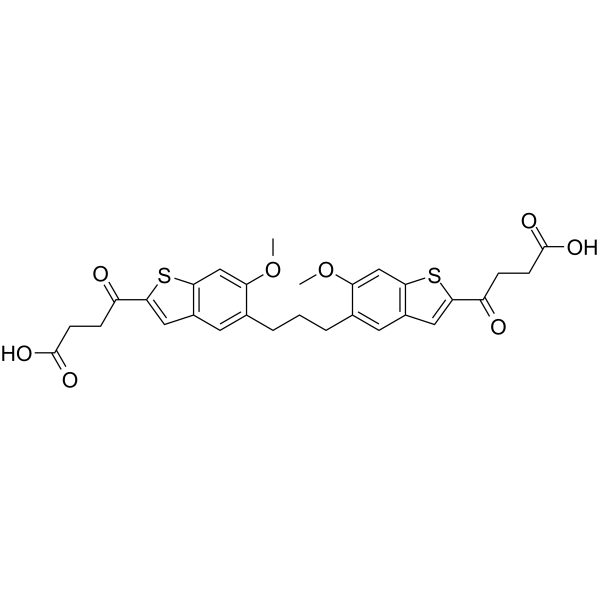
GSK_WRN2 is a potent and selective covalent WRN helicase inhibitor that suppresses replication stress caused by DNA (TA)n dinucleotide repeat expansions. GSK_WRN2 can be used to study microsatellite instability (MSI) cancers .
|
-
- HY-131041
-
|
|
Calcium Channel
|
Cardiovascular Disease
|
|
Ned-K is a nicotinic acid adenine dinucleotide phosphate (NAADP) antagonist. Ned-K is effective at dampening simulated ischaemia and reperfusion (sIR)-induced Ca 2+ oscillations in cardiomyocytes .
|
-
- HY-156205
-
|
|
Phosphodiesterase (PDE)
|
Infection
|
|
CdnP-IN-1 (compound c82) is a potent and selective non-nucleotide MTB CDN PDE (CdnP; Mycobacterium tuberculosis cyclic dinucleotide phosphodiesterase) inhibitor with an IC50 of 18 μM. CdnP-IN-1 does not inhibit the enzymatic activities of three other bacterial CDN PDEs (Yybt, RocR, and GBS-CdnP), a viral CDN PDE (poxin) or mammalian ENPP1 .
|
-
- HY-113273B
-
|
|
Endogenous Metabolite
|
Metabolic Disease
|
|
Diadenosine pentaphosphate pentaammonium is an endogenous vasoactive purine dinucleotide which has been isolated from thrombocytes. Diadenosine polyphosphates (ApnA, n=2–7) have been identified as constituents of secretory vesicles such as in platelets, chromaffin cells, Torpedo synaptic terminals and brain synaptosomes .
|
-
- HY-113273C
-
|
|
Endogenous Metabolite
|
Metabolic Disease
|
|
Diadenosine pentaphosphate pentalithium is an endogenous vasoactive purine dinucleotide which has been isolated from thrombocytes. Diadenosine polyphosphates (ApnA, n=2–7) have been identified as constituents of secretory vesicles such as in platelets, chromaffin cells, Torpedo synaptic terminals and brain synaptosomes .
|
-
- HY-156424
-
|
|
NADPH Oxidase
|
Inflammation/Immunology
|
|
NOX2-IN-1 (compound 10) is an inhibitor of nicotinamide adenine dinucleotide phosphate oxidase isoform 2 (NOX2). NOX2-IN-1 targets the p47phox p22phox protein protein interaction with favorable binding affinities and cellular activities .
|
-
- HY-164771
-
|
UpA
|
DNA/RNA Synthesis
|
Others
|
|
Uridylyl-(3′→5′)-adenosine (UpA) is a dinucleotide, which is composed of a unrail base and an adenosine suger molecule through a 3'-5' phosphodiester bond. Uridylyl-(3′→5′)-adenosine participates in the biological processes, such as gene expression regulation, signal transduction, and protein synthesis .
|
-
- HY-134355
-
|
|
PARP
|
Others
|
|
ADPRP is an intranuclear enzyme whose main activity is to use NAD+ (nicotinamide adenine dinucleotide) as a substrate to add ADP-ribose units to chromatin-bound proteins, including the ADPRP enzyme itself. This process, called poly(ADP-ribosylation), is a post-translational modification that regulates the interaction between DNA and nuclear proteins .
|
-
- HY-130116A
-
|
|
STING
|
Cancer
|
|
IACS-8779 disodium is a highly potent stimulator of interferon genes (STING) agonist with robust systemic antitumor efficacy. IACS-8779 disodium shows robust activation of the STING pathway in vitro and a superior systemic anti-tumor response in the B16 murine model of melanoma .
|
-
- HY-157339
-
-
- HY-169225
-
|
PDIC-NS free base
|
STING
Apoptosis
Reactive Oxygen Species (ROS)
|
Inflammation/Immunology
Cancer
|
|
PDIC-NN (PDIC-NS free base) is a STING activator with anticancer activity. PDIC-NN promotes the content and biostability of endogenous cyclic dinucleotides (CDNs). PDIC-NN triggers ROS burst and causes serious damage to mitochondria. PDIC-NN induces cell apoptosis and inhibits DNA replication. PDIC-NN activates cGAS-STING signaling pathway, enhances the immunogenicity of tumor cells and activates a robust innate immune response .
|
-
- HY-DY1108
-
|
ε-NAD (solution)
|
Glutamate Dehydrogenase (GLDH)
Phosphodiesterase (PDE)
Fluorescent Dye
|
Others
|
Nicotinamide 1,N6-ethenoadenine dinucleotide (solution) (ε-NAD (solution)) is a fluorescent analog of NAD. Nicotinamide 1,N6-ethenoadenine dinucleotide can be cleaved by phosphodiesterase I (from C. adamanteus venom) and binds to bovine liver glutamate dehydrogenase. Nicotinamide 1,N6-ethenoadenine dinucleotide can serve as a substrate for G-ADP ribosylation of G proteins catalyzed by bacterial toxins. Nicotinamide 1,N6-ethenoadenine dinucleotide can be used as a fluorescent substrate for the study of ADP ribosylation reactions . Solvent and concentration: ddH2O: 20 mM
|
-
- HY-186116A
-
|
|
Histone Demethylase
|
Neurological Disease
|
|
LSD1-IN-49 hydrochloride (Compound (±) 1) is an irreversible LSD1/KDM1A inhibitor with an IC50 of 29 nM against hLSD1. LSD1-IN-49 hydrochloride irreversibly inhibits the enzymatic activity of LSD1 by forming an adduct with flavin adenine dinucleotide (FAD) in the binding pocket of LSD1. LSD1-IN-49 hydrochloride is applicable to research related to schizophrenia, autism spectrum disorder and Huntington's disease .
|
-
- HY-186116
-
|
|
Histone Demethylase
|
Others
|
|
LSD1-IN-49 is a Lysine-specific demethylase 1 (LSD1/KDM1A) inhibitor with a human IC50 of 29 nM. LSD1-IN-49 irreversibly inhibits LSD1 enzyme activity by forming an adduct with the flavin adenine dinucleotide (FAD) cofactor of LSD1. LSD1-IN-49 can be used as a lead compound for the development of LSD1-targeted PET imaging agents for the brain .
|
-
- HY-186105
-
|
|
NAMPT
|
Neurological Disease
|
|
P7C3-S243 is a brain-penetrant P7C3 class of neuroprotective agent. P7C3-S243 augments synthesis of nicotinamide adenine dinucleotide through activation of the metabolic enzyme nicotinamide phosphoribosyltransferase. P7C3-S243 shows potent neuroprotective efficacy in parkinson’s disease mice models. P7C3-S243 can be used for the research of parkinson’s disease .
|
-
- HY-171416
-
|
|
Drug Derivative
|
Others
|
|
LCD36, a derivative of nicotinamide adenine dinucleotide (NAD), can be used for synthesis of PARP-1 tracers for positron emission tomography (PET) imaging of the enzyme activity of PARP-1 .
|
-
- HY-134392A
-
|
|
Nucleoside Antimetabolite/Analog
|
Others
|
|
6-Alkyne-NAD+ sodium is a nicotinamide adenine dinucleotide (NAD) analogue. 6-Alkyne-NAD+ sodium can be used as a fluorescent probe coupled with fluorescent labels for marking ADP-ribose polymerase substrate proteins .
|
-
- HY-P2889A
-
|
|
Endogenous Metabolite
|
Metabolic Disease
|
|
Pyranose Oxidase, E. coli (EC 1.1.3.10) catalyzes the oxidation of aldopyranoses at position C-2 to yield the corresponding 2-ketoaldoses. Pyranose Oxidase is a homotetrameric protein that contains covalently bound flavin adenine dinucleotide (FAD).
|
-
- HY-125863D
-
|
|
Endogenous Metabolite
|
Metabolic Disease
|
|
Glucose-6-phosphate dehydrogenase, Torula yeast (EC 1.1.1.49), is a cytoplasmic enzyme located in the pentose phosphate pathway, a metabolic pathway that provides reducing energy to cells (e.g., erythrocytes) by maintaining the level of the coenzyme nicotinamide adenine dinucleotide phosphate (NADPH).
|
-
- HY-E71039
-
|
|
Biochemical Assay Reagents
|
Others
|
|
Chemically modified Glucose-6-phosphate Dehydrogenase, Leuconostoc mesenteroides is a cytosolic enzyme. Chemically modified Glucose-6-phosphate Dehydrogenase, Leuconostoc mesenteroides is in the pentose phosphate pathway, a metabolic pathway that supplies reducing energy to cells (such as erythrocytes) by maintaining the level of the co-enzyme nicotinamide adenine dinucleotide phosphate (NADPH) .
|
-
- HY-174519
-
|
|
mRNA
|
Inflammation/Immunology
|
|
Human TLR9 mRNA encodes the human toll like receptor 9 (TLR9) protein, a member of the Toll-like receptor (TLR) family which plays a fundamental role in pathogen recognition and activation of innate immunity. TLR9 mediates cellular response to unmethylated CpG dinucleotides in bacterial DNA to mount an innate immune response.
|
-
- HY-113432S2
-
|
2PY-13C,d3
|
Isotope-Labeled Compounds
Endogenous Metabolite
PARP
|
Metabolic Disease
|
|
Nudifloramide- 13C,d3 (2PY- 13C,d3) is the 13C- and deuterium labeled Nudifloramide (HY-113432). Nudifloramide (2PY) is one of the end products of nicotinamide-adenine dinucleotide (NAD) degradation. Nudifloramide significantly inhibits poly(ADP-ribose) polymerase (PARP-1) activity in vitro .
|
-
- HY-182025
-
|
|
Endogenous Metabolite
|
Neurological Disease
|
|
NAD+ potentiator-1 (Compound R-4b) is a NAD potentiator. NAD+ potentiator-1 increases NAD levels in primary cortical neurons. NAD+ potentiator-1 is used for the research of neurodegenerative diseases .
|
-
- HY-169225A
-
|
PDIC-NS
|
STING
Apoptosis
Reactive Oxygen Species (ROS)
|
Inflammation/Immunology
Cancer
|
|
PDIC-NN dimethanesulfonate (PDIC-NS) is a STING activator with anticancer activity. PDIC-NN dimethanesulfonate promotes the content and biostability of endogenous cyclic dinucleotides (CDNs). PDIC-NN dimethanesulfonate triggers ROS burst and causes serious damage to mitochondria. PDIC-NN dimethanesulfonate induces cell apoptosis and inhibits DNA replication. PDIC-NN dimethanesulfonate activates cGAS-STING signaling pathway, enhances the immunogenicity of tumor cells and activates a robust innate immune response .
|
-
- HY-161712
-
|
|
IMPDH
|
Cancer
|
|
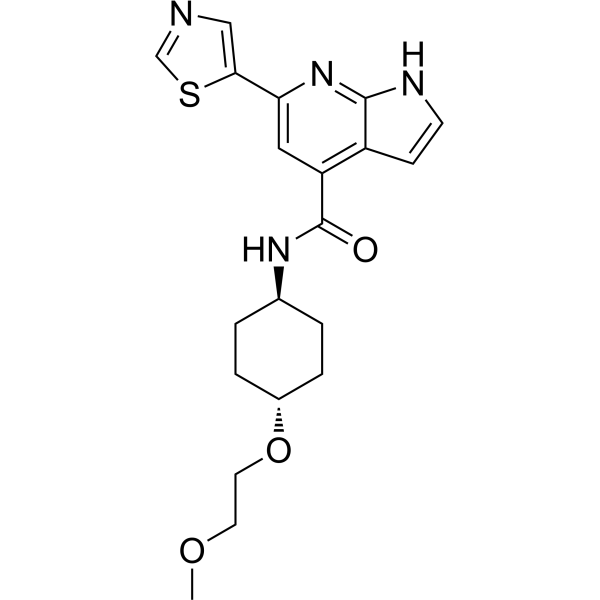
IMPDH-IN-4 is a derivative of N-pyridinylthiophene carboxamid that exhibits activity against peripheral nerve sheath carcinoma cells. IMPDH-IN-4 is metabolized by NAMPT and NMNAT1 to an adenine dinucleotide (AD) derivative, which is an NAD analog and can inhibit inosine monophosphate dehydrogenase (IMPDH), leading to the accumulation of inosine monophosphate (IMP) in cells. IMPDH-IN-4 has good blood-brain barrier permeability and can be used in the study of central and peripheral nervous system cancers .
|
-
- HY-101954AR
-
|
ORI-9020 ammonium (Standard); SB-9000 ammonium (Standard)
|
Reference Standards
HBV
|
Infection
Inflammation/Immunology
|
|
Inarigivir ammonium (Standard) is the analytical standard of Inarigivir ammonium (HY-101954A). This product is intended for research and analytical applications. Inarigivir (ORI-9020) ammonium is a dinucleotide antiviral drug that can significantly reduce liver HBV DNA in transgenic mice expressing hepatitis B virus. Inarigivir (ORI-9020) ammonium acts as a RIG-I (Retinoic acid-inducible gene-I) agonist to activate cellular innate immune responses .
|
-
- HY-141662
-
|
|
STING
Drug-Linker Conjugates for ADC
|
Inflammation/Immunology
Cancer
|
|
2’,3’-cGAMP-C2-PPA is a cyclic dinucleotide interferon gene-stimulating protein (STING) agonist. 2’,3’-cGAMP-C2-PPA is a drug conjugated conjugate used to target antibody-drug conjugated conjugate (ADC) for the treatment of cancer. 2’,3’-cGAMP-C2-PPA can be used in the study of immune and tumor-related diseases .
|
-
- HY-W008091
-
|
|
DNA/RNA Synthesis
Endogenous Metabolite
|
Cancer
|
|
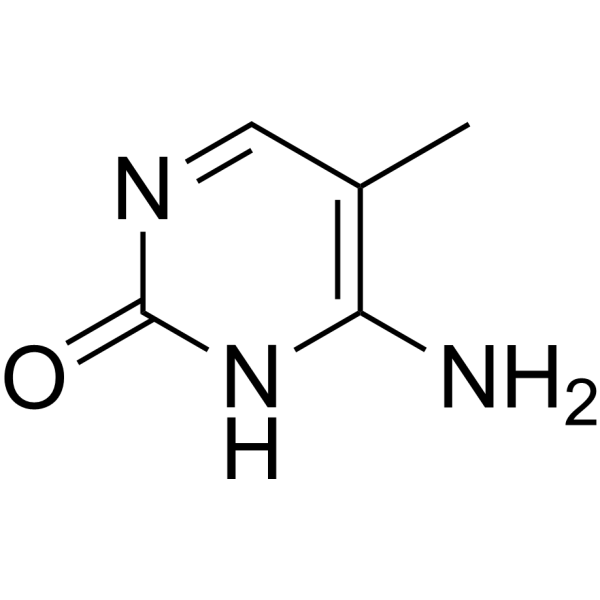
5-Methylcytosine is a well-characterized DNA modification in prokaryotes and eukaryotes. 5-Methylcytosine forms symmetrical methylation on CpG dinucleotides in DNA, stabilizes tRNA/rRNA structure in RNA, and affects mRNA translation. 5-Methylcytosine can be oxidized to generate 5hmC, 5fC, and 5caC. 5-Methylcytosine can be used in epigenetics, developmental biology, and the study of diseases such as colorectal cancer and hepatocellular carcinoma .
|
-
- HY-W008091A
-
|
|
DNA/RNA Synthesis
Endogenous Metabolite
|
Cancer
|
|
5-Methylcytosine hydrochloride is a well-characterized DNA modification in prokaryotes and eukaryotes. 5-Methylcytosine hydrochloride forms symmetrical methylation on CpG dinucleotides in DNA, stabilizes tRNA/rRNA structure in RNA, and affects mRNA translation. 5-Methylcytosine hydrochloride can be oxidized to generate 5hmC, 5fC, and 5caC. 5-Methylcytosine hydrochloride can be used in epigenetics, developmental biology, and the study of diseases such as colorectal cancer and hepatocellular carcinoma .
|
-
- HY-112880
-
|
|
Drug Derivative
STING
NF-κB
IFNAR
Interleukin Related
|
Infection
Cancer
|
|
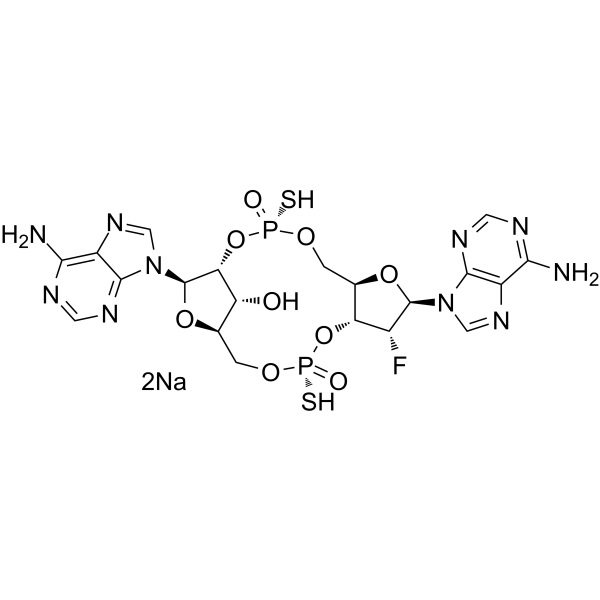
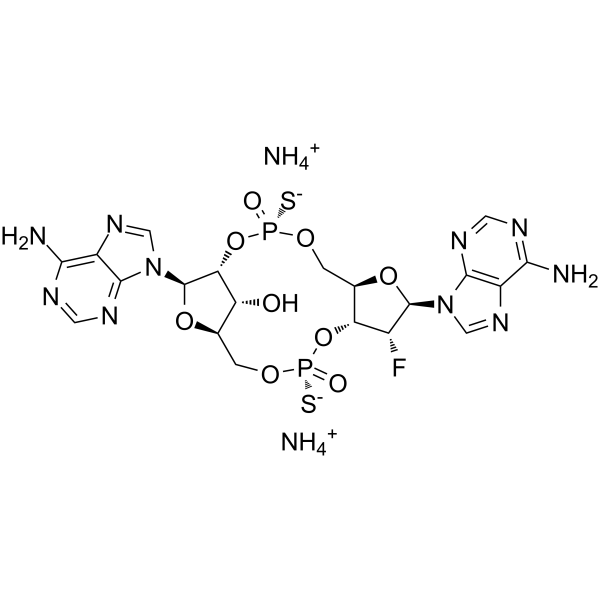
c-(2'FdAMP-2'FdIMP) (Compound 52),a derivative of cAIMP (HY-134375), is a cyclic dinucleotide (CDN). c-(2'FdAMP-2'FdIMP) is a STING activator and significantly induce STING-dependent IRF and NF-κB pathway signaling. c-(2'FdAMP-2'FdIMP) can be used for STING-based immunotherapy, such as cancers and infectious diseases research .
|
-
- HY-131615
-
|
|
Sodium Channel
|
Others
|
|
TPC2-A1-P is a powerful and membrane permeable agonist of two pore channel 2 (TPC2) with an EC50 of 10.5 μM. TPC2-A1-P plays its role by mimicking the physiological actions of PI(3,5)P2. TPC2-A1-P also shows higher potency to induce Na 2+ mobilisation from TPC2 than TPC-A1-N (HY-131614). TPC2-A1-P can be used to probe different functions of TPC2 channels in intact cells .
|
-
- HY-175593
-
-
- HY-W654288
-
|
β-DPN-d4; β-NAD-d4; β-Nicotinamide Adenine dinucleotide-d4
|
Isotope-Labeled Compounds
|
Others
|
|
NAD+-d4 is the deuterium-labeled NAD+ (HY-B0445). NAD+-d4 is a coenzyme composed of ribosylnicotinamide 5'-diphosphate coupled to adenosine 5'-phosphate by pyrophosphate linkage.
|
-
- HY-131614
-
|
|
Calcium Channel
|
Others
|
|
TPC2-A1-N is a powerful and Ca 2+-permeable agonist of two pore channel 2 (TPC2), which plays its role by mimicking the physiological actions of NAADP. TPC2-A1-P reproducibly evokes significant Ca 2+ responses from TPC2 (EC50=7.8 μM), and the effect can be blocked by several TPC blockers. TPC2-A1-N can be used to probe different functions of TPC2 channels in intact cells .
|
-
- HY-W008091S
-
|
|
DNA/RNA Synthesis
Endogenous Metabolite
Isotope-Labeled Compounds
|
Cancer
|
|
5-Methylcytosine-d4 is the deuterium labeled 5-Methylcytosine (HY-W008091). 5-Methylcytosine is a well-characterized DNA modification in prokaryotes and eukaryotes. 5-Methylcytosine forms symmetrical methylation on CpG dinucleotides in DNA, stabilizes tRNA/rRNA structure in RNA, and affects mRNA translation. 5-Methylcytosine can be oxidized to generate 5hmC, 5fC, and 5caC. 5-Methylcytosine can be used in epigenetics, developmental biology, and the study of diseases such as colorectal cancer and hepatocellular carcinoma .
|
-
- HY-172919
-
|
|
Phosphodiesterase (PDE)
NAMPT
Apoptosis
|
Cancer
|
|
PDEδ/NAMPT IN-1 (Compound 17d) is a dual inhibitor targeting phosphodiesterase 6 (PDE6) (KD=0.410 nM) and nicotinamide phosphoribosyl transferase (NAMPT) (IC50=2.21 nM). PDEδ/NAMPT IN-1 blocks KRAS-related signal transduction and interferes with the synthesis of nicotinamide adenine dinucleotide (NAD +), inducing apoptosis in KRAS mutant pancreatic cancer cells. PDEδ/NAMPT IN-1 is promising for research of KRAS mutant pancreatic cancer .
|
-
- HY-E70989A
-
|
|
Biochemical Assay Reagents
|
Metabolic Disease
|
|
D-Fructose Dehydrogenase, Gluconobacter industrius (EC 1.1.99.11) is a heterotrimeric membrane-bound enzyme commonly seen in various Gluconobacter sp. especially in Gluconobacter japonicus (Gluconobacter industrius) .D-Fructose Dehydrogenase consists of subunits I (67kDa), II (51 kDa), and III (20 kDa) and catalyzes the oxidation of D-fructose to produce 5-keto-D-fructose. D-Fructose Dehydrogenase is a flavoprotein-cytochrome c complex with subunits I and II covalently bound to flavin adenine dinucleotide (FAD) and heme C as prosthetic groups, respectively.
|
-
- HY-E70989
-
|
|
Biochemical Assay Reagents
|
Metabolic Disease
|
|
D-Fructose Dehydrogenase, Gluconobacter industrius (EC 1.1.99.11) is a heterotrimeric membrane-bound enzyme commonly seen in various Gluconobacter sp. especially in Gluconobacter japonicus (Gluconobacter industrius) .D-Fructose Dehydrogenase consists of subunits I (67kDa), II (51 kDa), and III (20 kDa) and catalyzes the oxidation of D-fructose to produce 5-keto-D-fructose. D-Fructose Dehydrogenase is a flavoprotein-cytochrome c complex with subunits I and II covalently bound to flavin adenine dinucleotide (FAD) and heme C as prosthetic groups, respectively.
|
-
- HY-B0445S
-
|
β-DPN-13C5 ammonium; β-NAD-13C5 ammonium; β-Nicotinamide Adenine dinucleotide-13C5 ammonium
|
Isotope-Labeled Compounds
|
Metabolic Disease
|
|
NAD+-13C5 (ammonium) is the 13C labled NAD+ (HY-B0445), with an ammonium .
|
-
- HY-W008091R
-
|
|
Reference Standards
DNA/RNA Synthesis
Endogenous Metabolite
|
Cancer
|
|
5-Methylcytosine (Standard) is the analytical standard of 5-Methylcytosine (HY-W008091). This product is intended for research and analytical applications. 5-Methylcytosine is a well-characterized DNA modification in prokaryotes and eukaryotes. 5-Methylcytosine forms symmetrical methylation on CpG dinucleotides in DNA, stabilizes tRNA/rRNA structure in RNA, and affects mRNA translation. 5-Methylcytosine can be oxidized to generate 5hmC, 5fC, and 5caC. 5-Methylcytosine can be used in epigenetics, developmental biology, and the study of diseases such as colorectal cancer and hepatocellular carcinoma .
|
-
- HY-172533
-
|
|
STING
|
Cancer
|
|
3’,5’-DiOA-dC is a hydrophobic nucleotide lipid and a ligand for the STING agonist c-di-GMP (CDG). 3’,5’-DiOA-dC can assemble with CDG and form stable cyclic dinucleotide nanoparticles via various supramolecular forces driven by molecular recognition. 3’,5’-DiOA-dC can decrease tumor weight and volume, increase CD8 T cell, neutrophils as well as NK cell counts in tumor microenvironment in combination with CDG. 3’,5’-DiOA-dC also increases the levels of TNF-α and IFN-γ in murine melanoma model .
|
-
- HY-181542
-
|
|
Aldose Reductase
|
Cancer
|
|
SG-55 is a selective, noncompetitive and orally active AKR1C3 inhibitor with an IC50 of 5 nM and a Ki of 10 nM. SG-55 shows >2000-fold selectivity for AKR1C3 over AKR1C1, AKR1C2, and AKR1C4 (> 10 μM). SG-55 increases the ratio of reduced/oxidized nicotinamide adenine dinucleotide phosphate (NADPH/NADP +), decreases the ratio of reduced/oxidized glutathione (GSH/GSSG), and induces DNA double-strand breaks. SG-55 can overcome Osimertinib (HY-15772) resistance mediated by EGFR C797S triple mutation in non-small cell lung cancer (NSCLC) .
|
-
- HY-113273A
-
|
|
P2X Receptor
|
Neurological Disease
|
|
Diadenosine pentaphosphate pentasodium is an agonist and negative modulator of the P2X1 receptor, an endogenous vasoactive purine dinucleotide that can be isolated from platelets. Diadenosine pentaphosphate pentasodium mediates negative regulation of dendrite growth and number by activating homologous and heterologous P2X1 receptors, which triggers a transient and moderate increase in intracellular calcium levels within dendritic growth cones. Diadenosine pentaphosphate pentasodium is widely present in secretory vesicles such as platelets, chromaffin cells and brain synaptosomes, and exhibits selective activity on dendrite growth of cultured hippocampal neurons, inhibiting only dendrite growth without affecting axon growth. Diadenosine pentaphosphate pentasodium has a weaker ability to compete with RcCHAD for binding to polyP than short-chain polyPs .
|
-
| Cat. No. |
Product Name |
Type |
-
- HY-B0445GL
-
|
β-DPN (GMP Like); β-NAD (GMP Like); β-Nicotinamide Adenine dinucleotide (GMP Like)
|
Fluorescent Dye
|
|
NAD+ (GMP Like) is NAD+ (HY-B0445) produced by using GMP like guidelines. GMP Like small molecules works appropriately as an auxiliary reagent for cell therapy manufacture. NAD+ is a coenzyme composed of ribosylnicotinamide 5'-diphosphate coupled to adenosine 5'-phosphate by pyrophosphate linkage.
|
| Cat. No. |
Product Name |
Type |
-
- HY-B0445A
-
|
β-DPN sodium; β-NAD sodium; β-Nicotinamide Adenine dinucleotide sodium
|
Biochemical Assay Reagents
|
|
NAD sodium is an orally effective cofactor and homeostatic regulator. NAD sodium can be reduced to β-nicotinamide adenine dinucleotide (NADH) during coupling with reactions that oxidize organic substrates. NAD sodium can be converted to β-nicotinamide adenine dinucleotide (NADH) and passes to the inside of mitochondria, which indirectly generates ATP. NAD sodium can be used for the research of non-alcoholic fatty liver disease, obesity, and glucose intolerance .
|
-
- HY-B0445GL
-
|
β-DPN (GMP Like); β-NAD (GMP Like); β-Nicotinamide Adenine dinucleotide (GMP Like)
|
Biochemical Assay Reagents
|
|
NAD+ (GMP Like) is NAD+ (HY-B0445) produced by using GMP like guidelines. GMP Like small molecules works appropriately as an auxiliary reagent for cell therapy manufacture. NAD+ is a coenzyme composed of ribosylnicotinamide 5'-diphosphate coupled to adenosine 5'-phosphate by pyrophosphate linkage.
|
-
- HY-131485
-
|
3-APAD, 90%; 3-Acetylpyridine NAD, 90%
|
Biochemical Assay Reagents
|
|
3-Acetylpyridine adenine dinucleotide, 90% is an analog of nicotinamide adenine dinucleotide (NAD). 33-Acetylpyridine adenine dinucleotide, 90% collaboratively inhibits Lactate Dehydrogenase (LDH) with bisulfite .
|
-
- HY-154924
-
|
S-NADP
|
Biochemical Assay Reagents
|
|
Thio-NADP (S-NADP) is a nicotinic acid adenine dinucleotide phosphate (NAADP) inhibitor. Thio-NADP activates partial Ca 2+ release .
|
-
- HY-W250163
-
|
β-DPN lithium; β-NAD lithium; β-Nicotinamide Adenine dinucleotide lithium
|
Biochemical Assay Reagents
|
|
NAD+ lithium (β-DPN lithium) is a lithium salt of nicotinamide adenine dinucleotide. NAD+ is a coenzyme in the REDOX reaction. NAD+ can directly or indirectly affect several key cellular functions, including metabolic pathways, DNA repair, chromatin remodeling, cell aging, and immune cell function .
|
-
- HY-W250156
-
|
|
Biochemical Assay Reagents
|
|
3-Acetylpyridine adenine dinucleotide (disodium) is a biochemical reagent that can be used as a biological material or organic compound for life science related research.
|
-
- HY-B0445AR
-
|
β-DPN sodium (Standard); β-NAD sodium (Standard); β-Nicotinamide Adenine dinucleotide sodium (Standard)
|
Biochemical Assay Reagents
|
|
NAD sodium (Standard) is the analytical standard of NAD sodium. This product is intended for research and analytical applications. NAD (β-Nicotinamide Adenine Dinucleotide) sodium is an analogue of NAD. NAD sodium can be reduced to β-nicotinamide adenine dinucleotide (NADH) during coupling with reactions which oxidize organic substrates. NAD sodium can be converted to β-nicotinamide adenine dinucleotide (NADH) and passes to the inside of mitochondria that indirectly generates ATP .
|
-
- HY-W250154
-
|
|
Biochemical Assay Reagents
|
|
β-Nicotinamide adenine dinucleotide reduced dipotassium is an orally active reduced coenzyme. β-Nicotinamide adenine dinucleotide reduced dipotassium is a donor of ADP-ribose units in ADP-ribosylaton reactions and a precursor of cyclic ADP-ribose. β-Nicotinamide adenine dinucleotide reduced dipotassium plays a role as a regenerative electron donor in cellular energy metabolism, including glycolysis, β-oxidation and the tricarboxylic acid (TCA) cycle .
|
-
- HY-139100
-
|
m7GpppA
|
Biochemical Assay Reagents
|
|
N7-Methyl-guanosine-5'-triphosphate-5'-adenosine (m7GpppA) is a dinucleotide cap analog that can be used for in vitro RNA transcription .
|
-
- HY-131485A
-
|
3-APAD, 95%; 3-Acetylpyridine NAD, 95%
|
Biochemical Assay Reagents
|
|
3-Acetylpyridine adenine dinucleotide, 95% (3-APAD, 95%)is an analog of nicotinamide adenine dinucleotide (NAD). 33-Acetylpyridine adenine dinucleotide, 95% collaboratively inhibits Lactate Dehydrogenase (LDH) with bisulfite .
|
| Cat. No. |
Product Name |
Category |
Target |
Chemical Structure |
| Cat. No. |
Product Name |
Chemical Structure |
-
- HY-W654288
-
|
|
|
NAD+-d4 is the deuterium-labeled NAD+ (HY-B0445). NAD+-d4 is a coenzyme composed of ribosylnicotinamide 5'-diphosphate coupled to adenosine 5'-phosphate by pyrophosphate linkage.
|
-
-
- HY-B0445S
-
|
|
|
NAD+-13C5 (ammonium) is the 13C labled NAD+ (HY-B0445), with an ammonium .
|
-
-
- HY-B1654S
-
|
|
|
Flavin adenine dinucleotide- 13C5 (FAD- 13C5) ammonium is 13C labeled Flavin adenine dinucleotide (HY-B1654). Flavin adenine dinucleotide (FAD) is a redox cofactor, more specifically a prosthetic group of a protein, involved in several important enzymatic reactions in metabolism.
|
-
-
- HY-113432S
-
|
|
|
Nudifloramide-d3 (2PY-d3) is the deuterium labeled Nudifloramide. Nudifloramide (2PY) is one of the end products of nicotinamide-adenine dinucleotide (NAD) degradation. Nudifloramide significantly inhibits poly(ADP-ribose) polymerase (PARP-1) activity in vitro .
|
-
-
- HY-W008091S
-
|
|
|
5-Methylcytosine-d4 is the deuterium labeled 5-Methylcytosine (HY-W008091). 5-Methylcytosine is a well-characterized DNA modification in prokaryotes and eukaryotes. 5-Methylcytosine forms symmetrical methylation on CpG dinucleotides in DNA, stabilizes tRNA/rRNA structure in RNA, and affects mRNA translation. 5-Methylcytosine can be oxidized to generate 5hmC, 5fC, and 5caC. 5-Methylcytosine can be used in epigenetics, developmental biology, and the study of diseases such as colorectal cancer and hepatocellular carcinoma .
|
-
-
- HY-B0456S5
-
|
|
Riboflavin-d8 (Vitamin B2-d8 ) is deuterium labeled Riboflavin. Riboflavin, an orally active and easily absorbed micronutrient, is a precursor of flavin mononucleotide (FMN) and flavin adenine dinucleotide (FAD), which serve as coenzymes for numerous enzymatic reactions and perform key metabolic functions by mediating the transfer of electrons in biological oxidation-reduction reaction .
|
-
-
- HY-113432S2
-
|
|
|
Nudifloramide- 13C,d3 (2PY- 13C,d3) is the 13C- and deuterium labeled Nudifloramide (HY-113432). Nudifloramide (2PY) is one of the end products of nicotinamide-adenine dinucleotide (NAD) degradation. Nudifloramide significantly inhibits poly(ADP-ribose) polymerase (PARP-1) activity in vitro .
|
-
| Cat. No. |
Product Name |
|
Classification |
-
- HY-45491
-
|
2'-F-Ac-dC Phosphoramidite; DMT-2′Fluoro-dC(ac) Phosphoramidite
|
|
Phosphoramidites
Cytosine
|
|
Dmt-2'-f-dc(ac) amidite (2'-F-Ac-dC Phosphoramidite) is a phosphoramidite which can be used in the preparation of cyclic purine dinucleotides .
|
-
- HY-113273A
-
|
|
|
Nucleotide Analogs
Adenine Nucleotide
|
|
Diadenosine pentaphosphate pentasodium is an agonist and negative modulator of the P2X1 receptor, an endogenous vasoactive purine dinucleotide that can be isolated from platelets. Diadenosine pentaphosphate pentasodium mediates negative regulation of dendrite growth and number by activating homologous and heterologous P2X1 receptors, which triggers a transient and moderate increase in intracellular calcium levels within dendritic growth cones. Diadenosine pentaphosphate pentasodium is widely present in secretory vesicles such as platelets, chromaffin cells and brain synaptosomes, and exhibits selective activity on dendrite growth of cultured hippocampal neurons, inhibiting only dendrite growth without affecting axon growth. Diadenosine pentaphosphate pentasodium has a weaker ability to compete with RcCHAD for binding to polyP than short-chain polyPs .
|
-
- HY-139100B
-
|
m7GpppA diammonium; N7-Methyl-guanosine-5'-triphosphate-5'-adenosine diammonium
|
|
Cap Analogs
Cap Analogs
|
|
m7G(5')ppp(5')A (m7GpppA) diammonium is a dinucleotide cap analog that can be used for in vitro RNA transcription .
|
-
- HY-21545
-
-
- HY-153838A
-
|
ODN 2395 Control sodium
|
|
CpG ODNs
|
|
ODN 5328 (ODN 2395 Control) sodium can be used as a sequence control for C-class ODN 2395. ODN 5328 sodium shares the sequence with ODN 2395 but contain GpC dinucleotides instead of the CpG motifs.
|
-
- HY-153838
-
|
ODN 2395 Control
|
|
CpG ODNs
|
|
ODN 5328 (ODN 2395 Control) can be used as a sequence control for C-class ODN 2395. ODN 5328 shares the sequence with ODN 2395 but contain GpC dinucleotides instead of the CpG motifs.
|
-
- HY-139100
-
|
m7GpppA
|
|
Cap Analogs
|
|
N7-Methyl-guanosine-5'-triphosphate-5'-adenosine (m7GpppA) is a dinucleotide cap analog that can be used for in vitro RNA transcription .
|
-
- HY-159857
-
|
Gp(2′-5′)Ap(3′) sodium; 2'5'-GpAp sodium; Guanylyl-(2′→5′)-3′-adenylic acid sodium
|
|
Nucleotide Analogs
|
|
Gp(2′-5′)Ap sodium is a linear dinucleotide analog after hydrolysis of cyclic guanosine monophosphate- adenosine monophosphate (2’3’-cGAMP) by phosphodiesterases. Due to its linear conformation, 2’5’GpAp is intended to serve as a negative control for 2’3’-cGAMP in type I IFN induction assays.
|
-
- HY-177842
-
|
|
|
Liposome
|
|
Liposomal NAD+ is a specialized delivery system that encapsulates NAD+ within tiny liposomes. These liposomes act as protective shells, enhancing the absorption and bioavailability of NAD+. NAD+ (β-Nicotinamide adenine dinucleotide), also known as Coenzym
|
-
- HY-159849
-
|
|
|
Nucleoside Analogs
Uridine
|
|
Cytidylyl-(3′,5′)-uridine is a dinucleotide derivative that can be used to study nucleotide metabolism .
|
-
- HY-159806
-
|
(3′,5′)-Uridylyluridine
|
|
Nucleotide Analogs
|
|
UU ((3′,5′)-Uridylyluridine) is a nucleobase-containing dinucleotide derivative. UU can be used for the study of RNA-related processes .
|
-
- HY-113273B
-
|
|
|
Nucleotide Analogs
Adenine Nucleotide
|
|
Diadenosine pentaphosphate pentaammonium is an endogenous vasoactive purine dinucleotide which has been isolated from thrombocytes. Diadenosine polyphosphates (ApnA, n=2–7) have been identified as constituents of secretory vesicles such as in platelets, chromaffin cells, Torpedo synaptic terminals and brain synaptosomes .
|
-
- HY-113273C
-
|
|
|
Nucleotide Analogs
Adenine Nucleotide
|
|
Diadenosine pentaphosphate pentalithium is an endogenous vasoactive purine dinucleotide which has been isolated from thrombocytes. Diadenosine polyphosphates (ApnA, n=2–7) have been identified as constituents of secretory vesicles such as in platelets, chromaffin cells, Torpedo synaptic terminals and brain synaptosomes .
|
-
- HY-157339
-
|
|
|
Phosphoramidites
Adenine
|
|
MMT-2'-O-Methyl adenosine (n-bz) CED phosphoramidite (compound 1) is a purine nucleoside analogue. Purine nucleoside analogs have broad antitumor activity targeting indolent lymphoid malignancies .
|
-
- HY-174519
-
|
|
|
mRNA
|
|
Human TLR9 mRNA encodes the human toll like receptor 9 (TLR9) protein, a member of the Toll-like receptor (TLR) family which plays a fundamental role in pathogen recognition and activation of innate immunity. TLR9 mediates cellular response to unmethylated CpG dinucleotides in bacterial DNA to mount an innate immune response.
|
| Cat. No. |
Product Name |
Target |
Research Areas |
Chemical Structure |
-
- HY-B0445GL
-
|
β-DPN (GMP Like); β-NAD (GMP Like); β-Nicotinamide Adenine dinucleotide (GMP Like)
|
Endogenous Metabolite
|
Metabolic Disease
|
|
NAD+ (GMP Like) is NAD+ (HY-B0445) produced by using GMP like guidelines. GMP Like small molecules works appropriately as an auxiliary reagent for cell therapy manufacture. NAD+ is a coenzyme composed of ribosylnicotinamide 5'-diphosphate coupled to adenosine 5'-phosphate by pyrophosphate linkage.
|
-
Your information is safe with us. * Required Fields.
Inquiry Information
- Product Name:
- Cat. No.:
- Quantity:
- MCE Japan Authorized Agent:

