

From 11:00 pm to 12:00 pm EST ( 8:00 pm to 9:00 pm PST ) on January 6th, the website will be under maintenance. We are sorry for the inconvenience. Please arrange your schedule properly.
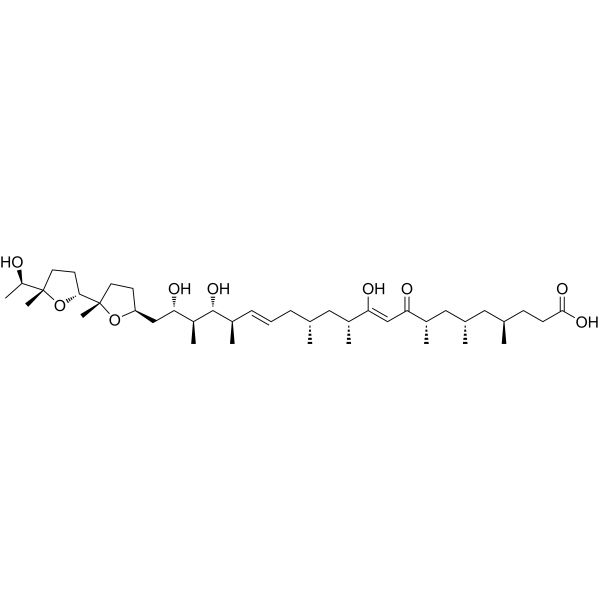
Ionomycin (SQ23377) is a potent, selective calcium ionophore and an antibiotic produced by Streptomyces conglobatus. Ionomycin (SQ23377) is highly specific for divalent cations (Ca>Mg>Sr=Ba). Ionomycin (SQ23377) promotes apoptosis. Ionomycin also induces the activation of protein kinase C (PKC) .
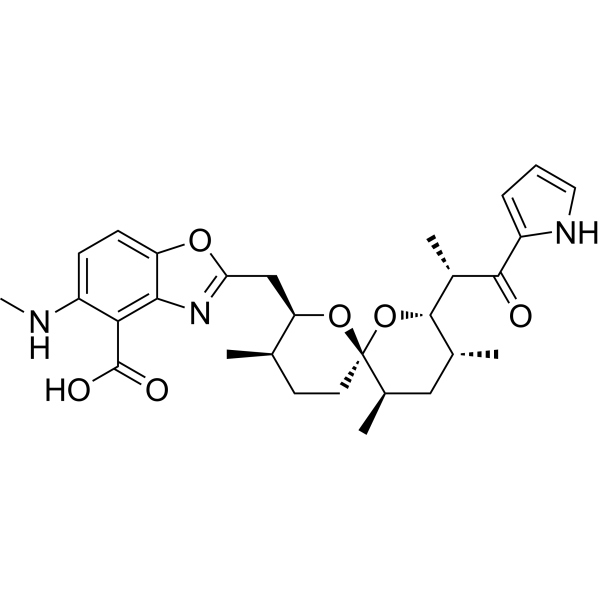
Calcimycin (A-23187) is an antibiotic and a unique divalent cation ionophore (like calcium and magnesium). Calcimycin induces Ca 2+-dependent cell death by increasing intracellular calcium concentration. Calcimycin inhibits the growth of Gram-positive bacteria and some fungi. Calcimycin also inhibits the activity of ATPase and uncouples oxidative phosphorylation (OXPHOS) of mammalian cells. Calcimycin induces apoptosis and autophagy .
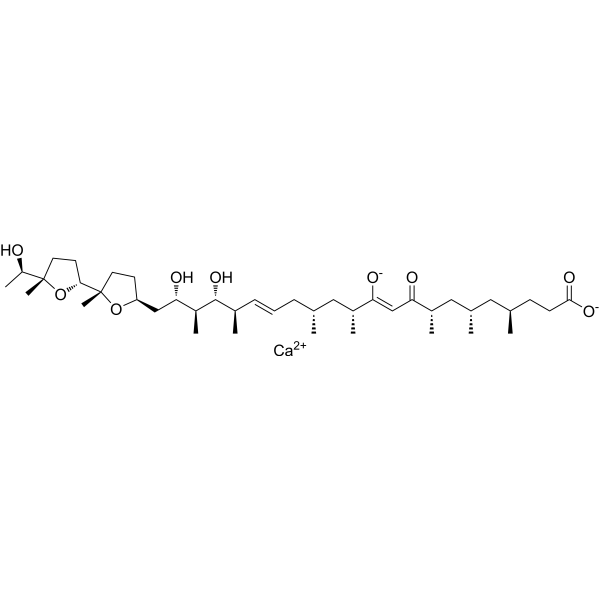
Ionomycin calcium (SQ23377 calcium) is a potent, selective calcium ionophore and an antibiotic produced by Streptomyces conglobatus. Ionomycin calcium (SQ23377 calcium) is highly specific for divalent cations (Ca>Mg>Sr=Ba). Ionomycin (SQ23377) promotes apoptosis. Ionomycin calcium (SQ23377 calcium) also induces the activation of protein kinase C (PKC) .
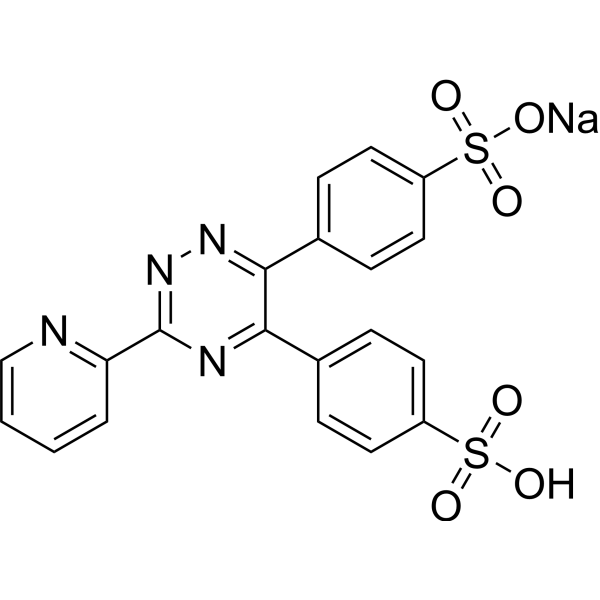
Ferrozine is a spectrophotometric reagent for iron ions, can react with divalent Fe to form a stable magenta complex species. The complex has an absorption peak at 562 nm . Ferrozine-based colorimetric assays can quantify iron in cells
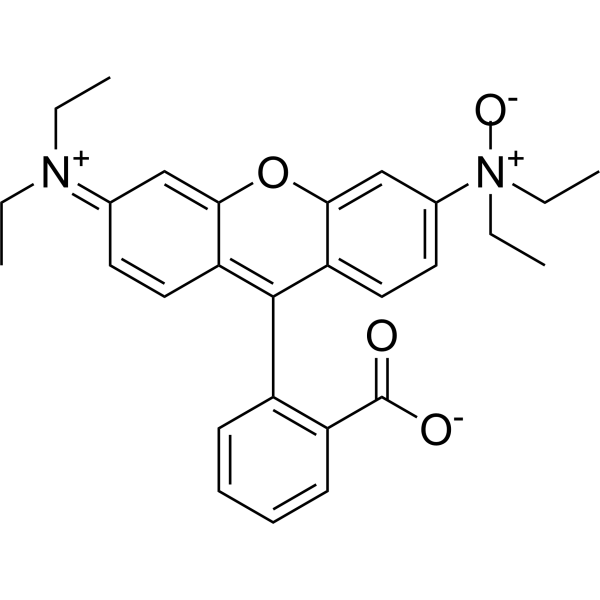
RhoNox-1 is a fluorescent probe for the specific detection of divalent iron ions, and when RhoNox-1 reacts with Fe 2+. RhoNox-1 can generate an irreversible orange (red) fluorescent product (Ex/Em:540/575 nm) . FeRhoNox-1 can enter the cell well, suitable for the detection of Fe 2+ in living cells, and tends to be localized in the Golgi apparatus .
Surfactin is a potent cyclic lipopeptide biosurfactants consists of four isomers (Surfactin A, B, C and D), which mediates flux of mono-and divalent cations, such as calcium, across lipid bilayer membranes. Surfactin can act as an antimicrobial adjuvant with anti-bacterial, anti-fungal, antimycoplasma and hemolytic effects . Surfactin also has antiviral activity against a variety of enveloped viruses .
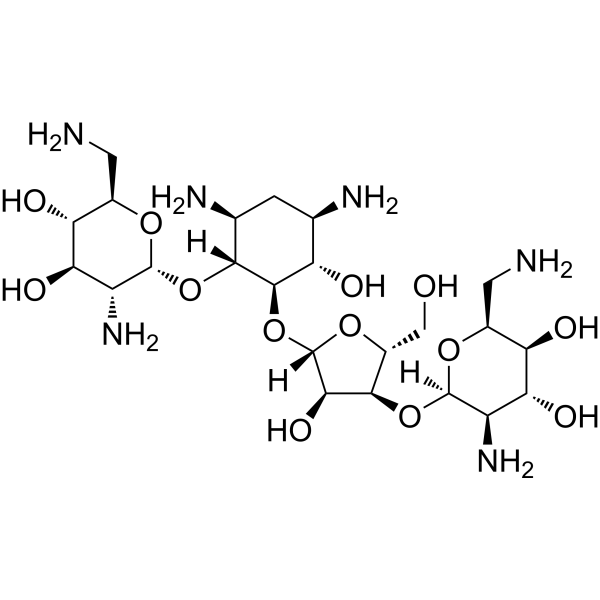
Framycetin (Neomycin B), an aminoglycoside antibiotic, is a potent RNase P cleavage activity inhibitor with a Ki of 35 μM. Framycetin competes for specific divalent metal ion binding sites in RNase P RNA. Framycetin inhibits hammerhead ribozyme with a Ki of 13.5 μM. Framycetin, a 5″-azido neomycin B precursor, binds the Drosha site in miR-525 and is used for hepatic encephalopathy and enteropathogenic E. coli infections .
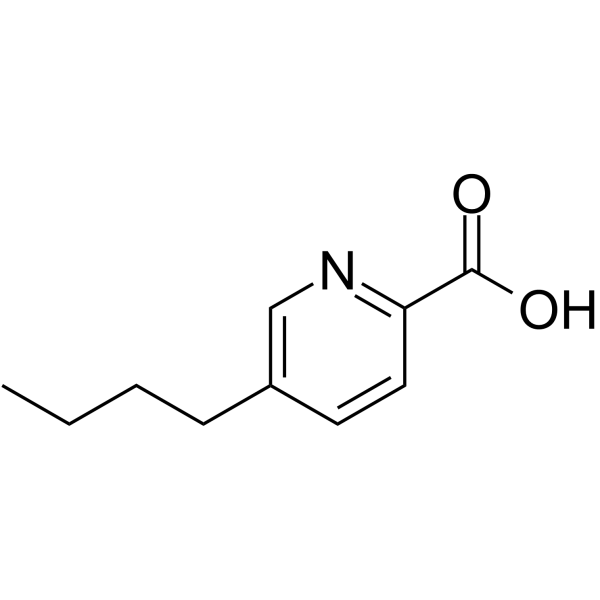
Fusaric acid is an orally active multi-pathway inhibitor with the activity of inducing oxidative stress and apoptosis. Fusaric acid can chelate divalent metal cations, damage mitochondrial membrane structure, and activate apoptosis-related proteases such as Caspase-3/7, -8, and -9. Fusaric acid also regulates Bax/Bcl-2 protein, inhibits fibrosis-related signaling pathways such as NF-κB, TGF-β1/SMADs, and PI3K/AKT/mTOR, and reduces collagen deposition. Fusaric acid is also a dopamine β-hydroxylase inhibitor, which reduces endogenous levels of norepinephrine and epinephrine in the brain, heart, spleen, and adrenal glands. Fusaric acid can play a role in myocardial fibrosis and improve cardiac hypertrophy in heart disease, and can also be used in the study of esophageal cancer and liver cancer .
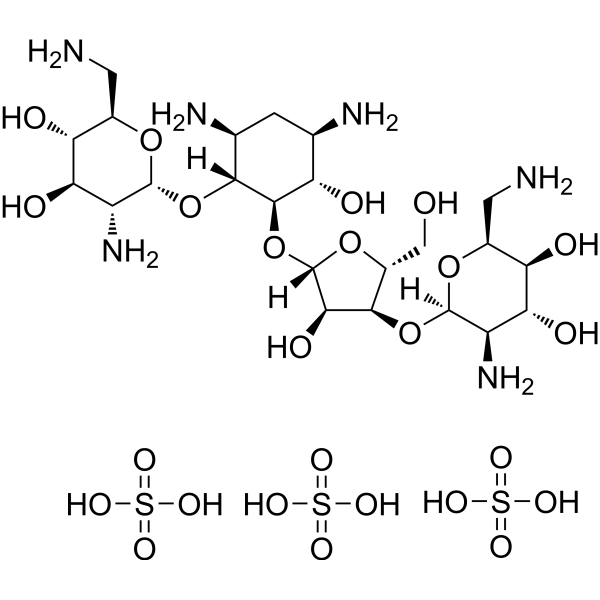
Framycetin sulfate (Neomycin B sulfate), an aminoglycoside antibiotic, is a potent RNase P cleavage activity inhibitor with a Ki of 35 μM. Framycetin sulfate competes for specific divalent metal ion binding sites in RNase P RNA. Framycetin sulfate inhibits hammerhead ribozyme with a Ki of 13.5 μM. Framycetin sulfate, a 5″-azido neomycin B precursor, binds the Drosha site in miR-525 and is used for hepatic encephalopathy and enteropathogenic E. coli infections .
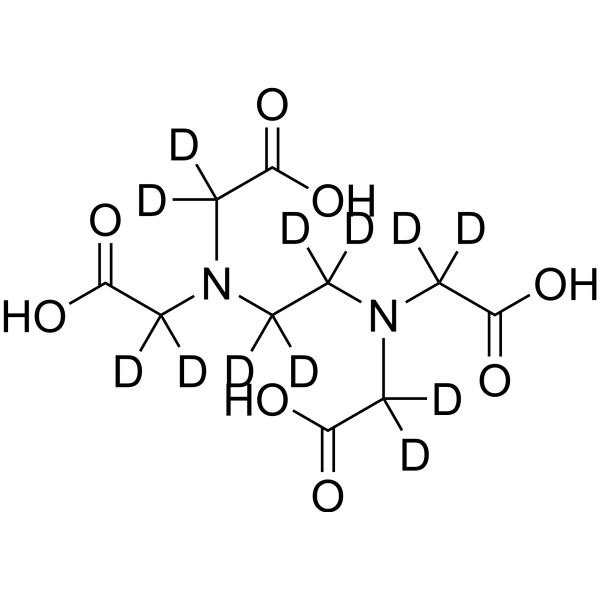
Ethylenediaminetetraacetic acid-d12 is the deuterium labeled Ethylenediaminetetraacetic acid . Ethylenediaminetetraacetic acid (EDTA) is a metal chelators (binds to metal divalent and trivalent cations including calcium), which shows activities of anticoagulant and anti-hypercalcemic. Ethylenediaminetetraacetic acid decreases the metal ion-catalyzed oxidative damage to proteins, and allows maintenance of reducing environment during protein purification. Ethylenediaminetetraacetic acid can also decrease the formation of disulfide bonds .
RhoNox-1 (solution) is a fluorescent probe for the specific detection of divalent iron ions, and when RhoNox-1 reacts with Fe 2+. RhoNox-1 can generate an irreversible orange (red) fluorescent product (Ex/Em:540/575 nm). FeRhoNox-1 can enter the cell well, suitable for the detection of Fe 2+ in living cells, and tends to be localized in the Golgi apparatus . Solvent and concentration: DMSO: 5 mM
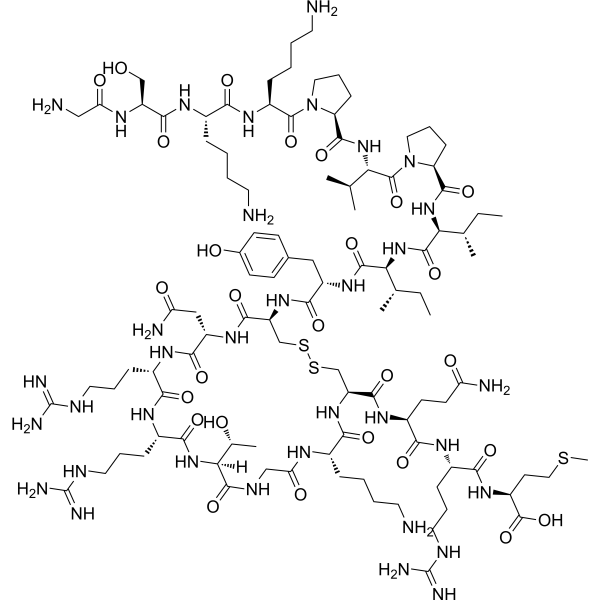
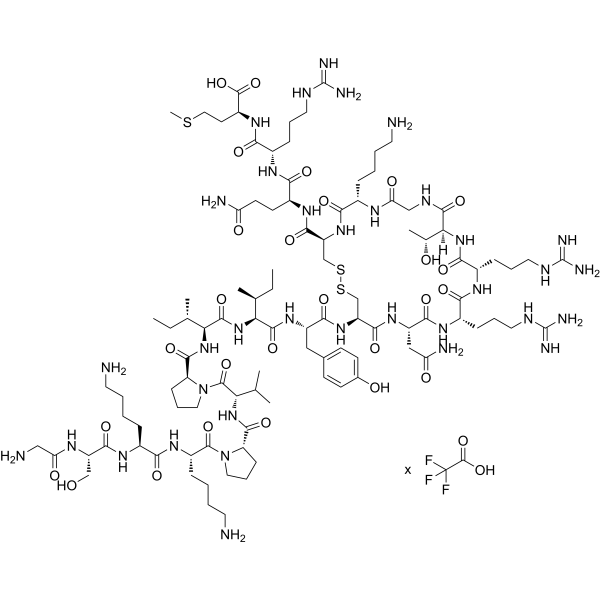
Thanatin is an inducible cationic antimicrobial peptide. Thanatin is a pathogen-inducible single-disulfide-bond-containing β-hairpin AMP. Thanatin displays broad-spectrum activity against both Gram-negative and Gram-positive bacteria as well as against various species of fungi with MICs of 0.3-40 µM, 0.6-40 µM and 0.6-20 µM, respectively. Thanatin has the property of competitive replacement of divalent cations from bacterial outer membrane (OM), leading to OM disruption .
Thanatin TFA is an inducible cationic antimicrobial peptide. Thanatin TFA s a pathogen-inducible single-disulfide-bond-containing β-hairpin AMP. Thanatin TFA displays broad-spectrum activity against both Gram-negative and Gram-positive bacteria as well as against various species of fungi with MICs of 0.3-40 µM, 0.6-40 µM and 0.6-20 µM, respectively. Thanatin TFA has the property of competitive replacement of divalent cations from bacterial outer membrane (OM), leading to OM disruption .
DMT1 blocker 2 is a direct inhibitor of divalent metal transporter 1 (DMT1), with an IC50 of 0.83 μM. DMT1 blocker 2 can block iron uptake by enterocytes in vivo .
λ Protein phosphatase is a serine/threonine phosphatase encoded by bacteriophage Lambda. λ Protein phosphatase is activated with requirement for divalent cations, such as Mn 2+. λ Protein phosphatase is able to dephosphorylate casein, adenovirus E1A protein, and the α subunit of phosphorylase kinase
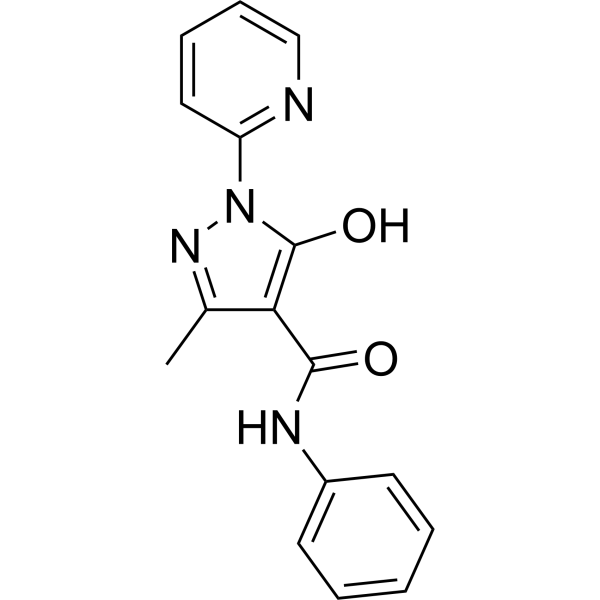
DMT1 blocker 1 is an orally active blocker of divalent metal transporter 1 (DMT1) with an IC50 of 0.64 μM. DMT1 blocker 1 inhibits intestinal cell absorption of non-heme iron, thereby alleviating iron overload by blocking the DMT1 transporter. DMT1 blocker 1 demonstrates significant efficacy in rodent models of acute iron hyperabsorption. DMT1 blocker 1 is useful for studying iron overload disorders such as hereditary hemochromatosis and thalassemia .
Acetate kinase (ACK) is an enzyme widely distributed in bacteria and archaea. In the presence of ATP and divalent cations, it catalyzes the phosphorylation of acetate and promotes the production of acetyl-CoA. Often used in biochemical research .
Alginate Methacryloyl (MW 300000) is a methacryloyl alginate with potential for use as a tissue engineering scaffold and 3D printing ink. Alginate Methacryloyl (MW 300000) is biocompatible, non-immunogenic, has low toxicity and is capable of physical cross-linking with divalent cations such as calcium . Alginate Methacryloyl (MW 300000) needs to self-assemble into fibrous hydrogel under the action of photoinitiator LAP (HY-44076), and target bioactive adhesion sites, play an inherent supporting role for tissue cells and biodegradable activity. Application: cell culture, biological 3D printing, tissue engineering, etc.
Alginate Methacryloyl (MW 50000) is a methacryloyl alginate with potential for use as a tissue engineering scaffold and 3D printing ink. Alginate Methacryloyl (MW 50000) is biocompatible, non-immunogenic, has low toxicity and is capable of physical cross-linking with divalent cations such as calcium . Alginate Methacryloyl (MW 50000) needs to self-assemble into fibrous hydrogel under the action of photoinitiator LAP (HY-44076), and target bioactive adhesion sites, play an inherent supporting role for tissue cells and biodegradable activity. Application: cell culture, biological 3D printing, tissue engineering, etc.
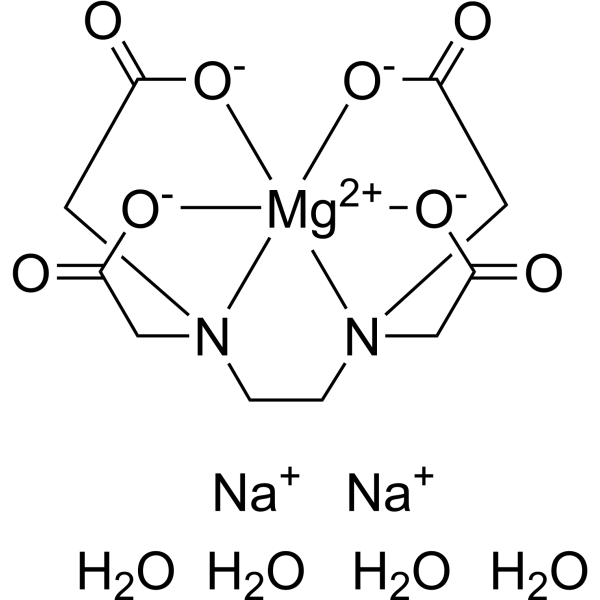
EDTA tetrasodium tetrahydrate is a metal chelator (binds to metal divalent and trivalent cations including calcium), which shows activities of anticoagulant and anti-hypercalcemic. EDTA tetrasodium tetrahydrate decreases the metal ion-catalyzed oxidative damage to proteins, and allows maintenance of reducing environment during protein purification. EDTA tetrasodium tetrahydrate can also decrease the formation of disulfide bonds .
Ethylenediaminetetraacetic acid-d16 is the deuterium labeled Ethylenediaminetetraacetic acid . Ethylenediaminetetraacetic acid (EDTA) is a metal chelators (binds to metal divalent and trivalent cations including calcium), which shows activities of anticoagulant and anti-hypercalcemic. Ethylenediaminetetraacetic acid decreases the metal ion-catalyzed oxidative damage to proteins, and allows maintenance of reducing environment during protein purification. Ethylenediaminetetraacetic acid can also decrease the formation of disulfide bonds .
Alkali blue 6B monosodium (IND) is a basic dye that can be used as a reagent in biochemical and medical research. Alkali blue 6B monosodium (IND) interacts with various proteins, and can be used in protein adsorption studies. Alkali blue 6B monosodium (IND) contains SO3H -, NH and OH groups that may react with divalent heavy metal ions, and can be used for the removal of heavy metals from aqua .
Ferrozine sodium hydrate is a spectrophotometric reagent for iron, can react with divalent Fe to form a stable magenta complex species. The complex has an absorption peak at 562 nm .Ferrozine sodium hydrate-based colorimetric assays can quantify iron in cells
Cysteinylglycine (L-Cysteinylglycine; Cys-Gly) TFA is a dipeptide formed by the peptide bond connection of cysteine and glycine. Cysteinylglycine TFA is an important metabolic intermediate in the human body, mainly derived from the degradation of glutathione (GSH). Cysteinylglycine TFA can reduce trivalent iron to divalent iron, driving the redox cycle of iron, generating reactive oxygen species (ROS), stimulating oxidative reactions, inducing lipid peroxidation in human plasma LDL lipoproteins, and causing oxidative damage to DNA base. Cysteinylglycine TFA can be used as a biomarker to assess ischemic heart disease and breast cancer, etc [1][2][3][4].
ZIP 14-IN-1 (PPTD) is a selective and orally active ZIP14 inhibitor. ZIP 14-IN-1 inhibits ZIP14 while sparing ZIP8 (SLC39A8). ZIP 14-IN-1 efficiently blocks ZIP14-mediated uptake of multiple divalent metals (zinc, iron, manganese and cadmium). ZIP 14-IN-1 binds to a pocket formed at the dimer interface of ZIP14, obstructing the metal transport pathway. ZIP 14-IN-1 effectively reverses the consequent elevation of reactive oxygen species (ROS) and lipid peroxidation, attenuating metal-induced cytotoxicity. ZIP 14-IN-1 can be uses for cancer cachexia research .
Calcimycin (A-23187) hemimagnesium is an antibiotic and a unique divalent cation ionophore (like calcium and magnesium). Calcimycin hemimagnesium induces Ca 2+-dependent cell death by increasing intracellular calcium concentration. Calcimycin hemimagnesium inhibits the growth of Gram-positive bacteria and some fungi. Calcimycin hemimagnesium also inhibits the activity of ATPase and uncouples oxidative phosphorylation (OXPHOS) of mammalian cells. Calcimycin hemimagnesium induces apoptosis and autophagy .
5,5'-Difluoro BAPTA tetrapotassium is a difluoro-derivative of BAPTA (HY-100168). 5,5'-Difluoro BAPTA tetrapotassium shows large 19F NMR chemical shifts upon chelating divalent cations. 5,5'-Difluoro BAPTA tetrapotassium has high selectivity for Ca 2+. 5,5'-Difluoro BAPTA tetrapotassium can inhibit the growth of pollen tube .
Phosphorylase b is one of the two forms of phosphorylase present in skeletal muscle. The other is Phosphorylase a, which can be transformed into one another. The conversion process requires the addition of divalent metal ions and ATP .
Calcimycin (Standard) is the analytical standard of Calcimycin. This product is used for research and analytical applications. Calcimycin is an antibiotic and a unique divalent cation ionophore, such as calcium ions and magnesium ions. Calcimycin induces Ca 2+ -dependent cell death by increasing the intracellular calcium concentration. Calcimycin inhibits the growth of Gram-positive bacteria and some fungi, and also inhibits the activity of ATPase and uncouples the oxidative phosphorylation (OXPHOS) of mammalian cells, inducing apoptosis and autophagy.
Calcimycin (A-23187) hemicalcium salt is an antibiotic and a unique divalent cation ionophore (like calcium and magnesium). Calcimycin hemicalcium salt induces Ca 2+-dependent cell death by increasing intracellular calcium concentration. Calcimycin hemicalcium salt inhibits the growth of Gram-positive bacteria and some fungi. Calcimycin hemicalcium salt also inhibits the activity of ATPase and uncouples oxidative phosphorylation (OXPHOS) of mammalian cells. Calcimycin hemicalcium salt induces apoptosis and autophagy .
Framycetin (sulfate) (Standard) is the analytical standard of Framycetin (sulfate). This product is intended for research and analytical applications. Framycetin sulfate (Neomycin B sulfate), an aminoglycoside antibiotic, is a potent RNase P cleavage activity inhibitor with a Ki of 35 μM. Framycetin sulfate competes for specific divalent metal ion binding sites in RNase P RNA. Framycetin sulfate inhibits hammerhead ribozyme with a Ki of 13.5 μM. Framycetin sulfate, a 5″-azido neomycin B precursor, binds the Drosha site in miR-525 and is used for hepatic encephalopathy and enteropathogenic E. coli infections .
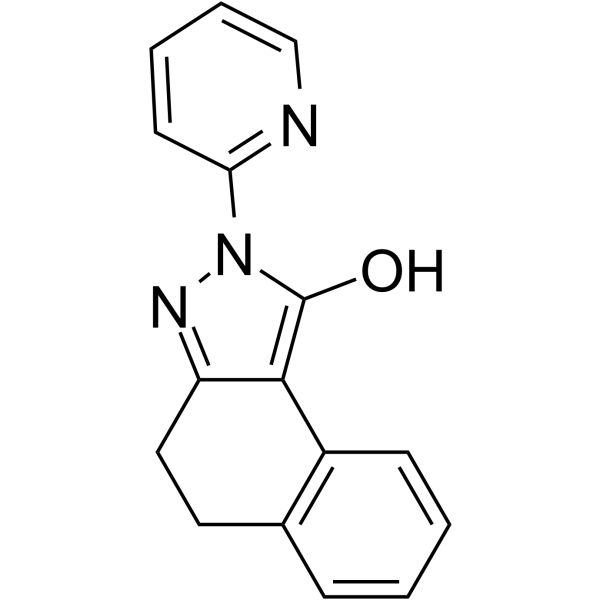
SON38 is a copper chelator capable of chelating divalent copper. SON38 can inhibit the activity of cholinesterases and has potential applications in Alzheimer's disease research .
Pyrimidinone 8 is a reversible linear non-competitive inhibitor of divalent metal transporter 1 (DMT1), with a Ki of 20 μM (hDMT1). Pyrimidinone 8 does not affect hDMT1 cell surface expression and shows no dependence with the extracellular pH. Pyrimidinone 8 can inhibit hDMT1-mediated iron uptake, with an IC50 of 13.8 μM .
5,5'-Difluoro BAPTA is a difluoro-derivative of BAPTA (HY-100168). 5,5'-Difluoro BAPTA is the most widely used probe for studying cytosolic free Ca 2+ by 19F NMR. 5,5'-Difluoro BAPTA has high selectivity for Ca 2+. 5,5'-Difluoro BAPTA can inhibit the growth of pollen tube .
Fusaric acid (Standard) is the analytical standard of Fusaric acid (HY-128483). This product is intended for research and analytical applications. Fusaric acid is an orally active multi-pathway inhibitor with the activity of inducing oxidative stress and apoptosis. Fusaric acid can chelate divalent metal cations, damage mitochondrial membrane structure, and activate apoptosis-related proteases such as Caspase-3/7, -8, and -9. Fusaric acid also regulates Bax/Bcl-2 protein, inhibits fibrosis-related signaling pathways such as NF-κB, TGF-β1/SMADs, and PI3K/AKT/mTOR, and reduces collagen deposition. Fusaric acid is also a dopamine β-hydroxylase inhibitor, which reduces endogenous levels of norepinephrine and epinephrine in the brain, heart, spleen, and adrenal glands. Fusaric acid can play a role in myocardial fibrosis and improve cardiac hypertrophy in heart disease, and can also be used in the study of esophageal cancer and liver cancer .
BMVC4 is a G-quadruplex (G4) stabilizer of the human telomeric sequence d[AG3(T2AG3)3]. Screening by circular dichroism (CD) spectroscopy revealed that BMVC4 is more suitable as the core molecule of G4 stabilizers than BMVC. The results showed that BMVC4-12C and BMVC4-8C3O are better candidates for G4 stabilizers and are worthy of further study. A simple and rapid screening method based on Cu2+-induced G4 unfolding can be used to find better G4 stabilizers for potential anticancer applications. CD results showed that the trivalent cations of 9-substituted BMVC derivatives are more suitable as G4 stabilizers than the divalent cations of BMVC. In addition, by monitoring the disappearance of the 291 nm CD band of human telomeres after Cu2+ addition, it was found that the core molecule of G4 stabilizer BMVC4 has better stability.
Ferrozine (solution) is a spectrophotometric reagent for iron ions, can react with divalent Fe to form a stable magenta complex species. The complex has an absorption peak at 562 nm . Ferrozine-based colorimetric assays can quantify iron in cells Solvent and concentration: ddH2O: 10 mM
APH-IN-1 is an Aminoglycoside phosphotransferase (APH) inhibitor with a Kd values of 63 nM against Escherichia coliAPH(3′)-Ia. APH-IN-1 binds primarily to the ATP-binding pocket of APH in an ATP-competitive manner, with binding affinity enhanced by divalent metal ions (Mg 2+ and Ca 2+). APH-IN-1 can be used for the research of aminoglycoside-resistant bacterial infections .
Lyso-Cu (II) is a lysosome-targeted divalent copper ion probe. Lyso-Cu (II) is applicable to the research of Wilson's disease, Menkes disease and Alzheimer's disease .
D-Ribulose-5-phosphate 3-Epimerase, Baker's yeast (S. cerevisiae) (EC 5.1.3.1) is a metalloenzyme that primarily utilizes divalent zinc ions (Zn2+) for catalysis.
(R)-Limonene synthase (EC 4.2.3.20) requires divalent metal ions (preferably Mn2+) for catalysis. (R)-Limonene synthase (EC 4.2.3.20) is found in plants of the genera Citrus, Carum, and Anethum.
(4S)-Limonene synthaseis a recombinant enzyme (also known as a monoterpene synthase or cyclase) from the grand fir (Abies grandis) requires Mn2+ and K+ for activity. Mg2+ is essentially ineffective as the divalent metal ion cofactor.
PP185 is a insulin receptor kinase substrate.PP185 undergoes rapid tyrosine phosphorylation, with activity dependent on divalent cations and inhibited by insulin receptor kinase domain antibodies.PP185 can be used for the research of neuroblastoma .
DHUCu-1 is a lysosome-targeted NIR divalent copper ion probe with high water solubility. DHUCu-1 serves as a tool for investigating the physiological functions of Cu 2+ and related diseases, such as Menke syndrome, Wilson's disease, and Alzheimer's disease .
α-Bisabolene synthase (EC 4.2.3.38) requires a divalent cationic cofactor (Mg2+) to neutralize the negative charge of the bisphosphate leaving group. α-Bisabolene synthase (EC 4.2.3.38) can generate (+)-(4R)-limonene in vitro using GDP as a substrate.
1,5-Anhydro-D-fructose dehydratase (EC 4.2.1.111) catalyses one of the steps in the anhydrofructose pathway, which leads to the degradation of glycogen and starch via 1,5-Anhydro-D-fructose . Requires divalent (Ca2+ or Mg2+) or monovalent cations (Na+) for optimal activity.
Calcimycin (A-23187) hemicalcium hemimagnesium is an antibiotic and a unique divalent cation ionophore (like calcium and magnesium). Calcimycin hemicalcium hemimagnesium induces Ca 2+-dependent cell death by increasing intracellular calcium concentration. Calcimycin hemicalcium hemimagnesium inhibits the growth of Gram-positive bacteria and some fungi. Calcimycin hemicalcium hemimagnesium also inhibits the activity of ATPase and uncouples oxidative phosphorylation (OXPHOS) of mammalian cells. Calcimycin hemicalcium hemimagnesium induces apoptosis and autophagy .
Framycetin-d2 (Neomycin B-d2) is the deuterium labeled Framycetin (HY-17624). Framycetin (Neomycin B), an aminoglycoside antibiotic, is a potent RNase P cleavage activity inhibitor with a Ki of 35 μM. Framycetin competes for specific divalent metal ion binding sites in RNase P RNA. Framycetin inhibits hammerhead ribozyme with a Ki of 13.5 μM. Framycetin, a 5″-azido neomycin B precursor, binds the Drosha site in miR-525 and is used for hepatic encephalopathy and enteropathogenic E. coli infections.
CD649.2 is a red-emitting copper-targeted acylimidazole-reactive Fluorescent probe and a highly specific Cu 2+ detection reagent. CD649.2 enables visualization of labile Cu 2+ pools and their dynamic changes in living cells .
Ferrozine is a spectrophotometric reagent for iron ions, can react with divalent Fe to form a stable magenta complex species. The complex has an absorption peak at 562 nm . Ferrozine-based colorimetric assays can quantify iron in cells
RhoNox-1 is a fluorescent probe for the specific detection of divalent iron ions, and when RhoNox-1 reacts with Fe 2+. RhoNox-1 can generate an irreversible orange (red) fluorescent product (Ex/Em:540/575 nm) . FeRhoNox-1 can enter the cell well, suitable for the detection of Fe 2+ in living cells, and tends to be localized in the Golgi apparatus .
RhoNox-1 (solution) is a fluorescent probe for the specific detection of divalent iron ions, and when RhoNox-1 reacts with Fe 2+. RhoNox-1 can generate an irreversible orange (red) fluorescent product (Ex/Em:540/575 nm). FeRhoNox-1 can enter the cell well, suitable for the detection of Fe 2+ in living cells, and tends to be localized in the Golgi apparatus . Solvent and concentration: DMSO: 5 mM
Ferrozine (solution) is a spectrophotometric reagent for iron ions, can react with divalent Fe to form a stable magenta complex species. The complex has an absorption peak at 562 nm . Ferrozine-based colorimetric assays can quantify iron in cells Solvent and concentration: ddH2O: 10 mM
Lyso-Cu (II) is a lysosome-targeted divalent copper ion probe. Lyso-Cu (II) is applicable to the research of Wilson's disease, Menkes disease and Alzheimer's disease .
DHUCu-1 is a lysosome-targeted NIR divalent copper ion probe with high water solubility. DHUCu-1 serves as a tool for investigating the physiological functions of Cu 2+ and related diseases, such as Menke syndrome, Wilson's disease, and Alzheimer's disease .
CD649.2 is a red-emitting copper-targeted acylimidazole-reactive Fluorescent probe and a highly specific Cu 2+ detection reagent. CD649.2 enables visualization of labile Cu 2+ pools and their dynamic changes in living cells .
Alginate Methacryloyl (MW 300000) is a methacryloyl alginate with potential for use as a tissue engineering scaffold and 3D printing ink. Alginate Methacryloyl (MW 300000) is biocompatible, non-immunogenic, has low toxicity and is capable of physical cross-linking with divalent cations such as calcium . Alginate Methacryloyl (MW 300000) needs to self-assemble into fibrous hydrogel under the action of photoinitiator LAP (HY-44076), and target bioactive adhesion sites, play an inherent supporting role for tissue cells and biodegradable activity. Application: cell culture, biological 3D printing, tissue engineering, etc.
Alginate Methacryloyl (MW 50000) is a methacryloyl alginate with potential for use as a tissue engineering scaffold and 3D printing ink. Alginate Methacryloyl (MW 50000) is biocompatible, non-immunogenic, has low toxicity and is capable of physical cross-linking with divalent cations such as calcium . Alginate Methacryloyl (MW 50000) needs to self-assemble into fibrous hydrogel under the action of photoinitiator LAP (HY-44076), and target bioactive adhesion sites, play an inherent supporting role for tissue cells and biodegradable activity. Application: cell culture, biological 3D printing, tissue engineering, etc.
Alkali blue 6B monosodium (IND) is a basic dye that can be used as a reagent in biochemical and medical research. Alkali blue 6B monosodium (IND) interacts with various proteins, and can be used in protein adsorption studies. Alkali blue 6B monosodium (IND) contains SO3H -, NH and OH groups that may react with divalent heavy metal ions, and can be used for the removal of heavy metals from aqua .
Thanatin is an inducible cationic antimicrobial peptide. Thanatin is a pathogen-inducible single-disulfide-bond-containing β-hairpin AMP. Thanatin displays broad-spectrum activity against both Gram-negative and Gram-positive bacteria as well as against various species of fungi with MICs of 0.3-40 µM, 0.6-40 µM and 0.6-20 µM, respectively. Thanatin has the property of competitive replacement of divalent cations from bacterial outer membrane (OM), leading to OM disruption .
Thanatin TFA is an inducible cationic antimicrobial peptide. Thanatin TFA s a pathogen-inducible single-disulfide-bond-containing β-hairpin AMP. Thanatin TFA displays broad-spectrum activity against both Gram-negative and Gram-positive bacteria as well as against various species of fungi with MICs of 0.3-40 µM, 0.6-40 µM and 0.6-20 µM, respectively. Thanatin TFA has the property of competitive replacement of divalent cations from bacterial outer membrane (OM), leading to OM disruption .
Cysteinylglycine (L-Cysteinylglycine; Cys-Gly) TFA is a dipeptide formed by the peptide bond connection of cysteine and glycine. Cysteinylglycine TFA is an important metabolic intermediate in the human body, mainly derived from the degradation of glutathione (GSH). Cysteinylglycine TFA can reduce trivalent iron to divalent iron, driving the redox cycle of iron, generating reactive oxygen species (ROS), stimulating oxidative reactions, inducing lipid peroxidation in human plasma LDL lipoproteins, and causing oxidative damage to DNA base. Cysteinylglycine TFA can be used as a biomarker to assess ischemic heart disease and breast cancer, etc [1][2][3][4].
APH-IN-1 is an Aminoglycoside phosphotransferase (APH) inhibitor with a Kd values of 63 nM against Escherichia coliAPH(3′)-Ia. APH-IN-1 binds primarily to the ATP-binding pocket of APH in an ATP-competitive manner, with binding affinity enhanced by divalent metal ions (Mg 2+ and Ca 2+). APH-IN-1 can be used for the research of aminoglycoside-resistant bacterial infections .
Ionomycin (SQ23377) is a potent, selective calcium ionophore and an antibiotic produced by Streptomyces conglobatus. Ionomycin (SQ23377) is highly specific for divalent cations (Ca>Mg>Sr=Ba). Ionomycin (SQ23377) promotes apoptosis. Ionomycin also induces the activation of protein kinase C (PKC) .
Calcimycin (A-23187) is an antibiotic and a unique divalent cation ionophore (like calcium and magnesium). Calcimycin induces Ca 2+-dependent cell death by increasing intracellular calcium concentration. Calcimycin inhibits the growth of Gram-positive bacteria and some fungi. Calcimycin also inhibits the activity of ATPase and uncouples oxidative phosphorylation (OXPHOS) of mammalian cells. Calcimycin induces apoptosis and autophagy .
Ionomycin calcium (SQ23377 calcium) is a potent, selective calcium ionophore and an antibiotic produced by Streptomyces conglobatus. Ionomycin calcium (SQ23377 calcium) is highly specific for divalent cations (Ca>Mg>Sr=Ba). Ionomycin (SQ23377) promotes apoptosis. Ionomycin calcium (SQ23377 calcium) also induces the activation of protein kinase C (PKC) .
Surfactin is a potent cyclic lipopeptide biosurfactants consists of four isomers (Surfactin A, B, C and D), which mediates flux of mono-and divalent cations, such as calcium, across lipid bilayer membranes. Surfactin can act as an antimicrobial adjuvant with anti-bacterial, anti-fungal, antimycoplasma and hemolytic effects . Surfactin also has antiviral activity against a variety of enveloped viruses .
Fusaric acid is an orally active multi-pathway inhibitor with the activity of inducing oxidative stress and apoptosis. Fusaric acid can chelate divalent metal cations, damage mitochondrial membrane structure, and activate apoptosis-related proteases such as Caspase-3/7, -8, and -9. Fusaric acid also regulates Bax/Bcl-2 protein, inhibits fibrosis-related signaling pathways such as NF-κB, TGF-β1/SMADs, and PI3K/AKT/mTOR, and reduces collagen deposition. Fusaric acid is also a dopamine β-hydroxylase inhibitor, which reduces endogenous levels of norepinephrine and epinephrine in the brain, heart, spleen, and adrenal glands. Fusaric acid can play a role in myocardial fibrosis and improve cardiac hypertrophy in heart disease, and can also be used in the study of esophageal cancer and liver cancer .
Cysteinylglycine (L-Cysteinylglycine; Cys-Gly) TFA is a dipeptide formed by the peptide bond connection of cysteine and glycine. Cysteinylglycine TFA is an important metabolic intermediate in the human body, mainly derived from the degradation of glutathione (GSH). Cysteinylglycine TFA can reduce trivalent iron to divalent iron, driving the redox cycle of iron, generating reactive oxygen species (ROS), stimulating oxidative reactions, inducing lipid peroxidation in human plasma LDL lipoproteins, and causing oxidative damage to DNA base. Cysteinylglycine TFA can be used as a biomarker to assess ischemic heart disease and breast cancer, etc [1][2][3][4].
Calcimycin (Standard) is the analytical standard of Calcimycin. This product is used for research and analytical applications. Calcimycin is an antibiotic and a unique divalent cation ionophore, such as calcium ions and magnesium ions. Calcimycin induces Ca 2+ -dependent cell death by increasing the intracellular calcium concentration. Calcimycin inhibits the growth of Gram-positive bacteria and some fungi, and also inhibits the activity of ATPase and uncouples the oxidative phosphorylation (OXPHOS) of mammalian cells, inducing apoptosis and autophagy.
Calcimycin (A-23187) hemicalcium salt is an antibiotic and a unique divalent cation ionophore (like calcium and magnesium). Calcimycin hemicalcium salt induces Ca 2+-dependent cell death by increasing intracellular calcium concentration. Calcimycin hemicalcium salt inhibits the growth of Gram-positive bacteria and some fungi. Calcimycin hemicalcium salt also inhibits the activity of ATPase and uncouples oxidative phosphorylation (OXPHOS) of mammalian cells. Calcimycin hemicalcium salt induces apoptosis and autophagy .
Fusaric acid (Standard) is the analytical standard of Fusaric acid (HY-128483). This product is intended for research and analytical applications. Fusaric acid is an orally active multi-pathway inhibitor with the activity of inducing oxidative stress and apoptosis. Fusaric acid can chelate divalent metal cations, damage mitochondrial membrane structure, and activate apoptosis-related proteases such as Caspase-3/7, -8, and -9. Fusaric acid also regulates Bax/Bcl-2 protein, inhibits fibrosis-related signaling pathways such as NF-κB, TGF-β1/SMADs, and PI3K/AKT/mTOR, and reduces collagen deposition. Fusaric acid is also a dopamine β-hydroxylase inhibitor, which reduces endogenous levels of norepinephrine and epinephrine in the brain, heart, spleen, and adrenal glands. Fusaric acid can play a role in myocardial fibrosis and improve cardiac hypertrophy in heart disease, and can also be used in the study of esophageal cancer and liver cancer .
The SLC11A2 protein is a proton-coupled metal ion symporter that selectively transports divalent metal cations, including Cd(2+), Fe(2+), Co(2+), Mn(2+), and less Significant Zn(2+), Ni(2+), VO(2+), the stoichiometric ratio of protons and metal ions is 1:1. It is critical for iron homeostasis, regulating intestinal Fe(2+) absorption, transporting TF-associated endosomal Fe(2+), and promoting Fe(2+) and Mn(2+) entry into mitochondria. SLC11A2 Protein, Human (HEK293, His, MBP, FLAG) is the recombinant human-derived SLC11A2 protein, expressed by HEK293 , with N-MBP, C-Flag, N-8*His labeled tag.
Ethylenediaminetetraacetic acid-d12 is the deuterium labeled Ethylenediaminetetraacetic acid . Ethylenediaminetetraacetic acid (EDTA) is a metal chelators (binds to metal divalent and trivalent cations including calcium), which shows activities of anticoagulant and anti-hypercalcemic. Ethylenediaminetetraacetic acid decreases the metal ion-catalyzed oxidative damage to proteins, and allows maintenance of reducing environment during protein purification. Ethylenediaminetetraacetic acid can also decrease the formation of disulfide bonds .
Ethylenediaminetetraacetic acid-d16 is the deuterium labeled Ethylenediaminetetraacetic acid . Ethylenediaminetetraacetic acid (EDTA) is a metal chelators (binds to metal divalent and trivalent cations including calcium), which shows activities of anticoagulant and anti-hypercalcemic. Ethylenediaminetetraacetic acid decreases the metal ion-catalyzed oxidative damage to proteins, and allows maintenance of reducing environment during protein purification. Ethylenediaminetetraacetic acid can also decrease the formation of disulfide bonds .
Framycetin-d2 (Neomycin B-d2) is the deuterium labeled Framycetin (HY-17624). Framycetin (Neomycin B), an aminoglycoside antibiotic, is a potent RNase P cleavage activity inhibitor with a Ki of 35 μM. Framycetin competes for specific divalent metal ion binding sites in RNase P RNA. Framycetin inhibits hammerhead ribozyme with a Ki of 13.5 μM. Framycetin, a 5″-azido neomycin B precursor, binds the Drosha site in miR-525 and is used for hepatic encephalopathy and enteropathogenic E. coli infections.
Western blot analysis of extracts from THP-1(lane 2(20μg), Jurkat (lane 3(20μg) and NIH3T3(lane 4(20μg) using FOXO1A (HY-P80132) Rabbit mAb. Proteins were transferred
to a PVDF membrane and blocked with 5% non-fat milk in TBST for 2 hour at room temperature. The primary antibody (1/1000) and Loading control antibody (Beta Actin, HY-P80438, 1/10000) was
used in 5% non-fat milk in TBST at 4°C overnight. Goat Anti-Mouse/Rabbit IgG-HRP Secondary Antibody (1/10000) was used for 1 hour at room temperature.
Western blot analysis of extracts from THP-1(lane 2(20μg), Jurkat (lane 3(20μg) and NIH3T3(lane 4(20μg) using FOXO1A (HY-P80132) Rabbit mAb. Proteins were transferred
to a PVDF membrane and blocked with 5% non-fat milk in TBST for 2 hour at room temperature. The primary antibody (1/1000) and Loading control antibody (Beta Actin, HY-P80438, 1/10000) was
used in 5% non-fat milk in TBST at 4°C overnight. Goat Anti-Mouse/Rabbit IgG-HRP Secondary Antibody (1/10000) was used for 1 hour at room temperature.
Western blot analysis of extracts from THP-1(lane 2(20μg), Jurkat (lane 3(20μg) and NIH3T3(lane 4(20μg) using FOXO1A (HY-P80132) Rabbit mAb. Proteins were transferred
to a PVDF membrane and blocked with 5% non-fat milk in TBST for 2 hour at room temperature. The primary antibody (1/1000) and Loading control antibody (Beta Actin, HY-P80438, 1/10000) was
used in 5% non-fat milk in TBST at 4°C overnight. Goat Anti-Mouse/Rabbit IgG-HRP Secondary Antibody (1/10000) was used for 1 hour at room temperature.
Western blot analysis of extracts from THP-1(lane 2(20μg), Jurkat (lane 3(20μg) and NIH3T3(lane 4(20μg) using FOXO1A (HY-P80132) Rabbit mAb. Proteins were transferred
to a PVDF membrane and blocked with 5% non-fat milk in TBST for 2 hour at room temperature. The primary antibody (1/1000) and Loading control antibody (Beta Actin, HY-P80438, 1/10000) was
MedchemExpress Validation 03
Western blot analysis of extracts from THP-1(lane 2(20μg), Jurkat (lane 3(20μg) and NIH3T3(lane 4(20μg) using FOXO1A (HY-P80132) Rabbit mAb. Proteins were transferred
MedchemExpress Validation 04
Western blot analysis of extracts from THP-1(lane 2(20μg), Jurkat (lane 3(20μg) and NIH3T3(lane 4(20μg) using FOXO1A (HY-P80132) Rabbit mAb. Proteins were transferred
to a PVDF membrane and blocked with 5% non-fat milk in TBST for 2 hour at room temperature. The primary antibody (1/1000) and Loading control antibody (Beta Actin, HY-P80438, 1/10000) was
used in 5% non-fat milk in TBST at 4°C overnight. Goat Anti-Mouse/Rabbit IgG-HRP Secondary Antibody (1/10000) was used for 1 hour at room temperature.
MedchemExpress Validation
Western blot analysis of extracts from THP-1(lane 2(20μg), Jurkat (lane 3(20μg) and NIH3T3(lane 4(20μg) using FOXO1A (HY-P80132) Rabbit mAb. Proteins were transferred
to a PVDF membrane and blocked with 5% non-fat milk in TBST for 2 hour at room temperature. The primary antibody (1/1000) and Loading control antibody (Beta Actin, HY-P80438, 1/10000) was
used in 5% non-fat milk in TBST at 4°C overnight. Goat Anti-Mouse/Rabbit IgG-HRP Secondary Antibody (1/10000) was used for 1 hour at room temperature.
Western blot analysis of extracts from THP-1(lane 2(20μg), Jurkat (lane 3(20μg) and NIH3T3(lane 4(20μg) using FOXO1A (HY-P80132) Rabbit mAb. Proteins were transferred
to a PVDF membrane and blocked with 5% non-fat milk in TBST for 2 hour at room temperature. The primary antibody (1/1000) and Loading control antibody (Beta Actin, HY-P80438, 1/10000) was
used in 5% non-fat milk in TBST at 4°C overnight. Goat Anti-Mouse/Rabbit IgG-HRP Secondary Antibody (1/10000) was used for 1 hour at room temperature.
MedchemExpress Validation
Western blot analysis of extracts from THP-1(lane 2(20μg), Jurkat (lane 3(20μg) and NIH3T3(lane 4(20μg) using FOXO1A (HY-P80132) Rabbit mAb. Proteins were transferred
to a PVDF membrane and blocked with 5% non-fat milk in TBST for 2 hour at room temperature. The primary antibody (1/1000) and Loading control antibody (Beta Actin, HY-P80438, 1/10000) was
used in 5% non-fat milk in TBST at 4°C overnight. Goat Anti-Mouse/Rabbit IgG-HRP Secondary Antibody (1/10000) was used for 1 hour at room temperature.
MedchemExpress Validation
Western blot analysis of extracts from THP-1(lane 2(20μg), Jurkat (lane 3(20μg) and NIH3T3(lane 4(20μg) using FOXO1A (HY-P80132) Rabbit mAb. Proteins were transferred
to a PVDF membrane and blocked with 5% non-fat milk in TBST for 2 hour at room temperature. The primary antibody (1/1000) and Loading control antibody (Beta Actin, HY-P80438, 1/10000) was
used in 5% non-fat milk in TBST at 4°C overnight. Goat Anti-Mouse/Rabbit IgG-HRP Secondary Antibody (1/10000) was used for 1 hour at room temperature.
MedchemExpress Validation
Western blot analysis of extracts from THP-1(lane 2(20μg), Jurkat (lane 3(20μg) and NIH3T3(lane 4(20μg) using FOXO1A (HY-P80132) Rabbit mAb. Proteins were transferred
to a PVDF membrane and blocked with 5% non-fat milk in TBST for 2 hour at room temperature. The primary antibody (1/1000) and Loading control antibody (Beta Actin, HY-P80438, 1/10000) was
used in 5% non-fat milk in TBST at 4°C overnight. Goat Anti-Mouse/Rabbit IgG-HRP Secondary Antibody (1/10000) was used for 1 hour at room temperature.
MedchemExpress Validation
Western blot analysis of extracts from THP-1(lane 2(20μg), Jurkat (lane 3(20μg) and NIH3T3(lane 4(20μg) using FOXO1A (HY-P80132) Rabbit mAb. Proteins were transferred
to a PVDF membrane and blocked with 5% non-fat milk in TBST for 2 hour at room temperature. The primary antibody (1/1000) and Loading control antibody (Beta Actin, HY-P80438, 1/10000) was
used in 5% non-fat milk in TBST at 4°C overnight. Goat Anti-Mouse/Rabbit IgG-HRP Secondary Antibody (1/10000) was used for 1 hour at room temperature.
MedchemExpress Validation
Western blot analysis of extracts from THP-1(lane 2(20μg), Jurkat (lane 3(20μg) and NIH3T3(lane 4(20μg) using FOXO1A (HY-P80132) Rabbit mAb. Proteins were transferred
to a PVDF membrane and blocked with 5% non-fat milk in TBST for 2 hour at room temperature. The primary antibody (1/1000) and Loading control antibody (Beta Actin, HY-P80438, 1/10000) was
used in 5% non-fat milk in TBST at 4°C overnight. Goat Anti-Mouse/Rabbit IgG-HRP Secondary Antibody (1/10000) was used for 1 hour at room temperature.
MedchemExpress Validation
Western blot analysis of extracts from THP-1(lane 2(20μg), Jurkat (lane 3(20μg) and NIH3T3(lane 4(20μg) using FOXO1A (HY-P80132) Rabbit mAb. Proteins were transferred
to a PVDF membrane and blocked with 5% non-fat milk in TBST for 2 hour at room temperature. The primary antibody (1/1000) and Loading control antibody (Beta Actin, HY-P80438, 1/10000) was
used in 5% non-fat milk in TBST at 4°C overnight. Goat Anti-Mouse/Rabbit IgG-HRP Secondary Antibody (1/10000) was used for 1 hour at room temperature.
MedChemExpress values your privacy and your trust is important to us. We use cookies to enhance your website experience. Some cookies are necessary to run the website.
Privacy and Cookie Policy

