
74 Results for "

electrophilicity

" in MedChemExpress (MCE) Product Catalog:
Products (74)

74 Results for "electrophilicity" in MCE Product Catalog:

5
5 Cited Publications
Cat. No.: HY-N0794
CAS No.: 20347-71-1
Proanthocyanidin (Procyanidin) are a class of polyphenolic that are widely distributed in higher plants, consisted of an electrophilic flavanyl unit. Proanthocyanidin can be used as antioxidant and anti-cancers agent. Proanthocyanidin also exhibit anti-inflammatory, cardioprotective, antibacterial and antifungal properties, which can be used in the treatment of chronic venous insufficiency, capillary fragility, sunburn and retinopathy. .
loading...
    loading...
2
2 Cited Publications
Cat. No.: HY-21065
CAS No.: 40180-04-9
Synonyms: Ticrynafen; ANP 3624
Target:  

Cytochrome P450

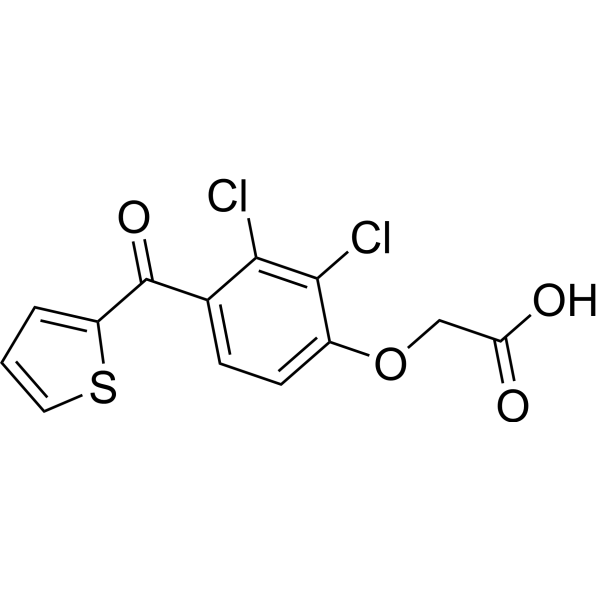
Tienilic acid (Ticrynafen; ANP 3624) acts as a diuretic hypotensive agent. However, Tienilic acid induces hepatotoxicity. Tienilic acid is converted into electrophilic metabolites by cytochrome P450 (CYP) in vitro .
loading...
    loading...
2
2 Cited Publications
Cat. No.: HY-N0548
CAS No.: 591-12-8
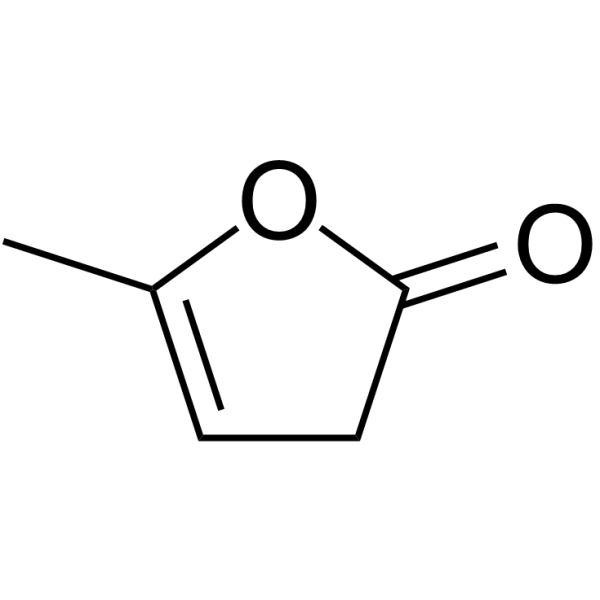
α-Angelica lactone is a naturally occurring anticarcinogen and an vinylogous nucleophile. α-Angelica lactone can give the chiral δ-amino γ,γ-disubstituted butenolide carbonyl derivatives and exhibitselectrophilic trapping at the γ-carbon. α-Angelica lactone exerts strong chemoprotective effects by selective enhancement of glutathione-S-thansferase (GST) and UDP-glucononosyltransferase (UGT) detoxification enzymes .
loading...
    loading...
2
2 Cited Publications
Cat. No.: HY-W016286
CAS No.: 5437-25-2
Synonyms: 2,6-Dimercaptopurine
Research Areas:  

Cancer

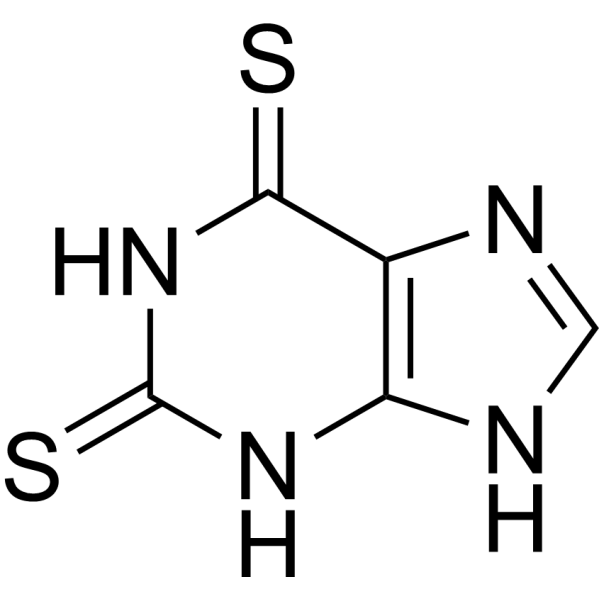
2,6-Dithiopurine (2,6-Dimercaptopurine) is a nucleophilic scavenger for electrophilic carcinogens. 2,6-Dithiopurine abolishes both DNA adduct formation and the initiation of carcinogenesis .
loading...
    loading...
1
1 Cited Publications
Cat. No.: HY-Y0678
CAS No.: 621-23-8
Synonyms: TRIMETHYL PHLOROGLUCINOL
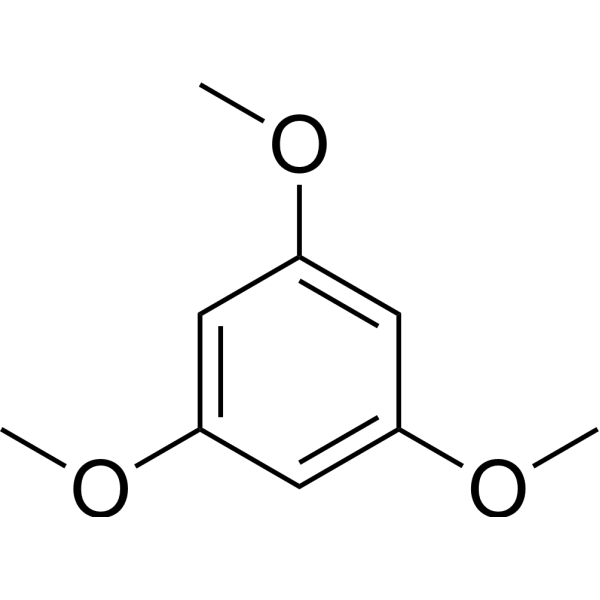
1,3,5-Trimethoxybenzene (TRIMETHYL PHLOROGLUCINOL) is an electrophilic substitution reaction substrate targeting free chlorine (Cl +) and free bromine (Br +). 1,3,5-Trimethoxybenzene has highly selective electrophilic addition characteristics. By capturing halogens, it undergoes specific substitution reactions to generate stable halogenated products. 1,3,5-Trimethoxybenzene can not only quench residual oxidants, but also quantify the halogen concentration by detecting the product without affecting the stability of redox-sensitive disinfection byproducts (DBPs). 1,3,5-Trimethoxybenzene is mainly used in water quality testing and quantitative analysis of free chlorine/bromine in water. At the same time, in phytochemistry, it is a key component of rose fragrance and participates in the study of pollination attraction mechanism .
loading...
    loading...
1
1 Cited Publications
Cat. No.: HY-150228
Purity:  ≥95.0%
Target:  

TrxR

Research Areas:  

Cancer

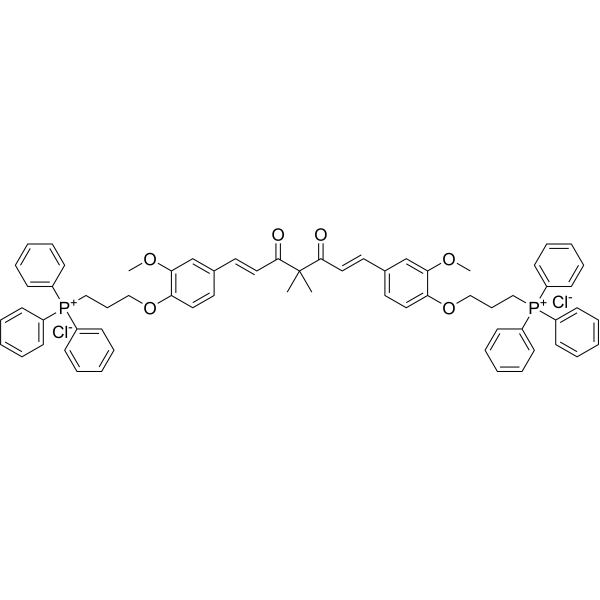
MitoCur-1, a curcumin analogue, is an inhibitor of mitochondrial antioxidative thioredoxin reductase 2 (TrxR2). MitoCur-1 has electrophilic and mitochondrial-targeting properties. MitoCur-1 induces reactive oxygen species (ROS) generation, exerts specifically antitumor efficacy .
loading...
    loading...
1
1 Cited Publications
Cat. No.: HY-135235
CAS No.: 1947408-74-3
Purity:  98.14%
Target:  

Fluorescent Dye

Research Areas:  

Others

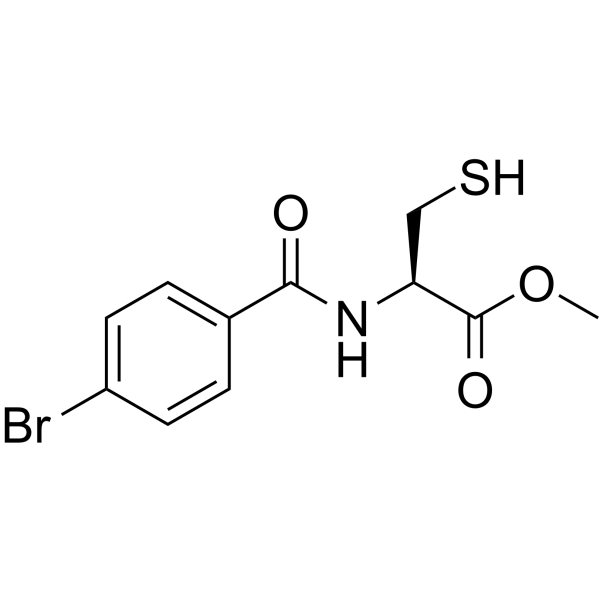
Cysteine Thiol Probe is a thiol-based probe designed to label electrophilic natural products. Cysteine Thiol Probe possesses each of the characteristics of an ideal pharmacophore probe, and has a chromophore. Cysteine Thiol Probe is capable of engaging enone-, β-lactam-, and β-lactone-based electrophilic metabolites .
loading...
    loading...
1
1 Cited Publications
Cat. No.: HY-150221
CAS No.: 2991637-98-8
Purity:  98.78%
Target:  

PARP

Research Areas:  

Cancer

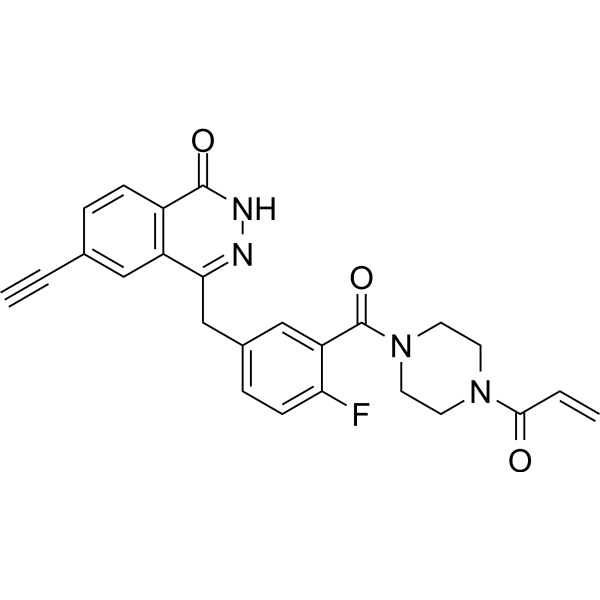
DB008 is potent and selective PARP16 inhibitor with an IC50 value of 0.27 μM, containing an acrylamide electrophilic reagent. DB008 is membrane-permeable and marks PARP16 selectively . DB008 is a click chemistry reagent, it contains an Alkyne group and can undergo copper-catalyzed azide-alkyne cycloaddition (CuAAc) with molecules containing Azide groups.
loading...
    loading...
1
1 Cited Publications
Cat. No.: HY-W002805
CAS No.: 66572-56-3
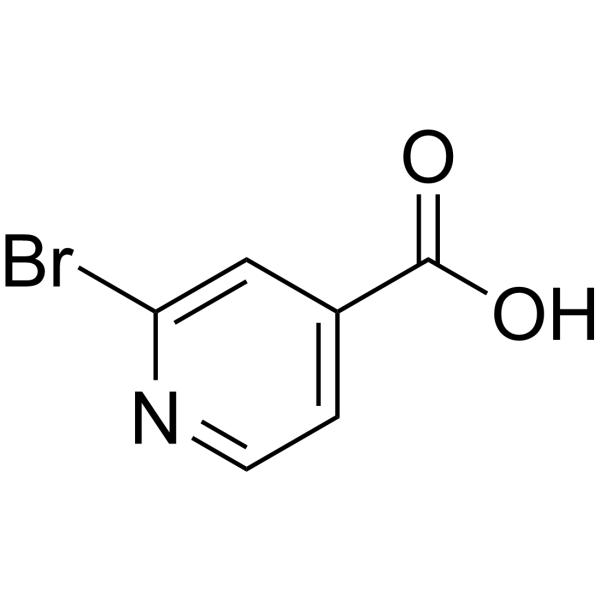
2-Bromoisonicotinic acid is a (hetero)aryl bromide building block and DNA-conjugated headpiece for photochemical C-H heteroarylation in DNA-encoded library synthesis. 2-Bromoisonicotinic acid generates a nucleophilic pyridyl radical intermediate. 2-Bromoisonicotinic acid, when conjugated to DNA, leaves electrophilic handles intact for subsequent library diversification .
loading...
    loading...
Cat. No.: HY-149461
CAS No.: 1956368-15-2
Purity:  99.81%
Research Areas:  

Others

KB-05 is an electrophilic fragment molecule that can be used in DIA-based quantitative chemical proteomic screening studies.
loading...
    loading...
Cat. No.: HY-N6856
CAS No.: 1076-38-6
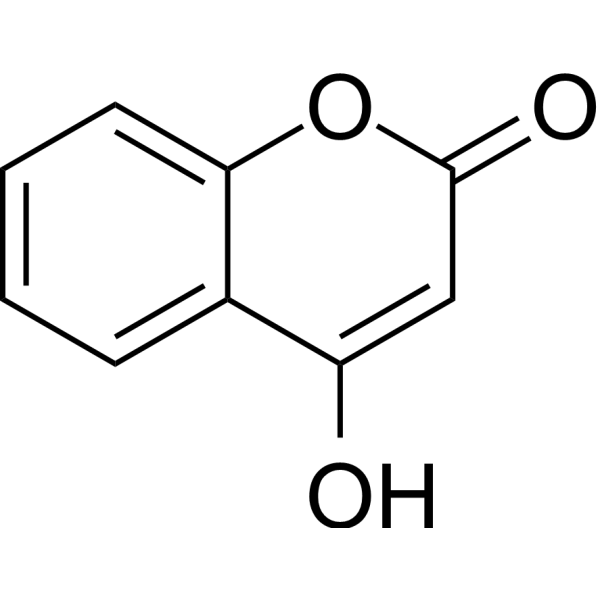
4-Hydroxycoumarin is an orally active coumarin derivative, one of the most versatile heterocyclic scaffolds, often used in the synthesis of various organic compounds. 4-Hydroxycoumarin possesses both electrophilic and nucleophilic properties. 4-Hydroxycoumarin is an HIV protease inhibitor and tyrosine kinase inhibitor. 4-Hydroxycoumarin has anti-inflammatory, antibacterial and anti-tumor effects .
loading...
    loading...
Cat. No.: HY-177554
CAS No.: 2724919-69-9
Research Areas:  

Cancer

KB05yne is a site-selective, alkyne-functionalized electrophilic "probe" fragment probe designed for covalent ligand discovery, with preferential reactivity toward specific cysteine residues in proteins. KB05yne strongly labels wild-type target proteins (e.g., CDKN2AIP, HPCAL1) but does not label their cysteine-to-alanine mutants, confirming site-specific cysteine reactivity. KB05yne can be used for the discovery and optimization of site-specific covalent ligands, and is applicable to proteins with diverse structures and functions, especially in studies targeting cysteine residues in cancer-related or difficult-to-purify proteins .
loading...
    loading...
Cat. No.: HY-W591408
CAS No.: 2768446-73-5
Research Areas:  

Cancer

DBCO-Val-Cit-PAB-MMAE is a drug-linker conjugate, which can be used for the synthesis of ADC molecules. MMAE (HY-15162) is a tubulin inhibitor, which can be used as an ADC toxin. DBCO-Val-Cit-PAB is the linker with the electrophilic group .
loading...
    loading...
Cat. No.: HY-W093017
CAS No.: 626-61-9
Research Areas:  

Others

4-Chloropyridine is a NNMT (Nicotinamide N-methyltransferase) substrate and suicide inhibition-based protein labeling scaffold precursor.4-Chloropyridine undergoes NNMT-catalyzed pyridine nitrogen methylation to increase C4 electrophilicity, enabling aromatic nucleophilic substitution by NNMT cysteine C159 for covalent NNMT modification and inactivation.4-Chloropyridine can be used for the research of various cancers .
loading...
    loading...
Cat. No.: HY-W000438
CAS No.: 105838-14-0
Research Areas:  

Others

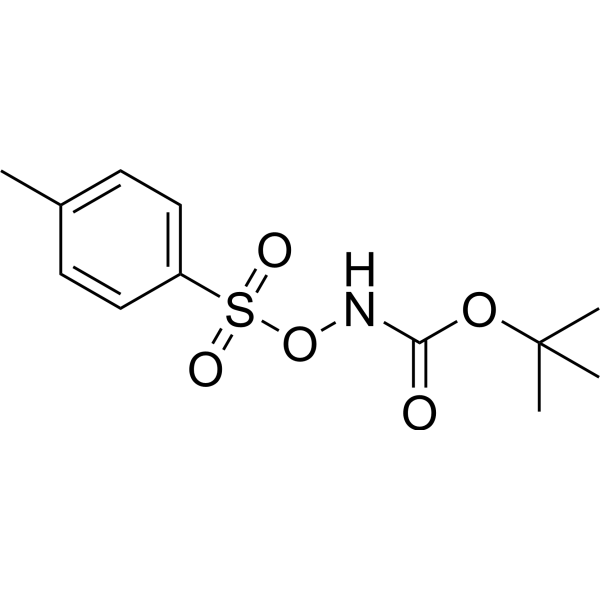
N-Boc-O-tosyl hydroxylamine is a safe and efficient nitrogen source for N-amination of aryl and alkyl amines. N-Boc-O-tosyl hydroxylamine promotes electrophilic N-amination of aryl amines and alkyl amines to generate β-Boc-protected aryl hydrazines and alkyl hydrazines .
loading...
    loading...
Cat. No.: HY-W041343
CAS No.: 611-95-0
Synonyms: Benzoylbenzoicacid
Research Areas:  

Infection

4-(Phenylcarbonyl)benzoic acid is a photooxidant. Upon light activation, 4-(Phenylcarbonyl)benzoic acid forms an electrophilic aromatic ketone that acts as an oxidant in organic synthesis or biological systems. 4-(Phenylcarbonyl)benzoic acid has been used in the study of amino acid oxidation, as well as the synthesis of photoactivated antibacterial and antiviral compounds 1 2 3.
loading...
    loading...
Cat. No.: HY-W017187
CAS No.: 3602-55-9
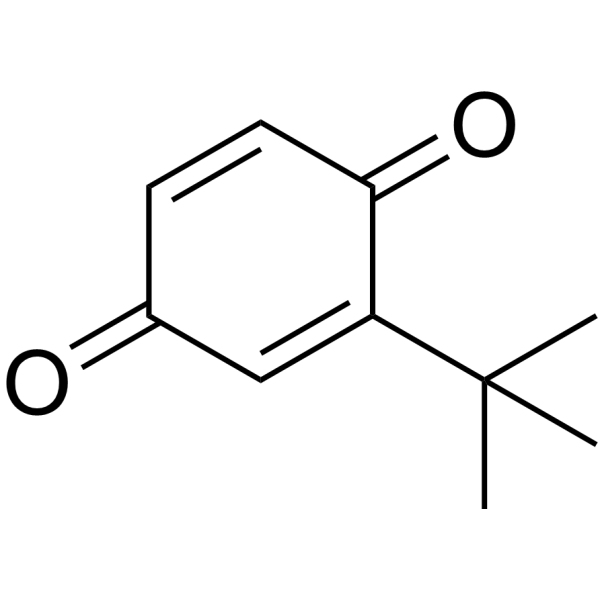
2-tert-Butyl-1,4-benzoquinone is a food additive oxidant, an electrophilic metabolite of Butylated hydroxyanisole (HY-B1066), and an antibacterial agent. 2-tert-Butyl-1,4-benzoquinone reduces virulence factors, activates Nrf2, and induces S-arylation of its negative regulator Keap1. 2-tert-Butyl-1,4-benzoquinone induces HO-1. 2-tert-Butyl-1,4-benzoquinone exhibits quorum sensing inhibitory activity against Chromobacterium violaceum .
loading...
    loading...
Cat. No.: HY-N12851
CAS No.: 2492-43-5
Synonyms: (E)-4-Oxo-2-hexenal
4-OHE ((E)-4-Oxo-2-hexenal) is a mutagen formed by omega-3 lipid peroxidation. 4-OHE reacts with deoxyguanosine, deoxycytidine and 5-methyldeoxycytidine to form covalent adducts. 4-OHE induces apoptosis and exhibits genotoxicity. 4-OHE inhibits the growth of Gram-positive and Gram-negative bacteria, which correlates with its electrophilic reactivity towards nucleophilic biomolecules. 4-OHE is a chemical defense component of Dolycoris baccarum (sloe bug), and acts as a deterrent and toxin against insect predators .
loading...
    loading...
Cat. No.: HY-149933
CAS No.: 871978-21-1
Target:  

Cannabinoid Receptor

Research Areas:  

Neurological Disease

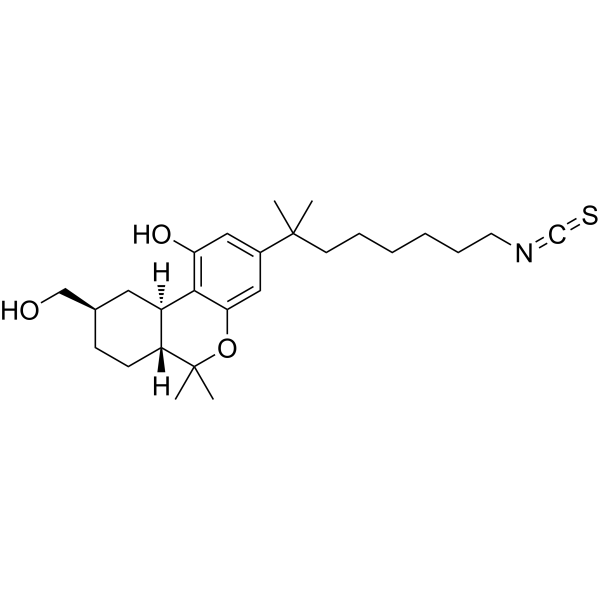
AM841 is a high-affinity electrophilic ligand. AM841 interacts covalently with a cysteine in helix six and activates the CB1 cannabinoid receptor. AM841 reduces Forskolin (HY-15371)-stimulated cAMP accumulation. AM841 also slows gastrointestinal motility .
loading...
    loading...
Cat. No.: HY-W111005
CAS No.: 1086-00-6
Research Areas:  

Cancer

1-Chloromethylpyrene is an alkylating agent that enters the DNA double helix structure through intercalation, forms covalent bonds with electrophilic groups, resulting in DNA cross-linking, thereby inhibiting the proliferation of tumor cells .
loading...
    loading...

