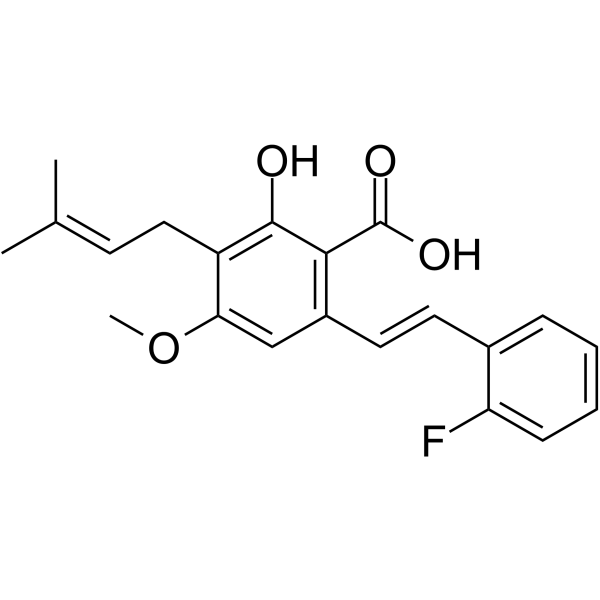
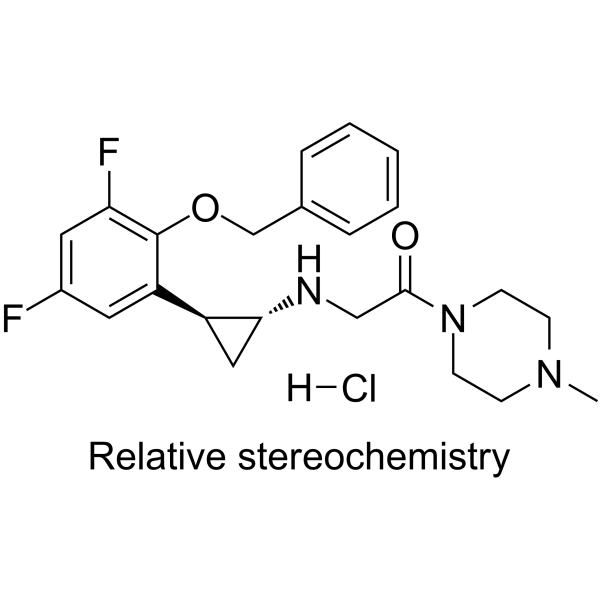
Search Result
Results for "
eradicate
" in MedChemExpress (MCE) Product Catalog:
1
Isotope-Labeled Compounds
| Cat. No. |
Product Name |
Target |
Research Areas |
Chemical Structure |
-
- HY-131904
-
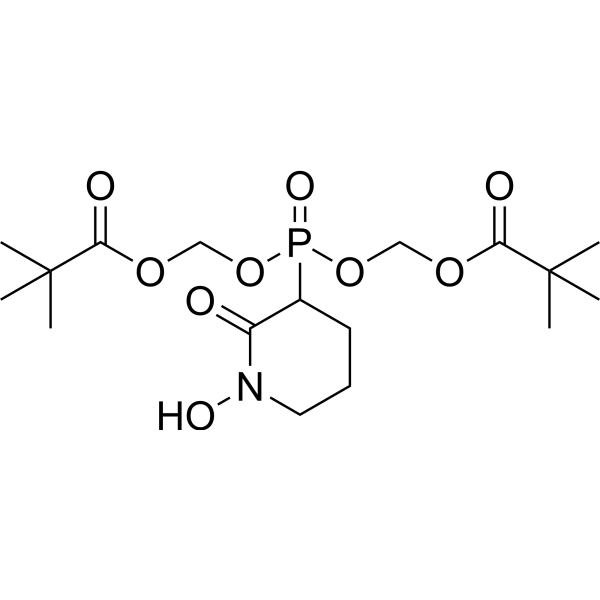
POMHEX
3 Publications Verification
|
Enolase
Apoptosis
|
Metabolic Disease
Cancer
|
|
POMHEX, a racemic mixture and a cell-permeable pivaloyloxymethyl (POM) proagent of HEX, is a potent, ENO2-specific inhibitor of enolase. POMHEX exhibits low-nanomolar potency against ENO1-deleted cells in vitro and is capable of eradicating ENO1-deleted xenografted tumours in vivo. POMHEX is a potent glycolysis inhibitor .
|
-
-
- HY-100007
-
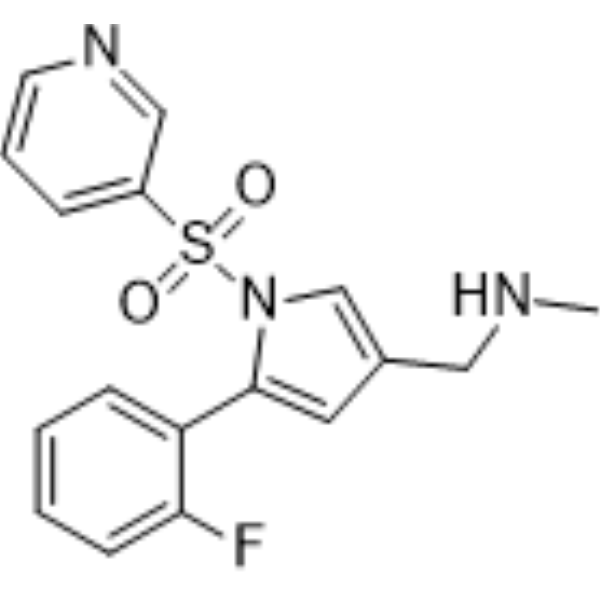
Vonoprazan
Maximum Cited Publications
6 Publications Verification
TAK-438 free base
|
Proton Pump
Bacterial
|
Endocrinology
Cancer
|
|
Vonoprazan (TAK-438 free base), a proton pump inhibitor (PPI), is a potent and orally active potassium-competitive acid blocker (P-CAB), with antisecretory activity. Vonoprazan inhibits H +,K +-ATPase activity in porcine gastric microsomes with an IC50 of 19 nM at pH 6.5. Vonoprazan is developed for the research of acid-related diseases, such as gastroesophageal reflux disease and peptic ulcer disease. Vonoprazan can be used for eradication of Helicobacter pylori .
|
-
-
- HY-B1156
-
|
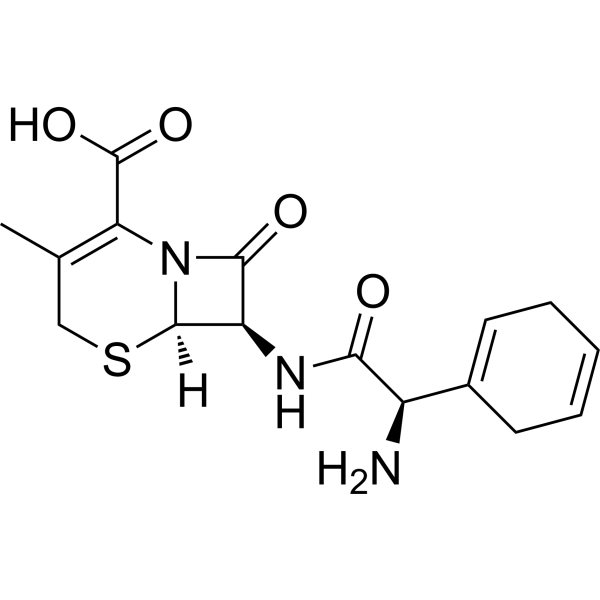
Cefradine; SQ-11436
|
Bacterial
Antibiotic
TOPK
|
Infection
Inflammation/Immunology
|
|
Cephradine (Cefradine) is a broad-spectrum and orally active cephalosporin. Cephradine is active against both gram-positive and gram-negative pathogens. Cephradine is effective in eradicating most penicillinase-producing organisms. Cephradine has been used in the research of genitourinary, gastrointestinal and respiratory tract infections, and in infections of the skin and soft tissues. Cephradine blocks solar-ultraviolet induced skin inflammation through direct inhibition of TOPK .
|
-
-
- HY-N2591
-
|
|
Endogenous Metabolite
|
Cancer
|
|
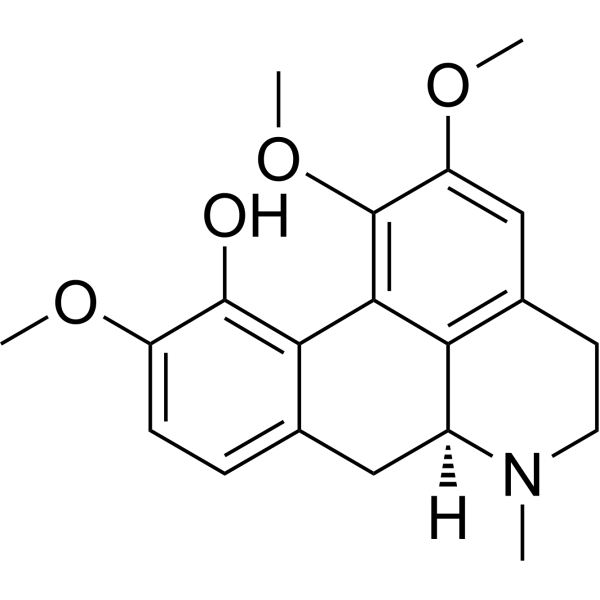
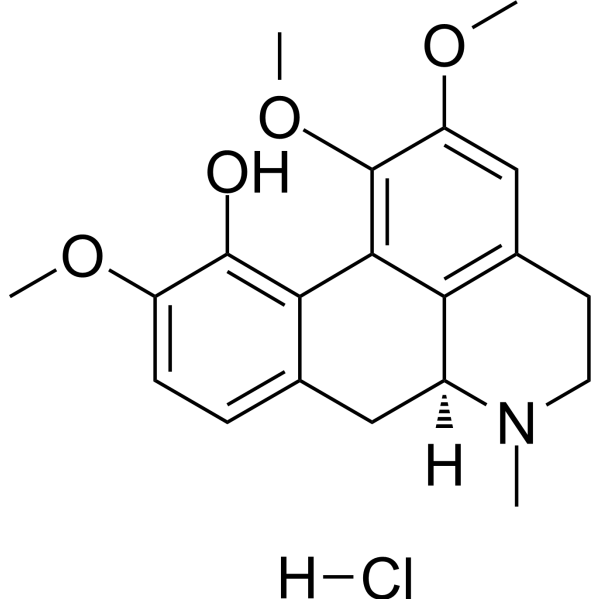
Isocorydine is isolated from Dicranostigma leptopodum (Maxim.) Fedde (DLF). Isocorydine combines with Doxorubicin (DOX) has a promising potential to eradicate hepatocellular carcinoma (HCC) .
|
-
-
- HY-128449
-
|
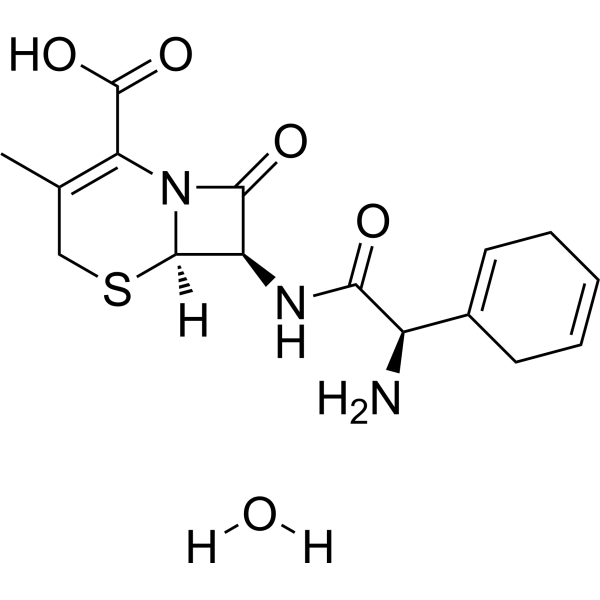
Cefradine monohydrate
|
Bacterial
Antibiotic
TOPK
|
Infection
Inflammation/Immunology
|
|
Cephradine (Cefradine) monohydrate is a broad-spectrum and orally active cephalosporin. Cephradine monohydrate is active against both grampositive and gram-negative pathogens and effective in eradicating most penicillinase-producing organisms known to be resistant to penicillin G, penicillin V, and ampicillin. Cephradine monohydrate has been used in the research of genitourinary, gastrointestinal and respiratory tract infections, and in infections of the skin and soft tissues. Cephradine monohydrate blocks solar-ultraviolet induced skin inflammation through direct inhibition of TOPK .
|
-
-
- HY-B0869A
-
|
|
Environmental Pollutants
SOD
Acetolactate Synthase (ALS)
Herbicide
|
Metabolic Disease
|
|
Bispyribac sodium is a selective, orally active, systemic and post-emergence herbicide. Bispyribac sodium reduces SOD levels and inhibits ALS activity. Bispyribac sodium blocks the biosynthesis of branched-chain amino acids, resulting in growth retardation, chlorosis and necrosis of weeds. Bispyribac sodium exerts herbicidal activity against grass, sedge and broadleaf weeds in rice fields. Bispyribac sodium is hepatotoxic and genotoxic .
|
-
-
- HY-B0771A
-
|
SCE-2787 hydrochloride
|
Antibiotic
Bacterial
Penicillin-binding protein (PBP)
|
Infection
|
|
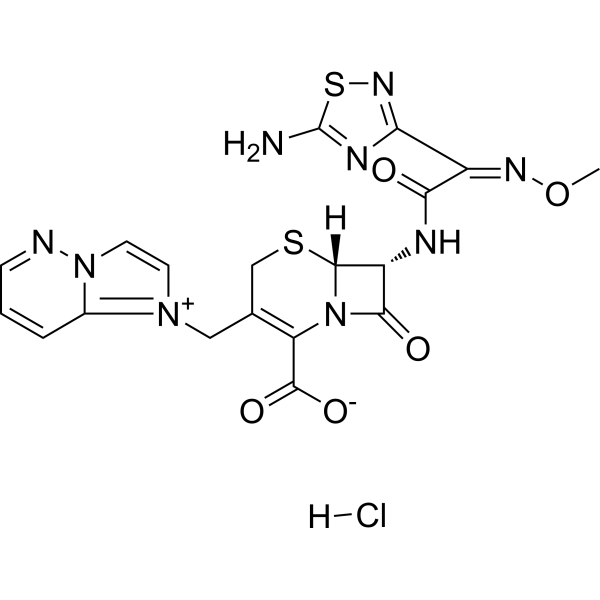
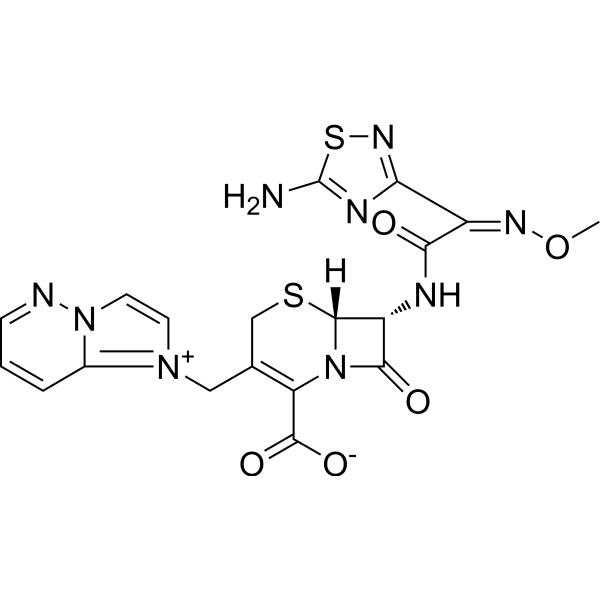
Cefozopran (SCE-2787) hydrochloride is a potent antibiotic with broad-spectrum antibacterial activity. Cefozopran hydrochloride binds PBPs, induces cell wall destruction, cell elongation, filamentation, irregular septa formation, and bactericidal, bacteriolytic activity. Cefozopran hydrochloride reduces bacterial counts and eradicates bacteria in mouse respiratory, urinary, and thigh muscle infections. Cefozopran hydrochloride can be used for the research of bacterial infections .
|
-
-
- HY-17580S
-
|
|
Isotope-Labeled Compounds
DNA/RNA Synthesis
Bacterial
Apoptosis
Antibiotic
|
Infection
|
|
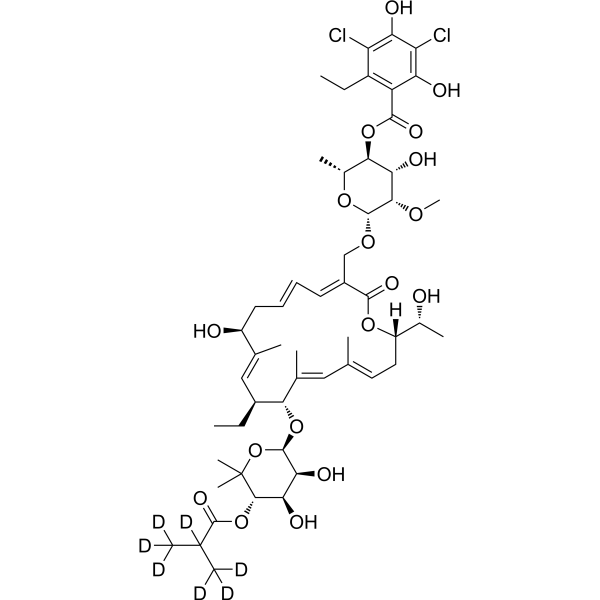
Fidaxomicin-d7 (OPT-80-D7) is the deuterium labeled Fidaxomicin. Fidaxomicin (OPT-80), a macrocyclic RNA polymerase inhibitor, has a narrow spectrum of activity. Fidaxomicin selectively eradicates pathogenic Clostridium difficile with minimal disruption to the multiple species of bacteria that make up the normal, healthy intestinal flora .
|
-
-
- HY-103249
-
|
Reutericycline
|
Bacterial
|
Infection
Metabolic Disease
|
|
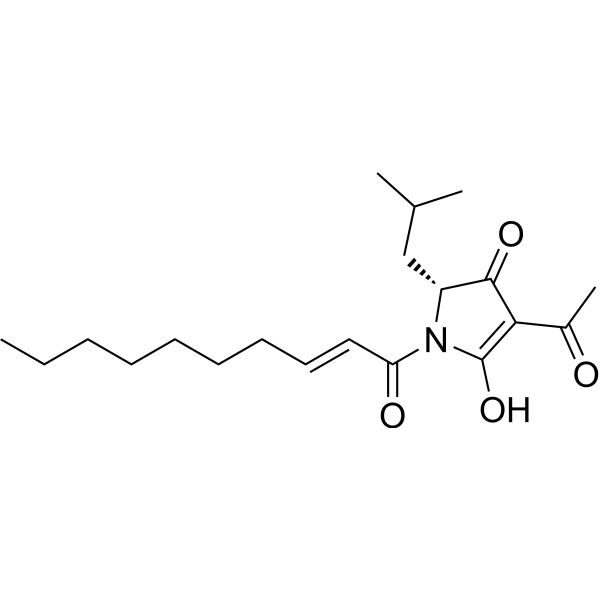
Reutericyclin (Reutericycline) is an orally active antibacterial and anti-obesity agent that selectively inhibits Gram-positive bacteria. By selectively dissipating transmembrane potential, Reutericyclin exerts non-lytic bactericidal or bacteriostatic activity against pathogens such as Clostridium difficile and Staphylococcus aureus, and rapidly kills vegetative cells and spores of Clostridium difficile. Reutericyclin possesses favorable properties including resistance to enzymatic hydrolysis, iron-chelating function, and poor absorption by colonic epithelium. Reutericyclin not only eradicates staphylococcal biofilms and inhibits drug-resistant strains, but also counteracts Risperidone (HY-11018)-induced weight gain by inducing changes in gut microbiota composition and restoring energy utilization efficiency. Reutericyclin can be used in research related to Clostridium difficile infection, Risperidone-induced weight gain, and staphylococcal superficial skin infections .
|
-
-
- HY-145301
-
|
|
Bacterial
|
Infection
|
|
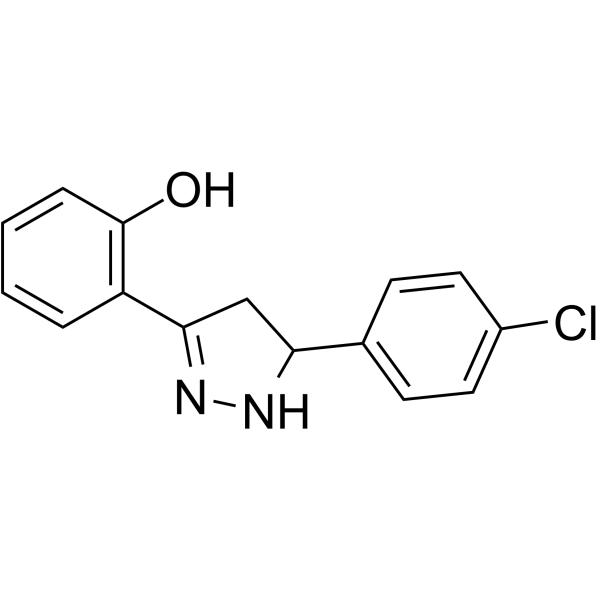
Mycobactin-IN-1, a pyrazoline analogue, is a mycobactin biosynthesis inhibitor against mycobacteria. Mycobactin-IN-1 binds to salicyl-AMP ligase (MbtA), a key enzyme in the mycobactin biosynthetic pathway. Mycobactin-IN-1 inhibits whole-cell drug efflux pumps in M. smegmatis. Mycobactin-IN-1 eradicates intracellularly surviving mycobacteria. Mycobactin-IN-1 shows an excellent in vivo pharmacokinetic profile. Mycobactin-IN-1 can be used for the research of tuberculosis .
|
-
-
- HY-100007A
-
|
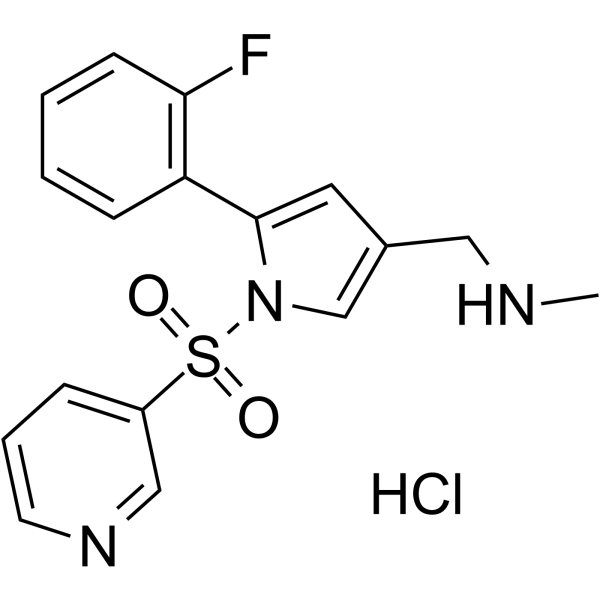
TAK-438 hydrochloride
|
Proton Pump
Bacterial
|
Infection
Endocrinology
Cancer
|
|
Vonoprazan hydrochloride, a proton pump inhibitor (PPI), is a potent and orally active potassium-competitive acid blocker (P-CAB), with antisecretory activity. Vonoprazan hydrochloride inhibits H +,K +-ATPase activity in porcine gastric microsomes with an IC50 of 19 nM at pH 6.5. Vonoprazan hydrochloride is developed for the research of acid-related diseases, such as gastroesophageal reflux disease and peptic ulcer disease. Vonoprazan hydrochloride can be used for eradication of Helicobacter pylori .
|
-
-
- HY-B0771
-
|
SCE-2787
|
Antibiotic
Bacterial
Penicillin-binding protein (PBP)
|
Infection
|
|
Cefozopran (SCE-2787) is a potent antibiotic with broad-spectrum antibacterial activity. Cefozopran binds PBPs, induces cell wall destruction, cell elongation, filamentation, irregular septa formation, and bactericidal, bacteriolytic activity. Cefozopran reduces bacterial counts and eradicates bacteria in mouse respiratory, urinary, and thigh muscle infections. Cefozopran can be used for the research of bacterial infections .
|
-
-
- HY-B0691A
-
-
-
- HY-178347
-
|
|
Bacterial
|
Infection
|
|
Debio 1453 is a bactericidal FabI inhibitor potent against N. gonorrhoeae (IC50 = 0.6 nM), including drug-resistant strains. Debio 1453 demonstrates a low propensity for resistance selection and is effective in eradicating both planktonic and intracellular bacteria through a mechanism of concurrently inhibiting FabI and engaging the non-mutable NADH cofactor. Debio 1453 clears antibiotic-resistant N. gonorrhoeae infection in a murine vaginal model. Debio 1453 can be used for gonorrhoea research .
|
-
-
- HY-N15548
-
|
Armeniaspirole A
|
Bacterial
|
Infection
|
|
Armeniaspirol A (Armeniaspirole A) is an antibacterial agent targeting Helicobacter pylori cell membranes. Armeniaspirol A induces membrane permeabilization, cytoplasmic leakage, and biofilm inhibition/eradication. Armeniaspirol A is promising for research of H. pylori infection .
|
-
-
- HY-146047
-
|
|
Bacterial
|
Infection
|
|
Antibacterial agent 94 (compound 5b) is a potent antibacterial agent. Antibacterial agent 94 show antibacterial activities and show the capability of eradicating MRSA persisters. Antibacterial agent 94 has an effect on bacterial membrane. Antibacterial agent 94 interferes in phosphatidylglycerol (PG) synthesis pathway .
|
-
-
- HY-118338
-
|
|
Parasite
|
Infection
|
|
WRR-483 is an analog of K11777, an inhibitor of cruzain, used to inhibit the proliferation of Trypanosoma cruzi in cell culture. WRR-483 can eradicate parasitic infection in an acute Chagas disease mouse model. WRR-483 is an irreversible cysteine protease inhibitor that shows pH-dependent high affinity and potent trypanocidal activity against cruzain and T. cruzi infection, and is expected to inhibit Chagas disease.
|
-
-
- HY-100007R
-
|
TAK-438 (Standard)
|
Reference Standards
Proton Pump
Bacterial
|
Endocrinology
|
|
Vonoprazan (Standard) is the analytical standard of Vonoprazan. This product is intended for research and analytical applications. Vonoprazan (TAK-438 free base), a proton pump inhibitor (PPI), is a potent and orally active potassium-competitive acid blocker (P-CAB), with antisecretory activity. Vonoprazan inhibits H +,K +-ATPase activity in porcine gastric microsomes with an IC50 of 19 nM at pH 6.5. Vonoprazan is developed for the research of acid-related diseases, such as gastroesophageal reflux disease and peptic ulcer disease. Vonoprazan can be used for eradication of Helicobacter pylori .
|
-
-
- HY-136523
-
|
|
Histone Demethylase
Apoptosis
|
Cancer
|
|
S2157, a N-alkylated tranylcypromine (TCP) derivative, is a potent lysine-specific demethylase 1 (LSD1) inhibitor. S2157 increases H3K9 methylation and reciprocal H3K27 deacetylation at super-enhancer regions. S2157 induces apoptosis in TCP-resistant T-cell acute lymphoblastic leukemia (T-ALL) cells by repressing transcription of the NOTCH3 and TAL1 genes. S2157 efficiently pass through the blood-brain barrier and can almost completely eradicate CNS leukemia in mice transplanted with T-ALL cells .
|
-
-
- HY-B0869AR
-
|
|
Reference Standards
Acetolactate Synthase (ALS)
SOD
|
Metabolic Disease
|
|
Bispyribac (sodium) (Standard) is the analytical standard of Bispyribac sodium (HY-B0869A). This product is intended for research and analytical applications. Bispyribac sodium is a selective, orally active, systemic and post-emergence herbicide. Bispyribac sodium reduces SOD levels and inhibits ALS activity. Bispyribac sodium blocks the biosynthesis of branched-chain amino acids, resulting in growth retardation, chlorosis and necrosis of weeds. Bispyribac sodium exerts herbicidal activity against grass, sedge and broadleaf weeds in rice fields. Bispyribac sodium is hepatotoxic and genotoxic .
|
-
-
- HY-136377R
-
|
|
Herbicide
Reference Standards
|
Others
|
|
Fluoroglycofen (Standard) is the analytical standard of Fluoroglycofen. This product is intended for research and analytical applications. Fluoroglycofen is a herbicide used in vineyards to eradicate weeds .
|
-
-
- HY-N2591A
-
|
|
Endogenous Metabolite
|
Cancer
|
|
Isocorydine hydrochloride is isolated from Dicranostigma leptopodum (Maxim.) Fedde (DLF). Isocorydine hydrochloride combines with Doxorubicin (DOX) has a promising potential to eradicate hepatocellular carcinoma (HCC) .
|
-
-
- HY-N2591R
-
|
|
Reference Standards
Endogenous Metabolite
|
Cancer
|
|
Isocorydine is isolated from Dicranostigma leptopodum (Maxim.) Fedde (DLF). Isocorydine combines with Doxorubicin (DOX) has a promising potential to eradicate hepatocellular carcinoma (HCC) .
|
-
-
- HY-B0691
-
|
|
Reactive Oxygen Species (ROS)
Bacterial
|
Infection
|
|
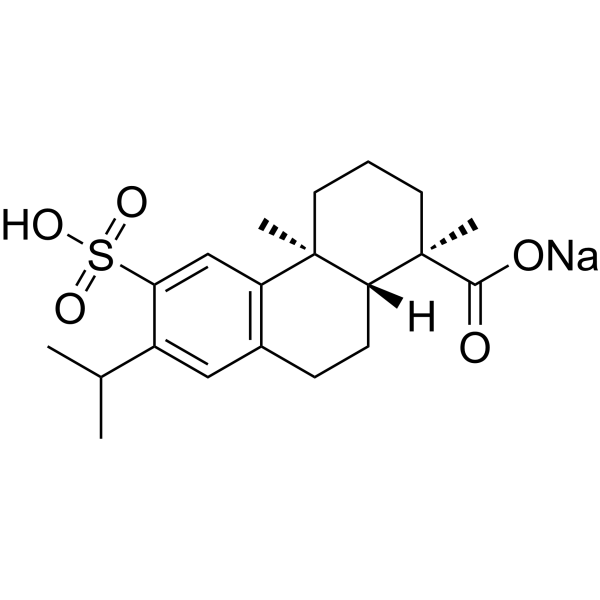
Ecabet sodium (TA-2711) is currently applied to some clinical gastrointestinal disease by inhibiting the ROS production and improving Helicobacter pylori eradication . Ecabet sodium reduces apoptosis
|
-
-
- HY-139971
-
|
|
Bacterial
|
Infection
|
|
Antibacterial agent 64 (compound 62) is a potent YycG inhibitor (IC50=6.1 µM) and an antibacterial agent. Antibacterial agent 64 combines with ampicillin could synergistically eradicate the biofilm-embedded viable bacteria .
|
-
-
- HY-135759
-
|
|
Bacterial
|
Infection
|
|
Cetraxate is an orally active antiulcer Drug. Cetraxate increases the blood flow of gastric mucosal. Cetraxate increases the eradication of Helicobacter pylori in smokers when in combination with Omeprazole (HY-B0113),Amoxicillin (HY-B0467A), and Clarithromycin (HY-17508) .
|
-
-
- HY-160084
-
|
|
DNA Methyltransferase
|
Cancer
|
|
2′-Deoxy-4′-thiocytidine (T-dCyd) is a novel epigenetic agent. 2′-Deoxy-4′-thiocytidine administrations led to a significant p21 increase. 2′-Deoxy-4′-thiocytidine can eradicate of tumor cells in the double-mutant xenografts .
|
-
-
- HY-119490
-
|
|
Epigenetic Reader Domain
HIV
|
Infection
|
|
UMB-136 is a bromodomain inhibitor. UMB-136 is a promising latency-reversing agent (LRA) for HIV-1 eradication. UMB-136 reactivates HIV-1 in multiple cell models. UMB-136 enhances HIV-1 transcription and increases viral production through the release of P-TEFb .
|
-
-
- HY-162958
-
|
|
Apoptosis
TrxR
|
Cancer
|
|
Photosensitizer-6 (Compound 4) is a gold (I) complex and exhibits inhibitory activity against TrxR. Photosensitizer-6 induces apoptosis in 4T1 cell, targets and eradicates tumors through chemo-phototherapy and immunogenic cell death under light exposure. Photosensitizer-6 can be used for tumor imaging .
|
-
-
- HY-B1156A
-
|
Cefradine sodium; SQ-11436 sodium
|
Bacterial
Antibiotic
TOPK
|
Infection
Inflammation/Immunology
|
|
Cephradine sodium is a broad-spectrum and orally active cephalosporin. Cephradine sodium is active against both gram-positive and gram-negative pathogens. Cephradine sodium is effective in eradicating most penicillinase-producing organisms. Cephradine sodium has been used in the research of genitourinary, gastrointestinal and respiratory tract infections, and in infections of the skin and soft tissues. Cephradine sodium blocks solar-ultraviolet induced skin inflammation through direct inhibition of TOPK .
|
-
-
- HY-B0771AR
-
|
SCE-2787 hydrochloride (Standard)
|
Reference Standards
Antibiotic
Bacterial
Penicillin-binding protein (PBP)
|
Infection
|
|
Cefozopran (SCE-2787) hydrochloride (Standard) is the analytical standard of Cefozopran hydrochloride. Cefozopran (SCE-2787) dihydrochloride is a potent antibiotic with broad-spectrum antibacterial activity. Cefozopran dihydrochloride binds PBPs, induces cell wall destruction, cell elongation, filamentation, irregular septa formation, and bactericidal, bacteriolytic activity. Cefozopran dihydrochloride reduces bacterial counts and eradicates bacteria in mouse respiratory, urinary, and thigh muscle infections. Cefozopran dihydrochloride can be used for the research of bacterial infections .
|
-
-
- HY-B1156R
-
|
Cefradine (Standard); SQ-11436 (Standard)
|
Reference Standards
Bacterial
Antibiotic
TOPK
|
Infection
Inflammation/Immunology
|
|
Cephradine (Standard) is the analytical standard of Cephradine. This product is intended for research and analytical applications. Cephradine (Cefradine) is a broad-spectrum and orally active cephalosporin. Cephradine is active against both gram-positive and gram-negative pathogens. Cephradine is effective in eradicating most penicillinase-producing organisms. Cephradine has been used in the research of genitourinary, gastrointestinal and respiratory tract infections, and in infections of the skin and soft tissues. Cephradine blocks solar-ultraviolet induced skin inflammation through direct inhibition of TOPK .
|
-
-
- HY-174973
-
|
|
Fungal
Cytochrome P450
|
Infection
|
|
CYP51-IN-26 is a CYP51 inhibitor with an IC50 value of approximately 0.40 μM. CYP51-IN-26 eradicates C.
auris biofilms. CYP51-IN-26 demonstrates significantly improved intracellular uptake in an accumulation assay. CYP51-IN-26 protects against C. auris infection in both G. mellonella and D. melanogaster models. CYP51-IN-26 can be used for research on fungal infections .
|
-
-
- HY-161364
-
|
|
Bacterial
|
Inflammation/Immunology
|
|
Antibacterial agent 200 (pyridyl HH 7), a unique hydrazyl hydroxycoumarin (HH), has strong antibacterial efficacy and broad antibacterial spectrum with MIC values ranging from 0.5 to 32 μg/mL for Gram-positive and Gram-negative bacteria. Antibacterial agent 200 exhibits a good inhibition against Pseudomonas aeruginosa 27853 with a low MIC value of 0.5 μg/mL. Antibacterial agent 200 can eradicate the integrity of bacterial membrane, result in the leakage of intracellular proteins, and interact with bacterial DNA gyrase via non-covalent binding .
|
-
-
- HY-175295A
-
|
|
Bacterial
Reactive Oxygen Species (ROS)
|
Infection
|
|
Anti-MRSA agent 33 iodide is an anti-Methicillin (HY-121544)-resistant Staphylococcus aureus (MRSA) agent, with MIC values of 2-4 μg/mL. Anti-MRSA agent 33 iodide demonstrates effective biofilm eradication and minimal cytotoxicity toward mammalian cells. Anti-MRSA agent 33 iodide specifically binds to phosphatidylglycerol (PG) on bacterial membranes, leading to membrane disruption, excessive production of ROS, and metabolic collapse, ultimately resulting in bacterial cell death. Anti-MRSA agent 33 iodide reduces bacterial load in a murine skin infection model .
|
-
-
- HY-136377
-
|
|
Herbicide
|
Others
|
|
Fluoroglycofen is a herbicide used in vineyards to eradicate weeds .
|
-
-
- HY-P11121
-
|
|
Bacterial
|
Infection
|
|
Myxinidin is an antimicrobial peptide. Myxinidin exhibits the ability to inhibit and eradicate biofilms formed by Pseudomonas aeruginosa and various Candida species. Myxinidin can be used for the study of infection .
|
-
-
- HY-183275
-
|
|
DNA/RNA Synthesis
Bacterial
Reactive Oxygen Species (ROS)
|
Infection
|
|
Antibacterial agent 340 is a DNA gyrase inhibitor. Antibacterial agent 340 exhibits broad-spectrum bactericidal activity against Gram-positive and Gram-negative bacteria. Antibacterial agent 340 disrupts bacterial cell membrane integrity, induces reactive oxygen species (ROS) accumulation, and inhibits and eradicates bacterial biofilms. Antibacterial agent 340 can be used for the research of bacterial infections .
|
-
-
- HY-W740077
-
|
SCE-2787 dihydrochloride
|
Antibiotic
Bacterial
Penicillin-binding protein (PBP)
|
Infection
|
|
Cefozopran (SCE-2787) dihydrochloride is a potent antibiotic with broad-spectrum antibacterial activity. Cefozopran dihydrochloride binds PBPs, induces cell wall destruction, cell elongation, filamentation, irregular septa formation, and bactericidal, bacteriolytic activity. Cefozopran dihydrochloride reduces bacterial counts and eradicates bacteria in mouse respiratory, urinary, and thigh muscle infections. Cefozopran dihydrochloride can be used for the research of bacterial infections .
|
-
-
- HY-183751
-
|
|
Bacterial
Reactive Oxygen Species (ROS)
|
Infection
|
|
Antibacterial agent 346 (Compound H14d) is a broad-spectrum Antibacterial agent and BsFtsZ inhibitor, with an IC50 of 69.67 μg/mL against BsFtsZ. Antibacterial agent 346 selectively binds to phosphatidylglycerol, disrupts membrane integrity, increases permeability, triggers depolarization and causes intracellular protein leakage. Antibacterial agent 346 induces intracellular ROS accumulation, which in turn triggers oxidative stress and cell death. Antibacterial agent 346 eradicates mature biofilms formed by Gram-positive and Gram-negative bacteria. Antibacterial agent 346 exhibits antibacterial activity against methicillin-resistant Staphylococcus aureus and Acinetobacter baumannii. Antibacterial agent 346 can be used in the research of bacterial infections .
|
-
-
- HY-P992059
-
|
|
CD1
|
Cancer
|
|
Anti-Mouse CD1d Antibody (1B1) is an antibody targeting mouse CD1d (Kd=12.5 nM). By inserting into the lipid-binding groove of CD1d, Anti-Mouse CD1d Antibody (1B1) overlaps with the binding sites of type I and type II NKT cell receptors (TCR), thereby effectively blocking TCR-mediated interactions. Anti-Mouse CD1d Antibody (1B1) activates antigen-presenting cells such as dendritic cells and macrophages, induces them to release IL-12p70, and increases the levels of key cytokines including IL-12, IFN-γ and IFN-α in mouse serum. Anti-Mouse CD1d Antibody (1B1) can be used in studies related to renal cancer, breast cancer and colon adenocarcinoma. When combined with anti-DR5 or anti-CD137 antibodies and chemotherapeutic drugs, Anti-Mouse CD1d Antibody (1B1) exhibits significant tumor inhibitory and even eradication effects in mice .
|
-
-
-
HY-L127
-
|
|
37 compounds
|
|
Orthopoxvirus is a genus of viruses in the family Poxviridae and subfamily Chordopoxvirinae. The orthopoxvirus genus consists of 12 viruses including variola virus, vaccinia virus (VV), cowpox viruses (CV), monkeypox virus, and camelpox virus. Smallpox has been eradicated worldwide in 1980, but some other orthopoxvirus, such as monkeypox virus, are still threats to human health.
There are not many drugs available for orthopoxvirus treatment. The only product currently available for treatment of complications of Orthopoxvirus infection is vaccinia immunoglobulin (VIG). In 2021, brincidofovir was approved by FDA for the treatment of smallpox and tecovirimat was approved by EMA for the treatment of monkeypox in 2022. A few active compounds including interferon and interferon inducers, and a variety of nucleosides or nucleotides have been reported to have activity against orthopoxvirus.
MCE carefully prepared a unique collection of 37 compounds reported with the anti- orthopoxvirus activity which can be used for drug screening and other research about orthopoxvirus.
|
| Cat. No. |
Product Name |
Target |
Research Area |
-
- HY-P11121
-
|
|
Bacterial
|
Infection
|
|
Myxinidin is an antimicrobial peptide. Myxinidin exhibits the ability to inhibit and eradicate biofilms formed by Pseudomonas aeruginosa and various Candida species. Myxinidin can be used for the study of infection .
|
| Cat. No. |
Product Name |
Target |
Research Area |
Image |
-
- HY-P992059
-
|
|
CD1
|
Cancer
|
|
Anti-Mouse CD1d Antibody (1B1) is an antibody targeting mouse CD1d (Kd=12.5 nM). By inserting into the lipid-binding groove of CD1d, Anti-Mouse CD1d Antibody (1B1) overlaps with the binding sites of type I and type II NKT cell receptors (TCR), thereby effectively blocking TCR-mediated interactions. Anti-Mouse CD1d Antibody (1B1) activates antigen-presenting cells such as dendritic cells and macrophages, induces them to release IL-12p70, and increases the levels of key cytokines including IL-12, IFN-γ and IFN-α in mouse serum. Anti-Mouse CD1d Antibody (1B1) can be used in studies related to renal cancer, breast cancer and colon adenocarcinoma. When combined with anti-DR5 or anti-CD137 antibodies and chemotherapeutic drugs, Anti-Mouse CD1d Antibody (1B1) exhibits significant tumor inhibitory and even eradication effects in mice .
|
-
(5)
| Cat. No. |
Product Name |
Category |
Target |
Chemical Structure |
-
- HY-N2591
-
-
-
- HY-103249
-
|
Reutericycline
|
Infection
Structural Classification
Microorganisms
Classification of Application Fields
Antibiotics
Antibacterial
Disease Research
Disease Research Fields
Other Antibiotics
Source Classification
|
Bacterial
|
|
Reutericyclin (Reutericycline) is an orally active antibacterial and anti-obesity agent that selectively inhibits Gram-positive bacteria. By selectively dissipating transmembrane potential, Reutericyclin exerts non-lytic bactericidal or bacteriostatic activity against pathogens such as Clostridium difficile and Staphylococcus aureus, and rapidly kills vegetative cells and spores of Clostridium difficile. Reutericyclin possesses favorable properties including resistance to enzymatic hydrolysis, iron-chelating function, and poor absorption by colonic epithelium. Reutericyclin not only eradicates staphylococcal biofilms and inhibits drug-resistant strains, but also counteracts Risperidone (HY-11018)-induced weight gain by inducing changes in gut microbiota composition and restoring energy utilization efficiency. Reutericyclin can be used in research related to Clostridium difficile infection, Risperidone-induced weight gain, and staphylococcal superficial skin infections .
|
-
-
- HY-N15548
-
|
Armeniaspirole A
|
Microorganisms
Antibiotics
Source Classification
|
Bacterial
|
|
Armeniaspirol A (Armeniaspirole A) is an antibacterial agent targeting Helicobacter pylori cell membranes. Armeniaspirol A induces membrane permeabilization, cytoplasmic leakage, and biofilm inhibition/eradication. Armeniaspirol A is promising for research of H. pylori infection .
|
-
-
- HY-N2591A
-
-
-
- HY-N2591R
-
-
| Cat. No. |
Product Name |
Chemical Structure |
-
- HY-17580S
-
|
|
|
Fidaxomicin-d7 (OPT-80-D7) is the deuterium labeled Fidaxomicin. Fidaxomicin (OPT-80), a macrocyclic RNA polymerase inhibitor, has a narrow spectrum of activity. Fidaxomicin selectively eradicates pathogenic Clostridium difficile with minimal disruption to the multiple species of bacteria that make up the normal, healthy intestinal flora .
|
-
Your information is safe with us. * Required Fields.
Inquiry Information
- Product Name:
- Cat. No.:
- Quantity:
- MCE Japan Authorized Agent:

