From 11:00 pm to 12:00 pm EST ( 8:00 pm to 9:00 pm PST ) on January 6th, the website will be under maintenance. We are sorry for the inconvenience. Please arrange your schedule properly.
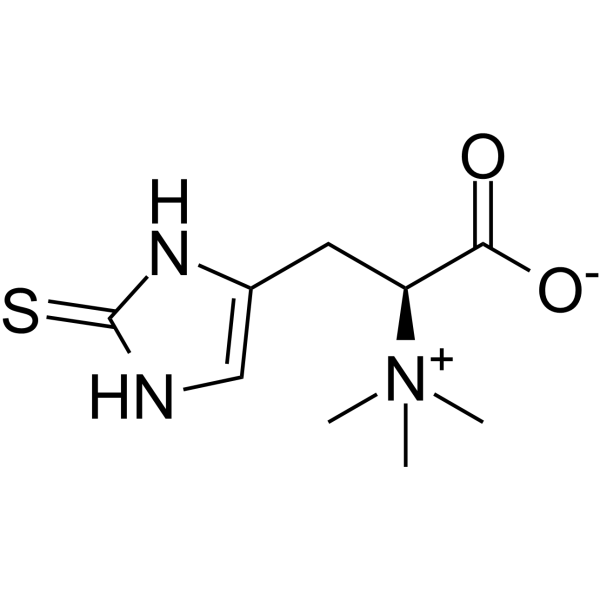
Ergothioneine is an imidazole-2-thione derivative with orally active histidine betaine. Ergothioneine is a specific inhibitor of p38-MAPK and Akt, which plays a protective role in cell apoptosis induced by stress. Ergothioneine has antioxidant activity .
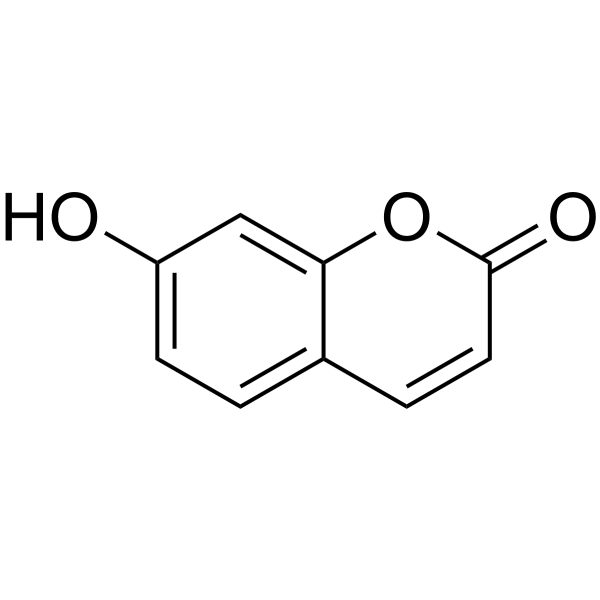
Umbelliferone (7-Hydroxycoumarin), a natural orally active product of the coumarin family, is a fluorescing compound which can be used as a sunscreen agent. Umbelliferone induces cell cycle arrest, apoptosis and DNA fragmentation in HepG2 cells. Umbelliferone exhibits significant anticancer effects. Umbelliferone attenuates the alteration characteristics of allergic airway inflammation. Umbelliferone displays the neuroprotective effects and cross the blood-brain barrier. Umbelliferone exhibits anti-inflammatory and antioxidant effects in
chronic alcohol-fed rats .
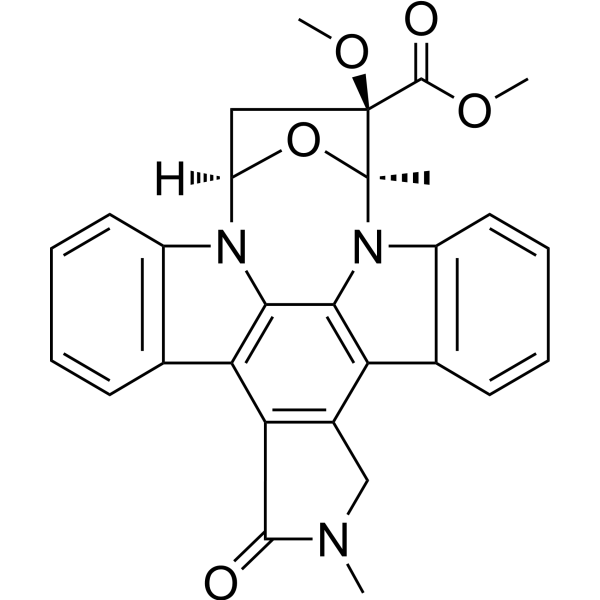
KT5823, a selective the cGMP-dependent protein kinase (PKG) inhibitor with an Ki value of 0.23 μM, it also inhibits PKA and PKC with Ki values of 10 μM and 4 μM, respectively. KT5823 is a Staurosporine-related protein kinase inhibitor, increases thyroid-stimulating hormone-induced (Na +/I - symporter) NIS expression, and iodide uptake in thyroid cells. KT5823 arrests cells after the G0/G1 boundary and causes increases in the levels of apoptotic DNA fragmentation .
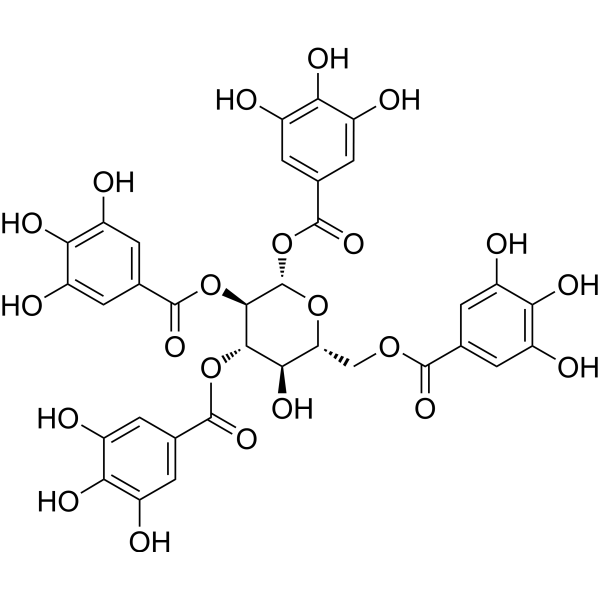
1,2,3,6-Tetragalloylglucose (TEgG) is a competitive inhibitor of UDP-glucuronyltransferase UGT1A1, targeting the competitive substrate binding site of UGT1A1. 1,2,3,6-Tetragalloylglucose inhibits UGT1A1-mediated β-estradiol 3-glucuronidation and SN-38 glucuronidation with IC50 of 6.01 μM and 4.31 μM, respectively, and binds to UGT1A1 with Ki of 3.55 μM. 1,2,3,6-Tetragalloylglucose also induces tumor cell apoptosis, inhibit cell proliferation, activates caspase-3 and induces DNA fragmentation in HL-60 cells. 1,2,3,6-Tetragalloylglucose also inhibits HIV integrase and reverse transcriptase, and inhibits HCV protease .
Apomorphine ((-)-Apomorphine) is a potent dopamine receptor agonist. Apomorphine also inhibit MAO-A and MAO-B.Apomorphine exerts neuroprotective effect and can relax rat corpus cavernosum. Apomorphine can inhibit ROS production, DNA fragmentation and inibit JNK and ERK1/2 phosphorylation. Apomorphine can enhance degradation of intracellular Aβ40 and Aβ42, reduces tau protein levelsandinhibit MMP-9 expression. Apomorphine is a highly potent radical scavenger and iron chelator. Apomorphine can be used for the researches of dementia, parkinson's disease, alzheimer disease, breast carcinoma, and erectile dysfunction .
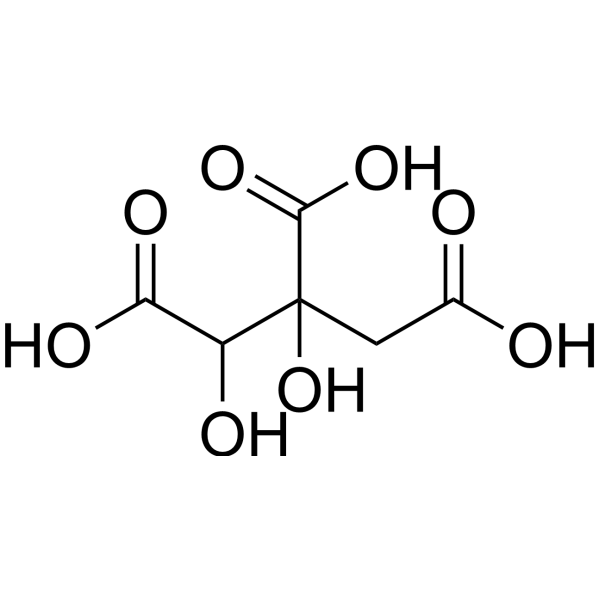
Hydroxycitric acid is an orally active, multi-target, multi-bioactive organic acid. activates Nrf2 and its downstream molecule GPX4, increases glutathione levels, and thereby inhibits ferroptosis. Hydroxycitric acid activates the Nrf2/Keap1 and ACLY/NF-κB signaling pathways, upregulates the activities of antioxidant enzymes such as superoxide dismutase, reduces MDA content, thereby alleviating oxidative stress and renal tubular epithelial cell apoptosis, and improves pulmonary vascular and right ventricular remodeling. Hydroxycitric acid activates both the AMPK and mTORC1/S6K pathways, triggers the unfolded protein response, arrests the cancer cell cycle, and induces DNA fragmentation .
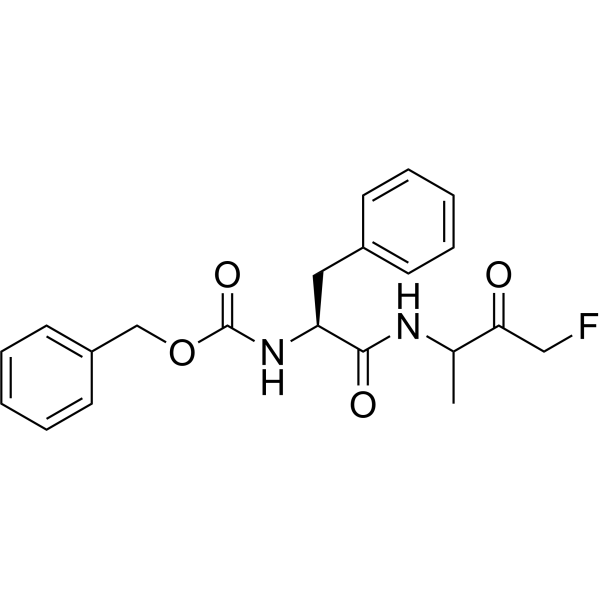
Z-FA-FMK ((1S)-Z-FA-FMK) is a potent Cathepsin B and L inhibitor. Z-FA-FMK blocks the induction of DEVDase activity, DNA fragmentation, and externalization of phosphatidylserine by selective synthetic retinoid-related molecules (RRMs). Z-FA-FMK inhibits apoptosis. Z-FA-FMK inhibits caspase activity and selectively inhibits recombinant effector caspases 2, -3, -6, and -7. Z-FA-FMK is a viral inhibitor. Z-FA-FMK inhibits reovirus replication in a susceptible host .
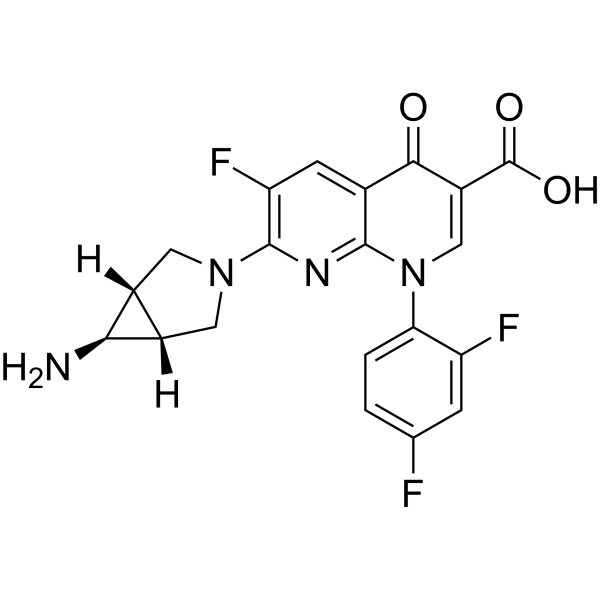
Trovafloxacin is a broad-spectrum quinolone antibiotic with potent activity against Gram-positive, Gram-negative and anaerobic organisms. Trovafloxacin blocks the DNA gyrase and topoisomerase IV activity. Trovafloxacin is also a potent, selective and orally active pannexin 1 channel (PANX1) inhibitor with an IC50 of 4 μM for PANX1 inward current. Trovafloxacin does not inhibit connexin 43 gap junction or PANX2. Trovafloxacin leads to dysregulated fragmentation of apoptotic cells by inhibiting PANX1 .
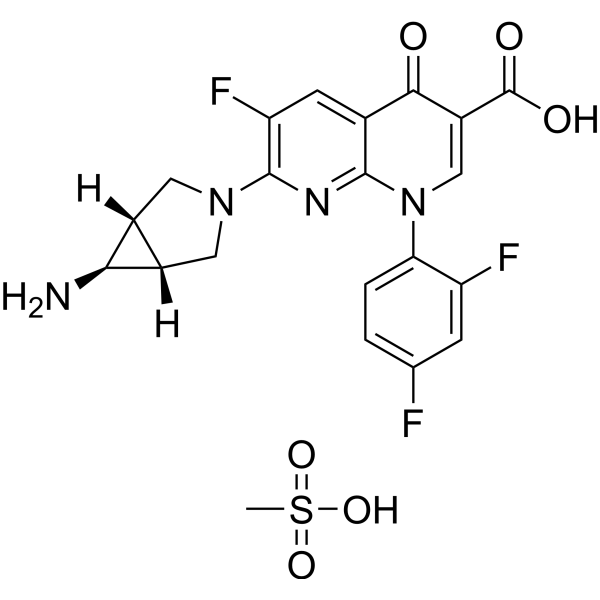
Trovafloxacin mesylate is a broad-spectrum quinolone antibiotic with potent activity against Gram-positive, Gram-negative and anaerobic organisms. Trovafloxacin mesylate blocks the DNA gyrase and topoisomerase IV activity. Trovafloxacin mesylate is also a potent, selective and orally active pannexin 1 channel (PANX1) inhibitor with an IC50 of 4 μM for PANX1 inward current. Trovafloxacin mesylate does not inhibit connexin 43 gap junction or PANX2. Trovafloxacin mesylate leads to dysregulated fragmentation of apoptotic cells by inhibiting PANX1 .
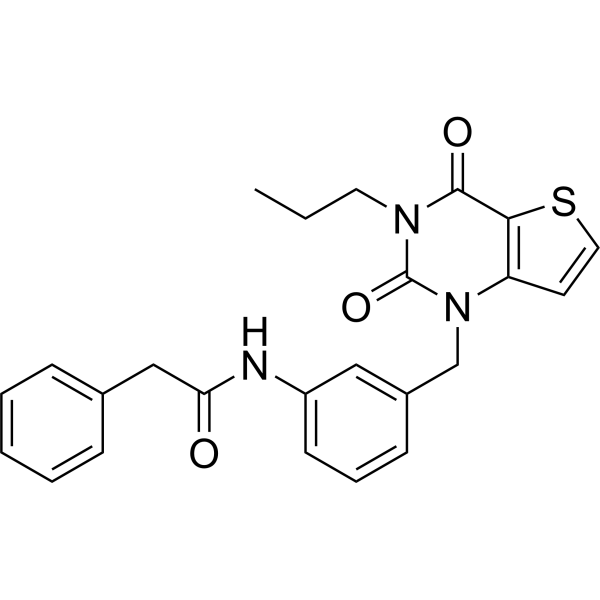
Dynole 34-2 is a potent dynamin GTPase inhibitor (IC50s=6.9 and 14.2 µM for dynamin1 and dynamin2 GTPase activity, respectively) with antimitotic effect. Dynole 34-2 induces apoptosis, as revealed by cell blebbing, DNA fragmentation, and PARP cleavage. Dynole 34-2 also potently inhibits receptor mediated endocytosis (RME) .
NVP 231 is a potent, specific, and reversible ceramide kinase (CerK) inhibitor(IC50=12 nM) that competitively inhibits binding of ceramide to CerK . NVP 231 induces cell apoptosis by increasing DNA fragmentation and caspase-3 and caspase-9 cleavage .
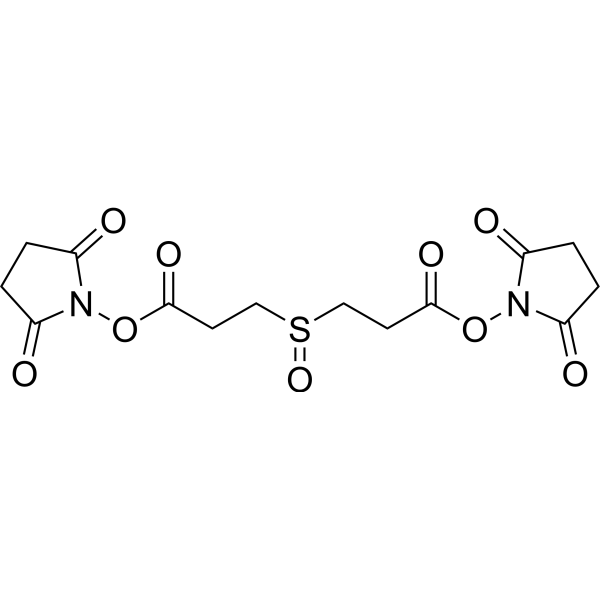
Disuccinimidyl sulfoxide (DSSO) is a sulfoxide-containing crosslinker targeting amino groups that can be cleaved by MS, and it is suitable for model peptides, proteins, and multisubunit protein complexes. Disuccinimidyl sulfoxide contains two symmetric collision-induced dissociation (CID)-cleavable sites, enabling the identification of DSSO-crosslinked peptides based on different fragmentation patterns .
Delphinidin-3-O-galactoside (chloride) (Standard) is the analytical standard of Delphinidin-3-O-galactoside (chloride). This product is intended for research and analytical applications. Delphinidin-3-O-galactoside (chloride) is an anthocyanin that extracts from wheat flour. Delphinidin-3-O-galactoside (chloride) can be used for the research of antioxidant and antimicrobial .
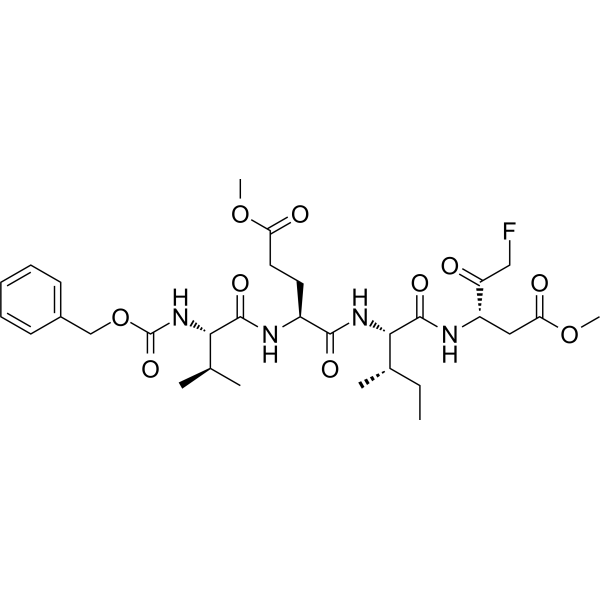
Z-VEID-FMK (Z-VE(OMe)ID(OMe)-FMK) is a selective and irreversible caspase-6 peptide inhibitor. Z-VEID-FMK alleviates the drug-induced augmentation of caspase-6 activity, DNA fragmentation, and cell apoptosis .
FEN1-IN-SC13 is a potent DNA fragmentation endonuclease 1 (FEN1) inhibitor with antitumor activity. FEN1-IN-SC13 interferes with DNA replication and repair in vitro and in cells .
SP11 is a mitochondrial fission protein 1 (Fis1) inhibitor with an IC50 of 9.4 μM. SP11 binds only to activated Fis1 by engaging Cys41. SP11 preserves mitochondrial integrity and function during oxidative stress, inhibits hydrogen peroxide-induced mitochondrial ROS production, mitochondrial fragmentation, and Drp1 mitochondrial translocation. SP11 can be used for the research of parkinson’s disease .
Cardiolipin (16:0/18:1/16:0/18:1) (16:0-18:1 Cardiolipin) sodium is a di-saturated mitochondrial-specific anionic phospholipid sodium salt containing the long-chain fatty acid palmitic acid (HY-N0830) and the monounsaturated fatty acid oleic acid (HY-N1446). Cardiolipin (16:0/18:1/16:0/18:1) sodium undergoes in-source fragmentation via diglyceride (DG)-H2O fragment formation and (DG-H2O) fragment loss pathways. Cardiolipin (16:0/18:1/16:0/18:1) sodium can be used in the synthesis of lipid nanodiscs for application in in situ mass spectrometry .
Tripotassium hydroxycitrate is an orally active, multi-target, multi-bioactive organic acid. Tripotassium hydroxycitrate activates Nrf2 and its downstream molecule GPX4, increases glutathione levels, and thereby inhibits ferroptosis. Tripotassium hydroxycitrate activates the Nrf2/Keap1 and ACLY/NF-κB signaling pathways, upregulates the activities of antioxidant enzymes such as superoxide dismutase, reduces MDA content, thereby alleviating oxidative stress and renal tubular epithelial cell apoptosis, and improves pulmonary vascular and right ventricular remodeling. Tripotassium hydroxycitrate activates both the AMPK and mTORC1/S6K pathways, triggers the unfolded protein response, arrests the cancer cell cycle, and induces DNA fragmentation .
Dextran T5 (MW 5,000) is a sulfated polysaccharide anti-apoptotic and autophagic agent. Dextran T5 (MW 5,000) has sulfated groups and interacts with cell membranes by mimicking endogenous glycosaminoglycans, inhibiting the mitochondrial apoptotic pathway and delaying DNA fragmentation to exert anti-apoptotic activity. Dextran T5 (MW 5,000) also promotes the conversion of LC3-I to LC3-II and the formation of autophagosomes to activate the autophagic pathway. Dextran T5 (MW 5,000) can prolong the survival cycle of CHO cells and increase the production of recombinant erythropoietin (EPO). The Dextran series of compounds are also natural polysaccharide drug carriers that can be connected to drugs through covalent bonding methods such as ester bonds, amide bonds or click chemistry, or self-assembled to form carriers such as nanoparticles and hydrogels. Dextran is biodegradable and biocompatible, and can achieve targeted delivery and controlled release of drugs. Dextran derivatives can prolong drug half-life, increase local concentration and reduce immune clearance activity. The Dextran series of compounds are also natural polysaccharide drug carriers that can be connected to drugs through covalent bonding methods such as ester bonds, amide bonds or click chemistry, or self-assembled to form carriers such as nanoparticles and hydrogels. Dextran is biodegradable and biocompatible, and can achieve targeted delivery and controlled release of drugs. Dextran derivatives can prolong the half-life of drugs, increase local concentrations, and reduce the activity of immune clearance .
Patuletin is a flavonol, that can be isolated from the flowers of Tagetes patula. Patuletin shows anti-proliferative activity against cancer cells. Patuletin causes significant nuclear fragmentation and has a great capacity to induce caspase-3 activation .
9,10-Phenanthrenequinone is an inhibitor of claudin-5/CLDN5 that induces apoptosis via a NO synthase/ROS-dependent mechanism. 9,10-Phenanthrenequinone also promotes endothelial barrier dysfunction by promoting caspase activation and DNA fragmentation, and reducing CLDN5 expression and proteasomal proteolysis .
3,4-Dichloroisocoumarin is a potent serine-protease and SrLip inhibitor (Ki for SrLip: 26.6 μM). 3,4-Dichloroisocoumarin is opened by serine proteases and then undergoes acylation with the enzyme, thereby inhibiting protease activity. 3,4-Dichloroisocoumarin can induce DNA fragmentation and Apoptosis. 3,4-Dichloroisocoumarin can be used in the research of multiple fields such as tumors, cardiovascular disease and enzyme catalytic mechanisms .
Z-FF-FMK (Z-Phe-Phe-FMK) is a cell-permeable, irreversible, and cysteine protease inhibitor targeting cathepsin-L. Z-FF-FMK inhibits angiotensin II-induced MEK activation in vascular walls, aortic medial remodeling, blood pressure elevation, and upregulation of cystatin C in aortic walls. Z-FF-FMK prevents β-amyloid-mediated caspase-3 activation, poly (ADP-ribose) polymerase cleavage, DNA fragmentation, and apoptosis of cortical neurons (apoptosis). Z-FF-FMK can be used in research related to hypertension and Alzheimer's disease .
POSH-IN-2 (MIDI), a mitochondrial division inhibitor, is a DRP1 inhibitor that potently blocks mitochondrial fragmentation induced by cellular stresses and genetic mitochondrial lesions. POSH-IN-2 covalently interacts with DRP1-C367 to target DRP1 interaction with multiple receptors .
Frozen Section Embedding Medium is a water-soluble mixture of polyethylene glycol and polyvinyl alcohol, widely used in immunohistochemistry experiments. Frozen Section Embedding Medium supports tissue during frozen sectioning, increasing tissue continuity and reducing wrinkling and fragmentation.
GSK_WRN4 is an orally active WRN helicase inhibitor (pIC50=7.6). GSK_WRN4 induces DNA damage markers (p21, p-γH2AX, p-KAP1). GSK_WRN4 selectively inhibits microsatellite-unstable tumor growth in vitro and in vivo by inducing DNA double-strand breaks, particularly at expanded TA repeats and regions of DNA damage .
NTPO (Nitrilotris methylenephosphonic acid) is a DNA damage inducer, causing genomic DNA damage and fragmentation, activating ATR-mediated cell cycle checkpoints. The DNA damaging effects of NTPO are abrogated by base excision repair (BER) but not nucleotide excision repair (NER) .
Umbelliferone (Standard) (7-Hydroxycoumarin (Standard)) is the analytical standard of Umbelliferone (HY-N0573). This product is intended for research and analytical applications. Umbelliferone (7-Hydroxycoumarin), a natural orally active product of the coumarin family, is a fluorescing compound which can be used as a sunscreen agent. Umbelliferone induces cell cycle arrest, apoptosis and DNA fragmentation in HepG2 cells. Umbelliferone exhibits significant anticancer effects. Umbelliferone attenuates the alteration characteristics of allergic airway inflammation. Umbelliferone displays the neuroprotective effects and cross the blood-brain barrier. Umbelliferone exhibits anti-inflammatory and antioxidant effects in
chronic alcohol-fed rats.
Umbelliferone-d5 (7-Hydroxycoumarin-d5) is the deuterium labeled Umbelliferone (HY-N0573 ). Umbelliferone (7-Hydroxycoumarin), a natural orally active product of the coumarin family, is a fluorescing compound which can be used as a sunscreen agent. Umbelliferone induces cell cycle arrest, apoptosis and DNA fragmentation in HepG2 cells. Umbelliferone exhibits significant anticancer effects. Umbelliferone attenuates the alteration characteristics of allergic airway inflammation. Umbelliferone displays the neuroprotective effects and cross the blood-brain barrier. Umbelliferone exhibits anti-inflammatory and antioxidant effects in chronic alcohol-fed rats .
Diazepinomicin (ECO-4601) is an anticancer and antibacterial agent. Diazepinomicin can be produced by a Micromonospora strain. Diazepinomicin induces Apoptosis. Diazepinomicin inhibits the proteases Rhodesain and Cathepsin L at an IC50 of 70-90 μM. Diazepinomicin possesses anti-inflammatory and anti-tumor activity. Diazepinomicin has demonstrated activity against hepatocellular carcinoma. Diazepinomicin shows antiparasitic activity against trypomastigote forms of Trypanosoma brucei with an IC50 of 13.5 μM. Diazepinomicin exhibits moderate antibacterial activity against specific Gram-positive bacteria, with an MIC of approximately 32 μg/mL .
Echitamine (Ditaine) chloride is the major monoterpene indole alkaloid present in Alstonia scholaris with potent anti-tumour activity. Echitamine chloride induces DNA fragmentation and cells apoptosis. Echitamine chloride inhibits pancreatic lipase with an IC50 of 10.92 μM .
Macrocarpal C can be isolated from the 95 % ethanol extract of fresh leaves of E. globulus. Macrocarpal C inhibits the growth of T. mentagrophytes via an increase in the permeability of the fungal membrane. Macrocarpal C increases the production of intracellular ROS and? induces apoptosis as a consequence of DNA fragmentation .
Antiproliferative agent-61 is a synthetic β-carlinyl chalcone with significant antiproliferative activity. Antiproliferative agent-61 showed significant effects in a range of solid tumor cell lines, with the most prominent effects in breast cancer. Antiproliferative agent-61 showed IC50 values of 2.25 and 3.29 μM in the human breast cancer MCF-7 cell line. Antiproliferative agent-61 significantly induced DNA fragmentation and apoptosis in breast cancer cells. Antiproliferative agent-61 inhibited the interaction of MDM2 with p53 and promoted the degradation of MDM2 .
Opitor-0 is a potent and selective inhibitor of mitochondrial dynamin-related protein Optic Atrophy 1 (OPA1) guanosine triphosphatase (GTPase) with an IC50 of 3 μM. Opitor-0 can induce fragmentation of mitochondria and remodeling of cristae, disrupt the stability of OPA1 oligomers, and significantly enhance the release of cytochrome c and induce apoptosis. Opitor-0 has a synergistic antitumor effect with Bcl-2 inhibitors, such as ABT-737 (HY-50907) and Venetoclax (HY-15531). Opitor-0 can be used for the research of malignant tumors that are resistant to Bcl-2 inhibitors, such as triple-negative breast cancer (TNBC) .
Sideroxylin is a C-methylated flavone isolated from Callistemon lanceolatus and exerts antimicrobial activity against Staphylococcus aureus. Sideroxylin inhibits ovarian cancer cell proliferation and induces apoptosis, causing DNA fragmentation, depolarization of the mitochondrial membrane, the generation of reactive oxygen species (ROS) .
1,4-Anthraquinone is a potent anticancer agent. 1,4-Anthraquinone blocks nucleoside transport, inhibits macromolecule synthesis, induces DNAfragmentation, and decreases the growth and viability of cancer cells. 1,4-Anthraquinone can be used to research anti-leukemia .
EAPB0503 is a quinoline compound with anti-tumor activity, showing strong cytotoxicity against melanoma cells in vitro (IC50=200 nM). EAPB0503 can induce specific cell cycle arrest in mitosis of CML cells and directly activate apoptosis, leading to an increase in the G0 cell population, disruption of mitochondrial membrane potential, PARP cleavage, and DNA fragmentation. EAPB0503 also reduces the levels of BCR-ABL protein .
Sabarubicin is a doxorubicin disaccharide analogue with striking antitumor activity. Sabarubicin is more effective than doxorubicin as a topoisomerase II poison and stimulated DNA fragmentation at lower intracellular concentrations.
5-Geranoxy-7-methoxycoumarin is a coumarin with anti-cancer, antifungal, and ?antibacterial?activities. 5-Geranoxy-7-methoxycoumarin induces cell apoptosis .
S-(N-PhenethylthiocarbaMoyl)-L-cysteine (PEITC-Cys), an anticarcinogenic agent, has antileukemic activity. S-(N-PhenethylthiocarbaMoyl)-L-cysteine inhibits DNA synthesis in HL60 cells . S-(N-PhenethylthiocarbaMoyl)-L-cysteine is a P450 inhibitor .
Mammea A/BA has potent activity against Trypanosoma cruzi (T. cruzi). Mammea A/BA induces mitochondrial dysfunction, reactive oxygen species (ROS) production and DNA fragmentation, and increases number of acidic vacuoles. Mammea A/BA can induce apoptosis, autophagy and necrosis. Mammea A/BA can be used for researching chagas disease .
Repinotan (BAY x 3702 free base) is a potent, selective, brain-penetrant and orally active 5-HT1A receptor agonist, with Ki values of 0.19 nM (calf hippocampus), 0.25 nM (rat and human cortex), and 0.59 nM (rat hippocampus). Repinotan has a weak affinity for other related receptors. Repinotan has pronounced neuroprotective effects .
PeS-9 is an Androgen Receptor (AR) degrader that induces androgen receptor degradation PeS-9 induces mitochondrial and ER stress by promoting cytotoxic ROS production, leading to the release of mitochondrial cytochrome C and AIF. PeS-9 subsequently activates caspases-9 and -3, causing DNA fragmentation and apoptotic cell death. PeS-9 has anticancer activity against prostate cancer and exerts in vivo antitumor and antimetastatic activity with minor side effects. PeS-9 can be used for the study of targeting monotherapy against GLUT-1-overexpressing tumors .
Apoptosis inducer 45 is an apoptosis inducer. Apoptosis inducer 45 is cytotoxically active against the MCF-7 cell line. Apoptosis inducer 45 elicits MCF-7 cell apoptosis via the mitochondrial pathway (increases the Bax/Bcl-2 ratio) by activating cleavage of caspase-9, thereby inducing the fragmentation of DNA repair protein PARP. Apoptosis inducer 45 also can induce caspase-8 cleavage, subsequently initiating cleavage of caspase-3 and its downstream protein PARP to culminate in the extrinsic apoptosis. Apoptosis inducer 45 can be used in the research of breast cancer .
TMPO (3,3,5,5-Tetramethyl-1-pyrroline 1-oxide) is a spin trap targeting free radicals. TMPO is capable of scavenging superoxide, hydroxyl radicals and inhibits thymocyte apoptosis with EC50 values of 19.1 mM (MPS-induced) to 30.7 mM (Etoposide-induced) for inhibiting DNA fragmentation. TMPO reacts with intracellular free radicals to form stable nitroxide radical products, reducing oxidative stress (e.g., decreasing peroxide levels, maintaining glutathione content) and blocking oxidative events in the apoptotic pathway. TMPO is promising for research of apoptosis in immune cells like thymocytes .
Apoptosis inducer 32 (Compound 7g) is an apoptosis inducer with a KD of 42 μM, showing anti-tumor activity. Apoptosis inducer 32 caused significant cellular morphological changes in MDA-MB-231 cells, including membrane bubbling, nuclear fragmentation, and apoptotic body formation. The IC50 of Apoptosis inducer 32 in MCF-7, MDA-MB-231, and HEK cells is 4.77, 6.56 and 337.8 μM respectively .
L-threo-Sphingosine is a potent MAPK inhibitor. L-threo-Sphingosine induces apoptosis and clear DNA fragmentation. L-threo-Sphingosine shows anticancer effect .
Apoptosis inducer 15 (Compound 3) induces cell apoptosis and cell cycle arrest at G2/M phase. Apoptosis inducer 15 is cytotoxicitic without causing DNA fragmentation .
2-(4-(2-Hydroxy-3-(isopropyl(nitroso)amino)propoxy)phenyl)acetamide is a genotoxic derivative of Atenolol (HY-17498) that can induce DNA fragmentation in rat hepatocytes when used at concentrations ranging from 0.1 to 1 mM.
Sanazole (AK-2123) is a hypoxic cell radiosensitizer. Sanazole enhances radiation-induced DNA strand breaks. In mouse fibroblast tumors, Sanazole increases nuclear condensation and fragmentation, as well as elevates caspase-3 activity, thereby enhancing radiation-induced apoptosis .
C8 Ceramine is an analog of ceramide in which the carbonyl group of the ceramide is replaced by a methylene group. At a concentration of 10 μM, C8 ceramine induces maximal DNA fragmentation in U937 cells after 6 hours of incubation, compared to 12 hours for C8 ceramide.
ROS inducer 5 (compound 6e) can induce intracellular ROS accumulation and subsequent nuclear fragmentation. ROS inducer 5 can induce apoptosis in MCF-7 cells, with an IC50 value of 3.85 μM. ROS inducer 5 can be used in anticancer research .
ROS inducer 4 (compound TE3) is a mitochondrial inhibitor. ROS inducer 4 causes a series of mitochondria-related physiological changes in tumors, such as mitochondrial fragmentation, explosive generation and accumulation of ROS, decreased mitochondrial membrane potential, decreased ATP content, and activation of ROS-mediated apoptotic signaling in mitochondria .
TMV-IN-10 (compound 4h) is an arecoline derivative with anti-tobacco mosaic virus (TMV) activity (EC50=146 µg/mL). TMV-IN-10 can be used in research on controlling crop pests and diseases and improving crop yields by acting on the viral coat protein (CP) to cause viral fragmentation .
NSC745887 (compound 25) is an inhibitor that targets DNA topoisomerase cleavage, activates the caspase-8/9-caspase-3-poly (ADP-ribose) polymerase cascade, and induces apoptosis in cancer cells. NSC745887 enhances γH2AX expression and causes DNA fragmentation leading to DNA damage .
MMP-2/9-IN-1 (Compound 4a) is a potent dual MMP-2 and MMP-9 inhibitor with IC50 values of 56 nM and 38 nM, respectively. MMP-2/9-IN-1 inhibits tumor growth, strongly induces cancer cell apoptosis, inhibits cell migration, and suppresses cell cycle progression leading to DNA fragmentation .
(-)-Eleutherin is a pyranonaphthoquinone derivative that exhibits cytotoxic activity by inhibiting DNA topoisomerase II. (-)-Eleutherin has been shown to have promising potential as a medicinal compound due to its association with naphthoquinones. (-)-Eleutherin demonstrates significant DNA fragmentation rates, indicating its strong cytotoxic effects on cells. Additionally, (-)-Eleutherin possesses higher antioxidant potential compared to control samples, contributing to its therapeutic efficacy.
SL-017 is a novel photoacoustic sensitizer and a derivative of photofrin B. It can be taken up by cells to the maximum extent within 30 minutes and is mainly localized in mitochondria. After being activated by visible light or ultrasound, SL-017 can significantly increase the production of reactive oxygen species (ROS). Low concentrations of SL-017 can rapidly cause the loss of mitochondrial membrane potential. SL-017 can also cause mitochondrial fragmentation, a process that occurs after the loss of membrane potential. Epoxyeicosatrienoic acids (EETs) can alleviate the loss of mitochondrial membrane potential caused by SL-017, but the antioxidant ascorbic acid has no such effect. These characteristics indicate that SL-017 mainly targets mitochondria and exerts its cytotoxic effect by triggering the collapse of mitochondrial membrane potential, generating ROS, and causing mitochondrial fragmentation. As a novel photoacoustic sensitizer, SL-017 has potential application value in photodynamic therapy and sonodynamic therapy.
TPP-IOA is a cytochrome c peroxidase inhibitor. TPP-IOA inhibits apoptosis by preventing cardiolipin oxidation and cytochrome c release to the cytosol. TPP-IOA disrupts oxidative phosphorylation in isolated mitochondria. TPP-IOA inhibits cell death in SH-SY5Y cells grown in glucose, but not galactose. TPP-IOA causes mitochondrial depolarization and network fragmentation. TPP-lOA mitigates radiation induced death in mice .
4-Methoxycinnamyl alcohol is an anticancer compound with cytotoxic activity against MCF-7, HeLa, and DU145 cancer cell lines with IC50 values of 14.24, 7.82, and 22.10 μg/mL, respectively. 4-Methoxycinnamyl alcohol showed the ability to induce cell necrosis, rather than apoptosis, after a 48-hour DNA fragmentation assay. 4-Methoxycinnamyl alcohol was isolated from Foeniculum vulgare .
Trovafloxacin (Standard) is the analytical standard of Trovafloxacin. This product is intended for research and analytical applications. Trovafloxacin is a broad-spectrum quinolone antibiotic with potent activity against Gram-positive, Gram-negative and anaerobic organisms. Trovafloxacin blocks the DNA gyrase and topoisomerase IV activity. Trovafloxacin is also a potent, selective and orally active pannexin 1 channel (PANX1) inhibitor with an IC50 of 4 μM for PANX1 inward current. Trovafloxacin does not inhibit connexin 43 gap junction or PANX2. Trovafloxacin leads to dysregulated fragmentation of apoptotic cells by inhibiting PANX1 .
4-Nitrophenyl β-D-cellotetraoside (p-Nitopheyl β-D-cellotetaoside) is a small molecule cellulose mimetic consisting of a tetramer of D-glucose units linked by β-1-4 glycosidic bonds. The fragmentation pattern of 4-Nitrophenyl β-D-cellotetraoside after enzymatic hydrolysis can be analyzed by TLC or by the release of 4-nitrophenol, which has a strong absorbance at 395 nm in alkaline solutions. 4-Nitrophenyl β-D-cellotetraoside can be used in cellulose degradation studies to determine the specificity of cellulases .
Trijuganone C is a tanshinone-type diterpenoid compound. Trijuganone C can be isolated from the roots of Salvia miltiorrhiza Bunge. Trijuganone C induces chromatin condensation, DNAfragmentation, activation of Caspase-3, -8 and -9, as well as cleavage of PARP. Trijuganone C activates Bid and Bax, leading to loss of mitochondrial membrane potential and inducing the release of cytochrome c from mitochondria into the cytosol. Trijuganone C exerts antiproliferative effects through Apoptosis induction mediated by Mitochondrial dysfunction and Caspase activation. Trijuganone C exhibits significant antiproliferative activity against leukemia cells and colon cancer cells .
Pinusolide is an AMPK activator and PAF receptor antagonist. Pinusolide activates AMPK, phosphorylates ACC, enhances IRS-1 tyrosine phosphorylation, boosts glucose uptake, and modulates insulin signaling. Pinusolide inhibits caspase-3/7 activation, intracellular calcium elevation, reactive oxygen species overproduction, lipid peroxidation, and tumor cell proliferation. Pinusolide stabilizes superoxide dismutase activity, reduces apoptotic hallmarks, induces mitochondrial pathway apoptosis, and triggers DNA fragmentation. Pinusolide can be used for the research of type 2 diabetes, neurodegenerative diseases, acute lymphoblastic leukemia, acute myeloid leukemia, and Burkitt lymphoma .
Apoptosis inducer 34 (Compound 4) is a small molecule compound that induces apoptosis by directly activating the intrinsic apoptotic pathway. Apoptosis inducer 34 promotes Apaf-1 oligomerization to form mature apoptosomes, thereby activating caspase-9 and caspase-3. It significantly activates the apoptotic pathway in Jurkat cells by enhancing the cytochrome c-dependent apoptotic signaling pathway, inducing PARP cleavage and chromosomal DNA fragmentation. Furthermore, Apoptosis inducer 34 exhibits low toxicity to normal cells, demonstrating potential for selective targeting of cancer cells. Apoptosis inducer 34 is a promising candidate for studying cancer related to apoptotic pathways .
Anticancer agent 157 (compound 15) is a NO inhibitor (IC50=0.62 μg/mL) with anti-inflammatory and anticancer activities. Anticancer agent 157 can bind to iNOS (inducible NO synthase) and caspase 8, causing nuclear fragmentation and chromatin condensation, inducing apoptosis. Anticancer agent 157 inhibits HT29 colon cancer cells (IC50=2.45 μg/mL), Hep-G2 liver cancer cells (IC50=3.25 μg/mL), and B16-F10 murine melanoma cells (IC50=3.84 μg/mL) .
Umbelliferone- 13C6 (7-Hydroxycoumarin- 13C6) is the 13C-labeled Umbelliferone (HY-N0573). Umbelliferone (7-Hydroxycoumarin), a natural orally active product of the coumarin family, is a fluorescing compound which can be used as a sunscreen agent. Umbelliferone induces cell cycle arrest, apoptosis and DNA fragmentation in HepG2 cells. Umbelliferone exhibits significant anticancer effects. Umbelliferone attenuates the alteration characteristics of allergic airway inflammation. Umbelliferone displays the neuroprotective effects and cross the blood-brain barrier. Umbelliferone exhibits anti-inflammatory and antioxidant effects in
chronic alcohol-fed rats .
Neopetromin is a tripeptide with a rare heteroaromatic C-N cross-link between side chains of tryptophan and tyrosine. Neopetromin causes vacuole fragmentation in an actin-independent manner .
C8 D-threo Ceramide (d18:1/8:0) is a sphingolipid analog that can effectively induce apoptosis in U937 cells and cause fragmentation of nucleosomal DNA .
Fluchloralin is a dinitroaniline herbicide that effectively controls annual gramineous and broadleaf weeds primarily by inhibiting tubulin synthesis and cell division . Fluchloralin exhibits cytotoxicity and genotoxicity, and promotes cell apoptosis by activating apoptotic signaling proteins, forming DNA ladder bands, inducing cell shrinkage and nuclear fragmentation .
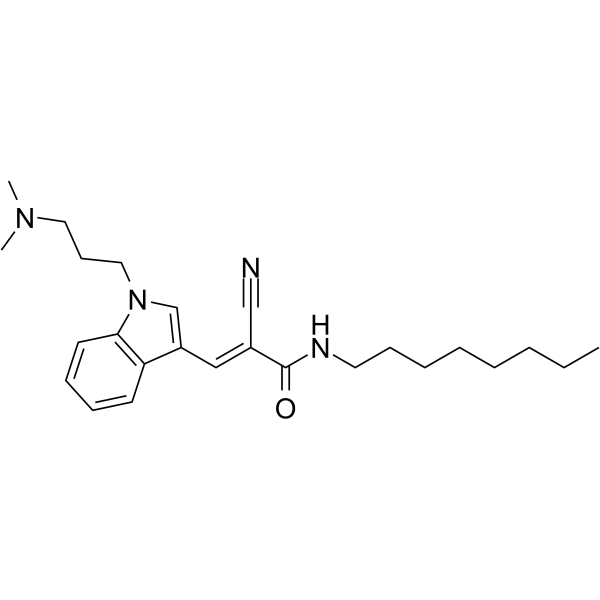
TLSC702 is a human glyoxalase I (hGLO I) inhibitor with an IC50 of 2.0 μM. TLSC702 inhibits the activity of human glyoxalase I, thereby leading to the accumulation of methylglyoxal and its derived advanced glycation end products. TLSC702 inhibits tumor cell proliferation, induces apoptotic morphological changes, internucleosomal DNA fragmentation and PARP cleavage in tumor cells. TLSC702 can be used in research related to leukemia and lung cancer .
Dynole 34-2 (Standard) is the analytical standard of Dynole 34-2 (HY-107545). This product is intended for research and analytical applications. Dynole 34-2 is a potent dynamin GTPase inhibitor (IC50s=6.9 and 14.2 µM for dynamin1 and dynamin2 GTPase activity, respectively) with antimitotic effect. Dynole 34-2 induces apoptosis, as revealed by cell blebbing, DNA fragmentation, and PARP cleavage. Dynole 34-2 also potently inhibits receptor mediated endocytosis (RME) .
NERx 329 is a replication protein A (RPA) inhibitor with an IC50 of 4.9 μM. NERx 329 blocks the interaction between RPA and single-stranded DNA, and induces functional RPA depletion, loss of single-stranded DNA gap protection, chromosome fragmentation and cell death. NERx 329 inhibits the DNA damage response signaling pathway, exhibits broad single-agent anticancer activity, and enhances the activity of DNA-damaging agents. NERx 329 can be used in research related to brca1-deficient breast cancer, non-small cell lung cancer, and brca1-deficient ovarian cancer .
Apomorphine ((-)-Apomorphine) (Standard) is the analytical standard of Apomorphine (HY-12723). This product is intended for research and analytical applications. Apomorphine is a potent dopamine receptor agonist. Apomorphine also inhibit MAO-A and MAO-B.Apomorphine exerts neuroprotective effect and can relax rat corpus cavernosum. Apomorphine can inhibit ROS production, DNA fragmentation and inibit JNK and ERK1/2 phosphorylation. Apomorphine can enhance degradation of intracellular Aβ40 and Aβ42, reduces tau protein levelsandinhibit MMP-9 expression. Apomorphine is a highly potent radical scavenger and iron chelator. Apomorphine can be used for the researches of dementia, parkinson's disease, alzheimer disease, breast carcinoma, and erectile dysfunction .
N-Acetyl-S-(3-hydroxy-1-methylpropyl)-L-cysteine (3HMPMA) is a mercapturic acid and biomarker for crotonaldehyde exposure. N-Acetyl-S-(3-hydroxy-1-methylpropyl)-L-cysteine helps distinguish smokers from non-smokers .
Diuvaretin is an antimalarial agent and a C-phenylated dihydrochalcone. Diuvaretin can be isolated from the roots of U. acuminata. Diuvaretin increases the activity of Caspase-3 and triggers Apoptosis. Diuvaretin exhibits antiparasitic activity against Plasmodium falciparum. Diuvaretin can be used in the research of promyelocytic leukemia and malaria .
Safrole oxide is a p53 modulator that upregulates the expression of the p53 tumor suppressor protein, linking cell cycle arrest to the apoptotic process. Safrole oxide induces apoptosis in lung cancer cells without triggering necrosis. Safrole oxide can be used in lung cancer-related research .
Hesperetin triacetate is an active compound with anti-inflammatory and anti-tumor activities. Hesperetin triacetate inhibits bovine serum albumin denaturation in vitro. Hesperetin triacetate inhibits carrageenan-induced paw swelling in mice in vivo. Hesperetin triacetate exhibits anti-proliferative activity against breast cancer cells. Hesperetin triacetate induces DNA degradation and apoptosis in breast cancer cells. Hesperetin triacetate can be used in studies related to breast cancer and inflammation .
Frozen Section Embedding Medium is a water-soluble mixture of polyethylene glycol and polyvinyl alcohol, widely used in immunohistochemistry experiments. Frozen Section Embedding Medium supports tissue during frozen sectioning, increasing tissue continuity and reducing wrinkling and fragmentation.
4-Nitrophenyl β-D-cellotetraoside (p-Nitopheyl β-D-cellotetaoside) is a small molecule cellulose mimetic consisting of a tetramer of D-glucose units linked by β-1-4 glycosidic bonds. The fragmentation pattern of 4-Nitrophenyl β-D-cellotetraoside after enzymatic hydrolysis can be analyzed by TLC or by the release of 4-nitrophenol, which has a strong absorbance at 395 nm in alkaline solutions. 4-Nitrophenyl β-D-cellotetraoside can be used in cellulose degradation studies to determine the specificity of cellulases .
Tripotassium hydroxycitrate is an orally active, multi-target, multi-bioactive organic acid. Tripotassium hydroxycitrate activates Nrf2 and its downstream molecule GPX4, increases glutathione levels, and thereby inhibits ferroptosis. Tripotassium hydroxycitrate activates the Nrf2/Keap1 and ACLY/NF-κB signaling pathways, upregulates the activities of antioxidant enzymes such as superoxide dismutase, reduces MDA content, thereby alleviating oxidative stress and renal tubular epithelial cell apoptosis, and improves pulmonary vascular and right ventricular remodeling. Tripotassium hydroxycitrate activates both the AMPK and mTORC1/S6K pathways, triggers the unfolded protein response, arrests the cancer cell cycle, and induces DNA fragmentation .
Dextran T5 (MW 5,000) is a sulfated polysaccharide anti-apoptotic and autophagic agent. Dextran T5 (MW 5,000) has sulfated groups and interacts with cell membranes by mimicking endogenous glycosaminoglycans, inhibiting the mitochondrial apoptotic pathway and delaying DNA fragmentation to exert anti-apoptotic activity. Dextran T5 (MW 5,000) also promotes the conversion of LC3-I to LC3-II and the formation of autophagosomes to activate the autophagic pathway. Dextran T5 (MW 5,000) can prolong the survival cycle of CHO cells and increase the production of recombinant erythropoietin (EPO). The Dextran series of compounds are also natural polysaccharide drug carriers that can be connected to drugs through covalent bonding methods such as ester bonds, amide bonds or click chemistry, or self-assembled to form carriers such as nanoparticles and hydrogels. Dextran is biodegradable and biocompatible, and can achieve targeted delivery and controlled release of drugs. Dextran derivatives can prolong drug half-life, increase local concentration and reduce immune clearance activity. The Dextran series of compounds are also natural polysaccharide drug carriers that can be connected to drugs through covalent bonding methods such as ester bonds, amide bonds or click chemistry, or self-assembled to form carriers such as nanoparticles and hydrogels. Dextran is biodegradable and biocompatible, and can achieve targeted delivery and controlled release of drugs. Dextran derivatives can prolong the half-life of drugs, increase local concentrations, and reduce the activity of immune clearance .
NTPO trisodium is a DNA damage inducer, causing genomic DNA damage and fragmentation, activating ATR-mediated cell cycle checkpoints. The DNA damaging effects of NTPO trisodium are abrogated by base excision repair (BER) but not nucleotide excision repair (NER) .
Z-VEID-FMK (Z-VE(OMe)ID(OMe)-FMK) is a selective and irreversible caspase-6 peptide inhibitor. Z-VEID-FMK alleviates the drug-induced augmentation of caspase-6 activity, DNA fragmentation, and cell apoptosis .
Z-FF-FMK (Z-Phe-Phe-FMK) is a cell-permeable, irreversible, and cysteine protease inhibitor targeting cathepsin-L. Z-FF-FMK inhibits angiotensin II-induced MEK activation in vascular walls, aortic medial remodeling, blood pressure elevation, and upregulation of cystatin C in aortic walls. Z-FF-FMK prevents β-amyloid-mediated caspase-3 activation, poly (ADP-ribose) polymerase cleavage, DNA fragmentation, and apoptosis of cortical neurons (apoptosis). Z-FF-FMK can be used in research related to hypertension and Alzheimer's disease .
Ergothioneine is an imidazole-2-thione derivative with orally active histidine betaine. Ergothioneine is a specific inhibitor of p38-MAPK and Akt, which plays a protective role in cell apoptosis induced by stress. Ergothioneine has antioxidant activity .
Umbelliferone (7-Hydroxycoumarin), a natural orally active product of the coumarin family, is a fluorescing compound which can be used as a sunscreen agent. Umbelliferone induces cell cycle arrest, apoptosis and DNA fragmentation in HepG2 cells. Umbelliferone exhibits significant anticancer effects. Umbelliferone attenuates the alteration characteristics of allergic airway inflammation. Umbelliferone displays the neuroprotective effects and cross the blood-brain barrier. Umbelliferone exhibits anti-inflammatory and antioxidant effects in
chronic alcohol-fed rats .
1,2,3,6-Tetragalloylglucose (TEgG) is a competitive inhibitor of UDP-glucuronyltransferase UGT1A1, targeting the competitive substrate binding site of UGT1A1. 1,2,3,6-Tetragalloylglucose inhibits UGT1A1-mediated β-estradiol 3-glucuronidation and SN-38 glucuronidation with IC50 of 6.01 μM and 4.31 μM, respectively, and binds to UGT1A1 with Ki of 3.55 μM. 1,2,3,6-Tetragalloylglucose also induces tumor cell apoptosis, inhibit cell proliferation, activates caspase-3 and induces DNA fragmentation in HL-60 cells. 1,2,3,6-Tetragalloylglucose also inhibits HIV integrase and reverse transcriptase, and inhibits HCV protease .
Hydroxycitric acid is an orally active, multi-target, multi-bioactive organic acid. activates Nrf2 and its downstream molecule GPX4, increases glutathione levels, and thereby inhibits ferroptosis. Hydroxycitric acid activates the Nrf2/Keap1 and ACLY/NF-κB signaling pathways, upregulates the activities of antioxidant enzymes such as superoxide dismutase, reduces MDA content, thereby alleviating oxidative stress and renal tubular epithelial cell apoptosis, and improves pulmonary vascular and right ventricular remodeling. Hydroxycitric acid activates both the AMPK and mTORC1/S6K pathways, triggers the unfolded protein response, arrests the cancer cell cycle, and induces DNA fragmentation .
Delphinidin-3-O-galactoside (chloride) (Standard) is the analytical standard of Delphinidin-3-O-galactoside (chloride). This product is intended for research and analytical applications. Delphinidin-3-O-galactoside (chloride) is an anthocyanin that extracts from wheat flour. Delphinidin-3-O-galactoside (chloride) can be used for the research of antioxidant and antimicrobial .
Patuletin is a flavonol, that can be isolated from the flowers of Tagetes patula. Patuletin shows anti-proliferative activity against cancer cells. Patuletin causes significant nuclear fragmentation and has a great capacity to induce caspase-3 activation .
3,4-Dichloroisocoumarin is a potent serine-protease and SrLip inhibitor (Ki for SrLip: 26.6 μM). 3,4-Dichloroisocoumarin is opened by serine proteases and then undergoes acylation with the enzyme, thereby inhibiting protease activity. 3,4-Dichloroisocoumarin can induce DNA fragmentation and Apoptosis. 3,4-Dichloroisocoumarin can be used in the research of multiple fields such as tumors, cardiovascular disease and enzyme catalytic mechanisms .
Umbelliferone (Standard) (7-Hydroxycoumarin (Standard)) is the analytical standard of Umbelliferone (HY-N0573). This product is intended for research and analytical applications. Umbelliferone (7-Hydroxycoumarin), a natural orally active product of the coumarin family, is a fluorescing compound which can be used as a sunscreen agent. Umbelliferone induces cell cycle arrest, apoptosis and DNA fragmentation in HepG2 cells. Umbelliferone exhibits significant anticancer effects. Umbelliferone attenuates the alteration characteristics of allergic airway inflammation. Umbelliferone displays the neuroprotective effects and cross the blood-brain barrier. Umbelliferone exhibits anti-inflammatory and antioxidant effects in
chronic alcohol-fed rats.
Echitamine (Ditaine) chloride is the major monoterpene indole alkaloid present in Alstonia scholaris with potent anti-tumour activity. Echitamine chloride induces DNA fragmentation and cells apoptosis. Echitamine chloride inhibits pancreatic lipase with an IC50 of 10.92 μM .
Macrocarpal C can be isolated from the 95 % ethanol extract of fresh leaves of E. globulus. Macrocarpal C inhibits the growth of T. mentagrophytes via an increase in the permeability of the fungal membrane. Macrocarpal C increases the production of intracellular ROS and? induces apoptosis as a consequence of DNA fragmentation .
Sideroxylin is a C-methylated flavone isolated from Callistemon lanceolatus and exerts antimicrobial activity against Staphylococcus aureus. Sideroxylin inhibits ovarian cancer cell proliferation and induces apoptosis, causing DNA fragmentation, depolarization of the mitochondrial membrane, the generation of reactive oxygen species (ROS) .
5-Geranoxy-7-methoxycoumarin is a coumarin with anti-cancer, antifungal, and ?antibacterial?activities. 5-Geranoxy-7-methoxycoumarin induces cell apoptosis .
Mammea A/BA has potent activity against Trypanosoma cruzi (T. cruzi). Mammea A/BA induces mitochondrial dysfunction, reactive oxygen species (ROS) production and DNA fragmentation, and increases number of acidic vacuoles. Mammea A/BA can induce apoptosis, autophagy and necrosis. Mammea A/BA can be used for researching chagas disease .
Trijuganone C is a tanshinone-type diterpenoid compound. Trijuganone C can be isolated from the roots of Salvia miltiorrhiza Bunge. Trijuganone C induces chromatin condensation, DNAfragmentation, activation of Caspase-3, -8 and -9, as well as cleavage of PARP. Trijuganone C activates Bid and Bax, leading to loss of mitochondrial membrane potential and inducing the release of cytochrome c from mitochondria into the cytosol. Trijuganone C exerts antiproliferative effects through Apoptosis induction mediated by Mitochondrial dysfunction and Caspase activation. Trijuganone C exhibits significant antiproliferative activity against leukemia cells and colon cancer cells .
Pinusolide is an AMPK activator and PAF receptor antagonist. Pinusolide activates AMPK, phosphorylates ACC, enhances IRS-1 tyrosine phosphorylation, boosts glucose uptake, and modulates insulin signaling. Pinusolide inhibits caspase-3/7 activation, intracellular calcium elevation, reactive oxygen species overproduction, lipid peroxidation, and tumor cell proliferation. Pinusolide stabilizes superoxide dismutase activity, reduces apoptotic hallmarks, induces mitochondrial pathway apoptosis, and triggers DNA fragmentation. Pinusolide can be used for the research of type 2 diabetes, neurodegenerative diseases, acute lymphoblastic leukemia, acute myeloid leukemia, and Burkitt lymphoma .
Neopetromin is a tripeptide with a rare heteroaromatic C-N cross-link between side chains of tryptophan and tyrosine. Neopetromin causes vacuole fragmentation in an actin-independent manner .
Diuvaretin is an antimalarial agent and a C-phenylated dihydrochalcone. Diuvaretin can be isolated from the roots of U. acuminata. Diuvaretin increases the activity of Caspase-3 and triggers Apoptosis. Diuvaretin exhibits antiparasitic activity against Plasmodium falciparum. Diuvaretin can be used in the research of promyelocytic leukemia and malaria .
DFFA Protein is a heterodimeric complex of nuclease CAD and its specific inhibitor ICAD. DFFA Protein, Human (GST) is a substrate for caspase-3 that triggers DNA breakage during apoptosis. DFFA Protein, Human (GST) is the recombinant human-derived DFFA protein, expressed by E. coli , with N-GST labeled tag.
Umbelliferone-d5 (7-Hydroxycoumarin-d5) is the deuterium labeled Umbelliferone (HY-N0573 ). Umbelliferone (7-Hydroxycoumarin), a natural orally active product of the coumarin family, is a fluorescing compound which can be used as a sunscreen agent. Umbelliferone induces cell cycle arrest, apoptosis and DNA fragmentation in HepG2 cells. Umbelliferone exhibits significant anticancer effects. Umbelliferone attenuates the alteration characteristics of allergic airway inflammation. Umbelliferone displays the neuroprotective effects and cross the blood-brain barrier. Umbelliferone exhibits anti-inflammatory and antioxidant effects in chronic alcohol-fed rats .
Umbelliferone- 13C6 (7-Hydroxycoumarin- 13C6) is the 13C-labeled Umbelliferone (HY-N0573). Umbelliferone (7-Hydroxycoumarin), a natural orally active product of the coumarin family, is a fluorescing compound which can be used as a sunscreen agent. Umbelliferone induces cell cycle arrest, apoptosis and DNA fragmentation in HepG2 cells. Umbelliferone exhibits significant anticancer effects. Umbelliferone attenuates the alteration characteristics of allergic airway inflammation. Umbelliferone displays the neuroprotective effects and cross the blood-brain barrier. Umbelliferone exhibits anti-inflammatory and antioxidant effects in
chronic alcohol-fed rats .
Cardiolipin (16:0/18:1/16:0/18:1) (16:0-18:1 Cardiolipin) sodium is a di-saturated mitochondrial-specific anionic phospholipid sodium salt containing the long-chain fatty acid palmitic acid (HY-N0830) and the monounsaturated fatty acid oleic acid (HY-N1446). Cardiolipin (16:0/18:1/16:0/18:1) sodium undergoes in-source fragmentation via diglyceride (DG)-H2O fragment formation and (DG-H2O) fragment loss pathways. Cardiolipin (16:0/18:1/16:0/18:1) sodium can be used in the synthesis of lipid nanodiscs for application in in situ mass spectrometry .
Inquiry Online
Your information is safe with us. * Required Fields.
Western blot analysis of extracts from THP-1(lane 2(20μg), Jurkat (lane 3(20μg) and NIH3T3(lane 4(20μg) using FOXO1A (HY-P80132) Rabbit mAb. Proteins were transferred
to a PVDF membrane and blocked with 5% non-fat milk in TBST for 2 hour at room temperature. The primary antibody (1/1000) and Loading control antibody (Beta Actin, HY-P80438, 1/10000) was
used in 5% non-fat milk in TBST at 4°C overnight. Goat Anti-Mouse/Rabbit IgG-HRP Secondary Antibody (1/10000) was used for 1 hour at room temperature.
Western blot analysis of extracts from THP-1(lane 2(20μg), Jurkat (lane 3(20μg) and NIH3T3(lane 4(20μg) using FOXO1A (HY-P80132) Rabbit mAb. Proteins were transferred
to a PVDF membrane and blocked with 5% non-fat milk in TBST for 2 hour at room temperature. The primary antibody (1/1000) and Loading control antibody (Beta Actin, HY-P80438, 1/10000) was
used in 5% non-fat milk in TBST at 4°C overnight. Goat Anti-Mouse/Rabbit IgG-HRP Secondary Antibody (1/10000) was used for 1 hour at room temperature.
Western blot analysis of extracts from THP-1(lane 2(20μg), Jurkat (lane 3(20μg) and NIH3T3(lane 4(20μg) using FOXO1A (HY-P80132) Rabbit mAb. Proteins were transferred
to a PVDF membrane and blocked with 5% non-fat milk in TBST for 2 hour at room temperature. The primary antibody (1/1000) and Loading control antibody (Beta Actin, HY-P80438, 1/10000) was
used in 5% non-fat milk in TBST at 4°C overnight. Goat Anti-Mouse/Rabbit IgG-HRP Secondary Antibody (1/10000) was used for 1 hour at room temperature.
Western blot analysis of extracts from THP-1(lane 2(20μg), Jurkat (lane 3(20μg) and NIH3T3(lane 4(20μg) using FOXO1A (HY-P80132) Rabbit mAb. Proteins were transferred
to a PVDF membrane and blocked with 5% non-fat milk in TBST for 2 hour at room temperature. The primary antibody (1/1000) and Loading control antibody (Beta Actin, HY-P80438, 1/10000) was
MedchemExpress Validation 03
Western blot analysis of extracts from THP-1(lane 2(20μg), Jurkat (lane 3(20μg) and NIH3T3(lane 4(20μg) using FOXO1A (HY-P80132) Rabbit mAb. Proteins were transferred
MedchemExpress Validation 04
Western blot analysis of extracts from THP-1(lane 2(20μg), Jurkat (lane 3(20μg) and NIH3T3(lane 4(20μg) using FOXO1A (HY-P80132) Rabbit mAb. Proteins were transferred
to a PVDF membrane and blocked with 5% non-fat milk in TBST for 2 hour at room temperature. The primary antibody (1/1000) and Loading control antibody (Beta Actin, HY-P80438, 1/10000) was
used in 5% non-fat milk in TBST at 4°C overnight. Goat Anti-Mouse/Rabbit IgG-HRP Secondary Antibody (1/10000) was used for 1 hour at room temperature.
MedchemExpress Validation
Western blot analysis of extracts from THP-1(lane 2(20μg), Jurkat (lane 3(20μg) and NIH3T3(lane 4(20μg) using FOXO1A (HY-P80132) Rabbit mAb. Proteins were transferred
to a PVDF membrane and blocked with 5% non-fat milk in TBST for 2 hour at room temperature. The primary antibody (1/1000) and Loading control antibody (Beta Actin, HY-P80438, 1/10000) was
used in 5% non-fat milk in TBST at 4°C overnight. Goat Anti-Mouse/Rabbit IgG-HRP Secondary Antibody (1/10000) was used for 1 hour at room temperature.
Western blot analysis of extracts from THP-1(lane 2(20μg), Jurkat (lane 3(20μg) and NIH3T3(lane 4(20μg) using FOXO1A (HY-P80132) Rabbit mAb. Proteins were transferred
to a PVDF membrane and blocked with 5% non-fat milk in TBST for 2 hour at room temperature. The primary antibody (1/1000) and Loading control antibody (Beta Actin, HY-P80438, 1/10000) was
used in 5% non-fat milk in TBST at 4°C overnight. Goat Anti-Mouse/Rabbit IgG-HRP Secondary Antibody (1/10000) was used for 1 hour at room temperature.
MedchemExpress Validation
Western blot analysis of extracts from THP-1(lane 2(20μg), Jurkat (lane 3(20μg) and NIH3T3(lane 4(20μg) using FOXO1A (HY-P80132) Rabbit mAb. Proteins were transferred
to a PVDF membrane and blocked with 5% non-fat milk in TBST for 2 hour at room temperature. The primary antibody (1/1000) and Loading control antibody (Beta Actin, HY-P80438, 1/10000) was
used in 5% non-fat milk in TBST at 4°C overnight. Goat Anti-Mouse/Rabbit IgG-HRP Secondary Antibody (1/10000) was used for 1 hour at room temperature.
MedchemExpress Validation
Western blot analysis of extracts from THP-1(lane 2(20μg), Jurkat (lane 3(20μg) and NIH3T3(lane 4(20μg) using FOXO1A (HY-P80132) Rabbit mAb. Proteins were transferred
to a PVDF membrane and blocked with 5% non-fat milk in TBST for 2 hour at room temperature. The primary antibody (1/1000) and Loading control antibody (Beta Actin, HY-P80438, 1/10000) was
used in 5% non-fat milk in TBST at 4°C overnight. Goat Anti-Mouse/Rabbit IgG-HRP Secondary Antibody (1/10000) was used for 1 hour at room temperature.
MedchemExpress Validation
Western blot analysis of extracts from THP-1(lane 2(20μg), Jurkat (lane 3(20μg) and NIH3T3(lane 4(20μg) using FOXO1A (HY-P80132) Rabbit mAb. Proteins were transferred
to a PVDF membrane and blocked with 5% non-fat milk in TBST for 2 hour at room temperature. The primary antibody (1/1000) and Loading control antibody (Beta Actin, HY-P80438, 1/10000) was
used in 5% non-fat milk in TBST at 4°C overnight. Goat Anti-Mouse/Rabbit IgG-HRP Secondary Antibody (1/10000) was used for 1 hour at room temperature.
MedchemExpress Validation
Western blot analysis of extracts from THP-1(lane 2(20μg), Jurkat (lane 3(20μg) and NIH3T3(lane 4(20μg) using FOXO1A (HY-P80132) Rabbit mAb. Proteins were transferred
to a PVDF membrane and blocked with 5% non-fat milk in TBST for 2 hour at room temperature. The primary antibody (1/1000) and Loading control antibody (Beta Actin, HY-P80438, 1/10000) was
used in 5% non-fat milk in TBST at 4°C overnight. Goat Anti-Mouse/Rabbit IgG-HRP Secondary Antibody (1/10000) was used for 1 hour at room temperature.
MedchemExpress Validation
Western blot analysis of extracts from THP-1(lane 2(20μg), Jurkat (lane 3(20μg) and NIH3T3(lane 4(20μg) using FOXO1A (HY-P80132) Rabbit mAb. Proteins were transferred
to a PVDF membrane and blocked with 5% non-fat milk in TBST for 2 hour at room temperature. The primary antibody (1/1000) and Loading control antibody (Beta Actin, HY-P80438, 1/10000) was
used in 5% non-fat milk in TBST at 4°C overnight. Goat Anti-Mouse/Rabbit IgG-HRP Secondary Antibody (1/10000) was used for 1 hour at room temperature.
MedchemExpress Validation
Western blot analysis of extracts from THP-1(lane 2(20μg), Jurkat (lane 3(20μg) and NIH3T3(lane 4(20μg) using FOXO1A (HY-P80132) Rabbit mAb. Proteins were transferred
to a PVDF membrane and blocked with 5% non-fat milk in TBST for 2 hour at room temperature. The primary antibody (1/1000) and Loading control antibody (Beta Actin, HY-P80438, 1/10000) was
used in 5% non-fat milk in TBST at 4°C overnight. Goat Anti-Mouse/Rabbit IgG-HRP Secondary Antibody (1/10000) was used for 1 hour at room temperature.
MedChemExpress values your privacy and your trust is important to us. We use cookies to enhance your website experience. Some cookies are necessary to run the website.
Privacy and Cookie Policy

