1. Search Result
Search Result
Results for "

ganglionic blocking

" in MedChemExpress (MCE) Product Catalog:

35

Inhibitors & Agonists

1

Biochemical Assay Reagents

3

Peptides

7

Natural
Products

2

Isotope-Labeled Compounds

Cat. No. Product Name Target Research Areas Chemical Structure
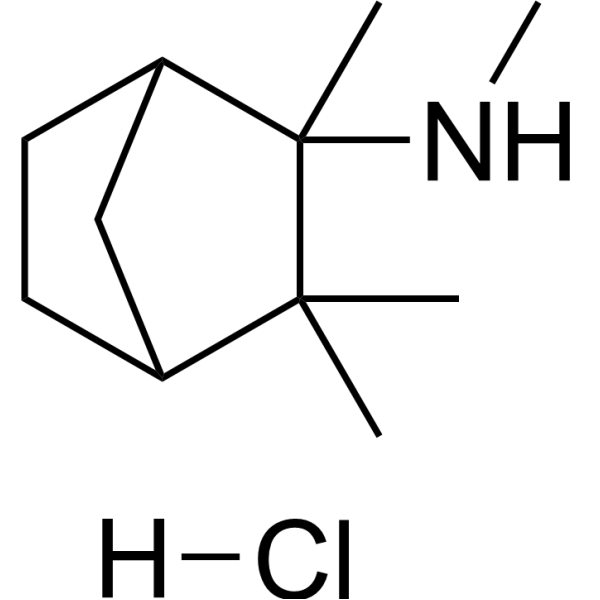
  • HY-B1395
    Mecamylamine hydrochloride
    5 Publications Verification

    nAChR Histamine Receptor Cardiovascular Disease Neurological Disease
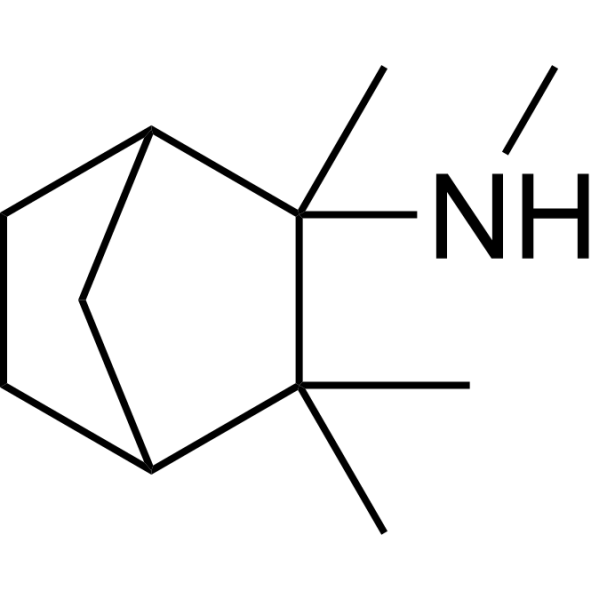
    Mecamylamine hydrochloride is an orally active, nonselective, noncompetitive nAChR antagonist. Mecamylamine hydrochloride is also a ganglionic blocker. Mecamylamine hydrochloride can across the blood-brain barrier. Mecamylamine hydrochloride can be used in the research of neuropsychiatric disorders, hypertension, antidepressant area .
    Mecamylamine hydrochloride
  • HY-W008350
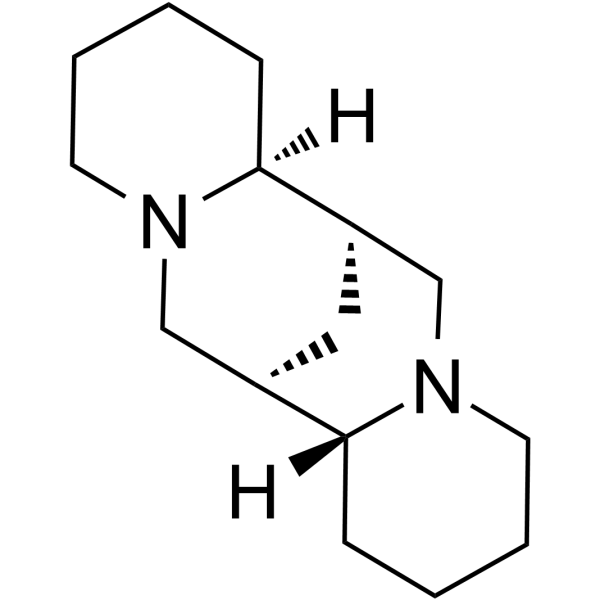
    (+)-Sparteine
    1 Publications Verification

    Pachycarpine

    nAChR Neurological Disease
    (+)-Sparteine is a natural alkaloid acting as a ganglionic blocking agent. (+)-Sparteine competitively blocks nicotinic ACh receptor in the neurons.
    (+)-Sparteine
  • HY-N0340
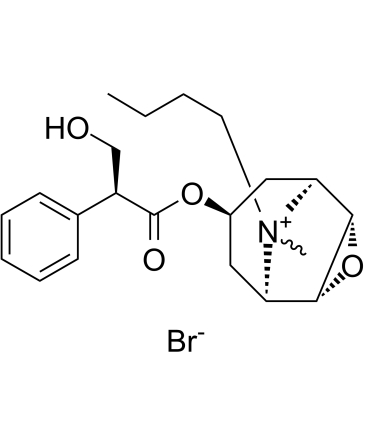
    Scopolamine butylbromide
    1 Publications Verification

    Hyoscine butylbromide; (-)-Scopolamine butylbromide; Butylscopolamine bromide

    mAChR Neurological Disease Inflammation/Immunology
    Scopolamine butylbromide (Hyoscine butylbromide) is an orally active anticholinergic agent and spasmolytic. Scopolamine butylbromide binds with high affinity to rat cardiac M2 (Ki 83 nmol/L), hM2 (Ki 233 nmol/L), rat intestinal M3 (Ki 290 nmol/L) and hM3 (Ki 643 nmol/L) muscarinic receptors. Scopolamine butylbromide exerts a dose-dependent antagonistic effect on Carbachol-induced gastrointestinal smooth muscle spasm. Scopolamine butylbromide can be used for the research of abdominal colic and pain associated with gastrointestinal spasm, functional abdominal pain, chronic gastropathy and gastric ulcer .
    Scopolamine butylbromide
  • HY-121119
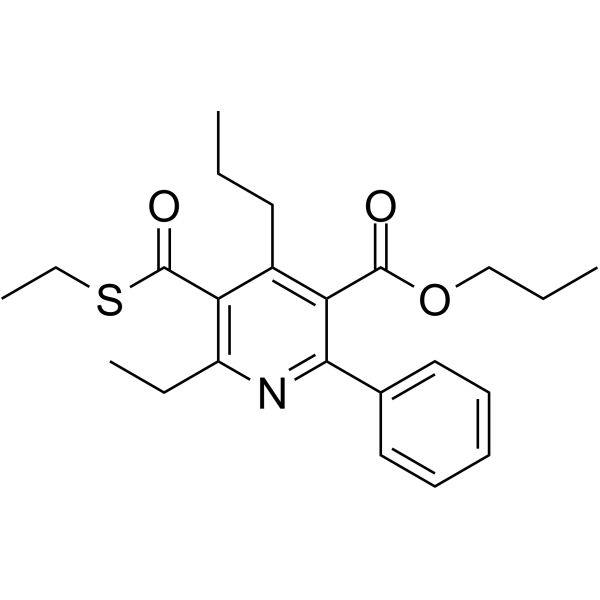
    MRS 1523
    5 Publications Verification

    Adenosine Receptor Calcium Channel Cardiovascular Disease Neurological Disease Inflammation/Immunology
    MRS 1523 is a potent and selective adenosine A3 receptor antagonist with Ki values of 18.9 nM and 113 nM for human and rat A3 receptors, respectively. In rat this corresponds to selectivities of 140- and 18-fold vs A1 and A2A receptors, respectively. MRS 1523 can exert antihyperalgesic effect through N-type Ca channel block and action potential inhibition in isolated rat dorsal root ganglion (DRG) neurons .
    MRS 1523
  • HY-B1382

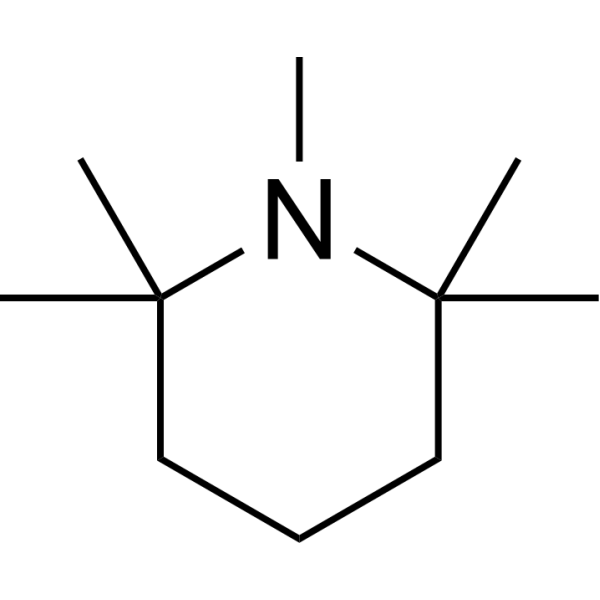
    1,2,2,6,6-Pentamethylpiperidine

    nAChR Cardiovascular Disease Neurological Disease
    Pempidine (1,2,2,6,6-Pentamethylpiperidine) is an orally active ganglionic blocking agent used in hypertension-related conditions. Pempidine is a nicotinic receptor blocker. Pempidine can antagonize the nicotine-induced increase of the striatal dopamine (DA) in vitro .
    Pempidine
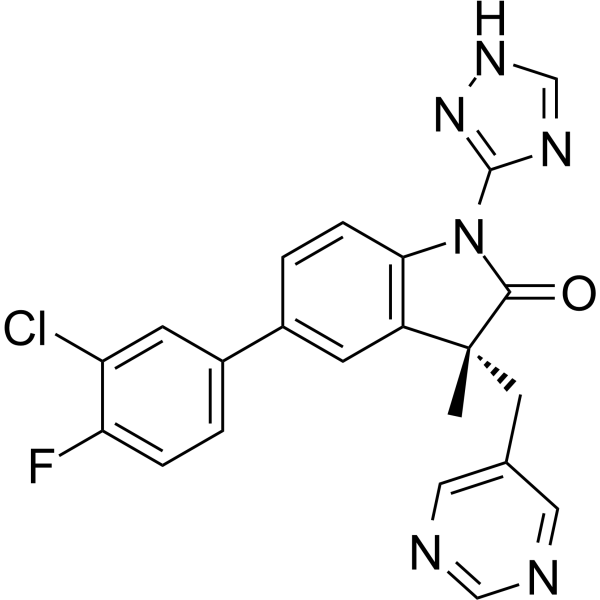
  • HY-120751

    Calcium Channel Neurological Disease
    TROX-1 is a selective, orally active and brain-penetrant N-type calcium channel (Cav2.2) inhibitor with an IC50 value of 0.11 μM. TROX-1 exerts state-dependent and use-dependent inhibition, preferentially targets open/inactivated channels, blocks depolarization-associated calcium influx, and fully blocks calcium influx in rat dorsal root ganglion neurons. TROX-1 reverses inflammatory-induced hyperalgesia, nerve injury-induced allodynia. TROX-1 can be used for the research of pain .
    TROX-1
  • HY-B0530
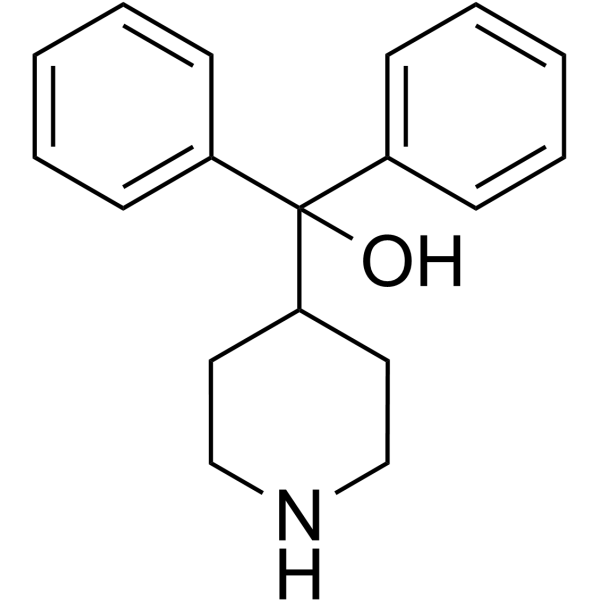
    Azacyclonol
    1 Publications Verification

    γ-pipradol

    Histamine Receptor Neurological Disease
    Azacyclonol (γ-pipradol), a metabolite of Terfenadine, is a central depressant agent. Azacyclonol is a ganglion-blocking agent. Azacyclonol can be used to diminish psychoses-induced hallucinations .
    Azacyclonol
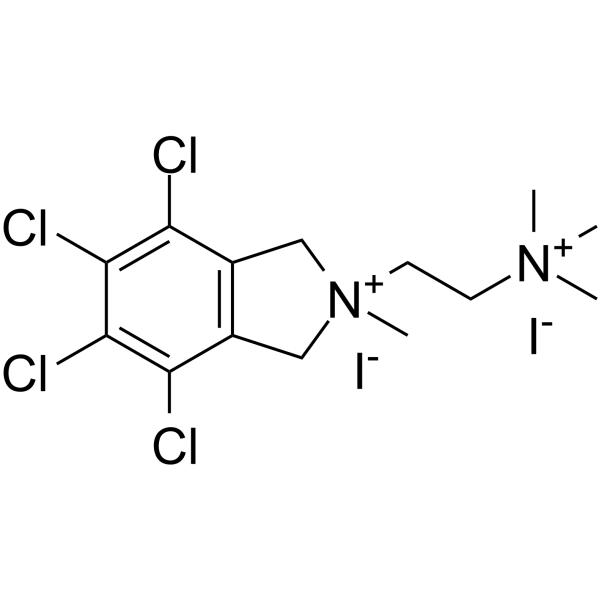
  • HY-101347

    nAChR Neurological Disease
    Chlorisondamine (diiodide) is a potent nicotinic acetylcholine receptor (nAChR) antagonist and a ganglion blocker. Chlorisondamine antagonizes some of nicotine's central actions in a potent, long-lasting and pharmacologically selective way .
    Chlorisondamine diiodide
  • HY-119926

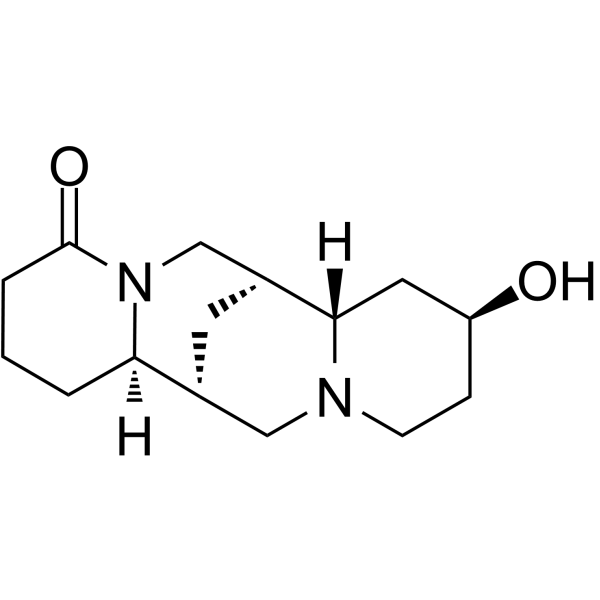
    Hydroxylupanine

    Integrin Cardiovascular Disease Neurological Disease
    13-Hydroxylupanine (Hydroxylupanine) is the typical alkaloid profile of sweet lupins.13-Hydroxylupanine blocks ganglionic transmission, decreases cardiac contractility and contracts uterine smooth muscle .
    13-Hydroxylupanine
  • HY-P10227

    ONL-1204

    Fatty Acid Synthase (FASN) Apoptosis Interleukin Related Toll-like Receptor (TLR) NOD-like Receptor (NLR) Caspase Neurological Disease
    Xelafaslatide (ONL-1204) is a Fas receptor antagonist. Xelafaslatide blocks the Fas receptor signaling pathway and inhibits downstream apoptosis and inflammatory pathways. Xelafaslatide suppresses neuroinflammation and microglial activation in glaucoma models, protects retinal ganglion cells and prevents axonal degeneration. Xelafaslatide is applicable to relevant research on glaucoma .
    Xelafaslatide
  • HY-B1219

    nAChR Neurological Disease
    Pentolinium tartrate is a ganglionic blocking agent. Pentolinium tartrate lowers blood pressure and permits regression of the signs and symptoms associated with severe hypertension .
    Pentolinium tartrate
  • HY-P3071

    Stichodactyla helianthus neurotoxin

    Potassium Channel Neurological Disease Inflammation/Immunology
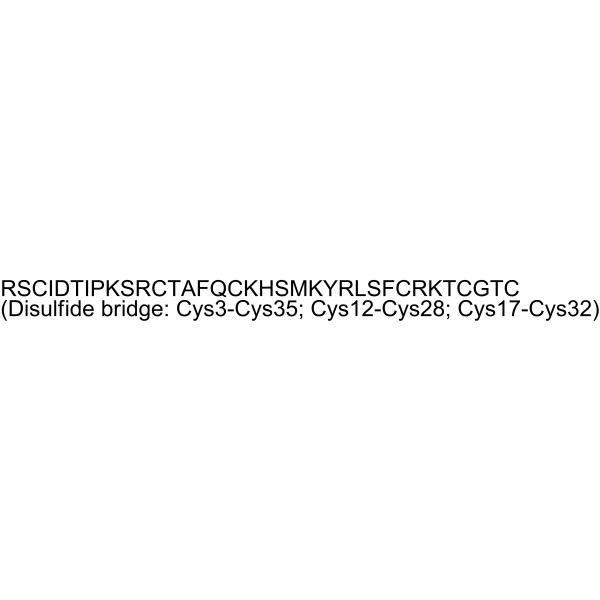
    ShK toxin blocks voltage-dependent potassium channel (Kv1.3 channel). ShK toxin can be isolated from the whole body extract of the Caribbean sea anemone (Stichodactylu helianthus). ShK toxin competes with dendrotoxin I and α-dendrotoxin for binding to synaptosomal membranes of rat brain, facilitates acetylcholine release. ShK toxin suppresses K+ currents in cultured rat dorsal root ganglion neurons. ShK toxin also inhibits T lymphocyte proliferation .
    ShK toxin
  • HY-B1395A

    nAChR Histamine Receptor Cardiovascular Disease Neurological Disease
    Mecamylamine is an orally active, nonselective, noncompetitive nAChR antagonist. Mecamylamine is also a ganglionic blocker. Mecamylamine can across the blood-brain barrier. Mecamylamine can be used in the research of neuropsychiatric disorders, hypertension, antidepressant area .
    Mecamylamine
  • HY-N0789

    Others Neurological Disease Metabolic Disease
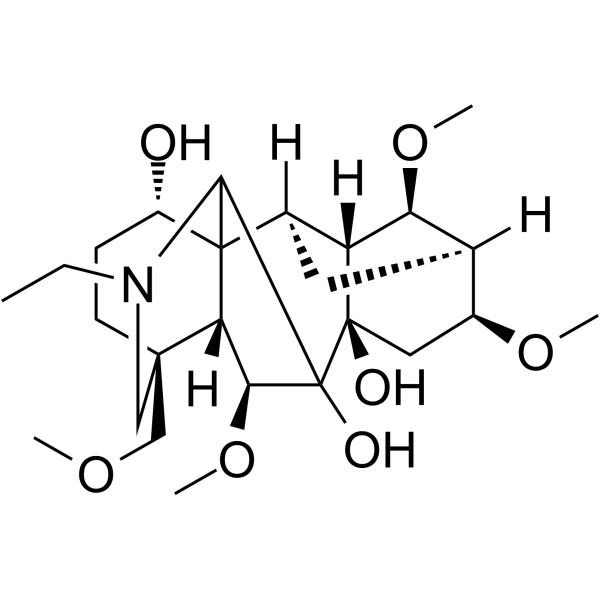
    Delsoline, a major alkaloid of Delphinium anthriscifolium Hance, has both a curare-like effect and a ganglion-blocking effect and is used to relieve muscle tension or hyperkinesia. D. anthriscifolium Hance has effects of dispelling wind and dampness, activating collaterals, and relieving pains and is used to treat rheumatism, hemiplegia, indigestion, and cough .
    Delsoline
  • HY-B1304A
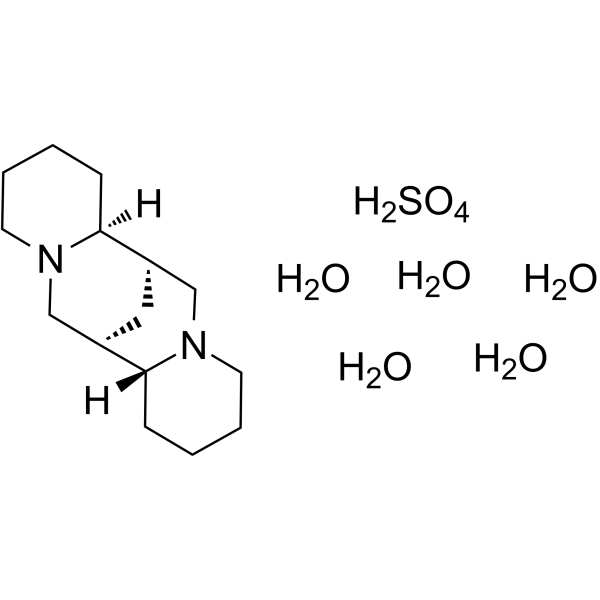
    (+)-Sparteine sulfate pentahydrate
    1 Publications Verification

    (+)-Lupinidine sulfate pentahydrate

    nAChR Neurological Disease
    (+)-sparteine (sulfate pentahydrate) is a ganglionic blocking agent. (+)-Sparteine competitively blocks nicotinic ACh receptor in the neurons .
    (+)-Sparteine sulfate pentahydrate
  • HY-164183

    Adrenergic Receptor Cardiovascular Disease
    Trimethaphan bromide is a ganglionic blocking agent and can be used for study of hypertension .
    Trimethaphan bromide
  • HY-167741

    nAChR Cardiovascular Disease Neurological Disease
    Chlorisondamine is a nicotinic antagonist that acts as a ganglionic blocker and has been utilized to evaluate the neurogenic contributions to blood pressure and sympathetic vasomotor tone in animal models. Chlorisondamine has demonstrated antihypertensive properties, primarily being assessed through its effects on blood pressure, cardiac output, and heart rate in various experimental settings, particularly in mice.
    Chlorisondamine
  • HY-N9949

    Lupinidine

    nAChR Neurological Disease
    Sparteine (Lupinidine) is an alkaloid compound derived from leguminous plants and can act as a ganglionic blocker. Sparteine competitively inhibits the activity of the neuronal nicotinic acetylcholine receptor (nACh receptor) .
    Sparteine
  • HY-P3071A

    Stichodactyla helianthus neurotoxin TFA

    Potassium Channel Neurological Disease Inflammation/Immunology
    ShK toxin TFA (Stichodactyla helianthus neurotoxin TFA) is a neurotoxin. ShK toxin TFA blocks voltage-dependent potassium channel (Kv1.3 channel). ShK toxin TFA can be isolated from the whole body extract of the Caribbean sea anemone (Stichodactylu helianthus). ShK toxin TFA competes with dendrotoxin I and α-dendrotoxin for binding to synaptosomal membranes of rat brain, facilitates acetylcholine release. ShK toxin TFA suppresses K + currents in cultured rat dorsal root ganglion neurons. ShK toxin TFA also inhibits T lymphocyte proliferation .
    ShK toxin TFA
  • HY-105749

    Endogenous Metabolite Neurological Disease
    Pentamethonium bromide is a ganglion blocker that exhibits antihypertensive and vasodilatory activities .
    Pentamethonium bromide
  • HY-B1661

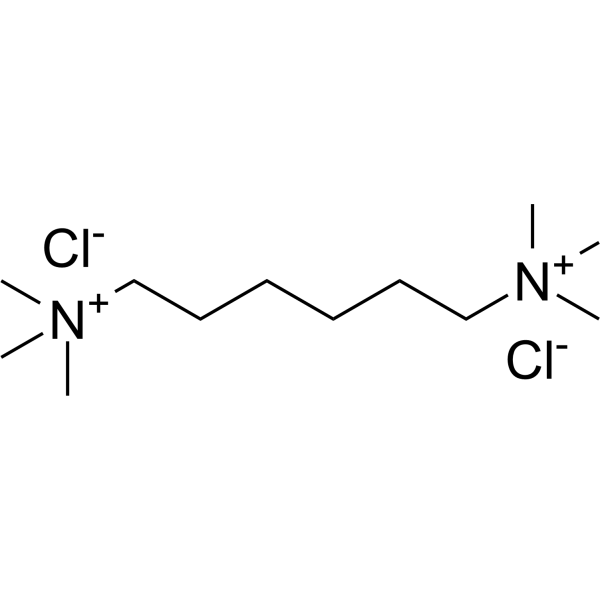
    Hexone chloride

    Biochemical Assay Reagents Cardiovascular Disease Others
    Hexamethonium Chloride Dihydrate is a synthetic organic compound commonly used as a ganglion blocking agent, which means it blocks the transmission of nerve impulses between ganglion cells in the autonomic nervous system. Hexamethonium Chloride Dihydrate is used in various medical applications such as lowering blood pressure or inhibiting certain types of neuropathic pain. It works by inhibiting the release of acetylcholine, a neurotransmitter that plays a key role in regulating many bodily functions.
    Hexamethonium chloride
  • HY-B1552B

    nAChR Neurological Disease
    Benzoquinonium dibromide is a nicotinic acetylcholine receptors (nAChRs) antagonist, with an IC50 of 0.46 μM. Benzoquinonium dibromide can block neuromuscular and ganglionic transmission .
    Benzoquinonium dibromide
  • HY-119926A

    Hydroxylupanine hydrochloride

    Others Cardiovascular Disease Neurological Disease
    13-Hydroxylupanine Hydroxylupanine is the typical alkaloid profile of sweet lupins. 13-Hydroxylupanine Hydroxylupanine blocks ganglionic transmission, decreases cardiac contractility and contracts uterine smooth muscle .
    13-Hydroxylupanine hydrochloride
  • HY-B1382A

    1,2,2,6,6-Pentamethylpiperidine hydrochloride

    nAChR Cardiovascular Disease Neurological Disease
    Pempidine (1,2,2,6,6-Pentamethylpiperidine) hydrochloride is an orally active ganglionic blocking agent used in the treatment of hypertension. Pempidine hydrochloride blocks the effects of intravenously administered addictive drugs and peripheral vagal nerve stimulation on blood pressure, and reduces the output of acetylcholine .
    Pempidine hydrochloride
  • HY-121122

    TRP Channel Others
    A778317 is a TRPV1 antagonists. A778317 can block changes in intracellular calcium levels mediated by TRPV1 receptors, with a pIC50 value of 8.31. A-778317 can also block the activation of natural rat TRPV1 receptors in dorsal root ganglion neurons by capsaicin and acid .
    A778317
  • HY-B0530R

    γ-pipradol (Standard)

    Reference Standards Histamine Receptor Neurological Disease
    Azacyclonol (Standard) is the analytical standard of Azacyclonol. This product is intended for research and analytical applications. Azacyclonol (γ-pipradol), a metabolite of Terfenadine, is a central depressant agent. Azacyclonol is a ganglion-blocking agent. Azacyclonol can be used to diminish psychoses-induced hallucinations .
    Azacyclonol (Standard)
  • HY-B1395S

    Isotope-Labeled Compounds nAChR Neurological Disease
    Mecamylamine-d3 hydrochloride is the deuterium labeled Mecamylamine hydrochloride. Mecamylamine hydrochloride is an orally active, nonselective, noncompetitive nAChR antagonist that can treat various neuropsychiatric disorders. Mecamylamine hydrochloride is originally used as a ganglionic blocker in treating hypertension. Mecamylamine hydrochloride can easily crosses the blood-brain barrier .
    Mecamylamine-d3 hydrochloride
  • HY-B1395R

    Reference Standards nAChR Histamine Receptor Cardiovascular Disease Neurological Disease
    Mecamylamine (hydrochloride) (Standard) is the analytical standard of Mecamylamine (hydrochloride). This product is intended for research and analytical applications. Mecamylamine hydrochloride is an orally active, nonselective, noncompetitive nAChR antagonist. Mecamylamine hydrochloride is also a ganglionic blocker. Mecamylamine hydrochloride can across the blood-brain barrier. Mecamylamine hydrochloride can be used in the research of neuropsychiatric disorders, hypertension, antidepressant area .
    Mecamylamine hydrochloride (Standard)
  • HY-B1395S1

    Isotope-Labeled Compounds nAChR Neurological Disease
    Mecamylamine (hydrochloride)- 13C4, 15N is the 13C-labeled and 15N-labeled Mecamylamine hydrochloride. Mecamylamine hydrochloride is an orally active, nonselective, noncompetitive nAChR antagonist that can treat various neuropsychiatric disorders. Mecamylamine hydrochloride is originally used as a ganglionic blocker in treating hypertension. Mecamylamine hydrochloride can easily crosses the blood-brain barrier .
    Mecamylamine hydrochloride-13C4,15N
  • HY-121119R

    Adenosine Receptor Calcium Channel Cardiovascular Disease Neurological Disease Inflammation/Immunology
    MRS 1523 (Standard) is the analytical standard of MRS 1523. This product is intended for research and analytical applications. MRS 1523 is a potent and selective adenosine A3 receptor antagonist with Ki values of 18.9 nM and 113 nM for human and rat A3 receptors, respectively. In rat this corresponds to selectivities of 140- and 18-fold vs A1 and A2A receptors, respectively. MRS 1523 can exert antihyperalgesic effect through N-type Ca channel block and action potential inhibition in isolated rat dorsal root ganglion (DRG) neurons .
    MRS 1523 (Standard)
  • HY-180382

    Cholinesterase (ChE) Cardiovascular Disease
    Trimethidinium methosulfate is an orally active ganglionic blocker with central antihypertensive activity. Trimethidinium methosulfate inhibits the conduction of sympathetic ganglia and reduces vascular contraction. Trimethidinium methosulfate acts on the cerebrovascular motor center and lowers peripheral vascular resistance. Trimethidinium methosulfate has cholinergic nerve inhibitory side effects, but they are relatively mild. Trimethidinium methosulfate can be used in hypertension research .
    Trimethidinium methosulfate
  • HY-W008350R

    Pachycarpine (Standard)

    nAChR Reference Standards Neurological Disease
    (+)-Sparteine (Standard) is the analytical standard of (+)-Sparteine (HY-W008350). This product is intended for research and analytical applications. (+)-Sparteine is a natural alkaloid acting as a ganglionic blocking agent. (+)-Sparteine competitively blocks nicotinic ACh receptor in the neurons.
    (+)-Sparteine (Standard)
  • HY-108459

    TRP Channel Neurological Disease
    6-Iodonordihydrocapsaicin is a TRPV1 antagonist. 6-Iodonordihydrocapsaicin functionally blocks TRPV1-mediated responses, including capsaicin-induced ion currents in dorsal root ganglion neurons and distension-induced firing of jejunal spinal afferent fibers in mice. 6-Iodonordihydrocapsaicin can be used in the research of visceral pain and anxiety disorders .
    6-Iodonordihydrocapsaicin
  • HY-120751A

    Drug Isomer Calcium Channel Neurological Disease
    (S)-TROX-1 is the S-enantiomer of TROX-1 (HY-120751). TROX-1 is a selective, orally active and brain-penetrant N-type calcium channel (Cav2.2) inhibitor with an IC50 value of 0.11 μM. TROX-1 exerts state-dependent and use-dependent inhibition, preferentially targets open/inactivated channels, blocks depolarization-associated calcium influx, and fully blocks calcium influx in rat dorsal root ganglion neurons. TROX-1 reverses inflammatory-induced hyperalgesia, nerve injury-induced allodynia. TROX-1 can be used for the research of pain .
    (S)-TROX-1
  • HY-182500A

    Toll-like Receptor (TLR) Neurological Disease
    (S,S)-SARM1-IN-9 (Compound MY-13A) is a stereoselective SARM1 inhibitor with covalent binding properties. (S,S)-SARM1-IN-9 covalently modifies Cys311 in the autoregulatory ARM domain of wild-type SARM1, thereby blocking NADase activity, without inhibiting the SARM1 C311A or SARM1 C311S mutants. (S,S)-SARM1-IN-9 blocks vacor- and vincristine-induced axon degeneration in primary rodent dorsal root ganglion neurons. (S,S)-SARM1-IN-9 can be used for research on axon degeneration-dependent neurological disorders, including chemotherapy-induced peripheral neuropathy .
    (S,S)-SARM1-IN-9

Inquiry Online

Your information is safe with us. * Required Fields.

Salutation


Country or Region *

Applicant Name *


Organization Name *

Department *


Email Address *


Product Name *

Cat. No.


Requested quantity *

Phone Number *


Remarks

Inquiry Online

Inquiry Information

Product Name:
Cat. No.:
Quantity:
MCE Japan Authorized Agent:

