
1. Search Result
Search Result
Results for "

glomerular

" in MedChemExpress (MCE) Product Catalog:

55

Inhibitors & Agonists

1

Fluorescent Dye

5

Biochemical Assay Reagents

2

Peptides

1

MCE Kits

1

Inhibitory Antibodies

7

Natural
Products

6

Isotope-Labeled Compounds

2

Oligonucleotides

Cat. No. Product Name Target Research Areas Chemical Structure
  • HY-B0594
    Iohexol
    5 Publications Verification

    Autophagy Mitophagy Cancer
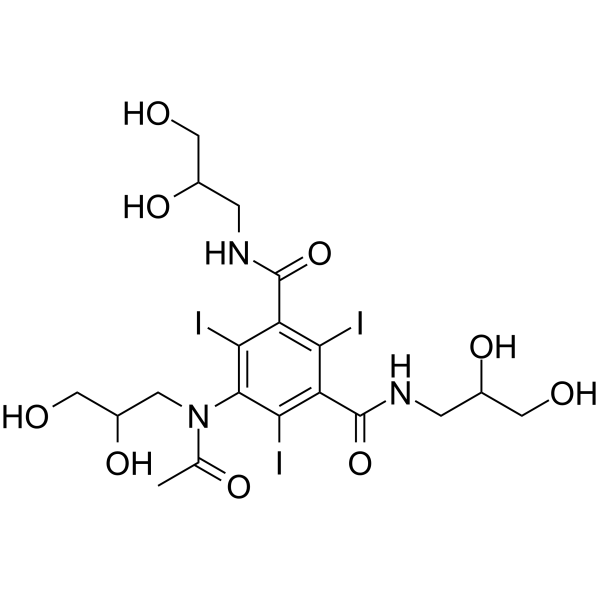
    Iohexol is a non-ionic, water-soluble contrast agent used as a reference marker for the determination of glomerular filtration rate (GFR) at the level of renal function. Iohexol can be used for contrast in myelography, computerized tomography (cisternography, ventriculography) and MicroCT imaging .
    Iohexol
  • HY-B1472
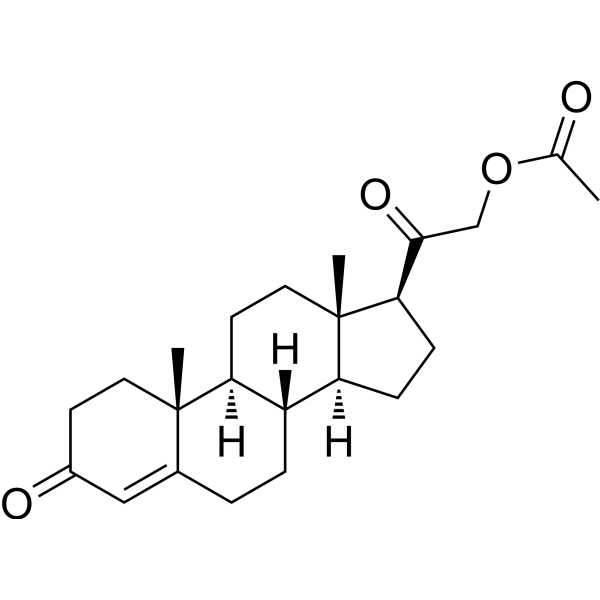
    Deoxycorticosterone acetate
    2 Publications Verification

    11-Deoxycorticosterone acetate; DOC acetate; Cortexone acetate

    Mineralocorticoid Receptor Endogenous Metabolite Metabolic Disease
    Deoxycorticosterone acetate (DOCA) is an adrenocortin, acts as a precursor to aldosterone. Deoxycorticosterone acetate is a mineralocorticoid receptor agonist. Deoxycorticosterone acetate can cause severe renal injury, including inflammation, fibrosis, glomerular damage, and proteinuria .
    Deoxycorticosterone acetate
  • HY-P99901

    VIS649

    SARS-CoV Inflammation/Immunology Cancer
    Sibeprenlimab (VIS649) is a humanized IgG2 monoclonal antibody which inhibits a proliferation-inducing ligand (APRIL). Sibeprenlimab suppresses pathogenic immunoglobulins (IgA and IgM), while preserving antibody responses to mRNA-based vaccines against SARS-COV-2. Sibeprenlimab reduces urinary protein-to-creatinine ratio (UPCR) and glomerular filtration rate (GFR). Sibeprenlimab is promising for the research of IgA nephropathy (IgAN) .
    Sibeprenlimab
  • HY-101044
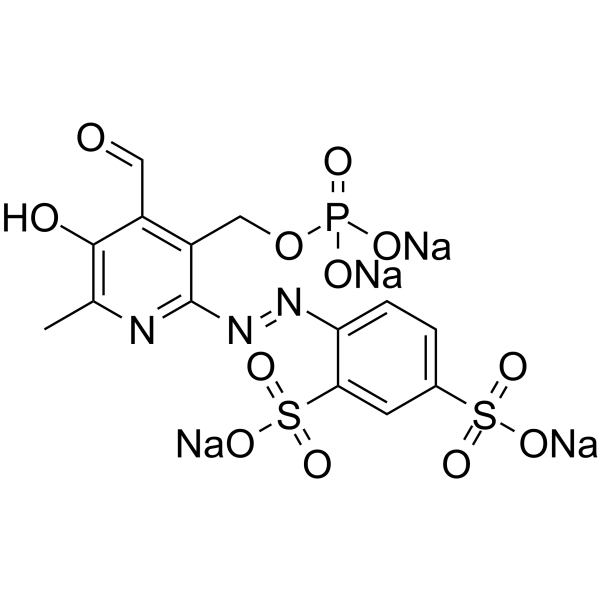
    PPADS tetrasodium
    5+ Cited Publications

    P2X Receptor Na+/Ca2+ Exchanger Neurological Disease
    PPADS tetrasodiuma is a non-selective P2X receptor antagonist. PPADS tetrasodiuma blocks recombinant P2X1, -2, -3, -5 with IC50s ranging from 1 to 2.6 μM. PPADS tetrasodiuma blocks native P2Y2-like (IC50~0.9 mM) and recombinant P2Y4 (IC50~15 mM) receptors. PPADS tetrasodiuma is an inhibitor of the reverse mode of the Na/Ca 2+ exchanger in guinea pig airway smooth muscle .
    PPADS tetrasodium
  • HY-B0504S
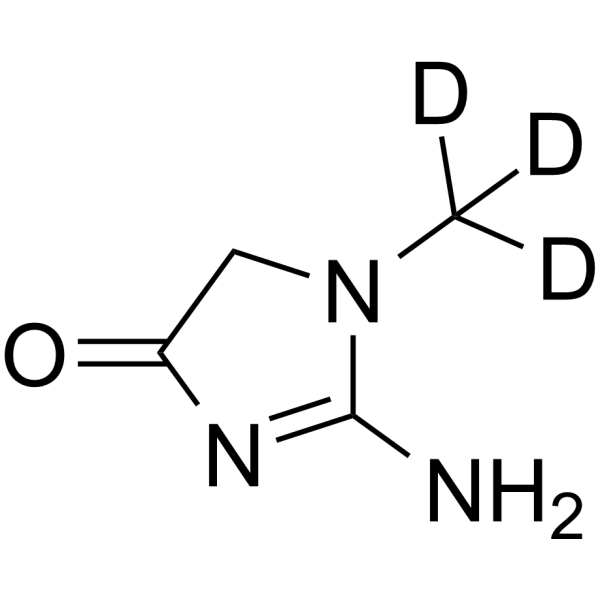
    Creatinine-d3
    5 Publications Verification

    NSC13123-d3

    Isotope-Labeled Compounds Endogenous Metabolite iGluR GABA Receptor Metabolic Disease Cancer
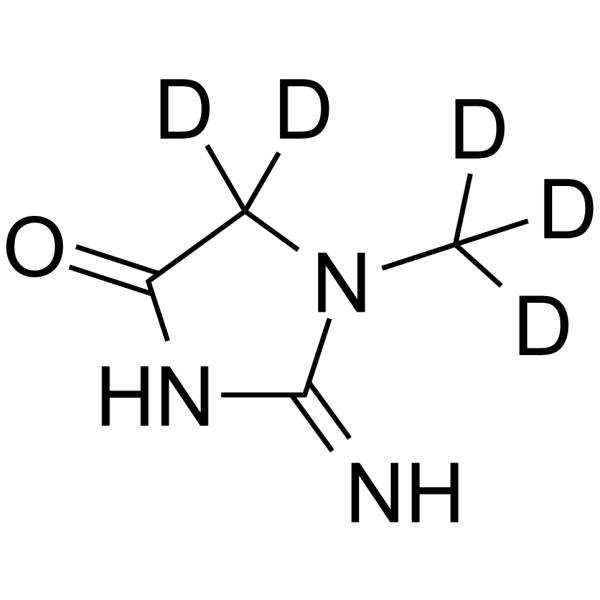
    Creatinine-d3 is a deuterium labeled Creatinine. Creatinine (NSC13123) is an orally active, blood-brain barrier-permeable modulator of GABAA and NMDA receptors, with activities of antioxidation and metabolic regulation. Creatinine is generated via non-enzymatic conversion of creatine and phosphocreatine in muscle. Creatinine serum levels correlate with muscle mass, glomerular filtration rate, and extrarenal clearance, serving as an evaluation biomarker for renal function, muscle mass, and clinical outcomes, and used for perioperative renal risk assessment. In addition, Creatinine can induce specific Cryptococcus species to produce creatinine deiminase and act as their nitrogen source, while it can be secreted via renal tubules. Creatinine is widely used in research related to various diseases such as neurodegenerative diseases, psychiatric disorders, acute kidney injury, chronic kidney disease, and renal failure .
    Creatinine-d3
  • HY-B0504
    Creatinine
    Maximum Cited Publications
    6 Publications Verification

    NSC13123

    Endogenous Metabolite GABA Receptor iGluR Infection Neurological Disease Metabolic Disease Cancer
    Creatinine (NSC13123) is an orally active, blood-brain barrier-permeable modulator of GABAA and NMDA receptors, with activities of antioxidation and metabolic regulation. Creatinine is generated via non-enzymatic conversion of creatine and phosphocreatine in muscle. Creatinine serum levels correlate with muscle mass, glomerular filtration rate, and extrarenal clearance, serving as an evaluation biomarker for renal function, muscle mass, and clinical outcomes, and used for perioperative renal risk assessment. In addition, Creatinine can induce specific Cryptococcus species to produce creatinine deiminase and act as their nitrogen source, while it can be secreted via renal tubules. Creatinine is widely used in research related to various diseases such as neurodegenerative diseases, psychiatric disorders, acute kidney injury, chronic kidney disease, and renal failure .
    Creatinine
  • HY-B0504S2

    NSC13123-d5

    Isotope-Labeled Compounds Endogenous Metabolite iGluR GABA Receptor Metabolic Disease
    Creatinine-d5 is the deuterium labeled Creatinine. Creatinine (NSC13123) is an orally active, blood-brain barrier-permeable modulator of GABAA and NMDA receptors, with activities of antioxidation and metabolic regulation. Creatinine is generated via non-enzymatic conversion of creatine and phosphocreatine in muscle. Creatinine serum levels correlate with muscle mass, glomerular filtration rate, and extrarenal clearance, serving as an evaluation biomarker for renal function, muscle mass, and clinical outcomes, and used for perioperative renal risk assessment. In addition, Creatinine can induce specific Cryptococcus species to produce creatinine deiminase and act as their nitrogen source, while it can be secreted via renal tubules. Creatinine is widely used in research related to various diseases such as neurodegenerative diseases, psychiatric disorders, acute kidney injury, chronic kidney disease, and renal failure .
    Creatinine-d5
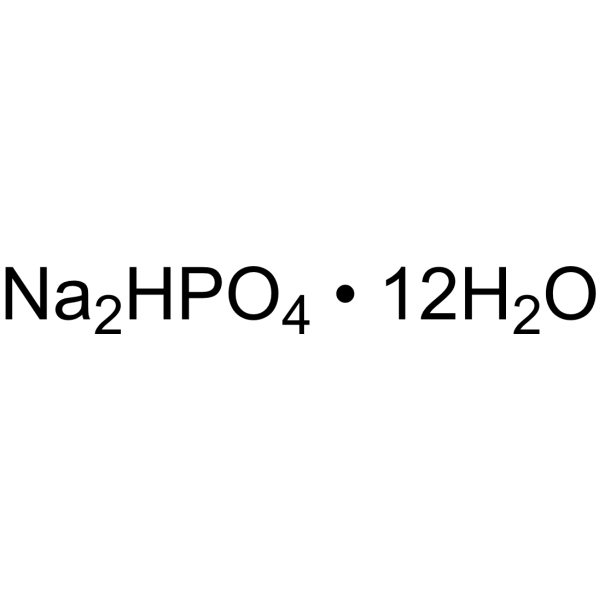
  • HY-Y1324

    Disodium hydrogen phosphate dodecahydrate; Disodium phosphate dodecahydrate

    Environmental Pollutants Biochemical Assay Reagents Endocrinology
    Phosphoric acid disodium dodecahydrate is an inorganic compound and food additive. Phosphoric acid disodium dodecahydrate promotes gel formation, improves food texture and thermal properties of materials. Phosphoric acid disodium dodecahydrate induces glomerular calcification. Phosphoric acid disodium dodecahydrate can be used in kidney disease research .
    Sodium phosphate dibasic dodecahydrate
  • HY-B0419
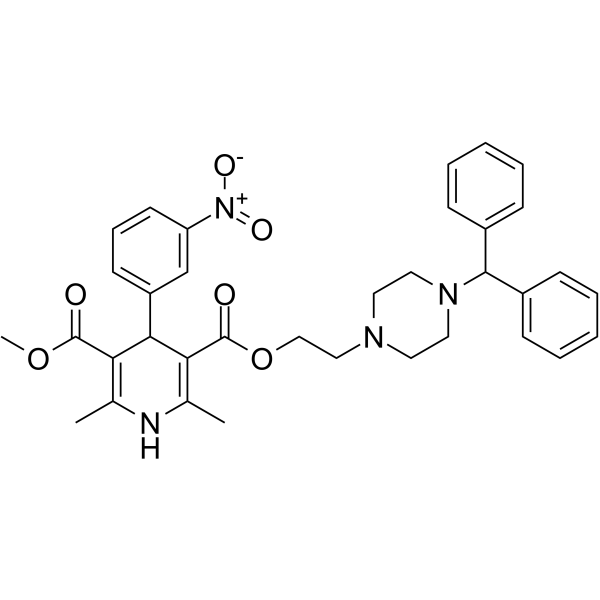
    Manidipine
    3 Publications Verification

    Calcium Channel Interleukin Related Cardiovascular Disease Neurological Disease Endocrinology
    Manidipine is an orally active calcium channel antagonist. Manidipine regulates the expression of cytokines (IL-1β, IL-6). Manidipine has a hypotensive effect. Manidipine can be used in the study of cardiovascular diseases (such as hypertension, myocardial ischemia-reperfusion injury, ventricular hypertrophy), kidney diseases (such as glomerular diseases), and epilepsy .
    Manidipine
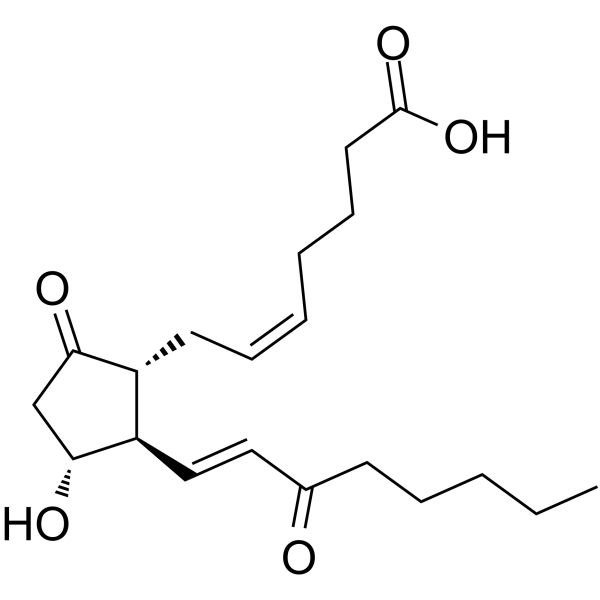
  • HY-113205

    15-keto-PGE2

    Endogenous Metabolite Prostaglandin Receptor STAT PPAR Fungal Drug Metabolite Cardiovascular Disease Infection Endocrinology Cancer
    15-keto-Prostaglandin E2 (15-keto-PGE2) is an endogenous PGE2 metabolite. 15-keto-Prostaglandin E2 inhibits STAT3 activation by binding to the Cys259 residue of STAT3. 15-keto-Prostaglandin E2 binds to and stabilizes EP2 and EP4 receptors. 15-keto-Prostaglandin E2 inhibits the growth and progression of breast cancer cells. 15-keto-Prostaglandin E2 activates PPAR-γ and promotes fungal growth. 15-keto-Prostaglandin E2 disrupts glomerular vascularization during zebrafish development and reduces the surface area of the glomerular filtration barrier .
    15-keto-Prostaglandin E2
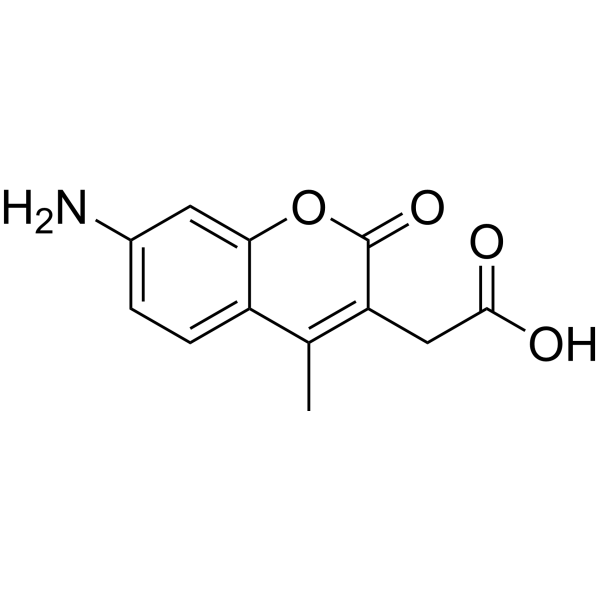
  • HY-D0025

    Fluorescent Dye Drug Intermediate Others
    7-Amino-4-methylcoumarin-3-acetic acid (AMCA) serves as the parent structure of coumarin-based blue fluorescent dyes, and its activated form AMCA-NHS can directly conjugate with proteins (Ex/Em ≈ 350/440-460).
    7-Amino-4-methylcoumarin-3-acetic acid
  • HY-P5381
    gp91 ds-tat
    1 Publications Verification

    NADPH Oxidase Ferroptosis Reactive Oxygen Species (ROS) Glutathione Peroxidase TRP Channel Cardiovascular Disease Neurological Disease Inflammation/Immunology
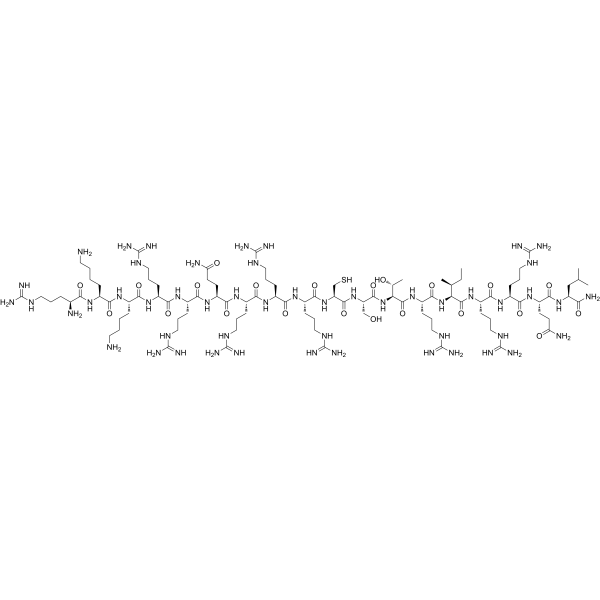
    gp91 ds-tat, a biological active peptide, is a NADPH oxidase 2 (Nox2) inhibitor. gp91 ds-tat blocks NADPH oxidase-dependent superoxide production. gp91 ds-tat ameliorates high glucose-induced increase in total ROS, LPOs and iron levels. gp91 ds-tat inhibits homocysteine (Hcy)-induced activation of NLRP3 inflammasomes and restores Hcy-inhibited lysosomal TRPML1 channel activity. gp91 ds-tat improves cerebrovascular and cognitive function in APP/PS1 mice. gp91 ds-tat can be used for the study of Alzheimer’s disease (AD), glomerular inflammation and cardiovascular disease .
    gp91 ds-tat
  • HY-172279A

    Liposome Cancer
    DSPE-PEG2000-TAT is a cell-penetrating peptide-modified PEGylated phospholipid conjugate and cellular uptake enhancer. DSPE-PEG2000-TAT forms via conjugation of Cys-TAT to DSPE-PEG2000-Mal. DSPE-PEG2000-TAT enhances liposomal cellular uptake and siRNA transfection efficiency in glomerular mesangial and macrophage cells. DSPE-PEG2000-TAT can be used for drug delivery .
    DSPE-PEG2000-TAT
  • HY-Y0850U3

    Polyvinyl alcohol (Mw 125000, 98-99% hydrolyzed, ~2800 polymerization); Poly(Ethenol) (Mw 125000, 98-99% hydrolyzed, ~2800 polymerization)

    Biochemical Assay Reagents Others
    PVA (Polyvinyl alcohol) (Mw 125000, 98-99% hydrolyzed, ~2800 polymerization) is a water-soluble, biodegradable, biocompatible and non-immunogenic polymer. PVA (Mw 125000, 98-99% hydrolyzed, ~2800 polymerization) causes no irritation to rabbit eyes, no skin sensitization in guinea pigs, promotes the proliferation of human skin keratinocytes, and reduces the loss of corneal endothelial cells. The LD50 of PVA (Mw 125000, 98-99% hydrolyzed, ~2800 polymerization) in rats and dogs is greater than 10 g/kg. PVA (Mw 125000, 98-99% hydrolyzed, ~2800 polymerization) is hardly absorbed by the digestive system, causes no adverse effects upon long-term oral administration, and shows no mutagenicity or carcinogenicity. However, repeated intravenous or portal vein injection of PVA (Mw 125000, 98-99% hydrolyzed, ~2800 polymerization) may induce pathological changes such as glomerular lesions, anemia, hypertension or liver fibrosis in rats or dogs. Crosslinked nanofibers prepared by modifying PVA (Mw 125000, 98-99% hydrolyzed, ~2800 polymerization) can be used in studies related to wound dressings and other applications .
    PVA (Mw 125000, 98-99% hydrolyzed, ~2800 polymerization)
  • HY-W042301

    Anion Exchangers Carbonic Anhydrase Endothelin Receptor Cardiovascular Disease
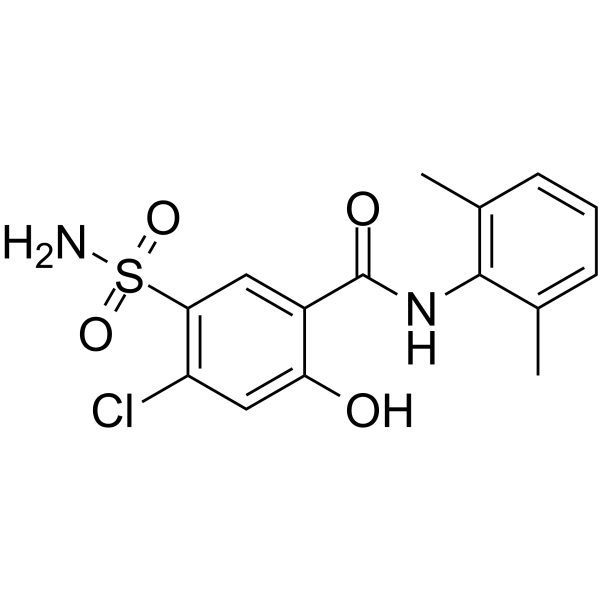
    Xipamide is an orally active carbonic anhydrase (CA) inhibitor and Na +/Cl --potassium transporter inhibitor with diuretic and antihypertensive effects. Xipamide reduces NaCl reabsorption by inhibiting the Cl -/NaCO3 - anion exchanger, and increases calcium reabsorption while promoting potassium and magnesium excretion. Xipamide is mainly cleared via the renal pathway and causes a temporary decrease in glomerular filtration rate under specific conditions. Xipamide does not affect Ca 2+ signaling induced by endothelin-1 and other factors, nor does it inhibit various ion cotransport or pump activities in red blood cells. Xipamide can be used in researches related to cardiovascular diseases, hypertension (especially with left ventricular hypertrophy), advanced renal failure, and liver cirrhosis with ascites .
    Xipamide
  • HY-B1451

    TA-6366

    Angiotensin-converting Enzyme (ACE) MMP JNK Cardiovascular Disease Neurological Disease Metabolic Disease Inflammation/Immunology
    Imidapril hydrochloride (TA-6366) is an orally active dual inhibitor of angiotensin-converting enzyme (ACE) and MMP-9. Imidapril hydrochloride inhibits lipopolysaccharide-induced phosphorylation of c-Jun, MKK4 and JNK in monocytes, and downregulates the production of specific inflammatory factors such as TNF-α and IP-10, thereby exerting anti-inflammatory activity. Imidapril hydrochloride also effectively ameliorates mesangial expansion and reduces urinary albumin excretion by inhibiting angiotensin AngII production, lowering glomerular pressure and oxidative stress, thus delaying disease progression. Imidapril hydrochloride can also directly bind to the active site of MMP-9 to inhibit gelatinase activity, and suppress the enlargement of cerebral aneurysms without altering systemic blood pressure. Imidapril hydrochloride is widely applicable to related studies on autoimmune glomerulonephritis, diabetic nephropathy, cerebral aneurysms and other conditions .
    Imidapril hydrochloride
  • HY-B0504R

    NSC13123 (Standard)

    Reference Standards Endogenous Metabolite iGluR GABA Receptor Metabolic Disease Cancer
    Creatinine (Standard) is the analytical standard of Creatinine. This product is intended for research and analytical applications. Creatinine (NSC13123) is an orally active, blood-brain barrier-permeable modulator of GABAA and NMDA receptors, with activities of antioxidation and metabolic regulation. Creatinine is generated via non-enzymatic conversion of creatine and phosphocreatine in muscle. Creatinine serum levels correlate with muscle mass, glomerular filtration rate, and extrarenal clearance, serving as an evaluation biomarker for renal function, muscle mass, and clinical outcomes, and used for perioperative renal risk assessment. In addition, Creatinine can induce specific Cryptococcus species to produce creatinine deiminase and act as their nitrogen source, while it can be secreted via renal tubules. Creatinine is widely used in research related to various diseases such as neurodegenerative diseases, psychiatric disorders, acute kidney injury, chronic kidney disease, and renal failure .
    Creatinine (Standard)
  • HY-114557

    3,5-Diiodo-L-thyronine

    JNK NF-κB Sirtuin PGC-1α COX TGF-β Receptor Collagen Metabolic Disease Inflammation/Immunology Endocrinology
    NSC 90469 (3,5-Diiodo-L-thyronine) is an orally active thyroid hormone derivative. NSC 90469 inhibits JNK phosphorylation and NF-κB acetylation, blocks SIRT1 protein expression, induces elevated PGC-1α levels, and stimulates COX activity. NSC 90469 enhances UCP1-mediated thermogenesis, increases hepatic Dio1 activity, inhibits TSH levels and hypothalamic-pituitary-thyroid axis function, enhances lipid metabolism, and regulates energy metabolism via the mitochondrial pathway. NSC 90469 prevents blood glucose reduction, reduces urinary albumin excretion, inhibits renal matrix expansion, decreases TGF-β1 expression, and reduces renal fibronectin and type Ⅳ collagen deposition. NSC 90469 also increases energy expenditure and prevents diet-induced overweight. NSC 90469 can be used in studies related to diabetic nephropathy, hypothyroidism, non-alcoholic fatty liver disease, and diet-induced obesity .
    NSC 90469
  • HY-112597A

    REN001; HPP593

    PPAR Inflammation/Immunology
    Mavodelpar (REN001) is a selective PPARδ agonist. Mavodelpar suppresses glomerular injury and renal fibrosis. Mavodelpar can be used for the research of primary mitochondrial myopathies (PMM) and long-chain fatty acid oxidation disorders (LC-FAOD) . Mavodelpar is a click chemistry reagent, it contains an Alkyne group and can undergo copper-catalyzed azide-alkyne cycloaddition (CuAAc) with molecules containing Azide groups.
    Mavodelpar
  • HY-123572

    AG1717

    Dynamin HIV Integrase Infection Metabolic Disease Inflammation/Immunology
    Bis-T-23 (AG1717), tyrphostin derivative, is an HIV-I integrase inhibitor. Bis-T-23 can promote actin-dependent dynamin oligomerization. Bis-T-23 can be used for the research of HIV and chronic kidney diseases (CKD) .
    Bis-T-23
  • HY-B0504S1

    NSC13123-13C

    Isotope-Labeled Compounds Endogenous Metabolite iGluR GABA Receptor Metabolic Disease
    Creatinine- 13C is the 13C-labeled Creatinine. Creatinine (NSC13123) is an orally active, blood-brain barrier-permeable modulator of GABAA and NMDA receptors, with activities of antioxidation and metabolic regulation. Creatinine is generated via non-enzymatic conversion of creatine and phosphocreatine in muscle. Creatinine serum levels correlate with muscle mass, glomerular filtration rate, and extrarenal clearance, serving as an evaluation biomarker for renal function, muscle mass, and clinical outcomes, and used for perioperative renal risk assessment. In addition, Creatinine can induce specific Cryptococcus species to produce creatinine deiminase and act as their nitrogen source, while it can be secreted via renal tubules. Creatinine is widely used in research related to various diseases such as neurodegenerative diseases, psychiatric disorders, acute kidney injury, chronic kidney disease, and renal failure .
    Creatinine-13C
  • HY-B1451A

    TA-6366 free base

    Angiotensin-converting Enzyme (ACE) MMP JNK Cardiovascular Disease Metabolic Disease
    Imidapril (TA-6366 free base) is an orally active dual inhibitor of angiotensin-converting enzyme (ACE) and MMP-9. Imidapril inhibits lipopolysaccharide-induced phosphorylation of c-Jun, MKK4 and JNK in monocytes, and downregulates the production of specific inflammatory factors such as TNF-α and IP-10, thereby exerting anti-inflammatory activity. Imidapril also effectively ameliorates mesangial expansion and reduces urinary albumin excretion by inhibiting angiotensin AngII production, lowering glomerular pressure and oxidative stress, thus delaying disease progression. Imidapril can also directly bind to the active site of MMP-9 to inhibit gelatinase activity, and suppress the enlargement of cerebral aneurysms without altering systemic blood pressure. Imidapril is widely applicable to related studies on autoimmune glomerulonephritis, diabetic nephropathy, cerebral aneurysms and other conditions .
    Imidapril
  • HY-Y0308D

    Disodium hydrogen phosphate, meets analytical specification of Ph. Eur. BP USP FCC E339

    Biochemical Assay Reagents Endocrinology
    Sodium phosphate dibasic (Disodium hydrogen phosphate), meets analytical specification of Ph. Eur. BP USP FCC E339 is an inorganic dibasic phosphate that functions as an electrolyte supplement, a buffer carrier for injectable drugs, while also exhibiting nephrotoxicity. Sodium phosphate dibasic, meets analytical specification of Ph. Eur. BP USP FCC E339 induces extensive nephrotic syndrome-like changes, including systemic symptoms such as persistent proteinuria, lipemia, hypercholesterolemia, and anemia, and causes severe renal pathological alterations such as renal enlargement, glomerular calcification, podocyte injury, and tubulointerstitial lesions. Sodium phosphate dibasic, meets analytical specification of Ph. Eur. BP USP FCC E339 has the ability to induce phosphate-induced nephropathy and glomerular calcification, and can be widely used in studies on nephrotic syndrome and related renal pathological mechanisms .
    Sodium phosphate dibasic, meets analytical specification of Ph. Eur. BP USP FCC E339
  • HY-116392F

    Glucosylceramide Synthase (GCS) Neurological Disease Metabolic Disease Cancer
    D-threo-PDMP hydrochloride is a potent glucoceramide synthase (GCS) inhibitor, which reduces the glycosphingolipids (such as GM3 and GD3) on the cell surface by inhibiting glycosylation, reduces the total length of the axon plexus and the number of axon branch points, and inhibits neurite growth. D-threo-PDMP hydrochloride inhibits the synthesis of GM3, thereby reducing the adhesion ability of B16 melanoma cells and mimicking the pathological effects of hyperglycemia/TGF-β1. D-threo-PDMP hydrochloride inhibits the synthesis of GD3, thereby protecting liver cells from apoptosis induced by TNF-α. D-threo-PDMP hydrochloride can be used to study diseases related to targeted glycosphingolipid metabolism .
    D-threo-PDMP hydrochloride
  • HY-W250119
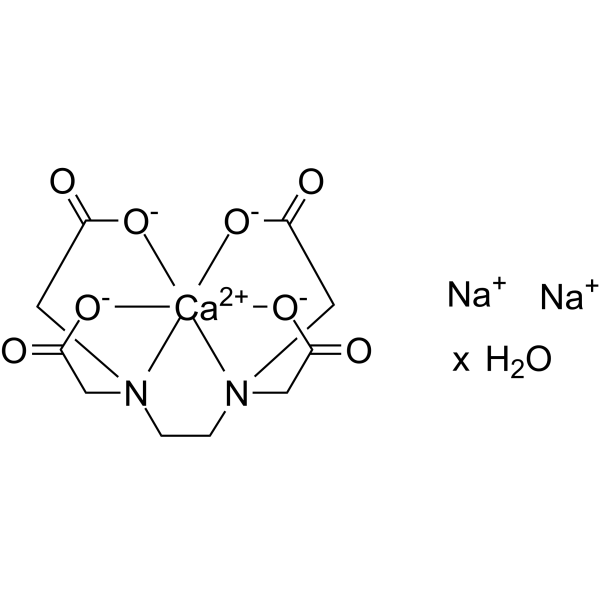
    Calcium disodium edetate hydrate
    20+ Cited Publications

    EDTA disodium calcium salt hydrate; Ethylenediaminetetraacetic acid disodium calcium salt hydrate

    Biochemical Assay Reagents Fungal Mitochondrial Metabolism Infection
    Calcium disodium edetate hydrate (EDTA disodium calcium salt hydrate) is a metal chelator and antifungal agent. Calcium disodium edetate hydrate chelates Mn 2+, damages mitochondria, and interferes with carbohydrate metabolic pathways, particularly the synthesis of pyruvate in glycolysis. Calcium disodium edetate hydrate inhibits Penicillium digitatum and delays conidial germination. Calcium disodium edetate (hydrate) enhances the host defense system of citrus fruits. Calcium disodium edetate hydrate is applicable to research related to citrus green mold .
    Calcium disodium edetate hydrate
  • HY-N11857

    Antibiotic Bacterial Infection
    Gentamicin C2 is an aminoglycoside antibiotic with broad-spectrum bactericidal activity, selectively binding to the bacterial 16S rRNA A-site. Gentamicin C2 interferes with protein synthesis initiation and translation fidelity to exert bactericidal effects. Gentamicin C2 can be used for the research of bacterial infections .
    Gentamicin C2
  • HY-W013266

    Acetylsulfamethoxazole

    Drug Metabolite Infection Metabolic Disease
    N4-Acetylsulfamethoxazole (Acetylsulfamethoxazole) is the N4-acetylated metabolite of Sulfamethoxazole (HY-B0322) .
    N4-Acetylsulfamethoxazole
  • HY-10657

    Urotensin Receptor Cardiovascular Disease Others
    SB-706375 is an antagonist of the Urotensin II (UII) receptor. By blocking the Urotensin II receptor, SB-706375 reduces the kidney's response to UII and Urotensin-related peptide (URP) and significantly increases the Glomerular Filtration Rate (GFR). SB-706375 can be used in research on kidney diseases and hypertension .
    SB-706375
  • HY-B0594R

    Reference Standards Autophagy Mitophagy Cancer
    Iohexol (Standard) is the analytical standard of Iohexol. This product is intended for research and analytical applications. Iohexol is a non-ionic, water-soluble contrast agent used as a reference marker for the determination of glomerular filtration rate (GFR) at the level of renal function. Iohexol can be used for contrast in myelography, computerized tomography (cisternography, ventriculography) and MicroCT imaging .
    Iohexol (Standard)
  • HY-B1472R
    Deoxycorticosterone acetate (Standard)
    2 Publications Verification

    11-Deoxycorticosterone acetate(Standard); DOC acetate(Standard); Cortexone acetate (Standard)

    Reference Standards Mineralocorticoid Receptor Endogenous Metabolite Endocrinology
    Deoxycorticosterone acetate (Standard) is the analytical standard of Deoxycorticosterone acetate. This product is intended for research and analytical applications. Deoxycorticosterone acetate (DOCA) is an adrenocortin, acts as a precursor to aldosterone. Deoxycorticosterone acetate is a mineralocorticoid receptor agonist. Deoxycorticosterone acetate can cause severe renal injury, including inflammation, fibrosis, glomerular damage, and proteinuria .
    Deoxycorticosterone acetate (Standard)
  • HY-B0504S5

    NSC13123-15N

    Isotope-Labeled Compounds Endogenous Metabolite iGluR GABA Receptor Metabolic Disease Cancer
    Creatinine- 15N (NSC13123- 15N) is the 15N-labeled Creatinine (HY-B0504). Creatinine (NSC13123) is an orally active, blood-brain barrier-permeable modulator of GABAA and NMDA receptors, with activities of antioxidation and metabolic regulation. Creatinine is generated via non-enzymatic conversion of creatine and phosphocreatine in muscle. Creatinine serum levels correlate with muscle mass, glomerular filtration rate, and extrarenal clearance, serving as an evaluation biomarker for renal function, muscle mass, and clinical outcomes, and used for perioperative renal risk assessment. In addition, Creatinine can induce specific Cryptococcus species to produce creatinine deiminase and act as their nitrogen source, while it can be secreted via renal tubules. Creatinine is widely used in research related to various diseases such as neurodegenerative diseases, psychiatric disorders, acute kidney injury, chronic kidney disease, and renal failure .
    Creatinine-15N
  • HY-109071

    MB-102

    Fluorescent Dye Others
    Relmapirazin (MB-102) is a fluorescent tracer agent for real-time measurement of glomerular filtration rate .
    Relmapirazin
  • HY-160431

    PPAR NF-κB COX Drug Metabolite Metabolic Disease
    8(9)-EET is one of the main metabolites produced by the metabolism of arachidonic acid (HY-109590) through the cytochrome P450 epoxide pathway. 8(9)-EET is an effective substrate for COX-1 and COX-2. 8(9)-EET activates PPARα in HEK293 cells and inhibits the activity of NF-κB induced by IL-1β in a PPARα-dependent and -independent manner. The (8S,9R)-isomer of 8(9)-EET ([(8S,9R)-EET]) causes vasoconstriction, thereby reducing renal plasma flow and glomerular filtration rate .
    8(9)-EET
  • HY-134368

    Calcium Channel Cardiovascular Disease
    Ap3A is a vasoactive molecule that regulates intracellular Ca 2+ levels. Ap3A can promote the growth of vascular smooth muscle cells .
    Ap3A
  • HY-101581

    804CB; Bucloxonic acid; Esfar

    Drug Derivative Inflammation/Immunology
    Bucloxic acid is an anti-inflammatory pyrrazole derivative. Bucloxic acid can be used for study of chronic glomerular nephropathies.
    Bucloxic acid
  • HY-169737

    Glycosidase Amylases Metabolic Disease
    Inulobiose is a difructan disaccharide that can be isolated from Pistacia vera L.. Inulobiose inhibits α-glycosidase and α-amylase activities with IC50s of 1.87 and 40.72 mg/mL, respectively. Inulobiose can be used for the research of diabetes and glomerular filtration rate testing .
    Inulobiose
  • HY-100446

    Glutaminase Apoptosis Metabolic Disease Inflammation/Immunology
    NTU281 is a potent transglutaminase-2 inhibitor. NTU281 can reduce the increases in serum creatinine and albuminuria in diabetic rats. NTU281 can also reduce glomerular collagen I accumulation, Hic-5 and α-SMA expression, and apoptosis. NTU281 can be used for researching glomerulosclerosis caused by diabetes .
    NTU281
  • HY-100819

    CCR Metabolic Disease
    RO5234444 is an orally active CCR2 antagonist, with IC50s of 22nM for human CCR2 and 161 nM for mouse CCR2. RO5234444 alleviates glomerulosclerosis, reduces albuminuria, and significantly improves the glomerular filtration rate (GFR) in the uninephrectomized (1K) type 2 diabetic db/db mouse model. RO5234444 can be used for the study of type 2 diabetic nephropathy .
    RO5234444
  • HY-P10279

    Human atrial natriuretic factor (102–126)

    Natriuretic Peptide Receptor (NPR) Cardiovascular Disease Others
    Anaritide is a synthetic form of atrial natriuretic peptide (ANP) composed of 25 amino acids. Anaritide increases glomerular filtration rate by dilating into and contracting out the bulbar arterioles. Anaritide can be used to study the effects on patients with acute tubular necrosis, particularly in improving dialysis free survival .
    Anaritide
  • HY-B0419R

    Calcium Channel Interleukin Related Reference Standards Cardiovascular Disease Neurological Disease Endocrinology
    Manidipine (Standard) is the analytical standard of Manidipine. This product is intended for research and analytical applications. Manidipine is an orally active calcium channel antagonist. Manidipine regulates the expression of cytokines (IL-1β, IL-6). Manidipine has a hypotensive effect. Manidipine can be used in the study of cardiovascular diseases (such as hypertension, myocardial ischemia-reperfusion injury, ventricular hypertrophy), kidney diseases (such as glomerular diseases), and epilepsy .
    Manidipine (Standard)
  • HY-119035

    Platelet-activating Factor Receptor (PAFR) Inflammation/Immunology
    R-75317 is a specific platelet-activating factor (PAF) antagonist. R-75317 can prevent the decline in creatinine clearance (Ccr) in a rat model of glomerulonephritis induced by the injection of antibodies extracted from rabbits against rat glomerular basement membrane (GBM) antigens, delay the onset of proteinuria, and improve glomerular hypertrophy, mesangial matrix proliferation, and interstitial fibrosis. R-75317 may be useful in the study of glomerulonephritis .
    R-75317
  • HY-B0419S

    Isotope-Labeled Compounds Calcium Channel Interleukin Related Cardiovascular Disease Neurological Disease
    Manidipine-d4 is the deuterium labeled Manidipine (HY-B0419). Manidipine is an orally active calcium channel antagonist. Manidipine regulates the expression of cytokines (IL-1β, IL-6). Manidipine has a hypotensive effect. Manidipine can be used in the study of cardiovascular diseases (such as hypertension, myocardial ischemia-reperfusion injury, ventricular hypertrophy), kidney diseases (such as glomerular diseases), and epilepsy .
    Manidipine-d4
  • HY-14998

    MK 185

    β-catenin PPAR Wnt Endocrinology
    Halofenate, structurally akin to clofibrate, was evaluated in hypertriglyceridemic patients over 6-week periods in a controlled, double-blind crossover trial. It effectively reduced serum triglycerides by 50%, with minimal impact on serum cholesterol levels. Additionally, it lowered serum uric acid by 30% and exhibited uricosuric effects independent of glomerular filtration rate. Halofenate was associated with a significant increase in plasma thyroxine (T4), accompanied by a decrease in protein-bound iodine and T4 by column. In vitro studies confirmed its ability to displace T4 from thyroid-binding proteins, suggesting a thyroxine-displacing effect, which could influence thyroid function in vivo .
    Halofenate
  • HY-B2081

    W-2900A

    Others Cardiovascular Disease Metabolic Disease
    Etozolin (W-2900A) is a diuretic agent. Etozolin inhibits fluid and electrolyte reabsorption in the loop of Henle. Etozolin can be used in research of congestive heart failure, hypertension and edema .
    Etozolin
  • HY-B1451S

    Isotope-Labeled Compounds Angiotensin-converting Enzyme (ACE) MMP JNK Cardiovascular Disease
    Imidapril-d3 hydrochloride (TA-6366-d3) is the deuterium labeled Imidapril hydrochloride. Imidapril hydrochloride (TA-6366) is an orally active dual inhibitor of angiotensin-converting enzyme (ACE) and MMP-9. Imidapril hydrochloride inhibits lipopolysaccharide-induced phosphorylation of c-Jun, MKK4 and JNK in monocytes, and downregulates the production of specific inflammatory factors such as TNF-α and IP-10, thereby exerting anti-inflammatory activity. Imidapril hydrochloride also effectively ameliorates mesangial expansion and reduces urinary albumin excretion by inhibiting angiotensin AngII production, lowering glomerular pressure and oxidative stress, thus delaying disease progression. Imidapril hydrochloride can also directly bind to the active site of MMP-9 to inhibit gelatinase activity, and suppress the enlargement of cerebral aneurysms without altering systemic blood pressure. Imidapril hydrochloride is widely applicable to related studies on autoimmune glomerulonephritis, diabetic nephropathy, cerebral aneurysms and other conditions .
    Imidapril-d3 hydrochloride
  • HY-B1451R

    TA-6366 (Standard)

    Reference Standards Angiotensin-converting Enzyme (ACE) MMP JNK Cardiovascular Disease Metabolic Disease
    Imidapril (hydrochloride) (Standard) is the analytical standard of Imidapril (hydrochloride). This product is intended for research and analytical applications. Imidapril hydrochloride (TA-6366) is an orally active dual inhibitor of angiotensin-converting enzyme (ACE) and MMP-9. Imidapril hydrochloride inhibits lipopolysaccharide-induced phosphorylation of c-Jun, MKK4 and JNK in monocytes, and downregulates the production of specific inflammatory factors such as TNF-α and IP-10, thereby exerting anti-inflammatory activity. Imidapril hydrochloride also effectively ameliorates mesangial expansion and reduces urinary albumin excretion by inhibiting angiotensin AngII production, lowering glomerular pressure and oxidative stress, thus delaying disease progression. Imidapril hydrochloride can also directly bind to the active site of MMP-9 to inhibit gelatinase activity, and suppress the enlargement of cerebral aneurysms without altering systemic blood pressure. Imidapril hydrochloride is widely applicable to related studies on autoimmune glomerulonephritis, diabetic nephropathy, cerebral aneurysms and other conditions .
    Imidapril hydrochloride (Standard)
  • HY-102093A

    Others Others
    ZD 7155 is an AT1R selective antagonist with renal function modulating activity. The effects of ZD 7155 on glomeruli and tubules were measured in 1- (N = 9) and 6-week-old (N = 13) lambs. Pretreatment with ZD 7155 after L-NAME infusion did not alter glomerular function in 1- or 6-week-old lambs. During postnatal development, Ang II modulates the effects of NO on electrolyte handling via AT1R and AT2R. In 6-week-old lambs, selective inhibition of AT1R and AT2R increased the excretion of Na+, K+, and Cl-. In 6-week-old lambs, pretreatment with ZD 7155 and PD 123319 followed by the addition of L-NAME increased urine flow rate by 200%, free water clearance by 50%, and decreased urine osmolality by 40%. The same trends of changes in these variables were also observed when L-NAME was added to ZD 7155 or PD 123319, although to a lesser extent.
    ZD 7155
  • HY-101581A

    804 CB calcium; Bucloxonic acid calcium; Esfar calcium

    Drug Derivative Inflammation/Immunology
    Bucloxic acid calcium is an anti-inflammatory pyrrazole derivative. Bucloxic acid calcium can be used for study of chronic glomerular nephropathies .
    Bucloxic acid calcium
  • HY-183414

    Complement System Endocrinology
    C5aR antagonist-1 is a potent C5aR antagonist with an IC50 of < 5 nM. C5aR antagonist-1 is applicable to the research of crescentic and necrotizing glomerular lesions .
    C5aR antagonist-1
  • HY-172347

    8,9-EE-14-EA

    Drug Derivative Others
    (Z)-8,9-Epoxyeicosa-14(Z)-enoic acid (8,9-EE-14-EA) is an analog of 8(9)-EET (HY-160431) containing one double bond. (Z)-8,9-Epoxyeicosa-14(Z)-enoic acid increases glomerular albumin permeability and has a certain antagonistic effect on the protective effect of 8(9)-EET. (Z)-8,9-Epoxyeicosa-14(Z)-enoic acid can be used in the research of glomerular dysfunction .
    (Z)-8,9-Epoxyeicosa-14(Z)-enoic acid

Inquiry Online

Your information is safe with us. * Required Fields.

Salutation


Country or Region *

Applicant Name *


Organization Name *

Department *


Email Address *


Product Name *

Cat. No.


Requested quantity *

Phone Number *


Remarks

Inquiry Online

Inquiry Information

Product Name:
Cat. No.:
Quantity:
MCE Japan Authorized Agent:

