1. Search Result
Search Result
Pathways Recommended: Stem Cell/Wnt Cell Cycle/DNA Damage
Results for "

hERG cells

" in MedChemExpress (MCE) Product Catalog:

101

Inhibitors & Agonists

1

Screening Libraries

3

Biochemical Assay Reagents

4

Natural
Products

4

Isotope-Labeled Compounds

1

Click Chemistry

Cat. No. Product Name Target Research Areas Chemical Structure
  • HY-100545
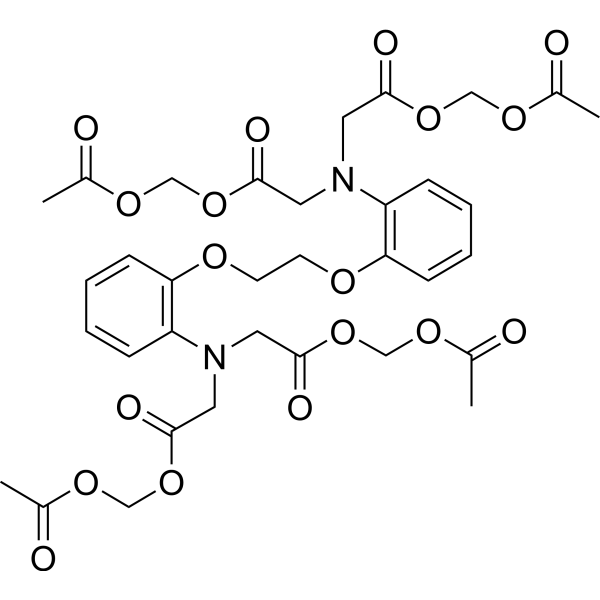
    BAPTA-AM
    120+ Cited Publications

    Potassium Channel Cardiovascular Disease
    BAPTA-AM is a well-known membrane permeable Ca 2+ chelator. BAPTA-AM inhibits hERG channels, hKv1.3 and hKv1.5 channels in HEK 293 cells with IC50s of 1.3 μM, 1.45 μM and 1.23 μM, respectively .
    BAPTA-AM
  • HY-B1193
    Terfenadine
    4 Publications Verification

    (±)-Terfenadine; MDL-991

    Potassium Channel Histamine Receptor Na+/Ca2+ Exchanger Caspase Apoptosis Inflammation/Immunology Endocrinology Cancer
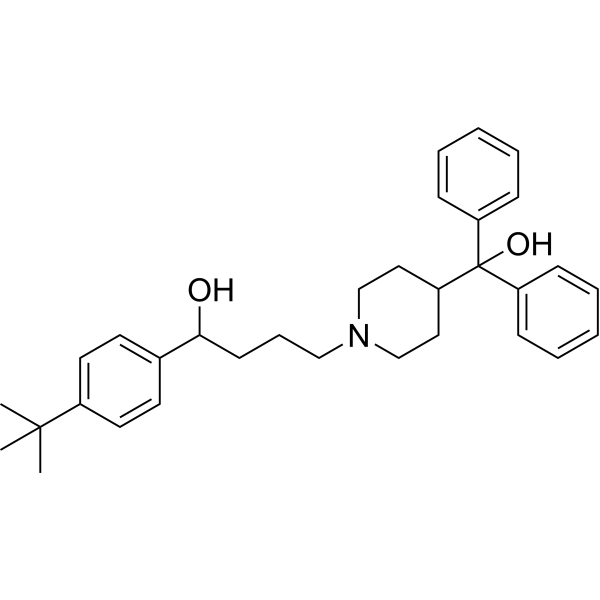
    Terfenadine ((±)-Terfenadine) is a potent open-channel blocker of hERG with an IC50 of 204 nM . Terfenadine, an H1 histamine receptor antagonist, acts as a potent apoptosis inducer in melanoma cells through modulation of Ca 2+ homeostasis. Terfenadine induces ROS-dependent apoptosis, simultaneously activates Caspase-4, -2, -9 .
    Terfenadine
  • HY-B0527A
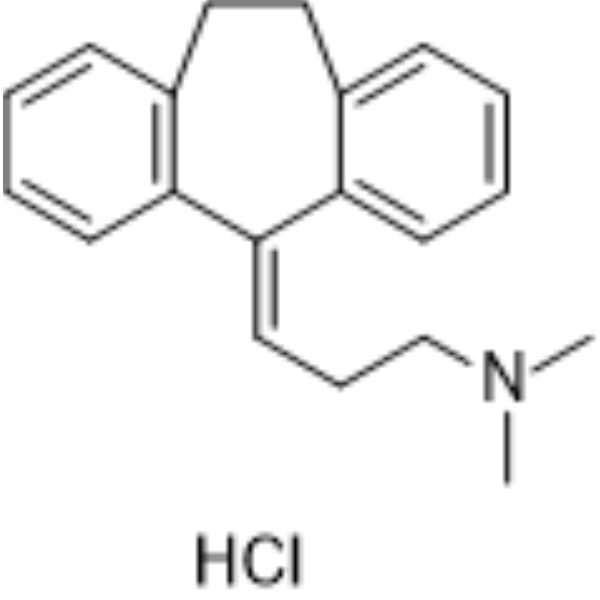
    Amitriptyline hydrochloride
    5+ Cited Publications

    Serotonin Transporter 5-HT Receptor mAChR Histamine Receptor Adrenergic Receptor Trk Receptor Sodium Channel Potassium Channel Dopamine Transporter Apoptosis Neurological Disease Inflammation/Immunology Endocrinology
    Amitriptyline hydrochloride is an orally active tricyclic antidepressant (TCA). Amitriptyline hydrochloride mainly exerts its antidepressant effect by blocking SERT (Ki = 3.45 nM) and NET (Ki = 13.3 nM), thereby increasing the concentrations of 5-hydroxytryptamine (5-HT) and norepinephrine (NE) in the synaptic cleft. Amitriptyline hydrochloride is also an agonist at α2A and TrkA/TrkB receptors, thereby exerting analgesic and neurotrophic activities (inhibiting cell apoptosis). Amitriptyline hydrochloride can reduce inflammation, angiogenesis and fibrosis. Amitriptyline hydrochloride binds to DAT (with Ki = 2.58 μM). Amitriptyline hydrochloride has high affinity for a series of receptors and can antagonize muscarinic cholinergic receptors (M1/M2/M3/M4/M5 receptors) (Ki = 11-24 nM), H1 receptors (Ki = 0.5-1.1 nM), adrenergic α1 receptors (Ki = 4.4 nM), etc., resulting in a series of side effects. Amitriptyline hydrochloride can block sodium channels and hERG potassium channel (IC50 = 4.78 μM) and it has cardiotoxicity .
    Amitriptyline hydrochloride
  • HY-B0527
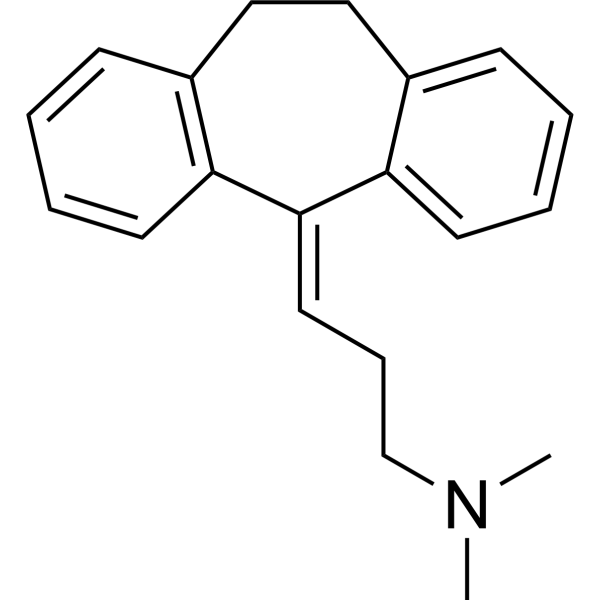
    Amitriptyline
    5+ Cited Publications

    Serotonin Transporter Trk Receptor Sodium Channel 5-HT Receptor Histamine Receptor Adrenergic Receptor mAChR Potassium Channel Dopamine Transporter Apoptosis Neurological Disease Inflammation/Immunology Endocrinology
    Amitriptyline is an orally active tricyclic antidepressant (TCA). Amitriptyline mainly exerts its antidepressant effect by blocking SERT (Ki = 3.45 nM) and NET (Ki = 13.3 nM), thereby increasing the concentrations of 5-hydroxytryptamine (5-HT) and norepinephrine (NE) in the synaptic cleft. Amitriptyline is also an agonist at α2A and TrkA/TrkB receptors, thereby exerting analgesic and neurotrophic activities (inhibiting cell apoptosis). Amitriptyline can reduce inflammation, angiogenesis and fibrosis. Amitriptyline binds to DAT (with Ki = 2.58 μM). Amitriptyline has high affinity for a series of receptors and can antagonize muscarinic cholinergic receptors (M1/M2/M3/M4/M5 receptors) (Ki = 11-24 nM), H1 receptors (Ki = 0.5-1.1 nM), adrenergic α1 receptors (Ki = 4.4 nM), etc., resulting in a series of side effects. Amitriptyline can block sodium channels and hERG potassium channel (IC50 = 4.78 μM) and it has cardiotoxicity .
    Amitriptyline
  • HY-162877

    NOD-like Receptor (NLR) Interleukin Related Potassium Channel Inflammation/Immunology
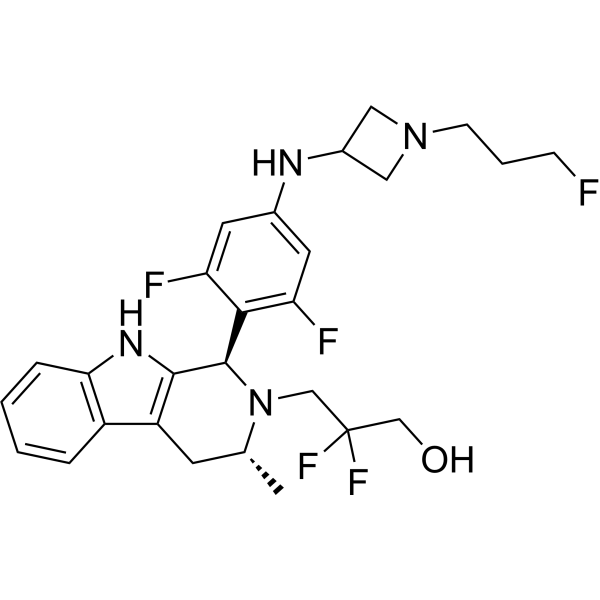
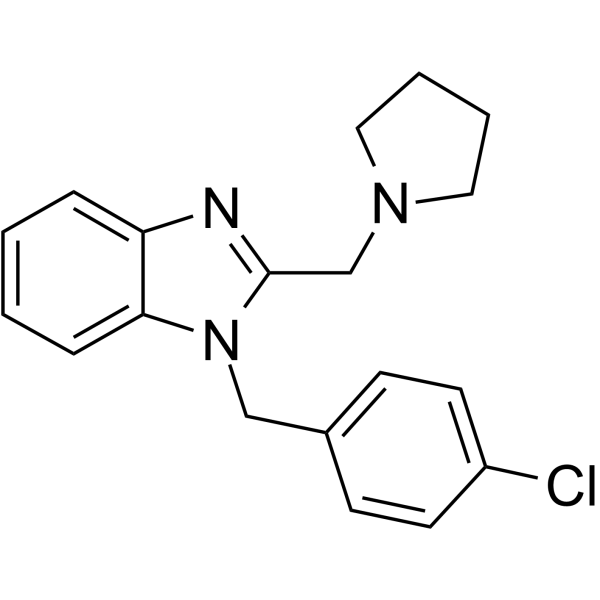
    AZD4144 is an orally active NLRP3 inhibitor (EC50: 0.082 μM). AZD4144 effectively inhibits the release of IL-1β when NLRP3 is overactivated, exerting an anti-inflammatory effect. AZD4144 has low inhibitory effect on hERG and low cardiotoxicity. AZD4144 has the potential to study diseases and conditions associated with NLRP3 inflammasome activation .
    AZD4144
  • HY-B1167

    Cardiorythmine; (+)-Ajmaline

    Sodium Channel Cardiovascular Disease
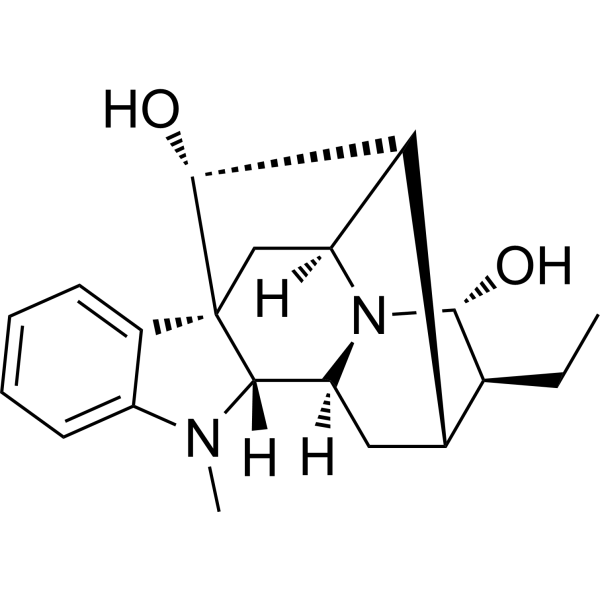
    Ajmaline (Cardiorythmine) is a sodium channel blocking, class 1A anti-arrhythmic agent. Ajmaline blocks HERG currents with an IC50 of 1 μM in HEK cells and 42.3 μM in Xenopus oocytes. Ajmaline can be used for the research of the ventricular tachyarrhythmia .
    Ajmaline
  • HY-169996

    Molecular Glues NOD-like Receptor (NLR) Interleukin Related Neurological Disease Inflammation/Immunology
    NP3-253 is an orally active and brain-penetranted NLRP3 inflammasome inhibitor. NP3-253 functions as a molecular glue that prevents NACHT-subdomain rearrangements, locking NLRP3 in an inactive conformation. NP3-253 inhibits production of pro-inflammatory cytokines IL-1β and IL-18. NP3-253 can be used for the research of inflammation and neurological disease, suah as peritonitis .
    NP3-253
  • HY-16697
    CID 16020046
    2 Publications Verification

    GPR55 Cancer
    CID 16020046 is a potent and selective GPR55 antagonist and inhibits GPR55 constitutive activity with an IC50 of 0.15 μM. CID 16020046 inhibits GPR55-mediated Ca 2+ signaling and GPR55-mediated ERK1/2 phosphorylation. CID 16020046 reduces wound healing in endothelial cells and is involved in the regulation of platelet function .
    CID 16020046
  • HY-16689
    VU 0240551
    1 Publications Verification

    Potassium Channel Others
    VU 0240551 is a potent neuronal K-Cl cotransporter KCC2 inhibitor (IC50=560 nM) and is selective versus NKCC1. VU 0240551 also inhibits hERG and L-type Ca 2+ channels. VU 0240551 attenuates GABA-induced hyperpolarization of P cells, produces a positive shift in the P cell GABA reversal potential and enhances P cell synaptic transmission .
    VU 0240551
  • HY-16916
    NS1643
    1 Publications Verification

    Potassium Channel Autophagy Cancer
    NS1643 is a partial agonist of human ether-a-go-go-related gene (hERG) K + channels with an EC50 of 10.5 μM. NS1643 inhibits the growth of breast cancer tumors in TNBC mouse models. NS1643 inhibits cell migration and invasion of breast cancer cells .
    NS1643
  • HY-175200

    Slit Proteins Neurological Disease Cancer
    DEL-S1 is a SLIT2 binder. DEL-S1 significantly inhibits the formation of the SLIT2/ROBO1 complex by inducing conformational rearrangement, and further suppresses its function, with an IC50 of 68.8 μM. DEL-S1 can be used in studies of neurodevelopment, immunomodulation, and cancers such as glioblastoma .
    DEL-S1
  • HY-136832

    Serotonin Transporter Potassium Channel Arrestin Opioid Receptor Cardiovascular Disease Neurological Disease
    Noribogaine hydrochloride is an orally active, blood-brain barrier permeable SERT inhibitor (IC50=50-300 nM) and hERG channel blocker. Noribogaine hydrochloride enhances serotonergic transmission, activates the κ-opioid receptor (OPRK) G protein signaling pathway and inhibits β-arrestin recruitment. Meanwhile, Noribogaine hydrochloride blocks the μ-opioid receptor (OPRM) signaling pathway as well as ion channels associated with cardiac repolarization. Noribogaine hydrochloride induces neuritogenesis, upregulates GDNF mRNA expression, and modulates opioid tolerance. Noribogaine hydrochloride reduces alcohol-seeking behavior in experimental animals, and is widely used in studies related to depression, addiction, alcoholism, and cardiotoxicity .
    Noribogaine hydrochloride
  • HY-B1482A

    TPS-23

    Potassium Channel Neurological Disease
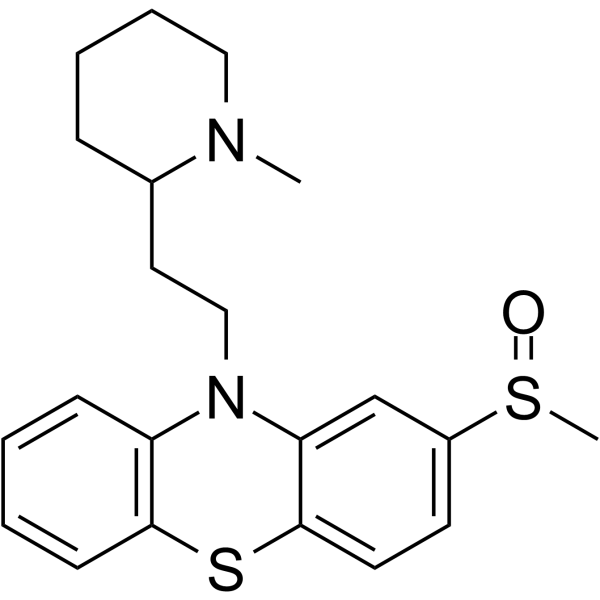
    Mesoridazine (TPS-23) , a metabolite of Thioridazine (HY-B0965A), acts as an orally active phenothiazine antipsychotic agent. Mesoridazine is a potent and rapid open-channel blocker of human ether-a-go-go related gene (hERG) channels and blocks hERG currents with an IC50 of 550 nM (at 0 mV) in human embryonic kidney 293 cells .Mesoridazine can be used for the research of schizophrenia, as well as certain other psychiatric disorders .
    Mesoridazine
  • HY-175802

    HYBI-084

    WDR5 Potassium Channel Inflammation/Immunology Cancer
    HBI-2375 (HYBI-084) is a brain-penetrant WDR5 inhibitor with an IC50 of 4.48 nM. HBI-2375 binds to the WINR5 and disrupts MLL1-WDR5 protein-protein interactions. HBI-2375 inhibits cancer cells proliferation and shows anti-tumor activity in AML mouse models, and increases tumor CD8 + cytotoxic T lymphocyte infiltration. HBI-2375 inhibits hERG with an IC50 of 17 µM .
    HBI-2375
  • HY-N6987

    FXR Factor Xa Cardiovascular Disease Inflammation/Immunology
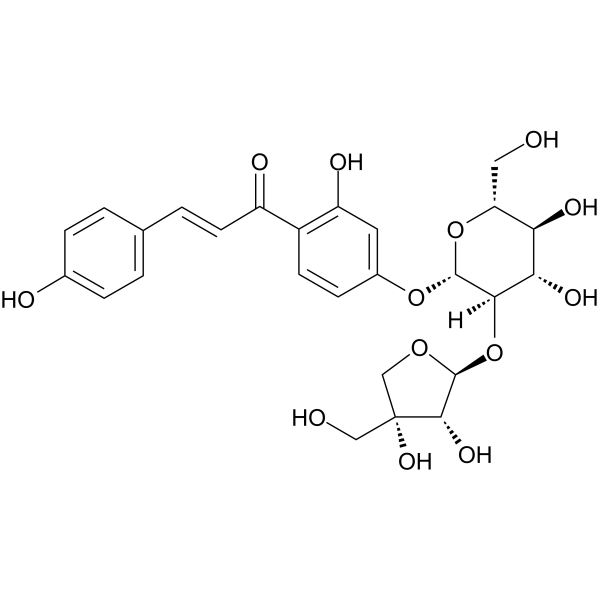
    Licraside, found in Glycyrrhiza glabra, is a Farnesoid X receptor (FXR) activator. Licraside activates FXR to induce upregulation of SHP and BSEP, regulates bile acid homeostasis, reduces elevated biliary and serum TBA, serum ALT, AST, GGT, ALP, and TBIL levels, and attenuates liver histopathological damage. Licraside inhibits factor Xa with an IC50 of 48.54 mM. Licraside can be used for the research of cholestasis and thromboembolic diseases .
    Licraside
  • HY-100545R

    Reference Standards Potassium Channel Cardiovascular Disease
    BAPTA-AM (Standard) is the analytical standard of BAPTA-AM. This product is intended for research and analytical applications. BAPTA-AM is a well-known membrane permeable Ca2+ chelator. BAPTA-AM inhibits hERG channels, hKv1.3 and hKv1.5 channels in HEK 293 cells with IC50s of 1.3 μM, 1.45 μM and 1.23 μM, respectively .
    BAPTA-AM (Standard)
  • HY-128601

    Checkpoint Kinase (Chk) Cardiovascular Disease Cancer
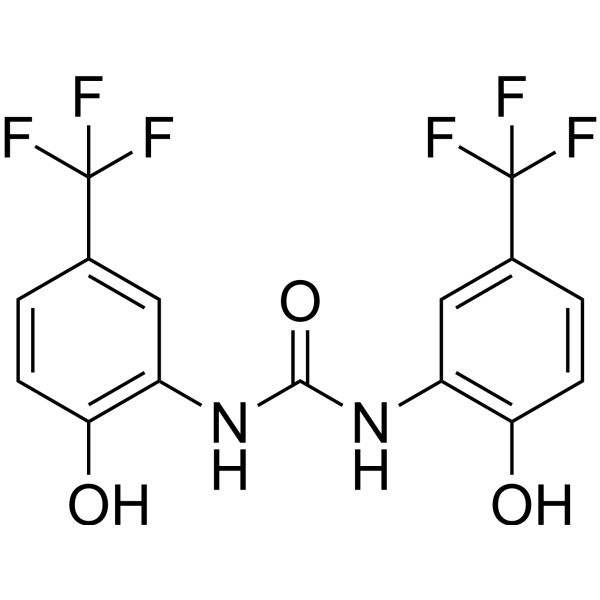
    CHK1-IN-3 is a potent and selective CHK1 inhibitor with an IC50 of 0.4 nM. CHK1-IN-3 effectively inhibits the growth of malignant hematopathy cell lines and displays low affinity for hERG (IC50 > 40 μM). CHK1-IN-3 significantly suppresses the tumor growth in vivo. CHK1-IN-3 can be used for the study of hematologic malignancies .
    CHK1-IN-3
  • HY-120026
    KB130015
    1 Publications Verification

    KB015

    Thyroid Hormone Receptor Calcium Channel Potassium Channel Sodium Channel Cardiovascular Disease
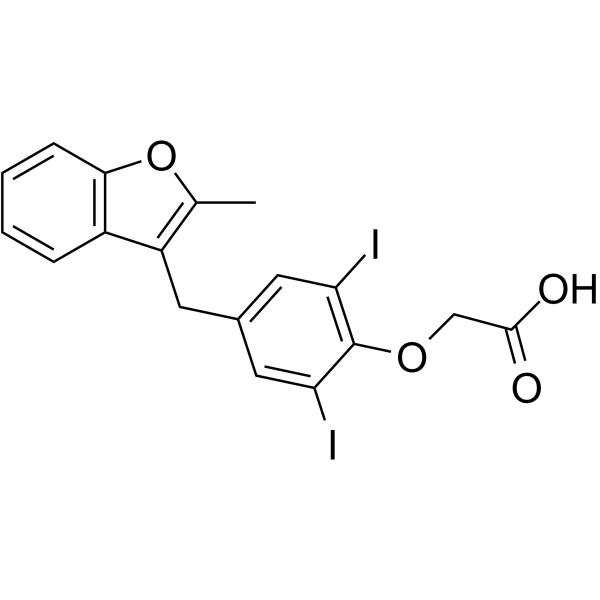
    KB130015 (KB015) is an orally active and potent ThRα and ThRβ (thyroid hormone receptor) inhibitor, with IC50 values of 4.5 and 5.1 μM, respectively. KB130015 markedly slows the kinetics of inactivation of Na + channels. KB130015 activates hERG1 channels (EC50 = 12.2 μM) and large-conductance Ca 2+-activated K + (BKCa) channels formed by hSlo1 (α) subunits in HEK 293 cells. KB130015 has antiarrhythmic properties. KB130015 can be used for the study of cardiovascular disease .
    KB130015
  • HY-100321

    MCHR1 (GPR24) Potassium Channel Metabolic Disease Endocrinology
    MCHR1 antagonist 2 is an antagonist of melanin concentrating hormone receptor 1, with an IC50 of 65 nM; MCHR1 antagonist 2 also inhibits hERG, with an IC50 of 4.0 nM in IMR-32 cells .
    MCHR1 antagonist 2
  • HY-B1193R

    (±)-Terfenadine (Standard); MDL-991 (Standard)

    Reference Standards Potassium Channel Histamine Receptor Na+/Ca2+ Exchanger Caspase Apoptosis Inflammation/Immunology Endocrinology Cancer
    Terfenadine (Standard) is the analytical standard of Terfenadine. This product is intended for research and analytical applications. Terfenadine ((±)-Terfenadine) is a potent open-channel blocker of hERG with an IC50 of 204 nM . Terfenadine, an H1 histamine receptor antagonist, acts as a potent apoptosis inducer in melanoma cells through modulation of Ca2+ homeostasis. Terfenadine induces ROS-dependent apoptosis, simultaneously activates Caspase-4, -2, -9 .
    Terfenadine (Standard)
  • HY-149591

    TGF-β Receptor Anaplastic lymphoma kinase (ALK) Cancer
    M4K-2009 is an orally bioactive ALK2 inhibitor with an IC50 of 13 nM. M4K-2009 exerts comparable inhibitory potency against wild-type and mutant ALK2 G328V, ALK2 R206H, and ALK2 R258G. M4K-2009 exhibits moderate off-target inhibitory activity against hERG potassium channels. M4K-2009 can be used in studies related to diffuse intrinsic pontine glioma .
    M4K-2009
  • HY-111781

    WS-413

    Btk Cancer
    Civorebrutinib (WS-413) is a selective, orally active BTK and TEC inhibitor with an IC50 of <100 nM for both targets. Civorebrutinib inhibits B cell activation. Civorebrutinib significantly suppresses the in vivo growth of diffuse large B-cell lymphoma cells. Civorebrutinib can be used for the research of diffuse large B-cell lymphoma .
    Civorebrutinib
  • HY-B0527AR
    Amitriptyline hydrochloride (Standard)
    4 Publications Verification

    Reference Standards Serotonin Transporter 5-HT Receptor Histamine Receptor mAChR Adrenergic Receptor Trk Receptor Sodium Channel Potassium Channel Dopamine Transporter Apoptosis Neurological Disease Inflammation/Immunology Endocrinology
    Amitriptyline hydrochloride (Standard) is the analytical standard of Amitriptyline hydrochloride (HY-B0527A). This product is intended for research and analytical applications. Amitriptyline hydrochloride is an orally active tricyclic antidepressant (TCA). Amitriptyline hydrochloride mainly exerts its antidepressant effect by blocking SERT (Ki = 3.45 nM) and NET (Ki = 13.3 nM), thereby increasing the concentrations of 5-hydroxytryptamine (5-HT) and norepinephrine (NE) in the synaptic cleft. Amitriptyline hydrochloride is also an agonist at α2A and TrkA/TrkB receptors, thereby exerting analgesic and neurotrophic activities (inhibiting cell apoptosis). Amitriptyline hydrochloride can reduce inflammation, angiogenesis and fibrosis. Amitriptyline hydrochloride binds to DAT (with Ki = 2.58 μM). Amitriptyline hydrochloride has high affinity for a series of receptors and can antagonize muscarinic cholinergic receptors (M1/M2/M3/M4/M5 receptors) (Ki = 11-24 nM), H1 receptors (Ki = 0.5-1.1 nM), adrenergic α1 receptors (Ki = 4.4 nM), etc., resulting in a series of side effects. Amitriptyline hydrochloride can block sodium channels and hERG potassium channel (IC50 = 4.78 μM) and it has cardiotoxicity.
    Amitriptyline hydrochloride (Standard)
  • HY-18719S

    Isotope-Labeled Compounds Cytochrome P450 Estrogen Receptor/ERR Drug Metabolite Parasite Cancer
    Endoxifen-d5 (Z-isomer) is the deuterium labeled Endoxifen (Z-isomer) (HY-18719). Endoxifen (Z-isomer) is an oral active Tamoxifen (HY-13757A) metabolite, inducing an anti-estrogenic effect in breast cancer cells expressing ERα. Endoxifen (Z-isomer) inhibits hERG. This effect is concentration-dependent, with an IC50 value of 1.6 μM .
    Endoxifen-d5 (Z-isomer)
  • HY-155195

    FLT3 Cancer
    FLT3/CHK-IN-1 (Compound 18) is a dual inhibitor of FLT3/CHK1. FLT3/CHK-IN-1 is more than 1700 times more selective to c-KI T and greatly reduces hERG affinity with an IC50 value of 58.4 μM. FLT3/CHK-IN-1 inhibits tumor growth in mouse xenotransplantation models inoculated with MV-4-11 cells .
    FLT3/CHK1-IN-1
  • HY-126257

    Akt Apoptosis Cancer
    AKT-IN-3 (compound E22) is a potent, orally active low hERG blocking Akt inhibitor, with 1.4 nM, 1.2 nM and 1.7 nM for Akt1, Akt2 and Akt3, respectively. AKT-IN-3 (compound E22) also exhibits good inhibitory activity against other AGC family kinases, such as PKA, PKC, ROCK1, RSK1, P70S6K, and SGK. AKT-IN-3 (compound E22) induces apoptosis and inhibits metastasis of cancer cells .
    AKT-IN-3
  • HY-B0527AS

    Isotope-Labeled Compounds Serotonin Transporter 5-HT Receptor Histamine Receptor mAChR Adrenergic Receptor Trk Receptor Sodium Channel Potassium Channel Dopamine Transporter Apoptosis Neurological Disease Inflammation/Immunology Endocrinology
    Amitriptyline-d6 hydrochloride is the deuterium labeled Amitriptyline hydrochloride (HY-B0527A). Amitriptyline hydrochloride is an orally active tricyclic antidepressant (TCA). Amitriptyline hydrochloride mainly exerts its antidepressant effect by blocking SERT (Ki = 3.45 nM) and NET (Ki = 13.3 nM), thereby increasing the concentrations of 5-hydroxytryptamine (5-HT) and norepinephrine (NE) in the synaptic cleft. Amitriptyline hydrochloride is also an agonist at α2A and TrkA/TrkB receptors, thereby exerting analgesic and neurotrophic activities (inhibiting cell apoptosis). Amitriptyline hydrochloride can reduce inflammation, angiogenesis and fibrosis. Amitriptyline hydrochloride binds to DAT (with Ki = 2.58 μM). Amitriptyline hydrochloride has high affinity for a series of receptors and can antagonize muscarinic cholinergic receptors (M1/M2/M3/M4/M5 receptors) (Ki = 11-24 nM), H1 receptors (Ki = 0.5-1.1 nM), adrenergic α1 receptors (Ki = 4.4 nM), etc., resulting in a series of side effects. Amitriptyline hydrochloride can block sodium channels and hERG potassium channel (IC50 = 4.78 μM) and it has cardiotoxicity.
    Amitriptyline-d6 hydrochloride
  • HY-W064918

    Bacterial Infection
    NITD-304 is an orally active anti-tuberculosis agent. NITD-304 exerts inhibitory and bactericidal activities gainst Mycobacterium tuberculosis and multidrug-resistant Mycobacterium tuberculosis. NITD-304 inhibits mycobacterial cell wall biosynthesis and demonstrates synergistic or additive growth inhibitory activity with select antibacterial agents. NITD-304 shows low risk of cardiotoxicity and drug-drug interactions, with no inhibition of major cytochrome P-450 enzymes or hERG channel. NITD-304 can be used for the research of tuberculosis and multidrug-resistant tuberculosis .
    NITD-304
  • HY-115726

    γ-secretase Amyloid-β Neurological Disease
    FRM-024 is a central nervous system-penetrant, orally active γ-secretase modulator and Aβ42 lowering agent. FRM-024 is used for the research of familial Alzheimer's disease .
    FRM-024
  • HY-172090

    Ser/Thr Protease Inflammation/Immunology
    MASP-2-IN-1 (Compound 77) is a selective MASP-2 inhibitor with an IC50 of 0.0114 μM, and an IC50 of 13.2 μM against MASP-3. MASP-2-IN-1 inhibits the catalytic activity of MASP-2 in the lectin complement pathway. MASP-2-IN-1 is applicable to the research of immune diseases .
    MASP-2-IN-1
  • HY-146380

    Histone Demethylase Cancer
    S1427 is a tranylcypromine-derived LSD1 inhibitor with the IC50 of 390 nM and Ki of 80 nM. S1427 exhibits desirable hERG channel inhibition and microsomal stability profiles. Inhibition of LSD1 partially reduces the proliferation of cancer cells .
    S1427
  • HY-B1482

    TPS-23 benzenesulfonate

    Potassium Channel Neurological Disease
    Mesoridazine (TPS-23) benzenesulfonate, a metabolite of Thioridazine (HY-B0965A), acts as an orally active phenothiazine antipsychotic agent. Mesoridazine benzenesulfonate is a potent and rapid open-channel blocker of human ether-a-go-go related gene (hERG) channels and blocks hERG currents with an IC50 of 550 nM (at 0 mV) in human embryonic kidney 293 cells .Mesoridazine benzenesulfonate can be used for the research of schizophrenia, as well as certain other psychiatric disorders .
    Mesoridazine benzenesulfonate
  • HY-158365

    LRRK2 Neurological Disease
    LRRK2-IN-14 (Compound 8) is an orally active LRRK2 inhibitor. LRRK2-IN-14 has an IC50 of 6.3 nM for LRRK2(G2019S) cell activity.LRRK2-IN-14 has an inhibitory effect on hERG (IC50=22 μM). LRRK2-IN-14 has blood-brain barrier permeability .
    LRRK2-IN-14
  • HY-144437

    TGF-β Receptor Cancer
    ALK5-IN-9 (Compound 8h) is a potent and orally active inhibitor of TGFβRI (ALK5). ALK5-IN-9 inhibits ALK5 autophosphorylation and NIH3T3 cell activity with IC50 values of 25 nM and 74.6 nM, respectively. ALK5-IN-9 also shows favorable pharmacokinetic profile and ameliorated hERG inhibition. ALK5-IN-9 has the potential for the research of cancer disease .
    ALK5-IN-9
  • HY-175244

    SOS1 Ras Potassium Channel Cancer
    SOS1-IN-20 (Compound 12f) is an orally active SOS1 inhibitor with an IC50 of 5.11 nM against KRAS G12C::SOS1. By disrupting the interaction between KRAS and SOS1, SOS1-IN-20 inhibits KRAS activation and downstream signal transduction. SOS1-IN-20 has an IC50 of 253 nM for p-ERK in PC-9 cells and 16.71 μM for hERG channel . SOS1-IN-20 can inhibit the proliferation of tumor cells and has antitumor activity .
    SOS1-IN-20
  • HY-172903

    Sodium Channel Neurological Disease Inflammation/Immunology
    Nav1.8-IN-16 (Compound (R)-40) is an orally active and selective hNaV 1.8 inhibitor (IC50: 5.9 nM). Nav1.8-IN-16 exerts analgesic effects by blocking NaV1.8 channels without significantly affecting other NaV subtypes or hERG channels. Nav1.8-IN-16 exhibits dose-dependent analgesic effects in postoperative pain and inflammatory pain models and can be used in pain-related research .
    Nav1.8-IN-16
  • HY-176547

    FGFR Cytochrome P450 Endocrinology
    FGFR2/3-IN-3 is a dual-target FGFR2/3 inhibitor with IC50s of 2.7 nM (TEL-FGFR2) and 3.9 nM (TEL-FGFR3), respectively. FGFR2/3-IN-3 has effective activity against both wild-type and mutant FGFR3. FGFR2/3-IN-3 has low CYP3A4 inhibitory effect and hERG toxicity. FGFR2/3-IN-3 improves the imbalance between chondrocyte proliferation and differentiation and promotes bone growth by inhibiting the signaling pathway mediated by mutant FGFR3. FGFR2/3-IN-3 shows a growth-promoting effect in a dwarfism mouse model and has the potential to study bone development disorder-related diseases such as achondroplasia (ACH) .
    FGFR2/3-IN-3
  • HY-172350

    SARS-CoV Virus Protease Interleukin Related Infection
    WEHI-P8 is an orally active SARS-CoV-2 papain-like protease (PLpro) inhibitor with an IC50 of 12 nM and a Kd of 9.0 nM. WEHI-P8 reduces viral load, body weight loss, pulmonary inflammation, immune cell infiltration and pro-inflammatory mediator levels in SARS-CoV-2-infected mice. WEHI-P8 prevents pulmonary hemorrhage, immune cell infiltration, fibrotic remodeling and neuroinflammation, and improves cognitive function in a mouse model of post-acute sequelae of SARS-CoV-2 infection (PASC). WEHI-P8 is applicable for the research of COVID-19 and PASC .
    WEHI-P8
  • HY-B1167A

    Cardiorythmine hydrochloride; (+)-Ajmaline hydrochloride

    Others Cardiovascular Disease
    Ajmaline hydrochloride is a Class Ia antiarrhythmic agent. It inhibits HERG potassium channels with IC50s of 1.0 μmol/l and 42.3 μmol/l in HEK cells and moth spider oocytes respectively. The inhibitory effect of Ajmaline hydrochloride is rapid, reversible, and positive frequency dependent. It acts primarily on the open state of the HERG channel and may also be combined with the inactivated state. The inhibitory effect of ajmaline hydrochloride is dependent on aromatic residues in the S6 domain, and the sensitivity is significantly reduced in the inactivation-deficient HERG S620T channel. It can also slightly affect the activation voltage of HERG channels. Ajmaline hydrochloride's inhibitory effect on HERG channels may contribute to both its potent antiarrhythmic effects and its potential proarrhythmic risk.
    Ajmaline hydrochloride
  • HY-153690

    TNF Receptor Others
    Progranulin modulator-1 (Compound 60) is an orally active enhancer of progranulin (PGRN) secretion. Progranulin modulator-1 enhances the potency of BV-2 cell to increase PGRN levels, has inhibitory effect on hERG and Low cytotoxicity, the PGRN EC50 and hERG IC50 were 83 and 3100 nM, respectively .
    Progranulin modulator-1
  • HY-19927A

    5-HT Receptor Neurological Disease Endocrinology
    DA-6886 is a 5-Hydroxytryptamine receptor 4 (5-HT4) agonist. DA-6886 induces relaxation of the rat oesophagus preparation in a 5-HT4 receptor antagonist-sensitive manner. The evaluation of DA-6886 in CHO cells expressing hERG channels reveals that it inhibits hERG channel current with an pIC50 value of 4.3, indicating that the compound is 1000-fold more selective for the 5-HT4 receptor over hERG channels. DA-6886 can be used in the study of constipated irritable bowel syndrome .
    DA-6886 monohydrochloride
  • HY-B1482AS

    Isotope-Labeled Compounds Potassium Channel Neurological Disease
    Mesoridazine-d3 is the deuterium labeled Mesoridazine (HY-B1482A). Mesoridazine (TPS-23) , a metabolite of Thioridazine (HY-B0965A), acts as an orally active phenothiazine antipsychotic agent. Mesoridazine is a potent and rapid open-channel blocker of human ether-a-go-go related gene (hERG) channels and blocks hERG currents with an IC50 of 550 nM (at 0 mV) in human embryonic kidney 293 cells .Mesoridazine can be used for the research of schizophrenia, as well as certain other psychiatric disorders .
    Mesoridazine-d3
  • HY-123445

    Potassium Channel Cardiovascular Disease
    AZD7009 is a novel antiarrhythmic agrnt. AZD7009 inhibits hKv1.5 and hKv4.3/hKChIP2.2 currents with IC50s of 27.0 and 23.7 muM, respectively .
    AZD7009
  • HY-19117

    Potassium Channel Cardiovascular Disease
    BRL-32872 is a potent human ether-a-go-go-related gene (hERG) potassium channel blocker (IC50=241 nM in isolated cardiomyocytes; 19.8 nM in HEK293 cells). BRL-32872 is promising for research of cardiac arrhythmias (e.g., atrial/ventricular rhythms) .
    BRL-32872
  • HY-149013

    Bacterial Infection
    Anti-MRSA agent 5 (B14) is a potent
    MRSA
    agent with MIC50 values of 0.38 μg/mL and has low hERG activity with an IC50 values of >40 μM. Anti-MRSA agent 5 (B14) also has low cytotoxicity to mammal cells and unlikely to acquire bacterial resistance .
    Anti-MRSA agent 5
  • HY-153952

    TNF Receptor Interleukin Related Potassium Channel Inflammation/Immunology Cancer
    Immuno modulator-1 (compound 22) inhibits TNFα and IL-2 secretion in human peripheral blood mononuclear cells (hPBMC), with IC50 values of 4.7 and 26 nM, respectively. Immuno modulator-1 shows hERG potassium channel blocking effect, with Inhibitory percentage of 20% at 3 μM .
    Immuno modulator-1
  • HY-B1167R

    Cardiorythmine (Standard); (+)-Ajmaline (Standard)

    Reference Standards Sodium Channel Cardiovascular Disease
    Ajmaline (Standard) is the analytical standard of Ajmaline. This product is intended for research and analytical applications. Ajmaline (Cardiorythmine) is a sodium channel blocking, class 1A anti-arrhythmic agent. Ajmaline blocks HERG currents with an IC50 of 1 μM in HEK cells and 42.3 μM in Xenopus oocytes. Ajmaline can be used for the research of the ventricular tachyarrhythmia .
    Ajmaline (Standard)
  • HY-B1193S

    Isotope-Labeled Compounds Na+/Ca2+ Exchanger Histamine Receptor Apoptosis Caspase Potassium Channel Inflammation/Immunology Endocrinology Cancer
    Terfenadine-d3 ((±)-Terfenadine-d3) is the deuterium labeled Terfenadine. Terfenadine ((±)-Terfenadine) is a potent open-channel blocker of hERG with an IC50 of 204 nM . Terfenadine, an H1 histamine receptor antagonist, acts as a potent apoptosis inducer in melanoma cells through modulation of Ca2+ homeostasis. Terfenadine induces ROS-dependent apoptosis, simultaneously activates Caspase-4, -2, -9[2].
    Terfenadine-d3
  • HY-176706

    AAK1 Neurological Disease
    AAK1-IN-10 (Compound 1-2) is an AAK1 inhibitor. AAK1-IN-10 has significant AAK1 enzyme inhibitory activity (IC50: 9.62 nM). AAK1-IN-10 mainly exerts its effects by inhibiting the activity of connexin-associated kinase 1 (AAK1). AAK1-IN-10 has low cardiotoxicity (IC50 = 13.7 μM). AAK1-IN-10 can be used in the study of diabetic neuropathy and postherpetic pain .
    AAK1-IN-10
  • HY-173123

    Histone Demethylase Apoptosis Cancer
    LSD1-IN-40 (Compound 9e) is a potent LSD1 inhibitor, with an IC50 of 9.85 nM. LSD1-IN-40 exhibits exceptional selectivity for LSD1 over both MAOs and hERG. LSD1-IN-40 exhibits significant inhibitory activity against leukemia cells (MV-4-11, HL-60, and THP-1 cells). LSD1-IN-40 can induce apoptosis in MV-4-11 cells. LSD1-IN-40 has the potential for the research of acute myeloid leukemia .
    LSD1-IN-40

Inquiry Online

Your information is safe with us. * Required Fields.

Salutation


Country or Region *

Applicant Name *


Organization Name *

Department *


Email Address *


Product Name *

Cat. No.


Requested quantity *

Phone Number *


Remarks

Inquiry Online

Inquiry Information

Product Name:
Cat. No.:
Quantity:
MCE Japan Authorized Agent:

