

1. Search Result
Search Result
Results for "

heart tissue

" in MedChemExpress (MCE) Product Catalog:

44

Inhibitors & Agonists

1

Screening Libraries

10

Biochemical Assay Reagents

6

Peptides

2

MCE Kits

5

Natural
Products

2

Isotope-Labeled Compounds

5

Click Chemistry

3

Oligonucleotides

Cat. No. Product Name Target Research Areas Chemical Structure
  • HY-N7032

    UDP-D-Glucose disodium

    Endogenous Metabolite P2Y Receptor Cardiovascular Disease Metabolic Disease Inflammation/Immunology
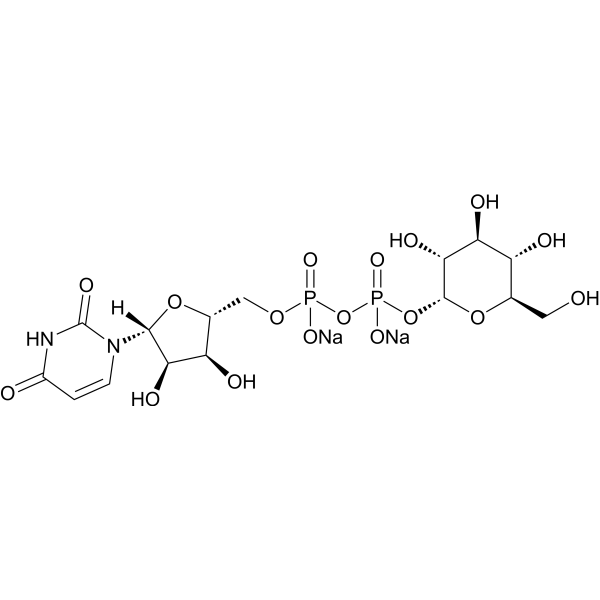
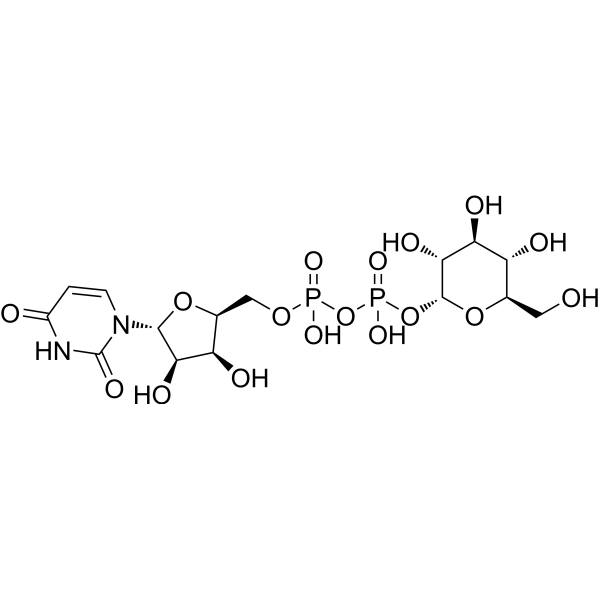
    Uridine 5’-diphosphoglucose (UDP-glucose) disodium, secreted by cardiomyocytes during ischemia and reperfu, is a potent agonist of the proinflammatory P2Y14 receptor. It acts an important role in the regulation of inflammation and neutrophil polarization in neutrophils. Uridine 5’-diphosphoglucose disodium is also the precursor of glucose-containing oligosaccharides, polysaccharides, glycoproteins, and glycolipids in animal tissues and in some microorganisms. Uridine 5’-diphosphoglucose disodium is promising for research in counteracting myocardial infarction/reperfusion (MIR)-induced inflammation in the heart tissue.
    Uridine 5′-diphosphoglucose disodium
  • HY-D0714
    Tetrazolium Red
    5+ Cited Publications

    2,3,5-Triphenyltetrazolium chloride; TPTZ; TTC

    Biochemical Assay Reagents Cardiovascular Disease
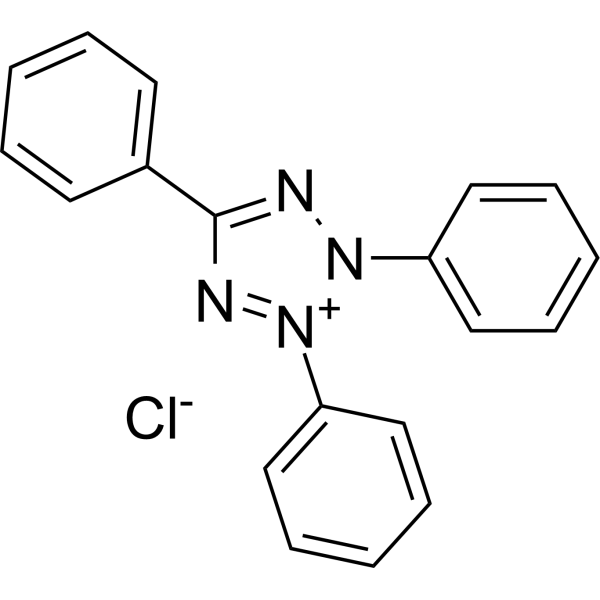
    Tetrazolium Red (2,3,5-Triphenyltetrazolium chloride; TTC) is a not brain-penetrant, colorless, water-soluble dye that is reduced by mitochondrial enzymes to a deep red, water-insoluble compound (formazan) mainly in the mitochondria of living cells. Tetrazolium Red is used to observe the activity of dehydrogenase, and it turns colorless to red when exposed to hydrogen. Tetrazolium Red distinguishes between surviving and infarcted brain tissue after stroke. Tetrazolium Red has been used to stain heart tissue to measure the extent of acute lesions and also used to stain brain tissue to detect the size of the infarcted area. The absorption wavelength of Tetrazolium Red is 570 nm .
    Tetrazolium Red
  • HY-E70005I
    Collagenase, Type VI
    1 Publications Verification

    Type VI collagenase

    MMP Cancer
    Collagenase, Type VI (EC 3.4.24.3) is a collagenase that can degrade type VI collagen. Type VI collagen is a component of cell membranes in various tissues (such as skin, heart, blood vessels, cartilage, and synovial fluid). Excessive collagenase can cause extracellular matrix lesions. Collagenase is also a biomarker for tumor invasion and metastasis. Collagenase, Type VI can specifically act on the peptide bond between proline and glycine. This feature can be used to quickly and sensitively detect its concentration level in experiments using corresponding modified electrodes .
    Collagenase, Type VI
  • HY-W018026

    L-p-Hydroxyphenylglycine; 4-Hydroxy-L-phenylglycine; UK 25842

    Acyltransferase Apoptosis Cardiovascular Disease Metabolic Disease
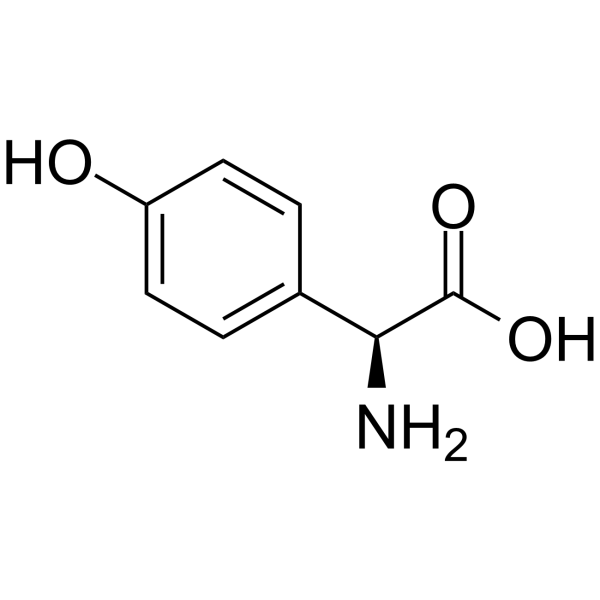
    Oxfenicine (L-p-Hydroxyphenylglycine) is an orally active carnitine palmitoyltransferase-1 inhibitor. Oxfenicine inhibits the oxidation of fatty acids in the heart, protecting cardiac tissue from necrotic damage during ischemia, and also has an inhibitory effect on cardiac tissue apoptosis. In addition, Oxfenicine promotes lipolysis in a high-fat diet rat model. Oxfenicine can be used in the study of cardiovascular and metabolic diseases .
    Oxfenicine
  • HY-P2807F

    LAD, LD, L-LDH, (S)-Lactate: NAD+ oxidoreductase

    Lactate Dehydrogenase Cardiovascular Disease
    Lactate Dehydrogenase (LDH), Bovine Heart (LAD) is an oxidoreductase that catalyzes the reversible conversion between lactate and pyruvate. Lactate Dehydrogenase (LDH), Bovine Heart is mainly used in life science research, tissue damage diagnosis, and as an enzyme marker .
    Lactate Dehydrogenase (LDH), Bovine Heart
  • HY-B1018A
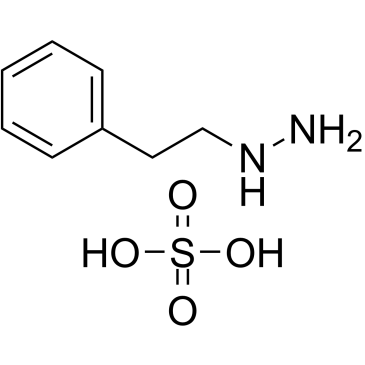
    Phenelzine sulfate
    5+ Cited Publications

    Monoamine Oxidase GABA Receptor Histone Demethylase Cardiovascular Disease Neurological Disease Metabolic Disease Inflammation/Immunology Cancer
    Phenelzine sulfate, an antidepressant agent, is an irreversible and orally active monoamine oxidase (MAO-A and MAO-B) inhibitor. Phenelzine sulfate inhibits GABA transaminase and primary amine oxidase (PrAO), and sequester reactive aldehydes. Phenelzine sulfate also inhibits LSD1 (Ki: 5.6 μM) and suppresses oxidative stress and lipogenesis. Phenelzine sulfate elevates neurotransmitters (serotonin, norepinephrine, dopamine). Phenelzine sulfate is studied in neurological, metabolic and cancer diseases for depression and anxiety disorders, stroke, spinal cord injury, traumatic brain injury, multiple sclerosis, Parkinson’s disease, Alzheimer’s disease, inflammatory pain, obesity and prostate cancer .
    Phenelzine sulfate
  • HY-N8157
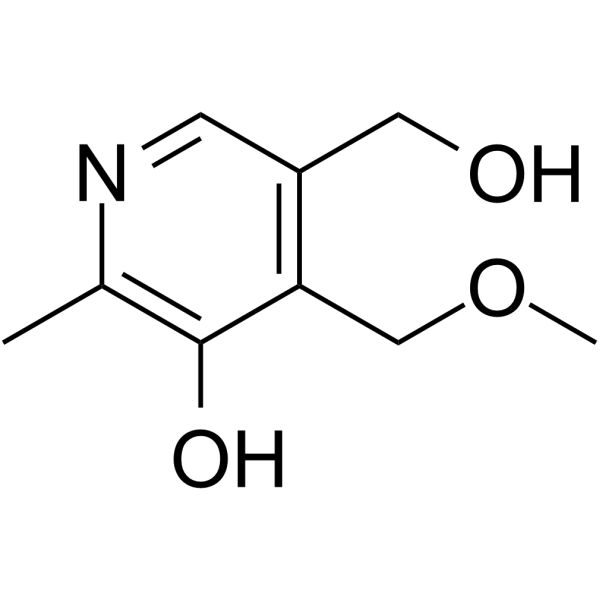
    4'-O-Methylpyridoxine
    1 Publications Verification

    Others Cardiovascular Disease Neurological Disease
    4'-O-Methylpyridoxine is an orally active antivitamin B6 compound found in Ginkgo biloba seeds and leaves. 4'-O-Methylpyridoxine inhibits pyridoxal kinase. 4'-O-Methylpyridoxine reduces brain pyridoxal-5'-phosphate (PLP) levels, decreases gamma-aminobutyric acid/glutamate (GABA/Glu) ratio. 4'-O-Methylpyridoxine increases plasma levels of pyridoxal-5'-phosphate and pyridoxal. 4'-O-Methylpyridoxine induces hyperactivity, convulsions, pathological tissue changes, organ damage in rodent brain and heart .
    4'-O-Methylpyridoxine
  • HY-149662

    Calcium Channel ATP Synthase Myosin Cardiovascular Disease
    TMDJ-035 is a high-affinity, selective RyR2 inhibitor with an EC50 of 0.0130 μM. TMDJ-035 reduces RyR2 protein expression without affecting action potential-induced Ca 2+ transients. TMDJ-035 decreases ATP content and intracellular Ca 2+ levels. TMDJ-035 inhibits arrhythmias in a CPVT mouse model carrying mutant RyR2s. TMDJ-035 has no effect on electrocardiogram parameters or cardiac systolic function. TMDJ-035 exacerbates heart failure in mouse myocardial infarction models and hypoxic cardiomyocytes by altering cardiac function, causing tissue damage, promoting inflammatory infiltration, collagen deposition, and changes in Myosin heavy chain/actin expression. TMDJ-035 can be used in studies related to heart failure, catecholaminergic polymorphic ventricular tachycardia, and arrhythmias .
    TMDJ-035
  • HY-P2752

    LPL

    Endogenous Metabolite Metabolic Disease Cancer
    Lipoprotein lipase, Pseudomonas sp (LPL) is a multifunctional enzyme from adipose tissue, heart and skeletal muscle, islets and macrophages. Lipoprotein lipase promotes normal lipoprotein metabolism, delivery and utilization of tissue-specific substrates. Lipoprotein lipase catalyzes the rate-limiting step of lipids in blood circulation .
    Lipoprotein lipase, Pseudomonas sp
  • HY-103195
    NKY80
    2 Publications Verification

    Adenylate Cyclase Metabolic Disease
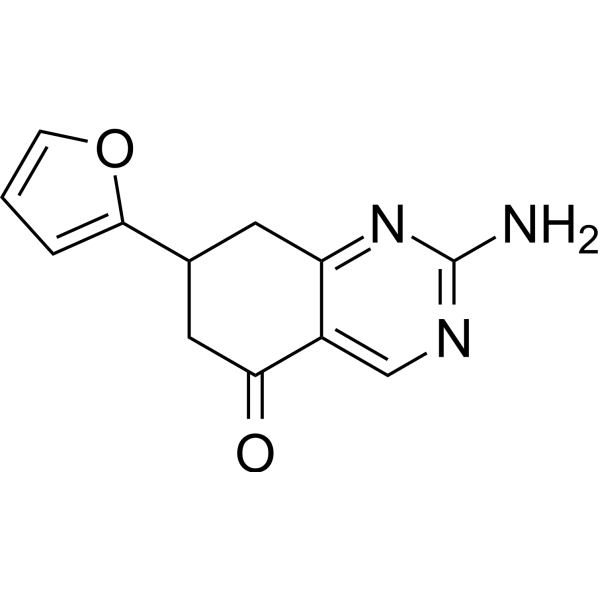
    NKY80 is a potent, selective and non-competitive adenylyl cyclase (AC) type V isoform inhibitor with IC50s of 8.3 µM, 132 µM and 1.7 mM for type V, III and II, respectively. NKY80 is a non-nucleoside quinazolinone and regulates the AC catalytic activity in heart and lung tissues .
    NKY80
  • HY-113044R

    UDP-D-Glucose (Standard)

    Reference Standards Endogenous Metabolite P2Y Receptor Cardiovascular Disease Metabolic Disease Inflammation/Immunology
    Uridine 5′-diphosphoglucose (Standard) (UDP-D-Glucose (Standard)) is the analytical standard of Uridine 5′-diphosphoglucose (HY-113044). This product is intended for research and analytical applications. Uridine 5’-diphosphoglucose (UDP-glucose), secreted by cardiomyocytes during ischemia and reperfu, is a potent agonist of the proinflammatory P2Y14 receptor. It acts an important role in the regulation of inflammation and neutrophil polarization in neutrophils. Uridine 5’-diphosphoglucose is also the precursor of glucose-containing oligosaccharides, polysaccharides, glycoproteins, and glycolipids in animal tissues and in some microorganisms. Uridine 5’-diphosphoglucose is promising for research in counteracting myocardial infarction/reperfusion (MIR)-induced inflammation in the heart tissue.
    Uridine 5′-diphosphoglucose (Standard)
  • HY-P2807A

    LDH, Lactic Dehydrogenase

    Biochemical Assay Reagents Cardiovascular Disease
    Lactate Dehydrogenase (LDH), Porcine Heart, is an isoenzyme of lactate dehydrogenase derived from porcine heart. Lactate Dehydrogenase (LDH), Porcine Heart, is primarily used in life science research, tissue damage diagnosis, and as an enzyme marker .
    Lactate Dehydrogenase (LDH), Porcine Heart
  • HY-P3436

    Exosomes Cardiovascular Disease
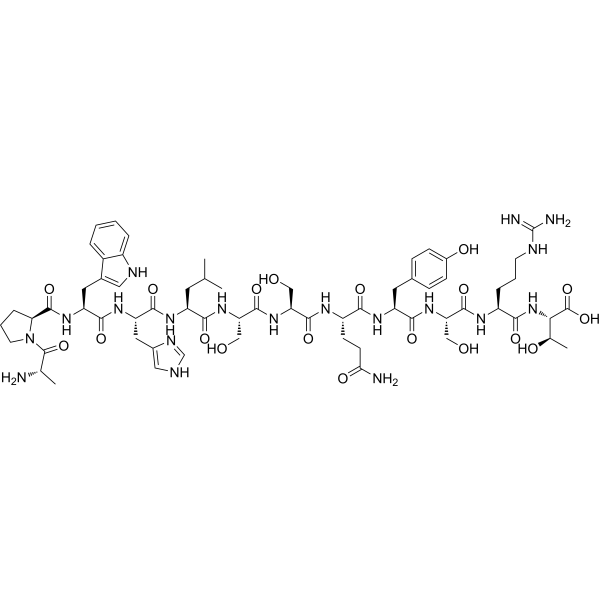
    WLSEAGPVVTVRALRGTGSW is a cardiomyocyte-targeting peptide that specifically recognizes tenascin X on the surface of cardiomyocytes. WLSEAGPVVTVRALRGTGSW can serve as a targeting ligand to conjugate with various therapeutic carriers (drugs, genes, exosomes, nanoparticles, etc.) for research on cardiovascular diseases (such as myocardial infarction, heart failure) .
    WLSEAGPVVTVRALRGTGSW
  • HY-113044

    UDP-D-Glucose

    Endogenous Metabolite P2Y Receptor Cardiovascular Disease Metabolic Disease Inflammation/Immunology
    Uridine 5’-diphosphoglucose (UDP-glucose), secreted by cardiomyocytes during ischemia and reperfu, is a potent agonist of the proinflammatory P2Y14 receptor. It acts an important role in the regulation of inflammation and neutrophil polarization in neutrophils. Uridine 5’-diphosphoglucose is also the precursor of glucose-containing oligosaccharides, polysaccharides, glycoproteins, and glycolipids in animal tissues and in some microorganisms. Uridine 5’-diphosphoglucose is promising for research in counteracting myocardial infarction/reperfusion (MIR)-induced inflammation in the heart tissue .
    Uridine 5′-diphosphoglucose
  • HY-120006A
    (rel)-AR234960
    1 Publications Verification

    ERK Cardiovascular Disease
    (rel)-AR234960 is a selective and competitive agonist of the G protein-coupled receptor MAS. (rel)-AR234960 binds to the MAS receptor to activate the downstream ERK1/2 signaling pathway, inducing the expression of connective tissue growth factor (CTGF) and its downstream collagen subtype genes (such as COL1A1, COL3A1). (rel)-AR234960 promotes collagen synthesis in cardiac fibroblasts through the MAS-ERK1/2-CTGF pathway and aggravates extracellular matrix remodeling. (rel)-AR234960's in vitro effect can be blocked by the MAS inverse agonist AR244555 and MEK1 inhibitor. (rel)-AR234960 regulates the expression of cardiac fibrosis-related genes and can be used in the study of heart failure .
    (rel)-AR234960
  • HY-P10641

    Exosomes STAT ERK Akt Cardiovascular Disease
    Heart-homing peptide is a heart-targeting peptide with the sequence CRPPR that mediates cardiac endothelial targeting and accumulates in cardiac tissues. Heart-homing peptide mediates the translocation of liposomal and exosomal cargos across cardiac endothelium into interstitial tissues, enhances the accumulation of exosomes in the heart, and inhibits the GP130-STAT3/ERK1/2/AKT pathway. Heart-homing peptide accumulates at sites of ischemia/reperfusion, myocardial infarction and hypertrophy in mice. Heart-homing peptide can be used for the research of cardiovascular diseases .
    Heart-homing peptide
  • HY-177564

    Del-zota; AOC 1044

    Antibody-Oligonucleotide Conjugates (AOCs) Transferrin Receptor Dystrophin Neurological Disease
    Delpacibart zotadirsen (Del-zota), an antibody oligonucleotide conjugate (AOC), consists of a monoclonal antibody (Delpacibart) (HY-P990051) that binds to the transferrin receptor 1 (TfR1) conjugated to a phosphorodiamidate morpholino conjugate (PMO), Delpacibart zotadirsen is designed to deliver phosphorodiamidate morpholino oligomers (PMOs) to skeletal muscle and heart tissue to specifically skip exon 44 of the dystrophin gene and enable production of near-full length dystrophin. Delpacibart zotadirsen is used for the study of myotonic dystrophy type 1 (DM1) .
    Delpacibart zotadirsen
  • HY-174935

    Biochemical Assay Reagents Others
    DBCO-PEG1000-NHS is a dibenzocyclooctyne-conjugated polyethylene glycol derivative bearing an NHS group. DBCO-PEG-NHS forms a stable covalent linkage with the amino group of target molecules via the NHS ester at one end, while introducing a DBCO group at the other end, thus preparing for subsequent click chemical conjugation with any azide-bearing molecule or material .
    DBCO-PEG1000-NHS
  • HY-117658

    MAP3K Cardiovascular Disease
    GSK-114 is a highly selective, orally active TNNI3K inhibitor (IC50= 25 nM). GSK-114 shows a 40-fold selectivity for TNNI3K over B-Raf kinase (IC50= 1 μM). Cardiac troponin I-interacting kinase (TNNI3K or CARK) is a member of the tyrosine-like kinase family that is selectively expressed in heart tissue .
    GSK-114
  • HY-P2867

    3′-Exonuclease

    Phosphodiesterase (PDE) Neurological Disease
    Phosphodiesterase II (EC 3.1.16.1), namely phosphodiesterase 2, is mainly involved in the hydrolysis of the important second messengers cyclic adenosine monophosphate (cAMP) and cyclic guanosine monophosphate (cGMP), and is often used in biochemical research. Phosphodiesterase II is expressed in a variety of tissues, such as the adrenal medulla, brain, heart, platelets, macrophages and endothelial cells, and is involved in the regulation of many different intracellular processes .
    Phosphodiesterase II, Bovine Spleen
  • HY-174935A

    Biochemical Assay Reagents Others
    DBCO-PEG2000-NHS is a dibenzocyclooctyne-conjugated polyethylene glycol derivative bearing an NHS group. DBCO-PEG-NHS forms a stable covalent linkage with the amino group of target molecules via the NHS ester at one end, while introducing a DBCO group at the other end, thus preparing for subsequent click chemical conjugation with any azide-bearing molecule or material .
    DBCO-PEG2000-NHS
  • HY-N7032S1

    UDP-D-Glucose-13C6 disodium

    Isotope-Labeled Compounds Endogenous Metabolite P2Y Receptor Cardiovascular Disease Metabolic Disease Inflammation/Immunology
    Uridine 5′-diphosphoglucose- 13C6 (UDP-D-Glucose- 13C6) disodium is the 13C labeled Uridine 5′-diphosphoglucose disodium (HY-N7032) . Uridine 5’-diphosphoglucose (UDP-glucose) disodium, secreted by cardiomyocytes during ischemia and reperfu, is a potent agonist of the proinflammatory P2Y14 receptor. It acts an important role in the regulation of inflammation and neutrophil polarization in neutrophils. Uridine 5’-diphosphoglucose disodium is also the precursor of glucose-containing oligosaccharides, polysaccharides, glycoproteins, and glycolipids in animal tissues and in some microorganisms. Uridine 5’-diphosphoglucose disodium is promising for research in counteracting myocardial infarction/reperfusion (MIR)-induced inflammation in the heart tissue .
    Uridine 5′-diphosphoglucose-13C6 disodium
  • HY-131306B

    Gaidic acid

    Biochemical Assay Reagents Others
    2-Hexadecenoic acid is a natural unsaturated fatty acid. It is ubiquitously present in various animal and plant tissues, especially adipose tissue and certain vegetable oils, such as macadamia nut oil. 2-Hexadecenoic acid has unique chemical properties that make it an important component of cell membranes and storage lipids, and participates in various metabolic processes such as lipid metabolism and inflammation. It's also been linked to potential health benefits, including improved insulin sensitivity and a lower risk of heart disease.
    2-Hexadecenoic acid
  • HY-N7032S

    UDP-D-Glucose-13C disodium

    Isotope-Labeled Compounds Endogenous Metabolite P2Y Receptor Cardiovascular Disease Metabolic Disease Inflammation/Immunology
    Uridine 5′-diphosphoglucose- 13C (UDP-D-Glucose- 13C) disodium is the 13C labeled Uridine 5′-diphosphoglucose disodium (HY-N7032) . Uridine 5’-diphosphoglucose (UDP-glucose) disodium, secreted by cardiomyocytes during ischemia and reperfu, is a potent agonist of the proinflammatory P2Y14 receptor. It acts an important role in the regulation of inflammation and neutrophil polarization in neutrophils. Uridine 5’-diphosphoglucose disodium is also the precursor of glucose-containing oligosaccharides, polysaccharides, glycoproteins, and glycolipids in animal tissues and in some microorganisms. Uridine 5’-diphosphoglucose disodium is promising for research in counteracting myocardial infarction/reperfusion (MIR)-induced inflammation in the heart tissue .
    Uridine 5′-diphosphoglucose-13C disodium
  • HY-P11297

    Angiotensin-converting Enzyme (ACE) Cardiovascular Disease
    AC-SDKP-NH2 is a substrate peptide of Angiotensin converting enzyme (ACE). AC-SDKP-NH2 has anti-inflammatory and anti-fibrotic activities. AC-SDKP-NH2 directly acts on tissues and prevents or reverses them from excessive fibrosis, but fails to reduce blood pressure and left ventricular hypertrophy (LVH). AC-SDKP-NH2 attenuates inflammation and cell differentiation, proliferation and migration, therefore reducing fibrosis in the heart, vessels and kidneys in mice model. AC-SDKP-NH2 can be used for cardiovascular diseases such as hypertension research .
    AC-SDKP-NH2
  • HY-174935C

    Biochemical Assay Reagents Others
    DBCO-PEG5000-NHS is a dibenzocyclooctyne-conjugated polyethylene glycol derivative bearing an NHS group. DBCO-PEG-NHS forms a stable covalent linkage with the amino group of target molecules via the NHS ester at one end, while introducing a DBCO group at the other end, thus preparing for subsequent click chemical conjugation with any azide-bearing molecule or material .
    DBCO-PEG5000-NHS
  • HY-116556

    HOE 234

    Potassium Channel Cardiovascular Disease
    Rilmakalim (HOE 234) is a potassium channel opener (PCO) that activates ATP-sensitive K + channels in the heart or other tissues .
    Rilmakalim
  • HY-P1495

    Adenylate Cyclase Cardiovascular Disease Neurological Disease
    Small Cardioactive Peptide B (SCPB), a neurally active peptide, stimulates adenylate cyclase activity in particulate fractions of both heart and gill tissues with EC50s of 0.1 and 1.0 μM, respectively.
    Small Cardioactive Peptide B (SCPB)
  • HY-172687A

    Liposome Cardiovascular Disease
    DSPE-PEG3400-CSTSMLKAC is a PEG compound which composed of DSPE and a peptide (CSTSMLKAC). CSTSMLKAC is capable of mediating selective homing of phage to ischemic heart tissue. DSPE-PEG3400-CSTSMLKAC can be used for drug delivery .
    DSPE-PEG3400-CSTSMLKAC
  • HY-172688

    Liposome Cardiovascular Disease
    DSPE-PEG5000-CSTSMLKAC is a PEG compound which composed of DSPE and a peptide (CSTSMLKAC). CSTSMLKAC is capable of mediating selective homing of phage to ischemic heart tissue. DSPE-PEG5000-CSTSMLKAC can be used for drug delivery .
    DSPE-PEG5000-CSTSMLKAC
  • HY-171248

    Anaplastic lymphoma kinase (ALK) Cardiovascular Disease Endocrinology
    CDD-1115 is a potent, selective inhibitor of BMPR2 with IC50 of 1.8 nM, Kiapp of 6.2 nM. CDD-1115 inhibits bone morphogenetic protein (BMP)-mediated gene expression. BMP controls cellular processes across many tissue types, including the kidney, skeletal muscle, heart, and reproductive organs. BMP induces ectopic bone formation .
    CDD-1115
  • HY-171249

    TGF-β Receptor Cardiovascular Disease Endocrinology
    CDD-1431 is a low-nanomolar selective kinase inhibitors of BMPR2, with Kiapp value of 20.6 nM. CDD-1431 suppresses BRE-reporter activity, with an IC50 of 4.87 μM. BMP controls cellular processes across many tissue types, including the kidney, skeletal muscle, heart, and reproductive organs. BMP induces ectopic bone formation .
    CDD-1431
  • HY-106317

    Glutathione isopropyl ester; YM 737

    Drug Derivative Neurological Disease Inflammation/Immunology Cancer
    Glutathione monoisopropyl ester (Glutathione isopropyl ester) is an ester derivative of glutathione. Glutathione monoisopropyl ester can increase glutathione concentrations in tissues such as the liver, lungs, heart, and brain of mice, exerting a dose-dependent protective effect against liver injury. Glutathione monoisopropyl ester effectively inhibits ultraviolet-induced lipid peroxidation, inflammatory responses, and tumorigenesis in the skin of hairless mice by maintaining epidermal glutathione levels. Glutathione monoisopropyl ester also inhibits the progression of X-ray-induced cataracts in rats .
    Glutathione monoisopropyl ester
  • HY-N8501

    Bacterial Infection
    Emestrin is a mycotoxin originally isolated from E. striata that has antimicrobial, immunomodulatory, and cytotoxic activities. It is active against the fungi C. albicans and C. neoformans, as well as the bacteria E. coli, S. aureus, and methicillin-resistant S. aureus (MRSA; IC50s=3.94, 0.6, 2.21, 4.55, and 2.21 μg/mL, respectively).2 Emestrin is a chemokine (C-C motif) receptor 2 (CCR2) antagonist (IC50=5.4 μM in a radioligand binding assay using isolated human monocytes).3 Emestrin (0.1 μg/mL) induces apoptosis in HL-60 cells. It induces heart, thymus, and liver tissue necrosis in mice when administered at doses ranging from 18 to 30 mg/kg.
    Emestrin
  • HY-174935B

    Biochemical Assay Reagents Others
    DBCO-PEG3400-NHS is a dibenzocyclooctyne-conjugated polyethylene glycol derivative bearing an NHS group. DBCO-PEG-NHS forms a stable covalent linkage with the amino group of target molecules via the NHS ester at one end, while introducing a DBCO group at the other end, thus preparing for subsequent click chemical conjugation with any azide-bearing molecule or material .
    DBCO-PEG3400-NHS
  • HY-174935D

    Biochemical Assay Reagents Others
    DBCO-PEG10000-NHS is a dibenzocyclooctyne-conjugated polyethylene glycol derivative bearing an NHS group. DBCO-PEG-NHS forms a stable covalent linkage with the amino group of target molecules via the NHS ester at one end, while introducing a DBCO group at the other end, thus preparing for subsequent click chemical conjugation with any azide-bearing molecule or material .
    DBCO-PEG10000-NHS
  • HY-105527

    Adrenergic Receptor Cardiovascular Disease
    Flavodilol is an orally active antihypertensive agent. Flavodilol extensively depletes catecholamines and serotonin in heart tissue of normotensive and spontaneously hypertensive rats (SHR). Flavodilol can be used for hypertension research .
    Flavodilol
  • HY-172686

    Liposome Cardiovascular Disease
    DSPE-PEG1000-CSTSMLKAC is a PEG compound which composed of DSPE and a peptide (CSTSMLKAC). CSTSMLKAC is capable of mediating selective homing of phage to ischemic heart tissue. DSPE-PEG1000-CSTSMLKAC can be used for drug delivery .
    DSPE-PEG1000-CSTSMLKAC
  • HY-156184

    Endogenous Metabolite Neurological Disease Metabolic Disease Cancer
    Octanoylcarnitine is an orally active medium-chain acylcarnitine transport intermediate in fatty acid β-oxidation. Octanoylcarnitine is converted to octanoyl-CoA by carnitine acetyltransferase (CrAT), which then generates energy via β-oxidation in mitochondria of the heart and skeletal muscle. Octanoylcarnitine enhances grip strength and treadmill endurance, alleviates lactic acidosis, distributes in muscle and heart tissues, increases free carnitine levels, and mitigates mitochondrial stress. Octanoylcarnitine is associated with long-chain fatty acid metabolism, shows a positive correlation with subcutaneous fat area in patients with metastatic pancreatic ductal adenocarcinoma, and is closely related to central retinal artery occlusion (CRAO) .
    Octanoylcarnitine
  • HY-181753

    Creatine Kinase Amino acid Transporter Inflammation/Immunology Cancer
    INSP-0154 is a potent creatine kinase B (CKB)/creatine transporter (SLC6A8) inhibitor. INSP-0154 binds to the SLC6A8 occluded pocket, prevents creatine transport into cells, and protects SLC6A8 cysteine residue C144 from irreversible inactivation. INSP-0154 inhibits creatine uptake in mouse heart tissue. INSP-0154 can be used for the research of cancer .
    INSP-0154
  • HY-129878

    AD-41

    Endogenous Metabolite Cancer
    N-Trifluoroacetyladriamycin (AD-41) is a chemotherapeutic compound with antitumor activity. N-Trifluoroacetyladriamycin exhibits the highest fluorescence and radioactivity levels in the small intestine and liver, indicating its significant accumulation in these tissues. N-Trifluoroacetyladriamycin also shows significant accumulation in the kidney, spleen, large intestine, lung, and heart. N-Trifluoroacetyladriamycin is a metabolite of Valrubicin, which is used to inhibit bladder cancer. The presence of N-Trifluoroacetyladriamycin and its derivatives may be related to the biotransformation of the compound and its antitumor mechanism .
    N-Trifluoroacetyladriamycin
  • HY-103195R

    Reference Standards Adenylate Cyclase Metabolic Disease
    NKY80 (Standard) is the analytical standard of NKY80 (HY-103195). This product is intended for research and analytical applications. NKY80 is a potent, selective and non-competitive adenylyl cyclase (AC) type V isoform inhibitor with IC50s of 8.3 µM, 132 µM and 1.7 mM for type V, III and II, respectively. NKY80 is a non-nucleoside quinazolinone and regulates the AC catalytic activity in heart and lung tissues .
    NKY80 (Standard)
  • HY-148150A

    Creatine Kinase Cardiovascular Disease Inflammation/Immunology Cancer
    Cyclocreatine phosphate dilithium is a synthetic intracellular energy buffer. Cyclocreatine phosphate dilithium mediates antiproliferative activity in cells with high creatine kinase levels and inhibits solid tumor growth. Cyclocreatine phosphate dilithium maintains adenosine triphosphate (ATP) levels and protects tissues from hypoxia, cellular damage and inflammation during ischemic events. Cyclocreatine phosphate dilithium accumulates in skeletal muscle, reduces muscle phosphocreatine and total creatine levels, and acts both as a bioenergetic/anti-inflammatory agent and an experimental tool for the assessment of ischemic injury. Cyclocreatine phosphate dilithium can be used in studies related to solid tumors, heart failure and ischemia .
    Cyclocreatine phosphate dilithium
  • HY-114797

    Phosphodiesterase (PDE) Endocrinology
    PDE5-IN-16 is a selective phosphodiesterase type 5 (PDE5) inhibitor with an IC50 of 0.8 nM. PDE5-IN-16 enhances the relaxation of corpus cavernosum tissue strips. PDE5-IN-16 is applicable for the research of erectile dysfunction .
    PDE5-IN-16

Inquiry Online

Your information is safe with us. * Required Fields.

Salutation


Country or Region *

Applicant Name *


Organization Name *

Department *


Email Address *


Product Name *

Cat. No.


Requested quantity *

Phone Number *


Remarks

Inquiry Online

Inquiry Information

Product Name:
Cat. No.:
Quantity:
MCE Japan Authorized Agent:

