1. Search Result
Search Result
Results for "

imbalance

" in MedChemExpress (MCE) Product Catalog:

64

Inhibitors & Agonists

6

Screening Libraries

3

Fluorescent Dyes

5

Biochemical Assay Reagents

6

Peptides

8

Natural
Products

14

Isotope-Labeled Compounds

1

Click Chemistry

1

GMP Molecules

Cat. No. Product Name Target Research Areas Chemical Structure
  • HY-B0399
    L-Carnitine
    15+ Cited Publications

    (R)-Carnitine; Levocarnitine

    Endogenous Metabolite Neurological Disease Cancer
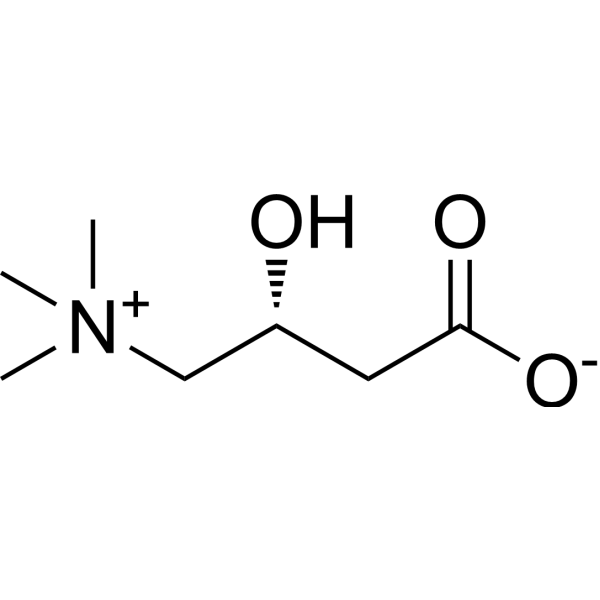
    L-Carnitine ((R)-Carnitine), a highly polar, small zwitterion, is an essential co-factor for the mitochondrial β-oxidation pathway. L-Carnitine functions to transport long chain fatty acyl-CoAs into the mitochondria for degradation by β-oxidation. L-Carnitine is an antioxidant. L-Carnitine can ameliorate metabolic imbalances in many inborn errors of metabolism .
    L-Carnitine
  • HY-15372
    GW6471
    Maximum Cited Publications
    70 Publications Verification

    PPAR Apoptosis Cancer
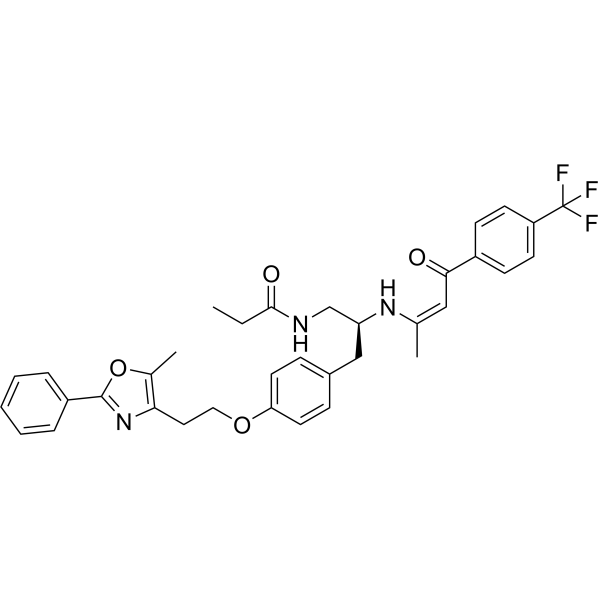
    GW6471 is a selective peroxisome proliferator-activated receptor α (PPARα) antagonist. GW6471 reduces cancer stem cell viability, proliferation, and spheroid formation. GW6471 induces apoptosis and causes metabolic impairment including energy imbalance. GW6471 can be used for the research of paragangliomas and triple-negative breast cancer .
    GW6471
  • HY-P1363
    β-Amyloid (1-42), human TFA
    Maximum Cited Publications
    24 Publications Verification

    Amyloid β-peptide (1-42) (human) TFA

    Amyloid-β Neurological Disease
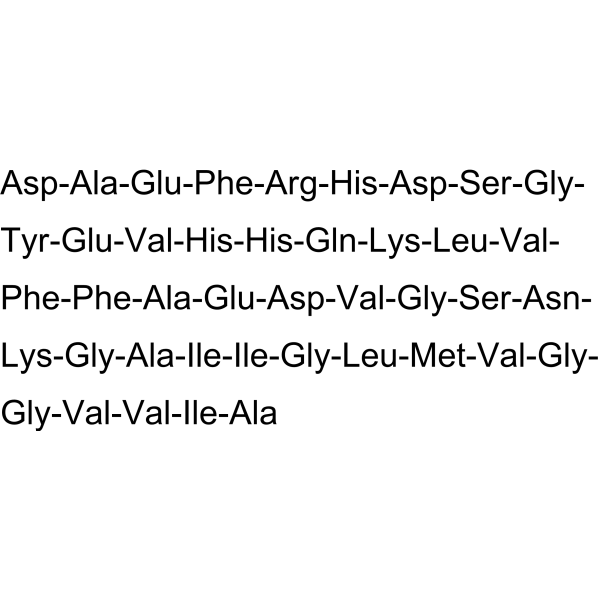
    β-Amyloid (1-42) (Amyloid β-peptide (1-42), human TFA, a 42-amino acid peptide that has not been treated with HFIP, is a brain-penetrant amyloid protein fragment, which can be used in research on Alzheimer's disease and Down’s syndrome. β-Amyloid (1-42), human TFA remaining as a monomer exhibits antioxidant and neuroprotective effects. β-Amyloid (1-42), human TFA, after being monomericized by HFIP and dissolved in DMSO to form the stock solution, on the one hand, can form soluble oligomers (AβOs) when incubated at 4 °C, which have synaptic toxicity and neurotoxicity; on the other hand, it can be incubated at 37 °C to form insoluble fibrils, with lower neurotoxicity, and participating in the oxidative damage process. Aβ42 oligomers bind to various neuronal surface receptors (such as PrPc, mGluR5, NMDA receptors, etc.), triggering oxidative stress, calcium homeostasis imbalance, and synaptic toxicity via activating downstream signaling pathways, leading to neuronal dysfunction and death .
    β-Amyloid (1-42), human TFA
  • HY-P1363A
    β-Amyloid (1-42), human
    Maximum Cited Publications
    24 Publications Verification

    Amyloid β-peptide (1-42) (human)

    Amyloid-β Neurological Disease
    β-Amyloid (1-42) (Amyloid β-peptide (1-42)), human, a 42-amino acid peptide that has not been treated with HFIP, is a brain-penetrant amyloid protein fragment, which can be used in research on Alzheimer's disease and Down’s syndrome. β-Amyloid (1-42), human remaining as a monomer exhibits antioxidant and neuroprotective effects. β-Amyloid (1-42), human, after being monomericized by HFIP and dissolved in DMSO to form the stock solution, on the one hand, can form soluble oligomers (AβOs) when incubated at 4 °C, which have synaptic toxicity and neurotoxicity; on the other hand, it can be incubated at 37 °C to form insoluble fibrils, with lower neurotoxicity, and participating in the oxidative damage process. Aβ42 oligomers bind to various neuronal surface receptors (such as PrPc, mGluR5, NMDA receptors, etc.), triggering oxidative stress, calcium homeostasis imbalance, and synaptic toxicity via activating downstream signaling pathways, leading to neuronal dysfunction and death .
    β-Amyloid (1-42), human
  • HY-P1363B
    β-Amyloid (1-42), human, HFIP-treated
    Maximum Cited Publications
    24 Publications Verification

    Amyloid-β Neurological Disease
    β-Amyloid (1-42), human, HFIP-treated, a 42-amino acid peptide that has been treated with HFIP from β-Amyloid (1-42), human (HY-P1363A), is a brain-penetrant amyloid protein fragment, which can be used in research on Alzheimer's disease and Down’s syndrome. β-Amyloid (1-42), human, HFIP-treated remaining as a monomer exhibits antioxidant and neuroprotective effects. β-Amyloid (1-42), human, HFIP-treated, after being dissolved in DMSO to form the stock solution, on the one hand, can form soluble oligomers (AβOs) when incubated at 4°C, which have synaptic toxicity and neurotoxicity; on the other hand, it can be incubated at 37°C to form insoluble fibrils, with lower neurotoxicity, and participating in the oxidative damage process. Aβ42 oligomers bind to various neuronal surface receptors (such as PrPc, mGluR5, NMDA receptors, etc.), triggering oxidative stress, calcium homeostasis imbalance, and synaptic toxicity via activating downstream signaling pathways, leading to neuronal dysfunction and death .
    β-Amyloid (1-42), human, HFIP-treated
  • HY-B0113
    Omeprazole
    5+ Cited Publications

    H 16868

    Na+/K+ ATPase Proton Pump Bacterial Cytochrome P450 Apoptosis Autophagy Atg8/LC3 TNF Receptor Interleukin Related Infection Neurological Disease Inflammation/Immunology Cancer
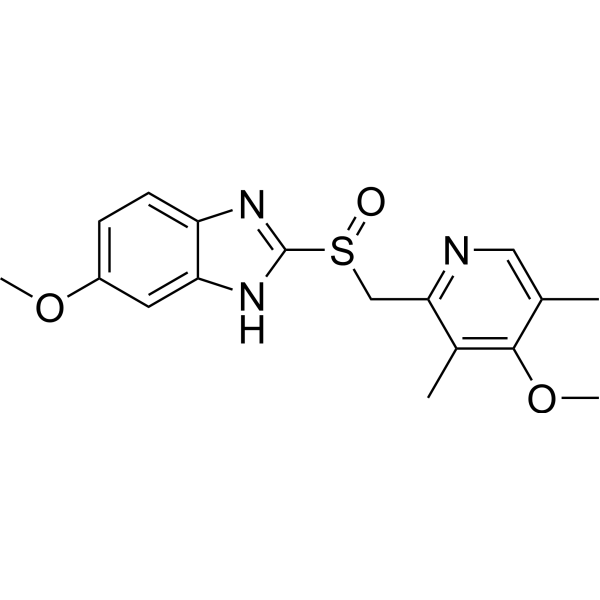
    Omeprazole (H 16868) is an orally active H +,K +-ATPase inhibitor and a proton pump inhibitor. Omeprazole competitively inhibits CYP2C19, CYP3A4, and CYP2C9 activity. Omeprazole inhibits gastric acid secretion and can be used for acid-related gastrointestinal disorders. Omeprazole inhibits pancreatic cancer cell proliferation, induces apoptosis, autophagosome accumulation (elevated LC3-I and LC3-II levels), oxidative stress, and cytogenetic imbalance, modulates lysosomal transport, reduces inflammatory cytokines. Omeprazole alters small intestinal morphology and magnesium absorption, and induces gastric mucosa morphologic changes. Omeprazole aslo has neuroprotective and antibacterial effects .
    Omeprazole
  • HY-143218
    TPE-MI
    10+ Cited Publications

    Tetraphenylethene maleimide

    Huntingtin Parasite Infection Neurological Disease
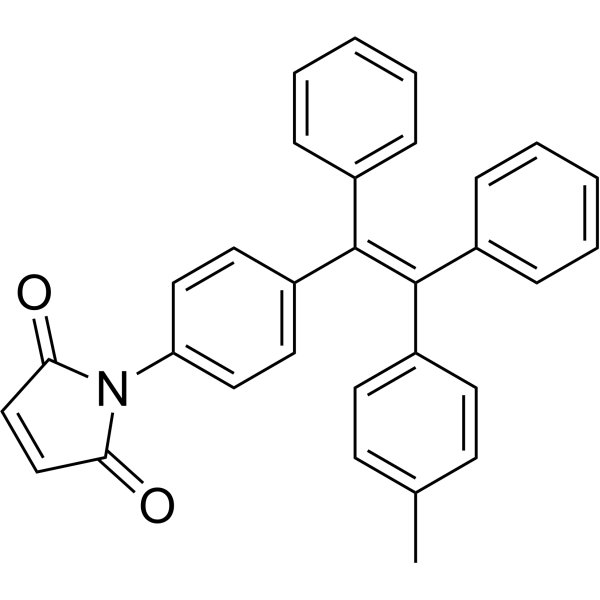
    TPE-MI (Tetraphenylethene maleimide) is a thiol probe for measuring unfolded protein load and proteostasis in cells (the excitation wavelength is 350 nm and the emission wavelength is 470 nm). TPE-MI can report imbalances in proteostasis in induced pluripotent stem cell models of Huntington disease, as well as cells transfected with mutant Huntington exon 1 before the formation of visible aggregates. TPE-MI also detects protein damage following dihydroartemisinin research of the malaria parasites Plasmodium falciparum .
    TPE-MI
  • HY-B0113A
    Omeprazole sodium
    5+ Cited Publications

    H 16868 sodium

    Na+/K+ ATPase Interleukin Related Proton Pump Cytochrome P450 Bacterial Apoptosis Autophagy TNF Receptor Atg8/LC3 Infection Inflammation/Immunology
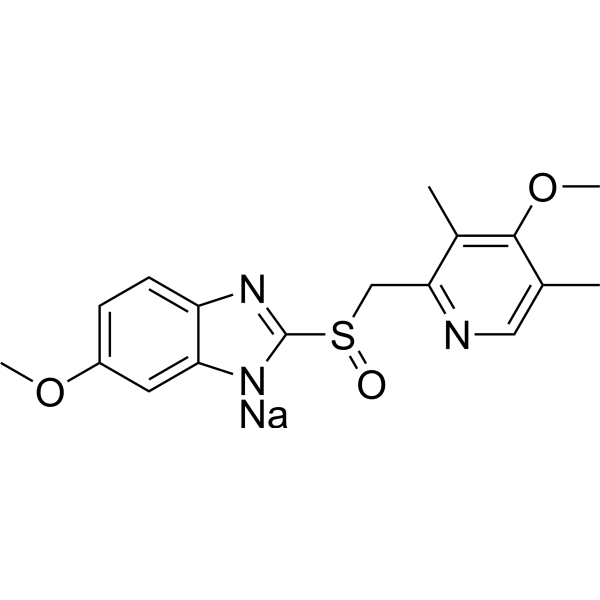
    Omeprazole (H 16868) sodium is an orally active H +,K +-ATPase inhibitor and a proton pump inhibitor. Omeprazole sodium competitively inhibits CYP2C19, CYP3A4, and CYP2C9 activity. Omeprazole sodium inhibits gastric acid secretion and can be used for acid-related gastrointestinal disorders. Omeprazole sodium inhibits pancreatic cancer cell proliferation, induces apoptosis, autophagosome accumulation (elevated LC3-I and LC3-II levels), oxidative stress, and cytogenetic imbalance, modulates lysosomal transport, reduces inflammatory cytokines. Omeprazole sodium alters small intestinal morphology and magnesium absorption, and induces gastric mucosa morphologic changes. Omeprazole sodium aslo has neuroprotective and antibacterial effects .
    Omeprazole sodium
  • HY-B2246
    L-Carnitine hydrochloride
    15+ Cited Publications

    (R)-Carnitine hydrochloride; Levocarnitine hydrochloride

    Endogenous Metabolite Metabolic Disease Cancer
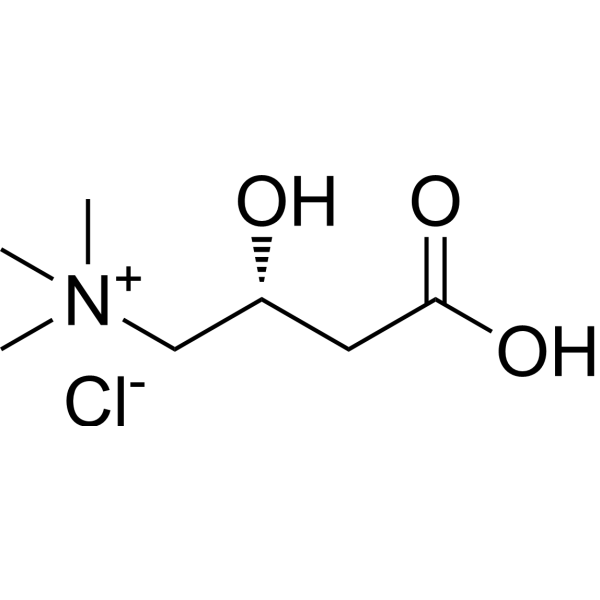
    L-Carnitine hydrochloride ((R)-Carnitine hydrochloride), a highly polar, small zwitterion, is an essential co-factor for the mitochondrial β-oxidation pathway. L-Carnitine hydrochloride functions to transport long chain fatty acyl-CoAs into the mitochondria for degradation by β-oxidation. L-Carnitine hydrochloride is an antioxidant. L-Carnitine hydrochloride can ameliorate metabolic imbalances in many inborn errors of metabolism .
    L-Carnitine hydrochloride
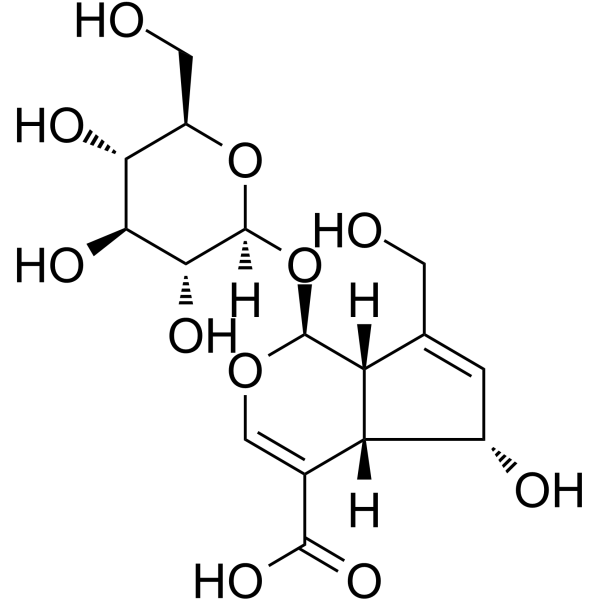
  • HY-N0594

    SOD Interleukin Related TNF Receptor Inflammation/Immunology
    Deacetylasperulosidic Acid is an orally active antioxidant. Deacetylasperulosidic Acid exerts a definite in vivo antioxidant effect and alleviates oxidative stress injury by enhancing SOD activity. In atopic dermatitis models, Deacetylasperulosidic Acid corrects Th2-skewed immune imbalance and reduces allergy-related factors; in immunosuppression models, it activates cellular immunity, enhances NK cell activity and IL-2 production. Deacetylasperulosidic Acid can be used in the research of atopic dermatitis .
    Deacetylasperulosidic Acid
  • HY-W016412
    Coenzyme Q0
    2 Publications Verification

    CoQ0

    Apoptosis Autophagy EGFR Akt mTOR Caspase Bcl-2 Family Reactive Oxygen Species (ROS) PARP COX NO Synthase TNF Receptor Interleukin Related MMP NF-κB Neurological Disease Inflammation/Immunology Cancer
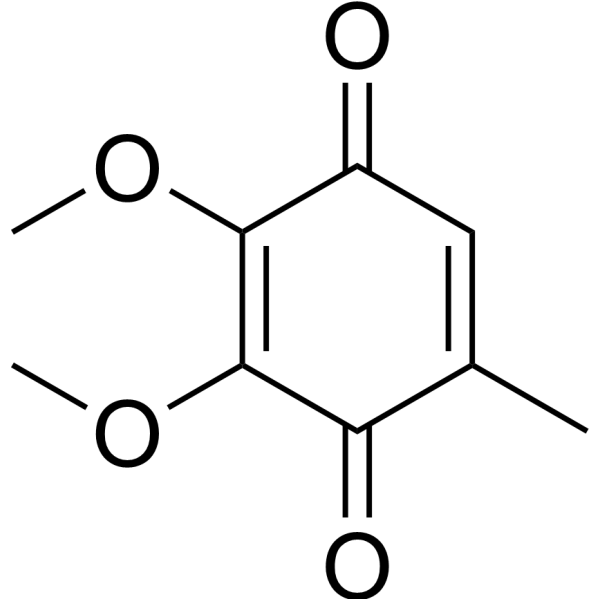
    Coenzyme Q0 (CoQ0) is a potent, oral active ubiquinone compound can be derived from Antrodia cinnamomea. Coenzyme Q0 induces apoptosis and autophagy, suppresses of HER-2/AKT/mTOR signaling to potentiate the apoptosis and autophagy mechanisms. Coenzyme Q0 regulates NFκB/AP-1 activation and enhances Nrf2 stabilization in attenuation of inflammation and redox imbalance. Coenzyme Q0 has anti-angiogenic activity through downregulation of MMP-9/NF-κB and upregulation of HO-1 signaling .
    Coenzyme Q0
  • HY-W105518
    L-Carnitine tartrate
    15+ Cited Publications

    Endogenous Metabolite Neurological Disease
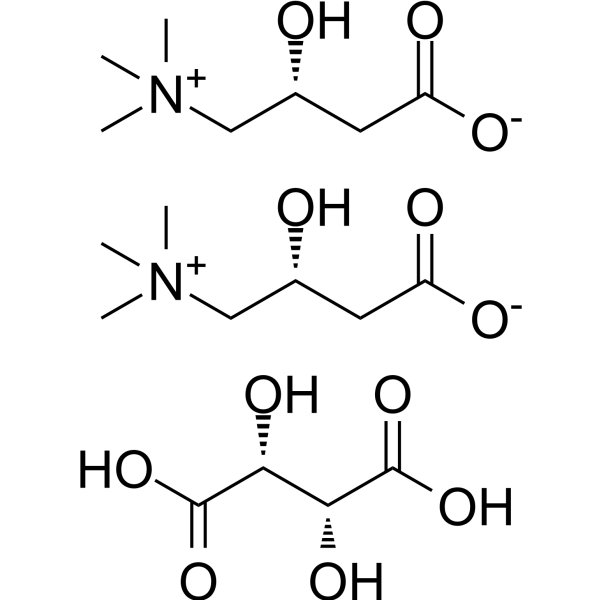
    L-Carnitine tartrate is a highly polar, small zwitterion. L-Carnitine tartrate is an essential co-factor for the mitochondrial β-oxidation pathway. L-Carnitine tartrate functions to transport long chain fatty acyl-CoAs into the mitochondria for degradation by β-oxidation. L-Carnitine tartrate is an antioxidant. L-Carnitine tartrate can ameliorate metabolic imbalances in many inborn errors of metabolism [3] .
    L-Carnitine tartrate
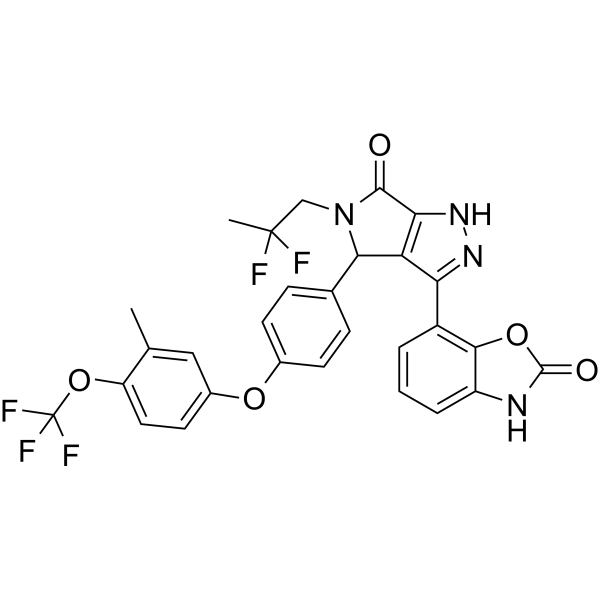
  • HY-157562

    Phospholipase Apoptosis Cancer
    DS68591889 is a selective and orally active phosphatidylserine synthase 1 (PTDSS1) inhibitor. DS68591889 has no inhibitory activity against PTDSS2. DS68591889 induces the phospholipid imbalance in a wide range of cancer cells. DS68591889 negatively regulates B cell receptor (BCR)-induced Ca 2+ signaling and subsequent apoptotic cell death. DS68591889 can be used for the cancer research, such as B cell lymphoma .
    DS68591889
  • HY-113355

    Endogenous Metabolite Apoptosis Neurological Disease Inflammation/Immunology Endocrinology
    NADH is an orally active dehydrogenase coenzyme that acts as a crucial electron carrier in cellular respiration and participates in ATP production. NADH promotes metabolism, supports brain function, and counteracts oxidative stress by transferring electrons to the electron transport chain. As a signaling molecule, NADH regulates multiple biological processes, including anti-apoptosis, synaptic plasticity, gene expression, and calcium homeostasis. Redox imbalance of NADH/NAD⁺ is one of the key pathological mechanisms of various diseases, such as diabetic nephropathy, neurodegenerative diseases, and ischemia-reperfusion injury.
    NADH
  • HY-153468

    TEQ103; Sera2

    Sodium Channel TRP Channel Cancer
    ErSO-TFPy (TEQ103) is an ERα+ tumor cell inhibitor with low nanomolar cytotoxic activity against ERα+ breast cancer cells. ErSO-TFPy activates the sodium channel TRPM4, causes an imbalance of intracellular calcium and sodium ions. ErSO-TFPy dysregulates calcium homeostasis in ERα+ tumor cells, triggers the anticipatory unfolded protein response, and induces rapid immune cell-independent necrotic cell death. ErSO-TFPy can be used for the research of estrogen receptor alpha positive breast cancer .
    ErSO-TFPy
  • HY-148836

    c-Myc Infection Cardiovascular Disease Cancer
    c-Myc inhibitor 6 (compound A102) is a c-Myc inhibitor. c-Myc inhibitor 6 decreases cancer cell viability and degrades c-Myc protein. c-Myc inhibitor 6 can be used for the research of c-Myc imbalance, such as cancer, cardiovascular diseases, and viral infection .
    c-Myc inhibitor 6
  • HY-B0842
    Thiophanate-Methyl
    3 Publications Verification

    Environmental Pollutants Fungal Apoptosis Bcl-2 Family Caspase TNF Receptor SOD Reactive Oxygen Species (ROS) Infection
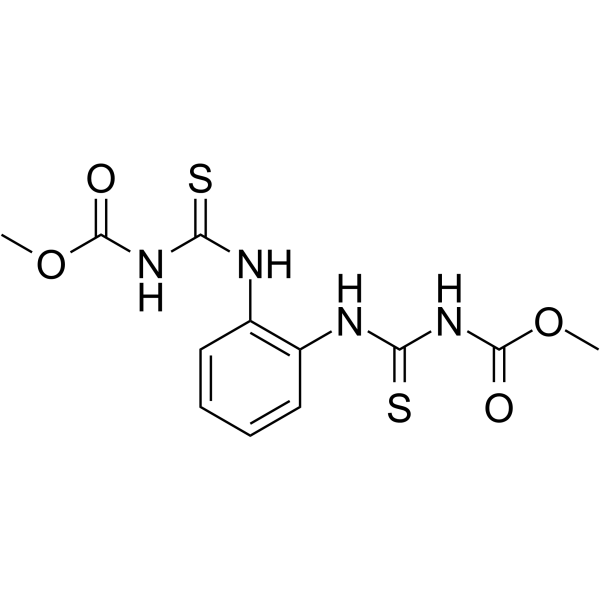
    Thiophanate-Methyl is a pesticide residue and fungicide. Thiophanate-Methyl induces hepatotoxicity via caspase-3-mediated apoptosis and oxidative stress, thereby causing metabolic imbalance in the liver of zebrafish. Thiophanate-Methyl impairs the rhizobacteria-mediated defense response of cucumber against fusarium wilt .
    Thiophanate-Methyl
  • HY-P5255

    Bacterial Infection Inflammation/Immunology
    Oligopeptide-10 is a bioactive peptide with antimicrobial activity. Oligopeptide-10 exhibits broad-spectrum bactericidal effects against Gram-positive bacteria including Propionibacterium acnes and Staphylococcus aureus. Oligopeptide-10 targets lipoteichoic acid (LTA) on the surface of bacterial cell membranes, induces bacterial osmotic imbalance by disrupting the integrity of bacterial membranes, and reduces the release of pro-inflammatory cytokines induced by bacteria. Oligopeptide-10 possesses skin-protective activity. Oligopeptide-10 can be applied in research related to acne vulgaris, dandruff, seborrheic dermatitis, and tinea pedis .
    Oligopeptide-10
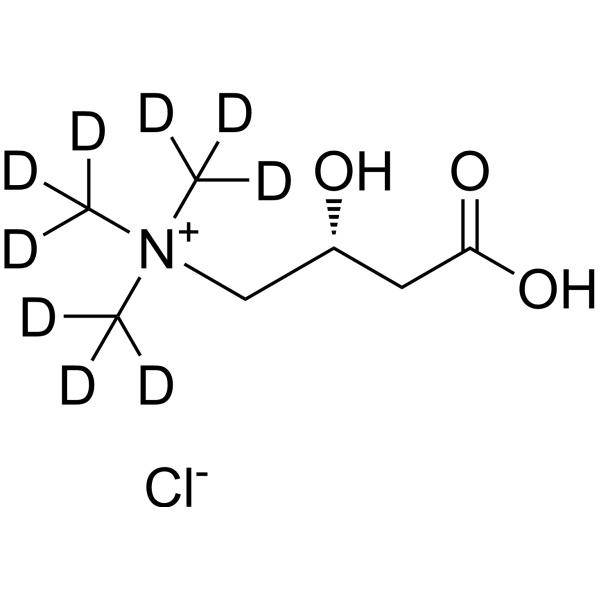
  • HY-B2246S
    L-Carnitine-d9 chloride
    1 Publications Verification

    (R)-Carnitine-d9 chloride; Levocarnitine-d9 chloride

    Isotope-Labeled Compounds Endogenous Metabolite Metabolic Disease
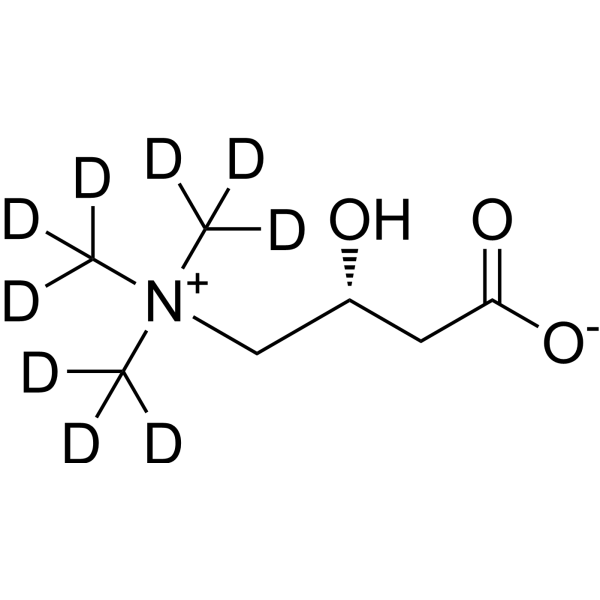
    L-Carnitine-d9 (chloride)e is the deuterium labeled L-Carnitine chloride. L-Carnitine chloride, a highly polar, small zwitterion, is an essential co-factor for the mitochondrial β-oxidation pathway. L-Carnitine chloride functions to transport long chain fatty acyl-CoAs into the mitochondria for degradation by β-oxidation. L-Carnitine chloride is an antioxidant. L-Carnitine chloride can ameliorate metabolic imbalances in many inborn errors of metabolism .
    L-Carnitine-d9 chloride
  • HY-B0399S
    L-Carnitine-d9
    1 Publications Verification

    (R)-Carnitine-d9; Levocarnitine-d9

    Isotope-Labeled Compounds Endogenous Metabolite Neurological Disease Metabolic Disease
    L-Carnitine-d9 is the deuterium labeled L-Carnitine. L-Carnitine (Levocarnitine) is an endogenous molecule involved in fatty acid metabolism, biosynthesized within the human body using amino acids: L-lysine and L-methionine, as substrates. L-Carnitine functions to transport long chain fatty acyl-CoAs into the mitochondria for degradation by β-oxidation. L-carnitine can ameliorate metabolic imbalances in many inborn errors of metabolism .
    L-Carnitine-d9
  • HY-162566

    Calcium Channel Amyloid-β Neurological Disease
    REM127 is a small molecule compound capable of modulating calcium homeostasis in cells and possesses neuroprotective effects. REM127 can restore the calcium homeostasis imbalance in cellular models caused by pathological accumulation of tau protein. REM127 can efficiently cross the blood-brain barrier, and it has the potential to rescue synaptic and cognitive deficits in Alzheimer's disease animal models, as well as to slow down the progression of amyloid-beta and tau protein pathologies. REM127 can be used for research in neurodegenerative diseases .
    REM127
  • HY-162353

    Cancer
    AZ'9567 is an orally active MAT2a inhibitor with a pIC50 of 9.1. AZ'9567 binds to MAT2a allosterically, reduces the synthesis of SAM, decreases SDMA levels, and exerts antiproliferative effects on MTAP-knockout cells. AZ'9567 depletes SAM, causes methionine accumulation in plasma and tissues, triggers adaptive disorders in one-carbon metabolism, transsulfuration metabolism and lipid metabolism, and induces oxidative stress, hepatic steatosis and lipid homeostasis imbalance. AZ'9567 can be used in studies related to MTAP-deficient/deleted cancers .
    AZ'9567
  • HY-B0399R

    (R)-Carnitine (Standard); Levocarnitine (Standard)

    Reference Standards Endogenous Metabolite Neurological Disease Cancer
    L-Carnitine (Standard) is the analytical standard of L-Carnitine. This product is intended for research and analytical applications. L-Carnitine ((R)-Carnitine), a highly polar, small zwitterion, is an essential co-factor for the mitochondrial β-oxidation pathway. L-Carnitine functions to transport long chain fatty acyl-CoAs into the mitochondria for degradation by β-oxidation. L-Carnitine is an antioxidant. L-Carnitine can ameliorate metabolic imbalances in many inborn errors of metabolism .
    L-Carnitine (Standard)
  • HY-106278
    GW 590735
    1 Publications Verification

    PPAR Metabolic Disease
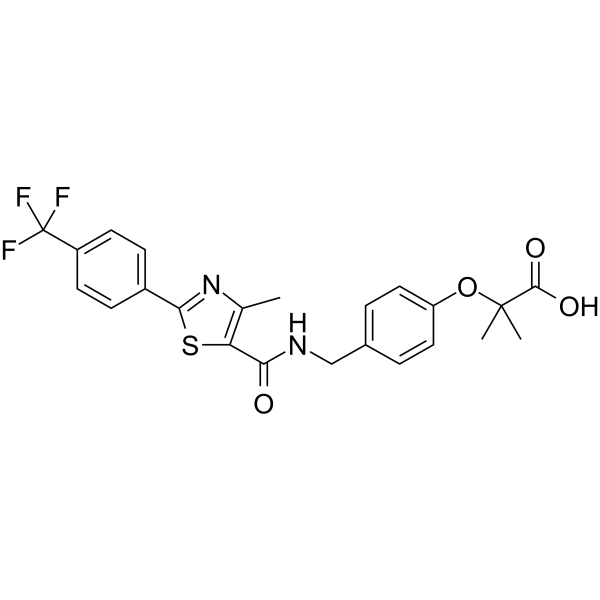
    GW 590735 is a potent and selective PPARα agonist. GW 590735 showsEC50=4 nM on PPARα and at least 500-fold selectivity versus PPARδ and PPARγ. GW 590735 can be used for the research of dyslipidemia .
    GW 590735
  • HY-135831
    AHR antagonist 2
    1 Publications Verification

    Aryl Hydrocarbon Receptor Inflammation/Immunology Cancer
    AHR antagonist 2 (Example 1) is a potent aryl hydrocarbon receptor (AHR) antagonist with IC50s of 885 pM and 2.03 nM for human and mouse AHR. AHR antagonist 2 can be used for the studies of cancers and imbalance of the immune response .
    AHR antagonist 2
  • HY-Y0537K

    Biochemical Assay Reagents Cardiovascular Disease
    Potassium chloride, ACS, 99.0% is a metal halide salt composed of potassium and chlorine. Potassium chloride, ACS, 99.0% replenishes electrolytes, corrects water-electrolyte imbalance, and is used in hypokalemia research. Potassium chloride, ACS, 99.0% is also used to prepare buffer solutions and produce fertilizers, with applications in the fields of medicine, scientific research and food processing. Potassium chloride, ACS, 99.0% plays a key role in protein extraction and dissolution .
    Potassium chloride, ACS, 99.0%
  • HY-B0113R

    H 16868 (Standard)

    Reference Standards Na+/K+ ATPase Interleukin Related Proton Pump Cytochrome P450 Bacterial Apoptosis Autophagy TNF Receptor Atg8/LC3 Infection Metabolic Disease Cancer
    Omeprazole (Standard) is the analytical standard of Omeprazole. This product is intended for research and analytical applications. Omeprazole (H 16868) is an orally active H +,K +-ATPase inhibitor and a proton pump inhibitor. Omeprazole competitively inhibits CYP2C19, CYP3A4, and CYP2C9 activity. Omeprazole inhibits gastric acid secretion and can be used for acid-related gastrointestinal disorders. Omeprazole inhibits pancreatic cancer cell proliferation, induces apoptosis, autophagosome accumulation (elevated LC3-I and LC3-II levels), oxidative stress, and cytogenetic imbalance, modulates lysosomal transport, reduces inflammatory cytokines. Omeprazole alters small intestinal morphology and magnesium absorption, and induces gastric mucosa morphologic changes. Omeprazole aslo has neuroprotective and antibacterial effects .
    Omeprazole (Standard)
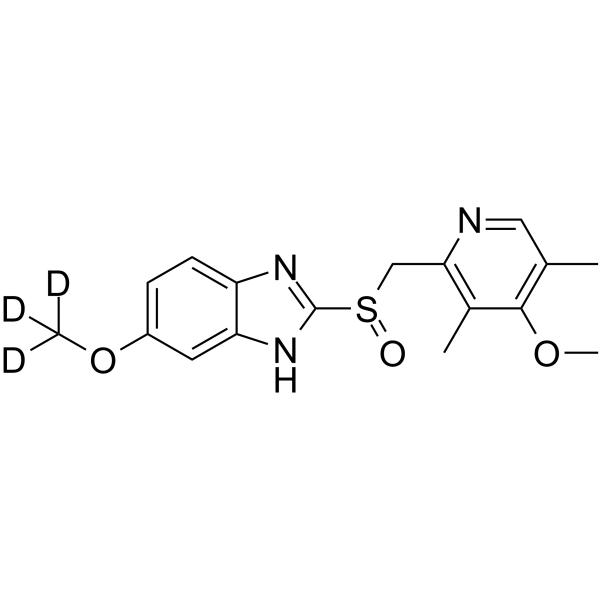
  • HY-B0113S
    Omeprazole-d3
    1 Publications Verification

    H 16868-d3

    Na+/K+ ATPase Interleukin Related Proton Pump Cytochrome P450 Bacterial Apoptosis Autophagy TNF Receptor Atg8/LC3 Infection Metabolic Disease Cancer
    Omeprazole-d3 (H 16868-d3) is deuterium labeled Omeprazole. Omeprazole (H 16868) is an orally active H +,K +-ATPase inhibitor and a proton pump inhibitor. Omeprazole competitively inhibits CYP2C19, CYP3A4, and CYP2C9 activity. Omeprazole inhibits gastric acid secretion and can be used for acid-related gastrointestinal disorders. Omeprazole inhibits pancreatic cancer cell proliferation, induces apoptosis, autophagosome accumulation (elevated LC3-I and LC3-II levels), oxidative stress, and cytogenetic imbalance, modulates lysosomal transport, reduces inflammatory cytokines. Omeprazole alters small intestinal morphology and magnesium absorption, and induces gastric mucosa morphologic changes. Omeprazole aslo has neuroprotective and antibacterial effects .
    Omeprazole-d3
  • HY-109546

    Na+/K+ ATPase Interleukin Related Proton Pump Cytochrome P450 Bacterial Apoptosis Autophagy TNF Receptor Atg8/LC3 Infection Metabolic Disease Cancer
    Omeprazole (H 16868) magnesium is an orally active H +,K +-ATPase inhibitor and a proton pump inhibitor. Omeprazole magnesium competitively inhibits CYP2C19, CYP3A4, and CYP2C9 activity. Omeprazole magnesium inhibits gastric acid secretion and can be used for acid-related gastrointestinal disorders. Omeprazole magnesium inhibits pancreatic cancer cell proliferation, induces apoptosis, autophagosome accumulation (elevated LC3-I and LC3-II levels), oxidative stress, and cytogenetic imbalance, modulates lysosomal transport, reduces inflammatory cytokines. Omeprazole magnesium alters small intestinal morphology and magnesium absorption, and induces gastric mucosa morphologic changes. Omeprazole magnesium aslo has neuroprotective and antibacterial effects .
    Omeprazole magnesium
  • HY-B0113S3

    H 16868-13C,d3

    Isotope-Labeled Compounds Na+/K+ ATPase Interleukin Related Proton Pump Cytochrome P450 Bacterial Apoptosis Autophagy TNF Receptor Atg8/LC3 Infection Metabolic Disease Cancer
    Omeprazole- 13C,d3 is a 13C-labeled and deuterium labeled Omeprazole. Omeprazole (H 16868) is an orally active H +,K +-ATPase inhibitor and a proton pump inhibitor. Omeprazole competitively inhibits CYP2C19, CYP3A4, and CYP2C9 activity. Omeprazole inhibits gastric acid secretion and can be used for acid-related gastrointestinal disorders. Omeprazole inhibits pancreatic cancer cell proliferation, induces apoptosis, autophagosome accumulation (elevated LC3-I and LC3-II levels), oxidative stress, and cytogenetic imbalance, modulates lysosomal transport, reduces inflammatory cytokines. Omeprazole alters small intestinal morphology and magnesium absorption, and induces gastric mucosa morphologic changes. Omeprazole aslo has neuroprotective and antibacterial effects .
    Omeprazole-13C,d3
  • HY-B1842

    Herbicide Others
    Fluroxypyr is an auxin herbicide to control annual or perennial weeds. Fluroxypyr icauses auxin overdose or excessive endogenous auxin concentrations, thereby resulting in an imbalance of auxin homeostasis and interaction with other hormones in tissues .
    Fluroxypyr
  • HY-DY1024

    Huntingtin Parasite Infection Neurological Disease
    TPE-MI (Tetraphenylethene maleimide) (solution) is a thiol probe for measuring unfolded protein load and proteostasis in cells (the excitation wavelength is 350 nm and the emission wavelength is 470 nm). TPE-MI can report imbalances in proteostasis in induced pluripotent stem cell models of Huntington disease, as well as cells transfected with mutant Huntington exon 1 before the formation of visible aggregates. TPE-MI also detects protein damage following dihydroartemisinin research of the malaria parasitesPlasmodium falciparum .
    Solvent and concentration: DMSO: 10 mM
    TPE-MI (solution)
  • HY-W013179

    Endogenous Metabolite Metabolic Disease
    18-Hydroxycorticosterone is a corticosteroid and a derivative of corticosterone, which can lead to serious electrolyte imbalances.
    18-Hydroxycorticosterone
  • HY-W130878

    Complement System Toll-like Receptor (TLR) NF-κB Inflammation/Immunology
    4-Octylphenol is a hormone disruptor that has gender-specific effects on male reproductive cells, significantly reducing the mitotic index and the number of spermatogonia. 4-Octylphenol can cause inflammatory damage to fish gills by activating the complement system through the C3a/C3aR axis and the C5a/C5aR1 axis, this leads to complement activation and causes immune suppression due to the imbalance between Th1/Th2 cells and regulatory T cells (Treg)/Th17 cells, as well as inflammatory damage via the Toll-like receptor 7 (Toll-like Receptor (TLR))/IκBα/NF-κB pathway .
    4-Octylphenol
  • HY-162084

    Autophagy Apoptosis Cancer
    BKN-1 is a bifunctional ligand that can not only track the formation of mtG4s (G-quadruplexes, four-stranded DNA structures containing Hoogsteen bonds) through far-red emission, but can also induce mitochondrial dysfunction. BKN-1 has anti-tumor activity and may cause mtDNA loss, damage mitochondrial integrity, reduce ATP levels, and trigger ROS imbalance, leading to apoptosis and autophagy .
    BKN-1
  • HY-B0399S2

    (R)-Carnitine-13C3; Levocarnitine-13C3

    Isotope-Labeled Compounds Endogenous Metabolite Neurological Disease Cancer
    L-Carnitine- 13C3 ((R)-Carnitine- 13C3) is the 13C--labeled L-Carnitine (HY-B0399). L-Carnitine ((R)-Carnitine), a highly polar, small zwitterion, is an essential co-factor for the mitochondrial β-oxidation pathway. L-Carnitine functions to transport long chain fatty acyl-CoAs into the mitochondria for degradation by β-oxidation. L-Carnitine is an antioxidant. L-Carnitine can ameliorate metabolic imbalances in many inborn errors of metabolism .
    L-Carnitine-13C3
  • HY-176547

    FGFR Cytochrome P450 Endocrinology
    FGFR2/3-IN-3 is a dual-target FGFR2/3 inhibitor with IC50s of 2.7 nM (TEL-FGFR2) and 3.9 nM (TEL-FGFR3), respectively. FGFR2/3-IN-3 has effective activity against both wild-type and mutant FGFR3. FGFR2/3-IN-3 has low CYP3A4 inhibitory effect and hERG toxicity. FGFR2/3-IN-3 improves the imbalance between chondrocyte proliferation and differentiation and promotes bone growth by inhibiting the signaling pathway mediated by mutant FGFR3. FGFR2/3-IN-3 shows a growth-promoting effect in a dwarfism mouse model and has the potential to study bone development disorder-related diseases such as achondroplasia (ACH) .
    FGFR2/3-IN-3
  • HY-P1363S1

    Isotope-Labeled Compounds Amyloid-β Neurological Disease
    β-Amyloid (1-42), human, Ala( 13C3, 15N) TFA is the 13C and 15N-labeled β-Amyloid (1-42), human (HY-P1363A). β-Amyloid (1-42) (Amyloid β-peptide (1-42)), human, a 42-amino acid peptide that has not been treated with HFIP, is a brain-penetrant amyloid protein fragment, which can be used in research on Alzheimer's disease and Down’s syndrome. β-Amyloid (1-42), human remaining as a monomer exhibits antioxidant and neuroprotective effects. β-Amyloid (1-42), human, after being monomericized by HFIP and dissolved in DMSO to form the stock solution, on the one hand, can form soluble oligomers (AβOs) when incubated at 4 °C, which have synaptic toxicity and neurotoxicity; on the other hand, it can be incubated at 37 °C to form insoluble fibrils, with lower neurotoxicity, and participating in the oxidative damage process. Aβ42 oligomers bind to various neuronal surface receptors (such as PrPc, mGluR5, NMDA receptors, etc.), triggering oxidative stress, calcium homeostasis imbalance, and synaptic toxicity via activating downstream signaling pathways, leading to neuronal dysfunction and death .
    β-Amyloid (1-42), human, Ala(13C3,15N) TFA
  • HY-106278A

    PPAR Metabolic Disease
    GW 590735 sodium is a potent and selective PPARα agonist with activity in regulating lipid metabolism. GW 590735 significantly increased high-density lipoprotein (HDL) cholesterol, decreased low-density lipoprotein (LDL) and very low-density lipoprotein (VLDL) cholesterol, and significantly reduced triglycerides. The maximum increases in HDL cholesterol for GW 590735 were 37%, 53% and 84%, respectively, compared with bezafibrate, torcetrapib and GW 590735 .
    GW 590735 sodium
  • HY-W013179S

    Endogenous Metabolite Metabolic Disease
    18-Hydroxycorticosterone-d4 is the deuterium labeled 18-Hydroxycorticosterone. 18-Hydroxycorticosterone is a corticosteroid and a derivative of corticosterone, which can lead to serious electrolyte imbalances.
    18-Hydroxycorticosterone-d4
  • HY-B1951R

    Herbicide Reference Standards Endocrinology Cancer
    Trietazine (Standard) is the analytical standard of Trietazine. This product is intended for research and analytical applications. Trietazine is a selective pre- and post-emergence glyphosate-based herbicide. Trietazine residues cause human health risks, such as cancer, birth defects, and hormone imbalance .
    Trietazine (Standard)
  • HY-B1842R

    Herbicide Reference Standards Others
    Fluroxypyr (Standard) is the analytical standard of Fluroxypyr. This product is intended for research and analytical applications. Fluroxypyr is an auxin herbicide to control annual or perennial weeds. Fluroxypyr icauses auxin overdose or excessive endogenous auxin concentrations, thereby resulting in an imbalance of auxin homeostasis and interaction with other hormones in tissues .
    Fluroxypyr (Standard)
  • HY-174833

    Monoamine Oxidase Neurological Disease
    MAO-A-IN-2 (Compound 4l) is a selective monoamine oxidase A (MAO-A) inhibitor with an IC50 value of 0.4 μM. MAO-A-IN-2 reduces the degradation of monoamine neurotransmitters (e.g., serotonin, norepinephrine). MAO-A-IN-2 is promising for research of neurological diseases related to monoamine neurotransmitter imbalance such as depression and anxiety disorders .
    MAO-A-IN-2
  • HY-P2419

    GnRH Receptor Endocrinology
    [Ala6]-LHRH is a synthetic luteinizing hormone-releasing hormone agonist, demonstrating effective stimulation of pituitary luteinizing hormone secretion. [Ala6]-LHRH enhances reproductive hormone regulation, contributing to fertility treatments. [Ala6]-LHRH plays a crucial role in managing conditions related to hormone imbalances.
    [Ala6]-LHRH
  • HY-162824

    Apoptosis Cancer
    Antitumor photosensitizer-6 (Compound Ru2) shows synergetic type I/II photosensitization and photocatalytic activity upon 595 nm light excitation. Ru2 induces intracellular redox imbalance and affects the biosynthetic and metabolic processes, leading to cell apoptosis. Antitumor photosensitizer-6 can be used for research of photodynamic therapy (PDT) .
    Antitumor photosensitizer-6
  • HY-W768772

    Isotope-Labeled Compounds Herbicide Others
    Fluroxypyr- 13C2,d2 is the deuterium labeled and 13C-labeled Fluroxypyr (HY-B1842). Fluroxypyr is an auxin herbicide to control annual or perennial weeds. Fluroxypyr icauses auxin overdose or excessive endogenous auxin concentrations, thereby resulting in an imbalance of auxin homeostasis and interaction with other hormones in tissues .
    Fluroxypyr-13C2,d2
  • HY-161388

    Ferroptosis Mitophagy Cancer
    NSCLC-IN-1 (Compound A10-2) induces mitophagy and ferroptosis through targeting transmembrane BAX inhibitor motif containing 6 (TMBIM6). NSCLC-IN-1 induces mitochondrial Ca 2+ imbalance, leading to mitochondrial damage. NSCLC-IN-1 reduces intracellular glutathione (GSH), increases the accumulation of lipid peroxides (LPO) and malondialdehyde (MDA) content. NSCLC-IN-1 is a potent anti-NSCLC agent .
    NSCLC-IN-1
  • HY-B2246R

    (R)-Carnitine hydrochloride (Standard); Levocarnitine hydrochloride (Standard)

    Reference Standards Endogenous Metabolite Metabolic Disease Cancer
    L-Carnitine (hydrochloride) (Standard) is the analytical standard of L-Carnitine (hydrochloride). This product is intended for research and analytical applications. L-Carnitine hydrochloride ((R)-Carnitine hydrochloride), a highly polar, small zwitterion, is an essential co-factor for the mitochondrial β-oxidation pathway. L-Carnitine hydrochloride functions to transport long chain fatty acyl-CoAs into the mitochondria for degradation by β-oxidation. L-Carnitine hydrochloride is an antioxidant. L-Carnitine hydrochloride can ameliorate metabolic imbalances in many inborn errors of metabolism .
    L-Carnitine hydrochloride (Standard)
  • HY-N0594R

    Reference Standards SOD TNF Receptor Interleukin Related Inflammation/Immunology
    Deacetylasperulosidic Acid (Standard) is the analytical standard of Deacetylasperulosidic Acid. This product is intended for research and analytical applications. Deacetylasperulosidic Acid is an orally active antioxidant. Deacetylasperulosidic Acid exerts a definite in vivo antioxidant effect and alleviates oxidative stress injury by enhancing SOD activity. In atopic dermatitis models, Deacetylasperulosidic Acid corrects Th2-skewed immune imbalance and reduces allergy-related factors; in immunosuppression models, it activates cellular immunity, enhances NK cell activity and IL-2 production. Deacetylasperulosidic Acid can be used in the research of atopic dermatitis.
    Deacetylasperulosidic Acid (Standard)
  • HY-B0399G

    (R)-Carnitine; Levocarnitine

    Endogenous Metabolite Neurological Disease Cancer
    L-Carnitine (GMP) is L-Carnitine (HY-B0399) produced by using GMP guidelines. GMP small molecules work appropriately as an auxiliary reagent for cell therapy manufacture. L-Carnitine, a highly polar, small zwitterion, is an essential co-factor for the mitochondrial β-oxidation pathway. L-Carnitine functions to transport long chain fatty acyl-CoAs into the mitochondria for degradation by β-oxidation. L-Carnitine is an antioxidant. L-Carnitine can ameliorate metabolic imbalances in many inborn errors of metabolism .
    L-Carnitine

Inquiry Online

Your information is safe with us. * Required Fields.

Salutation


Country or Region *

Applicant Name *


Organization Name *

Department *


Email Address *


Product Name *

Cat. No.


Requested quantity *

Phone Number *


Remarks

Inquiry Online

Inquiry Information

Product Name:
Cat. No.:
Quantity:
MCE Japan Authorized Agent:

