


1. Search Result
Search Result
Results for "

immune component

" in MedChemExpress (MCE) Product Catalog:

55

Inhibitors & Agonists

6

Screening Libraries

5

Biochemical Assay Reagents

5

Peptides

1

Inhibitory Antibodies

18

Natural
Products

13

Isotope-Labeled Compounds

13

Oligonucleotides

Cat. No. Product Name Target Research Areas Chemical Structure
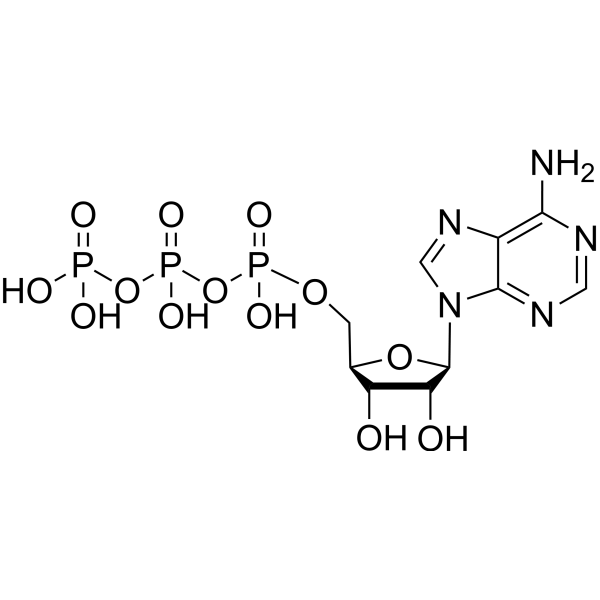
  • HY-B2176
    ATP
    Maximum Cited Publications
    152 Publications Verification

    Adenosine 5'-triphosphate

    Endogenous Metabolite NOD-like Receptor (NLR) Interleukin Related Bacterial Infection Metabolic Disease Inflammation/Immunology
    ATP (Adenosine 5'-triphosphate) is a central component of energy storage and metabolism in vivo. ATP provides the metabolic energy to drive metabolic pumps and serves as a coenzyme in cells. ATP is an important endogenous signaling molecule in immunity and inflammation. ATP can activate the NLRP3 inflammasome and induce IL-1β and chemokines secretion. ATP has anti-bacterial infection effects and can protect mice against bacterial infection in mice .
    ATP
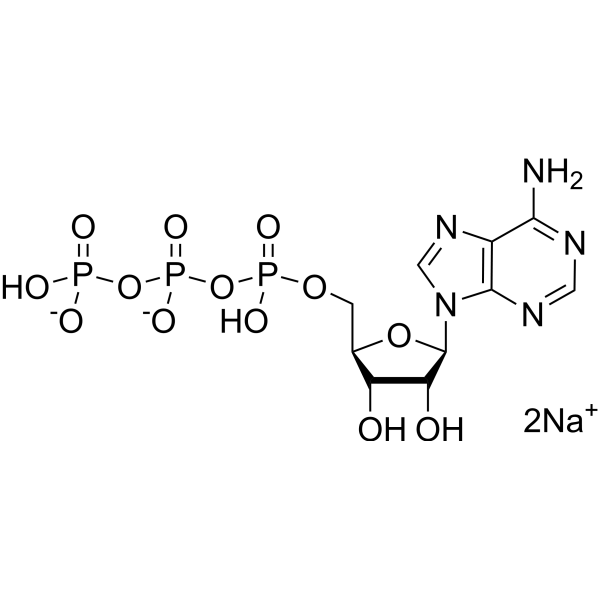
  • HY-B0345A
    ATP disodium salt
    145+ Cited Publications

    Adenosine 5'-triphosphate disodium salt; Disodium adenosine triphosphate

    Endogenous Metabolite Metabolic Disease Inflammation/Immunology Cancer
    ATP disodium salt (Adenosine 5'-triphosphate disodium salt) is a central component of energy storage and metabolism in vivo, provides the metabolic energy to drive metabolic pumps and serves as a coenzyme in cells. ATP disodium salt is an important endogenous signaling molecule in immunity and inflammation .
    ATP disodium salt
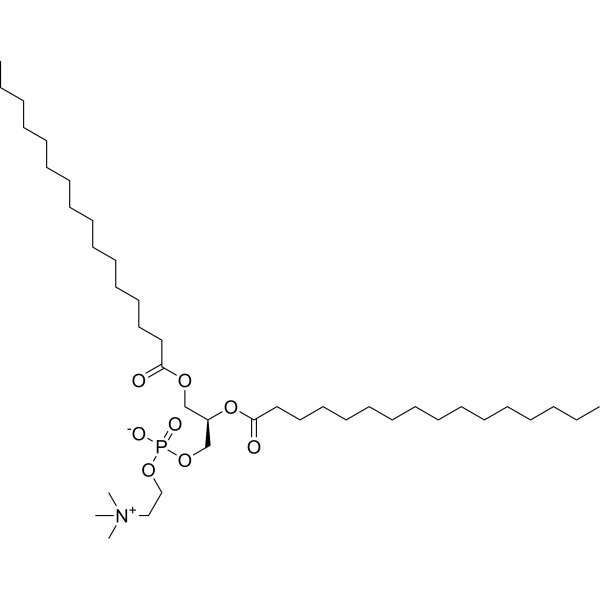
  • HY-109506
    DPPC
    5+ Cited Publications

    129Y83

    Liposome Endogenous Metabolite Others
    DPPC (129Y83) is a phosphoglyceride that can be used to prepare lipid monolayers, bilayers, and liposomes. DPPC is the main lipid component of pulmonary surfactant. Dppc-liposome can be effectively used as a delivery vector to induce an immune response against GSL antigen in mice .
    DPPC
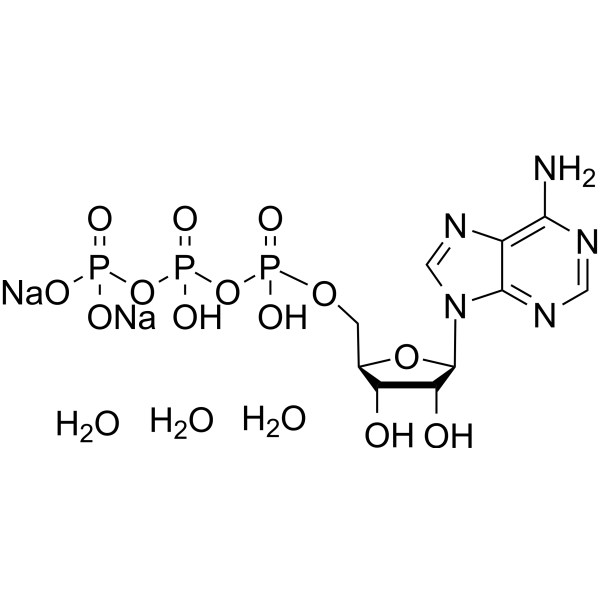
  • HY-B2176A
    ATP disodium trihydrate
    Maximum Cited Publications
    152 Publications Verification

    Adenosine-5'-triphosphate disodium trihydrate

    Endogenous Metabolite Metabolic Disease Inflammation/Immunology Cancer
    ATP disodium trihydrate (Adenosine 5'-triphosphate disodium trihydrate) is a central component of energy storage and metabolism in vivo. ATP disodium trihydrate provides the metabolic energy to drive metabolic pumps and serves as a coenzyme in cells. ATP disodium trihydrate is an important endogenous signaling molecule in immunity and inflammation .
    ATP disodium trihydrate
  • HY-P3502

    RA101495; RA3193

    Complement System Inflammation/Immunology
    Zilucoplan (RA101495), a 15-amino acid macrocyclic peptide, is a potent complement component 5 (C5) inhibitor. Zilucoplan can be used in research of immune-mediated necrotising myopathy (IMNM) .
    Zilucoplan
  • HY-W010735
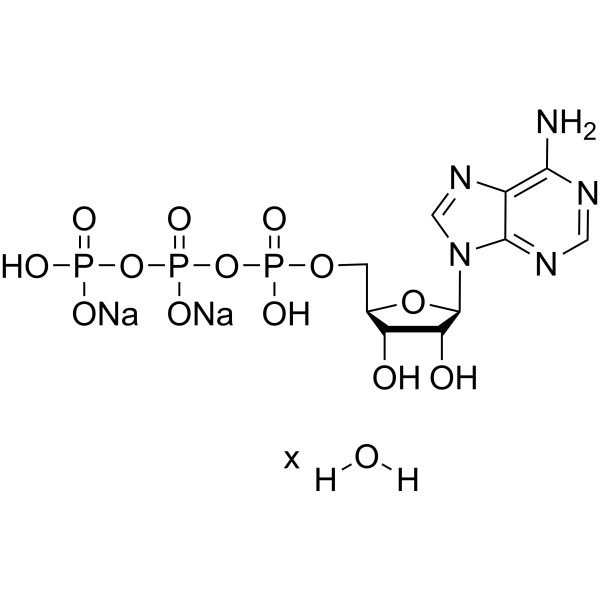
    ATP disodium salt hydrate
    145+ Cited Publications

    Adenosine 5'-triphosphate disodium salt hydrate

    Endogenous Metabolite Metabolic Disease Inflammation/Immunology Cancer
    ATP disodium salt hydrate (Adenosine 5'-triphosphatedisodium salt hydrate) is a central component of energy storage and metabolism in vivo, provides the metabolic energy to drive metabolic pumps and serves as a coenzyme in cells. ATP disodium salt hydrate is an important endogenous signaling molecule in immunity and inflammation .
    ATP disodium salt hydrate
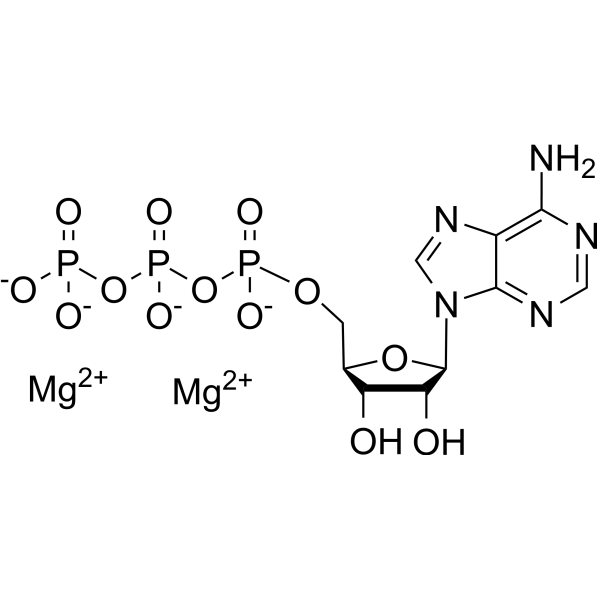
  • HY-B2176B
    ATP dimagnesium
    Maximum Cited Publications
    152 Publications Verification

    Adenosine 5'-triphosphate dimagnesium

    Endogenous Metabolite Inflammation/Immunology
    ATP (Adenosine 5'-triphosphate) dimagnesium is a central component of energy storage and metabolism in vivo. ATP dimagnesium provides the metabolic energy to drive metabolic pumps and serves as a coenzyme in cells. ATP dimagnesium is an important endogenous signaling molecule in immunity and inflammation .
    ATP dimagnesium
  • HY-B2176R

    Adenosine 5'-triphosphate (Standard)

    Reference Standards Endogenous Metabolite Metabolic Disease Inflammation/Immunology
    ATP (Standard) is the analytical standard of ATP. This product is intended for research and analytical applications. ATP (Adenosine 5'-triphosphate) is a central component of energy storage and metabolism in vivo. ATP provides the metabolic energy to drive metabolic pumps and serves as a coenzyme in cells. ATP is an important endogenous signaling molecule in immunity and inflammation . In Vitro: ATP (5 mM; 1 hour) co-treatment with LPS (1 μg/mL) has a synergistic effect on the activation of the NLRP3 inflammasome in HGFs .
    ATP (2 mM; 0.5-24 hours) induces secretion of IL-1β, KC and MIP-2 from BMDMs in a caspase-1 activation-dependent manner .
    ATP promotes neutrophil chemotaxis in vitro .
    In Vivo: ATP (50 mg/kg; i.p.) protects mice against bacterial infection in vivo .
    ATP induces the secretion of IL-1β, KC and MIP-2 and neutrophils recruitment in vivo .
    ATP (Standard)
  • HY-B2176S

    Adenosine 5'-triphosphate-13C10,15N5

    Endogenous Metabolite Metabolic Disease
    ATP- 13C10, 15N5 is the 13C and 15N labeled ATP . ATP (Adenosine 5'-triphosphate) is a central component of energy storage and metabolism in vivo. ATP provides the metabolic energy to drive metabolic pumps and serves as a coenzyme in cells. ATP is an important endogenous signaling molecule in immunity and inflammation .
    ATP-13C10,15N5
  • HY-B2176S6

    Adenosine 5'-triphosphate-13C10 dilithium

    Isotope-Labeled Compounds Endogenous Metabolite Metabolic Disease Inflammation/Immunology
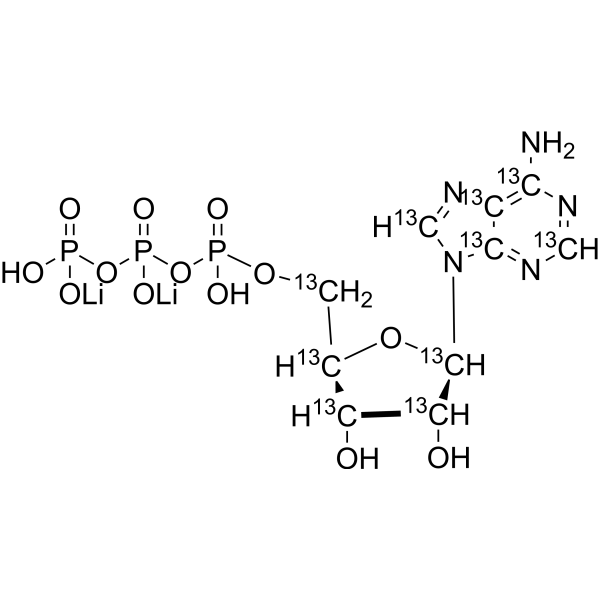
    ATP- 13C10 (Adenosine 5'-triphosphate- 13C10) dilithium is 13C-labeled ATP (HY-B2176). ATP (Adenosine 5'-triphosphate) is a central component of energy storage and metabolism in vivo. ATP provides the metabolic energy to drive metabolic pumps and serves as a coenzyme in cells. ATP is an important endogenous signaling molecule in immunity and inflammation.
    ATP-13C10 dilithium
  • HY-B2176I

    Adenosine 5'-triphosphate disodium salt, 100 mM Solution, PCR Grade

    Endogenous Metabolite NOD-like Receptor (NLR) Interleukin Related Bacterial Infection Metabolic Disease Inflammation/Immunology
    ATP (Adenosine 5'-triphosphate) disodium salt, 100 mM Solution, PCR Grade is a central component of energy storage and metabolism in vivo. ATP disodium salt, 100 mM Solution, PCR Grade provides the metabolic energy to drive metabolic pumps and serves as a coenzyme in cells. ATP disodium salt, 100 mM Solution, PCR Grade is an important endogenous signaling molecule in immunity and inflammation. ATP disodium salt, 100 mM Solution, PCR Grade can activate the NLRP3 inflammasome and induce IL-1β and chemokines secretion. ATP disodium salt, 100 mM Solution, PCR Grade has anti-bacterial infection effects and can protect mice against bacterial infection in mice .
    ATP disodium salt, 100 mM Solution, PCR Grade
  • HY-101092B

    Drug Intermediate Inflammation/Immunology Cancer
    QS-21-Xyl is a active component of QS-21 (HY-101092A). QS-21 is a natural vaccine adjuvant and induces a balanced Th1/Th2 immune response, particularly cellular immunity .
    QS-21-Xyl
  • HY-P99358

    GSK 2398852; Anti-Serum Amyloid P/SAP Reference Antibody (dezamizumab)

    Complement System Inflammation/Immunology
    Dezamizumab (GSK 2398852) is a fully humanized clonal IgG1 antibody against serum amyloid P component (SAP) with complement activation and amyloid clearance-inducing activities. Dezamizumab binds to SAP associated with amyloid deposits to form complexes that activate complement and mediate phagocytic clearance, triggering activation of the classical complement pathway. Dezamizumab can be used for the research of systemic amyloidosis .
    Dezamizumab
  • HY-P4076

    HIV DNA Alkylator/Crosslinker Infection
    MPG peptides, Pβ is an amphipathic cell-penetrating peptide. MPG peptides, Pβ consists of three components: the hydrophobic fusion sequence (GALFLGFLGAAGSTMGA) of HIV glycoprotein 41, a spacer domain (WSQP), and the nuclear localization signal (KKKRKV) of the large T antigen of Simian virus 40. MPG peptides, Pβ can form stable non-covalent complexes with nucleic acids (including DNA) through electrostatic interactions and improve their intracellular delivery. MPG peptides, Pβ can be used in studies of HIV-1-related immune responses .
    MPG peptides, Pβ
  • HY-P5255

    Bacterial Infection Inflammation/Immunology
    Oligopeptide-10 is a bioactive peptide with antimicrobial activity. Oligopeptide-10 exhibits broad-spectrum bactericidal effects against Gram-positive bacteria including Propionibacterium acnes and Staphylococcus aureus. Oligopeptide-10 targets lipoteichoic acid (LTA) on the surface of bacterial cell membranes, induces bacterial osmotic imbalance by disrupting the integrity of bacterial membranes, and reduces the release of pro-inflammatory cytokines induced by bacteria. Oligopeptide-10 possesses skin-protective activity. Oligopeptide-10 can be applied in research related to acne vulgaris, dandruff, seborrheic dermatitis, and tinea pedis .
    Oligopeptide-10
  • HY-B2176S5

    Adenosine 5'-triphosphate-15N5 dilithium

    Isotope-Labeled Compounds Endogenous Metabolite Metabolic Disease Inflammation/Immunology
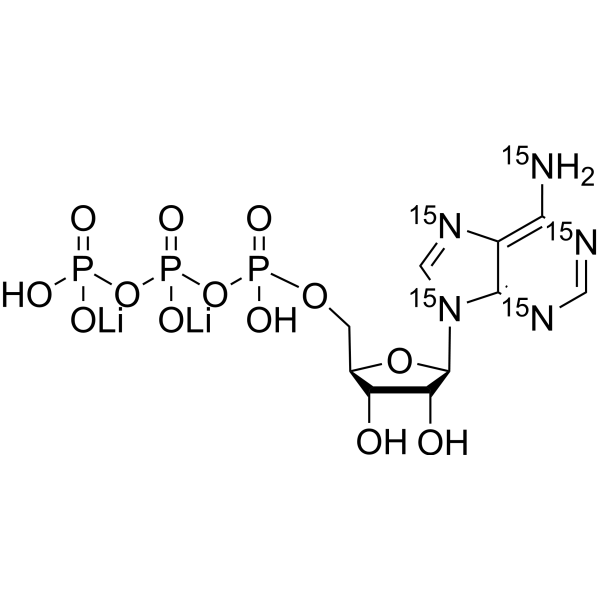
    ATP- 15N5 (Adenosine 5'-triphosphate- 15N5) dilithium is 15N labeled ATP (HY-B2176). ATP (Adenosine 5'-triphosphate) is a central component of energy storage and metabolism in vivo. ATP provides the metabolic energy to drive metabolic pumps and serves as a coenzyme in cells. ATP is an important endogenous signaling molecule in immunity and inflammation.
    ATP-15N5 dilithium
  • HY-153879

    Liposome Toll-like Receptor (TLR) Infection Inflammation/Immunology
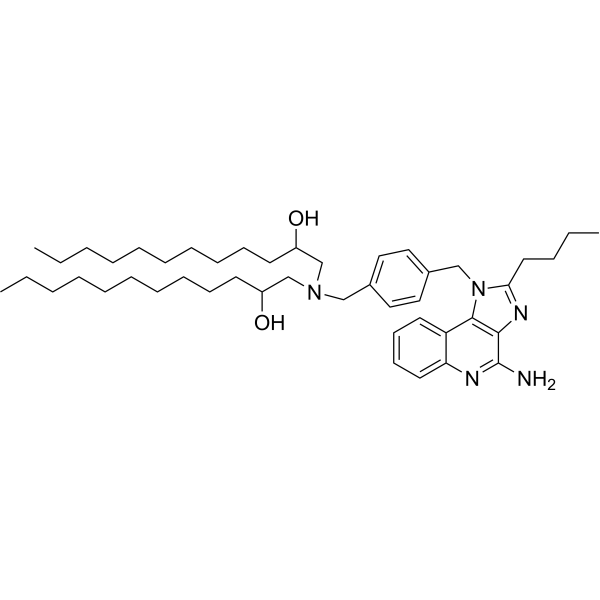
    C12-TLRa is an ionized adjuvant lipid. C12-TLRa targets TLR7/8 receptors in endosomes. C12-TLRa enhances mRNA delivery as a structural component of LNPs. C12-TLRa enhances innate immune responses. C12-TLRa can be used for the research of SARS-CoV-2 mRNA vaccine .
    C12-TLRa
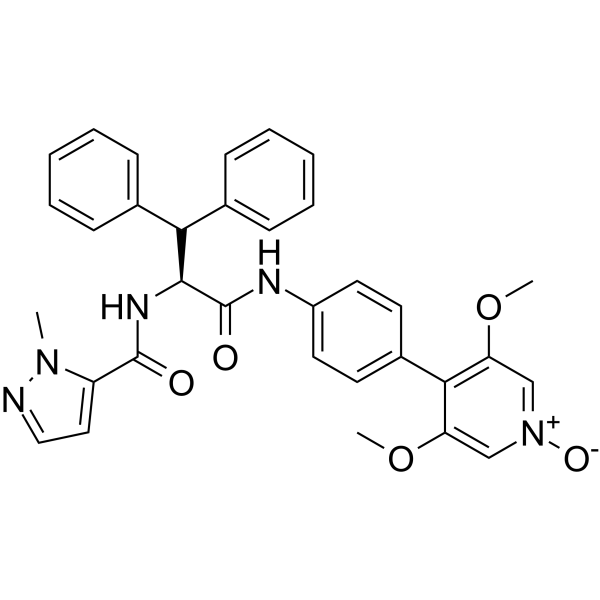
  • HY-145429
    IL-17A modulator-2
    2 Publications Verification

    Interleukin Related Neurological Disease Inflammation/Immunology Cancer
    IL-17A modulator-2 is a IL-17A modulator, extracted from patent WO2021239743+A1, example 27. IL-17A modulator-2 inhibits the biological action of IL-17A with a pIC50 of 8.3. IL-17A modulator-2 can be used for the research of diseases or disorders associated with modulation of IL-17A activity including diseases with an immune component or autoimmune pathol, cancer and neurodegenerative disorders .
    IL-17A modulator-2
  • HY-W087988

    Bacterial Sex Pheromone Phytohormone Infection Inflammation/Immunology
    3-Pentanol is an active organic compound produced by plants and is a component of insect-released pheromones. 3-Pentanol can trigger plant immunity against microbial pathogens and pests in crops by activating the SA and JA signaling pathways.
    3-Pentanol
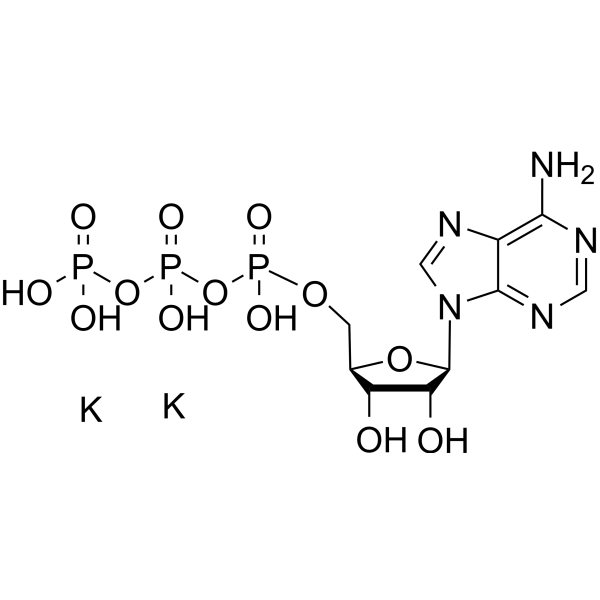
  • HY-B2176C
    ATP dipotassium
    140+ Cited Publications

    Adenosine 5'-triphosphate dipotassium

    Endogenous Metabolite Metabolic Disease Inflammation/Immunology Cancer
    ATP dipotassium (Adenosine 5'-triphosphate dipotassium) is a central component of energy storage and metabolism in vivo. ATP dipotassium provides the metabolic energy to drive metabolic pumps and serves as a coenzyme in cells. ATP dipotassium is an important endogenous signaling molecule in immunity and inflammation .
    ATP dipotassium
  • HY-B0345AS

    Endogenous Metabolite Metabolic Disease
    ATP- 18O4 (disodium salt) is the 18O labeled ATP disodium salt . ATP disodium salt (Adenosine 5'-triphosphate disodium salt) is a central component of energy storage and metabolism in vivo, provides the metabolic energy to drive metabolic pumps and serves as a coenzyme in cells. ATP disodium salt is an important endogenous signaling molecule in immunity and inflammation .
    ATP-18O4 sodium
  • HY-B2176S4

    Adenosine 5'-triphosphate-d14 dilithium

    Isotope-Labeled Compounds Endogenous Metabolite Metabolic Disease Inflammation/Immunology
    ATP-d14 (Adenosine 5'-triphosphate-d14) dilithium is deuterium labeled ATP (HY-B2176). ATP (Adenosine 5'-triphosphate) is a central component of energy storage and metabolism in vivo. ATP provides the metabolic energy to drive metabolic pumps and serves as a coenzyme in cells. ATP is an important endogenous signaling molecule in immunity and inflammation.
    ATP-d14 dilithium
  • HY-B2176S7

    Adenosine 5'-triphosphate-13C2 dilithium

    Isotope-Labeled Compounds Endogenous Metabolite Metabolic Disease Inflammation/Immunology
    ATP- 13C2 (Adenosine 5'-triphosphate- 13C2) dilithium is 13C-labeled ATP (HY-B2176). ATP (Adenosine 5'-triphosphate) is a central component of energy storage and metabolism in vivo. ATP provides the metabolic energy to drive metabolic pumps and serves as a coenzyme in cells. ATP is an important endogenous signaling molecule in immunity and inflammation.
    ATP-13C2 dilithium
  • HY-150709S1

    Isotope-Labeled Compounds Endogenous Metabolite Metabolic Disease Inflammation/Immunology
    Adenosine 5'-triphosphate-13C10,15N5 dilithium is 13C and 15N labeled dilithium salt form of Adenosine 5'-triphosphate (HY-B2176). Adenosine 5'-triphosphate is a central component of energy storage and metabolism in vivo. Adenosine 5'-triphosphate provides the metabolic energy to drive metabolic pumps and serves as a coenzyme in cells. Adenosine 5'-triphosphate is an important endogenous signaling molecule in immunity and inflammation .
    Adenosine 5'-triphosphate-13C10,15N5 dilithium
  • HY-B2176E
    ATP magnesium
    140+ Cited Publications

    Adenosine 5'-triphosphate magnesium

    Endogenous Metabolite Metabolic Disease Inflammation/Immunology
    ATP (Adenosine 5'-triphosphate) magnesium is a central component of energy storage and metabolism in vivo. ATP magnesium provides the metabolic energy to drive metabolic pumps and serves as a coenzyme in cells. ATP magnesium is an important endogenous signaling molecule in immunity and inflammation .
    ATP magnesium
  • HY-145249

    PROTAC Linkers Inflammation/Immunology
    ATP-PEG8-Biotin is a PEG-based linker that incorporates ATP. ATP is a central component of energy storage and metabolism in vivo. ATP provides the metabolic energy to drive metabolic pumps and serves as a coenzyme in cells. ATP is an important endogenous signaling molecule in immunity and inflammation .
    ATP-PEG8-Biotin
  • HY-W087988S

    Isotope-Labeled Compounds Bacterial Sex Pheromone Phytohormone Infection
    3-Pentanol-d5 is the deuterium labeled 3-Pentanol . 3-Pentanol is an active organic compound produced by plants and is a component of emitted insect sex pheromones. 3-pentanol elicits plant immunity against microbial pathogens and an insect pest in crop plants .
    3-Pentanol-d5
  • HY-P10400

    Phytohormone Inflammation/Immunology
    AtPep1 is a plant elicitor peptide. AtPep1 activates transcription of the defensive gene defensin (PDF1.2) and activates the synthesis of H2O2, which are components of the innate immune response against pathogens. AtPep1 can be isolated from extracts of Arabidopsis leaves .
    AtPep1
  • HY-109506R

    129Y83 (Standard)

    Liposome Reference Standards Endogenous Metabolite Others
    DPPC (Standard) is the analytical standard of DPPC. This product is intended for research and analytical applications. DPPC (129Y83) is a phosphoglyceride that can be used to prepare lipid monolayers, bilayers, and liposomes. DPPC is the main lipid component of pulmonary surfactant. Dppc-liposome can be effectively used as a delivery vector to induce an immune response against GSL antigen in mice .
    DPPC (Standard)
  • HY-B0345AR

    Adenosine 5'-triphosphate disodium (Standard); Disodium adenosine triphosphate (Standard)

    Reference Standards Endogenous Metabolite Metabolic Disease Inflammation/Immunology Cancer
    ATP disodium salt (Standard) is the analytical standard of ATP disodium salt (HY-B0345A). This product is intended for research and analytical applications. ATP disodium salt (Adenosine 5'-triphosphate disodium salt) is a central component of energy storage and metabolism in vivo, provides the metabolic energy to drive metabolic pumps and serves as a coenzyme in cells. ATP disodium salt is an important endogenous signaling molecule in immunity and inflammation .
    ATP disodium (Standard)
  • HY-145430

    Interleukin Related Neurological Disease Inflammation/Immunology Cancer
    IL-17A modulator-1 is a IL-17A modulator, extracted from patent WO2021239743+A1, example 9. IL-17A modulator-1 inhibits the biological action of IL-17A with a pIC50 of 8.2. IL-17A modulator-1 can be used for the research of diseases or disorders associated with modulation of IL-17A activity including diseases with an immune component or autoimmune pathol, cancer and neurodegenerative disorders .
    IL-17A modulator-1
  • HY-W698462

    (3S)-3-Hydroxytetradecanoic acid

    Drug Isomer Inflammation/Immunology
    (S)-3-Hydroxymyristic acid ((3S)-3-Hydroxytetradecanoic acid) is the enantiomer of (R)-3-hydroxytetradecanoic acid (a lipid A component) (HY-W288375), and enhances the inherent immune adjuvant activity of lipid A .
    (S)-3-Hydroxymyristic acid
  • HY-145240

    Eukaryotic Initiation Factor (eIF) Infection Cancer
    eIF4E-IN-1 is a potent inhibitor of eIF4E. eIF4E-IN-1 inhibits immunosuppression components such as immune checkpoint proteins PD-1, PD-L1, LAG3, TIM3, and/or IDO, in order to inhibit or release immune suppression in certain diseases, such as cancer and infectious disease (extracted from patent WO2021003194A1, compound Y) .
    eIF4E-IN-1
  • HY-159746

    Biochemical Assay Reagents Inflammation/Immunology
    Carbomer adjuvant (HS801) is an adjuvant composed of carbomer and cationic polymers. This adjuvant is safe, non-toxic, and metabolizable. It can enhance the immune response, increase the antibody titer of each antigen component of the vaccine after immunization, and reduce the number of immunizations required. It is suitable for various veterinary vaccines. It is recommended for use in porcine circovirus, mycoplasma hyopneumoniae, and haemophilus parasuis.
    Carbomer adjuvant (HS801)
  • HY-W010735R

    Adenosine 5'-triphosphate disodium salt hydrate (Standard)

    Reference Standards Endogenous Metabolite Metabolic Disease Inflammation/Immunology Cancer
    ATP (disodium salt hydrate) (Standard) is the analytical standard of ATP (disodium salt hydrate). This product is intended for research and analytical applications. ATP disodium salt hydrate (Adenosine 5'-triphosphatedisodium salt hydrate) is a central component of energy storage and metabolism in vivo, provides the metabolic energy to drive metabolic pumps and serves as a coenzyme in cells. ATP disodium salt hydrate is an important endogenous signaling molecule in immunity and inflammation .
    ATP disodium salt hydrate (Standard)
  • HY-156574

    DGK Cancer
    DGKζ-IN-4 is a DGK-zeta inhibitor. DGKζ-IN-4 can be used as an active component of pharmaceutical compositions. DGKζ-IN-4 is used to treat cancers associated with immune cell activation or cancers resistant to anti-PD-1 antibody/anti-PD-11 antibody research .
    DGKζ-IN-4
  • HY-163696A

    Proton Pump Others Neurological Disease Cancer
    HV1-IN-1 hydrochloride is an inhibitor of the human voltage-gated proton channel (hHV1). HV1-IN-1 hydrochloride works by binding to the VSD of the HV1 channel. The VSD is a component of the HV1 channel that is responsible for detecting changes in membrane potential and triggering the opening of the channel. HV1-IN-1 hydrochloride can be used in the study of cancer, neuroinflammation and immune response .
    HV1-IN-1 hydrochloride
  • HY-P3502A

    RA101495 TFA; RA3193 TFA

    Complement System Inflammation/Immunology
    Zilucoplan TFA (RA101495), a 15-amino acid macrocyclic peptide, is a potent complement component 5 (C5) inhibitor. Zilucoplan TFA can be used in research of immune-mediated necrotising myopathy (IMNM) .
    Zilucoplan TFA
  • HY-159743

    Toll-like Receptor (TLR) Inflammation/Immunology
    M101 is a vaccine adjuvant. Its main component is highly purified immunologically active substances with a pH value ranging from 4.0 to 6.5. This adjuvant is safe, non-toxic and metabolizable, and can effectively induce immune responses in the body. It has strong immune effects on both T-cell-dependent and T-cell-independent antigens. This adjuvant is applicable to various veterinary vaccines and is recommended for use in porcine circovirus.
    M101
  • HY-137721

    Endonuclease Infection
    Cyclic tri-AMP is a component of the cyclic oligonucleotide-based anti-phage signaling system (CBASS), and acts as the second messenger in the immune response against viral infection. Cyclic tri-AMP binds to and activates DNA endonuclease NucC, results in cell death and exhibits antiviral activity .
    Cyclic tri-AMP
  • HY-109506S9
    DPPC-13C2
    1 Publications Verification

    129Y83-13C2

    Isotope-Labeled Compounds Endogenous Metabolite Liposome Others
    DPPC-13C2 is a deuterated labeled DPPC . DPPC (129Y83) is a phosphoglyceride that can be used to prepare lipid monolayers, bilayers, and liposomes. DPPC is the main lipid component of pulmonary surfactant. Dppc-liposome can be effectively used as a delivery vector to induce an immune response against GSL antigen in mice .
    DPPC-13C2
  • HY-B2176AR

    Adenosine-5'-triphosphate disodium trihydrate (Standard)

    Endogenous Metabolite Reference Standards Metabolic Disease Inflammation/Immunology Cancer
    ATP (disodium trihydrate) (Standard) is the analytical standard of ATP (disodium trihydrate). This product is intended for research and analytical applications. ATP disodium trihydrate (Adenosine 5'-triphosphate disodium trihydrate) is a central component of energy storage and metabolism in vivo. ATP disodium trihydrate provides the metabolic energy to drive metabolic pumps and serves as a coenzyme in cells. ATP disodium trihydrate is an important endogenous signaling molecule in immunity and inflammation .
    ATP disodium trihydrate (Standard)
  • HY-B2176D

    Adenosine 5'-triphosphate ditromethamine

    Endogenous Metabolite Metabolic Disease Inflammation/Immunology
    ATP ditromethamine (Adenosine 5'-triphosphate ditromethamine) is a central component of energy storage and metabolism in vivo. ATP ditromethamine provides the metabolic energy to drive metabolic pumps and serves as a coenzyme in cells. ATP ditromethamine is an important endogenous signaling molecule in immunity and inflammation .
    ATP ditromethamine
  • HY-W087988R

    Reference Standards Bacterial Sex Pheromone Phytohormone Infection Inflammation/Immunology
    3-Pentanol (Standard) is an analytical reference standard of 3-Pentanol. 3-Pentanol is an active organic compound produced by plants and is a component of insect-released pheromones. 3-Pentanol can trigger plant immunity against microbial pathogens and pests in crops by activating the SA and JA signaling pathways.
    3-Pentanol (Standard)
  • HY-138247R

    EX-A4764 (Standard); UUN51204 (Standard)

    Beta-lactamase Reference Standards Bacterial Antibiotic Infection
    ATP (disodium salt) (Standard) is the analytical standard of ATP (disodium salt). This product is intended for research and analytical applications. ATP disodium salt (Adenosine 5'-triphosphate disodium salt) is a central component of energy storage and metabolism in vivo, provides the metabolic energy to drive metabolic pumps and serves as a coenzyme in cells. ATP disodium salt is an important endogenous signaling molecule in immunity and inflammation .
    β-Lactamase-IN-2 (Standard)
  • HY-B2176BR

    Adenosine 5'-triphosphate dimagnesium (Standard)

    Endogenous Metabolite Reference Standards Inflammation/Immunology
    ATP (dimagnesium) (Standard) is the analytical standard of ATP (dimagnesium). This product is intended for research and analytical applications. ATP (Adenosine 5'-triphosphate) dimagnesium is a central component of energy storage and metabolism in vivo. ATP dimagnesium provides the metabolic energy to drive metabolic pumps and serves as a coenzyme in cells. ATP dimagnesium is an important endogenous signaling molecule in immunity and inflammation .
    ATP dimagnesium (Standard)
  • HY-159753

    Toll-like Receptor (TLR) Inflammation/Immunology
    HS105 is a vaccine adjuvant and a key component in vaccines. Adjuvants can be divided into immunostimulants and delivery systems. Adjuvants can not only enhance the intensity and durability of immune responses, but also affect the type of immune responses. On the one hand, immunostimulants promote the production of antigen signals and co-stimulatory signals by targeting Toll-like receptors (TLRs) and other pattern recognition receptors (PRRs), leading to the maturation and activation of antigen presenting cells (APCs), thereby enhancing adaptive immune responses; on the other hand, delivery systems are carrier materials that promote antigen delivery by prolonging the bioavailability of loaded antigens and targeting antigens to lymph nodes or APCs. Several common adjuvants include: saponins, TLRs agonists, polysaccharides, nanoparticles, cytokines, and mucosal adjuvants .
    HS105
  • HY-W127442R

    Ethyl 2-Ethylbutyrate (Standard)

    Bacterial Antibiotic Reference Standards Others
    DPPC (Standard) is the analytical standard of DPPC. This product is intended for research and analytical applications. DPPC (129Y83) is a phosphoglyceride that can be used to prepare lipid monolayers, bilayers, and liposomes. DPPC is the main lipid component of pulmonary surfactant. Dppc-liposome can be effectively used as a delivery vector to induce an immune response against GSL antigen in mice .
    Etzadroxil (Standard)
  • HY-109506S2

    (Rac)-129Y83-d6

    Isotope-Labeled Compounds Others
    (Rac)-DPPC-d6 is a deuterated labeled DPPC . DPPC (129Y83) is a phosphoglyceride that can be used to prepare lipid monolayers, bilayers, and liposomes. DPPC is the main lipid component of pulmonary surfactant. Dppc-liposome can be effectively used as a delivery vector to induce an immune response against GSL antigen in mice .
    (Rac)-DPPC-d6
  • HY-174523

    mRNA Inflammation/Immunology
    Human TLR5 mRNA encodes the human toll like receptor 5 (TLR5) protein, a member of the Toll-like receptor (TLR) family which plays a fundamental role in pathogen recognition and activation of innate immunity. TLR5 recognizes bacterial flagellin, the principal component of bacterial flagella and a virulence factor. The activation of this receptor mobilizes the nuclear factor NF-kappaB, which in turn activates a host of inflammatory-related target genes.
    Human TLR5 mRNA

Inquiry Online

Your information is safe with us. * Required Fields.

Salutation


Country or Region *

Applicant Name *


Organization Name *

Department *


Email Address *


Product Name *

Cat. No.


Requested quantity *

Phone Number *


Remarks

Inquiry Online

Inquiry Information

Product Name:
Cat. No.:
Quantity:
MCE Japan Authorized Agent:

