1. Search Result
Search Result
Results for "

immunomodulatory effects

" in MedChemExpress (MCE) Product Catalog:

131

Inhibitors & Agonists

1

Screening Libraries

2

Fluorescent Dyes

2

Biochemical Assay Reagents

10

Peptides

1

Inhibitory Antibodies

41

Natural
Products

13

Isotope-Labeled Compounds

1

Click Chemistry

12

Oligonucleotides

1

GMP Molecules

Cat. No. Product Name Target Research Areas Chemical Structure
  • HY-N0092
    Inosine
    Maximum Cited Publications
    16 Publications Verification

    Adenosine Receptor Endogenous Metabolite Neurological Disease Inflammation/Immunology Cancer
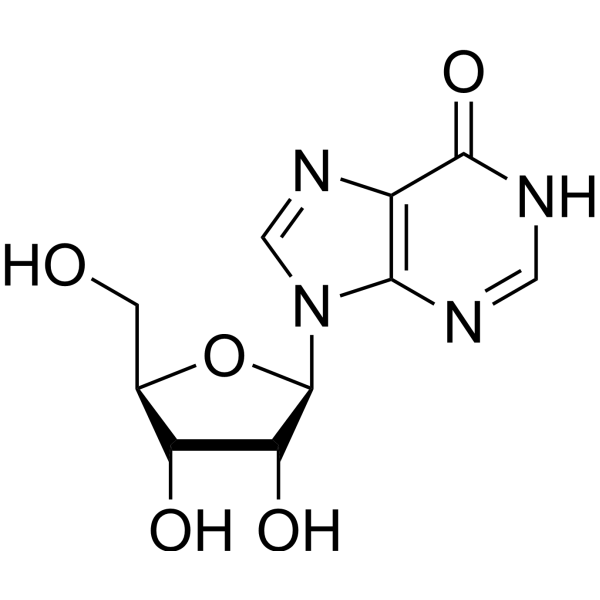
    Inosine is an endogenous purine nucleoside produced by catabolism of adenosine. Inosine has anti-inflammatory, antinociceptive, immunomodulatory and neuroprotective effects. Inosine is an agonist for adenosine A1 (A1R) and A2A (A2AR) receptors .
    Inosine
  • HY-B0195
    Tranilast
    5+ Cited Publications

    MK-341; SB 252218

    Angiotensin Receptor Prostaglandin Receptor Cardiovascular Disease Inflammation/Immunology Endocrinology Cancer
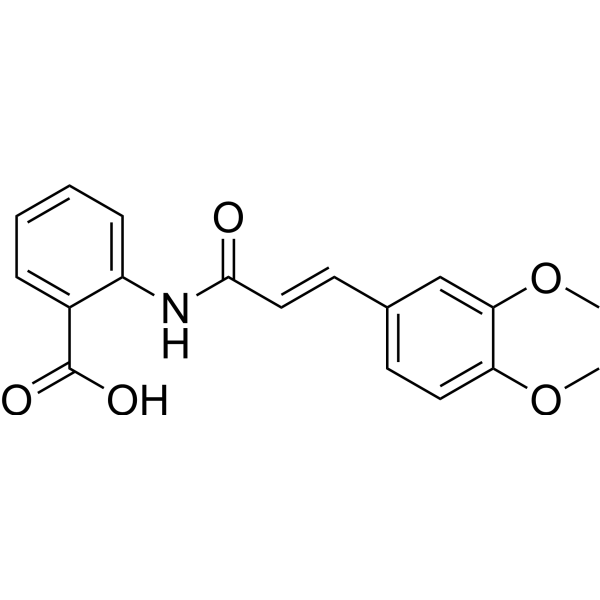
    Tranilast (MK-341) acts as an anti-atopic agent. Tranilast suppresses production of prostaglandin D2 (PGD2, IC50= 0.1 mM). Tranilast sodium exhibits anti-inflammatory and immunomodulatory effects . Tranilast sodium antagonizes angiotensin II and inhibits its biological effects in vascular smooth muscle cells .
    Tranilast
  • HY-B1490
    Imipramine hydrochloride
    5+ Cited Publications

    Serotonin Transporter Apoptosis Autophagy Neurological Disease Inflammation/Immunology Cancer
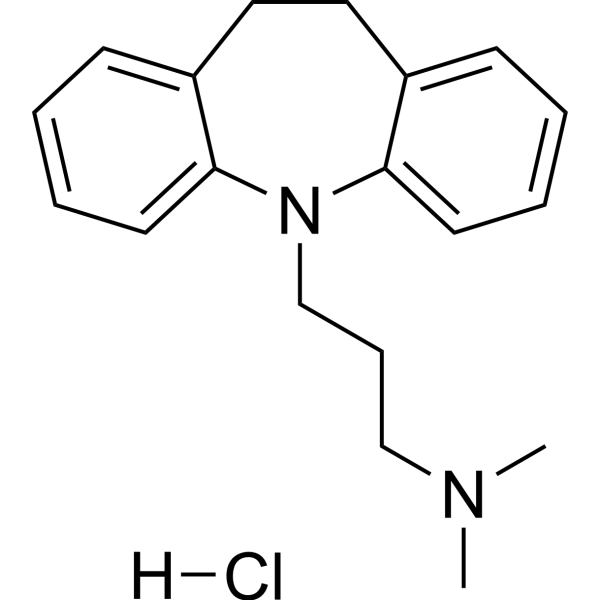
    Imipramine hydrochloride is an orally active tertiary amine tricyclic antidepressant. Imipramine hydrochloride is a Fascin1 inhibitor with antitumor activities. Imipramine hydrochloride also inhibits serotonin transporter with an IC50 value of 32 nM. Imipramine hydrochloride stimulates U-87MG glioma cells autophagy and induces HL-60 cell apoptosis. Imipramine hydrochloride shows neuroprotective and immunomodulatory effects .
    Imipramine hydrochloride
  • HY-B1490A
    Imipramine
    5+ Cited Publications

    Serotonin Transporter Autophagy Apoptosis Neurological Disease Inflammation/Immunology Cancer
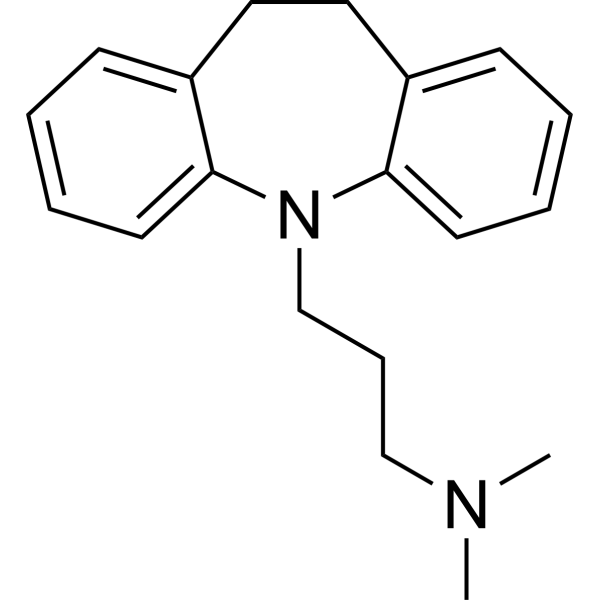
    Imipramine is an orally active tertiary amine tricyclic antidepressant. Imipramine is a Fascin1 inhibitor with antitumor activities. Imipramine also inhibits serotonin transporter with an IC50 value of 32 nM. Imipramine stimulates U-87MG glioma cells autophagy and induces HL-60 cell apoptosis. Imipramine shows neuroprotective and immunomodulatory effects .
    Imipramine
  • HY-A0062
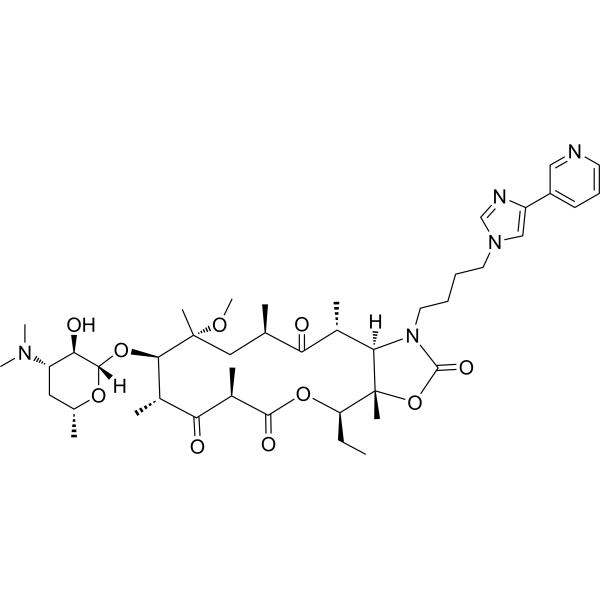
    Telithromycin
    5 Publications Verification

    HMR3647; RU66647

    Bacterial Antibiotic Infection Inflammation/Immunology
    Telithromycin (HMR3647) is a novel ketolide antibiotic that structurally resembles macrolides. Telithromycin belongs to the ketolide family that is characterized by a keto group at position 3 of the macrolide ring and is active against bacteria causing community-acquired pneumonia, acute exacerbation of chronic bronchitis, and acute sinusitis. Telithromycin also has similar immunomodulatory effects as macrolides. Telithromycin can be used for the research of respiratory infections including bronchial asthma .
    Telithromycin
  • HY-148808

    RXC007

    ROCK Cancer
    Zelasudil (RXC007) is an orally active, highly selective small molecule Rho-associated coiled-coil containing protein kinase 2 (ROCK2) inhibitor with anti-fibrotic efficacy. Zelasudil elicits positive immunomodulatory effects in metastatic pancreatic tumors with increase of CD8+ and CD4+ T cell infiltrate into the tumor cortex and reduction in immunosuppressive FOXP3+ regulatory T cells at the tumor border. Zelasudil is promising for research of pancreatic ductal adenocarcinoma .
    Zelasudil
  • HY-15662
    Tulathromycin A
    2 Publications Verification

    Tulathromycin; CP 472295

    Antibiotic Bacterial Infection
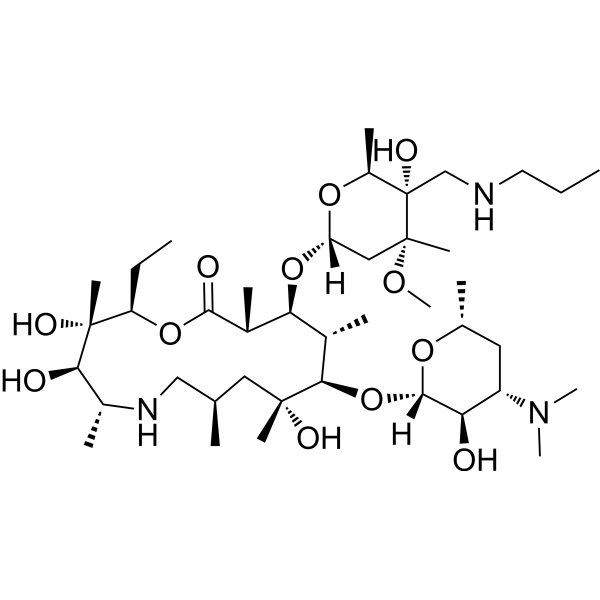
    Tulathromycin A (Tulathromycin), a macrolide antibiotic, inhibits protein synthesis (IC50=0.26 µM) by targeting bacterial ribosome. Tulathromycin A is used for the research of respiratory disease in cattle and swine. Immunomodulatory effects .
    Tulathromycin A
  • HY-12279
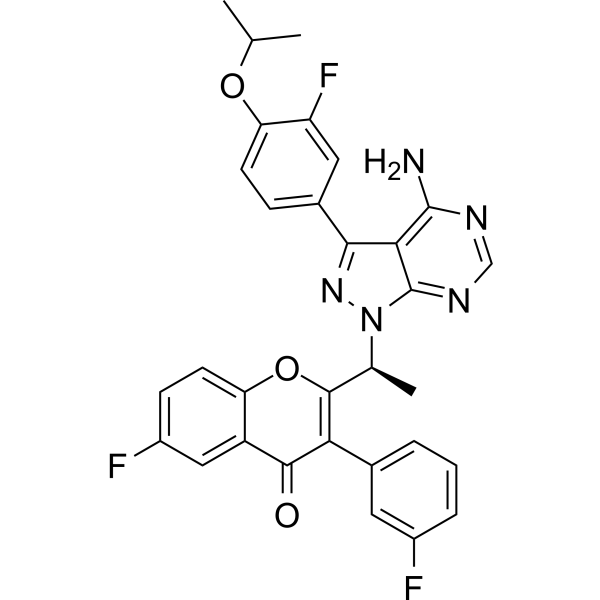
    Umbralisib
    5 Publications Verification

    TGR-1202; RP5264

    PI3K Casein Kinase Cancer
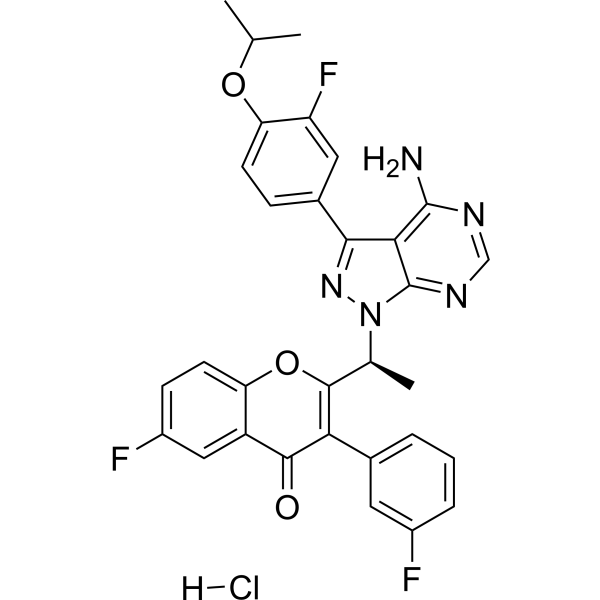
    Umbralisib (TGR-1202) is an orally active, potent and selective dual PI3Kδ and casein kinase-1-ε (CK1ε) inhibitor, with EC50 of 22.2 nM and 6.0 μM, respectively. Umbralisib exhibits unique immunomodulatory effects on chronic lymphocytic leukemia (CLL) T cells. Umbralisib can be used for haematological malignancies reseach .
    Umbralisib
  • HY-20457

    Toll-like Receptor (TLR) Bacterial Interleukin Related Inflammation/Immunology Cancer
    TL8-506 is a specific TLR8 agonist with an EC50 of 30?nM. TL8-506 has immunomodulatory effects and can be used in the study of tuberculosis and cancer immunotherapy .
    TL8-506
  • HY-B0412
    Estriol
    5 Publications Verification

    Oestriol

    Estrogen Receptor/ERR Endogenous Metabolite Cancer
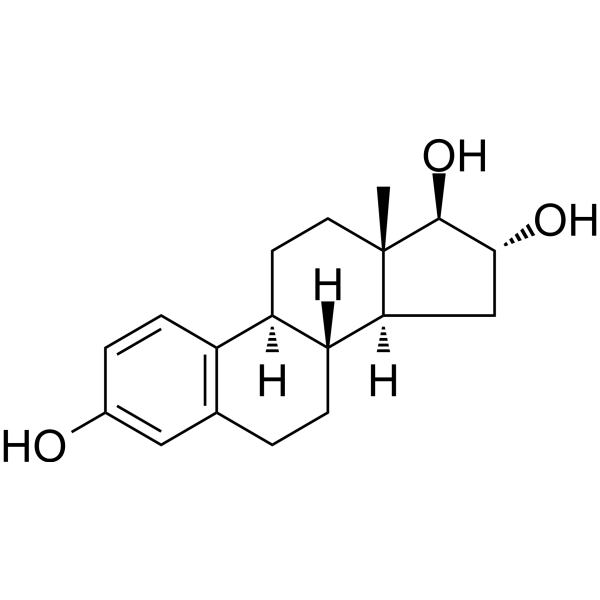
    Estriol (Oestriol), an orally active estrogen, is a ERα and ERβ agonist. Estriol is a potent GPR30 antagonist in estrogen receptor-negative breast cancer cells. Estriol can ameliorate disease severity through immunomodulatory mechanisms that decrease tissue inflammation. Estriol has powerful proconvulsant effects .
    Estriol
  • HY-113212
    Ursocholic acid
    1 Publications Verification

    Endogenous Metabolite Apoptosis Metabolic Disease Inflammation/Immunology
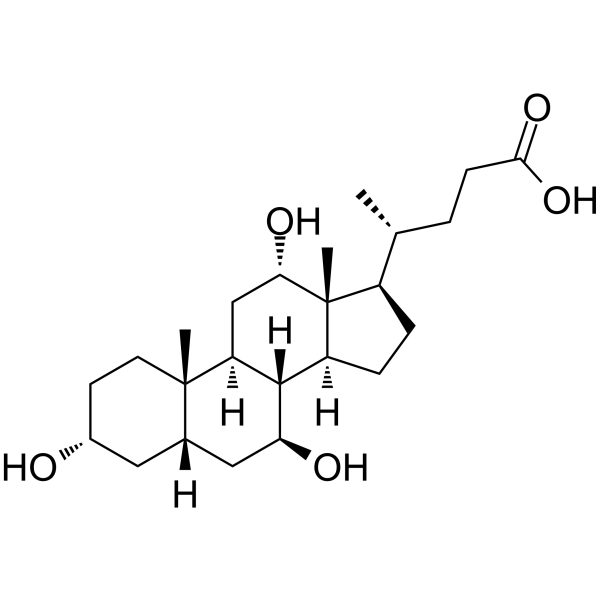
    Ursocholic acid, a bile acid present in mammalian bile, is converted to deoxycholic acid (UDC) by the mouse intestinal flora. Ursocholic acid acts as a gallstone dissolving agent in the liver through anti-apoptosis, anti-inflammatory, immunomodulatory, bile regulation, and coordinated changes in mitochondrial integrity and cell signaling, Ursocholic acid also has favorable effects on bones in patients with chronic cholestasis .
    Ursocholic acid
  • HY-N0591
    Dehydrocostus Lactone
    2 Publications Verification

    (-)-Dehydrocostus lactone; Epiligulyl oxide

    Bacterial Apoptosis p38 MAPK NF-κB MAPKAPK2 (MK2) Akt NO Synthase Interleukin Related Caspase Infection Inflammation/Immunology Cancer
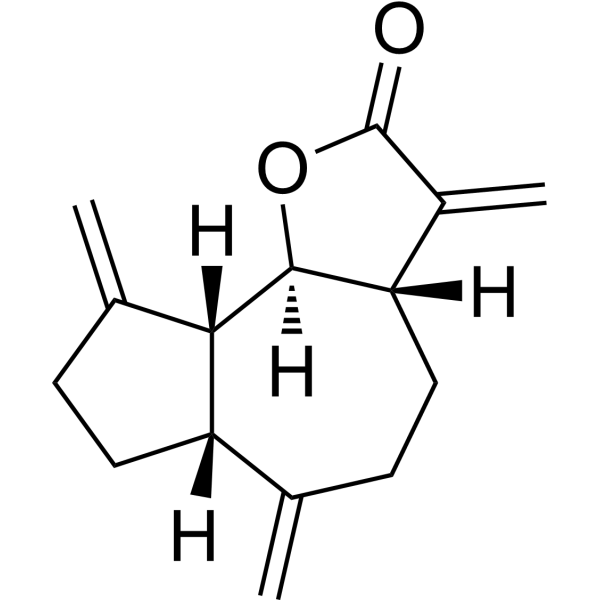
    Dehydrocostus Lactone ((-)-Dehydrocostus lactone) is a natural sesquiterpene that can be isolated from Saussurea lappa. Dehydrocostus Lactone has multiple activities such as anti-inflammatory, antibacterial, anti-tumor, and immunomodulatory effects. Dehydrocostus Lactone has an MIC of 2 µg/mL against Mycobacterium tuberculosis. Dehydrocostus Lactone can also inhibit the killing activity of cytotoxic T lymphocytes and induce apoptosis in tumor cells .
    Dehydrocostus Lactone
  • HY-B0328
    Triamcinolone
    2 Publications Verification

    Glucocorticoid Receptor Interleukin Related Cardiovascular Disease Inflammation/Immunology Endocrinology Cancer
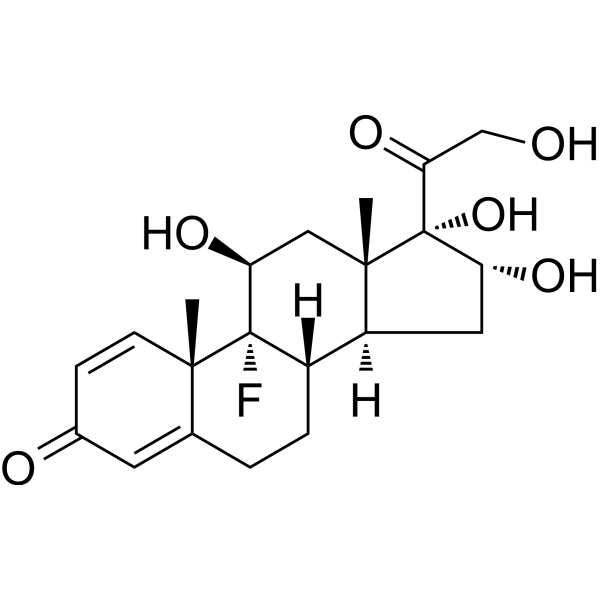
    Triamcinolone is a long-acting corticosteroid with anti-inflammatory, anti-oedematous, anti-proliferative, anti-angiogenetic, immunomodulatory and neuroprotective effects through binding to glucocorticoid receptors. Triamcinolone can relieve several dermatitis, immune diseases and ocular diseases .
    Triamcinolone
  • HY-N2420
    Flavokawain A
    2 Publications Verification

    Apoptosis Histone Methyltransferase Cytochrome P450 Caspase Survivin IAP p38 MAPK PI3K NO Synthase COX JNK ERK Akt Inflammation/Immunology Cancer
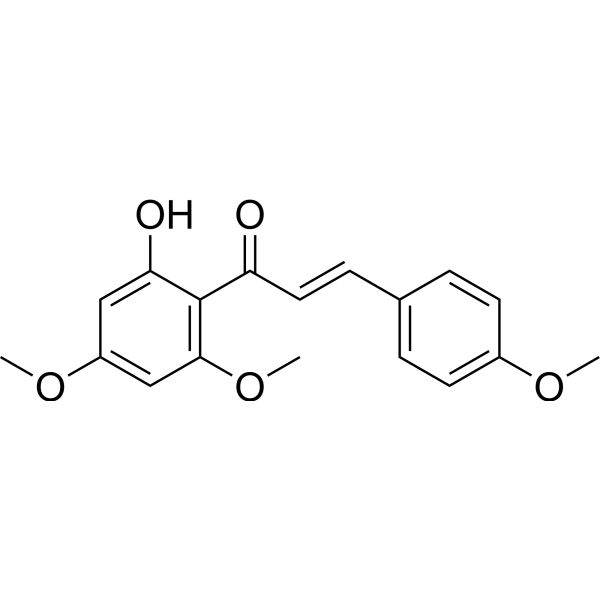
    Flavokawain A is a chalcone compound and an orally active inhibitor of PRMT5 and cytochrome P450. Flavokawain A has anti-inflammatory, anti-tumor, and immunomodulatory effects. Flavokawain A can inhibit the proliferation of tumor cells and induce apoptosis. Flavokawain A can be used in the research of diseases such as bladder cancer .
    Flavokawain A
  • HY-15507
    VGX-1027
    1 Publications Verification

    GIT 27

    Interleukin Related TNF Receptor Metabolic Disease Inflammation/Immunology
    VGX-1027 is an orally active isoxazole compound that exhibits various immunomodulatory properties. VGX-1027 targets macrophages, reducing the production of the proinflammatory mediators TNF-α, IL-1β, IL-10. VGX-1027 has antidiabetogenic effects by limiting cytokine-mediated immunoinflammatory events .
    VGX-1027
  • HY-B0905
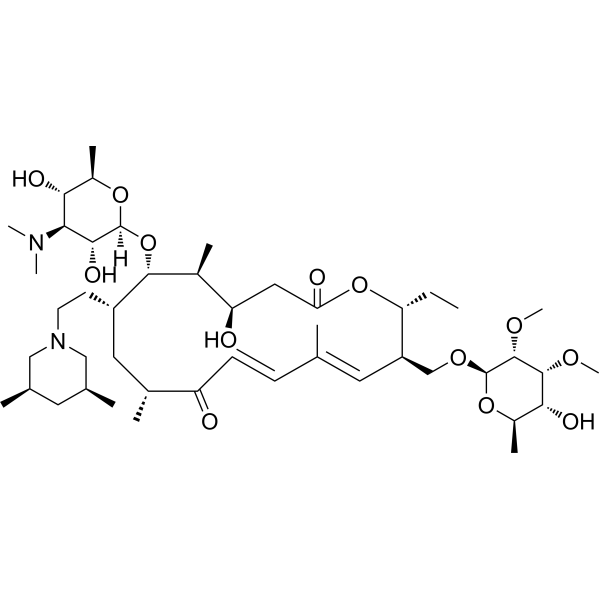
    Tilmicosin
    5 Publications Verification

    LY-177370; EL-870

    Bacterial Antibiotic Apoptosis Calcium Channel Infection Inflammation/Immunology
    Tilmicosin (LY-177370) is an orally active calcium channel antagonist and macrolide antibiotic with antimicrobial activity. Tilmicosin mainly acts on the 50S subunit of bacterial ribosomes, inhibiting protein synthesis. Tilmicosin is effective in the treatment of respiratory diseases in livestock such as cattle, sheep and pigs. In addition, Tilmicosin has immunomodulatory and anti-inflammatory effects .
    Tilmicosin
  • HY-109076

    EBC-46

    PKC Caspase Cancer
    Tigilanol tiglate (EBC-46) is a protein kinase C (PKC)/C1 domain activator. Tigilanol tiglate is associated with mitochondrial/endoplasmic reticulum (ER) dysfunction, leading to activation of the unfolded protein response (UPRmt/ER) and subsequent induction of ATP depletion, organelles expansion, Caspase activation, gasdermin E cleavage, and terminal necrosis. Tigilanol tiglate, as a small anti-tumor molecule with immunomodulatory effects, can be used in the study of head and neck squamous cell carcinoma and soft tissue sarcoma .
    Tigilanol tiglate
  • HY-14658A

    (S)-(-)-Thalidomide

    Molecular Glues Ligands for E3 Ligase Autophagy Apoptosis Metabolic Disease Inflammation/Immunology
    (S)-Thalidomide ((S)-(-)-Thalidomide) is the S-enantiomer of Thalidomide. (S)-Thalidomide has immunomodulatory, anti-inflammatory, antiangiogenic and pro-apoptotic effects . (S)-Thalidomide induces teratogenic effects by binding to cereblon (CRBN) .
    (S)-Thalidomide
  • HY-N0313

    MAGL Endogenous Metabolite Inflammation/Immunology
    Euphol is a tetracyclic triterpene alcohol isolated from the sap of Euphorbia tirucalli with anti-mutagenic, anti-inflammatory and immunomodulatory effects, orally active. Euphol inhibits the monoacylglycerol lipase (MGL) activity via a reversible mechanism (IC50=315 nM). MGL inhibition in the periphery modulates the endocannabinoid system to block the development of inflammatory pain .
    Euphol
  • HY-N0092S2
    Inosine-13C5
    2 Publications Verification

    Isotope-Labeled Compounds Adenosine Receptor Endogenous Metabolite Neurological Disease Inflammation/Immunology Cancer
    Inosine- 13C5 is the 13C5 labeled Inosine (HY-N0092). Inosine is an endogenous purine nucleoside produced by catabolism of adenosine. Inosine has anti-inflammatory, antinociceptive, immunomodulatory and neuroprotective effects. Inosine is an agonist for adenosine A1 (A1R) and A2A (A2AR) receptors .
    Inosine-13C5
  • HY-B0905A
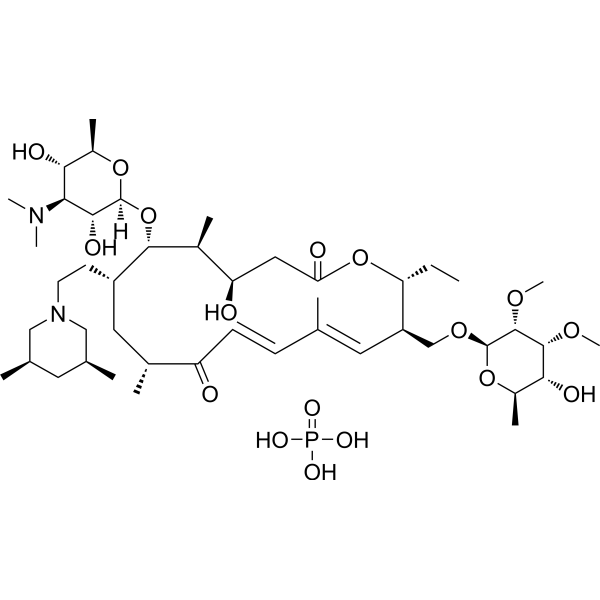
    Tilmicosin phosphate
    5 Publications Verification

    LY-177370 phosphate; EL-870 phosphate

    Bacterial Antibiotic Apoptosis NO Synthase COX Infection Inflammation/Immunology
    Tilmicosin (LY-177370) phosphate is an orally active calcium channel antagonist and macrolide antibiotic with antimicrobial activity. Tilmicosin phosphate mainly acts on the 50S subunit of bacterial ribosomes, inhibiting protein synthesis. Tilmicosin phosphate is effective in the treatment of respiratory diseases in livestock such as cattle, sheep and pigs. In addition, Tilmicosin phosphate has immunomodulatory and anti-inflammatory effects .
    Tilmicosin phosphate
  • HY-N2447
    Amarogentin
    2 Publications Verification

    AMPK Apoptosis Metabolic Disease Cancer
    Amarogentin is a secoiridoid glycoside that is mainly extracted from Swertia and Gentiana roots. Amarogentin exhibits many biological effects, including anti-oxidative, anti-tumour, and anti-diabetic activities. Amarogentin exerts hepatoprotective and immunomodulatory effects. Amarogentin promotes apoptosis, arrests G2/M cell cycle and downregulates of PI3K/Akt/mTOR signalling pathways. Amarogentin exerts beneficial vasculo-metabolic effect by activating AMPK .
    Amarogentin
  • HY-175035

    Hexokinase Inflammation/Immunology Cancer
    HK-2-IN-1 is a Hexokinase 2 (HK-2) inhibitor. HK-2-IN-1 exhibits a non-activating effect on human recombinant HK-2 enzyme. HK-2-IN-1 has anti-tumor activity, affecting immune cells in the tumor microenvironment. HK-2-IN-1 has immunomodulatory effects and is potentially useful in the study of cancers such as colon cancer, liver cancer, and breast cancer .
    HK-2-IN-1
  • HY-15950
    AZD1981
    2 Publications Verification

    Prostaglandin Receptor Inflammation/Immunology
    AZD1981 is the antagonist for GPR44 (also known also PTGDR2, DP2 or CRTh). AZD1981 blocks the binding of PGD2 to CRTH2. AZD1981 exhibits immunomodulatory effects and can be used in research of chronic spontaneous urticaria .
    AZD1981
  • HY-111827
    S-1-Propenyl-L-cysteine
    5+ Cited Publications

    Histamine Receptor Cardiovascular Disease Others Metabolic Disease Inflammation/Immunology
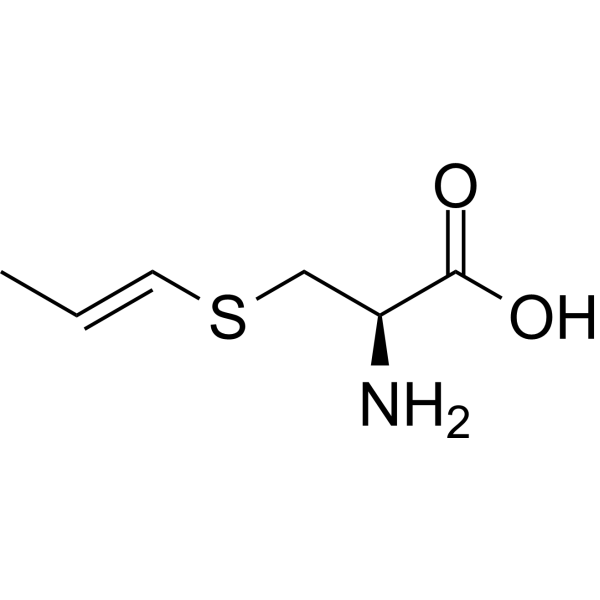
    S-1-Propenyl-L-cysteine is a stereoisomer of S-allyl-l-cysteine, extracted from garlic, with immunomodulatory effects and reduces blood pressure in a hypertensive animal model . S-1-Propenyl-L-cysteine exhibits antioxidative efficacy through a NO-dependent BACH1 signaling pathway . S-1-Propenyl-L-cysteine is orally active.
    S-1-Propenyl-L-cysteine
  • HY-12279C
    Umbralisib hydrochloride
    5 Publications Verification

    TGR-1202 hydrochloride; RP5264 hydrochloride

    PI3K Casein Kinase Cancer
    Umbralisib (TGR-1202) hydrochloride is an orally active, potent and selective dual PI3Kδ and casein kinase-1-ε (CK1ε) inhibitor, with EC50 of 22.2 nM and 6.0 μM, respectively. Umbralisib hydrochloride exhibits unique immunomodulatory effects on chronic lymphocytic leukemia (CLL) T cells. Umbralisib hydrochloride can be used for haematological malignancies reseach .
    Umbralisib hydrochloride
  • HY-127029A

    NO Synthase Lipoxygenase Neurological Disease Inflammation/Immunology Cancer
    Umbelliprenin, a prenylated coumarin, is an antioxidant with anticancer, anti-inflammatory and immunomodulatory effects. Umbelliprenin inhibits lipoxygenase managing the inflammation pathways. In inflammatory macrophages, Umbelliprenin suppresses nitric oxide production as well as inducible nitric oxide synthase (NO synthase) .
    Umbelliprenin
  • HY-14801

    A-007

    Drug Derivative Inflammation/Immunology Cancer
    Sivifene (A-007) is a triaryl hydrazone. Sivifene has anticancer activity and immunomodulatory effects. Sivifene regulates immune regulation by upregulating CD45 T lymphocyte surface receptors .
    Sivifene
  • HY-N2191

    Others Inflammation/Immunology
    Ecliptasaponin D is a triterpenoid glucoside isolated from Eclipta alba (L.) Hassk which is the aerial part of Eclipta prostrate. Eclipta prostrate is considered as a nourishing herbal medicine with pleiotropic effects, including anti-inflammatory, hepatoprotective, antioxidant and immunomodulatory [1,2].
    Ecliptasaponin D
  • HY-21075

    Endogenous Metabolite Inflammation/Immunology
    3-Furanoic acid is an active unit, and its derivatives have a wide range of anti-inflammatory activities. 3-Furanoic acid-related derivatives can target inflammation-related signaling pathways and inhibit the proliferation of synovial fibroblasts to exert immunomodulatory effects .
    3-Furanoic acid
  • HY-N0092S

    Isotope-Labeled Compounds Adenosine Receptor Endogenous Metabolite Neurological Disease Inflammation/Immunology
    Inosine-2,8-d2 is the deuterium labeled Inosine. Inosine is an endogenous purine nucleoside produced by catabolism of adenosine. Inosine has anti-inflammatory, antinociceptive, immunomodulatory and neuroprotective effects. Inosine is an agonist for adenosine A1 (A1R) and A2A (A2AR) receptors .
    Inosine-2,8-d2
  • HY-W717504

    Drug Derivative
    Glucosylceramide, plant is a plant-derived glycolipid with anti-inflammatory and immunomodulatory activities. Glucosylceramide, plant plays an important role in promoting cell proliferation and repair. Glucosylceramide, plant is widely used in skin care products to enhance skin barrier function. Glucosylceramide, plant has also been studied for improving nervous system health, showing potential neuroprotective effects.
    Glucosylceramide, plant
  • HY-B1080A
    Tilorone
    2 Publications Verification

    Influenza Virus Akt Infection Neurological Disease Metabolic Disease Inflammation/Immunology Cancer
    Tilorone is an orally active antiviral agent and interferon inducer that also has potential antineoplastic, immunomodulatory, and metabolic modulating effects. Tilorone induces an abnormally delayed interferon response and primarily stimulates interferon production in lymphoid tissue. Thus, Tilorone exerts antiviral effects and can be used as a chemotherapeutic agent. Tilorone has the potential to inhibit type 2 diabetes by increasing glucose uptake in vivo and in skeletal muscle cells by enhancing Akt2/AS160 signaling and glucose transporter levels .
    Tilorone
  • HY-N10311

    Fungal Infection
    Neosartoricin B is the secondary metabolite, which can be produced by Aspergillus nidulans. Neosartoricin B may regulate immunomodulatory effects with the host during infection and colonization by pathogenic fungi .
    Neosartoricin B
  • HY-17412B

    Drug Metabolite Others
    4-Epiminocycline is a Minocycline (HY-17412A) degradation product. Minocycline (HY-17412A) is an antibiotic that has anti-inflammatory, anticancer, antibacterial, immunomodulatory and neuroprotective effects .
    4-Epiminocycline
  • HY-B1490R

    Reference Standards Serotonin Transporter Apoptosis Autophagy Neurological Disease Inflammation/Immunology Cancer
    Imipramine (hydrochloride) (Standard) is the analytical standard of Imipramine (hydrochloride). This product is intended for research and analytical applications. Imipramine hydrochloride is an orally active tertiary amine tricyclic antidepressant. Imipramine hydrochloride is a Fascin1 inhibitor with antitumor activities. Imipramine hydrochloride also inhibits serotonin transporter with an IC50 value of 32 nM. Imipramine hydrochloride stimulates U-87MG glioma cells autophagy and induces HL-60 cell apoptosis. Imipramine hydrochloride shows neuroprotective and immunomodulatory effects .
    Imipramine hydrochloride (Standard)
  • HY-148166

    Nucleoside Antimetabolite/Analog Others
    L-Inosine is the L-configuration of Inosine (HY-N0092). Inosine is an endogenous purine nucleoside produced by catabolism of adenosine. Inosine has anti-inflammatory, antinociceptive, immunomodulatory and neuroprotective effects .
    L-Inosine
  • HY-B0195A

    MK-341 sodium; SB 252218 sodium

    Prostaglandin Receptor Angiotensin Receptor Inflammation/Immunology Endocrinology Cancer
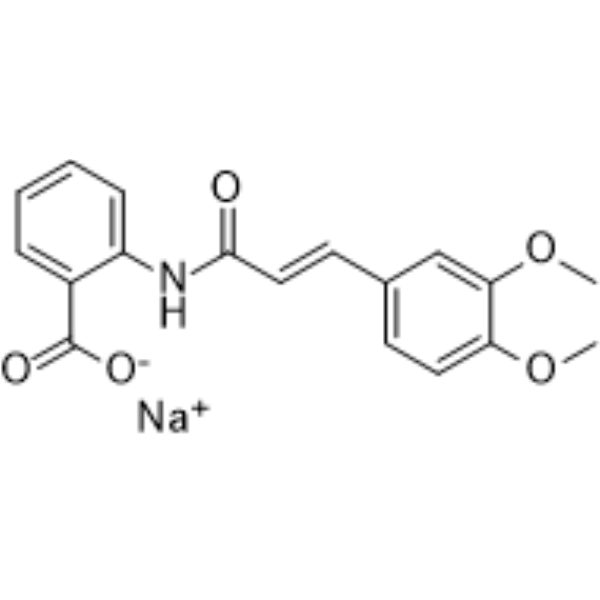
    Tranilast sodium (MK-341 sodium) acts as an anti-atopic agent. Tranilast suppresses production of prostaglandin D2 (PGD2, IC50= 0.1 mM). Tranilast sodium exhibits anti-inflammatory and immunomodulatory effects . Tranilast sodium antagonizes angiotensin II and inhibits its biological effects in vascular smooth muscle cells .
    Tranilast sodium
  • HY-N7741

    Dehydrozaluzanin C-derivative

    Bacterial Infection Inflammation/Immunology
    Isozaluzanin C (Dehydrozaluzanin c-derivative) is an anti-inflammatory agent that can be isolated from Saussurea lappa and has immunomodulatory effects. Isozaluzanin C improves tissue damage (lung, kidney, and liver) and excessive inflammation in mice induced by LPS (HY-D1056) or CRKP infection. Isozaluzanin C can be used in the study of bacterial infections and sepsi .
    Isozaluzanin C
  • HY-B0905R

    LY-177370 (Standard); EL-870 (Standard)

    Reference Standards Bacterial Antibiotic Apoptosis Calcium Channel Infection Inflammation/Immunology
    Tilmicosin (Standard) is the analytical standard of Tilmicosin. This product is intended for research and analytical applications. Tilmicosin (LY-177370) is an orally active calcium channel antagonist and macrolide antibiotic with antimicrobial activity. Tilmicosin mainly acts on the 50S subunit of bacterial ribosomes, inhibiting protein synthesis. Tilmicosin is effective in the treatment of respiratory diseases in livestock such as cattle, sheep and pigs. In addition, Tilmicosin has immunomodulatory and anti-inflammatory effects .
    Tilmicosin (Standard)
  • HY-N0313R

    MAGL Endogenous Metabolite Reference Standards Inflammation/Immunology
    Euphol (Standard) is the analytical standard of Euphol. This product is intended for research and analytical applications. Euphol is a tetracyclic triterpene alcohol isolated from the sap of Euphorbia tirucalli with anti-mutagenic, anti-inflammatory and immunomodulatory effects, orally active. Euphol inhibits the monoacylglycerol lipase (MGL) activity via a reversible mechanism (IC50=315 nM). MGL inhibition in the periphery modulates the endocannabinoid system to block the development of inflammatory pain .
    Euphol (Standard)
  • HY-N3294

    Reactive Oxygen Species (ROS) Inflammation/Immunology
    Mesuol, a natural product isolated from M. ferrea L. seed oil, has antioxidant and immunomodulatory effects .
    Mesuol
  • HY-156290

    STING Inflammation/Immunology Cancer
    SAP-04 is a potent and orally active STING agonist. SAP-04 exhibits potent immunomodulatory effects for cancer therapy .
    SAP-04
  • HY-122281

    Cannabinoid Receptor Others
    JTE 7-31 selectively acts on peripheral cannabinoid receptors, minimizing central nervous system side effects. They exhibit potent immunomodulatory, anti-inflammatory and anti-allergic properties, as well as inhibitory effects on nephritis .
    JTE 7-31
  • HY-N0092S4

    Isotope-Labeled Compounds Adenosine Receptor Endogenous Metabolite Neurological Disease Inflammation/Immunology Cancer
    Inosine-13C3 is a 13C-labeled Inosine that can be used in pharmacokinetic studies of Inosine. Inosine is an agonist of adenosine receptors A1R and A2AR with anti-inflammatory immunomodulatory, antinociceptive and neuroprotective effects .
    Inosine-13C3
  • HY-15662R

    Tulathromycin (Standard); CP 472295 (Standard)

    Reference Standards Antibiotic Bacterial Infection
    Tulathromycin A (Standard) is the analytical standard of Tulathromycin A. This product is intended for research and analytical applications. Tulathromycin A (Tulathromycin), a macrolide antibiotic, inhibits protein synthesis (IC50=0.26 μM) by targeting bacterial ribosome. Tulathromycin A is used for the research of respiratory disease in cattle and swine. Immunomodulatory effects .
    Tulathromycin A (Standard)
  • HY-N2420R

    Reference Standards Apoptosis Histone Methyltransferase Cytochrome P450 Caspase Survivin IAP p38 MAPK PI3K NO Synthase COX JNK ERK Akt Inflammation/Immunology Cancer
    Flavokawain A is a chalcone compound and an orally active inhibitor of PRMT5 and cytochrome P450. Flavokawain A has anti-inflammatory, anti-tumor, and immunomodulatory effects. Flavokawain A can inhibit the proliferation of tumor cells and induce apoptosis. Flavokawain A can be used in the research of diseases such as bladder cancer .
    Flavokawain A (Standard)
  • HY-N0092S1

    Adenosine Receptor Isotope-Labeled Compounds Endogenous Metabolite Neurological Disease Inflammation/Immunology Cancer
    Inosine- 13C is the 13C labeled Inosine. Inosine is an endogenous purine nucleoside produced by catabolism of adenosine. Inosine has anti-inflammatory, antinociceptive, immunomodulatory and neuroprotective effects. Inosine is an agonist for adenosine A1 (A1R) and A2A (A2AR) receptors .
    Inosine-13C
  • HY-B0905S

    LY-177370-d3; EL-870-d3

    Isotope-Labeled Compounds Bacterial Antibiotic Apoptosis NO Synthase COX Infection Inflammation/Immunology
    Tilmicosin-d3 is the deuterium labeled Tilmicosin. Tilmicosin (LY-177370) is an orally active calcium channel antagonist and macrolide antibiotic with antimicrobial activity. Tilmicosin mainly acts on the 50S subunit of bacterial ribosomes, inhibiting protein synthesis. Tilmicosin is effective in the treatment of respiratory diseases in livestock such as cattle, sheep and pigs. In addition, Tilmicosin has immunomodulatory and anti-inflammatory effects .
    Tilmicosin-d3
  • HY-131675

    TNF Receptor Inflammation/Immunology
    CH-100 is an immunomodulatory agent targeting T-cell activation and inflammatory mediator production. CH-100 demonstrates anti-inflammatory and hepatoprotective effects by reducing TNF-α secretion, suppressing CD4+ T-cell proliferation, and lowering endotoxin levels in alcohol-fed rats. CH-100 is promising for research of alcoholic liver disease and T-cell-mediated hepatitis .
    CH-100

Inquiry Online

Your information is safe with us. * Required Fields.

Salutation


Country or Region *

Applicant Name *


Organization Name *

Department *


Email Address *


Product Name *

Cat. No.


Requested quantity *

Phone Number *


Remarks

Inquiry Online

Inquiry Information

Product Name:
Cat. No.:
Quantity:
MCE Japan Authorized Agent:

