
1. Search Result
Search Result
Results for "

improvements

" in MedChemExpress (MCE) Product Catalog:

88

Inhibitors & Agonists

1

Screening Libraries

2

Fluorescent Dye

1

Biochemical Assay Reagents

6

Peptides

5

Inhibitory Antibodies

16

Natural
Products

1

Isotope-Labeled Compounds

1

Click Chemistry

Cat. No. Product Name Target Research Areas Chemical Structure
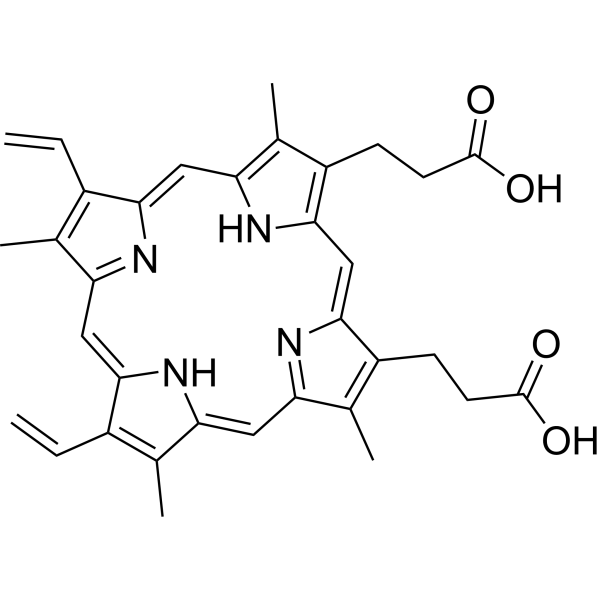
  • HY-B1247
    Protoporphyrin IX
    Maximum Cited Publications
    22 Publications Verification

    PPIX

    Endogenous Metabolite Others
    Protoporphyrin IX is a final intermediate in the heme biosynthetic pathway, which acts as a radiation sensitizer enhancing ROS generation even in a hypoxic state and inducing DNA damage. Protoporphyrin IX also acts as a photo sensitizer undergoing photobleaching that occurs through direct degradation by light irradiation. Protoporphyrin IX is formed and accumulated following 5-aminolevulinic acid (5-ALA) (HY-W000450) administration in the tumor cells of rats. Protoporphyrin IX causes selective improvement of basal cell carcinoma when activated red fluorescence of a peak wavelength at 405 nm. Protoporphyrin IX is promising for research of sonodynamic and photodynamic agents for a wide range of cancers, such as bladder cancer and nodular basal cell carcinoma .
    Protoporphyrin IX
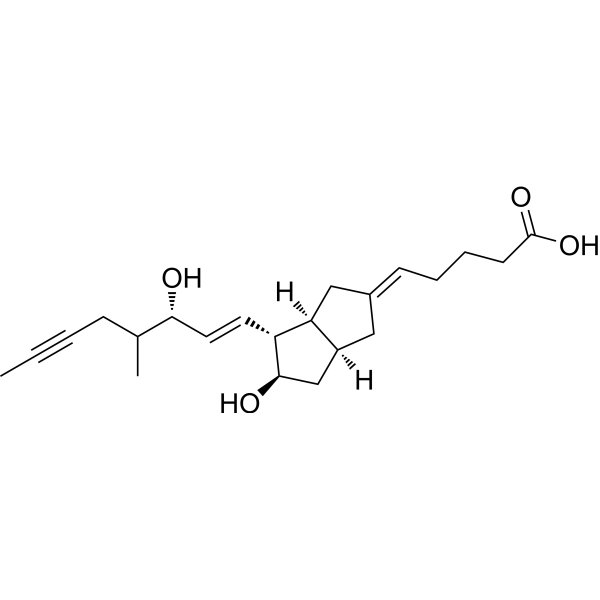
  • HY-A0096
    Iloprost
    5 Publications Verification

    Ciloprost; ZK 36374

    Prostaglandin Receptor Endogenous Metabolite Cardiovascular Disease Endocrinology Cancer
    Iloprost (ZK 36374; Ciloprost) is a prostacyclin (PGI2) analogue, involves in embryo development and inflammation improvement, and inhibits tumor metastasis. Iloprost can be used for peripheral vascular research .
    Iloprost
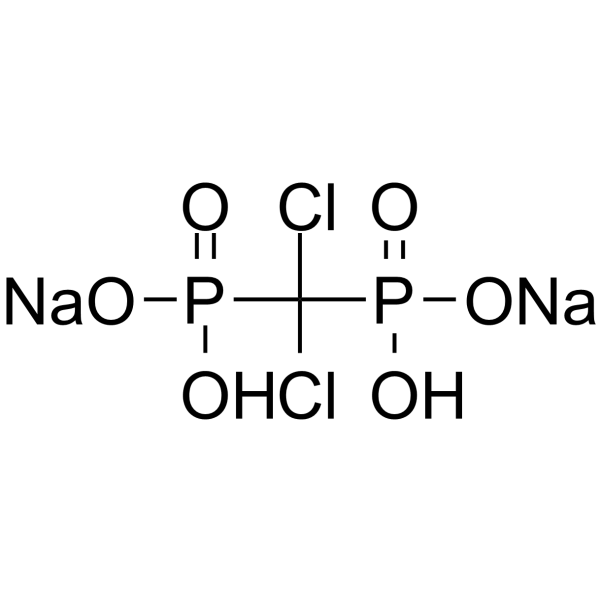
  • HY-B0657A
    Clodronic acid disodium salt
    4 Publications Verification

    Clodronate disodium salt

    Apoptosis Metabolic Disease Cancer
    Clodronic acid (Clodronate) disodium salt is an orally active bisphosphonate. Clodronic acid disodium salt inhibits osteoclast-mediated bone resorption. Clodronic acid disodium salt reduces skeletal event risk in malignant bone disease, impairs malignant osteolysis, blocks bone matrix growth-factor release, induces apoptosis in osteoclasts and macrophages. Clodronic acid disodium salt is effective in the maintenance or improvement of bone mineral density. Clodronic acid disodium salt can be used for the research of multiple myeloma and postmenopausal osteoporosis .
    Clodronic acid disodium salt
  • HY-150105

    BMF-219; Menin-MLL inhibitor 21

    Epigenetic Reader Domain Metabolic Disease Inflammation/Immunology Cancer
    Icovamenib (BMF-219) is a selective, orally active, irreversible Menin inhibitor. Icovamenib forms a stable and irreversible covalent bond with Menin. Icovamenib promotes selective and controlled proliferation of beta cells and improvement of beta cell function in ex vivo human islet cultures. Icovamenib enhances glycemic control in animal diabetic models. Icovamenib induces a dose-dependent enhancement in insulin secretion potentiated by the GLP-1 RA. Icovamenib can be used for the study of multiple hematologic malignancies, solid tumors, and diabetes mellitus, such as diffuse large B-cell lymphoma (DLBCL), multiple myeloma (MM) and chronic lymphocytic leukemia and type 2 diabetes .
    Icovamenib
  • HY-P10736

    GCGR Metabolic Disease
    AMG133 peptide payload is a GLP-1 analog agonist peptide. AMG133 peptide potently activates GLP-1R, and exhibits weight loss and metabolic improvement activities. AMG133 peptide payload can be used for the synthesis of AMG 133 (HY-164535) .
    AMG133 peptide payload
  • HY-P10736A

    GCGR Metabolic Disease
    AMG133 peptide payload TFA is a GLP-1 analog agonist peptide. AMG133 peptide payload TFA potently activates GLP-1R and exhibits weight loss and metabolic improvement activities. AMG133 peptide payload TFA can be used for the synthesis of AMG 133 (HY-164535) .
    AMG133 peptide payload TFA
  • HY-W698249

    Ferroptosis Bacterial Cardiovascular Disease Infection
    Ferrous gluconate is a highly water-soluble iron-containing agent with high bioavailability and bactericidal activity. As a non-heme iron, Ferrous gluconate is used for meat product fortification and improvement of iron deficiency anemia. Ferrous gluconate induces ferroptosis in E. coli through Fe 2+ infiltration, reactive oxygen species burst, lipid peroxidation and direct interaction with DNA. Ferrous gluconate also downregulates the SOS responsive transcriptional repressor LexA. In addition, Ferrous gluconate regulates multiple key pathways in E. coli such as fatty acid metabolism, iron-sulfur cluster assembly and pyruvate metabolism, and is applied in studies related to *E. coli* infection and iron deficiency anemia .
    Ferrous gluconate
  • HY-116673

    Histone Acetyltransferase Neurological Disease
    TTK21 is an activator of the histone acetyltransferases CBP/p300. TTK21 passes the blood–brain barrier, induces no toxicity, and reaches different parts of the brain when conjugated to glucose-based carbon nanosphere (CSP). TTK21 has beneficial implications for the brain functions of neurogenesis and long-term memory .CSP-TTK21 can ameliorate Aβ-impaired long-term potentiation (LTP). CSP-TTK21 may enhance the transcription of genes that promote synaptic health and cognitive function . CSP-TTK21 is orally effective and leads to improvements in motor functions, histone acetylation dynamics in a spinal injury rat model .
    TTK21
  • HY-B1901

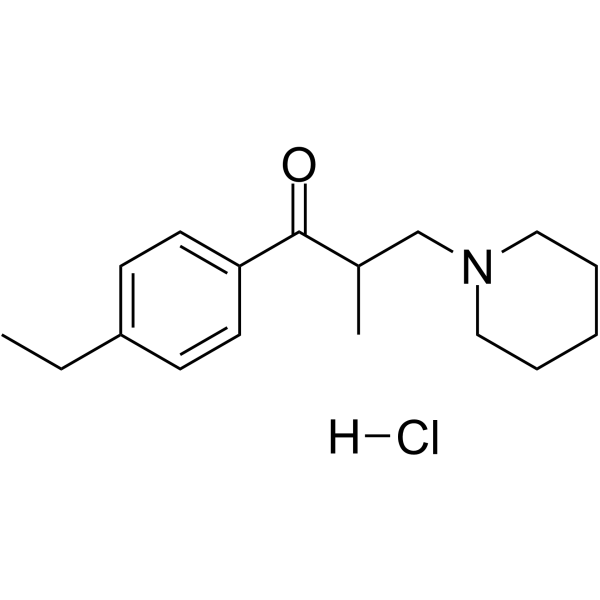
    (±)-Eperisone hydrochloride

    P2X Receptor Neurological Disease
    Eperisone Hydrochloride ((±)-Eperisone hydrochloride) is an orally active antispastic agent with a vasodilator effect, used for the research of muscle stiffness and pain. Eperisone Hydrochloride is a potent and selectively P2X7 receptor antagonist, also shows antagonism for human P2X3. Eperisone Hydrochloride works by relaxing both skeletal muscles and vascularsmooth muscles, demonstrating a variety of effects such as reduction ofmyotonia, improvement of circulationand and suppression of the pain reflex .
    Eperisone hydrochloride
  • HY-N3519
    Platycodin D3
    1 Publications Verification

    HCV Branched Chain Amino Acid Transaminase (BCAT) Interleukin Related NF-κB ERK p38 MAPK JNK Infection Inflammation/Immunology
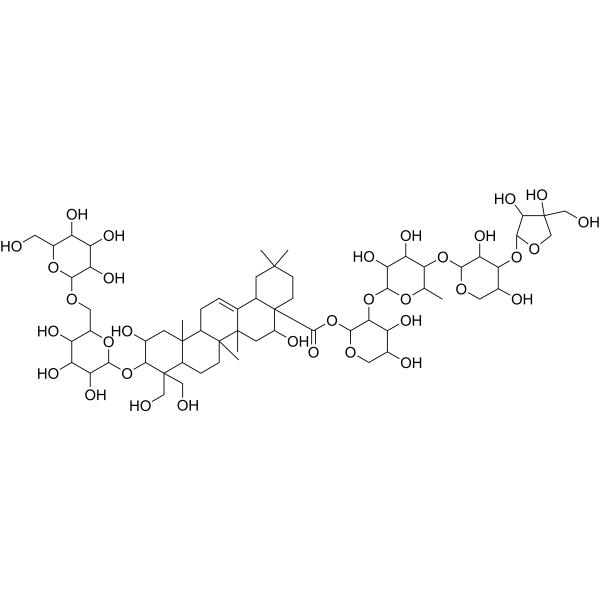
    Platycodin D3 is a triterpenoid saponin that can be found in Platycodon grandiflorum. Platycodin D3 exhibits multiple activities including anti-inflammation, regulation of airway mucus secretion, improvement of asthmatic airway inflammation and remodeling, and inhibition of hepatitis C virus (HCV) replication. The IC50 value of Platycodin D3 against HCV NS5B RNA-dependent RNA polymerase is 8 μg/mL. Platycodin D3 can be used in studies related to asthma, hepatitis C virus infection and inflammatory diseases .
    Platycodin D3
  • HY-136424
    GPI-1485
    2 Publications Verification

    GM1485

    FKBP Neurological Disease
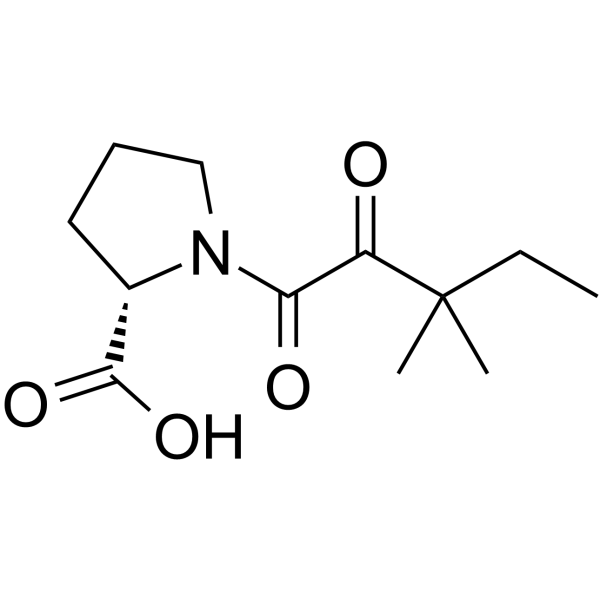
    GPI-1485 (GM1485), a nonimmunosuppressive immunophilin ligand, promotes neurofunctional improvement and neural regeneration following stroke .
    GPI-1485
  • HY-P99793

    MLDL1278A

    LDLR Inflammation/Immunology
    Orticumab (MLDL1278A) is an antibody targeting to oxidized or malondialdehyde-modified lipoprotein (LDL). Orticumab specifically inhibits oxidized low-density lipoproteins (oxLDL). Orticumab involves in modulation of autoimmune responses against oxLDL, improves atherosclerosis in animal model. Orticumab also can be used for research of psoriasis improvement .
    Orticumab
  • HY-N0911
    Rehmannioside A
    1 Publications Verification

    NF-κB Apoptosis p38 MAPK Ferroptosis Cytochrome P450 Reactive Oxygen Species (ROS) SOD Lactate Dehydrogenase PERK MEK Bcl-2 Family NO Synthase COX PARP Neurological Disease Inflammation/Immunology
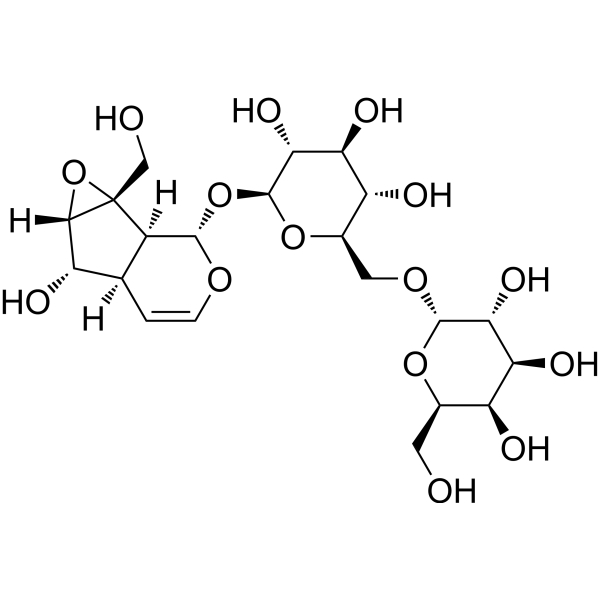
    Rehmannioside A is a compound that can be isolated from Rehmanniae radix. Rehmannioside A is an inhibitor of CYP3A4, 2C9 and 2D6, with IC50 values of 10.08, 12.62 and 16.43 μM, respectively. Rehmannioside A has anti-inflammatory, antioxidant, anti-apoptosis, anti-ferroptosis, cognitive improvement and neuroprotective activities. Rehmannioside A can be used for the research of nervous system and inflammation-related diseases .
    Rehmannioside A
  • HY-W129161

    Amino Acid Derivatives Metabolic Disease
    Acetyl tetrapeptide-3 is a synthetic peptide. Acetyl tetrapeptide-3 enhances the adhesion of hair follicles to the scalp but also promotes the development of new hair follicles. Acetyl tetrapeptide-3 stimulates the synthesis of collagen III in hair follicles. Acetyl tetrapeptide-3 combined with Biochanin A (HY-14595) and ginseng extracts, can stimulate dermal papilla extracellular matrix (ECM) proteins by increasing hydroxyproline, Collagen Type 3, and laminin, yielding a significant improvement in hair follicle size and hair anchoring .
    Acetyl tetrapeptide-3
  • HY-13964

    GHSR Metabolic Disease
    YIL781 is a potent and orally active ghrelin receptor (GHSR) antagonist. YIL781 produces a greater improvement in glucose homeostasis in rats. YIL781 inhibits the calcium response induced by ghrelin with pIC50 values of 7.90 and 8.27, respectively .
    YIL781
  • HY-114196

    ZGN-1061

    MetAP Metabolic Disease
    Aclimostat (ZGN-1061) is a potent inhibitor of the MetAP2 enzyme and displays favorable efficacy and safety in preclinical studies. ZGN-1061 produced similar efficacy as beloranib for weight loss, improvements in metabolic parameters in a mouse model of obesity and insulin resistance, and concordant changes in gene transcription in HepG2 cells .
    Aclimostat
  • HY-P2816

    Biochemical Assay Reagents Others
    Xylanase is an enzyme targeting 1,4-β-D-xylan that randomly cleaves the β-1,4 backbone of xylan, a complex polysaccharide in plant cell walls. Xylanase finds applications in the food, feed and industrial sectors, including pulp and paper processing, baking, animal feed improvement, and biotransformation of waste .
    Xylanase
  • HY-112998

    Factor VIII Cardiovascular Disease
    Efmoroctocog alfa is a recombinant factor VIII-Fc fusion protein (rFVIIIFc). In mice with hemophilia A, Efmoroctocog alfa provides longer-lasting protection against tail vein transection injury than conventional rFVIII products. In dogs with hemophilia A, Efmoroctocog alfa produces a longer duration of improvement in whole blood clotting time than conventional rFVIII products. Efmoroctocog alfa can be used for research on hemophilia A .
    Efmoroctocog alfa
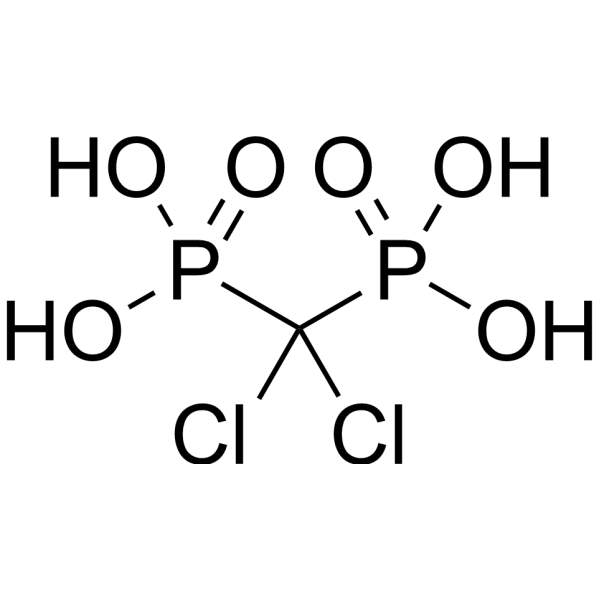
  • HY-B0657
    Clodronic acid
    4 Publications Verification

    Clodronate

    Apoptosis Metabolic Disease Cancer
    Clodronic acid (Clodronate) is an orally active bisphosphonate. Clodronic acid inhibits osteoclast-mediated bone resorption. Clodronic acid reduces skeletal event risk in malignant bone disease, impairs malignant osteolysis, blocks bone matrix growth-factor release, induces apoptosis in osteoclasts and macrophages. Clodronic acid is effective in the maintenance or improvement of bone mineral density. Clodronic acid can be used for the research of multiple myeloma and postmenopausal osteoporosis .
    Clodronic acid
  • HY-130344
    SKF 83959
    1 Publications Verification

    Dopamine Receptor Sigma Receptor Neurological Disease
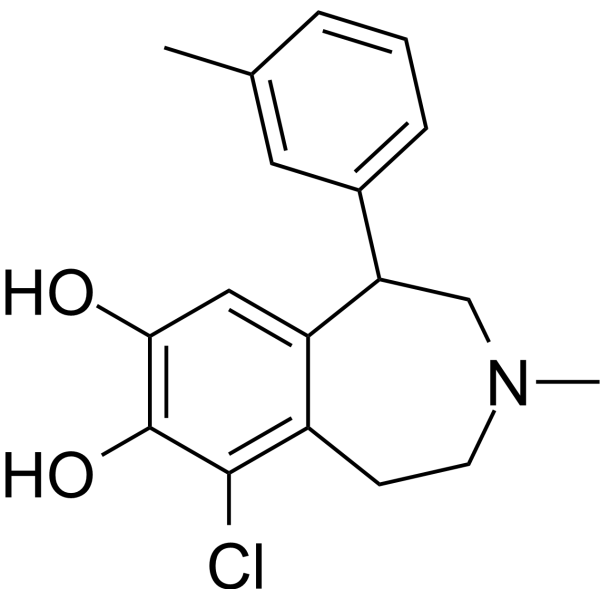
    SKF83959 is a potent and selective dopamine D1-like receptor partial agonist. SKF83959 Ki values for rat D1, D5, D2 and D3 receptors are 1.18, 7.56, 920 and 399 nM, respectively. SKF83959 is a potent allosteric modulator of sigma (σ)-1 receptor. SKF83959 belongs to benzazepine family and has improvements on cognitive dysfunction. SKF83959 can be used for the research of Alzheimer's disease and depression .
    SKF 83959
  • HY-W013636C
    2-Ketoglutaric acid potassium
    5+ Cited Publications

    Alpha-Ketoglutaric acid potassium

    Tyrosinase Endogenous Metabolite TNF Receptor Neurological Disease Metabolic Disease
    2-Ketoglutaric acid (Alpha-Ketoglutaric acid) (potassium) is an intermediate in the production of ATP or GTP in the Krebs cycle. 2-Ketoglutaric acid potassium is a reversible and orally active inhibitor of tyrosinase with an IC50 value of 15 mM. 2-Ketoglutaric acid potassium also acts as the major carbon skeleton for nitrogen-assimilatory reactions. 2-Ketoglutaric acid potassium significantly suppresses abnormal intestinal permeability, delocalization of tight junction proteins from the intestinal cells, expression of TNFα in vitro and in vivo. 2-Ketoglutaric acid potassium directly binds to TAK1, and inhibits the TRAF6-TAK1 interaction. 2-Ketoglutaric acid potassium also alleviates inflammatory bowel disease (IBD) symptoms and gut microbiota dysbiosis, evident by the improvements in the intestine length .
    2-Ketoglutaric acid potassium
  • HY-P2207

    Biochemical Assay Reagents Others
    Sinapultide is a 21-amino-acid peptide that mimics the action of human surfactant protein-B (SP-B). Sinapultide can be used for synthetic phospholipids surfactants improvement .
    Sinapultide
  • HY-109157
    Ralmitaront
    2 Publications Verification

    RO6889450

    Trace Amine-associated Receptor (TAAR) 5-HT Receptor Dopamine Receptor Neurological Disease
    Ralmitaront (RO6889450) is an orally active agonist of trace amine-associated receptor 1 (TAAR1) with a EC50 value of 110.4 nM. Ralmitaront has antipsychotic, cognitively improvement, and antidepressant activity in rodents. Ralmitaront can be used as a neurosuppressant in the study of neuro-related diseases, such as schizophrenia (SCZ), schizoaffective disorder .
    Ralmitaront
  • HY-117912

    Endogenous Metabolite Cardiovascular Disease
    TRC210258 is a TGR5 agonist with activity to improve diabetes-associated hyperglycemia and dyslipidemia. TRC210258 promotes energy expenditure by enhancing the release of glucagon-like peptide-1. TRC210258 is able to improve glucose metabolic control in high-fat diet-induced obese mice. TRC210258 also showed improvement in lipid parameters in high-fat-fed hamsters, including reductions in plasma triglyceride and low-density lipoprotein cholesterol levels. TRC210258 improved emerging lipid-related cardiovascular risk parameters including remnant cholesterol and triglyceride clearance .
    TRC210258
  • HY-B1247R

    PPIX (Standard)

    Reference Standards Endogenous Metabolite Others
    Protoporphyrin IX (Standard) is the analytical standard of Protoporphyrin IX. This product is intended for research and analytical applications. Protoporphyrin IX is a final intermediate in the heme biosynthetic pathway, which acts as a radiation sensitizer enhancing ROS generation even in a hypoxic state and inducing DNA damage. Protoporphyrin IX also acts as a photo sensitizer undergoing photobleaching that occurs through direct degradation by light irradiation. Protoporphyrin IX is formed and accumulated following 5-aminolevulinic acid (5-ALA) (HY-W000450) administration in the tumor cells of rats. Protoporphyrin IX causes selective improvement of basal cell carcinoma when activated red fluorescence of a peak wavelength at 405 nm. Protoporphyrin IX is promising for research of sonodynamic and photodynamic agents for a wide range of cancers, such as bladder cancer and nodular basal cell carcinoma .
    Protoporphyrin IX (Standard)
  • HY-153763

    Amino acid Transporter Neurological Disease
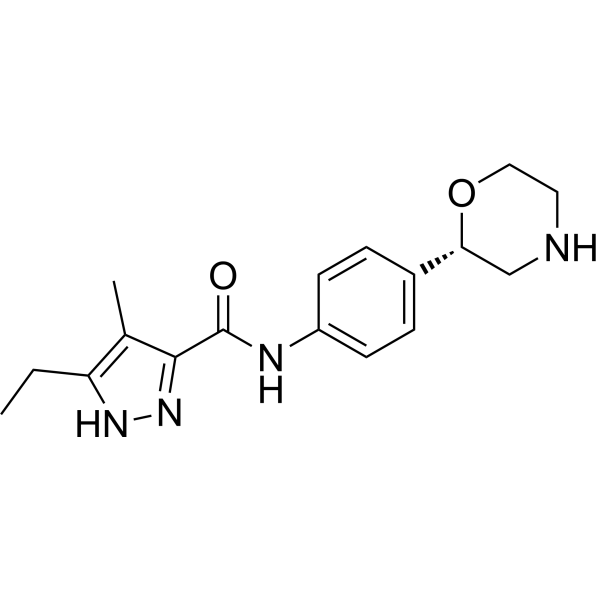
    PROT-IN-1 (Compound 2) is a proline transporter (PROT) inhibitor (IC50: 1.48 μM). PROT-IN-1 can be used for research of cognitive disorders .
    PROT-IN-1
  • HY-N4268

    Others Neurological Disease
    Tenuifoliside B, a component isolated from Polygalae Radix, inhibits potassium cyanide (KCN)-induced hypoxia and scopolamine-induced memory impairment. Tenuifoliside B shows potential cognitive improvement and cerebral protective effects. Tenuifoliside B has potential to become an anti-AD lead compound .
    Tenuifoliside B
  • HY-13964A

    GHSR Metabolic Disease
    YIL781 hydrochloride is a potent and orally active ghrelin receptor (GHSR) antagonist. YIL781 hydrochloride produces a greater improvement in glucose homeostasis in rats. YIL781 hydrochloride inhibits the calcium response induced by ghrelin with pIC50 values of 7.90 and 8.27, respectively .
    YIL781 hydrochloride
  • HY-B0158R

    Cytosine β-D-riboside (Standard); Cytosine-1-β-D-ribofuranoside (Standard)

    Reference Standards Nucleoside Antimetabolite/Analog Endogenous Metabolite Neurological Disease
    Cytidine (Standard) is the analytical standard of Cytidine. This product is intended for research and analytical applications. Cytidine is a pyrimidine nucleoside and acts as a component of RNA. Cytidine is a precursor of uridine. Cytidine controls neuronal-glial glutamate cycling, affecting cerebral phospholipid metabolism, catecholamine synthesis, and mitochondrial function . In Vivo:Cytidine decreases glutamate/glutamine levels and induces earlier improvement of depressive symptoms .
    Cytidine (Standard)
  • HY-D0948

    Fluorescent Dye Infection
    Celestine Blue is a electroactive indicator in DNA biosensors. Celestine Blue is strongly adsorbed on the spinel phases and CNT (carbon nanotubes), facilitates dispersion, acts as a capping agent and allows for the fabrication of spinel decorated CNT. Celestine Blue is an efficient charge transfer mediator, which allows for significant improvement of capacitive behavior. TiO2 nanoparticles doped with Celestine Blue can be used as a label in a sandwich immunoassay for the hepatitis C virus (HCV) core antigen .
    Celestine Blue
  • HY-B1901R

    (±)-Eperisone hydrochloride (Standard)

    P2X Receptor Reference Standards Neurological Disease
    Eperisone (hydrochloride) (Standard) is the analytical standard of Eperisone (hydrochloride). This product is intended for research and analytical applications. Eperisone Hydrochloride ((±)-Eperisone hydrochloride) is an orally active antispastic agent with a vasodilator effect, used for the research of muscle stiffness and pain. Eperisone Hydrochloride is a potent and selectively P2X7 receptor antagonist, also shows antagonism for human P2X3. Eperisone Hydrochloride works by relaxing both skeletal muscles and vascularsmooth muscles, demonstrating a variety of effects such as reduction ofmyotonia, improvement of circulationand and suppression of the pain reflex .
    Eperisone hydrochloride (Standard)
  • HY-113048A
    Erythronic acid potassium
    1 Publications Verification

    Endogenous Metabolite Metabolic Disease
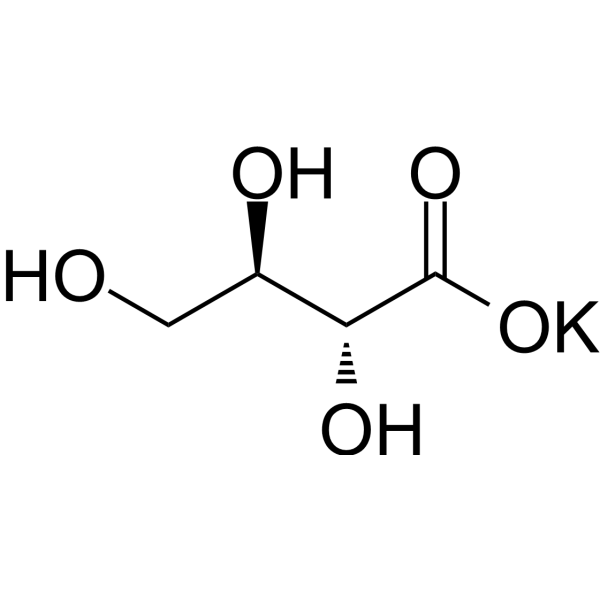
    Erythronic acid potassium is an endogenous metabolite of carbohydrates that can be used in the study of metabolism-related diseases. It plays a key role in the onset and improvement of hyperuricemia and is related to mitochondrial dysfunction in transaldolase deficiency .
    Erythronic acid potassium
  • HY-A0096R

    Ciloprost (Standard); ZK 36374 (Standard)

    Reference Standards Prostaglandin Receptor Endogenous Metabolite Endocrinology Cancer
    Iloprost (Standard) is the analytical standard of Iloprost. This product is intended for research and analytical applications. Iloprost (ZK 36374; Ciloprost) is a prostacyclin (PGI2) analogue, involves in embryo development and inflammation improvement, and inhibits tumor metastasis. Iloprost can be used for peripheral vascular research .
    Iloprost (Standard)
  • HY-103412
    SKF 83959 hydrobromide
    1 Publications Verification

    Dopamine Receptor Sigma Receptor Neurological Disease
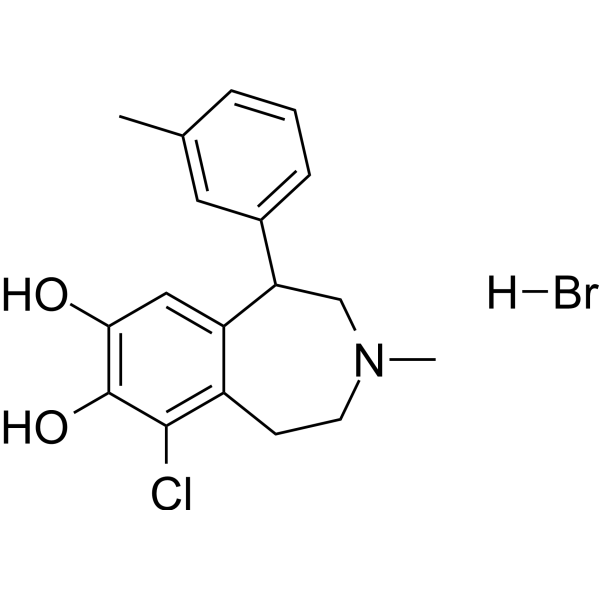
    SKF83959 hydrobromide is a potent and selective dopamine D1-like receptor partial agonist. SKF83959 hydrobromide Ki values for rat D1, D5, D2 and D3 receptors are 1.18, 7.56, 920 and 399 nM, respectively. SKF83959 hydrobromide is a potent allosteric modulator of sigma (σ)-1 receptor. SKF83959 hydrobromide belongs to benzazepine family and has improvements on cognitive dysfunction. SKF83959 hydrobromide can be used for the research of Alzheimer's disease and depression .
    SKF 83959 hydrobromide
  • HY-B1247A
    Protoporphyrin IX disodium
    Maximum Cited Publications
    22 Publications Verification

    PPIX disodium

    Endogenous Metabolite Cancer
    Protoporphyrin IX disodium is a final intermediate in the heme biosynthetic pathway, which acts as a radiation sensitizer enhancing ROS generation even in a hypoxic state and inducing DNA damage. Protoporphyrin IX disodium also acts as a photo sensitizer undergoing photobleaching that occurs through direct degradation by light irradiation. Protoporphyrin IX disodium is formed and accumulated following 5-aminolevulinic acid (5-ALA) (HY-W000450) administration in the tumor cells of rats. Protoporphyrin IX disodium causes selective improvement of basal cell carcinoma when activated red fluorescence of a peak wavelength at 405 nm. Protoporphyrin IX disodium is promising for research of sonodynamic and photodynamic agents for a wide range of cancers, such as bladder cancer and nodular basal cell carcinoma .
    Protoporphyrin IX disodium
  • HY-113048

    Endogenous Metabolite Metabolic Disease
    Erythronic acid is an endogenous metabolite of carbohydrates that can be used in the study of metabolism-related diseases. It plays a key role in the onset and improvement of hyperuricemia and is related to mitochondrial dysfunction in transaldolase deficiency .
    Erythronic acid
  • HY-N9363

    Others Metabolic Disease
    Corymbiferin is one of active constituents, responsible for anti-diabetic properties. Corymbiferin improves antioxidant capacity and carbohydrate metabolism in diabetic rats, along with the improvement of histopathology of livers and pancreatic β cells .
    Corymbiferin
  • HY-178982

    Apelin Receptor (APJ) Metabolic Disease
    Apelin agonist 2 (Compound 35) is an orally active APLNR agonist. Apelin agonist 2 can significantly inhibit the accumulation of cAMP (EC50 = 10 nM). Apelin agonist 2 exhibits a significant improvement in glucose tolerance. Apelin agonist 2 can be used to study metabolic diseases such as diabetes .
    Apelin agonist 2
  • HY-P11540

    Cholecystokinin Receptor MMP Amyloid-β Neurological Disease
    CCKBR agonist-1 (Compound 3r1) is a Gq-protein-preferring cholecystokinin B receptor (CCKBR) agonist with an EC50 of 35 pM. CCKBR agonist-1 significantly increases the survival rate of neurons, with an EC50 of 37 pM. CCKBR agonist-1 can improve the cognitive decline in mice by upregulating α-secretase (ADAM10) and calcium signaling molecule PLCB4, reduce the number of amyloid β () plaques, and promote long-term potentiation (LTP). CCKBR agonist-1 can be used for the study of Alzheimer's disease .
    CCKBR agonist-1
  • HY-178363

    Amylases Metabolic Disease Endocrinology
    α-Amylase-IN-13 is an orally active, selective, brain-penetrant α-amylase inhibitor (IC50 = 0.71 μM). α-Amylase-IN-13 inhibits α-amylase through a mixed type of inhibition mechanism. α-Amylase-IN-13 leads to a significant reduction in blood glucose level in diabetic rats. α-Amylase-IN-13 causes significant histopathological improvements in the kidney, liver, and pancreas. α-Amylase-IN-13 can be used for the study of diabetic complications .
    α-Amylase-IN-13
  • HY-N3204

    Apoptosis Neurological Disease
    Neoechinulin A is an isoprenyl indole alkaloid that exhibits scavenging, neurotrophic factor-like, and anti-apoptotic activities. Neoechinulin A induces memory improvements and antidepressant-like effects in mice .
    Neoechinulin A
  • HY-106044

    SQ 64442

    Phosphodiesterase (PDE) GABA Receptor Interleukin Related Neurological Disease Inflammation/Immunology
    Etazolate (SQ 64442) is a α-secretase activator, selective PDE4 inhibitor, selective GABAA receptor modulator. Etazolate reduces IL-1β levels Etazolate exerts a dose-dependent anti-inflammatory and anti-œdematous effect accompanied by lasting memory improvement. Etazolate produces an antidepressant-like effect .
    Etazolate
  • HY-160550

    Phosphatase Inflammation/Immunology
    DPM-1003 is a PTP1B conformational inhibitor that targets the non-catalytic, disordered segment at the C-terminus of the PTP1B protein, showing improvement in lung inflammation in mice .
    DPM-1003
  • HY-173420

    Drug Derivative Cardiovascular Disease Endocrinology Cancer
    15-Keto Iloprost is a C-15 oxidized derivative of Iloprost (HY-A0096). Iloprost (ZK 36374) is a prostacyclin (PGI2) analogue, involves in embryo development and inflammation improvement, and inhibits tumor metastasis .
    15-Keto Iloprost
  • HY-P991536

    Amyloid-β Neurological Disease
    KHK6640 is a humanized anti-amyloid beta oligomer-specific antibody. KHK6640 demonstrates high potency and efficacy for cognitive improvement in several rodent Alzheimer’s models. KHK6640 can be studied in research for neurological diseases such as Alzheimer’s disease .
    KHK6640
  • HY-117075

    SGLT Metabolic Disease
    BI-44847 is a selective and orally active SGLT2 inhibitor. BI-44847 can increase UGE and decrease HbA1c levels. BI-44847 shows improvement in fasting and fed glucose levels. BI-44847 can be studied in research on type 2 diabetes mellitus (T2DM) .
    BI-44847
  • HY-155484

    Sigma Receptor Neurological Disease
    SOMCL-668 is a selective and potent sigma-1 receptor allosteric modulator. ?SOMCL-668 shows positive modulation of improvement in social deficits and cognitive impairment induced by the selective sigma-1 agonist PRE084.?SOMCL-668 displays anti-seizure activities and can be used for psychotic illness research .
    SOMCL-668
  • HY-B1901S

    Isotope-Labeled Compounds Neurological Disease
    Eperisone-d10 (hydrochloride) is the deuterium labeled Eperisone hydrochloride. Eperisone Hydrochloride ((±)-Eperisone hydrochloride) is an antispastic agent used for treatment of diseases characterized by muscle stiffness and pain. It works by relaxing both skeletal muscles and vascularsmooth muscles, thus demonstrating avariety of effects such as reduction ofmyotonia, improvement of circulationand suppression of the pain reflex. Eperisone Hydrochloride ((±)-Eperisone hydrochloride) is a centrally acting muscle relaxant inhibiting the pain reflex pathway, having a vasodilator effect [2 .
    Eperisone-d10 hydrochloride
  • HY-146087

    Autophagy Cancer
    Autophagy inducer 4 is a Magnolol-based Mannich base derivatives, which can be used as an anticancer agent. Autophagy inducer 4 suppresses cancer cells via inducing autophagy. Autophagy inducer 4 has 76-fold improvement in cytotoxicity against T47D cells compared with Magnolol. Autophagy inducer 4 also possesses suppressive effects on migration of T47D and Hela cancer cells .
    Autophagy inducer 4
  • HY-172152

    FKBP Calcium Channel Neurological Disease
    MP-010 is a FKBP12 ligand that regulates cytosolic calcium by stabilizing RyR channel activity. MP-010 promotes functional improvement in SOD1 G93A amyotrophic lateral sclerosis (ALS) mice, as evidenced by improved motor coordination, increased integrity of neuromuscular junctions, and significantly enhanced survival of spinal motor neurons. MP-010 can be used for research in the field of neurological diseases .
    MP-010

Inquiry Online

Your information is safe with us. * Required Fields.

Salutation


Country or Region *

Applicant Name *


Organization Name *

Department *


Email Address *


Product Name *

Cat. No.


Requested quantity *

Phone Number *


Remarks

Inquiry Online

Inquiry Information

Product Name:
Cat. No.:
Quantity:
MCE Japan Authorized Agent:

