
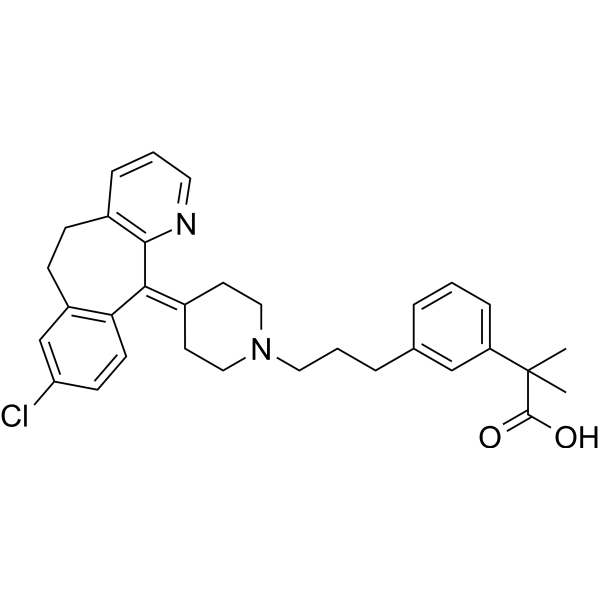
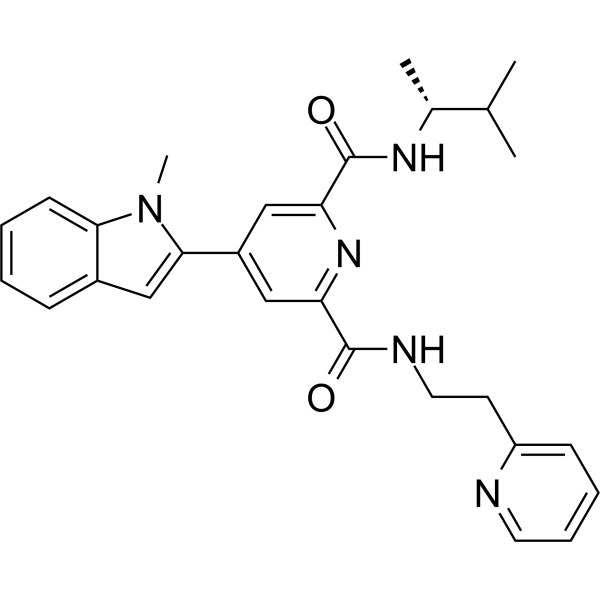
Search Result
Results for "
inflammatory/allergic diseases
" in MedChemExpress (MCE) Product Catalog:
| Cat. No. |
Product Name |
Target |
Research Areas |
Chemical Structure |
-
- HY-B1829A
-
|
Dexamethasone 21-phosphate disodium
|
Glucocorticoid Receptor
TGF-β Receptor
Interleukin Related
|
Neurological Disease
Inflammation/Immunology
|
|
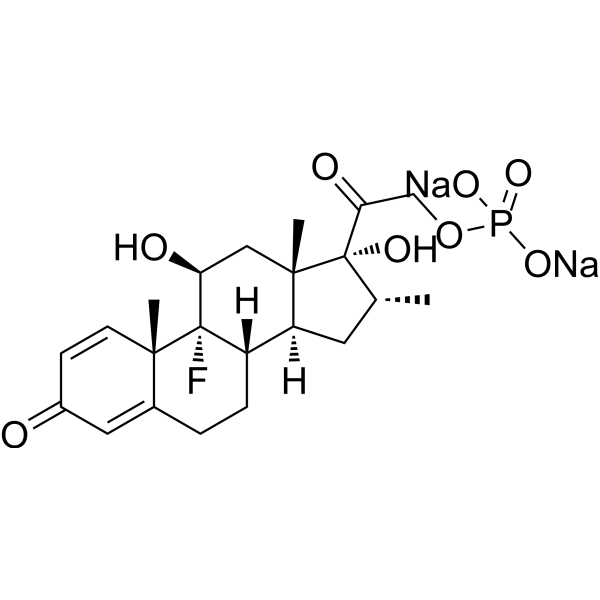
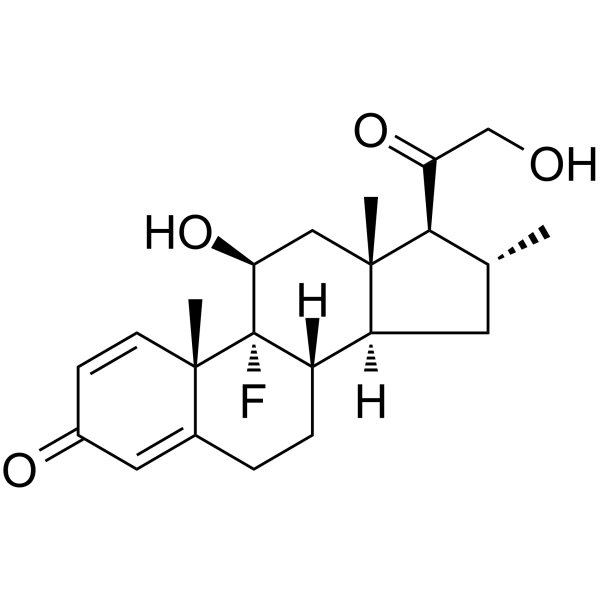
Dexamethasone phosphate (Dexamethasone 21-phosphate) disodium is a prodrug form of the glucocorticoid Dexamethasone (HY-14648). Dexamethasone phosphate disodium is produced by introducing a phosphate ester group at the 21-position of the Dexamethasone molecule, forming a salt with sodium ions, thereby significantly improving water solubility. Dexamethasone phosphate disodium inhibits LPS (HY-D1056)-induced degradation of IRAK-1 and IRAK-4, and blocks LPS-induced activation of TRAF6, p-TAK1 and p-JNK. Dexamethasone phosphate disodium inhibits the secretion of RANTES, TGF-β1 and NO, promotes the production of MIP-1α and IL-10, and blocks microglial migration. Dexamethasone phosphate disodium is almost completely converted to Dexamethasone in rat blood, and supports transdermal delivery via iontophoresis. Dexamethasone phosphate disodium can be used in research related to steroid-dependent ulcerative colitis, chemotherapy-induced vomiting, allergic asthma and acute colitis (inflammatory bowel disease) .
|
-
-
- HY-100001
-
|
|
TRP Channel
CRAC Channel
Autophagy
CaMK
Akt
Apoptosis
Na+/Ca2+ Exchanger
Calcium Channel
|
Neurological Disease
Inflammation/Immunology
Cancer
|
|
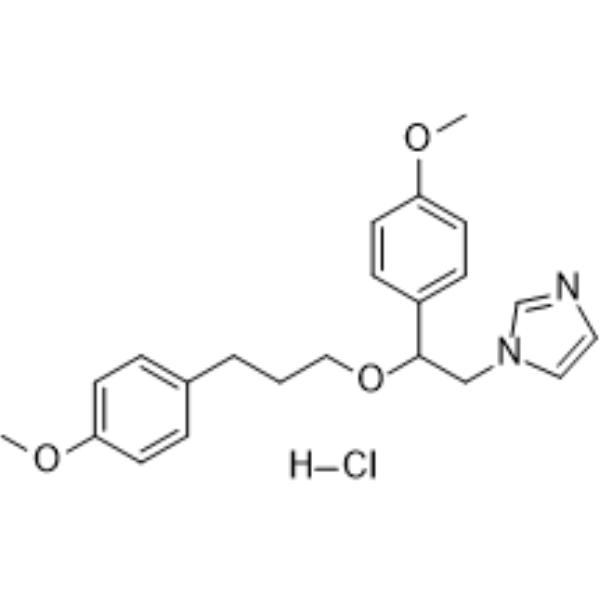
SKF-96365 hydrochloride is a TRPC channel antagonist and store-operated calcium entry (SOCE) inhibitor. SKF-96365 hydrochloride reduces calcium ion influx by inhibiting the activity and expression of TRPC6, STIM1 and Orai1. SKF-96365 hydrochloride inhibits voltage-gated sodium current (cardiac INa/NaV1.5) and slows myocardial conduction. SKF-96365 hydrochloride inhibits phosphorylation/activation of CaMKIIγ and suppresses the downstream AKT signaling pathway. SKF-96365 hydrochloride induces G2/M phase cell cycle arrest, apoptosis and cytoprotective autophagy in colorectal cancer cells. SKF-96365 hydrochloride alleviates allergic rhinitis symptoms by reducing inflammatory cytokine levels. SKF-96365 hydrochloride reduces intracellular calcium overload, inhibits Homer1 expression, prevents nuclear damage and suppresses apoptosis. SKF-96365 hydrochloride inhibits the growth of colorectal cancer xenografts in nude mice . SKF-96365 hydrochloride is applicable to research related to allergic rhinitis, colorectal cancer, Parkinson's disease, persistent spontaneous nociception and hyperalgesia .
|
-
-
- HY-148074
-
|
RPT193
|
CCR
|
Inflammation/Immunology
|
|
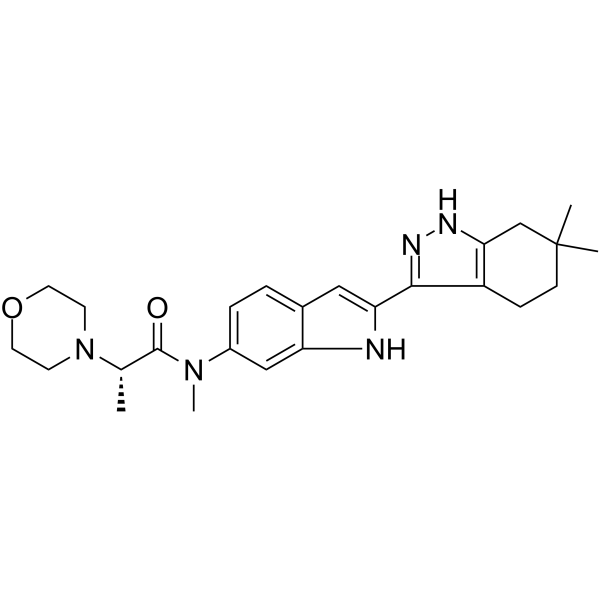
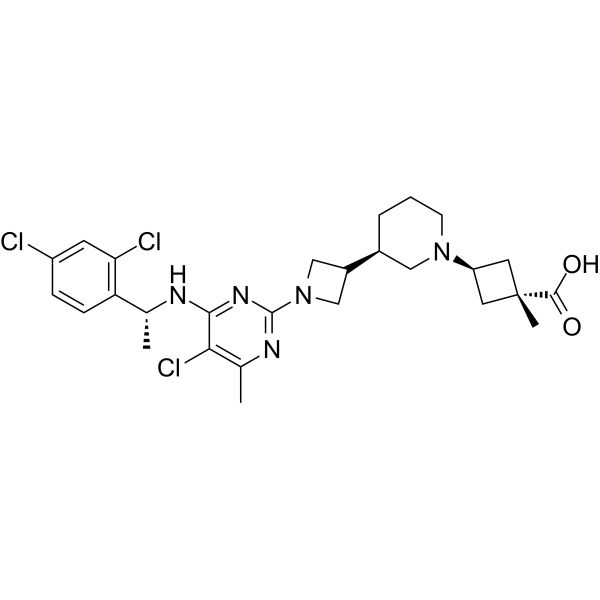
Zelnecirnon (RPT193) is an orally active inhibitor of CCR4, blocks the recruitment of Th2 inflammatory immune cells into inflamed tissues. Zelnecirnon can be used for allergic inflammation in atopic dermatitis, asthma, and other diseases research .
|
-
-
- HY-A0059
-
|
NF 113; SAP 113; Methylmercadone
|
Bacterial
Parasite
Antibiotic
Fungal
Apoptosis
STAT
Interleukin Related
TNF Receptor
|
Infection
Inflammation/Immunology
Cancer
|
|
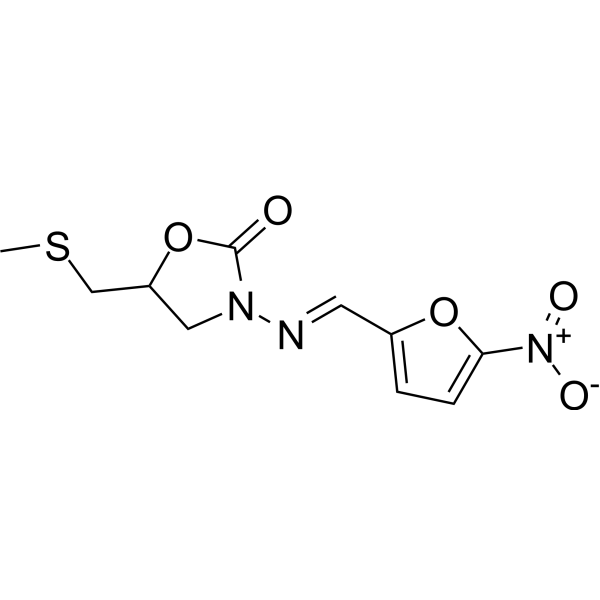
Nifuratel (NF 113) is an orally active broad-spectrum antibiotic with antiprotozoal, antibacterial, anticancer and anti-inflammatory activities, and has good inhibitory effects on Candida and Trichomonas. Nifuratel is also a STAT3 inhibitor, which significantly inhibits the growth and proliferation of human gastric cancer cells and induces apoptosis. In addition, Nifuratel also inhibits mast cell-mediated antigen hypersensitivity reactions and can be used in the study of IgE-mediated allergic diseases .
|
-
-
- HY-N7204
-
|
|
Monoamine Oxidase
Dopamine β-hydroxylase
Apoptosis
|
Neurological Disease
Inflammation/Immunology
|
|
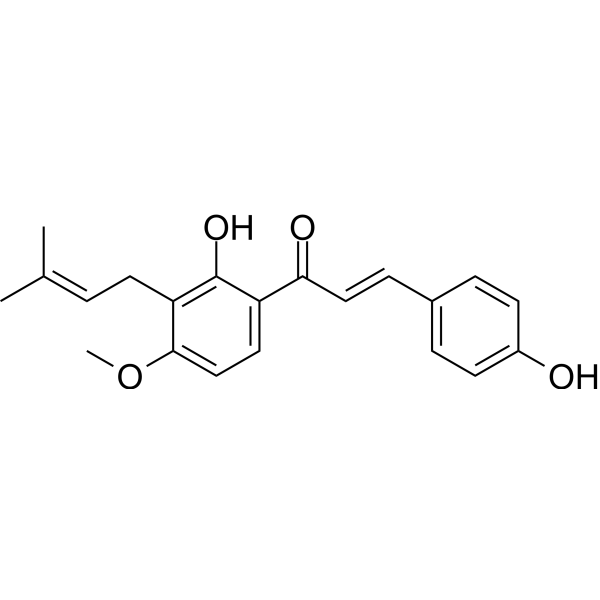
4-Hydroxyderricin, the major active ingredients of Angelica keiskei Koidzumi, is an orally active, potent selective MAO-B (Monoamine oxidase inhibitors) inhibitor with an IC50 of 3.43 μM. 4-Hydroxyderricin also mildly inhibits dopamine β (DBH)-hydroxylase activity. 4-Hydroxyderricin has antidepressant activity, anti-allergic, anti-diabetic, anti-oxidant, and antitumor effects. 4-Hydroxyderricin promotes apoptosis and cell cycle arrest through regulating PI3K/AKT/mTOR pathway in hepatocellular cells. 4-Hydroxyderricin inhibits osteoclast formation and accelerates osteoblast differentiation . 4-Hydroxyderricin is promising for research of inflammatory diseases .
|
-
-
- HY-156963
-
|
FP-025
|
MMP
|
Inflammation/Immunology
|
|
Aderamastat (FP-025) is an orally active, selective MMP-12 inhibitor. Aderamastat provides protection against house dust mite (HDM)-sensitized allergic asthma. Aderamastat can be used in the research of respiratory diseases, including chronic inflammatory airway diseases and pulmonary fibrosis .
|
-
-
- HY-P991162
-
|
PF-07275315
|
Interleukin Related
|
Inflammation/Immunology
|
|
Tilrekimig (PF-07275315) is a monoclonal antibody targeting human interleukin-4 (IL-4), interleukin-13 (IL-13) and thymic stromal lymphopoietin (TSLP). Tilrekimig can be used in the research of allergic and inflammatory diseases, such as asthma and atopic dermatitis .
|
-
-
- HY-N0493
-
|
|
COX
Lipoxygenase
NF-κB
p38 MAPK
ERK
HIF/HIF Prolyl-Hydroxylase
Keap1-Nrf2
PI3K
Apoptosis
Autophagy
|
Neurological Disease
Inflammation/Immunology
Cancer
|
|
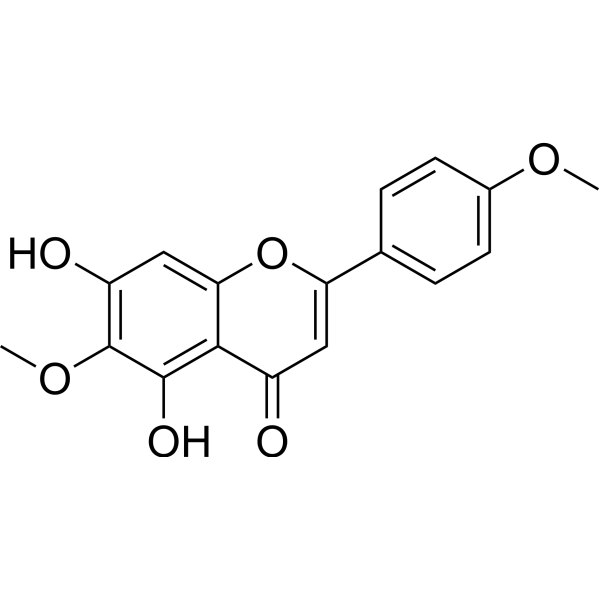
Pectolinarigenin is an orally active dual inhibitor of COX-2/5-LOX with anti-inflammatory, antioxidant, antitumor and neuroprotective activities. Pectolinarigenin exerts neuroprotective and anti-inflammatory effects on astrocyte inflammation via the NFκB and MAPK pathways. Pectolinarigenin inhibits LPS-induced phosphorylation of ERK1/2, N-FκB and p38MAPK, directly inhibits the enzymatic activity or binding of COX-2, 5-LOX and HIF-1α, and reduces the level of XIAP. Pectolinarigenin modifies Keap1 to promote nuclear accumulation of Nrf2, induces ARE-mediated antioxidant enzyme expression, and possesses direct free radical scavenging activity. Pectolinarigenin reduces the release of NO, proinflammatory mediators and leukotrienes, and increases the level of IL-10. Pectolinarigenin induces G2/M cell cycle arrest, apoptosis (Apoptosis) and autophagy (Autophagy) via the PI3K/AKT/mTOR signaling pathway. Pectolinarigenin reduces renal crystal deposition and inhibits melanin synthesis. Pectolinarigenin inhibits inflammation and alleviates allergy in mouse models of inflammation. Pectolinarigenin alleviates renal injury, inflammation and oxidative stress in mice by inhibiting HIF-1α activity. Pectolinarigenin can be used for the research of neurodegenerative diseases, inflammatory/allergic diseases, calcium oxalate nephrocalcinosis, gastric cancer, melasma, post-inflammatory diseases and chloasma .
|
-
-
- HY-P99496
-
|
RPC 4046; ABT 308; CC-93538
|
Interleukin Related
|
Inflammation/Immunology
|
|
Cendakimab (RPC4046; ABT 308; CC-93538) is a selective, humanized, recombinant monoclonal antibody against the IL-13 molecule. Cendakimab has a high affinity and potency for both human wild-type and variant IL-13 and blocks binding of IL-13 to both IL-13Rα1 and IL-13Rα2 with IC50s of 352 pM and 631 pM by ELISA, respectively. Cendakimab recognizes both wild-type human IL-13 and the common polymorphic variant R110Q, with binding affinities of 52 and 50 pM, respectively. Cendakimab has the potential for IL-13-related allergic/inflammatory diseases (e.g., asthma and eosinophilic esophagitis) .
|
-
-
- HY-N0852
-
|
|
p38 MAPK
NF-κB
Interleukin Related
JNK
PERK
CXCR
|
Cardiovascular Disease
Inflammation/Immunology
|
|
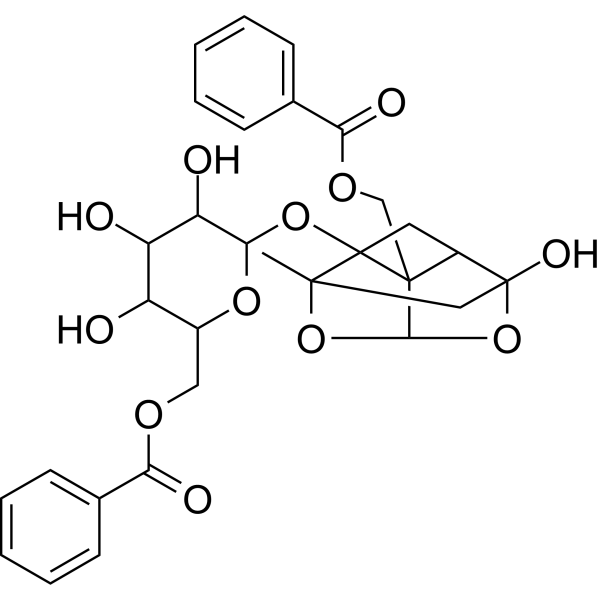
Benzoylpaeoniflorin is an orally active monoterpene glycoside compound. Benzoylpaeoniflorin exerts anti-inflammatory, anti-allergic, psoriasis-improving and sepsis-improving effects by inhibiting signaling pathways such as TNF/NF-κB and MAPK, as well as regulating immune homeostasis. Benzoylpaeoniflorin can be used in research related to immune, allergic and inflammatory diseases .
|
-
-
- HY-158398
-
|
|
STAT
|
Inflammation/Immunology
|
|
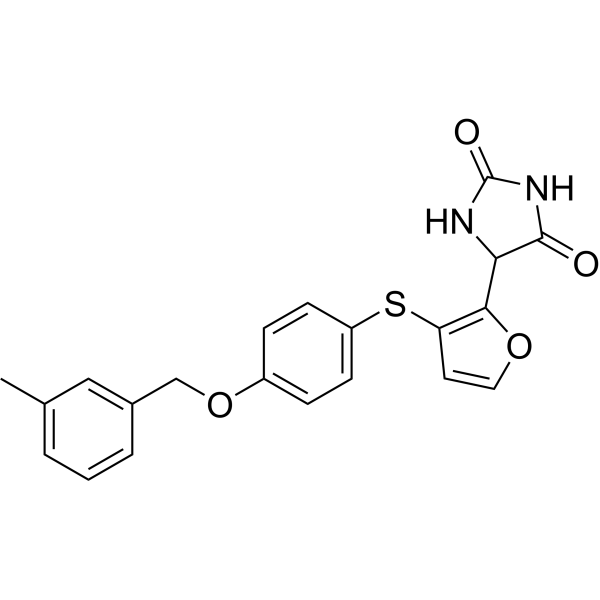
STAT6-IN-4 (Ex. 78) is a STAT6 inhibitor, with an IC50 of 0.34 μM. STAT6-IN-4 can be used in the research of diseases such as inflammatory and allergic diseases .
|
-
-
- HY-158399
-
|
|
STAT
|
Inflammation/Immunology
|
|
STAT6-IN-5 (compound 84) is a STAT6 inhibitor (IC50=0.24 μM), which can be used for the research of inflammatory diseases and allergic diseases (e.g. atopic dermatitis) .
|
-
-
- HY-128726
-
|
|
Itk
|
Inflammation/Immunology
|
|
ITK inhibitor 2 is a ITK inhibitor with an IC50 of 2 nM. ITK inhibitor 2 is used for research on inflammatory diseases, allergic diseases, autoimmune diseases and transplant rejection .
|
-
-
- HY-123205
-
-
-
- HY-162231
-
|
|
Histamine Receptor
mAChR
|
Inflammation/Immunology
|
|
HY-078020 (compound III-4) is a selective, orally active antagonist for histamine H1 receptor with an IC50 of 24.12 nM. HY-078020 exhibits an anti-inflammatory effect in allergic diseases .
|
-
-
- HY-17570
-
-
-
- HY-153991
-
|
|
STAT
|
Inflammation/Immunology
|
|
STAT6-IN-2 (Compound R-84) is a STAT6 inhibitor that can inhibit the tyrosine phosphorylation of STAT6. STAT6-IN-2 can also inhibit the secretion of eotaxin-3. STAT6-IN-2 can be used in the research of immune diseases and allergic inflammatory diseases such as asthma .
|
-
-
- HY-Y0047
-
|
Picolamine; 3-Pyridinemethanamine; Pyridin-3-ylmethanamine
|
Biochemical Assay Reagents
|
Inflammation/Immunology
|
|
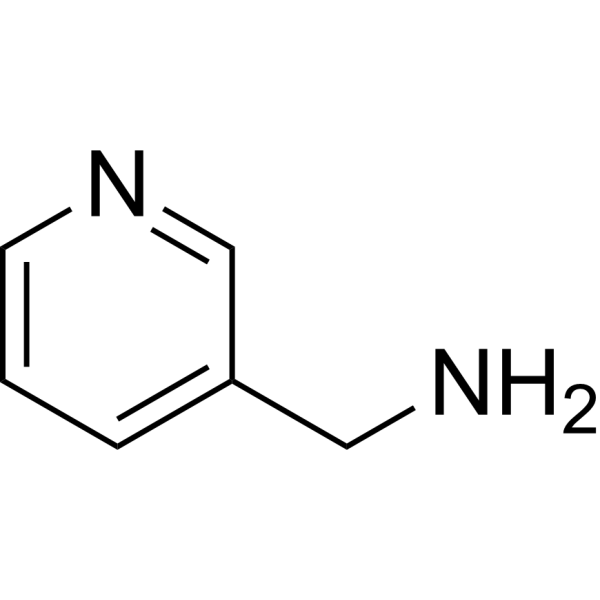
3-Picolylamine is a primary amine compound containing a pyridine ring structure. 3-Picolylamine inhibits histaminase (diamine oxidase) activity in pig kidneys. 3-Picolylamine significantly enhances the contractile response of isolated guinea pig ileum to Histamine (HY-B1204). 3-Picolylamine can be used to study histamine-related physiological mechanisms or allergic diseases (such as histamine-mediated inflammatory responses) .
|
-
-
- HY-P991424
-
|
|
Interleukin Related
STAT
|
Inflammation/Immunology
|
|
GSK2618960 is a human monoclonal antibody (mAb) targeting IL-7Ra/CD127. GSK2618960 inhibits IL-7-induced STAT5 phosphorylation. GSK2618960 enhances CD4 T cell proliferation response and increases CD83, CD86, and CD209 expression in PBMCs. GSK2618960 can be used for the research of autoimmune and allergic inflammatory diseases. Recommended isotype control: Human IgG1 kappa, Isotype Control (HY-P99001) .
|
-
-
- HY-176919
-
|
|
PROTACs
STAT
|
Inflammation/Immunology
Cancer
|
|
PROTAC STAT6 degrader-3 is a potent STAT6 PROTAC degrader with a DC50 of less than 1 nM. PROTAC STAT6 degrader-3 can be used for research on allergic/inflammatory diseases and cancer .
|
-
-
- HY-W015515
-
-
-
- HY-N1098
-
|
|
Tyrosinase
p38 MAPK
NF-κB
Bacterial
|
Infection
Metabolic Disease
Inflammation/Immunology
|
|
Velutin is a flavonoid. Velutin can be extracted from mistletoe. Velutin inhibits mushroom Tyrosinase activity with an IC50 of 910.1 μM. Velutin inhibits p38 phosphorylation, the NF-κB pathway and the MAPK pathway. Velutin prevents articular cartilage degeneration and subchondral bone loss. Velutin slows down the progression of intervertebral disc degeneration. Velutin exhibits inhibitory effects on melanogenesis, skin whitening, anti-inflammatory, anti-allergic, anti-oxidant and antibacterial activities. Velutin can be used in studies related to pigmented diseases, osteoarthritis and intervertebral disc degeneration .
|
-
-
- HY-P991278
-
|
|
Interleukin Related
|
Inflammation/Immunology
|
|
ABM-125 is a IL-25 neutralizer and immune response modulator. ABM-125 neutralizes human and mouse IL-25 and blocks type 2 immune activation function. ABM-125 regulates virus-induced inflammatory cytokine expression and increases the expression level of antiviral interferons in rhinovirus-infected asthmatic bronchial epithelial cells. For the isotype control of ABM-125, refer to Human IgG1 kappa, Isotype Control (HY-P99001). ABM-125 is applicable to research related to virus-induced acute asthma exacerbations .
|
-
-
- HY-125942
-
SKF-96365
Maximum Cited Publications
27 Publications Verification
|
CRAC Channel
TRP Channel
CaMK
Akt
Apoptosis
Autophagy
Na+/Ca2+ Exchanger
Calcium Channel
|
Neurological Disease
Inflammation/Immunology
Cancer
|
|
SKF-96365 is a TRPC channel antagonist and store-operated calcium entry (SOCE) inhibitor. SKF-96365 reduces calcium ion influx by inhibiting the activity and expression of TRPC6, STIM1 and Orai1. SKF-96365 inhibits voltage-gated sodium current (cardiac INa/NaV1.5) and slows myocardial conduction. SKF-96365 inhibits phosphorylation/activation of CaMKIIγ and suppresses the downstream AKT signaling pathway. SKF-96365 induces G2/M phase cell cycle arrest, apoptosis and cytoprotective autophagy in colorectal cancer cells. SKF-96365 alleviates allergic rhinitis symptoms by reducing inflammatory cytokine levels. SKF-96365 reduces intracellular calcium overload, inhibits Homer1 expression, prevents nuclear damage and suppresses apoptosis. SKF-96365 inhibits the growth of colorectal cancer xenografts in nude mice . SKF-96365 is applicable to research related to allergic rhinitis, colorectal cancer, Parkinson's disease, persistent spontaneous nociception and hyperalgesia .
|
-
-
- HY-B1829AR
-
|
Dexamethasone 21-phosphate disodium (Standard)
|
Glucocorticoid Receptor
Reference Standards
Interleukin Related
TGF-β Receptor
|
Neurological Disease
Metabolic Disease
Inflammation/Immunology
|
|
Dexamethasone phosphate (Dexamethasone 21-phosphate) disodium (Standard) is the analytical standard of Dexamethasone phosphate disodium (HY-B1829A). This product is intended for research and analytical applications. Dexamethasone phosphate (Dexamethasone 21-phosphate) disodium is a prodrug form of the glucocorticoid Dexamethasone (HY-14648). Dexamethasone phosphate disodium is produced by introducing a phosphate ester group at the 21-position of the Dexamethasone molecule, forming a salt with sodium ions, thereby significantly improving water solubility. Dexamethasone phosphate disodium inhibits LPS (HY-D1056)-induced degradation of IRAK-1 and IRAK-4, and blocks LPS-induced activation of TRAF6, p-TAK1 and p-JNK. Dexamethasone phosphate disodium inhibits the secretion of RANTES, TGF-β1 and NO, promotes the production of MIP-1α and IL-10, and blocks microglial migration. Dexamethasone phosphate disodium is almost completely converted to Dexamethasone in rat blood, and supports transdermal delivery via iontophoresis. Dexamethasone phosphate disodium can be used in research related to steroid-dependent ulcerative colitis, chemotherapy-induced vomiting, allergic asthma and acute colitis (inflammatory bowel disease).
|
-
-
- HY-148908
-
|
|
TNF Receptor
|
Cardiovascular Disease
Inflammation/Immunology
Cancer
|
|
TNF-α-IN-8 (compound I-42) is a TNF-α inhibitor. TNF-α-IN-8 is an isoindole-imide compound. TNF-α-IN-8 can be used for the research of cancer, heart disease, osteoporosis, inflammatory, allergic and autoimmune diseases . TNF-α-IN-8 is a click chemistry reagent, it contains an Azide group and can undergo copper-catalyzed azide-alkyne cycloaddition reaction (CuAAc) with molecules containing Alkyne groups. It can also undergo strain-promoted alkyne-azide cycloaddition (SPAAC) reactions with molecules containing DBCO or BCN groups.
|
-
-
- HY-W015515R
-
|
(S)-3,7-Dimethyloct-6-en-1-ol (Standard)
|
Reference Standards
ERK
Beta-secretase
γ-secretase
Cholinesterase (ChE)
TNF Receptor
|
Neurological Disease
Inflammation/Immunology
|
|
L-Citronellol ((S)-3,7-Dimethyloct-6-en-1-ol) is an analytical standard for L-Citronellol (HY-W015515). This product is intended for research and analytical applications. L-Citronellol is a natural product with anti-allergic and neuroprotective effects. L-Citronellol inhibits mast cell activation and the release of inflammatory factors by inhibiting the ERK pathway. L-Citronellol inhibits BACE1/PSEN1 and AChE, reduces TNF-α expression and lipid peroxidation, demonstrating the potential of multi-target anti-Alzheimer's disease (AD).
|
-
-
- HY-B1829
-
|
Dexamethasone 21-phosphate
|
Glucocorticoid Receptor
TGF-β Receptor
Interleukin Related
|
Neurological Disease
Inflammation/Immunology
|
|
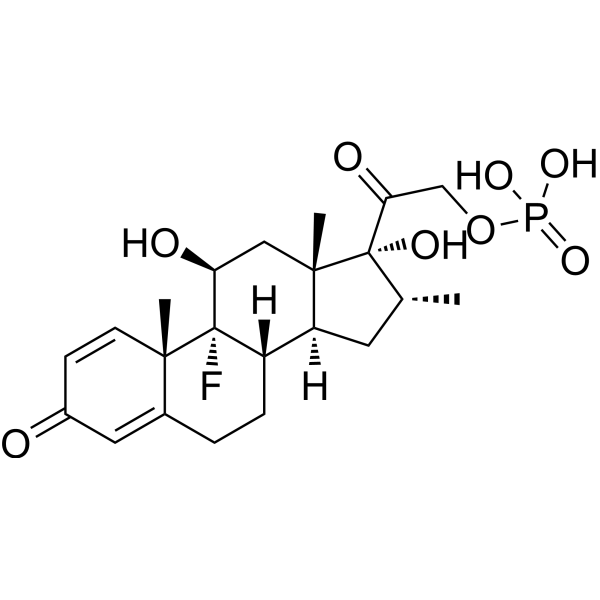
Dexamethasone phosphate (Dexamethasone 21-phosphate) is a prodrug form of the glucocorticoid Dexamethasone (HY-14648). Dexamethasone phosphate is prepared by introducing a phosphate ester group to the hydroxyl group at position 21 of the Dexamethasone molecule. Dexamethasone phosphate inhibits LPS (HY-D1056)-induced degradation of IRAK-1 and IRAK-4, and blocks LPS-induced activation of TRAF6, p-TAK1 and p-JNK. Dexamethasone phosphate inhibits the secretion of RANTES, TGF-β1 and NO, promotes the production of MIP-1α and IL-10, and blocks microglial migration. Dexamethasone phosphate is almost completely converted to Dexamethasone in rat blood, and supports transdermal delivery via iontophoresis. Dexamethasone phosphate can be used in research related to steroid-dependent ulcerative colitis, chemotherapy-induced vomiting, allergic asthma and acute colitis (inflammatory bowel disease) .
|
-
-
- HY-B1015
-
|
Ethosalamide
|
Others
|
Inflammation/Immunology
|
|
Etosalamide (Ethosalamide) is an antipyretic and analgesic agent. Etosalamide has anti-inflammatory activity and can be used for allergic disease research .
|
-
-
- HY-U00347
-
|
Atreleuton analog
|
COX
Lipoxygenase
|
Inflammation/Immunology
|
|
COX/5-LO-IN-1 (Atreleuton analog) is an inhibitor of cylooxygenase and 5-lipoxygenase (5-LO), used for the research of inflammatory and allergic disease states.
|
-
-
- HY-N0852R
-
|
|
Reference Standards
JNK
NF-κB
CXCR
Interleukin Related
PERK
p38 MAPK
|
Cardiovascular Disease
Inflammation/Immunology
|
|
Benzoylpaeoniflorin (Standard) is an analytical standard for Benzoylpaeoniflorin (HY-N0852). This product is intended for research and analytical applications. Benzoylpaeoniflorin is an orally active monoterpene glycoside compound. Benzoylpaeoniflorin exerts anti-inflammatory, anti-allergic, psoriasis-improving and sepsis-improving effects by inhibiting signaling pathways such as TNF/NF-κB and MAPK, as well as regulating immune homeostasis. Benzoylpaeoniflorin can be used in research related to immune, allergic and inflammatory diseases .
|
-
-
- HY-164216A
-
|
|
STAT
|
Inflammation/Immunology
Cancer
|
|
(trans)-STAT6-IN-13 (Compound 95) is a STAT6 inhibitor with IC50 values of ≤300 nM. (trans)-STAT6-IN-13 has weak inhibitory for STAT3. (trans)-STAT6-IN-13 can be used for the researches of cancer, inflammation and immunology .
|
-
-
- HY-176767
-
|
|
Mas-related G-protein-coupled Receptor (MRGPR)
|
Inflammation/Immunology
|
|
MrgprX2-IN-1 (Compound 2-10) is a selective Mas-related G-protein coupled receptor X2 (MRGPRX2) antagonist. MrgprX2-IN-1 blocks IgE-independent immune responses by inhibiting MRGPRX2-mediated mast cell degranulation and release of inflammatory mediators. MrgprX2-IN-1 is promising for research of pseudo-allergic reactions, chronic pruritus, and inflammatory diseases .
|
-
-
- HY-176768
-
|
|
Mas-related G-protein-coupled Receptor (MRGPR)
|
Inflammation/Immunology
|
|
MrgprX2-IN-2 (Compound example 12) is a selective Mas-related G-protein coupled receptor X2 (MRGPRX2) antagonist. MrgprX2-IN-2 blocks IgE-independent immune responses by inhibiting MRGPRX2-mediated mast cell degranulation and release of inflammatory mediators. MrgprX2-IN-2 is promising for research of pseudo-allergic reactions, chronic pruritus, and inflammatory diseases .
|
-
-
- HY-P991720
-
|
|
Interleukin Related
|
Inflammation/Immunology
|
|
Tepilukimig is a bivalent humanized IgG1κ monoclonal antibody inhibitor targeting TSLP-IL7Rα and TSLP-CRLF2. Tepilukimig inhibits the binding of TSLP to its receptors (IL7Rα and CRLF2) on the cell surface, thereby completely interrupting the inflammatory signaling pathway driven by TSLP. Tepilukimig can be used for allergic and inflammatory diseases like atopic dermatitis and asthma research .
|
-
-
- HY-129991
-
|
|
CCR
|
Inflammation/Immunology
|
|
JNJ-17166864 is a highly selective CCR2 antagonist. JNJ-17166864 has low oral bioavailability. JNJ-17166864 can significantly reduce the area of alveolar bone loss in a mouse model of periodontitis induced by Porphyromonas gingivalis infection. JNJ-17166864 can be used in the research of inflammatory diseases such as allergic rhinitis and periodontitis .
|
-
-
- HY-116164
-
|
|
Lipoxygenase
|
Inflammation/Immunology
|
|
A-79175 is a potent 5-lipoxygenase inhibitor that inhibits leukotriene formation. A-79175 is promising for research of various allergic and inflammatory diseases including asthma, allergic rhinitis, rheumatoid arthritis and inflammatory bowel disease .
|
-
-
- HY-117514
-
-
-
- HY-W281862
-
-
-
- HY-156667
-
-
-
- HY-147579
-
|
|
TAM Receptor
|
Infection
Inflammation/Immunology
Cancer
|
|
Axl-IN-12 (Example 2) is a potent AXL inhibitor. Axl-IN-12 can be used for the research of proliferative diseases, autoimmune diseases, allergic diseases, inflammatory diseases, transplant rejection, cancers, viral infectious diseases or other diseases of mammals .
|
-
-
- HY-147578
-
|
|
TAM Receptor
|
Infection
Inflammation/Immunology
Cancer
|
|
Axl-IN-11 (Example 1) is a potent AXL inhibitor. Axl-IN-11 can be used for the research of proliferative diseases, autoimmune diseases, allergic diseases, inflammatory diseases, transplant rejection, cancers, viral infectious diseases or other diseases of mammals .
|
-
-
- HY-147576
-
|
|
TAM Receptor
|
Inflammation/Immunology
Cancer
|
|
Axl-IN-9 (Example 10) is a potent AXL inhibitor, with an IC50 of 26 nM. Axl-IN-9 has excellent transmembrane properties. Axl-IN-9 exhibits excellent pharmacokinetic properties in an animal body. Axl-IN-9 can be used for the research of proliferative diseases, autoimmune diseases, allergic diseases, inflammatory diseases, transplant rejection, cancer, or other diseases in mammals .
|
-
-
- HY-147577
-
|
|
TAM Receptor
|
Inflammation/Immunology
Cancer
|
|
Axl-IN-10 (Example 1) is a potent AXL inhibitor, with an IC50 of 5 nM. Axl-IN-10 has excellent transmembrane properties.Axl-IN-10 exhibits excellent pharmacokinetic properties in an animal body. Axl-IN-10 can be used for the research of proliferative diseases, autoimmune diseases, allergic diseases, inflammatory diseases, transplant rejection, cancer, or other diseases in mammals .
|
-
-
- HY-P991144
-
|
|
Interleukin Related
|
Inflammation/Immunology
|
|
Lasrekibart is a humanized monoclonal antibody targeting human interleukin 5 (IL-5). Lasrekibart specifically binds to IL-5, blocking the interaction between IL-5 and its receptor, thus exerting immunosuppressive and anti-inflammatory activities. Lasrekibart is promising for research of allergic and inflammatory diseases, such as asthma .
|
-
-
- HY-W300403A
-
-
-
- HY-177312
-
|
|
CCR
|
Inflammation/Immunology
|
|
CCR3 antagonist 2 (example 66) is a CCR3 antagonist that can be used for the study of inflammatory or allergic condition, particularly an inflammatory or obstructive airways disease .
|
-
-
- HY-19108
-
|
|
Reactive Oxygen Species (ROS)
Histamine Receptor
|
Inflammation/Immunology
Endocrinology
|
|
CI-959 is an inhibitor of inflammatory cell activation. CI-959 exhibits anti-inflammatory and anti-allergic activities. CI-959 can inhibit the production of reactive oxygen species by neutrophils, as well as neutrophil adhesion, respiratory burst, and histamine release from mast cells. CI-959 can also inhibit the release of inflammatory mediators such as histamine, leukotrienes, and thromboxane from guinea-pig and human lung tissues, and effectively suppress anti-IgE-induced contractions of human bronchial smooth muscle. CI-959 can be used in the research of inflammatory and allergic diseases, such as asthma .
|
-
-
- HY-N12708
-
|
|
Others
|
Others
|
|
23-O-β-D-Glucopyranosyl-20-isoveratramine is a potential anti-allergic agent extracted from nettles. A variety of COX-1, COX-2, 5-lipoxygenase and trypsin-like inhibitors and H1 antagonists are found in nettle extract, which can inhibit seasonal allergies, allergic rhinitis and other inflammatory diseases. and preventive effects .
|
-
-
- HY-17570R
-
|
|
Glucocorticoid Receptor
Reference Standards
Interleukin Related
Cytochrome P450
|
Inflammation/Immunology
|
|
Desoximetasone (Standard) is the analytical standard of Desoximetasone (HY-17570). This product is intended for research and analytical applications. Desoximetasone is a corticosteroid and a substrate of cytochrome P450 3A4. Desoximetasone has anti-inflammatory, anti-allergic, and immunosuppressive effects. Desoximetasone can be used in the research of various skin diseases, such as skin allergies, atopic dermatitis, and psoriasis .
|
-
- HY-120214
-
|
|
Syk
RET
|
Inflammation/Immunology
|
|
TAS05567 is a potent, highly selective, ATP-competitive and orally active Syk inhibitor with an IC50 of 0.37 nM. In a panel of 192 kinases, TAS05567 only shows >70% inhibition of Syk and 4 other kinases (FLT3, JAK2, KDR and RET with IC50s of 10 nM, 4.8 nM, 600 nM and 29 nM, respectively). TAS05567 can be used for humoral immune-mediated inflammatory conditions such as autoimmune and allergic diseases .
|
-
- HY-123205R
-
|
KW-4354 (Standard)
|
Reference Standards
Histamine Receptor
P2X Receptor
5-HT Receptor
Apoptosis
PERK
p38 MAPK
COX
|
Inflammation/Immunology
|
|
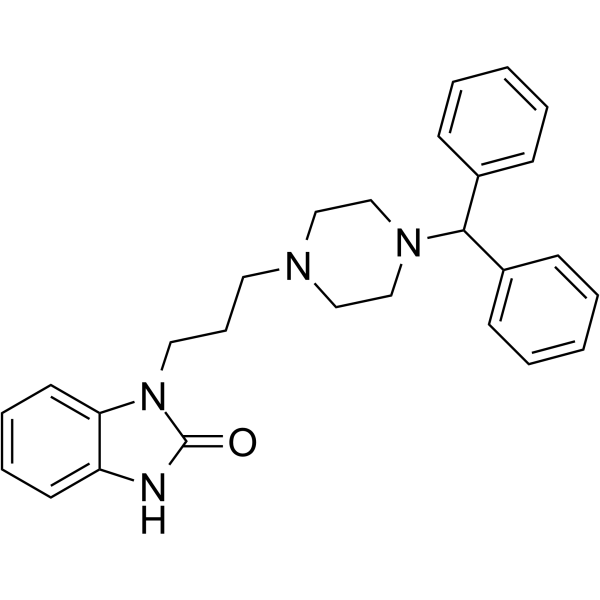
Oxatomide (Standard) (KW-4354 (Standard)) is the analytical standard of Oxatomide (HY-123205). This product is intended for research and analytical applications. Oxatomide (KW-4354) is an orally active dual antagonist of the H1-histamine receptor and the P2X7 receptor, as well as an inhibitor of serotonin. Oxatomide possesses antihistaminic, antiallergic and anti-inflammatory activities. Oxatomide can be used in the research of allergic diseases .
|
-
- HY-119142
-
|
|
Integrin
|
Inflammation/Immunology
|
|
CP-664511 is an orally active and potent α4β1 integrin antagonist with anti-inflammatory effects (IC50=0.52 nM). CP-664511 inhibits the interaction between α4β1 and vascular cell adhesion molecule-1 (VCAM-1), significantly reducing eosinophil infiltration into lung tissue. CP-664511 is promising for research of asthma and allergic airway diseases .
|
-
- HY-106200A
-
|
|
Lipoxygenase
|
Cardiovascular Disease
Inflammation/Immunology
Cancer
|
|
CJ-13,610 (hydrochloride) is an orally active and potent nonredox-type 5-lipoxygenase inhibitor with an IC50 value of 0.07 μM. CJ-13,610 (hydrochloride) competes with activating LOOH at a regulatory LOOH-binding site with high affinity, thereby preventing 5-lipoxygenase catalysis. CJ-13,610 (hydrochloride) is promising for research of diseases related to elevated levels of 5-lipoxygenase such as inflammatory reactions, allergic asthma, various types of cancer and atherosclerosis .
|
-
- HY-111198
-
|
|
Endogenous Metabolite
|
Inflammation/Immunology
|
|
YM-355179 fumarate is a newly synthesized selective CCR3 antagonist with the potential to inhibit eosinophil-related allergic inflammatory diseases. YM-355179 can effectively inhibit the binding of CCL11 and CCL5 to CCR3-expressing cells, with IC50 values of 7.6 nM and 24 nM respectively. In functional experiments, YM-355179 can inhibit CCL11-induced intracellular Ca(2+) influx, chemotaxis and eosinophil degranulation, IC50 The values are 8.0 nM, 24 nM and 29 nM respectively .
|
-
- HY-P10854
-
|
|
NF-κB
Interleukin Related
STAT
Akt
|
Neurological Disease
Inflammation/Immunology
|
|
TAT-N15 is a p55PIK inhibitor with remarkable anti-inflammatory activity and neuroprotective effects. TAT-N15 can significantly inhibit the activation of IL-6, IL-8, Akt, and NF-κB pathways, as well as suppress the protein expression of phosphorylated STAT3 and NF-κB. By inhibiting the activation of Akt, STAT3, and NF-κB pathways, TAT-N15 is used in research on acute conjunctivitis, allergic rhinitis, chronic obstructive pulmonary disease (COPD), and stroke .
|
-
- HY-N0493R
-
|
|
Reference Standards
COX
Lipoxygenase
NF-κB
p38 MAPK
ERK
HIF/HIF Prolyl-Hydroxylase
Keap1-Nrf2
PI3K
Apoptosis
Autophagy
|
Inflammation/Immunology
|
|
Pectolinarigenin (Standard) is the analytical standard of Pectolinarigenin. This product is intended for research and analytical applications. Pectolinarigenin is an orally active dual inhibitor of COX-2/5-LOX with anti-inflammatory, antioxidant, antitumor and neuroprotective activities. Pectolinarigenin exerts neuroprotective and anti-inflammatory effects on astrocyte inflammation via the NFκB and MAPK pathways. Pectolinarigenin inhibits LPS-induced phosphorylation of ERK1/2, N-FκB and p38MAPK, directly inhibits the enzymatic activity or binding of COX-2, 5-LOX and HIF-1α, and reduces the level of XIAP. Pectolinarigenin modifies Keap1 to promote nuclear accumulation of Nrf2, induces ARE-mediated antioxidant enzyme expression, and possesses direct free radical scavenging activity. Pectolinarigenin reduces the release of NO, proinflammatory mediators and leukotrienes, and increases the level of IL-10. Pectolinarigenin induces G2/M cell cycle arrest, apoptosis (Apoptosis) and autophagy (Autophagy) via the PI3K/AKT/mTOR signaling pathway. Pectolinarigenin reduces renal crystal deposition and inhibits melanin synthesis. Pectolinarigenin inhibits inflammation and alleviates allergy in mouse models of inflammation. Pectolinarigenin alleviates renal injury, inflammation and oxidative stress in mice by inhibiting HIF-1α activity. Pectolinarigenin can be used for the research of neurodegenerative diseases, inflammatory/allergic diseases, calcium oxalate nephrocalcinosis, gastric cancer, melasma, post-inflammatory diseases and chloasma.
|
-
- HY-B1829R
-
|
Dexamethasone 21-phosphate (Standard)
|
Glucocorticoid Receptor
Reference Standards
TGF-β Receptor
Interleukin Related
|
Neurological Disease
Inflammation/Immunology
|
|
Dexamethasone phosphate (Standard) (Dexamethasone 21-phosphate (Standard)) is the analytical standard of Dexamethasone phosphate (HY-B1829). This product is intended for research and analytical applications. Dexamethasone phosphate (Dexamethasone 21-phosphate) is a prodrug form of the glucocorticoid Dexamethasone (HY-14648). Dexamethasone phosphate is prepared by introducing a phosphate ester group to the hydroxyl group at position 21 of the Dexamethasone molecule. Dexamethasone phosphate inhibits LPS (HY-D1056)-induced degradation of IRAK-1 and IRAK-4, and blocks LPS-induced activation of TRAF6, p-TAK1 and p-JNK. Dexamethasone phosphate inhibits the secretion of RANTES, TGF-β1 and NO, promotes the production of MIP-1α and IL-10, and blocks microglial migration. Dexamethasone phosphate is almost completely converted to Dexamethasone in rat blood, and supports transdermal delivery via iontophoresis. Dexamethasone phosphate can be used in research related to steroid-dependent ulcerative colitis, chemotherapy-induced vomiting, allergic asthma and acute colitis (inflammatory bowel disease).
|
-
- HY-177277A
-
-
- HY-N17651
-
|
|
Reactive Oxygen Species (ROS)
Fc Receptor (FcR)
Heme Oxygenase (HO)
|
Inflammation/Immunology
|
|
Tricetinidin chloride is an antioxidant. Tricetinidin chloride protects rat renal cells against oxidative stress and DNA damage by reducing ROS production, increasing GSH levels, restoring mitochondrial membrane potential, and upregulating HO-1 expression. Tricetinidin chloride also inhibits the expression of IgE receptors on human mast cells. Tricetinidin chloride can be used in the research of inflammatory and allergic diseases .
|
-
- HY-P992378
-
|
|
CCR
STAT
|
Inflammation/Immunology
Cancer
|
|
HZ-1127 is a thymic stromal lymphopoietin (TSLP) inhibitor. HZ-1127 selectively binds to TSLP, blocks receptor complex interaction, inhibits STAT5 activation, downstream inflammatory signaling, and TSLP-induced CCL17 and CCL22 secretion. HZ-1127 can be used for the research of allergic diseases and cancer .
|
-
- HY-119050
-
|
|
CCR
|
Inflammation/Immunology
|
|
Anti-inflammatory agent 87 (compound 72) is a potential anti-inflammatory agent, whose precursor is an inhibitor targeting the binding of thymus and activation-regulated chemokine (TARC/CCL17) to Hut78 cells. Anti-inflammatory agent 87 can be used in the research of allergic diseases, autoimmune diseases, transplant rejection and other conditions .
|
-
- HY-174771
-
|
|
mRNA
|
Inflammation/Immunology
|
|
Human CCL11 mRNA encodes the human C-C motif chemokine ligand 11 (CCL11) protein, a member of the CC subfamily. CCL11 is thought to be involved in eosinophilic inflammatory diseases such as atopic dermatitis, allergic rhinitis, asthma and parasitic infections.
|
-
- HY-P992440
-
|
|
Interleukin Related
|
Inflammation/Immunology
|
|
PF-06817024 is a high affinity, humanized antibody that binds IL-33. PF-06817024 binds to IL-33, prevents IL-33 from binding to receptor ST2, and inhibits downstream type 2 inflammatory responses. PF-06817024 can be used for the research of allergic diseases .
|
-
- HY-115314
-
|
LG 30435
|
Histamine Receptor
|
Inflammation/Immunology
|
|
Mequitamium iodide (LG 30435) is an antihistamine drug with antiallergic and bronchodilatory activity. Mequitamium iodide can effectively antagonize airway contraction and inflammatory responses induced by histamine and antigens. Mequitamium iodide has nanomolar affinity for the H1 and smooth muscle receptors of histamine and mequitin. Mequitamium iodide, when administered in aerosol form, significantly inhibits histamine- and antigen-induced increases in airway pressure in allergic mice. Mequitamium iodide reduces antigen-induced eosinophil accumulation in the airways. Mequitamium iodide also exhibits inhibitory effects on PAF-induced platelet aggregation and bronchoconstriction, and can be used in the study of allergic diseases such as rhinitis and asthma .
|
-
-
-
HY-L007
-
|
|
7,846 compounds
|
|
The immune system is a host defense system comprising many biological structures and processes within an organism that protects against disease. To function properly, an immune system must detect a wide variety of agents, known as pathogens, from viruses to parasitic worms, and distinguish them from the organism's own healthy tissue. Inflammation is also the body's attempt at self-protection to remove harmful stimuli and begin the healing process. It’s part of the body's immune response. The immune system recognizes damaged cells, irritants, and pathogens, and inflammation begins the healing process. Inflammatory abnormalities are a large group of disorders that underlie a vast variety of human diseases. The immune system is often involved with inflammatory disorders, demonstrated in both allergic reactions and some myopathies, with many immune system disorders resulting in abnormal inflammation.
MCE designs a unique collection of 7,846 compounds that are useful tool for Immunology/Inflammation research or autoimmune inflammatory diseases drug discovery.
|
| Cat. No. |
Product Name |
Target |
Research Area |
-
- HY-P10854
-
|
|
NF-κB
Interleukin Related
STAT
Akt
|
Neurological Disease
Inflammation/Immunology
|
|
TAT-N15 is a p55PIK inhibitor with remarkable anti-inflammatory activity and neuroprotective effects. TAT-N15 can significantly inhibit the activation of IL-6, IL-8, Akt, and NF-κB pathways, as well as suppress the protein expression of phosphorylated STAT3 and NF-κB. By inhibiting the activation of Akt, STAT3, and NF-κB pathways, TAT-N15 is used in research on acute conjunctivitis, allergic rhinitis, chronic obstructive pulmonary disease (COPD), and stroke .
|
| Cat. No. |
Product Name |
Target |
Research Area |
Image |
-
- HY-P991162
-
|
PF-07275315
|
Interleukin Related
|
Inflammation/Immunology
|
|
Tilrekimig (PF-07275315) is a monoclonal antibody targeting human interleukin-4 (IL-4), interleukin-13 (IL-13) and thymic stromal lymphopoietin (TSLP). Tilrekimig can be used in the research of allergic and inflammatory diseases, such as asthma and atopic dermatitis .
|
-
(5)
-
- HY-P99496
-
|
RPC 4046; ABT 308; CC-93538
|
Interleukin Related
|
Inflammation/Immunology
|
|
Cendakimab (RPC4046; ABT 308; CC-93538) is a selective, humanized, recombinant monoclonal antibody against the IL-13 molecule. Cendakimab has a high affinity and potency for both human wild-type and variant IL-13 and blocks binding of IL-13 to both IL-13Rα1 and IL-13Rα2 with IC50s of 352 pM and 631 pM by ELISA, respectively. Cendakimab recognizes both wild-type human IL-13 and the common polymorphic variant R110Q, with binding affinities of 52 and 50 pM, respectively. Cendakimab has the potential for IL-13-related allergic/inflammatory diseases (e.g., asthma and eosinophilic esophagitis) .
|
-
(5)
-
- HY-P991424
-
|
|
Interleukin Related
STAT
|
Inflammation/Immunology
|
|
GSK2618960 is a human monoclonal antibody (mAb) targeting IL-7Ra/CD127. GSK2618960 inhibits IL-7-induced STAT5 phosphorylation. GSK2618960 enhances CD4 T cell proliferation response and increases CD83, CD86, and CD209 expression in PBMCs. GSK2618960 can be used for the research of autoimmune and allergic inflammatory diseases. Recommended isotype control: Human IgG1 kappa, Isotype Control (HY-P99001) .
|
-
(5)
-
- HY-P991278
-
|
|
Interleukin Related
|
Inflammation/Immunology
|
|
ABM-125 is a IL-25 neutralizer and immune response modulator. ABM-125 neutralizes human and mouse IL-25 and blocks type 2 immune activation function. ABM-125 regulates virus-induced inflammatory cytokine expression and increases the expression level of antiviral interferons in rhinovirus-infected asthmatic bronchial epithelial cells. For the isotype control of ABM-125, refer to Human IgG1 kappa, Isotype Control (HY-P99001). ABM-125 is applicable to research related to virus-induced acute asthma exacerbations .
|
-
(5)
-
- HY-P991720
-
|
|
Interleukin Related
|
Inflammation/Immunology
|
|
Tepilukimig is a bivalent humanized IgG1κ monoclonal antibody inhibitor targeting TSLP-IL7Rα and TSLP-CRLF2. Tepilukimig inhibits the binding of TSLP to its receptors (IL7Rα and CRLF2) on the cell surface, thereby completely interrupting the inflammatory signaling pathway driven by TSLP. Tepilukimig can be used for allergic and inflammatory diseases like atopic dermatitis and asthma research .
|
-
(5)
-
- HY-P991144
-
|
|
Interleukin Related
|
Inflammation/Immunology
|
|
Lasrekibart is a humanized monoclonal antibody targeting human interleukin 5 (IL-5). Lasrekibart specifically binds to IL-5, blocking the interaction between IL-5 and its receptor, thus exerting immunosuppressive and anti-inflammatory activities. Lasrekibart is promising for research of allergic and inflammatory diseases, such as asthma .
|
-
(5)
-
- HY-P992378
-
|
|
CCR
STAT
|
Inflammation/Immunology
Cancer
|
|
HZ-1127 is a thymic stromal lymphopoietin (TSLP) inhibitor. HZ-1127 selectively binds to TSLP, blocks receptor complex interaction, inhibits STAT5 activation, downstream inflammatory signaling, and TSLP-induced CCL17 and CCL22 secretion. HZ-1127 can be used for the research of allergic diseases and cancer .
|
-
(5)
-
- HY-P992440
-
|
|
Interleukin Related
|
Inflammation/Immunology
|
|
PF-06817024 is a high affinity, humanized antibody that binds IL-33. PF-06817024 binds to IL-33, prevents IL-33 from binding to receptor ST2, and inhibits downstream type 2 inflammatory responses. PF-06817024 can be used for the research of allergic diseases .
|
-
(5)
| Cat. No. |
Product Name |
Category |
Target |
Chemical Structure |
-
- HY-N7204
-
|
|
Chalcones
Monophenols
Flavonoids
Phenols
Umbelliferae
Plants
Ondetia linearis Benth.
|
Monoamine Oxidase
Dopamine β-hydroxylase
Apoptosis
|
|
4-Hydroxyderricin, the major active ingredients of Angelica keiskei Koidzumi, is an orally active, potent selective MAO-B (Monoamine oxidase inhibitors) inhibitor with an IC50 of 3.43 μM. 4-Hydroxyderricin also mildly inhibits dopamine β (DBH)-hydroxylase activity. 4-Hydroxyderricin has antidepressant activity, anti-allergic, anti-diabetic, anti-oxidant, and antitumor effects. 4-Hydroxyderricin promotes apoptosis and cell cycle arrest through regulating PI3K/AKT/mTOR pathway in hepatocellular cells. 4-Hydroxyderricin inhibits osteoclast formation and accelerates osteoblast differentiation . 4-Hydroxyderricin is promising for research of inflammatory diseases .
|
-
-
- HY-N0493
-
|
|
Structural Classification
Flavonoids
Classification of Application Fields
Flavones
Campylotropis hirtella (Franch.) Schindl.
Phenols
Polyphenols
Plants
Compositae
Inflammation/Immunology
Disease Research Fields
Source Classification
|
COX
Lipoxygenase
NF-κB
p38 MAPK
ERK
HIF/HIF Prolyl-Hydroxylase
Keap1-Nrf2
PI3K
Apoptosis
Autophagy
|
|
Pectolinarigenin is an orally active dual inhibitor of COX-2/5-LOX with anti-inflammatory, antioxidant, antitumor and neuroprotective activities. Pectolinarigenin exerts neuroprotective and anti-inflammatory effects on astrocyte inflammation via the NFκB and MAPK pathways. Pectolinarigenin inhibits LPS-induced phosphorylation of ERK1/2, N-FκB and p38MAPK, directly inhibits the enzymatic activity or binding of COX-2, 5-LOX and HIF-1α, and reduces the level of XIAP. Pectolinarigenin modifies Keap1 to promote nuclear accumulation of Nrf2, induces ARE-mediated antioxidant enzyme expression, and possesses direct free radical scavenging activity. Pectolinarigenin reduces the release of NO, proinflammatory mediators and leukotrienes, and increases the level of IL-10. Pectolinarigenin induces G2/M cell cycle arrest, apoptosis (Apoptosis) and autophagy (Autophagy) via the PI3K/AKT/mTOR signaling pathway. Pectolinarigenin reduces renal crystal deposition and inhibits melanin synthesis. Pectolinarigenin inhibits inflammation and alleviates allergy in mouse models of inflammation. Pectolinarigenin alleviates renal injury, inflammation and oxidative stress in mice by inhibiting HIF-1α activity. Pectolinarigenin can be used for the research of neurodegenerative diseases, inflammatory/allergic diseases, calcium oxalate nephrocalcinosis, gastric cancer, melasma, post-inflammatory diseases and chloasma .
|
-
-
- HY-N0852
-
-
-
- HY-W015515
-
-
-
- HY-N1098
-
-
-
- HY-W015515R
-
-
-
- HY-N0852R
-
-
-
- HY-N12708
-
-
-
- HY-N0493R
-
|
|
Structural Classification
Flavonoids
Flavones
Campylotropis hirtella (Franch.) Schindl.
Phenols
Polyphenols
Plants
Compositae
Source Classification
|
Reference Standards
COX
Lipoxygenase
NF-κB
p38 MAPK
ERK
HIF/HIF Prolyl-Hydroxylase
Keap1-Nrf2
PI3K
Apoptosis
Autophagy
|
|
Pectolinarigenin (Standard) is the analytical standard of Pectolinarigenin. This product is intended for research and analytical applications. Pectolinarigenin is an orally active dual inhibitor of COX-2/5-LOX with anti-inflammatory, antioxidant, antitumor and neuroprotective activities. Pectolinarigenin exerts neuroprotective and anti-inflammatory effects on astrocyte inflammation via the NFκB and MAPK pathways. Pectolinarigenin inhibits LPS-induced phosphorylation of ERK1/2, N-FκB and p38MAPK, directly inhibits the enzymatic activity or binding of COX-2, 5-LOX and HIF-1α, and reduces the level of XIAP. Pectolinarigenin modifies Keap1 to promote nuclear accumulation of Nrf2, induces ARE-mediated antioxidant enzyme expression, and possesses direct free radical scavenging activity. Pectolinarigenin reduces the release of NO, proinflammatory mediators and leukotrienes, and increases the level of IL-10. Pectolinarigenin induces G2/M cell cycle arrest, apoptosis (Apoptosis) and autophagy (Autophagy) via the PI3K/AKT/mTOR signaling pathway. Pectolinarigenin reduces renal crystal deposition and inhibits melanin synthesis. Pectolinarigenin inhibits inflammation and alleviates allergy in mouse models of inflammation. Pectolinarigenin alleviates renal injury, inflammation and oxidative stress in mice by inhibiting HIF-1α activity. Pectolinarigenin can be used for the research of neurodegenerative diseases, inflammatory/allergic diseases, calcium oxalate nephrocalcinosis, gastric cancer, melasma, post-inflammatory diseases and chloasma.
|
-
-
- HY-N17651
-
-
| Cat. No. |
Product Name |
|
Classification |
-
- HY-148908
-
|
|
|
Azide
|
|
TNF-α-IN-8 (compound I-42) is a TNF-α inhibitor. TNF-α-IN-8 is an isoindole-imide compound. TNF-α-IN-8 can be used for the research of cancer, heart disease, osteoporosis, inflammatory, allergic and autoimmune diseases . TNF-α-IN-8 is a click chemistry reagent, it contains an Azide group and can undergo copper-catalyzed azide-alkyne cycloaddition reaction (CuAAc) with molecules containing Alkyne groups. It can also undergo strain-promoted alkyne-azide cycloaddition (SPAAC) reactions with molecules containing DBCO or BCN groups.
|
| Cat. No. |
Product Name |
|
Classification |
-
- HY-174771
-
|
|
|
mRNA
Chemokine & Receptors
|
|
Human CCL11 mRNA encodes the human C-C motif chemokine ligand 11 (CCL11) protein, a member of the CC subfamily. CCL11 is thought to be involved in eosinophilic inflammatory diseases such as atopic dermatitis, allergic rhinitis, asthma and parasitic infections.
|
Your information is safe with us. * Required Fields.
Inquiry Information
- Product Name:
- Cat. No.:
- Quantity:
- MCE Japan Authorized Agent:

