Search Result
Results for "
lipolysis
" in MedChemExpress (MCE) Product Catalog:
3
Biochemical Assay Reagents
1
Isotope-Labeled Compounds
| Cat. No. |
Product Name |
Target |
Research Areas |
Chemical Structure |
-
- HY-15859
-
Atglistatin
Maximum Cited Publications
40 Publications Verification
|
ATGL
|
Metabolic Disease
|
|
Atglistatin is a selective adipose triglyceride lipase (ATGL) inhibitor which inhibits lipolysis with an IC50 of 0.7 μM in vitro.
|
-
-
- HY-116771A
-
|
|
Adrenergic Receptor
|
Metabolic Disease
|
|
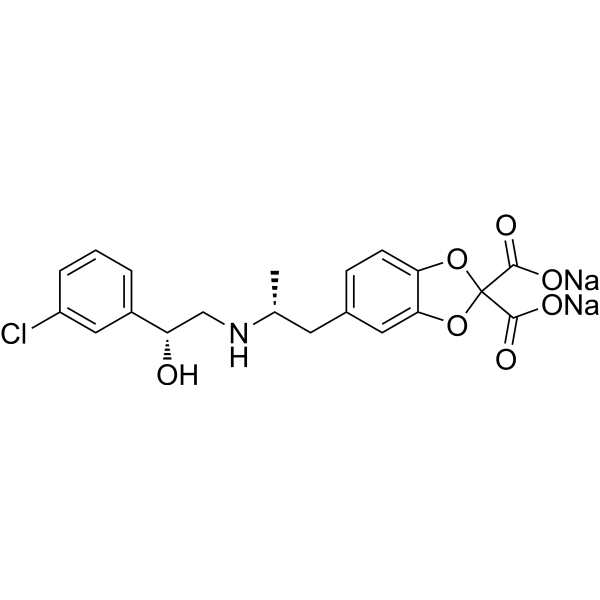
CL316243 is a highly potent selective β3-adrenoceptor agonist with a EC50 of 3 nM, but is an extremely poor to β1/2- receptors .CL316243 is a effective stimulant of adipocyte lipolysis and increases brown adipose tissue thermogenesis and metabolic rate . CL316243 has the potential for the treatment obesity, diabetes and urge urinary incontinence .
|
-
-
- HY-N0236
-
|
|
Antibiotic
STAT
|
Infection
Metabolic Disease
Cancer
|
|
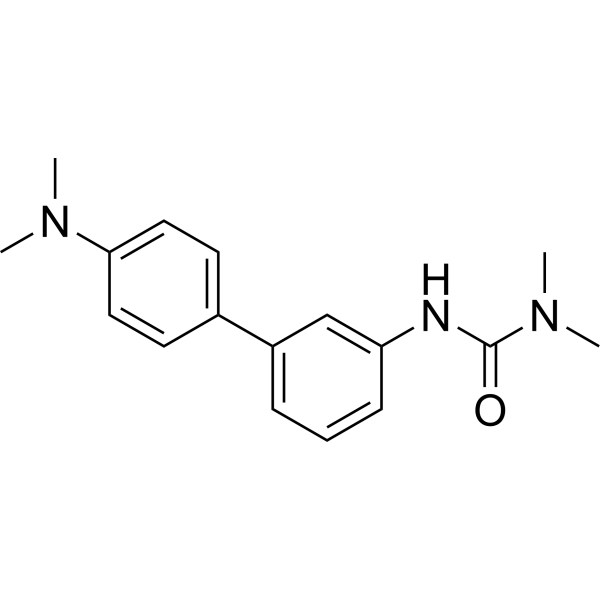
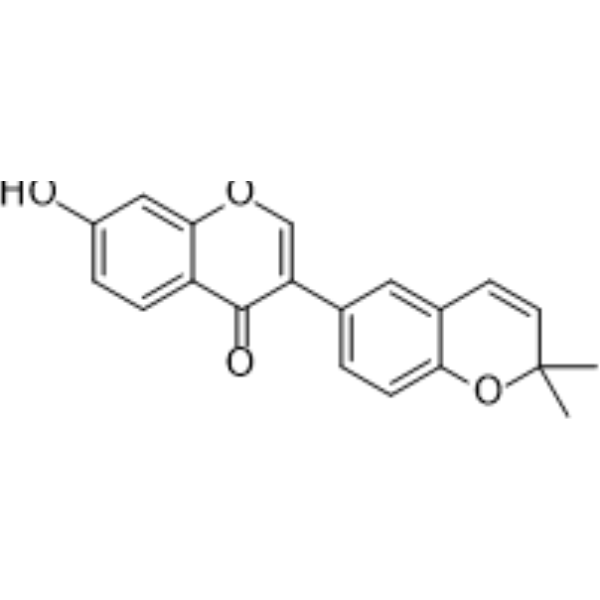
Corylin is an orally active flavonoid anti-inflammatory and osteogenic agent that inhibits IL-6-induced STAT3 promoter activity and STAT3 phosphorylation. Corylin also has anticancer, antiatherosclerotic, and ameliorating activity in hyperlipidemia and insulin resistance, inducing adipocyte browning and lipolysis through SIRT1 or β3-AR-dependent pathways .
|
-
-
- HY-107737
-
|
1,2-Dilauroyl-sn-glycero-3-phosphocholine
|
Liposome
Apoptosis
TNF Receptor
PPAR
|
Metabolic Disease
|
|
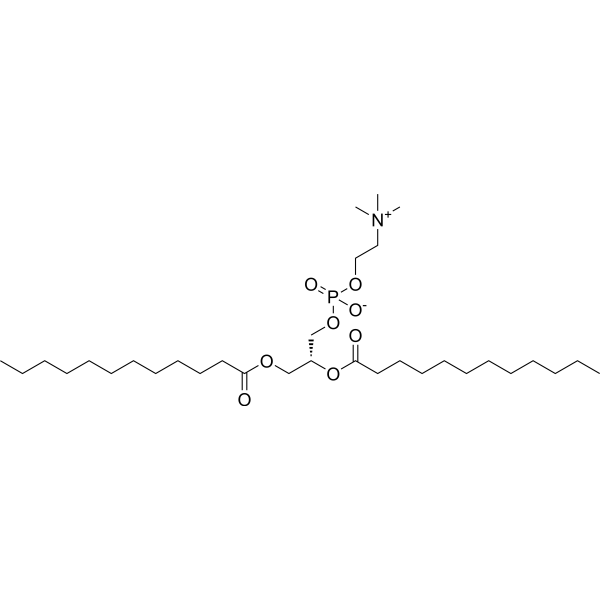
1,2-DLPC (1,2-Dilauroyl-sn-glycero-3-phosphocholine) is a ligand for LRH-1 agonists. 1,2-DLPC is a phospholipid used in the synthesis of liposomes. 1,2-DLPC enhances fat breakdown and apoptosis in fat cells through a TNFα-dependent pathway, while also inhibiting palmitate-induced insulin resistance through PPARα-mediated inflammation in muscle cells .
|
-
-
- HY-W018026
-
|
L-p-Hydroxyphenylglycine; 4-Hydroxy-L-phenylglycine; UK 25842
|
Acyltransferase
Apoptosis
|
Cardiovascular Disease
Metabolic Disease
|
|
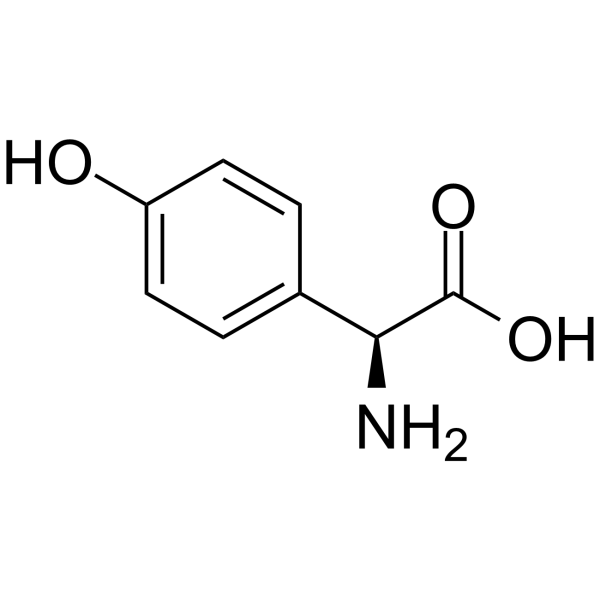
Oxfenicine (L-p-Hydroxyphenylglycine) is an orally active carnitine palmitoyltransferase-1 inhibitor. Oxfenicine inhibits the oxidation of fatty acids in the heart, protecting cardiac tissue from necrotic damage during ischemia, and also has an inhibitory effect on cardiac tissue apoptosis. In addition, Oxfenicine promotes lipolysis in a high-fat diet rat model. Oxfenicine can be used in the study of cardiovascular and metabolic diseases .
|
-
-
- HY-W016868
-
|
|
Hydroxycarboxylic Acid Receptor (HCAR)
|
Metabolic Disease
|
|
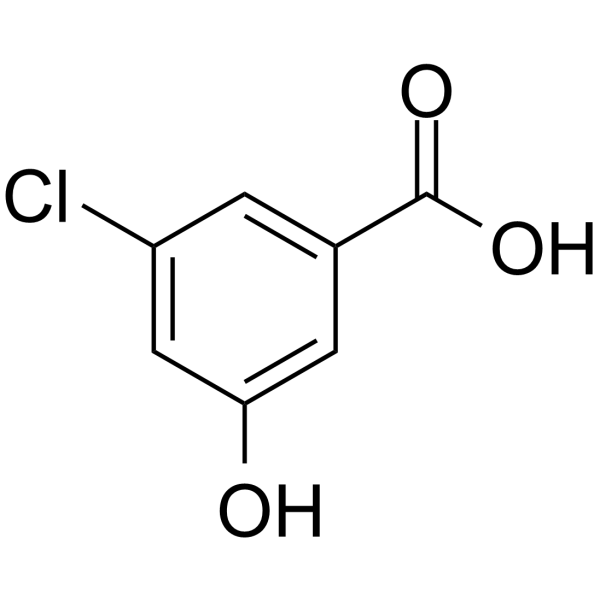
3-Chloro-5-hydroxybenzoic acid is a potent, orally active and selective lactate receptor GPR81 agonist, with an EC50 of 16 μM for human GPR81. 3-Chloro-5-hydroxybenzoic acid exhibits favorable in vivo effects on lipolysis in a mouse model of obesity .
|
-
-
- HY-107574
-
|
|
Histone Methyltransferase
AP-1
NF-κB
PKA
|
Metabolic Disease
Inflammation/Immunology
Cancer
|
|
TC-E 5003 is a selective protein arginine methyltransferase 1 (PRMT1) inhibitor with an IC50 of 1.5 µM against hPRMT1. TC-E 5003 modulates the lipopolysaccharide (LPS) (HY-D1056)-induced AP-1 and NF-κB signaling pathways with anti-inflammatory properties. TC-E 5003 also upregulates the expression of Ucp1 and Fgf21, activates protein kinase A signaling and lipolysis in primary subcutaneous adipocytes from both mouse and humans. TC-E 5003 is promising for research of obesity and associated metabolic disorders, oxidative stress, inflammation and cancers .
|
-
-
- HY-W015560
-
|
|
Endogenous Metabolite
Tyrosinase
Hydroxycarboxylic Acid Receptor (HCAR)
|
Metabolic Disease
|
|
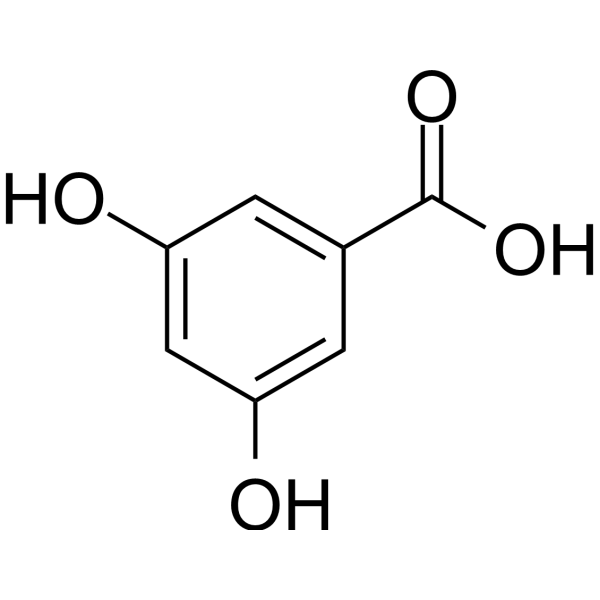
3,5-Dihydroxybenzoic acid a potential biomarker for the consumption of many food products, including beer, nuts, peanut, and pulses. 3,5-Dihydroxybenzoic acid is the agonist for hydroxycarboxylic acid receptor 1 (HCA1, also known as GPR81) that inhibits lipolysis in adipocytes. 3,5-Dihydroxybenzoic acid is the competitive inhibitor for tyrosine phenol-lyase (TPL), exhibits an affinity of Ki=25.7 μM. 3,5-Dihydroxybenzoic acid is orally active .
|
-
-
- HY-W140439
-
|
18:1 Lyso PC
|
Endogenous Metabolite
|
Inflammation/Immunology
|
|
1-Oleoyl-sn-glycero-3-phosphocholine (18:1 Lyso PC), a lysophospholipid, is a GPR82 inhibitor. 1-Oleoyl-sn-glycero-3-phosphocholine abrogates constitutive Gi-coupled GPR82 activity, shifts active/inactive equilibrium to inactive, suppresses Gi protein activation, increases cAMP production, and decreases GTPγS binding to Gαi proteins. 1-Oleoyl-sn-glycero-3-phosphocholine contributes to adipocyte lipolysis regulation.1-Oleoyl-sn-glycero-3-phosphocholine exhibits reduced serum levels in mouse models of steatohepatitis, linked to hepatic Lpcat 1-4 up-regulation .
|
-
-
- HY-W013061
-
|
|
Endogenous Metabolite
|
Metabolic Disease
|
|
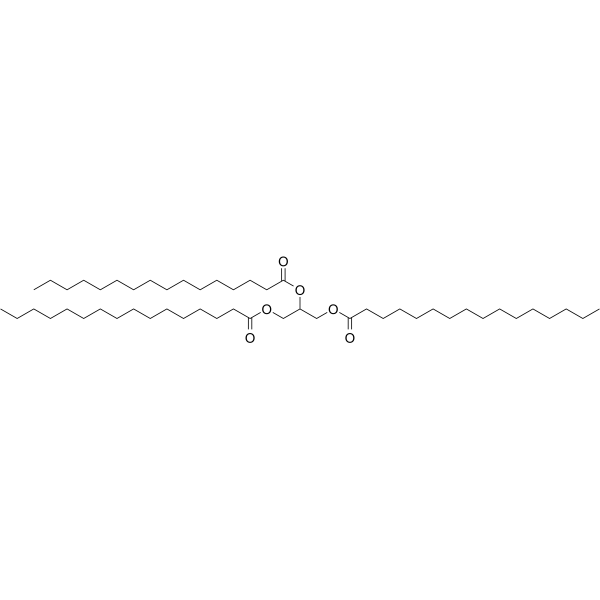
Propane-1,2,3-triyl tripalmitate is a saturated fat. Propane-1,2,3-triyl tripalmitate enhances the lymphatic transport of Glycerol tristearate (HY-127035) .
|
-
-
- HY-B0283
-
|
K-9321
|
Carbonic Anhydrase
|
Metabolic Disease
|
|
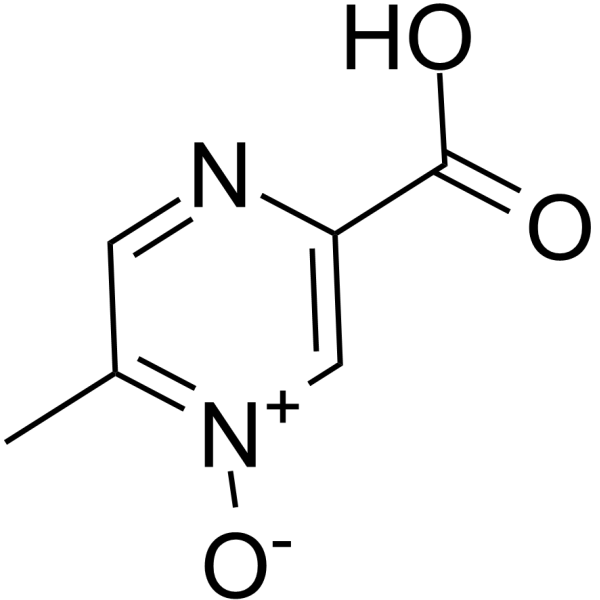
Acipimox (K-9321), a nicotinic acid analogue, is an antilipolytic compound. Acipimox stimulates leptin releas, inhibits lipolysis and suppresses systemic levels of free fatty acids (FFAs) and improves insulin sensitivity .
|
-
-
- HY-135982
-
|
|
Hydroxycarboxylic Acid Receptor (HCAR)
|
Metabolic Disease
|
|
GPR81 agonist 1 is a potent and highly selective GPR81 agonist, with EC50s of 58 nM and 50 nM for human and mouse GPR81, respectively. GPR81 agonist 1 inhibits lipolysis in differentiated 3T3-L1 adipocytes. GPR81 agonist 1 suppresses lipolysis in mice without cutaneous flushing. GPR81 agonist 1 displays remarkable selectivity for GPR81 over GPR109a .
|
-
-
- HY-153523
-
|
NNC0076-0079; 76-0079
|
Lipase
|
Metabolic Disease
|
|
Hi 76-0079 (NNC0076-0079; 76-0079) is a lipase inhibitor that specifically targets hormone-sensitive lipase (HSL). Hi 76-0079 inhibits PNPB Hydrolysis in cell lysates of HEK293A cells
overexpressing Lipe with an IC50 value of 0.1 μM. Hi 76-0079 synergizes with the ATGL inhibitor Atglistatin (HY-15859) to block lipolysis in vitro. Hi 76-0079 can be used for the study of lipid metabolism .
|
-
-
- HY-107580
-
|
|
GPR109A
|
Cardiovascular Disease
Metabolic Disease
Inflammation/Immunology
|
|
GPR109 receptor agonist-1 is a highly selective agonist of the human orphan G protein-coupled receptor GPR109b, and does not activate the mouse homologous receptor PUMA-G. GPR109 receptor agonist-1 functionally modulates the human GPR109b receptor via the cAMP signaling pathway, with an EC50 of 400 nM. GPR109 receptor agonist-1 inhibits isoproterenol (HY-B0468)-stimulated lipolysis in human subcutaneous adipocytes, with efficacy comparable to that of Niacin (HY-B0143), and does not act on β-adrenergic receptors. GPR109 receptor agonist-1 can be used in studies related to dyslipidemia and atherosclerosis .
|
-
-
- HY-114011
-
-
-
- HY-P5275
-
|
CG-Lipoxyn
|
NF-κB
Histone Demethylase
|
Metabolic Disease
|
|
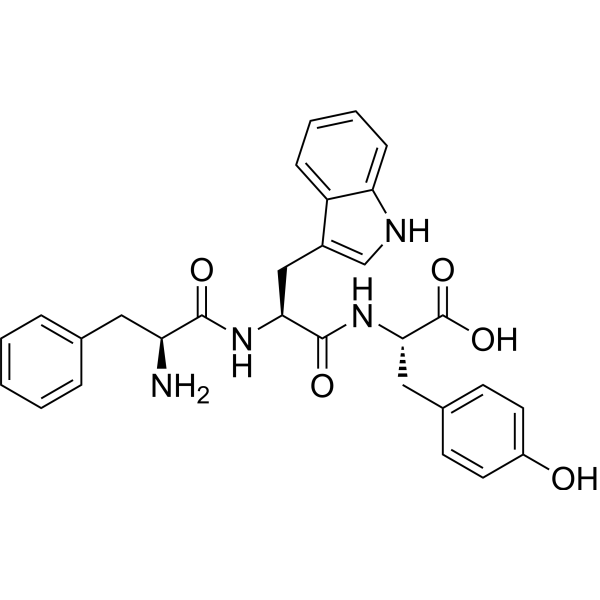
Tripeptide-41 (CG-Lipoxyn) is a signal peptide. Tripeptide-41 activates the NF-kB signaling pathway, inhibits the expression of C/EBP and increases cAMP. Tripeptide-41 is an important intracellular signaling factor that causes lipolysis by promoting the hydrolysis of lipids into triglycerides. Tripeptide-41 can be used in cosmetics that targets fat accumulation .
|
-
-
- HY-101325
-
|
|
Drug Isomer
Adrenergic Receptor
|
Cardiovascular Disease
Metabolic Disease
|
|
(S,S)-BRL-37344 sodium is an isomer of BRL-37344 (HY-101325B). BRL-37344 is a β-adrenoceptor agonist with EC50 values of 5.3, 18 and 570 nM for β3, β2 and β1. BRL-37344 induces concentration-dependent increases in atria1 rate, relaxation of guinea pig trachea and lipolysis of brown adipocytes .
|
-
-
- HY-119222
-
|
|
GPR109A
|
Metabolic Disease
|
|
GSK256073 is a potent, selective and orally active GPR109A agonist and a long-lasting and non-flushing HCA2 full agonist with a pEC50 of 7.5 (human HCA2). GSK256073 acutely improves glucose homeostasis via inhibition of lipolysis and has the potential for the study of type 2 diabetes mellitus (T2DM)and dyslipidemia . GPR109A: G-protein coupled receptor 109A; HCA2: hydroxy-carboxylic acid receptor 2
|
-
-
- HY-113058
-
|
|
Endogenous Metabolite
|
Metabolic Disease
|
|
3-Hydroxyoctanoic acid is a hydroxylated fatty acid that has been found in the LPS of Pseudomonas aeruginosa and in methyl-branched poly(3-hydroxyalkanoate) (PHA) polymers produced by Pseudomonas oleophores. It is an agonist of the orphan receptor GPR109B, increasing intracellular calcium in human neutrophils endogenously expressing GPR109B. 3-Hydroxycaprylic acid prevents lipolysis in human adipocytes and is upregulated in human plasma in response to a ketogenic diet. Plasma levels of 3-hydroxyoctanoic acid were also increased 3.41-fold in human male runners exhausted on a treadmill and in a mouse model of autism spectrum disorder (ASD) fed a high-glycemic diet.
|
-
-
- HY-125254
-
LEI110
1 Publications Verification
|
Phospholipase
HRASLS
|
Infection
Metabolic Disease
|
|
LEI110 is a potent, selective and cell-permeable pan-inhibitor of the HRASLS family of thiol hydrolases. LEI110 inhibits PLA2G16, HRASLS2, RARRES3 and iNAT, with pIC50 values of 7.0, 6.8, 6.8, and 7.6, respectively. LEI110 reduces cellular arachidonic acid levels and oleic acid-induced lipolysis in HepG2 cells .
|
-
-
- HY-120602
-
-
-
- HY-111952
-
|
CID 16016685
|
Endogenous Metabolite
|
Others
|
|
SR-4995 (CID 16016685) is a highly effective and selective ligand for α-β-hydrolase domain-containing 5 (ABHD5), facilitating the activation of adipose triglyceride lipase (ATGL) by displacing ABHD5 from its inhibitory regulators, perilipin-1 (PLIN1) and PLIN5. It directly interacts with ABHD5, inhibiting its association with PLIN1, and promotes lipolysis in adipocytes and muscle tissues while circumventing PKA-dependent signaling pathways.
|
-
-
- HY-116771
-
|
|
Adrenergic Receptor
|
Metabolic Disease
|
|
CL316243 free acid is a highly potent selective β3-adrenoceptor agonist with a EC50 of 3 nM, but is an extremely poor to β1/2- receptors. CL316243 free acid is a effective stimulant of adipocyte lipolysis and increases brown adipose tissue thermogenesis and metabolic rate. CL316243 free acid has the potential for the treatment obesity, diabetes and urge urinary incontinence .
|
-
-
- HY-19842
-
|
CVT 3619
|
Adenosine Receptor
|
Cardiovascular Disease
Metabolic Disease
|
|
GS-9667 (CVT 3619), a novel N 6-5'-substituted adenosine analog, is a selective, partial agonist of the A1 adenosine receptor (A1AdoR). GS-9667 binds to adipocyte membranes with high (KH=14 nM) and low (KL=5.4 μM) affinities. GS-9667 reduces cyclic AMP content and release of nonesterified fatty acids from epididymal adipocytes with IC50 values of 6 nM and 44 nM, respectively. GS-9667 inhibits lipolysis and has the potential for Type 2 diabetes (T2DM) and dyslipidemia via lowering of free fatty acids (FFA) .
|
-
-
- HY-N4218
-
|
|
Others
|
Metabolic Disease
|
|
Saikosaponin B4 is a member of saikosaponins isolated from the roots of Bupleurum chinensis, selectively inhibits ACTH-induced lipolysis .
|
-
-
- HY-153813
-
|
|
p38 MAPK
Mitochondrial Metabolism
|
Others
|
|
Z16078526 induces endogenous Ucp1 expression, promotes p38 MAPK phosphorylation and lipolysis in primary mouse brown adipocytes. Z16078526 activates thermogenic gene expression and mitochondrial activity (uncoupled respiration) in mouse brown adipocytes. Z16078526 also stimulates thermogenesis in the mouse .
|
-
-
- HY-111953
-
|
|
MAGL
ATGL
|
Metabolic Disease
|
|
SR-4559 is a α/β hydrolase domain-containing protein 5 (ABHD5) ligand. SR-4559 activates adipose triglyceride lipase (ATGL) and stimulates lipolysis by inhibiting ABHD5-PLIN interactions in adipocytes and muscle cells. SR-4559 can be used for metabolic diseases like Chanarin Dorfman syndrome research .
|
-
-
- HY-139058
-
|
27-Deoxyactein
|
PPAR
|
Metabolic Disease
Cancer
|
|
23-epi-26-Deoxyactein is a natural and orally active anti-obesity and anti-cancer compound .
|
-
-
- HY-P3650
-
-
-
- HY-15859R
-
|
|
ATGL
|
Metabolic Disease
|
|
Atglistatin (Standard) is the analytical standard of Atglistatin. This product is intended for research and analytical applications. Atglistatin is a selective adipose triglyceride lipase (ATGL) inhibitor which inhibits lipolysis with an IC50 of 0.7 μM in vitro.
|
-
-
- HY-101325A
-
|
|
Drug Isomer
Adrenergic Receptor
|
Cardiovascular Disease
Metabolic Disease
|
|
(S,S)-BRL-37344 is an isomer of BRL-37344 (HY-101325B). BRL-37344 is a β-adrenoceptor agonist with EC50 values of 5.3, 18 and 570 nM for β3, β2 and β1. BRL-37344 induces concentration-dependent increases in atria1 rate, relaxation of guinea pig trachea and lipolysis of brown adipocytes .
|
-
-
- HY-123468
-
|
|
Cyclic GMP-AMP Synthase
PKA
ERK
Tyrosine Hydroxylase
Calcium Channel
|
Cardiovascular Disease
Metabolic Disease
|
|
HA-1004 is a selective inhibitor of PKA, which can inhibit lipolysis and induce vascular relaxation. HA-1004 is also a dual inhibitor of cyclic GMP-dependent protein kinase and cyclic AMP-dependent protein, and is involved in smooth muscle, second messenger, cyclic AMP and cyclic GMP regulation mechanisms. HA-1004 is an antagonist for calcium, that can be used as a vasodilator to inhibit the contraction of rabbit aortic strips, or to antagonize ERK and tyrosine hydroxylase (TH) phosphorylation in morphine abstinence rat models .
|
-
-
- HY-114911
-
|
DA2370; Prenazone; Zepelin
|
COX
Reactive Oxygen Species (ROS)
MMP
|
Inflammation/Immunology
|
|
Feprazone (DA2370; Prenazone), an analogue of Phenylbutazone (HY-B0230), is a nonsteroidal anti-inflammatory agent with analgesic and antipyretic activities. Feprazone acts by inhibiting the activity of cyclooxygenase (COX)-2. Feprazone ameliorates free fatty acid (FFA)-induced oxidative stress by reducing the production of mitochondrial reactive oxygen species (ROS). Feprazone can decrease the expression of MMP-2 and MMP-9. Besides, Feprazone can suppress adipogenesis and increase lipolysis in differentiating 3 T3-L1 cells. Feprazone also can be used to research atherosclerosis and obesity .
|
-
-
- HY-W015560R
-
|
|
Reference Standards
Endogenous Metabolite
Tyrosinase
Hydroxycarboxylic Acid Receptor (HCAR)
|
Metabolic Disease
|
|
3,5-Dihydroxybenzoic acid (Standard) is the analytical standard of 3,5-Dihydroxybenzoic acid. This product is intended for research and analytical applications. 3,5-Dihydroxybenzoic acid a potential biomarker for the consumption of many food products, including beer, nuts, peanut, and pulses. 3,5-Dihydroxybenzoic acid is the agonist for hydroxycarboxylic acid receptor 1 (HCA1, also known as GPR81) that inhibits lipolysis in adipocytes. 3,5-Dihydroxybenzoic acid is the competitive inhibitor for tyrosine phenol-lyase (TPL), exhibits an affinity of Ki=25.7 μM. 3,5-Dihydroxybenzoic acid is orally active .
|
-
-
- HY-147501
-
|
|
Thyroid Hormone Receptor
|
Metabolic Disease
|
|
TRβ agonist 3 (Compound 3) is a potent agonist of TRβ. TRβ agonist 3 reduces lipid accumulation in HepG2 and promote lipolysis with comparable effects. TRβ agonist 3 is a new potential TRβ-selective thyromimetics .
|
-
-
- HY-147500
-
|
|
Thyroid Hormone Receptor
|
Metabolic Disease
|
|
TRβ agonist 2 (Compound 1) is a potent agonist of TRβ. TRβ agonist 2 reduces lipid accumulation in HepG2 and promote lipolysis with comparable effects. TRβ agonist 2 is a new potential TRβ-selective thyromimetics .
|
-
-
- HY-B0283A
-
|
K-9321 sodium
|
Carbonic Anhydrase
|
Metabolic Disease
|
|
Acipimox (K-9321) sodium, a nicotinic acid analogue, is an antilipolytic compound. Acipimox sodium stimulates leptin releas, inhibits lipolysis and suppresses systemic levels of free fatty acids (FFAs) and improves insulin sensitivity .
|
-
-
- HY-N4219
-
|
|
Others
|
Neurological Disease
Metabolic Disease
|
|
Saikosaponin B3 is a saikosaponin isolated from the roots of Bupleurum falcatum L., with analgesic effect. Saikosaponin B3 inhibits ACTH-induced lipolysis in the fat cells .
|
-
-
- HY-P2696
-
|
|
Transmembrane Glycoprotein
|
Cardiovascular Disease
|
|
EP 80317 is a selective CD36 ligand. EP 80317 protects the heart against damage and dysfunction elicited by myocardial ischaemia and reperfusion (MI/R), along with a transient reduction in peripheral lipolysis. EP 80317 can be used for the study of cardiovascular disease .
|
-
-
- HY-47823
-
|
|
GPR109A
|
Metabolic Disease
|
|
GPCR agonist-2 (Compound 5j) is a GPCR GPR109b (HM74) agonist, with a pEC50 value of 6.51. GPCR agonist-2 can be used for research of lipid disorders .
|
-
-
- HY-N11924
-
|
|
AMPK
PPAR
|
Metabolic Disease
|
|
Foenumoside B is a triterpene saponin isolated from Lysimachia foenum-graecum. Foenumoside B activates AMPK signaling, inhibits PPARγ-induced adipogenesis, and shifts lipid metabolism toward lipolysis. Foenumoside B can be used in the study of obesity and obesity-related metabolic diseases .
|
-
-
- HY-121140
-
|
|
Free Fatty Acid Receptor
|
Metabolic Disease
|
|
AZ1729 is a potent free fatty acid 2 receptor (FFA2) activator, acting as a direct allosteric agonist and as a positive allosteric modulator. AZ1729 increases the activity of the endogenously produced short chain fatty acid propionate in Gi-mediated pathways, but not at those transduced by Gq/G11. AZ1729 induces inhibition of isoproterenol-induced lipolysis in mouse adipocytes. AZ1729 also can Induce migration of human neutrophils. AZ1729 can be used for researching the signaling pathways of the physiological roles of FFA2 .
|
-
-
- HY-P2712
-
|
Chemerin148–156, mouse
|
Chemerin Receptor
|
Cardiovascular Disease
Neurological Disease
Inflammation/Immunology
|
|
Chemerin-9, mouse (Chemerin148-156, mouse) is a C-terminal nonapeptide of chemerin. Chemerin-9, mouse is a ligand for ChemR23 (EC50 = 42 nM). Chemerin-9, mouse reduces basal lipolysis in primary mouse white adipocytes(IC50 = 3.3 nM). Chemerin-9, mouse enhances memory and relieves Aβ1-42-induced memory impairment in AD mice. Chemerin-9, mouse also inhibits atherogenesis .
|
-
-
- HY-112348
-
|
|
Cyclic GMP-AMP Synthase
PKA
ERK
Calcium Channel
|
Cardiovascular Disease
Metabolic Disease
|
|
HA-1004 hydrochloride is a selective inhibitor of PKA, which can inhibit lipolysis and induce vascular relaxation. HA-1004 hydrochloride is also a dual inhibitor of cyclic GMP-dependent protein kinase and cyclic AMP-dependent protein (Cyclic GMP-AMP Synthase), and is involved in smooth muscle, second messenger, cyclic AMP and cyclic GMP regulation mechanisms. HA-1004 hydrochloride an antagonist for calcium, that can be used as a vasodilator to inhibit the contraction of rabbit aortic strips, or to antagonize ERK and tyrosine hydroxylase (TH) phosphorylation in morphine abstinence rat models .
|
-
-
- HY-114754
-
|
|
Lipase
|
Metabolic Disease
|
|
BemPPOX is an orally active, potent dog gastric lipase (DGL) inhibitor with Xl50 (the inhibitor molar excess leading to 50% lipase inhibition) of 0.5. BemPPOX is also a good inhibitor of GPLRP2 (xl50=0.64). BemPPOX efficiently regulates the gastrointestinal lipolysis and slows down the overall lipolysis process in rats. BemPPOX has the potential for obesity research .
|
-
-
- HY-P1210
-
|
|
Melanocortin Receptor
|
Endocrinology
|
|
Lys-γ3-MSH(human) is a melanocortin peptide derived from the C-terminal of the fragment of pro-opiomelanocortin (POMC). Lys-γ3-MSH(human) potentiates the steroidogenic response of the rat adrenal to adrenocorticotrophin (ACTH). Lys-γ3-MSH(human) is a potent stimulator of lipolysis with an apparent EC50 of 3.56 nM. Lys-γ3-MSH(human) can activate hormone sensitive lipase (HSL) and Perilipin A resulting in lipolysis .
|
-
-
- HY-P1210A
-
|
|
Melanocortin Receptor
|
Endocrinology
|
|
Lys-γ3-MSH(human) TFA is a melanocortin peptide derived from the C-terminal of the fragment of pro-opiomelanocortin (POMC). Lys-γ3-MSH(human) TFA potentiates the steroidogenic response of the rat adrenal to adrenocorticotrophin (ACTH). Lys-γ3-MSH(human) TFA is a potent stimulator of lipolysis with an apparent EC50 of 3.56 nM. Lys-γ3-MSH(human) TFA can activate hormone sensitive lipase (HSL) and Perilipin A resulting in lipolysis .
|
-
-
- HY-125096
-
|
|
Glucocorticoid Receptor
|
Metabolic Disease
Inflammation/Immunology
|
|
C108297 is a selective glucocorticoid receptor (GR) modulator (GR binding Ki 0.7 nM; GR reporter gene functional Ki 0.6 nM). C108297 attenuates obesity by reducing caloric intake and increasing lipolysis and fat oxidation, and in addition attenuates inflammation .
|
-
-
- HY-A0231
-
|
Gondafon; Glycodiazine
|
Insulin Receptor
|
Metabolic Disease
|
|
Glymidine sodium is an oral active antidiabetic. Glymidine sodium is the inhibitor of hepatic lipolysis. Glymidine sodium inhibits the glucose formation and supresses the elevated pyruvate oxidation which results from the inhibition of endogenous lipid mobilization .
|
-
-
- HY-B0283R
-
|
K-9321 (Standard)
|
Carbonic Anhydrase
Reference Standards
|
Metabolic Disease
|
|
Acipimox (Standard) is the analytical standard of Acipimox. This product is intended for research and analytical applications. Acipimox (K-9321), a nicotinic acid analogue, is an antilipolytic compound. Acipimox stimulates leptin releas, inhibits lipolysis and suppresses systemic levels of free fatty acids (FFAs) and improves insulin sensitivity .
|
-
- HY-119006
-
-
- HY-168467
-
|
|
PPAR
GLUT
|
Metabolic Disease
|
|
Anti-obesity agent 1 (compound 4) shows potential for enhancing lipolysis, exhibiting their anti-obesity properties .
|
-
- HY-174699
-
|
|
mRNA
|
Cancer
|
|
Human FGF22 mRNA encodes the human fibroblast growth factor 22 (FGF22) protein, a member of the fibroblast growth factor (FGF) family. FGF22 plays a role in the fasting response, glucose homeostasis, lipolysis and lipogenesis. It also can stimulate cell proliferation (in vitro) and may be involved in hair development.
|
-
- HY-139058R
-
|
27-Deoxyactein (Standard)
|
Reference Standards
PPAR
|
Metabolic Disease
Cancer
|
|
23-epi-26-Deoxyactein (Standard) is the analytical standard of 23-epi-26-Deoxyactein. This product is intended for research and analytical applications. 23-epi-26-Deoxyactein is a natural and orally active anti-obesity and anti-cancer compound .
|
-
- HY-119222A
-
|
|
GPR109A
|
Metabolic Disease
|
|
GSK256073 tris is a potent, selective and orally active GPR109A agonist and a long-lasting and non-flushing HCA2 full agonist with a pEC50 of 7.5 (human HCA2). GSK256073 tris acutely improves glucose homeostasis via inhibition of lipolysis and has the potential for the study of type 2 diabetes mellitus (T2DM)and dyslipidemia . GPR109A: G-protein coupled receptor 109A; HCA2: hydroxy-carboxylic acid receptor 2
|
-
- HY-N0236R
-
|
|
Reference Standards
Antibiotic
STAT
|
Infection
Metabolic Disease
Cancer
|
|
Corylin (Standard) is the analytical standard of Corylin. This product is intended for research and analytical applications. Corylin is an orally active flavonoid anti-inflammatory and osteogenic agent that inhibits IL-6-induced STAT3 promoter activity and STAT3 phosphorylation. Corylin also has anticancer, antiatherosclerotic, and ameliorating activity in hyperlipidemia and insulin resistance, inducing adipocyte browning and lipolysis through SIRT1 or β3-AR-dependent pathways .
|
-
- HY-113058R
-
|
|
Endogenous Metabolite
Reference Standards
|
Infection
Metabolic Disease
|
|
3-Hydroxyoctanoic acid (Standard) is the analytical standard of 3-Hydroxyoctanoic acid (HY-113058). 3-Hydroxyoctanoic acid is a hydroxylated fatty acid that has been found in the LPS of Pseudomonas aeruginosa and in methyl-branched poly(3-hydroxyalkanoate) (PHA) polymers produced by Pseudomonas oleophores. It is an agonist of the orphan receptor GPR109B, increasing intracellular calcium in human neutrophils endogenously expressing GPR109B. 3-Hydroxycaprylic acid prevents lipolysis in human adipocytes and is upregulated in human plasma in response to a ketogenic diet.
|
-
- HY-123468A
-
|
|
Cyclic GMP-AMP Synthase
PKA
ERK
Calcium Channel
|
Cardiovascular Disease
Metabolic Disease
|
|
HA-1004 dihydrochloride is a selective inhibitor of PKA, which can inhibit lipolysis and induce vascular relaxation. HA-1004 dihydrochloride is also a dual inhibitor of cyclic GMP-dependent protein kinase and cyclic AMP-dependent protein, and is involved in smooth muscle, second messenger, cyclic AMP and cyclic GMP regulation mechanisms. HA-1004 dihydrochloride is an antagonist for calcium, that can be used as a vasodilator to inhibit the contraction of rabbit aortic strips, or to antagonize ERK and tyrosine hydroxylase (TH) phosphorylation in morphine abstinence rat models .
|
-
- HY-11032
-
|
|
Others
|
Metabolic Disease
|
|
SM-350300 is a glucoprotein. SM-350300 stimulates lipolysis in white adipocytes by activating the cyclic AMP (cAMP) pathway, and upregulates the expression of lipolytic enzymes and uncoupling proteins (UCP1, UCP3) in brown adipose tissue (BAT) and white adipose tissue (WAT). SM-350300 reduces body weight by decreasing carcass fat while increasing lean muscle mass in metabolic disorder models. SM-350300 can be used for the study of metabolic disorders including obesity, type 2 diabetes, and cachexia .
|
-
- HY-19310
-
|
|
Adenosine Receptor
|
Cardiovascular Disease
Metabolic Disease
|
|
AMP-579 is an adenosine receptor agonist that primarily targets adenosine A1 and A2A receptors (with Ki values of 1.7 and 4.5 nM for the A1 receptor in rat brain and adipocytes, and a Ki value of 56 nM for the A2A receptor in rat brain). AMP-579 inhibits lipolysis, restores insulin-dependent glucose transport, and reduces heart rate through the activation of A1 receptors, while it induces vasodilation, particularly in coronary arteries, through the activation of A2A receptors (with an IC50 of 0.3 μM in porcine coronary arterial rings). AMP 579 shows potential for application in cardioprotection and the treatment of acute myocardial infarction .
|
-
- HY-114911R
-
|
DA2370 (Standard); Prenazone (Standard); Zepelin (Standard)
|
Reference Standards
COX
Reactive Oxygen Species (ROS)
MMP
|
Inflammation/Immunology
|
|
Feprazone (Standard) is the analytical standard of Feprazone. This product is intended for research and analytical applications. Feprazone (DA2370; Prenazone), an analogue of Phenylbutazone (HY-B0230), is a nonsteroidal anti-inflammatory agent with analgesic and antipyretic activities. Feprazone acts by inhibiting the activity of cyclooxygenase (COX)-2. Feprazone ameliorates free fatty acid (FFA)-induced oxidative stress by reducing the production of mitochondrial reactive oxygen species (ROS). Feprazone can decrease the expression of MMP-2 and MMP-9. Besides, Feprazone can suppress adipogenesis and increase lipolysis in differentiating 3 T3-L1 cells. Feprazone also can be used to research atherosclerosis and obesity .
|
-
- HY-107737R
-
|
1,2-Dilauroyl-sn-glycero-3-phosphocholine (Standard)
|
Reference Standards
Liposome
Apoptosis
TNF Receptor
PPAR
|
Metabolic Disease
|
|
1,2-DLPC (Standard) is the analytical standard of 1,2-DLPC (HY-107737). This product is intended for research and analytical applications. 1,2-DLPC (1,2-Dilauroyl-sn-glycero-3-phosphocholine) is a ligand for LRH-1 agonists. 1,2-DLPC is a phospholipid used in the synthesis of liposomes. 1,2-DLPC enhances fat breaKdown and apoptosis in fat cells through a TNFα-dependent pathway, while also inhibiting palmitate-induced insulin resistance through PPARα-mediated inflammation in muscle cells .
|
-
- HY-B0283S
-
|
K-9321-d4
|
Isotope-Labeled Compounds
|
Metabolic Disease
|
|
Acipimox-d4 is the deuterium labeled Acipimox. Acipimox (K-9321), a nicotinic acid analogue, is an antilipolytic compound. Acipimox acutely inhibits lipolysis and suppresses systemic levels of free fatty acids (FFAs) and improves insulin sensitivity .
|
-
- HY-P2696A
-
|
|
Transmembrane Glycoprotein
|
Cardiovascular Disease
|
|
EP 80317 acetate is a selective CD36 ligand. EP 80317 acetate protects the heart against damage and dysfunction elicited by myocardial ischaemia and reperfusion (MI/R), along with a transient reduction in peripheral lipolysis. EP 80317 acetate can be used for the study of cardiovascular disease .
|
-
- HY-101325B
-
|
|
Adrenergic Receptor
|
Cardiovascular Disease
Metabolic Disease
|
|
BRL-37344 is a β-adrenoceptor agonist with EC50 values of 5.3, 18 and 570 nM for β3, β2 and β1. BRL-37344 induces concentration-dependent increases in atria1 rate, relaxation of guinea pig trachea and lipolysis of brown adipocytes .
|
-
- HY-178999
-
|
|
Drug Derivative
|
Cancer
|
|
Carnosol analog 1 (Compound 10) is a derivative of carnosol. Carnosol analog 1 attenuates myotube atrophy (67.08% reversal) and adipocyte lipolysis in C26 tumor-conditioned models. Carnosol analog 1 alleviates cachexia-related weight loss without altering tumor progression in C26 tumor-bearing mice. Carnosol analog 1 can be used for the study of cancer cachexia .
|
-
- HY-186196
-
|
|
Ferroptosis
Reactive Oxygen Species (ROS)
|
Cancer
|
|
Fentomycin-1 is a ferroptosis inducer. Fentomycin-1 activates lysosomal iron 2+ under acidic conditions with hydrogen peroxide to form a reactive iron-oxo species, which induces oxidative degradation, oxidation, and lipolysis of membrane phospholipids, triggering ferroptosis. Fentomycin-1 can be used for the research of pancreatic ductal adenocarcinoma, breast cancer metastasis, and melanoma .
|
-
- HY-165047
-
|
1-Palmitin-2-linolein-3-stearin; 16:0/18:2/18:0-TG; TG(16:0/18:2/18:0)
|
Others
|
Others
|
|
1-Palmitoyl-2-linoleoyl-3-stearoyl-rac-glycerol (1-Palmitin-2-linolein-3-stearin) is a compound that is being studied for lipid properties in human milk and infant formula. Although human milk has larger fat globules, it has a higher rate of gastrointestinal lipolysis, which may be related to the milk fat globule membrane (MFGM).
|
-
- HY-P1345B
-
-
- HY-182640
-
|
|
Adrenergic Receptor
|
Cardiovascular Disease
Metabolic Disease
Inflammation/Immunology
|
|
SM-11044 is a β-adrenoceptor agonist with Ki values of 18.1 μM (β1), 4.1 μM (β2) and 1.3 μM (β3), showing higher binding selectivity for the β3-adrenoceptor. SM-11044 stimulates cAMP accumulation in cells expressing this receptor. SM-11044 mediates ileal relaxation, tracheal relaxation, pulmonary parenchymal relaxation, increased right atrial heart rate and adipocyte lipolysis .
|
-
- HY-P1345C
-
|
|
Drug Derivative
Complement System
|
Neurological Disease
Metabolic Disease
Inflammation/Immunology
|
|
[DArg10, Aib20] TLQP-21, TLQP-21 (HY-P1345) analogue, is a C3aRpartial agonist, C3aR functional antagonist (EC50: 854 nM for β-arrestin recruitment). [DArg10, Aib20] TLQP-21 shows no significant calcium flux activity. [DArg10, Aib20] TLQP-21 shows no activity in potentiating adrenergic-induced lipolysis. [DArg10, Aib20] TLQP-21 can be used in the research of inflammatory diseases, metabolic disorders, and neurological conditions .
|
-
- HY-107574R
-
|
|
Reference Standards
Histone Methyltransferase
AP-1
NF-κB
PKA
|
Metabolic Disease
Inflammation/Immunology
Cancer
|
|
TC-E 5003 (Standard) is the analytical standard of TC-E 5003 (HY-107574). This product is intended for research and analytical applications. TC-E 5003 is a selective protein arginine methyltransferase 1 (PRMT1) inhibitor with an IC50 of 1.5 µM against hPRMT1. TC-E 5003 modulates the lipopolysaccharide (LPS) (HY-D1056)-induced AP-1 and NF-κB signaling pathways with anti-inflammatory properties. TC-E 5003 also upregulates the expression of Ucp1 and Fgf21, activates protein Kinase A signaling and lipolysis in primary subcutaneous adipocytes from both mouse and humans. TC-E 5003 is promising for research of obesity and associated metabolic disorders, oxidative stress, inflammation and cancers .
|
-
| Cat. No. |
Product Name |
Type |
-
- HY-107737
-
|
1,2-Dilauroyl-sn-glycero-3-phosphocholine
|
Biochemical Assay Reagents
|
|
1,2-DLPC (1,2-Dilauroyl-sn-glycero-3-phosphocholine) is a ligand for LRH-1 agonists. 1,2-DLPC is a phospholipid used in the synthesis of liposomes. 1,2-DLPC enhances fat breakdown and apoptosis in fat cells through a TNFα-dependent pathway, while also inhibiting palmitate-induced insulin resistance through PPARα-mediated inflammation in muscle cells .
|
-
- HY-113058
-
|
|
Biochemical Assay Reagents
|
|
3-Hydroxyoctanoic acid is a hydroxylated fatty acid that has been found in the LPS of Pseudomonas aeruginosa and in methyl-branched poly(3-hydroxyalkanoate) (PHA) polymers produced by Pseudomonas oleophores. It is an agonist of the orphan receptor GPR109B, increasing intracellular calcium in human neutrophils endogenously expressing GPR109B. 3-Hydroxycaprylic acid prevents lipolysis in human adipocytes and is upregulated in human plasma in response to a ketogenic diet. Plasma levels of 3-hydroxyoctanoic acid were also increased 3.41-fold in human male runners exhausted on a treadmill and in a mouse model of autism spectrum disorder (ASD) fed a high-glycemic diet.
|
-
- HY-107737R
-
|
1,2-Dilauroyl-sn-glycero-3-phosphocholine (Standard)
|
Biochemical Assay Reagents
|
|
1,2-DLPC (Standard) is the analytical standard of 1,2-DLPC (HY-107737). This product is intended for research and analytical applications. 1,2-DLPC (1,2-Dilauroyl-sn-glycero-3-phosphocholine) is a ligand for LRH-1 agonists. 1,2-DLPC is a phospholipid used in the synthesis of liposomes. 1,2-DLPC enhances fat breaKdown and apoptosis in fat cells through a TNFα-dependent pathway, while also inhibiting palmitate-induced insulin resistance through PPARα-mediated inflammation in muscle cells .
|
| Cat. No. |
Product Name |
Target |
Research Area |
-
- HY-P5275
-
|
CG-Lipoxyn
|
NF-κB
Histone Demethylase
|
Metabolic Disease
|
|
Tripeptide-41 (CG-Lipoxyn) is a signal peptide. Tripeptide-41 activates the NF-kB signaling pathway, inhibits the expression of C/EBP and increases cAMP. Tripeptide-41 is an important intracellular signaling factor that causes lipolysis by promoting the hydrolysis of lipids into triglycerides. Tripeptide-41 can be used in cosmetics that targets fat accumulation .
|
-
- HY-P3650
-
-
- HY-P2696
-
|
|
Transmembrane Glycoprotein
|
Cardiovascular Disease
|
|
EP 80317 is a selective CD36 ligand. EP 80317 protects the heart against damage and dysfunction elicited by myocardial ischaemia and reperfusion (MI/R), along with a transient reduction in peripheral lipolysis. EP 80317 can be used for the study of cardiovascular disease .
|
-
- HY-P2712
-
|
Chemerin148–156, mouse
|
Chemerin Receptor
|
Cardiovascular Disease
Neurological Disease
Inflammation/Immunology
|
|
Chemerin-9, mouse (Chemerin148-156, mouse) is a C-terminal nonapeptide of chemerin. Chemerin-9, mouse is a ligand for ChemR23 (EC50 = 42 nM). Chemerin-9, mouse reduces basal lipolysis in primary mouse white adipocytes(IC50 = 3.3 nM). Chemerin-9, mouse enhances memory and relieves Aβ1-42-induced memory impairment in AD mice. Chemerin-9, mouse also inhibits atherogenesis .
|
-
- HY-P1210
-
|
|
Melanocortin Receptor
|
Endocrinology
|
|
Lys-γ3-MSH(human) is a melanocortin peptide derived from the C-terminal of the fragment of pro-opiomelanocortin (POMC). Lys-γ3-MSH(human) potentiates the steroidogenic response of the rat adrenal to adrenocorticotrophin (ACTH). Lys-γ3-MSH(human) is a potent stimulator of lipolysis with an apparent EC50 of 3.56 nM. Lys-γ3-MSH(human) can activate hormone sensitive lipase (HSL) and Perilipin A resulting in lipolysis .
|
-
- HY-P1210A
-
|
|
Melanocortin Receptor
|
Endocrinology
|
|
Lys-γ3-MSH(human) TFA is a melanocortin peptide derived from the C-terminal of the fragment of pro-opiomelanocortin (POMC). Lys-γ3-MSH(human) TFA potentiates the steroidogenic response of the rat adrenal to adrenocorticotrophin (ACTH). Lys-γ3-MSH(human) TFA is a potent stimulator of lipolysis with an apparent EC50 of 3.56 nM. Lys-γ3-MSH(human) TFA can activate hormone sensitive lipase (HSL) and Perilipin A resulting in lipolysis .
|
-
- HY-P2696A
-
|
|
Transmembrane Glycoprotein
|
Cardiovascular Disease
|
|
EP 80317 acetate is a selective CD36 ligand. EP 80317 acetate protects the heart against damage and dysfunction elicited by myocardial ischaemia and reperfusion (MI/R), along with a transient reduction in peripheral lipolysis. EP 80317 acetate can be used for the study of cardiovascular disease .
|
-
- HY-P1345B
-
-
- HY-P1345C
-
|
|
Drug Derivative
Complement System
|
Neurological Disease
Metabolic Disease
Inflammation/Immunology
|
|
[DArg10, Aib20] TLQP-21, TLQP-21 (HY-P1345) analogue, is a C3aRpartial agonist, C3aR functional antagonist (EC50: 854 nM for β-arrestin recruitment). [DArg10, Aib20] TLQP-21 shows no significant calcium flux activity. [DArg10, Aib20] TLQP-21 shows no activity in potentiating adrenergic-induced lipolysis. [DArg10, Aib20] TLQP-21 can be used in the research of inflammatory diseases, metabolic disorders, and neurological conditions .
|
| Cat. No. |
Product Name |
Category |
Target |
Chemical Structure |
-
- HY-N0236
-
-
-
- HY-W015560
-
|
|
Structural Classification
Microorganisms
Classification of Application Fields
Ketones, Aldehydes, Acids
Phenols
Polyphenols
Metabolic Disease
Endogenous metabolite
Disease Research Fields
Source Classification
|
Endogenous Metabolite
Tyrosinase
Hydroxycarboxylic Acid Receptor (HCAR)
|
|
3,5-Dihydroxybenzoic acid a potential biomarker for the consumption of many food products, including beer, nuts, peanut, and pulses. 3,5-Dihydroxybenzoic acid is the agonist for hydroxycarboxylic acid receptor 1 (HCA1, also known as GPR81) that inhibits lipolysis in adipocytes. 3,5-Dihydroxybenzoic acid is the competitive inhibitor for tyrosine phenol-lyase (TPL), exhibits an affinity of Ki=25.7 μM. 3,5-Dihydroxybenzoic acid is orally active .
|
-
-
- HY-W013061
-
-
-
- HY-113058
-
|
|
Microorganisms
Source Classification
|
Endogenous Metabolite
|
|
3-Hydroxyoctanoic acid is a hydroxylated fatty acid that has been found in the LPS of Pseudomonas aeruginosa and in methyl-branched poly(3-hydroxyalkanoate) (PHA) polymers produced by Pseudomonas oleophores. It is an agonist of the orphan receptor GPR109B, increasing intracellular calcium in human neutrophils endogenously expressing GPR109B. 3-Hydroxycaprylic acid prevents lipolysis in human adipocytes and is upregulated in human plasma in response to a ketogenic diet. Plasma levels of 3-hydroxyoctanoic acid were also increased 3.41-fold in human male runners exhausted on a treadmill and in a mouse model of autism spectrum disorder (ASD) fed a high-glycemic diet.
|
-
-
- HY-N4218
-
-
-
- HY-139058
-
-
-
- HY-W015560R
-
|
|
Structural Classification
Microorganisms
Ketones, Aldehydes, Acids
Phenols
Polyphenols
Endogenous metabolite
Source Classification
|
Reference Standards
Endogenous Metabolite
Tyrosinase
Hydroxycarboxylic Acid Receptor (HCAR)
|
|
3,5-Dihydroxybenzoic acid (Standard) is the analytical standard of 3,5-Dihydroxybenzoic acid. This product is intended for research and analytical applications. 3,5-Dihydroxybenzoic acid a potential biomarker for the consumption of many food products, including beer, nuts, peanut, and pulses. 3,5-Dihydroxybenzoic acid is the agonist for hydroxycarboxylic acid receptor 1 (HCA1, also known as GPR81) that inhibits lipolysis in adipocytes. 3,5-Dihydroxybenzoic acid is the competitive inhibitor for tyrosine phenol-lyase (TPL), exhibits an affinity of Ki=25.7 μM. 3,5-Dihydroxybenzoic acid is orally active .
|
-
-
- HY-N4219
-
-
-
- HY-N11924
-
-
-
- HY-139058R
-
-
-
- HY-N0236R
-
-
| Cat. No. |
Compare |
Product Name |
Species |
Source |
Image |
Compare Products
|
| Products |
|
| Cat. No. |
|
| Species |
|
| Source |
|
| Tag |
|
| Accession |
|
| Gene ID |
|
| Molecular Weight |
|
| Purity |
|
| Endotoxin Level |
|
| Biological Activity |
|
| Appearance |
|
| Formulation |
|
| Storage & Stability |
|
| Shipping |
|
| Free Sample |
Yes
No
|
| Size |
* This product has been "discontinued".
Optimized version of product available:
|
| Cat. No. |
Product Name |
Chemical Structure |
-
- HY-B0283S
-
|
|
|
Acipimox-d4 is the deuterium labeled Acipimox. Acipimox (K-9321), a nicotinic acid analogue, is an antilipolytic compound. Acipimox acutely inhibits lipolysis and suppresses systemic levels of free fatty acids (FFAs) and improves insulin sensitivity .
|
-
| Cat. No. |
Product Name |
|
Classification |
-
- HY-107737
-
|
1,2-Dilauroyl-sn-glycero-3-phosphocholine
|
|
Phospholipids
|
|
1,2-DLPC (1,2-Dilauroyl-sn-glycero-3-phosphocholine) is a ligand for LRH-1 agonists. 1,2-DLPC is a phospholipid used in the synthesis of liposomes. 1,2-DLPC enhances fat breakdown and apoptosis in fat cells through a TNFα-dependent pathway, while also inhibiting palmitate-induced insulin resistance through PPARα-mediated inflammation in muscle cells .
|
-
- HY-W140439
-
|
18:1 Lyso PC
|
|
Phospholipids
|
|
1-Oleoyl-sn-glycero-3-phosphocholine (18:1 Lyso PC), a lysophospholipid, is a GPR82 inhibitor. 1-Oleoyl-sn-glycero-3-phosphocholine abrogates constitutive Gi-coupled GPR82 activity, shifts active/inactive equilibrium to inactive, suppresses Gi protein activation, increases cAMP production, and decreases GTPγS binding to Gαi proteins. 1-Oleoyl-sn-glycero-3-phosphocholine contributes to adipocyte lipolysis regulation.1-Oleoyl-sn-glycero-3-phosphocholine exhibits reduced serum levels in mouse models of steatohepatitis, linked to hepatic Lpcat 1-4 up-regulation .
|
-
- HY-174699
-
|
|
|
mRNA
|
|
Human FGF22 mRNA encodes the human fibroblast growth factor 22 (FGF22) protein, a member of the fibroblast growth factor (FGF) family. FGF22 plays a role in the fasting response, glucose homeostasis, lipolysis and lipogenesis. It also can stimulate cell proliferation (in vitro) and may be involved in hair development.
|
Your information is safe with us. * Required Fields.
Inquiry Information
- Product Name:
- Cat. No.:
- Quantity:
- MCE Japan Authorized Agent:

